
As I continue my journey along the Little Carpathians wine route stretching from Bratislava to Trnava, I start to reflect on how warm and non-pretentious the staff and atmosphere was. The wealth of knowledge about what you’re drinking and where it came from was impressive.
My next stop brought me to the Magula family. Here, winemaking is elevated. Since 2011, Vlad Magula has been producing pioneering natural wines for the region and produces some great light, refreshing lip-smacking Slovak reds.
Finally, I short visit to Slobodne Vinarstvo winery formed by four friends who re-vitalized an old family estate. Working with minimal intervention, they produce several orange wines and some aged cuvees aged in Georgian amphorae (queri). They are making wine comparable to ancient Georgian wine.
As I depart the great country of Slovakia, I am reminded of all the wonderful wine, down-to-earth wine people, and beautiful landscapes the world of wine has to offer. This brings me to my next wine country, Brazil, which is a little over 6,000 miles from western Slovakia to São Paulo in southeastern Brazil traveling across Africa and Atlantic Ocean.
Because there are no flights to Sao Paolo from Bratislava, I travel by train to Vienna International Airport, which doesn’t run every day, so I spend a little time in my hotel planning my itinerary.
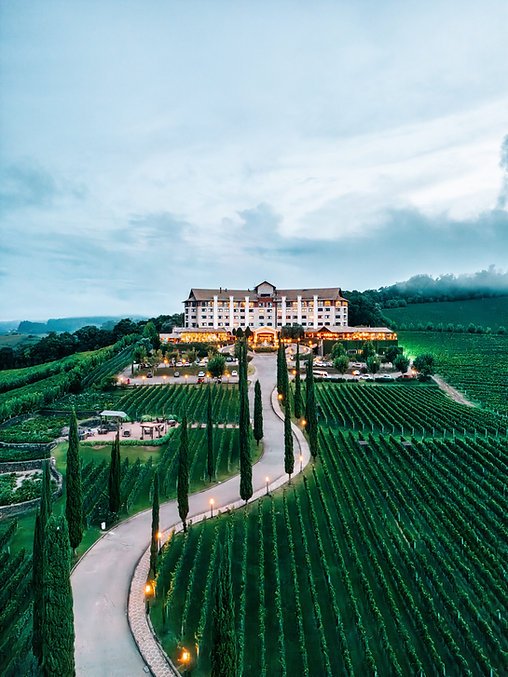
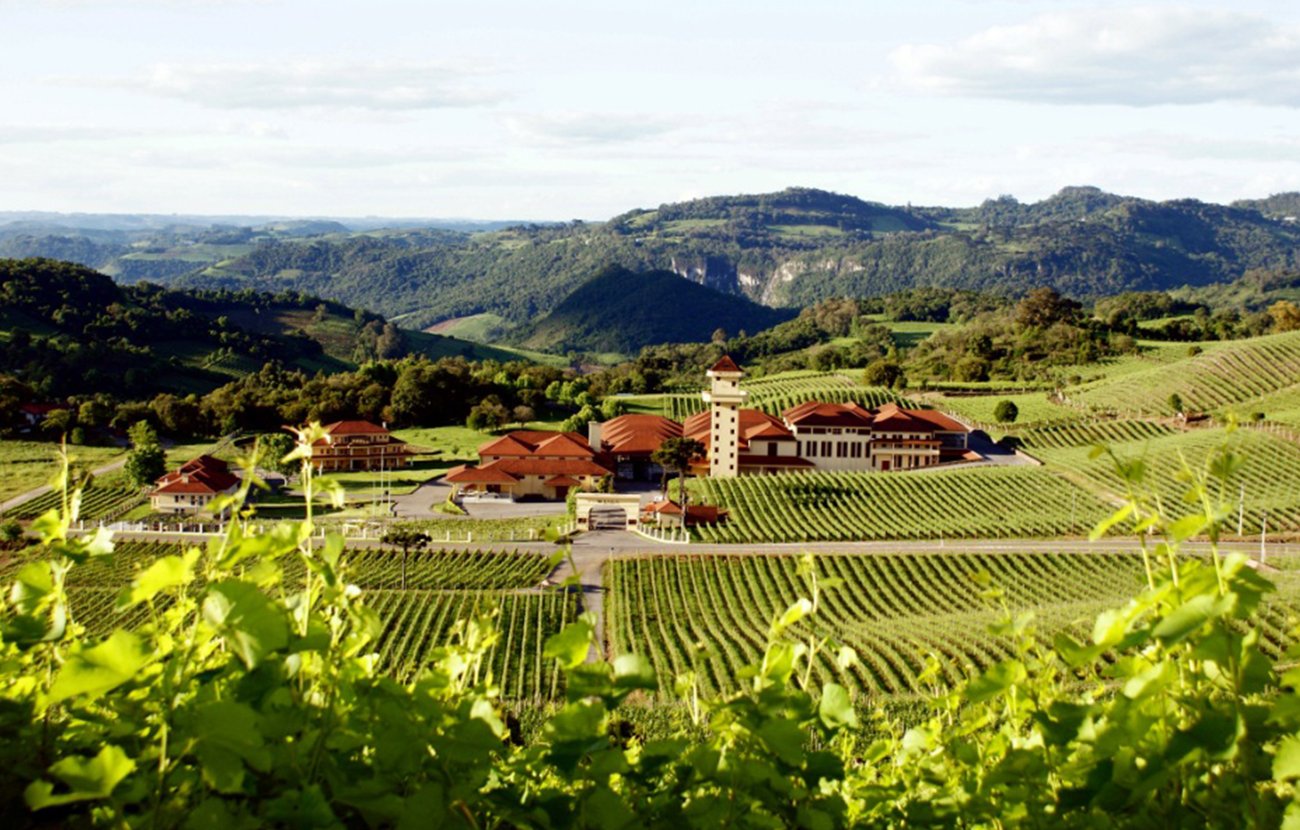
Once I arrive in the heart of the Vale dos Vinhedos in the town of Bento Gonçalves located in the Serra Gaúcha region, I decide to immerse myself into the local wine culture by staying at the five-star luxury wine hotel, Spa do Vinho Condomínio Vitivinícola.
This Brazilian retreat, as they say, offers sweeping vineyard views, a first-class wine therapy spa, indoor/outdoor pools, and fine dining paired with local labels. The hotel overlooks the winery Vinícola Ales Victoria offering ripe, fruity Merlots and crisp, aromatic Chardonnays.
The Serra Gaúcha region has a handful of luxury wine hotels, which attract weekenders from Rio and Sao Paolo all year for its relaxation. The indulgent spa that uses grape-derived products to help you unwind in wine country.
Vale dos Vinhedos (Valley of the Vineyards) is a region within the Serra Gaúcha, is said to have Latin America’s highest concentration of vineyards and Brazil’s first appellation of origin. It is followed by the nearby Altos de Pinto Bandeira, the first DO dedicated to traditional-method sparkling wine outside Europe.
Before I start this new adventure, here is some information about the 3rd leading wine producing country in South America that nobody really talks about.
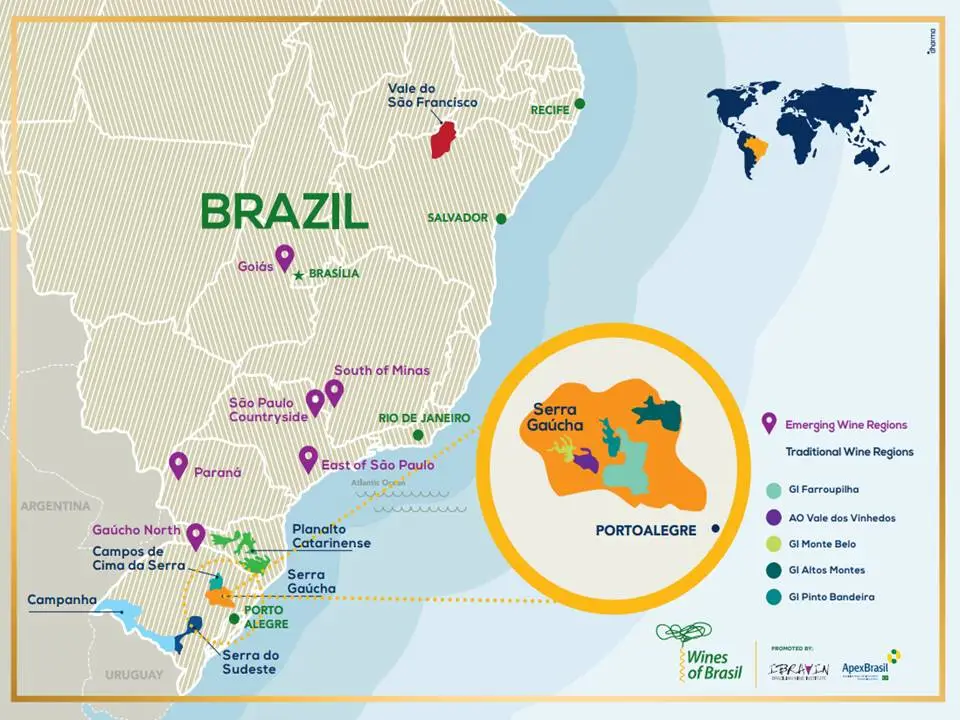
Brazil wine country, which covers 47% of South America, is the third largest wine producer on the continent. There are around 80,000 hectares of vineyards. However, the majority of grapes produced in Brazil are table grapes. The climate in Brazil’s wine regions is largely subtropical – warm and with high precipitation. See map to learn more about geography.
Due to the fact that most of the country, close to the equator, is unsuitable for viticulture, the majority of Brazilian wine regions are located in the southern part of the country.
The most significant contribution was made by the Italians, who were offered land in southern Brazil in the mid-1870’s and settled around Serra Gaúcha and Bento Gonçalves, an area reminiscent of Italy’s Piedmont. Serra Gaúcha is sometimes referred to as the Tuscany of the Southern Hemisphere in Brazil’s southernmost state, Rio Grande do Sul, which borders Uruguay and Argentina, is the largest region.
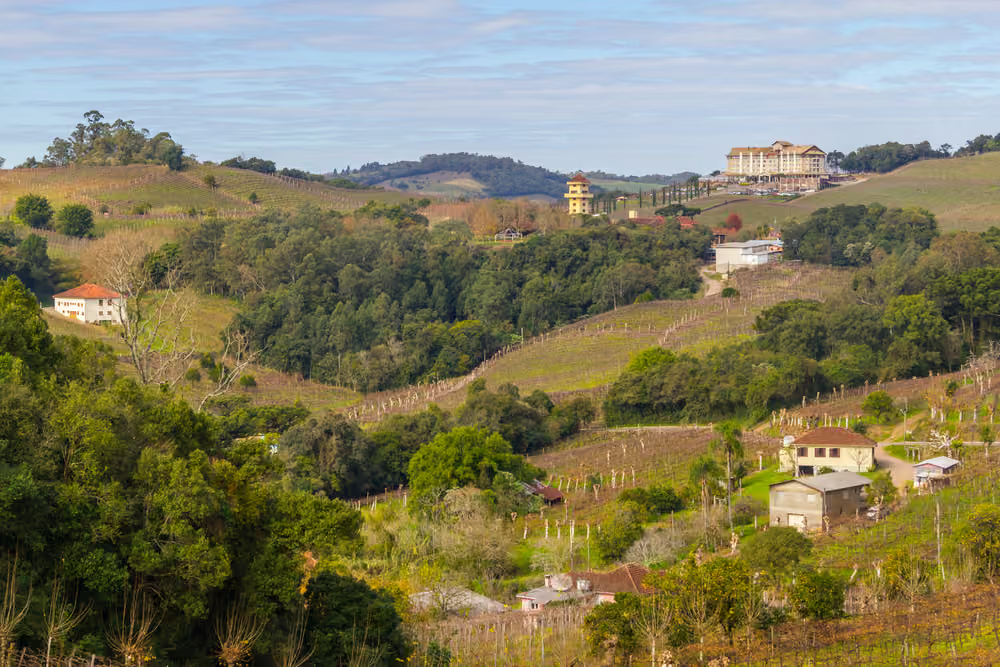
The Serra Gaúcha wine region of Brazil is located at a latitude that is relatively close to providing the ideal conditions for the vineyards. Although the rain before harvest time can become excessive and a nuisance for the maturation of the grapes. When the rain is less than usual, great harvests can result.
It is a hilly area and upland in the northeast of Rio Grande do Sul around Bento Gonçalves. It is the country’s leading wine region and growing at an exponential rate. It is famous for traditional-method sparkling wines and Moscatel. Bento Gonçalves is in the heart of Brazil wine country and is a top spot of which to explore the wine route.
About 80% of the vines cultivated in Brazil wine country are American and hybrid grape varieties such as Isabel (Isabella), a thick-skinned grape that adapts easily to harsh weather conditions. In Brazil, red wines and spumante are the pride of its producers.
The specialty Espumante is a bottle-fermented sparkling wine, which is made using the traditional Champagne method made from Chardonnay and Pinot Noir and often stays on the lees for 2, 3, or even 5 years. These sparkling wines include white and rose wines, sparkling Muscat (Greek origin) and fine white wines.
Brazilian wines express the country’s terroir, personality and culture. The wines are easy-drinking, light and fresh, fruit-forward, and lower in alcohol, so they can be drunk on every occasion and all year-round.
Other grape varieties commonly produced –
Red: Cabernets, Merlot, Pinot Noir, Teroldego (Italian), Tempranillo, Touriga Nacional (Portugal), Alicante Bouschet (Portugal & France)
White: Chardonnay, Moscato/Glera (Prosecco)
Winemakers’ enthusiasm for expressing terroir has been matched by local drinkers’ curiosity to try homegrown labels, which has in turn led to an increase in the number of enotecas (wine shops) and bars opening.
Here are a few wine destinations in and around Serra Gaúcha that you must visit to truly experience Brazilian wine and food culture, which they take very seriously. The wine from this region is a perfect complement to their gastronomy programs.
1) At Nelita, a contemporary Italian restaurant in Baixo Pinheiros, you will find wines with 90 plus ratings. including sparkling and natural wines from the regions of Serra Gaúcha, Monte Belo and Campanha Gaúcha in Brazil’s far south. Other Braziliam labels include Vinhas do Tempo’s Chardonnay, Arte da Vinha’s Francamente Franc and Era dos Ventos’ skin-contact Peverella.
2) Meanwhile, diners eating at Restaurante Cepa put themselves in the capable hands of sommelier Gabrielli Fleming and her bountiful list of 300 natural wines, including Brazilian wines such as Era dos Ventos’ Trebbiano On the Rock.
3) Award-winning bar and wine shop Sede261 in Pinheiros, led by industry icons Cássia Campos and Daniela Bravin, whose relaxed approach has made it a firm favorite. With a rapidly changing list of around 50 wines, they set up folding chairs in the street and crack open that day’s selection, sometimes inviting chef friends to knock up some street food.
This bohemian-style approach allows drinkers order by the glass or bottle from the tiny wooden bar before returning to the buoyant streetside festa.
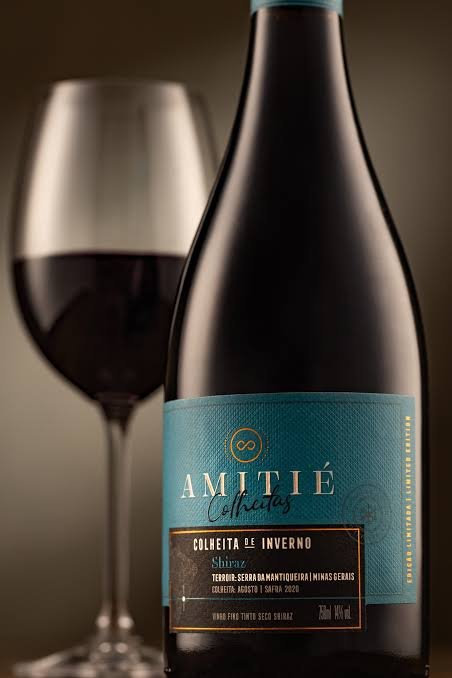
Try these outstanding wines coming from Brasilia. No vintage listed because they consistently produce great vintages and aare age-worthy.
Amitié, Colheitas Shiraz, Minas Gerais, Serra da Mantiqueira (100% Shiraz). Pictured above.
Pizzato, Concentus Gran Reserva, Vale dos Vinhedos, Serra Gaúcha (15% Cabernet Sauvignon, 65% Merlot, 20% Tannat)
Pizzato, PP Semillon, Vale dos Vinhedos, Serra Gaúcha (single varietal white, which is rare in Brazil). Pictured above.
Cave Geisse, Blanc de Noir Brut, Pinto Bandeira, Serra Gaúcha (100% Pinot Noir)
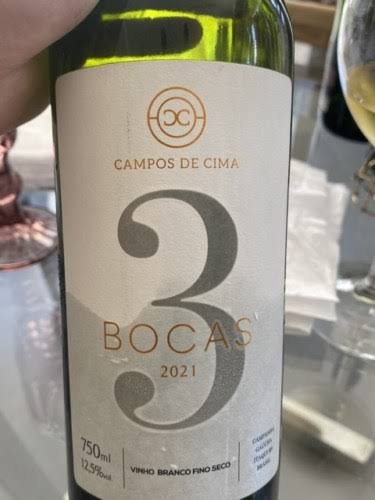
Campos de Cima, Três Bocas Branco, Campanha (Alvarinho, Arinto, and Assyrtiko or Viognier). Greek influence
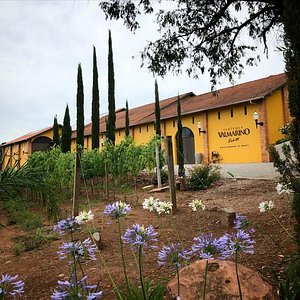
Visit these reputable wine estates in the region
Casa Valduga in Vale dos Vinhedos
Pizzato Vinhas e Vinhos in Vale dos Vinhedos
Faccin in the state of Rio Grande do Sul
Vitivinícola Jolimont in the town of Canela
Cave Geisse in Pinto Bandeira in Bento Gonçalves near the spa
During the last 20 years, the wine industry together with wine tourism has been developing significantly. Brazil wine country is waiting to be discovered by wine lovers and travel enthusiasts. Put the Serra Gaúcha on your bucket list to explore the Brazilian tradition of winemaking.
How to get there
British Airways and LATAM/Virgin fly direct from London Heathrow daily, with flights taking about 11 hours to São Paulo-Guarulhos; from the US, direct flights depart from Miami, Orlando, New York and Washington DC daily. To reach Vale dos Vinhedos AO, fly to Porto Alegre then hire a car; it’s a two-hour drive to the valley.
Cheers,
Michael Nagy
World Wine Traveler, Author, Blogger, Wine Educator
michael@michaelpour.com