Wine Spotlight – Uncorking the Magic of the Universe

August
5
2026

During my short time away from social media (may not return) and blogging, I decided to enroll in an astrology and astro-psychology certification program from a renowned astrology school in Washington State called Kepler College. I’ve always had interest in the cosmos and in finding the meaning behind ourselves and our life. In combination with my studies and work in counseling psychology and the desire to better understanding relationships at every level, I finally came to this point in my life where I want to dive deeper.

On a side note – I will continue this blog because I enjoy writing about things that interest me and educating consumers about all things beverages, but unsure about the future of the business side. The lack of business and engagement has been extremely frustrating and has affected my mental health. Hence, I’ve removed myself from instagram.

I’m sure you’re wondering what this has to do this wine, mocktails, cocktails, and beverages, in general? I realize you didn’t sign up for a blog about the metaphysical, but this sets the stage for the discussion below. Plus, if you’re like me, you like to learn more about the author and their life perspective. Bear with me for a bit!

Hopefully some of this content interests you and maybe will lead to you exploring the topic further. I think it is fascinating stuff! Don’t worry – for the purpose of this blog, I will not go into great detail about the signs but will demonstrate their relationship to wine and why we choose a certain grape/bottle over another during specific life events.

What can astrology say to us?

Sometimes people confuse astrology with astronomy. Astrology deals with ‘meaning’ whereas astronomy deals with measurement. Traditional astrology focuses more on planets than signs. It is much more than just reading your daily horoscope.

What periods of time may be more stressful than others and when you need to be more careful? It can even give you the idea of the areas of life that will be most affected.

Where may you and another person have difficulties getting along? When is it a good time to marry, start a business, or sell your home? When you or someone you love encounters health issues?

Astrology CANNOT

Tell you the winning lottery numbers. Tell you whether or not you will land that promotion. Predict when your rich uncle will pass away and leave you his inheritance. Tell you whether or not someone is trustworthy. Let you know if you will catch a cold before your next vacation or something unexpected will happen.

BEST OF ALL –

Astrology can help you better understand yourself and how you interact in the world. It can help you navigate the ups and downs as you fulfill your potential. In Maslow’s hierarchy of needs, it is called self-actualization. Wouldn’t we all like to achieve that goal?

Now that we have explored the basic tenets of astrology, we can move on to its application in the world of wine. I recently became familiar with a cool wine company out of New York City who is doing some very unique things with wine based on astrological principles. Some of the players involved in its mission are certified astrologers.
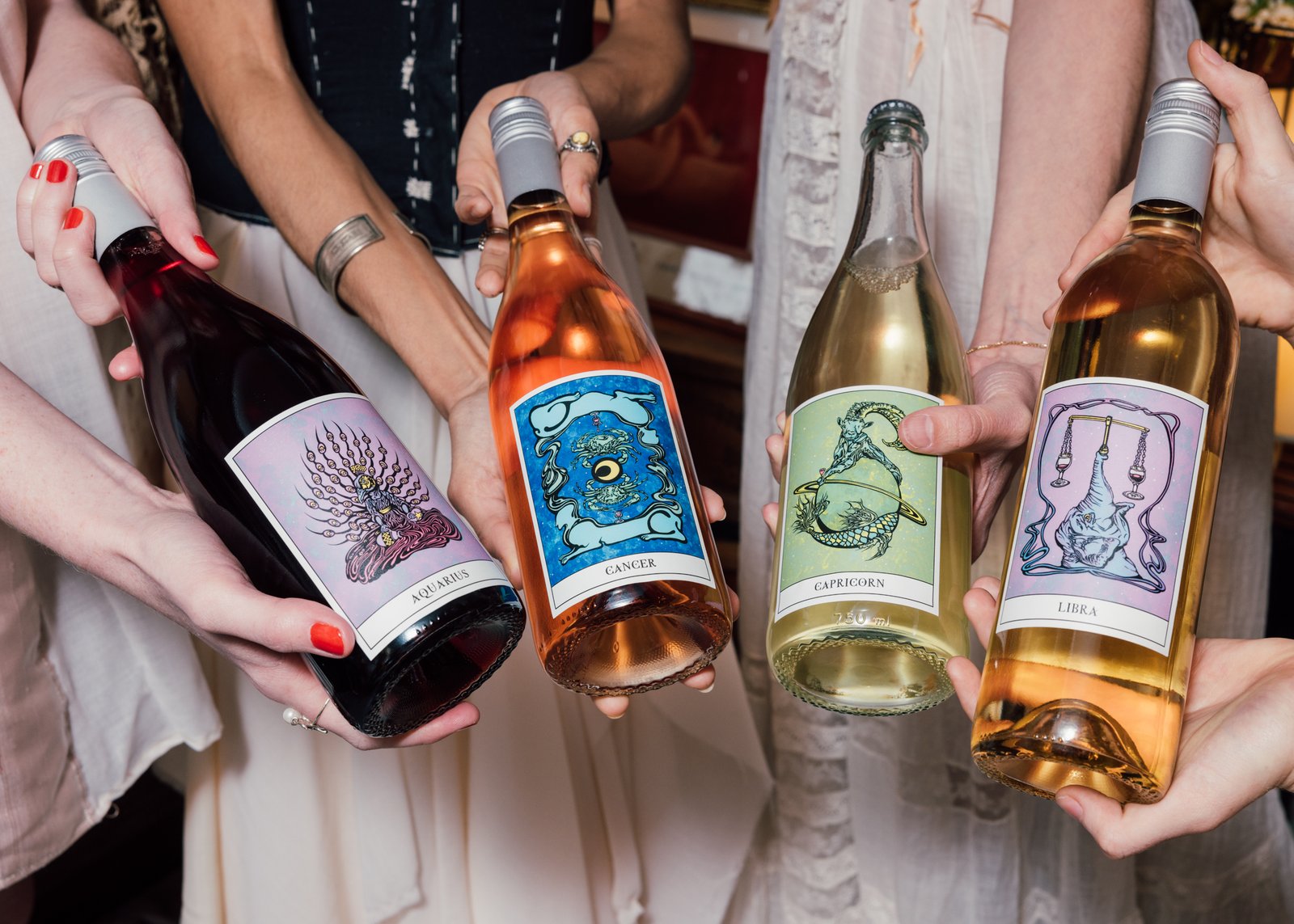
Have you heard about “Sun Moon Rising Wine”?

Sun Moon Rising, the world’s first astrology-inspired wine brand, launched in 2024 unveiling its founding collection online. Created by certified sommelier and New Yorker, Kate Webb, the brand offers 12 distinct wines sustainably sourced, handcrafted, and purposefully curated to embody the unique characteristics of its corresponding Zodiac sign. Sun Moon Rising aims to reimagine the way consumers experience wine, expertly fusing the arts of astrology and winemaking to elevate every occasion.

What’s awesome is that Sun Moon Rising sources its wines from award-winning, sustainable vineyards across New York State and emerging wine regions is deeply committed to promoting the region’s emergence as a premier destination for wine lovers. Proudly female-owned, low-intervention, and certified sustainable, Sun Moon Rising is on a mission to redefine the way consumers engage with wine, delivering a cosmic connection in every glass. The wine is available at Sun Moon Rising Wine and select shops in NYC.

Webb’s passion for creating unique wine experiences began in New York City’s top Michelin-starred restaurants, where she honed her craft as a Wine & Spirit Education Trust (WSET) Certified Sommelier. When the COVID-19 pandemic struck, it sparked her entrepreneurial spirit. “This led me to the surprising realization that no wine brand catered specifically to the 12 Zodiac signs,” stated Webb. “We created Sun Moon Rising to offer people a new way to personally connect with wine, intentionally pairing astrology and winemaking to foster community, curate connections, and elevate celebrations.”

Sun Moon Rising upholds organic practices, labor ethics, and small-batch production. In collaboration with New York’s Heron Hill Winery, the brand ensures these values are integral to its winemaking process. This dedication not only elevates the wines but also champions New York State as a premier destination for discerning wine enthusiasts, where every sip reflects our planet-friendly approach and the region’s rich winemaking heritage.

The company’s certified stargazers are expert astrologers dedicated to authentically represent the astrological community. Their insightful expertise guides us on our mission to provide accurate and meaningful astrology insights in all that we do.

They and I like to say “A Wine for Every Sign”. The meaning behind the company name – Sun – Your Core Self, Moon – Your Emotional Self, Rising – Your Outward Self, taken directly from astrology.

I will not discuss their entire portfolio and all the astrological signs but will highlight the astrological season we are currently in Leo, which runs till August 22 and is my mother’s sign and my sign, Gemini, which is from May 21-June 20. A little more about Leo and Gemini below. Are any of you a Leo ♌️ or Gemini ♊️

Gemini is the sign associated with communication, logical thought processes (based on duality) and the conscious mind. Gemini people tend to be airy and intellectual, glib of tongue and curious about life and other people. They can experience two sides of things at the same time, and may tend to be flighty. Gemini’s element is Air and ruled by the planet Mercury.

Geminis move through life like butterflies, engaging in many varied experiences to gain knowledge. They are witty and have a good sense of humor, and are likely to be excellent conversationalists. Geminis make good teachers. They can be nervous and high-strung, and may be mischievous. Unlike possessive Taurus, they tend toward liberty in relationship. And although Geminis can be easily bored, under the control of self-discipline they have tremendous intellectual and artistic possibilities.

Most Compatible – Libra, Aquarius, Aries, Leo

Least CompatiblePisces, Virgo, Capricorn, Scorpio

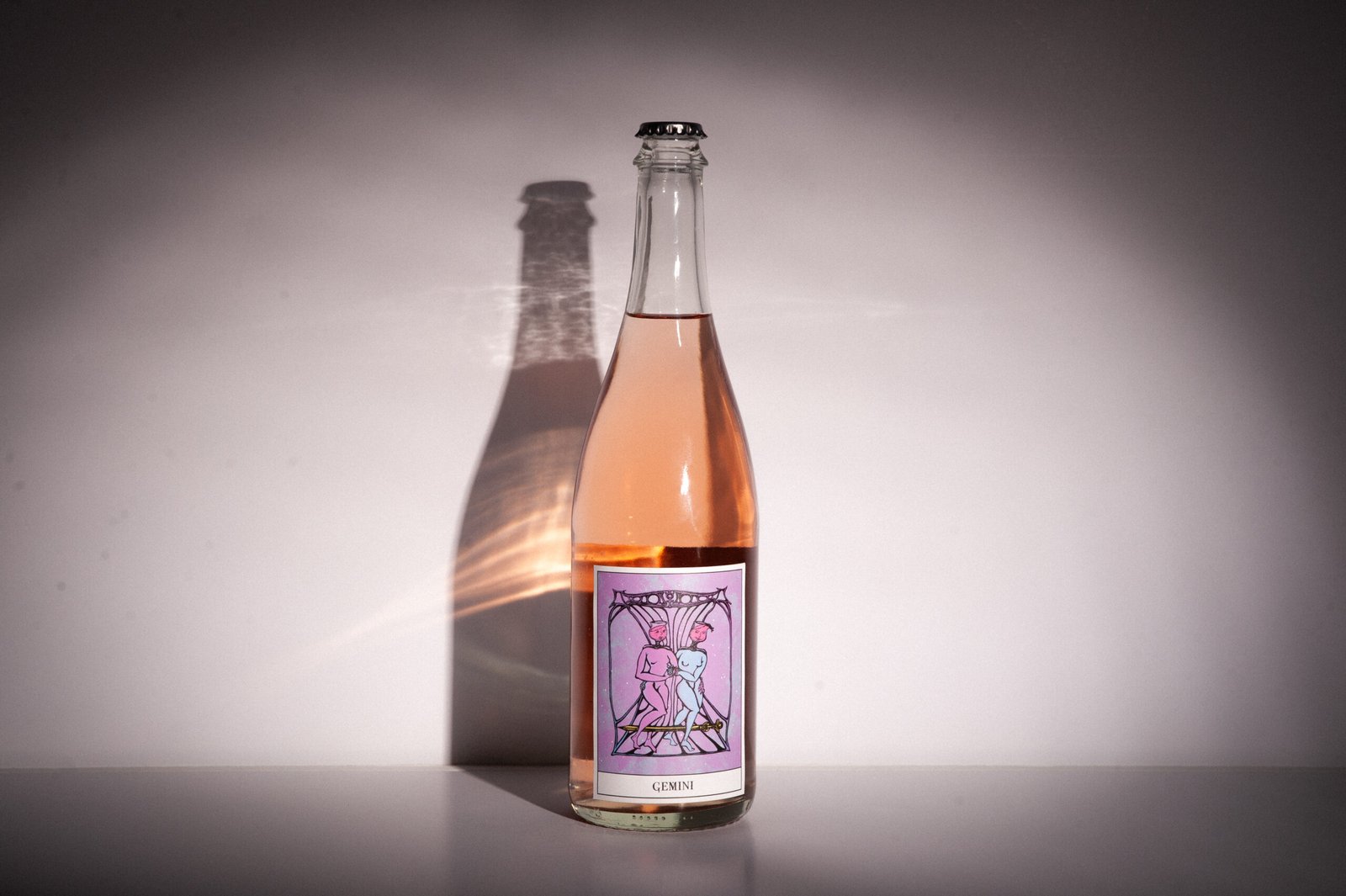
Gemini Bubbly Rosé

Bubbly, dynamic and quick-witted, Geminis are voracious learners and experts on a wide variety of subjects. Linguistically gifted, they are natural leaders and storytellers. As a mutable sign that thrives in social settings, they find ways to relate to everyone they meet with their easygoing and humorous nature.

This summer sign is matched by the Bubbly Rosé’s bright acidity and refreshing taste. With notes of strawberry and watermelon, the crisp bubbles complement this Air sign’s talkative and outgoing character. Astute, clever and curious, the depth of Gemini cannot be overstated. It is lively, smooth, crisp, playful, and refreshing with bright acidity and notes of strawberry and watermelon. Made from the Blaufränkisch aka Lemberger in the Finger Lakes, New York.

Leos are likely to express themselves in dramatic, creative and assertive ways. They are also likely to enjoy the warmth of the physical Sun. Leos have great energy, courage and honesty. They are likely to be self-confident and maybe even a bit self-indulgent as they expect to be the center of attention and often are. Leos can be quite determined and usually get their way when they really want to. They also possess great integrity and are a natural leader.

Leo people are very proud. Their challenge is to temper any tendency for arrogant or egotistical behavior and to instead develop humility and compassion; to learn detachment in the gift of their affections, so that they radiate their abundant energy freely and enhance the life experience of others around them. Leo’s element is Fire and ruled by the Sun (luminary planet).

Most Compatible Aries, Sagittarius, Gemini, Libra

Least CompatibleTaurus, Scorpio, Pisces, Capricorn

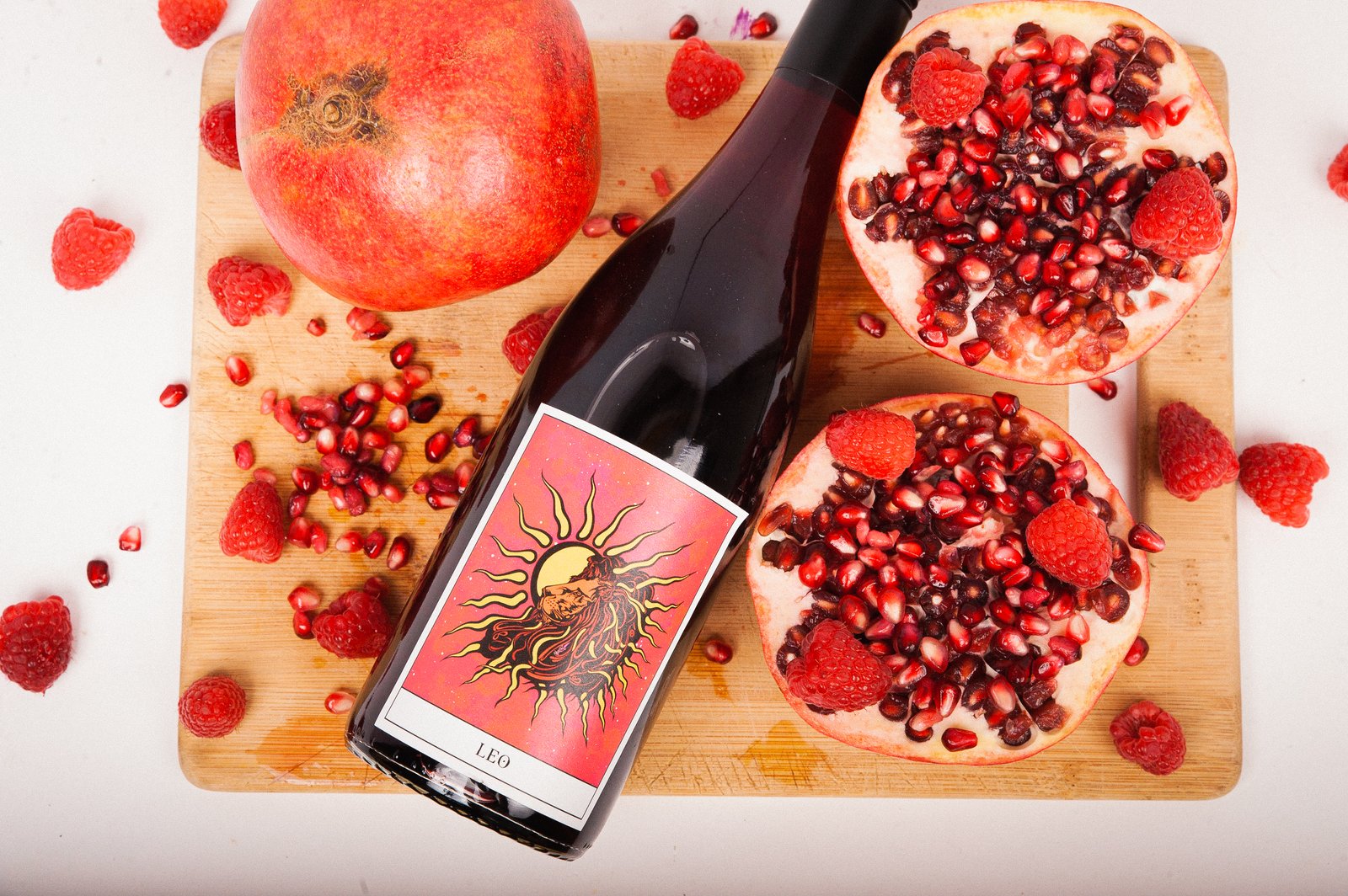
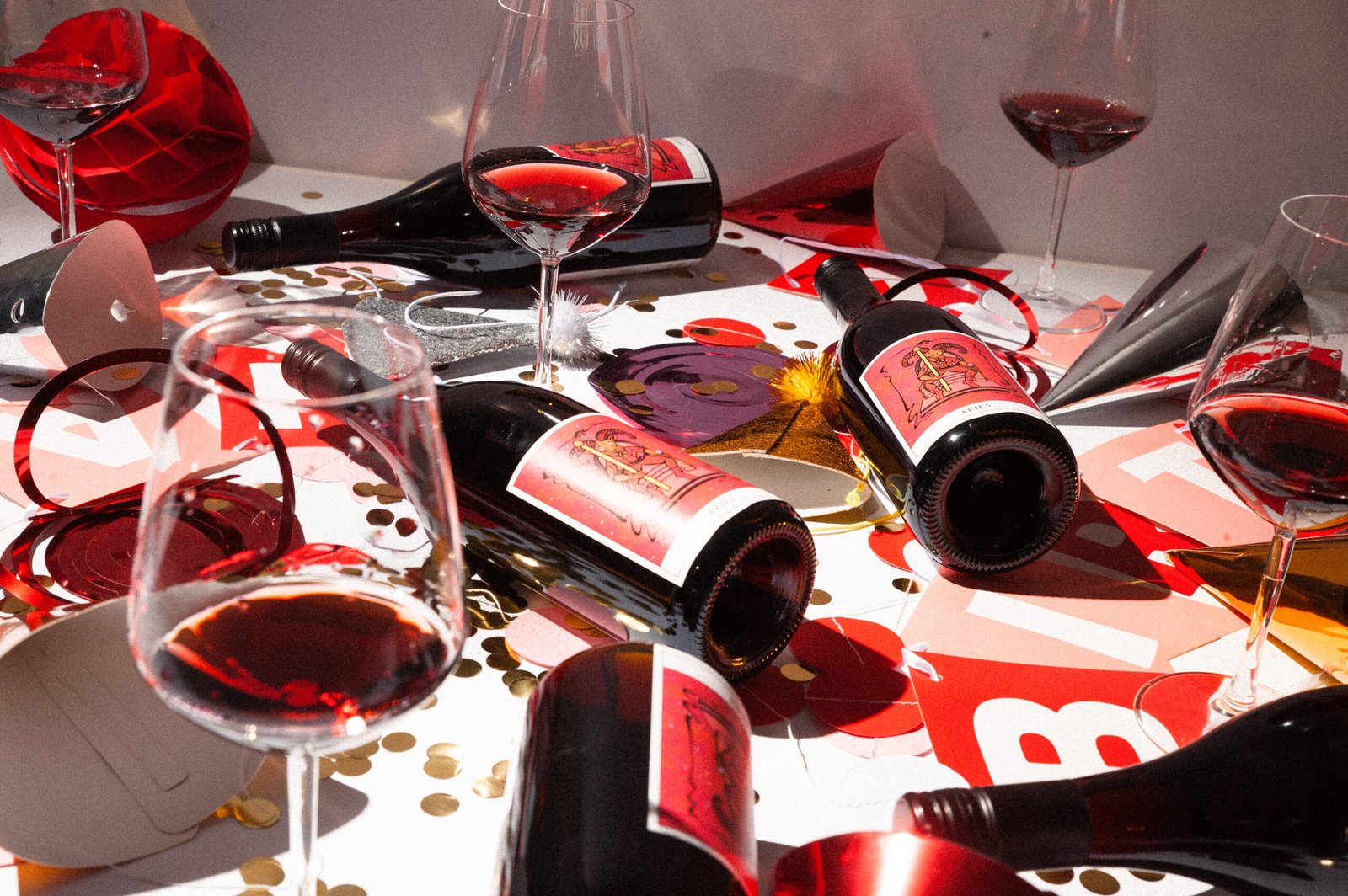
Leo Bubbly Red

Social, passionate and restless, Leos are constantly on the move. Those born under this Fire sign are experts at bringing people together and discovering new interests. As a summer sign, they thrive in the warmth of the sun and have an imaginative flair that gives them an irresistible creative edge.

This Bubbly Red wine is vibrant, fruity, aromatic and slightly off dry with notes of pomegranate, red currant and raspberry. The unique blend of red wine and effervescence reflects Leo’s boldness and pride and complements their quirky and outgoing nature. Both this wine and this sign are eclectic in taste and bring a fresh perspective. This blend is made from 60% Marquette and 40% Marechal Foch in the Finger Lakes, New York.
I hope you enjoyed this content. See you back soon! Please share with your friends and colleagues and please let me know if this was of interest to you and if you have any comments or questions. What’s your sign? Ruling planet?

Cheers,

Michael Nagy

michael@michaelpour.com
Wine Spotlight: A Sparkling Taste of Veneto

May
28
2026

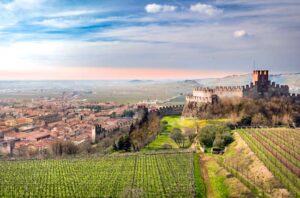
This week’s wine spotlight highlights a great style of sparkling wine from Italy called Prosecco. Have you heard of it? For this discussion, I chose a fantastic Prosecco emanating from its home in the Veneto region.

I recently sampled it when I was tasting some bubbly for a wine list I was constructing for a new wine bar called The Lucky Dog Bistro. It sure was a palate pleaser and I thought it would be a perfect sparkling addition to the menu. Thank you to Sarah from Soilair Selection for the awesome recommendation.

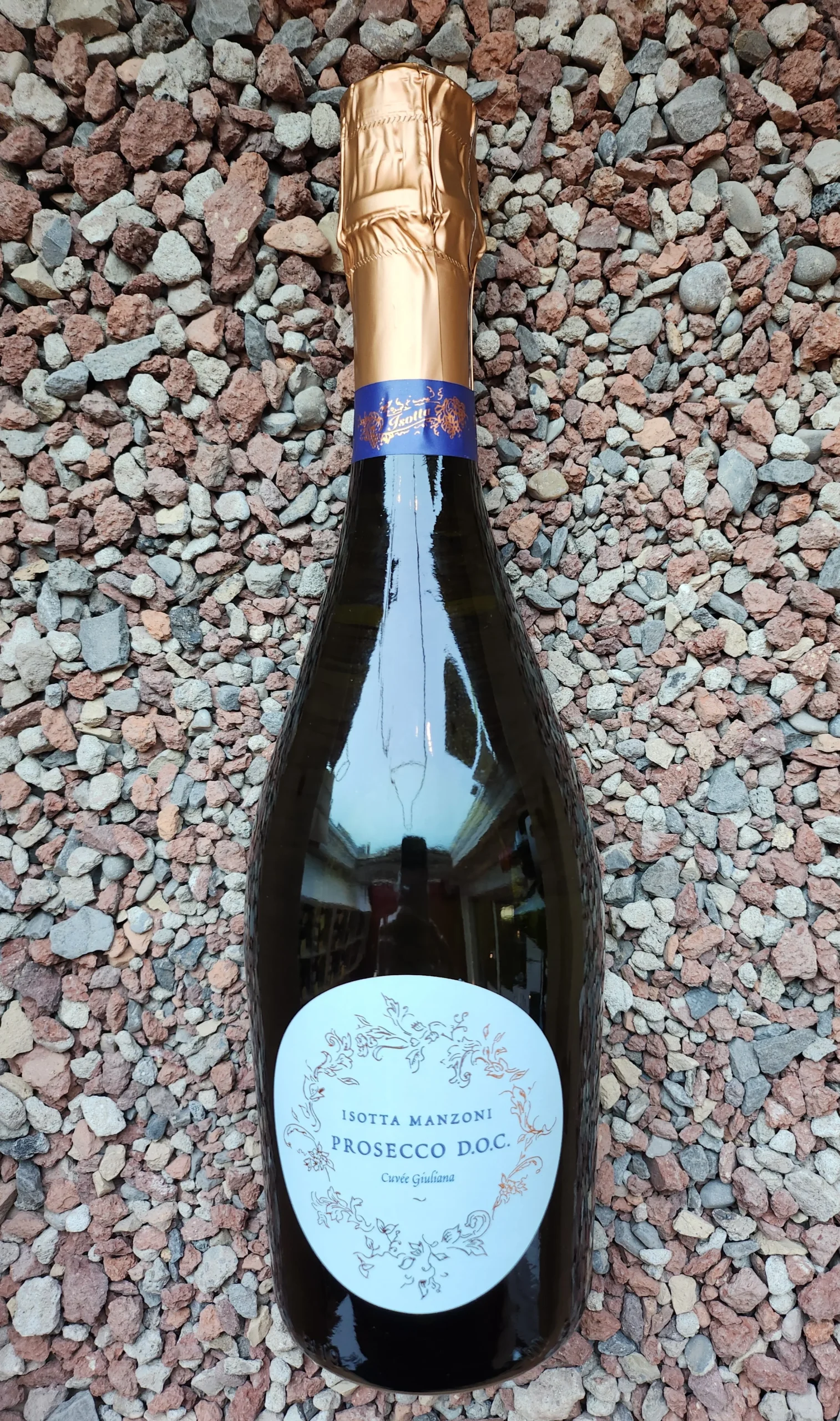
Isotta Manzoni ‘Cuvée Giuliana’ Prosecco (NV) is a crisp, value-driven, small production, sparkling wine from Italy’s Veneto region. Made 100% from the Glera grape, it is light, slightly acidic, and on the ‘fizzier’ side of prosecco making it very refreshing and ideal for mimosas or casual sipping.

The production is the Charmat (tank) method, which preserves fresh, fruity characteristics with a second fermentation. Sourced from vineyards nestled in the hills between Conegliano and Valdobbiadene, and produced by fourth-generation winemakers. The fermentation is 25 days in stainless steel tanks and then aged for 1 month in stainless steel tanks. The result is larger bubbles.

Cuvée in the name is a French wine term derived from cuve (meaning “vat” or “tank”). Depending on the context, it typically indicates a specially selected blend of multiple grape varieties, a winery’s premium or reserve batch, especially in Champagne, or the purest “first-press” juice extracted from grapes.

The Cuvée Giuliana is the standard, widely available Brut-style Prosecco. The Prosecco Rosé version is a delicate, dry rosé expression that features light notes of red berries, strawberries, and cream. This was also added to the wine list.

It is a well-balanced Prosecco with delicate and expressive aromas showing a good blend of crisp green and baked apple, sour lemon and grapefruit with a light, soft, silky and creamy mousse texture on the palate.

As you go back into the glass, some notes of pear and white peach appear on the nose followed by hints of apple and citrus. The Isotta Prosecco has a fair amount of body and mouthfeel with a pleasant lemon and mineral finish.

It’s refreshing acidity and elegant bubbles make it an incredibly versatile pairing option. It goes wonderfully with everything, including fresh seafood, shellfish, prosciutto/cured meats, vegetarian dishes, brunch favorites like eggs benedict or light pastries. Bon appétit!

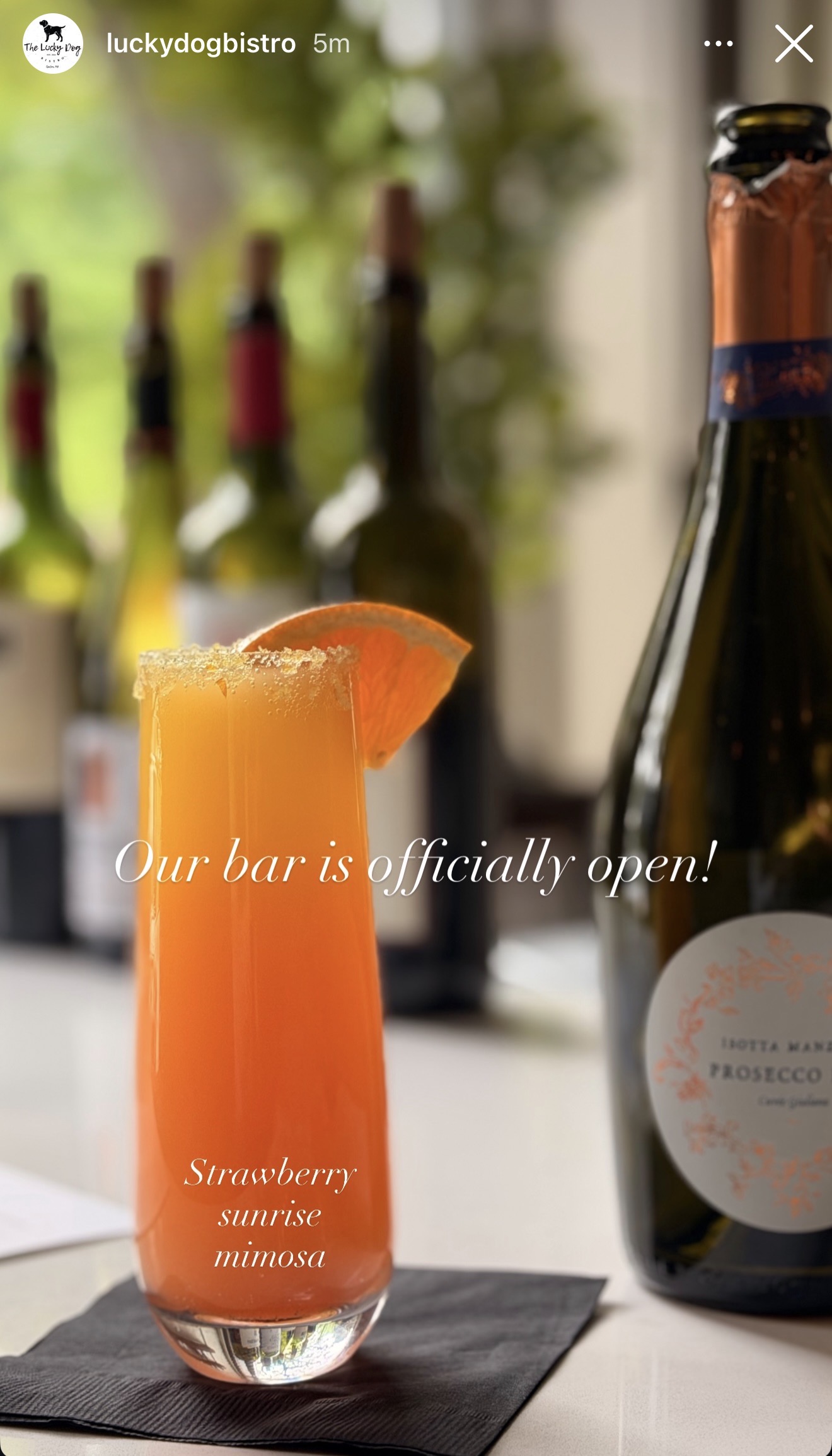
The Isotta Manzoni Prosecco and Rosé version is now available at The Lucky Dog Bistro in downtown Clinton, NY where you can enjoy it at the beautiful new wine bar with inside and outside seating or in the restaurant. Try it in the special mimosas on the weekend. Hopefully I will see you there! Find them on Instagram @luckydogbistro and here About | The Lucky Dog Bistro.

Ancient Romans drank Prosecco to preserve youth and lengthen life. And based on how long the empire lasted, it may just work. Prosecco is a great alternative to Champagne and generally contains less alcohol. Every year, one bottle of Prosecco is produced for every 2 people in the US. That’s a lot of bubbles! It is currently in the top 25 of Italian Prosecco wines in New York and one of the popular wines distributed with Soilair Selection out of NYC.

A lovely, somewhat less popular, and often less expensive comparison to Champagne, Prosecco is a deliciously dry sparkling wine with crisp acidity, low sugar, with plenty of fruit and character. Associated with high value at low cost, Prosecco is the perfect option in situations where you want or need a easy drinking, everyday sparkling wine.

Traditionally from the Veneto (northeastern Italy), Prosecco refers to the name for a small village and is fermented almost solely from a grape called Glera. Most Prosecco is non-vintage, which means it doesn’t come with a year of production on the label.

This wine is not made in the traditional method of champagne with riddling, disgorging, rebottling, etc…, which, combined with non-vintage production, makes the wine more affordable than champagne minus the labor intensity. Prosecco is often described as a fresher and fruitier option than the French sparkler.

A few fun facts –

Styles of Prosecco – ‘Spumante’ means fully sparkling while ‘frizzante’ means lightly sparkling. It is rare but some Prosecco is a still wine, not sparkling.

“Extra Dry” Prosecco is actually sweeter than “Brut”. “Dry” is the sweetest of the three. This sweetness scale from dry to sweet: Brut – Extra Dry – Dry.

Prosecco isn’t a grape. The grape used to be called Prosecco, but it isn’t anymore. In 2009, Italy officially renamed the grape ‘Glera’ so that Prosecco could be protected as a place name rather than a grape variety. By law, Prosecco must contain at least 85% of the Glera grape.

Cheers & Sante,

Michael, michael@michaelpour.com
Cantina di Rosina: A Majestic Slice of Abruzzo

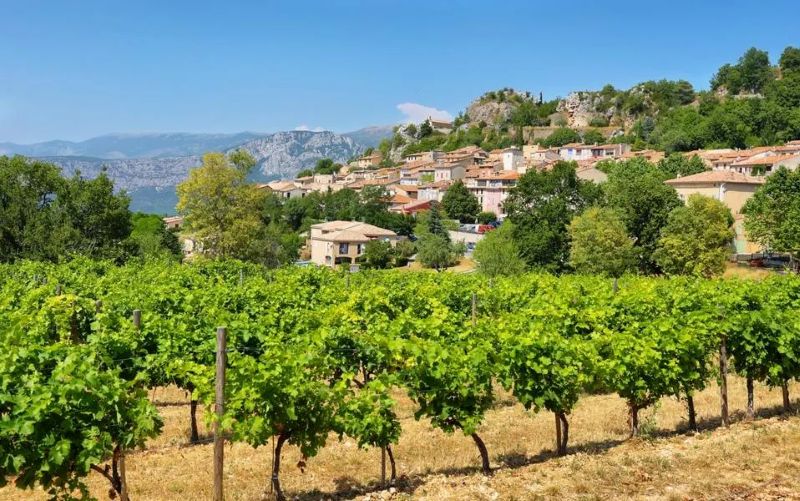
Carunchio Abruzzo Cantina Rosina
May
20
2026

For this week’s spotlight, The Michael Pour takes you on a journey to Southern Italy along the coast of the Adriatic Sea.

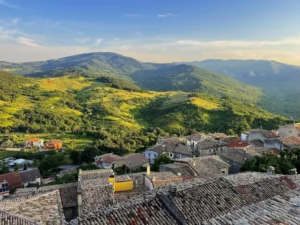
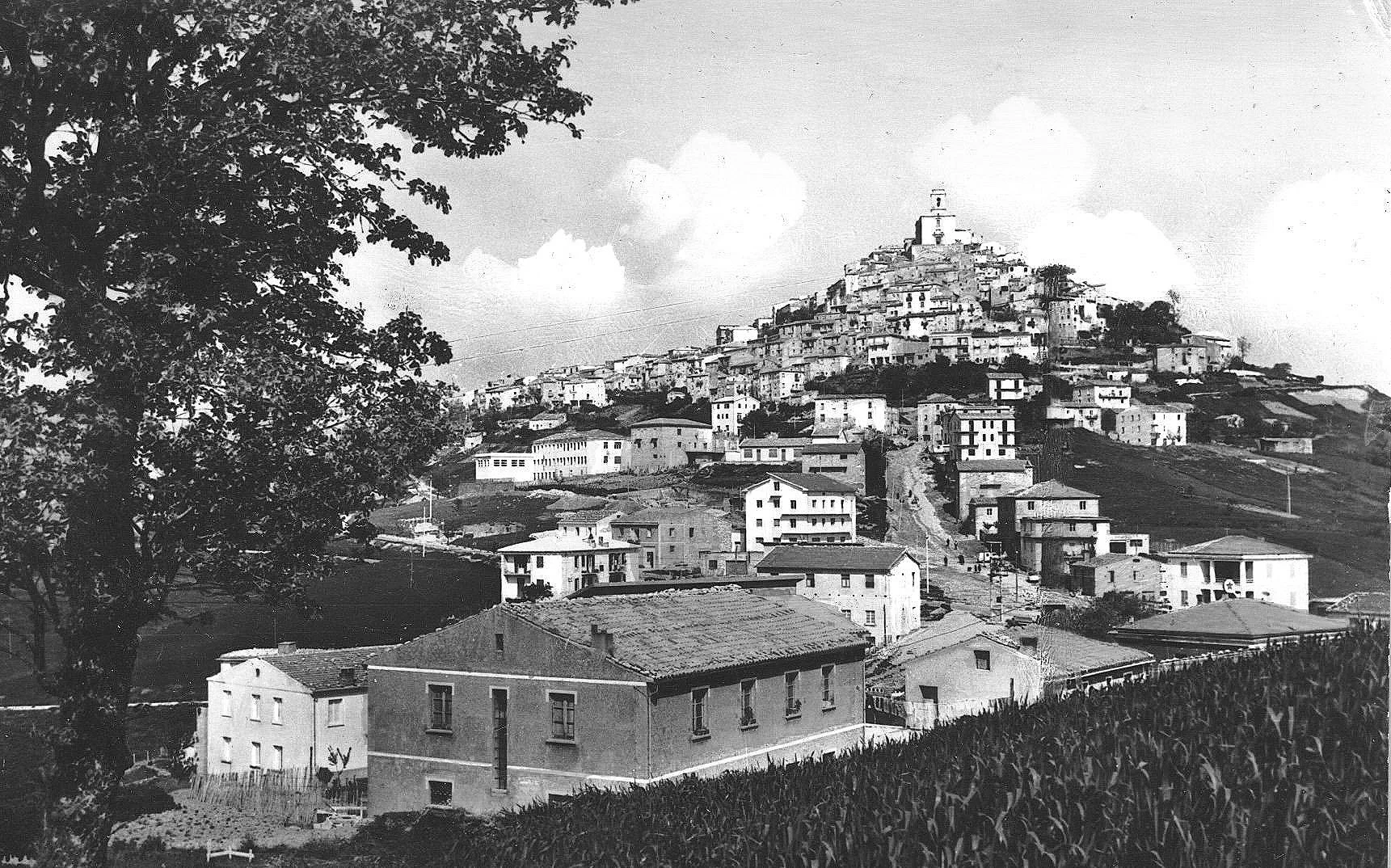
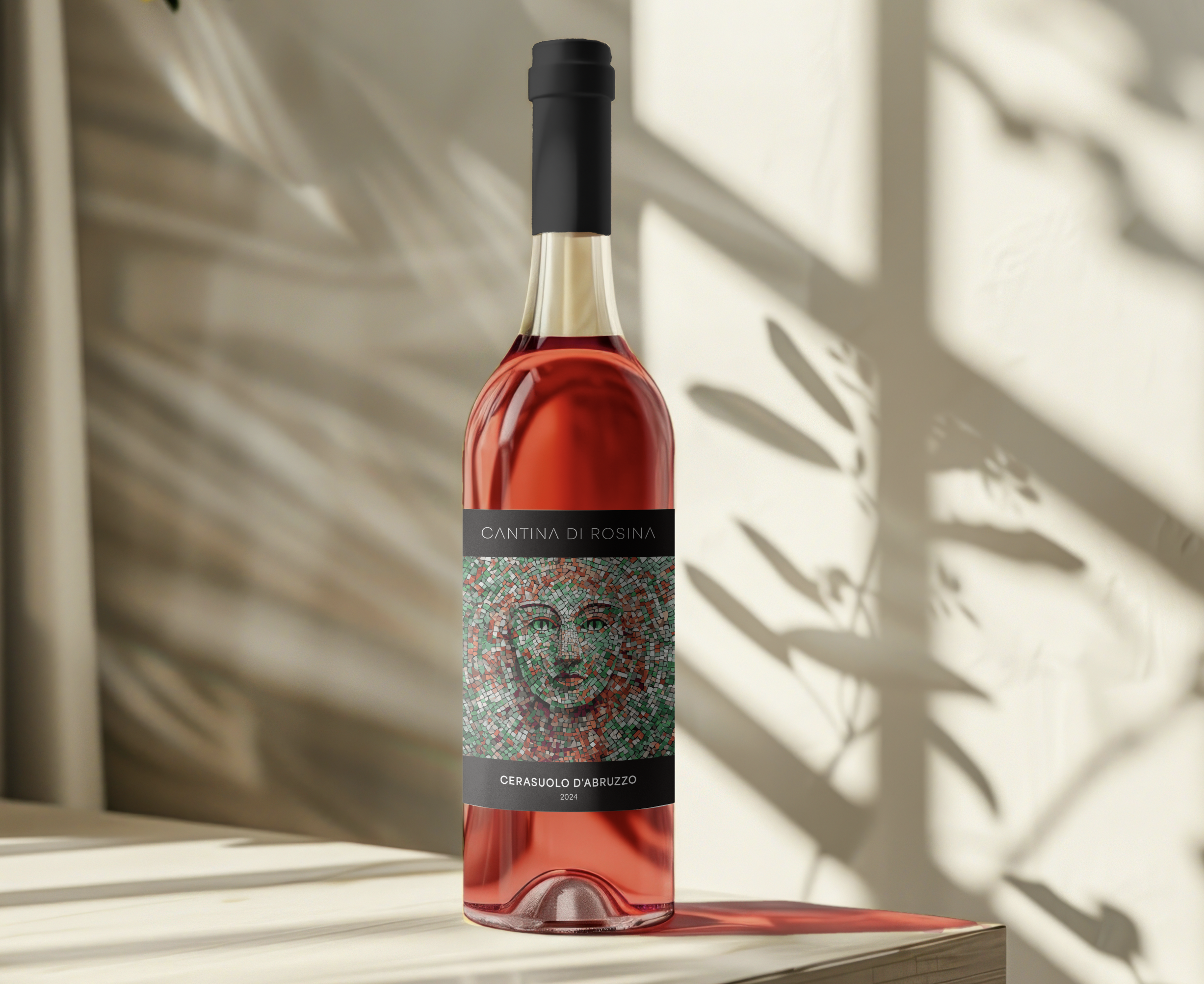
Here you will find one of Italy’s best kept secrets and underrated wine regions, Abruzzo “uh-brut-sow”. Recently, I’ve learned about a new winery emerging in the region. The winery is called “Cantina di Rosina” and their wonderful story, and family history is depicted below.

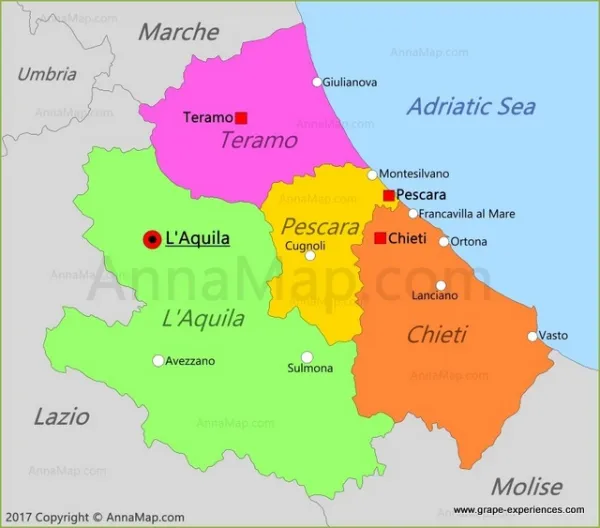
“Throughout the 18th and 19th centuries, our ancestors produced quality wine in the Southern Abruzzo region of Italy. After WWI, our grandparents emigrated from war-torn Italy to the US in search of a better life for their family. Now, 100 years later, they have returned to my beautiful ancestral village of Carunchio to carry on producing wines that are approachable, elegant, and capture the spirit of this stunning region. Carunchio is a commune and town in the province of Chieti in the Abruzzo region of Italy. 

They’ve assembled a world-class team of viticulturists, oenologists, and winemakers to pay tribute to this beautiful land and all it has to offer. Great wine begins with great respect for the land. Our ongoing mission to share the beauty of Abruzzo with the world…one glass at a time.” – John, my Friend & Proprietor

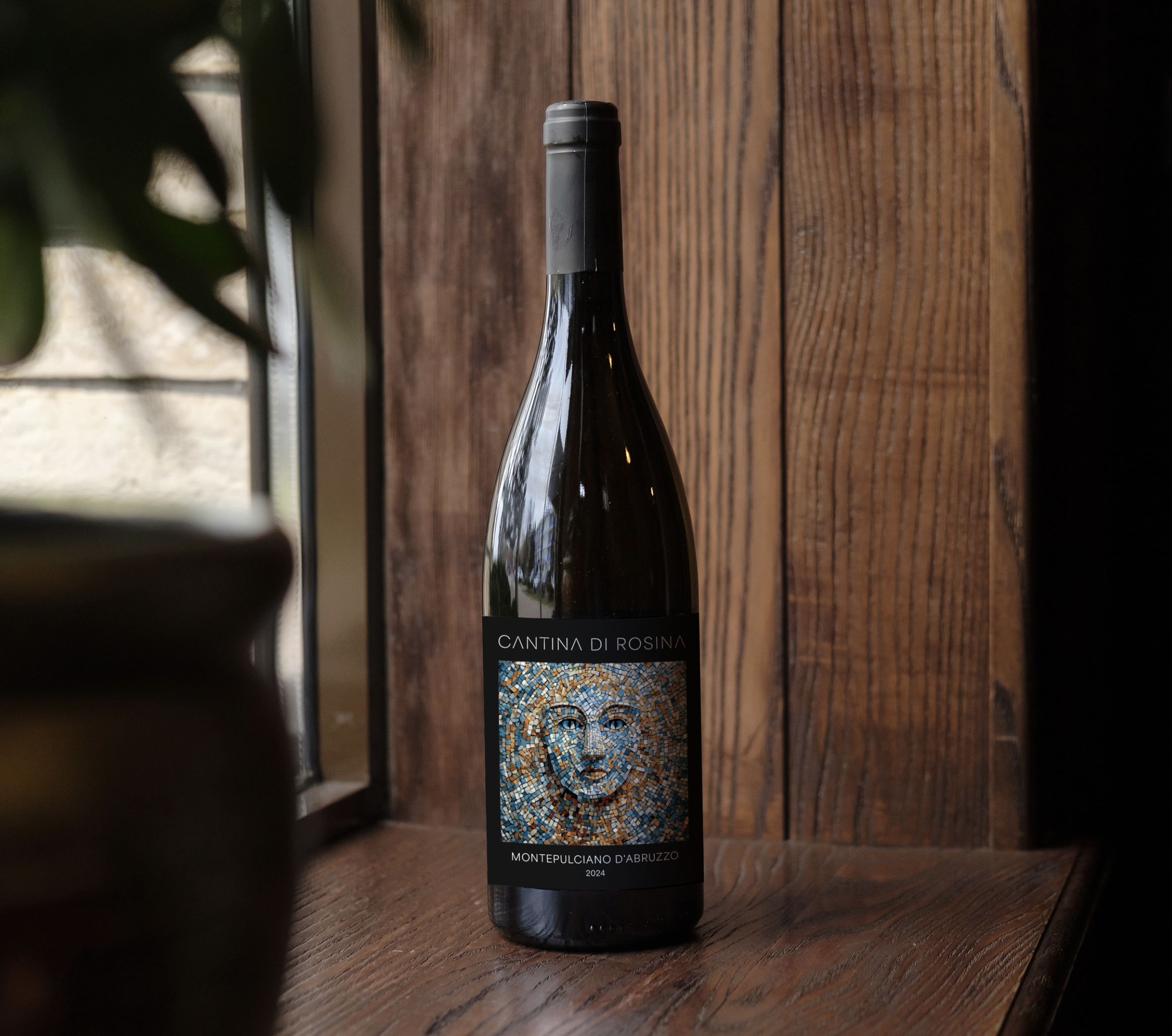
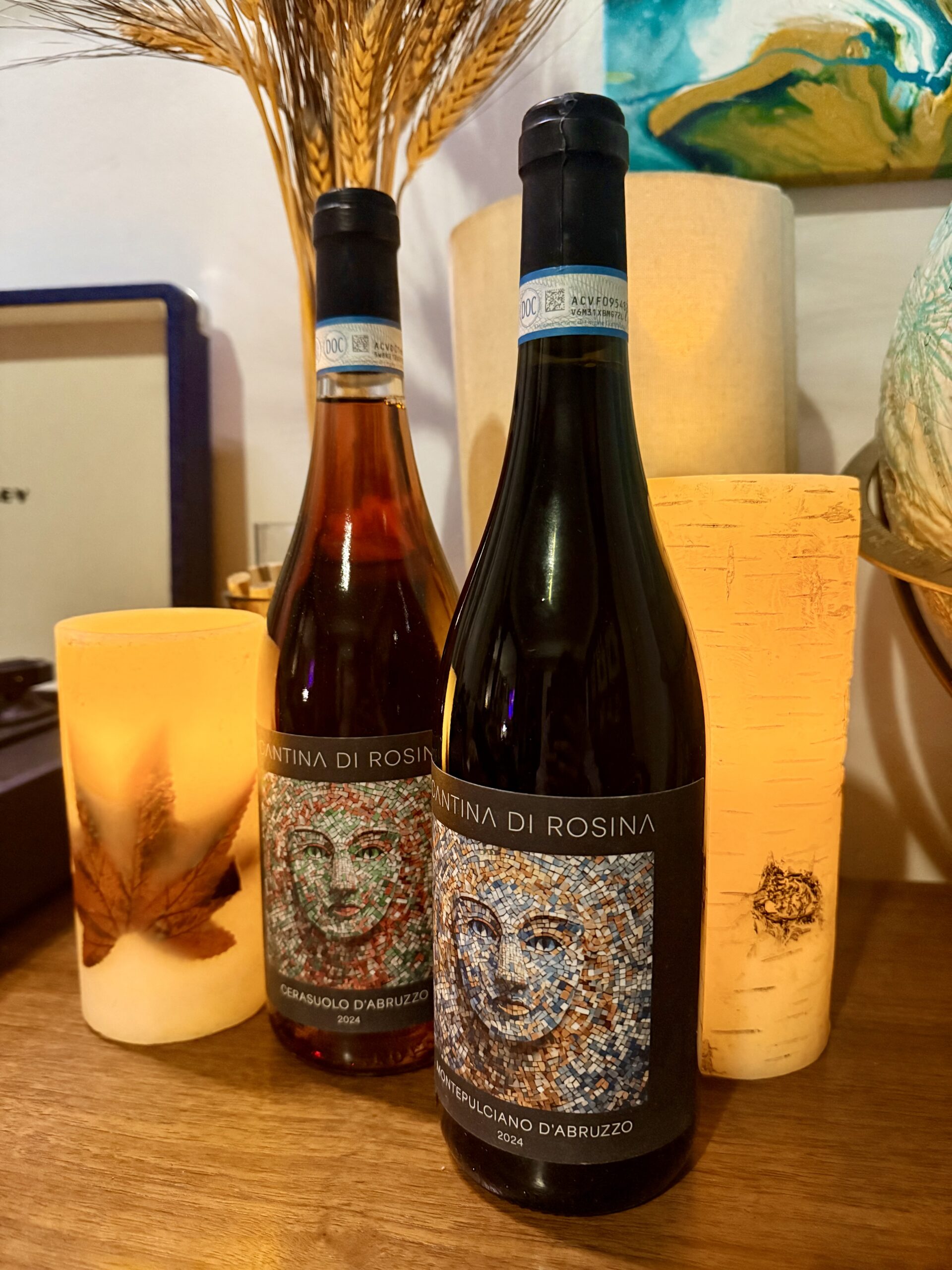
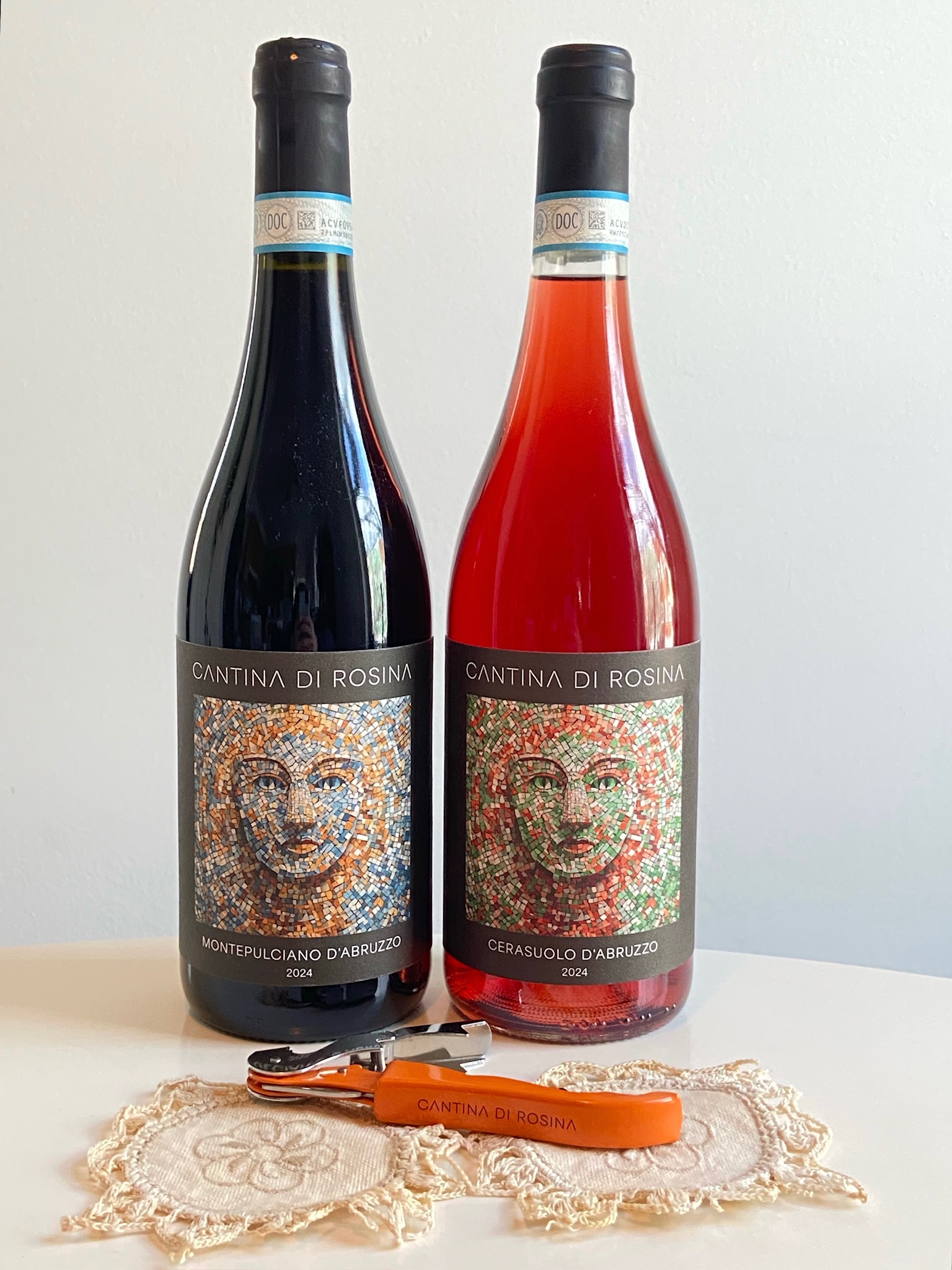
Cantina di Rosina’s first vintage was 2024. Their Montepulciano d’Abruzzo 2024 is described as being sturdy with solid structure, yet soft tannins with a long finish. It spends some time in concrete creating complexity and texture before going into stainless steel (no oak).

Flavors of dark cherry, leather, and hibiscus are exhibited. It will pair well with any type of game, grilled red meats, cured meats, and ripe cheeses. Serve it at cellar temp or slightly below room temp at 60°- 65°F. Don’t hold onto for very long.

The Cerasuolo d’Abruzzo is a bold rosé with a cherry red color from a gentle kiss of skin contact. With a maceration of only 4 hours on the skins before fermentation, the color is deep and vibrant. It is made 100% from the Montepulciano grape and is essentially a rosé that drinks like a red offering a full spectrum of food pairings.

Not your normal “pink” wine or rosé for that matter. It projects an intense aroma of rose petals and flavors of wild berries and a savory herbaceous quality that lingers. Try it as an aperitif! Drink young.

Enjoy it chilled (50°- 54°F) all summer long by itself or with an array of food options, like seafood dishes, roasted white meats, pizza, cured meats, and semi-matured cheeses. I experienced this awesome wine with homemade bucatini pasta, blush sauce, andouille sausage, shrimp, and fresh herbs over the weekend, and it was a lovely pairing.

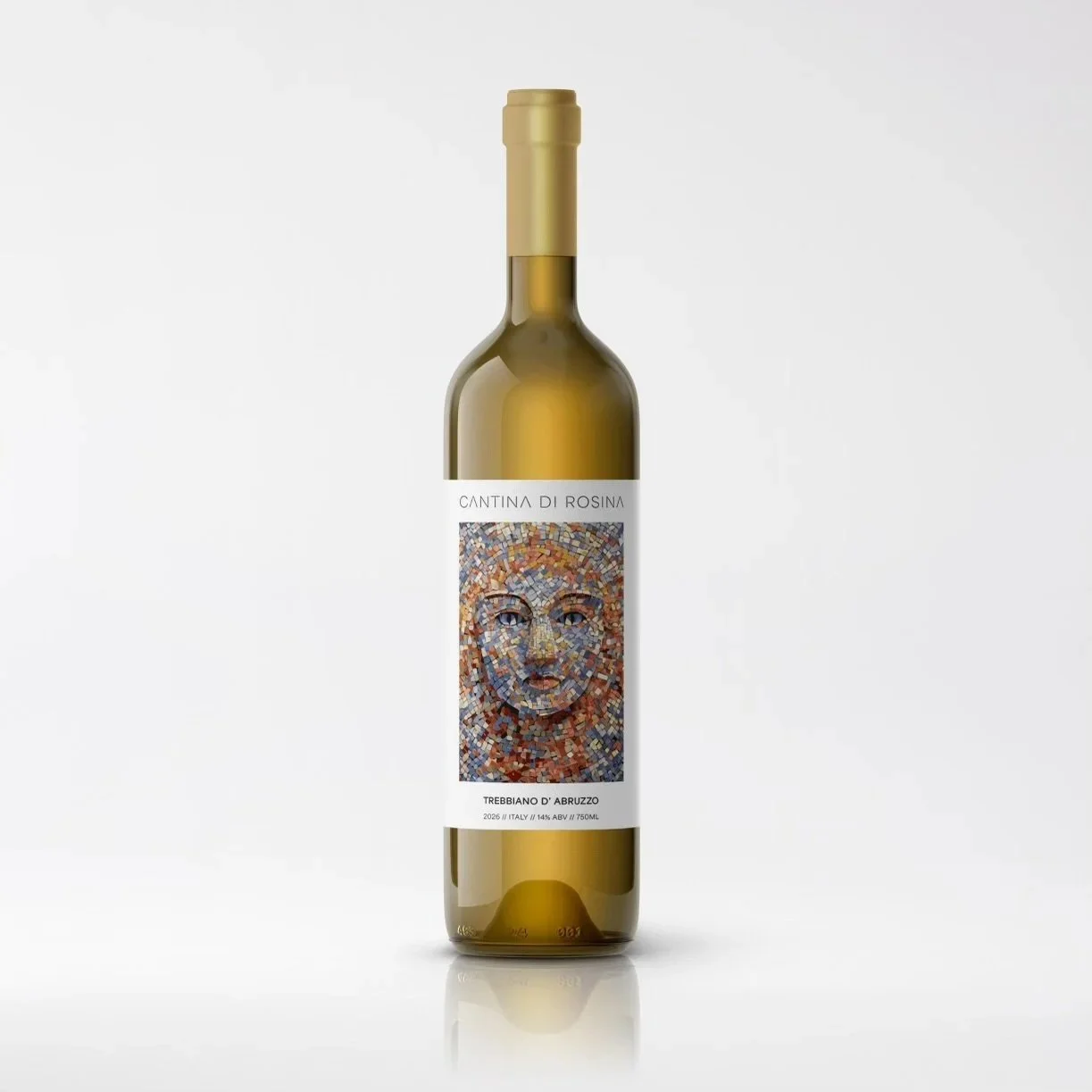
The Trebbiano d’Abruzzo DOC 2024 will be released in the next few weeks so you can enjoy all summer-long.

All the wines are 100% certified organic with sustainable farming practices. I have tried the wines, and they are very clean, bright, and complex.

A little bit about the Abruzzo region to better understand the land, microclimate, vineyards, and what goes into the wine that is produced here.

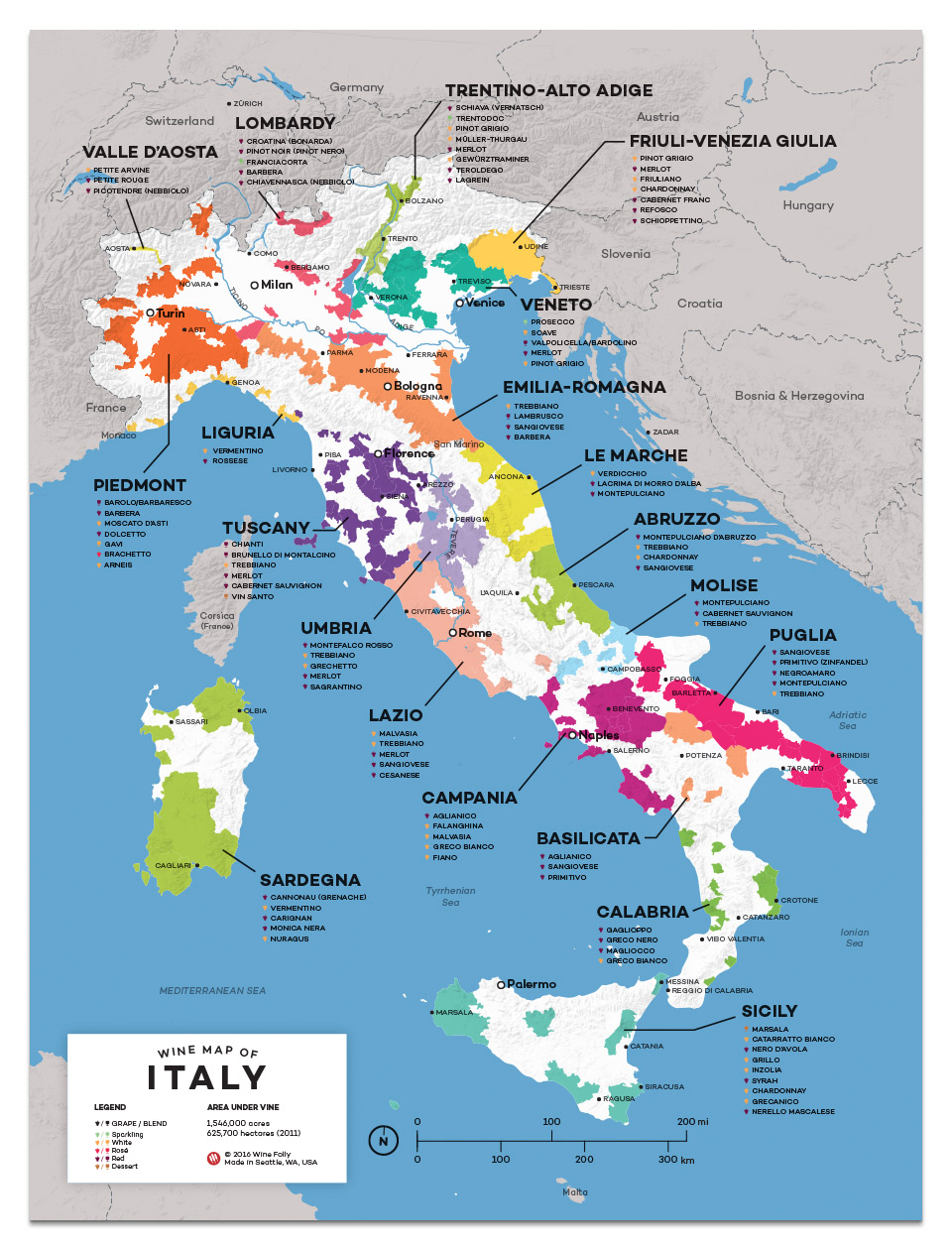
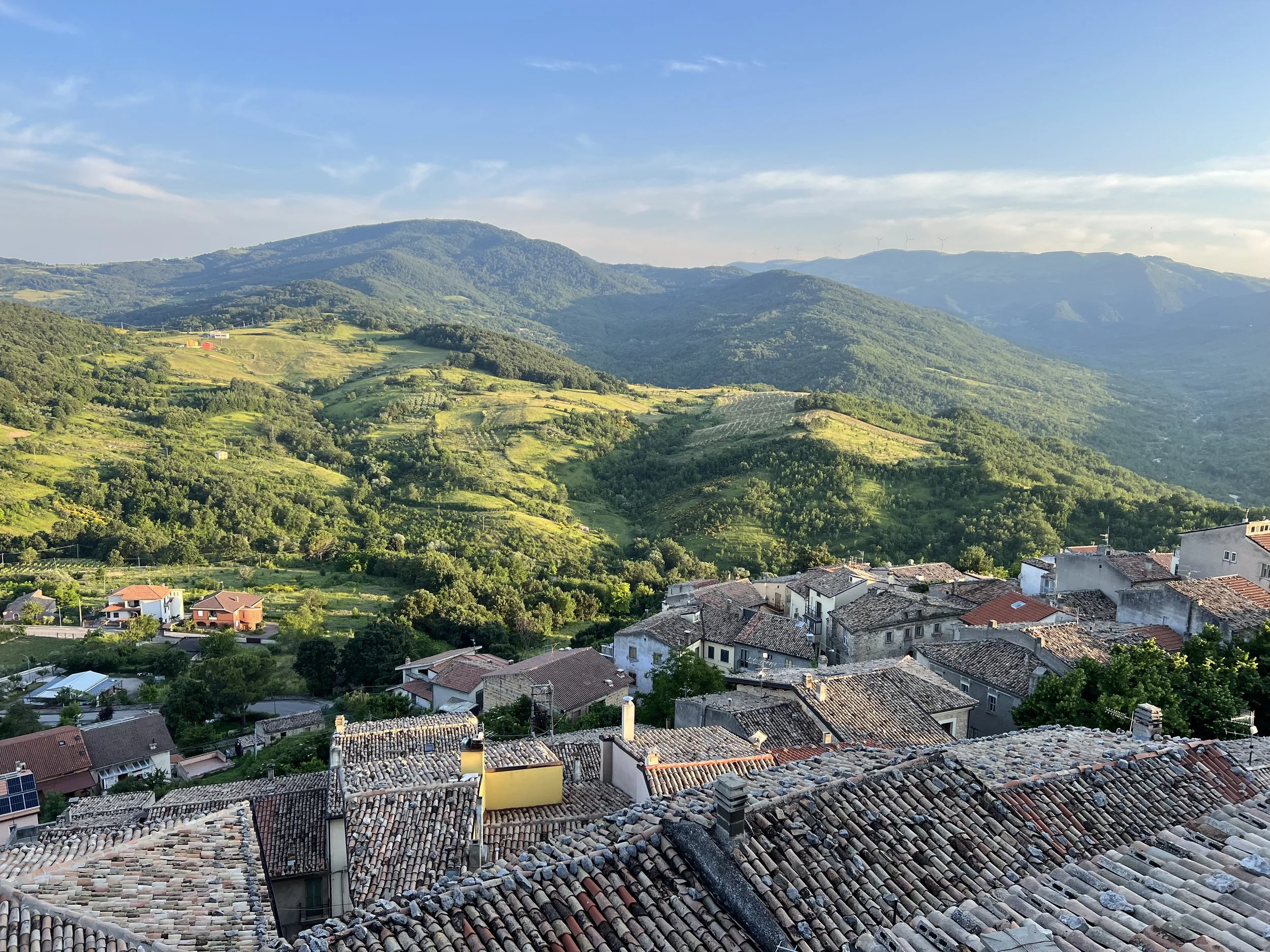
Abruzzo is an Italian region located about a two-hour drive east of Rome. Abruzzo extends from the snow-capped Apennine Mountains to the balmy Adriatic Sea. This magical scenic region offers summits and seacoast, medieval castles and clifftop villages.

It is a major wine region famous for robust Montepulciano d’Abruzzo red wines and crisp Trebbiano d’Abruzzo whites. The region is characterized by mountainous terrain, with most production in the coastal Chieti province, offering high-value, quality wines often with soft tannins and red fruit flavors.

National parks and nature reserves cover much of its rugged interior. It also encompasses hilltop towns, dating to the medieval and Renaissance periods. The regional capital of L’Aquila is a walled city, which was damaged in a 2009 earthquake.

Abruzzo is also known as “the greenest region in Europe” as half of the region’s territory is protected through national parks and nature reserves, more than any other region in Italy. Culturally, Abruzzo is considered a region of Southern Italy; however, geographically it is often considered part of Central Italy.

The focus in Abruzzo is on the Montepulciano grape referred to as Montepulciano d’Abruzzo.  It’s a versatile grape, in the sense that it can satisfy many different palates. Montepulciano is a fruit-forward dry red with a medium to full body, medium to high smooth tannins, and medium to high acidity. Notes of red plum, blackberry, dried herbs and thyme, and baking spices.

It is not be confused with Vino Nobile di Montepulciano, which is a wine made from the Sangiovese grape in the town of Montepulciano from the Tuscany region. 

It can be vinified and aged in stainless steel to give a simple, approachable wine and food-friendly with freshness and expression of the fruit. For low crops, it can be aged in casks or barriques, sometimes new barriques, to create wines that have greater depth, concentration and complexity.

The oaked Montepulcianos coming out of the region are not wines for everyday drinking because they can be very dense, inky, and powerful. These bottlings can be a great option for the winter months. Some can develop gamey aromas with age while others continue to display primary fruit flavors for years.

Montepulciano does typically age well, but it’s not a wine that requires you to age in order to enjoy now and show complexity.

Montepulciano is the most planted grape in the Abruzzo region. It represents 80% of the total DOC wine produced in Abruzzo. The Montepulciano grape has been in Abruzzo since the mid 17th Century. According to DOC rules, Montepulciano d’Abruzzo wines must contain at least 85% Montepulciano, with Sangiovese often used for the rest. Bottles labeled “Riserva” must be aged at least two years.  

Another reiteration of Montepulciano is Cerasuolo “chair-ah-swolo” which translates to “cherry red” and refers to an Italian wine style. It is Abruzzo’s best kept secret! Cerasuolo d’Abruzzo is a Rosé made from the Montepulciano grape. It is made from the free run juice and/or juice with very little skin contact and the color can vary from light pink to dark red. A rosé wine that is usually made by giving the juice a maceration of eight to 18 hours on the skins before fermentation. 

The result is almost like a light red rather than a rosé. A wine with body and succulence not typically rosés. It’s very popular in the region, but you will not see many exported. However, that is starting to change though in recent years.

Even in a good pizzeria in the regional capital of Pescara, you don’t necessarily want to drink a rich red all the time. Cerasuolo, with its vinosity and weight, is actually best drunk lightly chilled. Most producers agree that you shouldn’t consider Cerasuolo a way to use up your least interesting grapes or put in a blend. It should be made from grapes of high quality and treated seriously even its rosé.

The signature white from Abruzzo is Trebbiano d’Abruzzo is a light white Italian wine known for its dark gold or amber-colored berries, high acidity and neutral flavor profile that produces stone fruit and apple aromas with hits of lemon. Though production remains small when compared to Montepulciano, it is starting to make an appearance on the world stage.

Being a very large and dispersed region of vineyards, Abruzzo is divided into many sub-regions, and there are also DOCs that are permitted to use non-Italian varieties such as Chardonnay or Merlot. Only someone who is an expert of Abruzzo terroir would be able to identify the many sub-zones for Montepulciano in the glass. Look for different styes of Sangiovese coming out of the region. 

In many older regional vineyards, the vines are trained on tendone (pergolas) designed to shade the grape clusters and make harvest easier. Newer plantings are arranged in rows. 

Tons of sunshine and generous rainfall provide happy growing conditions for wine grapes in Abruzzo. The higher elevations and combination of mountain and maritime breezes bring down summer temperatures, setting up conditions for warm days and chillier nights. This is ideal for maintaining acid balance in the ripeness. Most vineyards flow along the warm and dry coast in the nearby hills. 

I am excited to be representing Cantina di Rosina winery as an ambassador in the Upstate and Central New York region so let me know if you want to schedule a tasting or place an order. Orders can be placed directly from their website or from my link in bio.

You can contact me, Michael Nagy, at 717.877.2729 or michael@cantinarosina.it The wines are truly remarkable by themselves but will also elevate your food experience and company.

If you have an Italian restaurant, steakhouse, pizzeria, or wine shop, these wines will be a perfect complement to your food menu and Italian wine section.

Allow me to share the beauty and story of Abruzzo and Cantina di Rosina (CdR) with you. Find the website at www.cantinarosina.it and on Instagram @cantinarosina. Follow them and me @themichaelpour 🙂

Cheers & Saluti,

Michael

First Edition of The Weekly Swirl at The Pour

May
14
2026

May 14, 2026

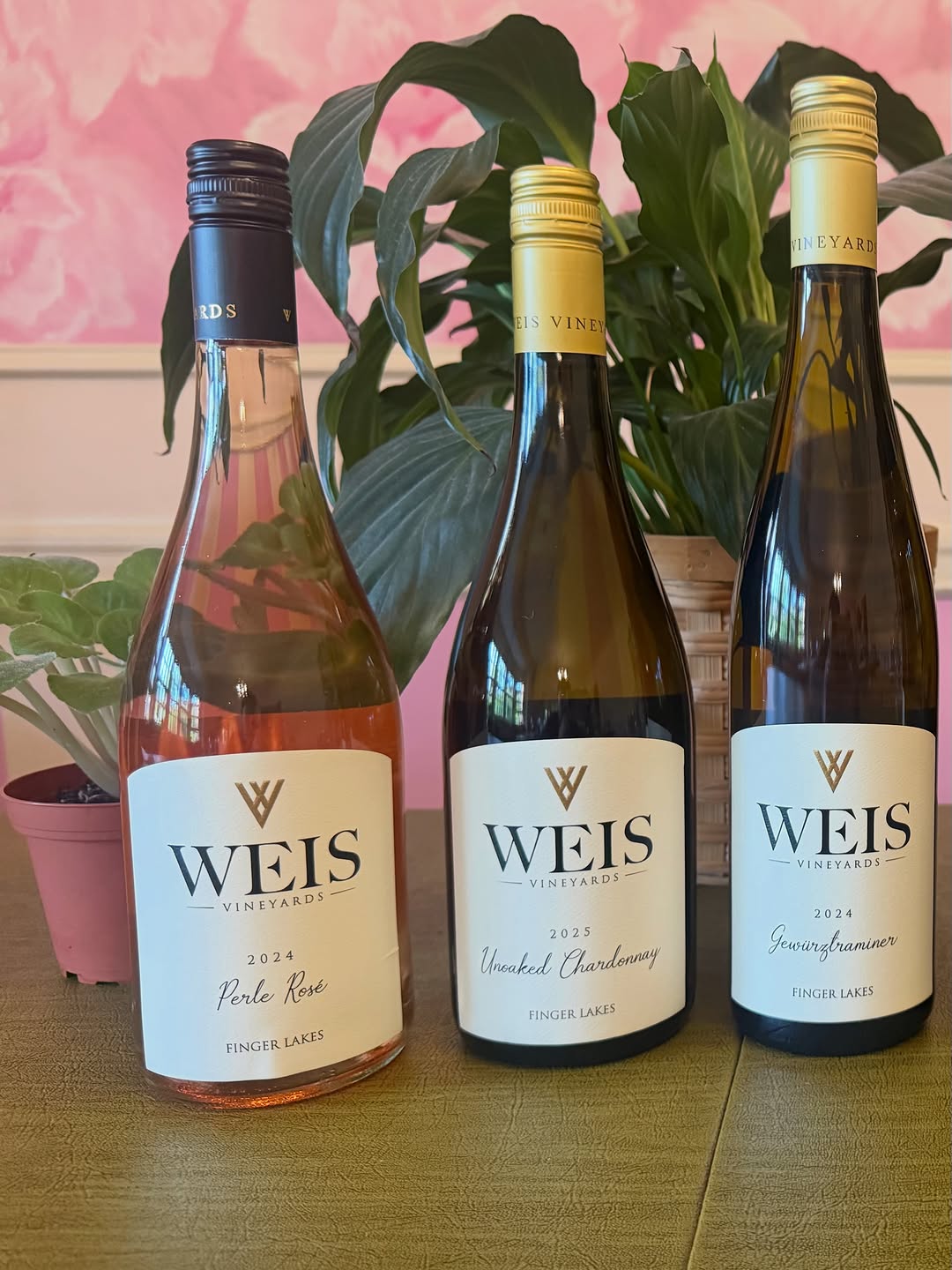
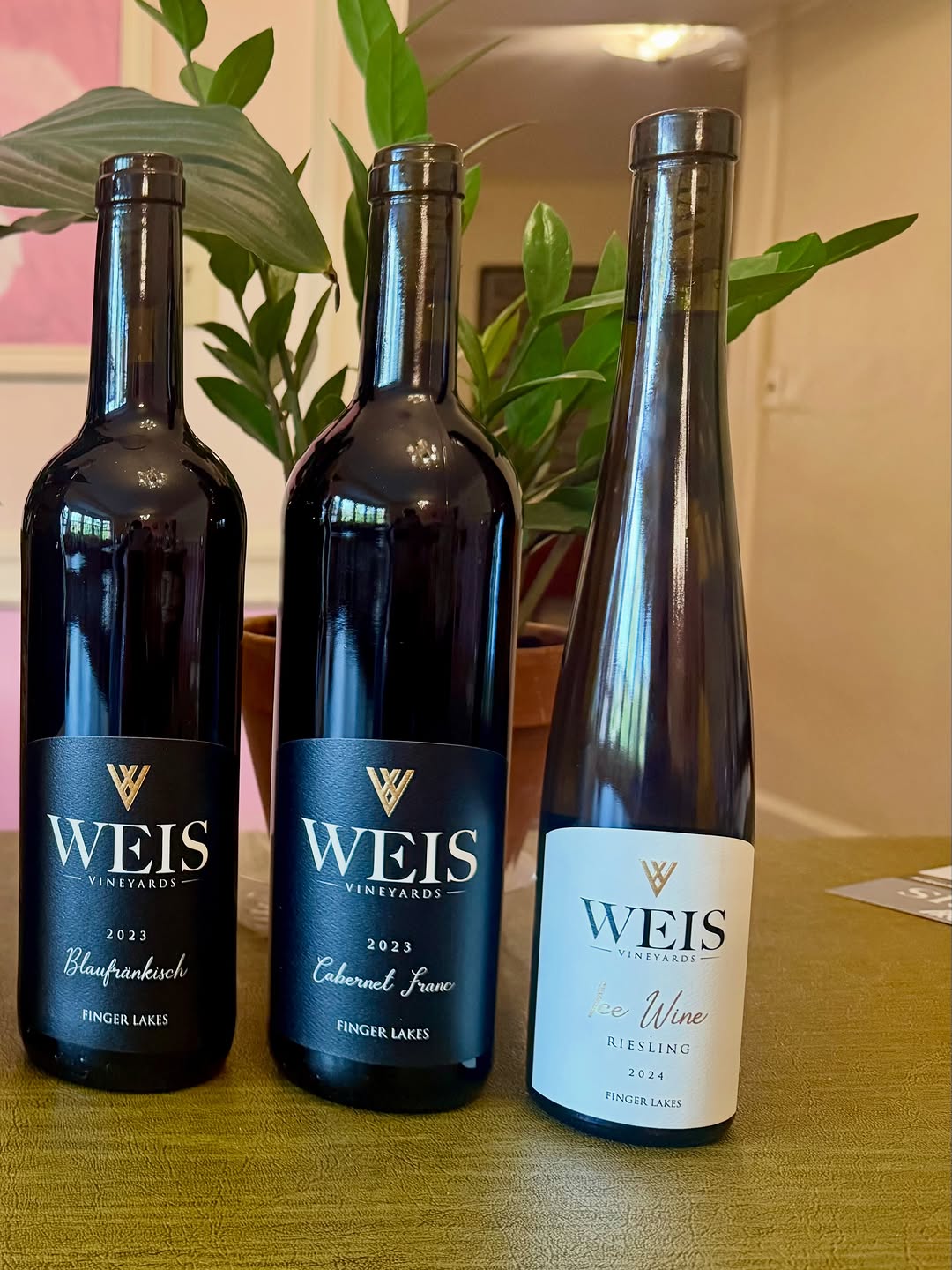
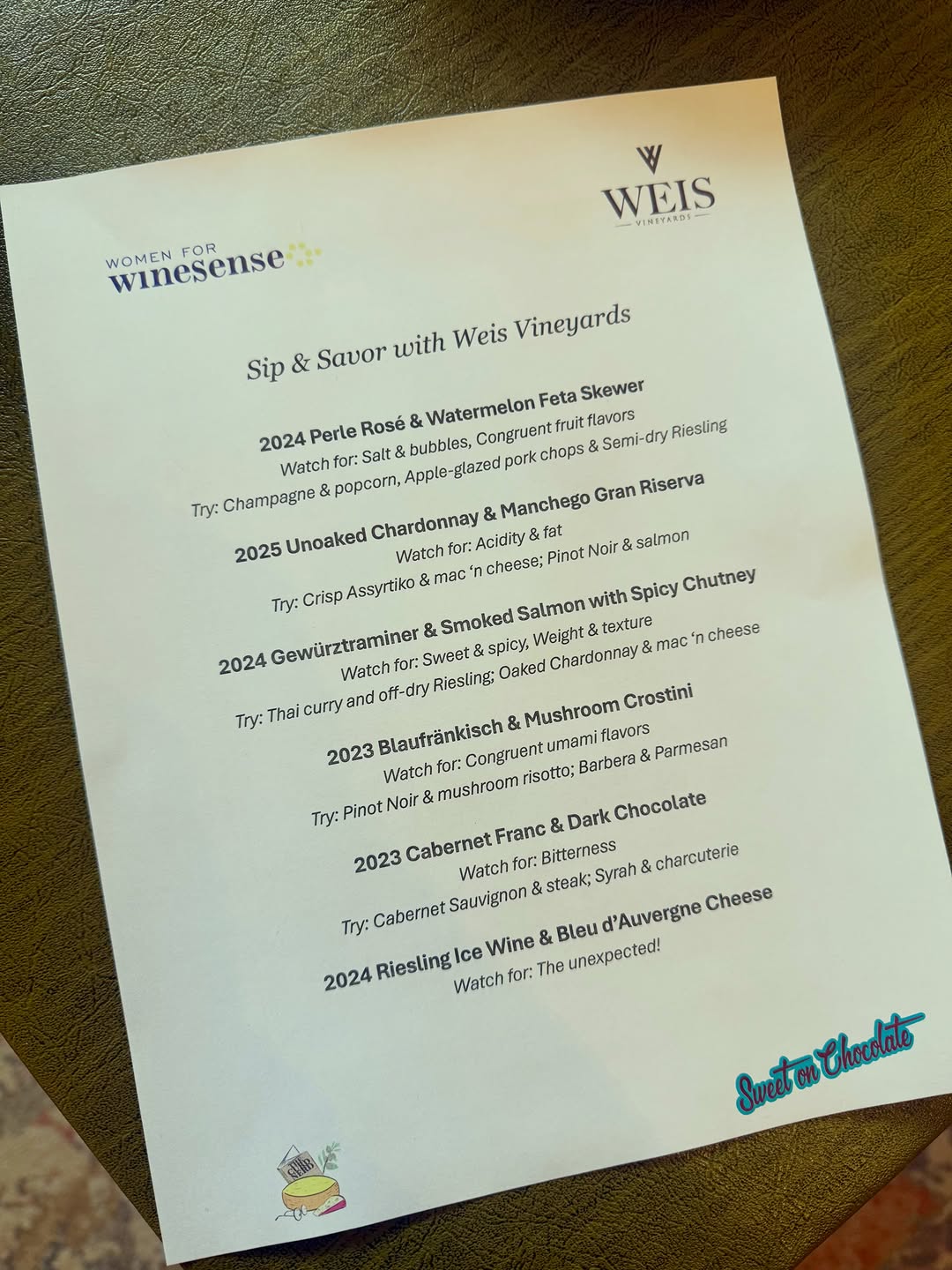
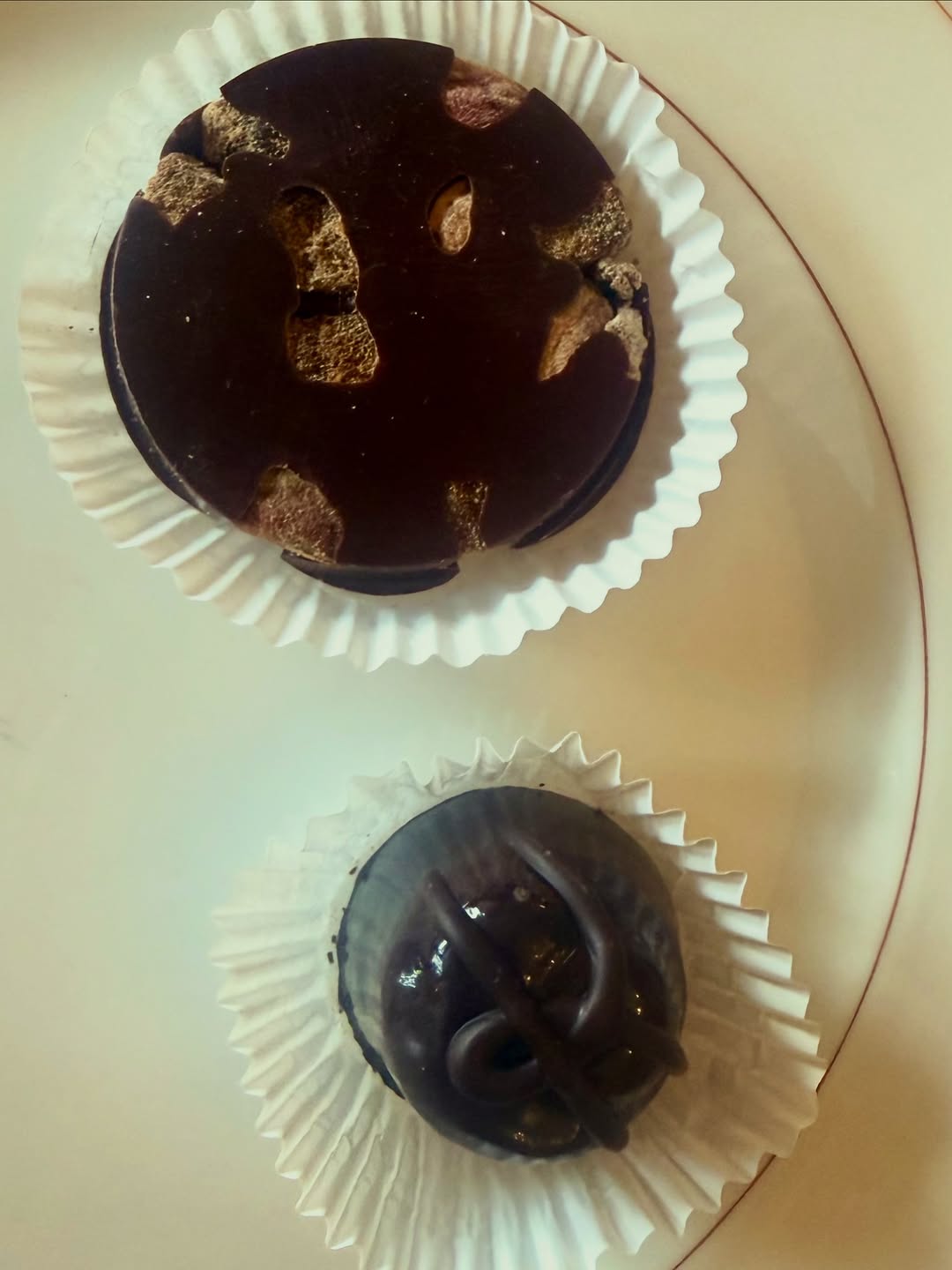
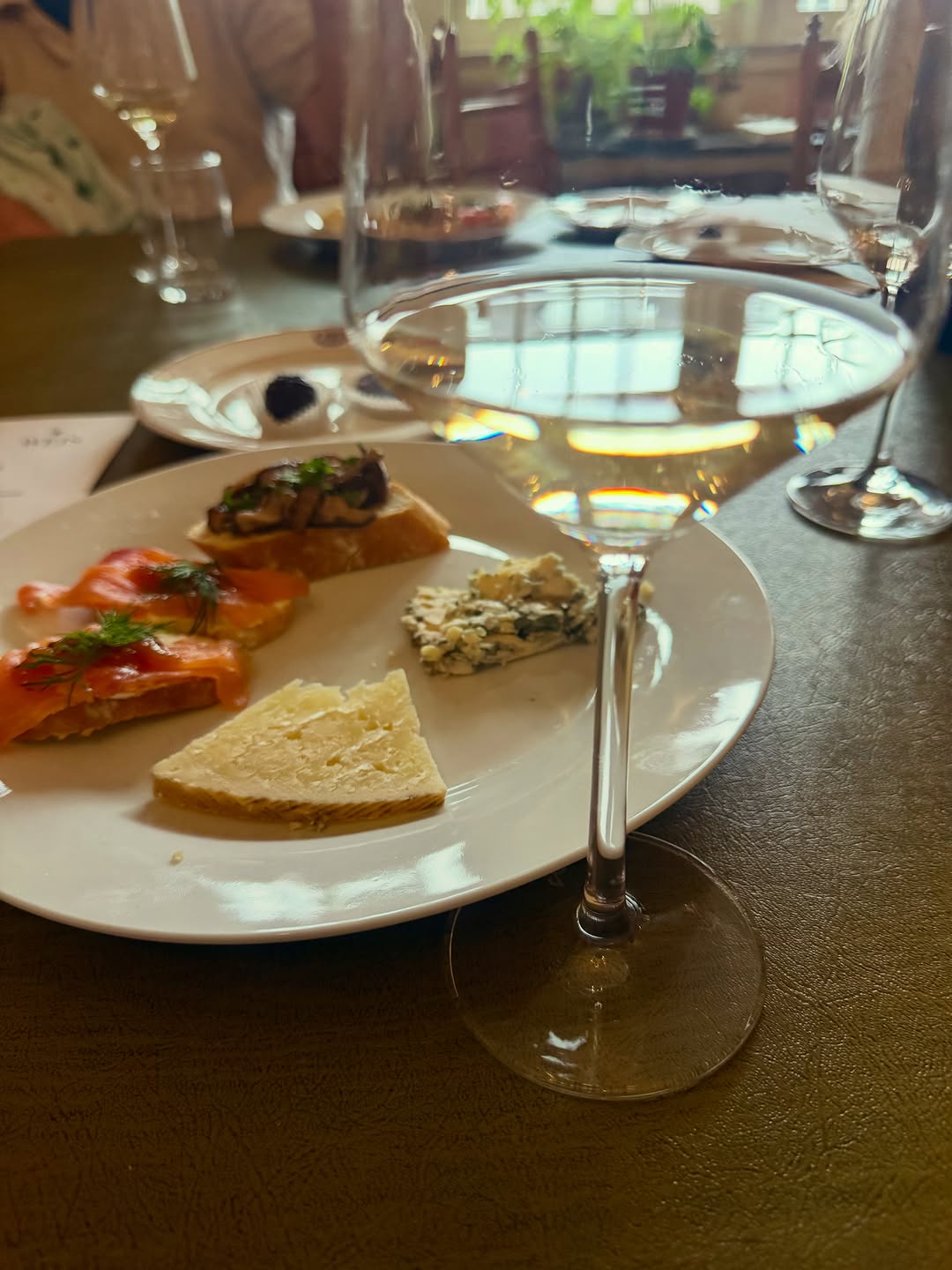
It’s been a busy week here at The Michael Pour. On Tuesday, in collaboration with the Women for Wine Sense, Syracuse Chapter, we held a “Sip & Savor” event with Weis Vineyards from Keuka Lake in the Finger Lakes region. The event paired six incredible curated wines from Weis with delicious light bites, including artisanal local chocolate and cheeses. Images from the event are attached.

Thank you to Weis Vineyards, Sweet on Chocolate, and The Curd Nerd for making it a special evening of food, wine, and great company.

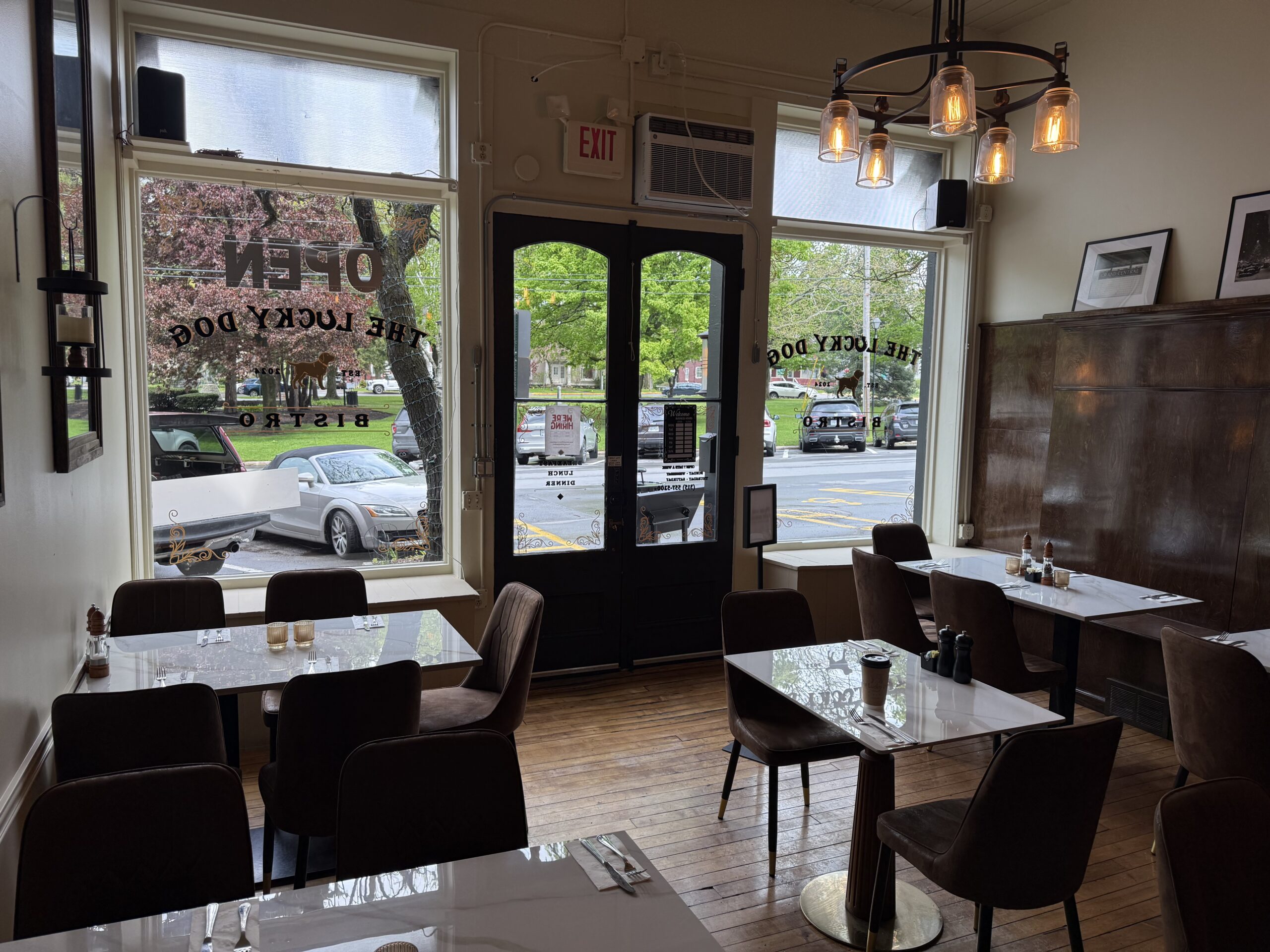
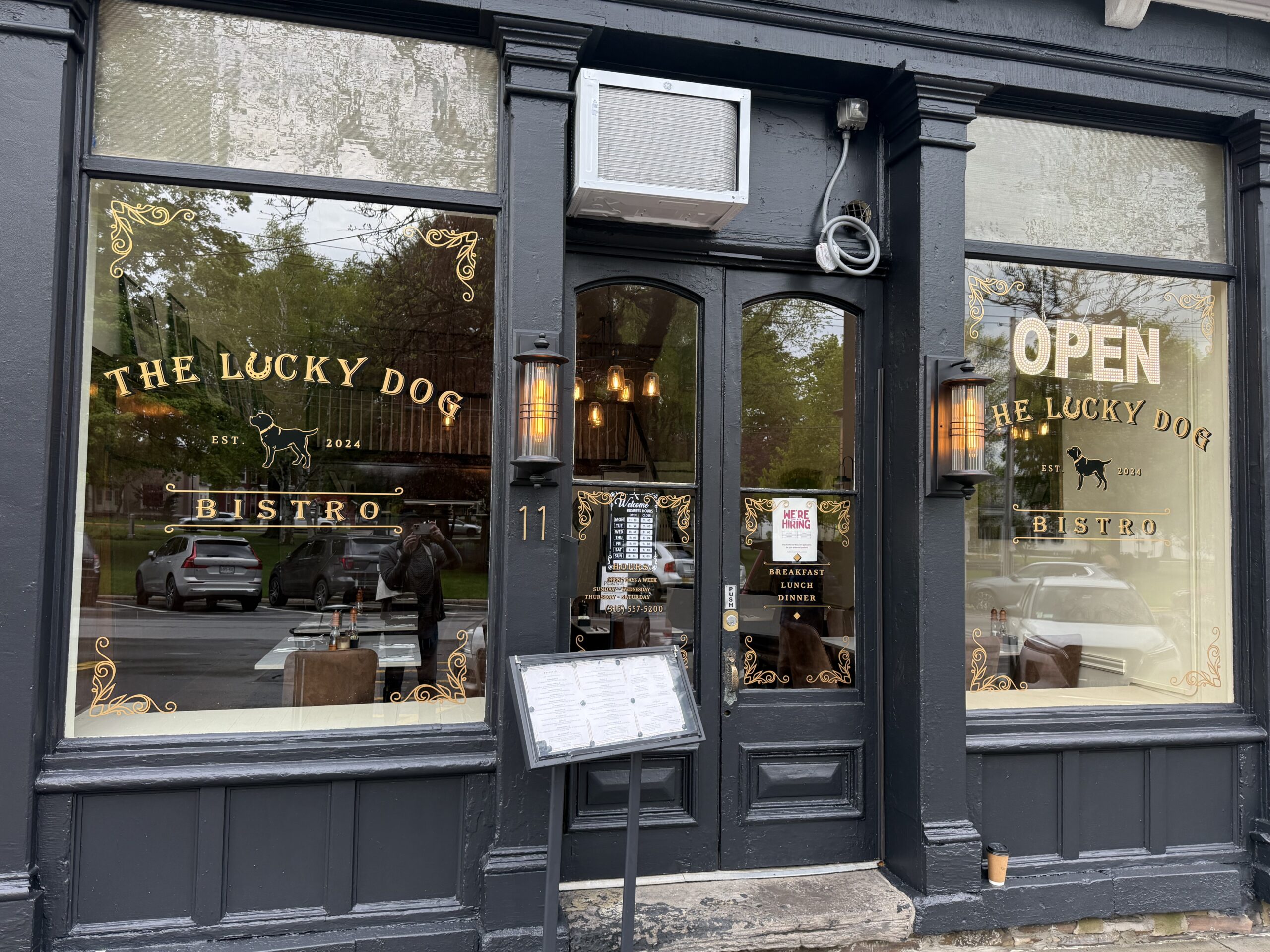
On Wednesday, The Michael Pour traveled to Clinton, New York to meet up with the owner of The Lucky Dog Bistro and Mary Beth from Damiani Wine Cellars in the Finger Lakes. The bistro is opening an elevated wine bar adjacent to the restaurant, and we were there to discuss Damiani wine and its inclusion on the wine menu.

We also discussed the overall wine selection and the upcoming wine list, which will represent great and under-the-radar wines and producers from around the world.

It is a beautiful, small, and quaint space for restaurant patrons and consumers who desire an elevated wine experience and exceptional wine service. I am excited about being a part of the launch as the wine consultant, educator, trainer, guest bartender, and steward. This was my first time to Clinton, and I truly loved the small-town feel with shops, eateries, park benches, and dog walkers lining Main St. Everyone I encountered was super nice. Can’t wait to go back! I will update all of you as it gets closer.

After the consult, my colleague and I really enjoyed our lunch at the Bistro. Stephanie was amazing! Keep an eye out on Instagram @luckydogbistro and their website at http;//www.luckdogclinton.com for the latest developments and the story behind this undiscovered gem in Central NY. Clinton is not too far from Utica and Turning Stone Resort & Casino.

I

I will be doing some ambassador and sales work with a new winery, “Cantina di Rosina”, from the Abruzzo Region of Italy. Abruzzo is located in Central Italy along the coast of the Adriatic Sea. They are looking to expand and get exposure for their wines in Upstate & Central NY. They are growing and are represented at shops and restaurants in Philadelphia, South Jersey, New York City, and the boroughs of NYC.

Their first vintage was 2024 and they currently have two wines – Montepulciano d’Abruzzo (signature red wine of the region) and Cerasuolo d’Abruzzo (signature rose). They will release their Trebbiano d’Abruzzo (signature white wine) sometime this month. I will be sharing more info about them and this great Italian wine region in a separate blog post.

You can find them on Instagram @cantinarosina and website at http://www.cantinarosina.it to read about their story and history.

I should have the wines within the next week if you want to get a taste. I will hopefully be meeting with the proprietor this weekend in Binghamton.

Cheers & Sante,

Michael

michael@michaelpour.com
Your Favorite Summer White Wine? The Winner Is…

May
7
2026

A poll was conducted on Instagram and the results are based on 25 responses.

The four choices given in the poll were – Sauvignon Blanc 40%, Riesling 36%, Chenin Blanc 20%, Pinot Gris/Grigio 4%. An additional 10 different white wines were submitted in comments.

The winner is “Sauvignon Blanc”. Because Sauv Blanc was the winner, I will feature it later in this story. Sauvignon Blanc is produced all over the world so I will explain the differences from region to region and fun facts about this noble grape.

There were several people who wrote in their choice of these four, as well as other white wines, that they like to drink in the summer from the additional list provided or others that they like.

These write-in responses are not included in the above percentages but listed below with country/region. Every wine mentioned on the post were included. Pinot Grigio and Sauvignon Blanc, which were choices on the poll, were written in and not reflected in percentages.

Submitted whites – Verdejo (Spain), Gruner Veltliner (Austria & US), Chablis (France), Riesling (FLX), Alsace Riesling (France), Albarino (Spain & Portugal), Txakoli (Spain), Vinho Verde (Portugal), Chardonnay (all over), Sancerre (Sauvignon Blanc from Loire Valley France).

I included other great summer white wines not voted for or listed as people’s favorite below. They can be super refreshing, crisp, and brilliant this warm, summer season regardless of your plans.

If you would like to try something different for your summer wine drinking and expand your summer palate, seek them out and give them a whirl.

A few quotes. Thank you to all those who participated. It really made this a fun story! –

“Albarino and Txakoli are two other summer favorites” ~ thesipseries

“I like a crisp Chablis. Cold sauvy b (from any region) is also a plus. But please do not put jalapenos in it” ~ mollyb

“I also love Vihno Verde in the summer”~ sonyab

“I also love a good Chardonnay! Don’t really care where its from”~ rebekkah

“I like a crisp Sancerre in the summer. Also, Albarino is another favorite”~ shannonp

Most of these varietals are specific to their native land and difficult to find here in the states. They range from aromatic, light, medium, and full-bodied and from dry to off-dry to medium-dry. Listed by country of origin and region, if significant, body, and sweetness level.

Italy

Trebbiano Toscano – light to full bodied and dry to off dry

Vermentino – light bodied and dry

Greci di Tufo – medium to full bodied and dry

Verdicchio – light bodied and dry

Fiano – light bodied and dry

Garganega/Soave – light bodied and dry

Greece

Assyrtiko – light bodied and dry

Argentina

Torrontes – aromatic and dry to off dry

France

Semillon (White Bordeaux, Australia, US) – light to full bodied and dry

Viognier (Rhone, US, Australia, similar to Chardonnay) – aromatic and dry

Marsanne (Rhone) – light to full bodied and off-dry

Roussanne (Rhone) – light to full bodied and dry

Aligoté (White Bordeaux) – light bodied and dry

Picpoul (mostly Loire Valley) – light bodied and dry

France & Spain

Grenache Blanc/Garnacha Blanc – dry and light to full bodied.

France, Italy, Greece & others

Muscat Blanc – aromatic and dry to medium dry in France

All over Europe and some pockets in US

Pinot Blanc – dry and light bodied

US, France & all over the world

Gewurztraminer – aromatic and dry to off dry

If you would like to learn more about any of these delicious white wines, please reach out. Have you experienced a glass or bottle of Sauvignon Blanc from different parts of the world?

Sauvignon Blanc

Here is a take on your favorite Sauvy Blanc grape. If you’ve been sipping from the same bottle of SB over the years, you know, that one called “Kim Crawford” from New Zealand, then you may not realize that it is produced all over the world, not just in NZ.

During my recent time in Columbia Valley, Washington, I had the pleasure of experiencing some really good ones. It is the same grape no matter where it is planted, but because it is grown in a different place, it becomes a completely different wine.

Here are four expressions of Sauv Blanc from four elite wine regions. Some may know of them, while others may be surprised. SB used to be the ‘it” girl, but is gradually being replaced by the trendy Chenin Blanc for that title. My wine colleague, Molly B, loves it very cold!

Sancerre

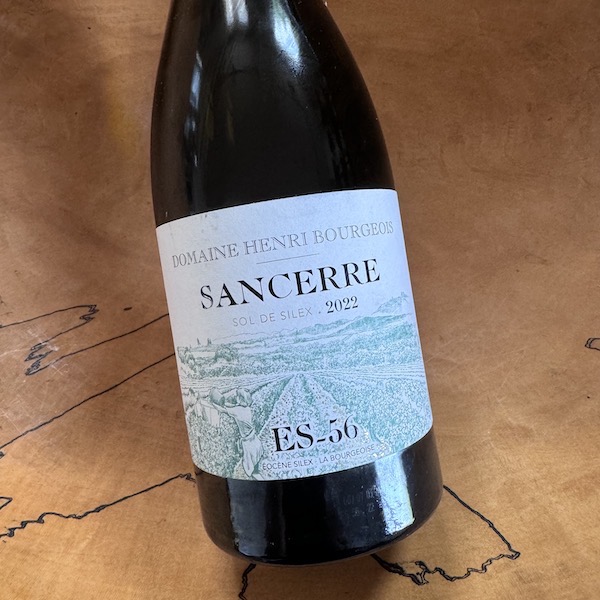
Sauvignon Blanc is called Sancerre in the classic Loire Valley of France. The most popular regional wine of the Loire is Sancerre. It is largely produced in the Touraine region. Sancerre is lean and mineral driven with notes of citrus, in particular lime and grapefruit, gooseberry, possibly some green apple, herbal flavors (same compounds found in green peppers), and slate/flint. My friend, Shannon P. is a big fan!

There can be some smokiness, which is unusual for whites, considering the lack of oak influence. Stylistically, the Sauvignon Blanc from Damiani Wine Cellars called “Little Lotus Flower” in the Finger Lakes Region of NY is similar to a Sancerre.

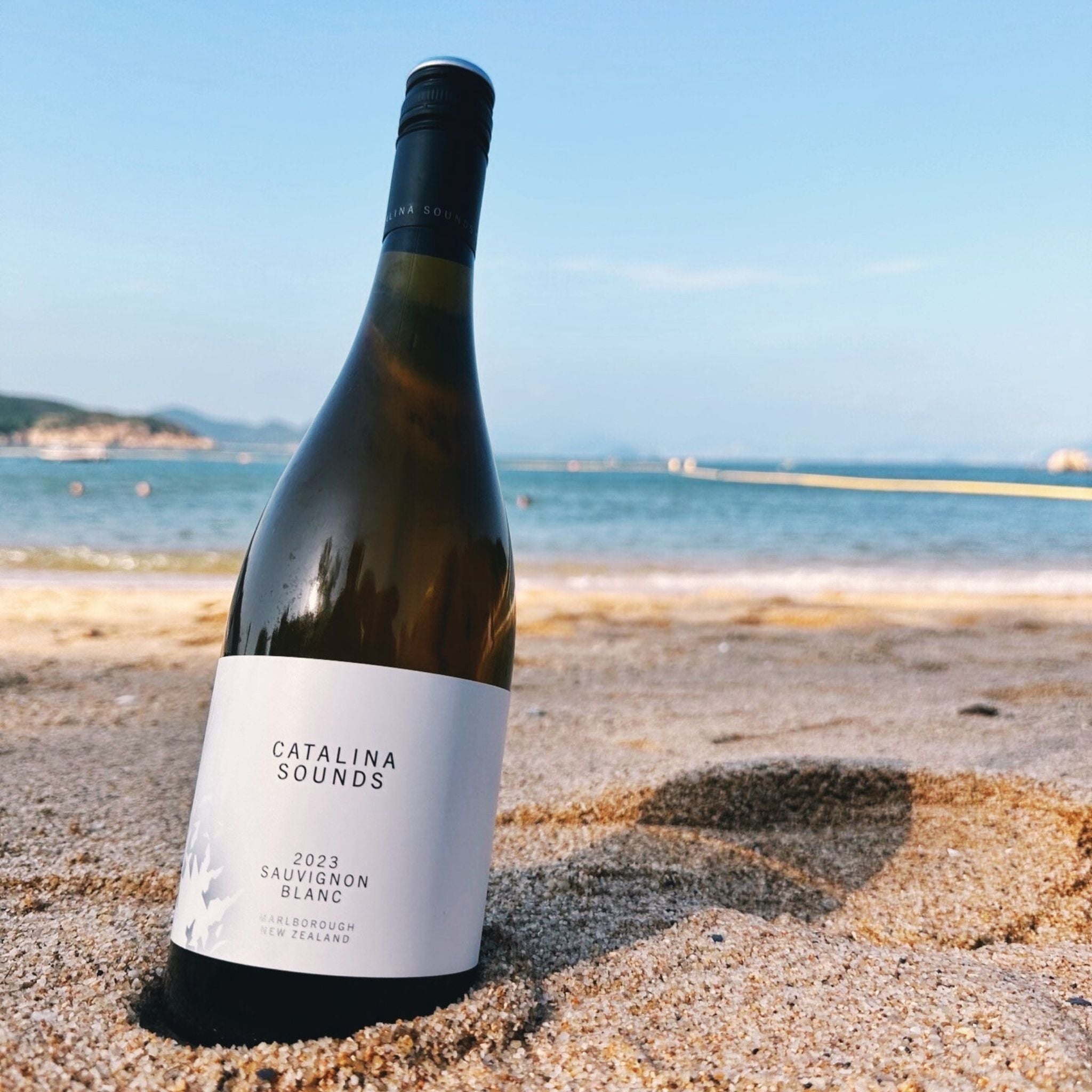
Marlborough, South Island, New Zealand

Sauvignon Blanc is New Zealand’s most important grape and Marlborough is the top producing region. The wines here offer more green tropical fruit notes, like kiwi, passion fruit, and pear, that contain a touch of residual sugar to help balance out the high acidity in the grapes.

The wines can be explosively aromatic with the aroma source of freshly cut grass. It can be zesty. That’s a signature aroma that can help you determine that you’re drinking a SB from NZ.

White Bordeaux, France

Here Sauvignon Blanc is more structured and textured. Notes of citrus, in this case, more lemon and grapefruit, and honey and light wax/lanolin texture. It is often blended with Semillon from Bordeaux, a fuller bodied wine with a rounder and creamier texture and notes of apple. Semillon can age better than Sauvy B so this blend can give you more years to drink. Some of the best sweet, dessert wine called Sauternes is made from Semillon.

Napa Valley, California, USA

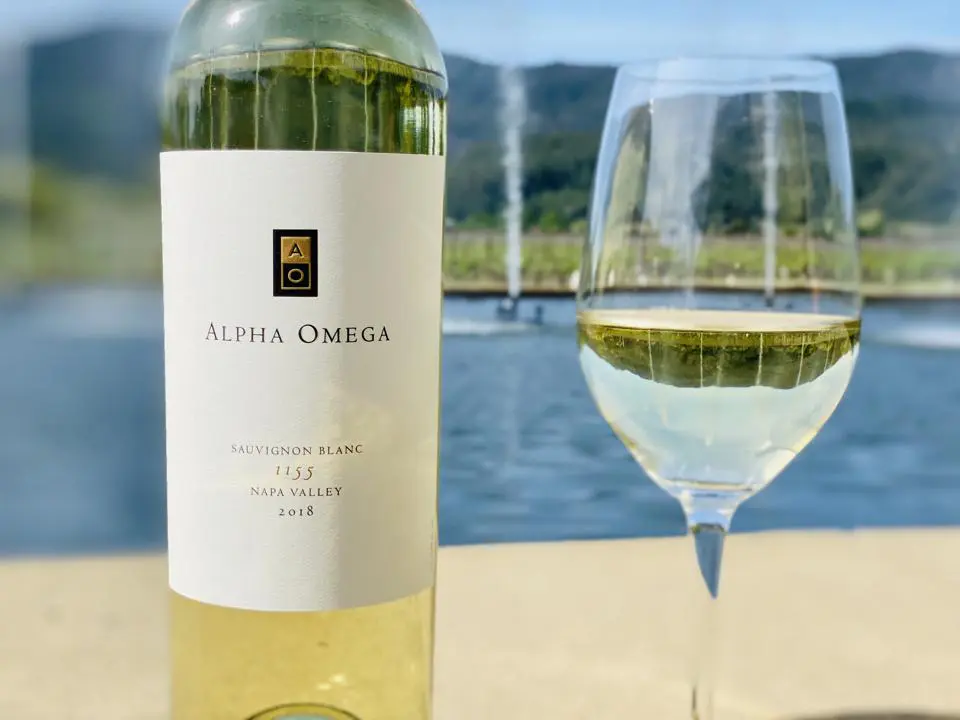
Sauvignon Blanc in the warm Napa and Sonoma Valleys can offer a riper, richer, and more generous version of the grape. Notes of tropical fruit, like melon, and stone fruit, like white peach dominate while still displaying a little citrus and herbaceous notes. Some Sauvignon Blancs in Napa are aged in oak creating more texture, complexity, and vanilla notes. Even in this warmer climate, the wines have ample acid backbone, and the good winemakers make it shine with the fruit.

What does all Sauvignon Blanc have in common?

All Sauvignon Blanc wines share a foundational profile characterized by high acidity, a dry, light-to-medium body, and vibrant, herbaceous, and fruit-forward aromas, typically spanning citrus (grapefruit, lime, lemon) to tropical notes (kiwi, melon, passion fruit).

It is consistently a cool-climate or high-acidity grape used to produce crisp, refreshing, and usually unoaked white wines. Most are produced to be drunk young, crisp, and fresh. Alcohol content generally ranges from 11.5% to 14% ABV.

While climate affects whether the wine tastes greener/herb-forward (cooler, e.g., Loire Valley) or tropical fruits (warmer, e.g., California), its fundamental “green,” high-acid structure remains consistent.

Sauvy Blanc is very food-friendly wine because of the high acidity and lighter body. Pair it with herb or citrus-driven sauces, green veggies and summer salads, salty cheeses, herb-crusted chicken (Napa especially), white fish, oysters and mussels (Sancerre especially), scallops, and all kinds of Asian cuisine (New Zealand, especially).

What other white wines are similar to Sauvignon Blanc in terms of its style and profile?

Fume Blanc (Loire), Gruner Veltliner, Vermentino, Chenin Blanc (Loire), and Verdejo.

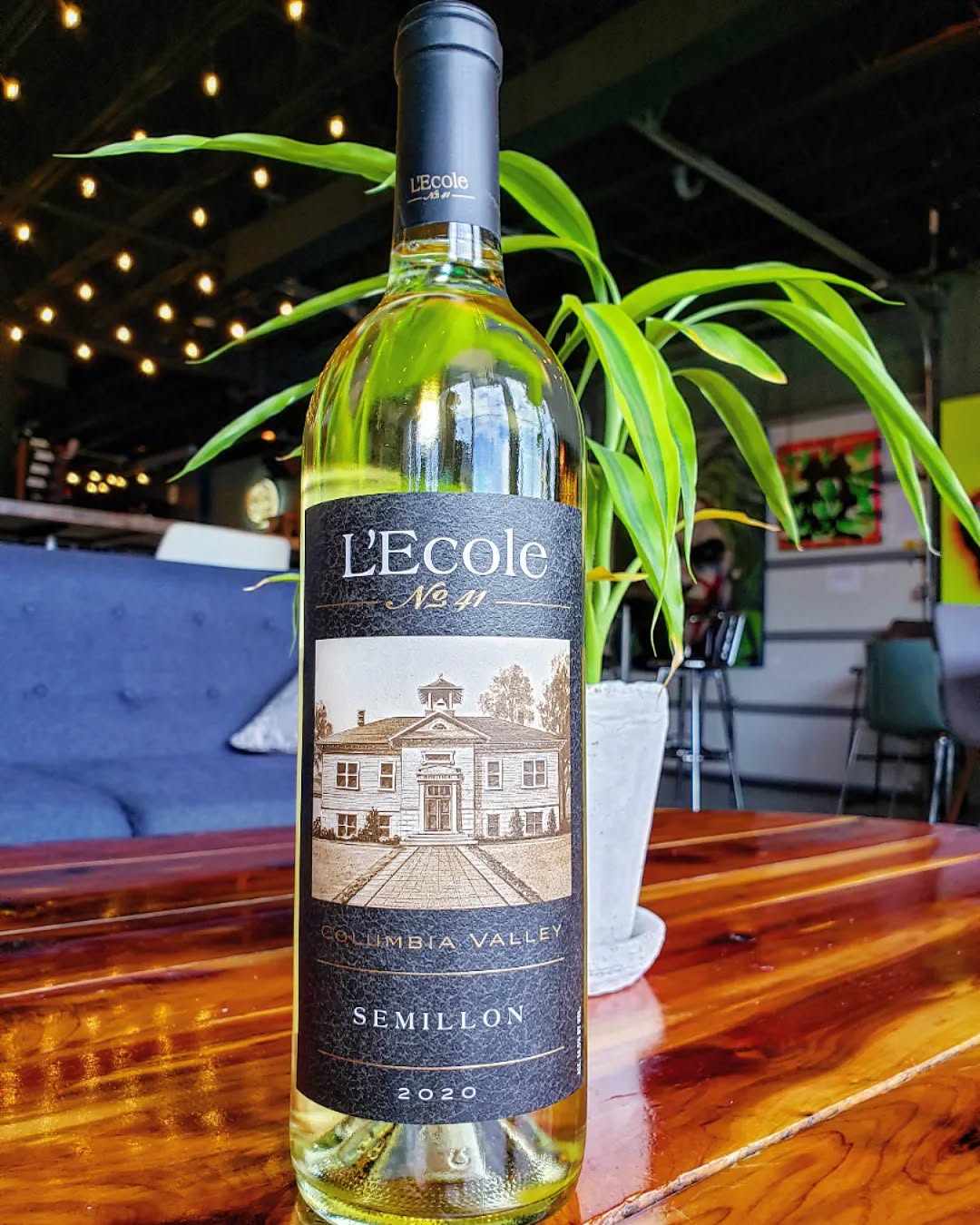
Here are my recommendations for each regional Sauvignon Blanc. The exception is that I chose a Semillon was Wash State, US instead of one from Bordeaux.

Domaine Henri Bourgeois ES-56 Sancerre 2022

Chateau Brondelle 2021 Graves Sauvignon Blanc Semillon

St. Supery 2020 Napa Valley Sauvignon Blanc

Dog Point Vineyard 2025 Marlborough Sauvignon Blanc

Cheers & Sante,

Michael XOXO

Wine Glass

DON’T MISS A DROP

Get notified when new articles are poured

We don’t spam!