Wine Spotlight – Uncorking the Magic of the Universe

August
5
2026

During my short time away from social media (may not return) and blogging, I decided to enroll in an astrology and astro-psychology certification program from a renowned astrology school in Washington State called Kepler College. I’ve always had interest in the cosmos and in finding the meaning behind ourselves and our life. In combination with my studies and work in counseling psychology and the desire to better understanding relationships at every level, I finally came to this point in my life where I want to dive deeper.

On a side note – I will continue this blog because I enjoy writing about things that interest me and educating consumers about all things beverages, but unsure about the future of the business side. The lack of business and engagement has been extremely frustrating and has affected my mental health. Hence, I’ve removed myself from instagram.

I’m sure you’re wondering what this has to do this wine, mocktails, cocktails, and beverages, in general? I realize you didn’t sign up for a blog about the metaphysical, but this sets the stage for the discussion below. Plus, if you’re like me, you like to learn more about the author and their life perspective. Bear with me for a bit!

Hopefully some of this content interests you and maybe will lead to you exploring the topic further. I think it is fascinating stuff! Don’t worry – for the purpose of this blog, I will not go into great detail about the signs but will demonstrate their relationship to wine and why we choose a certain grape/bottle over another during specific life events.

What can astrology say to us?

Sometimes people confuse astrology with astronomy. Astrology deals with ‘meaning’ whereas astronomy deals with measurement. Traditional astrology focuses more on planets than signs. It is much more than just reading your daily horoscope.

What periods of time may be more stressful than others and when you need to be more careful? It can even give you the idea of the areas of life that will be most affected.

Where may you and another person have difficulties getting along? When is it a good time to marry, start a business, or sell your home? When you or someone you love encounters health issues?

Astrology CANNOT

Tell you the winning lottery numbers. Tell you whether or not you will land that promotion. Predict when your rich uncle will pass away and leave you his inheritance. Tell you whether or not someone is trustworthy. Let you know if you will catch a cold before your next vacation or something unexpected will happen.

BEST OF ALL –

Astrology can help you better understand yourself and how you interact in the world. It can help you navigate the ups and downs as you fulfill your potential. In Maslow’s hierarchy of needs, it is called self-actualization. Wouldn’t we all like to achieve that goal?

Now that we have explored the basic tenets of astrology, we can move on to its application in the world of wine. I recently became familiar with a cool wine company out of New York City who is doing some very unique things with wine based on astrological principles. Some of the players involved in its mission are certified astrologers.

Have you heard about “Sun Moon Rising Wine”?

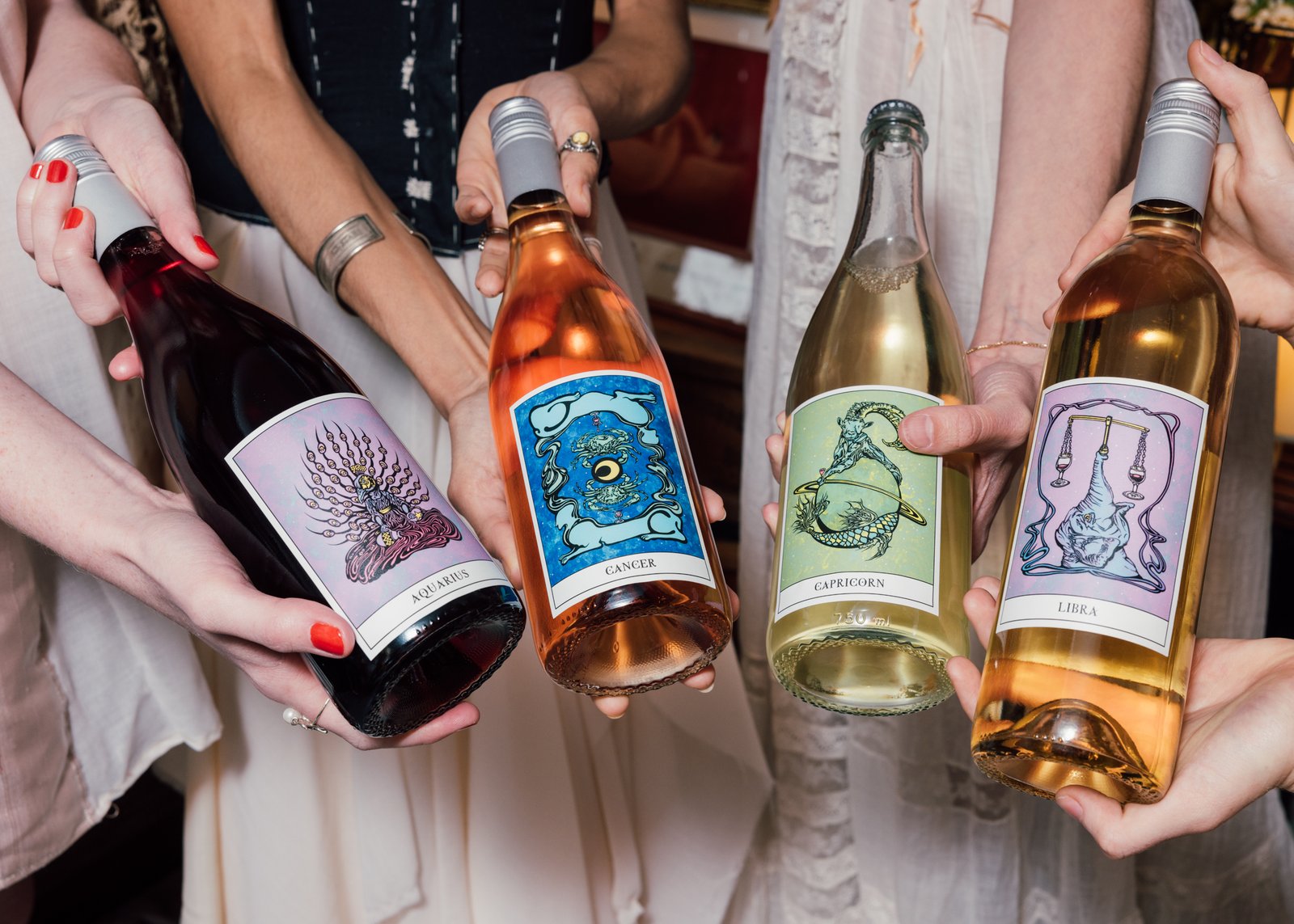
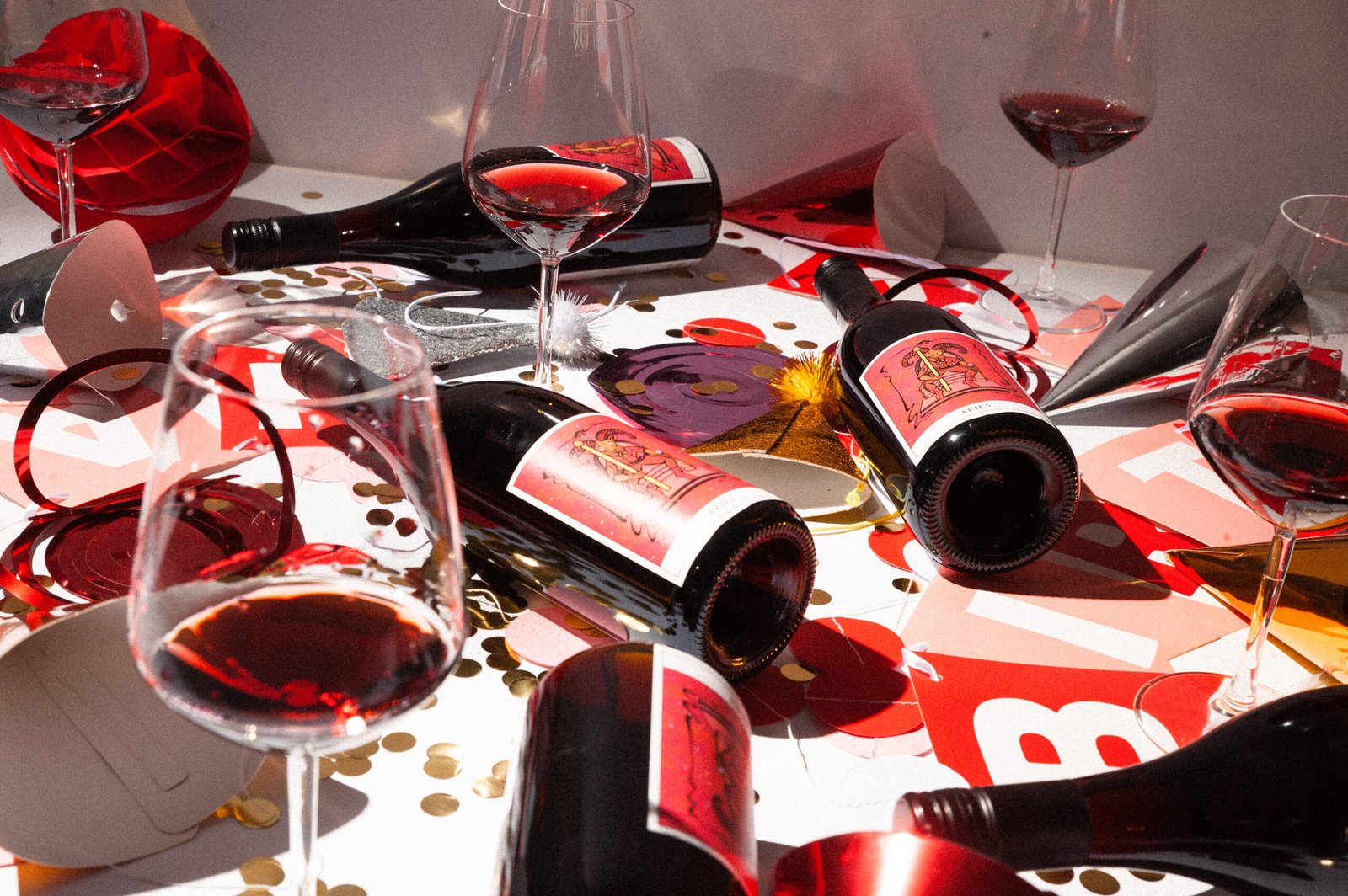
Sun Moon Rising, the world’s first astrology-inspired wine brand, launched in 2024 unveiling its founding collection online. Created by certified sommelier and New Yorker, Kate Webb, the brand offers 12 distinct wines sustainably sourced, handcrafted, and purposefully curated to embody the unique characteristics of its corresponding Zodiac sign. Sun Moon Rising aims to reimagine the way consumers experience wine, expertly fusing the arts of astrology and winemaking to elevate every occasion.

What’s awesome is that Sun Moon Rising sources its wines from award-winning, sustainable vineyards across New York State and emerging wine regions is deeply committed to promoting the region’s emergence as a premier destination for wine lovers. Proudly female-owned, low-intervention, and certified sustainable, Sun Moon Rising is on a mission to redefine the way consumers engage with wine, delivering a cosmic connection in every glass. The wine is available at Sun Moon Rising Wine and select shops in NYC.

Webb’s passion for creating unique wine experiences began in New York City’s top Michelin-starred restaurants, where she honed her craft as a Wine & Spirit Education Trust (WSET) Certified Sommelier. When the COVID-19 pandemic struck, it sparked her entrepreneurial spirit. “This led me to the surprising realization that no wine brand catered specifically to the 12 Zodiac signs,” stated Webb. “We created Sun Moon Rising to offer people a new way to personally connect with wine, intentionally pairing astrology and winemaking to foster community, curate connections, and elevate celebrations.”

Sun Moon Rising upholds organic practices, labor ethics, and small-batch production. In collaboration with New York’s Heron Hill Winery, the brand ensures these values are integral to its winemaking process. This dedication not only elevates the wines but also champions New York State as a premier destination for discerning wine enthusiasts, where every sip reflects our planet-friendly approach and the region’s rich winemaking heritage.

The company’s certified stargazers are expert astrologers dedicated to authentically represent the astrological community. Their insightful expertise guides us on our mission to provide accurate and meaningful astrology insights in all that we do.

They and I like to say “A Wine for Every Sign”. The meaning behind the company name – Sun – Your Core Self, Moon – Your Emotional Self, Rising – Your Outward Self, taken directly from astrology.

I will not discuss their entire portfolio and all the astrological signs but will highlight the astrological season we are currently in Leo, which runs till August 22 and is my mother’s sign and my sign, Gemini, which is from May 21-June 20. A little more about Leo and Gemini below. Are any of you a Leo ♌️ or Gemini ♊️

Gemini is the sign associated with communication, logical thought processes (based on duality) and the conscious mind. Gemini people tend to be airy and intellectual, glib of tongue and curious about life and other people. They can experience two sides of things at the same time, and may tend to be flighty. Gemini’s element is Air and ruled by the planet Mercury.

Geminis move through life like butterflies, engaging in many varied experiences to gain knowledge. They are witty and have a good sense of humor, and are likely to be excellent conversationalists. Geminis make good teachers. They can be nervous and high-strung, and may be mischievous. Unlike possessive Taurus, they tend toward liberty in relationship. And although Geminis can be easily bored, under the control of self-discipline they have tremendous intellectual and artistic possibilities.

Most Compatible – Libra, Aquarius, Aries, Leo

Least CompatiblePisces, Virgo, Capricorn, Scorpio

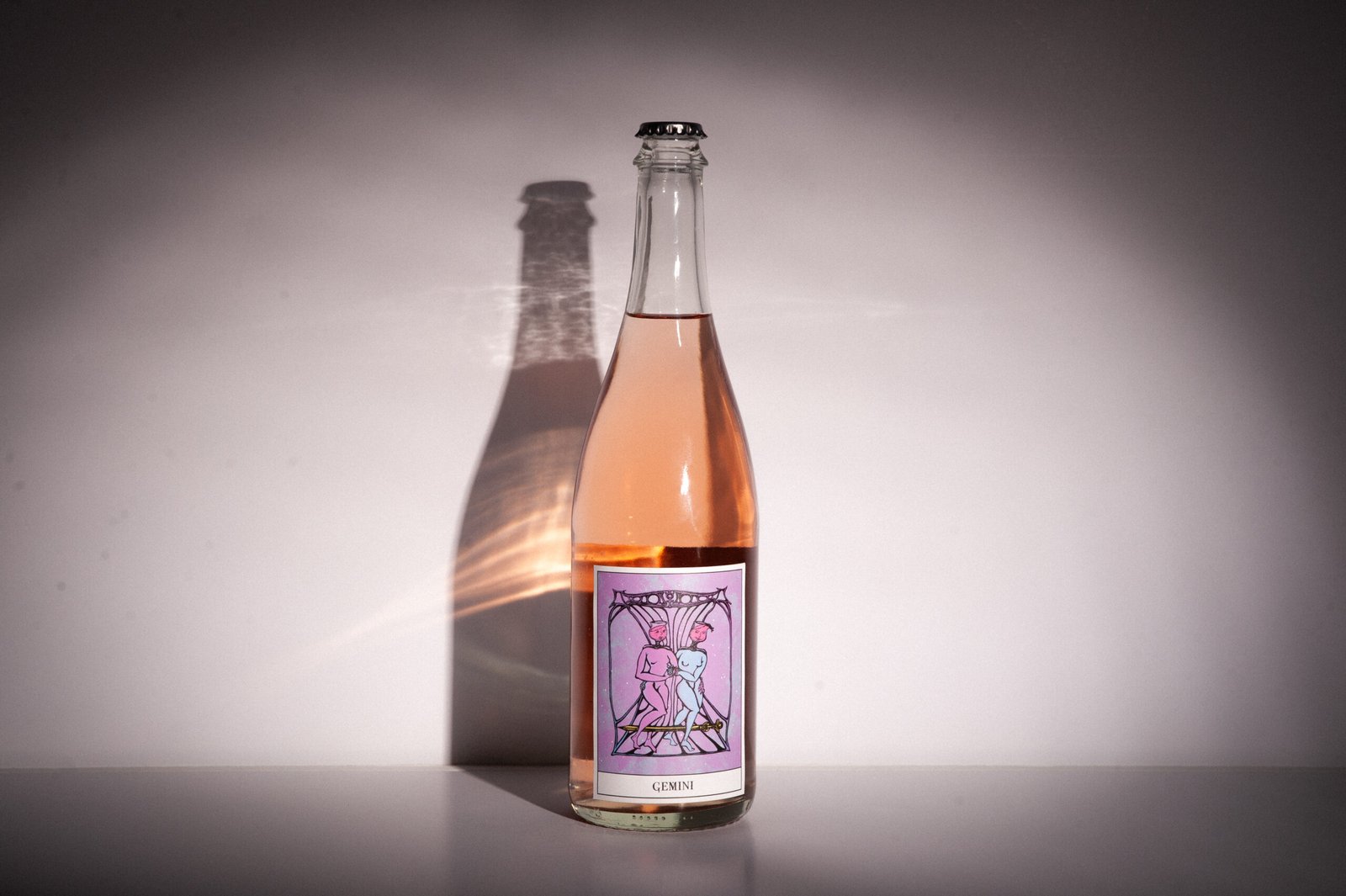
Gemini Bubbly Rosé

Bubbly, dynamic and quick-witted, Geminis are voracious learners and experts on a wide variety of subjects. Linguistically gifted, they are natural leaders and storytellers. As a mutable sign that thrives in social settings, they find ways to relate to everyone they meet with their easygoing and humorous nature.

This summer sign is matched by the Bubbly Rosé’s bright acidity and refreshing taste. With notes of strawberry and watermelon, the crisp bubbles complement this Air sign’s talkative and outgoing character. Astute, clever and curious, the depth of Gemini cannot be overstated. It is lively, smooth, crisp, playful, and refreshing with bright acidity and notes of strawberry and watermelon. Made from the Blaufränkisch aka Lemberger in the Finger Lakes, New York.

Leos are likely to express themselves in dramatic, creative and assertive ways. They are also likely to enjoy the warmth of the physical Sun. Leos have great energy, courage and honesty. They are likely to be self-confident and maybe even a bit self-indulgent as they expect to be the center of attention and often are. Leos can be quite determined and usually get their way when they really want to. They also possess great integrity and are a natural leader.

Leo people are very proud. Their challenge is to temper any tendency for arrogant or egotistical behavior and to instead develop humility and compassion; to learn detachment in the gift of their affections, so that they radiate their abundant energy freely and enhance the life experience of others around them. Leo’s element is Fire and ruled by the Sun (luminary planet).

Most Compatible Aries, Sagittarius, Gemini, Libra

Least CompatibleTaurus, Scorpio, Pisces, Capricorn

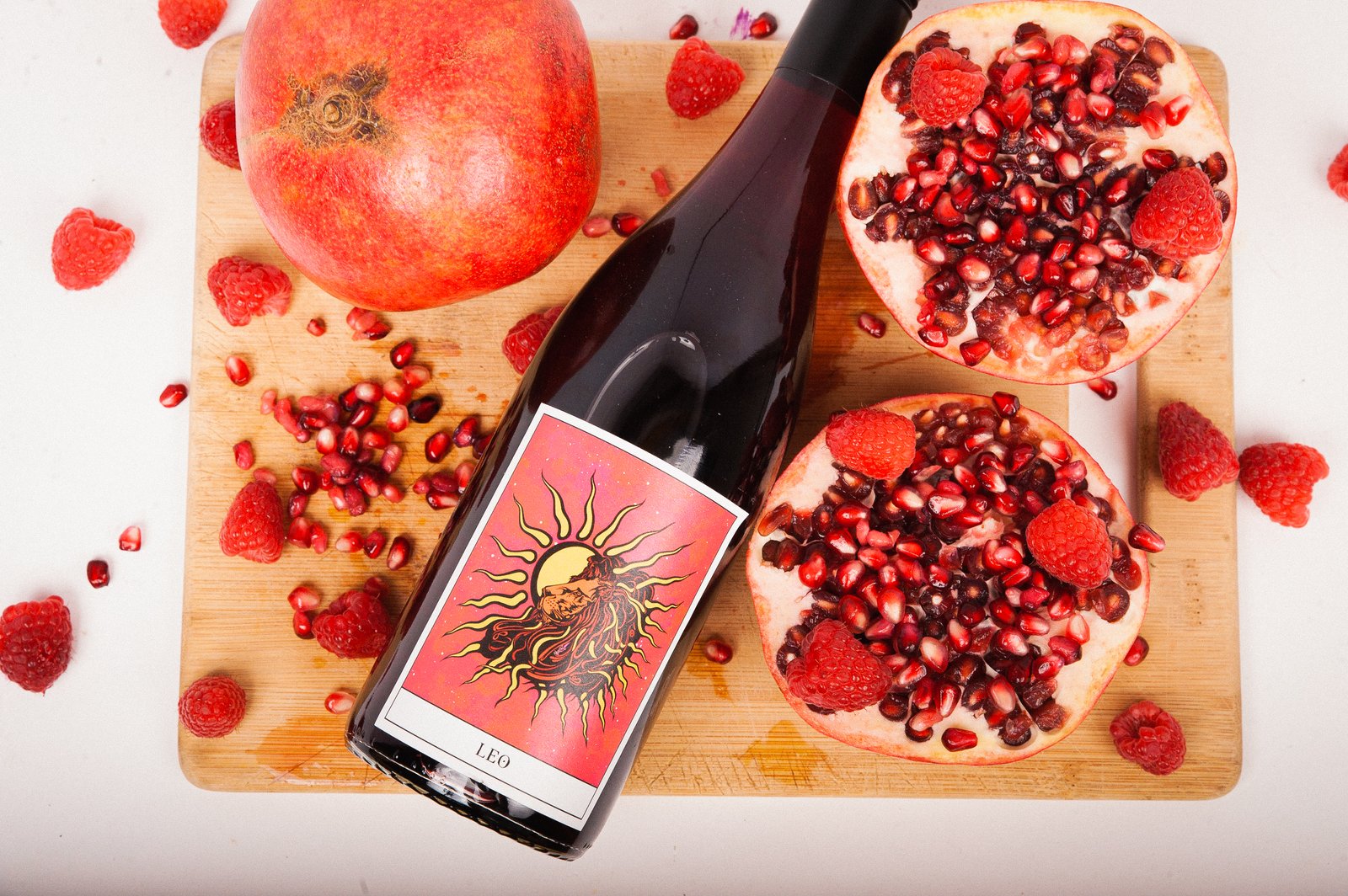
Leo Bubbly Red

Social, passionate and restless, Leos are constantly on the move. Those born under this Fire sign are experts at bringing people together and discovering new interests. As a summer sign, they thrive in the warmth of the sun and have an imaginative flair that gives them an irresistible creative edge.

This Bubbly Red wine is vibrant, fruity, aromatic and slightly off dry with notes of pomegranate, red currant and raspberry. The unique blend of red wine and effervescence reflects Leo’s boldness and pride and complements their quirky and outgoing nature. Both this wine and this sign are eclectic in taste and bring a fresh perspective. This blend is made from 60% Marquette and 40% Marechal Foch in the Finger Lakes, New York.

I hope you enjoyed this content. See you back soon! Please share with your friends and colleagues and please let me know if this was of interest to you and if you have any comments or questions. What’s your sign? Ruling planet?

Cheers,

Michael Nagy

michael@michaelpour.com

The Mai Tai: Cocktail & Mocktail for Mom

July
23
2026

Welcome all the new subscribers to this page. It’s great to have you onboard. I hope you find this content to be fun, inspiring, educational, informative, and sometimes entertaining.

As a subscriber, I invite you to submit your ideas of topics you would like to learn more about. This page covers all types of beverages along with information about industry trends, commentary, advice, recipes, recommendations, and much more…. You can submit your ideas by commenting on this post, DM on Instagram, or send me an email below.

There are many unconfirmed subscriptions pending, so if this is you, check your spam folder so you don’t miss a drop. And yes, it’s free to join. Most of these posts will be exclusive to members and not appear on Instagram. Plus, they will be automatically sent to your email, so you don’t have to worry about bookmarking the page or visiting the link tree on Instagram.

The world of beverages is vast and with the emergence and evolution of non-alcohol cocktails/mocktails, NA/low-alcohol drinks, and healthy, mindful drinking, there is a lot to choose from. This way, I am reaching my audience more specifically. Check out the other blog posts to see what we’ve been talking about this summer.

What’s happening at The Michael Pour?

My summer mocktail program is kicking into gear with not just original mocktails but also turning classic summer cocktails into mocktails and creating variations of those cocktails. Please let me know if this something you are interested in for your place of business or for your summer parties or events. Wine and cocktails can also be included. Don’t require service? Just ask about a free consultation.

I have received some interest for stewarding wine dinners and conducting wine pairings and wine tastings. Wine, spirits, cocktail, and mocktail classes are available and pop-up events for local businesses who want to add a beverage component to their events and festivities.

On August 17th, I will be doing an Amaro and Vermouth class with a featured vermouth cocktail at “Vine & Fig” Wine Bistro and Shop in Rome with Mediterranean bites, wine, and history of Italian elixirs. If interested in attending, visit their page Vine & Fig, inquire by email, or look for announcement on Instagram this week.

Look out for our next social with Women for Wine Sense, Syracuse Chapter in August. It will be held on the courtyard at Eva’s European Sweets in Solvay. They are celebrating 29 glorious years in CNY. They are a lovely family!

On a personal note, I will be returning to my hometown of Harrisburg, PA this weekend to visit my mother for her birthday. This will be the first time I am back there in about three years.

For this week’s blog, I am dedicating it to my mother who loves a sunny, tropical, fruity, and sweet drink to enjoy by her pool. I decided to go with the classic “Mai Tai“. I will give the cocktail and mocktail version for you to mix up and a little history of this drink.

The “Mai Tai’ is arguably one of the most famous tiki cocktails in the world and all too often messed up by bar keeps. The classic does not call for orange juice or pineapple juice. It is a rum-based cocktail, and the rum should be the star, not the juices. For anyone who has traveled to Jamaica or Caribbean islands, you may have imbibed on a Mai Tai.

The tale of the Mai Tai started in 1944, according to Trader Vic. Victor Jules Bergeron, better known as Trader Vic, was the owner of a tiki restaurant of the same name. Together with Donn Beach, from Donn the Beachcomber, they were the first one to start the tiki culture. The tiki culture is a blend of the Polynesian and the Caribbean. It was a place where people could escape reality and be transported to the tropics while enjoying tropical flavored cocktails. The cocktails were a careful combination of tropical flavors like lime juice, curaçao liqueur, and Caribbean rum. 

Trader Vic tells the story of the day he was serving two friends, Eastham and Carrie Guild from Tahiti, at his restaurant in Oakland. Inspired by the simplicity of successful drinks like Martinis, Manhattans, and Daiquiris he set himself to create a new exotic rum drink.

In keeping mostly with tradition, I like to get creative and modernize it a little by introducing new flavors. Although some ingredients may not be readily available, I offer alternatives.

Original Mai Tai

  • 1.5 oz white rum
  • 3/4 oz orange liqueur
  • 1/2 oz Orgeat syrup (almond-flavored). Store-bought or homemade recipe (preferred) below. Don’t use Amaretto lol. If you are allergic to almonds, sub oat milk, or roast other nuts/seeds
  • 3/4 oz fresh lime juice
  • 1/2 dark rum
  • Garnish – mint sprig and lime slice (no cherry or umbrella)
  • Glass – rocks or tiki

In a shaker tin, combine all ingredients except dark rum and shake. Strain mixture into a rocks glass filled with shaved or very small ice cubes. Using the back of a bar spoon, carefully float the dark rum on top and garnish mint sprig.

Orgeat recipe –

  • 1 cup of unsweetened almond milk, 2 cups of sugar, 3 tsp of almond extract, 1/2 tsp of orange blossom water, 1/4 cup of brandy. Combine the almond milk and sugar in a saucepan on medium heat. Stir until dissolved and the mixture starts to boil. Add the remaining ingredients and stir to combine. Transfer to a clean jar and store in the fridge. Should last up to 4 weeks.

Tahitian Tongue (mocktail)

  • 1.5 oz spirit-free rum or combo of 1 oz pineapple juice, 1/4 tsp molasses, and 1/4 tsp vanilla extract (preferred)
  • 3/4 oz coconut water
  • 1 oz Acidified Orange Juice (to mimic lime juice add a drop of malic and citric acid to orange juice)
  • 1/2 oz Orgeat syrup (almond-flavored). Store-bought or homemade recipe (preferred) below. Don’t use Amaretto lol. If you are allergic to almonds, sub oat milk, or roast other nuts/seeds
  • 2 dashes aromatic bitters
  • Garnish – mint sprig and orange twist (no cherry or umbrella)
  • Glass – tiki or tulip

In a shaker tin, combine all ingredients and shake. Fine Strain mixture into a rocks glass filled with ice and garnish.

Cheers,

Michael Nagy

michael@michaelpour.com

717.877.2729

Mocktail Spotlight: The Classic, the Remix, & the Mocktail, Part 2

July
7
2026

Here is Part 2 of my discussion on mocktails with a focus on mocktail making and the factors that make a mocktail look and taste great. As mentioned in Part 1, it is both an art and science and you don’t need a lot of experience to perfect the craft. You may need to dabble a little in the kitchen and have the necessary tools and equipment to transform them.

As a bonus, I list three versions of a classic summer cocktail with recipes (classic, remixed version of the classic, and mocktail = three cheers) at the end 🙂 That way, you can see how you can achieve three different drinks.

Thanks to alcohol-free spirit brands, craft mocktails can be as quick and painless as opening a canned cocktail or a can of something. Or it can be as involved as making your own zero ABV spirits, cooking syrups, balsamic vinegars, and handcrafting bitters at home. Although, nothing wrong with buying ingredients, especially in the case of using ethnic spices and extracts. The equipment available also plays a role.

I like using sweeteners like, agave nectar/agave syrup for smooth sweetness, honey for warm, floral notes, maple syrup for rich, woody depth. and simple syrups infused with herbs or spices.

I try to incorporate thoughtful garnishes like dehydrated fruit slices, edible flowers, fresh herb sprigs, flavored sugar or salt rims, spiced or citrus‑dusted glass rims. Garnishes complete the drink by adding aroma, texture, and a strong visual accent, helping both mocktails stand out on the menu.

All great mocktails and elixirs balance four key elements – Sweetness, Acidity, Bitterness, and Aromatics.

Understanding how these components interact helps create drinks that taste complete and satisfying. Shaking chills the ingredients and introduces air for a frothy top. It is ideal for drinks with juice, syrup, or creamy elements. Stirring blends ingredients gently while keeping them clear and silky. Great for spirit‑style mocktails and elixirs.

Blending creates smooth or creamy drinks. It is perfect for frozen mocktails or recipes that use fresh fruit. Layering ingredients with different densities produces a striking, colorful presentation. Presentation is central to the mocktail and elixir experience. It sets expectations before the first sip and adds a sense of ceremony to the drink.

Choosing the right glassware goes a long way. Different glasses enhance different styles. Martini glasses for elegant and refined drinks. Highball glasses for fizzy or layered recipes. Coupes for frothy, shaken mocktails and rich elixirs. Mason jars for rustic or casual themes. For outside events and seating, there are really nice acrylic cups for every kind of drink you can buy online.

Decorative elements add personality. These may include shaped or infused ice cubes, decorative straws, fruit skewers, and rimmed glasses with sugar or spices. A well‑presented mocktail or non‑alcoholic elixir feels intentional and elevates even simple recipes.

Can Mocktails Be Healthier Than Alcoholic Beverages?

Yes, mocktails are healthier than alcoholic beverages. They are often lower in calories and sugar, and free from the health risks associated with alcohol consumption. Additionally, drinks made with fresh fruits, vegetables, and herbs and some brands can provide vitamins, minerals, and antioxidants.

For those who love to nerd out on beverages, non-alcoholic drinks open up a world of technique and experimentation. Without the inherent structure from alcohol, you can lean more heavily on acids and bitters to create depth.

Consider combining citrus with a few drops of vinegar or verjus for length, brewing strong tea and using it as a bittering agent in place of alcoholic bitters, adding a saline solution (a simple salt and water mix) by the drop to enhance flavors. This approach creates grown-up, food-friendly drinks that have purpose.

Alcohol contributes body and weight to a cocktail, so zero-proof drinks benefit from the use of textural elements: Light carbonation for lift and perceived dryness, foams from shaken egg white (where appropriate) for a silky top layer, and gels and purees from fruit or vegetables to add richness.

Attention to these details makes your drinks restaurant-worthy, even when made at home.

Here are a few highly rated and noteworthy non-alcoholic spirits you can use in your mocktail from online stores or brick and mortar shops.

The Aussie company Lyre’s makes a remarkably wide range of no-alcohol spirits meant to mimic everything from gin and bourbon to absinthe and rum. It even has a dry vermouth, which makes a virtuous martini a possibility.

Try a spritz-style, Negroni-like sipper from the brand including bittersweet Italian Spritz (Aperol-alike), Italian Orange (another bitter, in the style of Campari) and Dry Vermouth (which he infused with cardamom), topped with seltzer.

Lyre’s American Malt is an acclaimed bottle creating zero-proof Old Fashioneds and whiskey drinks. It delivers distinctive notes of woodiness, deep brown sugar, and a subtle smoky finish that anchors a cocktail without getting watered down.

Seedlip is most widely available option, and the brand is common among bartenders in mocktail bars, It is often mixed into drinks that resemble tonics drinks. Seedlip Garden 108 is a very clean, savory blend focused on fresh hand-picked peas, hay, rosemary, and thyme. It intentionally avoids fake gin burn, functioning as a crisp, adult mixer with tonic and cucumber.

The Fun of Creative, Mocktail Drinking at Home

Once you embrace a zero-proof mindset, mocktails move from an afterthought to a highlight of your day. They can mark the end of work, pair with dinner, or provide a way to bring people together without excluding anyone who is skipping alcohol.

A thoughtfully assembled home bar complete with measured tools, carefully chosen ingredients, and a willingness to experiment lets you explore new flavor combinations, revisit favorite classics in fresh forms, and enjoy the ritual of mixing, all while staying clear-headed.

Whether you batch a zero-proof punch for a gathering or quietly stir a single drink for yourself, the goal is the same: to treat non-alcoholic beverages with the same care, creativity, and respect traditionally reserved for cocktails.

What can “Mocktails By Michael” do for you?

I hope you enjoyed learning about mocktails. My mocktail business “Mocktails By Michael”, a part of the “The Michael Pour, LLC” is available for parties and events at your home or place of business. We are currently seeking out venues and spots to serve our incredible mocktails and batched mocktails for business events, fairs, festivals, and pop-up events in the Syracuse and Central NY area. If you are local business, feel free to reach out and let’s collaborate

In the meantime, stop by the “Of Moose and Mind” book shop in Manlius, NY for a book crawl on the night of July 10th to get a taste of our featured summer mocktail as well as tasting and selling three local wines from Damiani Wine Cellars. Check out the book shop on Instagram. I will be doing ongoing events with them.

You can contact me at the email and number below, website inquiry form on the homepage of this site, and Instagram.

I present you the classic “Sex on the Beach” from the 80’s/90’s, which is a mashup of a Cape Cod and Fuzzy Navel drink. I have served this drink for thirty years. It’s been butchered by so many barkeeps over the years. This is the version that I learned in bartending school all those years ago.

Some cultures use rum instead of vodka and that’s okay. In general, try to use freshly squeezed juices when possible. It better controls the sweetness. Please no maraschino cherries and Chambord, not layered, and doesn’t go in a rocks glass. Do you notice what they all have in common?

Sex on the Beach

  • 1.5 oz vodka or rum (I prefer vodka for the drink). Rum will make it sweeter.
  • 3/4 oz peach schnapps (I prefer upgrading to a peach liqueur, like Marie Brizzard)
  • 2 oz fresh pulp-free orange juice
  • 2 oz unsweetened cranberry juice
  • Garnish – lime wedge or wheel
  • Glass – Collins

Shake all ingredients in a shaker tin or glass with ice. Strain into an ice-filled Collins glass and garnish.

Sandy Bottom (re-mixed)

  • 1.5 oz coconut vodka
  • 1/2 oz melon liqueur
  • 1/2 oz orange liqueur (cheap = triple sec or call = Cointreau)
  • 1/2 oz fresh lime juice
  • 1.5 oz pineapple juice (preferably from a can)
  • Garnish – toasted coconut flakes and/or orange slice
  • Glass – Collins

Shake all ingredients in a shaker tin or glass with ice. Strain into an ice-filled Collins glass and garnish.

Virgin on Vacation

  • 1.5 oz lychee juice
  • 1.5 oz mango juice (preferably homemade)
  • 1.5 oz coconut water
  • 1/2 oz fresh lime juice
  • 1/2 oz simple syrup (1:1 sugar to water boiled for 10 mins, let cool)
  • Garnish – mango slice and paper cocktail umbrella
  • Glass – Collins

Shake all ingredients in a shaker tin or glass with ice. Strain into an ice-filled Collins glass and garnish.

Enjoy! Please let me know your thoughts! Can’t wait to see you at your next event or gathering.

Cheers,

Michael 🙂

michael@michaelpour.com

717.877.2729

The Art & Science of the Non-Alcoholic Cocktail, Part 1

July
1
2026

In our current drinking climate, we see a variety of names given to non-alcoholic drinking options. On bar menus, you see Zero ABV, Low & No Alcohol, Alcohol-Free, NA Options, Non-Alcoholic Cocktails, Zero Proof, but the one you see and hear the most is ‘Mocktails’.

By whatever name you call them, really good ‘craft’ mocktails require care, skill, and fresh ingredients, just like their boozy cousins. In short, they should be as well-crafted as a cocktail. Being a classically trained bartender/mixologist, I enjoy using the term ‘non-alcoholic cocktails’ because they are essentially ‘cocktails’ without the booze. For purposes of this post, I will use ‘mocktail’.

Just like classic cocktails, i.e. Frozen Daiquiri or Margarita, being made in a blender evolving into a hand-shaken, on-the-the-rocks or straight-up drink, we have moved beyond the virgin blender drink and Shirley Temple.

Mocktails follow the same structure of an alcoholic drink by mixing ingredients together, combining interesting flavors, non-alcoholic spirits as the base, and adding garnishes. A non-alcoholic drink is meant to replicate a cocktail. Mocktails have evolved from simple non‑alcoholic substitutes into refined beverages that stand on their own. They combine fresh ingredients, balanced flavors, and thoughtful presentation, making them a central part of modern beverage culture.

Mocktails are crafted beverages that deliver the flavor complexity and visual appeal of cocktails. They too rely on fresh produce, herbs, spices, syrups, shrubs, purees, modifiers, and sweeteners to create drinks that feel polished and complete.

An argument can be made that they are more difficult to concoct and craft and perfect because they require a keen understanding of aroma, flavor, texture, acidity, sweetness, and balance. When designing a booze-free cocktail, you’re trying to create an elevated, complex drink, not just fancy juice.

Mocktails do matter because they offer an enjoyable, healthy, and mindful drinking option. They allow anyone to participate in social gatherings without compromising on taste or experience. This has made them hugely popular across restaurants, events, and home entertaining that emphasize flavor and craftsmanship.

Today, mocktails appeal to people who value creativity, wellness, and inclusive social experiences. Before the non-alcoholic spirits boom over the last five years, the buzz-free route presented challenges. Many recipes called for shrubs, syrups and other house-made components to build complex flavors.

That was somewhat manageable for cocktail bars and restaurants with plenty of time, ingredients to choose from, and deep pockets, but what about home bartenders seeking a drink at the end of the day or a host at an event or party? The sober curious movement and Dry January have led to the rise of non-alcoholic bottle shops all over the country with most located in big cities.

Quick story – In April 2020, during the early stages of the pandemic, an Instagram user captured the moment coherently. She posted a video on there to show how she was holding up at home during quarantine. She demonstrated this by making a large batch of Cosmos to be served to herself in a gigantic martini glass.

She wasn’t drinking alone. According to a study by the National Library of Medicine, an organization within the National Institutes of Health, many people who were significantly impacted by the pandemic began to drink significantly more alcohol as a result. However, as the pandemic progresses, a counter-phenomenon had surfaced.

Demand for booze-free beverages was up 60% from July 2020 to 2021, and the global non-alcoholic market has seen steady growth since 2020. According to trends reports across the globe, approximately 58% of those who drink alcohol are increasingly opting for non and low-alcohol cocktails indicating that the wave hasn’t let up.

It’s projected to reach nearly $1,258 billion by 2027, according to Fortune Business Insights. In comparison, the industry was valued at just over $900 billion in 2019. Altogether, it’s proof that non-alcoholic drinks are having a moment and are here to stay.

The way people are imbibing is changing and they are becoming more sophisticated. People are more comfortable coming to an establishment and ordering something non-alcoholic, and they’re still being treated like an adult. Unlike early 20th-century temperance and Prohibition, the modern non-alcoholic movement is more about options and individualization than widespread moralizing.

At the same token, patrons often wanted to consume less alcohol in each cocktail and wanted to try different types of drinks in a given setting. Their general knowledge of what a balanced drink should taste like has increased tremendously.

What people have really started to understand about their own behavior is that what they’re actually really enjoying is the social experience. It’s not necessarily that they enjoy the alcohol, it’s that they enjoy being together, celebrating and relaxing.

Why Are Mocktails Becoming So Popular?

The growing interest in wellness and more a balanced lifestyle has played a major role in the popularity of mocktails and non‑alcoholic elixirs. Many people want drinks that feel celebratory but are less impactful. Others simply want options that suit personal, cultural, or health‑related choices.

Some of the key reasons for their growing demand spelled out here:

  • Health‑conscious lifestyles: Many individuals look for lighter drinks that still feel indulgent.
  • Inclusive social settings: Mocktails and non‑alcoholic elixirs offer thoughtful choices for pregnant women, designated drivers, younger guests, and those who avoid alcohol.
  • Creative beverage menus: Restaurants and bars now treat mocktails and non‑alcoholic elixirs with the same respect as cocktails, offering intriguing flavors and elegant presentation.
  • Broader dietary preferences: Many mocktails and elixirs naturally align with vegan, gluten‑free, or low‑sugar lifestyles.

Mocktails have moved far beyond simple juice blends. They now represent artistry, innovation, and mindful enjoyment, much like the non‑alcoholic offerings created by some really cool brands.

At one time, the idea of not drinking, whether you were the designated driver, sober, pregnant, or simply abstaining, meant picking from sugary sodas, juices, teas. sparkling/tonic water, cheap coffee, or just tap water. Not very appealing options. The “big upgrade” to this list was the addition of non-alcoholic beer.

Taking care of your patrons or guests means giving serious consideration to the non-alcoholic beverages you are creating. Who will be drinking it and when? This also includes the food that will complement the experience.

What’s the occasion and setting? The “who” and “when” answers will influence the glass, temperature, flavors, presentation/color scheme, and textures desired. Remember, the drink’s glass and size should match the alcoholic counterpart, as not to draw attention to the person who isn’t drinking alcohol. No need to encourage the alcohol bullies.

Do they abstain from alcohol entirely, or can you use dashes of bitters, or do you serve alcohol-free beer or wine? The answer is that all of those things contain a microscopic amount of alcohol so ethically can’t serve.

Your objective is to mix up a flavorful, complex, balanced, and beautiful drink.

Flavorful: The drink should have a distinct flavor, not a watered-down juice or weak hint of something added to soda water.

Complex: Complexity will come from using various flavors and aromas that blend harmoniously or provide an exciting contrast.

Balance: Balance is the interplay between the five basic taste elements: sweet, salty, sour, bitter, and umami. A well-balanced drink will use multiple ingredients in proportion so that a single flavor does not leave the drink tasting one-dimensional. This is the science!

Beauty – We eat and drink with our eyes first. Use garnishes, ice, and glassware to create flair and enhance the experience of the drink. This is the art form!

The craft cocktail movement is founded on the use of fresh ingredients, like fresh juices, house-made syrups, shrubs, tinctures, infusions, fresh-picked herbs and flowers, and the use of artisan brands. So, too, are craft mocktails.

Juice: A handheld or electric juicer may become part of your essential bar equipment.

Syrups, Shrubs, and Tinctures: These not only provide sweetness but also enhance your drinks with tartness, herbs, spices, fruit flavors, and peppers to build balance and complexity. Infusing flavor and color to elevate the senses.

Fresh-picked: Both taste and aroma create flavor. The use of fresh herbs and flowers in juices, syrups, and garnishes enhances the flavors you are making while also setting expectations visually.

Artisan: Whenever possible, choose to make your mocktail ingredients at home or purchase brands that embrace the craft movement’s ethos.

Aristotle said, “The whole is greater than the sum of its parts.” And that’s totally true with mocktails and cocktails. The interplay between a dash of this and a small amount of that, mixed with something else, can create a flavor profile that is truly inspired.

Part 2 will go into more detail about the making of mocktails and about my mocktail business.

Cheers,

Michael Nagy 🙂

michael@michaelpour.com

717.877.2729

Wine Spotlight: A Sparkling Taste of Veneto

May
28
2026

This week’s wine spotlight highlights a great style of sparkling wine from Italy called Prosecco. Have you heard of it? For this discussion, I chose a fantastic Prosecco emanating from its home in the Veneto region.

I recently sampled it when I was tasting some bubbly for a wine list I was constructing for a new wine bar called The Lucky Dog Bistro. It sure was a palate pleaser and I thought it would be a perfect sparkling addition to the menu. Thank you to Sarah from Soilair Selection for the awesome recommendation.

Isotta Manzoni ‘Cuvée Giuliana’ Prosecco (NV) is a crisp, value-driven, small production, sparkling wine from Italy’s Veneto region. Made 100% from the Glera grape, it is light, slightly acidic, and on the ‘fizzier’ side of prosecco making it very refreshing and ideal for mimosas or casual sipping.

The production is the Charmat (tank) method, which preserves fresh, fruity characteristics with a second fermentation. Sourced from vineyards nestled in the hills between Conegliano and Valdobbiadene, and produced by fourth-generation winemakers. The fermentation is 25 days in stainless steel tanks and then aged for 1 month in stainless steel tanks. The result is larger bubbles.

Cuvée in the name is a French wine term derived from cuve (meaning “vat” or “tank”). Depending on the context, it typically indicates a specially selected blend of multiple grape varieties, a winery’s premium or reserve batch, especially in Champagne, or the purest “first-press” juice extracted from grapes.

The Cuvée Giuliana is the standard, widely available Brut-style Prosecco. The Prosecco Rosé version is a delicate, dry rosé expression that features light notes of red berries, strawberries, and cream. This was also added to the wine list.

It is a well-balanced Prosecco with delicate and expressive aromas showing a good blend of crisp green and baked apple, sour lemon and grapefruit with a light, soft, silky and creamy mousse texture on the palate.

As you go back into the glass, some notes of pear and white peach appear on the nose followed by hints of apple and citrus. The Isotta Prosecco has a fair amount of body and mouthfeel with a pleasant lemon and mineral finish.

It’s refreshing acidity and elegant bubbles make it an incredibly versatile pairing option. It goes wonderfully with everything, including fresh seafood, shellfish, prosciutto/cured meats, vegetarian dishes, brunch favorites like eggs benedict or light pastries. Bon appétit!

The Isotta Manzoni Prosecco and Rosé version is now available at The Lucky Dog Bistro in downtown Clinton, NY where you can enjoy it at the beautiful new wine bar with inside and outside seating or in the restaurant. Try it in the special mimosas on the weekend. Hopefully I will see you there! Find them on Instagram @luckydogbistro and here About | The Lucky Dog Bistro.

Ancient Romans drank Prosecco to preserve youth and lengthen life. And based on how long the empire lasted, it may just work. Prosecco is a great alternative to Champagne and generally contains less alcohol. Every year, one bottle of Prosecco is produced for every 2 people in the US. That’s a lot of bubbles! It is currently in the top 25 of Italian Prosecco wines in New York and one of the popular wines distributed with Soilair Selection out of NYC.

A lovely, somewhat less popular, and often less expensive comparison to Champagne, Prosecco is a deliciously dry sparkling wine with crisp acidity, low sugar, with plenty of fruit and character. Associated with high value at low cost, Prosecco is the perfect option in situations where you want or need a easy drinking, everyday sparkling wine.

Traditionally from the Veneto (northeastern Italy), Prosecco refers to the name for a small village and is fermented almost solely from a grape called Glera. Most Prosecco is non-vintage, which means it doesn’t come with a year of production on the label.

This wine is not made in the traditional method of champagne with riddling, disgorging, rebottling, etc…, which, combined with non-vintage production, makes the wine more affordable than champagne minus the labor intensity. Prosecco is often described as a fresher and fruitier option than the French sparkler.

A few fun facts –

Styles of Prosecco – ‘Spumante’ means fully sparkling while ‘frizzante’ means lightly sparkling. It is rare but some Prosecco is a still wine, not sparkling.

“Extra Dry” Prosecco is actually sweeter than “Brut”. “Dry” is the sweetest of the three. This sweetness scale from dry to sweet: Brut – Extra Dry – Dry.

Prosecco isn’t a grape. The grape used to be called Prosecco, but it isn’t anymore. In 2009, Italy officially renamed the grape ‘Glera’ so that Prosecco could be protected as a place name rather than a grape variety. By law, Prosecco must contain at least 85% of the Glera grape.

Cheers & Sante,

Michael, michael@michaelpour.com

Wine Glass

DON’T MISS A DROP

Get notified when new articles are poured

We don’t spam!