The Best Reds in the Finger Lakes Wine Region

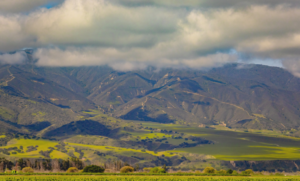
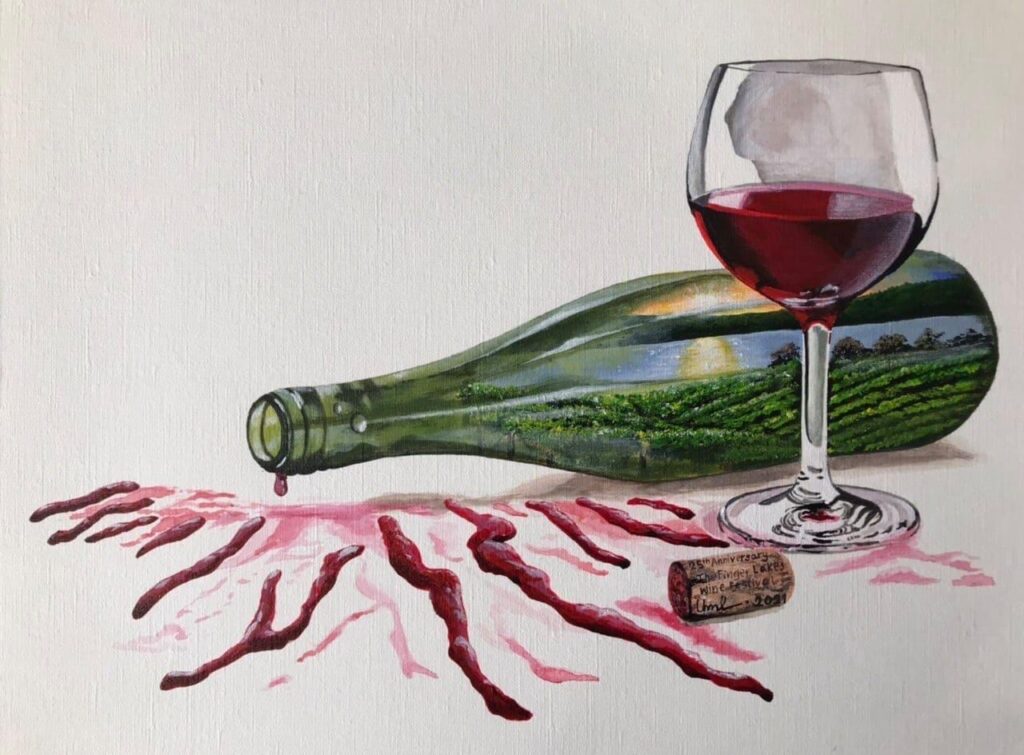
Artist rendering of Finger Lakes Wine Region
January
13
2026

For this week’s post, I am dedicating it to my good friend and follower Janis @hummingbird512 on Instagram. She is a huge fan of wine, but more specifically, of Finger Lakes wine, and asked me to profile the best FLX reds out there for her to try and stock up on. She considers herself to be a local wine historian.

One of Janis’ favorite FLX wineries is McGregor Vineyards situated on a hillside just one mile above the eastern shore of Keuka Lake. She enjoys all of their wines, but especially the 2021 Cabernet Sauvignon. She had it this past summer and suggests holding on to it for a while because it will age beautifully.

She also likes to visit Dr. Konstantin Frank, pioneer for wine in the FLX. “Dr. Frank is uniquely located on the southwestern slopes of Keuka Lake. In 1958, Dr. Frank planted the first vinifera vines and ignited the Vinifera Revolution. This movement would forever change the course of winemaking in the Finger Lakes region”, Janis said. She also likes to go to Fox Run Winery and Zugibe Vineyards off of Seneca Lake.

Janis also loves Bubbles, as in sparkling, which pairs well with her bubbly personality. She has always been a huge supporter of me and my wine adventures, so I am thrilled to put this together for her. She has many followers on Instagram and loves to share her wine experiences, often with her daughter. Check her out! She is very engaging!

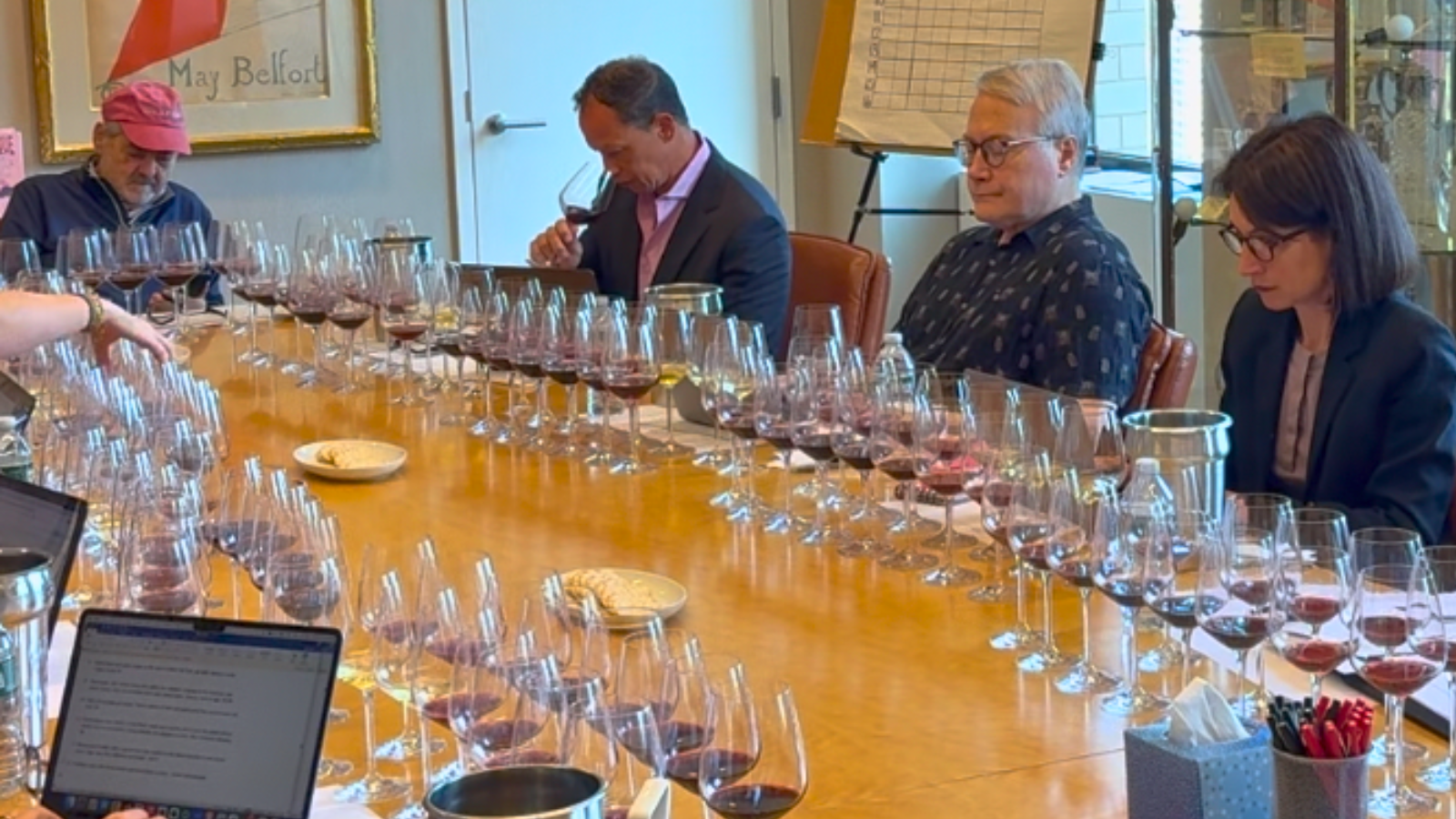
Below you will find the results from the annual New York Wine Classic through the NY Wine & Grape Foundation. I highlighted the highest scoring reds from this competition. NYWGF partners with the Beverage Testing Institute to judge wines submitted by wineries. Scores are awarded by a trained sensory panel comprised of beverage directors, sommeliers, top bartenders, retail buyers, and educators. 
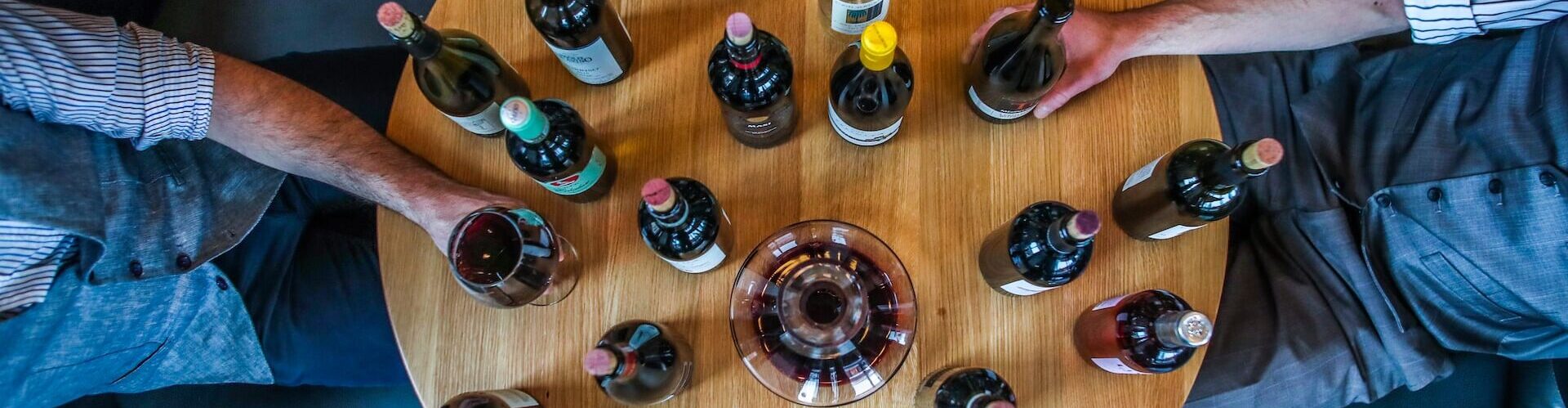
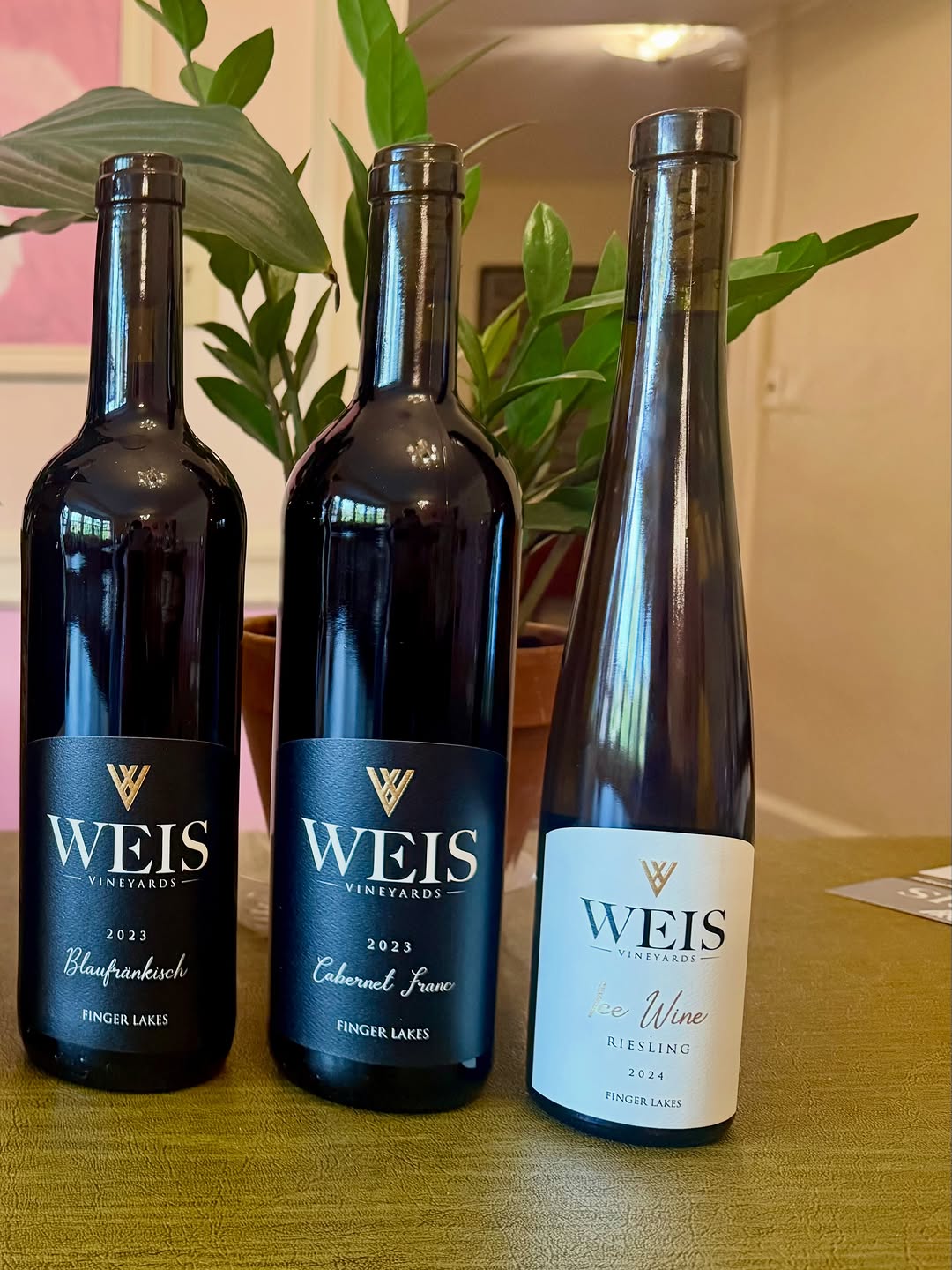
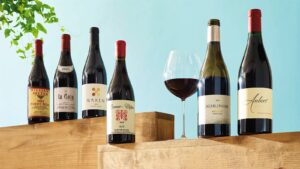
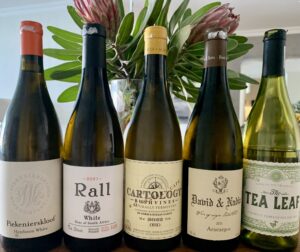
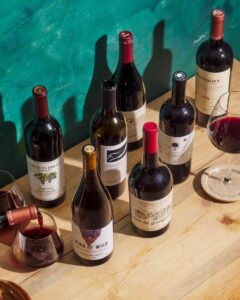
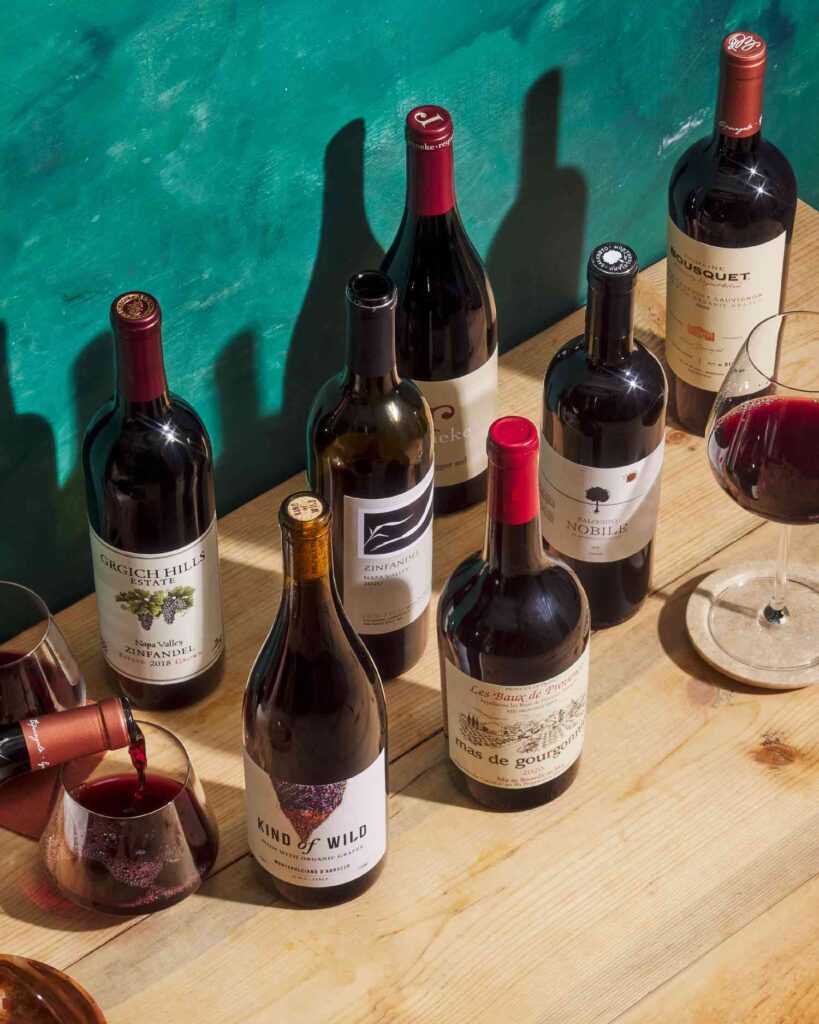
Unfortunately, I wasn’t one of the judges, but I did carefully go through the list and highlight my personal recommendations. I listed those wineries that produce excellent reds and noted the varietal(s) you must try from that winery with some images. I also indicated where you can find the wineries in the Finger Lakes. 

Gold Medals were awarded to wines scoring above 90 pts. There were many excellent FLX reds above 90 in 2025, but I had to cap it at 92 pts and above. Note: Some wineries don’t participate in the NY Wine Classic so they won’t be represented. That’s not say that they don’t produce great reds, i.e. Shalestone Vineyards, Shaw Vineyards, Domaine LeSeurre, Winery, and McGregor Vineyards.

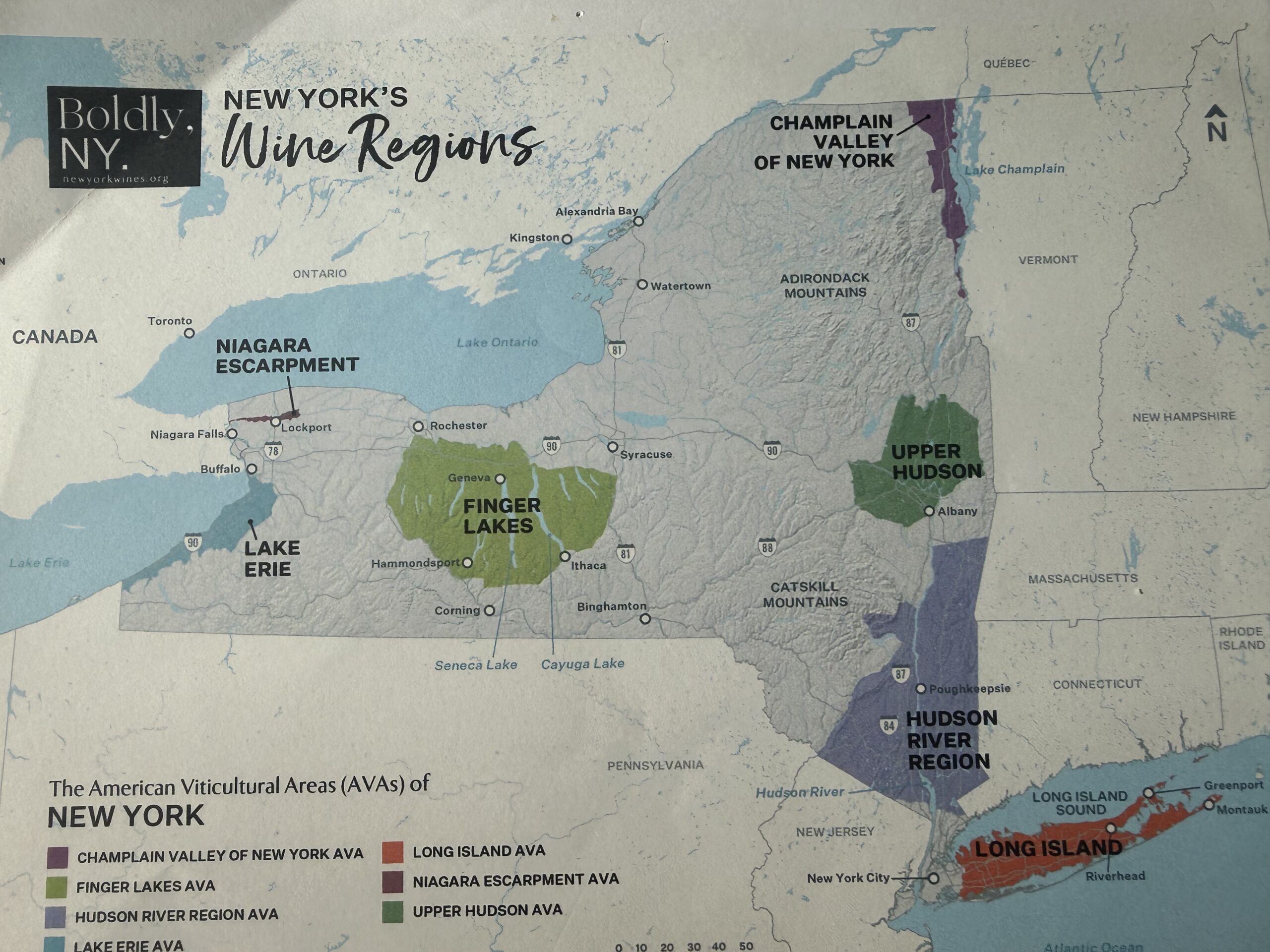
There are multiple AVA’s in the Finger Lakes so the AVA is listed. Most are Finger Lakes AVA, but some are Seneca Lake AVA and Cayuga Lake AVA depending on where grapes are grown and legal designation. Keuka Lake does not have an AVA so they will be designated as Finger Lakes AVA.

Best in Class –

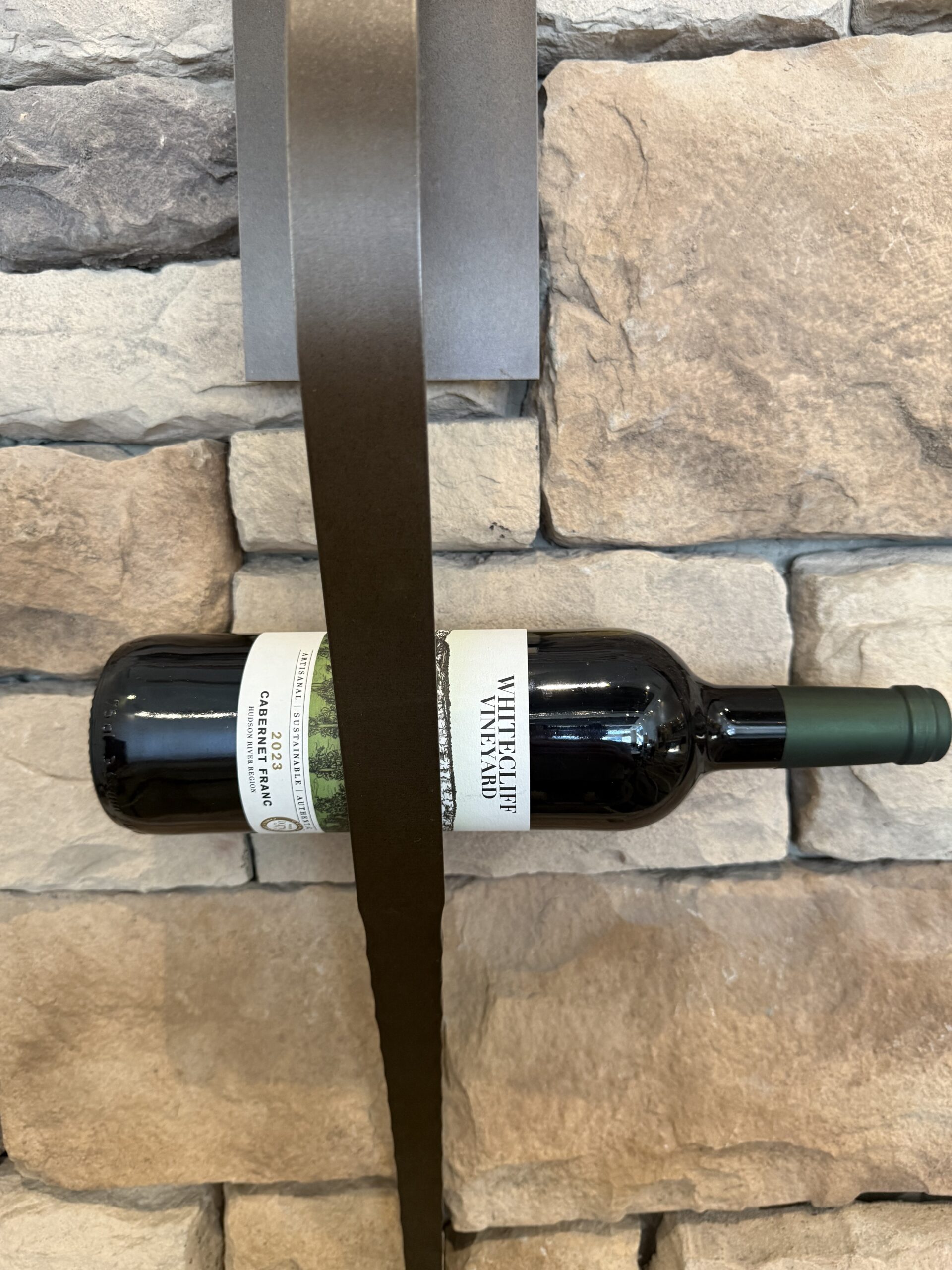
Best Cabernet Franc – Ravines Wine Cellars 2022 Estate Cabernet Franc, Finger Lakes, 96 pts, Platinum Medal

Best Blaufrankisch/Lemberger – Heron Hill Winery 2023 Ingle Vineyard Blaufrankisch, Finger Lakes, 96 pts, Platinum Medal

Best Syrah – Hector Wine Company 2022 Syrah, Finger Lakes, 93 pts, Gold Medal

Top Red Wines –

Acquilano Wine Cellars 2023 Blaufrankisch, Finger Lakes, 95 pts, Gold Medal

Adirondack Winery 2021 Cabernet Franc “Autumn in the Park”, Finger Lakes, 94 pts, Gold Medal 

Red Newt Cellars 2023 Cabernet Franc, Finger Lakes, 94 pts, Gold Medal

93 pointers & Gold Medal –

Damiani Wine Cellars 2023 MC2 Red Blend, Finger Lakes

Goose Watch Winery 2020 “Bailey Sue” Reserve Cabernet Sauvignon, Finger Lakes

Inspire Moore Winery & Vineyard 2022 “Wisdom” Cabernet Franc, Finger Lakes

Ryan William Vineyard 2020 Reserve Syrah, Finger Lakes

Ryan William Vineyard 2020 Reserve Merlot, Finger Lakes

Sheldrake Point Winery 2022 Reserve Cabernet Sauvignon, Cayuga Lake

Sheldrake Point Winery 2023 Estate Cabernet Franc, Cayuga Lake

Thirsty Owl Wine Company 2023 Pinot Noir, Finger Lakes

Toast Winery 2023 MJ Red Blend, Finger Lakes

92 pointers & Gold Medal –

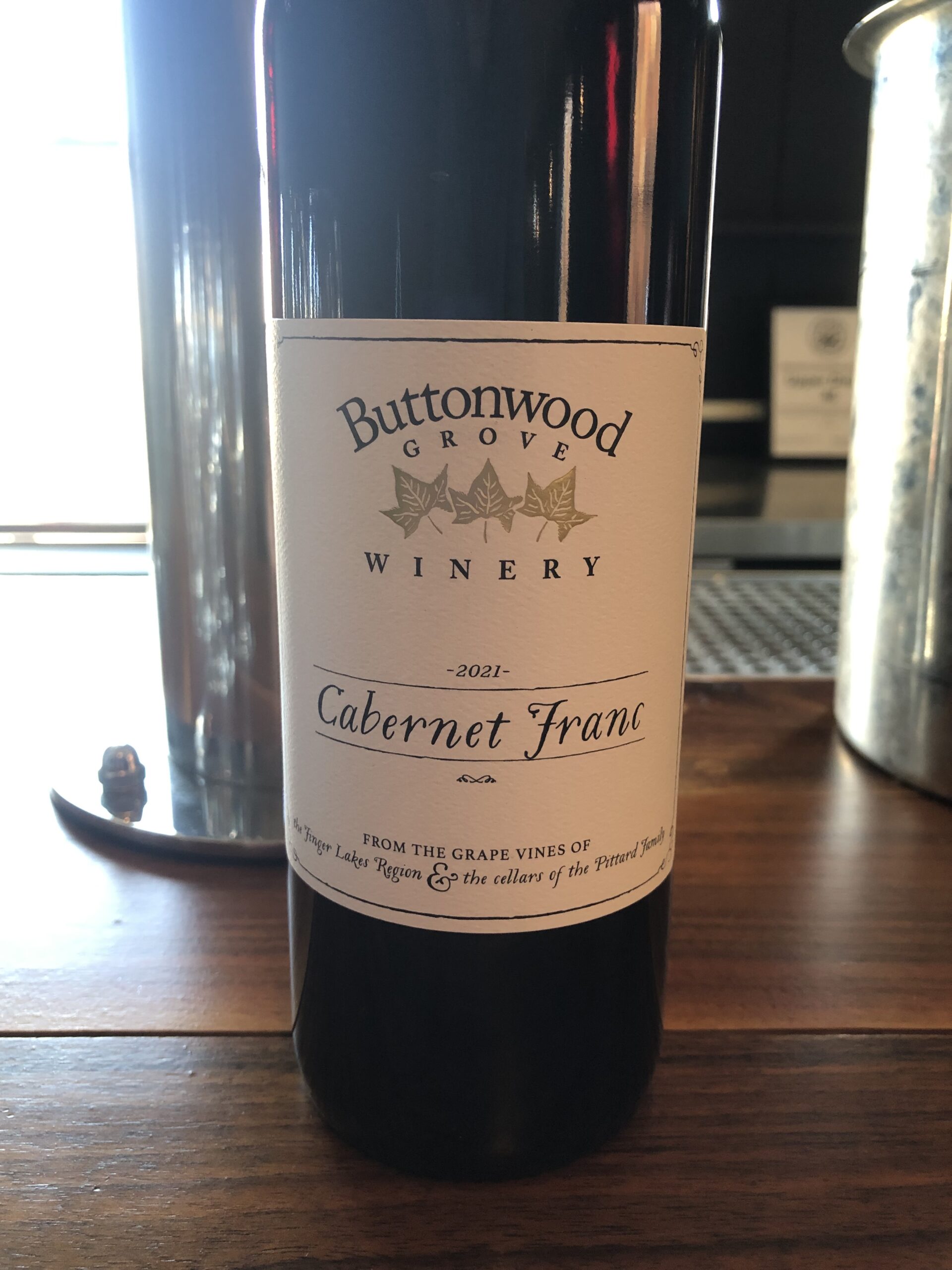
Buttonwood Grove Winery 2022 “Marnie Ann” Red Blend, Cayuga Lake

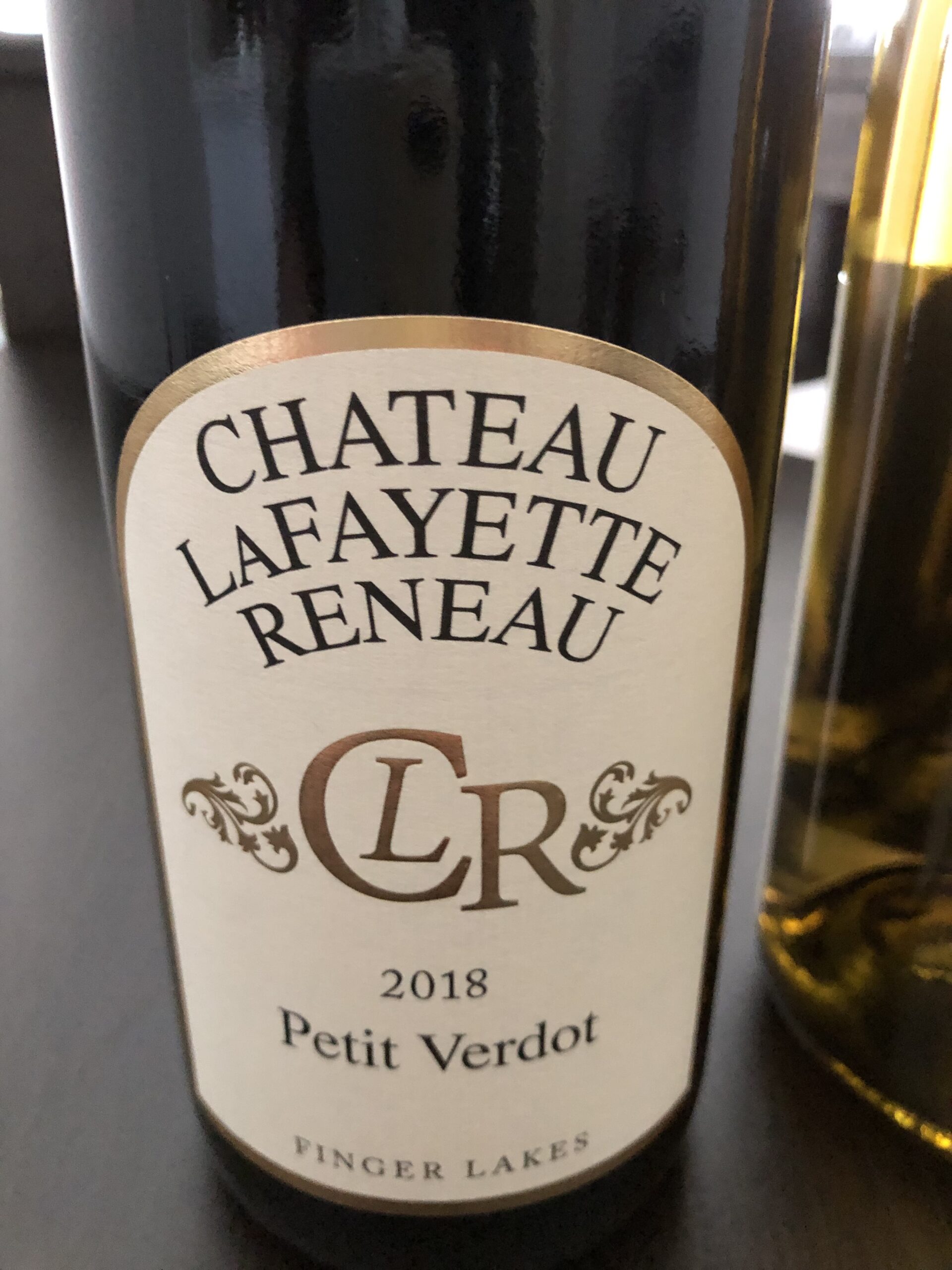
Chateau LaFayette Reneau 2020 Estate Merlot, Seneca Lake

Chateau LaFayette Reneau 2023 Estate Cabernet Sauvignon, Seneca Lake

Constantia Wine Company 2021 Uniquity Red Blend, Finger Lakes

Constantia Wine Company 2023 Cabernet Sauvignon, Finger Lakes

Dr. Konstantin Frank Winery 2022 Cabernet Franc, Finger Lakes

Hector Wine Company Sawmill Creek Estate 2022 Cabernet Franc, Finger Lakes

Knapp Winery 2022 Cabernet Franc, Finger Lakes

Lucas Vineyards 2022 Reserve Estate Collection Cabernet Franc, Finger Lakes

Point of the Bluff Vineyards NV June Bug Red Blend, Finger Lakes

Ventosa Vineyards 2020 Merlot, Seneca Lake

Wagner Vineyards Estate Winery 2022 Cabernet Franc, Finger Lakes

Other Gold Medal Winners from the New York Wine Classic below.  I did not list them here if they were included in the awards section above, so this is essentially a bonus list. 

Many newer wineries have popped up over the last couple of years in the Finger Lakes, which I have yet experienced, so the list will not include some of them.

I may be a little biased because I am either a wine club member at some of these wineries, have worked with them in some capacity, or visit them often because of their phenomenal red wine program. Enjoy!

What FLX reds am I drinking now – All reds from Damiani Wine Cellars, including exquisite library reds. You must seek them out. Just finished “Departure Red Blend” (CS, CF, Merlot) from Barnstormer Winery, Cab Franc from Long Point Winery, and Saperavi from Airy Acres Vineyard.

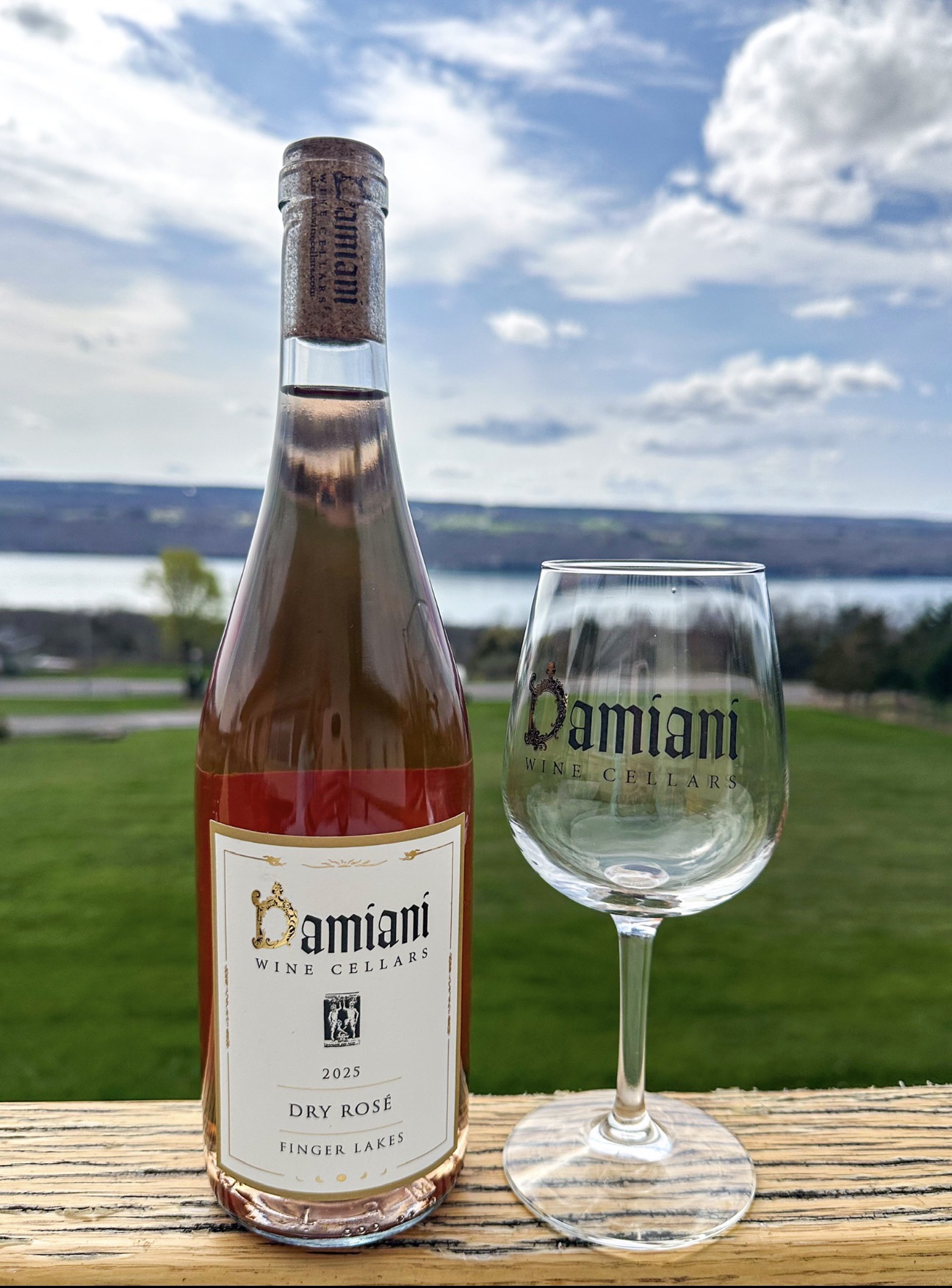
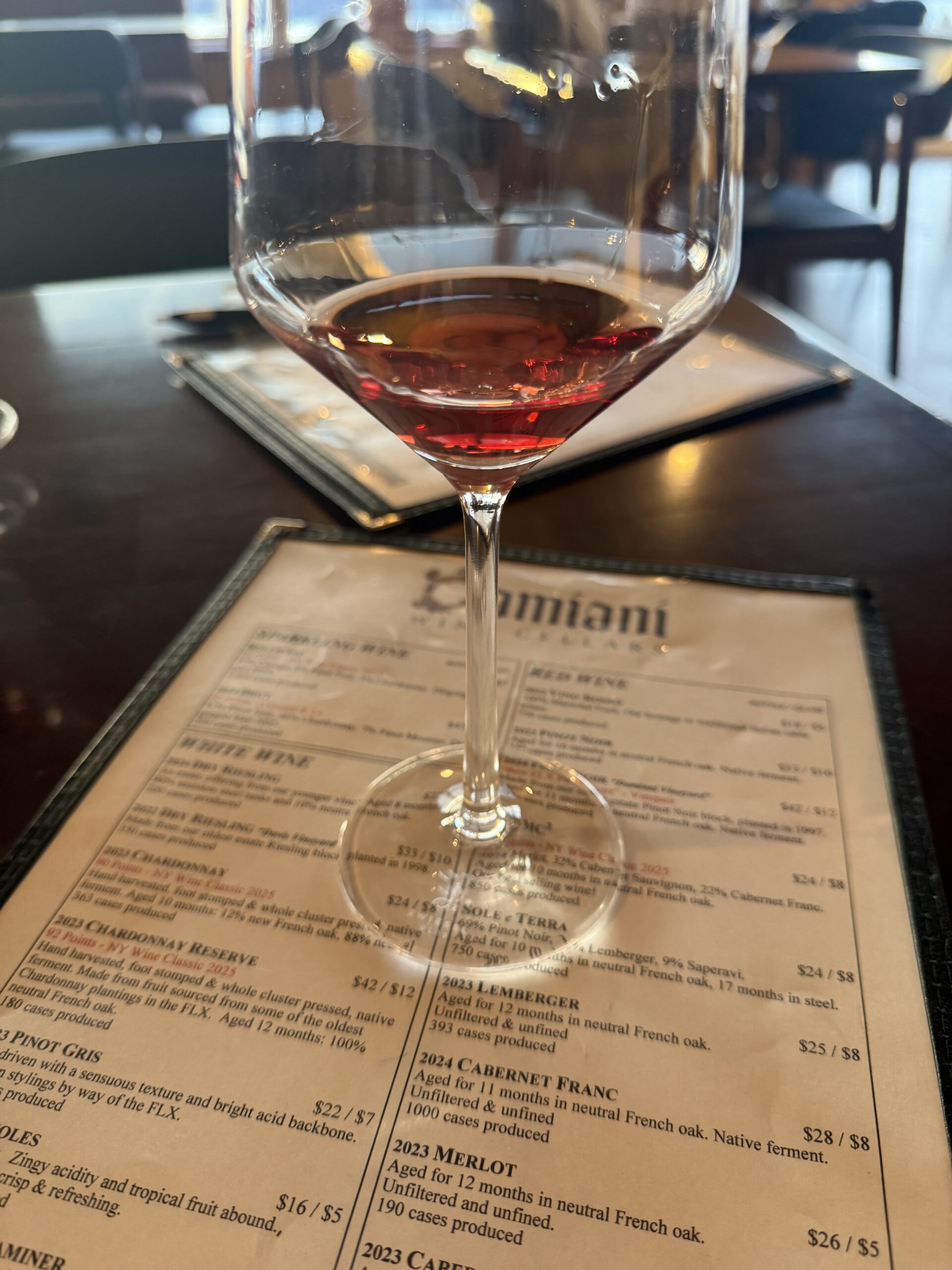
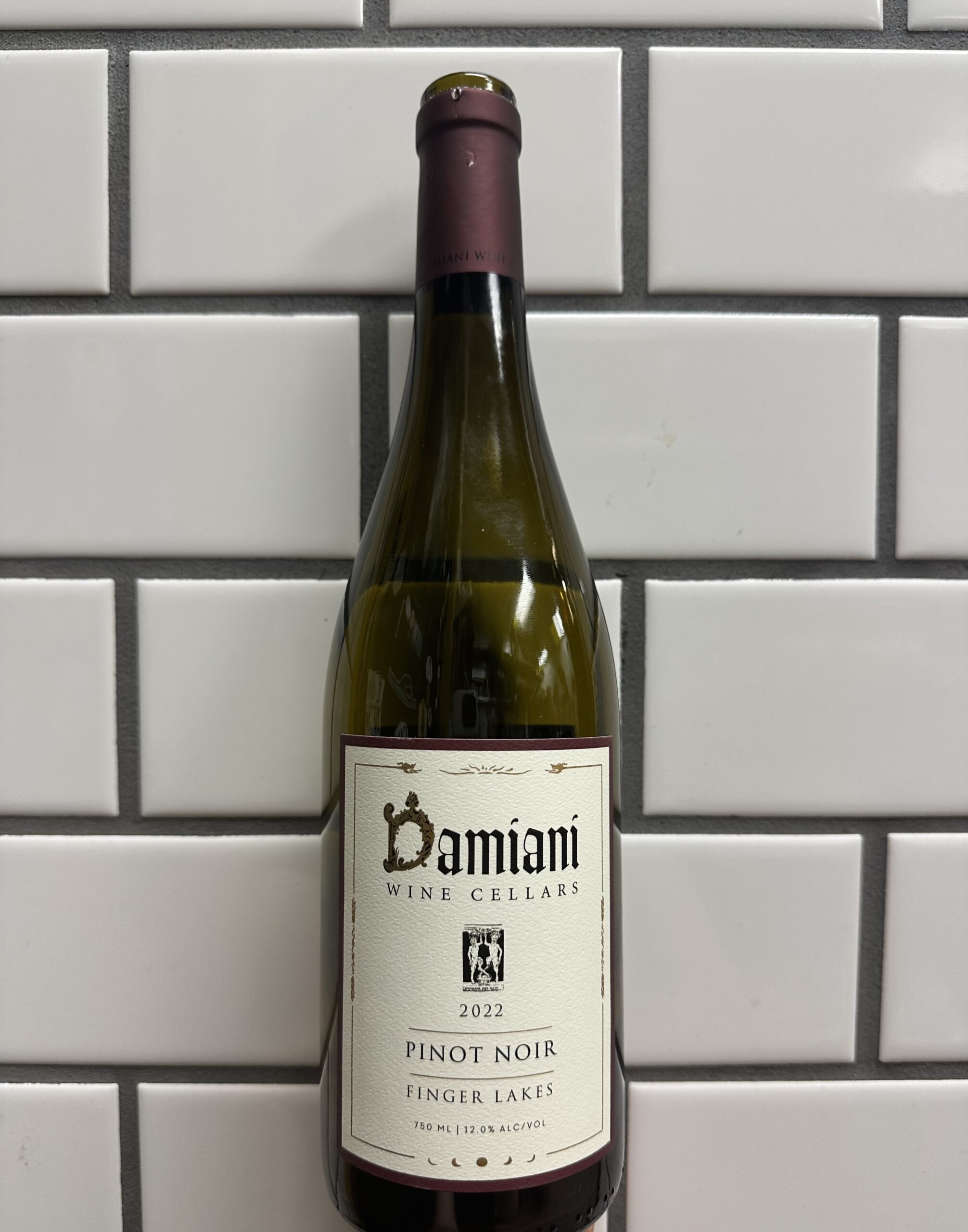
Damiani Wine Cellars, east-side Seneca Lake (try Pinot Noir & Reserve Cab Sauv). Wine Club member. Say hello to my friend and tasting room manager, Jeremy, and wine educator, Jenna, when you visit. They are second to none for their enormous and lovely library red program.

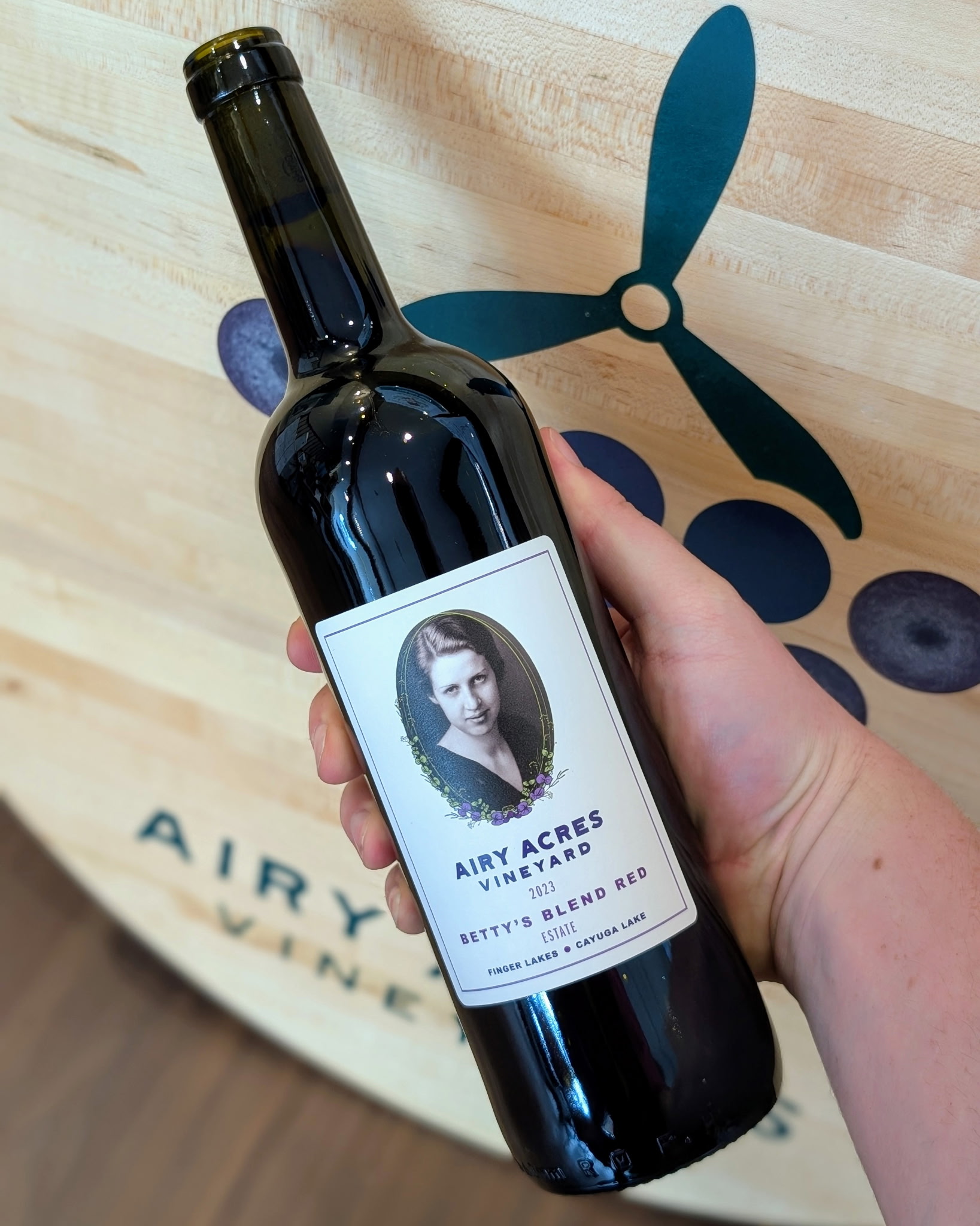
Airy Acres Vineyard, west-side Cayuga Lake (try Lemberger and Betty’s Blend, pictured). Wine Club member. Say hello to my friend, winemaker, and owner, Noah, when you visit. They are fairly new in the FLX and have been producing some incredible wines and reds

Lamoreaux Landing Wine Cellars, east-side Seneca Lake (try special Unoaked Cab Franc). I used to be the wine educator and director of marketing and public relations.

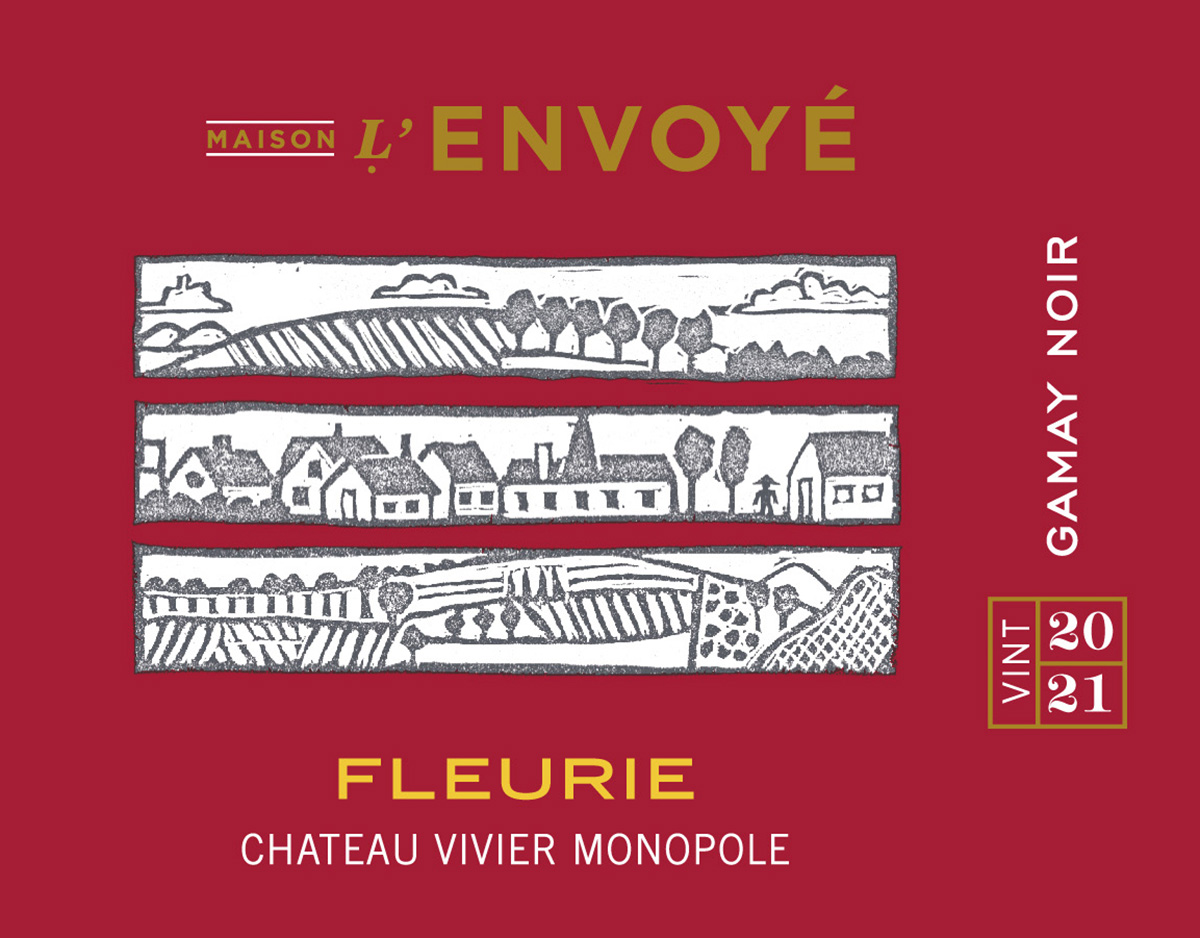
Sheldrake Point Winery, west-side Cayuga Lake (try Gamay Noir and Appassimento red dessert wine). Former wine educator there

Fox Run Vineyards, west-side Seneca Lake (try Cab Sauv and fortified Tawny Port)

Bright Leaf Vineyard, east-side Cayuga Lake (try Merlot). Say hello to owners, Donna & Mike, for me when you visit.

Six Eighty Cellars, west-side Cayuga Lake (try semi-carbonic Cab Franc). Say hello to winemaker, Ian.

Shaw Vineyards, west-side Seneca Lake (reds only). Say hello to Mr. Shaw and family

Forge Cellars, east-side Seneca Lake (try Pinot Noir)

Barnstormer Winery, west-side Seneca Lake (try Cab Sauv and fortified Ruby Port)

Shalestone Vineyards, east-side Seneca Lake (reds only)

Domaine LeSeurre Winery, east-side Keuka Lake (try Lemberger). Say hello to French owners, Celine & Sebastian, for me when you visit. Former assistant tasting manager and wine educator there

Red Tail Ridge Winery, west-side Seneca Lake (try Blaufrankisch and rare Teroldego, Lagrein, and Dornfelder. Last 3 from Italy are unique and worth exploring). Former tasting room manager and wine club manager there
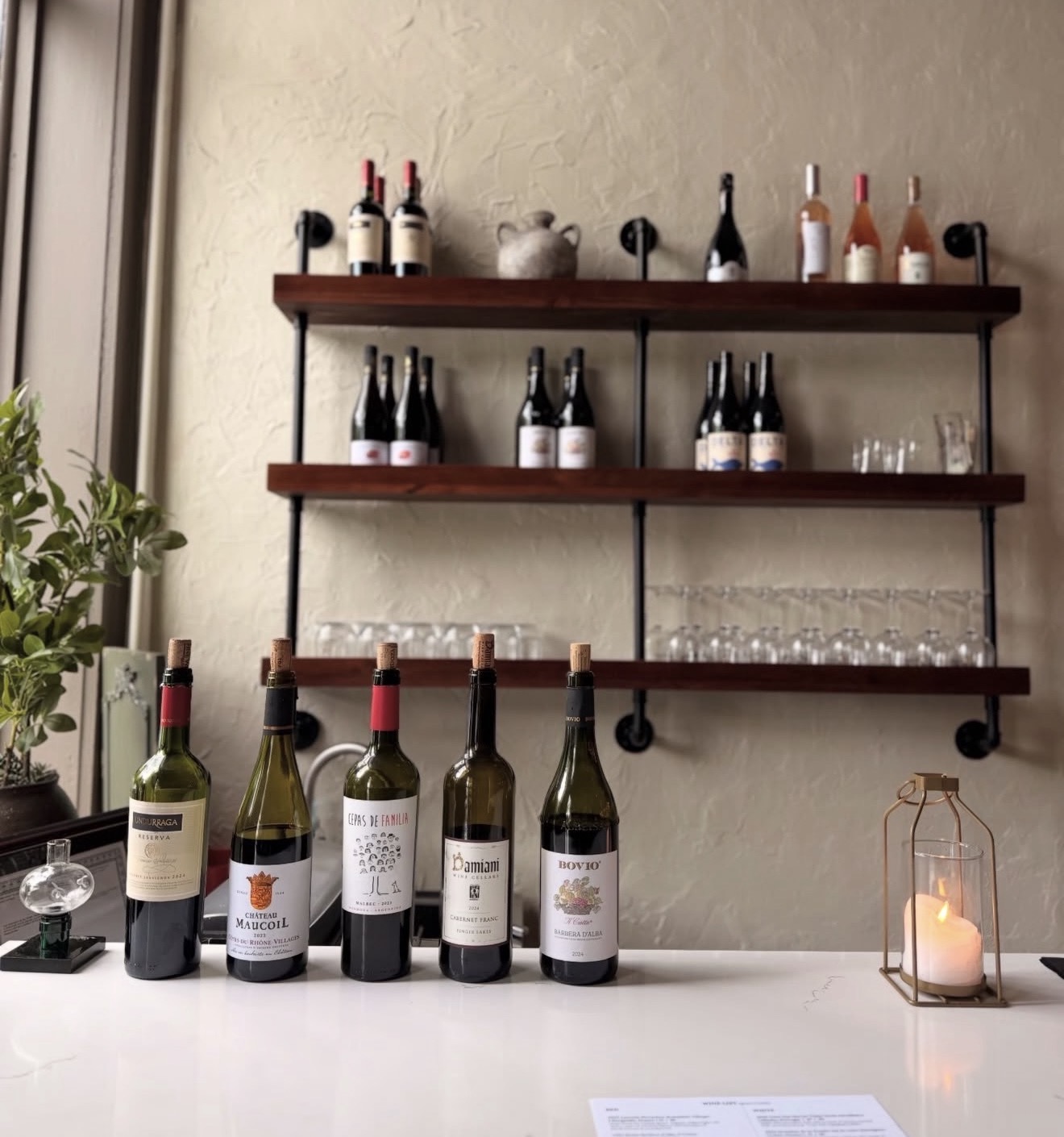
McGregor Vineyard, east-side Keuka Lake (try Pinot Noir)

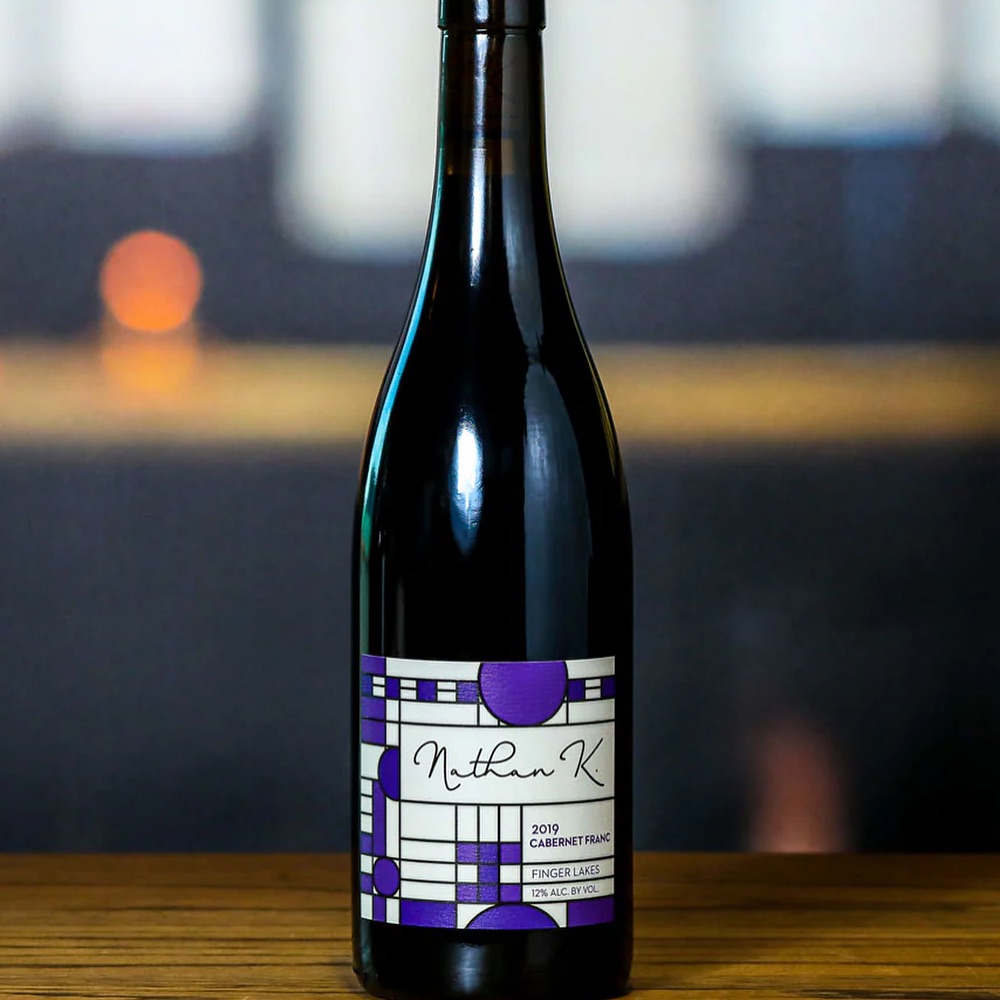
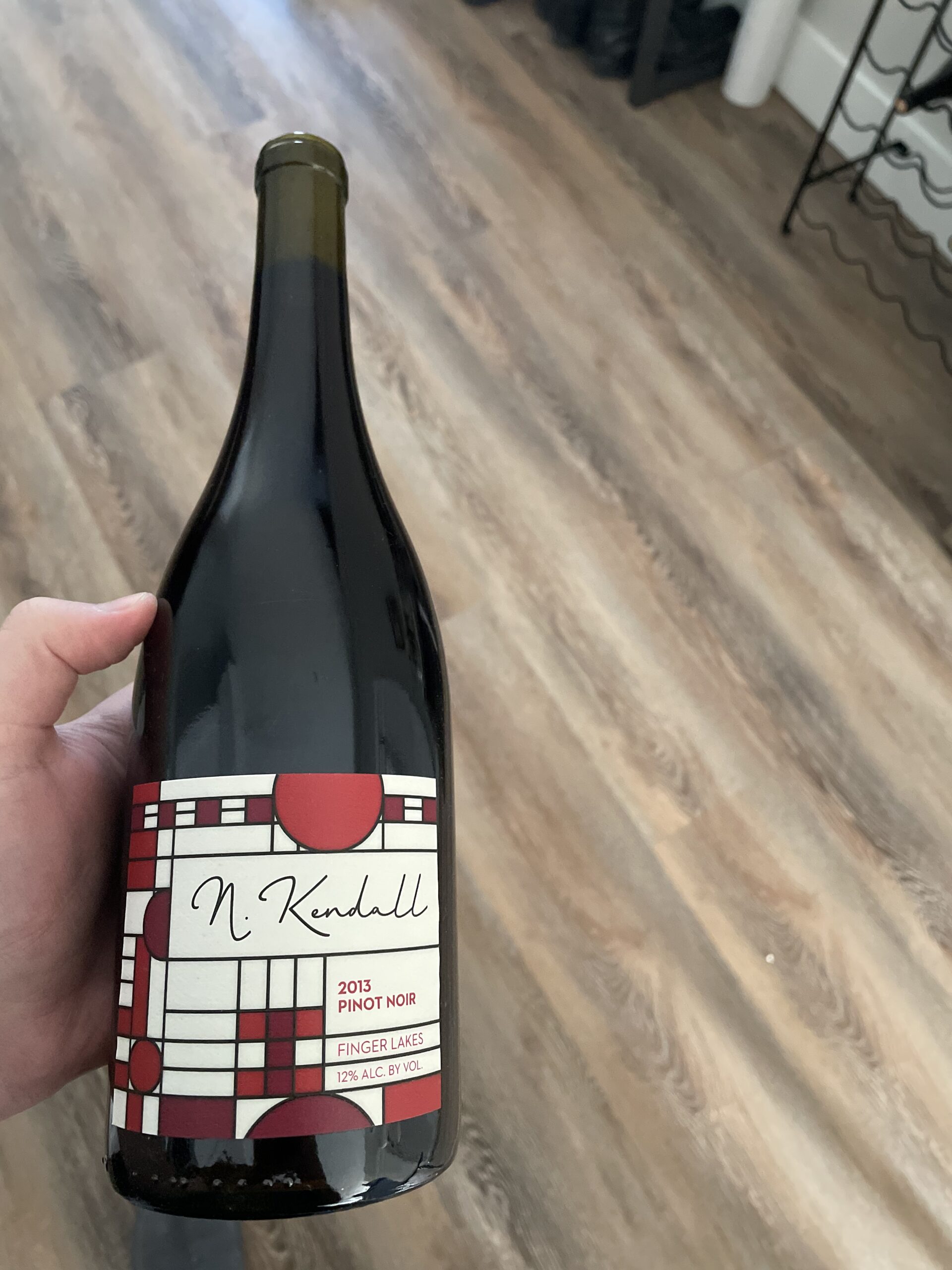
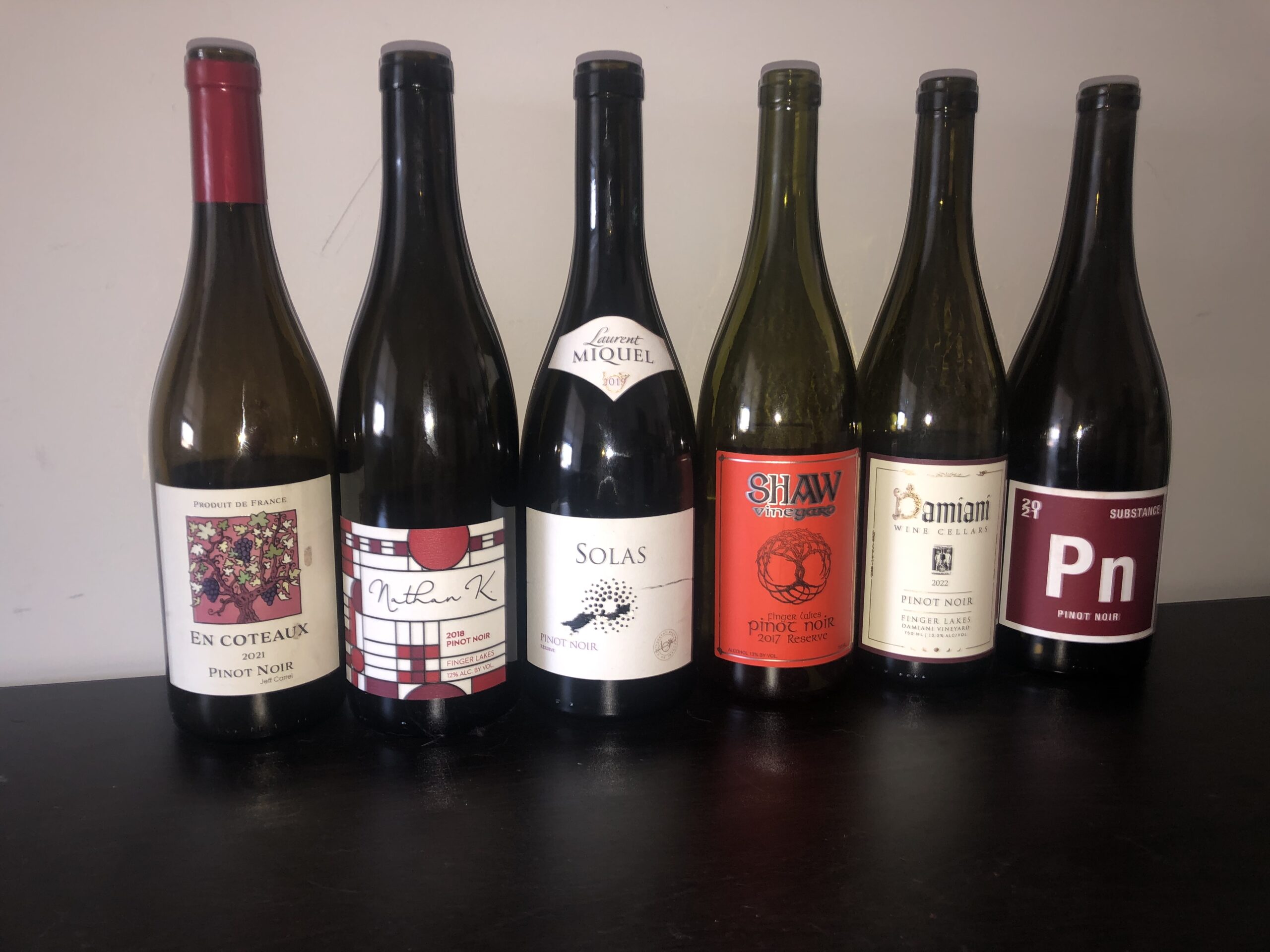
Nathan K/Hickory Hollow winery, west-side of Seneca Lake (try Cab Franc and library reds, pictured)

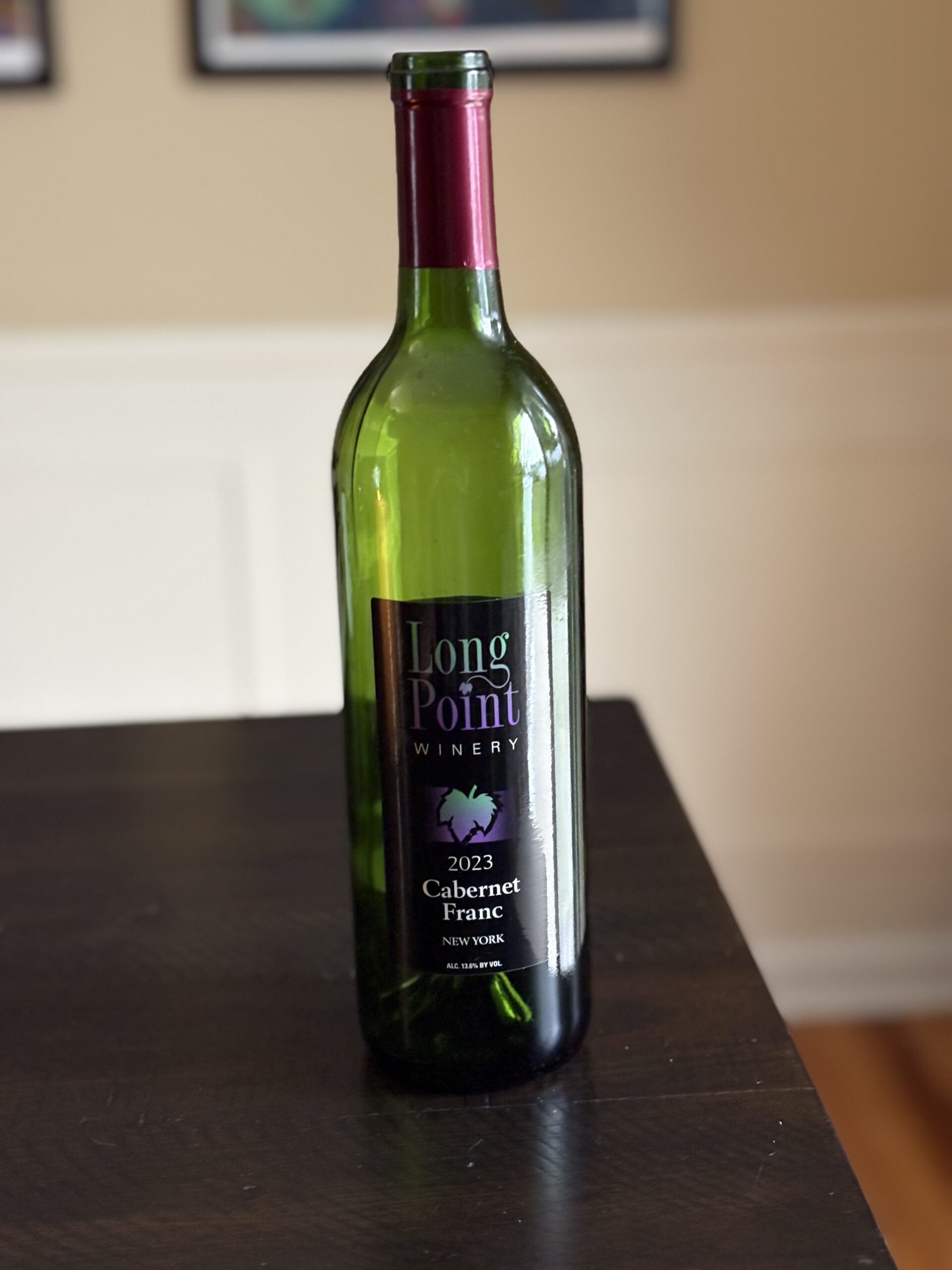
Long Point Winery, east-side of Cayuga Lake (try Cab Franc). Say hello to my friend, Women for Wine Sense colleague, and up-and-coming winemaker extraordinaire, Kristen. She is awesome!

Any questions or in need of recommendations for an organized wine tour or wineries to visit based on taste preferences, feel free to reach out and I can help you put together a tour to enhance your wine experience. Through my business, The Michael Pour, I am available to be your tour guide and concierge. The Finger Lakes Wine Region has been voted as the “Best Wine Region” in multiple years by consumers.
I’m no longer based in beautiful FLX wine country, but I continue to maintain close relationships with wine people and the wineries there. Look through the blog to read about my previous posts on the Finger Lakes Wine Region here – http://www.michaelpour.com/blog

Check out previous post about what “The Michael Pour” can do for you here – Interested In Learning More About Finger Lakes Wines? – The Michael Pour

Cheers,

Michael

Nobody’s Wine Bar: A Hidden Gem in Central NY

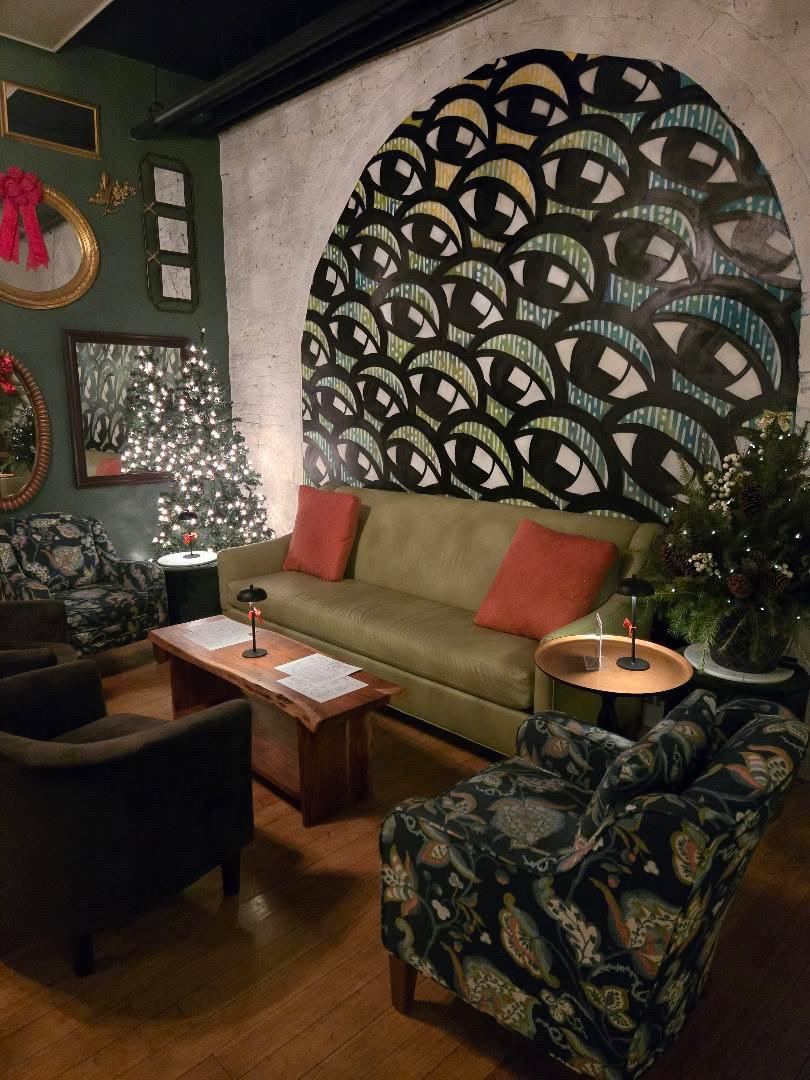
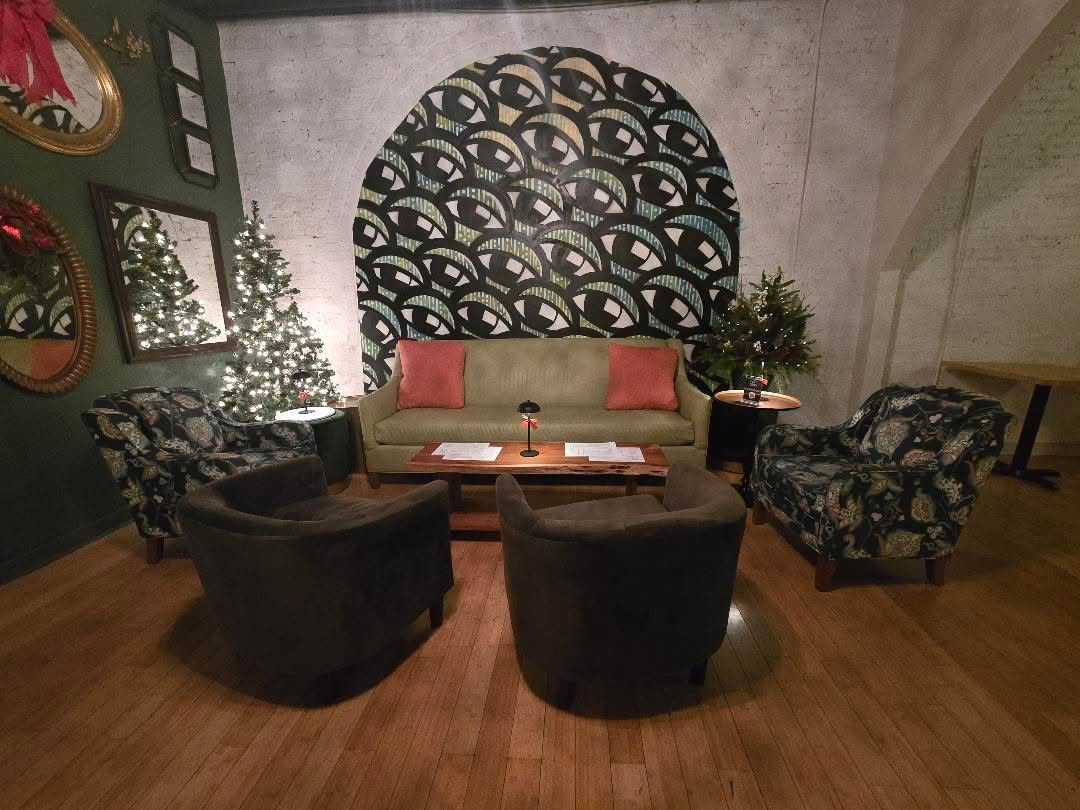
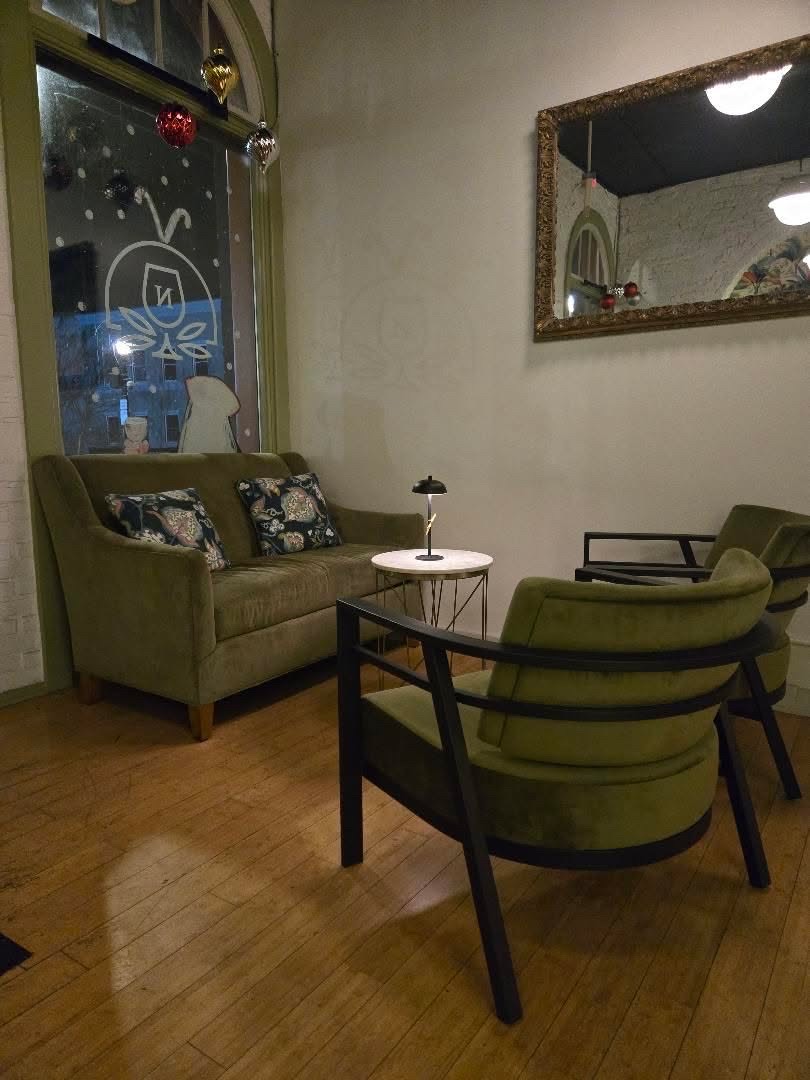
Lounge at Nobody's Wine Bar
December
29
2025

Nobody’s Wine Bar opened in September of 2023. They were a new addition to the infamous and historic Armory Square located in downtown Syracuse. The premise behind the opening was to offer a wine bar to the community that serves a variety of hard-to-find domestic and international wines. 

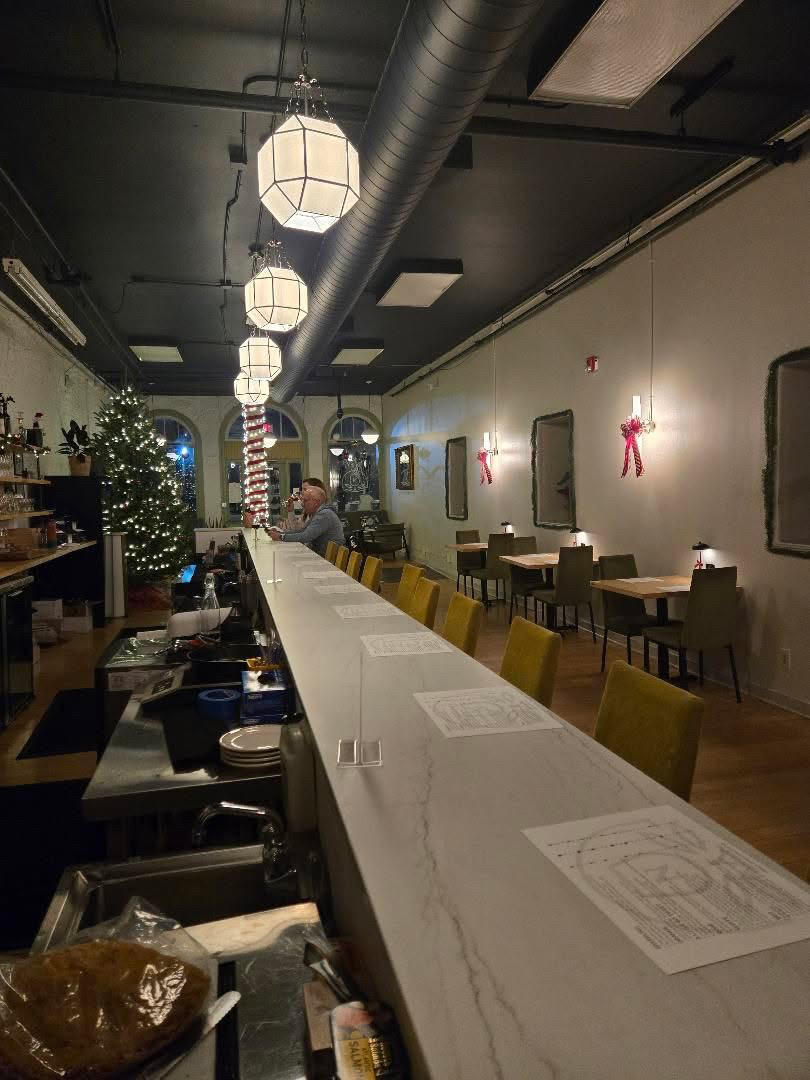
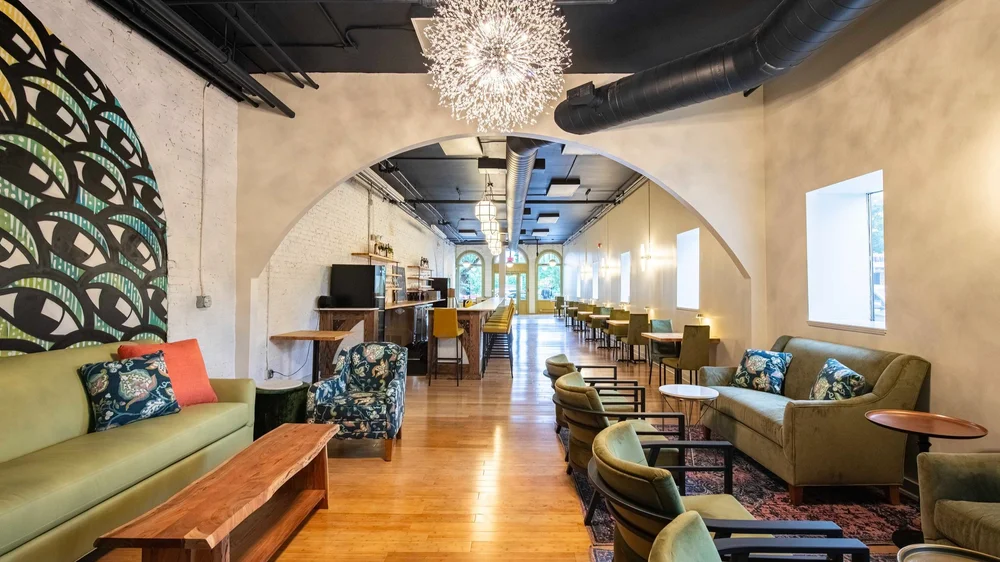
I would describe the space as being cozy, chic, casual, and educational. The interior features a large mural from the graffiti artist Vacant and custom lighting. It gives off vintage and art deco vibes with comfy seating on sofas, plush chairs, intimate table for two, and a long bar, which will accommodate many guests. Get ready to sip and savor and experience bottle bliss from a knowledgeable and experienced wine professional.

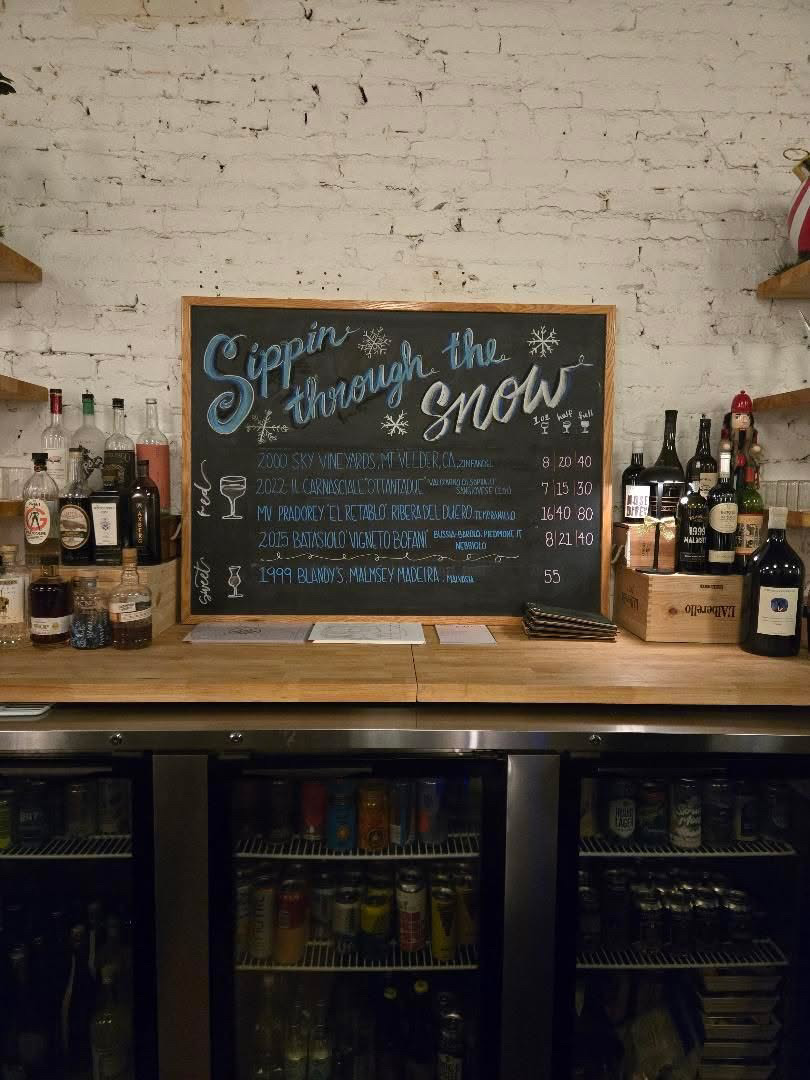
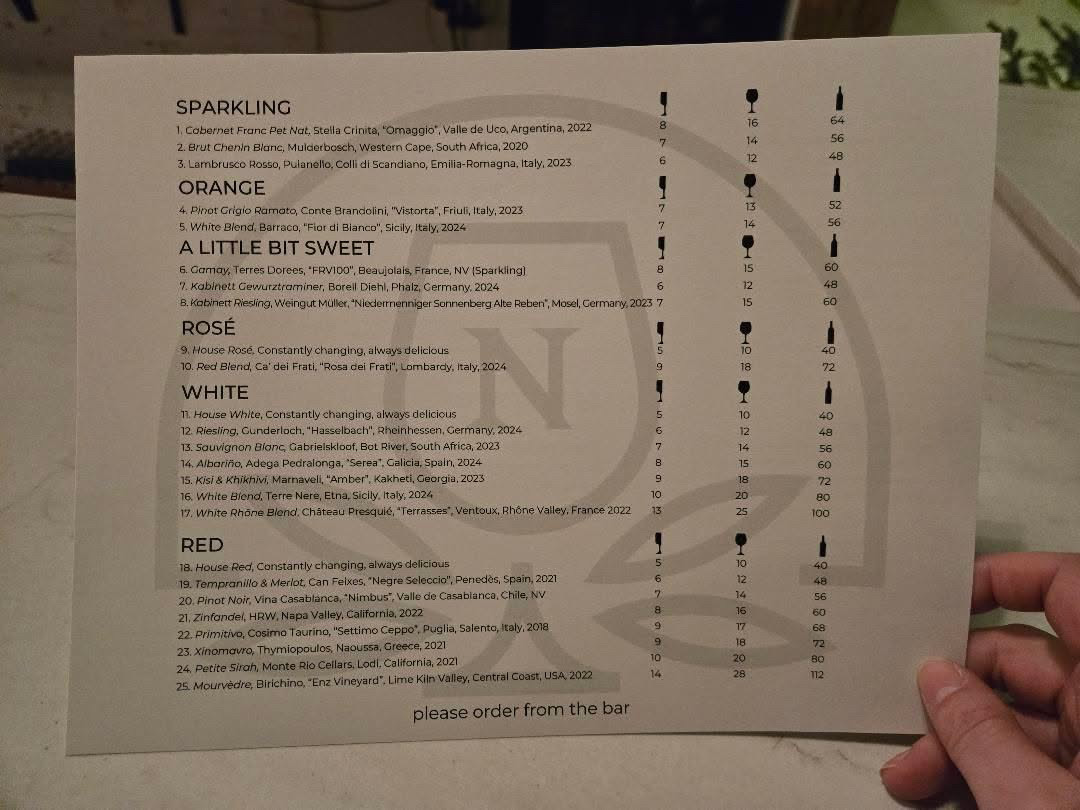
It’s a place where you can get a glass of wine — with about 25-30 choices at a price range starting around $10 per glass. That can go up to $50-$100 per glass for rare, high-end wines. The wine list is rotated often or seasonally to give patrons something new and fresh to try.

Their use of the Coravin wine preservation system allows them to keep bottles fresh without opening them. More bars and restaurants, especially those featuring wines or serving a lot of wine, should use a Coravin.

“What I like to say is we save the best wines for nobody,” said founder, Bob Leonard. “We open up everything, like 60-plus-year-old wine by the ounce just to give people the opportunity to try something they probably would never get the chance to otherwise.”

They try to pick wines from different regions around the world that guests might not have heard of or tried. “We try to highlight wines that I’d say are from more obscure regions and regions that kind of fly under the radar,” Leonard said. 

Additionally, they like to highlight wines that incorporate unique grape varieties and are made by sustainable and environmentally-friendly producers. 

The wines are available at different price points, with their most expensive bottle currently at $112 while most others between $40-$60, which is very reasonable for the atmosphere and for these rare wine finds.
They serve their wines by the half glass, full glass, and by the bottle. The half glass option is great, especially when you want to experience different wines. Grab a seat at the bar to order and engage your sommelier bartender or take your beverage to a comfortable piece of furniture. They know their stuff and would be happy to talk wine.

Nobody’s is primarily a wine bar, but they have some small bites like canned fish, local cheese and charcuterie from The Curd Nerd, and local bread and crackers. They also offer a curated selection of beer, cider, and seltzers and will unveil a small, basic cocktail program soon.
They encourage guests to bring in outside food, which is a great opportunity to discover the perfect wine pairings. Over time, they will look into offering more food choices along with occasional pop-ups.

Nobody’s is a destination where everybody is welcome. They believe, as do I, that every glass of wine tells a story waiting to be shared. With a passion for great pours, impeccable service, and an ambiance that invites you to unwind, they are thrilled to introduce you to their hidden gem on Walton St. in downtown Syracuse.

Whether you’re a seasoned sommelier or are just discovering your love for wine, come pull up a chair. Take a journey through their carefully curated selection of beverages handpicked from around the world, Central NY, and Finger Lakes region. 

Great place to grab a glass while waiting for a table at a nearby restaurant or finish off a delicious meal with an exquisite wine. They have accommodating late night hours for those having dinner, attending a show, musical, or cultural event, or experiencing the nightlife in the city. 

Happy Hour

Tuesday – Thursday from 4p-6p with $2 off beer & full glasses of wine and $1 off half glasses of wine. 

Trivia night is every Tuesday night starting at 6:30. Happy Hour goes till 8p that night.

Hours of Operation

Tuesday – Saturday, 4p-12a (ish*) *if it’s still popping, they will stay open! Closed on Sundays and Mondays. 

Location

Nobody’s Wine Bar, Armory Square, 222 Walton Street, Syracuse, NY 13202 (last shop on the street). Free street parking after 6pm.

Nobody’s offers wine classes for all wine levels with a seasonal focus conducted by staff. They are available to host your company’s private event or your special occasion event.  Look for cool LGBTQIA-friendly events throughout the year as well. Check out the event schedule on Tock for their upcoming winter wine classes at Nobody’s Hospitality Group – Syracuse, NY | Tock.

My company, The Michael Pour, is excited to be partnering and collaborating with them. Our hope is to establish Nobody’s as the main source for local wine education and a primary spot for discovering special wines. If you are a local business or organization and would like to work with us or have us host an event, please let us know at michael@michaelpour.com or hello@nobodyswine.com.

Please reach out to me if you would like to grab a glass or a bottle sometime and I will introduce you to the exquisite wine list.

Meet Sarah

Sarah Gaines is the GM and Head Sommelier at Nobody’s Wine Bar. She handles the day-to-day operations of the bar. I’ve had the pleasure of recently meeting her and working with her for our upcoming “Fundamentals of Wine” class series through the Syracuse Chapter of Women for WineSense on January 18th at Nobody’s. I have frequented the bar on several occasions and plan on being a regular personally and professionally.

Her story is an intriguing one and how she landed here in Central NY to run the wine bar is worth illuminating below. Sarah and I share a similar background with our love and passion for wine. Our combined restaurant and service experiences mirror each other. Also, our deep dive in Italian wine propelled us on our wine path. I look forward to our fun times together and bringing this passion to all of you.

“Born and raised in Colorado, Sarah took an unexpected but deeply fulfilling path to the world of wine. After earning a bachelor’s degree in Political Science from Alma College, she first discovered her passion for wine while working at a winery in Northern Michigan. There, she found joy in guiding guests through tastings and helping them understand why wine tastes the way it does.

Following undergrad, Sarah worked as a paralegal in Boston and Washington, D.C., and later pursued a master’s in Justice, Law, and Criminology at American University. But it was during her time as a Wine Educator at District Winery—between semesters—that Sarah realized wine wasn’t just an interest, it was her calling. She left graduate school to follow that passion full time.

Sarah went on to become the Cellar Director at RPM Italian, where she earned her Level One certification from the Court of Master Sommeliers and was later promoted to Head Sommelier. There, she helped develop one of the most extensive Italian wine lists, led staff education efforts, earned her Certified Sommelier pin, all while nurturing a deep love for Italy’s rich and complex wine traditions.

Now at Nobody’s, Sarah is excited to return to her roots as a wine educator—sharing her knowledge, exploring new regions beyond Italy, and helping guests uncover wines they’ve never heard of but will never forget.

Outside of work, Sarah stays active with weight training, golf, and spending time with her two beloved cats, Ruthie and Cork.”

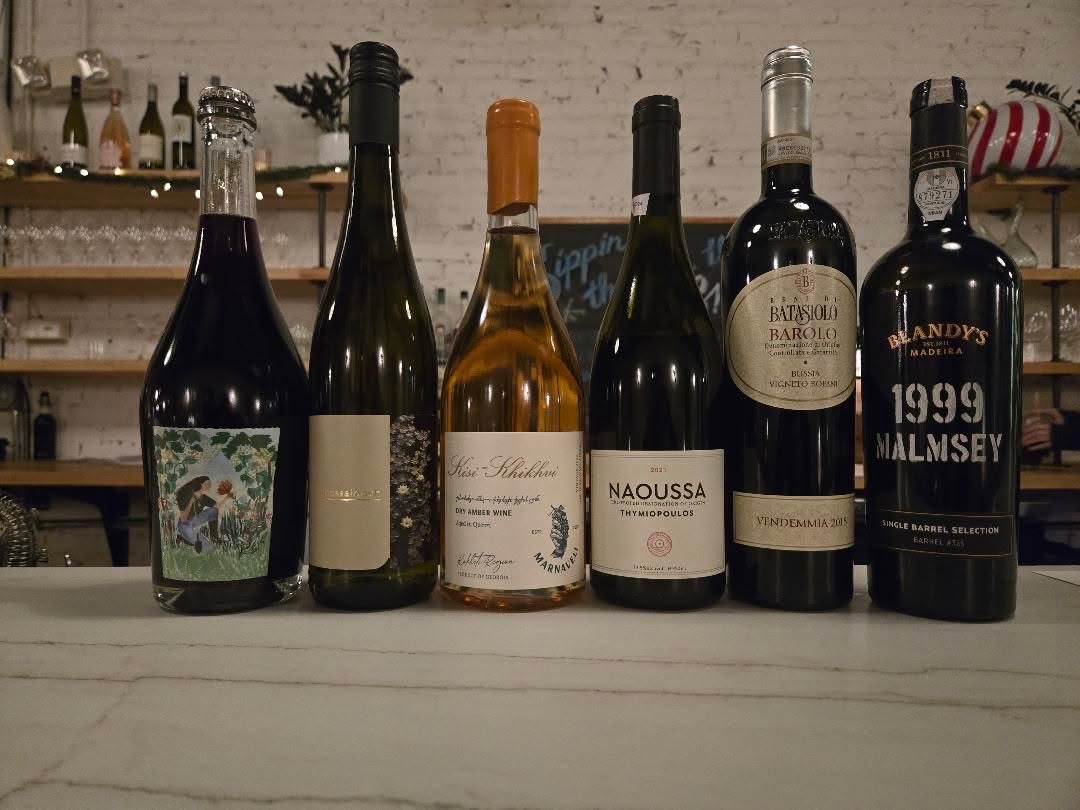
Here are some of Sarah’s favorites which appear on the current wine list –

Sarah's favorite wines on wine list

Visit them at https://www.nobodyswine.com/ 

Cheers & Sante,

Michael Nagy


Wine Spotlight – Top Value Wines of 2025

December
15
2025

As we close out 2025, here is a year in review of some of the best wines and vintages. You don’t have to be a wine connoisseur, collector, or wine professional to appreciate the wine story and spark of 2025. Each year and vintage brings new challenges to the wine world as climate and cost becomes a factor and the need to re-invent the way things are done. Trying to find the balance of keeping tradition going along with experimentation, forward thinking, and unique approaches to growing grapes and producing wine.

This year we see tremendous diversity among the best wines across the globe with legendary producers and estates and newbies joining the conversation. The best span different styles and regions with an emphasis not just on quality (scores), but also on good value (price), availability (cases made), and up and coming (making noise). Even from remote places and untraditional places. A reflection of local people, the vineyards they manage, and innovative winemaking.

As a resource, I turn to Wine Spectator. Although there are many wine publications and reviewers out there, including yourselves, I find that WS regularly offers helpful information on ‘best value’ wines, ‘smart buys’, and a cool snapshot of all regions producing wine with great insight. I often use their guidance for picking out wines for my company’s special events, like wine tasting classes and wine dinners.

In today’s economy, finding a great wine that matches the occasion without breaking the pocketbook, is paramount. It can be frustrating though because it is difficult to hunt down wine that isn’t exported, isn’t available in your marketplace, or is a small production wine that we will never see. Try searching for the producer, winery, or vineyard for that wine (especially if a top producer) because you will find other great wines in their portfolio.

Did you know that 38 wines earned a place in the Wine Spectator Top 100 of 2025 for the first time? Although 14 wines in total are priced at $100 or more, a third of the wines cost $30 or less. Now we’re talking! Paying under $30 for a really good wine is not terrible at all, especially when you treat it as a gift. On average those top 100 wines scored 93 points (anything 90 points or higher is considered to be awesome) and cost $58 showing the diversification and excitement in today’s wine world.

To go deeper, the WS list includes wines from 12 different countries. As expected, historic France and Italy each contributed 20 wines. California led all regions with 24 selections thanks to the excellent 2023 vintage for Pinot Noir, Chardonnay, and Zinfandel. Oregon and New Zealand each added 5 wines, which is a testament to New World, cool climate locations making the best out of climactic challenges and vineyard management.

Spain had 8 wines while Chile and Argentina from South America produced wines of quality, but most significantly, great value for those savvy shoppers. All these selections were blindly tasted by a panel of experts and provide an interesting story to pursue.

If you were wondering, the Top 10 were rounded out from California (producers: Aubert, Ridge, Williams-Selyem, and Wayfarer), St.-Emilion (Bordeaux, France), Barbaresco (Italy), Chianti Classico (Italy), Chateauneuf-du-Pape (Rhone, France), and Chile (Apalta).

Although I haven’t tasted most of the wines (that’s an understatement), and probably never will, I can offer some insight into those that may be accessible if you look hard enough and come with an affordable price tag for you and your guests this holiday season and beyond.

I may be a little bias because I do reach for wine from certain regions and varietals when choosing wine for myself. If I’m shopping for others, I ascertain what style of wine they like most. If I’ve enjoyed a wine from a certain producer and has a good value, I tend to look for that producer for all their grape varietals and vintages.

The following list of wines are taken from the Wine Spectator Top 100 wines of 2025 with ranking, score, approximate cost, and location. The wines listed have to meet my criteria of 90 plus points and under $30 or so. In other words, high quality wine with great value. I can’t speak to whether or not the wines are available in my marketplace of Central NY, but they may very well may be in yours. Also, look for them on wine lists at high-end restaurants in big cities.

#17 Ruffino Chianti Classico Ducale Riserva 2021 (Italy), 93 pts, $25

#18 Diatom Chardonnay Santa Barbara County 2024 (California), 93 pts, $25

#20 Rimapere Sauvignon Blanc Marlborough Single Vineyard 2024 (New Zealand), 93 pts, $30

#23 Rocca di Frassinello Maremma Toscano Ornello 2023 (Italy), 94 pts, $30

#24 Dry Creek Chenin Blanc Clarksburg Dry 2023 (California), 91 pts, $18

#25 Carpineto Chianti Classico Riserva 2020 (Italy), 93 pts, $29

#26 Vina Tarapaca Cabernet Sauvignon Maipo Valley Etiqueta Negra Gran Reserva 2022 (Chile), 92 pts, $34

#29 Chateau d’Estoublon Coteaux Varois en Provence Roseblood Rose 2024 (France), 90 pts, $27

#32 Massican Annia Collection 2024 (California), 92 pts, $32

#35 Primus The Blend Apalta 2022 (Chile), 90 pts, $21

#36 Ravines Riesling Finger Lakes Dry 2022 (New York), 91 pts, $21

#42 Ravenswood Zinfandel Dry Creek Valley 2023 (California), 93 pts, $27

#43 Lamadrid Malbec Agrelo Single Vineyard Reserva 2023 (Argentina), 90 pts, $20

#49 Ken Forrester Chenin Blanc Stellenbosch Old Vine Reserve 2024 (South Africa), 91 pts, $21

#56 Venus La Universal Montsant Dido La Universal 2021 (Spain), 91 pts, $25

#60 Newfound Gravels California 2022, 92 pts, $30

#61 BiancaVigna Brut Conegliano Valdobbiadene Prosecco Superiore 2023 (Italy), 91 pts, $23

#62 Te Pa Sauvignon Blanc Marlborough 2024 (New Zealand), 92 pts, $21

#68 Albert Bichot Bourgogne Origines 2023 (France), 90 pts, $26

#73 Sleight of Hand The Spellbinder Columbia Valley 2022 (Washington), 90 pts, $25

#75 Graci Etna Rosato 2024 (Italy), 91 pts, $30

#86 Dr. Loosen Riesling Kabinett Mosel Erdener Treppchen 2023 (Germany), 90 pts, $28

#91 Hugh Hamilton Shiraz-Saperavi South Australia Black Ops 2021 (Australia), 92 pts, $30

#93 Famille Lieubeau Muscadet de Sevre et Maine Clisson 2022 (France), 91 pts, $28

#96 Bodegas Bhilar Rioja White Bhilar 2022 (Spain), 92 pts, $21

I hope I shared a diverse group of wines above for you. The writing of this post took quite a bit of time. I am not being paid for producing this content or any other content, so I hope you enjoyed it and use it as a resource.

If you have tasted any of these wines, please share your experiences. If and when you do taste them, please let me know your thoughts. I am always interested in feedback for myself and my business ventures and to just talk wine.

Cheers,

Michael

Wine Spotlight: Getting to Know Beaujolais Wine

November
20
2025

“Happy Beaujolais Nouveau Day 2025”

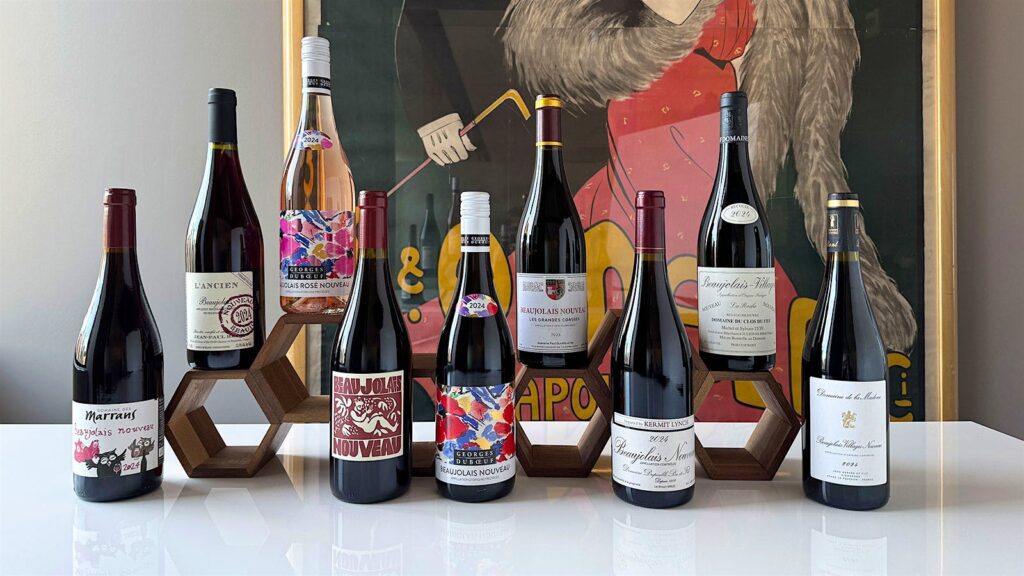
Beaujolais Nouveau is a light, fruity red wine from the Beaujolais region of France made from the Gamay grape. It is released on the third Thursday of November every year. It is known for its easy-drinking and juicy quality with notes of banana and strawberry, served slightly chilled, and has become a celebration of young wine worldwide.  Its popularity is largely due to marketing efforts in the mid-20th century that promoted a race to get the first bottles to Paris.  

The Gamay grape is also grown in parts of New York State and the Finger Lakes region due to the cool climate and longitude and latitude proximity. Try the Gamay Noir from Sheldrake Point Winery on the west side of Cayuga Lake. You will not find too many Gamay in the marketplace. I did recently indulge in one at Noble Cellar in downtown Syracuse NY. If you do find one in a local shop, expect to only pay around $20–$25.

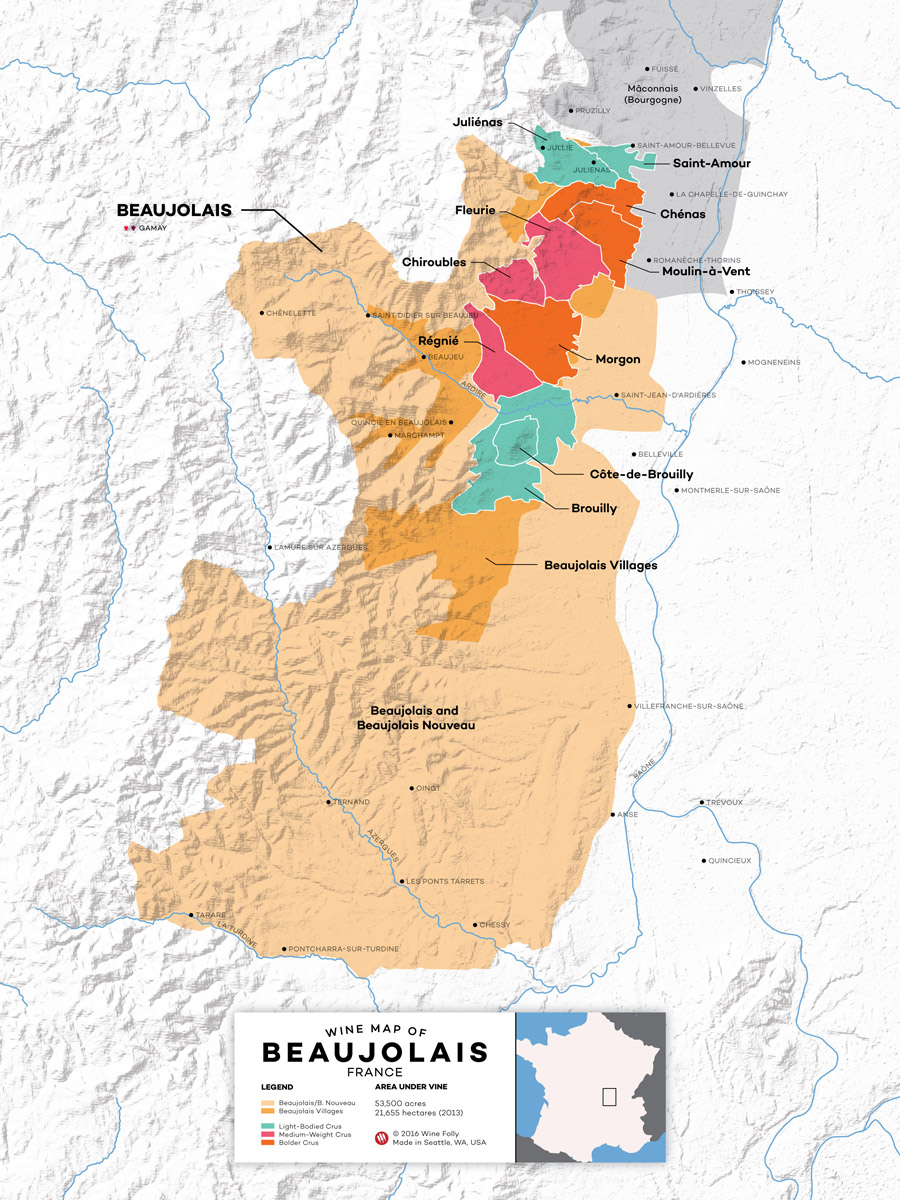
Beaujolais is the name of a little area in France just south of the Burgundy region. It is one of the few wine regions of France that has a more casual approach. Historically, Beaujolais has been considered a part of Burgundy, but today it stands alone producing high quality, signature wines. The more serious cru designations of Beaujolais drink very much like a red Burgundy (Pinot Noir). Beaujolais is arguably one of the lightest reds you will encounter.

Where is Beaujolais?

  • Bordered by Burgundy to the North – the Saône River (which leads to Côtes du Rhône) to the East – the “Gastronomic Capital of France”, Lyon, to the South – and the Monts de Beaujolais (the hills of the Massif Central) on the West.
  • Beaujolais is just 34 miles long and 7-9 miles wide.
  • Divided into two sections by the Nizerand River, with different soils on each side.
  • Beaujolais’ flavor is in the soil. There are mostly granite and schist (decomposed rock) to the North and clay-based soils (marl) to the South.
  • All of the Beaujolais Cru vineyards are located on the northern side of Beaujolais.

10 Beaujolais Crus

The crème de la crème of Beaujolais!

There are 10 Crus of Beaujolais – all in the north and producing only red wines. The wine labels will simply state the name of the Cru, like Fleurie.

Each Beaujolais cru has its own distinct personality – climate, soils, altitude, aspect, and a host of other factors that are unique. These wines tend to be more complex and known to age well.

The Romans were the first to plant vineyards – to keep legionnaires happy! – followed by the Benedictine monks in the Middle Ages.

It was the Dukes of Beaujeu who made the wines fashionable. Originally, the town of Lyon was the main market for Beaujolais wine.

When the railroads were built in the 19th century, Beaujolais spread to Paris. This marked the start of its popularity.

Some of my regional favorites below, which may be partly due to their distribution and accessibility in the states.

Moulin-à-Vent

Considered “The King of Beaujolais,” this sub-region’s vineyards are grown on decomposed pink granite and soft flaky quartz giving the wines a dark ruby/garnet color, good structure and complexity. These are the most tannic and full-bodied wines of all the Cru.

When they’re young you’ll notice lots of plum, cherry and violet notes, but if you can allow the wine to age up to 10 years you’ll be rewarded with more ‘Pinot’ style – dried fruits, earthy truffles, meat and spice. Moulin-à-Vent gets its name from a local windmill.

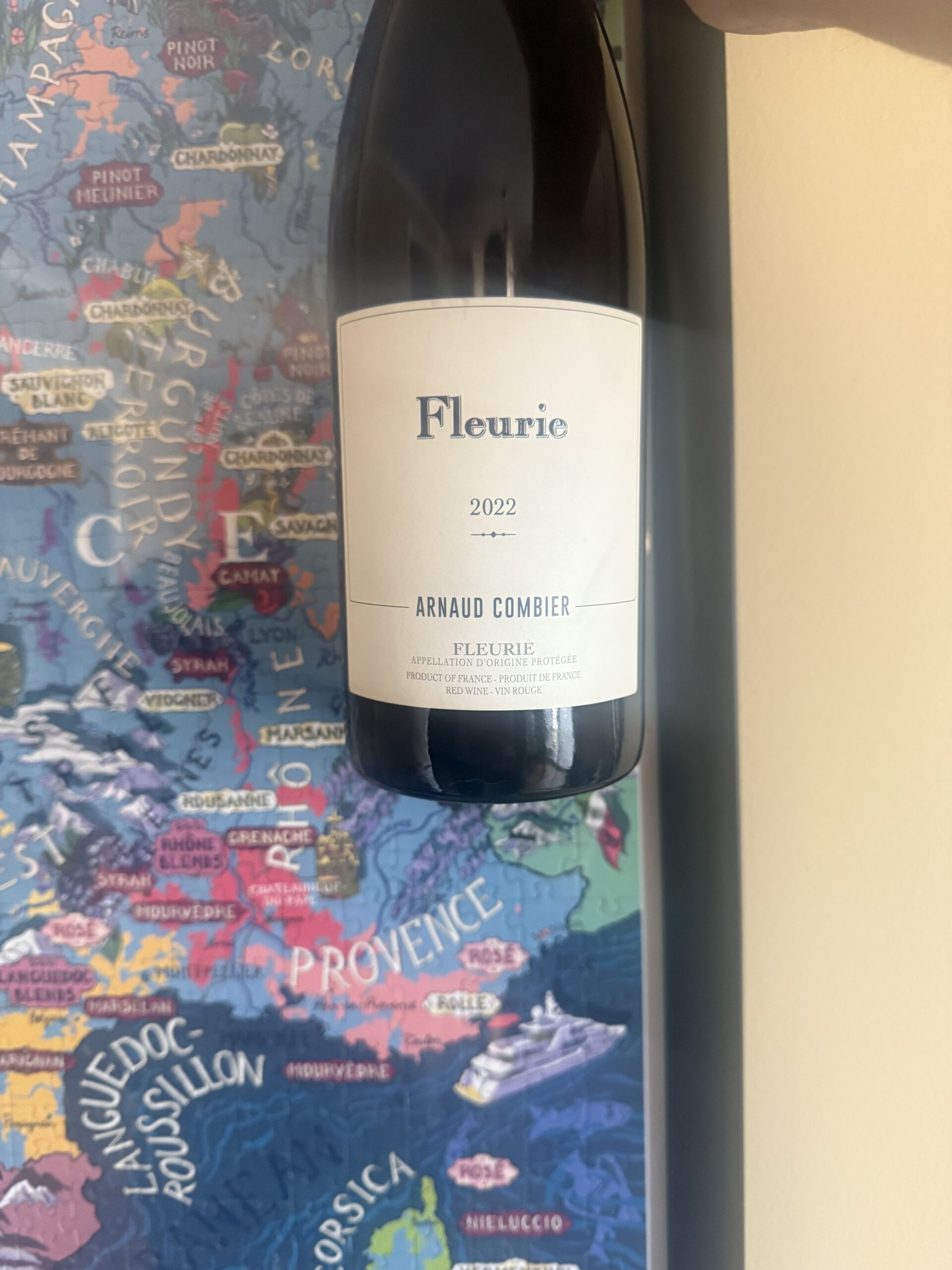
Fleurie

“The Queen of Beaujolais.” The vineyards are planted at a higher altitude on the steep slopes at the foot of La Madone.

The wines are lighter in style and highly aromatic with a ’feminine’ quality. Think roses, iris and violet along with some ripe red fruits and peach. If you’re just getting into Beaujolais, the wines of Fleurie are a great place to start. This one pictured from Angel’s Share in Clay NY is fantastic!

Morgon

The second largest of the Crus, Morgon is comprised of six climat all with slightly different styles. Their unifying feature is the decomposed “rotted rocks”. The locals believe this contributes to the ripe cherry aromas found in all the wines.

These wines are intended to age at least 5–10 years. The young, fleshy palate of peach, apricot, cherry, and plum will develop into a more earthy wine reminiscent of Burgundian Pinot Noir, similar to a Moulin above.

Why Does Beaujolais Taste Like Bananas?

One of the things that sets Beaujolais apart is a particular style of winemaking that is extremely well suited to the Gamay grape. Most of the wines of Beaujolais are produced through a method known as semi-carbonic maceration that highlights the amazing fruity aromas of the wine. You see this technique being used more often in cool climate reds around the world. Regionally, you see it done with Cabernet Franc and Pinot Noir.

The grapes are harvested and then, instead of being crushed, the whole clusters are placed in a vat or tank. The pressure of the fruit begins to crush the grapes near the bottom of the vat, expressing their juice. When the juice comes into contact with the indigenous yeast on the grape skins, the juice starts to ferment creating CO2 gas – aka carbon dioxide – which forces the oxygen out of the tank. Often, a lid is placed on the tank to help eliminate the oxygen as well.

After a short maceration period of around 4-8 days, the juice is racked off (the ‘free run”) and the remaining juice is pressed from the skins (the ‘hard press’), then the two are blended together. From this stage the juice will finish fermentation and completed as a ‘regular’ wine.

This style of fermentation is also responsible for the distinctive aromas of banana, candied fruits, pear, raspberry and cranberry in the finished wine.

(I know this is technical stuff that many of you, unless you’re a wine geek, don’t have an interest in. I bring it up to help you better understand what makes this wine different from others.)

I hope you enjoyed this little primer on Beaujolais wine and the Gamay grape. If you come across any of these wines, please share with me. As you know, I’m always on the lookout for new wines, but especially light reds. Btw, this style of red wine is very approachable, a great intro to red wine, and for those who don’t like red wine. It is also perfect to sip in the summer months and very food-friendly with its acid content and light style. Grab a bottle for Thanksgiving and let everyone try it.

Cheers,

Michael

Pairing White Wines with One of my Favorite Dishes

November
13
2025

I’m always on the search for the best wine pairings for my favorite foods to eat. Although I like to dabble in the kitchen often, I don’t typically spend a lot of time shopping and preparing for a meal unless I am hosting a special dinner party. But when I do, I usually go all in. One of my favorite types of food to get creative with and enjoy is pasta.

No, I’m not Italian nor have any Italian in my genealogy. Maybe it has something to do with all the different pasta dishes I experienced and loved growing up or my exposure working in Italian restaurants throughout my career. It helps that my son indulges me because he is also pasta lover and a foodie/restauranteur in general. You know the saying, it’s much easier to cook for others than for just yourself and, in this case, I have a son who fills the role of chef de cuisine/sous chef very well.

Once I narrowed down the type of pasta dish, sauce, and ingredients, I can then start exploring the best and most appropriate wines to pair with it. Not to make this too complicated, but several factors should be considered. Most importantly, think acidity, body (weight), and flavor profile of the dish with a focus on the sauce and preparation. Sometimes, I just grab a bottle of something that I like and genuinely want to drink in that moment regardless of its pairing implications.

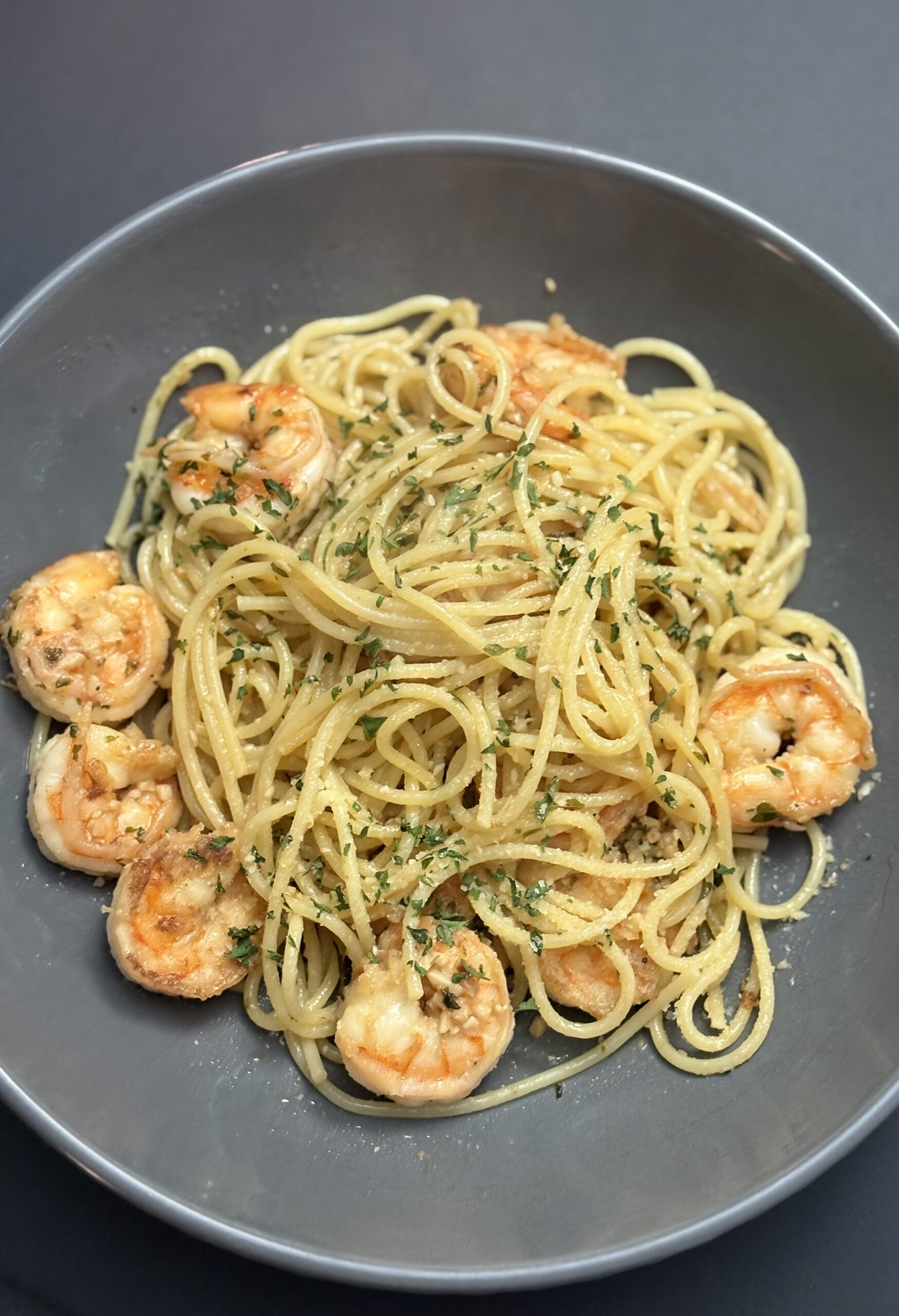
I’m sure the suspense is killing you. What is one of my favorite pasta dishes that I made this week? The answer is Shrimp Scampi. For those who know food and are kitchen pros, this may seem like a simple dish. In a way, it is, unless you want to take it to the next level as I do. If interested, the actual recipe used is listed at the bottom of the page. For step-by-step instructions on how to prepare, feel free to reach out.

For purposes of this post, all the wines discussed should pair well with all shrimp scampi recipes if you use the basic ingredients. Basically, the wine you choose should have a crisp acidity to balance the richness of the dish. It should also have a light to medium body to match the texture of the shrimp scampi sauce.

In terms of flavor profile, the wine should have citrus notes to complement the lemony kick of the sauce. It should also have herbal flavors to balance the garlic and olive oil. Additionally, the wine should offset the saltiness of the dish.

The obvious choice among many sommeliers and pros would be reaching for an oaked Chardonnay, especially from California, with this dish, which is an excellent choice, but those if you don’t care for Chard, here are some other great domestic and international white wine options. Many Italian whites, like Vermentino, will get the job done.

Sauvignon Blanc

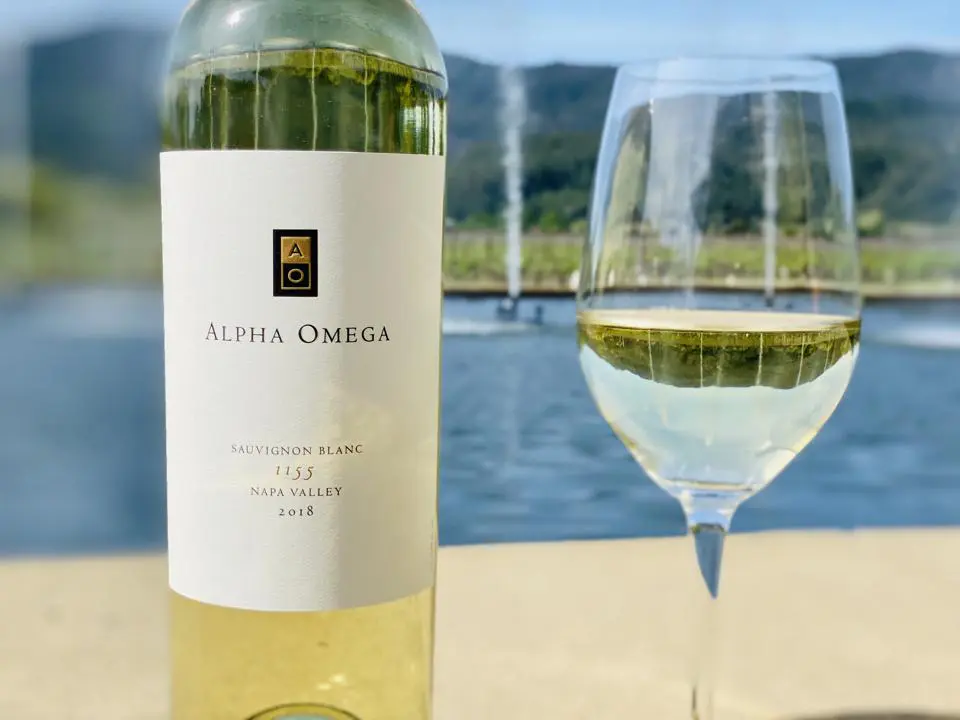
Sauvignon Blanc is a crisp and refreshing white wine that pairs well with many seafood dishes, including shrimp scampi. The citrusy notes of this versatile wine complement the zesty flavors in the dish, while its acidity helps to cut through the richness of the butter and garlic sauce.

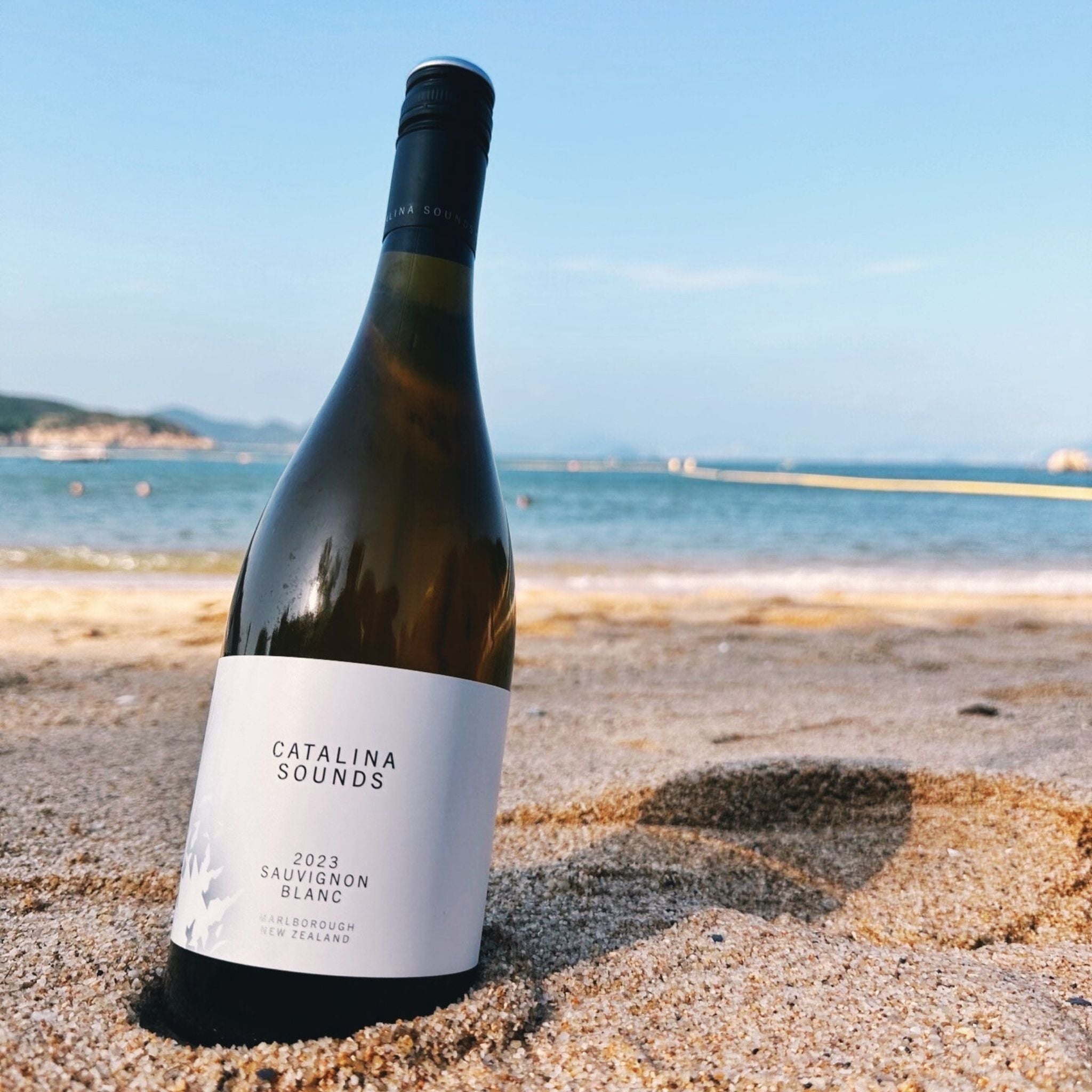
When pairing a Sauvignon Blanc, look for a bottle that is light-bodied and unoaked, with bright acidity and notes of lemon, lime, and green apple. New Zealand Sauvignon Blanc is a popular choice for this pairing, as it tends to have a strong herbal character that complements the garlic scent and herbs in the buttery sauce.

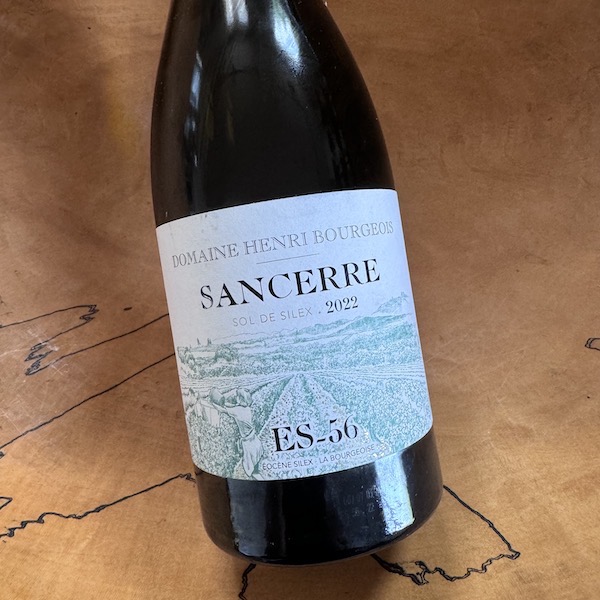
The refreshing crisp texture of Sauvignon Blanc, like Sancerre, in Loire Valley of France would be a lovely combination.

Pinot Grigio

Pinot Grigio is another popular option among white wines that pairs well with shrimp scampi. Like Sauvignon Blanc, neutral Pinot Grigio is light-bodied and has bright acidity, making it an excellent choice to cut through the richness of the butter and garlic sauce in the dish.

When choosing a Pinot Grigio, look for a bottle that is dry, with crisp acidity and subtle fruit flavors. Italian Pinot Grigio from the Veneto region is a classic pairing for its acidity and citrus notes, which complement the lemony kick of the sauce.

I also like the lightly spicy style of Pinot Grigio from Friuli-Venezia region in northeast Italy. They typically have enough body/weight to match the richness of the butter component, but that savory/woodsy spice note helps complement the shrimp.

Pinot Gris

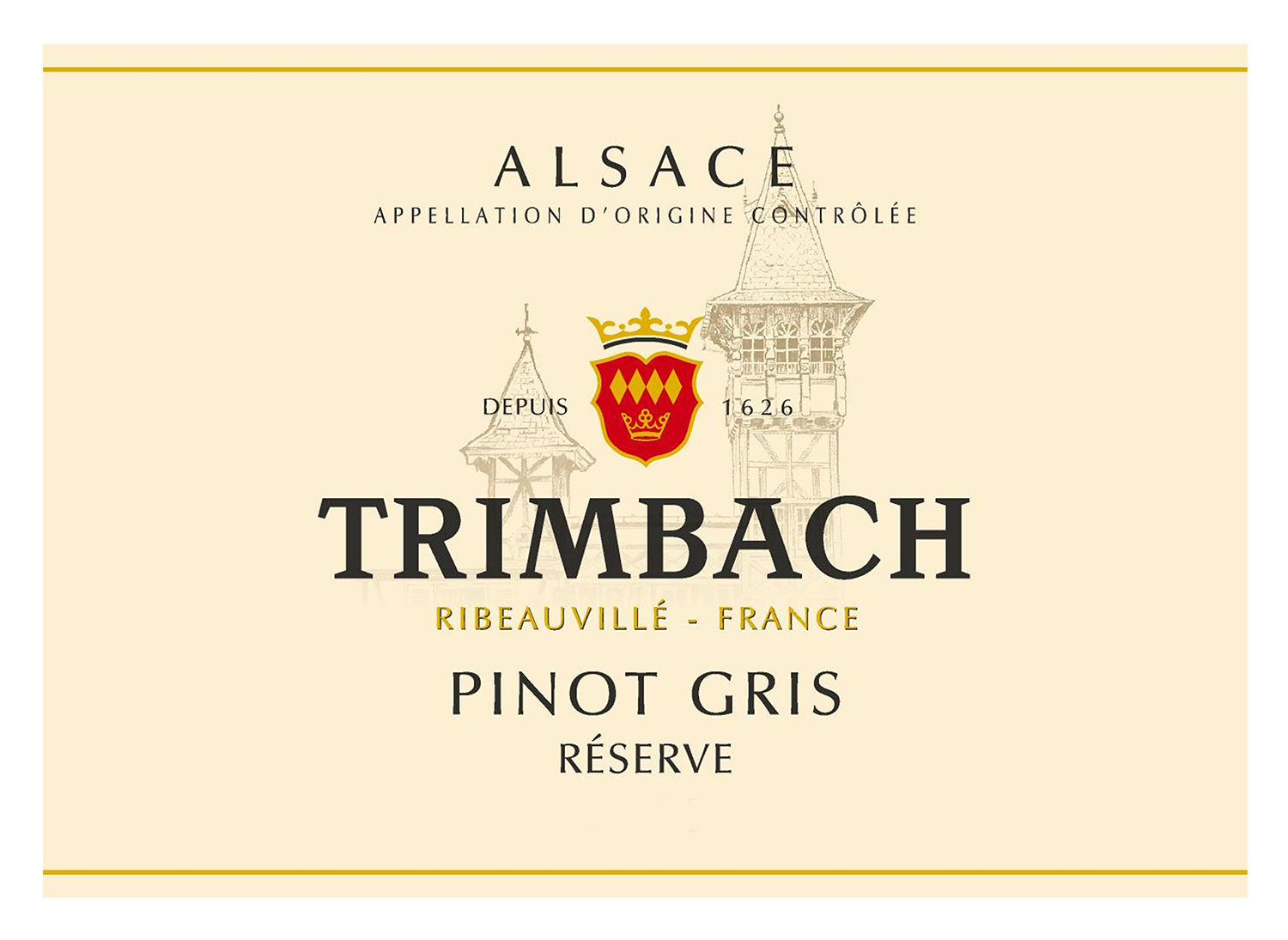
Pinot Gris is another aromatic white wine that is typically from northeast France but can also be found in parts of the U.S. This wine is similar to Pinot Grigio, but it can have a slightly richer and more complex flavor profile. Its flavors will accompany the buttery and garlicky notes in the dish while also offering a touch of spice and complexity to the pairing.

When selecting a Pinot Gris, opt for a bottle that has a medium body and good acidity, with flavors of ripe pear, apple, and a hint of spice. Oregon Pinot Gris is a popular choice for this pairing, as it tends to have a rounder and more full-bodied flavor profile.

Other International Options/Under-the-Radar Wines

This dish calls for a fresh and savory wine to help cut through the richness of the butter and olive oil but that can also handle the strength of the garlic and match the subtle sweetness in shrimp. Try a rare wine from southern Italy called Fiano di Avellino. It is widely unknown domestically and hard to find in the states, but a great one to search.
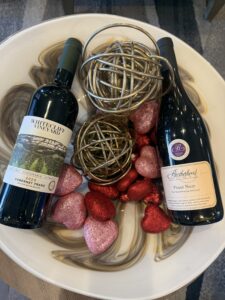
Try Albarino from Rias Baixas region of Spain. This coastal region on the Atlantic Ocean is known for their pristine and delectable seafood. The salty/saline brine from the Albarino is great with the garlic.
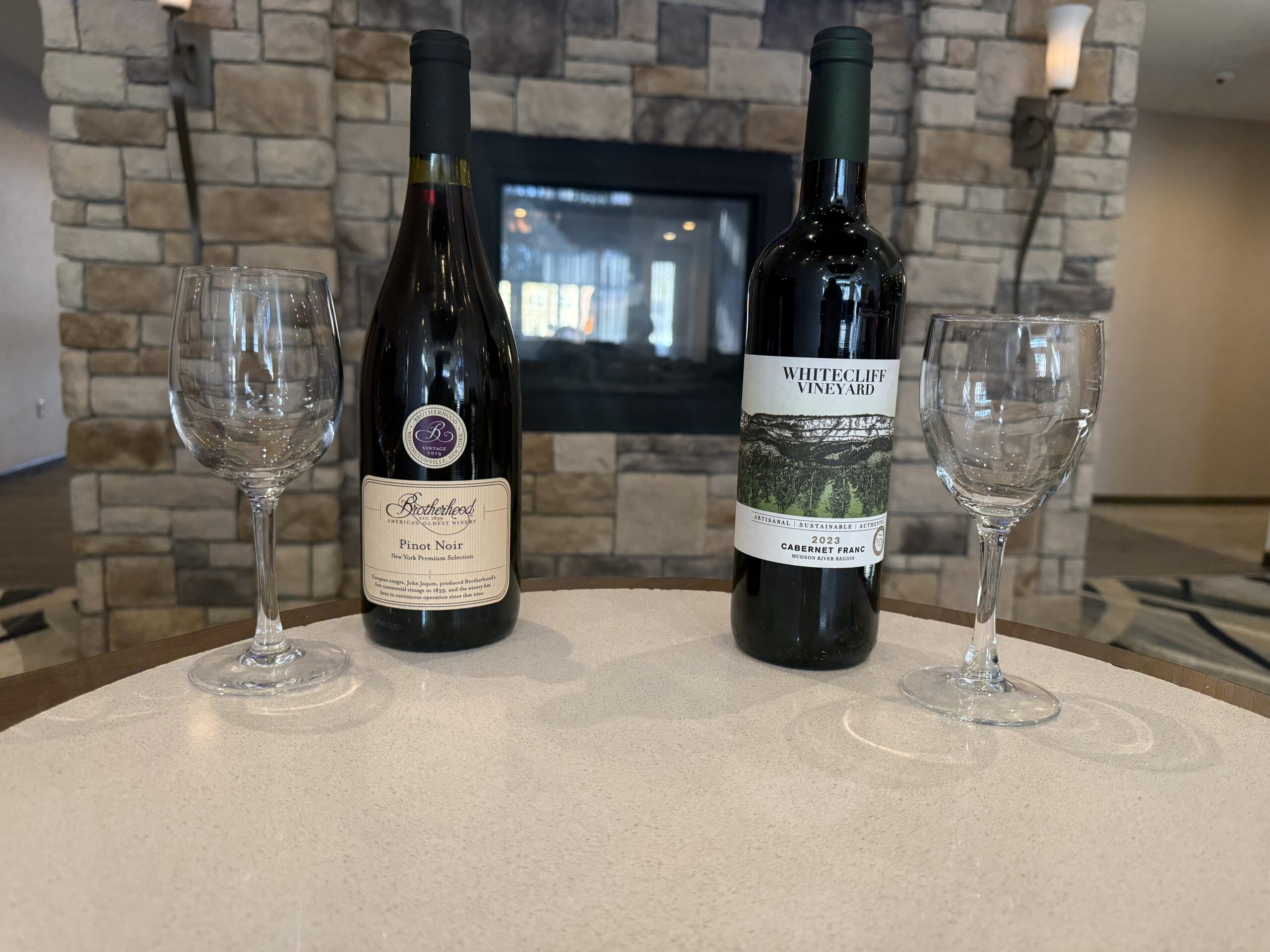
Which one of these wines is your favorite? If you plan on making or serving Shrimp Scampi or any of other similar pasta dish and need assistance with the pairing, don’t hesitate to ask.

Here is the Shrimp Scampi recipe I will used for dinner. For the most part, this is a classic version of the dish but with some subtle tweaks. Preparation with peeling, de-veining of the shrimp, and cooking will require about 30-40 mins. Hope you enjoy my incredible friend Noelle.

Ingredients

  • 1 pound large shrimp, peeled and split down the back, veins removed
  • Kosher salt
  • 1/2 teaspoon baking soda
  • 4 tablespoons extra-virgin olive oil, divided, plus more as needed
  • 4 teaspoons minced garlic (4 to 5 medium cloves). Minced is best because of surface area.
  • Pinch red pepper flakes
  • 1/2 cup dry vermouth preferable, or dry white wine, like Sauvignon Blanc. Whatever wine you cook with should be the wine you drink with it.
  • 3 tablespoons unsalted butter, cut into tablespoon-size pieces
  • 1 tablespoon fresh lemon juice and 1 teaspoon grated zest from 1 lemon
  • 2 teaspoons minced parsley, tarragon, and chives.
  • 2 pinches of fresh ground pepper
  • Optional – To add pasta, boil linguini or spaghetti for 10 mins (not too long) while cooking the shrimp. Strain and add some pasta to shrimp pan, mix well, and simmer on low heat with a cover for infusion
  • Optional – add fresh grated parmesan cheese on top

Cheers,

Michael

Decoding Wine: What’s in a Label?

November
3
2025

We browse the shelves of wine shops all the time, not only to shop for dinner but also to scope out the deals. More than ever, we see a massive proliferation of wine labels with creative imagery, lingo, and descriptors. New brands and labels seem to be appearing every week. All this choice is amazing: or is it completely overwhelming depending on how you approach the situation.

One clear way to become more comfortable when confronted by endless shelves of unfamiliar wine labels is to figure out how to decipher the information given. Reading wine labels can be daunting, but not so difficult when you finish this article.

One thing to note is that regulations, both domestic and international, dictate what info must, can, and cannot appear on the label. Master that with the help of this article, you’ll be well on your way to finding that special wine bottle with much more ease.

Wine labels have a lot of information on them. Some of it is critical to understanding what is in the bottle, and some of it is just blowing smoke. Here’s a quick guide to help you know what matters, how to spot a bargain, and what to ignore.

How To Read A Wine Label

There are 2 main styles of wine labels commonly found in shops. A wine identified by its brand name or a wine designated by its appellation, region, or sub-region. A wine that is labeled by its brand will indicate what grapes it’s made of on the front label (whether it be chardonnay or ‘red blend’).

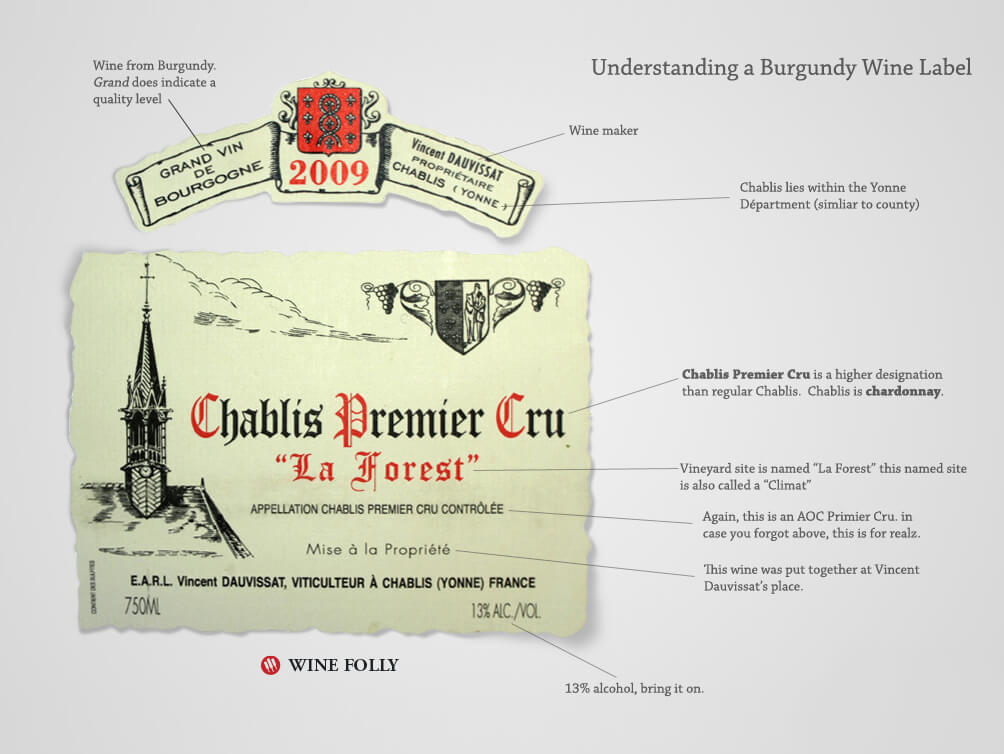
A wine that is identified by its appellation relies on the appellation’s quality level rules and regulations by country to indicate what’s in the bottle. A perfect example of an appellation wine is Chablis. Nowhere on a Chablis label is a mention of chardonnay as the grape, nor that Chablis is typically an unoaked chardonnay.

Understanding a wine label may not always tell you how the wine tastes but it can help you get a better picture of exactly what you are buying.  


5 Basic Parts To A Wine Label


Producer or Name The producer’s name is either obvious or in small text at the top or the bottom of the label (such as many French wine label examples). This is who made the wine. It’s important to note that some American wine labels that only have a Wine Name (such as Apothic Red) are branded wines from larger wine companies. Apothic Red is a branded wine by E&J Gallo–the producer.

Region The region indicates from where the grapes were sourced to produce the wine. A wine from a larger (read: more vague) region is typically a value wine whereas a wine from a specific vineyard site often indicates a higher quality regional designation (i.e. “California” vs. “Santa Rita Hills” AVA). If a wine is from a specific vineyard site, that site will be indicated in quotations (i.e. “Les Suchots”) or located right below the region designation (ie Vosne Romanee Les Suchots). Generally, as you narrow the source to a specific site, the quality level becomes more refined and the price increases.

Variety or Appellation The variety refers to what grape or grapes are used in making the wine, i.e. Merlot or GSM Blend (Grenache, Syrah, and Mourvedre). Many blends will not reveal the constituent grapes nor the percentage that each makes of the whole. If there is no varietal given, look for the Appellation, which can give you clues to what varietals were used based on the rules governing that region. There are 15 nations with officially regulated appellations, though the strictness of the rules and what matters varies wildly among them.

Vintage or Non-Vintage (NV) The year that the grapes were harvested is the vintage. The vintage tells a lot about a wine if you are familiar with vintage variations. As a general rule, multi-vintage wines or “NV” wines are lower value wines, because they have the ease of pulling wine from multiple vintages to control the flavor, except in the case of Champagne.

Alcohol by Volume (ABV) The alcohol level actually says a lot about a wine. Many European wine regions only allow their highest quality wines to have 13.5% ABV and above. In America, ABVs can be quite high (up to 17% on some dry wines) and the alcohol level is an indication of how rich/big the wine may taste. Many higher alcohol wines are made from riper grapes and tend to have more fruit forward flavors. Again, this is a generalization and there are exceptions to the rule.


Some Wines are Labeled by Grape Variety

When you see a wine labeled with “grape” words like Cabernet Sauvignon or Gruner Veltliner, then it’s labeled by grape variety. There are thousands of different wine varieties and it’s possible to label a wine with more than one grape.

Wine labeled by variety doesn’t guarantee that the wine is 100% of the listed variety. Each country has their own set of minimum requirements to label wine by variety (Surprisingly, the United States has the lowest!):

75% USA (except for Oregon which requires 90%), 80% Argentina, 85% Italy, France, Germany, Austria, Portugal, New Zealand, South Africa, Australia, United Kingdom.


Some Wines are Labeled by Region

Wines like Bordeaux, Chablis, Chianti, Sancerre, and Rioja are labeled by region. This style of labeling is used mostly in Old World wine countries like France, Italy, Spain and Portugal. Regional labeling likely came from a time when many different varieties grew together in the same vineyards and were blended together into wine.

Each wine region dictates what grapes can be used in the regional wine. So, in order to know what’s inside one of these regionally labeled wines, you’ll want to do a little research. For example, Chablis in France grows Chardonnay, and Chianti in Italy specializes in Sangiovese.


Some Wines are Labeled by Name

The last common style of wine labeling includes wines using a made-up or fantasy name. More often than not, named wines are unique blends invented by the wine producer. You’ll also find named wines common in regions that do not allow the use of certain grapes in their regional wine (but still grow them). For example, Tuscan wines made with French-origin grapes including Merlot, Syrah, and Cabernet are not allowed to be labeled as an Italian regional wine. (This is how the first Super Tuscan wines came to be!)

Common Label Confusions and How to Avoid Mistakes

Anyone new to reading wine labels can get confused pretty quickly. Here is a breakdown of key things to look for.

“Reserve” Means Different Things – It’s not a legal term everywhere, so don’t assume it guarantees top quality. Research might reveal that it’s just marketing fluff in some regions.

Non-Vintage (NV) Wines – Often sparkling wines or blends without a specific year. That can be confusing but generally indicates consistent style rather than ignoring quality.

Multi-Grape Blends – Sometimes the label lists a single variety, but the wine could be a blend. If you aren’t sure, ask a trusted vendor or check online reviews to get the full story.

Old-World vs New-World Labeling – European wines tend to emphasize region over grape, while New World wines (like from the US or Australia) highlight grape variety first. That’s helpful to know when trying unfamiliar wines.

Pronunciation Woes – Don’t let tough to pronounce names scare you. It happens to everyone. Ask in store or look it up.

Getting around these common issues makes wine shopping less intimidating and more fun.

Picking the Perfect Wine for Your Next Dinner Party

Here is a potential real-life scenario. You’ve got a planned Friday night with friends, and you want to bring a bottle that everyone will love without breaking the bank or appearing clueless. How do you choose?

Start by thinking about the food. If you’re serving a classic Italian pasta with tomato sauce, a medium-bodied red like Sangiovese is your go-to. Check the label for the region—Chianti, for instance, shines here. Look for a recent vintage but avoid very young wines that might be too tannic.

Maybe you want a white to kick off the evening. Something crisp, light, and crowd-pleasing like Sauvignon Blanc from New Zealand? Search for “Marlborough” on the label, which is famous for this style of wine. A vintage within the last two years keeps that fresh, zesty vibe going all night.

Last, but not least, don’t ignore the fun part. Personal touches like a unique bottle design, label, or interesting backstory can spark conversation and set the tone. For adding a playful or classy edge, personalized wine labels can be a hit. Btw, I’m guilty of buying a bottle based on the label and overall appearance of the bottle. I know it sounds superficial of me but have fun with it. If you know me, I am more attracted to substance and personality.

Watch the video below from my friends over at Wine Folly. If you would like to learn more about German, French, or Italian wine labels, which can be super hard to read, please reach out. Also, if you desire a deeper dive into what to look for in a bottle, please don’t hesitate to ask.

Cheers,

Michael Nagy

(Cover Photo courtesy of Lucia Capretti & Tasting Table)

Who is Michael? What is The Michael Pour?

October
27
2025

Here is a little bit about me, my business, The Michael Pour, and how I got here.

My name is Michael and I’m excited to be here talking ‘wine’. I’ve always had a love for writing, so this is a great way to share my creative side, versatility, and knowledge about wine.

I am originally from Harrisburg, Pennsylvania in the south-central part of the state. In 2019, I moved to Geneva, New York, northern tip of Seneca Lake, in the heart of the Finger Lakes, to further my wine career and embrace a new beginning.

I have a B.S. in Psychology from the University of Pittsburgh and worked in the counseling and social work industry for the early part of my career. In 2000, I became a stay-at-home dad and needed to find a part-time job where I could work nights and weekends for childcare.

One day, I found a classified ad in the local newspaper (that was how you found a job back then) for a bartending school and thought that this would be a fun career. This would work well with my schedule. I quickly learned that I was pretty good at this bartending thing and possessed the people skills to be successful and do it as a career.

My passion for the industry took flight in 2002 when I became a bartender at a full-service, upscale restaurant in the Marriott hotel servicing the airport and capital city. Eventually simple bartending led to a deep dive into wine and food/wine pairings from the excellent menu and wine program.

After many years bartending and doing wine work in the hotel business and making cameos at nightclubs, bars, pubs, and private parties, I decided to take a job as a mixology instructor and wine expert at a nationally recognized bartending school. In addition to teaching/instruction at the school, I provided consultation services to local restaurants.

In 2012, I decided to open up my own business called, Raise Your Spirits, Inc. providing bar consultation, cocktail, spirits, wine, hospitality services and event services to individuals, event and wedding venues, and companies.

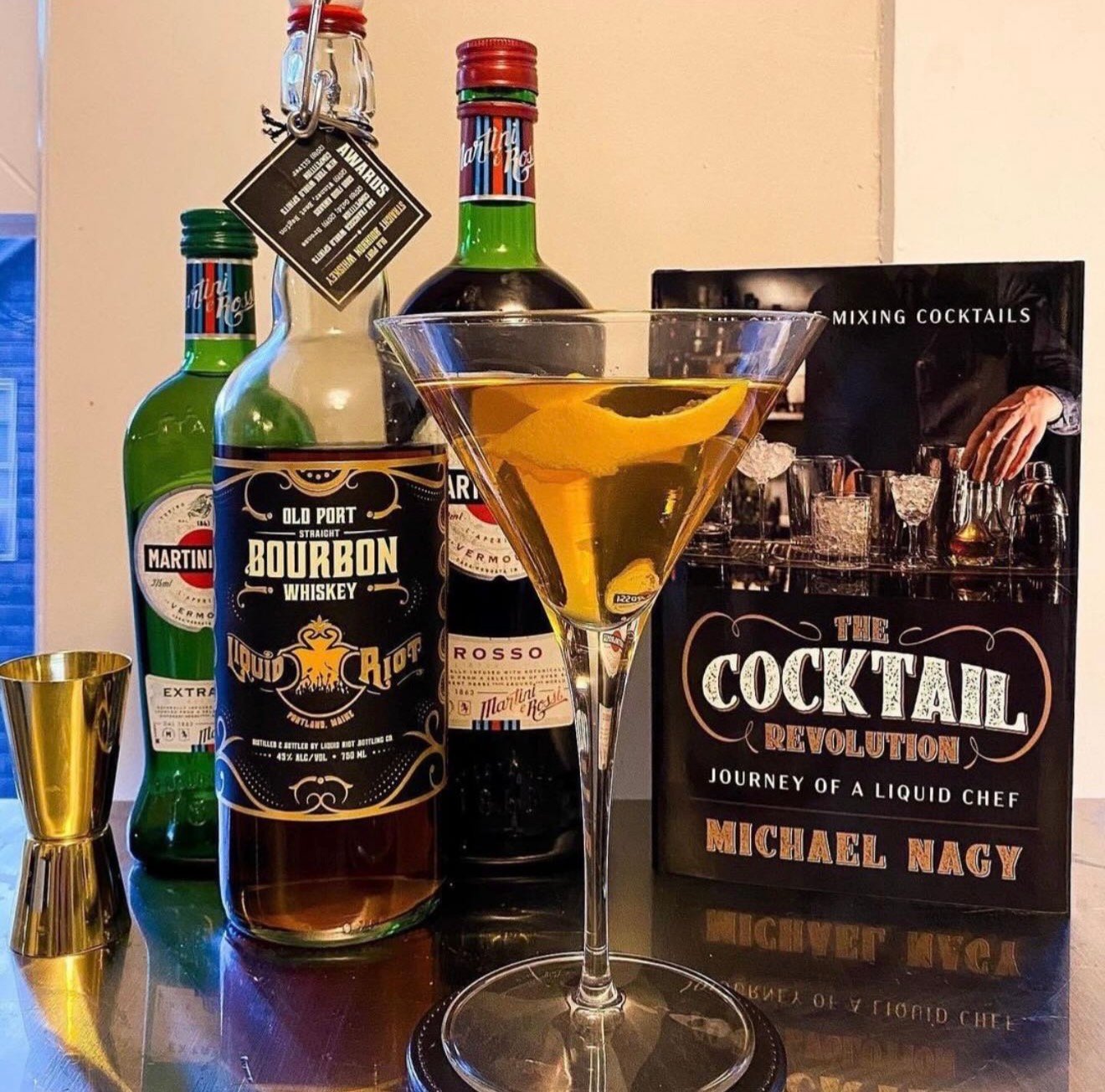
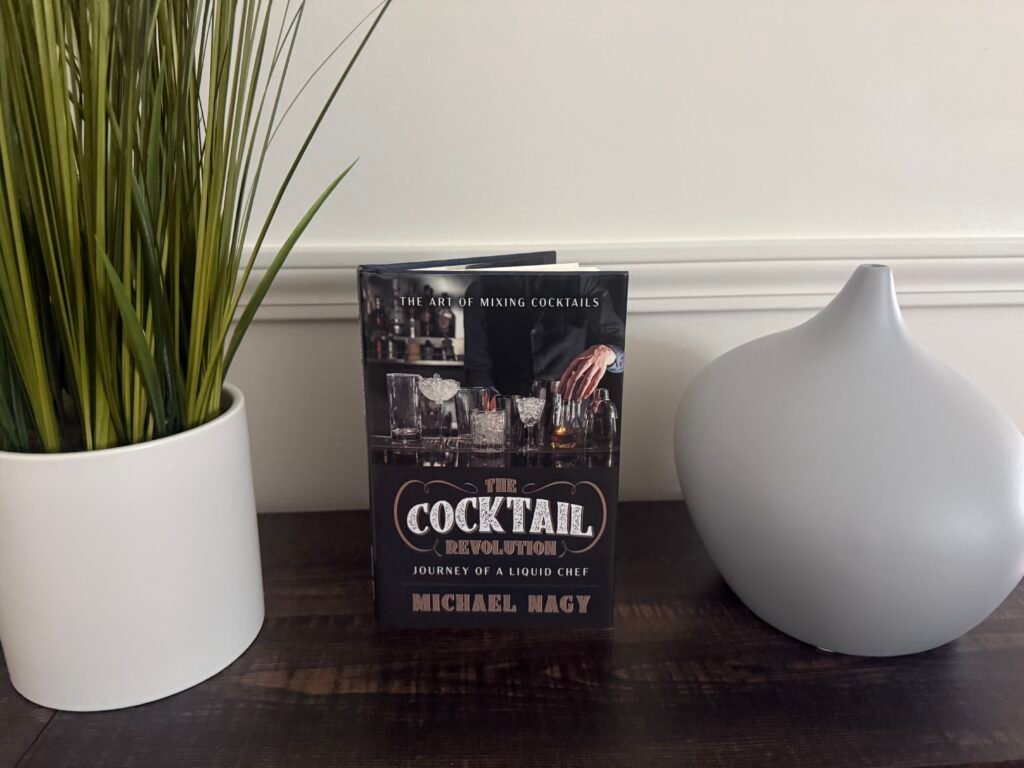
During this time, I started blogging and writing about my experiences in the industry, which led to writing and publishing a bar and cocktail book titled “The Cocktail Revolution: Journey of a Liquid Chef” during the pandemic in 2020.

After living in PA most of my life and running my business, Raise Your Spirits, Inc. for eight years, I decided to take a leap of faith, start anew, leave family and friends, and move to upstate NY and the beautiful Finger Lakes region to focus on my wine career.

I completed my wine education through the Wine & Spirit Education Trust School based in London, England. I earned my Level 3 Advanced Certification in Wine. I continued my wine education by earning my wine specialist certificate in French wine.

My knowledge, experience, and expertise with Finger Lakes and New York State wine is very strong. I strive to learn new things in the world of wine and stay on top of the trends.

From 2019 to 2023, I worked as a wine educator, tasting room manager, wine club director, marketing and public relations director for numerous wineries on Keuka, Seneca, Cayuga Lakes.

For the latter part of my time in the Finger Lakes, I served as the GM and ran the exquisite wine and cocktail program at Portico Restaurant, an upscale, Italian steakhouse in Del Lago Resort & Casino.

During this time, I rebranded my old business to “The Michael Pour” where I focused primarily on wine, providing consultation services, private wine tasting events, wine lists, virtual and in-person wine classes, networking, and storytelling through writing and blogging about wine.

In August of 2024, my life and career took me to Syracuse, NY with the intent of continuing my business operations and work with private venues, bars, restaurants, and organizations doing wine tasting events, wine classes, wine dinners, marketing, and consultation.

My hope is to bring the excitement of Finger Lakes and New York State wine to the Central NY region and Syracuse area. As a member of Women for Winesense, Syracuse Chapter, potential board member and former member of Finger Lakes and Rochester chapters, I am excited about the opportunity to grow my business and support a wonderful organization offering fun, wine programs in the area. All are welcome (men, women, non-binary) to join our group.

Visit the website for more info (Syracuse Chapter page). I will be teaching a fun wine tasting class in January through the Syracuse Chapter (see image) so I hope to see you there.

Would you like to experience great wine for your formal or casual dinner party? Are you looking to plan a special event with your friends or colleagues and want it to be epic? Are you an establishment who wants to elevate your wine program?

Whether you are an experienced wine drinker, host parties or events, a business, or someone just getting started in the industry, you’ve come to the right place.

My dream is to stock people’s wine cellars with exquisite and collectible wine and serve as their wine consultant and personal sommelier.

I also moonlight as a freelance beauty consultant, MUA, and skincare consultant after spending time with Mary Kay, Sephora and Ulta Beauty over the years. I currently work as a brand ambassador for Urban Decay Cosmetics and IT Cosmetics.

My interests outside of wine are kitties (I have 2 cute furries), traveling and seeing the world, learning about different cultures, shopping, pizza, old-world Pinot Noir, purple and green colors, fast cars, Pittsburgh sports, all things beauty, reading, writing, book hoarding (not a fan of kindling), good old-fashioned rock-n-roll music, and musical theater.

I am partially fluent in French and love French culture, which goes hand in hand with French wine.

Thanks for stopping by! Let’s get acquainted and go on this fun journey together. Please let me know if I can be service to you or your place of business. Being new to the area, I would love to meet youMichael

What am I pouring and drinking right now?

October
22
2025

This post is dedicated to my friend and colleague, Sonya, who has been following and supporting my wine journey since I arrived in upstate NY six years ago. I had the wonderful opportunity to work with her for a brief time at Empire Merchants when I was running the wine program as the GM at Portico Restaurant.

As a champion of local wine, Sonya loves being informed about what’s trending in the local wine scene whether it be the latest and greatest of new wine releases, under the radar wines, winery news, and local events. She is also interested in seasonal sips and my favorite wine to drink each week. As I’m sure with other wine aficionados, wine tasting and drinking is a very spontaneous activity, especially when you take into account what food you are serving or eating.

For this week’s edition of the Pour, I will share the process of my wine selection, which includes the season of the year, occasion/drinking establishment, under the radar or discovery of a new grape/wine, recent wine reviews/ratings, and general feeling and mood. For the latter, the relationship between wine and psychology is a very powerful thing. As a psychology major, former bartender, and current wine steward, I can attest to the psychological implications of what to drink and when to drink it.

Many years ago, I did a piece on drinking personalities based on my experience as a server and consumer of alcohol. Although a novelty piece and not grounded in actual science, there was a lot of truth to its experiential analysis. Maybe I will re-up that story for my audience here sometime. I will discuss what factors contribute to what wine I’m drinking right now and then a little bit about those wines.

Being a wine club member at several Finger Lakes, NY wineries and a local and NYS wine expert, there is a good chance I will be sipping a local favorite or a yummy library wine. By the way, Congratulations to the Finger Lakes Wine Region for being named 2025 Wine Enthusiast’s “Best American Wine Region”.

When people ask me what wine to pair with the food they are having, I immediately provide them with an official answer. But unless they are having a formal wine dinner that costs $100/person or trying to impress their guests, wine collector, or hard to please father-in-law, I will always say “Drink what you like” or “Drink what you are in the mood for”. I know that doesn’t sound very wine snobbish or pretentious of me, but it’s my wine rule. Food and wine pairings are a massive topic, so I won’t focus too much on them for this post.

When selecting a bottle of wine, think “what I’m in the mood for”, “what am I eating”, and “who am I with”. Is the occasion casual or special? Will the bottle be finished? If not, will I or others finish it in the next few days?  Similarly, if you’re feeling adventurous and open to trying something new, choosing a bottle gets way more complex, but exciting at the same time. As long as you’re willing to poke around and do a bit of research—or better yet, take some advice from yours truly, the journey promises to hold a myriad of interesting wines ahead.

If you’re having guests over, take into consideration that everyone’s palate responds differently to flavor profiles—being respectful of that will set you up for a successful selection. Refreshing rosé and sparkling wines set a festive tone—having some of both on hand is never a bad thing. And they are delicious year-round.

When choosing a wine to bring to a dinner party, showing up with bottles that have been chilled properly in advance and stored in a cooler while you travel to your destination allows you to enjoy them upon arrival. Take note of the optimal serving temperatures of the wine and plan ahead. If you need help with, please let me know. Start a wine journal – jot down the winery name, vintage, varietal, and how you served it. Don’t forget to snap a photo of the label to make finding it even easier in the future.

During the fall season (see previous blog post on fall wine pairings), I like to slowly transition my palate to heavier/more medium-full bodied, darker fruit wines, particularly single varietal reds or oaked Chardonnay. As I approach the winter season, I will tend to reach for a bottle that speaks to coziness, warmth, complexity, and festive in nature. Think sparkling (festive), red blends, ports (warm and heavy), dessert wines (sweet and cozy), and fortified wines (sweet, heavy, and strong).

Within those wine choices, I like to grab an obscure wine from a small region that is moderately priced, has good value, and contains a grape that I’m not overly familiar with. There are tons of international and hybrid grapes I have never tried. How to spot a good value wine is by market research, subscribing to a wine publication, like Wine Spectator or Decanter, or looking at the consensus or user ratings from multiple forums and sites.

For budget considerations, my rule of thumb, for example, for a typically high-priced Burgundy from France or Cabernet Sauvignon from the Finger Lakes, is under $30 USD and received a 90 plus score. For a lower-priced varietal, like a Rose or Riesling, with a score of 90 plus, I will look at under $20 USD.

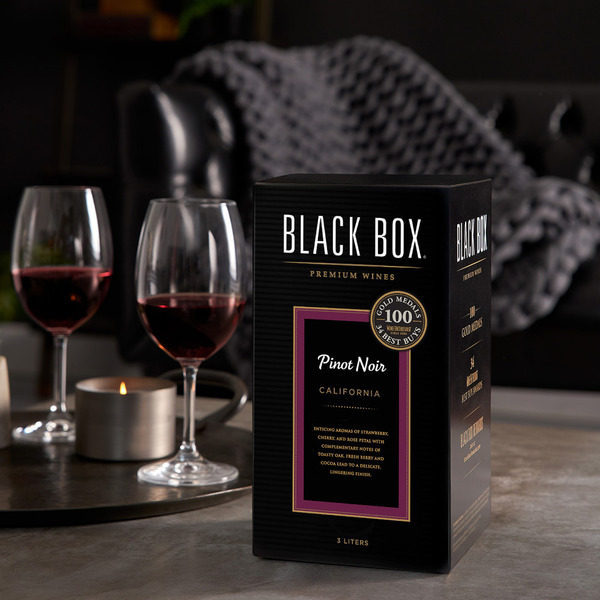
The reality is that, even though I’m a wine purist, I will always recommend drinking your favorite grape/wine for any occasion and if it makes you happy and pairs well with your grub, then that’s a bonus. Don’t think less of me, but I’ve been drinking a reputable box wine called “Black Box”. Not all box wine is created equal. if I want to have something to drink over the course of a week, drinking alone, or just need to unwind, then a $24 USD box (three standard bottles of wine/box) satisfies. Who am I trying to impress? Maybe I should invest in a Coravin so I can drink better wine.

Cheers,

Michael

michael@michaelpour.com

Oaked vs. Unoaked Chardonnay: How it affects the taste of the wine?

October
14
2025

This article was put together for my dear wine and beauty friend, Sheila, who is looking to find the right Chardonnay to match her taste buds. Anyone else have that dilemma?

Chardonnay is no longer reserved for middle-aged housewives. It is like that one friend or acquaintance who is equally comfortable at a fancy, upscale gala in a cocktail dress or a backyard barbecue in a t-shirt and capris. It’s versatile, approachable, and, depending on how it’s made, can have different personalities. At the heart of the difference though is this question – To oak or not to oak? What is your Chardy style?

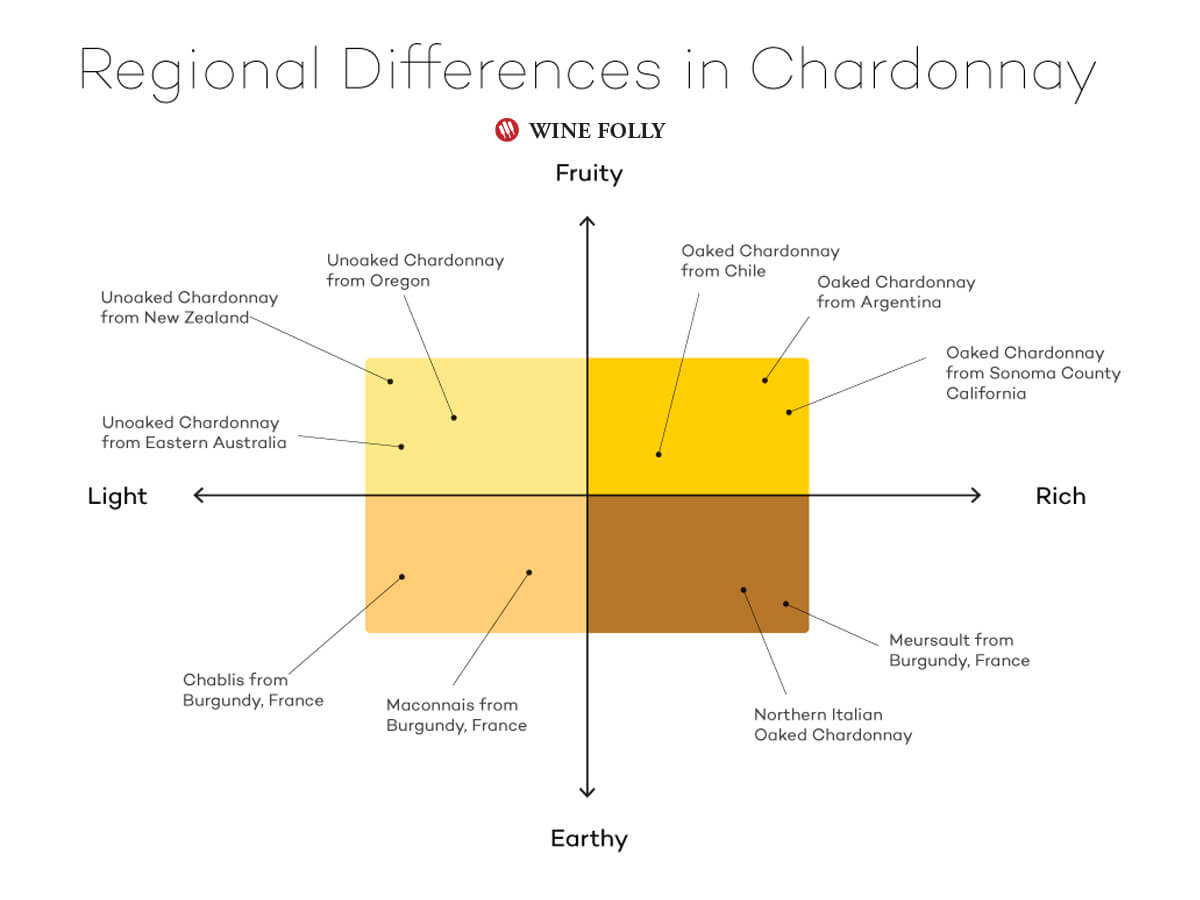
Since Chardonnay is grown and produced everywhere, you should familiarize yourself with the regional differences because not all chardonnay is created equal. The weather and climate play a huge role in these differences, but also the winemaking style, tradition, and vintage variation.

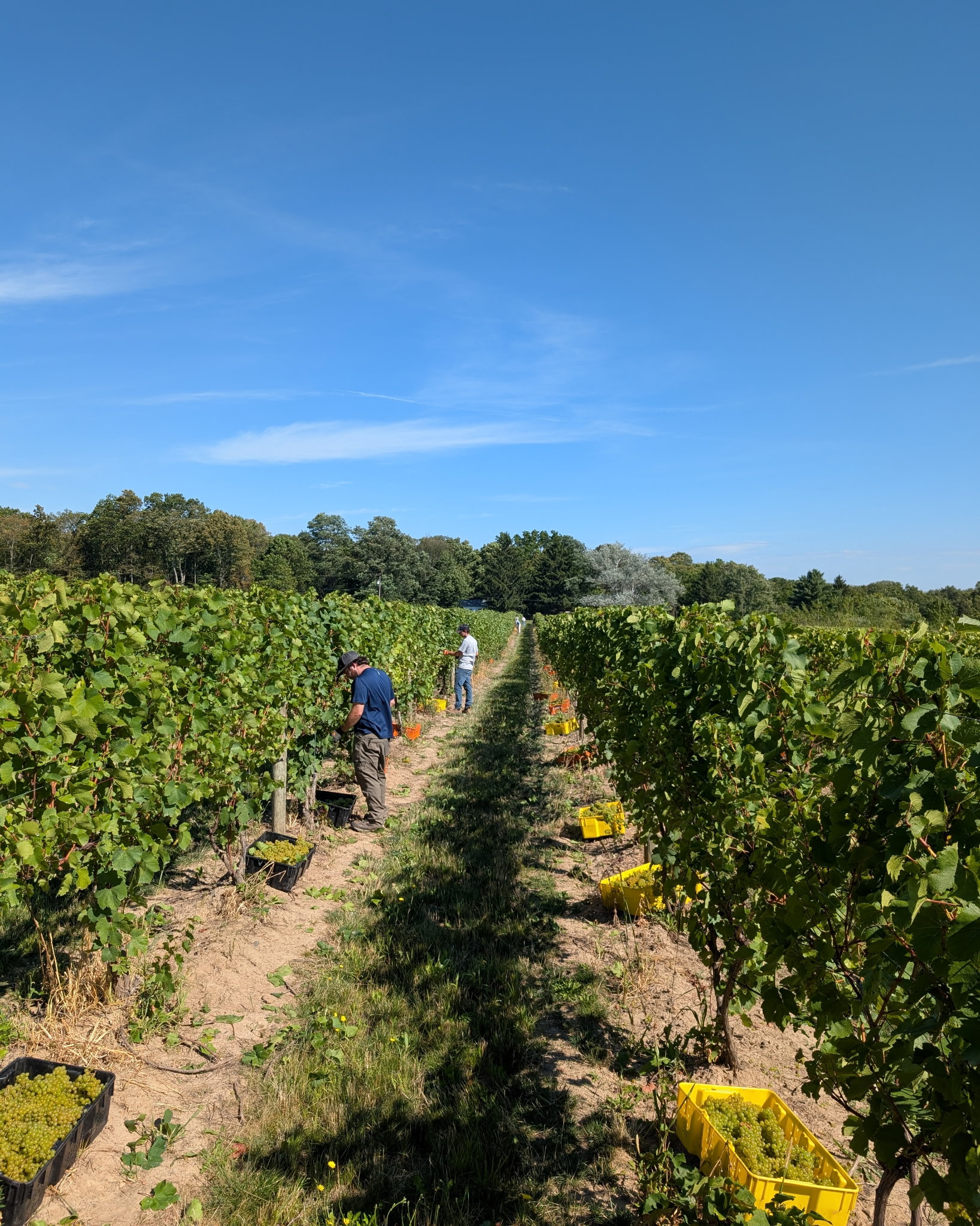
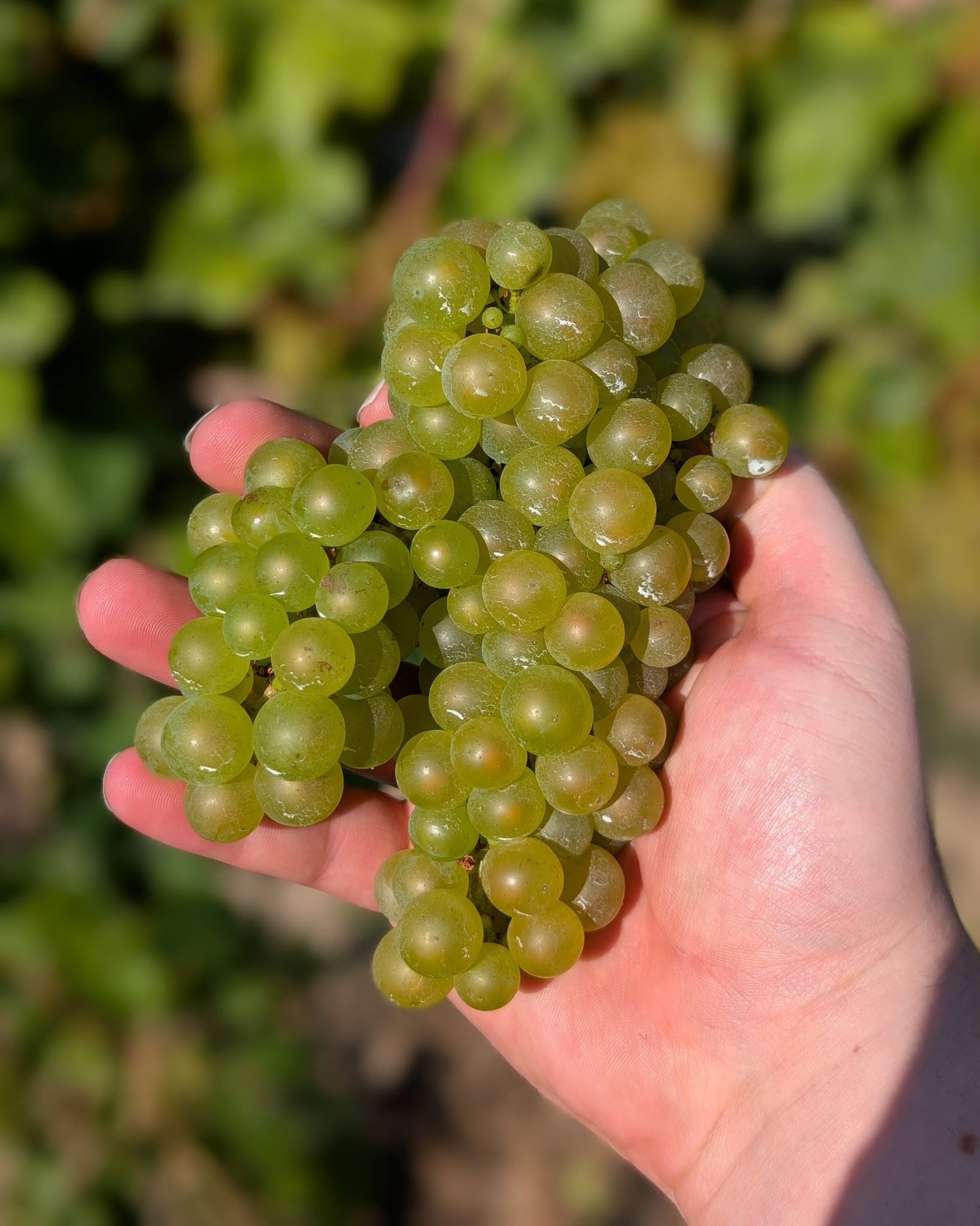
Pictured are the first vintage Chardonnay grapes from Airy Acres Vineyard off of Cayuga Lake in the beautiful Finger Lakes. These grapes will be used for their sparking program. Visit them in your wine travels.

Oaked Chardonnay

If you love a more full-bodied white, this is your style. Wines range in taste from a richer profile of lush tropical fruit, grilled pineapple, butterscotch, toast, and vanilla to a lighter profile of poached pear, lemon curd, baked apple and a textural chalky minerality.

Oaked Chardonnay can be seen as the wine equivalent of a plush leather chair in front of a fireplace – comforting, rich, and a little indulgent. When Chardonnay is aged in oak barrels, it takes on flavors and textures that make it lush and round. Expect notes of vanilla, butter (more on this later), caramel, hazelnut, and sometimes even a whisper of toasted coconut or spice, all wrapped up in a creamy body.

What really defines this style of Chardonnay is the use of oak in the winemaking process. Oak aging offers a few different features:

  • Oak barrels allow tiny amounts of oxygen to interact with the wine, softening its edges and enhancing its complexity. The barrels themselves often contribute their own flavors, especially if they’re new.
  • The use of toasted new oak adds some aroma compounds to the wine adding vanilla, clove, cinnamon, and coconut.
  • If you like this style, seek out Chardonnay wines that are aged in oak or fermented and aged in oak. Some Chard is just aged in oak, while others are fermented AND aged in oak. Check the label or winemaking practice online.
  • Look for tasting descriptors that imply oak was used, including vanilla, crème brûlée, baked apple, coconut, toasty oak, brioche, butter, cream and butterscotch.

Chardonnay’s intriguing complexity is due to its oak aging, but is very much influenced by the barrel’s size, type, toast level, and aging time.

Barrel size influences how the wine develops. Smaller barrels enhance flavor extraction and tannin integration because of increased wine-to-oak contact.

Different types of oak impart different flavors – American oak gives bold, sweet, coconut type notes, French oak offers subtle, elegant, spicy nuances, and Hungarian oak balances the two.

The barrel’s toast level impacts the flavor profile: light toast provides delicate notes, medium toast introduces baking spices, and heavy toast delivers robust, toasted flavors.

Does the length of the aging process matter? Extended periods of time intensify flavor extraction and deepens oak influences, leading to a more rounded and complex wine.

Oaked Chardonnay is a magical pairing with food that mirrors its richness. Think roasted chicken, lobster in drawn butter, or a creamy mushroom risotto.

Why Do Some Chardonnays Taste Buttery?

The alluring buttery essence of Chardonnay doesn’t just miraculously appear. It’s the result of a carefully orchestrated biochemical process called malolactic fermentation (MLF). Contrary to the impression the name might give, MLF is not technically a fermentation. It’s a transformation process where a type of bacteria converts the tart malic acid (akin to the acid found in apples) into a softer, rounder lactic acid (similar to the acid found in dairy products).

This process softens the wine, creating a creamier, less acidic flavor profile and a full-bodied, smooth mouthfeel. A noteworthy byproduct of MLF is a compound called diacetyl, which contributes a distinctive buttery character to the Chardonnay. It’s important to note that this buttery flavor and texture are not a result of oak aging but rather a direct outcome of malolactic fermentation.

Unoaked Chardonnay

Unoaked Chardonnay is like stepping into a bright, sunny kitchen with fresh citrus on the counter and a vase of green apples on the table. This style skips the oak barrels entirely, often fermented and aged in stainless steel or neutral vessels that don’t add any flavor of their own.

If you love a light white wine with floral and citrus flavors, then unoaked Chardonnay is your style. Wines range in taste from a fruitier profile of yellow apple, fresh pineapple and mango to a leaner, more floral profile of white flowers, green apple, pear and citrus peel.

Without the influence of oak, the wine is all about showcasing the grape itself. Unoaked Chardonnay is typically fresher, crisper, and more fruit-forward, offering vibrant notes of green apple, lemon, pear, and sometimes a hint of tropical fruit like pineapple or mango. It’s less about indulgence and more about purity and precision. Wines are made in a reductive less oxygen environment in order to preserve the freshness and acidity in Chardonnay. Winemakers use stainless steel fermentation vessels to reduce oxygen exposure.

The texture of unoaked Chardonnay can be lighter and zippier, with a refreshing acidity that makes it perfect for warm weather sipping. It shines alongside dishes that are just as fresh—seafood ceviche, crisp salads, or a simple roast chicken (as with oaked chard but with a squeeze of lemon}.

If you like this style, seek out Chardonnay wines that are not aged in oak. Look for tasting descriptors that indicate no oak and mention lean, mineral, fresh, white flowers, and citrus blossom. Most unoaked Chardonnay should be drunk young, although there are several examples (particularly in Chablis) that will age a decade or more.

Traditional concrete vessels, like eggs, have also been used to create a lighter and leaner style of chard, which does impart a different flavor profile than even stainless steel. For the sake of this article, we will focus on stainless, but, if you’re a chard fan, I encourage you to research and find some of these wines. My friend, Ian Barry, from Six Eighty Cellars, and some experimental wineries in the Finger Lakes and NYS produce niche, concrete aged Chardonnay. Six Eighty Cellars off Cayuga Lake is a must stop for wine in general, but also rare bottlings.

Battonage

Another process contributing to Chardonnay’s mouthfeel and complexity is battonage, originating from the French, also known as lees stirring. “Lees” refers to the dead yeast cells and other particles that settle at the bottom of the barrel after fermentation. Stirring these lees can enhance the wine’s texture, giving it a silkier mouthfeel and adding depth to its flavor profile.

During battonage, the lees absorb oxygen, which reduces the wine’s exposure to oxidation and preserves its freshness. Furthermore, the yeast cells break down and release mannoproteins and polysaccharides, contributing to the wine’s body, creaminess, and stability. This can also add a brioche, dough, or biscuit flavor. This process, alongside malolactic fermentation and oak aging, constitutes a triumvirate of winemaking techniques that shape the captivating character of Chardonnay.

Conclusion

Picking out a chardonnay at the store doesn’t have to feel like a test. Wine labels are your best clue. Words like “barrel-aged,” “buttery,” or “toasty” are hints that the wine has seen some oak. If you see phrases like “stainless steel” or “crisp,” you’re looking at an unoaked style.

The variety is very adaptable to different climates and grows in hot, sunny regions (such as Spain, California, Chile, and Argentina) as well as cool regions (such as New York, Washington State, Burgundy, France and New Zealand).

Generally, you will find more higher rated Chardonnay come from places with cooler climates. The reason has a lot to do with the vine’s ability to maintain acidity in the grapes while ripening. In hot climates (especially those with hot nighttime temperatures) Chardonnay loses acidity and makes a fruity, but flabby, unstructured, and unbalanced wine.

Geography can also give you a hint. Chardonnays from California or Burgundy often oaked or at least partially oaked, while many from regions like Chablis in France, parts of Australia, like Yarra Valley), or NYS/Finger Lakes produce unoaked versions. Note: California has been trending toward producing more unoaked styles due to customer demand.

Winemakers love to experiment so you will find some Chardonnays aged in neutral oak, meaning barrels that have been used enough times that they don’t impart strong flavors. Others might blend oaked and unoaked juice to strike a balance between richness and freshness.

There is no wrong answer when it comes to the oaked vs. unoaked debate. It’s all about your taste preferences and what you’re in the mood for. If you’re craving something cozy and indulgent, pour yourself an oaked Chardonnay and curl up with a blanket and a bowl of buttery popcorn. If you want something bright and breezy, go unoaked and let it be the zesty companion to your crab salad or grilled shrimp tacos.

Your feedback is always welcome. Look for more awesome content being poured. Please reach out if you are interested in a specific wine topic to learn more about. I want this blog to be tailored to your interests. I would love for you to subscribe to this blog on the main page and follow on social media (IG @themichaelpour) and book me for a wine event.

Cheers,

Michael

Michael’s Best Food & Wine Pairings for Fall

September
26
2025

As the leaves start to change color and the weather turns chilly, let’s take a look at some seasonal wines that you should be sipping this fall season, and in some cases, what foods they enhance.

We typically associate the fall with strong and aromatic scents and flavors of pumpkin, apple, cinnamon, maple, cranberry, squash, pear, and ginger in food and wine. When it comes to wine, we occasionally see notes of cranberry, apple, and pear in a bottle, but what about some of the other fall flavors. Well, they tend to appear more in the food we eat, then in the wine we drink. Sure, we see apple, cranberry, and cinnamon notes in red wine, and pear and ginger in our white wine, but not pumpkin very often.

Are their wines out there that will pair well with traditional fall dishes? The answer is a resounding ‘yes’. What if there were wines which contained these flavor profiles but also were a perfect match for fall foods. Believe it or not, pumpkin is magical with almost every style of wine.

When it comes to pairing wines with pumpkin notes, both red and white wines can enhance the flavor profile of pumpkin dishes. Here are some recommendations based on the type of pumpkin dish since pumpkin seems to be all the rage every fall season. Some of these may surprise you foodies.

Pumpkin Soup with Chardonnay

Creamy pumpkin soup, with its rich and velvety texture, pairs wonderfully with a crisp Chardonnay, specifically from Washington State. The wine’s buttery notes complement the soup’s creaminess, while its citrus undertones balance the savory sweetness of the pumpkin. The subtle acidity in the Chardonnay cuts through some of the richness, creating a smooth pairing.

Pumpkin Risotto with Pinot Noir

Pinot Noir’s red berry flavors and gentle tannins from Alsace, France, provide a nice contrast to the creamy risotto. The earthy notes in the wine mingle with the savory elements of the dish, while the wine’s above average acidity for a red wine, cleanses the palate between bites.

Pumpkin Ravioli with Gewürztraminer

Pumpkin-filled ravioli seasoned with fall spices, calls for a wine that can complement its bold flavors. Gewürztraminer from northern Italy or the Finger Lakes, NY, with its aromatic and fragrant profile of lychee, rose petals, ginger, and exotic spices, is an excellent choice. The wine’s slight sweetness balances the spices in the ravioli and enhances the overall experience.

Pumpkin Pie with Riesling

To finish off your pumpkin-themed meal, have a slice of pumpkin pie paired with a favorite semi-dry or sweet Riesling, like one from the New York State, Germany, or Austria. The wine’s sweetness complements the pie’s caramelized pumpkin and notes of clove of Riesling are perfect with the spice notes of the pie. This pairing is a beautiful balance between sweetness and spice.

Other Fall cuisine and the wines that go well with them

Butternut squash soup with a swirl of cream with a nice bottle of Sparling Rose from anywhere in the world.

Wild mushroom risotto, roasted root vegetables with rosemary, and apple and fennel salad go great with a zesty Dry Riesling. It complements hearty vegetables and echoes the crisp flavors of fall fruit.

Pork loin with roasted apples, beef stew with carrots and parsnips, and Thanksgiving turkey and stuffing with Merlot. Merlot’s ripe fruit and medium tannins round out savory, slow-cooked dishes and herbs without overpowering them.

Lamb chops with rosemary and garlic, roasted eggplant, and duck breast with cranberry sauce with Cabernet Franc, especially one from New York State. The savory notes in Cabernet Franc dance with roasted veggies, herbs, and richer meats in this cozy season.

Under-the-radar wine for fall by itself and with fall dishes

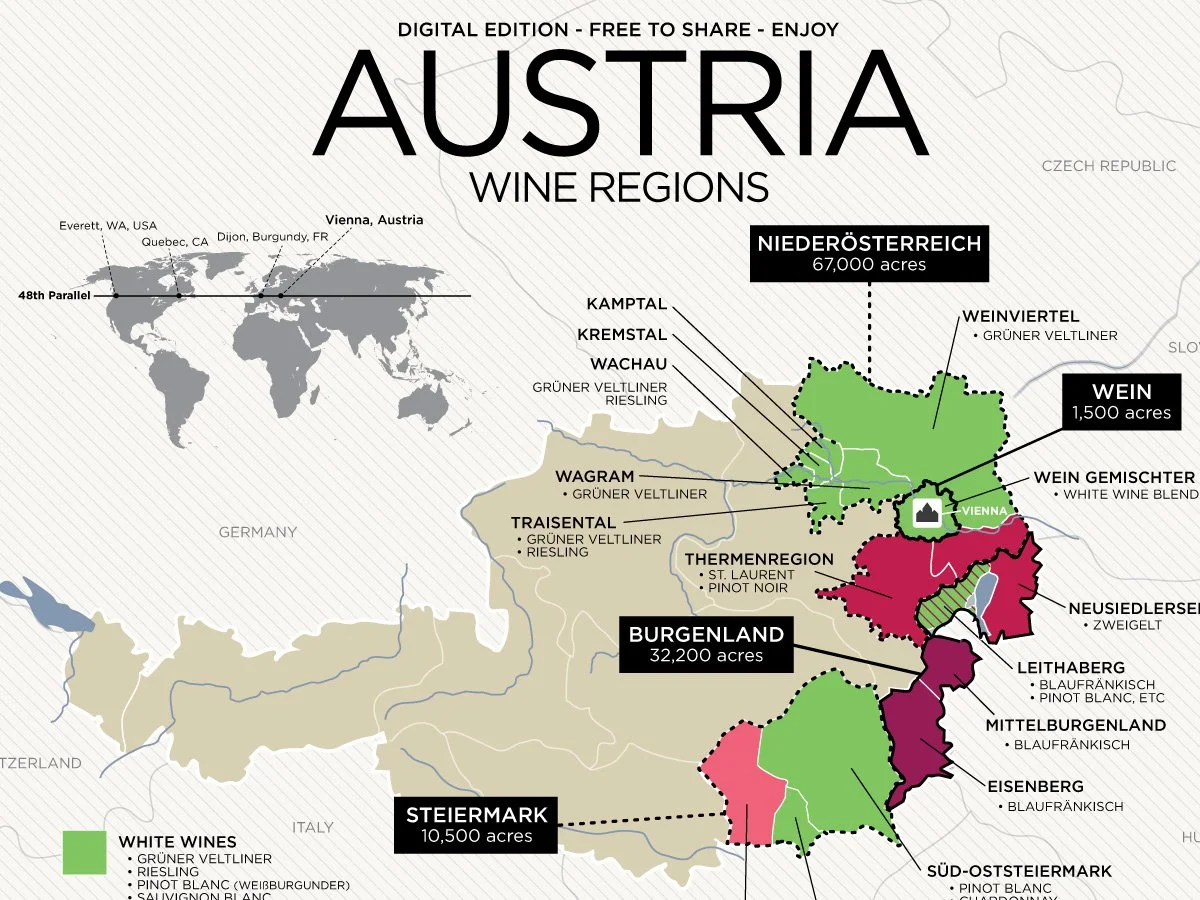
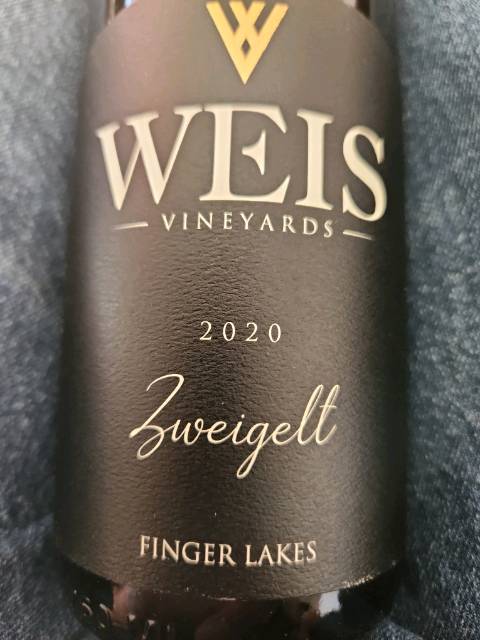
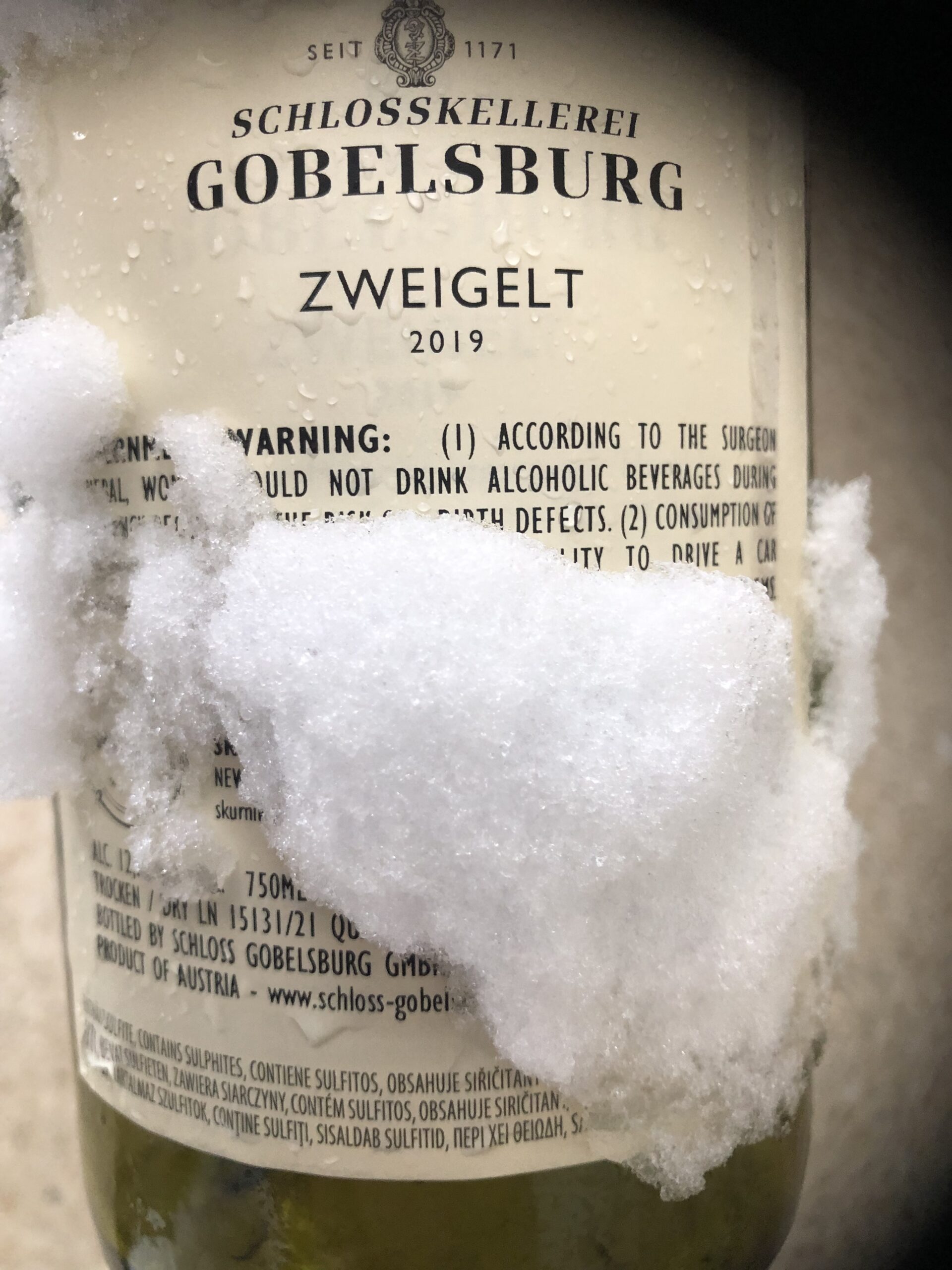
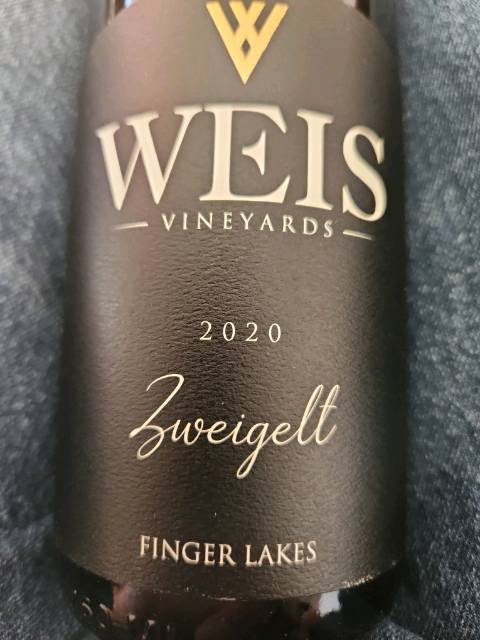
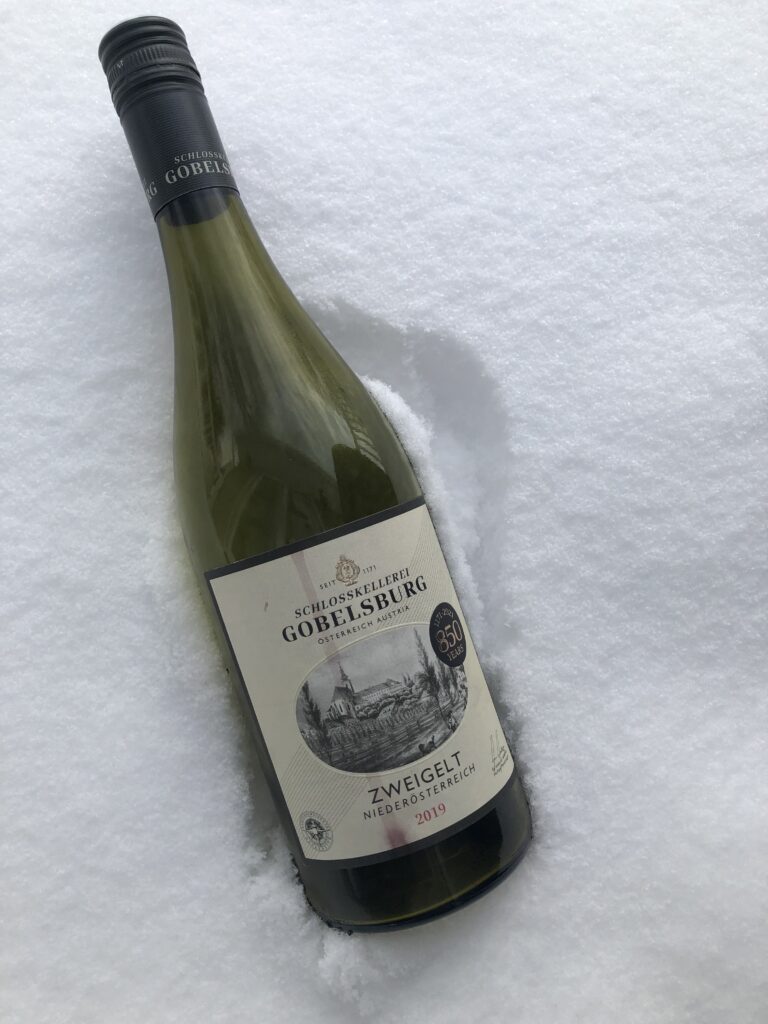
An obscure, but incredible fall wine, which most people don’t know about unless they are wine guru, hails from the Burgenland region in Austria. Burgenland is most known for its full-bodied red wines made from Blaufränkisch (known as Lemberger in some parts of the world, like NYS and France) and Zweigelt.

Generally, these wines are characteristic of rich and roasted notes of espresso and grilled pumpkin (rare flavors in wine) and rich dark-berry fruit. The tannins are firm, very grippy, but the fruit component begins to show at the end of the palate and on the finish.

The Michael Pour is back!!! Hope you enjoy this fall edition of wine and food. Feel free to comment on this post or on social media.

Cheers,

Michael

michael@mnagy717.877.2729

(cover photo courtesy of Jason McClain & McClain Cellars)

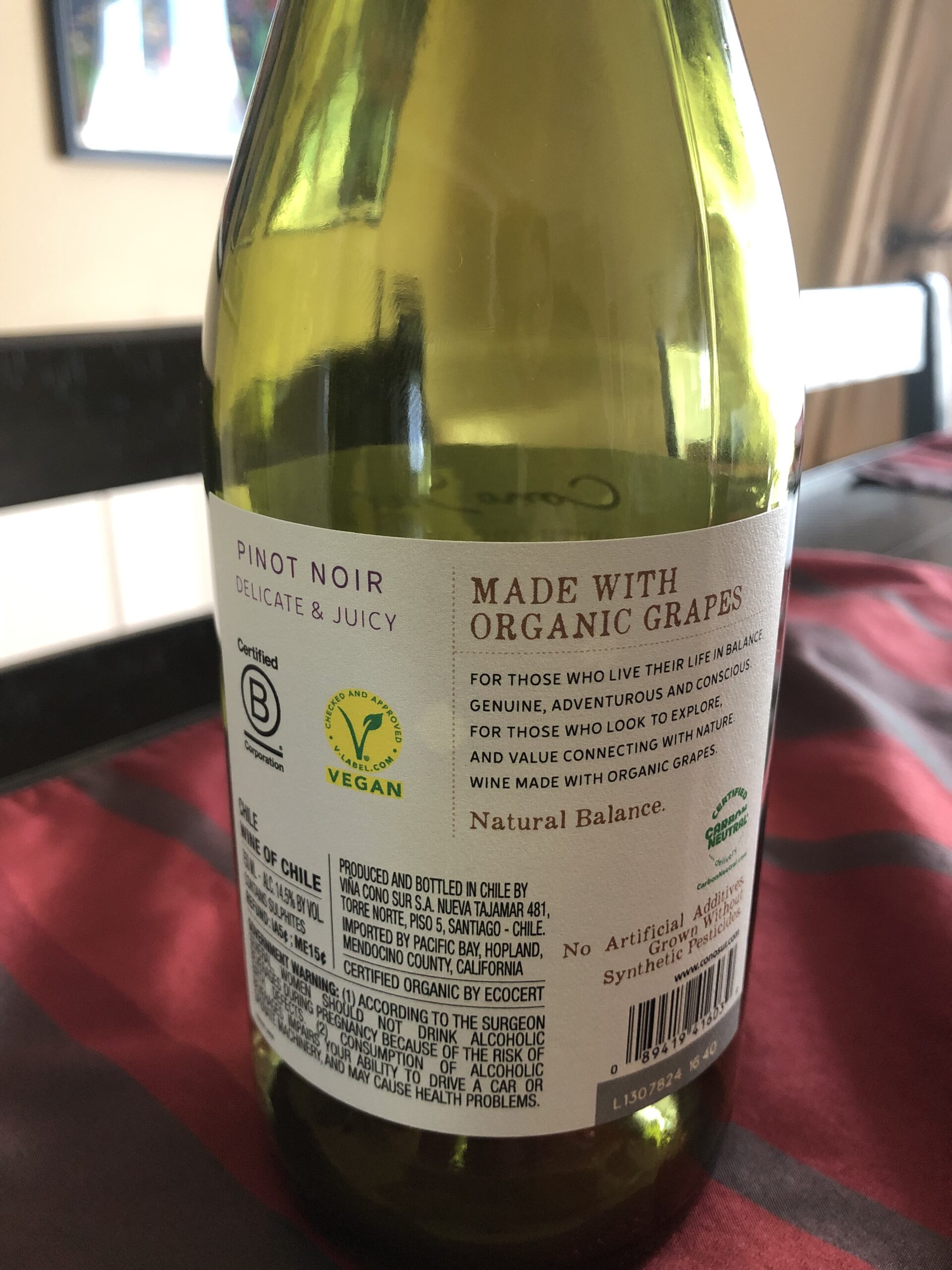
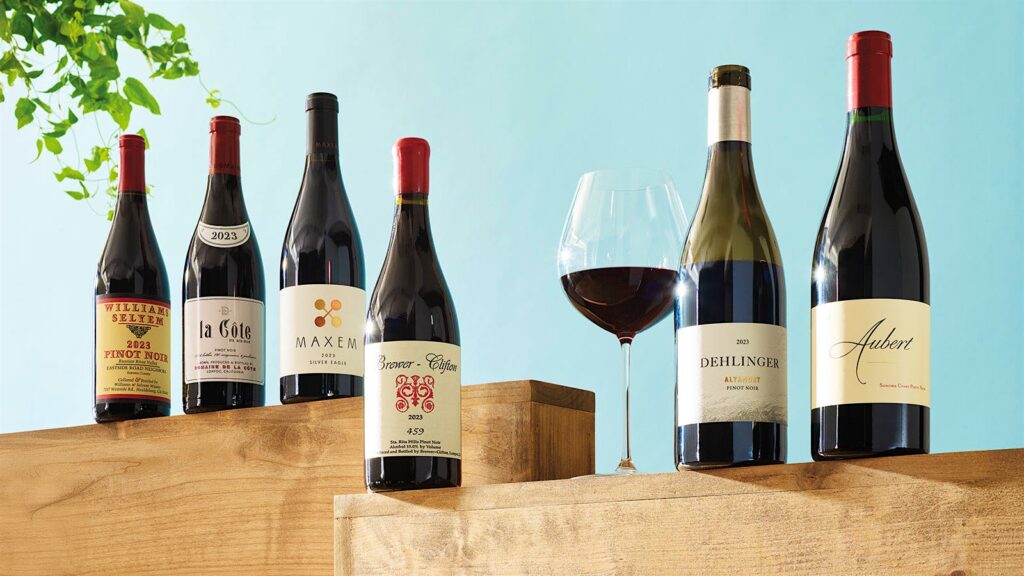
What’s Pouring: Great Value 2023 California Pinot Noir

2023 California Pinot Noir
September
9
2025

The 2023 vintage of California Pinot Noir is considered to be one of the best vintages in a very long time. According to Wine Spectator, the composite score for all the Cali Pinot Noir is a whopping 96 points.

Personally, I don’t tend to gravitate toward Pinots from California because of their style and high price point, but there are some worth pursuing from this outstanding vintage. The criteria I use for a great value wine, specifically Pinot Noir, which is generally more expensive and difficult to grow and produce on a year-to-year basis, is under $40 USD and a minimum score of 90 points from multiple rating sources. Most highly rated PN from California will cost you between $60-$100, with some well above $120.

Why was this vintage so spectacular? If you are a wine guru or want to learn more the magical transformation of grape to wine, here is a deep dive into the factors that helped make this so.

The 2023 California Pinot Noir vintage may go down in history as one of the best because of the wet, cold winter that replenished and fortified soils, followed by a long, slow, cool growing season with mild temperatures. This allowed for gradual ripening and optimal development of flavor, acidity, and balance in the grapes. The extended “hang time” on the vines resulted in complex, vibrant wines with remarkable balance and structure.

The best regions can be found in the Russian River Valley, Sonoma Coast, Santa Barbara, Sta. Rita Hills, Napa Valley, and Anderson Valley.

Beneficial Winter Rains: Abundant rainfall during the winter months revitalized the soils, improving nutrient availability for the vines and promoting healthy canopy growth. 

Extended, Mild Growing Season: Cooler spring and summer temperatures created an unusually long and temperate growing season. 

Gradual Ripening: This slow, even ripening allowed the grapes to develop complex flavors and aromas while maintaining vibrant acidity. 

Enhanced Acidity: The cool weather and extended maturity period resulted in higher acidity, which is crucial for the balance and aging potential of Pinot Noir. 

Optimal Balance: Vintners achieved a rare balance of ripe fruit flavors, balanced sugar levels, and lively acidity, a hallmark of a great vintage. 

Increased Yields: The healthy vine canopies and improved soil conditions led to above-average yields for Pinot Noir. 

The result – vibrant flavors, remarkable balance, and excellent age-ability solidified its place as a benchmark year for California Pinot Noir. 

Karen MacNeil, author of “The Wine Bible”, one of my favorite wine books, said this “Every century, every place has its legendary vintages. I have no doubt that 2023 will go down as one of the most phenomenal vintages ever in Napa Valley. Every vintner I’ve talked to about 2023 has been nothing short of ecstatic.”

Look for these best buy Pinot Noirs from this vintage. Many of them will be difficult to find in your local shops but should be available online.

Rivers-Marie Pinot Noir Sonoma Coast 2023, 94 pts, $40

Failla Pinot Noir Sonoma Coast 2023, 93 pts, $36

Alma De Cattleya Pinot Noir Sonoma County 2023, 92 pts, $35

Sean Minor Pinot Noir Sonoma Coast Signature Series 2023, 92 pts, $28

Morgan Pinot Noir Santa Lucia Highlands Twelve Clones 2023, 91 pts, $39

Truchard Pinot Noir Napa Valley Carneros 2023, 91 pts, $38

BONUS

2023 was also good vintage for Oregon Pinot Noir, which experienced similar climate and weather conditions. Here is short list of some of those value wines:

Elk Cove Pinot Noir Willamette Valley 2023, 92 pts, $34

Ken Wright Pinot Noir Eola-Amity Hills 2023, 92 pts, $38

Solena Pinot Noir Willamette Valley Planet Oregon 2023, 90 pts, $24

Cheers, Michael Nagy

The Michael Pour

(Cover photo courtesy of Wine Spectator & James Molesworth, this story is not used for monetization)

New York’s Macari Vineyards: A Winery Spotlight

Mattituck Tasting Room at Macari Vineyards
February
25
2025

When we are planning a trip to a wine region, how do we decide where to go? Are we influenced and steered by trip advisor, yelp, word of mouth, things to do, styles of wine, or winery reviews? Maybe our motivations are to visit and experience a new wine region or taste a style of wine from a unique climate, terroir, or grape-growing environment? How about the wineries themselves? Do they offer a full or an all-inclusive tasting and hospitality experience?

Whatever your reasons, this story highlights one of my favorite wineries that are producing excellent, terroir-driven, and highly rated wines from an area, which is generally not thought of as a wine destination. Macari Vineyards, located on the North Fork region of Long Island in New York, is a sustainable, biodynamic family run vineyard and winery in the town of Mattituck. The Macari family is involved in every aspect of the winemaking and viticulture. The first grape vines were planted in 1995.

The Mattituck Tasting Room sits on the edge of the 500-acres (formerly a potato farm in the 1960’s) offering guided and tailored tasting experiences for small and large groups. These tasting experiences can occur on the covered deck or in the production cellar where all the magic happens. If you prefer a private experience, you can book the Private Tasting Suite.

Macari prides itself on offering seasonal tastings, food and wine pairings with gourmet cheese, charcuterie, pizza, and local fare for a cool brunch, lunch, or special event dinners. The style of wine crafted by Macari makes them very food friendly and versatile for all occasions throughout the year.

Macari Coast

Macari has an off-site location called the Meadowlark North Fork featuring a wine bar and a wedding/event venue. The Wine Bar is a modified tasting room that offers unique selections of the Macari portfolio by the glass or bottle. Here the focus is on limited wines and innovative winemaking techniques available only at the Meadowlark property.

This wine bar is where guests can explore new tastes and unwind in the gardens. It is a great option for get-togethers, unique happenings and events, and a relaxing getaway for guests who desire to commune in nature without the hustle and bustle of a busy tasting room environment. Great place to experience the beautiful sights of the North Fork and have a picnic lunch.

What about the wines?

If you like balanced, nuanced, and age-worthy wines, then Macari wines will satisfy you and your guests’ palate throughout the whole year. Please see previous blog post to learn more about what makes wine from this region special to wine enthusiasts and different from other New World wines. The climate, microclimates, soil, latitude, longitude, diurnal temperatures, and proximity to water available to Macari allows for a unique expression of cool-climate wines similar to Bordeaux, but with some slight differences, like the salinity.

A follow-up post will discuss their award-winning wines from their portfolio along with tasting notes and technical information for those who want a deeper dive. Below is a brief list of some of those outstanding wines and some of the wines I will feature next time.

2023 Sparkling Horses Cabernet Franc

2023 Sauvignon Blanc Lifeforce

2022 Cabernet Franc Lifeforce

2021 Bergen Road Red Blend

2014 Block E White Blend

Cheers,

Michael Nagy

Getting to Know the Long Island Wine Region of NY

Long Island Region of Ny AVA
February
4
2025

On the largest island in the contiguous US, you will find diverse wine styles from well-structured red wines to refreshing white, rosé, and sparkling wines. The North Fork of Long Island, which is located 75 miles east of New York City, is known for its tranquil waterfront charm, pebble beaches, lush farmland and rich vegetation, and wealth of family-run and sustainable vineyards.

The Long Island American Viticultural Area (AVA) has a similar maritime climate to the classic Bordeaux Region of France due to its proximity to the Atlantic Ocean. With being surrounded by water, the area is well protected from the cold and harsh winter seasons and the hottest summers, which is ideal for growing Bordeaux-type varieties.

Unlike other regions in New York, Long Island has always focused on Vitis vinifera grapes because it’s a warmer climate. It doesn’t have to focus just on cool climate and hybrid varieties. Even though it has a warmer climate, Long Island has the tumultuous Atlantic Ocean influence, which is why many vineyards are located in the North Fork sub-region of Long Island. The vineyards here are protected by the Peconic Bay around the island.

Terroir

Terroir is a French term literally meaning ‘sense of place’ describing the growing conditions for wine grapes. As mentioned earlier, Long Island has a very similar climate to Bordeaux but is a little warmer. With more growing days and hours of sunshine, you might expect riper styles of wine. In fact, Long Island has the same latitude as hot Barcelona, Spain. However, because of the cold Atlantic Ocean, Long Island wines tend to be ripe, but not over ripe or jammy compared to traditional warm climates, like California, Spain, and Australia.

One of the other factors affecting grape-growing in Long Island is the higher amount of precipitation, but the free draining, indigenous sandy soils and glacial moraines remaining from the last Ice Age drain away any excess water. This prevents the grapes from becoming bloated causing increased sugar levels, which can be catastrophic for dry wines.

The combination of adequate sunshine, moderately warm weather, gravelly and sandy soils, and proximity to the ocean leads to juicy red wines that are not overly tannic, heavy, or high in alcohol. The resulting red wines have savory aromas and characteristics, and white wines are high in acid with a unique saline profile not found too often in other wine regions around the world.

Long Island AVA

Long Island Wines

There are Bordeaux varieties, such as Merlot, Cabernet Franc, and Cabernet Sauvignon, but also traditional-method Chardonnay and Pinot Noir, some edgy styles of Pet Nat, and orange wines. Many of the wines, thanks to the cooling influence of the Atlantic, are lower in alcohol, around 11-12.5%, with lighter styles from Bordeaux and fresh fruit flavors.

Sub-Regions of Long Island

The main AVA is Long Island but, in reality, the main spot where most vineyards are planted is in North Fork, thanks to the protection of Peconic Bay. However, people can source grapes from the entire Island where you will see Long Island AVA on the label.

North Fork of Long Island

The North Fork of Long Island is warmer than the rest of Long Island (including the Hamptons) and receives more sunshine leading to wines with riper fruit flavors and fuller bodies, and often higher alcohol compared to other NY regions in New York. The North Fork of Long Island AVA was established in 1986, sixteen years before Long Island AVA.

Over the last 10 years or so, the North Fork has enjoyed a major evolution with critical acclaim from wine experts and the international wine community. I have become fascinated with the quality and versatility of their wines that I started to use North Fork wines for my company events and wine tastings with clients as well as enjoying them myself and in my travels. Look for their wines to be featured and reviewed here and on social media.

Horses Pet Nat Macari Vineyards

One winery in particular whom I’ve recently become an unofficial brand ambassador for is Macari Vineyards. Macari Vineyards, whose 500 acres features a beautiful and spacious tasting room and covered deck where top-end red flights, a bottle of the cult-favorite ‘Horses’ Pet-Nat, and award-winning Merlot, Cabernet Franc, and Bergen Road Red Blend are paired with charcuterie, cheese, and other delicacies.

Macari’s wine estate, which is biodynamic and sustainable, is located in Mattituck overlooking scenic Long Island Sound. The property has been in the family for over 40 years spanning three generations using traditional farming methods. The family themselves nurture the soil and vines. Nearby, Meadowlark, Macari’s sister property, pours small-batch wines and hosts events. Visit their site at the hyperlink above. I look forward to a visit there soon.

The Hamptons of Long Island

Established in 1985, this southern part of the island is better known for celebrity beach houses and where affluent New Yorkers go to get away from it all. However, it’s also a great place for refreshing wines from Long Island, particularly rosé and sparkling wines. Cooler than the North Fork due to massive exposure to the Atlantic Ocean, you can expect higher acid content in the wine along with lighter styles and zesty white wines.

Quick Facts:

  • There are 90 Wineries in Long Island as of 2022.
  • Largest island in the contiguous United States.
  • Established May 15, 2001.
  • New vineyards planted in 1973 in North Fork sub-region.
  • 1815 acres of vineyards planted.
  • First vineyards were planted in the 1820s, but all succumbed to disease pressure.
  • Over half the planted acres in Long Island are in the dedicated sustainability program (LISW).
  • Merlot is the most planted grape variety in Long Island.

As the parent of the super popular Cabernet Sauvignon, Cabernet Franc is often overshadowed by its own progeny. It also the parent of Merlot. However, this underrated grape produces some very good, complex, and food-friendly wines that are the best in the world mirroring those from Loire Valley and Bordeaux, France. Cab Franc is truly the signature red grape of Long Island and all of NY.

Wines made from Cab Franc range from light and quaffable to rich and tannic depending on both region and winemaking styles. Cool-climate examples from the Loire Valley, Finger Lakes, or Long Island can be lively and fresh with tart red fruit, green pepper notes, and better than average acidity.

They can be aged in stainless steel for a punchier red fruit expression and lighter style or in oak barrels to add hints of cedar, tobacco, and spice with fuller body. Cabernet Francs from warmer sites like Napa Valley and Paso Robles can result in bigger wines with juicy, ripe fruit, and typically a heavier oak influence with use of American or new oak barrels.

Cheers,

Michael Nagy, michael@michaelpour.com

Wine of the Week: A Hot Trip to Italy’s Boot

Piluna Primitivo 2021
January
13
2025

I wanted to get this “wine of the week” out to you before I take a road trip to Saratoga, NY this week. With the recent loss of my precious Marty kitty this past week, I need a change of scenery. 

For this week’s wine of the week, I take a trip down to the hot climate of the Puglia region along the Adriatic Sea in southeast Italy where the Primitivo grape is widely produced. Puglia is a dry, sun-drenched region that has one of the most intense sun in all of Italy. The entire east side is along the coastline bordering the Adriatic Sea.The climate is moderated by the Adriatic and Ionian seas, which provide constant, cooling maritime winds. 

This unique climate helps produce exquisitely balanced fruit and is well-suited for the production of concentrated, fruity and spicy red grape varieties, like Primitivo. Puglia’s Mediterranean climate and iron-rich, calcareous soils support the native Primitivo by producing an inky, spicy, and brambly ripe red wine.

About half way down, the region becomes the Salento Peninsula. This peninsula, bordered by water on three sides, receives moist, nighttime, sea breezes that bring a welcome cooling effect to the region, where little rain creates a challenging environment for its vines. The region is named for the Italian expression, “a pluvia,” meaning “lack of rain.”

Loved for its fruit-forward wines, the Primitivo grape originated in Croatia. Here it was named from the Latin word, primativus, meaning “first to ripen.” Nobody knew until the early 90’s that Primitivo and Zinfandel were actually the same genetic grape. The grape is better known outside of Italy as Zinfandel, especially California. 

California Zinfandel tends toward a sweeter, fruitier style than Primitivo. This is due to areas like Lodi that are hot during the day, and don’t really cool off that much at night. Napa Valley, and the Dry Creek Valley of Sonoma County, and in parts of New York state also produce it, but are usually lighter-bodied. Both can have a slight sweetness from ripe fruit, but Primitivo is usually made in an earthier, more tannic style.

The main traits of most Primitivo wines are fruity with notes of cherry, strawberry, blackberry, and raisin, earthy and rustic, big and jammy, high in alcohol, chewy tannins, and sometimes a sweet finish. It is no longer an obscure blending grape in Italy. It has become a symbol for high quality, inexpensive single varietal wines unlike many Italian red wines. Primitivo’s ripe fruit and full body make it a great partner with rich, meaty dishes. 

Castello Monaci Piluna Primitivo 2021

I was first introduced to this lovely wine in 2023 when I was the General Manager at Portico Restaurant, high end Italian steakhouse, in del Lago Resort & Casino. Based on the recommendation from my sales rep and upon tasting, I was sold. I decided to add it permanently to my extensive wine list as well as “by the glass” program at a very moderate price.   

Tasting Notes –

Aromas of ripe black fruit, dried red fruit, strawberry, and toasty vanilla and pepper spice. On the palate, hints of cherry, chocolate, and a berry basket. Medium bodied (most Primitivo is heavier), light-medium tannins (with bottle age, tannins have softened out today from my first tasting in 2023), low-medium acidity, and a fruity character at the end of the palate followed by an earthy finish. Even with some age and dried characteristics, it still has some freshness to it.

This featured wine from producer Castello Monaci, with its sustainability philosophy, stands out in the heart of the Salice Salentino DOC, which is located in Puglia in the “heel of the boot” of farthest southeast Italy. Each vineyard section is always cultivated and harvested at night to ensure the best quality of grapes. It has consistently received a 90-point rating from international reviewers overall several vintages. Drink now – not age worthy. Look for the 2023 vintage available now. 

Cheers,

Michael

Wine of the Week: Little Known Red from Austria

Zweigelt Wine of the Week
January
6
2025

I had the pleasure of sipping this wine over the holiday season with in-laws. It was a nice change of pace from what I typically drink even though it reminds me of a nice Pinot and Lemberger all in one bottle.

Did you know that the country of Austria produces some really good wine? Can they grow red grapes and produce red wine in their cold climate? Although Austria is better known for its white wine, it does grow and produce some surprisingly good reds that are unique to the red wine world.

Austria as a whole is still white wine country, but of the 30% or so red vineyards, the most widely planted grape is Zweigelt by far. Zweigelt (pronounced TSVY-galt) and other reds are nothing like the new world reds in California, Chile, Argentina, and Australia nor old world reds in France, Italy, and Spain. Austria’s reds are very similar in style to Germany reds.

Austria is a landlocked country in Central Europe, bordered by eight countries – Germany to the northwest, Czech Republic to the north, Slovakia to the northeast, Hungary to the east, Slovenia to the south, Italy to the southwest, and Switzerland to the west

Zweigelt is a relatively young grape variety, having been created in 1922. The grape is a cross between the St. Laurent and Blaufränkisch grape varieties, which are native to Austria. It is a versatile grape that is grown throughout Austria’s wine regions. It is well-suited to Austria’s cool climate, as it ripens early and is resistant to cold temperatures. This allows the grape to be grown in cooler, higher-altitude vineyards, which are not suitable for many other grape varieties. 

Weis Vineyards Zweigelt

When you go to buy red wine and looking for something new and different, consider Zweigelt, and in particular the one I’m featuring in this post as well as one from Weis Vineyards, German winery off Keuka Lake located in the beautiful Finger Lakes, NY. Weis also produces a Dry Rose from the Zweigelt grape. Check them out! They are one of the best wineries in New York State.

The grape generally produces medium-bodied wines with moderate acidity and tannins. The wine has a vibrant ruby color and aromas of dark berries, such as blackberry and black cherry, as well as spicy notes of pepper and cinnamon. On the palate, it has a smooth, velvety texture with flavors of dark fruit, warm spice, vanilla, and sometimes even a hint of chocolate.

Zweigelt is a very food-friendly wine that pairs well with a variety of dishes. It is especially good with meat dishes, like roasted pork, beef, lamb, and duck, as well as with hearty vegetable dishes and warm stews in the winter.

Zweigelt is also an excellent choice for those looking for a more affordable alternative to some of the more well-known red wine varieties. While it is not as well-known as some other grape varieties, Zweigelt is gaining popularity among wine lovers, both in Austria and abroad. 

Austrian wine, in general, has gained a reputation for high quality and unique flavors, and Zweigelt is no exception. In recent years, Austrian winemakers have increasingly focused on producing high-quality Zweigelt wines, and the grape has been gaining recognition and awards at international wine competitions. 

In all, Zweigelt is a versatile, affordable, and high-quality red wine grape variety that is gaining popularity among wine lovers worldwide. With its unique flavor profile and food-friendly nature, it is definitely worth trying for anyone looking for something new and exciting in the world of wine. 

.

Schlosskellerei Gobelsburg Zweigelt, Niederosterreich, 2019 (cover photo)

Btw, German and Austria wines have very long wine names and sometimes hard to pronounce. This bottle of Zweigelt brings forth a nuttiness of almonds and dark cherries and berries on the nose along with a spicy and peppery aroma. It has a light-medium body and well balanced with enough acidity, although not crispy.

This Zweigelt offers a toasty character from some oak, but still fresh and youthful on the palate. It is a juicy, but elegant, energetic red wine with a nice aroma that lasts through the palate and medium finish. 12.5% alcohol.

It has reached its age of maturity in 2025 (not an age-worthy wine by tradition so drink now when it’s good). It is most likely at its peak for drinking.

Try this wine or search for more at your fine wine shop. Most local wine shops only carry 1-2 Zweigelts in inventory so call beforehand or just order this one online. You will not be disappointed! My rating is 8 out of 10 (very good). I won’t feature a wine unless it receives a score of 7 (good) and above. My personal rating system is out of 10; different from most professional ratings….Cheers, M

Drink Spotlight: What are the Drink Trends for 2025?

Espresso Martini
January
3
2025

Welcome 2025! The month of January not only marks the beginning of a new year, but also an opportunity for beverage consultants and wine and cocktail businesses like mine to look at what’s trending in the drinking world and pass it onto consumers. Whether it be the ever-growing world of mocktails/low ABV/non-alcoholic cocktails, spirit-less spirits, experimental and up and coming wines, specifically from lesser-known regions, new spirits, or bar trends, look for these drink trends to pop up in 2025.

The year of 2024 saw the continued uptick of spritzers comprised of bitter and herbal elixirs and specialty Martinis, like the Espresso Martini (not really a martini in the classic sense), Dirty Martini, and whatever you can find to throw into a martini glass. This trend doesn’t appear to be slowing down any time soon. There was also a substantial increase in mocktails, creative no-and low-ABV requests and on drink menus, carbonated, bubbly, coffee cocktails, and high-priced cocktails, wines by the glass and by the bottle, especially in high end restaurants.

And it’s possible that prices might further spike with the new administration’s pending tariffs. Going out to drink is already pretty expensive. We suspect that this new reality and economic factors will determine how and when we go out, and whether or not we choose to drink at a restaurant at all. Why not stay at home with friends and co-workers for a cocktail hour, wine tasting, party, or dinner and choose “The Michael Pour”, a less expensive, much safer, more convenient option with exceptional customer service. No sticker shock, avoid traffic, exorbitant parking fees, and unpredictable bad weather in CNY.

The Michael Pour and I sincerely hope for a successful campaign in 2025 by providing you with excellent, useful, and informative content on the blog and top-shelf, comprehensive, and dynamic wine and cocktail services for your parties, events, dinner parties, company events, and special get-togethers. Please reach out to learn more at michael@michaelpour.com. 717.877.2729, or contact form on the site. Even though we are based in Syracuse and Central NY, we provide virtual and in-person services near and far.

Okay, back to The Martini. People in the industry as well as new drinkers have joined in the martini craze. Gin or vodka, an olive or lemon twist, shaken or stirred, wet or dry, or ‘on the rocks’ have been ordered. Bars have been getting creative and coming up with their own concoctions. Many of these martinis are incorporating gastronomy (science of food) with infusions and the use of herbs, spices, and food products from the kitchen. Will we see new takes on other classic martinis, like the Gimlet, Gibson, and Vesper?

Mindful drinking has been on the rise over the last several years. Hence, the addition of mocktails to cocktail menus. Although many drinkers have good intentions of drinking in moderation, there’s a new trend circulating that may be more effective in promoting moderation in 2025. The term “zebra striping,” as people are now calling it, is a strategy that involves subbing a non-alcoholic beverage between each alcoholic drink. Sipping an entire glass of water or a club soda with lime between cocktails is a great way to stay hydrated and avoid the dreaded hangover. Don’t be surprised when you hear bar guests or people announcing they are zebra striping at your next party.

While small-production artisanal spirits spiked during the pandemic, but the category niche has seen a significant slowdown, as sales declined in 2024 for the first time in many years. The outlook for these brands in 2025 is unclear with continued issues in the supply chain and high interest rates. Plus, as consumers start to feel the effects of rising prices, they might opt for bigger, well-known brands on the shelf.

Tourism in Japan reached record highs in 2024. With many U.S. travelers returning from recent trips to the country, we expect more drinkers will be eager to imbibe on sake more often than just at the sushi counter. Wine experts have been advocating to have sake placed alongside wine on restaurant menus. Some big city raw bars and bistros are featuring it now, even by the glass, and most likely will stick.

Red wine’s long reign over white wine may come to an end. While Cab, Merlot, and other reds got a boost in popularity from its health benefits and high antioxidant content, red wine’s health impact has subsided and drinkers are now looking to its lighter, lower-ABV counterparts like white wine. Big production and commercial wine companies are acquiring more traditional white wine producers to meet this trend.

Shots and shooters are starting to appear in more high-end and fine dining restaurants as a more casual, more playful way for guests to start a meal or to end a meal with dessert. Sweet shots to pair with desserts are becoming an alternative to hot spiked coffees, ports, sherries, and spirits on the rocks. As more diners look for restaurants to provide a full night-out experience for them, expect more “fancy” restaurants to have a little fun with shots.

Other notable trends – Guinness draft is on the rise in the beer world becoming more accessible in different types of watering holes and restaurants. Coffee as a main ingredient in everything from beer, cocktails, Martinis, Manhattans, and Old-Fashioneds.

Cheers,

Michael Nagy

michael@michaelpour.com

Seasonal Spotlight: Cozy Up with these December Cocktails & Mocktails

Holiday punch
December
3
2024

December brings a whole new element to the cocktail and mocktail world. As the weather gets colder, the wind is blistering, and the snow begins to fall, the choice of what to drink at home, serve at holiday parties, and sip Christmas Eve and Christmas Day with family and friends becomes paramount. The season is brimming with holiday cheer with decorations, Christmas cookies, and a renewed gathering with family. To add to the celebration, why not enjoy a spirited winter cocktail or mocktail or a hot beverage that will warm you up?

You can mix up batched drinks, hot drinks, after-dinner drinks, brunch drinks, punches, or sangrias featuring classic holiday flavors like gingerbread, peppermint, cranberry, citrus, pear, cinnamon, apple, pomegranate, and sugar cookie or make a cozy drink that warms your soul. If you’re a fan of hot drinks, try spiked hot chocolates, hot toddies, or hot buttered rums. Think of a Bloody Mary made with tequila instead of vodka or a martini with pomegranate, blood orange, or cranberry flavors. Pull out a nice brandy, cognac, or whiskey to add to your hot drink or warm it up over a snifter glass filled with hot steaming water.

No matter what type of drink you choose, now is the time to make use of seasonal winter fruits, juices, and syrups listed above to concoct a non-alcoholic winter drink, Christmas drink, or punch the whole family and guests can enjoy.

Below you will find some cocktail options for the month of December, Christmas, and the holiday season. If you don’t drink or prefer a non-alcoholic option, there are variations listed in the drink recipes to make mocktails. If you would like help creating your own holiday drink menu or want to plan an event this winter, please feel free to reach out by email, DM on IG, or contact form on website. Cheers!!!

Hot Toddy

Toasty Toddy: A Classic Reinvented 

Let’s kick things off with a twist on a timeless favorite. The Hot Toddy is the epitome of cold weather cocktails, but here is joyful spin to it, making it bolder and brighter. It is simple yet sophisticated, capturing the essence of celebration. Just combine the whiskey, honey, and lemon juice into your favorite glass and top it with hot water and stir until the honey is dissolved. Add the cinnamon stick, lemon slice, and cloves for garnish, and enjoy the warm embrace of this elevated classic.

Use Scotch, Irish whiskey, Rye, Bourbon, or Blended Whiskey. The brown spirit is often what leaps to mind when people think of a Hot Toddy’s boozy base because the spirit’s roundness complements the cocktail’s other ingredients well. But any spirit is a good Toddy base. Truly. Rum, being a kindred brown-spirit cousin of whiskey, works well. Try agave-based spirits like tequila and mezcal, or even gin, if you prefer. The endgame is different with each spirit, but the warming results are not.

  • Boiling water to fill an Irish coffee mug or thick mug
  • 4 cloves
  • 1 lemon peel or wheel
  • 2 teaspoons demerara sugar or brown sugar
  • 1/4 oz lemon juice, freshly squeezed
  • 2 ounces whiskey (bourbon, rye, Irish or scotch) or go for a dark or spiced rum

Prep –

Fill a mug with boiling water and let stand for a minute or two to warm. Meanwhile, stick the cloves into the lemon peel or wheel and set aside. Empty the mug and fill about halfway with fresh boiling water. Add the sugar and stir to dissolve. Add the prepared lemon peel or wheel and stir. Add the lemon juice and whiskey, and stir again.

Sparkling Winter Cosmo

Sparkling Winter Cosmo

This boozy, vivid, orange spritzer with the addition of Champagne, particularly rosé Champagne, takes on the personality of everyone’s favorite Cosmo and Margarita.

This vivid orange spritzer gets its striking color from blood orange and rosé Champagne. The tart juice blends lovingly with tequila and further enhanced by the brandy-based orange liqueur, Cointreau and two dashes of orange bitters. St.-Germain, an elderflower liqueur, adds sweetness and floral notes, amplifying the drink’s complexity and depth and a little lime juice helps balance the acidity and sweetness.

Rosé Champagne is generally on the dry side and with lots of berry notes and an aroma of baked brioche, it’s the best sparkling option. Plus, it is a great celebratory sparkler for the holidays. Cremant sparkling rosé wines from across France can be a replacement at a lower price tag.

Another great option is Spanish cava, which offers a number of fantastic rosé options.

The United States is producing some quality sparkling rosé, with states like Washington, Oregon, California, New Mexico, New York, and even Texas getting in on the action. Just be sure to avoid any bottles that are too sweet, or it will throw off the balance of the drink. To make mocktail, replace alcohol with spirit-less spirits, sparkling grape juice or sparkling mixed berry soda water for Champagne, and sparkling elderflower beverage.

  • 1.5 oz reposado tequila
  • 1/2 oz Cointreau
  • 1/2 oz St-Germain Elderflower Liqueur
  • 1/2 oz blood orange juice
  • 1/2 oz lime juice, freshly squeezed
  • 2 dashes orange bitters
  • Rosé Champagne, chilled, to top (approximately 3 oz)
  • Garnish: blood orange wheel

Prep –

Add the tequila, Cointreau, St-Germain, blood orange juice, lime juice and bitters into a shaker with ice and shake until well-chilled. Strain into a wine glass filled with fresh ice. Top with the rosé Champagne. Garnish with a blood orange wheel.

Michael’s Holiday Punch

This warming punch is perfect for winter entertaining with cold weather flavors of pear, cinnamon and citrus. While apples are typically the star of fall cocktails, pear liqueur adds fruity depth and flavor without being overly sweet or sour. This punch serves 12, but if you have more or less guests, adjust accordingly. It does require a significant amount of prep and time in the kitchen, but it is so worth it for your holiday parties or get togethers. To make mocktail, remove Cognac, replace pear liqueur with pear puree, and replace Champagne with sparkling white grape juice or soda water.

  • Three 3-inch cinnamon sticks, broken into pieces, plus whole cinnamon sticks for garnish
  • 1/2 cup sugar
  • 12 oz Cognac
  • 12 oz pear liqueur
  • 9 oz fresh lemon juice
  • 6 oz triple sec
  • 12 oz chilled Champagne
  • Orange wheels for garnish
  • Lemon wheels for garnish

Prep –

  • Add broken cinnamon sticks to a medium sauce pan and cover with 1 cup of water. Bring to a boil and simmer over moderately low heat until reduced by half.
  • Stir in the sugar until dissolved. Let cool, then strain through a fine sieve into a bowl; refrigerate until chilled.
  • Add crushed ice to large punch bowl. Using a long stirrer or spoon, slide orange and lemon wheels against the inside of the punch bowl.
  • Combine one-fourth each of the cinnamon syrup, Cognac, pear liqueur/pear puree, lemon juice and triple sec or not in a cocktail shaker. Shake well.
  • Add one-fourth of the Champagne/sparkling grape juice and shake once, then add to the punch bowl. Repeat the shaking 3 more times with the remaining ingredients. Serve the punch in glasses, garnished with cinnamon sticks and orange and lemon wheels.

Michael’s Winter Party Sangria

Cover photo. Most people think of red sangria (made with red wine) during the cold months, but this white sangria will satisfy all your guests who prefer white wine or like sangrias. It does require a significant amount of prep and time in the kitchen, but it is so worth it for your holiday parties or get togethers. To make mocktail, replace Pinot Grigio with white grape juice.

  • 3 large oranges
  • 1 small lemon, plus lemon wedges for rims of glasses
  • 1 (2-inch) piece fresh ginger, peeled, halved lengthwise, and smashed (optional). For ease, you can leave out or sub crystallized 1/2 oz ginger liqueur, ground ginger (very potent so use very little)
  • 1 cup granulated sugar, divided
  • 2 (750-ml) bottles dry Pinot Grigio
  • 5 whole star anise
  • 2 cinnamon sticks
  • 1 teaspoon vanilla extract
  • Pinch of kosher salt

Prep –

  • Using a vegetable peeler, remove peel in wide strips from 2 oranges and from half of the lemon. Juice lemon to equal 2 tablespoons juice; set juice aside.
  • Heat orange peels, lemon peels, ginger (opt), and 1/2 cup sugar in a large saucepan over medium-high. Cook, stirring and scraping bottom and sides of pan constantly with a wooden spoon, until sugar crystallizes and turns golden brown, 7 to 9 minutes. (The sugar will melt and then crystallize, forming small pebbles.) Slowly stir in 1 bottle of wine/grape juice Slowly stir in second bottle of wine/grape juice; add star anise, cinnamon sticks, vanilla, and reserved 2 tablespoons lemon juice. Reduce heat to medium-low, partially cover, and bring mixture to a vigorous simmer. Reduce heat to low, and simmer 10 minutes. Remove pan from heat and let mixture steep 20 minutes.
  • Meanwhile, grate remaining orange to equal 1 packed tablespoon grated zest. Combine orange zest, salt, and remaining 1/2 cup sugar in a small bowl. Using the back of a spoon, stir and crush mixture until mixture is fragrant and has an orange tint; set aside.
  • Return pan to heat over medium, and cook, stirring occasionally, until warmed through, about 4 minutes. Pour wine mixture through a fine wire-mesh strainer into a large heatproof bowl; discard solids.
  • Rub rims of heatproof glasses or mugs with a lemon wedge; dip rims of glasses into orange zest–sugar mixture. Carefully ladle mulled wine into glasses, and serve warm.

If You Love Pinot Noir, Try These & Other Seasonal Wines

Thanksgiving Pinot Noir
November
26
2024

If you haven’t picked up your Thanksgiving wine yet, then use this guide for your shopping. There are many options, whether it be white, red, rose, or sparkling, for all your guests’ diverse palates. Because of the season, I tend to focus on reds for the holiday season now through Christmas. Of course, the holidays are a celebratory time for many so a sparkling or that special bottle in the cellar would suffice.

If you prefer whites or roses that would pair well with turkey dinner or is your go-to, then you are set. I have the snob-less philosophy of drinking what you and your guests like regardless of the food, season, or what the wine snobs say. After the holiday is over and your guests depart, you are left with wine you can enjoy yourself.

I may be a little biased (I write about it a lot), but I feel that Pinot Noir is a happy medium no matter what you like. Not only is it a lighter and medium style of red with low to medium tannins and good acidity, but is food-friendly and pairs incredibly well with all the Thanksgiving fixings and turkey. It is also approachable for non-red wine drinkers and those who prefer not to sip a heavy, tannic red with or without food.

In the realm of Pinot Noir, there are many different styles produced around the world (some of which are new and upcoming regions rarely explored) with varying flavor profiles that won’t require you to spend upwards of $30. The price point on good quality Pinot from Burgundy, California from Russian River Valley, and some Oregon from Willamette Valley will cost you. See my previous Pinot posts on the blog. If price isn’t an issue and you prefer those styles of Pinot Noir, then go for it. 

Below you will find my value PN recommendations for the holiday season along with other reds and whites that will match your menu and satisfy your guests regardless of their wine preferences for under 30 bucks. Most Pinot Noir enthusiasts know about and have tried Pinot from California, Oregon, and Burgundy, but who else in the world produces fine Pinot that actually fits the season better and won’t cost you an arm and leg? 

I have recently discovered some excellent PN from Germany and the Alsace region of France, both of which are well known for Riesling and the latter for sparkling wine as well, which often contains a percentage of Pinot Noir in its blend or 100% Pinot Noir. Some other countries and regions produce excellent Pinot Noir which can be drunk all year long, but ones from these places are ideal right now and throughout winter.  

Bright, juicy, and easy to drink Pinot Noir from Alsace in the northeast corner of France is definitely under the radar. If you’re not a wine scholar, you may not be familiar with PN from France not named “Burgundy” or “Bourgogne”. It has grown in Alsace since the Middle Ages. Pinot Noir was considered a table wine at the time so it was overlooked in the original 1975 decree of the Alsace grand cru designation as well as in later revisions, until the designation changed in 2022. Wow! that’s recent!

Created as a pure expression of the fruit, Alsatian Pinot Noir is generally made in an unoaked style and is the only red variety allowed to be grown in the regional cru, or vineyard classification system, in Alsace. 

The wines from here are medium-bodied and offer fresh red berry notes of strawberry, raspberry, and cherry. When some oak is used, the wines are well-balanced and add warm baking spices to the red berry flavors. 

Many Alsatian Pinot Noir wines reflect a Burgundian style of winemaking showing elegance and the ability to age for a decade or two. These Pinots offer awesome value when compared to average price points of wines from Burgundy. Alsatian wines are also leaner than wines from warmer regions, like California and Australia. They also offer more red berry fruit than the dark, cherry flavors found in Oregon Pinot Noir.

Cremant d’Alsace rosé, or pink sparkling wine from the region made in the traditional style using 100% Pinot Noir grapes, is a light and lively sparkler with soft aromas of strawberry and cherry blossoms with some round peach, floral, and raspberry notes on the palate.  

What about German Pinot Noir? Did you know that Germany produces Pinot Noir? Well, it makes sense considering the climate and overall geographic location and proximity to Alsace. Alsace and Germany are close neighbors. German PN is not well known and goes unappreciated due to the lack of exposure worldwide, lack of exports, and what it is sometimes called. It is a very splendid style of Pinot right now.

The German word for Pinot Noir is Spätburgunder, translating to “late” (spät), referring to the grape’s later ripening when compared to other Pinot clones, and Burgundy (Burgunder), the antiquated term for Pinot Noir. 

German Pinot Noir is typically light in color, body, and tannins, with flavors of cranberry, cherry, baking spice, and a stony minerality. Some can be earthy and savory, but the general consensus is that it contains a bigger fruit and more acidity than most Pinots. Traditional German Pinot Noir is lighter than Pinot Noir from warmer climates and Alsace, but some contemporary winemakers are producing fuller-bodied wines similar to Alsace.

Other great styles of wine for the season include:

Reds – Beaujolais/Gamay/Gamay Noir (France), Cabernet Franc (France, NY, Virginia, Chile), Zinfandel/Primitivo (California, Italy), Blaufrankisch/Lemberger (NY, Germany, Austria)

Whites – Riesling/Semi-Dry Riesling (NY, Mosel, Germany, Austria, Alsace, France, Washington State), Gewurztraminer (Alsace, France, NY, Italy), Gruner Veltliner (Austria, NY)

Any Sparkling/Champagne – Blanc de Noirs (Pinot Noir) from NY, France, and California and Rose Champagnes are excellent choices.

Shopping List 

Check your wine rack or cellar for the wines above, but if you are looking to stock up for the holidays and season, then look for these wines by grape varietal, country, and region. The list below includes Pinot Noir, Beaujolais, Cabernet Franc, and Riesling.

Pinot Noir

Jürgen Leiner ‘Handwerk’ Pinot Noir 2022 (Germany), $24

Borell-Diehl ‘BD’ Pinot Noir 2021 (Germany), $14

August Kesseler ‘The Daily August’ Pinot Noir 2022 (Germany), $27

Terres d’étoiles Pinot Noir 2023 (Alsace, France), $22

Allimant-Laugner Pinot Noir 2022 (Alsace, France), $20

Domaine Bechtold Obere Hund Pinot Noir 2021 (Alsace, France), $29

Other red wines (under $30)

Maison L’Envoye Fleurie Château Vivier 2022 (Beaujolais, France), $21

Domaine Dupeuble Pere et Fils Beaujolais 2022, $20

Lamoreaux Landing T23 Unoaked Cabernet Franc 2022 (Finger Lakes, NY)

Macari Lifeforce Cabernet Franc 2022 (North Folk Long Island, NY)

Heron Hill Winery Classic Cabernet Franc 2020 (Finger Lakes, NY)

Whites (Under $30)

Anthony Road Finger Lakes Dry Riesling 2020

Thirsty Owl Wine Company, Dry Riesling 2019

Weis Vineyards Reserve or Dry Riesling 2019

How To Make the Best Old Fashioned

November
13
2024

How to make the best Old-Fashioned cocktail? What is the correct way to make an Old-Fashioned? Why does it matter? For someone who has been in the biz for over 22 years (behind the stick for much of that time), certified in advanced mixology, runs his own cocktail business, published cocktail author, and oversaw the cocktail program at many high-end cocktail bars and establishments, I think I have the qualifications.

Not only will I discuss the cocktail making, but also the subtle nuances that goes into perfecting this classic cocktail, like ice, sugar, whiskey, bitters, glassware, garnishments, etc… All too often I see and taste Old-Fashioneds that are prepared, mixed, and served incorrectly. Sure, there are many variations of the cocktail and depends on how you and your guests want it, but, for the most part (other than choice of whiskey), most consumers will drink it the way you serve it and not experience its potential.

After you have read through this discussion, I hope that you have the ability and confidence to mix a well-balanced, visually appealing, and tasty Old-Fashioned for yourself and guests from your home bar. It will also give you the knowledge to order confidently from your favorite, local watering hole so you receive the cocktail the way you like it. I encourage you to experiment with different types of whiskey and other brown spirits and ice/ice molds to find YOUR best Old-Fashioned.

A little history behind the cocktail

The Old-Fashioned is considered the oldest American cocktail. The word cocktail wasn’t even in the vernacular until 1806, which at the time described a drink of spirits, sugar, water, and bitters. By the late 1800s, bartenders were evolving. Credit is given to a bartender at the Pendennis Club in Kentucky for creating the official Old-Fashioned in 1880, which he introduced to New York at the Waldorf-Astoria Hotel bar. During Prohibition, bartenders muddled orange and cherry into the cocktail, reportedly to mask the poor-quality alcohol’s harsh taste.

Therefore, the Old-Fashioned is considered the grandfather of all cocktails. Simple yet complex, subtle yet bold, it’s easy to see why the classic three-ingredient elixir remains so revered by bartenders and cocktail connoisseurs. It is so admired by bartenders that it is often the first cocktail they diligently master. What appears to be a simple drink of whiskey, sugar, and bitters is actually a complex, art form dependent on the right ingredients and the method of mixing them.

Ordering an Old-Fashioned at a bar will usually earn you an approving nod (except in those cases where barkeeps have no idea where to start), but it’s also the perfect cocktail to master at home. Though it’s relatively easy to concoct, it’s just as easy to mess it up.

Dark and boozy, a little sweet and a little bitter. In cocktail lore, is there another whiskey drink more historic and satisfying than the Old-Fashioned? The cocktail defies nostalgic title, and while it certainly went through less-than-ideal incarnations over the years. Luckily, the Old-Fashioned is one of the few cocktails that has never gone out of style and has been embraced by more women today than it ever has. If done right, whiskey cocktails have become more approachable for women.

The Old Fashioned is a cocktail of evolution. What we do know is that by the time cocktail books began appearing in the late 19th century, what we would call an Old-Fashioned today was often under the title of “Whiskey Cocktail”.

Reach for a quality whiskey

An Old Fashioned is essentially a vehicle for enjoying your favorite whiskey, so choose wisely. No need to break the bank but choose at least a midrange or call whiskey. Tradition calls for rye whiskey, but many people prefer bourbon. There is a plethora of different styled bourbons and whiskeys, like wheated bourbons, four-grain bourbons, single barrel bourbons, small batch bourbons, Irish whiskey, scotch whisky on the market today so give them a sip to find your style. There is also the age of the whiskey and the vessel it was aged in to consider (see below). I have served brandy or Cognac Old-Fashioneds over the years but is rare. It really comes down to individual preference.

Your choice of whiskey is the most important ingredient. it dictates the flavor profile and how well it mixes with the other flavors. A good rule of thumb is that heavier whiskeys, like bourbon, will make the cocktail taste a little on the sweeter side, while lighter whiskeys, like rye, will be more refreshing, but drier, and taste slightly spicy. I will list my favorite whiskey and bourbon to use for my Old-Fashioned recipe at the end of this post.

The only other ingredients the cocktail requires are bitters and sugar that work together to enhance the spirit with a subtle sweetness. Over the years, the cocktail has evolved to sometimes include sweet vermouth, orange slice, cherry, and club soda, but they are not traditional. Never add sweet vermouth – that is intended for a Manhattan.

Bourbon is my preference

The relatively heavy body of bourbon, a corn-based spirit, creates structure within the cocktail, and its natural sweetness helps counterbalance the more astringent elements of bitters. As bourbon is aged in charred new oak barrels, it tends to take on notes of vanilla and caramel, which are brought out by the addition of sugar.  They also help to reduce the perceived heat of the alcohol, in turn allowing the spirit’s nuances to come through more cleanly. There is a trend of smoked Old-Fashioneds by using a smoker kit with different flavored wood, like peach, cherry, and apple and a torch.

Don’t throw in a sugar packet

Sugar is one of the three necessary ingredients of the cocktail, so it deserves some thought. The classic way to make an Old-Fashioned start with placing a sugar cube at the bottom of the glass, adding a few dashes of aromatic bitters and a splash of water and muddling with muddler until it’s completely dissolved (like a paste). Most people use simple syrup for ease and convenience, which is fine, but the sugar cube will help break it down and make it easier to dissolve and integrate into the drink.

The sugar does make a difference. You don’t want to hide ingredients – you want everything to be present. With the Old Fashioned, it depends on what you’re using as your sugar source and how much. If you use a 1:1 (water-sugar) simple syrup, use a younger bourbon between 80 to 90 proof for lighter sugar content. If we are at 91-plus proof whiskey that has some age to it, use a thicker/heavier syrup such as 2:1 demerara sugar.

Be aware of bitters

An Old-Fashioned calls for 2-3 dashes of bitters—no more, no less—that are added to the sugar cube or simple syrup. While the amount seems small, having too many or too few dashes can dramatically change the taste of the drink. The type and quality of bitters matters too. Angostura bitters is the classic and always an excellent choice, but I prefer orange bitters for mine. I have also experimented using a variety of other bitters, like chocolate, Peychaud’s, grapefruit, and lavender.

Don’t add soda water

Besides sugar, whiskey and bitters, any other ingredients are not in an Old-Fashioned. Although orange slices, cherries and soda water are commonly seen in Old Fashioneds, this is not correct. As mentioned earlier, many believe these ingredients (not soda water) were added during Prohibition to help cover up the sting of moonshine or whiskey. The use of soda water today by bartenders is a modern thing. Use a splash of regular water to help dissolve the sugar cube instead.

Don’t muddle cherries

If you prefer your Old-Fashioned with a cherry, like a brandied or Luxardo, just make sure not to muddle it into the cocktail. This cocktail does not want a punch of cherry flavor or floating fruit. Instead, add it later as a garnish on a pick with an orange peel or just dropped in. Choose one Luxardo cherry over the bright neon maraschino cherry, which is sweet and full of chemicals. Some Old-Fashioned enthusiasts like a Luxardo cherry syrup to be added to mix.

Add an orange peel for aromatics and citrus

Of all the additions to the Old Fashioned over the years, the orange peel is the most appropriate. I personally garnish a picked orange peel, not twist (you don’t want pith). Don’t muddle or add an orange quarter or slice. Use a vegetable peeler to peel off a thin layer. Express the oil of an orange twist over the glass before picked and dropped in.

Use a large ice cube

Back in the 1800s, ice cubes were typically two inches on each side, unlike the small versions today that melt quickly. If you want to be a purist (or at the least impress your guests), keep some large square or cylinder cube molds in the freezer for that unexpected guest. The cocktail will remain chilled for a while without diluting too quickly. If you don’t have access to one large cube, then opt for 2-3 larger sized ice cubes. Be careful not to over-dilute. You should never fill the glass to the top with ice. Avoid small cubes and crushed ice.

Don’t shake it

Old Fashioneds are to be stirred, never shaken. Use a bar spoon to steadily stir the cocktail for a maximum of 30 seconds—you want to chill it without melting the ice cube down too much. Find a good rhythm of stirring several rotations and then firmly stopping with the spoon in the glass every ten or so rotations. You want to smoothly incorporate the sugar paste without agitating the cocktail too much. As you stir, press the back of the spoon firmly against the mixing glass. You don’t want to slosh the drink around as that can be detrimental to the smooth, silky texture that is the hallmark of a great Old-Fashioned.

Old Fashioned glass

Use an Old-Fashioned glass (pictured)

That’s what they were made for after all. Even you don’t have them, a large rocks glass versus a small rocks glass will suffice. A small rocks glass is preferable for a spirit ‘neat’ or ‘on the rocks’. Don’t serve an Old-Fashioned in any other type of glass.

Proper Old-Fashioned Cocktail By Michael

  • 1 sugar cube preferred or 1/2 oz demerara simple syrup
  • 2-3 dashes orange bitters (Angostura bitters is classic)
  • 1 barspoon of water to help dissolve
  • 2 oz bourbon, such as Basil Hayden’s or Horse Soldier, or rye whiskey
  • 1 large ice cube (square or cylinder). I prefer cylinder.
  • Garnish: orange peel and Luxardo cherry picked (see cover photo)

For bourbons, I prefer Buffalo Trace, Bulleit, Angel’s Envy, Basil Hayden’s, Horse Soldier, and Four Roses. For ryes, I recommend EH Taylor and Bulleit. For whiskey, try Crown Royal or Sour Mash Jack Daniels Single Barrel (sweeter).

Prep

  1. Add the sugar cube to the bottom of an Old-Fashioned glass. Add 2-3 dashes of orange bitters to the cube. Muddle using a muddler into a paste. Add barspoon of water and stir until the sugar is nearly dissolved.
  2. Add large ice cube or a few large pieces of ice. Add whiskey/bourbon and stir until well-chilled. Stir clockwise and counterclockwise alternating every 10 seconds.
  3. Express the oil of an orange twist over the glass, pick the peel with a Luxardo cherry, then drop into the glass to garnish.

Cheers,

Michael

Seasonal Spotlight: 5 Cocktails to Sip this Winter

Spiced Poached Pear Cocktail
November
11
2024

Thank you to all those who responded to the poll question on my Instagram story last week. The majority of you are interested in reading more posts about cocktails with recipes so here you go. In this post, I offer you a selection of handcrafted winter cocktails that I absolutely love. Some of them require some time and work but are so worth it. They are perfect to concoct for your holiday parties and get-togethers this fall and winter. I identified each cocktail for its base spirit and winter ingredients so if you like tequila, dark rum, whiskey, vodka, or gin and specialty syrups, there is definitely something for you!

I highly recommend batching them ahead of time, so you don’t have to worry about slaving in the kitchen while entertaining and compromising time with your guests. Each recipe is for one cocktail so simply multiply the ingredients by number of people you are serving. For homemade syrup recipes, you should have enough for more than one cocktail. I always recommend using fresh ingredients rather than store-bought unless you don’t have the time or don’t any other choice.

This spiced Winter Margarita will warm you up from the inside out, offering a touch of sweet, tart, spicy, and oaky flavor. Reposado tequila offers you a deeper, rich flavor profile for this winter cocktail due to its aging in oak and hints of vanilla and toast.

Winter Margarita

Winter Margarita (tequila)

  • 2 oz Reposado tequila, such as Patron, Milagro, or Teremana
  • 1 tsp fresh honey syrup
  • ½ oz fresh lime juice
  • 1 oz blood orange juice
  • ½ tsp vanilla extract
  • pinch cinnamon
  • optional – rim with sugar, salt, cinnamon, or cayenne pepper or combo of several of these

Prep:

Rub a lime wedge along the rim of chilled coupe glass or large rocks glass, coat the edges, and set aside. Fill a cocktail shaker or mixing glass with ice and add tequila, honey, lime juice, blood orange juice, vanilla, and a pinch of cinnamon. Shake and strain into coupe glass filled with ice. Be careful not to disturb rim. Garnish with a blood orange slice and cinnamon stick, if desired.

Apple Fizz

Apple Fizz (Irish whiskey)

  • 1 ½ oz Double Barrel Irish Whiskey, such as Glendalough (if you can’t find double whiskey, just use another aged Irish whiskey)
  • ½ oz pear liqueur, such as Mathilde, 99 Pears, or St. George
  • ½ oz fresh lemon juice
  • ½ oz fresh honey syrup (preferable) or store bought
  • hard apple cider to top
  • garnish apple slices & grated cinnamon

Prep:

Add all ingredients to a cocktail shaker, except cider. Shake well and strain into a highball glass with ice. Add the hard apple cider and garnish with apple and cinnamon.

Spiced Poached Pear (vodka)

A garnish of fresh rosemary adds an herbal note to this yummy pear cocktail, which balances the warm, spicy sweetness flavor profile. Cover photo.

  • 1 ½ oz vodka, such as Ketel One, McKenzie NY vodka, or Absolut
  • 1 oz Lillet Blanc (hard to find, if not available, use a light Sauvignon Blanc wine)
  • 2-3 oz Asian pear syrup* depending on sweetness level
  • 1 oz lemon juice
  • 2 sprigs fresh rosemary

Prep:

In cocktail shaker filled with ice, combine vodka, Lillet or Sauv Blanc, lemon juice and pear syrup. Shake vigorously and strain into up glass. Twist the rosemary sprigs a few times to release the oils and garnish.

*For the Spiced Pear Syrup:

  • 2 Asian pears chopped into 1-inch pieces (no need to peel)
  • 1 cup water
  • ½ cup Sauvignon Blanc
  • 1 cup sugar
  • 1 cinnamon stick
  • 1 pod star anise
  • 1 strip lemon zest (3-inch), peeled with a vegetable peeler

Prep:

In a small saucepan combine water, wine, sugar, cinnamon, star anise and lemon zest. Bring to a boil over medium-high heat then reduce to a simmer. Add the chopped pears and cook until pears are soft, and the liquid becomes syrupy, about 30 minutes. Remove from heat and strain through a fine mesh sieve into a clean glass jar. Don’t press the pears or the syrup will become cloudy. Discard the solids and chill syrup until ready to use.

Snowbird (dark rum)

If you’re a snowbird and head down south for the winter and like your tiki drinks, this tropical flavored cocktail should satisfy your palate.

  • 1 ½ oz dark rum, such as Plantation Original Dark Rum or Myers
  • ½ oz Fernet-Branca liqueur
  • ½ oz apricot liqueur
  • ¾ oz fresh lime juice
  • ½ oz orange juice
  • ½ oz pineapple juice
  • ¾ oz simple syrup
  • 4 dashes Angostura bitters
  • garnish quarter of orange wheel and brandied cherry (optional)

Prep:

Add all ingredients into a shaker with ice and shake until well-chilled. Strain into a collins glass, tiki or copper mule mug over ice. Garnish with a quarter orange wheel and a brandied cherry.

Winter Gin & Tonic

Winter Gin & Tonic

The air is cold and crisp, but why not go with a classic, elegant, and always relevant G & T. This cocktail has a little winter spice with a balance of citrus, acidity, and warmth to round it out on your palate.

  • 1 ½ oz gin, like Bluecoat or 1911 Established New York gin
  • ¾ oz winter spice simple syrup*
  • ½ oz freshly squeezed orange juice
  • ½ oz pomegranate juice (optional)
  • fill with high quality tonic water, like Fever Tree
  • garnish orange slices, allspices, whole cloves, and sage leaves (optional)

Prep:

Add all ingredients into a mixing glass with half ice and stir well with barspoon until well-chilled and combined. Strain into a red wine glass using a julep strainer over ice. Garnish with oranges, allspices, whole cloves, and sage leaves (optional)

*For the Winter Spiced Simple Syrup:

  • 1 cup of water
  • 1 cup of sugar
  • 1 tsp of whole allspice
  • 1 tsp of whole cloves
  • 2 cinnamon sticks

Add all ingredients to a medium saucepan and simmer mixture until sugar is dissolved. Cool mixture then strain into a clean, clear bottle until use. Keep in fridge for a couple of months.

I would love your feedback on this post as well as all other posts, so feel free to comment here or social media. Enjoy!

Cheers,

Michael XOXO

Seasonal Spotlight: 5 Must-Try Wines for the Fall

Chenin Blanc wines
November
4
2024

November and autumn season brings a different vibe to the world of wine, and certain wines belong on the table. The weather gets colder, the day gets shorter, and that chill in the air shouts comfort. Certainly, comfort can be felt through sweaters, pumpkin spice lattes, and comfort food, but what about wine. With campfires, apple picking, and the looming Thanksgiving holiday, there is a call for more complex, savory, and fuller bodied wines. It’s the season of homemade soups, stews, butternut squash, sweet potatoes, poached pears, and apple pies.

While we’re not quite ready for the heavy and tannic Cabernet Sauvignon or Barolo to carry us through winter, we need something more ‘chill’ and transitional to get us through shorter days and set the stage for winter. Some traditional fall favorites that are fantastic include Pinot Noir, Merlot, and Gamay Noir/Beaujolais. Try the Gamay Noir from Sheldrake Point Winery in the Finger Lakes. It is beautifully done!

Beaujolais Nouveau is a wonderful, light, and approachable red wine that is perfect as an introductory wine for non-red wine drinkers. It is made from the Gamay grape and originates from the Beaujolais region of France. It is celebrated worldwide and released every year at the end of November. Beaujolais is one of my favorite wines to sip all year long, especially on Thanksgiving, because it is very food-friendly with turkey dinner. I will discuss it further later this month.

Here are five under the radar lovely fall wines (two whites and three reds) that don’t get enough love in my opinion. They are not as obscure as you might think. If you would like to receive my recommendations, just give me a holler.

1. Chenin Blanc

Famous for its apple aromas and flavors, Chenin Blanc is a perfect match for autumn lovers. Just like apples can be used in a variety of sweet and savory dishes, this medium-bodied white wine is extremely versatile, and can be paired with a wide range of main courses. Try a glass of Chenin Blanc with a root vegetable salad, roasted chicken, or rich seafood. Look for it in the Loire Valley of France, South Africa (leading producer of Chenin Blanc worldwide), United States, California and some in Washington State.

2. Sémillon

A medium-bodied white wine from Bordeaux, France, which is often blended with Sauvignon Blanc, giving it a lush, mouth-filling, and zippiness for green and fall veggies. Some are produced in oak and aged in the barrel, which will give it notes of honey, almond, and a smooth texture. The grape has few tannins, medium acidity, medium body and some oily consistency. Depending on its origin, you will discover flavors of lemon, pear, or papaya. Look for it in the regions of Pessac-Léognan, Bordeaux, Napa and Sonoma Valley, California, South Africa, and Columbia Valley, Washington State.

Barbera wine

3. Barbera

Although it doesn’t quite have the revered status of the Nebbiolo grape, Barbera is Northern Italy’s wine of the people and is never too far from the dinner table in the Piedmont region. In Piedmont, where Barbera is most expressed, Barolo and Barbaresco are the most recognizable names, but they are places as opposed to grape varieties. Both are produced from the Nebbiolo variety. Barbera, on the other hand, is the name of the grape variety itself.

Due to its pigmentation, Barbera can taste both rich and light-bodied, offering the berry and cherry notes in bigger wines, but goes down easily thanks to lively acidity. Oak-heavy styles have an extra touch of chocolate, vanilla and spice. Generally, it is going to be a lighter style of red (more approached) in context of other Italian reds. Look for it in California, US, and Argentina as well.

4. Primitivo/Zinfandel

This wine is jamming. Primitivo and Zinfandel are essentially the same grape. Primitivo in Italy and Zinfandel in the US and the rest of the world. The lighter, low-ABV styles of Primitivo have rose petal, sage, and black pepper flavors, The richer styles add a bit of smoke and jammy. Notes of cinnamon, raisin, chocolate, and tobacco make for an exquisite fall wine. Generally, Primitivo is medium to full-bodied, with medium to high tannins and low to medium acidity. It can carry a high-ABV in Italy compared to Zinfandel due to the warmer climate.

Zinfandel is a bold and fruit-forward wine that’s loved for its jammy fruit, smokiness, and exotic spice notes. It’s also made into a sweet rosé called White Zinfandel. Look for Zinfandel in regions of Lodi, Napa and Sonoma Valley, and Sierra Foothills, California, US, and Primitivo in Puglia, Italy.

Nathan K Cabernet Franc

5. Cabernet Franc

Cab Franc is the parent grape of Merlot, Cabernet Sauvignon, and Carménère. It can be lighter or bolder depending on where it’s grown. If you prefer non-fruit-forward red wine offerings, then Cabernet Franc is your wine. There are more pronounced notes of red and black fruits, like strawberries, raspberries, and plums, in warmer climate versions, but in cooler climates, you will encounter herbaceous, mint, green bell pepper notes, chili pepper, peppercorns, crushed gravel, and earthiness. It is an awesome Thanksgiving wine that pairs with everything on the table because of its savory notes.

It is the signature red grape of the Finger Lakes region of New York, where I call home, and one of my favorite wines to drink no matter the occasion. Look for it in the Loire Valley of France, Colchagua Valley of Chile, Tuscany region of Italy (fruitier style), Sierra Foothills of California, US, and throughout New York State. Try all vintages of Cabernet Franc from Nathan K Wine Cellars, Lamoreaux Landing Wine Cellars, who does an oaked and unoaked version) and Damiani Wine Cellars in the heart of the Finger Lakes.

As mentioned earlier, please reach out if you want my recommendations for the wines listed above. It’s never too early to stock up on wine for the holidays or to enjoy now. Look for Thanksgiving wine pairings and Beaujolais Day post later this month.

Cheers,

Michael

michael@michaelpour.com

(717) 877-2729

What wines are we drinking right now?

Fall wine
October
29
2024

Does the season of the year guide our wine preferences? 

Short answer, yes, absolutely! Is it socially acceptable to drink your favorite or go-to wine even if it is technically a seasonal sip? Yes! My recommendation is always – drink what you like, first and foremost, then consider expanding your palate to accommodate what you are feeling at the moment or what foods will best accompany the wine.

In the spring and summer months, many wine drinkers tend to drink rosé and whites for their lightness, aromatics, crispness, floral components, and refreshing traits. In the northern hemisphere, the release and anticipation of the new vintage of rosé wine coinciding with the beginning of spring. In the fall/winter months, wine drinkers will transition to drinking more red wine, heavier whites, like oaked Chardonnay, and fuller bodied wines.

The seasonal nature and availability of produce and food also dictates our pallet and wine pairing choices. For this fall, try different oaked chardonnays from around the globe, orange wines (more on these later), and red wines, like Pinot Noir, Merlot, Sangiovese, Valpolicella, Cabernet Franc, and Malbec. If you’re a fan of bubbly, you can drink it anytime.

Fall wine glass

What wine would you recommend for Fall? 

Being a wine lover, I certainly have my preferences as I’m sure you do as well, but I like to explore new wines, styles, and regions. I will reach for that bottle of red most of the time, but if I’m having wine with food, I will definitely try to enhance the experience by choosing a wine that pairs well.

For fall, I like to drink Rhone varietals such as Grenache (red), Syrah (red), and Viognier (white, similar in style to Chardonnay), and most reds, although I prefer lighter to medium styles most of the time. You can find really good Rhone blends (called GSM blends with the ‘M” referring to Mourvèdre) or single varietals from the US, France, Barossa Valley in Australia and South America.  More widely available than ever. Stylistically, all these Rhone varietals have vibrant fruit balanced with savory, spice, earthiness, herbal and vegetal flavors that pair very well with the flavors of fall, like cool climate vegetables that can be roasted, braised, or sauteed. Don’t be afraid to venture out and try different red wines, especially for your holiday events and gatherings. I think Cabernet Franc is a lovely turkey day wine with all the accompaniments and a very underrated wine overall. I like CF all year long.

Classic Reds

Classic reds are always in style and continue to be the season’s most popular wine choices. Not just because they are ‘red’ and are bolder and fuller than whites, but because the rich flavor profiles that can range from dark fruits to earthy undertones, robust reds provide the perfect accompaniment to the season’s hearty dishes like roasts, stews, and casseroles and holiday celebrations. These classics include Cabernet Sauvignon, Merlot, Pinot Noir, or a red blend, like Bordeaux blend. If you opt for one of these, then try to find high quality ones (not necessarily the most expensive ones) in their category. Low quality vs. high quality fuller, red wines offer a very different experience.

Don’t forget about winter whites

Just because the sun and warm temperatures have hibernated for the season doesn’t mean you have to ditch white wine altogether. There are plenty of full-bodied, cozy whites that will work just as well as heavier reds with your fall cuisine and to drink by themselves. As mentioned earlier, an oaky Chardonnay always has a place at any holiday table. I look to Burgundy, France, Washington State, US, or South Africa for my Chard and Chablis for lighter/hybrid styles. Some trendy whites, like Viognier and Chenin Blanc are on the rise. When choosing your white wine in cooler weather, look for flavor profiles and textures that are rich, chewy, nutty, or creamy. These types of wines are usually fermented and/or aged in oak barrels and undergo malolactic fermentation, which gives them those traits.

Orange Wine

What other wines are trending right now? 

Orange wines have been growing trend the past few years. Orange wines have been around for a long time, dating back over 8000 years when, without modern wine making technology, all wines were fermented on the skins of the grapes, which is what gives wine its color. They were left in a pot to stew and ferment and the skins turned them a dark amber shade. Wine making was modernized in the 60s and 70s and the skins were removed to produce the lighter, fresher, cleaner style of common crisp whites like Sauvignon Blanc and Pinot Grigio we know today.

They are considered a ‘white wine’ that has been fermented with the skins on. Orange wines undergo a similar wine making process as reds where they are in contact with the skins during fermentation, so they take on the intensity of the colors and tannins, giving them a richer, heavier body. Today, there is a demand for orange wines to be less macerated, lighter, and fruitier, but still have some color and tannin structure. You will have to search hard to find orange wines in the marketplace, but if you like fuller bodied white wine, give them a try.

What else is trending in the wine world?

There is definitely a conscious shift toward natural, organic, vegan, and biodynamic wine and what that means. People are conscious about sulfite content, agricultural practices, and the environment. The grape skins used for orange wines are usually thicker and more resistant to pests and disease, so they are not treated as much and the tannins help protect them from oxidation, so they don’t need as much manipulation, sulfur or other preservatives. If this info is important to you, look for it on the back or front label or do a search online for bottles that are environmentally conscious.

Rosé wine is becoming more popular year-round evidenced by the hashtags #roseallday #roseeveryday all over social media and the internet. Many wineries are now producing different Rosés every year and experimenting with different grape combinations for them.

The public is more open to canned wine options these days, which started out of convenience, but has since lead to wineries putting higher quality products into this accessible format because of its popularity.

Pét-Nat (short for Petillant Natural) is a sparkling wine that has really taken off in colder climates. Unlike traditional champagne, it finishes its fermentation in the bottle and is not disgorged. Many different white grape varieties are used for this style of wine and can be a white blend.

Stocking your cellar/wine rack for Fall

The first thing you should do, as with other seasons, is to stock wines that you love to drink. From there, add wines that your family and close friends like just in case they visit unexpectedly or you have a last minute dinner party. Don’t be afraid to stock obscure wines or wines that seem interesting to you. Have fun with it! Take a chance – you might find something you never heard of and like it. I’m often asked what my favorite wine is. To me, it’s a loaded question because I like a lot of different wines (even though I will pull a red most of the time) and really depends on the occasion, what you’re feeling, and season (which is what this post is all about). Since most of my audience and guests are probably not wine experts, I try to introduce the world of wine to them one glass at a time. It’s amazing the excitement derived from people when they discover a new wine or style.

Try to curate your fall cellar with as many different wines as you can. Start with the most well-known grapes and wines and go from there. Here is an example – Pinot Noir, Cabernet Franc, Merlot, Cabernet Sauvignon, Champagne/Sparkling Wine, Rosé, Sauvignon Blanc/Sancerre, Pinot Gris/Grigio, Chardonnay (oaked), and Riesling (dry and semi-dry). If you would like to know what specific region or country of origin is best, just reach out. For the holiday season, chilling a nice dessert wine, like a Sauternes, ice wine, late harvest Riesling, or fortified wine, like Port, for dessert, is a nice touch and would impress your guests.

Some additional wines to stock up on for the season (reds) – Malbec, Syrah/Shiraz, Carmenere, Zinfandel, Grenache, Gamay/Beaujolais, Nebbiolo, Chianti, Lambrusco, Primitivo, Tempranillo/Rioja

We all look forward to holiday feasts and celebrations that come with the fall and winter months. Because no true celebration is complete without the perfect bottle or bottles of wine for you and your guests, I wanted to share these trends and options.

Follow me @themichaelpour on Instagram and The Michael Pour on Facebook to see more wine recommendations, advice, and inspiration. Sign up on the homepage with your email to receive notifications when articles are poured. Share with others who may enjoy this content.

Cheers,

Michael

Wine of the Week: Cono Sur Pinot Noir Organic 2022

Cono Sur Organic Pinot Noir 2022
October
15
2024

This week’s featured “wine of the week” returns to the new world wine country of Chile, South America with my favorite varietal, Pinot Noir. Not every wine I try becomes a wine of the week, but with careful research, looking for a great value, knowing the region and country of origin along with the varietal, and my handy ‘delectable’ app, I am confident that my choice will be a good one.

What makes this wine special is the fact that it is organic, vegan, and is under $15. The organic wine category in the wine industry is booming. The demand for organic wine is on the rise. It represents about 4% of the worldwide wine consumption, and it is becoming more and more relevant. It is expected to be one of the biggest growing categories in the wine business, which can lead to a decrease in price in the future. Producers are committed to a minimal environmental impact. This means a conscious use of natural resources, like water, and natural products that replace chemical agents.

Some benefits of organic wine include protection against harmful chemicals. The organic product excludes the use of pesticides.If you’re allergic or sensitive to sulfites, organic wines are a good option, since they usually have smaller concentration of sulfites. The consumption of organic wine is a way of promoting the use of green technologies that favor the care of the planet.

How much does organic wine cost? Organic wine may cost a little more compared to “conventional” wine as a result of production costs. The use of chemicals in the vineyard helps reduce costs in traditional wine growing. However, you can find high quality organic wines at reasonable prices (this wine, for example), which allows conscious and frugal consumers to give it a sip.

Cono Sur Organic Pinot Noir 2022

Viña Cono Sur was born around the first Pinot Noir vines planted in the Colchagua Valley of Chile. In the 60s, the region was considered a cool climate area and ideal for the variety. And that inspired them to adopt Pinot Noir as their flagship variety and established a goal of producing the best Pinot Noir in Chile. Cono Sur was the first Chilean winery to export Pinot Noir and currently produces different styles of Pinot, organic (fairly new from their product line), non-organic, single vineyard, and reserve. The labels on the bottles depict the brand’s iconic bicycle.

Cono Sur (Spanish) translates to “The Southern Cone”, which is a geographical and cultural subregion composed of the southernmost areas of South America, mostly south of the Tropic of Capricorn. 

Made from organically grown grapes sourced in the Colchagua, San Antonio and Bio-Bio valleys, this well balanced, delicate, and surprisingly juicy is brimming with floral, fig, red fruit, in particular cherry, savory, and earthiness. With soft medium tannins, medium flavor intensity, medium body, it was a joy to drink. This bottle does have a whopping 14.5% alcohol content, which is on the higher end of PN. I love the winery’s commitment to the environment. On the back label, there’s a certification stamp for being carbon neutral as well.

Serve it with grilled mushrooms, baked salmon, pork, goat cheese and pizza (a favorite of mine). Highly recommend! Look for it online or at your favorite shop.

Cheers,

Michael

The Era of the Mocktail: Creating Delicious NA Beverages

mocktails cover
September
24
2024

In recent years, there has been a growing trend of mindful drinking and the reduction of alcohol consumption. People are choosing to take a break from drinking or reducing their consumption. Customers expect to have non-alcoholic or mocktail options on the menu. Mocktails can provide an alternative to traditional cocktails that offer all the flavor without the buzz. Any cocktail can be transformed into a mocktail by knowing the cocktail ingredients and the flavor profile of the cocktail. To find the right balance, pair ingredients that go well together. 

Mocktails do not have to be cloyingly sweet or boring. On the contrary, they can be fun, fruity, creative, and refreshing. The use of homemade syrups, mixers, modifiers, shrubs, infusions, and craft, spirit-free spirits gives you a lot of options. Give your customers a vibrant and tempting no-alcohol option.

Mocktails can also offer a wide range of benefits to your customers and business. They are more inclusive, allowing those who don’t drink alcohol, or who have a limited capacity to drink, to feel included in the social scene. For those who do consume alcohol, mocktails can be a great way to pace their intake while they can still enjoy the flavors they love. It also gives you the opportunity to show your business creativity that helps you stand out from the crowd. Having a diversified menu is a great way to appeal to your current and future customer base and is a responsible and profitable endeavor.

batched mocktails

Decide on the type of mocktails you want to serve. Whether it’s for an intimate gathering of friends, a family get-together or a corporate event, mocktails can provide the perfect range of flavors and appeal. Consider a selection that will appeal to everyone. Have fun experimenting with different flavor combinations like watermelon and mint. Creating alcohol free beverages allows you to show your creativity with flavor while also providing a low-alcohol beverage option that everyone can enjoy. Incorporate non-alcoholic spirits that you can substitute for tequila, gin, whisky, rum and more, such as brands: Lyre’s, SeedLip, and Spiritless. 

Choose a wide selection of garnishes for your mocktail bar. Go with organic fruits and vegetables to create healthier drinks for your guests. Some of the most popular garnishes used in cocktails are citrus fruits such as lemon, lime, grapefruit, and orange. The acidic juices from these fruits help to balance out the flavors of a cocktail, adding brightness and acidity to the drink. Fresh herbs like mint or basil can add an aroma to a cocktail. Try dehydrated garnishes as an alternative to fresh fruit for your next event. They are cost effective with a high shelf life and add a different twist to the beverages.

private party

Prepare the ingredients before guests arrive. It is one of the most important aspects of hosting an event or running an efficient bar. Make sure to have all the necessary ingredients ready, including non-alcoholic spirits, juices, mixers, syrups, garnishes, ice, bar tools, and glassware. Having too much of something is better than too little, especially in the case of ice. Stock a variety of glassware to use for the different types of mocktails on your menu. 

From shakers and strainers to jiggers, zesters, peelers, muddlers, and bar spoons, having all the necessary bar tools on-hand helps make sure that any mocktail you concoct is made accurately and properly. Bar tools can save you time and can add a presentation factor to the finished beverages.

“Mocktails by Michael”, a division of The Michael Pour, is creating mocktails for you. We will prepare and bring a batched mocktail with garnishes, glassware/cupware, napkins, straws, etc… to your next party or event. We can also provide bartending service and setup onsite. Inquire within! Booking available under the contact form tab. Would you like some ghoulish mocktails or mocktails at your Halloween party or festive Christmas party?

Array of Mocktails

Cheers,

Michael 😉

Wine of the Week: Chile’s Unique Carménère Wine

Carmenere
September
18
2024

This post was fun to construct because I am a big fan of Carménère wine from Chile, South America, but it is hard to find in Central NY wine shops. As with most exported wines, especially those from fairly unknown wine regions in the world, there are few options available in the shops. Of those available, many are cheaper, lower quality, and highly commercial wines or carry a huge price tag for an everyday wine. Sure, you can find options online, but the shipping costs can be exorbitant, and because I’m old school, I like to handle the bottle and read the wine label.

In my search, I grabbed a nicely priced bottle around $18 (great value) at Vine & Barrel in Camillus, NY after scanning the bottle label with my “Delectable” app and read the reviews and info. I highly recommend downloading this app for your wine shopping needs.

When I opened the bottle and poured, I was surprised by the intense purple color. When I smelled the wine, I received a strong aroma of spicy peppers and clove. When I tasted the wine, I fell in love with the ripe fruit and low tannins. I was so impressed that I decided to make it my featured wine of the week – “Odfjell Armador Carménère 2022”, which will be discussed in detail. It is widely grown and produced in Chile’s Maipo Valley and Maule Valley. In addition, the story behind the wine is very intriguing.

Carménère (“car-men-nair”) is a medium-bodied red wine that originated in Bordeaux, France, where it is called “Cot”. It is considered to be the unofficial grape of Chile because, with few exceptions, it is not grown anywhere else in the world, except in Bordeaux blends and other blends. The wine is admired for its supple red-and-black berry flavors and herbaceous green peppercorn notes. Carménère is very similar in body and texture to classic Merlot. Similar wines – Carignan, Sangiovese, Valpolicella, and Cabernet Franc.

Here are some fun facts about Carménère –

  • Carménère is a half-sibling of Merlot and Cabernet Sauvignon, and its parent is Cabernet Franc.
  • Carménère is a very slow ripening grape, and is often the last one picked during harvest, about 4-5 weeks after Merlot.
  • Carménère was first brought to Chile in the mid 1800s and was thought to be Merlot until 1994.
  • Carménère is nearly extinct in its homeland, France, but is the 5th most important grape of Chile.
  • Carménère has possibly been around since Roman times.
  • Expect to pay between $18-$20 for a good Carménère and $35-$40 for a higher quality Carménère. The one featured here is in the lower price range, but in my humble opinion, drinks like a premier or reserve Carmenere.

The majority of Carménère hails from within the Central Valley of Chile. This is the largest wine-producing zone in Chile, and it contains several regions to know. Chile’s central valleys, sheltered by the coastal ranges, and in some parts climbing the eastern slopes of the Andes, remain relatively warm and dry. The conditions are ideal for producing concentrated, full-bodied, aromatic reds rich in black and red fruits. 

Maipo Valley is the northernmost region of the Central Valley Region. Quality Carménère from this area is somewhat lighter with floral notes of cherry, hibiscus, and rose with a subtle granite-like minerality. These more refined and elegant aromas come from altitude but also cooling influences from the Andes.

Maule Valley is the southernmost area in the middle of the region and is also the oldest. Chile’s first vines were planted here in the late 16th century: Look for Cabernet Franc, spicy herbaceous Cabernet Sauvignon and Carignan from here.

FOOD PAIRING

The moderate tannin structure and fresh acidity in Carménère make it an easy red to pair. Leaner grilled meats with savory sauces like Chimichurri, green salsas, mint, or pesto will complement the herbal qualities of the wine and make it taste fruitier. The signature dish of grilled beef with chimichurri is a great match for the wine, in general. I would love to try it with my Hungarian family’s Traditional Stuffed Green Peppers and “pigs in the blanket”. Carménère will even do well alongside darker white meats, including turkey and duck. Pinto and white bean soup is a great pair for vegetarians.

Other pairings – Goat Cheese, Mozzarella, Pepper Jack, Feta Cheese, Roasted/Stuffed Peppers, Garlic, Thyme, Beans, Lentils, Peppercorns, Red Chili’s.

WINE OF THE WEEK – Odfjell Armador Carménère 2022

The producer, Odfjell, has 210 acres of 100% organic and biodynamically farmed vineyards in Chile’s Maipo Valley. Odfjell was a former Norwegian shipmaker. Norwegian horses control weeds, provide better soil drainage, transport grapes during harvest without compacting the soil, and are used for pediatric hippotherapy. The winery was the first in South America to employ a gravity-flow system to ensure the gentle handling of the fruit throughout the winemaking process. Pretty cool story!

This delicious Carmenère is made with Odfjell’s best organic grapes, grown both in Padre Hurtado and Maule Valley. Respecting the typicity of the variety, its fruits were harvested early to allow for more freshness and acidity. A wine that shows the best of the two valleys – Maipo Valley lends minerality, Maule Valley contributes with the balsamic notes and the lushness that give life to this special Carmenère.

Alluring purple color with aromas of dark fruits, licorice as well as hints of spice notes such as black pepper, green pepper, cloves, and jalapenos. The palate is medium-long and refreshing with ripe fruit flavors and soft tannins. Composition – 89% Carmenère, 7% Syrah, 4% Cabernet Sauvignon and alcohol at 13.5%, which is on the lower side for Carmenère and Chilean reds.

Cheers,

Michael

Wine Spotlight: Getting to Know New Zealand Pinot Noir

New Zealand Pinot Noir
September
10
2024

New Zealand is located in the middle of the South Pacific Ocean. The nearest landmass, Australia, is over 1,000 miles away. The country has two long islands plus hundreds of small offshore islands. New Zealand’s vineyards are the first on earth to see the sun because of its close location to the International Date Line. New Zealand is comprised of the North Island and the South Island and wine is made on both islands.

New Zealand’s wine industry is small by global wine standards. Even though wine production only accounts for about 1% of the world’s wine production, it is filled with exciting promise in the “New World” of wine. One of the coolest maritime wine regions, New Zealand vineyards are among the most southernly on the globe. Most New Zealand wines are at their most beautiful and best when they are young.

Maritime climates or oceanic climates near bodies of water help wine regions produce distinct wines. With moderate temperatures and small changes in the hottest and coldest months, rainfall throughout the year, and relatively long growing seasons, these climates produce wines with good acidity balanced with fruit, minerality, and earthy qualities.

Many of the world’s most important significant wine growing regions have similar climates, such as Bordeaux in France, Southern Chile, Australia’s Victoria, and the Cape in South Africa.

New Zealand is best known for its punchy Sauvignon Blancs, i.e. famous Kim Crawford brand, and earthy Pinot Noirs. Of all wine produced here, Sauvignon Blanc accounts for 70% and Pinot Noir only 10% (although Pinot plantings are on the rise). Pinot Noir is the mostly planted red grape in NZ making light-bodied and earthy wines and also used for producing the nation’s few sparkling wines.

These wines are direct and thoughtful, as with most Pinot Noir, brimming with fresh red cherries, fresh cut roses, and a little bit of wet earth. These might be the best Pinot Noir values in the world! The cool and beautiful countryside of New Zealand is good for more than just exquisite movie backdrops and Sauvignon Blanc. Over the past couple of decades, they have been quietly growing some of the most exciting Pinot Noir in the world, especially in Central Otago and Marlborough,

New Zealand is crafting Pinot Noirs that are beautiful with their youthfulness, fresh fruit, and straight-forward nature. The wines are not as complex as Burgundy, but they are also lighter than most California and Oregon Pinots. You can expect light garnet-colored wines with fresh flavors of red cherry, cranberry, and red flowers complemented with soft, silky tannins.

Over the past few weeks, I have tried many different low-to-medium priced New Zealand Pinot Noirs from Central Otago, Martinborough, and Marlborough regions. It was a fairly tough search because there isn’t much of a market for New Zealand wines in Central NY, in general, especially Pinot. I truly love the grape, and always on the hunt for rare, obscure, and stylistically different wines, especially Pinot, throughout the world, it was worth it. Highly commercial NZ Sauvignon Blancs are much more available than their Pinots.

One Pinot Noir stood out among the group, Tapi Pinot Noir Marlborough 2022, which I will share below. This particular Pinot had a pronounced nose, very aromatic, light-bodied, medium acidity, light tannins, and full of flavor unlike many Pinots. Marlborough is synonymous with producing some of the world’s best Sauvignon Blanc but has become an up-and-coming region for unique and very good Pinot Noir. If your on a search, Marlborough Pinot is generally fruitier than those from Central Otago and Martinborough, which contain a more earthy profile.

This wine retails for $18-$20, which is a great bargain buy for Pinot Noir enthusiasts as well as an easy-drinking red for late summer and early Fall. It is light enough to have with salmon or chicken, but complex enough to complement richer red or game, such as quail, turkey, and duck or with a filet of New Zealand salmon. Also, try it alongside pork, veal, lamb or venison and all kinds of cheeses or just drink it alone.

Tapi Pinot Noir Marlborough 2022

Tapi Pinot Noir Marlborough 2022

The grapes were hand-picked and carefully selected from 15-year-old vines grown on clay soil. The grapes were 90% de-stemmed and 10% whole bunch, 72-hour cold-maceration and fermentation in stainless steel vats and left on skins for 3 weeks. Aged in 50% new French oak and 50% used French oak barriques for 12 months. Learn more about the name and history of this wine on the back label.

Tasting notes
A deep ruby colored in the glass, this wine displays lifted aromatic and bright layers of cherry, plum and floral notes with subtle hints of licorice, vanilla, oak and spice. The palate has layered flavors of ripe red and dark fruit, and spice underpinned by nuances of dry herbs, smoke, leather, mushroom, and savory characteristics. Mid-weight on the palate, this wine is balanced and mouth-filling with refined silky tannins, balanced acidity that leads to a long and elegant finish.

Tapi Pinot Noir Marlborough 2022

Reviews and Awards
NZ Organic Wine Awards: Tapi Pinot Noir 2019 – Silver

Cheers,

Michael

The Best Cognac for a Sidecar: H by HINE VSOP

August
21
2024

This is a special post for my friends at Raising the Bar Communications from San Francisco and H by HINE from Jarnac, France in the heart of Cognac, France. I had the wonderful opportunity to taste this exquisite cognac. It was splendid and is offered at a very affordable price for an aged cognac. It is a very mixable spirit in cocktails that I will discuss below. For those of you who are not familiar with cognac, cognac is a style of brandy that has to be produced in Cognac, France according to international law – much like tequila to Mexico. All cognacs are brandies, but not all brandies are cognac.

The Sidecar is a classic cocktail that has been around for centuries. It is the best-known cognac-based cocktail in the world. This basic, three-ingredient cocktail is bright and refreshing and traditionally made with brandy or cognac, orange liqueur, fresh lemon juice, and a sugared rim. The light and citrus nature of this cocktail requires careful consideration of spirit choice. To balance the cocktail, the quality, age and flavor profile of the cognac is very important. For cocktails, especially the Sidecar, not every cognac is created equal, according to experienced bartenders.


Adventurous and elegant, H by HINE VSOP is consistently recommended across the globe as bartenders’ preferred choice cognac for the Sidecar. Created with American and British bartenders, H by HINE is a special bottle within the House of HINE’s world renowned portfolio of cognacs. Crafted specifically for mixing in cocktails, this VSOP expression honors HINE’s signature elegant style known for its floral aromatics with notes of iris, fresh apricot, acacia, white pepper and hint of spice, expressive profile and depth of character, while offering a youthful vitality that plays well with others. A blend of 20 eau de vie aged an average of 5 years gives it a full spectrum of aromas and flavors.

HINE Cognacs are different because they start from the earth. The identity from the Cognac region’s two premier crus: Grande Champagne and Petite Champagne. The Sommelier’s choice for a reason. A great cognac is comparable to a great wine, which starts in the soil and ‘terroir’. Double distillation with the lees concentrates the aromas of the wines and adds texture. Loved for their personality, light toasted & fine-grained wood barrels let HINE cognacs age beautifully, preserving their pure personality. Awarded the Royal Warrant in 1962, HINE continues to be the sole official cognac supplier to the British Monarchy. 

Here’s what bartenders have to say:

 “A Sidecar is very much a citrus-led cocktail, it has lemon and orange liqueur, so for such a cocktail you want to make sure you choose a cognac that is going to complement the citrusy notes and elevate that summery party feeling that all Sidecars should have. H by HINE focuses on the fresh, light and fruity side of cognac rather than being too “wood forward”. I like to use H by HINE because it is a fresh and vibrant VSOP that brings the most out of lemon and orange notes in a Sidecar.” ~ Guillaume Le Dorner, Owner, Luciole (Cognac, France)

“H by HINE has always been the best choice for cocktails because of its versatility. H by HINE is a great choice for a classic Sidecar because it works harmoniously with the orange liqueur and lemon juice without being hidden. H by HINE’s Fine Champagne profile of the white flower, candied orange fruits and slightly peppery notes suits this sour perfectly.” ~ Angèle Grinda, Bar Manager, Bar Américain (London, EN) 

At Bar Américain, the theme of their cocktail menu is “The Golden Age of Hollywood” and pays homage to the Hollywood heydays. They wanted to create a cognac cocktail on the menu and needed to find a cognac that works perfectly in cocktails. H by HINE was their top choice in terms of taste and story. Its flavor profile was perfect for their twist on the Sidecar called the “Napoleon”, a reference to the silent movie of Abel Gance profiling Napoleon Bonaparte’s life. 

Napoleon

  • 1 ½ oz H by HINE VSOP Cognac Chamomile-Infused 
  • ½ oz Apérol 
  • ½ oz Napoléon Mandarine liqueur (Mandarin liqueur)
  • ½ oz *Nectarine Oleo Saccharum 
  • 3-4 dashes Peychaud’s bitters 

*Oleo Saccharum is a very simple mix of citrus (in this case, nectarine) peels and white sugar. Toss the two ingredients in a bowl, gently muddle, cover, and let sit for an hour or longer. The sugar draws the oils from the lemon peels, creating a rich, glossy citrus syrup in the bottom of the bowl.

Method –  Stir in a mixing glass. Strain into a large Cognac glass with one ice ball.

Classic Sidecar

  • 1 ½ oz H by HINE VSOP Cognac
  • ¾ oz orange liqueur (Cointreau), for richer version (Grand Marnier) 
  • ¾ oz fresh lemon juice
  • ½ oz simple syrup (optional, for less bitter version) 

Method – Coat the rim of a coupe glass with sugar and set aside. You can bypass the sugared rim if you don’t want the sweetness. Add all ingredients into a shaker with ice and shake. Strain into the prepared coupe glass and serve.

Try H by HINE Cognac in other classic cocktails, like an Old-Fashioned, Manhattan, Sours, Sazerac, and Highball or just enjoy it neat or over an ice sphere or ball. It serves as a great after-dinner and celebratory spirit to share with friends. 

If you would like to learn more about cognac, please let me know and I will do an educational piece on this classic spirit.

Other H by HINE products – 

HINE Rare

Fruity, Suave, and delicate. Appellation Fine Champagne Contrôlée VSOP Blend of around 20 eau-de-vie from Grande & Petite Champagne Aromas of roasted nectarines, ripe apricots and succulent melon inspire the lingering first sip, soft as brioche. Suave yet delicate, Rare is a classic expression of the House of HINE and a benchmark for their entire collection of cognacs. It reinterprets the fruity flavors characteristic of the white wines produced from Charente vines, particularly from the Grande and Petite Champagne varieties. 

HINE Cigar Reserve XO

Structured, intense, and rich. Appellation Cognac Contrôlée XO Blend of 20 eau-de-vie from Grande Champagne, Petite Champagne & Fins Bois Created by Bernard Hine and Nicholas Freeman (Hunters & Frankau) in their quest to find the perfect match between the most expressive of cigars and Hine cognacs. An invitation to embark upon a Gauguin-like journey through precious wood and sweet cinnamon. Rich and opulent in character, exotic aromas signal a cascade of aromatic complexity. Discreetly enveloping the palate, it is the perfect companion for the first puffs of a powerful and fragrant tobacco.

Recent Accolades: 

GOLD MEDAL | Global spirits awards 2023 

DOUBLE GOLD MEDAL | World spirits competition 2022 

GOLD MEDAL, 95 PTS | Bartender spirits award 2022.

Find them on Instagram @hinecognacs and Facebook at HINE Cognac and site and portfolio at links above.

Cheers,

Michael

Grape Spotlight: Celebrating Pinot Noir Day

Oregon Pinot Noir
August
15
2024

International Pinot Noir Day is celebrated worldwide on August 18, 2024. If you’ve spent time with me, you know that it is my favorite wine. It all started back in my early days when I had the opportunity to try many different styles of Pinot from a nice, curated wine list at Marriott International. My love for Pinot took off when I was able to experience the magic of this grape when paired with food and dessert.

From there, I often advised companies and individuals with Pinot Noir recommendations for their events and weddings. Years later, I decided to pursue my advanced wine certifications and specialty certification in French wine, including Burgundy, where Pinot Noir hails supreme.

Working in the cool-climate Finger Lakes wine region has allowed me to appreciate it even more. If you haven’t tried some of the excellent Finger Lakes and New York State Pinot Noir out there, you would be pleasantly surprised. Stylistically, they compare well to classic Burgundy, France Pinots and their application in food pairings. Unfortunately, they haven’t received the national recognition they deserve. Sure, there are some wonderful Pinot Noirs coming out of California that are readily available in all markets, but I appreciate those coming from smaller, lesser-known places.

Enjoy this guide to the classic and noble grape! At the end of the discussion, look for my PN recommendations that hold great value, i.e. won’t break the bank, and from small, local producers and cooler regions.

Pinot Noir is one of the world’s most revered and popular red grapes. While the variety originated hundreds of years ago in France’s Burgundy region, it has spread across the globe, much like its White Burgundy counterpart Chardonnay. Wine enthusiasts can enjoy Pinot Noirs from California, particularly Sonoma Coast and Russian River Valley, Oregon’s Willamette Valley, New Zealand’s Marlborough and Central Otago, New York, and many other regions.

While versions from different countries and appellations can vary in style, a few things are the same for most Pinot Noirs. Generally, these red wines are beloved for their easy-drinking qualities, lower levels of tannins (that bitter stuff at the end), abundant red fruit flavors, floral accents, generous acidity, and earthiness.

The name “Pinot” derives from the French word pineau (“pine”), meaning that Pinot Noir’s name translates literally to “black pine”. According to French linguistics, this name refers to the vine’s dark grape bunches, which are shaped like pinecones.

Pinot Noir is related to Pinot Gris/Grigio and Pinot Blanc grapes, which are a gray and white colored mutation of the variety, as well as the red Pinot Meunier grape. (Pinot Noir is also the ancestor of several other well-known varieties, such as Syrah.) A number of these Pinot Noir clones are grown throughout the world.

While Pinot Noir is best known for making red wines, its grapes can also be used to produce incredible rosé wines (for instance, Sancerre and Cabernet Franc rosé in France’s Loire Valley), white wines and sparkling wine. Pinot Noir and Pinot Meunier are two of the three approved grapes used to make Champagne, as well as sparkling Franciacorta wines in Italy.

Pinot Noir’s grape skins are thin, and the vines prefer cooler climates with long growing seasons. Pinot Noir is considered a delicate, unpredictable, and temperamental grape requiring much attention in the vineyard and TLC. With its thin skins, it doesn’t stand up well to extreme heat, too much sun exposure, too much rain, hail, or frost as thicker-skinned grapes, like Cabernet Sauvignon.

In addition, because the grapes clusters are close together, they are more prone to mildew and rot in very damp conditions. However, it thrives in sandy loam, clay, and limestone soils and often benefits from sites that have morning fog. Limestone and clay help retain water and drains well, which leads to brighter acidity and wines that age well, while sandy loams help keep out pests. When successful in growing Pinot Noir, the vines produce grapes with great potential and complexity, concentrated and layered flavors.

One of the most celebrated aspects of Pinot Noir is its ability to express its “terroir” (sense of place, literally), through the flavors and traits of its resulting wines. For instance, if Pinot Noir in Burgundy is grown in two different sites with distinct soil types, elevations, sun and wind exposures, the grapes from those vineyards can produce noticeably different styles of wine, even when the vineyard practices and winemaking techniques are the same. One Pinot Noir might be richer, with riper fruit flavors and a rounder texture, while the other might be more elegant with more acidity and a distinctive minerality accompanying the fruit.

In the Middle Ages, winegrowing monks in Burgundy allocated different vineyard sites for making distinctive styles of Pinot Noir after many centuries of experimentation. Many of these sites are still used today as Burgundy’s grand cru and premier cru vineyards (the sources of the region’s most acclaimed wines), as well as other top vineyard sites.

What are the flavors of Pinot Noir?

Is Pinot Noir “a good wine”? The answer is “absolutely!” If you ask me, it’s the best and the most interesting. Not only is Pinot Noir one of the world’s most noble grapes, but it accounts for some of the best and age-worthy wines in the world for drinking young and cellaring.

Pinot Noir is a dry, still wine. They are often light to medium-bodied with low levels of tannins and moderate to high levels of bright acidity. As for the alcohol content, the minimum ABV level is usually around 12% with the maximum ABV can be between 13.5 percent to 15 percent, depending on where and how the wine was made.

The most common descriptors for Pinot Noir are bright red fruit flavors of cherries, strawberries and raspberries, often with floral accents, such as violet or rose, and tea notes. Styles from traditional sites from Europe, particularly Burgundy, are likely to display additional notes of earthiness, minerality or spice. Outside of Europe, in California, for example, may show riper, darker, more generous fruit flavors of black cherries, plums or blackberries.

However, Pinot Noir from Oregon, a major New World region for the grape, are often closer in style to styles in Burgundy. Any winery in a region may choose to produce Pinots that are stylistically similar to those from another region through clone selection and vineyard management. Certain regions and appellations (cooler climates) are required by law to use 100% Pinot Noir grapes labelled “Pinot Noir” on the label, i.e. Burgundy and New York. Other regions, like California and Oregon, do not have to include more than 75-80% of the grape in the resulting wine, which means blending with other grapes may occur resulting in darker hues and increased body.

When young, Pinot Noir is juicy and approachable. The best versions can develop elegant complexity as they age, taking on dried fruit flavors and savory accents such as leather and a mushroom and earthy note often described as “forest floor” (official wine tasting term).

How to serve Pinot Noir?

You probably know that red wine should be served at “room temperature”. Well, Pinot Noir and other lighter-red wines, like Gamay and Frappatto, are best slightly below room temp between 50° to 60° F. This will help bring out the wine’s complex notes and refreshing character.

While specialized wine glasses exist for just about every major grape variety, you don’t need to invest in them. A set of “Burgundy glasses,” which have the widest bowl among red wine glasses and a more tapered opening to capture the most delicate of Pinot Noir’s aromas. In contrast, less tapered “Bordeaux glasses” are best for Cabernet Sauvignon and Merlot because they are more robust and not as aromatic.

Why is Pinot Noir so popular?

For centuries, Pinot Noirs have been among the most sought-after wines in the world. Why? Pinot Noir is accessible and very drinkable in their youth, not requiring years of cellaring, and are extremely food friendly. Sommeliers often choose these elegant reds when trying to pair with cuisine ranging from fish to beef. But it’s so much more than that.

In 2004, Pinot Noir gained fame far beyond the wine world when it was featured in the critically acclaimed film Sideways as the favorite wine of main character Miles. The movie sparked a tourism boom in Santa Barbara County in Cali, the setting for the movie. In 2005, sales of Pinot Noir had spiked, and they continued to grow in many years to follow. The reputation of Merlot, which was depicted as a terrible wine, suffered from the negative PR by Miles.

Both Pinot Noir and Merlot originate in France, though Merlot comes from Bordeaux in Southwest France, not Burgundy. Both Pinot Noir and Merlot display red fruit flavors and, when aged in oak, spice accents like vanilla. However, Merlot generally has more body, higher levels of tannins and lower levels of acidity than Pinot Noir. The fruit flavors and textures of Merlot are more pronounced than those of Pinot Noir. Merlot also makes some of the most coveted wines in the world. Neither grape is better than the other; they just suit different palates, food pairings and occasions.

From its historic home in France’s Burgundy region to the rising stars of Oregon, New York, and Germany, Pinot Noir is generally made in cool-weather countries and regions. Earth’s changing climate means that areas that struggled with inconsistent vintages are now finding more consistent success (and often riper styles) while other areas that were previously considered too cool for growing red grapes are producing Pinot Noir. Australia, particularly the island of Tasmania in the southern hemisphere, New Zealand, Chile and South Africa are up and coming regions for outstanding and great value Pinots.

Burgundy is the first name that comes to mind when thinking about Pinot Noir. After all, Burgundy is where the grape originated and is home to many of the most collectible, age-worthy Pinot Noirs.

But beyond Europe, Pinot Noir’s best-known home is California. The grape has become important to winemaking in California’s cooler regions, including subregions such as Carneros, Sonoma’s Sonoma Coast and Russian River Valley, Mendocino’s Anderson Valley, Santa Barbara County’s Sta. Rita Hills, Santa Maria Valley and Monterey. Over the years, winemakers have discovered ideal sites for growing Pinot Noir vines. Stylistically, these wines range from types similar to Burgundy’s (leaner, with firmer tannins and earth and mineral accents) to fuller and riper versions with rich dark fruit and spice notes, and styles in between.

Pinot Noir vineyard sign

New Zealand

New Zealand is home to Pinot Noir’s influence the Southern Hemisphere, with several subregions of Martinborough on the North Island and Central Otago and Marlborough on the South Island. These areas offer vibrant and rich versions of the grape with generous fruit notes.

Oregon, US

It is no surprise that Oregon has become one of Pinot Noir’s best regions: Its climate offers similar conditions to those in Burgundy. A number of wineries in Oregon’s Willamette Valley have established excellent reputations with Pinot Noir in recent decades, producing wines that are comparable in style and quality to those of Burgundy. 

What foods pair well with Pinot Noir?

Pinot Noirs are incredible wines to serve and pair with range of cuisines, thanks to its bright acidity, red fruit notes and low to moderate levels of tannins. Classic pairings traditional in Burgundy include beef Bourguignon and coq au vin, but these reds are great for chicken, duck, game, pork, salmon and other fish, pasta, beans, mushrooms and grilled vegetables. Try it with hot dogs or pork BBQ at your next summer cookout. It also really good with hard cheeses with milder flavors, such as Gouda and Cheddar.

Wine Recommendations

My Pinot Noir favorites (in no particular order)

As mentioned in the opening, here is my personal list of wines from mostly small, local producers, especially in NY, that hold great value (under $40) from the past year. Some wines may be sold out or are past vintages, but these producers have been consistent for Pinot. Look for some of these rare and highly rated finds –

2017 Shaw Vineyard Pinot Noir Reserve, Finger Lakes, NY, US (aged)

2022 Damiani Wine Cellars Pinot Noir, Damiani Vineyard, Finger Lakes, NY, US

2021 Nathan K. Pinot Noir, Finger Lakes, NY, US

2020 Dr. Konstantin Frank Old Vines Pinot Noir, Finger Lakes, NY, US

2019 Laurent Miquel “Solas” Pinot Noir, Languedoc-Roussillon, France

2019 Louis Latour Mercurey, Burgundy, France

2019 Domaine Besson Givry Le Petit Pretan Premier Cru, Givry, Burgundy, France

2019 Maison Chanzy En Rosey, Rully, Burgundy, France

2021 Johan Vineyards Estate Pinot Noir, Willamette Valley, Oregon, US

2021 Child’s Play Pinot Noir, Willamette Valley, Oregon, US

2022 Planet Oregon Pinot Noir, Willamette Valley, Oregon, US

2023 Gala Estate White Label Pinot Noir, Tasmania, Australia

2021 Mac Forbes Pinot Noir, Yarra Valley, Victoria, Australia

2022 Johnson Estate Freelings Creek Reserve Pinot Noir, Lake Erie, NY, US

2021 Borghese Vineyard Select Pinot Noir, North Folk of Long Island, NY, US

2021 Macari Vineyards Pinot Noir, Long Island, NY, US

2021 Millbrook Vineyards & Winery Pinot Noir, Hudson Valley, NY, US

2016 McCall Wines Pinot Noir, North Folk of Long Island, NY, US (aged)

2020 Amayna Pinot Noir, Leyda Valley, Chile

2022 Ernest Pinot Noir Hasher Family Estate, Upper Hemel-en-Aarde, South Africa

2017 Maison L’Envoye Pinot Noir, Central Otago, New Zealand

2022 Babs Wine Company Pinot Noir, Santa Barbara County, California, US

2022 Chalk Hill Pinot Noir Sonoma Coast, Sonoma Coast, California, US

2022 The Calling Pinot Noir, Russian River Valley, California, US

2021 Foxen Pinot Noir, Santa Maria Valley, California, US

Cheers,

Michael Nagy

5 Drinks Bartenders Love to Make

Array of Negroni Cocktails
August
3
2024

(Cover Photo courtesy of Michael Nagy)

In cocktail bars, bartenders are creating their own spin on classic cocktails. They want to keep them fresh and exciting. To fight the monotony and repetition of making drinks the same way year after year, bartenders are designing drinks using seasonal ingredients and flavors and adding their own personal twists to them. Here are some popular drinks that bartenders love to mix up and how to order them. 

Cosmopolitan

1) Cosmopolitan

A Cosmo is a martini-type cocktail that is served ‘up’ and shaken into a chilled cocktail glass or coupe. The base ingredients call for vodka/citrus vodka, orange liqueur, fresh lime juice, and cranberry juice cocktail. When it is done properly with the correct ratio of spirit, liqueur, modifier, and juice, it is a well balanced cocktail with a pink hue. To change it up, use premium or different flavored vodka, switch out the cranberry juice for a natural unsweetened cranberry juice to reduce sweetness, or use different fresh juices, like orange, grapefruit, or pomegranate. Garnish with different colorful fruit. Order  “Belvedere Cosmo, light cranberry”.

Old Fashioned

2) Old-Fashioned

An Old-Fashioned is always well stirred ‘on the rocks’. Bartenders like its versatility, which allows for much variation and creativity. It is a simple drink with minimal ingredients, but mixing one properly is paramount. With being whiskey based and spirit forward, there are many high-end whiskey options to choose from, whether it be bourbon, rye, Irish, or local whiskey. Experiment with different aromatic bitters, like chocolate, orange, or Angostura, to go along with the muddled orange, sugar cube, and Luxardo cherry garnish. Try it with a sphere or large ice cube. To make it a little sweeter, drop in a little Luxardo cherry juice. Smoked Old-Fashioned anyone? Order “Jefferson’s Ocean Bourbon Old-Fashioned”.

Sazerac

3) Sazerac

A Sazerac is a traditional Cognac-based cocktail that is served ‘up’ and stirred. Today, it is usually made with rye whiskey. There are many local rye whiskies available to suggest. Using equal parts of both cognac, rye whiskey, or brandy can produce a new twist. To make it correctly, use an absinthe rinse, sugar cube, Peychaud’s bitters, and lemon twist. Even though Peychaud’s bitters are standard, try using other aromatic bitters and different ‘up’ glassware. Bartenders love the uniqueness of its flavor and presentation. Order “Sazerac with Bulleit Rye”.

4) Negroni

Negroni (cover photo) is the signature cocktail of Italy.  It only contains three ingredients of gin, Campari, and sweet vermouth (White Negroni uses dry vermouth in place of sweet vermouth) with an orange peel served ‘up’ or ‘on the rocks’. There are many fun variations of the drink by using different gins, barrel-aged gin, addition of spices, like cardamom, and flaming the orange peel. A cool new trend is to infuse the Campari with coffee. You can swap out the sweet vermouth for dry vermouth to create a White Negroni or the gin for bourbon, which is called a Boulevardier. Order “Negroni on the rocks”.

Margarita

5) Margarita

Margarita is one of the most popular drinks in the world. It can be served ‘up’, ‘on the rocks’, or frozen with or without salt/sugar. A great Margarita is perfectly balanced between sweet and sour. Using fresh lemon sour to go along with blanco tequila, triple sec, fresh lime juice, and a lime garnish is the key. Have fun with the garnish by using different fruits and edible flowers. There are many different tequilas available, including gold, aged tequila, or flavored tequila. Some bartenders have experimented by infusing tequila with chili peppers or muddling jalapenos to make it spicy. Adding another liqueur or juice, or using different flavored salts, like chipotle can transform it. Order “Casamigos Margarita on the rocks with salt”.

Cheers,

Michael

Mixology School: Guide to Martinis & Manhattans

Classic Martini
July
19
2024

MARTINIS 

The first question you should ask is – Would you like it “Straight Up” or “On the Rocks”?

Next question –  Do you prefer Gin or Vodka? Based on response, offer a ‘call’ brand (Beefeater gin or Absolut vodka) and ‘premium’ brand (Tanqueray No. Ten gin or Grey Goose vodka).

If requested straight-up, all martinis go into a chilled cocktail glass or coupe glass and are stirred, not shaken, unless requested shaken. Essentially due to increased dilution leading to subdued spirit, ice chips, presentation – lack clarity, and classic way of serving. You can achieve same amount of chill by stirring a little longer than shaking. Suggest a side of used rocks from mixing for hydration and extra chill. If requested ‘on the rocks’, build ingredients in an ice-filled rocks glass.

*Ratio of ingredients are the same for straight-up or on the rocks*. If Ingredients don’t all fit in the rocks glass, pour less vermouth/more spirit. All martinis should = 3 oz total volume and should never reach the rim of glass. Of course, after stirring or shaking, it will be a little over 3 oz, but shouldn’t be overfilled. If you have a larger martini glass, inform the guest so they don’t think you are underpouring them.

Grab my book to read a lengthy discussion on “The Martini”

Book excerpt

Standard Martini recipe

  • 2 ½ oz Gin or Vodka (Bombay or Belvedere)
  • ½ oz Dry Vermouth
  • Garnish with olives on a pick or skewer (lemon twist/lemon peel upon request)
  • Chilled cocktail glass or coupe or larger rocks glass

Prep for straight-up martinis –

  1. Chill cocktail glass or coupe with ice and soda water and set aside if glass isn’t chilled. If already chilled, leave in the fridge until ready to pour.
  2. Grab a mixing glass, not silver tin, and add one scoop of ice. The reason for just 1 scoop is because of the surface area of liquid to ice (chilling ease) and the fact that you are stirring. Same concept as using a large ice cube for a spirit on the rocks. Add vermouth and spirit and stir gently with a long bar spoon for 20 seconds clockwise and counterclockwise.
  3. Grab cocktail glass. Using a julep strainer (curved strainer with holes), strain contents into cocktail glass. Garnish olives or lemon twist and serve immediately. If lemon twist or peel, rub the rim with skin from 12 o’clock to 6 o’clock. Twist over drink to release the oils and drop in. 
  4. To make lemon twist, use a channel knife around the width of lemon and curl around finger to create a twist. To make lemon peel, use a vegetable peeler and cut off a three-inch skin.
  5. Always place a cocktail napkin in front of the guest. Some guests request a side of the used rocks from the mixing glass. Add to a rocks glass and serve.
  6. If requested ‘shaken’, add full ice to the mixing glass, and shake with silver tin for 10-15 seconds. Using a hawthorne strainer (springs), strain contents from mixing glass into cocktail glass, garnish, and serve immediately.

Prep for martinis ‘on the rocks’ –

  • Build ingredients in an ice-filled rocks glass, stir gently with bar spoon for 10 seconds, add garnish and straw, and serve.

Dry Martini 

  • 2 ¾ oz Gin or Vodka (Tanqueray or Ketel One) 
  • ¼ oz Dry Vermouth
  • same garnishes and glassware 

Extra Dry Martini

  • same as Dry Martini with just a splash of dry vermouth

Bone Dry Martini

  • no vermouth/all spirit. Guests will say “no vermouth” 

Wet Martini

  • 2 oz Gin or Vodka
  • 1 oz Dry Vermouth
  • same garnishes and glassware

Gimlet

  • Standard Martini with fresh lime juice instead of dry vermouth. Same ratio as standard martini. Garnish lime slice.

Gibson

  • Standard Martini with cocktail onions as garnish. Same ratio as standard martini.

Dirty Martini

  • 2 oz Gin or Vodka (usually vodka)
  • ½ oz Dry Vermouth
  • ½ oz olive brine (store bought, not strained from olive jar)
  • Garnish with olives on a pick or skewer (no lemon twist)

* For extra dirty/very dirty, eliminate dry vermouth and add another ½ oz of olive brine

In & Out Martini

  • Add ½ oz dry vermouth to the chilled cocktail glass and swirl around to flavor the glass and dump. Or add ½ oz dry vermouth to mixing glass with ice and stir to flavor the ice, then strain out. Make martini as you would with Bone Dry Martini (3 oz spirit).

Classic Manhattan

MANHATTANS

The first question you should ask is – Would you like it “Straight Up” or “On the Rocks”?

Next question –  What kind of whiskey would you like? Bourbon, Rye, Blended, Scotch, Irish…..Based on response, offer a ‘call’ brand (Bulleit or Crown Royal) and ‘premium’ brand (Angel’s Envy or Jefferson’s ). If no preference, use Bourbon

If requested straight-up, all Manhattans go into a chilled cocktail glass or coupe glass and are stirred, not shaken, unless requested shaken. Will explain the reasons separately. If requested ‘on the rocks’, build ingredients in an ice-filled rocks glass.

*Ratio of ingredients are the same for straight-up or on the rocks*. If Ingredients don’t all fit in the rocks glass, pour less vermouth/more spirit. All Manhattans should = 3 oz and should never reach the rim of glass. Of course, after stirring or shaking, it will be a little over 3 oz, but shouldn’t be overfilled. If you have a larger cocktail glass, inform the guest so they don’t think you are underpouring them.

Book Promo

Standard Manhattan recipe

  • 2 ½ oz Whiskey (Knob Creek Bourbon or Michter’s Rye)
  • ½ oz Sweet Vermouth
  • 2-3 dashes of Angostura bitters or orange bitters (orange is my preference)
  • Garnish with luxardo cherry on a pick or skewer  (lemon twist/peel upon request)
  • Chilled cocktail glass or coupe or larger rocks glass

Prep for straight-up manhattans –

  1. Chill cocktail glass or coupe with ice and soda water and set aside if glass isn’t chilled. If already chilled, leave in the fridge until ready to pour.
  2. Grab a mixing glass, not silver tin, and add one scoop of ice. The reason for just 1 scoop is because of the surface area of liquid to ice (chilling ease) and the fact that you are stirring. Same concept as using a large ice cube for a spirit on the rocks. Add vermouth, spirit, and bitters and stir gently with a long bar spoon for 20 seconds clockwise and counterclockwise.
  3. Grab cocktail glass. Using a julep strainer (curved strainer with holes), strain contents into cocktail glass. Garnish luxardo cherry or lemon twist and serve immediately. If lemon twist, rub the rim with skin from 12 o’clock to 6 o’clock. 
  4. Twist over drink to release the oils and drop in. 
  5. To make lemon twist, use a channel knife around the width of  lemon and curl around finger to create a twist. To make lemon peel, use a vegetable peeler and cut off a three-inch skin.
  6. Always place a cocktail napkin in front of guest. Some guests request a side of the used rocks from the mixing glass. Add to a rocks glass and serve.
  7. If requested ‘shaken’, add full ice to the mixing glass, and shake with silver tin for 10-15 seconds. Using a hawthorne strainer (strainer with springs), strain contents from mixing glass into cocktail glass, garnish, and serve immediately.

Prep for manhattans ‘on the rocks’ –

Build ingredients in an ice-filled rocks glass, stir gently with a bar spoon for 10 seconds, add garnish and straw, and serve.

Dry Manhattan

  • 2 ½ oz Whiskey (Bulleit or Blanton’s Bourbon)
  • ½ oz Dry Vermouth
  • 2-3 dashes of Angostura or orange bitters
  • Garnish lemon twist or peel, not cherry, same glassware 

Perfect Manhattan

  • 2 ½ oz Whiskey
  • ¼ oz Dry Vermouth
  • ¼ oz Sweet Vermouth

2-3 dashes of Angostura or orange bitters

  • same garnishes and glassware 

Rob Roy

  • 2 ½ oz Scotch Whiskey (Dewars or Ardbeg)
  • ½ oz Sweet Vermouth
  • 2-3 dashes of Angostura or orange bitters
  • same garnishes and glassware 

Perfect Rob Roy

  • 2 ½ oz Scotch Whiskey
  • ¼ oz Dry Vermouth
  • ¼ oz Sweet Vermouth
  • 2-3 dashes of Angostura or orange bitters
  • same garnishes and glassware 

Martini & Manhattan drinkers are often very specific. They will tell you how they want it. If not, adhere to these rules. Flavored martinis are always shaken, i.e. Cosmopolitan. Flavored martinis always have some mixer/juice, modifier, and liqueur. Will discuss them separately.….Cheers. Michael

Summer Mocktails: Coconut Kiwi Cooler

Kiwi Coconut Cooler mocktail
July
16
2024

Here is a refreshing and healthy mocktail to sip during the hot and humid summer months. It will require some prep time and overnights, but a great addition to your pool party or outdoor event. It is easy to turn this drink into a ‘cocktail’ by following the instructions below. Enjoy!

Ingredients:

  • 0.5 ounces of freshly squeezed pineapple juice, from a can, or freshly squeezed pineapple chunks
  • 1 ounce of coconut water
  • 4 ounces or 1/2 cup of quality ginger ale, like Fever-Tree
  • 2 kiwi wheels to decorate
  • 1 pineapple leaf to decorate
  • ice cubes
  • Optional – for cocktail, add 1 ounce of Parrot Bay Coconut Rum and reduce ginger ale to 3 ounces

Kiwi Shrub:

  • 12-15 kiwi, peeled and quartered (more or less kiwis depending on size of party/adjust sugar and vinegar accordingly)
  • 2 cups of sugar
  • 1.5 cups of apple cider vinegar

Instructions:

  1. To make the kiwi shrub, add the kiwi and sugar to a mixing bowl and mix well. Cover and chill in the fridge for 1 hour.
  2. Muddle the mixture, replace the cover, and refrigerate overnight.
  3. Strain the mixture and add the vinegar, shake well, and refrigerate overnight. Strain through a cheesecloth of handheld strainer into a clean jar.
  4. When ready to serve, place 1 ounce of the kiwi shrub into a cocktail shaker with the pineapple juice, coconut water, ice cubes. If making a cocktail, add 1 ounce of Parrot Bay Coconut Rum.
  5. Strain into a highball glass or 12 oz glass or cup filled with ice. Top off with ginger ale and gently stir.
  6. Garnish with kiwi wheels with or without skin and pineapple leaf (optional) and serve immediately. Store leftovers in fridge up to 1 month.

Cheers,

Michael

Mocktails By Michael: Healthy Non-Alcoholic Cocktails

Array of Mocktails
July
14
2024

I’m excited to bring back my “Mocktails By Michael” beverage program, sub-division of “The Michael Pour”. Here are some images from events in the early years. Creative, fresh, handcrafted, and on-trend non-alcoholic offerings/#mocktails for #parties, #events, and #weddings from a drink truck and pop-up events.

Any #cocktail can be transformed into a #mocktail with the right knowledge and marriage of #flavors, textures, and balance. Alcohol is not the center of attention for these #drinks and can stimulate your taste buds, add sparkle to your #event or #party, and help you live cleanly. Batching #mocktails also available. I will be posting updates from time to time. #Bookings available right now throughout Upstate & Central NY.

Inquire within or by email at michael@michaelpour.com. Sign up for email newsletter from homepage so you don’t miss a drop. 

Wine Spotlight: Chilling with 6 Summer Reds

chilled red wine
July
8
2024

If you’re like me and love red wine but have difficulty sipping on a red during the hot and humid summer months, here are some lighter-styled reds you can enjoy by chilling. Some of these wines are well known, like Pinot Noir and Gamay, while others are lesser known. For purposes of this story, I am focusing more on obscure reds.

Chilled reds have increased in popularity recently and the worldly and local options are becoming better, more available, and food friendly. Because of changes in the vineyard due to climate change as well as the expansion of people’s palates and tastes, it has become necessary. Chilling red wine has become more common all year-round.

The higher temperature speeds up the ripeness in fruit and increases alcohol levels of red grapes. As a result, people who want to find a more approachable red without the intense fruit bombs and high alcohol levels, can turn to these chilled, lighter reds that offer more acidity, crispness, and versatility. With the trend of ‘natural wine’, red wines are being produced in a much brighter and lighter style. 

Remember to always store wine on its side, especially reds, in a cool, dark place, preferably a cellar or basement. To chill in advance and save time, place in a wine fridge set around 50˚F. Some of these wines (lighter styles) will be ready to serve upon exiting the fridge while others (medium to fuller styles) should be placed on the counter to warm up slightly. For adventure seekers, I have included images of some of these wines.

Cinsaut wine

Cinsault (“sin-so”)

Legally spelled “Cinsaut”. It is widely planted throughout Provence, Rhone Valley, Languedoc-Roussillon, and Southern France. It is mostly one of the minor blending grapes in GSM blends and Provence rose, but also appears as a single varietal on occasion. Cinsaut is on the rise in South Africa’s Stellenbosch region.

The grape’s thin skin produces delicate tannins well-suited for chilling. It is also known for its fruity flavors of raspberry, red currant, and red cherry and floral, like violet. Chilling Cinsaut actually helps bring out its flavors. The acidity works well with lighter and mildly spicy foods, like Indian cuisine. Chill for 15-20 mins then serve or leave on the counter after being chilled for 15-20 mins. Serve slightly below room temp at 60˚F. 

Frappato wine

Frappato (“fra-pat-toe”)

This rare grape from Sicily carries medium acidity with a burst of aromas, like sweet red berries and wildflowers. It is sometimes blended with Sicilian signature red grape, Nero d’Avola, to add complexity.

Its strawberry, pomegranate, white pepper flavors are enhanced when the wine is cold. Frappato pairs well with dishes that feature roasted red pepper, sun-dried tomato, and turkey dinner with cranberry sauce. Chilled Frappato is great with olives and goat cheese served regularly in Sicily. Chill for 15-20 mins then serve or leave on the counter after being chilled for 15 mins. Serve 50-55˚F.

Weis Zweigelt

Zweigelt (“zz-why-galt”)

Austria’s most planted red grape is a cross between Blaufrankisch and St. Laurent (tastes like Pinot Noir) and hails from the southern Burgenland region. It also produced in New York state and the Finger Lakes wine region. Zweigelt are typically crisp, tart, and fruity for a red varietal. It is considered to be the ultimate picnic red that goes with barbeque and grilled chicken, macaroni salad, and earthy mushroom risotto. It is known for flavors of chocolate, licorice, red cherry and black pepper with moderate tannins.

When chilled, Zweigelt displays distinct fruit-forward notes, and its acidity will help tone down the sweetness of barbeque sauce. Chill for 15-20 mins then serve or leave on the counter after being chilled for 15-20 mins. Serve 55˚F.

Valpolicella (“val-polla-chellah”)

One of Italy’s most famous wines with many different styles produced. Valpo is a location/sub-region, not a grape varietal. Some of these will be more medium to full bodied depending on the style. The best bottles for chilling will be light bodied and labeled simply as Valpolicella or a Valpolicella Classico. These will be the youngest, freshest and fruitiest of all the styles with notes of tart cherry, cinnamon, almond, and green peppercorn.

The low alcohol content, high acidity, low tannins, make it a great candidate for chilling. Valpolicella pairs well with a juicy cheeseburger, roasted vegetables, and braised meats. Chill for 15 mins then serve or leave on the counter after being chilled for 15-20 mins. Serve slightly below room temp at 60˚F.

Brachetto (“brak-kett-toe”)

A rare, sweeter red from the Piedmont region of Italy famous for its perfumed aromatics and creamy texture. Very low tannins, low alcohol content, low to medium acidity, and medium sweetness. Also, can be produced as a semi-sparkling wine, which you would serve well chilled. The most prominent flavor profile is orange zest, candied strawberry, apricot, and black current. It is sometimes produced as a light styled rose wine.

Although not classically a dessert wine, Brachetto pairs well with rich, creamy truffles, ganache, and mousse. Try it in gelato for summer to create an ice cream float. It is a fairly inexpensive wine but may be hard to find. For an alternative to this wine, try Lambrusco, which is produced in Italy, but more widely available in the USA than Brachetto. Serve right from the fridge at 50˚F or colder.

Carmenere wine

Carmenere (“kar-men-nair”)

Once thought to be a nearly distinct Bordeaux variety, it has become known that nearly 50% of the Merlot planted in Chile is actually Carmenere. It is the signature red grape of Chile and produced in nearly every region of the country north to south. It is rarely produced anywhere else in the world. The herbal, peppercorn flavors of Carmenere lends itself to be paired with roasted meats from chicken to beef.

Other flavors of bell pepper, paprika (Hungarian specialty), black plum, and vanilla, makes it a very unique flavor profile. It is a home run with the spice Cumin. With low to medium acidity, tannins, and alcohol, it can be lovely chilled. Carmenere is one of my favorite red wines, but hard to find. Chill for 15 mins. Serve slightly below room temp at 60˚F. 

Others –

Pinot Noir 

Chill for 15 mins. Serve slightly below room temp at 60˚F. 

Gamay or Gamay Noir or Beaujolais

Chill for 15-20 mins then serve or leave on the counter after being chilled for 15 mins. Serve 50-55˚F.

Bar Spotlight: How to Order Drinks Like a Pro

Martinis Display on Bar
July
2
2024

In the current craft cocktail climate, it may seem like all your friends have their favorite cocktails put to memory, but not everyone is skilled in the ways of mixology.

For the novice, ordering a drink can be a daunting task. Even if you know exactly what you want, it can be hard for the bartender to understand your request. Cocktail ordering can be confusing for a lot of people. Bartenders want their guests to be happy with their cocktail and with the cost of craft cocktails today, bar guests want to be happy as well. The key is communication with your bartender or server.

You can order the same drink in 10 different bars and get 10 different variations, especially with the plethora of liquor and mixers in the marketplace. Any variable can change the drink you like.
If you like a drink to be made a specific way, let your bartender know exactly how you want it made because they will make it the way they know best or the way they like it themselves.

Fake it till you make it. Order a drink that you are curious about and order it confidently. Because the bartender wants to make you happy (remember their livelihood), they will often share details about a drink or suggest what they make well. Bartenders have a lot of pride.

If you’re expanding your drink experience, pick your time wisely. People walk into a bar and order what they think they know. When they want to order outside their comfort zone, they don’t know what to order. If they want to try a new fancy drink, then pick a time when the bartender is not in the weeds.

Since drinking establishments can be fast-paced, chaotic, and noisy places, it’s not easy to have a conversation across the bar. Fortunately, there is bar lingo that you can use for ordering drinks. Getting to know the lingo, what they mean, and when to use them, can be helpful. These terms will help you learn how to order a cocktail like a pro.

NEAT

When you just want to sip one spirit or liqueur with no ice, no mixer, and unchilled, order your drink ‘neat’. Order: “I’d like a bourbon, neat.” For a specific brand, say “I’d like a Maker’s Mark, neat.” Typically poured into a snifter or old-fashioned glass. Ordering neat is a great way to get to know different types of spirits.

UP/STRAIGHT UP

A drink ordered ‘up’ will be either stirred or shaken with ice, and then typically strained and poured into a cocktail/martini or coupe glass . “Up” drinks are served in stemmed pre-chilled glasses to prevent warming of contents.

Many classic cocktails are served ‘up’ by default, including martinis, manhattans, and cosmopolitans. For many cocktails, you don’t need to ask for them ‘up’, as they will be served that way, but just in case, say “I’d like a vodka/Tito’s Gimlet, up”.

‘Straight up’ is a tricky term in bartending. The word ‘straight’ is sometimes used to mean the same thing as neat – room temperature, not served over ice. The word ‘up’ means chilled and strained. The term straight up could mean either one of these, therefore, never just say “straight up’.

If you’re ordering a cocktail that’s usually served up, the bartender will presume that’s what you mean. But if it’s a drink that’s not generally straight up, then clarify by saying, “I’d like a Tanqueray straight up and shaken”.

ON THE ROCKS

A drink served ‘on the rocks’ is simple to understand. It means served on ice. This then raises a question about ice. Many bars, particularly higher-end craft cocktail joints, will have different types of ice, and each will bring a different character to your drink.

The smaller the ice, the more surface area comes into contact with the alcohol, which leads to faster dilution. Large cubes or spheres that take up the biggest volume will dilute your drink at the slowest rate. Order a single spirit, “I’d like a whiskey/Jameson on the rocks”. If you want to specify ice, “I’d like a Negroni with a large cube.”

SHAKEN

If you like your drinks super cold and with lots of dilution, ordering them shaken is the way to get it. As a general bartending rule, certain cocktails are shaken by default, including anything that involves citrus, dairy, liqueurs, or egg whites.

Anything can be shaken, except carbonated ingredients. A shaken drink should always be poured into a pre-chilled glass. Order “I’d like a vodka/Belvedere martini, shaken.”

STIRRED

Stirring a cocktail is a way to chill it in a gentle manner. The ice slowly melts by adding dilution into the drink. This results in a cocktail with a different texture and a smoother mouthfeel.

The stirred method works best for cocktails that are spirit-forward, such as martinis and Manhattans. They are stirred as a rule for these reasons and to preserve clarity so always specify the method you prefer. A stirred drink should always be poured into a chilled glass. Order “I’d like a gin/Beefeater martini, stirred.”

Best of Luck out there! This guide should help you avoid embarrassment and solidify that you get the drink you ordered.

Cheers,

Michael

Rosé All Day: Intro to this Pink Wine

FLX Rose
April
29
2024

As a follow up to our incredible and successful Finger Lakes Wine Experience event last week, here is a brief history and facts about rosé wine. Contrary to popular belief, rosé wine is NOT made by mixing/blending white and red wine together to create ‘pink’ wine. Although, in its infancy, it was a rudimentary and common practice.

Modern Rosé most likely originated in the 6th century BC. The Greeks created the first pink wine in modern day Marseille, France, close to the Mediterranean in Southern France, but these attempts were off-dry and too tannic due to prolonged contact during fermentation.

Rosé (Rosado in Spain, Rosato in Italy) comes from red grapes that have been macerated for just a few hours up to 24 hours to extract a little bit of color from the skins. Maceration (most common) refers to a process of soaking grape must on the skins to extract color, aroma, and tannins. When the ideal color is achieved, the juice is filtered off the skins and fermentation like a white wine is completed. More similar to a white than a red in terms of aroma and flavor profile, light body, and acidity.

Another method called Saignee (sahn-yay) Method (french) or bleeding off is the process of draining some juice from a red wine fermentation to increase the concentration/used in a different vat. Leftover juice is used for a deep colored rose wine. 

Also, cold soaking is the process of resting the juice with the skins at a cold temp prior to fermentation. This helps extract more color and flavors from the skin.

Blending is the least common where you add a splash of red wine to a vat of white wine. Mostly done in the early days and frowned upon today unless you’re in Champagne, France where they use red and white grapes..

Rosés can range in color from pale pink (Bandol in France) -medium pink (Grenache or Grenache blend) -deep pink (Tavel) or pale salmon (Provence, White Zinfandel) -medium salmon (Sangiovese)-deep salmon (Syrah, Merlot). Sometimes Rosés can appear pale copper (Provence, Pinot Gris/Grigio), medium copper (Pinot Noir), or deep copper (Syrah). Color achieved is a result of maceration time, cool vs. warm climate, ripeness of grape skins, and varietal used. Any red/black grape can be used by itself or in combo with others.

Rosé is often a blend of different varietals, such as Mourvèdre, Pinot Noir, Grenache, Cab Franc around the world or just a single varietal. Sometimes a little bit of white is added. Much depends on the quality of vintage and ripeness of grape juice/skins.

In France, typically Grenache and Syrah in southern France and Cabernet Franc in northern France. In Italy, Rosato is made all over Italy using one or several local, indigenous varieties, but also Sangiovese (Italian grape found in Chianti). In Spain, Rosado is made from the signature grape Tempranillo and sometimes with Garnacha (same grape as Grenache found in France). In Argentina, the signature grape, Malbec, is used.

Best drank young (1-2 years). So, 2021 and 2022 vintages are ideal right now. The 2023 vintage which has been released in many regions, like the FLX, is very good, but may take a little time to mature and evolve in the bottle. Serve between 45-55 degrees – better cold to enhance the aromas, flavors and acidity.

It is one of the best wines for pairing with warm weather appetizers and light bites. Crisp, fruity, and vibrant, a light rosé with substantial acidity will offer a counterbalance to soft and mellow cheeses and fresh crudites without being overpowering. Try it with goat Gouda, Havarti, Feta, baby Swiss, and cheddar. Salty foods, such as prosciutto and nuts and olives on a charcuterie board are a delicious choice. It’s versatile and refreshing for summer picnics or time spent outdoors.

Lighter rosés (FLX, NY, Cali, Oregon) pair great with cheese, sushi, salads and seafood. The higher acidity makes it very food friendly. Bolder rosés (Old World/France & Italy) pair well with bolder foods, like pizza, BBQ, spicy foods, Asian cuisine, charcuterie, turkey, ham, heavier cheeses

The very driest rosés (watermelon, grapefruit, herbs) – look for Tavel and Grenache from Southern France and Languedoc Roussillon region.

Dry Rosé (melon, peppercorn, strawberry) – Pinot Noir, Tempranillo, Mourvèdre

Semi-Dry (plum, cherry, smoke) – Syrah and Cab Sauvignon

Off-dry (red fruits) – Sangiovese and Malbec

Sweet (raspberry, melon, strawberry) – White Zinfandel (sweeter) and Pink Moscato (sweeter and carbonated)

Rosé has seen an incredible spike in popularity in the US. In 2017, it was the number one fastest growing beverage category, with a 25% annual sales increase. The demand from Provence – a French region once looked down upon for its simple wines – has outstripped the grape supply. France produces and consumes more than any other region accounting for 30% of the world’s rosé. Rosé in Spain has grown exponentially and their Rosados have received international acclaim that are starting to rival the French.

If you would like to learn more about Rosé wine or want recommendations on the best ones to try, please reach out. Stay tuned for more blog posts like this all spring and summer. Look for fun wine tasting and food/wine pairing events as well as featuring different wines from around the globe and the Finger Lakes.

Cheers,

Michael Nagy

Wine Spotlight: Riesling Primer, Riesling Day & Recs

International Riesling Day
March
10
2024

To get things started, let’s discuss a topic that I am passionate about – wine #grapes and the #wines they produce. As we approach spring and celebrate annual “International Riesling Day” on March 13th, what better time to talk about the noble grape, #Riesling, which happens to be the signature grape of the Finger Lakes, NY where I call home.

It is so popular here that they dedicate a whole week of events centered around Geneva, NY, located at the northern tip of Seneca Lake. The week-long event is called “FLXcursion” or The Finger Lakes Riesling Wine Conference. It is an international gathering of Riesling regions and producers from around the globe. International Riesling Day is a toast to this versatile, bright, and aromatic grape. Let’s take a closer look at this grape, which is grown and produced in many different parts of the world.

Riesling is considered by many to be the most noble and distinctive white grape variety. The grape is thought to have originated in the Rheingau region of Germany.

The best Riesling has elevated acidity, aromatic, unique sense of purity, and vivid aroma and flavor. The wine is graceful and light on the palate. It’s refined and layered structure along with mouthwatering, delicate flavors that include ripe peaches and apricots (stone fruits) to melon (tropical fruit) to lemons, oranges, and grapefruit (citrus fruits) with vibrant minerality, like the taste of clean water running over stones in a mountain stream. A dangerously easy to drink wine.

Riesling grapes

More than almost every other white grape, Riesling is temperamental about where it is planted. It doesn’t grow well in very warm places, and even in cooler locations, the quality and character of the wine can vary. The most elegant and precise Rieslings come from cooler climate regions, like New York, Washington state, parts of Australia, France, Germany, Canada, Slovenia, and Austria. You can also find great Rieslings made in cooler pockets within a warm climate. In the cool districts of the Clare and Eden valleys of Australia (tends to have more petrol notes), the top Rieslings are minerally, vibrantly fresh, citrusy, and tight (wine speak for high acidity).

It is not a wine you can just chug. Most sommeliers and wine professionals agree that you’re more likely to stop and think about what you’re drinking. If you’re having a great meal and want something to hold up to it, Riesling should be on the table. Riesling is one of the most flexible food wines thanks to its soaring acidity and is relatively inexpensive. It cuts through the acid in the food and enhances your experience.

Aged Rieslings are some of the most prized wines out there because it’s strong ability to age well with its higher acidity level and some residual sugar (sugar left over after fermentation).

A common assumption about Riesling is that it is sweet or semi-sweet. That is not correct. Unfortunately, consumers have been only exposed to the highly commercial ones available in the US, which tend to be on the sweeter side. If you live in Finger Lakes wine country, like I do, you will find most of the Rieslings are dry. In fact, most of the top Rieslings in the world are dry, except for those that are made intentionally made sweeter, like ice wines and late harvest wines.

Some of the confusion about the sweetness levels of Riesling happens because when you discover a wine that is fruity, you assume its sweet. It’s easy to confuse fruitiness with sweetness. Quick tip – when you sip a wine, hold your nose, and if the wine tastes sweet on the tongue (specifically the tip of the tongue), then it is a sweeter wine. If not, then it has little residual sugar and is therefore fruity. Another way to determine sweetness is to look at the alcohol content. Once you go above 12%, it gets drier. Look for the word trocken “dry” on the label.

To help clarify where a Riesling stands in terms of its taste (for shopping purposes and to get what you want), the International Riesling Foundation (IRF) created a scale/taste profile chart based on the ratio of sugar to acid in the wine. This could also be helpful to those who are diabetic or don’t want to consume a lot of sugar. You will find the chart on the back label of many Rieslings. The spectrum shows from dry to medium dry to medium sweet to sweet and pinpoints where that wine falls on the spectrum.

Try these foods with dry Rieslings

Raw, cured and smoked fish, particularly salmon and trout though any selection of smoked fish should work well as you’ll see from this pairing for cured salmon. Also sushi, particularly with the slight touch of sugar you get in sushi rice.

Fresh or lightly dressed shellfish, prawns, shrimp, fresh crab, or seafood cocktail. Fish dishes with a creamy sauce.

Pork, particularly fatty cuts like pork belly, better if with some kind of apple or bacon chutney or sauce.

Poultry

Goat cheeses. Young Riesling with young goat cheese, but an aged Riesling with a mature goat cheese is better.

Try these foods with medium dry or off dry Rieslings

Just think spice. So many spicy dishes work with an off-dry Riesling – Thai, Vietnamese, even Indian. The hotter the dish the sweeter the Riesling, basically.

Asian-style salads, Thai beef salad, spicy noodles, goose, duck, pork, roasted and aromatic veggies, cucumber soup

If you would like to learn more about Riesling and the specific regions it hails from, please let me know. This post would be a dissertation if I discussed every aspect of the grape and the wine. If you would like wine recommendations, just reach out. There are so many different styles for every palate out there. Because my body can’t tolerate high acid wines, I tend to drink more semi-dry Rieslings than dry because it has a lower acid content. Personally, I am more of a Pinot Gris, Sauvignon Blanc, and Chardonnay wine fan. If you would like wine recommendations, just reach out.

I listed some highly rated local (pricier than most world Rieslings) and worldly Rieslings (great value too) to enjoy with food and during spring and summer months. Look for these online or at your favorite winery and shop. Your feedback is always welcome and encouraged.

Finger Lakes

Hermann J. Wiemer Flower Day Riesling 2022

Hermann J Wiemer Semi-Dry Riesling 2022

Nathan Kendall ‘Nathan K.’ Dry Riesling 2021

Anthony Road Wine Company Dry Riesling 2021

Forge Cellars Riesling Classique Finger Lakes (every vintage since 2015)

Weis 2019 Dry Riesling Finger Lakes

Hillick & Hobbs Estate Dry Riesling 2021

Boundary Breaks Dry Riesling Finger Lakes No. 239, 2019

Dr. Konstantin Frank Dry Riesling Finger Lakes (every vintage)

World

Dandelion Vineyards ‘Enchanted Garden of the Eden Valley’ Riesling 2022 (Australia)

Best’s Great Western Riesling 2022 (Australia)

Koehler-Ruprecht Kallstadter ‘Saumagen’ Riesling Kabinett Trocken 2021 (Germany)

Leon Manbach Riesling Grand Cru Frankstein 2019 (France)

Weinhaus Ress Riesling Trocken 2021 (Germany)

Trefethen 2019 Estate Grown Dry Riesling Oak Knoll District (Oregon)

Montinore 2019 Almost Dry Riesling (Oregon)

Fess Parker 2019 Rodney’s Vineyard Riesling (California)

Enjoy! Sante! Cheers! Prost!

Michael

Weekly Spotlight: Return of the Blog & Cocktail Trends for 2024

Cocktail Sign
March
5
2024

I am back!!! It’s been almost eight months since the last post from “The Pour”. Over the past eight months, I have focused my time and energy on working as the general manager and sommelier at a high-end casino Italian steakhouse. I am excited to make this blog an epicenter for everything wine, cocktail, bar, and #beverage. Ideally, I would like the content to be driven by you, the consumer, so I encourage you to submit your questions and offer feedback on what you want to learn more about via social media posts, blog comments, or direct contact with “The Pour” by text or email. Whether it be on #wine education, local or worldly wine reviews, craft #cocktails, #trends, #bar operations/etiquette, #party/#event planning, #consultation, etc…, I am here to serve you.

For this week’s edition of “The Pour”, let’s immerse ourselves in the ever-changing world of cocktails and the trends that are popping up all around us. What’s hot !?!?!?

Carribean cocktail

The demand for fresh, well-balanced, creative, and innovative cocktails in 2024 is evident in today’s cocktail and culinary culture. It is not just reserved for big city bars, speakeasys, high-end restaurants and hotels anymore. The palates of consumers have evolved to healthier, plant-based, sugar-free/low sugar, canned cocktails, and low alcohol/alcohol-free options. Bartenders and mixologists serving behind the stick as well as those sitting at the bar or in the restaurant are experiencing this trend. If you’re looking for cocktail menu ideas for your bar, restaurant, public or private party/event, home party, or for your own weekend escapade with the guys or girls, this cocktail trend discussion will tipple your fancy.

For 2024, our cocktail shakers and glasses will be filled up with ingredients from the past (the 1990s to be more precise). The term “retro cocktails” has become fitting. Remixed classic cocktails, infusions, synergy between food and drink, smoked cocktails, fancy ice cubes, dehydrated food, etc… has become a part of the cocktail-drinking experience. These are some of the drinks you will be toasting this year!

1) Savory and spicy cocktails are becoming increasingly popular, as people are looking for more complex and interesting flavors in their drinks. Popular savory cocktails include the classic Bloody Mary or Bloody Maria and Dirty Martini, while spicy cocktails include the Jalapeño Margarita and the Ginger Basil Smash or the addition of a chipotle, tajine, or chili salt rim.ChayaandChiaSeedMargarita

Spicy cocktails have become a hit with the social elite. There is a long list of spicy cocktails to try if you want to knock your socks off!

Harvey Wallbanger

2) The 90s called and it wants its drink back… “the ‘Tini”. The espresso martini continues to be a strong favorite among those wanting a little pick-me-up during an evening out. Fresh takes on the coffee-based cocktail will include using local high-quality cold-brew coffee or espresso, adding subtle notes such as vanilla, honey, or caramel, and switching out the vodka for whiskey.

3) The Apple Martini is also making a huge comeback, a sour cocktail that will be made from fresher ingredients in 2024 than in the 90s. And if you have a ‘salt-tooth’ then perhaps the briny Dirty Martini with olive juice will be more your thing.

Spellbound smoked cocktal

4) Fancy Ice Cubes – A trend for mixologists and the home bar alike! Long gone are the small square ice cubes we use. This is the year that we get creative with ice. From giant cubes to specialty shapes, to herb or fruit-infused beauties. Ice is more than for merely keeping your trip cool, it’s a way of decorating your cocktail and adding even more flavor. Treat yourself to some quirky molds and experiment with adding flavors like lavender, thyme, lemon, cucumber & mint, or coffee to your ice cubes.

5) Experiential Cocktails – Ever heard the phrase “eating with your eyes”? Turns out we drink with them too! The experience-seeking culture of Millennials and Gen-Zs with their insatiable appetite to capture unique moments for their social media has led to the trend of cocktails becoming experiential. Cocktails have always been a thing of beauty in their presentation, but now mixologists must also think about the performance and producing a ‘wow’ moment for the drinker.

absinthegreenfairy

Be it the captivating view of the mixologists at work, or the cocktail itself, which can be achieved by mastering molecular cocktail making. Molecular mixology is the practice of mixing drinks using science to manipulate ingredients on the molecular level. It was inspired by molecular gastronomy, which employs similar techniques to food.

Cocktail trends also have a growing consumer market for delicious low-abv and virgin options which are just as satiating as their alcoholic counterparts. Expect to see a growing list on the non-alcoholic section of the cocktail menu and bartenders are putting much more thought and creativity into their taste and presentation.

Over half the world’s population abstains from alcohol. This percentage is more like a third of the population in Western countries, but significantly growing. Consumers are looking to find convivial moments in moderation throughout the year, especially as the weather warms up in the spring and summer and daytime drinking occasions are more common.”

6) Spiked Slushies – French syrup producer Monin has named slushies, Tequila and Mexican-inspired drinks as its top trends for 2024. They found that a Frozen Cosmo Slushie suggested as a possibility for dominating the vodka-based version of the cocktail, a Frozen Piña Colada fronting the rum-based category, and a Frozen Strawberry Margarita presented as a trend for the Tequila-based slushie serve. As a bartender, I hope this doesn’t become a trend lol.

7) Mixers Matter – In 2024, bartenders are paying more attention than ever to the mixers they use in their cocktails. This means that we can expect to see more house-made syrups, shrubs, and bitters on bar menus. Bartenders are also using more unusual mixers, such as kombucha and fermented juices (another nod to the general drinks trends). For example, the Turmeric Tonic is a refreshing cocktail that uses turmeric syrup and tonic water.

With so many new and exciting flavors, I hope your cocktail experiences this year exceed your expectations or just book me as your cocktail consultant.

Cheers,

Michael

What wine topics would you like to learn more about?

October
20
2025

The Michael Pour wants to know. This blog is intended to serve you. I encourage you to respond here or on instagram with wine topics you want to learn more about. Look for it on IG @themichaelpour.

It can be anything from grapes to wines, food/wine pairings, wine regions, wine recommendations and values, seasonal sips, wine etiquette, top 5 or top 10, how to’s?, etc… I hope to hear from you.

Cheers,

Michael

New from the Pour