During my short time away from social media (may not return) and blogging, I decided to enroll in an astrology and astro-psychology certification program from a renowned astrology school in Washington State called Kepler College. I’ve always had interest in the cosmos and in finding the meaning behind ourselves and our life. In combination with my studies and work in counseling psychology and the desire to better understanding relationships at every level, I finally came to this point in my life where I want to dive deeper.
On a side note – I will continue this blog because I enjoy writing about things that interest me and educating consumers about all things beverages, but unsure about the future of the business side. The lack of business and engagement has been extremely frustrating and has affected my mental health. Hence, I’ve removed myself from instagram.
I’m sure you’re wondering what this has to do this wine, mocktails, cocktails, and beverages, in general? I realize you didn’t sign up for a blog about the metaphysical, but this sets the stage for the discussion below. Plus, if you’re like me, you like to learn more about the author and their life perspective. Bear with me for a bit!
Hopefully some of this content interests you and maybe will lead to you exploring the topic further. I think it is fascinating stuff! Don’t worry – for the purpose of this blog, I will not go into great detail about the signs but will demonstrate their relationship to wine and why we choose a certain grape/bottle over another during specific life events.
What can astrology say to us?
Sometimes people confuse astrology with astronomy. Astrology deals with ‘meaning’ whereas astronomy deals with measurement. Traditional astrology focuses more on planets than signs. It is much more than just reading your daily horoscope.
What periods of time may be more stressful than others and when you need to be more careful? It can even give you the idea of the areas of life that will be most affected.
Where may you and another person have difficulties getting along? When is it a good time to marry, start a business, or sell your home? When you or someone you love encounters health issues?
Astrology CANNOT –
Tell you the winning lottery numbers. Tell you whether or not you will land that promotion. Predict when your rich uncle will pass away and leave you his inheritance. Tell you whether or not someone is trustworthy. Let you know if you will catch a cold before your next vacation or something unexpected will happen.
BEST OF ALL –
Astrology can help you better understand yourself and how you interact in the world. It can help you navigate the ups and downs as you fulfill your potential. In Maslow’s hierarchy of needs, it is called self-actualization. Wouldn’t we all like to achieve that goal?
Now that we have explored the basic tenets of astrology, we can move on to its application in the world of wine. I recently became familiar with a cool wine company out of New York City who is doing some very unique things with wine based on astrological principles. Some of the players involved in its mission are certified astrologers.
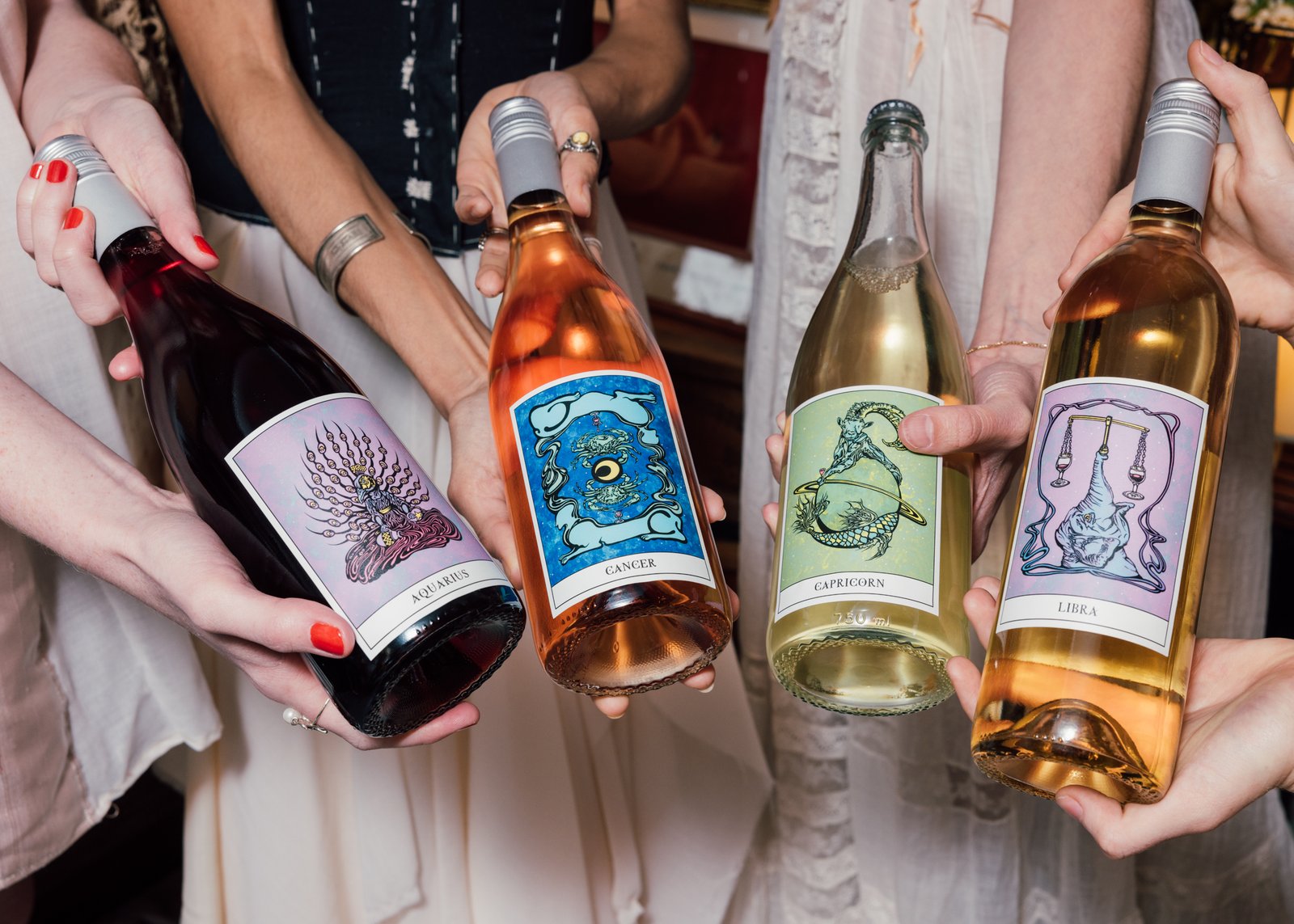
Have you heard about “Sun Moon Rising Wine”?
Sun Moon Rising, the world’s first astrology-inspired wine brand, launched in 2024 unveiling its founding collection online. Created by certified sommelier and New Yorker, Kate Webb, the brand offers 12 distinct wines sustainably sourced, handcrafted, and purposefully curated to embody the unique characteristics of its corresponding Zodiac sign. Sun Moon Rising aims to reimagine the way consumers experience wine, expertly fusing the arts of astrology and winemaking to elevate every occasion.
What’s awesome is that Sun Moon Rising sources its wines from award-winning, sustainable vineyards across New York State and emerging wine regions is deeply committed to promoting the region’s emergence as a premier destination for wine lovers. Proudly female-owned, low-intervention, and certified sustainable, Sun Moon Rising is on a mission to redefine the way consumers engage with wine, delivering a cosmic connection in every glass. The wine is available at Sun Moon Rising Wine and select shops in NYC.
Webb’s passion for creating unique wine experiences began in New York City’s top Michelin-starred restaurants, where she honed her craft as a Wine & Spirit Education Trust (WSET) Certified Sommelier. When the COVID-19 pandemic struck, it sparked her entrepreneurial spirit. “This led me to the surprising realization that no wine brand catered specifically to the 12 Zodiac signs,” stated Webb. “We created Sun Moon Rising to offer people a new way to personally connect with wine, intentionally pairing astrology and winemaking to foster community, curate connections, and elevate celebrations.”
Sun Moon Rising upholds organic practices, labor ethics, and small-batch production. In collaboration with New York’s Heron Hill Winery, the brand ensures these values are integral to its winemaking process. This dedication not only elevates the wines but also champions New York State as a premier destination for discerning wine enthusiasts, where every sip reflects our planet-friendly approach and the region’s rich winemaking heritage.
The company’s certified stargazers are expert astrologers dedicated to authentically represent the astrological community. Their insightful expertise guides us on our mission to provide accurate and meaningful astrology insights in all that we do.
They and I like to say “A Wine for Every Sign”. The meaning behind the company name – Sun – Your Core Self, Moon – Your Emotional Self, Rising – Your Outward Self, taken directly from astrology.
I will not discuss their entire portfolio and all the astrological signs but will highlight the astrological season we are currently in Leo, which runs till August 22 and is my mother’s sign and my sign, Gemini, which is from May 21-June 20. A little more about Leo and Gemini below. Are any of you a Leo ♌️ or Gemini ♊️
Gemini is the sign associated with communication, logical thought processes (based on duality) and the conscious mind. Gemini people tend to be airy and intellectual, glib of tongue and curious about life and other people. They can experience two sides of things at the same time, and may tend to be flighty. Gemini’s element is Air and ruled by the planet Mercury.
Geminis move through life like butterflies, engaging in many varied experiences to gain knowledge. They are witty and have a good sense of humor, and are likely to be excellent conversationalists. Geminis make good teachers. They can be nervous and high-strung, and may be mischievous. Unlike possessive Taurus, they tend toward liberty in relationship. And although Geminis can be easily bored, under the control of self-discipline they have tremendous intellectual and artistic possibilities.
Most Compatible – Libra, Aquarius, Aries, Leo
Least Compatible – Pisces, Virgo, Capricorn, Scorpio
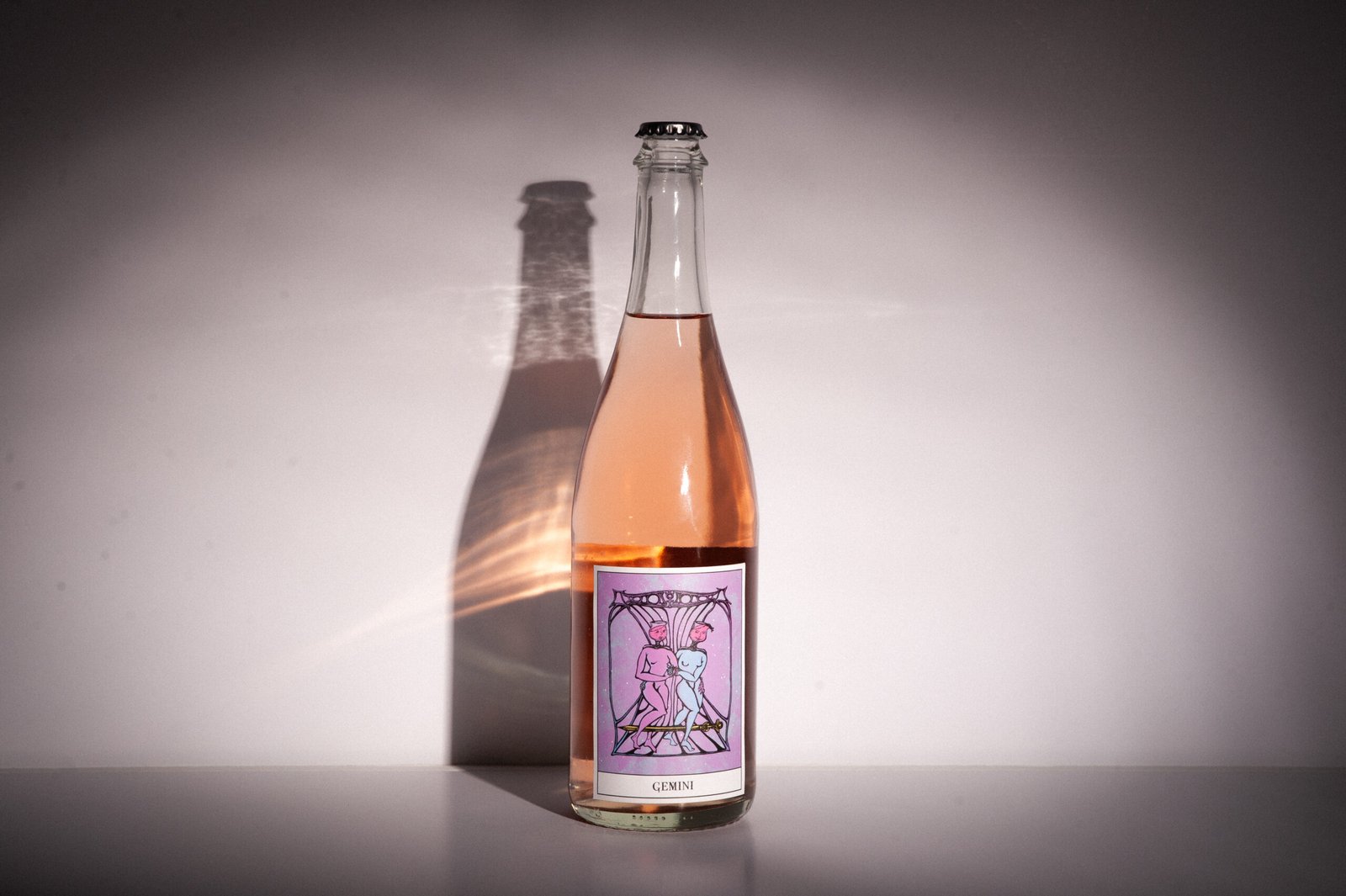
Gemini Bubbly Rosé
Bubbly, dynamic and quick-witted, Geminis are voracious learners and experts on a wide variety of subjects. Linguistically gifted, they are natural leaders and storytellers. As a mutable sign that thrives in social settings, they find ways to relate to everyone they meet with their easygoing and humorous nature.
This summer sign is matched by the Bubbly Rosé’s bright acidity and refreshing taste. With notes of strawberry and watermelon, the crisp bubbles complement this Air sign’s talkative and outgoing character. Astute, clever and curious, the depth of Gemini cannot be overstated. It is lively, smooth, crisp, playful, and refreshing with bright acidity and notes of strawberry and watermelon. Made from the Blaufränkisch aka Lemberger in the Finger Lakes, New York.
Leos are likely to express themselves in dramatic, creative and assertive ways. They are also likely to enjoy the warmth of the physical Sun. Leos have great energy, courage and honesty. They are likely to be self-confident and maybe even a bit self-indulgent as they expect to be the center of attention and often are. Leos can be quite determined and usually get their way when they really want to. They also possess great integrity and are a natural leader.
Leo people are very proud. Their challenge is to temper any tendency for arrogant or egotistical behavior and to instead develop humility and compassion; to learn detachment in the gift of their affections, so that they radiate their abundant energy freely and enhance the life experience of others around them. Leo’s element is Fire and ruled by the Sun (luminary planet).
Most Compatible – Aries, Sagittarius, Gemini, Libra
Least Compatible – Taurus, Scorpio, Pisces, Capricorn
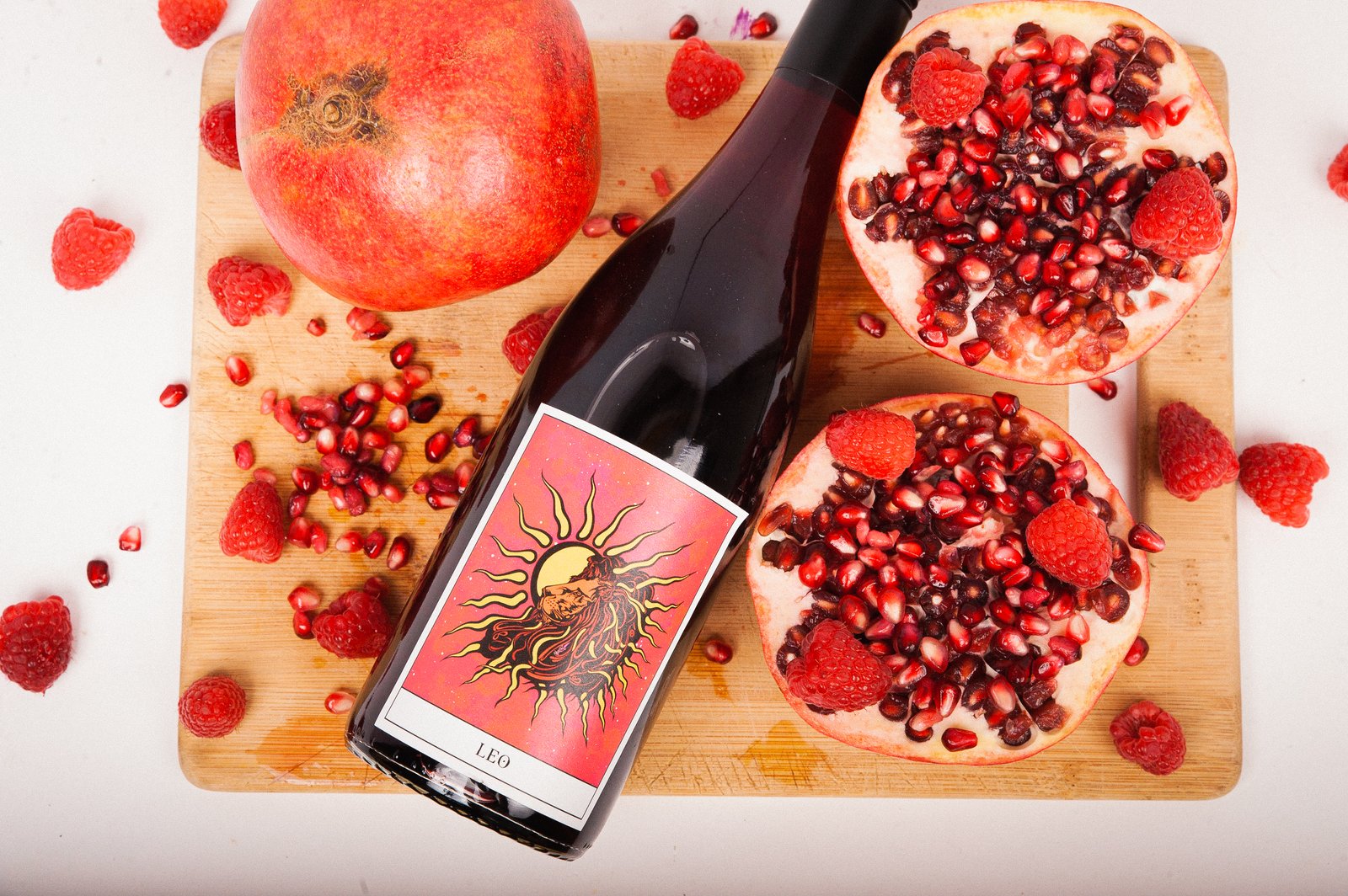
Leo Bubbly Red
Social, passionate and restless, Leos are constantly on the move. Those born under this Fire sign are experts at bringing people together and discovering new interests. As a summer sign, they thrive in the warmth of the sun and have an imaginative flair that gives them an irresistible creative edge.
This Bubbly Red wine is vibrant, fruity, aromatic and slightly off dry with notes of pomegranate, red currant and raspberry. The unique blend of red wine and effervescence reflects Leo’s boldness and pride and complements their quirky and outgoing nature. Both this wine and this sign are eclectic in taste and bring a fresh perspective. This blend is made from 60% Marquette and 40% Marechal Foch in the Finger Lakes, New York.
I hope you enjoyed this content. See you back soon! Please share with your friends and colleagues and please let me know if this was of interest to you and if you have any comments or questions. What’s your sign? Ruling planet?
Cheers,
Michael Nagy
michael@michaelpour.com