
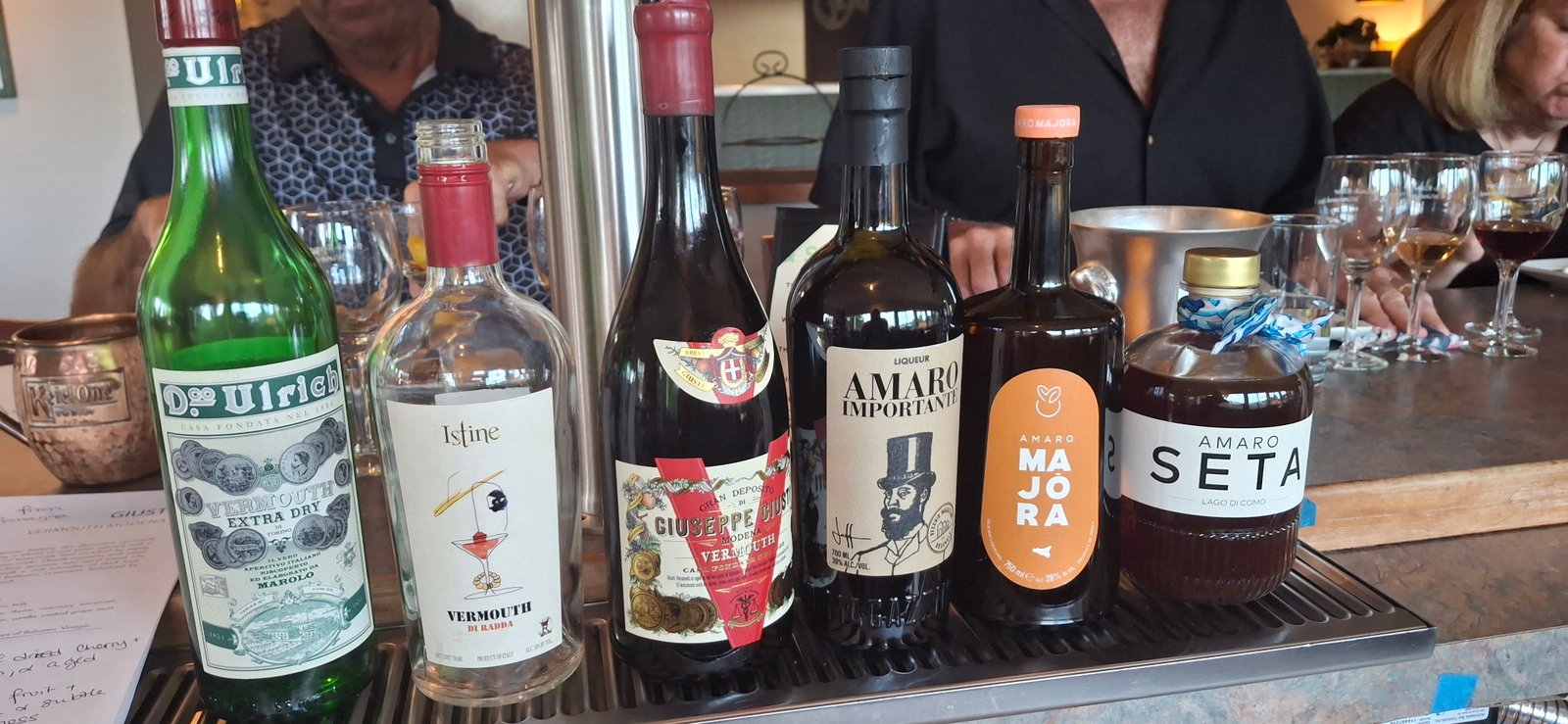
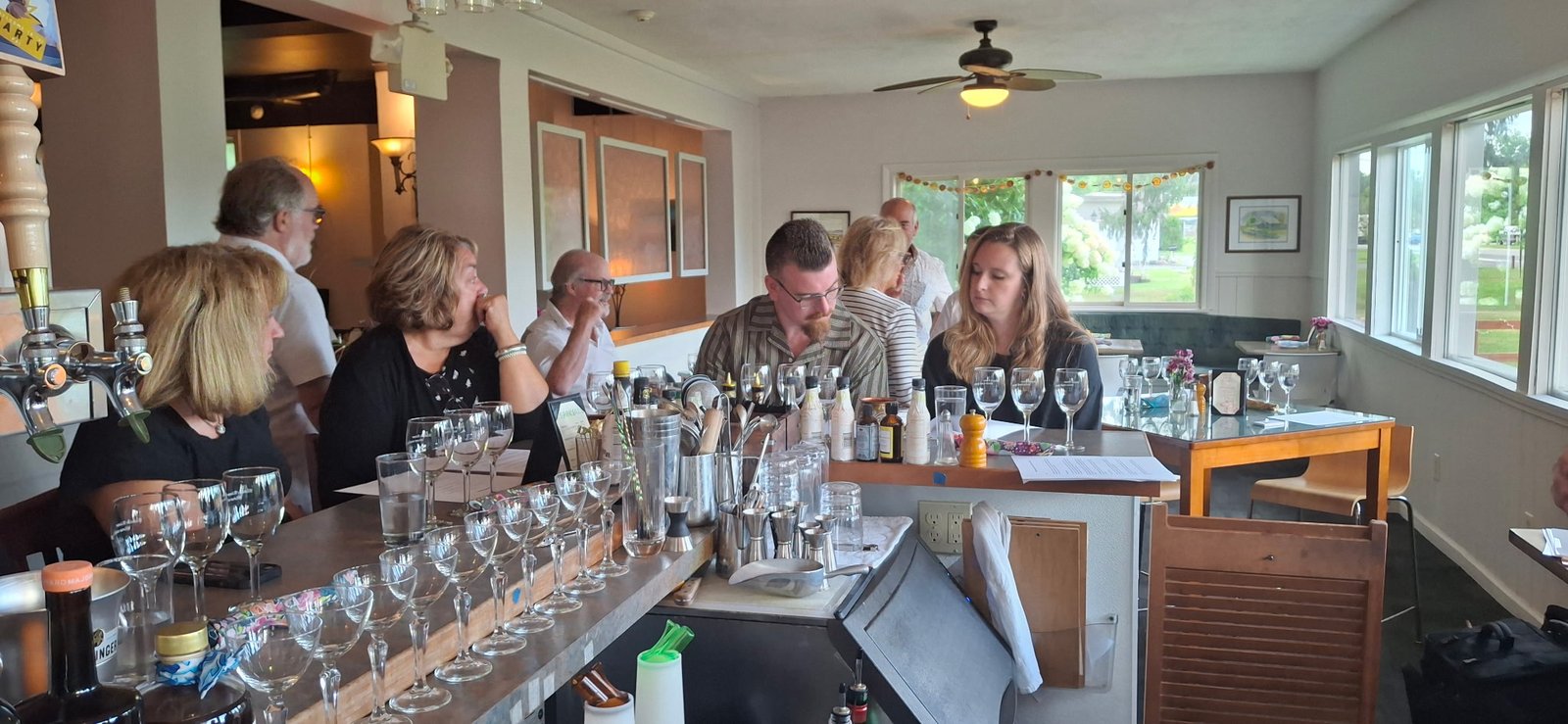
This week’s featured post comes to you as the result of a phenomenal class that I taught at the “Vine & Fig Wine Bistro” in Rome, NY. The class was a deep look into outstanding Italian elixirs, Amaro and Vermouth. As we gathered at and around the bar it became apparent from the guests in attendance that many people don’t know much about these two signature Italian products, which have really cool histories. I’m sure you’ve heard of the trendy Aperol, which is an amaro, in the Aperol Spritz craze featured in shows, i.e. White Lotus. This is why I think it was so well-attended and stirred so much engagement and discussion? We could barely fit everyone in the space. Plus, people really like what the bistro is doing.
Are you one of those people who want to learn more about amaro and vermouth, cocktails, and cocktail and spirit lore or sample some exquisite cocktails in this category? Did you know that Italians have been drinking them for over 400 years. It is your lucky day because I am sharing the curriculum from the class here for free ($50-$60 value). There is no substitute for being present at one of my classes for the pure entertainment, fun, humor, and yummy drinks, but this is the next best thing. Follow me on Instagram to see the images from the class.
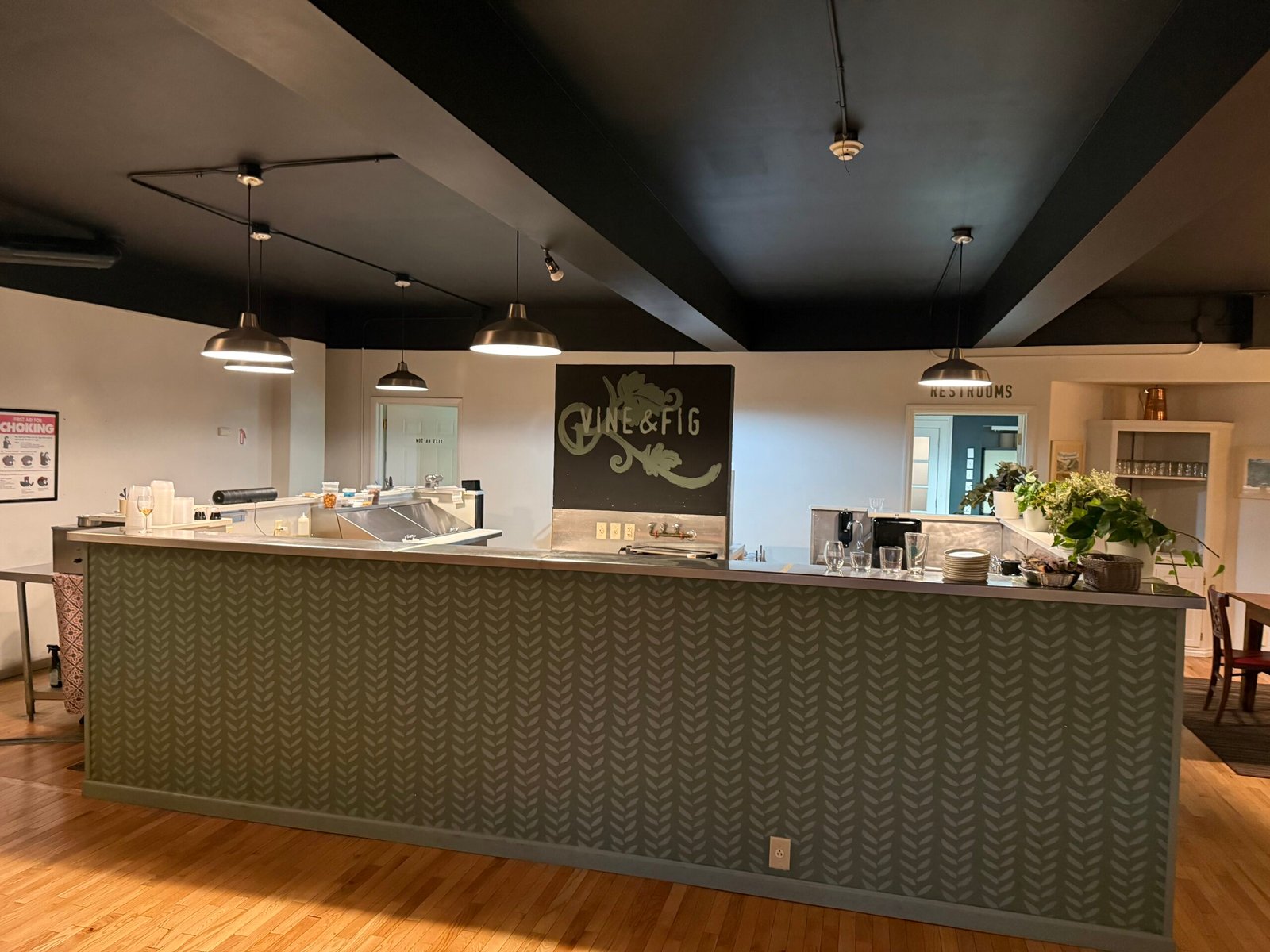
Keep an eye out for more of these types of classes in Central NY and the Syracuse area. If you’re interested in hosting a wine or spirits class, wine or spirit tasting event with or without tasting or drinking, please let me know. As an added bonus, I am listing some classic amaro and vermouth cocktail recipes throughout this piece, but if you are familiar with them, you would know they are much better drank by themselves neat or chilled. Check out “Vine & Fig” if you would like to try these delicious elixirs and pair them with their lovely cuisine – Vine & Fig.
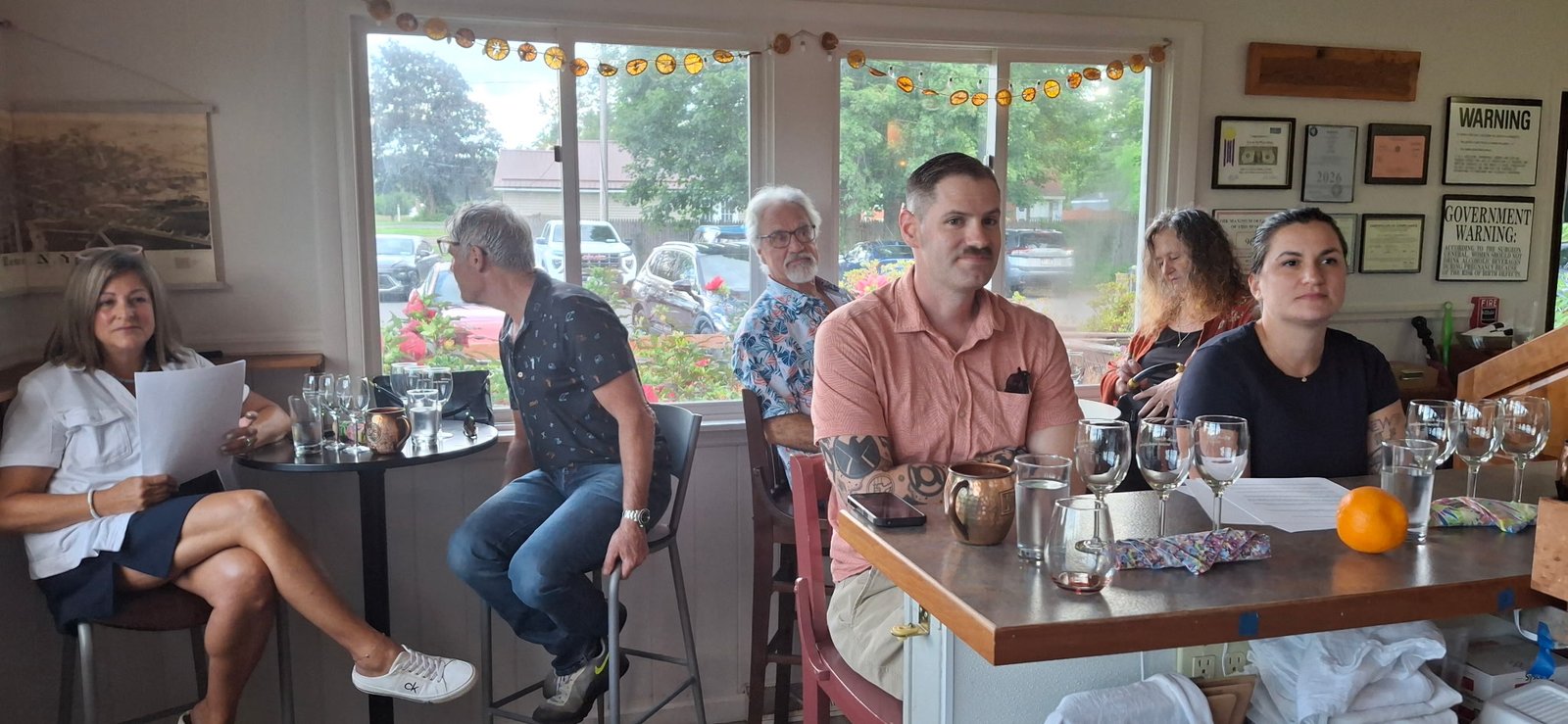
Class is in session…..
What is Vermouth?
If you ever had a Martini, you may have tasted vermouth or are you a bone-dry martini drinker? Vermouth is a fortified and aromatized wine (not a spirit, liquor, or liqueur). It starts as a base wine that is boosted in alcohol content with a distilled spirit, like brandy or neutral grape spirit, and infused with a unique blend of botanicals like herbs, roots, spices, and flowers.
They are typically sweetened and some have their color adjusted. One of the flavorings must be from the Artemisia family, of which wormwood, a bitter herb also used to make absinthe, is most commonly used. The word ‘vermouth’ is derived from the German ‘wermut’, referring to the key botanical.
Alcohol levels are low and typically range from 14-22% (28-44 proof) with sweetness levels ranging from extra-dry to sweet. Extra-dry vermouths are not actually dry, but they typically contain the least amount of sugar.
Three types of Vermouth
Sweet vermouth, which will be typically red. While the base wine for these vermouths used to be red wine, today most sweet vermouths are made using a white wine base with caramel color added. This style is also sometimes referred to as Italian vermouth.
Dry vermouth will typically be white. These will be less sweet than other vermouths, but they do still have a sweet aspect to balance the bitterness. This style is also sometimes referred to as French vermouth.
Vermouth Bianco looks much like dry vermouth, but is significantly sweeter. It typically has prominent vanilla notes to accompany the bitter botanicals. You will not find this one very often in bars.
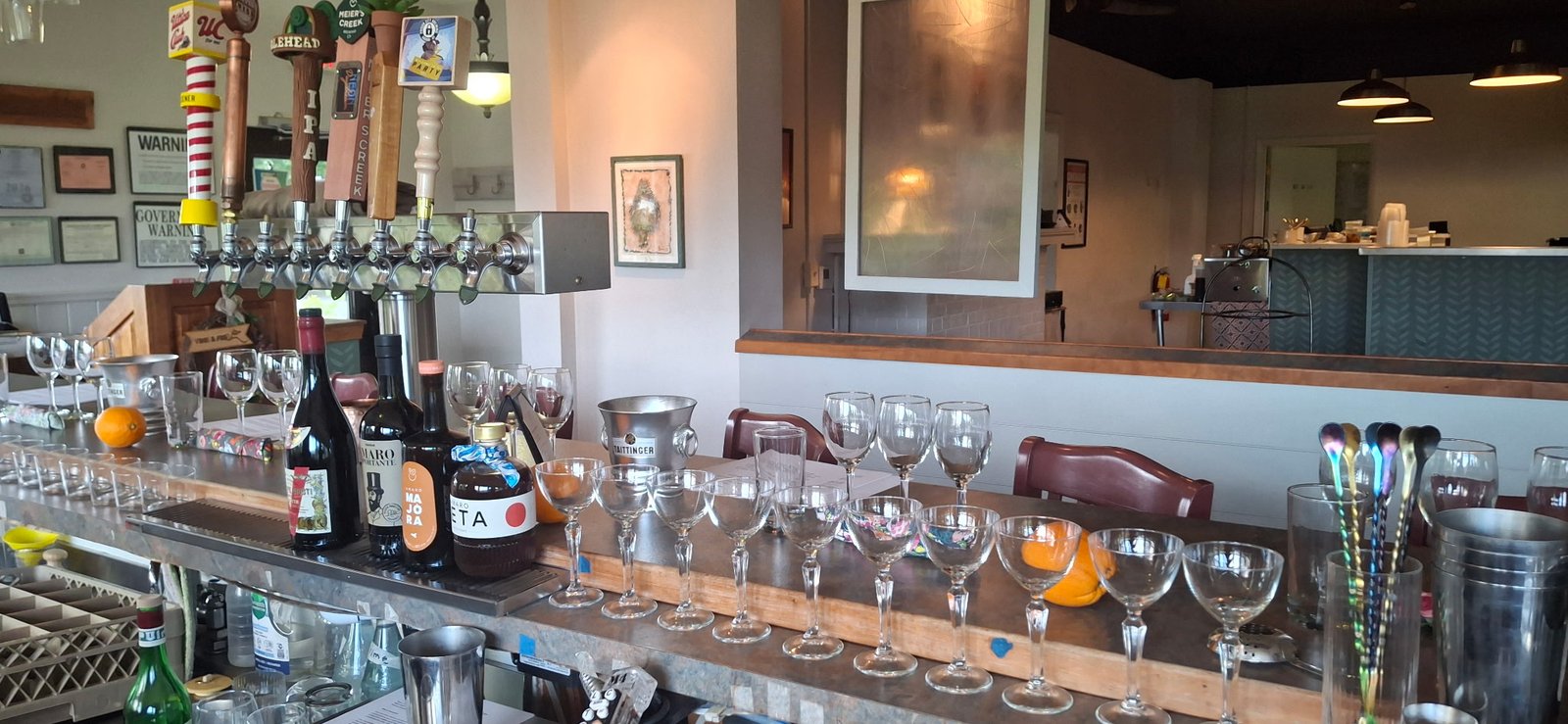
We tasted three different vermouths from Soilair Selection. Highly recommended! –
Domenico Ulrich Vermouth Extra Dry (NV) – Made from Cortese wine grapes in Piedmont, Italy
Istine Vermouth di Radda (NV) – Made from Sangiovese wine grapes in Tuscany, Italy and done in a Rosato (Rose) style
Gran Deposito di Giuseppe Giusti Modena Vermouth (NV) – Made from Lambrusco wine grapes and Saba cooked grapes in Emilia-Romagna, Italy
Popular Vermouth Cocktails –
Negroni – Equal parts gin, Campari (bitter herbal liqueur), and sweet vermouth, stirred over ice and garnished with an orange peel. Served straight-up or on-the-rocks.
An alternative version that we will be tasting tonight is the ‘Negroni Bianco” (less sweet than the classic) using dry vermouth instead of sweet vermouth and Amaro Nepeta bitter herbal aperitivo instead of Campari.
It’s the signature cocktail of Italy and one of the most popular cocktails in the world. There is an “International Negroni Week” celebrated every year in early Fall. This year it runs from Sept 21-26..
Other popular vermouth cocktails –
Americano: Equal parts Campari and sweet vermouth topped with a splash of club soda and a lemon slice.
Martinis & Manhattans: Dry vermouth and vodka or gin for martinis/sweet vermouth and whiskey for manhattans. Both vermouths are used for a Perfect Manhattan.
What is Amaro?
Amaro translates to “bitter” in Italian, but the category of bittersweet herbaceous liqueurs is far from one-note. It spans a range of flavors and styles, from light and citrusy Aperol to bracing and minty Fernet-Branca, not to mention countless artisanal brands you may have never heard of.
An amaro is made by infusing an alcoholic base, such as a neutral spirit, grape brandy, or wine, with botanical ingredients that include herbs, citrus peels, roots, spices, and flowers; the exact recipes are often closely held secrets. The resulting liquid is sweetened and then aged.
Amari (the plural of amaro) can be produced anywhere, but they’re a cornerstone of Italian culture. Monasteries started making bittersweet liqueurs as far back as the 13th century, touting their healing properties and digestive benefits, and in the 1800s Italian producers such as Averna and Ramazzotti took amari to the masses. Today, amari are most often sipped as pre-dinner aperitivo to stimulate the appetite or post-dinner to aid in digestion. Amaro is a part of every Italian’s life.
Common types of Amari –
Aperol
You’ve almost certainly heard of Aperol, thanks to the ubiquitous Aperol Spritz. In 1919, two brothers took over their family’s company and launched the vivid orange-red liqueur with ingredients that include bitter and sweet oranges and rhubarb.
In Italy, Aperol Spritzes aren’t just a short-lived trend but rather a part of everyday drinking culture and are typically consumed as a pre-dinner aperitivo. Aperol’s juicy orange and grapefruit flavors, low ABV at just 11%, and gentle bitterness make it an ideal entry point for someone who is just getting into the world of amari.
While the Aperol Spritz has been enjoyed in Italy for more than a century, it didn’t reach mass appeal in the United States until the 2010s, as drinkers became more familiar with aperitifs and lower-alcohol drinks. Today, it’s a staple at cocktail bars and it can be found almost anywhere that serves brunch on sunny patios.
The Aperol Spritz is also a great candidate for at-home cocktail hour because it’s easy to make. While any sparkling wine can be combined with Aperol and soda, a true Aperol Spritz calls specifically for Italian bubbly.
Averna
This sweet amaro was the first licensed spirit of Sicily. In 1868, a monk gifted his secret recipe to textile merchant Don Salvatore Averna. The resulting 60-ingredient recipe has been passed down for more than 150 years and has since come to define Sicilian amaro, which is known for its prominent citrus notes. Although the recipe is closely guarded, it likely includes bitter orange and lemon, licorice, and pomegranate. This is a great style of Amaro that can be used in a Manhattan cocktail instead of whiskey.
Campari
Beloved by bartenders for its mixability, Campari is an essential component of several classic cocktails, including the Negroni and its many variants. Gaspare Campari invented the liqueur in 1860 near Milan. Like most amari, its recipe is a closely held secret, but many drinkers speculate its prominent bitter flavor comes from chinotto oranges.
Although it features in countless cocktails, Campari is rarely sipped neat, perhaps for good reason. If you’ve never had an amaro before, this one will strike you as quite bitter. Campari has an ABV of 24%.
Cynar
Despite the prominent artichoke on the label, this dark-brown and medium-bodied amaro does not taste like artichokes. But artichoke leaves are the only known component of the secret 13-ingredient recipe. It is said to have great health benefits.
Cynar is beloved by bartenders for its aromatic and slightly vegetal flavor profile. It has a relatively low ABV of 16.5%, although it’s also available in an ABV of 35%.
Fernet-Branca
Part of the broader category of fernet amari, the minty and licorice-forward amaro was founded by Bernandino Branca in Milan in 1845; the known components of its secret recipe include myrrh, saffron, and gentian. Fernet is a category of amari defined by intensely bitter and medicinal flavors.
Today, a shot of Fernet-Branca is well-known as a “bartender’s handshake,” a liquid greeting to a fellow industry worker that is thought to have originated in San Francisco. It has a whopping ABV of 39% making it as strong as most spirits.
Montenegro
Montenegro is often thought of as a gateway amaro, but it’s widely beloved by even the most seasoned amari drinkers. Invented in 1885 by a distiller and herbalist, its 40 botanicals include baking spices, sweet and bitter oranges, artemisia, marjoram, oregano, and coriander seeds.
The warm baking-spice notes make Montenegro a great option for Old Fashioned cocktails. Montenegro has an ABV of 23%.
Amaro Nonino Quintessentia
The Nonino family has distilled grappa, or grape brandy, since 1897, and in 1933 third-generation distiller Antonio Nonino began infusing grappa with herbs from the mountains of Friuli. In 1992, the family replaced the grappa base with an aged grape distillate made from the entire grape. The resulting light-bodied, herbaceous, and citrusy amaro has an ABV of 35%.
Nonino is the best starting point for amari novices thanks to its lighter body and sweetness. Nonino Quintessentia is famously a component of Sam Ross’s modern classic the Paper Plane, which also employs bourbon, Aperol, and lemon juice.
Ramazzotti
Developed by Ausano Ramazzotti in 1815, this Milanese liqueur is thought to be the oldest commercially produced amaro in Italy. The 33 botanicals within include Calabrian oranges, cinchona, rhubarb, gentian, and star anise. Averna fans might appreciate its baking-spice notes. Although it’s dark in color, it’s not particularly viscous, and would make a good starter amaro. Ramazzotti has an ABV of 30%.
We tasted three outstanding amaros that are quite different and highly recommended –
Vecchio Magazzino Doganale Jefferson Amaro Importante Liqueur – citrus-forward, herbaceous
Amaro Seta Lago di Como – mulberry-driven sweetness with alpine root and citrus bitterness
Amaro Nepeta Majora Bitter Liqueur – natural infusion of organic Sicilian marjoram and bitter orange peel. Unlike its sister Amaro Nepèta (minty), Majora highlights Mediterranean herbal and citrus characteristics.
Some popular Amaro Cocktails –
Aperol Spritz: 3 oz prosecco, 2 oz Aperol, 1 oz club soda. Garnish orange slices
Paper Plane: Equal parts bourbon, Aperol, Amaro Nonino Quintessentia, and fresh lemon juice. This modern creation is bright, bitter-sweet, and perfectly balanced.
Black Manhattan: 2 oz rye whiskey, 1 oz rich amaro (such as Averna or Montenegro), and a dash of Angostura bitters. It swaps sweet vermouth for amaro, giving a deeper, caramel-forward finish
Little Italy: 2 oz rye whiskey, ¾ oz sweet vermouth, and ½ oz of a bitter amaro (like Ramazzotti). It is a drier, more complex riff on a classic Manhattan.
Cheers,
Michael Nagy
michael@michaelpour.com