
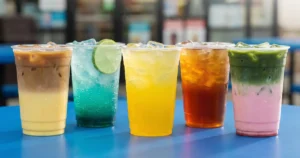
Mocktail Spotlight: The Classic, the Remix, & the Mocktail, Part 2

July
7
2026

Here is Part 2 of my discussion on mocktails with a focus on mocktail making and the factors that make a mocktail look and taste great. As mentioned in Part 1, it is both an art and science and you don’t need a lot of experience to perfect the craft. You may need to dabble a little in the kitchen and have the necessary tools and equipment to transform them.

As a bonus, I list three versions of a classic summer cocktail with recipes (classic, remixed version of the classic, and mocktail = three cheers) at the end 🙂 That way, you can see how you can achieve three different drinks.

Thanks to alcohol-free spirit brands, craft mocktails can be as quick and painless as opening a canned cocktail or a can of something. Or it can be as involved as making your own zero ABV spirits, cooking syrups, balsamic vinegars, and handcrafting bitters at home. Although, nothing wrong with buying ingredients, especially in the case of using ethnic spices and extracts. The equipment available also plays a role.

I like using sweeteners like, agave nectar/agave syrup for smooth sweetness, honey for warm, floral notes, maple syrup for rich, woody depth. and simple syrups infused with herbs or spices.

I try to incorporate thoughtful garnishes like dehydrated fruit slices, edible flowers, fresh herb sprigs, flavored sugar or salt rims, spiced or citrus‑dusted glass rims. Garnishes complete the drink by adding aroma, texture, and a strong visual accent, helping both mocktails stand out on the menu.

All great mocktails and elixirs balance four key elements – Sweetness, Acidity, Bitterness, and Aromatics.

Understanding how these components interact helps create drinks that taste complete and satisfying. Shaking chills the ingredients and introduces air for a frothy top. It is ideal for drinks with juice, syrup, or creamy elements. Stirring blends ingredients gently while keeping them clear and silky. Great for spirit‑style mocktails and elixirs.

Blending creates smooth or creamy drinks. It is perfect for frozen mocktails or recipes that use fresh fruit. Layering ingredients with different densities produces a striking, colorful presentation. Presentation is central to the mocktail and elixir experience. It sets expectations before the first sip and adds a sense of ceremony to the drink.

Choosing the right glassware goes a long way. Different glasses enhance different styles. Martini glasses for elegant and refined drinks. Highball glasses for fizzy or layered recipes. Coupes for frothy, shaken mocktails and rich elixirs. Mason jars for rustic or casual themes. For outside events and seating, there are really nice acrylic cups for every kind of drink you can buy online.

Decorative elements add personality. These may include shaped or infused ice cubes, decorative straws, fruit skewers, and rimmed glasses with sugar or spices. A well‑presented mocktail or non‑alcoholic elixir feels intentional and elevates even simple recipes.

Can Mocktails Be Healthier Than Alcoholic Beverages?

Yes, mocktails are healthier than alcoholic beverages. They are often lower in calories and sugar, and free from the health risks associated with alcohol consumption. Additionally, drinks made with fresh fruits, vegetables, and herbs and some brands can provide vitamins, minerals, and antioxidants.

For those who love to nerd out on beverages, non-alcoholic drinks open up a world of technique and experimentation. Without the inherent structure from alcohol, you can lean more heavily on acids and bitters to create depth.

Consider combining citrus with a few drops of vinegar or verjus for length, brewing strong tea and using it as a bittering agent in place of alcoholic bitters, adding a saline solution (a simple salt and water mix) by the drop to enhance flavors. This approach creates grown-up, food-friendly drinks that have purpose.

Alcohol contributes body and weight to a cocktail, so zero-proof drinks benefit from the use of textural elements: Light carbonation for lift and perceived dryness, foams from shaken egg white (where appropriate) for a silky top layer, and gels and purees from fruit or vegetables to add richness.

Attention to these details makes your drinks restaurant-worthy, even when made at home.

Here are a few highly rated and noteworthy non-alcoholic spirits you can use in your mocktail from online stores or brick and mortar shops.

The Aussie company Lyre’s makes a remarkably wide range of no-alcohol spirits meant to mimic everything from gin and bourbon to absinthe and rum. It even has a dry vermouth, which makes a virtuous martini a possibility.

Try a spritz-style, Negroni-like sipper from the brand including bittersweet Italian Spritz (Aperol-alike), Italian Orange (another bitter, in the style of Campari) and Dry Vermouth (which he infused with cardamom), topped with seltzer.

Lyre’s American Malt is an acclaimed bottle creating zero-proof Old Fashioneds and whiskey drinks. It delivers distinctive notes of woodiness, deep brown sugar, and a subtle smoky finish that anchors a cocktail without getting watered down.

Seedlip is most widely available option, and the brand is common among bartenders in mocktail bars, It is often mixed into drinks that resemble tonics drinks. Seedlip Garden 108 is a very clean, savory blend focused on fresh hand-picked peas, hay, rosemary, and thyme. It intentionally avoids fake gin burn, functioning as a crisp, adult mixer with tonic and cucumber.

The Fun of Creative, Mocktail Drinking at Home

Once you embrace a zero-proof mindset, mocktails move from an afterthought to a highlight of your day. They can mark the end of work, pair with dinner, or provide a way to bring people together without excluding anyone who is skipping alcohol.

A thoughtfully assembled home bar complete with measured tools, carefully chosen ingredients, and a willingness to experiment lets you explore new flavor combinations, revisit favorite classics in fresh forms, and enjoy the ritual of mixing, all while staying clear-headed.

Whether you batch a zero-proof punch for a gathering or quietly stir a single drink for yourself, the goal is the same: to treat non-alcoholic beverages with the same care, creativity, and respect traditionally reserved for cocktails.

What can “Mocktails By Michael” do for you?

I hope you enjoyed learning about mocktails. My mocktail business “Mocktails By Michael”, a part of the “The Michael Pour, LLC” is available for parties and events at your home or place of business. We are currently seeking out venues and spots to serve our incredible mocktails and batched mocktails for business events, fairs, festivals, and pop-up events in the Syracuse and Central NY area. If you are local business, feel free to reach out and let’s collaborate

In the meantime, stop by the “Of Moose and Mind” book shop in Manlius, NY for a book crawl on the night of July 10th to get a taste of our featured summer mocktail as well as tasting and selling three local wines from Damiani Wine Cellars. Check out the book shop on Instagram. I will be doing ongoing events with them.

You can contact me at the email and number below, website inquiry form on the homepage of this site, and Instagram.

I present you the classic “Sex on the Beach” from the 80’s/90’s, which is a mashup of a Cape Cod and Fuzzy Navel drink. I have served this drink for thirty years. It’s been butchered by so many barkeeps over the years. This is the version that I learned in bartending school all those years ago.

Some cultures use rum instead of vodka and that’s okay. In general, try to use freshly squeezed juices when possible. It better controls the sweetness. Please no maraschino cherries and Chambord, not layered, and doesn’t go in a rocks glass. Do you notice what they all have in common?
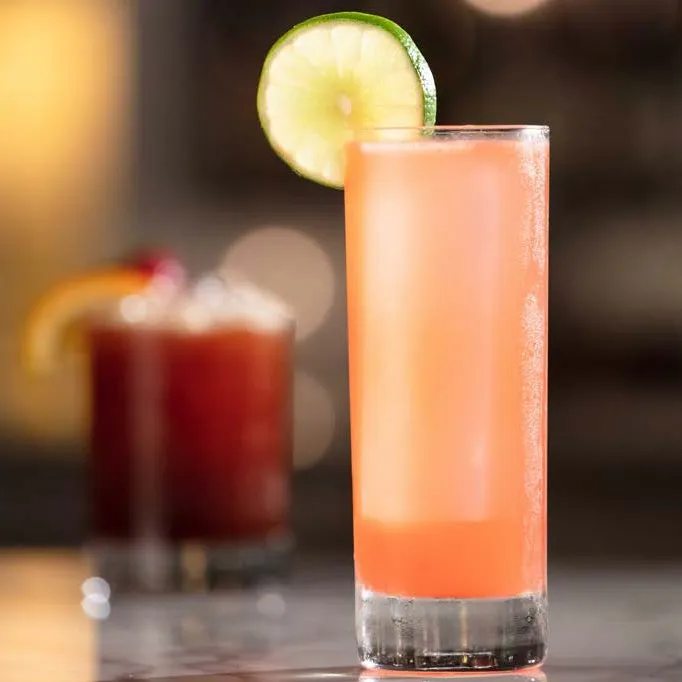
Sex on the Beach

  • 1.5 oz vodka or rum (I prefer vodka for the drink). Rum will make it sweeter.
  • 3/4 oz peach schnapps (I prefer upgrading to a peach liqueur, like Marie Brizzard)
  • 2 oz fresh pulp-free orange juice
  • 2 oz unsweetened cranberry juice
  • Garnish – lime wedge or wheel
  • Glass – Collins

Shake all ingredients in a shaker tin or glass with ice. Strain into an ice-filled Collins glass and garnish.

Sandy Bottom (re-mixed)

  • 1.5 oz coconut vodka
  • 1/2 oz melon liqueur
  • 1/2 oz orange liqueur (cheap = triple sec or call = Cointreau)
  • 1/2 oz fresh lime juice
  • 1.5 oz pineapple juice (preferably from a can)
  • Garnish – toasted coconut flakes and/or orange slice
  • Glass – Collins

Shake all ingredients in a shaker tin or glass with ice. Strain into an ice-filled Collins glass and garnish.

Virgin on Vacation

  • 1.5 oz lychee juice
  • 1.5 oz mango juice (preferably homemade)
  • 1.5 oz coconut water
  • 1/2 oz fresh lime juice
  • 1/2 oz simple syrup (1:1 sugar to water boiled for 10 mins, let cool)
  • Garnish – mango slice and paper cocktail umbrella
  • Glass – Collins

Shake all ingredients in a shaker tin or glass with ice. Strain into an ice-filled Collins glass and garnish.

Enjoy! Please let me know your thoughts! Can’t wait to see you at your next event or gathering.

Cheers,

Michael 🙂

michael@michaelpour.com

717.877.2729
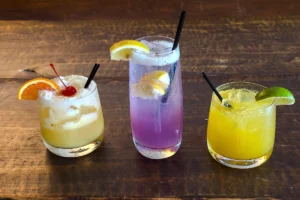
The Art & Science of the Non-Alcoholic Cocktail, Part 1

July
1
2026

In our current drinking climate, we see a variety of names given to non-alcoholic drinking options. On bar menus, you see Zero ABV, Low & No Alcohol, Alcohol-Free, NA Options, Non-Alcoholic Cocktails, Zero Proof, but the one you see and hear the most is ‘Mocktails’.

By whatever name you call them, really good ‘craft’ mocktails require care, skill, and fresh ingredients, just like their boozy cousins. In short, they should be as well-crafted as a cocktail. Being a classically trained bartender/mixologist, I enjoy using the term ‘non-alcoholic cocktails’ because they are essentially ‘cocktails’ without the booze. For purposes of this post, I will use ‘mocktail’.

Just like classic cocktails, i.e. Frozen Daiquiri or Margarita, being made in a blender evolving into a hand-shaken, on-the-the-rocks or straight-up drink, we have moved beyond the virgin blender drink and Shirley Temple.

Mocktails follow the same structure of an alcoholic drink by mixing ingredients together, combining interesting flavors, non-alcoholic spirits as the base, and adding garnishes. A non-alcoholic drink is meant to replicate a cocktail. Mocktails have evolved from simple non‑alcoholic substitutes into refined beverages that stand on their own. They combine fresh ingredients, balanced flavors, and thoughtful presentation, making them a central part of modern beverage culture.

Mocktails are crafted beverages that deliver the flavor complexity and visual appeal of cocktails. They too rely on fresh produce, herbs, spices, syrups, shrubs, purees, modifiers, and sweeteners to create drinks that feel polished and complete.

An argument can be made that they are more difficult to concoct and craft and perfect because they require a keen understanding of aroma, flavor, texture, acidity, sweetness, and balance. When designing a booze-free cocktail, you’re trying to create an elevated, complex drink, not just fancy juice.

Mocktails do matter because they offer an enjoyable, healthy, and mindful drinking option. They allow anyone to participate in social gatherings without compromising on taste or experience. This has made them hugely popular across restaurants, events, and home entertaining that emphasize flavor and craftsmanship.

Today, mocktails appeal to people who value creativity, wellness, and inclusive social experiences. Before the non-alcoholic spirits boom over the last five years, the buzz-free route presented challenges. Many recipes called for shrubs, syrups and other house-made components to build complex flavors.

That was somewhat manageable for cocktail bars and restaurants with plenty of time, ingredients to choose from, and deep pockets, but what about home bartenders seeking a drink at the end of the day or a host at an event or party? The sober curious movement and Dry January have led to the rise of non-alcoholic bottle shops all over the country with most located in big cities.

Quick story – In April 2020, during the early stages of the pandemic, an Instagram user captured the moment coherently. She posted a video on there to show how she was holding up at home during quarantine. She demonstrated this by making a large batch of Cosmos to be served to herself in a gigantic martini glass.

She wasn’t drinking alone. According to a study by the National Library of Medicine, an organization within the National Institutes of Health, many people who were significantly impacted by the pandemic began to drink significantly more alcohol as a result. However, as the pandemic progresses, a counter-phenomenon had surfaced.

Demand for booze-free beverages was up 60% from July 2020 to 2021, and the global non-alcoholic market has seen steady growth since 2020. According to trends reports across the globe, approximately 58% of those who drink alcohol are increasingly opting for non and low-alcohol cocktails indicating that the wave hasn’t let up.

It’s projected to reach nearly $1,258 billion by 2027, according to Fortune Business Insights. In comparison, the industry was valued at just over $900 billion in 2019. Altogether, it’s proof that non-alcoholic drinks are having a moment and are here to stay.

The way people are imbibing is changing and they are becoming more sophisticated. People are more comfortable coming to an establishment and ordering something non-alcoholic, and they’re still being treated like an adult. Unlike early 20th-century temperance and Prohibition, the modern non-alcoholic movement is more about options and individualization than widespread moralizing.

At the same token, patrons often wanted to consume less alcohol in each cocktail and wanted to try different types of drinks in a given setting. Their general knowledge of what a balanced drink should taste like has increased tremendously.

What people have really started to understand about their own behavior is that what they’re actually really enjoying is the social experience. It’s not necessarily that they enjoy the alcohol, it’s that they enjoy being together, celebrating and relaxing.

Why Are Mocktails Becoming So Popular?

The growing interest in wellness and more a balanced lifestyle has played a major role in the popularity of mocktails and non‑alcoholic elixirs. Many people want drinks that feel celebratory but are less impactful. Others simply want options that suit personal, cultural, or health‑related choices.

Some of the key reasons for their growing demand spelled out here:

  • Health‑conscious lifestyles: Many individuals look for lighter drinks that still feel indulgent.
  • Inclusive social settings: Mocktails and non‑alcoholic elixirs offer thoughtful choices for pregnant women, designated drivers, younger guests, and those who avoid alcohol.
  • Creative beverage menus: Restaurants and bars now treat mocktails and non‑alcoholic elixirs with the same respect as cocktails, offering intriguing flavors and elegant presentation.
  • Broader dietary preferences: Many mocktails and elixirs naturally align with vegan, gluten‑free, or low‑sugar lifestyles.

Mocktails have moved far beyond simple juice blends. They now represent artistry, innovation, and mindful enjoyment, much like the non‑alcoholic offerings created by some really cool brands.

At one time, the idea of not drinking, whether you were the designated driver, sober, pregnant, or simply abstaining, meant picking from sugary sodas, juices, teas. sparkling/tonic water, cheap coffee, or just tap water. Not very appealing options. The “big upgrade” to this list was the addition of non-alcoholic beer.

Taking care of your patrons or guests means giving serious consideration to the non-alcoholic beverages you are creating. Who will be drinking it and when? This also includes the food that will complement the experience.

What’s the occasion and setting? The “who” and “when” answers will influence the glass, temperature, flavors, presentation/color scheme, and textures desired. Remember, the drink’s glass and size should match the alcoholic counterpart, as not to draw attention to the person who isn’t drinking alcohol. No need to encourage the alcohol bullies.

Do they abstain from alcohol entirely, or can you use dashes of bitters, or do you serve alcohol-free beer or wine? The answer is that all of those things contain a microscopic amount of alcohol so ethically can’t serve.

Your objective is to mix up a flavorful, complex, balanced, and beautiful drink.

Flavorful: The drink should have a distinct flavor, not a watered-down juice or weak hint of something added to soda water.

Complex: Complexity will come from using various flavors and aromas that blend harmoniously or provide an exciting contrast.

Balance: Balance is the interplay between the five basic taste elements: sweet, salty, sour, bitter, and umami. A well-balanced drink will use multiple ingredients in proportion so that a single flavor does not leave the drink tasting one-dimensional. This is the science!

Beauty â€“ We eat and drink with our eyes first. Use garnishes, ice, and glassware to create flair and enhance the experience of the drink. This is the art form!

The craft cocktail movement is founded on the use of fresh ingredients, like fresh juices, house-made syrups, shrubs, tinctures, infusions, fresh-picked herbs and flowers, and the use of artisan brands. So, too, are craft mocktails.

Juice: A handheld or electric juicer may become part of your essential bar equipment.

Syrups, Shrubs, and Tinctures: These not only provide sweetness but also enhance your drinks with tartness, herbs, spices, fruit flavors, and peppers to build balance and complexity. Infusing flavor and color to elevate the senses.

Fresh-picked: Both taste and aroma create flavor. The use of fresh herbs and flowers in juices, syrups, and garnishes enhances the flavors you are making while also setting expectations visually.

Artisan: Whenever possible, choose to make your mocktail ingredients at home or purchase brands that embrace the craft movement’s ethos.

Aristotle said, “The whole is greater than the sum of its parts.” And that’s totally true with mocktails and cocktails. The interplay between a dash of this and a small amount of that, mixed with something else, can create a flavor profile that is truly inspired.

Part 2 will go into more detail about the making of mocktails and about my mocktail business.

Cheers,

Michael Nagy 🙂

michael@michaelpour.com

717.877.2729
Wine Glass

DON’T MISS A DROP

Get notified when new articles are poured

We don’t spam!