Grape Spotlight: Celebrating Pinot Noir Day

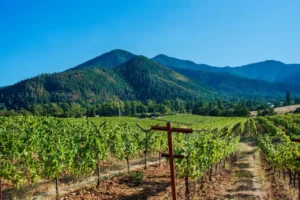
Oregon Pinot Noir
August
15
2024

International Pinot Noir Day is celebrated worldwide on August 18, 2024. If you’ve spent time with me, you know that it is my favorite wine. It all started back in my early days when I had the opportunity to try many different styles of Pinot from a nice, curated wine list at Marriott International. My love for Pinot took off when I was able to experience the magic of this grape when paired with food and dessert.

From there, I often advised companies and individuals with Pinot Noir recommendations for their events and weddings. Years later, I decided to pursue my advanced wine certifications and specialty certification in French wine, including Burgundy, where Pinot Noir hails supreme.

Working in the cool-climate Finger Lakes wine region has allowed me to appreciate it even more. If you haven’t tried some of the excellent Finger Lakes and New York State Pinot Noir out there, you would be pleasantly surprised. Stylistically, they compare well to classic Burgundy, France Pinots and their application in food pairings. Unfortunately, they haven’t received the national recognition they deserve. Sure, there are some wonderful Pinot Noirs coming out of California that are readily available in all markets, but I appreciate those coming from smaller, lesser-known places.

Enjoy this guide to the classic and noble grape! At the end of the discussion, look for my PN recommendations that hold great value, i.e. won’t break the bank, and from small, local producers and cooler regions.

Pinot Noir is one of the world’s most revered and popular red grapes. While the variety originated hundreds of years ago in France’s Burgundy region, it has spread across the globe, much like its White Burgundy counterpart Chardonnay. Wine enthusiasts can enjoy Pinot Noirs from California, particularly Sonoma Coast and Russian River Valley, Oregon’s Willamette Valley, New Zealand’s Marlborough and Central Otago, New York, and many other regions.

While versions from different countries and appellations can vary in style, a few things are the same for most Pinot Noirs. Generally, these red wines are beloved for their easy-drinking qualities, lower levels of tannins (that bitter stuff at the end), abundant red fruit flavors, floral accents, generous acidity, and earthiness.

The name “Pinot” derives from the French word pineau (“pine”), meaning that Pinot Noir’s name translates literally to “black pine”. According to French linguistics, this name refers to the vine’s dark grape bunches, which are shaped like pinecones.

Pinot Noir is related to Pinot Gris/Grigio and Pinot Blanc grapes, which are a gray and white colored mutation of the variety, as well as the red Pinot Meunier grape. (Pinot Noir is also the ancestor of several other well-known varieties, such as Syrah.) A number of these Pinot Noir clones are grown throughout the world.

While Pinot Noir is best known for making red wines, its grapes can also be used to produce incredible rosé wines (for instance, Sancerre and Cabernet Franc rosé in France’s Loire Valley), white wines and sparkling wine. Pinot Noir and Pinot Meunier are two of the three approved grapes used to make Champagne, as well as sparkling Franciacorta wines in Italy.

Pinot Noir’s grape skins are thin, and the vines prefer cooler climates with long growing seasons. Pinot Noir is considered a delicate, unpredictable, and temperamental grape requiring much attention in the vineyard and TLC. With its thin skins, it doesn’t stand up well to extreme heat, too much sun exposure, too much rain, hail, or frost as thicker-skinned grapes, like Cabernet Sauvignon.

In addition, because the grapes clusters are close together, they are more prone to mildew and rot in very damp conditions. However, it thrives in sandy loam, clay, and limestone soils and often benefits from sites that have morning fog. Limestone and clay help retain water and drains well, which leads to brighter acidity and wines that age well, while sandy loams help keep out pests. When successful in growing Pinot Noir, the vines produce grapes with great potential and complexity, concentrated and layered flavors.

One of the most celebrated aspects of Pinot Noir is its ability to express its “terroir” (sense of place, literally), through the flavors and traits of its resulting wines. For instance, if Pinot Noir in Burgundy is grown in two different sites with distinct soil types, elevations, sun and wind exposures, the grapes from those vineyards can produce noticeably different styles of wine, even when the vineyard practices and winemaking techniques are the same. One Pinot Noir might be richer, with riper fruit flavors and a rounder texture, while the other might be more elegant with more acidity and a distinctive minerality accompanying the fruit.

In the Middle Ages, winegrowing monks in Burgundy allocated different vineyard sites for making distinctive styles of Pinot Noir after many centuries of experimentation. Many of these sites are still used today as Burgundy’s grand cru and premier cru vineyards (the sources of the region’s most acclaimed wines), as well as other top vineyard sites.

What are the flavors of Pinot Noir?

Is Pinot Noir “a good wine”? The answer is “absolutely!” If you ask me, it’s the best and the most interesting. Not only is Pinot Noir one of the world’s most noble grapes, but it accounts for some of the best and age-worthy wines in the world for drinking young and cellaring.

Pinot Noir is a dry, still wine. They are often light to medium-bodied with low levels of tannins and moderate to high levels of bright acidity. As for the alcohol content, the minimum ABV level is usually around 12% with the maximum ABV can be between 13.5 percent to 15 percent, depending on where and how the wine was made.

The most common descriptors for Pinot Noir are bright red fruit flavors of cherries, strawberries and raspberries, often with floral accents, such as violet or rose, and tea notes. Styles from traditional sites from Europe, particularly Burgundy, are likely to display additional notes of earthiness, minerality or spice. Outside of Europe, in California, for example, may show riper, darker, more generous fruit flavors of black cherries, plums or blackberries.

However, Pinot Noir from Oregon, a major New World region for the grape, are often closer in style to styles in Burgundy. Any winery in a region may choose to produce Pinots that are stylistically similar to those from another region through clone selection and vineyard management. Certain regions and appellations (cooler climates) are required by law to use 100% Pinot Noir grapes labelled “Pinot Noir” on the label, i.e. Burgundy and New York. Other regions, like California and Oregon, do not have to include more than 75-80% of the grape in the resulting wine, which means blending with other grapes may occur resulting in darker hues and increased body.

When young, Pinot Noir is juicy and approachable. The best versions can develop elegant complexity as they age, taking on dried fruit flavors and savory accents such as leather and a mushroom and earthy note often described as “forest floor” (official wine tasting term).

How to serve Pinot Noir?

You probably know that red wine should be served at “room temperature”. Well, Pinot Noir and other lighter-red wines, like Gamay and Frappatto, are best slightly below room temp between 50° to 60° F. This will help bring out the wine’s complex notes and refreshing character.

While specialized wine glasses exist for just about every major grape variety, you don’t need to invest in them. A set of “Burgundy glasses,” which have the widest bowl among red wine glasses and a more tapered opening to capture the most delicate of Pinot Noir’s aromas. In contrast, less tapered “Bordeaux glasses” are best for Cabernet Sauvignon and Merlot because they are more robust and not as aromatic.

Why is Pinot Noir so popular?

For centuries, Pinot Noirs have been among the most sought-after wines in the world. Why? Pinot Noir is accessible and very drinkable in their youth, not requiring years of cellaring, and are extremely food friendly. Sommeliers often choose these elegant reds when trying to pair with cuisine ranging from fish to beef. But it’s so much more than that.

In 2004, Pinot Noir gained fame far beyond the wine world when it was featured in the critically acclaimed film Sideways as the favorite wine of main character Miles. The movie sparked a tourism boom in Santa Barbara County in Cali, the setting for the movie. In 2005, sales of Pinot Noir had spiked, and they continued to grow in many years to follow. The reputation of Merlot, which was depicted as a terrible wine, suffered from the negative PR by Miles.

Both Pinot Noir and Merlot originate in France, though Merlot comes from Bordeaux in Southwest France, not Burgundy. Both Pinot Noir and Merlot display red fruit flavors and, when aged in oak, spice accents like vanilla. However, Merlot generally has more body, higher levels of tannins and lower levels of acidity than Pinot Noir. The fruit flavors and textures of Merlot are more pronounced than those of Pinot Noir. Merlot also makes some of the most coveted wines in the world. Neither grape is better than the other; they just suit different palates, food pairings and occasions.

From its historic home in France’s Burgundy region to the rising stars of Oregon, New York, and Germany, Pinot Noir is generally made in cool-weather countries and regions. Earth’s changing climate means that areas that struggled with inconsistent vintages are now finding more consistent success (and often riper styles) while other areas that were previously considered too cool for growing red grapes are producing Pinot Noir. Australia, particularly the island of Tasmania in the southern hemisphere, New Zealand, Chile and South Africa are up and coming regions for outstanding and great value Pinots.

Burgundy is the first name that comes to mind when thinking about Pinot Noir. After all, Burgundy is where the grape originated and is home to many of the most collectible, age-worthy Pinot Noirs.

But beyond Europe, Pinot Noir’s best-known home is California. The grape has become important to winemaking in California’s cooler regions, including subregions such as Carneros, Sonoma’s Sonoma Coast and Russian River Valley, Mendocino’s Anderson Valley, Santa Barbara County’s Sta. Rita Hills, Santa Maria Valley and Monterey. Over the years, winemakers have discovered ideal sites for growing Pinot Noir vines. Stylistically, these wines range from types similar to Burgundy’s (leaner, with firmer tannins and earth and mineral accents) to fuller and riper versions with rich dark fruit and spice notes, and styles in between.
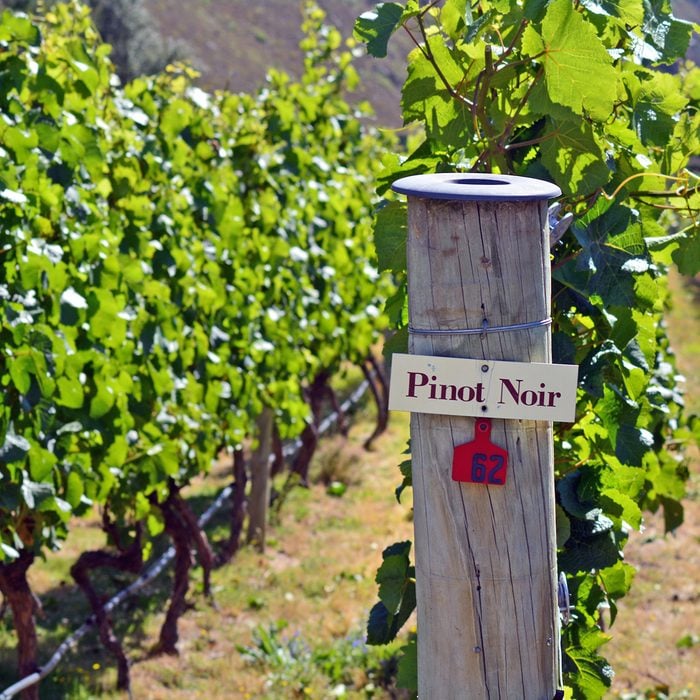
Pinot Noir vineyard sign

New Zealand

New Zealand is home to Pinot Noir’s influence the Southern Hemisphere, with several subregions of Martinborough on the North Island and Central Otago and Marlborough on the South Island. These areas offer vibrant and rich versions of the grape with generous fruit notes.

Oregon, US

It is no surprise that Oregon has become one of Pinot Noir’s best regions: Its climate offers similar conditions to those in Burgundy. A number of wineries in Oregon’s Willamette Valley have established excellent reputations with Pinot Noir in recent decades, producing wines that are comparable in style and quality to those of Burgundy. 

What foods pair well with Pinot Noir?

Pinot Noirs are incredible wines to serve and pair with range of cuisines, thanks to its bright acidity, red fruit notes and low to moderate levels of tannins. Classic pairings traditional in Burgundy include beef Bourguignon and coq au vin, but these reds are great for chicken, duck, game, pork, salmon and other fish, pasta, beans, mushrooms and grilled vegetables. Try it with hot dogs or pork BBQ at your next summer cookout. It also really good with hard cheeses with milder flavors, such as Gouda and Cheddar.
Wine Recommendations

My Pinot Noir favorites (in no particular order)

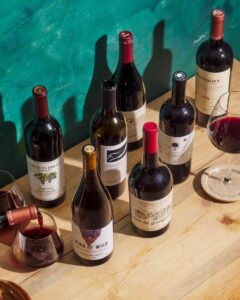
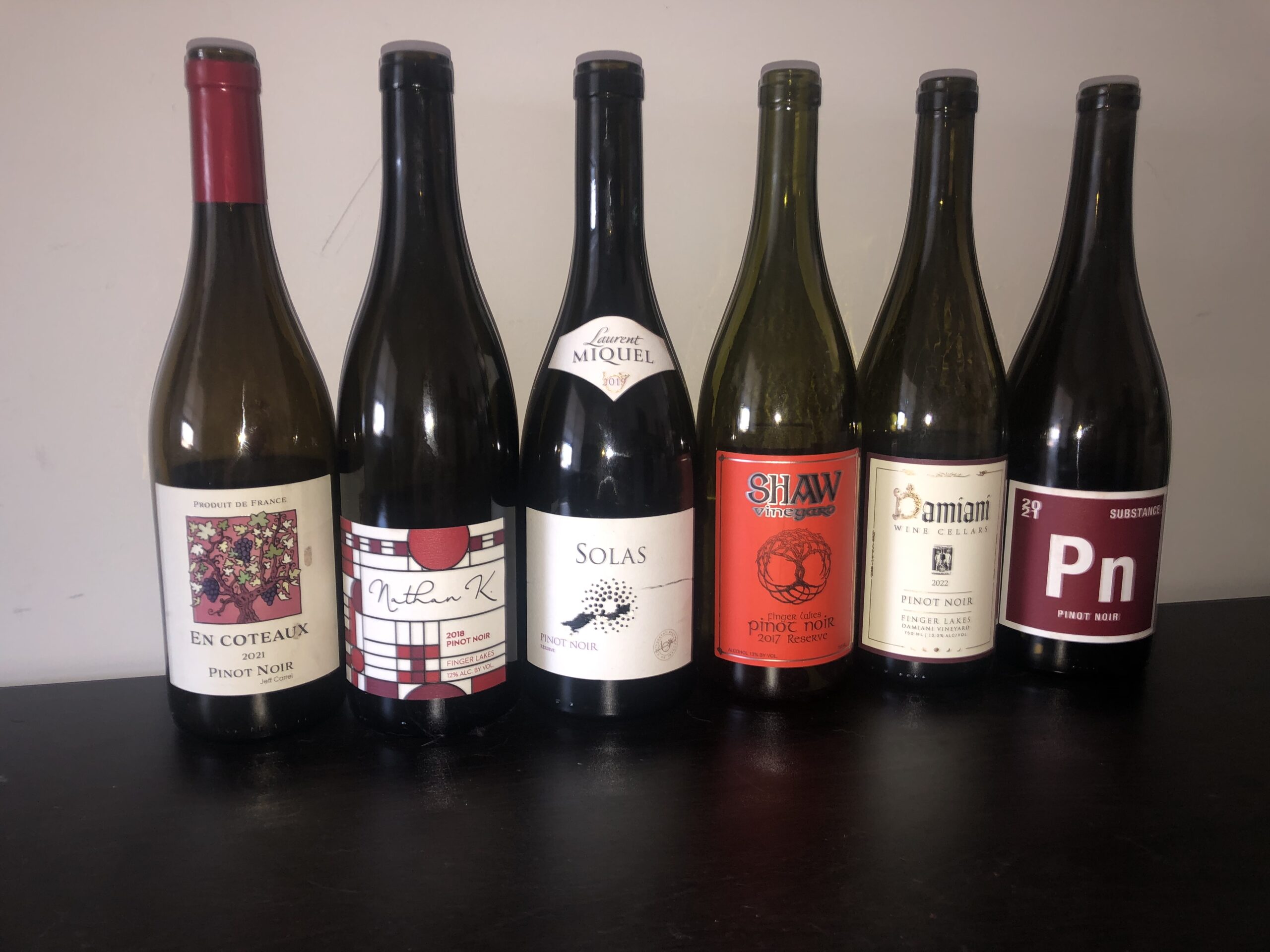
As mentioned in the opening, here is my personal list of wines from mostly small, local producers, especially in NY, that hold great value (under $40) from the past year. Some wines may be sold out or are past vintages, but these producers have been consistent for Pinot. Look for some of these rare and highly rated finds –

2017 Shaw Vineyard Pinot Noir Reserve, Finger Lakes, NY, US (aged)

2022 Damiani Wine Cellars Pinot Noir, Damiani Vineyard, Finger Lakes, NY, US

2021 Nathan K. Pinot Noir, Finger Lakes, NY, US

2020 Dr. Konstantin Frank Old Vines Pinot Noir, Finger Lakes, NY, US

2019 Laurent Miquel “Solas” Pinot Noir, Languedoc-Roussillon, France

2019 Louis Latour Mercurey, Burgundy, France

2019 Domaine Besson Givry Le Petit Pretan Premier Cru, Givry, Burgundy, France

2019 Maison Chanzy En Rosey, Rully, Burgundy, France

2021 Johan Vineyards Estate Pinot Noir, Willamette Valley, Oregon, US

2021 Child’s Play Pinot Noir, Willamette Valley, Oregon, US

2022 Planet Oregon Pinot Noir, Willamette Valley, Oregon, US

2023 Gala Estate White Label Pinot Noir, Tasmania, Australia

2021 Mac Forbes Pinot Noir, Yarra Valley, Victoria, Australia

2022 Johnson Estate Freelings Creek Reserve Pinot Noir, Lake Erie, NY, US

2021 Borghese Vineyard Select Pinot Noir, North Folk of Long Island, NY, US

2021 Macari Vineyards Pinot Noir, Long Island, NY, US

2021 Millbrook Vineyards & Winery Pinot Noir, Hudson Valley, NY, US

2016 McCall Wines Pinot Noir, North Folk of Long Island, NY, US (aged)

2020 Amayna Pinot Noir, Leyda Valley, Chile

2022 Ernest Pinot Noir Hasher Family Estate, Upper Hemel-en-Aarde, South Africa

2017 Maison L’Envoye Pinot Noir, Central Otago, New Zealand

2022 Babs Wine Company Pinot Noir, Santa Barbara County, California, US

2022 Chalk Hill Pinot Noir Sonoma Coast, Sonoma Coast, California, US

2022 The Calling Pinot Noir, Russian River Valley, California, US

2021 Foxen Pinot Noir, Santa Maria Valley, California, US

Cheers,

Michael Nagy
Summer Mocktails: Coconut Kiwi Cooler

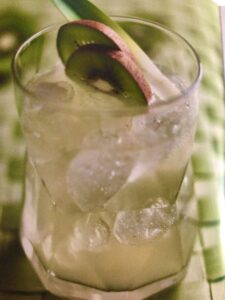
Kiwi Coconut Cooler mocktail
July
16
2024

Here is a refreshing and healthy mocktail to sip during the hot and humid summer months. It will require some prep time and overnights, but a great addition to your pool party or outdoor event. It is easy to turn this drink into a ‘cocktail’ by following the instructions below. Enjoy!

Ingredients:

  • 0.5 ounces of freshly squeezed pineapple juice, from a can, or freshly squeezed pineapple chunks
  • 1 ounce of coconut water
  • 4 ounces or 1/2 cup of quality ginger ale, like Fever-Tree
  • 2 kiwi wheels to decorate
  • 1 pineapple leaf to decorate
  • ice cubes
  • Optional – for cocktail, add 1 ounce of Parrot Bay Coconut Rum and reduce ginger ale to 3 ounces

Kiwi Shrub:

  • 12-15 kiwi, peeled and quartered (more or less kiwis depending on size of party/adjust sugar and vinegar accordingly)
  • 2 cups of sugar
  • 1.5 cups of apple cider vinegar

Instructions:

  1. To make the kiwi shrub, add the kiwi and sugar to a mixing bowl and mix well. Cover and chill in the fridge for 1 hour.
  2. Muddle the mixture, replace the cover, and refrigerate overnight.
  3. Strain the mixture and add the vinegar, shake well, and refrigerate overnight. Strain through a cheesecloth of handheld strainer into a clean jar.
  4. When ready to serve, place 1 ounce of the kiwi shrub into a cocktail shaker with the pineapple juice, coconut water, ice cubes. If making a cocktail, add 1 ounce of Parrot Bay Coconut Rum.
  5. Strain into a highball glass or 12 oz glass or cup filled with ice. Top off with ginger ale and gently stir.
  6. Garnish with kiwi wheels with or without skin and pineapple leaf (optional) and serve immediately. Store leftovers in fridge up to 1 month.

Cheers,

Michael

Mocktails By Michael: Healthy Non-Alcoholic Cocktails

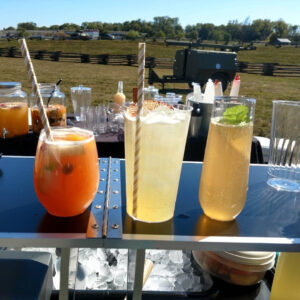
Array of Mocktails
July
14
2024

I’m excited to bring back my “Mocktails By Michael” beverage program, sub-division of “The Michael Pour”. Here are some images from events in the early years. Creative, fresh, handcrafted, and on-trend non-alcoholic offerings/#mocktails for #parties, #events, and #weddings from a drink truck and pop-up events.

Any #cocktail can be transformed into a #mocktail with the right knowledge and marriage of #flavors, textures, and balance. Alcohol is not the center of attention for these #drinks and can stimulate your taste buds, add sparkle to your #event or #party, and help you live cleanly. Batching #mocktails also available. I will be posting updates from time to time. #Bookings available right now throughout Upstate & Central NY.

Inquire within or by email at michael@michaelpour.com. Sign up for email newsletter from homepage so you don’t miss a drop. 

Wine Spotlight: Chilling with 6 Summer Reds

chilled red wine
July
8
2024

If you’re like me and love red wine but have difficulty sipping on a red during the hot and humid summer months, here are some lighter-styled reds you can enjoy by chilling. Some of these wines are well known, like Pinot Noir and Gamay, while others are lesser known. For purposes of this story, I am focusing more on obscure reds.

Chilled reds have increased in popularity recently and the worldly and local options are becoming better, more available, and food friendly. Because of changes in the vineyard due to climate change as well as the expansion of people’s palates and tastes, it has become necessary. Chilling red wine has become more common all year-round.

The higher temperature speeds up the ripeness in fruit and increases alcohol levels of red grapes. As a result, people who want to find a more approachable red without the intense fruit bombs and high alcohol levels, can turn to these chilled, lighter reds that offer more acidity, crispness, and versatility. With the trend of ‘natural wine’, red wines are being produced in a much brighter and lighter style. 

Remember to always store wine on its side, especially reds, in a cool, dark place, preferably a cellar or basement. To chill in advance and save time, place in a wine fridge set around 50˚F. Some of these wines (lighter styles) will be ready to serve upon exiting the fridge while others (medium to fuller styles) should be placed on the counter to warm up slightly. For adventure seekers, I have included images of some of these wines.

Cinsaut wine

Cinsault (“sin-so”)

Legally spelled “Cinsaut”. It is widely planted throughout Provence, Rhone Valley, Languedoc-Roussillon, and Southern France. It is mostly one of the minor blending grapes in GSM blends and Provence rose, but also appears as a single varietal on occasion. Cinsaut is on the rise in South Africa’s Stellenbosch region.

The grape’s thin skin produces delicate tannins well-suited for chilling. It is also known for its fruity flavors of raspberry, red currant, and red cherry and floral, like violet. Chilling Cinsaut actually helps bring out its flavors. The acidity works well with lighter and mildly spicy foods, like Indian cuisine. Chill for 15-20 mins then serve or leave on the counter after being chilled for 15-20 mins. Serve slightly below room temp at 60˚F. 

Frappato wine

Frappato (“fra-pat-toe”)

This rare grape from Sicily carries medium acidity with a burst of aromas, like sweet red berries and wildflowers. It is sometimes blended with Sicilian signature red grape, Nero d’Avola, to add complexity.

Its strawberry, pomegranate, white pepper flavors are enhanced when the wine is cold. Frappato pairs well with dishes that feature roasted red pepper, sun-dried tomato, and turkey dinner with cranberry sauce. Chilled Frappato is great with olives and goat cheese served regularly in Sicily. Chill for 15-20 mins then serve or leave on the counter after being chilled for 15 mins. Serve 50-55˚F.

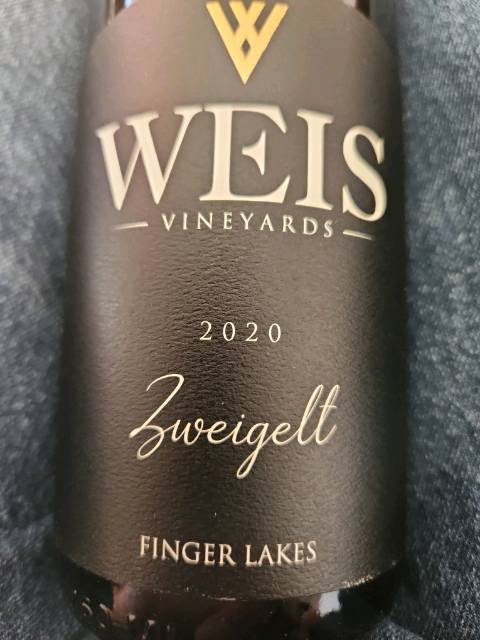
Weis Zweigelt

Zweigelt (“zz-why-galt”)

Austria’s most planted red grape is a cross between Blaufrankisch and St. Laurent (tastes like Pinot Noir) and hails from the southern Burgenland region. It also produced in New York state and the Finger Lakes wine region. Zweigelt are typically crisp, tart, and fruity for a red varietal. It is considered to be the ultimate picnic red that goes with barbeque and grilled chicken, macaroni salad, and earthy mushroom risotto. It is known for flavors of chocolate, licorice, red cherry and black pepper with moderate tannins.

When chilled, Zweigelt displays distinct fruit-forward notes, and its acidity will help tone down the sweetness of barbeque sauce. Chill for 15-20 mins then serve or leave on the counter after being chilled for 15-20 mins. Serve 55˚F.

Valpolicella (“val-polla-chellah”)

One of Italy’s most famous wines with many different styles produced. Valpo is a location/sub-region, not a grape varietal. Some of these will be more medium to full bodied depending on the style. The best bottles for chilling will be light bodied and labeled simply as Valpolicella or a Valpolicella Classico. These will be the youngest, freshest and fruitiest of all the styles with notes of tart cherry, cinnamon, almond, and green peppercorn.

The low alcohol content, high acidity, low tannins, make it a great candidate for chilling. Valpolicella pairs well with a juicy cheeseburger, roasted vegetables, and braised meats. Chill for 15 mins then serve or leave on the counter after being chilled for 15-20 mins. Serve slightly below room temp at 60˚F.

Brachetto (“brak-kett-toe”)

A rare, sweeter red from the Piedmont region of Italy famous for its perfumed aromatics and creamy texture. Very low tannins, low alcohol content, low to medium acidity, and medium sweetness. Also, can be produced as a semi-sparkling wine, which you would serve well chilled. The most prominent flavor profile is orange zest, candied strawberry, apricot, and black current. It is sometimes produced as a light styled rose wine.

Although not classically a dessert wine, Brachetto pairs well with rich, creamy truffles, ganache, and mousse. Try it in gelato for summer to create an ice cream float. It is a fairly inexpensive wine but may be hard to find. For an alternative to this wine, try Lambrusco, which is produced in Italy, but more widely available in the USA than Brachetto. Serve right from the fridge at 50˚F or colder.

Carmenere wine

Carmenere (“kar-men-nair”)

Once thought to be a nearly distinct Bordeaux variety, it has become known that nearly 50% of the Merlot planted in Chile is actually Carmenere. It is the signature red grape of Chile and produced in nearly every region of the country north to south. It is rarely produced anywhere else in the world. The herbal, peppercorn flavors of Carmenere lends itself to be paired with roasted meats from chicken to beef.

Other flavors of bell pepper, paprika (Hungarian specialty), black plum, and vanilla, makes it a very unique flavor profile. It is a home run with the spice Cumin. With low to medium acidity, tannins, and alcohol, it can be lovely chilled. Carmenere is one of my favorite red wines, but hard to find. Chill for 15 mins. Serve slightly below room temp at 60˚F. 

Others –

Pinot Noir 

Chill for 15 mins. Serve slightly below room temp at 60˚F. 

Gamay or Gamay Noir or Beaujolais

Chill for 15-20 mins then serve or leave on the counter after being chilled for 15 mins. Serve 50-55˚F.

Cocktail Spotlight: Legend of the Dark & Stormy

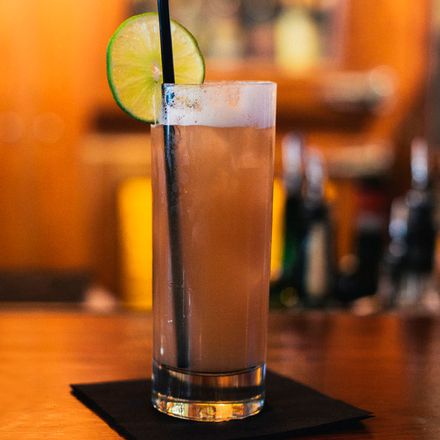
Dark & Stormy cocktail
June
10
2024

Dark & Stormy Day occurred on June 8th.

According to cocktail lore, the Dark & Stormy was invented in the early 1920s on the sun-kissed coasts of island Bermuda, shipwreck capital of the world, when a British naval officer mixed Goslings Blackstrap rum with ginger beer. Like many early cocktails, it was intended to be a remedy for some sort of ailment. In the case of the Dark & Stormy, it was originally given to sailors who were suffering with seasickness.  

There is no proof weather it worked or not. In further exploring fueling its oceanic legacy, the cocktail supposedly got its name when a fisherman compared the hue of the drink to a “color of a cloud only a fool or dead man would sail under,” according to Goslings Rum Company.  

This supposed remedy for seasickness spread among the land-faring communities and sparked curiosity. It was no longer just a beverage for chopping waters. For most of the century, it became a staple on cocktail menus around the world, especially on Caribbean resorts, on cruises, and during the summer months. 

The tradition was to layer the Goslings Blackstrap Rum on top of the cocktail to watch the storm clouds of rums swirl around inside the glass. Today, it is hard to find a Dark & Stormy prepared this way. Goslings Black Seal rum and Barritt’s Ginger Beer were the original combination, and unlike most cocktails, this matters. Today, Goslings produces their own Ginger Beer.

Dark rum and ginger are the two key ingredients, but many add a dash or splash of lime for citrus or zip. Please note that ginger ale is not sub for ginger beer. It’s fresh and vibrant with the sweet and warming spice interplay with the thick, vanilla, butterscotch, caramelly rum. Such a clear tropical flavor that will transport you to tropical paradise. The rum provides buttery richness, flavors of molasses, toasted sugar and, depending on your rum of choice, gorgeous spice.

Did you know? The Moscow Mule cocktail is its cousin – made with vodka instead of rum and without the float.

An important question to consider – Does a Dark & Stormy have to be made with Goslings rum or can you substitute for another rum? In 1980, Goslings trademarked the name “Dark & Stormy. You can, of course, make it by using different rums, like white, gold, or spiced and playing around with ingredients, but, if you do, Goslings asks for it to be sold under a different name. You can stray from tradition and make it with any dark rum if you don’t have Goslings without any harsh penalty from the cocktail gods.

Below you will find the original Dark & Stormy recipe along with variations of it mixed up by your friendly, neighborhood liquid chef. Remember, your feedback is always welcome Enjoy!

Cheers,

Michael

Dark & Stormy

2 oz Goslings Black Seal rum

1/2 oz fresh lime juice

Fill with a quality ginger beer or Goslings (about 5 oz)

Garnish – lime wheel

Prep – Build all ingredients in an ice-filled large rocks glass. Add garnish. Stir well! Alternate – build all ingredients, except rum, two fingers from rim. Float rum on top by pouring around the rim, then garnish lime wheel.

Dark & Stormy Espresso

With all the Espresso Martini rage and coffee being a versatile and intense taste, try this version. While the original has a kick, this cocktail takes it one step further with warm spice and bitter, earthy espresso livening up the cocktail. 

1.5 oz Ron Abuelo Centuria dark rum or Kraken dark rum

1 oz or shot fresh espresso or strong coffee

3 oz ginger beer

1/2 oz fresh lime juice (optional)

Garnish – lime wheel or three coffee/espresso beans

Prep – Pour your ingredients into your rocks glass in layers. Dark rum first over ice, then ginger beer, and then slowly pour in the freshly chilled brewed coffee.

Dark & Stormy cocktail variation

Stormy Weather

Wine, particularly Shiraz, works surprisingly well in the Dark & Stormy because of the natural spice, pepper, and sweet red fruits. Shiraz complements the ginger to create a rich, fruity and vibrant cocktail.

1.5 oz Diplomatico Reserva Exclusiva dark rum or other rum
1.5 oz Australian Shiraz wine
1 oz ginger beer, to top
1/2 oz sugar/simple syrup
1/4 oz fresh lime juice (optional)

Prep – Build all ingredients in a mixing glass with half ice. Shake well with mixing tin. Strain into ice-filled tulip glass. Top with ginger beer. Garnish orange slices and/or cinnamon stick.

Rum & Ginger

1.5 oz Appleton Estate 15-yr old dark rum

3/4 oz fresh lime juice

1 tsp passion fruit puree

1 dash Angostura bitters

Quality ginger ale, to top

Prep – Build all ingredients in a mixing glass with half ice. Shake well with mixing tin. Strain into ice-filled collins glass. Top with ginger ale. Garnish lime wedge.

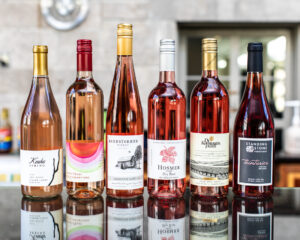
Rosé All Day: Intro to this Pink Wine

FLX Rose
April
29
2024

As a follow up to our incredible and successful Finger Lakes Wine Experience event last week, here is a brief history and facts about rosé wine. Contrary to popular belief, rosé wine is NOT made by mixing/blending white and red wine together to create ‘pink’ wine. Although, in its infancy, it was a rudimentary and common practice.

Modern Rosé most likely originated in the 6th century BC. The Greeks created the first pink wine in modern day Marseille, France, close to the Mediterranean in Southern France, but these attempts were off-dry and too tannic due to prolonged contact during fermentation.

Rosé (Rosado in Spain, Rosato in Italy) comes from red grapes that have been macerated for just a few hours up to 24 hours to extract a little bit of color from the skins. Maceration (most common) refers to a process of soaking grape must on the skins to extract color, aroma, and tannins. When the ideal color is achieved, the juice is filtered off the skins and fermentation like a white wine is completed. More similar to a white than a red in terms of aroma and flavor profile, light body, and acidity.

Another method called Saignee (sahn-yay) Method (french) or bleeding off is the process of draining some juice from a red wine fermentation to increase the concentration/used in a different vat. Leftover juice is used for a deep colored rose wine. 

Also, cold soaking is the process of resting the juice with the skins at a cold temp prior to fermentation. This helps extract more color and flavors from the skin.

Blending is the least common where you add a splash of red wine to a vat of white wine. Mostly done in the early days and frowned upon today unless you’re in Champagne, France where they use red and white grapes..

Rosés can range in color from pale pink (Bandol in France) -medium pink (Grenache or Grenache blend) -deep pink (Tavel) or pale salmon (Provence, White Zinfandel) -medium salmon (Sangiovese)-deep salmon (Syrah, Merlot). Sometimes Rosés can appear pale copper (Provence, Pinot Gris/Grigio), medium copper (Pinot Noir), or deep copper (Syrah). Color achieved is a result of maceration time, cool vs. warm climate, ripeness of grape skins, and varietal used. Any red/black grape can be used by itself or in combo with others.

Rosé is often a blend of different varietals, such as Mourvèdre, Pinot Noir, Grenache, Cab Franc around the world or just a single varietal. Sometimes a little bit of white is added. Much depends on the quality of vintage and ripeness of grape juice/skins.

In France, typically Grenache and Syrah in southern France and Cabernet Franc in northern France. In Italy, Rosato is made all over Italy using one or several local, indigenous varieties, but also Sangiovese (Italian grape found in Chianti). In Spain, Rosado is made from the signature grape Tempranillo and sometimes with Garnacha (same grape as Grenache found in France). In Argentina, the signature grape, Malbec, is used.

Best drank young (1-2 years). So, 2021 and 2022 vintages are ideal right now. The 2023 vintage which has been released in many regions, like the FLX, is very good, but may take a little time to mature and evolve in the bottle. Serve between 45-55 degrees – better cold to enhance the aromas, flavors and acidity.

It is one of the best wines for pairing with warm weather appetizers and light bites. Crisp, fruity, and vibrant, a light rosé with substantial acidity will offer a counterbalance to soft and mellow cheeses and fresh crudites without being overpowering. Try it with goat Gouda, Havarti, Feta, baby Swiss, and cheddar. Salty foods, such as prosciutto and nuts and olives on a charcuterie board are a delicious choice. It’s versatile and refreshing for summer picnics or time spent outdoors.

Lighter rosés (FLX, NY, Cali, Oregon) pair great with cheese, sushi, salads and seafood. The higher acidity makes it very food friendly. Bolder rosés (Old World/France & Italy) pair well with bolder foods, like pizza, BBQ, spicy foods, Asian cuisine, charcuterie, turkey, ham, heavier cheeses

The very driest rosés (watermelon, grapefruit, herbs) – look for Tavel and Grenache from Southern France and Languedoc Roussillon region.

Dry Rosé (melon, peppercorn, strawberry) – Pinot Noir, Tempranillo, Mourvèdre

Semi-Dry (plum, cherry, smoke) – Syrah and Cab Sauvignon

Off-dry (red fruits) – Sangiovese and Malbec

Sweet (raspberry, melon, strawberry) – White Zinfandel (sweeter) and Pink Moscato (sweeter and carbonated)

Rosé has seen an incredible spike in popularity in the US. In 2017, it was the number one fastest growing beverage category, with a 25% annual sales increase. The demand from Provence – a French region once looked down upon for its simple wines – has outstripped the grape supply. France produces and consumes more than any other region accounting for 30% of the world’s rosé. Rosé in Spain has grown exponentially and their Rosados have received international acclaim that are starting to rival the French.

If you would like to learn more about Rosé wine or want recommendations on the best ones to try, please reach out. Stay tuned for more blog posts like this all spring and summer. Look for fun wine tasting and food/wine pairing events as well as featuring different wines from around the globe and the Finger Lakes.

Cheers,

Michael Nagy

Wine Spotlight: Riesling Primer, Riesling Day & Recs

International Riesling Day
March
10
2024

To get things started, let’s discuss a topic that I am passionate about – wine #grapes and the #wines they produce. As we approach spring and celebrate annual “International Riesling Day” on March 13th, what better time to talk about the noble grape, #Riesling, which happens to be the signature grape of the Finger Lakes, NY where I call home.

It is so popular here that they dedicate a whole week of events centered around Geneva, NY, located at the northern tip of Seneca Lake. The week-long event is called “FLXcursion” or The Finger Lakes Riesling Wine Conference. It is an international gathering of Riesling regions and producers from around the globe. International Riesling Day is a toast to this versatile, bright, and aromatic grape. Let’s take a closer look at this grape, which is grown and produced in many different parts of the world.

Riesling is considered by many to be the most noble and distinctive white grape variety. The grape is thought to have originated in the Rheingau region of Germany.

The best Riesling has elevated acidity, aromatic, unique sense of purity, and vivid aroma and flavor. The wine is graceful and light on the palate. It’s refined and layered structure along with mouthwatering, delicate flavors that include ripe peaches and apricots (stone fruits) to melon (tropical fruit) to lemons, oranges, and grapefruit (citrus fruits) with vibrant minerality, like the taste of clean water running over stones in a mountain stream. A dangerously easy to drink wine.

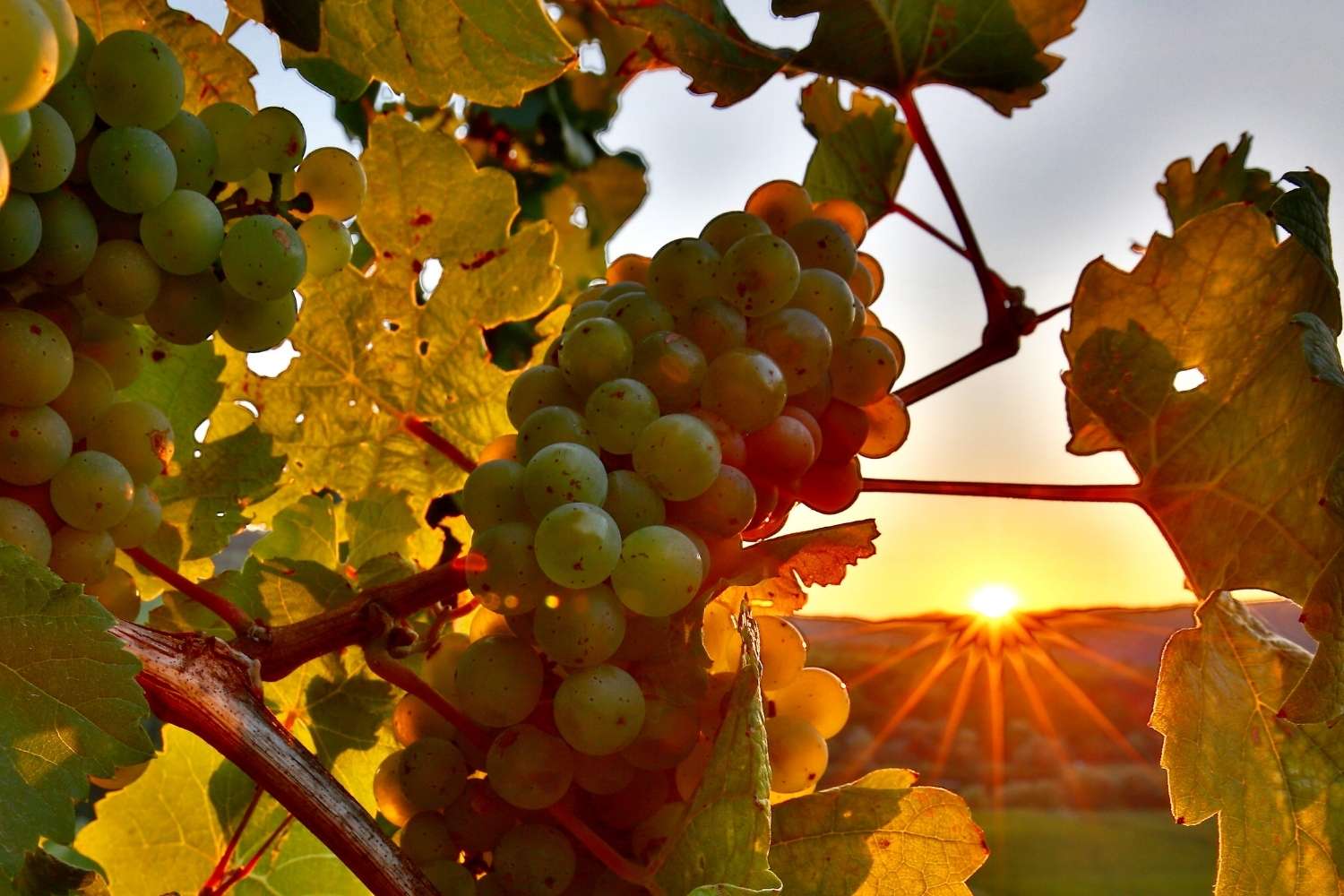
Riesling grapes

More than almost every other white grape, Riesling is temperamental about where it is planted. It doesn’t grow well in very warm places, and even in cooler locations, the quality and character of the wine can vary. The most elegant and precise Rieslings come from cooler climate regions, like New York, Washington state, parts of Australia, France, Germany, Canada, Slovenia, and Austria. You can also find great Rieslings made in cooler pockets within a warm climate. In the cool districts of the Clare and Eden valleys of Australia (tends to have more petrol notes), the top Rieslings are minerally, vibrantly fresh, citrusy, and tight (wine speak for high acidity).

It is not a wine you can just chug. Most sommeliers and wine professionals agree that you’re more likely to stop and think about what you’re drinking. If you’re having a great meal and want something to hold up to it, Riesling should be on the table. Riesling is one of the most flexible food wines thanks to its soaring acidity and is relatively inexpensive. It cuts through the acid in the food and enhances your experience.

Aged Rieslings are some of the most prized wines out there because it’s strong ability to age well with its higher acidity level and some residual sugar (sugar left over after fermentation).

A common assumption about Riesling is that it is sweet or semi-sweet. That is not correct. Unfortunately, consumers have been only exposed to the highly commercial ones available in the US, which tend to be on the sweeter side. If you live in Finger Lakes wine country, like I do, you will find most of the Rieslings are dry. In fact, most of the top Rieslings in the world are dry, except for those that are made intentionally made sweeter, like ice wines and late harvest wines.

Some of the confusion about the sweetness levels of Riesling happens because when you discover a wine that is fruity, you assume its sweet. It’s easy to confuse fruitiness with sweetness. Quick tip – when you sip a wine, hold your nose, and if the wine tastes sweet on the tongue (specifically the tip of the tongue), then it is a sweeter wine. If not, then it has little residual sugar and is therefore fruity. Another way to determine sweetness is to look at the alcohol content. Once you go above 12%, it gets drier. Look for the word trocken “dry” on the label.

To help clarify where a Riesling stands in terms of its taste (for shopping purposes and to get what you want), the International Riesling Foundation (IRF) created a scale/taste profile chart based on the ratio of sugar to acid in the wine. This could also be helpful to those who are diabetic or don’t want to consume a lot of sugar. You will find the chart on the back label of many Rieslings. The spectrum shows from dry to medium dry to medium sweet to sweet and pinpoints where that wine falls on the spectrum.

Try these foods with dry Rieslings

Raw, cured and smoked fish, particularly salmon and trout though any selection of smoked fish should work well as you’ll see from this pairing for cured salmon. Also sushi, particularly with the slight touch of sugar you get in sushi rice.

Fresh or lightly dressed shellfish, prawns, shrimp, fresh crab, or seafood cocktail. Fish dishes with a creamy sauce.

Pork, particularly fatty cuts like pork belly, better if with some kind of apple or bacon chutney or sauce.

Poultry

Goat cheeses. Young Riesling with young goat cheese, but an aged Riesling with a mature goat cheese is better.

Try these foods with medium dry or off dry Rieslings

Just think spice. So many spicy dishes work with an off-dry Riesling – Thai, Vietnamese, even Indian. The hotter the dish the sweeter the Riesling, basically.

Asian-style salads, Thai beef salad, spicy noodles, goose, duck, pork, roasted and aromatic veggies, cucumber soup

If you would like to learn more about Riesling and the specific regions it hails from, please let me know. This post would be a dissertation if I discussed every aspect of the grape and the wine. If you would like wine recommendations, just reach out. There are so many different styles for every palate out there. Because my body can’t tolerate high acid wines, I tend to drink more semi-dry Rieslings than dry because it has a lower acid content. Personally, I am more of a Pinot Gris, Sauvignon Blanc, and Chardonnay wine fan. If you would like wine recommendations, just reach out.

I listed some highly rated local (pricier than most world Rieslings) and worldly Rieslings (great value too) to enjoy with food and during spring and summer months. Look for these online or at your favorite winery and shop. Your feedback is always welcome and encouraged.

Finger Lakes

Hermann J. Wiemer Flower Day Riesling 2022

Hermann J Wiemer Semi-Dry Riesling 2022

Nathan Kendall ‘Nathan K.’ Dry Riesling 2021

Anthony Road Wine Company Dry Riesling 2021

Forge Cellars Riesling Classique Finger Lakes (every vintage since 2015)

Weis 2019 Dry Riesling Finger Lakes

Hillick & Hobbs Estate Dry Riesling 2021

Boundary Breaks Dry Riesling Finger Lakes No. 239, 2019

Dr. Konstantin Frank Dry Riesling Finger Lakes (every vintage)

World

Dandelion Vineyards ‘Enchanted Garden of the Eden Valley’ Riesling 2022 (Australia)

Best’s Great Western Riesling 2022 (Australia)

Koehler-Ruprecht Kallstadter ‘Saumagen’ Riesling Kabinett Trocken 2021 (Germany)

Leon Manbach Riesling Grand Cru Frankstein 2019 (France)

Weinhaus Ress Riesling Trocken 2021 (Germany)

Trefethen 2019 Estate Grown Dry Riesling Oak Knoll District (Oregon)

Montinore 2019 Almost Dry Riesling (Oregon)

Fess Parker 2019 Rodney’s Vineyard Riesling (California)

Enjoy! Sante! Cheers! Prost!

Michael

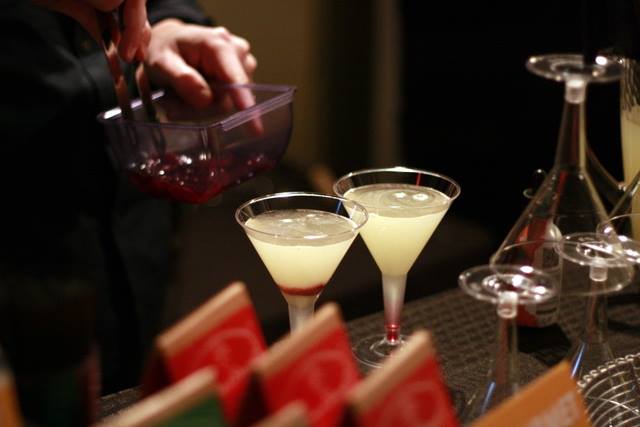
Crumpetini cocktail
January
18
2023

Many, many years ago my former company, Raise Your Spirits, Inc. and I, had the wonderful opportunity to serve as the exclusive beverage service for a holiday theater program at the Open Stage of Harrisburg in downtown Harrisburg, PA. The comedy show and parody was titled “The Santa Land Diaries” featuring an elf named “Crumpet”. We were responsible for creating a themed signature cocktail and drink menu for the program which ran for two weeks. We were present for setup, service, and cleanup. It was a lot of fun. The signature cocktail was called “The Crumpetini” in honor of the lead character and consisted of fresh, hand-crafted ingredients and an eye-popping garnish perfect for the season and occasion. Below is the cocktail recipe and the cover image is the cocktail. If you would like this cocktail or many other cocktails used for previous events, please let me know. Check out the Raise Your Spirits, Inc page on instagram @raise_ur_spirits for more cocktails, menus, event images, and much more…..Cheers, Michael

1.5 oz Bulldog Gin

.5 oz Elderflower Cordial

.5 oz Fresh Rose & Hibiscus Syrup homemade

.25 oz Freshly squeezed lemon juice

.5 oz White Cranberry juice

top with Dry Prosecco (LaMarca)

Wild Hibiscus garnish 

Prep – Build all ingredients in a mixing glass or shaker except Prosecco. Shake over ice and strain into a chilled cocktail glass or coupe. Top with Prosecco and add garnish. For syrups – simmer rose and hibiscus petals and demarara sugar water (simple syrup 1:1 ratio) together on stovetop. Steep for 30 mins.

Best Bubbly to Drink for the New Year

champagne and sparkling wine
December
28
2022

A New Year’s Eve dinner or party without a bottle of bubbly seems sacrilegious. Most of us don’t have a clue when it comes to the best Champagne because it’s not something we shop for or sip on a regular basis. The market is flooded with so many options these days and most of the bottles we see aren’t true Champagne. The term Champagne refers to wine specifically produced in the Champagne region of France, about 100 miles east of Paris. Champagne is best known for its high entry-level prices and close ties with royalty and celebration, which make it perfect for nights like New Year’s Eve. But in recent years, alternative sparklers have also grown in popularity, many of which are crafted just like Champagne, but cost far less. It can be quite pricey to splurge on in a large party atmosphere. Other Champers doesn’t necessarily mean the bottle is inferior, but rather, indicates where it is from and how it was made.

Unfortunately, that discussion will have to be tabled for another time. For the purpose of this discussion, we will focus on all kinds of bubbles that I recommend for the season. What’s the best Champagne to buy? It often comes down to your budget, what’s accessible in your area, the grape varietal, and the sweetness level you desire. Regardless, try to sip on the good stuff when the clock strikes midnight.

This short list features a wide range of sparkling wines at varied prices. If these seem out of your price range, then go with cheaper versions or big-batch bottlings for large parties and save the pricier ones for toasting and intimate get-togethers.

Andre Clouet Champagne

Champagne André Clouet, “Grande Réserve” Brut Grand Cru

Champagne / Montagne de Reims, Bouzy, France

After marrying the base vintage with older reserves, which includes a blend dating back to 2002, it is then bottled and aged in the cellar for no less than 48 months. Once disgorged, the bottles are typically topped off with a dosage of 6-8 grams of sugar. With the excellent terroir, extended lees aging, and winemaking, it is a well-balanced combination of creamy complexity, rich fruit, and minerality that is hard to find in this price range (~$45). It features delicate bubbles and has a golden-yellow core that moves to green reflections on the rim. Aromas of sliced yellow apples, pineapple core, preserved lemon, freshly made brioche, and honeysuckle, jump from the glass. The concentrated palate evolves to deliver red fruits with hints of red currant alongside lemon curd and toasted nuts. It hovers around full-bodied with a rich mouthfeel, crisp acidity and stony minerality which is the appeal of all great Champagnes.

Fitz -Ritter Riesling Sekt Extra Trocken

Germany, Off-Dry/Semi-Sweet. 100% Riesling

100% Riesling. A golden colored sparkling that has the nose of a classic Riesling with hints of floral – lilac and rose petals along with a citrusy palate that is enhanced by the bubbles. Notes of pear, honeysuckle, and apricot. If sweetness is your thing, then this “sekt” from Germany will satisfy your palate. Clean and fresh. It drinks a lot like a spatlese. The minerality is very prominent in this wine. Great value at around $20 if you can find it.

Roederer Estate Brut

Roederer Estate Brut

California, Mendocino County, Anderson Valley. 60% Chardonnay, 40% Pinot Noir

Crisp and elegant with complex pear, spice and hazelnut flavors. It is fresh and lightly fruity with great finesse and depth of flavor. Created in California’s Anderson Valley and owned by iconic Champagne house Louis Roederer, this playful, medium-bodied sparkler is perfect at around $30. Very similar to a classic Champagne in its style.

Domaine Sebastien

2019 Domaine Sebastien Brunet Vouvray Brut “La Rocherie”

Vouvray AOC, 100% Chenin Blanc 

If you are looking for a French sparkling wine, this is a great choice at around $28. Made from the chenin blanc grape in the Loire Valley, it has a mousse-like body and texture of delicate fruits of apricot, peach, yellow apple, and citrus peel.

Murgo Metodo

Murgo Metodo Classico Brut Rose

Italy, Southern Italy, Terre Siciliane. 100% Nerello Mascalese

Rose anyone? Made from Sicilian nerello mascalese grapes, this has a unique smokiness to it derived from the soil surrounding Mount Etna, an active volcano. They macerate the grapes on their skins for about 24 hours to extract the delicate salmon-pink color and then produce the sparkling in the same manner as Champagne. Aromas of dried cherry, redcurrant, strawberry and pink peppercorn infuse with volcanic minerality to provide a brilliant finish.

Tirriddis NV Barrel Fermented Blanc de Blanc Sparkling Blend

Washington State, Columbia Valley. 100% Chardonnay

Fermented in 100% new French Oak, it displays rich aromas of brioche, pepper, honey, and lemon- flavored candy. Flavors of mandarin orange and lime expands the palate. As it sits, flavors of red raspberries and white chocolate appear. It is medium bodied with a creamy texture and a plethora of bubbles on the surface. Get it around $36.

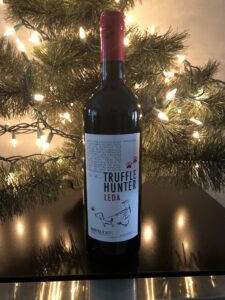
Wine of the Week – 2020 Truffle Hunter Leda Barbera D’Asti

2020 Truffle Hunter Leda Barbera D'Asti
December
23
2022

As a follow-up from the most recent blog post on pairing wine with ham, I give you a specific wine recommendation that I feel is a wonderful complement to your ham dinner, but also a wine that is perfect for the season and all year-long. This wine has a wonderful story attached to it, which is depicted on the bottle label. I will share this warm-hearted story with you along with more information about the wine.

In the Langhe, the soils that yield extraordinary wines are the same soils that give birth to the White Truffle of Alba, the world’s most prized underground mushroom, the “diamond of the earth.”

Truffle Hunter Leda is a pleasant and carefree sip, a celebration of one of the most generous territories in the world. It reveals a love for the sun-kissed and wind-cradled hills of Piedmont, recognized as a World Heritage Site, where the beauty of the landscape becomes the quality of a taste that is always recognizable.

Truffle Hunter Leda is the story of an overwhelming passion, that of Valter Bosio for truffle hunting, which, since childhood, has driven him to beat the woods and valleys of Piedmont in search of the most mysterious fruit of the earth. But it is also the story of a timeless bond, that with the legendary dog Leda, the partner of a thousand adventures, whose unerring nose guaranteed Valter exceptional finds and equally exceptional excitement. This wine is his tribute to the land of Piedmont, to the interweaving of incredible excellence that this land makes possible.

Leda the truffle Hunter

Leda has been a faithful companion to the Bosio family for 14 years and is legendary for her ability to hunt truffles. The family named this wine in her honor so her legacy and story will live on each time a bottle is opened and a glass is toasted. Leda is a Lagotto Romagnolo, a breed of dog that comes exclusively from the Romagna sub-region of Italy. Luca Bosio Vineyards, now in its 3rd generation, was established in 1967 by farmers Egidio and Angela. Their son, Valter Bosio married Rosella and along with their son Luca, a graduate winemaker, work tirelessly to keep up the family tradition. Luca has brought a wave of freshness and novelty both in technical and commercial areas. After the success of his innovative and progressive ideas, and under the constant support of the family, the company has taken the name of Luca Bosio Vineyards. The winery is located in the center of the Langhe region of Piedmont and has 60 acres of vineyards.

Bosio Family Estates

The Piedmont of wine is a continuous discovery, an endless revelation of oenological expressions on the hunt for ever-changing native grape varieties capable of telling an intimate and authentic story. An invitation to be part of the great land that gives rise to the White Truffle and, at the same time, to the world’s greatest wines.

The 2020 vintage began with a winter season characterized by mid temperatures and little rainfall. In general, the climatic trend was ideal. The Barbera grapes for this wine come from vineyards located in Castagnole Lanze and Costighole d’Asti villages, at 200-300 feet above sea level. The average age of the vines is 25 years old and they are grown on calcareous clay soil. After harvesting, the grapes are pressed and the must is fermented in temperature-controlled steel tanks. Skin maceration takes place over six days, assuring good color and body. The wine spends 6 months in large oak barrels to increase the body and the structure leading to red fruits, hint of chocolate, and spice notes due from the wood. This is followed by an additional six months in the bottle before releasing.

Ruby red in color, this Barbera shows ample red fruit on the nose. The wine sits at 13.5% alcohol, 5 g/L residual sugar (not bone dry by any means), and 5.4 g/L acidity (significant for the warm climate and for red grapes). It has silky tannins that give it a smooth mouthfeel.

This “easy-to-drink” wine has a freshness and approachability that makes it a great wine for even the casual wine consumer and non-red wine drinker.  

Keep following! Bookmark this page if you want to stay updated. Look for weekly blog posts and navigate the site for information on wine tastings and services.

Happy Holidays!

Cheers, Michael

Wine Glass

DON’T MISS A DROP

Get notified when new articles are poured

We don’t spam!