Your Favorite Summer White Wine? The Winner Is…

May
7
2026

A poll was conducted on Instagram and the results are based on 25 responses.

The four choices given in the poll were – Sauvignon Blanc 40%, Riesling 36%, Chenin Blanc 20%, Pinot Gris/Grigio 4%. An additional 10 different white wines were submitted in comments.

The winner is “Sauvignon Blanc”. Because Sauv Blanc was the winner, I will feature it later in this story. Sauvignon Blanc is produced all over the world so I will explain the differences from region to region and fun facts about this noble grape.

There were several people who wrote in their choice of these four, as well as other white wines, that they like to drink in the summer from the additional list provided or others that they like.

These write-in responses are not included in the above percentages but listed below with country/region. Every wine mentioned on the post were included. Pinot Grigio and Sauvignon Blanc, which were choices on the poll, were written in and not reflected in percentages.

Submitted whites – Verdejo (Spain), Gruner Veltliner (Austria & US), Chablis (France), Riesling (FLX), Alsace Riesling (France), Albarino (Spain & Portugal), Txakoli (Spain), Vinho Verde (Portugal), Chardonnay (all over), Sancerre (Sauvignon Blanc from Loire Valley France).

I included other great summer white wines not voted for or listed as people’s favorite below. They can be super refreshing, crisp, and brilliant this warm, summer season regardless of your plans.

If you would like to try something different for your summer wine drinking and expand your summer palate, seek them out and give them a whirl.

A few quotes. Thank you to all those who participated. It really made this a fun story! –

“Albarino and Txakoli are two other summer favorites” ~ thesipseries

“I like a crisp Chablis. Cold sauvy b (from any region) is also a plus. But please do not put jalapenos in it” ~ mollyb

“I also love Vihno Verde in the summer”~ sonyab

“I also love a good Chardonnay! Don’t really care where its from”~ rebekkah

“I like a crisp Sancerre in the summer. Also, Albarino is another favorite”~ shannonp

Most of these varietals are specific to their native land and difficult to find here in the states. They range from aromatic, light, medium, and full-bodied and from dry to off-dry to medium-dry. Listed by country of origin and region, if significant, body, and sweetness level.

Italy

Trebbiano Toscano – light to full bodied and dry to off dry

Vermentino – light bodied and dry

Greci di Tufo – medium to full bodied and dry

Verdicchio – light bodied and dry

Fiano – light bodied and dry

Garganega/Soave – light bodied and dry

Greece

Assyrtiko – light bodied and dry

Argentina

Torrontes – aromatic and dry to off dry

France

Semillon (White Bordeaux, Australia, US) – light to full bodied and dry

Viognier (Rhone, US, Australia, similar to Chardonnay) – aromatic and dry

Marsanne (Rhone) – light to full bodied and off-dry

Roussanne (Rhone) – light to full bodied and dry

Aligoté (White Bordeaux) – light bodied and dry

Picpoul (mostly Loire Valley) – light bodied and dry

France & Spain

Grenache Blanc/Garnacha Blanc – dry and light to full bodied.

France, Italy, Greece & others

Muscat Blanc – aromatic and dry to medium dry in France

All over Europe and some pockets in US

Pinot Blanc – dry and light bodied

US, France & all over the world

Gewurztraminer – aromatic and dry to off dry

If you would like to learn more about any of these delicious white wines, please reach out. Have you experienced a glass or bottle of Sauvignon Blanc from different parts of the world?

Sauvignon Blanc

Here is a take on your favorite Sauvy Blanc grape. If you’ve been sipping from the same bottle of SB over the years, you know, that one called “Kim Crawford” from New Zealand, then you may not realize that it is produced all over the world, not just in NZ.

During my recent time in Columbia Valley, Washington, I had the pleasure of experiencing some really good ones. It is the same grape no matter where it is planted, but because it is grown in a different place, it becomes a completely different wine.

Here are four expressions of Sauv Blanc from four elite wine regions. Some may know of them, while others may be surprised. SB used to be the ‘it” girl, but is gradually being replaced by the trendy Chenin Blanc for that title. My wine colleague, Molly B, loves it very cold!

Sancerre

Sauvignon Blanc is called Sancerre in the classic Loire Valley of France. The most popular regional wine of the Loire is Sancerre. It is largely produced in the Touraine region. Sancerre is lean and mineral driven with notes of citrus, in particular lime and grapefruit, gooseberry, possibly some green apple, herbal flavors (same compounds found in green peppers), and slate/flint. My friend, Shannon P. is a big fan!

There can be some smokiness, which is unusual for whites, considering the lack of oak influence. Stylistically, the Sauvignon Blanc from Damiani Wine Cellars called “Little Lotus Flower” in the Finger Lakes Region of NY is similar to a Sancerre.

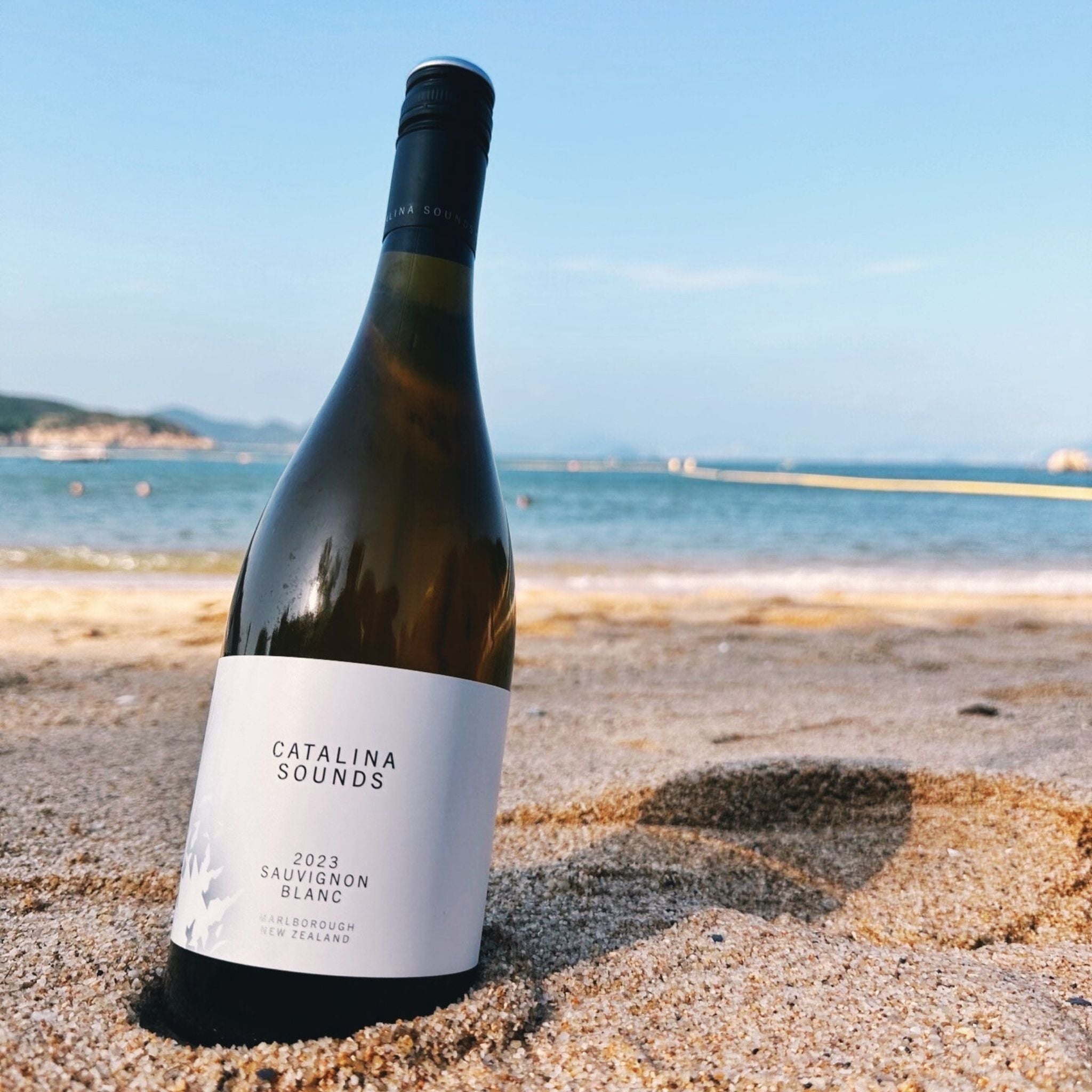
Marlborough, South Island, New Zealand

Sauvignon Blanc is New Zealand’s most important grape and Marlborough is the top producing region. The wines here offer more green tropical fruit notes, like kiwi, passion fruit, and pear, that contain a touch of residual sugar to help balance out the high acidity in the grapes.

The wines can be explosively aromatic with the aroma source of freshly cut grass. It can be zesty. That’s a signature aroma that can help you determine that you’re drinking a SB from NZ.

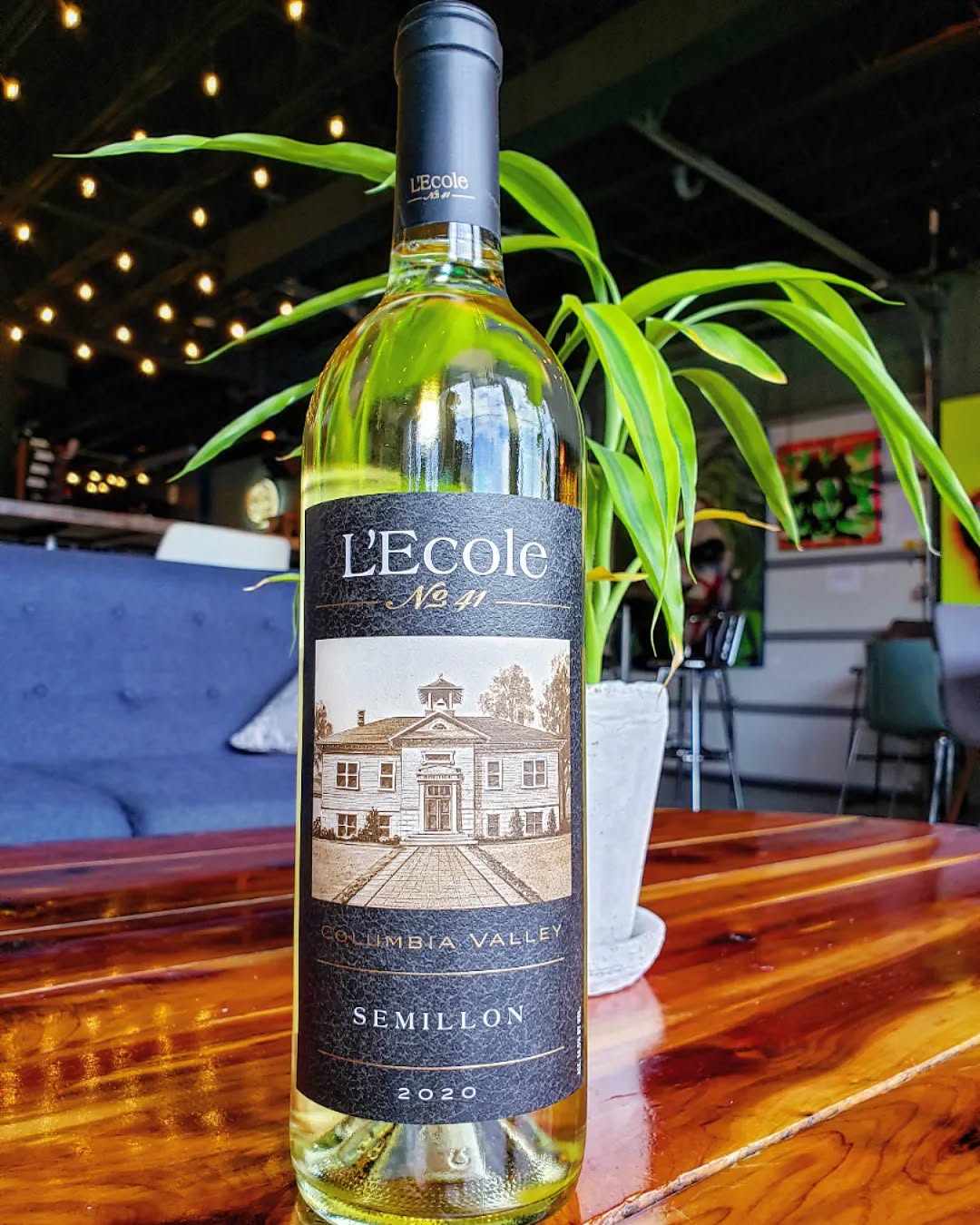
White Bordeaux, France

Here Sauvignon Blanc is more structured and textured. Notes of citrus, in this case, more lemon and grapefruit, and honey and light wax/lanolin texture. It is often blended with Semillon from Bordeaux, a fuller bodied wine with a rounder and creamier texture and notes of apple. Semillon can age better than Sauvy B so this blend can give you more years to drink. Some of the best sweet, dessert wine called Sauternes is made from Semillon.

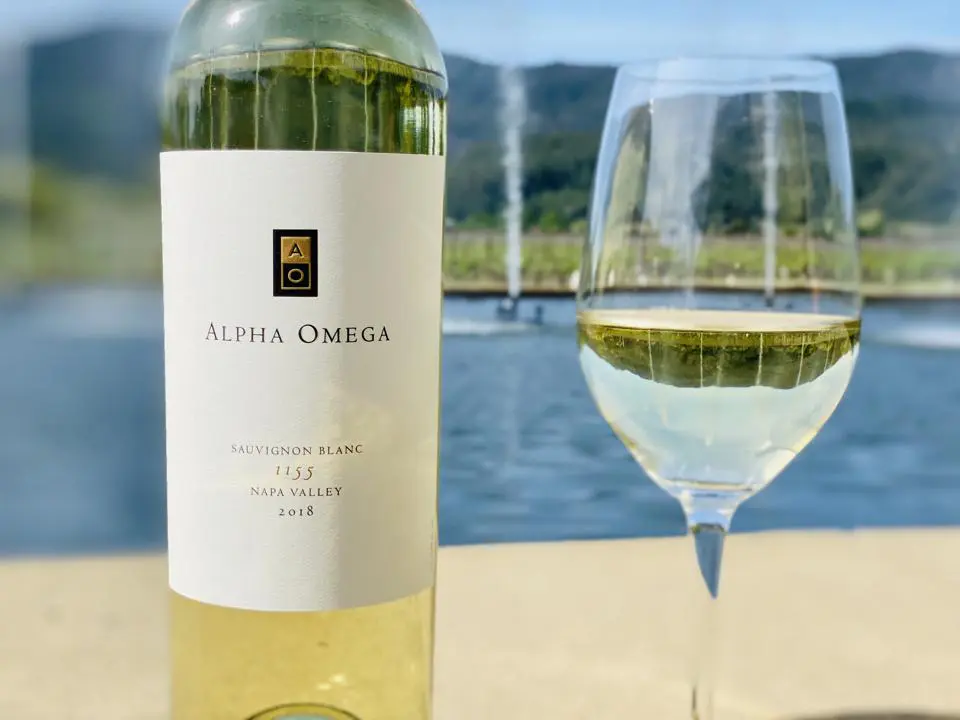
Napa Valley, California, USA

Sauvignon Blanc in the warm Napa and Sonoma Valleys can offer a riper, richer, and more generous version of the grape. Notes of tropical fruit, like melon, and stone fruit, like white peach dominate while still displaying a little citrus and herbaceous notes. Some Sauvignon Blancs in Napa are aged in oak creating more texture, complexity, and vanilla notes. Even in this warmer climate, the wines have ample acid backbone, and the good winemakers make it shine with the fruit.

What does all Sauvignon Blanc have in common?

All Sauvignon Blanc wines share a foundational profile characterized by high acidity, a dry, light-to-medium body, and vibrant, herbaceous, and fruit-forward aromas, typically spanning citrus (grapefruit, lime, lemon) to tropical notes (kiwi, melon, passion fruit).

It is consistently a cool-climate or high-acidity grape used to produce crisp, refreshing, and usually unoaked white wines. Most are produced to be drunk young, crisp, and fresh. Alcohol content generally ranges from 11.5% to 14% ABV.

While climate affects whether the wine tastes greener/herb-forward (cooler, e.g., Loire Valley) or tropical fruits (warmer, e.g., California), its fundamental “green,” high-acid structure remains consistent.

Sauvy Blanc is very food-friendly wine because of the high acidity and lighter body. Pair it with herb or citrus-driven sauces, green veggies and summer salads, salty cheeses, herb-crusted chicken (Napa especially), white fish, oysters and mussels (Sancerre especially), scallops, and all kinds of Asian cuisine (New Zealand, especially).

What other white wines are similar to Sauvignon Blanc in terms of its style and profile?

Fume Blanc (Loire), Gruner Veltliner, Vermentino, Chenin Blanc (Loire), and Verdejo.

Here are my recommendations for each regional Sauvignon Blanc. The exception is that I chose a Semillon was Wash State, US instead of one from Bordeaux.

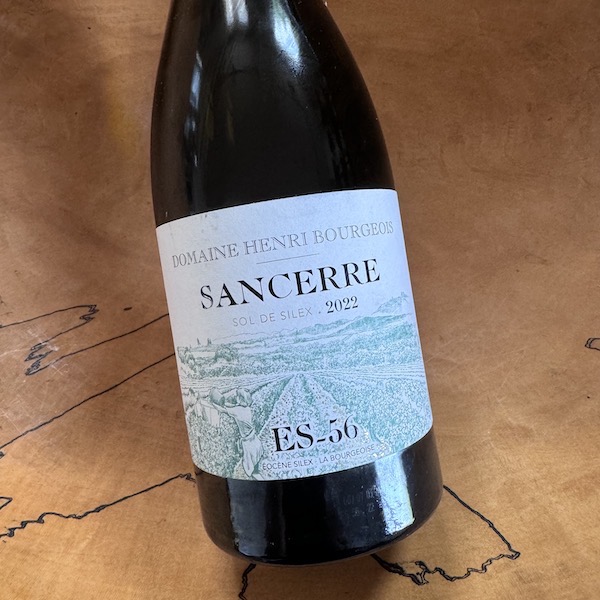
Domaine Henri Bourgeois ES-56 Sancerre 2022

Chateau Brondelle 2021 Graves Sauvignon Blanc Semillon

St. Supery 2020 Napa Valley Sauvignon Blanc

Dog Point Vineyard 2025 Marlborough Sauvignon Blanc

Cheers & Sante,

Michael XOXO

Wine Spotlight: Why grapes have multiple personalities?

March
12
2026

For this week, we continue the educational series on wine grape varietals with a focus on the different names used for a particular grape produced all over the world.

There are roughly over 10,000 different wine grape varieties identified worldwide. Depending on the source though, this number could be less or more. While this enormous number exists, only a small percentage (about 1,300 to 2,000) are commonly used for commercial wine production. A mere 33 varieties account for 50% of the world’s vineyards.

A vast number of grape varieties have several names depending on where they’re grown (see last week’s post on Pinot Grigio and Pinot Gris here). Countries like Georgia, Italy, Portugal, Spain, and Greece grow and produce many indigenous or rare, local varieties unknown to most people, unless you visit that locale. Most aren’t massively produced or exported to other countries.

So, what’s in a name? Are they always interchangeable, or does their place and name indicate what their resulting style will be? For the average consumer and shopper, this can be an overwhelming, confusing and a daunting task. Not to mention the countries who don’t identify the grape(s) on the label or bottle (like Italy and France). The list can be very extensive, but I hope to clarify some of these differences with examples below.

Syrah vs. Shiraz

These wines can taste almost like polar opposites. Their body, expression and texture change with the climate. In the temperate northern Rhône Valley of France, Syrah is the signature grape behind storied appellations as Côte-Rotie and Hermitage. Further south, it forms the backbone of many Côtes du Rhône blends and is an essential part of many rustic Languedoc-Roussillon reds.

Known as Shiraz in Australia, its style is most distinct in the hot Barossa Valley and warm McLaren Vale regions, but it also thrives in cooler Canberra region. Where Northern Rhône Syrah has firm, drying tannins, Australian Shiraz has a velvety, mouthwatering feel.

French oak accentuates Syrah’s visceral notes of savory, cured meat, yet American oak lends vanilla and chocolate tones to Aussie Shiraz. Both can have display intense notes of violet. There are the spice flavors as well, such as white pepper in cooler regions and black pepper in the warmer ones.

Syrah/Shiraz can also offer something in between. In New Zealand’s Hawke’s Bay, it’s luscious with forward fruit, but suggestive with pepper. In South Africa, it veers toward more of a spicy richness, while in California and Washington State, it can be smooth, big, or edgy and taut.

In this case, the name is a hint to the style. Shiraz is likely big and bold (thanks to warm climate) while Syrah tends to be snappy and thinner (not in a bad way, but less oomph).

Grenache vs. Garnacha vs. Cannonau (“kah-nohnow“)

Grenache stuns wine lovers across the globe with its luscious red fruit flavors. Grenache is an archetypal Mediterranean variety. It wants full sun, will withstand heat and drought and it thrives on stony soils. This resilience explains its success and expansion in warm climates.

With Grenache’s softness and plump fruit, it adds a juicy allure and warmth to Châteauneuf du Pape. It’s an integral part to Côtes du Rhône and is a part of the holy trinity of Australian Grenache-Syrah-Mourvèdre (GSM) blends in France. As Garnacha, it can form a part of Spanish Rioja. It has often been considered a blending grape and adds body to a blend, but can be lovely on its own.

As a single varietal, Grenache is full-bodied without being overly tannic. It can also make charming, aromatic reds in the Rhône cru villages of Gigondas and Vacqueyras. Cannonau on the island of Sardinia, it’s an even bigger, stronger and bolder version.

Grenache vines are very resilient and can last a while. The variety hits its stride in the old-vine Grenache wines from the French Roussillon in Languedoc, neighboring Spanish Priorat region, and McLaren Vale region in Australia. The wines are concentrated and fragrant with spicy red fruit.

But Grenache is versatile in itself. It also makes the sweet, fortified wines of Banyuls, France and the dry, fully pink rosados of Navarra region of Spain. No matter the style or origin, Garnacha always shines with its gorgeous red fruit.

Mourvèdre (“moor-VED-druh”) vs. Monastrell vs. Mataro

Ancient and dark, powerful and brooding, this thick-skinned, small-berried grape of Spanish origin thrives in hot climates. It requires more than just warmth being a late ripening grape. It needs proper, sustained heat. Mourvèdre resides best on the Mediterranean coast in Spain, where it’s called Monastrell, and forms the gutsy, heavy, tannic reds of Jumilla and Alicante regions.

As Mourvèdre, it’s the backbone of French Provençal Bandol, where it gives a kick to reds and a tang of tannins to dry rosés. In the Languedoc, it contributes nicely to various red blends. In Australia, where it’s known as Mataro, the grape asserts its dusky charms in GSM blends. The best examples have a heavy perfume of black fruit when young and leather and spice with age.

Blaufränkisch (“blahw-fraun-keesh”) vs. Lemberger

The temperate and distinctly continental latitudes of Central Europe are home to this underrated red grape. Medium to full-bodied in the north, Blaufränkisch produces unique, structured, and elegant wines. It is also grown and produced in New York State where the climate mirrors those of Germany and Austria and stylistically similar. I find them to be a nice change from your typical cool-climate reds.

In eastern Austria, it’s known as Blaufränkisch. In southern Germany and France, it’s Lemberger. It also goes by other names in Hungary, northern Croatia, western Slovakia, in eastern Slovenia. No matter the name, it produces quality reds that age well. It also forms part of Egri Bikaver, Hungary’s historic “bulls’ blood” wine.

Cooler vintages or sites add an irresistible pepperiness to the usually dark-fruit spectrum, where you’ll find dark cherry and blueberry. Despite the differences in climate and expression, Blaufränkisch exhibits great varietal resemblance.

When vinified in stainless steel, Blaufränkisch is sometimes confused with fuller-bodied Gamay. When vinified in small, new oak barrels, Blaufränkisch gets punchy and needs a few years to return to its inherent subtle nature. The most elegant results are achieved with gentle handling and careful amounts of oak. It’s not a well-known grape outside of where it’s traditionally grown but has been increasing in popularity.

Malbec vs. Côt (“cot”, like “hot”)

Malbec is synonymous with Argentina, where this aromatic, black grape revels in the bright, high-altitude sunshine of the Andes mountains. This French original has been almost supplanted by Argentinian success. Malbec is sometimes referred to as Côt in France. It’s even one of the five permitted varieties used in red Bordeaux wines but typically doesn’t ripen well in parts of Bordeaux.

Malbec’s real French hotspot is in Cahors, a town in southwestern France as well as a namesake appellation. Cahors wine is inky, opaque and dense with tannin. The firm, astringent tannins of French Malbec are often softened with the addition of Merlot. Malbec in Argentina, however, are plenty ripe to have the softness and silkiness.

In both cases, the wines’ structure helps them age and develop pretty well. The best show floral overtones of violet and peony. In France’s cooler Loire Valley, Côt produces wines that are less extracted, very fresh, floral, and often spicy.

Zinfandel vs. Primitivo

White Zinfandel is the wine that’s launched thousands of enthusiasts, but this pink elixir does not give this historic grape any justice. It’s known as Primitivo in Puglia, Italy and Zinfandel in California. As a red wine, Zinfandel always boasts full, juicy and plump fruit (sometimes can be jammy, think PB & J) that covers a spectrum of ripeness, often with elevated alcohol levels.

When made well, Zinfandel balances these qualities perfectly. Unfortunately, grapes in the same bunch can barely ripen, become overripe (bloating and too much sugar), or even become raisin-like.

In Puglia, Primitivo is light, smooth and warming. On an inland elevation, Gioia del Colle produces the freshest versions, while coastal Primitivo di Manduria is heavier, denser and more powerful.

In California, this rustic red attains true elegance. Some ancient Zinfandel old vines in Napa, Sonoma, and Lodi bring forth concentrated, full-bodied wines with warm alcohol, expressive quality, and enticing red fruit aromas. Quality well-aged and mature Zinfandel is well loved by the international community.

Chardonnay vs. Chablis

Although this doesn’t technically fit same grape, different name, it is an important distinction of grape name vs. region. When people first taste Chablis and learn that it is Chardonnay, they often look surprised.

How can a wine that tastes so clean, crisp, and a mineral sensation possibly be the same grape as the rich, buttery Chardonnays that dominate wine lists from California and parts of Burgundy? The answer comes down to style, climate, and terroir. Chablis is said to be by many (myself included) as the purest expression of Chardonnay.

Chablis is located in the northernmost part of Burgundy in France. Its cooler climate and famous limestone soils shape a wine that explodes with acidity, freshness, and a minerality often described as chalky or steely.

Unlike the rounder Chardonnays aged in oak barrels from Burgundy’s Côte de Beaune or the thick and heavy, cedar vanilla bombs from California’s Napa Valley, Chablis is typically fermented and aged in stainless steel, neutral oak, or partial oak. This approach preserves the acidity, crisp apple, lemon, and saline flavors that make the wine unique.

The absence of heavy oak influence is the major differentiator. While many Chardonnays lean on new oak to build body and add flavors of vanilla, toast, and butter, Chablis producers focus on purity and terroir. That doesn’t mean oak is absent altogether, some premier cru and grand cru Chablis see a bit of oak, but it’s usually subtle by just playing a supporting role. This gives Chablis a leaner structure in stark contrast to the creamy, heavy character of oak-driven Chardonnay.

The environment in and around Chablis also plays a huge role. Chablis vineyards sit in a continental climate where frost is a constant threat. The cooler temperatures slow down ripening, which keeps acidity high and sugar levels lower.

In warmer areas like California, Chardonnay ripens easily, leading to bolder fruit flavors, higher sugar content, and a style that more often than not lacks subtlety. Side by side, you’d hardly believe the wines are the same grape but tasting them together is one of the best ways to appreciate how versatile Chardonnay really is.

I did a Chard side by side recently for a Women for Wine Sense tasting class in Syracuse and the audience was mesmerized by the difference.

For wine drinkers who think they don’t like Chardonnay, Chablis often comes as a revelation. Its flavor profile avoids the buttery heaviness that critics of California Chardonnay complain about. Instead, Chablis is fruity, food friendly, and an elegant take on Chard.

If you are interested in learning more about grapes, grape families, and grape names, I can certainly expand on this discussion. For example, Pinotage from South Africa is a cross between Pinot Noir and Cinsault (varietal in France) or that Pinot Noir in Italy is called “Pinot Nero” (same grape) or Pinot Noir in Germany is called “Spätburgunder”.

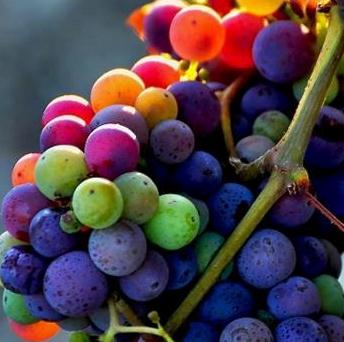
I must admit, I find this stuff fascinating (history buff, too) so just say the word. Thank you to Wine Cellar Guide (above wine grapes) and Wine Enthusiast (grape names) for the beautiful images.

Book “The Michael Pour” for a unique and exclusive wine education class, wine tasting event, wine pairing/dinner, bar/restaurant consultation, etc… in your home or establishment. I am currently offering a 15% discount for all bookings. Inquire here, email, or on social media.

Cheers & Sante,

Michael

michael@michaelpour.com

IG: @themichaelpour

Rosé All Day: Intro to this Pink Wine

FLX Rose
April
29
2024

As a follow up to our incredible and successful Finger Lakes Wine Experience event last week, here is a brief history and facts about rosé wine. Contrary to popular belief, rosé wine is NOT made by mixing/blending white and red wine together to create ‘pink’ wine. Although, in its infancy, it was a rudimentary and common practice.

Modern Rosé most likely originated in the 6th century BC. The Greeks created the first pink wine in modern day Marseille, France, close to the Mediterranean in Southern France, but these attempts were off-dry and too tannic due to prolonged contact during fermentation.

Rosé (Rosado in Spain, Rosato in Italy) comes from red grapes that have been macerated for just a few hours up to 24 hours to extract a little bit of color from the skins. Maceration (most common) refers to a process of soaking grape must on the skins to extract color, aroma, and tannins. When the ideal color is achieved, the juice is filtered off the skins and fermentation like a white wine is completed. More similar to a white than a red in terms of aroma and flavor profile, light body, and acidity.

Another method called Saignee (sahn-yay) Method (french) or bleeding off is the process of draining some juice from a red wine fermentation to increase the concentration/used in a different vat. Leftover juice is used for a deep colored rose wine. 

Also, cold soaking is the process of resting the juice with the skins at a cold temp prior to fermentation. This helps extract more color and flavors from the skin.

Blending is the least common where you add a splash of red wine to a vat of white wine. Mostly done in the early days and frowned upon today unless you’re in Champagne, France where they use red and white grapes..

Rosés can range in color from pale pink (Bandol in France) -medium pink (Grenache or Grenache blend) -deep pink (Tavel) or pale salmon (Provence, White Zinfandel) -medium salmon (Sangiovese)-deep salmon (Syrah, Merlot). Sometimes Rosés can appear pale copper (Provence, Pinot Gris/Grigio), medium copper (Pinot Noir), or deep copper (Syrah). Color achieved is a result of maceration time, cool vs. warm climate, ripeness of grape skins, and varietal used. Any red/black grape can be used by itself or in combo with others.

Rosé is often a blend of different varietals, such as Mourvèdre, Pinot Noir, Grenache, Cab Franc around the world or just a single varietal. Sometimes a little bit of white is added. Much depends on the quality of vintage and ripeness of grape juice/skins.

In France, typically Grenache and Syrah in southern France and Cabernet Franc in northern France. In Italy, Rosato is made all over Italy using one or several local, indigenous varieties, but also Sangiovese (Italian grape found in Chianti). In Spain, Rosado is made from the signature grape Tempranillo and sometimes with Garnacha (same grape as Grenache found in France). In Argentina, the signature grape, Malbec, is used.

Best drank young (1-2 years). So, 2021 and 2022 vintages are ideal right now. The 2023 vintage which has been released in many regions, like the FLX, is very good, but may take a little time to mature and evolve in the bottle. Serve between 45-55 degrees – better cold to enhance the aromas, flavors and acidity.

It is one of the best wines for pairing with warm weather appetizers and light bites. Crisp, fruity, and vibrant, a light rosé with substantial acidity will offer a counterbalance to soft and mellow cheeses and fresh crudites without being overpowering. Try it with goat Gouda, Havarti, Feta, baby Swiss, and cheddar. Salty foods, such as prosciutto and nuts and olives on a charcuterie board are a delicious choice. It’s versatile and refreshing for summer picnics or time spent outdoors.

Lighter rosés (FLX, NY, Cali, Oregon) pair great with cheese, sushi, salads and seafood. The higher acidity makes it very food friendly. Bolder rosés (Old World/France & Italy) pair well with bolder foods, like pizza, BBQ, spicy foods, Asian cuisine, charcuterie, turkey, ham, heavier cheeses

The very driest rosés (watermelon, grapefruit, herbs) – look for Tavel and Grenache from Southern France and Languedoc Roussillon region.

Dry Rosé (melon, peppercorn, strawberry) – Pinot Noir, Tempranillo, Mourvèdre

Semi-Dry (plum, cherry, smoke) – Syrah and Cab Sauvignon

Off-dry (red fruits) – Sangiovese and Malbec

Sweet (raspberry, melon, strawberry) – White Zinfandel (sweeter) and Pink Moscato (sweeter and carbonated)

Rosé has seen an incredible spike in popularity in the US. In 2017, it was the number one fastest growing beverage category, with a 25% annual sales increase. The demand from Provence – a French region once looked down upon for its simple wines – has outstripped the grape supply. France produces and consumes more than any other region accounting for 30% of the world’s rosé. Rosé in Spain has grown exponentially and their Rosados have received international acclaim that are starting to rival the French.

If you would like to learn more about Rosé wine or want recommendations on the best ones to try, please reach out. Stay tuned for more blog posts like this all spring and summer. Look for fun wine tasting and food/wine pairing events as well as featuring different wines from around the globe and the Finger Lakes.

Cheers,

Michael Nagy

Wine Glass

DON’T MISS A DROP

Get notified when new articles are poured

We don’t spam!