Truffle Hunter Leda: A Dog and Her Wine in Piedmont

October
13
2026

My audience has spoken! The poll I posted on Instagram last week and from my previous blog elicited some great responses about ideas for my new book. Thank you for participating! The number of views was good, but the number of responses was underwhelming, and many may have missed it so I will re-post it soon.

Instead of just choosing a number, many people went as far as sharing what they are interested in. Here are some of them –

Allison wrote “The truer personal stories though and weaving that into a reason for people to want to come to those vineyards I think would be very interesting.” Trie wrote “Lovely ideas, Michael! I can imagine lots of intriguing wines and stories there.” Angie wrote “I just spent two weeks in France and enjoyed the wine, but insider information would be so helpful.” Tori wrote “I am always looking for ways to pair foods with wine and also enjoy reading about viticulture and vinifera.”

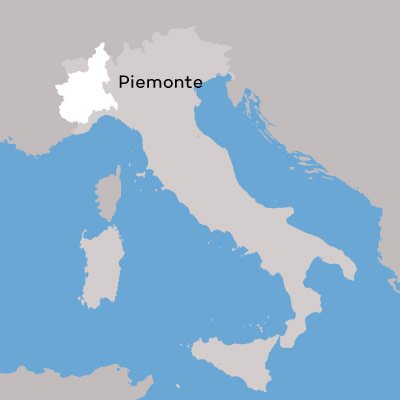
For this week, I am sharing a really cool story that takes place in the highly reputable Piedmont region of Italy, specifically in the Langhe subregion. Piedmont is located in the northwest corner of Italy bordering France and Switzerland. It’s about a multigenerational family and their dog in the pursuit of truffles and producing exceptional wine.

If you are a dog or animal lover, you will love this heartwarming story. Plus, it involves vino!

In the Langhe, the soils that yield extraordinary wines are the same soils that give birth to the White Truffle of Alba, the world’s most prized underground mushroom, the “diamond of the earth.”

Truffle Hunter Leda is the story of an overwhelming passion, that of Valter Bosio for truffle hunting, which, since childhood, has driven him to beat the woods and valleys of Piedmont in search of the most mysterious fruit of the earth. But it is also the story of a timeless bond, that with the legendary dog Leda, the partner of a thousand adventures, whose unerring nose guaranteed Valter exceptional finds and equally exceptional excitement.

This wine is his tribute to the land of Piedmont, to the interweaving of incredible excellence that this land makes possible.

Leda the truffle Hunter

Leda has been a faithful companion to the Bosio family for 14 years and is legendary for her ability to hunt truffles. The family named this wine in her honor so her legacy and story will live on each time a bottle is opened and a glass is toasted. Leda is a Lagotto Romagnolo, a breed of dog that comes exclusively from the Romagna sub-region of Italy. Luca Bosio Vineyards, now in its 3rd generation, was established in 1967 by farmers Egidio and Angela.

Their son, Valter Bosio married Rosella and along with their son Luca, a graduate winemaker, work tirelessly to keep up the family tradition. Luca has brought a wave of freshness and novelty both in technical and commercial areas. After the success of his innovative and progressive ideas, and under the constant support of the family, the company has taken the name of Luca Bosio Vineyards. The winery is located in the center of the Langhe region of Piedmont and has 60 acres of vineyards planted.

The Piedmont of wine is a continuous discovery, an endless revelation of oenological expressions on the hunt for ever-changing native grape varieties capable of telling an intimate and authentic story. An invitation to be part of the great land that gives rise to the White Truffle and, at the same time, to the world’s greatest wines.

Truffle Hunter Leda is a pleasant and carefree sip, a celebration of one of the most generous territories in the world. It reveals a love for the sun-kissed and wind-cradled hills of Piedmont, recognized as a World Heritage Site, where the beauty of the landscape becomes the quality of a taste that is always recognizable.

This 2020 vintage began with a winter season characterized by mid temperatures and little rainfall. In general, the climatic trend was ideal. The Barbera grapes for this wine come from vineyards located in Castagnole Lanze and Costighole d’Asti villages, at 200-300 feet above sea level.
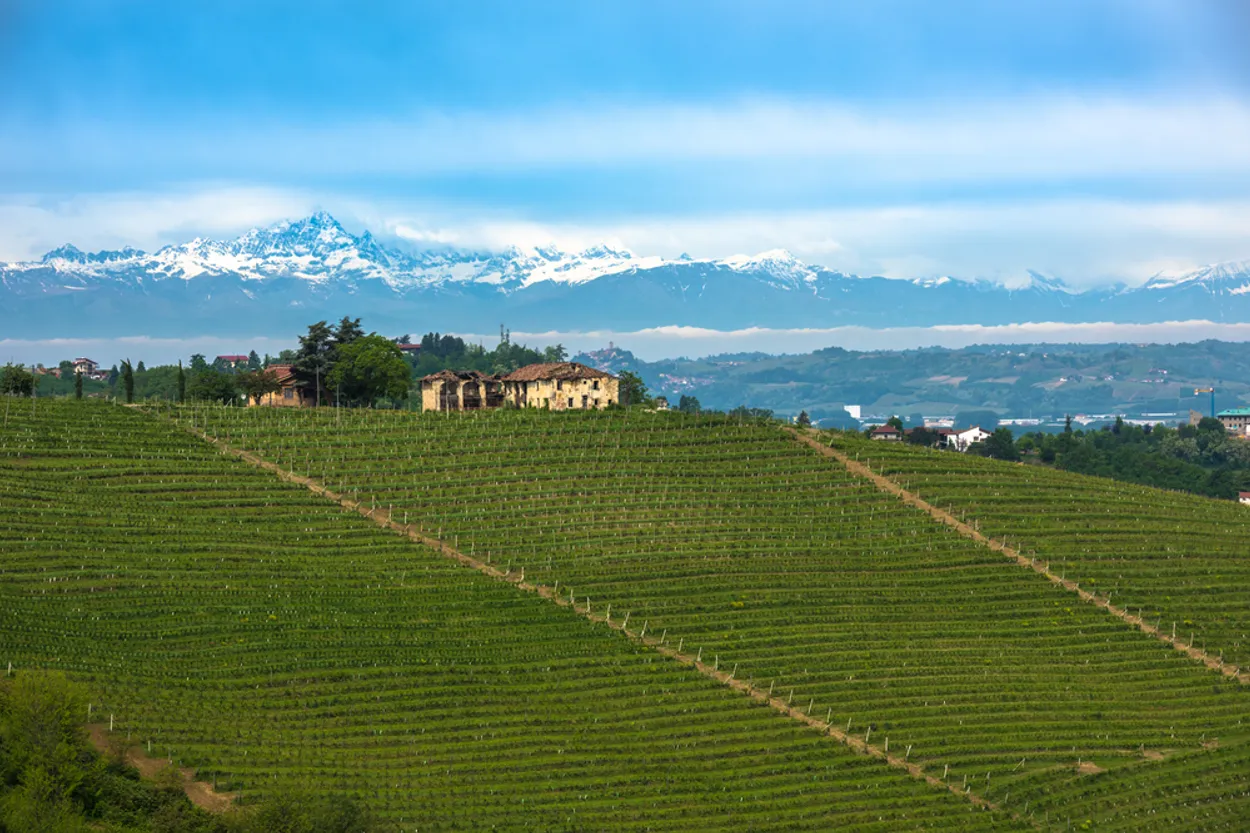
The average age of the vines is 25 years old and they are grown on calcareous clay soil. After harvesting, the grapes are pressed and the must is fermented in temperature-controlled steel tanks. Skin maceration takes place over six days, assuring good color and body. The wine spends 6 months in large oak barrels to increase the body and the structure leading to red fruits, hint of chocolate, and spice notes due from the wood. This is followed by an additional six months in the bottle before releasing.

Ruby red in color, this lighter style of Barbera shows ample red fruit on the nose. The wine sits at 13.5% alcohol, 5 g/L residual sugar (not bone dry by any means), and 5.4 g/L acidity (making it very food-friendly, reminiscent of almost all their wines). It has silky tannins give it a smooth mouthfeel.

This particular 2020 vintage is more medium-bodied than full-bodied unlike many other Barbera’s.

Barbera in Piedmont is much leaner, brighter acidity, low tannins, and often aged in large neutral oak or stainless steel to preserve its fresh, zippy profile compared to its New World counterparts (California and Australia).

The d’Asti after Barbera refers to the wine originating from the province and town of Asti in the Piedmont region of northwest Italy. They also produce d’Alba from Alba. Visit their site and peruse all wines – https://www.trufflehunterwines.com/en/

The overall profile is tart cherry, sour cherry, red plum, blackberry, raspberry, and dried strawberry. Secondary notes of violet, lavender, dried herbs, black pepper, and wet earth. When aged in oak, you get vanilla, baking spice, clove, nutmeg, licorice, and cocoa.

Enjoy this wine with ham and Thanksgiving dinner with all the fixings, specifically turkey, ham, stuffing, and cranberry sauce coming up. Throughout the year, pair it with roast chicken, pork, earthy, root veggies, bolognese, and all kinds of cheeses.

This “easy-to-drink” wine has a freshness and approachability that makes it a great wine for even the casual wine consumer and non-red wine drinker.  Find it at many shops in CNY and available universally.
Plan your trip to that region here – 2026 Langhe Wine Guide: Piedmont’s Finest | WineTourism.com

Keep following and look for other worldly wine adventures on here. Subscribe on the homepage so you don’t miss a pour and follow The Michael Pour on Instagram under the same name. Do you have a cool idea for the next post or future posts? Please share.

Cheers & Saluti,

Michael Nagy

michael.troy.nagy@gmail.com

Instagram – @themichaelpour

Test Market for My New Wine Book

October
6
2026

Hello followers and subscribers,

I am excited to announce that I am writing a new book. This will be my second published work. My first book titled “The Cocktail Revolution: Journey of a Liquid Chef” was published in 2020 during the height of the pandemic with a small publishing house.

The book was an informative dive into bartending, bar culture and cocktails with commentary and storytelling. It was a fun pet project which turned into a nice coffee table, reference guide for those in the industry as well as for newbies wanting to learn cool things for home bartending.

For my new book project, I am hoping to gage your interests and test the market for what people want to read. I am taking a more studious approach to this book, bigger marketing and publishing company, and want it to be wildly successful. The content of the book will be wine-focused, but beyond that, it is an open book, excuse the pun! There are many different wine topics of interest to me, but the most important aspect to consider is you, the audience.

Below you will find many of my ideas for the book. One of the biggest decisions to make is to write fiction or non-fiction. Fiction can be more challenging and time consuming but would offer more storytelling and entertainment value instead of just facts; more novel-like and creative narrative. Non-fiction writing is essentially about telling and fiction is about showing.

I will write future blog stories incorporating some of these book ideas to help you better understand what it would look like.

Book Idea #1 –

Travel Writing/Travelogue. Subjective, immersive descriptions of places, cultures, wine/culinary experiences, practices combined with personal reflection and personal narrative, stories, feelings, and sensory experiences drawn from this immersion.

Book Idea #1b (non-fiction) –

Wine Tourism for the Experiential Traveler. Wine enthusiasts no longer just want to sit in a sterile tasting room; they want immersive storytelling. A travel-centric wine book highlighting hyper-local culture, architecture, and customized vineyard experiences hits a growing travel niche.

Book Idea #2 (fiction and non-fiction) –

Wine Fiction & Narrative. Winery Thrillers, Mysteries, Satire: Wine fiction is carving out a prominent space. Corporate takeovers, global trade scandals, billionaire wine fraud, or light-hearted harvest-season romances that educate readers on the backend mechanics of wine while delivering a gripping plot. Fictitious characters and stories.

Book Idea #3 (non-fiction) –

Climate change and modern cartography are shifting traditional boundaries, creating the “new wine map” where cooler regions emerge as premier producers while traditional strongholds adapt to rising temperatures.

Book Idea #4 (non-fiction) –

The Changing Global Wine Belt, Northern Europe Countries establishing vibrant commercial wine industries. Growing cool-climate grapes. Cool-climate regions historically too cold for consistent ripening are now thriving wine destinations.

Traditional Regions face severe pressures from extreme heat, drought, and wildfires, prompting warmer-region adaptations like Bordeaux’s approval of heat-tolerant grapes.

Book Idea #5 (non-fiction and fiction) –

Wine journey to rare, off-the-beaten path wine locations, villages, communes, regions, wineries, vineyards around the world. Facts about them, the people inhabiting them, wine people, winemakers, owners, viticulturists, places to visit, wines, local/native and hybrid grapes, vinifera, etc… The fiction are the conversations, individual happenings/adventures in context of what goes on there with real peopke, but fictional names.

If any of these book ideas jump out to you, please let me know under comments, email, text, or Instagram. If you have a book idea not listed, please share as well. I would also ask you to share with others who like wine or like to read wine-type books by sharing the link on this site and from post on Instagram in a few days. I will also upload the blog post on Instagram and email clients and contacts.

Would you be interested in a new Instagram page dedicated to the book???

I am also doing research on Amazon and Bookreads for reviews and ratings. Bookreads has a neat feature where you can see the number of people interested in reading and buying a specific book.

Thank you for your time and input. I truly appreciate it. I would love to hear from you, my friends!

Cheers,

Michael Nagy

michael.troy.nagy@gmail.com

717.877.2729

Wine of the Week: A Rare Red from Veneto

September
30
2026

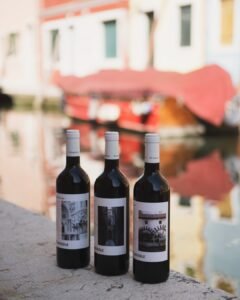
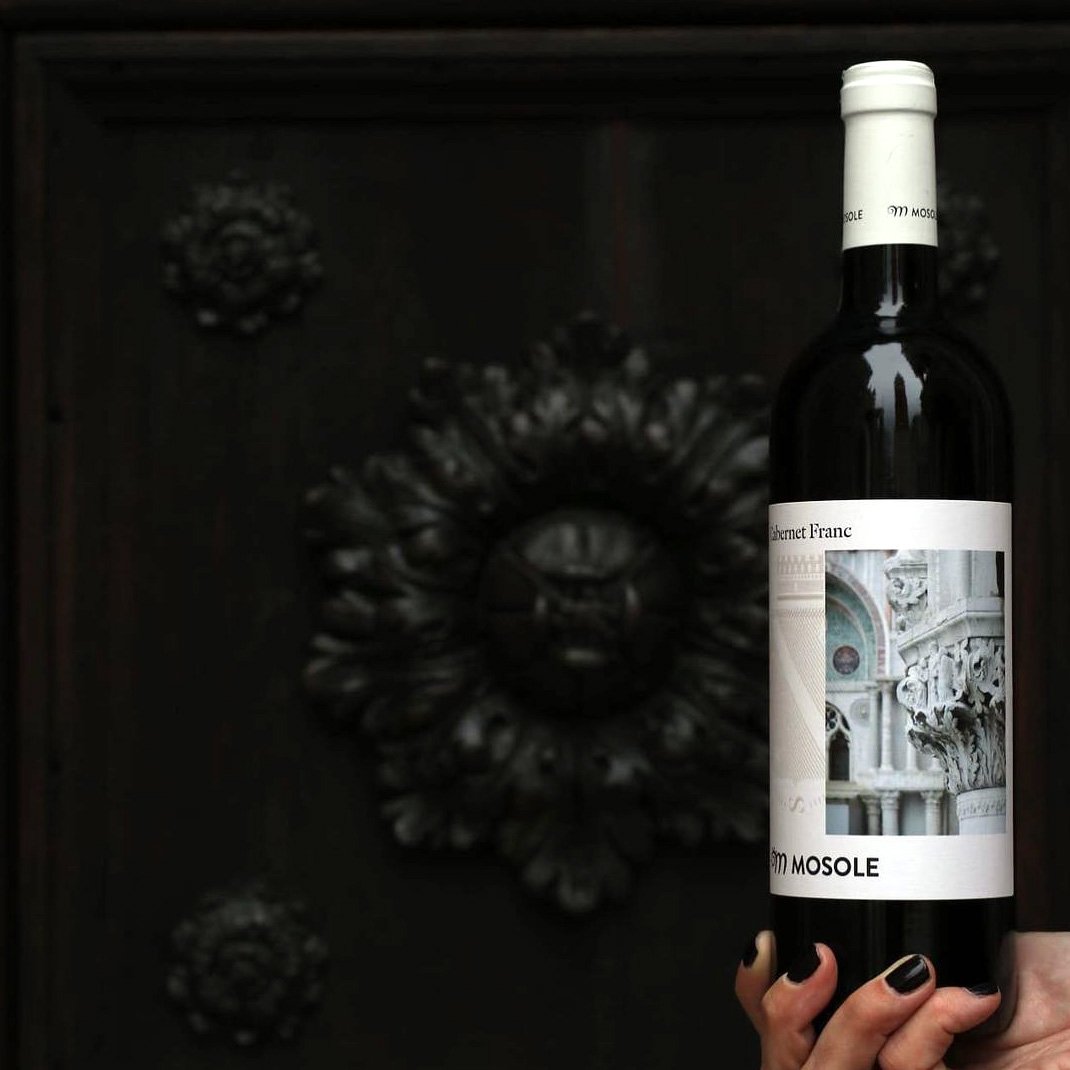
For this week’s edition of my ‘Wine of the Week’, I present to you a 100% Cabernet Franc from northeastern Italy in Veneto, Tenuta Mosole Cabernet Franc DOC Venezia 2024, which I recently stumbled upon on a recent visit to a new wine shop.

Are you a Cabernet Franc fan? Have you ever tasted one from Italy? Do you like Italian reds, medium-bodied reds, or under-the-radar reds? Follow along if you would like to explore different Cab Francs

Because you don’t typically hear about the cool-climate Cab Franc grape from Italia, I was immediately intrigued. It is not too uncommon in the Veneto region as it is in other wine regions of Italy because of the cooler weather, climate conditions, topography, and unique microclimate.

As I mentioned in previous posts, I am always on the hunt for great value wines and hidden gems from across the globe and this fits the bill. This Cab Franc retails at just under $20 USD in Central NY and available online (it is a little over $20 on some sites). An excellent price for an Italian red with a DOC classification and from a reputable producer. Give it a search!

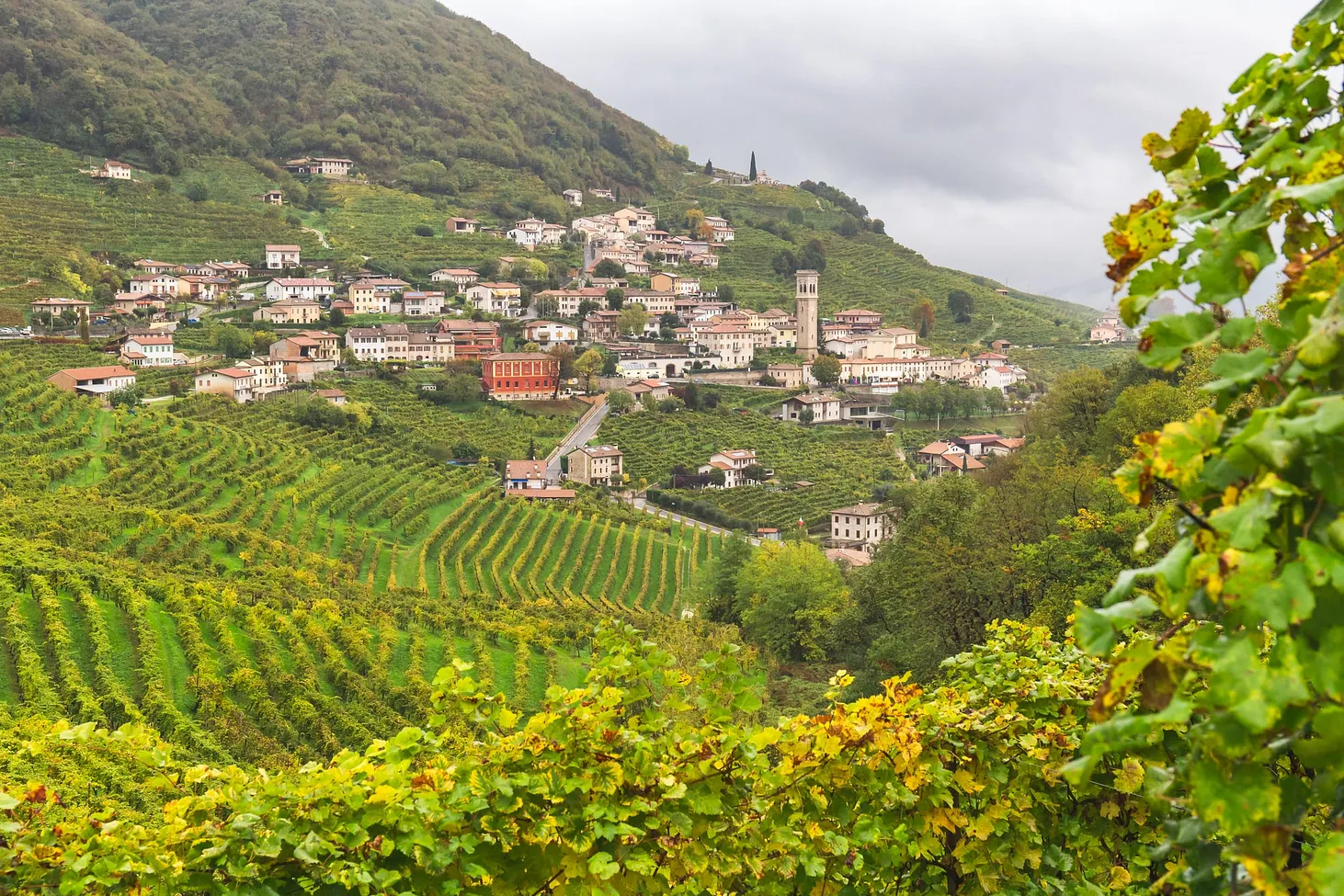
Veneto’s diverse landscapes, rich vinicultural heritage, and proximity to Venice and Adriatic Sea make it a remarkable wine destination. The region is often celebrated for its exceptional wines, including the elegant Soave, the full-bodied Amarone, and the refreshing Prosecco.

You can visit the iconic vineyards of Valpolicella, the serene hills of Conegliano-Valdobbiadene, and the charming countryside of Colli Euganei, where local wineries invite you to indulge in unforgettable tastings. In addition, you can experience the unique blend of culture, history, and gastronomy that Veneto has to offer.

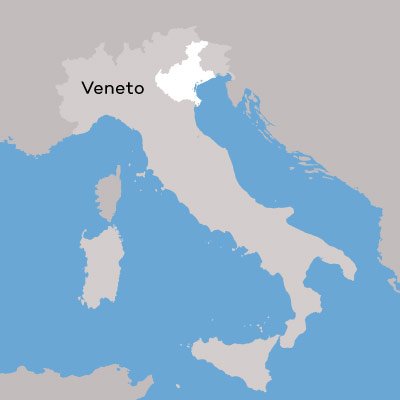
Veneto is nestled in northeast Italy and famed for its iconic Prosecco alongside a diverse array of indigenous grape varietals such as Garganega (Soave) and Corvina (Valpolicella and Amarone). It is home to historic winemaking traditions, picturesque vineyards, and ancient villages.

The Veneto wine region accounts for approximately 18% of all the DOC wine in Italy, which ranks in the top three of all regions in Italy.

The Mosole Cabernet Franc is produced in the Lison-Pramaggiore DOC, a unique region of the Venetian plain that overlaps eastern Veneto and western Friuli whose wine production predates Roman times. The Cab Franc vines arrived there at the beginning of the 19th century, immediately becoming a fine wine in the territory.

The characteristic note of hay and black pepper together with the soft tannins on the palate make it an unmistakable wine. The vineyards contribute aromatic compounds and minerality to the wines produced here.

The smokey character of this Veneto Cab Franc can be referred to as ‘Chinon Italiano’, because it tastes like it was produced from Chinon in the Loire Valley of France, a classic CF wine region and home to some of the best CF in the world. Who would have guessed that they would share similar traits?

Its appearance is ruby red with violet hues. The aromas are pleasant with diverse spices and sweet smoke, a basket of red berries, and that typical vegetal nuance, like green pepper.

The palate is driven by more red berry fruit, red currant and dark cherry, with hints of that infamous bell pepper. Crispy black fruit punctuated by fresh herbs and minerality. A full and fruit-forward flavor, medium acidity, soft, medium tannins, well balanced, and a lingering finish.

A stellar pairing for roasted vegetables, roasted meats, like lamb and wild game, barbeque dishes, vegetarian pizza, and charcuterie.

The maceration on the skins is for an average of 8 to 10 days. Fermented in temperature-controlled cement tanks between 24 to 26°C (74 to 76°F) followed by maturation for nine months in cement tanks. The aging potential is 5-7 years till 2029-2031. Serve the wine slightly below room temp at 60-65°F (not too warm).

Tenuta Mosole also produces other reds, like worldly Merlot, Cab Franc/Carmenere blend, Rosso, and traditional whites of Pinot Grigio, Chardonnay, Sauvignon, local whites, Roses, Prosecco, and Brut. Find them online at Winery: IGT and Lison DOC wines in Venice Mosole estate | Mosole and Instagram @tenutamosole. Keep in mind that those sites are in Italian so you will need to translate.

Cheers & Saluti,

Michael Nagy

For questions, feedback, submit a topic, or inquiries, use new email – michael.troy.nagy@gmail.com or DM on Instagram.

Wine of the Week: A Little-Known Pinot from Napa

September
23
2026

Though Napa Valley has historically been known for its luscious Cabernet Sauvignon, in the early days that followed Prohibition in Napa, many premium producers tried their hand at Pinot Noir and were fairly successful.

Because very few top Pinot Noir producers remain from the region, not too many vineyards dedicated to growing Pinot, and the onslaught of Cabernet, you don’t really hear about them. Traditionally, most of Napa Valley was considered too hot for this fickle, thin-skinned grape.

The Pinot Noir that I recently tasted and featuring here is from the Monterey AVA in California. Located in one of the largest American Viticultural Areas, the Monterey AVA runs from the Monterey Bay to the border with Paso Robles.

The cooling fog that rolls in from Monterey Bay each morning, combined with dramatic diurnal temperature shifts and diverse soil compositions, allows grapes to develop intense flavors while maintaining the bright natural acidity that defines world-class Pinot Noir.

With the cool maritime influence, chilling fog and strong afternoon breezes roll in from the Pacific Ocean and the Salinas Valley, creating an ideal cool climate for Pinot Noir. It is one of the most diverse in terms of climatic make-up and types of grapes grown. The most important factor for all farmers in the appellation is their location in relation to the chilly waters of the Pacific Ocean.

What distinguishes Monterey County Pinot Noir from other regions, including California’s Sonoma, Alexander Valley, and Carneros, is its distinctive balance and vibrant red fruit notes dancing between cherry and cranberry, underscored by earthy minerality and subtle spice elements. typically features bright acidity, structured tannins, and rich dark or red fruit flavors balanced by a distinct mineral quality.

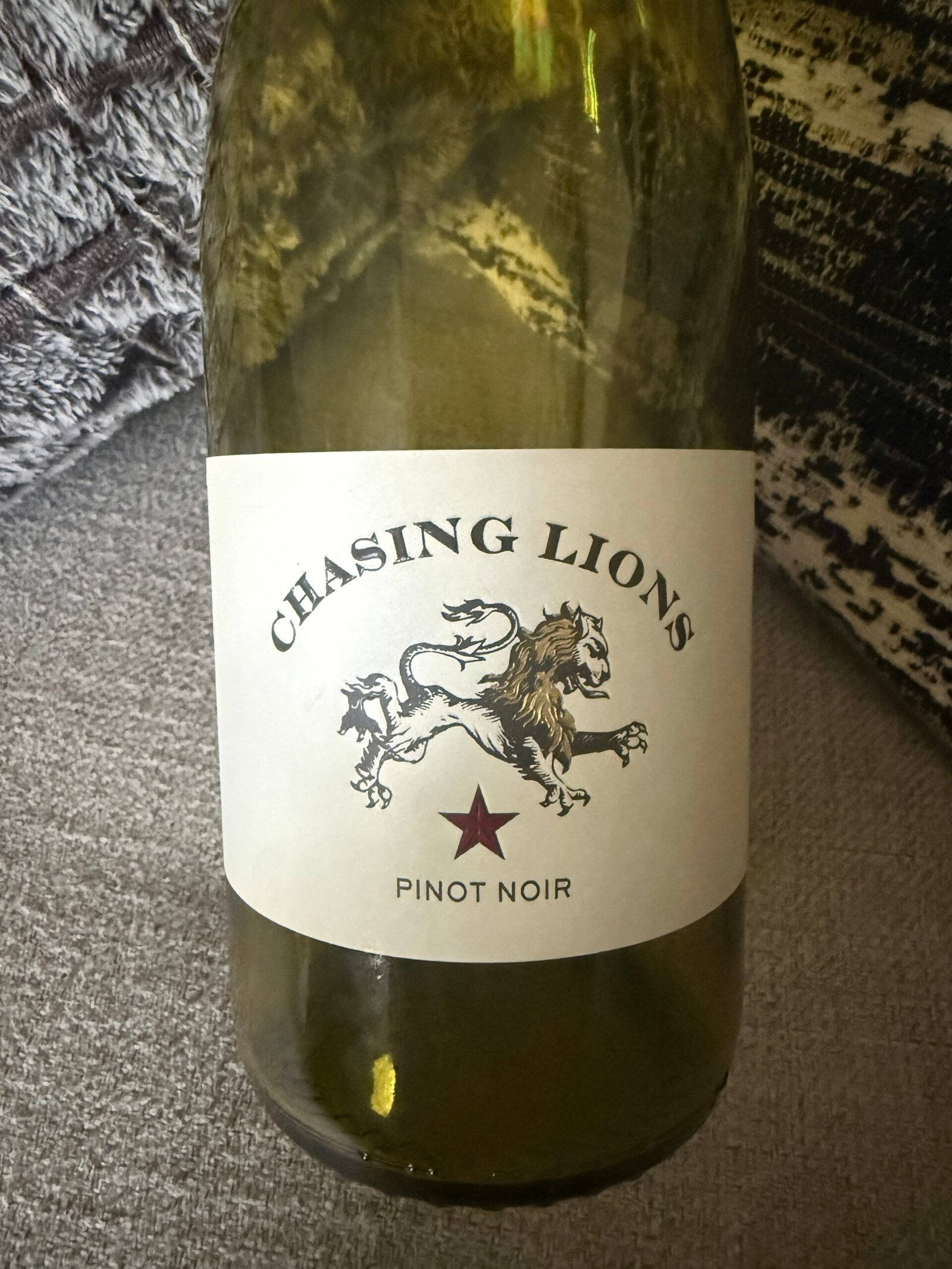
The Chasing Lions Pinot Noir from Nine North Wine Company (pictured) is a red wine that showcases the best of California Pinot. The Monterey vineyard features a unique microclimate, with cool ocean breezes and well-drained soils, which contribute to the wine’s distinct character.

The winemaking process involves gentle handling of the grapes, allowing the delicate flavors and aromas to shine through. The result is a beautifully balanced wine with notes of ripe red berries, subtle spice, and a silky-smooth texture.

The Chasing Lions Pinot Noir is elegant and refined. It displays a beautiful ruby color enticing the senses with its vibrant appearance. On the nose, this wine offers a bouquet of red fruits, such as cherry and raspberry, accompanied by subtle vanilla notes from the interplay of oak.

The acidity provides a refreshing and lively mouthfeel, while the medium body adds to its overall elegance. The palate has a silky texture with delicate tannins and showcases flavors of ripe strawberries, dark raspberry, cranberries, some Bing cherry, and a hint of spice creating a harmonious and well-balanced profile.

The minerality and hints of oak, chocolate, and coffee complement without the heavy mouthfeel and fuller body.

From the Vintner – “This Pinot Noir opens with ripe cherries, orange peel, violets and black figs. True to form, the
balanced, “pinot noir” spice comes through vividly in this wine and is layered with slight flavors of oak, vanilla bean, cinnamon and clove.”

It is very versatile with a variety of dishes and pairs well with meat and vegetables, including roasted vegetables, grilled chicken, or pork tenderloin, but is also excellent drank on its own.

It is aged for 6 months in French, American & Hungarian oak with a 13.5% ABV. Ideally, drink now through November 2026.

It is a 90 points “Best Buy” from Wine Enthusiast and under $20 USD. Grab it when you can because the 2024 vintage may be sold out soon and it’s reaching its peak. I picked up this bottle in Camillus, NY, but widely available in other locations and online.

I liked it very much. I’m always on the hunt for under-the-radar and value wines that won’t break the bank, Any good, inexpensive quality red wine coming out of Napa that is not a Cabernet is music to my ears.

If you enjoyed this post and would like to see more this, please give it a thumbs up. I’m a Pinot Noir fanatic so I would be happy to share more PN recommendations and all wine.

(Cover photo from foggy Monterey, California vineyards)

Cheers & Sante,

Michael Nagy

Note: my email address, michael@michaelpour.com, is currently inactive so send all emails to michael.troy.nagy@gmail.com

Wine Spotlight: A Sparkling Taste of Veneto

May
28
2026

This week’s wine spotlight highlights a great style of sparkling wine from Italy called Prosecco. Have you heard of it? For this discussion, I chose a fantastic Prosecco emanating from its home in the Veneto region.

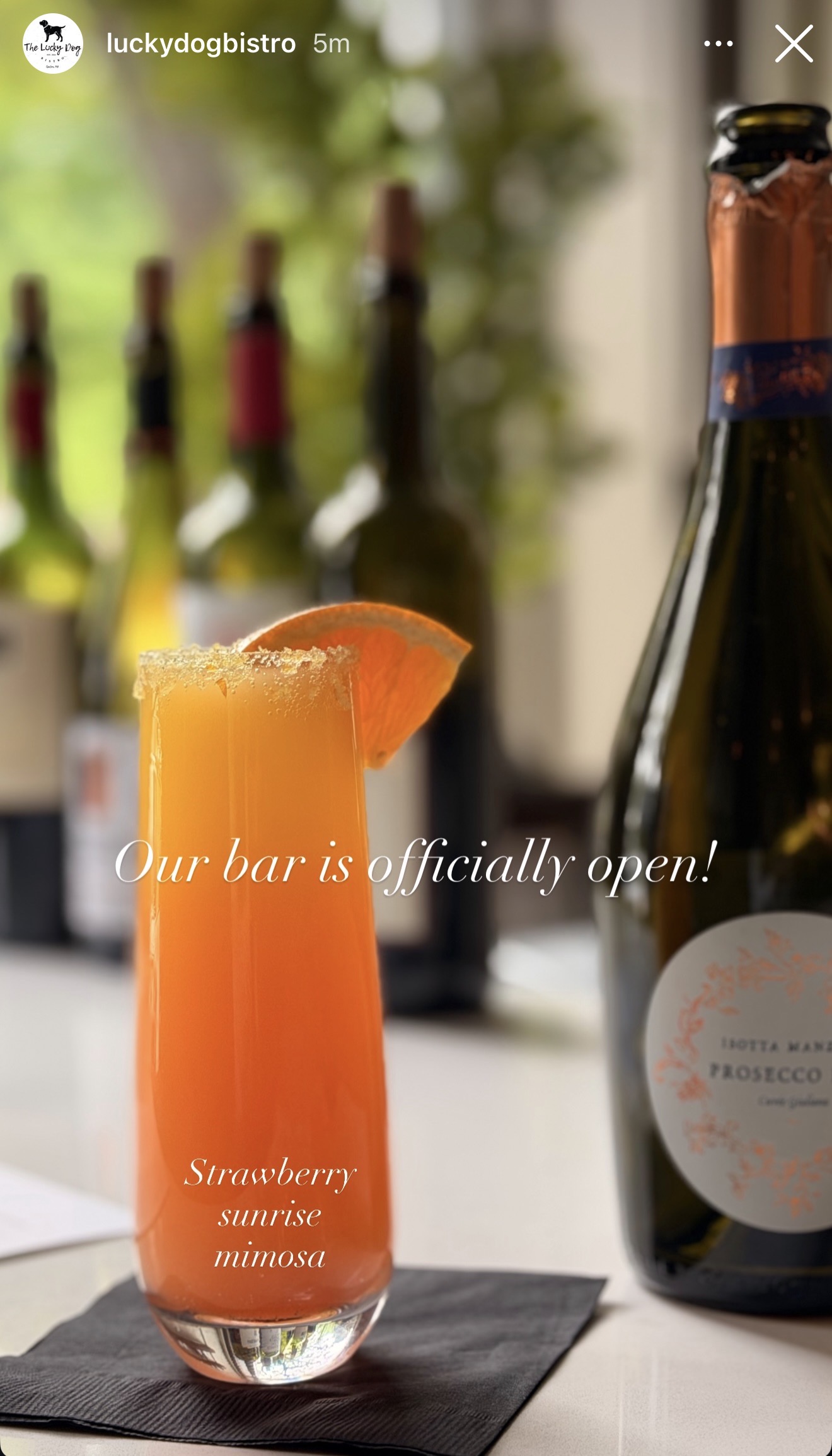
I recently sampled it when I was tasting some bubbly for a wine list I was constructing for a new wine bar called The Lucky Dog Bistro. It sure was a palate pleaser and I thought it would be a perfect sparkling addition to the menu. Thank you to Sarah from Soilair Selection for the awesome recommendation.

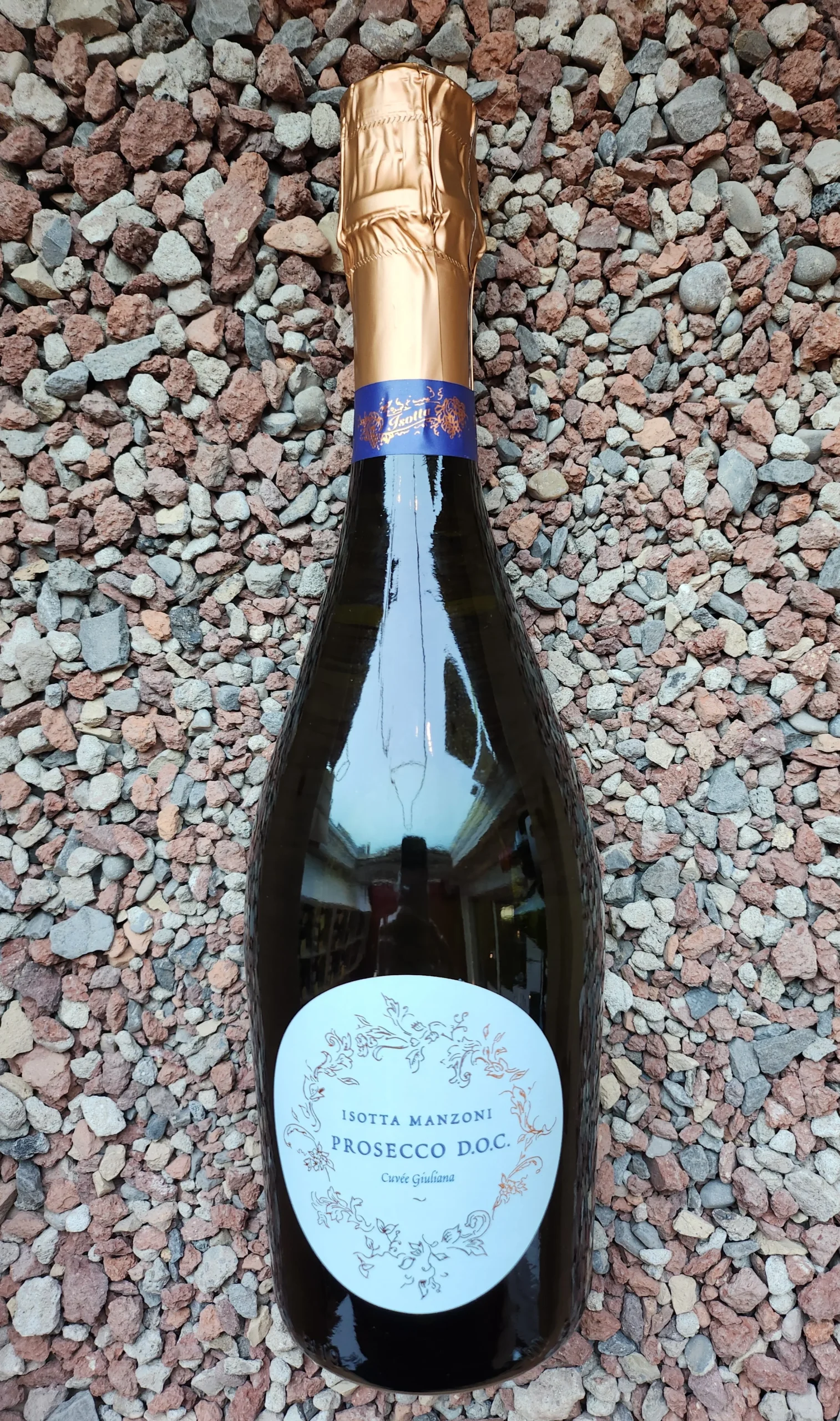
Isotta Manzoni ‘Cuvée Giuliana’ Prosecco (NV) is a crisp, value-driven, small production, sparkling wine from Italy’s Veneto region. Made 100% from the Glera grape, it is light, slightly acidic, and on the ‘fizzier’ side of prosecco making it very refreshing and ideal for mimosas or casual sipping.

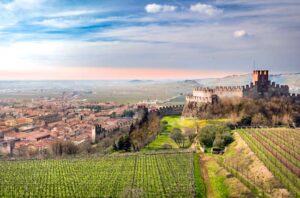
The production is the Charmat (tank) method, which preserves fresh, fruity characteristics with a second fermentation. Sourced from vineyards nestled in the hills between Conegliano and Valdobbiadene, and produced by fourth-generation winemakers. The fermentation is 25 days in stainless steel tanks and then aged for 1 month in stainless steel tanks. The result is larger bubbles.

Cuvée in the name is a French wine term derived from cuve (meaning “vat” or “tank”). Depending on the context, it typically indicates a specially selected blend of multiple grape varieties, a winery’s premium or reserve batch, especially in Champagne, or the purest “first-press” juice extracted from grapes.

The Cuvée Giuliana is the standard, widely available Brut-style Prosecco. The Prosecco Rosé version is a delicate, dry rosé expression that features light notes of red berries, strawberries, and cream. This was also added to the wine list.

It is a well-balanced Prosecco with delicate and expressive aromas showing a good blend of crisp green and baked apple, sour lemon and grapefruit with a light, soft, silky and creamy mousse texture on the palate.

As you go back into the glass, some notes of pear and white peach appear on the nose followed by hints of apple and citrus. The Isotta Prosecco has a fair amount of body and mouthfeel with a pleasant lemon and mineral finish.

It’s refreshing acidity and elegant bubbles make it an incredibly versatile pairing option. It goes wonderfully with everything, including fresh seafood, shellfish, prosciutto/cured meats, vegetarian dishes, brunch favorites like eggs benedict or light pastries. Bon appétit!

The Isotta Manzoni Prosecco and Rosé version is now available at The Lucky Dog Bistro in downtown Clinton, NY where you can enjoy it at the beautiful new wine bar with inside and outside seating or in the restaurant. Try it in the special mimosas on the weekend. Hopefully I will see you there! Find them on Instagram @luckydogbistro and here About | The Lucky Dog Bistro.

Ancient Romans drank Prosecco to preserve youth and lengthen life. And based on how long the empire lasted, it may just work. Prosecco is a great alternative to Champagne and generally contains less alcohol. Every year, one bottle of Prosecco is produced for every 2 people in the US. That’s a lot of bubbles! It is currently in the top 25 of Italian Prosecco wines in New York and one of the popular wines distributed with Soilair Selection out of NYC.

A lovely, somewhat less popular, and often less expensive comparison to Champagne, Prosecco is a deliciously dry sparkling wine with crisp acidity, low sugar, with plenty of fruit and character. Associated with high value at low cost, Prosecco is the perfect option in situations where you want or need a easy drinking, everyday sparkling wine.

Traditionally from the Veneto (northeastern Italy), Prosecco refers to the name for a small village and is fermented almost solely from a grape called Glera. Most Prosecco is non-vintage, which means it doesn’t come with a year of production on the label.

This wine is not made in the traditional method of champagne with riddling, disgorging, rebottling, etc…, which, combined with non-vintage production, makes the wine more affordable than champagne minus the labor intensity. Prosecco is often described as a fresher and fruitier option than the French sparkler.

A few fun facts –

Styles of Prosecco – ‘Spumante’ means fully sparkling while ‘frizzante’ means lightly sparkling. It is rare but some Prosecco is a still wine, not sparkling.

“Extra Dry” Prosecco is actually sweeter than “Brut”. “Dry” is the sweetest of the three. This sweetness scale from dry to sweet: Brut – Extra Dry – Dry.

Prosecco isn’t a grape. The grape used to be called Prosecco, but it isn’t anymore. In 2009, Italy officially renamed the grape ‘Glera’ so that Prosecco could be protected as a place name rather than a grape variety. By law, Prosecco must contain at least 85% of the Glera grape.

Cheers & Sante,

Michael, michael@michaelpour.com

Wine Glass

DON’T MISS A DROP

Get notified when new articles are poured

We don’t spam!