50 Shades of Rosé: A Summer Spotlight

FLX Rose
May
1
2026

Pink Wine. Rosado. Rosato. Blush. Vin Gris. Summer Water. Saignée. What’s in a name or label?!

Rosé all day? Yes way, rosé. Stop and smell the rosé, rosé every day. Rosé isn’t going anywhere. 

It’s May 1st and Rosé Season is upon us.

Although this pretty pink elixir has become the go-to summertime drink for social media influencers, it’s actually one of the oldest types of wines ever made. Surprising to many, this nuanced wine holds significant historical and cultural traditions in some of Europe’s great appellations. Being nuanced doesn’t mean it is too complex and intimidating to learn the basics.

Its worldwide growth and appeal over the last decade are very much the result of celebrity endorsements. There’s not much that Cameron Diaz, Angelina Jolie, and Post Malone have in common, but all of them have put their name to rosé brands and now aisles are adorned with the faces and autographs of singers, actors, TV chefs and, of course, Snoop Dogg. Much can be attributed to the rise of the rosé mansion and mass production as well.

The rosé lifestyle isn’t a great representation of the actual wine. Rosé isn’t a varietal of wine—it’s just a color. “Rosé” doesn’t really describe what’s in the glass. It could be the most refreshing, lively, delicious glass of pink wine you’ve ever tasted…or not. Rosé can be light or dark pink, mineral or fruity, lush and floral or crisp and acidic. Maybe we should look at the world through rosé-colored glasses because some rosés are bad doesn’t mean they all are.

If you’re interested in learning the differences among the world’s rosé, from the effect picking and production techniques have on style, color and taste, to a review of classic European regions, follow along below. Next time you reach for a bottle, you’ll know the difference between Tavel, Provence, Rosado, or Rosato.

Rosé wine actually dates back to the Romans. Some of the first French-produced wines were rosés. Provençal rosé, that crisp, easy-drinking, light pink style that you chug ceremoniously on the first warm day of the year has been commonplace since the early 19th century. Believe it or not, this pinkish drink pre-dates even Lisa Vanderpump 😉

Production Methods

Though it’s commonly believed that rosé is made by blending white with red, most bottles are made through skin contact (like a red wine) known as “saignee.” Blending red wine into white is only common in Champagne — not in quality still wine. Further, another misconception leftover from America’s white Zinfandel days is that rosé is off-dry or even sweet. In fact, most quality-driven rosés are a variation on bone dry.

Skin Contact

Have you ever heard a producer use the phrase “intentional rosé?” The concept entails growing and harvesting grapes for the express purpose of making rosé wine. This means picking early to preserve freshness and bright fruit flavors, followed by a limited maceration. In other words, winemaking follows the same technique as for red wine: crushing grapes and allowing the juice time on the skins.

But for rosé, that time is far less, from a few hours to two days. The shorter the period, the lighter the color – think pale salmon versus dragon fruit pink. After maceration, the wine is drawn off and fermented to full dryness.

Direct press is a variation on this, though is more akin to white winemaking. Rather than allow any contact between skins and juice, the grapes are pressed and the juice is drawn off the skins. But because the grapes are black, the juice will take on a hint of color and flavor. This method yields a delicate rosé, one that’s faint in color, while favoring citrus flavors over red fruits.

Saignée

French for “bleeding,” saignée is often a byproduct, (though not always – see Navarra) of red winemaking rather than utilized as an intentional rosé winemaking method. Grapes are not picked expressly for rosé but rather for the primary red wine. This technique is common in Paso Robles, for example, where winemakers seek to produce concentrated, bold and flavorful reds.

Bleeding some wine off early in the maceration process, concentrates the remaining juice; and the lighter juice that’s bled off gets vinified separately for rosé. Though it’s a perfectly acceptable method, wines can be an afterthought.

Rosé generally demands freshness, and grapes picked for concentrated reds are usually the opposite: ripe with higher alcohol. Of course, it’s a matter of taste – saignée is great for those who prefer a richer, fruitier style of rosé.

Blending

Except maybe late night at a party, fine wine producers don’t blend red and white wine together. At least, French appellations do not allow it, except for one: Champagne. For rosé Champagne, producers may add still Pinot Noir or Pinot Meunier for hue and flavor. Outside of Europe, a few New World producers might blend white and red but it’s not the norm for quality wine production.
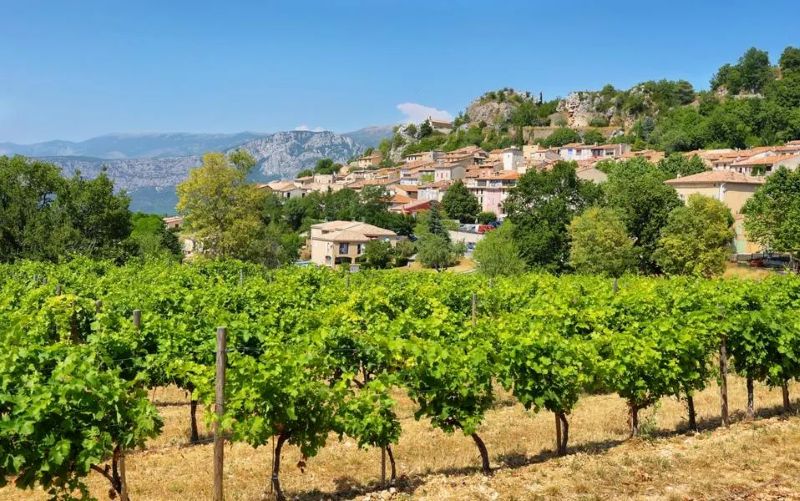
Provence Vineyards

Regions To Know

FRANCE

Provence, France

If you’ve sipped a glass of rosé, you’ve probably tasted one from Provence. The OG of pink wine, denizens of the south of France view rosé as a way a of life, not just a beverage. Stylistically, Provençal rosé is distinct, too.

Typically, wines are made intentionally, picked for citrus and tart red fruit flavors, with limited skin contact for lighter hues and delicacy of flavor. It’s not a big, brash, fruity wine; rather, they are meant as crisp, versatile food wines to be enjoyed with vegetables, seafood and even meat.

The classic grapes are Grenache, Cinsualt, and Mourvèdre. Bandol has a large presence in the U.S. for its high quality, pricier versions made from Mourvèdre. Wines are savory, mineral-driven and structured, rather than simple and fruit-forward. Bandol is a rosé that can age.

Tavel, Rhône Valley

Though Provence is better-known in the U.S. market, Tavel is the only French appellation specializing in dry rosé. Talk about intentional winemaking. The primary grape used in Tavel is Grenache. Other grapes allowed include: Cinsault, Bourboulenc, Clairette (pink and white), Mourvèdre, Picpoul (black, white, grey), and Syrah.

While white wine cannot be blended with red, white grapes and their press juice can be added pre-fermentation. Due to longer skin contact, the wines achieve greater color and depth of red fruit flavor. This lends more tannin, structure, and age-worthiness from top producers.

In Chinon, Touraine, Anjou, and Loire Valley, France, Cabernet Franc is the grape of choice where the bests rosés weave delicate vegetal notes and juicy red fruit flavors from the CF.
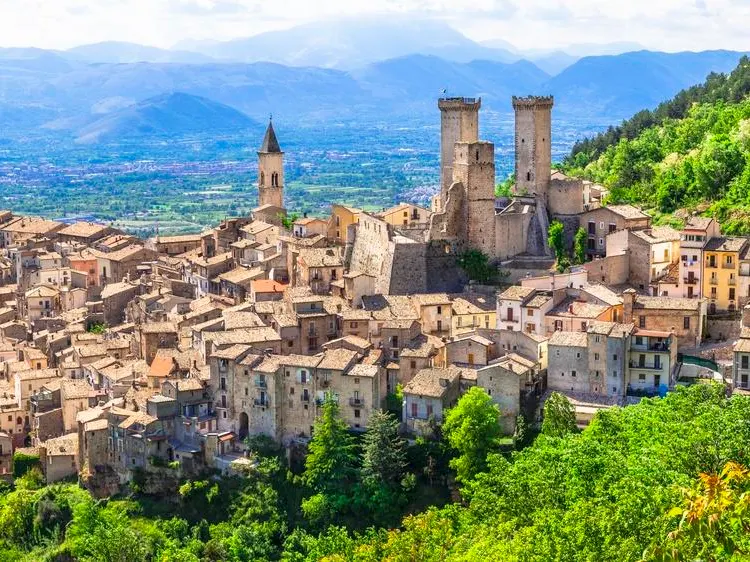
SPAIN

Spaniards have been drinking rosé for ages; only in recent years have those bottles made their way stateside. Often, producers made simple, quaffable wines. But as exports have increased, so has quality. Instead of rosé, bottles will say Rosado. Grenache and Tempranillo are the main varieties used for making various styles, though often in a deeper hue than their French counterparts.

Navarra

Navarra rosé helped make the region famous. Producers turn out both poolside sippers and more complex, food appropriate expressions. Grapes used include Tempranillo, Cabernet Sauvignon, and Merlot, though rosado from old-vine Grenache is considered the highest expression for the region. Saignée method is typical, but in the case of Navarra, wines are of good quality, not just a fun summer wine.

Rioja

Unusual in the world of rosé, or rosado, is the application of aging classifications to this style of wine. Most producers of rosé tout new vintages for their youthfulness and freshness, using stainless steel vessels in that stylistic pursuit. That, or they need to move product for cash flow.

But in the case of Rioja, rosado follows the classic aging rules in oak barrels: joven (no aging requirement), crianza (aged for 12 months including 6 months in barrel); and reserva (2 years including 6 months in barrel). Grenache and Tempranillo are the primary grapes.

Txakoli

Spain’s northern Basque country is home to unusual, indigenous varieties used to produce dry, effervescent Txakoli. Though rosé is a recent phenomenon, it’s becoming easier to find in the U.S. Made in a pale shade of pink, wines are mineral and tart, and largely based on red grape Hondarrabi Beltza.

ITALY

Known as Rosato in Italy, rosé is made up and down the boot, with styles and flavors dependent on the local climate and traditional varieties available. You’ll find more delicate versions produced in the northeast around Veneto, Friuli-Venezia Giulia and Trentino-Alto Adige. Logical, given the cooler climate.

That includes Chiaretto from Lombardy and Veneto. “Chiaro” means light or pale, evoking the dry style of the wine based on the Corvina grape. Ramato, from Friuli, is based on extended maceration with pink grape Pinot Grigio. Central Italians, of course, produce rosato. One better known example: cherry-pink Cerasuolo of Abruzzo made from the Montepulciano grape.

In the south, rosatos are fuller-bodied and fuller-flavored like the sun and the food. Puglia, Sicily and Calabria turn out lots of examples with native grapes like Negroamaro (Puglia) and Nero d’Avola (Sicily).

Rosé is a type of wine made from red wine grapes, produced in a similar manner to red wine, but with reduced time fermenting with grape skins. This reduced skin contact gives rosé a pink hue and lighter flavor than that of red wine. Rosé is produced around the world, as it can be made from any red wine grape cultivated in any wine-growing region.
UNITED STATES

Finger Lakes/New York

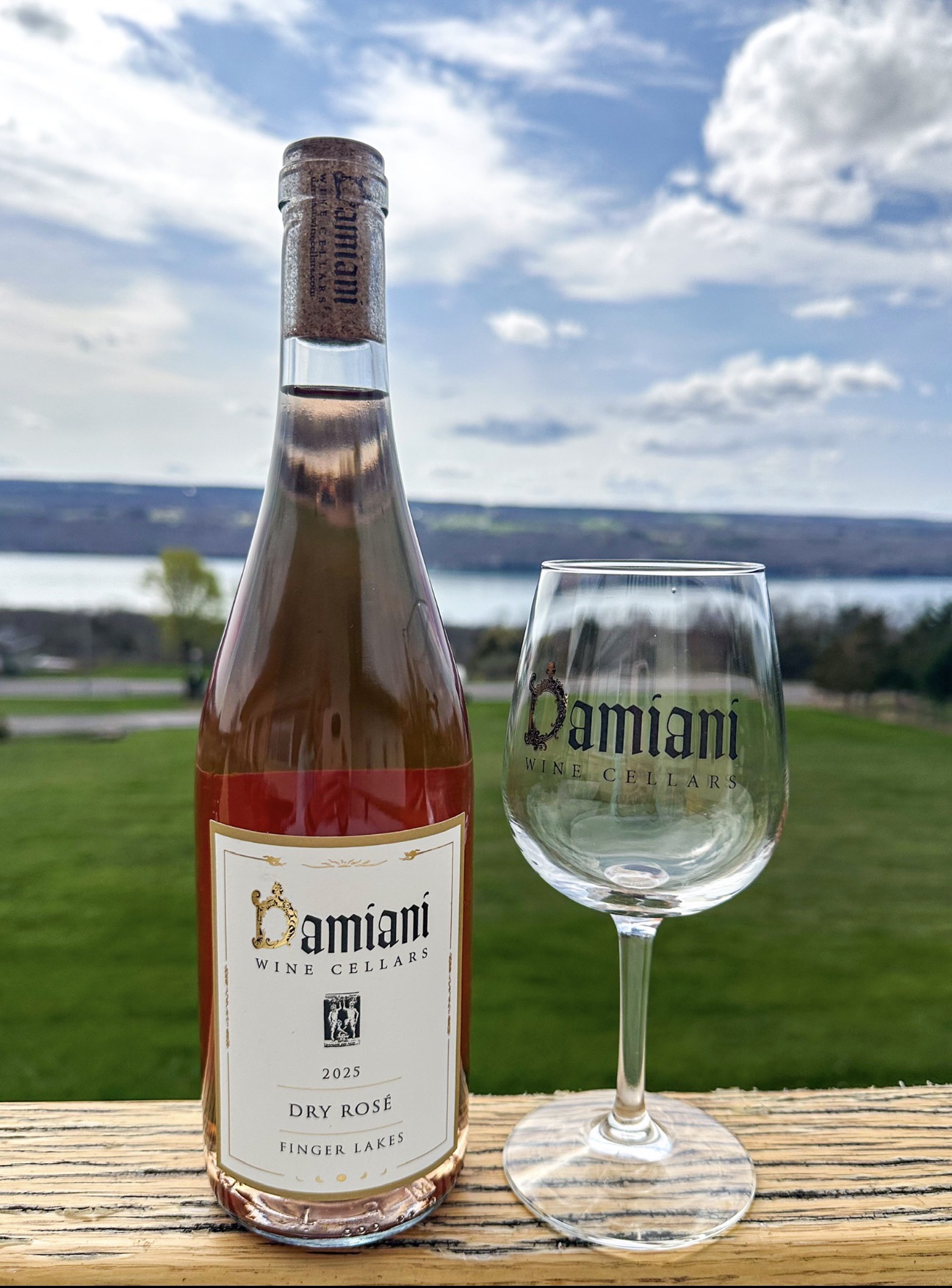
Finger Lakes rosé is a vibrant, cool-climate wine known for high acidity, mineral-driven finishes, and bright fruit flavors like raspberry, cherry, and cranberry. Early harvesting is essential for these wines to retain acidity and because of shorter growing season.

The rosés are known to be fresh, aromatic, possess an array of delicate colors (50 shades of Rosé), and perfect for summer sipping. The maceration time can vary from a few hours to 24 hours depending on grape ripeness, color, or your desired style.

The flavor profile is fresh red fruit (raspberry, strawberry), tart cherry, rhubarb, and hints of dried herbs. The style ranges from bone-dry to slightly off-dry, mineral-heavy, and steely. They are usually made from Pinot Noir, Cabernet Franc, Blaufrankisch, but also includes hybrid blends.

They are starting to see more experimentation with the varietals used for the wine, such as Zweigelt, Merlot, Cabernet Sauvignon, and Gamay Noir.

For my Finger Lakes friends, I am including my personal rosé wine recommendations. This summer, look for a fun, interactive, and educational rosé class in the local Syracuse, NY and Central NY area. Drink those 2023 vintages right now and the 2024 very soon. Don’t sleep on rosés from NYS in general. North Fork of Long Island and Hudson Valley produce some beautiful rosés.

Being a fairly low production wine (~200 cases), you will most likely not find a 2024 at the winery or marketplace. You should see most of the 2025 vintage of the Finger Lakes Rosé already released or soon to be released.
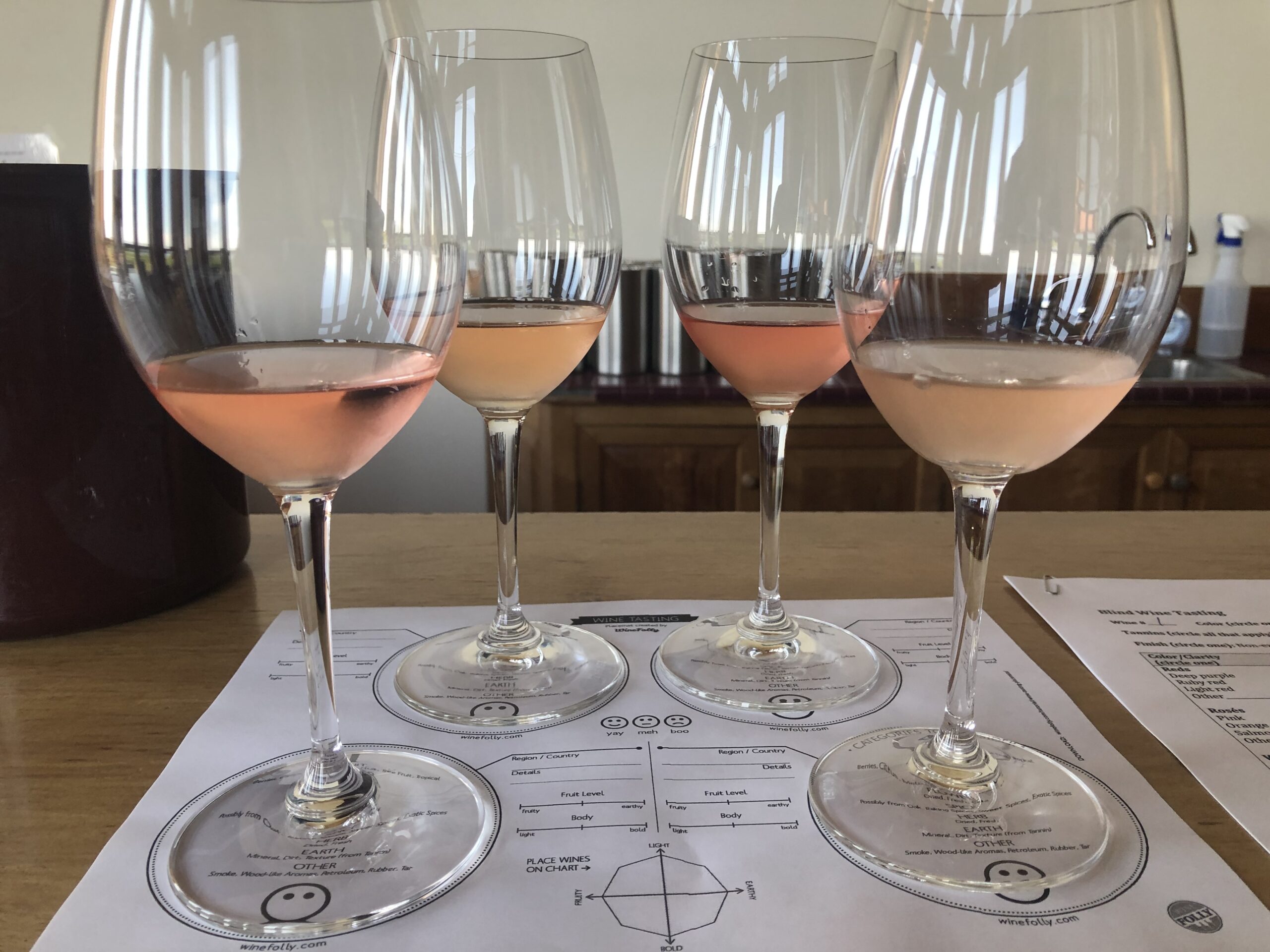
FLX Rosé Tasting by The Michael Pour. Book yours!

Weis Vineyards 2024 Dry Rosé. Also produces a Zweigelt Rosé.

Glenora Wine Cellars 2024 Dry Rosé

Ryan William Vineyard 2024 Estate Rosé

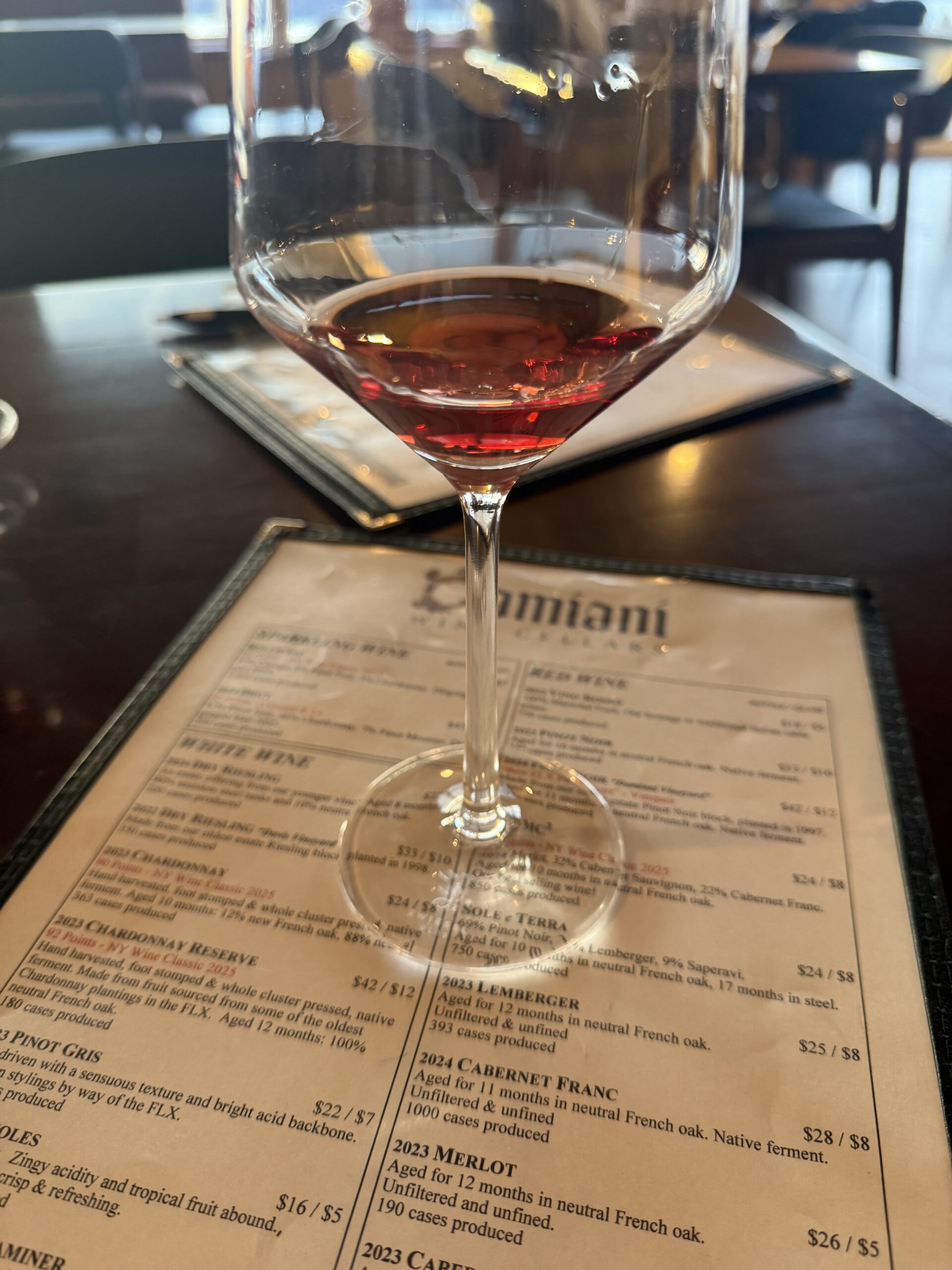
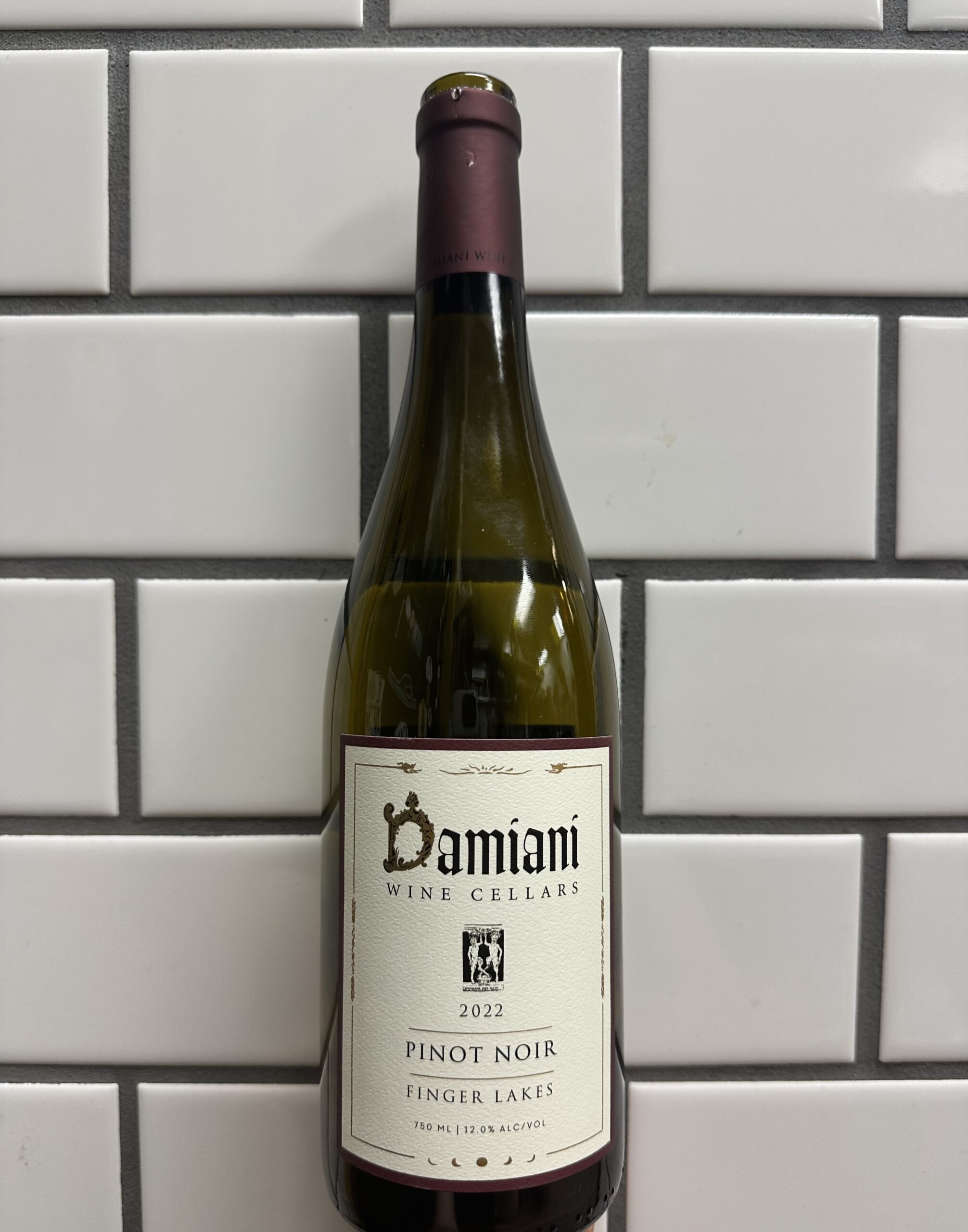
Damiani Wine Cellars 2024 Bouquet (2025 vintage will be released in the next few days). They offer a Dry Rosé as well. Visit them and order at Finger Lakes Winery – Damiani Wine Cellars. Let me know if you would like a taste of these wonderful rosés and the rest of their portfolio. I will come to you.

Bright Leaf Vineyard 2023 Estate Dry Rosé

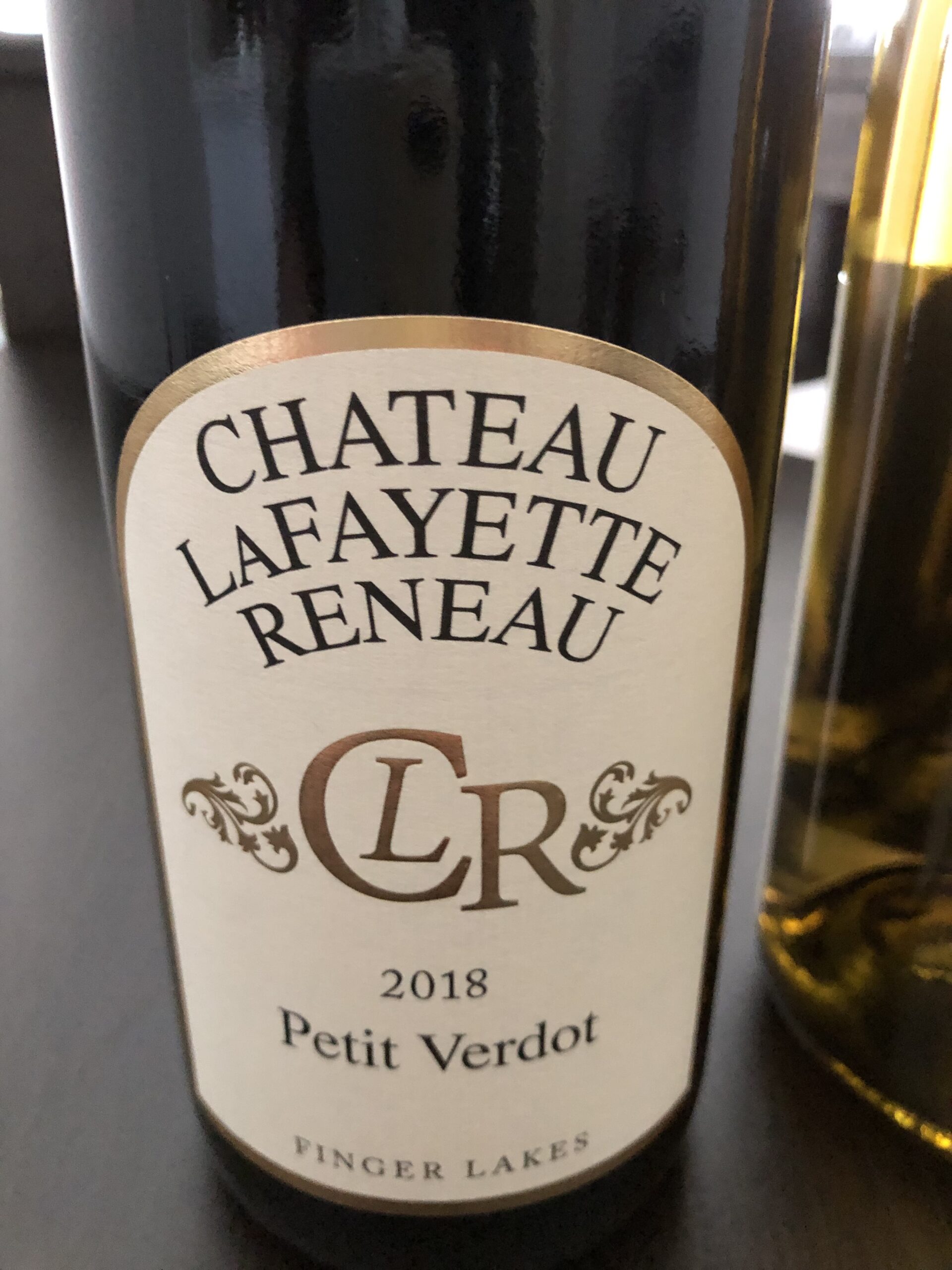
Chateau LaFayette Reneau 2024 Estate Rosé

Fox Run Vineyards 2024 Dry Rosé

Sheldrake Point Winery 2024 Dry Rosé

Airy Acres Vineyard 2023 Dry Rosé of Saperavi and Blend

Six Eighty Cellars Dry Rosé of Gamay and Pinot Noir

Some of my other favorite rosé styles around the world –

Grenache or Garnacha Rosé (fruity) from France or Spain

Tasting – usually a brilliant ruby red hue with notes of ripe strawberry, orange, hibiscus and sometimes with a hint of allspice. Moderately high acidity, but since most have quite a bit of color and body.

Think a summer evening with gyros and tzatziki on the plate, which I just had this week.

Provence Rosé (fruity) from France

Tasting – Rosé from Provence is the little black dress of pink wines. Fresh, crisp, and dry style is a superb match for almost any dish, Try a juicy burger makes a perfect partner.

Grenache, Cinsault, Syrah, and Mourvèdre are all used and give these rosés nice aromas of strawberry, fresh-cut watermelon, and rose petal, finishing with a distinctive, salty, and minerality on the palate.

Pinot Noir Rosé (hard to produce, fruity, but can be floral and mineral/earthy as well) from all over the world. Some of the best in New York State.

Tasting – The fruit is considered sensitive and temperamental, but when at its best, it can make for a very sexy glass of wine. In Pinot Noir delivers bright acidity and soft, subtle aromas of crabapple, watermelon, raspberries, strawberries, and wet stone. The grape can produce mineral, but-elegant wines that are cool, crisp, and dry. Try with fresh goat cheese, salads, or fresh fruit on the beach.

Other Guidelines

Rosé should always be chilled and served at approximately 50 to 60 degrees Fahrenheit. Place rosé directly into the refrigerator after purchasing it, and chill for at least several hours before serving (30 minutes in the freezer will work in a pinch). I discourage you to add ice cubes to rosé or any wine, for that matter, since ice cubes will dilute and change the flavor of the wine.

It’s better cold to enhance the aromas, flavors and acidity, but not too cold. Too cold stifles the aromas, while too warm can over emphasize the alcohol and dull the flavor.

Most rosé is best to drink when young (1-2 years). So, 2024 and 2025 vintages are ideal right now. Anything older would taste flat and flavorless.

Since rosé wine, as rosé is produced specifically for its fresh and fruity taste, it is not recommended to age. An exception is in the Bandol region of Provence, which uses the Mourvèdre grape and is known for its age-ability. Rosé wines made from Mourvèdre are high quality and can age for up to 10 years in some cases.

Food Pairing

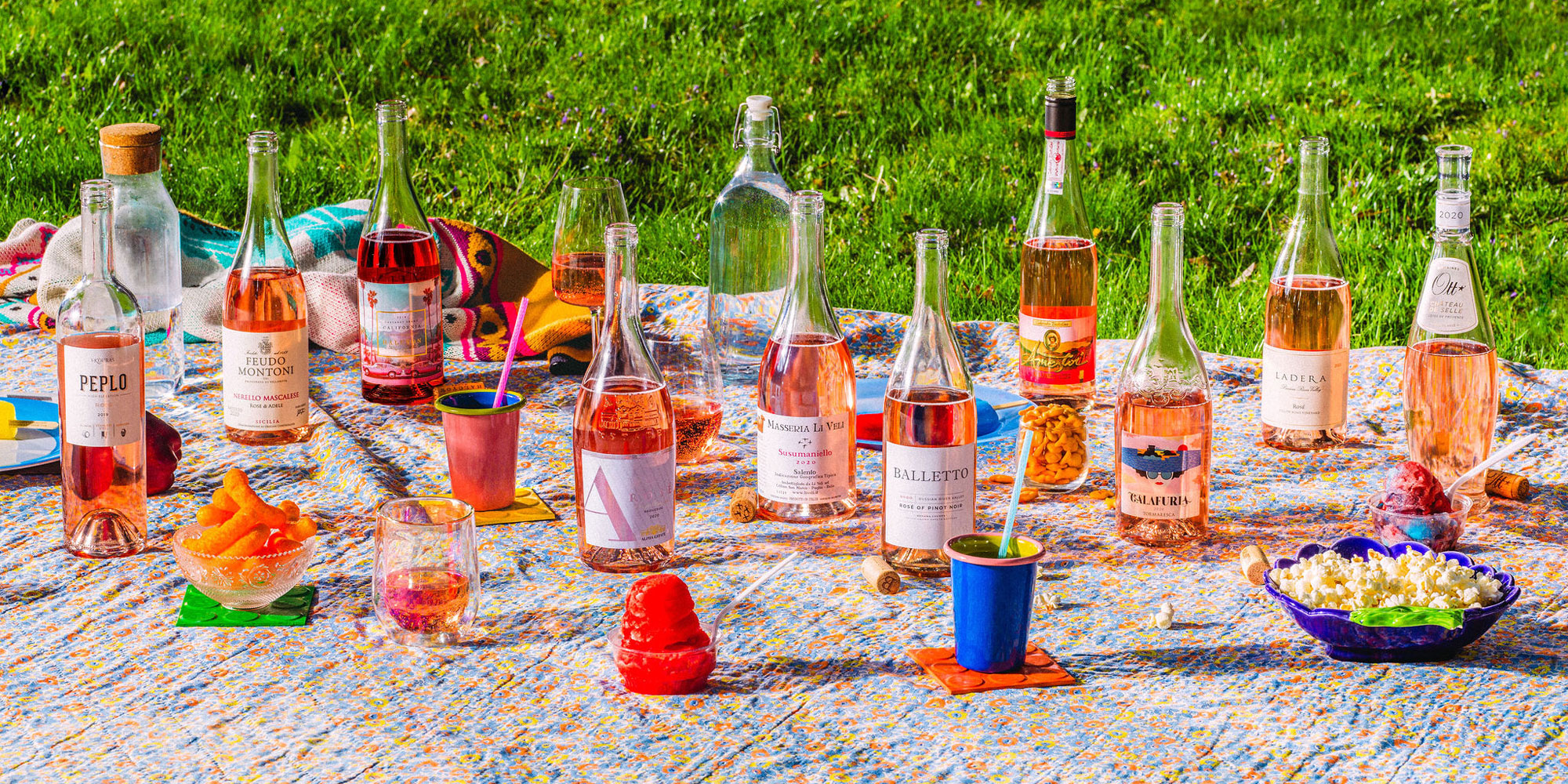
What isn’t a great pairing with Dry Rosé?! Rosé is such a broad category of wine with light, subtle options from southern France, Italy and Spain to bolder options like those from California, Central France, or South America (and so many in between from virtually every wine producing region on the globe).

Pairings really depend on which grape(s) the rosé is comprised of. In general, rosé can be thought of as an “in between” option for a red and a white wine in style. It often has the red fruit aromas of a red wine, with the lighter body and crisp acidity of a white wine. Paired with fresh fruit is magical!

Seafood

The light, often mineral-driven nuances of dry rosé wines, especially those from Southern France or Italy, harmonize beautifully with the delicacy of seafood. Be it a buttery lobster, grilled shrimp, or a light fish dish like cod or sole, the crisp acidity of dry rosé complements the sea’s salty sweetness without overwhelming its flavor.

Chicken & Meat

On the other side of the spectrum, the fruity undertones of rosés from regions like California or Central France make them an excellent match for poultry and lighter meat dishes. A roasted chicken or turkey, grilled pork chops, or even a medium-rare steak can benefit from the medium-bodied, berry-infused charm of a robust dry rosé.

Vegetarian

Vegetarian cuisine finds a delightful partner in dry rosé. The light body and dynamic flavor profile of dry rosé balance the natural flavors of vegetables, grains, and legumes. A Mediterranean-style salad, a hearty quinoa bowl, or a vegetable stir-fry would pair splendidly with a glass of refreshing dry rosé.

Cheese & Charcuterie

The spectrum of dry rosé wine can handle a broad array of cheeses and charcuterie. From creamy brie and tangy goat cheese to salty prosciutto and spicy sausages, dry rosé provides a counterpoint that enhances these bold flavors, making it an ideal choice for a charcuterie board.

Desserts & Sweets

Dessert pairings depend largely on the rosé’s residual sweetness. A drier rosé could pair nicely with a light lemon tart or a bowl of fresh berries, enhancing the dessert’s fruity notes without overwhelming its sweetness. Remember, the art of food and wine pairing lies in balance, and dry rosé is a versatile animal that can harmonize with a broad palette of flavors.
Cheers & Sante,

Michael

michael@michaelpour.com
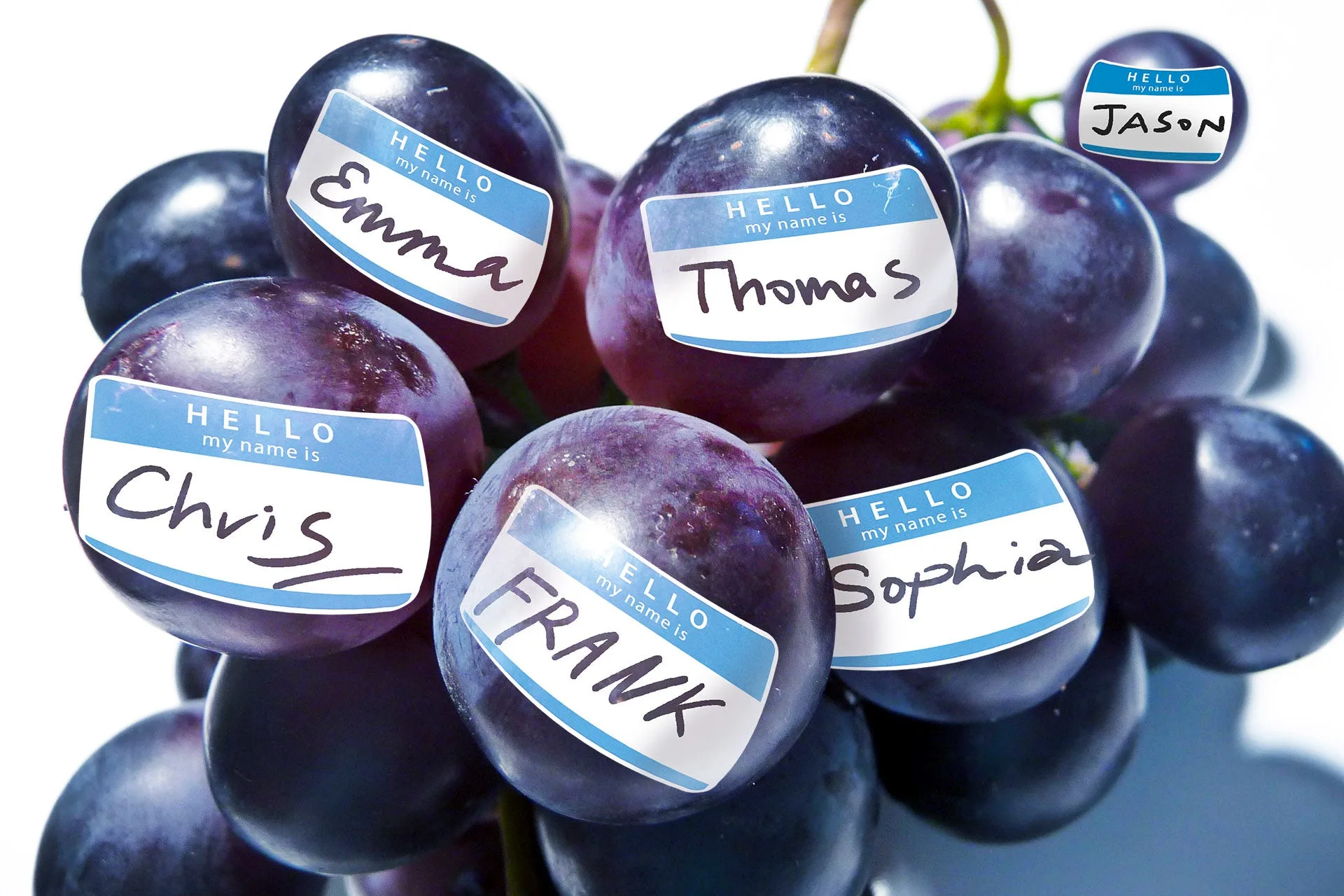
Wine Spotlight: Why grapes have multiple personalities?

March
12
2026

For this week, we continue the educational series on wine grape varietals with a focus on the different names used for a particular grape produced all over the world.

There are roughly over 10,000 different wine grape varieties identified worldwide. Depending on the source though, this number could be less or more. While this enormous number exists, only a small percentage (about 1,300 to 2,000) are commonly used for commercial wine production. A mere 33 varieties account for 50% of the world’s vineyards.

A vast number of grape varieties have several names depending on where they’re grown (see last week’s post on Pinot Grigio and Pinot Gris here). Countries like Georgia, Italy, Portugal, Spain, and Greece grow and produce many indigenous or rare, local varieties unknown to most people, unless you visit that locale. Most aren’t massively produced or exported to other countries.

So, what’s in a name? Are they always interchangeable, or does their place and name indicate what their resulting style will be? For the average consumer and shopper, this can be an overwhelming, confusing and a daunting task. Not to mention the countries who don’t identify the grape(s) on the label or bottle (like Italy and France). The list can be very extensive, but I hope to clarify some of these differences with examples below.

Syrah vs. Shiraz

These wines can taste almost like polar opposites. Their body, expression and texture change with the climate. In the temperate northern Rhône Valley of France, Syrah is the signature grape behind storied appellations as Côte-Rotie and Hermitage. Further south, it forms the backbone of many Côtes du Rhône blends and is an essential part of many rustic Languedoc-Roussillon reds.

Known as Shiraz in Australia, its style is most distinct in the hot Barossa Valley and warm McLaren Vale regions, but it also thrives in cooler Canberra region. Where Northern Rhône Syrah has firm, drying tannins, Australian Shiraz has a velvety, mouthwatering feel.

French oak accentuates Syrah’s visceral notes of savory, cured meat, yet American oak lends vanilla and chocolate tones to Aussie Shiraz. Both can have display intense notes of violet. There are the spice flavors as well, such as white pepper in cooler regions and black pepper in the warmer ones.

Syrah/Shiraz can also offer something in between. In New Zealand’s Hawke’s Bay, it’s luscious with forward fruit, but suggestive with pepper. In South Africa, it veers toward more of a spicy richness, while in California and Washington State, it can be smooth, big, or edgy and taut.

In this case, the name is a hint to the style. Shiraz is likely big and bold (thanks to warm climate) while Syrah tends to be snappy and thinner (not in a bad way, but less oomph).

Grenache vs. Garnacha vs. Cannonau (“kah-nohnow“)

Grenache stuns wine lovers across the globe with its luscious red fruit flavors. Grenache is an archetypal Mediterranean variety. It wants full sun, will withstand heat and drought and it thrives on stony soils. This resilience explains its success and expansion in warm climates.

With Grenache’s softness and plump fruit, it adds a juicy allure and warmth to Châteauneuf du Pape. It’s an integral part to Côtes du Rhône and is a part of the holy trinity of Australian Grenache-Syrah-Mourvèdre (GSM) blends in France. As Garnacha, it can form a part of Spanish Rioja. It has often been considered a blending grape and adds body to a blend, but can be lovely on its own.

As a single varietal, Grenache is full-bodied without being overly tannic. It can also make charming, aromatic reds in the Rhône cru villages of Gigondas and Vacqueyras. Cannonau on the island of Sardinia, it’s an even bigger, stronger and bolder version.

Grenache vines are very resilient and can last a while. The variety hits its stride in the old-vine Grenache wines from the French Roussillon in Languedoc, neighboring Spanish Priorat region, and McLaren Vale region in Australia. The wines are concentrated and fragrant with spicy red fruit.

But Grenache is versatile in itself. It also makes the sweet, fortified wines of Banyuls, France and the dry, fully pink rosados of Navarra region of Spain. No matter the style or origin, Garnacha always shines with its gorgeous red fruit.

Mourvèdre (“moor-VED-druh”) vs. Monastrell vs. Mataro

Ancient and dark, powerful and brooding, this thick-skinned, small-berried grape of Spanish origin thrives in hot climates. It requires more than just warmth being a late ripening grape. It needs proper, sustained heat. Mourvèdre resides best on the Mediterranean coast in Spain, where it’s called Monastrell, and forms the gutsy, heavy, tannic reds of Jumilla and Alicante regions.

As Mourvèdre, it’s the backbone of French Provençal Bandol, where it gives a kick to reds and a tang of tannins to dry rosés. In the Languedoc, it contributes nicely to various red blends. In Australia, where it’s known as Mataro, the grape asserts its dusky charms in GSM blends. The best examples have a heavy perfume of black fruit when young and leather and spice with age.

Blaufränkisch (“blahw-fraun-keesh”) vs. Lemberger

The temperate and distinctly continental latitudes of Central Europe are home to this underrated red grape. Medium to full-bodied in the north, Blaufränkisch produces unique, structured, and elegant wines. It is also grown and produced in New York State where the climate mirrors those of Germany and Austria and stylistically similar. I find them to be a nice change from your typical cool-climate reds.

In eastern Austria, it’s known as Blaufränkisch. In southern Germany and France, it’s Lemberger. It also goes by other names in Hungary, northern Croatia, western Slovakia, in eastern Slovenia. No matter the name, it produces quality reds that age well. It also forms part of Egri Bikaver, Hungary’s historic “bulls’ blood” wine.

Cooler vintages or sites add an irresistible pepperiness to the usually dark-fruit spectrum, where you’ll find dark cherry and blueberry. Despite the differences in climate and expression, Blaufränkisch exhibits great varietal resemblance.

When vinified in stainless steel, Blaufränkisch is sometimes confused with fuller-bodied Gamay. When vinified in small, new oak barrels, Blaufränkisch gets punchy and needs a few years to return to its inherent subtle nature. The most elegant results are achieved with gentle handling and careful amounts of oak. It’s not a well-known grape outside of where it’s traditionally grown but has been increasing in popularity.

Malbec vs. Côt (“cot”, like “hot”)

Malbec is synonymous with Argentina, where this aromatic, black grape revels in the bright, high-altitude sunshine of the Andes mountains. This French original has been almost supplanted by Argentinian success. Malbec is sometimes referred to as Côt in France. It’s even one of the five permitted varieties used in red Bordeaux wines but typically doesn’t ripen well in parts of Bordeaux.

Malbec’s real French hotspot is in Cahors, a town in southwestern France as well as a namesake appellation. Cahors wine is inky, opaque and dense with tannin. The firm, astringent tannins of French Malbec are often softened with the addition of Merlot. Malbec in Argentina, however, are plenty ripe to have the softness and silkiness.

In both cases, the wines’ structure helps them age and develop pretty well. The best show floral overtones of violet and peony. In France’s cooler Loire Valley, Côt produces wines that are less extracted, very fresh, floral, and often spicy.

Zinfandel vs. Primitivo

White Zinfandel is the wine that’s launched thousands of enthusiasts, but this pink elixir does not give this historic grape any justice. It’s known as Primitivo in Puglia, Italy and Zinfandel in California. As a red wine, Zinfandel always boasts full, juicy and plump fruit (sometimes can be jammy, think PB & J) that covers a spectrum of ripeness, often with elevated alcohol levels.

When made well, Zinfandel balances these qualities perfectly. Unfortunately, grapes in the same bunch can barely ripen, become overripe (bloating and too much sugar), or even become raisin-like.

In Puglia, Primitivo is light, smooth and warming. On an inland elevation, Gioia del Colle produces the freshest versions, while coastal Primitivo di Manduria is heavier, denser and more powerful.

In California, this rustic red attains true elegance. Some ancient Zinfandel old vines in Napa, Sonoma, and Lodi bring forth concentrated, full-bodied wines with warm alcohol, expressive quality, and enticing red fruit aromas. Quality well-aged and mature Zinfandel is well loved by the international community.

Chardonnay vs. Chablis

Although this doesn’t technically fit same grape, different name, it is an important distinction of grape name vs. region. When people first taste Chablis and learn that it is Chardonnay, they often look surprised.

How can a wine that tastes so clean, crisp, and a mineral sensation possibly be the same grape as the rich, buttery Chardonnays that dominate wine lists from California and parts of Burgundy? The answer comes down to style, climate, and terroir. Chablis is said to be by many (myself included) as the purest expression of Chardonnay.

Chablis is located in the northernmost part of Burgundy in France. Its cooler climate and famous limestone soils shape a wine that explodes with acidity, freshness, and a minerality often described as chalky or steely.

Unlike the rounder Chardonnays aged in oak barrels from Burgundy’s Côte de Beaune or the thick and heavy, cedar vanilla bombs from California’s Napa Valley, Chablis is typically fermented and aged in stainless steel, neutral oak, or partial oak. This approach preserves the acidity, crisp apple, lemon, and saline flavors that make the wine unique.

The absence of heavy oak influence is the major differentiator. While many Chardonnays lean on new oak to build body and add flavors of vanilla, toast, and butter, Chablis producers focus on purity and terroir. That doesn’t mean oak is absent altogether, some premier cru and grand cru Chablis see a bit of oak, but it’s usually subtle by just playing a supporting role. This gives Chablis a leaner structure in stark contrast to the creamy, heavy character of oak-driven Chardonnay.

The environment in and around Chablis also plays a huge role. Chablis vineyards sit in a continental climate where frost is a constant threat. The cooler temperatures slow down ripening, which keeps acidity high and sugar levels lower.

In warmer areas like California, Chardonnay ripens easily, leading to bolder fruit flavors, higher sugar content, and a style that more often than not lacks subtlety. Side by side, you’d hardly believe the wines are the same grape but tasting them together is one of the best ways to appreciate how versatile Chardonnay really is.

I did a Chard side by side recently for a Women for Wine Sense tasting class in Syracuse and the audience was mesmerized by the difference.

For wine drinkers who think they don’t like Chardonnay, Chablis often comes as a revelation. Its flavor profile avoids the buttery heaviness that critics of California Chardonnay complain about. Instead, Chablis is fruity, food friendly, and an elegant take on Chard.

If you are interested in learning more about grapes, grape families, and grape names, I can certainly expand on this discussion. For example, Pinotage from South Africa is a cross between Pinot Noir and Cinsault (varietal in France) or that Pinot Noir in Italy is called “Pinot Nero” (same grape) or Pinot Noir in Germany is called “Spätburgunder”.

I must admit, I find this stuff fascinating (history buff, too) so just say the word. Thank you to Wine Cellar Guide (above wine grapes) and Wine Enthusiast (grape names) for the beautiful images.

Book “The Michael Pour” for a unique and exclusive wine education class, wine tasting event, wine pairing/dinner, bar/restaurant consultation, etc… in your home or establishment. I am currently offering a 15% discount for all bookings. Inquire here, email, or on social media.

Cheers & Sante,

Michael

michael@michaelpour.com
IG: @themichaelpour

Wine & The Moon: The Lunar Influence

February
24
2026

I’ve always had an interest in astrology, oracle, alchemy, and the occult sciences. Recently I’ve been fascinated with how it applies to wine and wine tasting. Let’s take a closer look! As one subscriber stated, “This is so interesting, Michael! None of this ever occurred to me, so I find it quite enlightening.”~ Trie

Do you remember all the hype about the Blood Moon during the lunar eclipse? Maybe not, unless you typically follow this kind of stuff. It made me think about the moon and the universe’s impact on wine drinking. You don’t have to be a ‘wine witch‘ to be interested in it. Do you enjoy reading your daily horoscope and believe in what the universe is telling you?

The moon actually plays a crucial role in viticulture, influencing key vineyard activities such as pruning and harvest, as well as (for many) the best times for wine tasting. If you believe that wine is a living organism, then it’s reasonable to think that it is affected by the moon just as much as other living things.

The focus on the moon and how it affects life on earth goes as far back as 1st century Roman naturalist, Pliny the Elder, who said the moon “replenishes the earth; when she approaches it, she fills all bodies, while, when she recedes, she empties them.”

The lunar calendar has been used for centuries by farmers to determine when to plant and harvest. Other professions, like gardeners, religious leaders, and fishermen use it in their work. The Old Farmer’s Almanac uses the same lunar calendar to recommend planting schedules. Professional astrologers use lunar cycles for scheduling major life events, such as weddings, funerals, opening businesses, etc…

Rudolf Steiner, who created the biodynamic farming system in the 1920s, saw vines linked to the four elements – earth, air, water, and fire. Each element is favored when the moon passes into the constellations associated with it, thereby determining when a wine tastes best.

This concept was later expanded upon by Maria Thun in the 1960s. She developed a calendar indicating the best days for tasting wine—a theory further refined by her son, who authored When Wine Tastes Best, which is now an app. Check it out!

The principle suggests that not only do plants respond to the positions of the moon, sun, and planets, but that we can enhance various aspects of winemaking by considering these celestial alignments. Many of the best winemakers in the world swear by it. For example:

Fire constellations direct energy towards fruit-bearing, making them prime harvesting days.

Earth constellations focus a plant’s energy on its roots, making these ideal days for pruning.

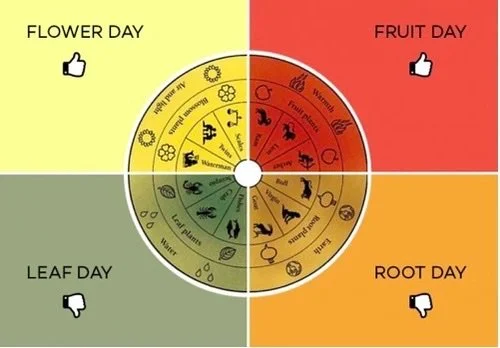
The lunar calendar also suggests that wine can taste different depending on the day you drink it. Here are the basics. What is your sign and element?

Fruit Days: Wines are at their most expressive, showcasing a full range of aromas and flavors. These are the best days for wine tastings or enjoying a special bottle. Fruit days are when the moon is in any of the Fire Signs, such as Aries, Leo, and Sagittarius. Fruit days are the most optimal wine tasting days.

Flower Days: Wines highlight their delicate floral notes, making these days ideal for appreciating aromatic white wines and elegant reds. Flower days are when the moon is in any of the Air Signs, like Gemini (moi), Libra, and Aquarius. Flower days are recommended for enjoying aromatic wines, such as Viognier or Torrontes.

Leaf Days: Wines may exhibit more vegetal and herbaceous qualities, which can be intriguing but might not be ideal for your finest bottles. Leaf days are when the moon is in any of the Water Signs, such as Cancer, Scorpio, and Pisces. Leaf days are days when the plant is focused on producing chlorophyll, and are generally not recommended for enjoying wine.

Root Days: Wines often taste more subdued, with heightened tannins and earthy notes. Generally considered the least favourable for tasting. Root days are when the moon is in any of the Earth Signs, such as Capricorn, Taurus, and Virgo. If you follow the lunar calendar for wine tasting, root days are not good days to enjoy wine.

Node Days: Occurring when the moon crosses the Earth’s orbit, these are typically days when wines are more ‘closed’ and less expressive.

Does the moon really affect how good a bottled wine tastes? Is this wine tasting trick the reason why the same bottle sometimes doesn’t taste as good the next time you open it?

Some days you may taste a wine that you know well, and nothing really impacts you, while other days, one wine is better than the next. Instead of blaming it on the wine, think about it from a human perspective. We humans are susceptible to full moons, high pressure, and so on. Do the wines change based on the planets, moon, or alignment of the stars? Or is it that our perceptions may change?


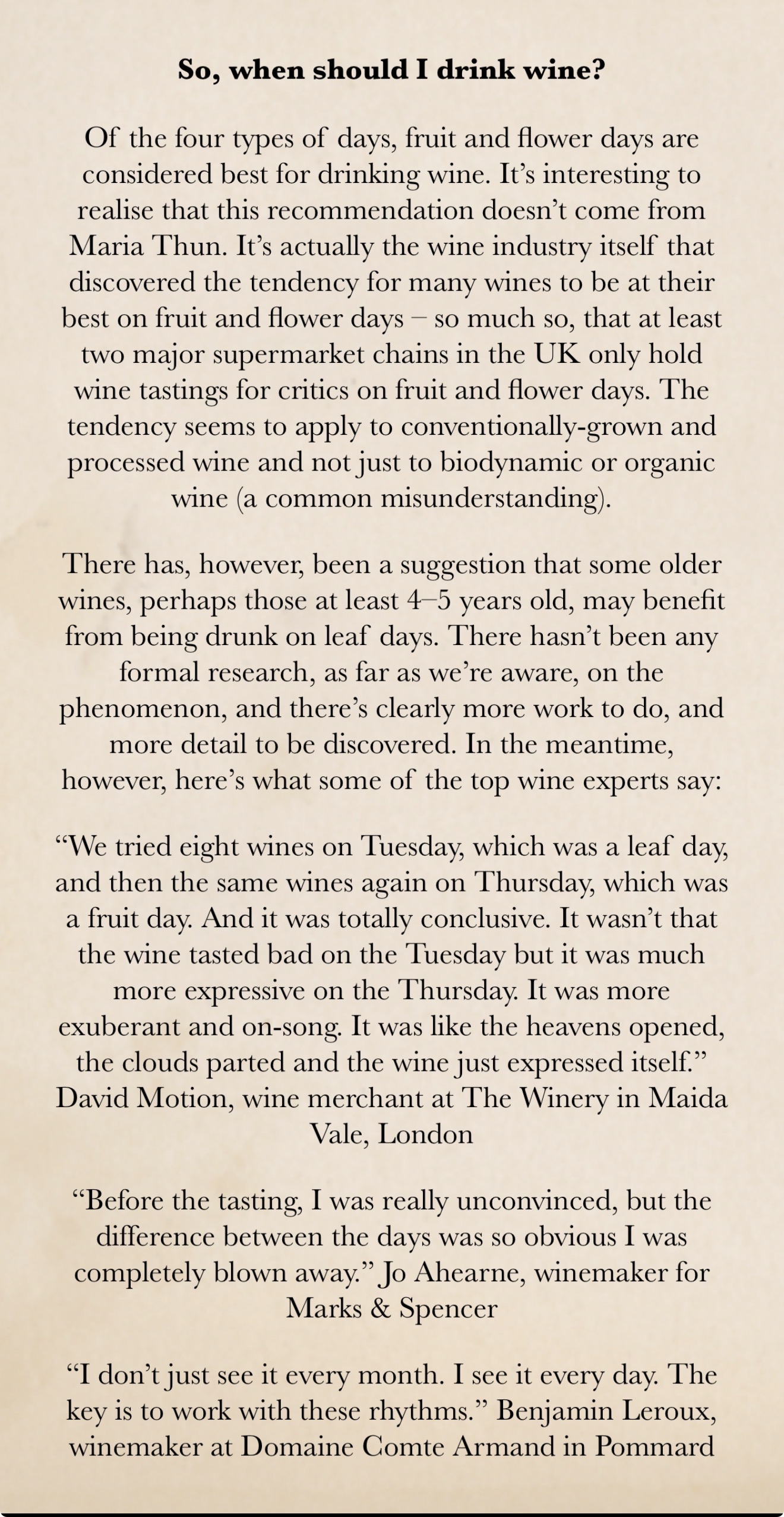
Above is an excerpt from the app. For some beyond-logical reason, red wine seems to taste better on a “fruit day.” White aromatic wines really seem to sing on a “flower day.” So maybe if you’re anxious to pop open that vintage Bordeaux you’ve been waiting to open for years, you should consult the free When Wine Tastes Best app on your phone.

Is Today a Flower Day? Here is the link to the Lunar Calendar for all things – Lunar calendar for today – live in the rhythm of nature

Share your astrological sign and element under comments here or on social media. It will be fun! Just a reminder, if you signed up for the free newsletter, you would have automatically received this story when published.

Cheers,

Michael (Gemini & Air)

michael@michaelpour.com

(cover photo courtesy of Scott Harvey Wines)

An Unexpected Wine Adventure in NY’s Hudson River Region

February
9
2026

Last week, The Michael Pour traveled to the Hudson River Region in southeastern NY just north of NYC and west of Connecticut. The purpose of my travel was to simply get on the road and venture somewhere new. The story that proceeds is both a wine and travel guide to parts of the Hudson Valley.

Although the weather this time of year can be problematic, I felt the need for a change of scenery. Cabin fever is a real thing in Central NY and this winter season has been brutal.

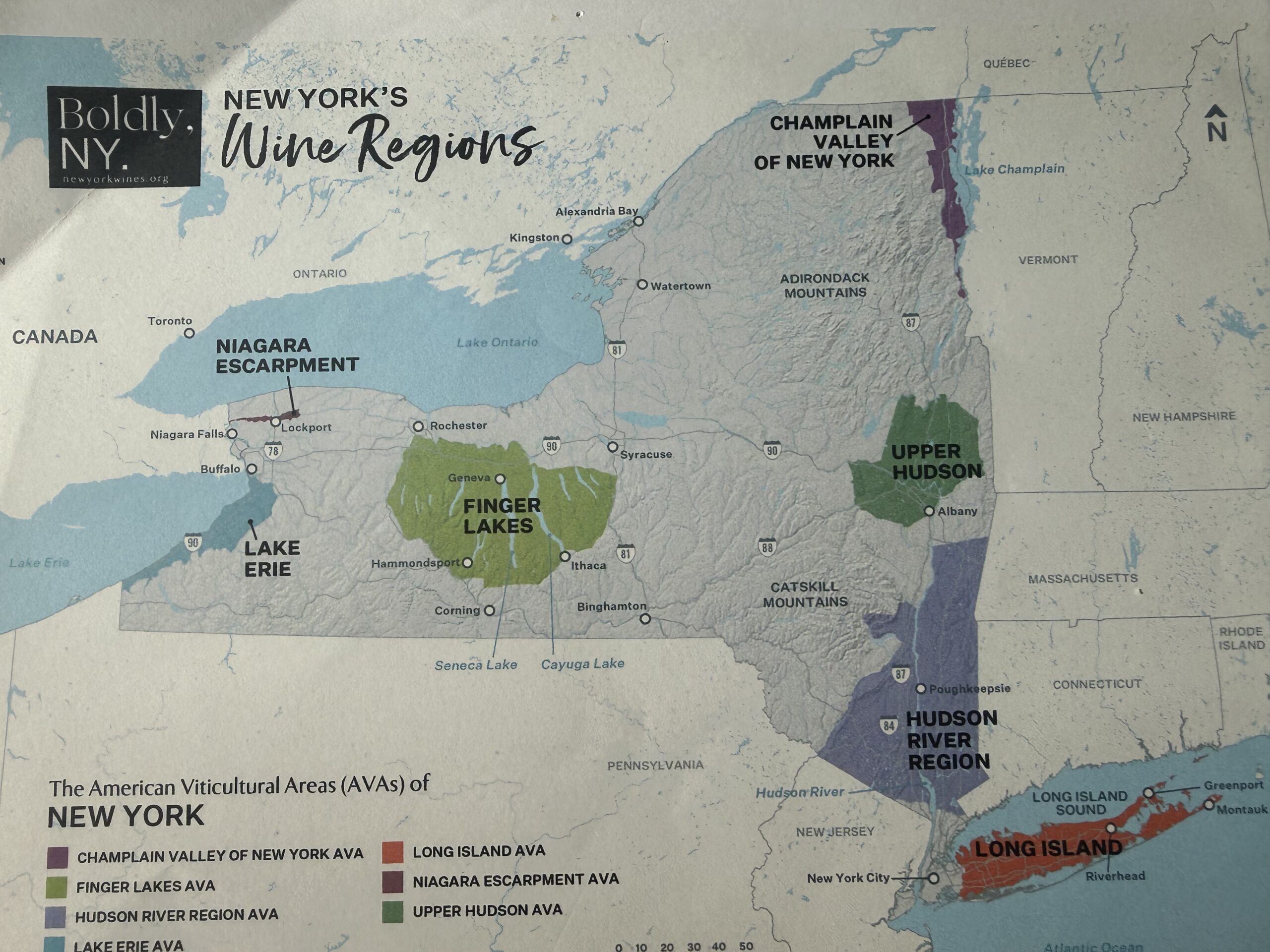
I landed in Poughkeepsie, NY (say that a few times) in the heart of the lower Hudson River Wine Region AVA, one of NY’s fine wine regions and undiscovered terroirs.

The locals will tell you that there isn’t much going on there, but I beg to differ. The town offers some really cool places to see and experience, including farm to table restaurants, shops, cultural destinations, and on top of that, nice people, hospitable people.

My plan for the week was to be spontaneous and let the universe guide me. Yes, wine is always on the agenda, but I was open to all kinds of fun and experiences. The Red Line Diner in Fishkill, Millhouse Brewery in Poughkeepsie business district, Bonsai Japanese restaurant in Poughkeepsie, and Marist University should be on your radar.

At one of my stops, I visited a local, boutique wine shop called “Boutique Wines & Spirits” in Fishkill, NY. When I literally stumbled upon it, I was pleasantly surprised. The staff were very knowledgeable about local and worldly wine. They were also very helpful and engaging. I wasn’t aware that they are a premier supplier of NY cider and mead and a certified shop for whiskey afficionados.

Follow this link to learn more about them – Boutique Wine Shops to Visit for Vino in the Hudson Valley

My 5-minute stop turned into a 20-minute wine discussion with a seasoned wine associate, Jen, and a young gentleman who just earned his WSET Level 2 in Wine & Spirits from the same school I earned mine from back in the day. The small, quaint shop had beautifully arranged sections with curated selection of bottles, tap system, and a nicely lit ambiance and a signature tree enveloping the room. It was welcoming, cozy and warming in many ways.

He was enthusiastic about sharing his experience, learning what I do, and picked my brain a bit. It was a lovely and fun experience and nice to make wine friends so far away from home. I walked away with a local Pinot Noir and Cabernet Franc, which they recommended. I will share info about those wines and wineries below.

I took the shop’s business card and promised to keep in touch and visit next time I’m in the area for the upcoming wine season. I would like to plan an official trip to the region for a wine tour. I am confident that the Boutique Wine staff will be a great resource for my business going forward.

Later that night, I reached out to Paige, the owner of the wine shop, on social media to express my sincere gratitude for the awesome experience. She is certified as a sommelier and pommelier (cider), WSET, and Whiskey. It is rare to find an owner of a wine and spirits shop to be so credentialed. When she responded, we had a nice conversation and discussed social networking and collaboration in the future.

You can find them at http://boutiquewsc.com and instagram @boutique_wines_spirits. The website is well organized with lots of info and accolades. As a wine professional and consumer, I highly recommend stopping in the shop or placing an order for all your wine, spirit, and cider needs and plethora of local offerings.

Keep an eye out for their ongoing events in the area and in the shop. They have put together a nice set of links for everything you need to know on their instagram bio.

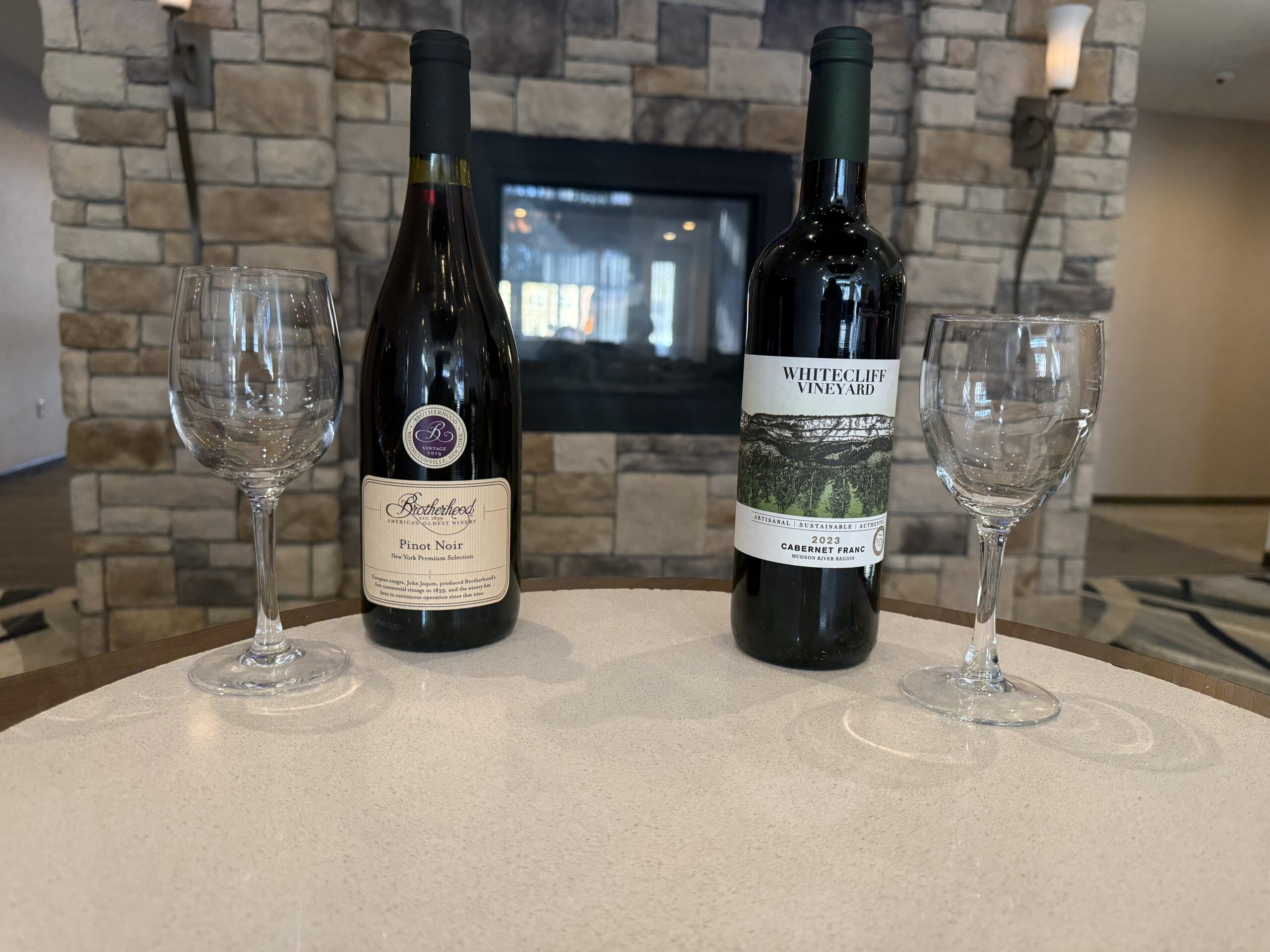
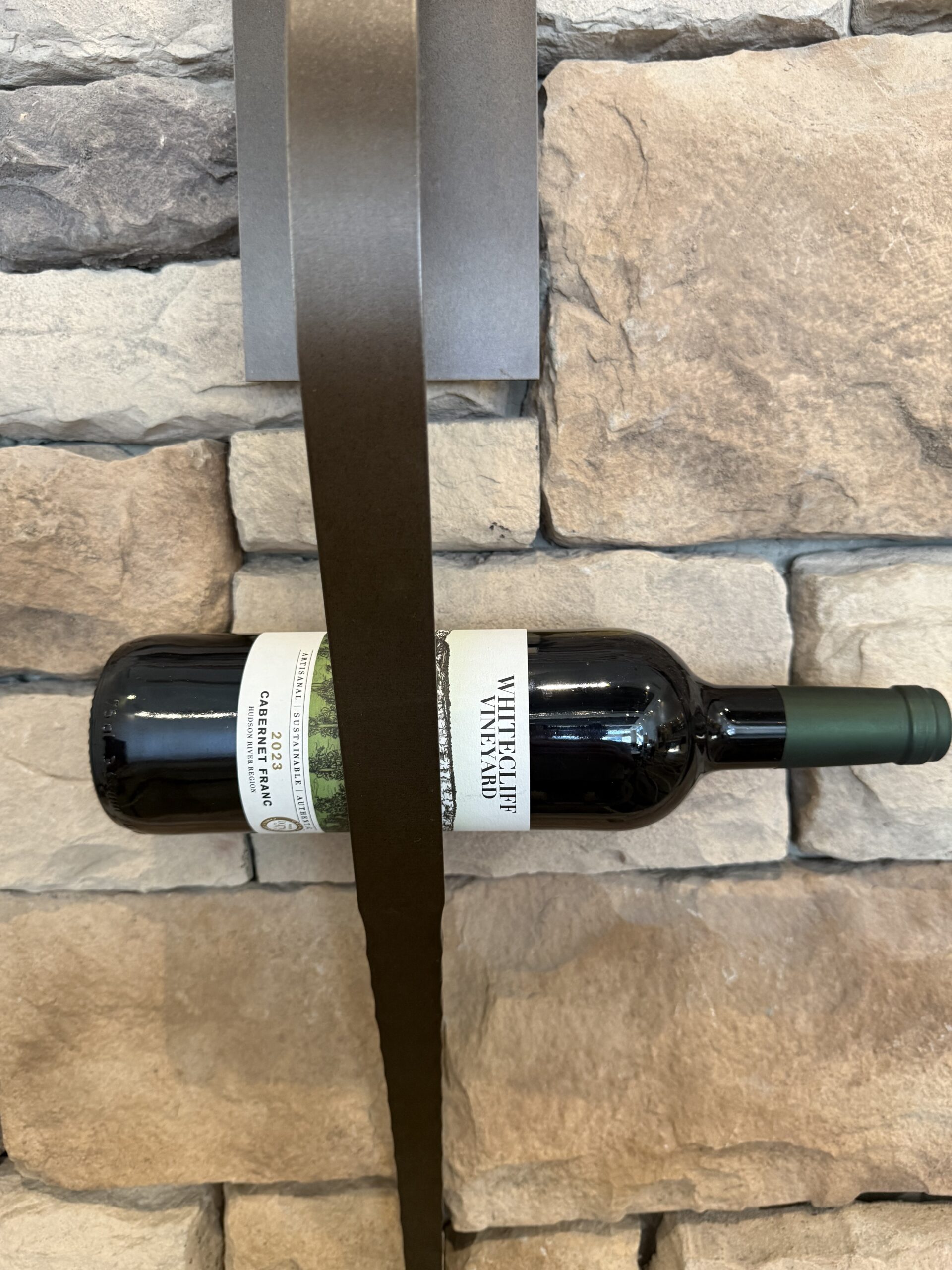
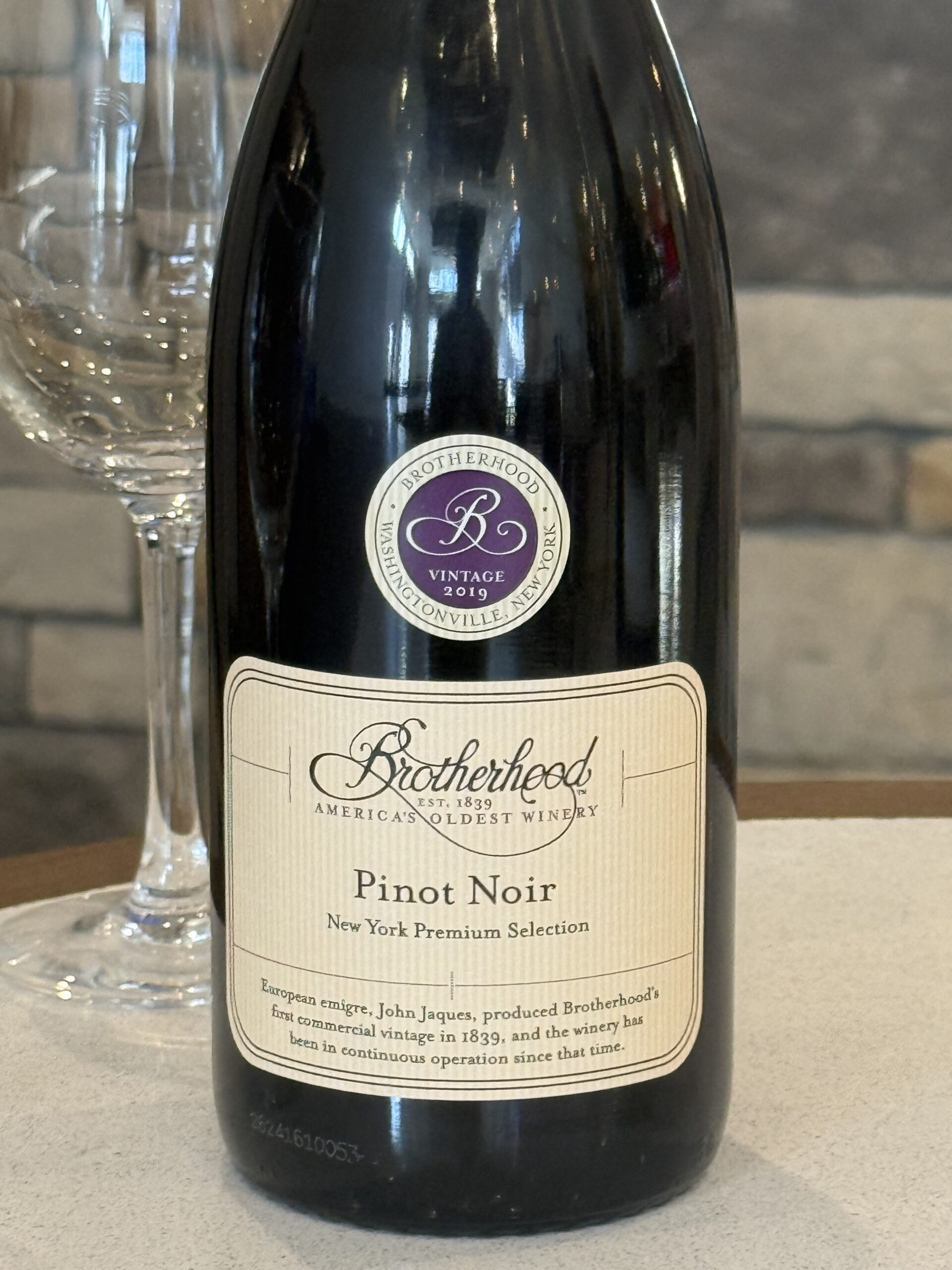
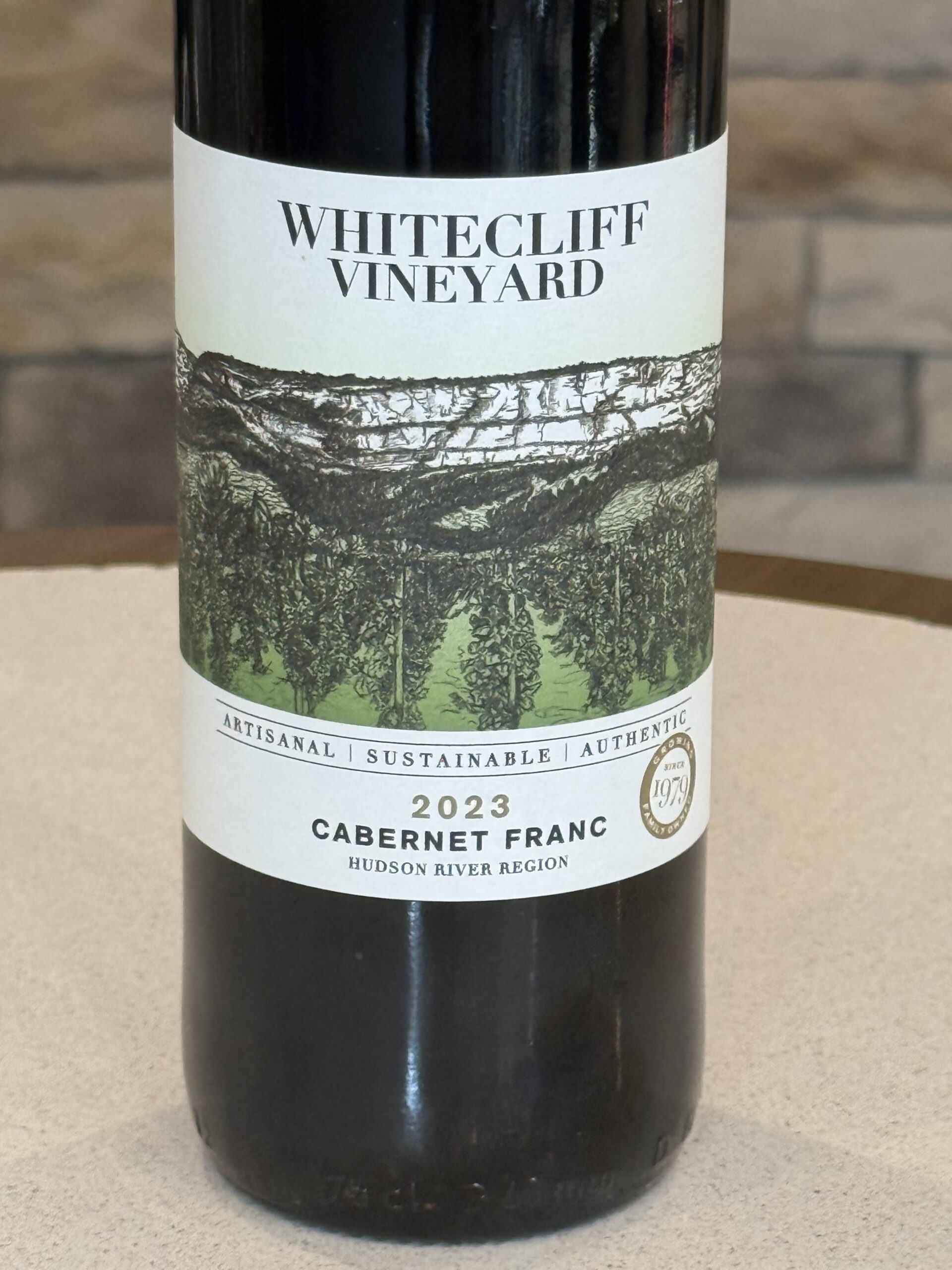
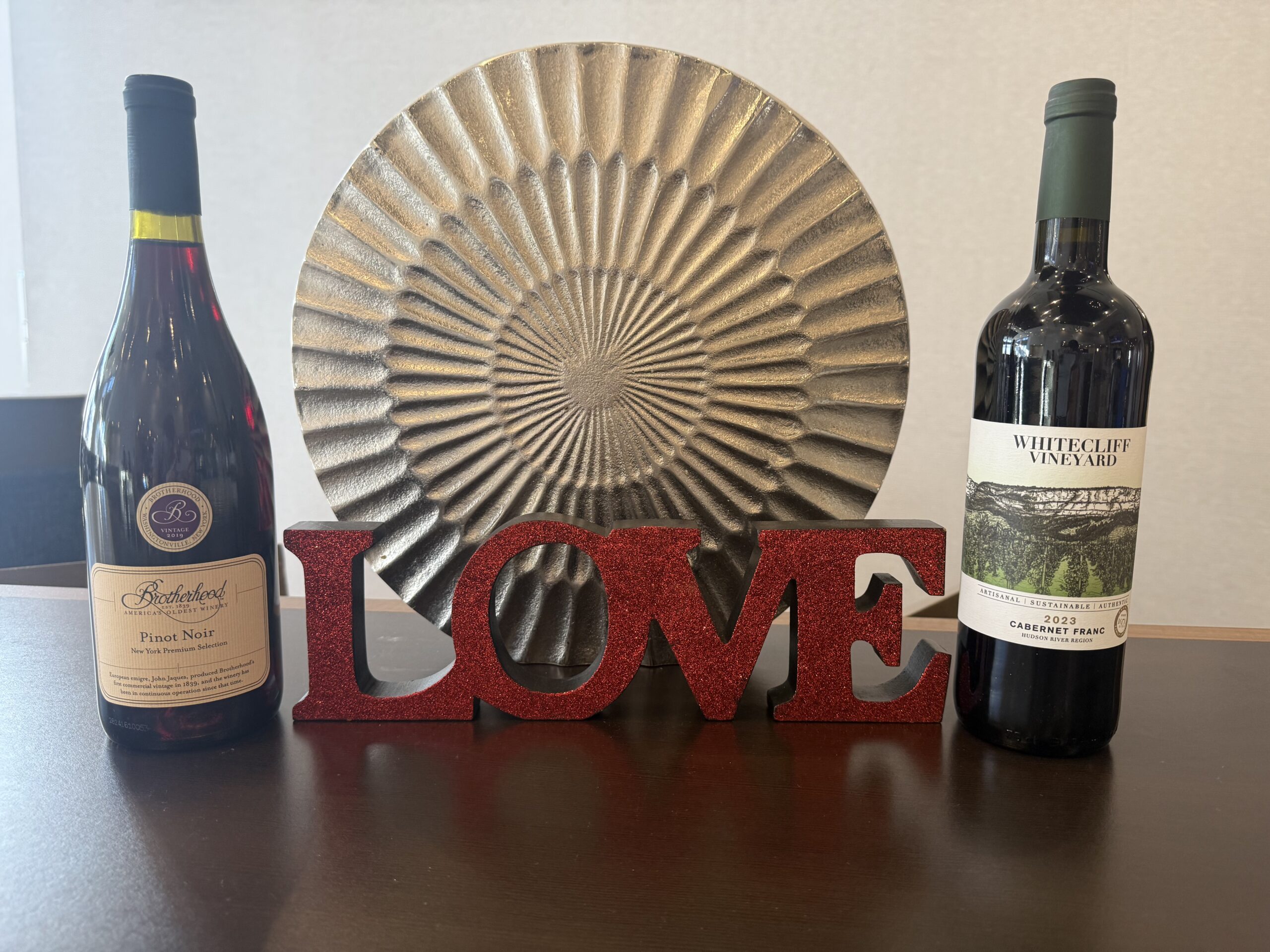
Here are the wines I picked up from them. I was able to snap some cool images throughout the week. If you’re in the area, both wineries are about 40 mins apart so they and other wineries on the wine trail can be easily accessed in one half-day. I uploaded a map of New York’s Wine Regions for your geographic reference. Let’s plan a wine trip!

Brotherhood Winery Pinot Noir, New York Premium Selection 2019

Brotherhood Winery, located in Washingtonville, NY, is the oldest continuously operating winery in the United States, with roots dating back to 1839. Founded by Jean Jaques, it survived Prohibition by producing sacramental and medicinal wines. It is a premier Hudson Valley destination, famous for its historic underground cellars and wine tourism. 

This Pinot Noir is described by the winery as being light to medium-bodied, with berry, tea leaf and earthy aroma characteristics. Dry, light ruby in color, with berry and cherry flavors and hints of earth and mushrooms. Great value, with real Pinot personality. Perfect with broiled salmon, chicken and veal.

Specifically, the nose display notes of ripe red fruits, like cherry and raspberry, that mingle with hints of earthy undertones. Reviewers note fresh berries, plum, violet, cranberry, cherry, black tea, blueberry, and forest floor.

On the palate, it is filled with berry and cherry flavors along with hints of earth and mushrooms. The wine is described as fruity with a mushroom finish, and well-integrated tannins. It has a soft texture and moderate alcohol content.

On the finish, it promotes smooth tannins and well-integrated oak add depth to the wine, while a lingering finish leaves a lasting impression.

Stylistically, it is described as having a “Burgundian” style with a light brick-red in color. Community reviewers note it is surprisingly light for a Pinot Noir.

Being an older vintage of PN, I can testify to the color transforming to an even lighter brick red now and emerging dried fruit and truffle, soil character. I would recommend drinking this vintage sooner than later. Pinot Noir often deteriorates with age depending on the balance upon release. It currently retails at $17.99 or less (great value).

Whitecliff Vineyard Cabernet Franc Hudson River Region 2023

Founded in 1979 in Gardiner, NY, Whitecliff Vineyard & Winery is a premier Hudson Valley producer known for sustainable, vegan, award-winning wines and over 20 grape varieties. Originally experimental, the vineyard grew into one of the region’s largest, with a focus on cold and climate-resistant hybrids and vinifera and officially opened to the public in 1999. 

This Cabernet Franc is a highly regarded, estate-grown, and dry New York red from the Hudson River Region. It typically showcases a light-to-medium body with complex notes of cherry, strawberry, leather, and herbs, often featuring a deep forestry and brush aromatic quality. Pair it with pork BBQ and meatloaf.

It contains concentrated red fruits (cherry, strawberry) with herbal and earthy/leather notes. Bright acidity and a soft, slightly fleshy mouthfeel. It currently retails for about $32, but you can find for less at some online retailers.

This vintage is not yet rated. Previous vintages have earned 90+ points from Wine Enthusiast and received accolades at the San Francisco International Wine Competition and American Wine Society Commercial Competition.

If you want to experience light to medium reds from New York, search for these particular wines as well as other reds at your local wine shop, like Boutique Wine & Spirits or order online. I plan on visiting Brotherhood, Whitecliff, and many other Hudson wineries when the warm weather returns. Here are a few others of note: Milea Estate, Millbrook, City Winery, Neverstill.

New York wine regions are producing some really good classic red wines stylistically close to French Bordeaux and Burgundy, but at an affordable cost and accessible. The improvement over the past decade has been significant and promising for cool-climate red varietals.

If you have any questions or need shopping or pairing advice, please don’t hesitate to reach out to me here or on social media. If interested, our local Syracuse Chapter of Women for Wine Sense is conducting a fun wine event on February 22nd from 2-4 at The Tasting Room, Sky Armory, in downtown Syracuse.

Details are on the website at https://womenforwinesense.org/syracuse-page/ to sign up and become a member. Social media page is @winesensesyracuse. Mine is @themichaelpour. Come follow us and get in on all the wine action! As a board member, you will find me at all the events.

The Michael Pour is organizing monthly wine meetups in the Syracuse, NY market. More info is available is on the instagram page. The purpose of the meetup is for wine lovers of all knowledge and interest levels from the area to gather and learn about wine, socialize, network, and meet new people in a fun, casual setting. If interested, I hope to put one together for March.

If you enjoyed this post, don’t forget to sign up for my free email newsletter so you get notified when stories are poured. You don’t want to miss a drop. The advantage is that you get early access before its published to social media and as a subscriber you will be entered into occasional raffles, giveaways, and event discounts.

Until next time….Is there another wine adventure for me this season? In the meantime, stay tuned and stay warm NY!

“Happy V-Day”

Cheers, Michael

The Best Reds in the Finger Lakes Wine Region

Artist rendering of Finger Lakes Wine Region
January
13
2026

For this week’s post, I am dedicating it to my good friend and follower Janis @hummingbird512 on Instagram. She is a huge fan of wine, but more specifically, of Finger Lakes wine, and asked me to profile the best FLX reds out there for her to try and stock up on. She considers herself to be a local wine historian.

One of Janis’ favorite FLX wineries is McGregor Vineyards situated on a hillside just one mile above the eastern shore of Keuka Lake. She enjoys all of their wines, but especially the 2021 Cabernet Sauvignon. She had it this past summer and suggests holding on to it for a while because it will age beautifully.

She also likes to visit Dr. Konstantin Frank, pioneer for wine in the FLX. “Dr. Frank is uniquely located on the southwestern slopes of Keuka Lake. In 1958, Dr. Frank planted the first vinifera vines and ignited the Vinifera Revolution. This movement would forever change the course of winemaking in the Finger Lakes region”, Janis said. She also likes to go to Fox Run Winery and Zugibe Vineyards off of Seneca Lake.

Janis also loves Bubbles, as in sparkling, which pairs well with her bubbly personality. She has always been a huge supporter of me and my wine adventures, so I am thrilled to put this together for her. She has many followers on Instagram and loves to share her wine experiences, often with her daughter. Check her out! She is very engaging!

Below you will find the results from the annual New York Wine Classic through the NY Wine & Grape Foundation. I highlighted the highest scoring reds from this competition. NYWGF partners with the Beverage Testing Institute to judge wines submitted by wineries. Scores are awarded by a trained sensory panel comprised of beverage directors, sommeliers, top bartenders, retail buyers, and educators. 

Unfortunately, I wasn’t one of the judges, but I did carefully go through the list and highlight my personal recommendations. I listed those wineries that produce excellent reds and noted the varietal(s) you must try from that winery with some images. I also indicated where you can find the wineries in the Finger Lakes. 

Gold Medals were awarded to wines scoring above 90 pts. There were many excellent FLX reds above 90 in 2025, but I had to cap it at 92 pts and above. Note: Some wineries don’t participate in the NY Wine Classic so they won’t be represented. That’s not say that they don’t produce great reds, i.e. Shalestone Vineyards, Shaw Vineyards, Domaine LeSeurre, Winery, and McGregor Vineyards.

There are multiple AVA’s in the Finger Lakes so the AVA is listed. Most are Finger Lakes AVA, but some are Seneca Lake AVA and Cayuga Lake AVA depending on where grapes are grown and legal designation. Keuka Lake does not have an AVA so they will be designated as Finger Lakes AVA.

Best in Class –

Best Cabernet Franc – Ravines Wine Cellars 2022 Estate Cabernet Franc, Finger Lakes, 96 pts, Platinum Medal

Best Blaufrankisch/Lemberger – Heron Hill Winery 2023 Ingle Vineyard Blaufrankisch, Finger Lakes, 96 pts, Platinum Medal

Best Syrah – Hector Wine Company 2022 Syrah, Finger Lakes, 93 pts, Gold Medal

Top Red Wines –

Acquilano Wine Cellars 2023 Blaufrankisch, Finger Lakes, 95 pts, Gold Medal

Adirondack Winery 2021 Cabernet Franc “Autumn in the Park”, Finger Lakes, 94 pts, Gold Medal 

Red Newt Cellars 2023 Cabernet Franc, Finger Lakes, 94 pts, Gold Medal

93 pointers & Gold Medal –

Damiani Wine Cellars 2023 MC2 Red Blend, Finger Lakes

Goose Watch Winery 2020 “Bailey Sue” Reserve Cabernet Sauvignon, Finger Lakes

Inspire Moore Winery & Vineyard 2022 “Wisdom” Cabernet Franc, Finger Lakes

Ryan William Vineyard 2020 Reserve Syrah, Finger Lakes

Ryan William Vineyard 2020 Reserve Merlot, Finger Lakes

Sheldrake Point Winery 2022 Reserve Cabernet Sauvignon, Cayuga Lake

Sheldrake Point Winery 2023 Estate Cabernet Franc, Cayuga Lake

Thirsty Owl Wine Company 2023 Pinot Noir, Finger Lakes

Toast Winery 2023 MJ Red Blend, Finger Lakes

92 pointers & Gold Medal –

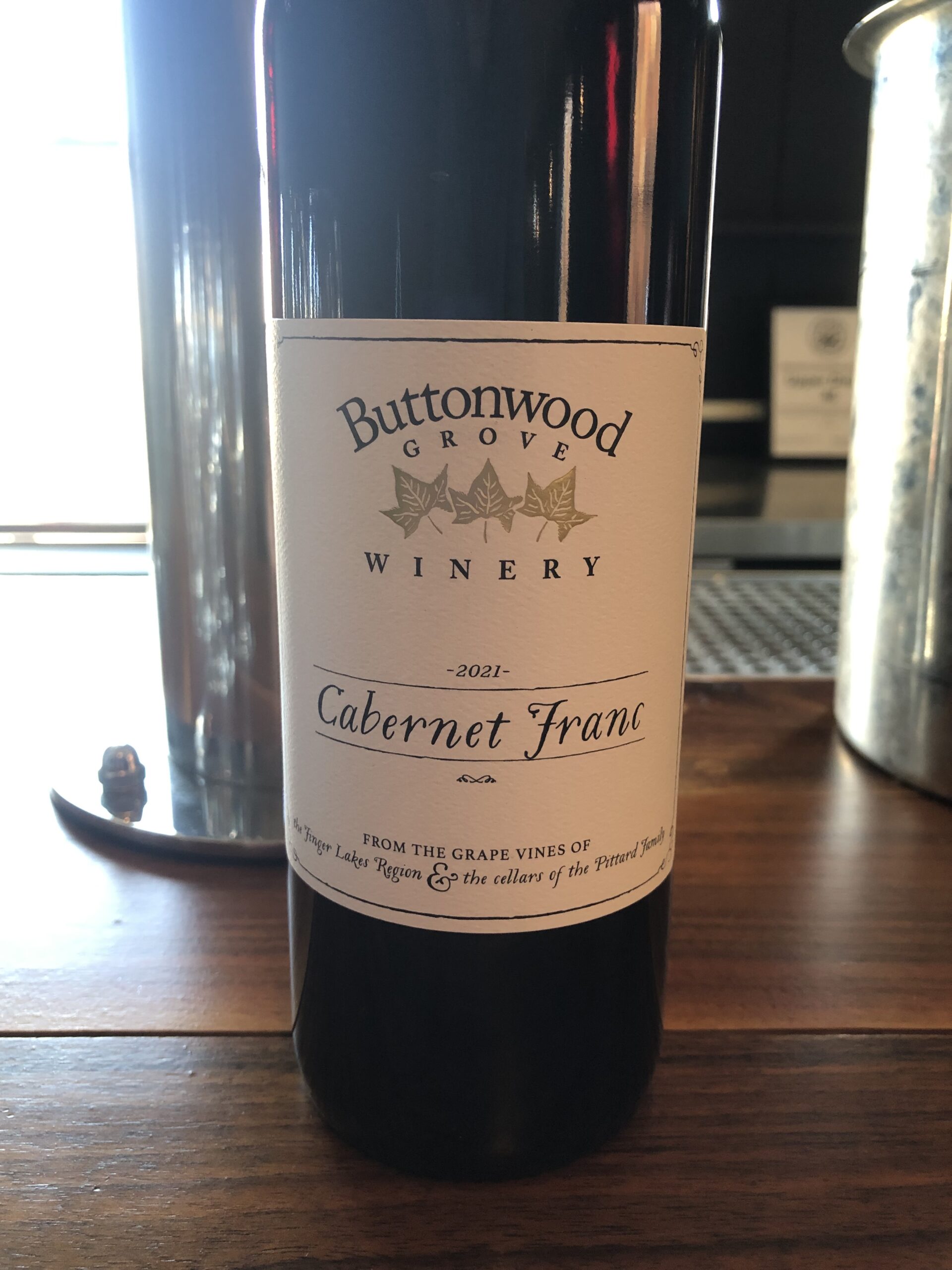
Buttonwood Grove Winery 2022 “Marnie Ann” Red Blend, Cayuga Lake

Chateau LaFayette Reneau 2020 Estate Merlot, Seneca Lake

Chateau LaFayette Reneau 2023 Estate Cabernet Sauvignon, Seneca Lake

Constantia Wine Company 2021 Uniquity Red Blend, Finger Lakes

Constantia Wine Company 2023 Cabernet Sauvignon, Finger Lakes

Dr. Konstantin Frank Winery 2022 Cabernet Franc, Finger Lakes

Hector Wine Company Sawmill Creek Estate 2022 Cabernet Franc, Finger Lakes

Knapp Winery 2022 Cabernet Franc, Finger Lakes

Lucas Vineyards 2022 Reserve Estate Collection Cabernet Franc, Finger Lakes

Point of the Bluff Vineyards NV June Bug Red Blend, Finger Lakes

Ventosa Vineyards 2020 Merlot, Seneca Lake

Wagner Vineyards Estate Winery 2022 Cabernet Franc, Finger Lakes

Other Gold Medal Winners from the New York Wine Classic below.  I did not list them here if they were included in the awards section above, so this is essentially a bonus list. 

Many newer wineries have popped up over the last couple of years in the Finger Lakes, which I have yet experienced, so the list will not include some of them.

I may be a little biased because I am either a wine club member at some of these wineries, have worked with them in some capacity, or visit them often because of their phenomenal red wine program. Enjoy!

What FLX reds am I drinking now – All reds from Damiani Wine Cellars, including exquisite library reds. You must seek them out. Just finished “Departure Red Blend” (CS, CF, Merlot) from Barnstormer Winery, Cab Franc from Long Point Winery, and Saperavi from Airy Acres Vineyard.

Damiani Wine Cellars, east-side Seneca Lake (try Pinot Noir & Reserve Cab Sauv). Wine Club member. Say hello to my friend and tasting room manager, Jeremy, and wine educator, Jenna, when you visit. They are second to none for their enormous and lovely library red program.

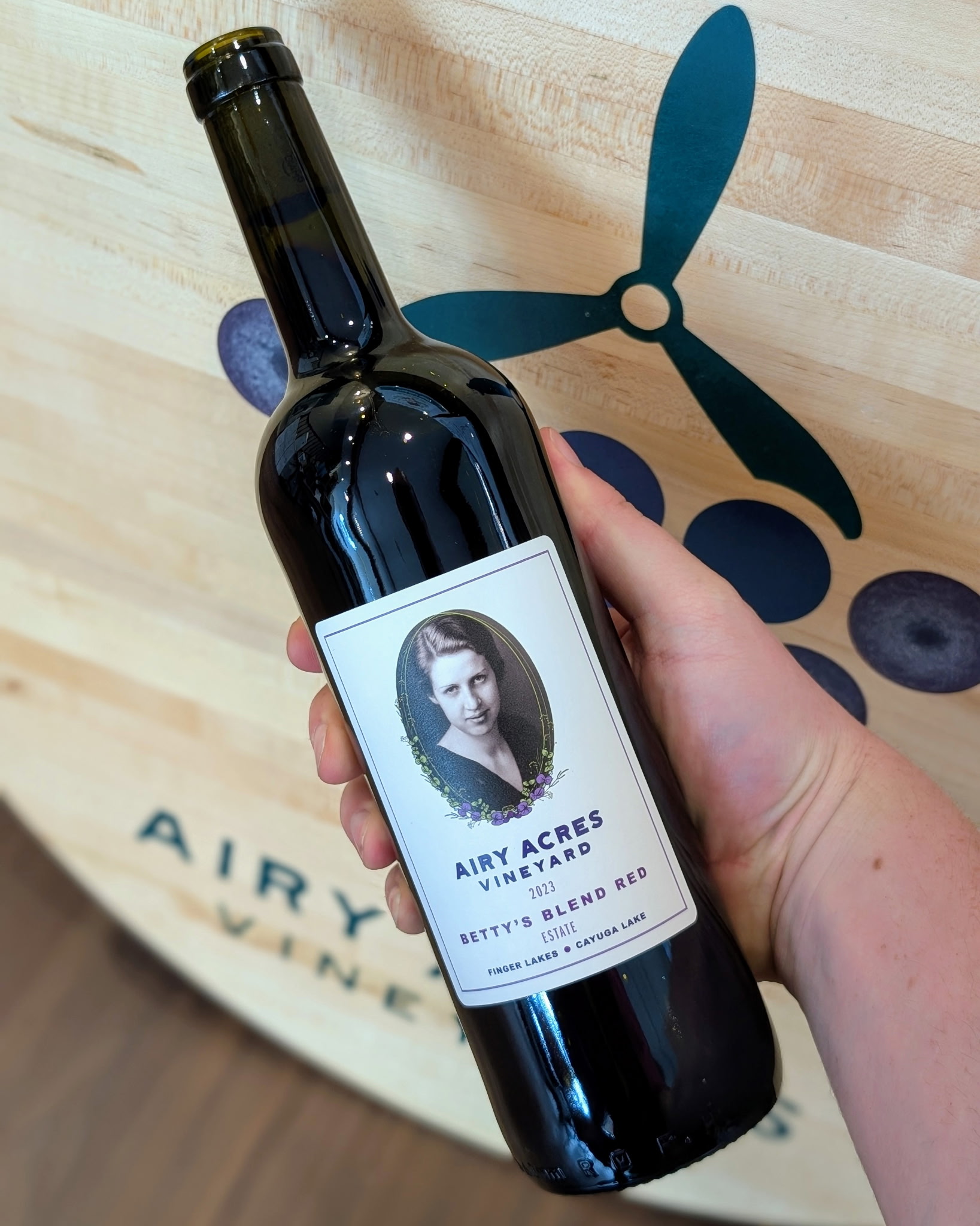
Airy Acres Vineyard, west-side Cayuga Lake (try Lemberger and Betty’s Blend, pictured). Wine Club member. Say hello to my friend, winemaker, and owner, Noah, when you visit. They are fairly new in the FLX and have been producing some incredible wines and reds

Lamoreaux Landing Wine Cellars, east-side Seneca Lake (try special Unoaked Cab Franc). I used to be the wine educator and director of marketing and public relations.

Sheldrake Point Winery, west-side Cayuga Lake (try Gamay Noir and Appassimento red dessert wine). Former wine educator there

Fox Run Vineyards, west-side Seneca Lake (try Cab Sauv and fortified Tawny Port)

Bright Leaf Vineyard, east-side Cayuga Lake (try Merlot). Say hello to owners, Donna & Mike, for me when you visit.

Six Eighty Cellars, west-side Cayuga Lake (try semi-carbonic Cab Franc). Say hello to winemaker, Ian.

Shaw Vineyards, west-side Seneca Lake (reds only). Say hello to Mr. Shaw and family

Forge Cellars, east-side Seneca Lake (try Pinot Noir)

Barnstormer Winery, west-side Seneca Lake (try Cab Sauv and fortified Ruby Port)

Shalestone Vineyards, east-side Seneca Lake (reds only)

Domaine LeSeurre Winery, east-side Keuka Lake (try Lemberger). Say hello to French owners, Celine & Sebastian, for me when you visit. Former assistant tasting manager and wine educator there

Red Tail Ridge Winery, west-side Seneca Lake (try Blaufrankisch and rare Teroldego, Lagrein, and Dornfelder. Last 3 from Italy are unique and worth exploring). Former tasting room manager and wine club manager there

McGregor Vineyard, east-side Keuka Lake (try Pinot Noir)

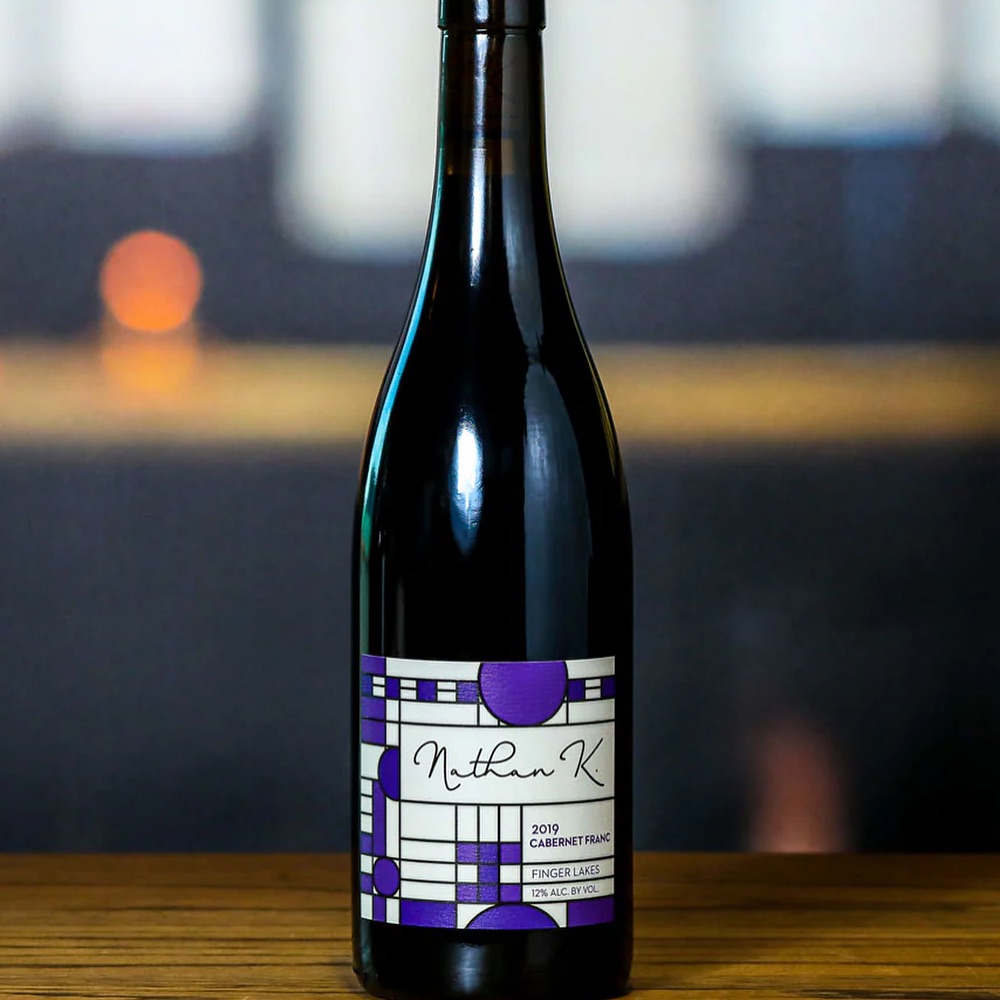
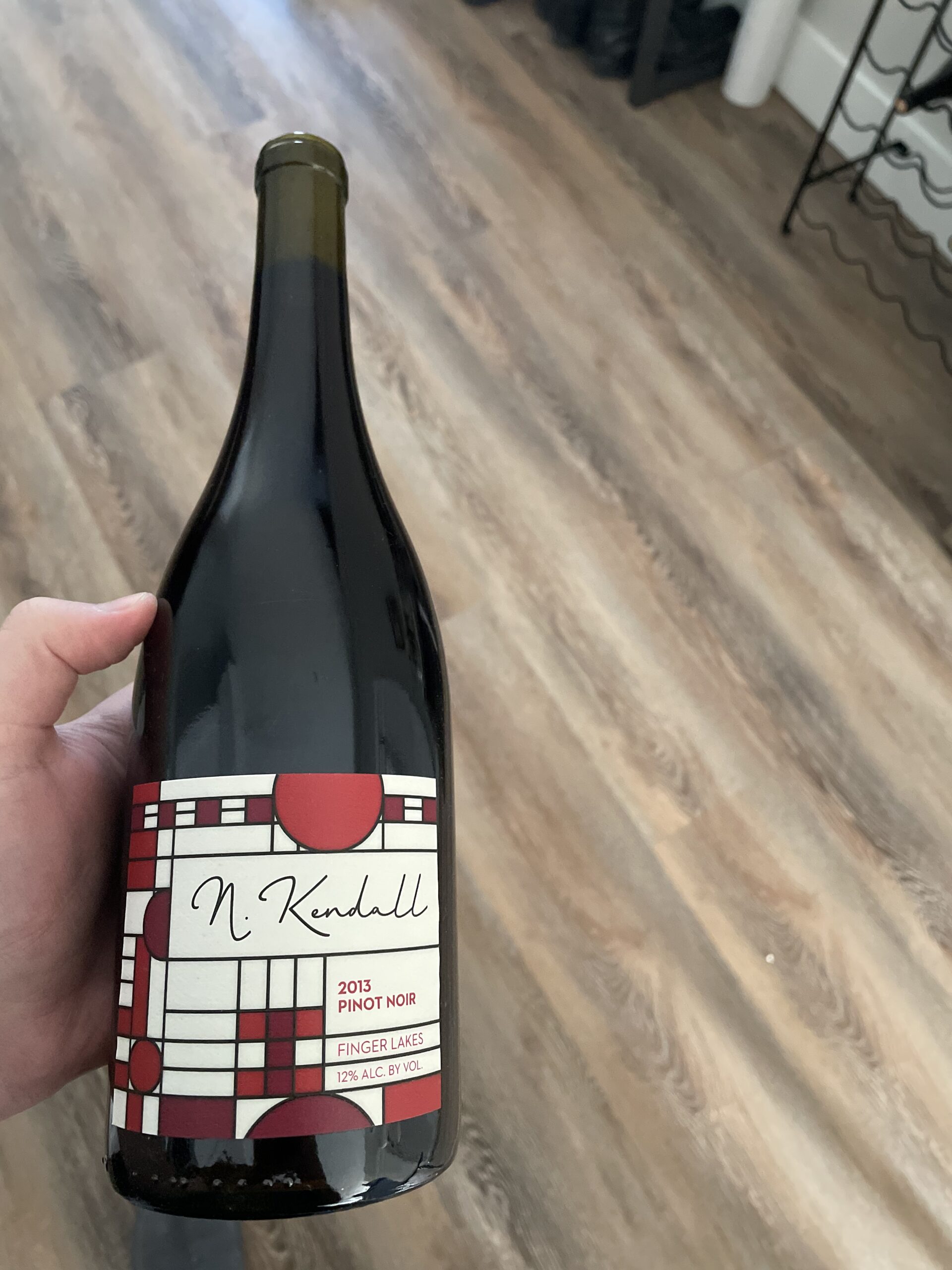
Nathan K/Hickory Hollow winery, west-side of Seneca Lake (try Cab Franc and library reds, pictured)

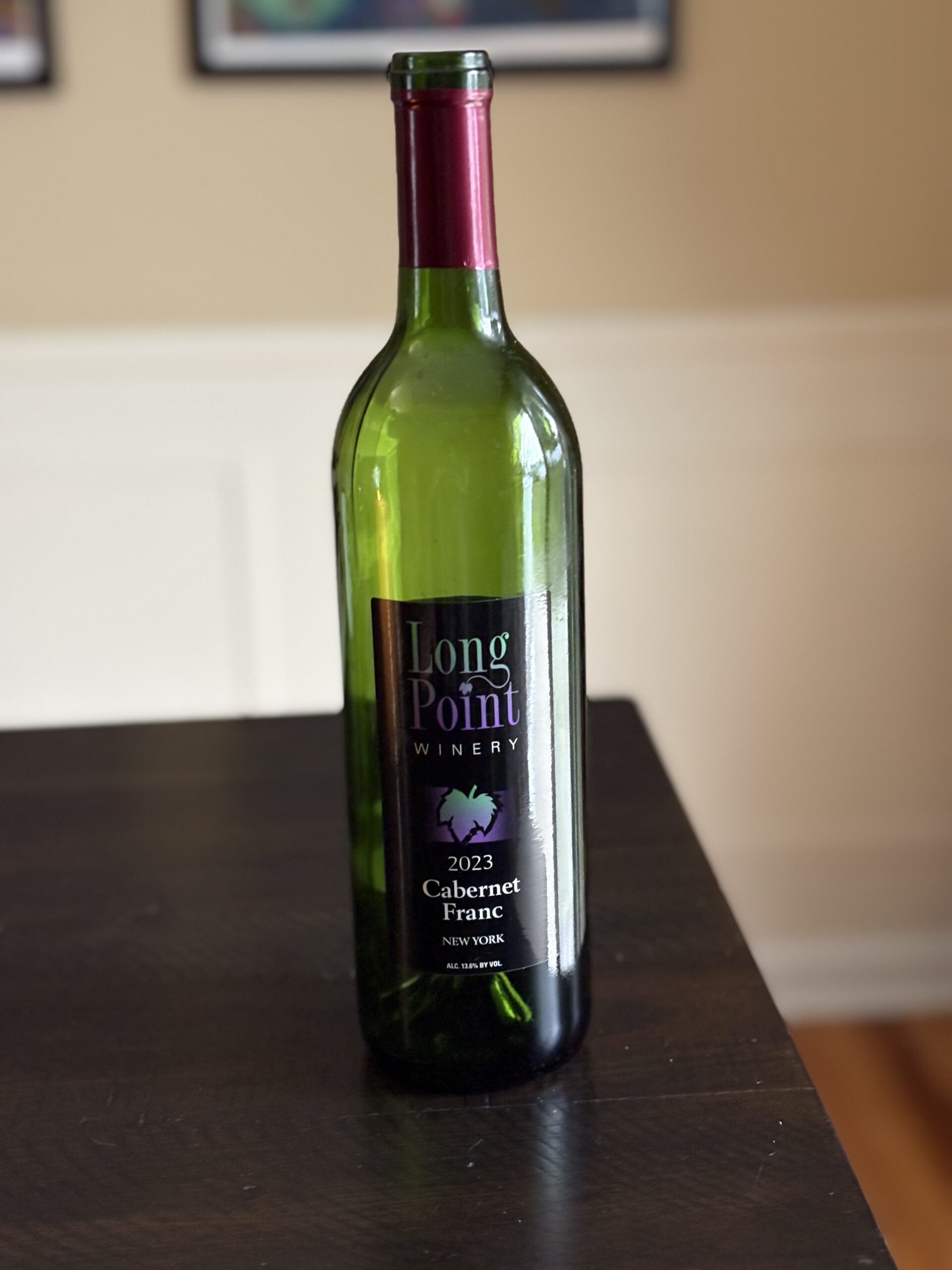
Long Point Winery, east-side of Cayuga Lake (try Cab Franc). Say hello to my friend, Women for Wine Sense colleague, and up-and-coming winemaker extraordinaire, Kristen. She is awesome!

Any questions or in need of recommendations for an organized wine tour or wineries to visit based on taste preferences, feel free to reach out and I can help you put together a tour to enhance your wine experience. Through my business, The Michael Pour, I am available to be your tour guide and concierge. The Finger Lakes Wine Region has been voted as the “Best Wine Region” in multiple years by consumers.

I’m no longer based in beautiful FLX wine country, but I continue to maintain close relationships with wine people and the wineries there. Look through the blog to read about my previous posts on the Finger Lakes Wine Region here – http://www.michaelpour.com/blog

Check out previous post about what “The Michael Pour” can do for you here – Interested In Learning More About Finger Lakes Wines? – The Michael Pour

Cheers,

Michael

Nobody’s Wine Bar: A Hidden Gem in Central NY

Lounge at Nobody's Wine Bar
December
29
2025

Nobody’s Wine Bar opened in September of 2023. They were a new addition to the infamous and historic Armory Square located in downtown Syracuse. The premise behind the opening was to offer a wine bar to the community that serves a variety of hard-to-find domestic and international wines. 

I would describe the space as being cozy, chic, casual, and educational. The interior features a large mural from the graffiti artist Vacant and custom lighting. It gives off vintage and art deco vibes with comfy seating on sofas, plush chairs, intimate table for two, and a long bar, which will accommodate many guests. Get ready to sip and savor and experience bottle bliss from a knowledgeable and experienced wine professional.

It’s a place where you can get a glass of wine — with about 25-30 choices at a price range starting around $10 per glass. That can go up to $50-$100 per glass for rare, high-end wines. The wine list is rotated often or seasonally to give patrons something new and fresh to try.

Their use of the Coravin wine preservation system allows them to keep bottles fresh without opening them. More bars and restaurants, especially those featuring wines or serving a lot of wine, should use a Coravin.

“What I like to say is we save the best wines for nobody,” said founder, Bob Leonard. “We open up everything, like 60-plus-year-old wine by the ounce just to give people the opportunity to try something they probably would never get the chance to otherwise.”

They try to pick wines from different regions around the world that guests might not have heard of or tried. “We try to highlight wines that I’d say are from more obscure regions and regions that kind of fly under the radar,” Leonard said. 

Additionally, they like to highlight wines that incorporate unique grape varieties and are made by sustainable and environmentally-friendly producers. 

The wines are available at different price points, with their most expensive bottle currently at $112 while most others between $40-$60, which is very reasonable for the atmosphere and for these rare wine finds.
They serve their wines by the half glass, full glass, and by the bottle. The half glass option is great, especially when you want to experience different wines. Grab a seat at the bar to order and engage your sommelier bartender or take your beverage to a comfortable piece of furniture. They know their stuff and would be happy to talk wine.

Nobody’s is primarily a wine bar, but they have some small bites like canned fish, local cheese and charcuterie from The Curd Nerd, and local bread and crackers. They also offer a curated selection of beer, cider, and seltzers and will unveil a small, basic cocktail program soon.

They encourage guests to bring in outside food, which is a great opportunity to discover the perfect wine pairings. Over time, they will look into offering more food choices along with occasional pop-ups.

Nobody’s is a destination where everybody is welcome. They believe, as do I, that every glass of wine tells a story waiting to be shared. With a passion for great pours, impeccable service, and an ambiance that invites you to unwind, they are thrilled to introduce you to their hidden gem on Walton St. in downtown Syracuse.

Whether you’re a seasoned sommelier or are just discovering your love for wine, come pull up a chair. Take a journey through their carefully curated selection of beverages handpicked from around the world, Central NY, and Finger Lakes region. 

Great place to grab a glass while waiting for a table at a nearby restaurant or finish off a delicious meal with an exquisite wine. They have accommodating late night hours for those having dinner, attending a show, musical, or cultural event, or experiencing the nightlife in the city. 

Happy Hour

Tuesday – Thursday from 4p-6p with $2 off beer & full glasses of wine and $1 off half glasses of wine. 

Trivia night is every Tuesday night starting at 6:30. Happy Hour goes till 8p that night.

Hours of Operation

Tuesday – Saturday, 4p-12a (ish*) *if it’s still popping, they will stay open! Closed on Sundays and Mondays. 

Location

Nobody’s Wine Bar, Armory Square, 222 Walton Street, Syracuse, NY 13202 (last shop on the street). Free street parking after 6pm.

Nobody’s offers wine classes for all wine levels with a seasonal focus conducted by staff. They are available to host your company’s private event or your special occasion event.  Look for cool LGBTQIA-friendly events throughout the year as well. Check out the event schedule on Tock for their upcoming winter wine classes at Nobody’s Hospitality Group – Syracuse, NY | Tock.

My company, The Michael Pour, is excited to be partnering and collaborating with them. Our hope is to establish Nobody’s as the main source for local wine education and a primary spot for discovering special wines. If you are a local business or organization and would like to work with us or have us host an event, please let us know at michael@michaelpour.com or hello@nobodyswine.com.

Please reach out to me if you would like to grab a glass or a bottle sometime and I will introduce you to the exquisite wine list.

Meet Sarah

Sarah Gaines is the GM and Head Sommelier at Nobody’s Wine Bar. She handles the day-to-day operations of the bar. I’ve had the pleasure of recently meeting her and working with her for our upcoming “Fundamentals of Wine” class series through the Syracuse Chapter of Women for WineSense on January 18th at Nobody’s. I have frequented the bar on several occasions and plan on being a regular personally and professionally.

Her story is an intriguing one and how she landed here in Central NY to run the wine bar is worth illuminating below. Sarah and I share a similar background with our love and passion for wine. Our combined restaurant and service experiences mirror each other. Also, our deep dive in Italian wine propelled us on our wine path. I look forward to our fun times together and bringing this passion to all of you.

“Born and raised in Colorado, Sarah took an unexpected but deeply fulfilling path to the world of wine. After earning a bachelor’s degree in Political Science from Alma College, she first discovered her passion for wine while working at a winery in Northern Michigan. There, she found joy in guiding guests through tastings and helping them understand why wine tastes the way it does.

Following undergrad, Sarah worked as a paralegal in Boston and Washington, D.C., and later pursued a master’s in Justice, Law, and Criminology at American University. But it was during her time as a Wine Educator at District Winery—between semesters—that Sarah realized wine wasn’t just an interest, it was her calling. She left graduate school to follow that passion full time.

Sarah went on to become the Cellar Director at RPM Italian, where she earned her Level One certification from the Court of Master Sommeliers and was later promoted to Head Sommelier. There, she helped develop one of the most extensive Italian wine lists, led staff education efforts, earned her Certified Sommelier pin, all while nurturing a deep love for Italy’s rich and complex wine traditions.

Now at Nobody’s, Sarah is excited to return to her roots as a wine educator—sharing her knowledge, exploring new regions beyond Italy, and helping guests uncover wines they’ve never heard of but will never forget.

Outside of work, Sarah stays active with weight training, golf, and spending time with her two beloved cats, Ruthie and Cork.”

Here are some of Sarah’s favorites which appear on the current wine list –

Sarah's favorite wines on wine list

Visit them at https://www.nobodyswine.com/ 

Cheers & Sante,

Michael Nagy


Wine of the Week: Little Known Red from Austria

Zweigelt Wine of the Week
January
6
2025

I had the pleasure of sipping this wine over the holiday season with in-laws. It was a nice change of pace from what I typically drink even though it reminds me of a nice Pinot and Lemberger all in one bottle.

Did you know that the country of Austria produces some really good wine? Can they grow red grapes and produce red wine in their cold climate? Although Austria is better known for its white wine, it does grow and produce some surprisingly good reds that are unique to the red wine world.

Austria as a whole is still white wine country, but of the 30% or so red vineyards, the most widely planted grape is Zweigelt by far. Zweigelt (pronounced TSVY-galt) and other reds are nothing like the new world reds in California, Chile, Argentina, and Australia nor old world reds in France, Italy, and Spain. Austria’s reds are very similar in style to Germany reds.

Austria is a landlocked country in Central Europe, bordered by eight countries – Germany to the northwest, Czech Republic to the north, Slovakia to the northeast, Hungary to the east, Slovenia to the south, Italy to the southwest, and Switzerland to the west

Zweigelt is a relatively young grape variety, having been created in 1922. The grape is a cross between the St. Laurent and Blaufränkisch grape varieties, which are native to Austria. It is a versatile grape that is grown throughout Austria’s wine regions. It is well-suited to Austria’s cool climate, as it ripens early and is resistant to cold temperatures. This allows the grape to be grown in cooler, higher-altitude vineyards, which are not suitable for many other grape varieties. 

Weis Vineyards Zweigelt

When you go to buy red wine and looking for something new and different, consider Zweigelt, and in particular the one I’m featuring in this post as well as one from Weis Vineyards, German winery off Keuka Lake located in the beautiful Finger Lakes, NY. Weis also produces a Dry Rose from the Zweigelt grape. Check them out! They are one of the best wineries in New York State.

The grape generally produces medium-bodied wines with moderate acidity and tannins. The wine has a vibrant ruby color and aromas of dark berries, such as blackberry and black cherry, as well as spicy notes of pepper and cinnamon. On the palate, it has a smooth, velvety texture with flavors of dark fruit, warm spice, vanilla, and sometimes even a hint of chocolate.

Zweigelt is a very food-friendly wine that pairs well with a variety of dishes. It is especially good with meat dishes, like roasted pork, beef, lamb, and duck, as well as with hearty vegetable dishes and warm stews in the winter.

Zweigelt is also an excellent choice for those looking for a more affordable alternative to some of the more well-known red wine varieties. While it is not as well-known as some other grape varieties, Zweigelt is gaining popularity among wine lovers, both in Austria and abroad. 

Austrian wine, in general, has gained a reputation for high quality and unique flavors, and Zweigelt is no exception. In recent years, Austrian winemakers have increasingly focused on producing high-quality Zweigelt wines, and the grape has been gaining recognition and awards at international wine competitions. 

In all, Zweigelt is a versatile, affordable, and high-quality red wine grape variety that is gaining popularity among wine lovers worldwide. With its unique flavor profile and food-friendly nature, it is definitely worth trying for anyone looking for something new and exciting in the world of wine. 

.

Schlosskellerei Gobelsburg Zweigelt, Niederosterreich, 2019 (cover photo)

Btw, German and Austria wines have very long wine names and sometimes hard to pronounce. This bottle of Zweigelt brings forth a nuttiness of almonds and dark cherries and berries on the nose along with a spicy and peppery aroma. It has a light-medium body and well balanced with enough acidity, although not crispy.

This Zweigelt offers a toasty character from some oak, but still fresh and youthful on the palate. It is a juicy, but elegant, energetic red wine with a nice aroma that lasts through the palate and medium finish. 12.5% alcohol.

It has reached its age of maturity in 2025 (not an age-worthy wine by tradition so drink now when it’s good). It is most likely at its peak for drinking.

Try this wine or search for more at your fine wine shop. Most local wine shops only carry 1-2 Zweigelts in inventory so call beforehand or just order this one online. You will not be disappointed! My rating is 8 out of 10 (very good). I won’t feature a wine unless it receives a score of 7 (good) and above. My personal rating system is out of 10; different from most professional ratings….Cheers, M

If You Love Pinot Noir, Try These & Other Seasonal Wines

Thanksgiving Pinot Noir
November
26
2024

If you haven’t picked up your Thanksgiving wine yet, then use this guide for your shopping. There are many options, whether it be white, red, rose, or sparkling, for all your guests’ diverse palates. Because of the season, I tend to focus on reds for the holiday season now through Christmas. Of course, the holidays are a celebratory time for many so a sparkling or that special bottle in the cellar would suffice.

If you prefer whites or roses that would pair well with turkey dinner or is your go-to, then you are set. I have the snob-less philosophy of drinking what you and your guests like regardless of the food, season, or what the wine snobs say. After the holiday is over and your guests depart, you are left with wine you can enjoy yourself.

I may be a little biased (I write about it a lot), but I feel that Pinot Noir is a happy medium no matter what you like. Not only is it a lighter and medium style of red with low to medium tannins and good acidity, but is food-friendly and pairs incredibly well with all the Thanksgiving fixings and turkey. It is also approachable for non-red wine drinkers and those who prefer not to sip a heavy, tannic red with or without food.

In the realm of Pinot Noir, there are many different styles produced around the world (some of which are new and upcoming regions rarely explored) with varying flavor profiles that won’t require you to spend upwards of $30. The price point on good quality Pinot from Burgundy, California from Russian River Valley, and some Oregon from Willamette Valley will cost you. See my previous Pinot posts on the blog. If price isn’t an issue and you prefer those styles of Pinot Noir, then go for it. 

Below you will find my value PN recommendations for the holiday season along with other reds and whites that will match your menu and satisfy your guests regardless of their wine preferences for under 30 bucks. Most Pinot Noir enthusiasts know about and have tried Pinot from California, Oregon, and Burgundy, but who else in the world produces fine Pinot that actually fits the season better and won’t cost you an arm and leg? 

I have recently discovered some excellent PN from Germany and the Alsace region of France, both of which are well known for Riesling and the latter for sparkling wine as well, which often contains a percentage of Pinot Noir in its blend or 100% Pinot Noir. Some other countries and regions produce excellent Pinot Noir which can be drunk all year long, but ones from these places are ideal right now and throughout winter.  

Bright, juicy, and easy to drink Pinot Noir from Alsace in the northeast corner of France is definitely under the radar. If you’re not a wine scholar, you may not be familiar with PN from France not named “Burgundy” or “Bourgogne”. It has grown in Alsace since the Middle Ages. Pinot Noir was considered a table wine at the time so it was overlooked in the original 1975 decree of the Alsace grand cru designation as well as in later revisions, until the designation changed in 2022. Wow! that’s recent!

Created as a pure expression of the fruit, Alsatian Pinot Noir is generally made in an unoaked style and is the only red variety allowed to be grown in the regional cru, or vineyard classification system, in Alsace. 

The wines from here are medium-bodied and offer fresh red berry notes of strawberry, raspberry, and cherry. When some oak is used, the wines are well-balanced and add warm baking spices to the red berry flavors. 

Many Alsatian Pinot Noir wines reflect a Burgundian style of winemaking showing elegance and the ability to age for a decade or two. These Pinots offer awesome value when compared to average price points of wines from Burgundy. Alsatian wines are also leaner than wines from warmer regions, like California and Australia. They also offer more red berry fruit than the dark, cherry flavors found in Oregon Pinot Noir.

Cremant d’Alsace rosé, or pink sparkling wine from the region made in the traditional style using 100% Pinot Noir grapes, is a light and lively sparkler with soft aromas of strawberry and cherry blossoms with some round peach, floral, and raspberry notes on the palate.  

What about German Pinot Noir? Did you know that Germany produces Pinot Noir? Well, it makes sense considering the climate and overall geographic location and proximity to Alsace. Alsace and Germany are close neighbors. German PN is not well known and goes unappreciated due to the lack of exposure worldwide, lack of exports, and what it is sometimes called. It is a very splendid style of Pinot right now.

The German word for Pinot Noir is Spätburgunder, translating to “late” (spät), referring to the grape’s later ripening when compared to other Pinot clones, and Burgundy (Burgunder), the antiquated term for Pinot Noir. 

German Pinot Noir is typically light in color, body, and tannins, with flavors of cranberry, cherry, baking spice, and a stony minerality. Some can be earthy and savory, but the general consensus is that it contains a bigger fruit and more acidity than most Pinots. Traditional German Pinot Noir is lighter than Pinot Noir from warmer climates and Alsace, but some contemporary winemakers are producing fuller-bodied wines similar to Alsace.

Other great styles of wine for the season include:

Reds – Beaujolais/Gamay/Gamay Noir (France), Cabernet Franc (France, NY, Virginia, Chile), Zinfandel/Primitivo (California, Italy), Blaufrankisch/Lemberger (NY, Germany, Austria)

Whites – Riesling/Semi-Dry Riesling (NY, Mosel, Germany, Austria, Alsace, France, Washington State), Gewurztraminer (Alsace, France, NY, Italy), Gruner Veltliner (Austria, NY)

Any Sparkling/Champagne – Blanc de Noirs (Pinot Noir) from NY, France, and California and Rose Champagnes are excellent choices.

Shopping List 

Check your wine rack or cellar for the wines above, but if you are looking to stock up for the holidays and season, then look for these wines by grape varietal, country, and region. The list below includes Pinot Noir, Beaujolais, Cabernet Franc, and Riesling.

Pinot Noir

Jürgen Leiner ‘Handwerk’ Pinot Noir 2022 (Germany), $24

Borell-Diehl ‘BD’ Pinot Noir 2021 (Germany), $14

August Kesseler ‘The Daily August’ Pinot Noir 2022 (Germany), $27

Terres d’étoiles Pinot Noir 2023 (Alsace, France), $22

Allimant-Laugner Pinot Noir 2022 (Alsace, France), $20

Domaine Bechtold Obere Hund Pinot Noir 2021 (Alsace, France), $29

Other red wines (under $30)

Maison L’Envoye Fleurie Château Vivier 2022 (Beaujolais, France), $21

Domaine Dupeuble Pere et Fils Beaujolais 2022, $20

Lamoreaux Landing T23 Unoaked Cabernet Franc 2022 (Finger Lakes, NY)

Macari Lifeforce Cabernet Franc 2022 (North Folk Long Island, NY)

Heron Hill Winery Classic Cabernet Franc 2020 (Finger Lakes, NY)

Whites (Under $30)

Anthony Road Finger Lakes Dry Riesling 2020

Thirsty Owl Wine Company, Dry Riesling 2019

Weis Vineyards Reserve or Dry Riesling 2019

Seasonal Spotlight: 5 Must-Try Wines for the Fall

Chenin Blanc wines
November
4
2024

November and autumn season brings a different vibe to the world of wine, and certain wines belong on the table. The weather gets colder, the day gets shorter, and that chill in the air shouts comfort. Certainly, comfort can be felt through sweaters, pumpkin spice lattes, and comfort food, but what about wine. With campfires, apple picking, and the looming Thanksgiving holiday, there is a call for more complex, savory, and fuller bodied wines. It’s the season of homemade soups, stews, butternut squash, sweet potatoes, poached pears, and apple pies.

While we’re not quite ready for the heavy and tannic Cabernet Sauvignon or Barolo to carry us through winter, we need something more ‘chill’ and transitional to get us through shorter days and set the stage for winter. Some traditional fall favorites that are fantastic include Pinot Noir, Merlot, and Gamay Noir/Beaujolais. Try the Gamay Noir from Sheldrake Point Winery in the Finger Lakes. It is beautifully done!

Beaujolais Nouveau is a wonderful, light, and approachable red wine that is perfect as an introductory wine for non-red wine drinkers. It is made from the Gamay grape and originates from the Beaujolais region of France. It is celebrated worldwide and released every year at the end of November. Beaujolais is one of my favorite wines to sip all year long, especially on Thanksgiving, because it is very food-friendly with turkey dinner. I will discuss it further later this month.

Here are five under the radar lovely fall wines (two whites and three reds) that don’t get enough love in my opinion. They are not as obscure as you might think. If you would like to receive my recommendations, just give me a holler.

1. Chenin Blanc

Famous for its apple aromas and flavors, Chenin Blanc is a perfect match for autumn lovers. Just like apples can be used in a variety of sweet and savory dishes, this medium-bodied white wine is extremely versatile, and can be paired with a wide range of main courses. Try a glass of Chenin Blanc with a root vegetable salad, roasted chicken, or rich seafood. Look for it in the Loire Valley of France, South Africa (leading producer of Chenin Blanc worldwide), United States, California and some in Washington State.

2. Sémillon

A medium-bodied white wine from Bordeaux, France, which is often blended with Sauvignon Blanc, giving it a lush, mouth-filling, and zippiness for green and fall veggies. Some are produced in oak and aged in the barrel, which will give it notes of honey, almond, and a smooth texture. The grape has few tannins, medium acidity, medium body and some oily consistency. Depending on its origin, you will discover flavors of lemon, pear, or papaya. Look for it in the regions of Pessac-Léognan, Bordeaux, Napa and Sonoma Valley, California, South Africa, and Columbia Valley, Washington State.

Barbera wine

3. Barbera

Although it doesn’t quite have the revered status of the Nebbiolo grape, Barbera is Northern Italy’s wine of the people and is never too far from the dinner table in the Piedmont region. In Piedmont, where Barbera is most expressed, Barolo and Barbaresco are the most recognizable names, but they are places as opposed to grape varieties. Both are produced from the Nebbiolo variety. Barbera, on the other hand, is the name of the grape variety itself.

Due to its pigmentation, Barbera can taste both rich and light-bodied, offering the berry and cherry notes in bigger wines, but goes down easily thanks to lively acidity. Oak-heavy styles have an extra touch of chocolate, vanilla and spice. Generally, it is going to be a lighter style of red (more approached) in context of other Italian reds. Look for it in California, US, and Argentina as well.

4. Primitivo/Zinfandel

This wine is jamming. Primitivo and Zinfandel are essentially the same grape. Primitivo in Italy and Zinfandel in the US and the rest of the world. The lighter, low-ABV styles of Primitivo have rose petal, sage, and black pepper flavors, The richer styles add a bit of smoke and jammy. Notes of cinnamon, raisin, chocolate, and tobacco make for an exquisite fall wine. Generally, Primitivo is medium to full-bodied, with medium to high tannins and low to medium acidity. It can carry a high-ABV in Italy compared to Zinfandel due to the warmer climate.

Zinfandel is a bold and fruit-forward wine that’s loved for its jammy fruit, smokiness, and exotic spice notes. It’s also made into a sweet rosé called White Zinfandel. Look for Zinfandel in regions of Lodi, Napa and Sonoma Valley, and Sierra Foothills, California, US, and Primitivo in Puglia, Italy.

Nathan K Cabernet Franc

5. Cabernet Franc

Cab Franc is the parent grape of Merlot, Cabernet Sauvignon, and Carménère. It can be lighter or bolder depending on where it’s grown. If you prefer non-fruit-forward red wine offerings, then Cabernet Franc is your wine. There are more pronounced notes of red and black fruits, like strawberries, raspberries, and plums, in warmer climate versions, but in cooler climates, you will encounter herbaceous, mint, green bell pepper notes, chili pepper, peppercorns, crushed gravel, and earthiness. It is an awesome Thanksgiving wine that pairs with everything on the table because of its savory notes.

It is the signature red grape of the Finger Lakes region of New York, where I call home, and one of my favorite wines to drink no matter the occasion. Look for it in the Loire Valley of France, Colchagua Valley of Chile, Tuscany region of Italy (fruitier style), Sierra Foothills of California, US, and throughout New York State. Try all vintages of Cabernet Franc from Nathan K Wine Cellars, Lamoreaux Landing Wine Cellars, who does an oaked and unoaked version) and Damiani Wine Cellars in the heart of the Finger Lakes.

As mentioned earlier, please reach out if you want my recommendations for the wines listed above. It’s never too early to stock up on wine for the holidays or to enjoy now. Look for Thanksgiving wine pairings and Beaujolais Day post later this month.

Cheers,

Michael

michael@michaelpour.com
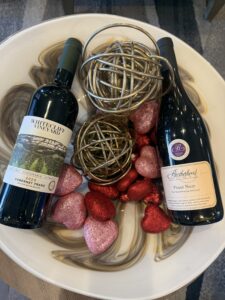
(717) 877-2729

Wine Spotlight: Getting to Know New Zealand Pinot Noir

New Zealand Pinot Noir
September
10
2024

New Zealand is located in the middle of the South Pacific Ocean. The nearest landmass, Australia, is over 1,000 miles away. The country has two long islands plus hundreds of small offshore islands. New Zealand’s vineyards are the first on earth to see the sun because of its close location to the International Date Line. New Zealand is comprised of the North Island and the South Island and wine is made on both islands.

New Zealand’s wine industry is small by global wine standards. Even though wine production only accounts for about 1% of the world’s wine production, it is filled with exciting promise in the “New World” of wine. One of the coolest maritime wine regions, New Zealand vineyards are among the most southernly on the globe. Most New Zealand wines are at their most beautiful and best when they are young.

Maritime climates or oceanic climates near bodies of water help wine regions produce distinct wines. With moderate temperatures and small changes in the hottest and coldest months, rainfall throughout the year, and relatively long growing seasons, these climates produce wines with good acidity balanced with fruit, minerality, and earthy qualities.

Many of the world’s most important significant wine growing regions have similar climates, such as Bordeaux in France, Southern Chile, Australia’s Victoria, and the Cape in South Africa.

New Zealand is best known for its punchy Sauvignon Blancs, i.e. famous Kim Crawford brand, and earthy Pinot Noirs. Of all wine produced here, Sauvignon Blanc accounts for 70% and Pinot Noir only 10% (although Pinot plantings are on the rise). Pinot Noir is the mostly planted red grape in NZ making light-bodied and earthy wines and also used for producing the nation’s few sparkling wines.

These wines are direct and thoughtful, as with most Pinot Noir, brimming with fresh red cherries, fresh cut roses, and a little bit of wet earth. These might be the best Pinot Noir values in the world! The cool and beautiful countryside of New Zealand is good for more than just exquisite movie backdrops and Sauvignon Blanc. Over the past couple of decades, they have been quietly growing some of the most exciting Pinot Noir in the world, especially in Central Otago and Marlborough,

New Zealand is crafting Pinot Noirs that are beautiful with their youthfulness, fresh fruit, and straight-forward nature. The wines are not as complex as Burgundy, but they are also lighter than most California and Oregon Pinots. You can expect light garnet-colored wines with fresh flavors of red cherry, cranberry, and red flowers complemented with soft, silky tannins.

Over the past few weeks, I have tried many different low-to-medium priced New Zealand Pinot Noirs from Central Otago, Martinborough, and Marlborough regions. It was a fairly tough search because there isn’t much of a market for New Zealand wines in Central NY, in general, especially Pinot. I truly love the grape, and always on the hunt for rare, obscure, and stylistically different wines, especially Pinot, throughout the world, it was worth it. Highly commercial NZ Sauvignon Blancs are much more available than their Pinots.

One Pinot Noir stood out among the group, Tapi Pinot Noir Marlborough 2022, which I will share below. This particular Pinot had a pronounced nose, very aromatic, light-bodied, medium acidity, light tannins, and full of flavor unlike many Pinots. Marlborough is synonymous with producing some of the world’s best Sauvignon Blanc but has become an up-and-coming region for unique and very good Pinot Noir. If your on a search, Marlborough Pinot is generally fruitier than those from Central Otago and Martinborough, which contain a more earthy profile.

This wine retails for $18-$20, which is a great bargain buy for Pinot Noir enthusiasts as well as an easy-drinking red for late summer and early Fall. It is light enough to have with salmon or chicken, but complex enough to complement richer red or game, such as quail, turkey, and duck or with a filet of New Zealand salmon. Also, try it alongside pork, veal, lamb or venison and all kinds of cheeses or just drink it alone.

Tapi Pinot Noir Marlborough 2022

Tapi Pinot Noir Marlborough 2022

The grapes were hand-picked and carefully selected from 15-year-old vines grown on clay soil. The grapes were 90% de-stemmed and 10% whole bunch, 72-hour cold-maceration and fermentation in stainless steel vats and left on skins for 3 weeks. Aged in 50% new French oak and 50% used French oak barriques for 12 months. Learn more about the name and history of this wine on the back label.

Tasting notes
A deep ruby colored in the glass, this wine displays lifted aromatic and bright layers of cherry, plum and floral notes with subtle hints of licorice, vanilla, oak and spice. The palate has layered flavors of ripe red and dark fruit, and spice underpinned by nuances of dry herbs, smoke, leather, mushroom, and savory characteristics. Mid-weight on the palate, this wine is balanced and mouth-filling with refined silky tannins, balanced acidity that leads to a long and elegant finish.

Tapi Pinot Noir Marlborough 2022

Reviews and Awards
NZ Organic Wine Awards: Tapi Pinot Noir 2019 – Silver

Cheers,

Michael

Wine Glass

DON’T MISS A DROP

Get notified when new articles are poured

We don’t spam!