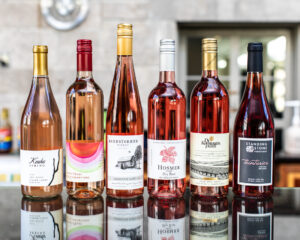
Pink Wine. Rosado. Rosato. Blush. Vin Gris. Summer Water. Saignée. What’s in a name or label?!
Rosé all day? Yes way, rosé. Stop and smell the rosé, rosé every day. Rosé isn’t going anywhere.
It’s May 1st and Rosé Season is upon us.
Although this pretty pink elixir has become the go-to summertime drink for social media influencers, it’s actually one of the oldest types of wines ever made. Surprising to many, this nuanced wine holds significant historical and cultural traditions in some of Europe’s great appellations. Being nuanced doesn’t mean it is too complex and intimidating to learn the basics.
Its worldwide growth and appeal over the last decade are very much the result of celebrity endorsements. There’s not much that Cameron Diaz, Angelina Jolie, and Post Malone have in common, but all of them have put their name to rosé brands and now aisles are adorned with the faces and autographs of singers, actors, TV chefs and, of course, Snoop Dogg. Much can be attributed to the rise of the rosé mansion and mass production as well.
The rosé lifestyle isn’t a great representation of the actual wine. Rosé isn’t a varietal of wine—it’s just a color. “Rosé” doesn’t really describe what’s in the glass. It could be the most refreshing, lively, delicious glass of pink wine you’ve ever tasted…or not. Rosé can be light or dark pink, mineral or fruity, lush and floral or crisp and acidic. Maybe we should look at the world through rosé-colored glasses because some rosés are bad doesn’t mean they all are.
If you’re interested in learning the differences among the world’s rosé, from the effect picking and production techniques have on style, color and taste, to a review of classic European regions, follow along below. Next time you reach for a bottle, you’ll know the difference between Tavel, Provence, Rosado, or Rosato.
Rosé wine actually dates back to the Romans. Some of the first French-produced wines were rosés. Provençal rosé, that crisp, easy-drinking, light pink style that you chug ceremoniously on the first warm day of the year has been commonplace since the early 19th century. Believe it or not, this pinkish drink pre-dates even Lisa Vanderpump 😉
Production Methods
Though it’s commonly believed that rosé is made by blending white with red, most bottles are made through skin contact (like a red wine) known as “saignee.” Blending red wine into white is only common in Champagne — not in quality still wine. Further, another misconception leftover from America’s white Zinfandel days is that rosé is off-dry or even sweet. In fact, most quality-driven rosés are a variation on bone dry.
Skin Contact
Have you ever heard a producer use the phrase “intentional rosé?” The concept entails growing and harvesting grapes for the express purpose of making rosé wine. This means picking early to preserve freshness and bright fruit flavors, followed by a limited maceration. In other words, winemaking follows the same technique as for red wine: crushing grapes and allowing the juice time on the skins.
But for rosé, that time is far less, from a few hours to two days. The shorter the period, the lighter the color – think pale salmon versus dragon fruit pink. After maceration, the wine is drawn off and fermented to full dryness.
Direct press is a variation on this, though is more akin to white winemaking. Rather than allow any contact between skins and juice, the grapes are pressed and the juice is drawn off the skins. But because the grapes are black, the juice will take on a hint of color and flavor. This method yields a delicate rosé, one that’s faint in color, while favoring citrus flavors over red fruits.
Saignée
French for “bleeding,” saignée is often a byproduct, (though not always – see Navarra) of red winemaking rather than utilized as an intentional rosé winemaking method. Grapes are not picked expressly for rosé but rather for the primary red wine. This technique is common in Paso Robles, for example, where winemakers seek to produce concentrated, bold and flavorful reds.
Bleeding some wine off early in the maceration process, concentrates the remaining juice; and the lighter juice that’s bled off gets vinified separately for rosé. Though it’s a perfectly acceptable method, wines can be an afterthought.
Rosé generally demands freshness, and grapes picked for concentrated reds are usually the opposite: ripe with higher alcohol. Of course, it’s a matter of taste – saignée is great for those who prefer a richer, fruitier style of rosé.
Blending
Except maybe late night at a party, fine wine producers don’t blend red and white wine together. At least, French appellations do not allow it, except for one: Champagne. For rosé Champagne, producers may add still Pinot Noir or Pinot Meunier for hue and flavor. Outside of Europe, a few New World producers might blend white and red but it’s not the norm for quality wine production.
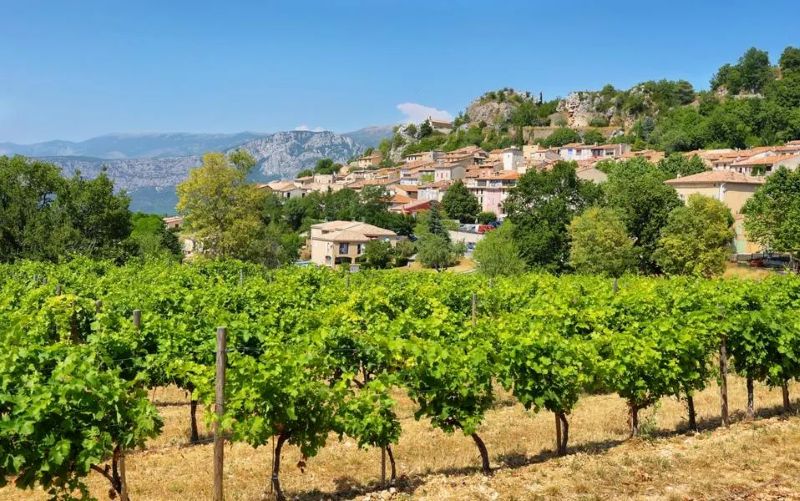
Provence Vineyards
Regions To Know
FRANCE
Provence, France
If you’ve sipped a glass of rosé, you’ve probably tasted one from Provence. The OG of pink wine, denizens of the south of France view rosé as a way a of life, not just a beverage. Stylistically, Provençal rosé is distinct, too.
Typically, wines are made intentionally, picked for citrus and tart red fruit flavors, with limited skin contact for lighter hues and delicacy of flavor. It’s not a big, brash, fruity wine; rather, they are meant as crisp, versatile food wines to be enjoyed with vegetables, seafood and even meat.
The classic grapes are Grenache, Cinsualt, and Mourvèdre. Bandol has a large presence in the U.S. for its high quality, pricier versions made from Mourvèdre. Wines are savory, mineral-driven and structured, rather than simple and fruit-forward. Bandol is a rosé that can age.
Tavel, Rhône Valley
Though Provence is better-known in the U.S. market, Tavel is the only French appellation specializing in dry rosé. Talk about intentional winemaking. The primary grape used in Tavel is Grenache. Other grapes allowed include: Cinsault, Bourboulenc, Clairette (pink and white), Mourvèdre, Picpoul (black, white, grey), and Syrah.
While white wine cannot be blended with red, white grapes and their press juice can be added pre-fermentation. Due to longer skin contact, the wines achieve greater color and depth of red fruit flavor. This lends more tannin, structure, and age-worthiness from top producers.
In Chinon, Touraine, Anjou, and Loire Valley, France, Cabernet Franc is the grape of choice where the bests rosés weave delicate vegetal notes and juicy red fruit flavors from the CF.
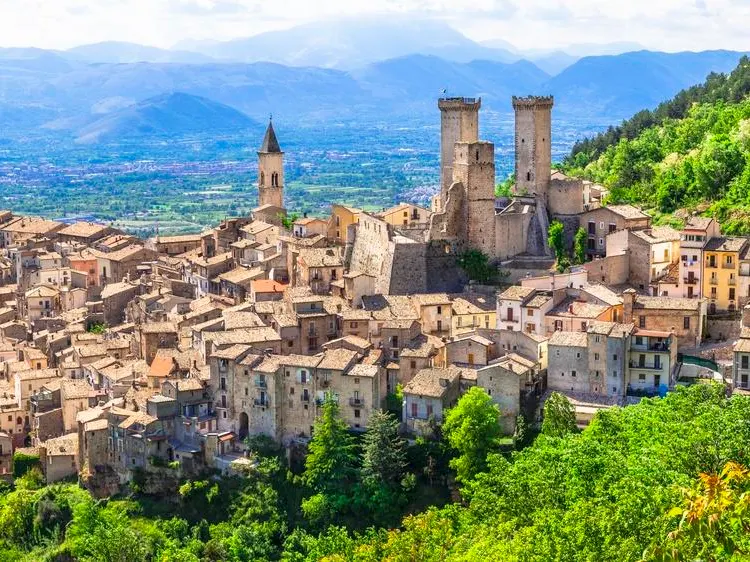
SPAIN
Spaniards have been drinking rosé for ages; only in recent years have those bottles made their way stateside. Often, producers made simple, quaffable wines. But as exports have increased, so has quality. Instead of rosé, bottles will say Rosado. Grenache and Tempranillo are the main varieties used for making various styles, though often in a deeper hue than their French counterparts.
Navarra
Navarra rosé helped make the region famous. Producers turn out both poolside sippers and more complex, food appropriate expressions. Grapes used include Tempranillo, Cabernet Sauvignon, and Merlot, though rosado from old-vine Grenache is considered the highest expression for the region. Saignée method is typical, but in the case of Navarra, wines are of good quality, not just a fun summer wine.
Rioja
Unusual in the world of rosé, or rosado, is the application of aging classifications to this style of wine. Most producers of rosé tout new vintages for their youthfulness and freshness, using stainless steel vessels in that stylistic pursuit. That, or they need to move product for cash flow.
But in the case of Rioja, rosado follows the classic aging rules in oak barrels: joven (no aging requirement), crianza (aged for 12 months including 6 months in barrel); and reserva (2 years including 6 months in barrel). Grenache and Tempranillo are the primary grapes.
Txakoli
Spain’s northern Basque country is home to unusual, indigenous varieties used to produce dry, effervescent Txakoli. Though rosé is a recent phenomenon, it’s becoming easier to find in the U.S. Made in a pale shade of pink, wines are mineral and tart, and largely based on red grape Hondarrabi Beltza.
ITALY
Known as Rosato in Italy, rosé is made up and down the boot, with styles and flavors dependent on the local climate and traditional varieties available. You’ll find more delicate versions produced in the northeast around Veneto, Friuli-Venezia Giulia and Trentino-Alto Adige. Logical, given the cooler climate.
That includes Chiaretto from Lombardy and Veneto. “Chiaro” means light or pale, evoking the dry style of the wine based on the Corvina grape. Ramato, from Friuli, is based on extended maceration with pink grape Pinot Grigio. Central Italians, of course, produce rosato. One better known example: cherry-pink Cerasuolo of Abruzzo made from the Montepulciano grape.
In the south, rosatos are fuller-bodied and fuller-flavored like the sun and the food. Puglia, Sicily and Calabria turn out lots of examples with native grapes like Negroamaro (Puglia) and Nero d’Avola (Sicily).
Rosé is a type of wine made from red wine grapes, produced in a similar manner to red wine, but with reduced time fermenting with grape skins. This reduced skin contact gives rosé a pink hue and lighter flavor than that of red wine. Rosé is produced around the world, as it can be made from any red wine grape cultivated in any wine-growing region.
UNITED STATES
Finger Lakes/New York
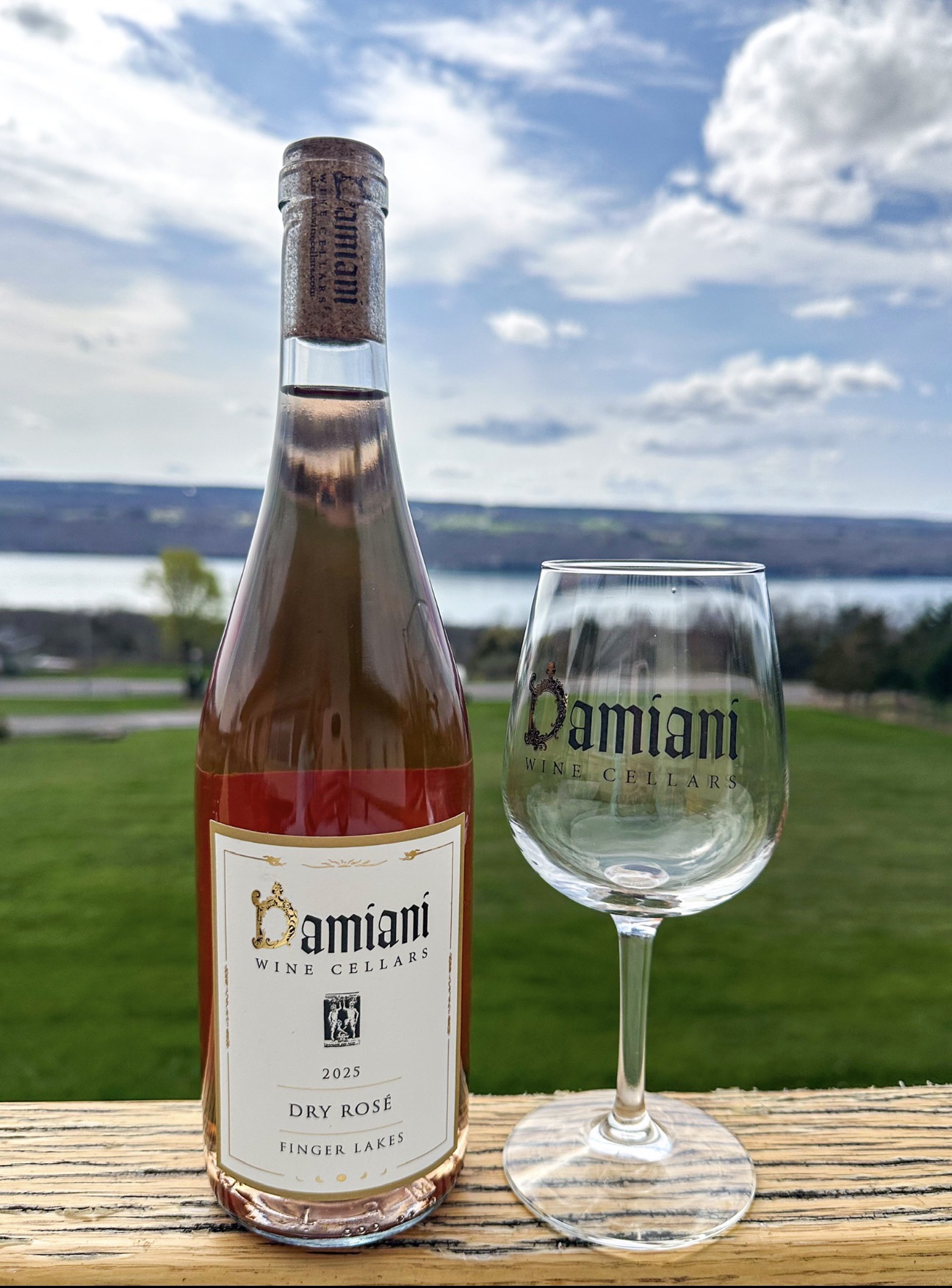
Finger Lakes rosé is a vibrant, cool-climate wine known for high acidity, mineral-driven finishes, and bright fruit flavors like raspberry, cherry, and cranberry. Early harvesting is essential for these wines to retain acidity and because of shorter growing season.
The rosés are known to be fresh, aromatic, possess an array of delicate colors (50 shades of Rosé), and perfect for summer sipping. The maceration time can vary from a few hours to 24 hours depending on grape ripeness, color, or your desired style.
The flavor profile is fresh red fruit (raspberry, strawberry), tart cherry, rhubarb, and hints of dried herbs. The style ranges from bone-dry to slightly off-dry, mineral-heavy, and steely. They are usually made from Pinot Noir, Cabernet Franc, Blaufrankisch, but also includes hybrid blends.
They are starting to see more experimentation with the varietals used for the wine, such as Zweigelt, Merlot, Cabernet Sauvignon, and Gamay Noir.
For my Finger Lakes friends, I am including my personal rosé wine recommendations. This summer, look for a fun, interactive, and educational rosé class in the local Syracuse, NY and Central NY area. Drink those 2023 vintages right now and the 2024 very soon. Don’t sleep on rosés from NYS in general. North Fork of Long Island and Hudson Valley produce some beautiful rosés.
Being a fairly low production wine (~200 cases), you will most likely not find a 2024 at the winery or marketplace. You should see most of the 2025 vintage of the Finger Lakes Rosé already released or soon to be released.
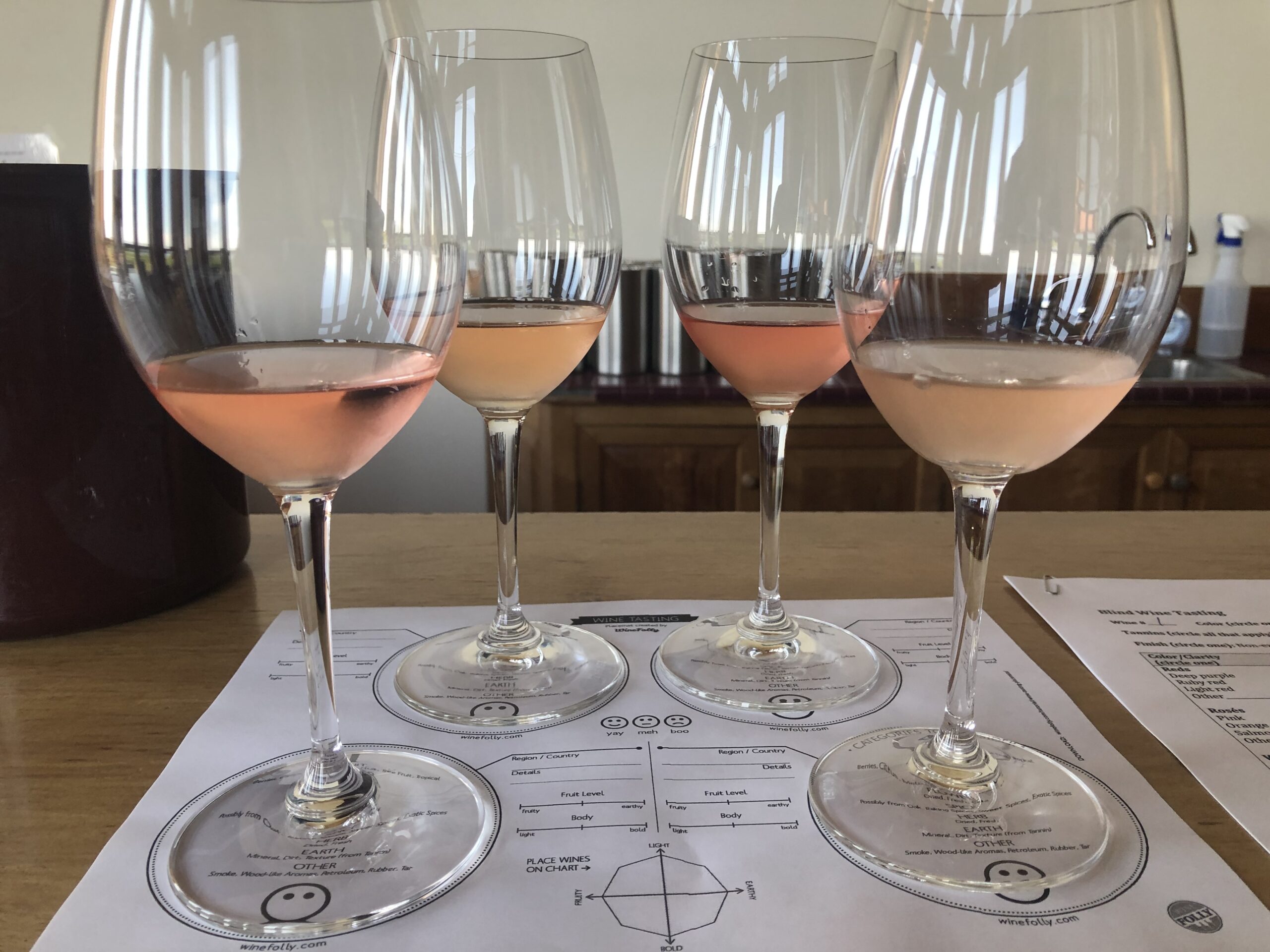
FLX Rosé Tasting by The Michael Pour. Book yours!
Weis Vineyards 2024 Dry Rosé. Also produces a Zweigelt Rosé.
Glenora Wine Cellars 2024 Dry Rosé
Ryan William Vineyard 2024 Estate Rosé
Damiani Wine Cellars 2024 Bouquet (2025 vintage will be released in the next few days). They offer a Dry Rosé as well. Visit them and order at Finger Lakes Winery – Damiani Wine Cellars. Let me know if you would like a taste of these wonderful rosés and the rest of their portfolio. I will come to you.
Bright Leaf Vineyard 2023 Estate Dry Rosé
Chateau LaFayette Reneau 2024 Estate Rosé
Fox Run Vineyards 2024 Dry Rosé
Sheldrake Point Winery 2024 Dry Rosé
Airy Acres Vineyard 2023 Dry Rosé of Saperavi and Blend
Six Eighty Cellars Dry Rosé of Gamay and Pinot Noir
Some of my other favorite rosé styles around the world –
Grenache or Garnacha Rosé (fruity) from France or Spain
Tasting – usually a brilliant ruby red hue with notes of ripe strawberry, orange, hibiscus and sometimes with a hint of allspice. Moderately high acidity, but since most have quite a bit of color and body.
Think a summer evening with gyros and tzatziki on the plate, which I just had this week.
Provence Rosé (fruity) from France
Tasting – Rosé from Provence is the little black dress of pink wines. Fresh, crisp, and dry style is a superb match for almost any dish, Try a juicy burger makes a perfect partner.
Grenache, Cinsault, Syrah, and Mourvèdre are all used and give these rosés nice aromas of strawberry, fresh-cut watermelon, and rose petal, finishing with a distinctive, salty, and minerality on the palate.
Pinot Noir Rosé (hard to produce, fruity, but can be floral and mineral/earthy as well) from all over the world. Some of the best in New York State.
Tasting – The fruit is considered sensitive and temperamental, but when at its best, it can make for a very sexy glass of wine. In Pinot Noir delivers bright acidity and soft, subtle aromas of crabapple, watermelon, raspberries, strawberries, and wet stone. The grape can produce mineral, but-elegant wines that are cool, crisp, and dry. Try with fresh goat cheese, salads, or fresh fruit on the beach.
Other Guidelines
Rosé should always be chilled and served at approximately 50 to 60 degrees Fahrenheit. Place rosé directly into the refrigerator after purchasing it, and chill for at least several hours before serving (30 minutes in the freezer will work in a pinch). I discourage you to add ice cubes to rosé or any wine, for that matter, since ice cubes will dilute and change the flavor of the wine.
It’s better cold to enhance the aromas, flavors and acidity, but not too cold. Too cold stifles the aromas, while too warm can over emphasize the alcohol and dull the flavor.
Most rosé is best to drink when young (1-2 years). So, 2024 and 2025 vintages are ideal right now. Anything older would taste flat and flavorless.
Since rosé wine, as rosé is produced specifically for its fresh and fruity taste, it is not recommended to age. An exception is in the Bandol region of Provence, which uses the Mourvèdre grape and is known for its age-ability. Rosé wines made from Mourvèdre are high quality and can age for up to 10 years in some cases.
Food Pairing
What isn’t a great pairing with Dry Rosé?! Rosé is such a broad category of wine with light, subtle options from southern France, Italy and Spain to bolder options like those from California, Central France, or South America (and so many in between from virtually every wine producing region on the globe).
Pairings really depend on which grape(s) the rosé is comprised of. In general, rosé can be thought of as an “in between” option for a red and a white wine in style. It often has the red fruit aromas of a red wine, with the lighter body and crisp acidity of a white wine. Paired with fresh fruit is magical!
Seafood
The light, often mineral-driven nuances of dry rosé wines, especially those from Southern France or Italy, harmonize beautifully with the delicacy of seafood. Be it a buttery lobster, grilled shrimp, or a light fish dish like cod or sole, the crisp acidity of dry rosé complements the sea’s salty sweetness without overwhelming its flavor.
Chicken & Meat
On the other side of the spectrum, the fruity undertones of rosés from regions like California or Central France make them an excellent match for poultry and lighter meat dishes. A roasted chicken or turkey, grilled pork chops, or even a medium-rare steak can benefit from the medium-bodied, berry-infused charm of a robust dry rosé.
Vegetarian
Vegetarian cuisine finds a delightful partner in dry rosé. The light body and dynamic flavor profile of dry rosé balance the natural flavors of vegetables, grains, and legumes. A Mediterranean-style salad, a hearty quinoa bowl, or a vegetable stir-fry would pair splendidly with a glass of refreshing dry rosé.
Cheese & Charcuterie
The spectrum of dry rosé wine can handle a broad array of cheeses and charcuterie. From creamy brie and tangy goat cheese to salty prosciutto and spicy sausages, dry rosé provides a counterpoint that enhances these bold flavors, making it an ideal choice for a charcuterie board.
Desserts & Sweets
Dessert pairings depend largely on the rosé’s residual sweetness. A drier rosé could pair nicely with a light lemon tart or a bowl of fresh berries, enhancing the dessert’s fruity notes without overwhelming its sweetness. Remember, the art of food and wine pairing lies in balance, and dry rosé is a versatile animal that can harmonize with a broad palette of flavors.
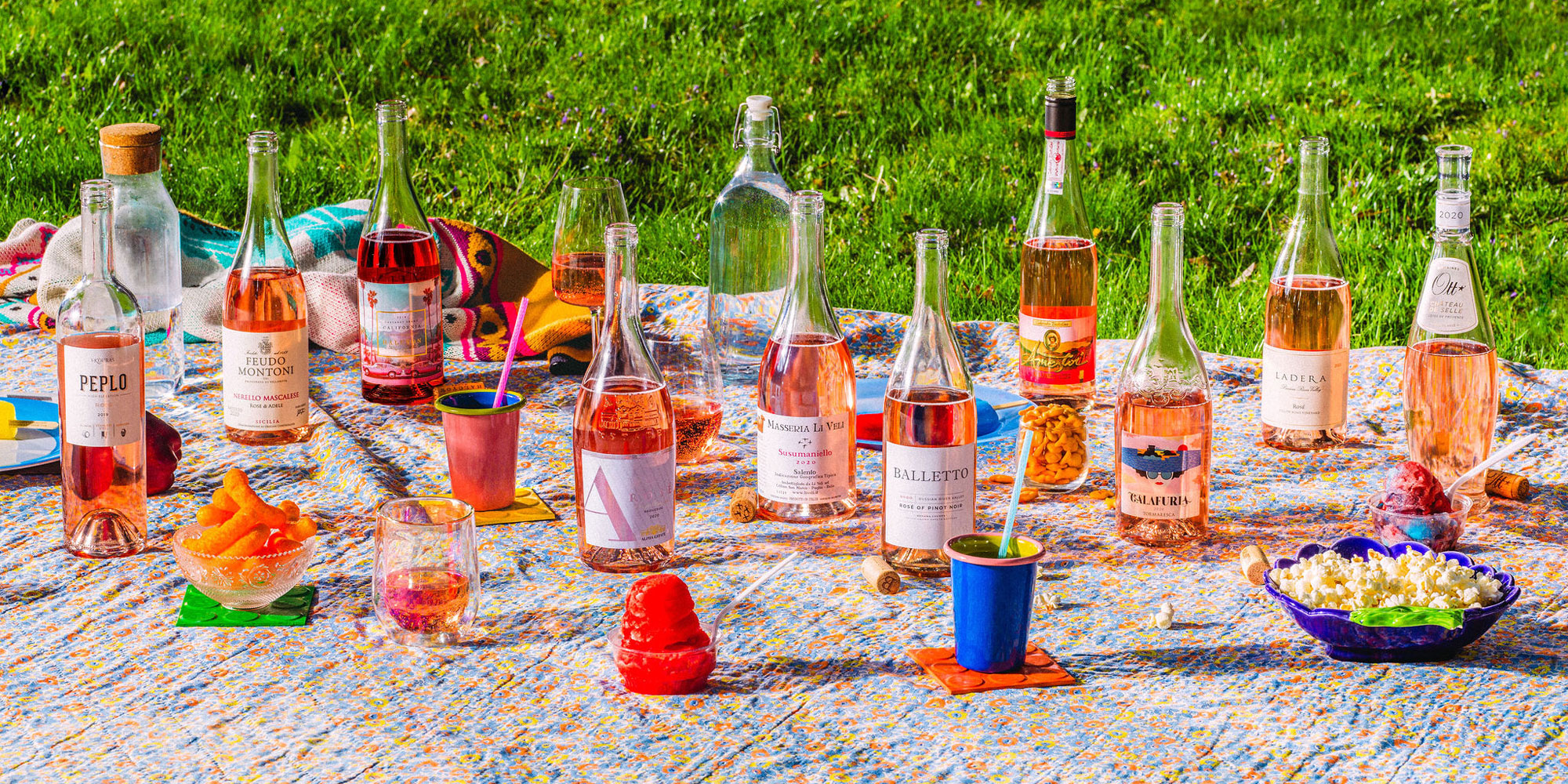
Cheers & Sante,
Michael
michael@michaelpour.com