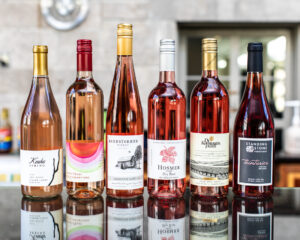
Rosé All Day: Intro to this Pink Wine

FLX Rose
April
29
2024

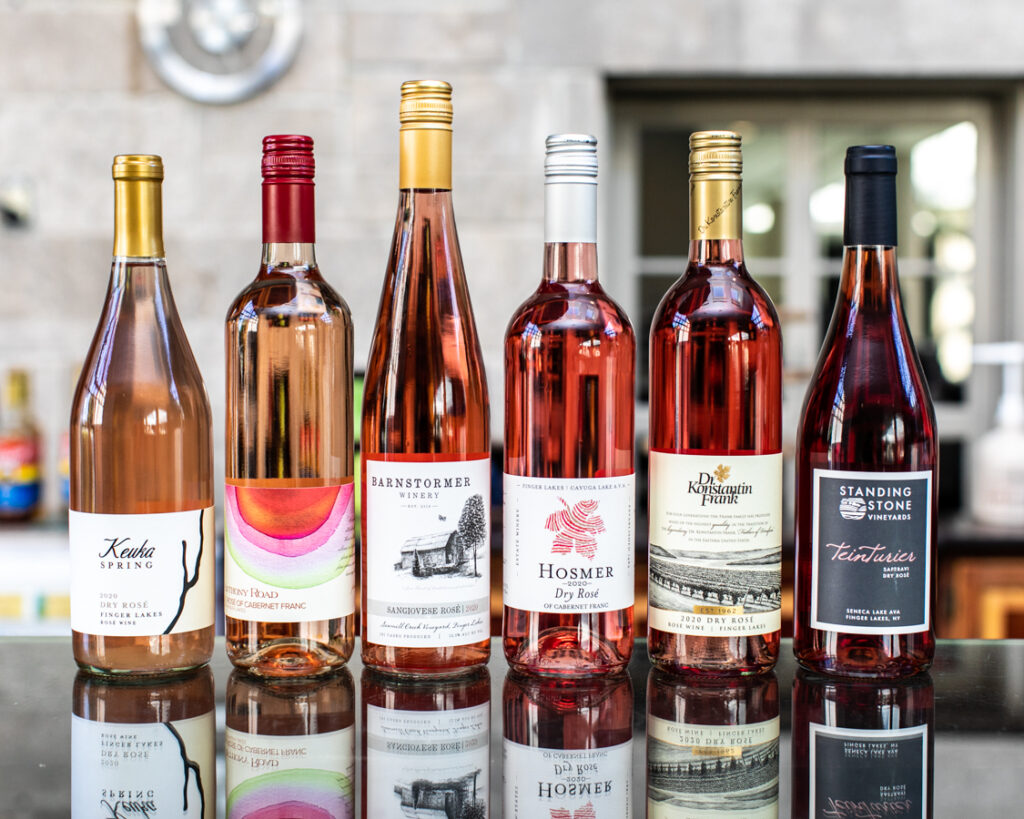
As a follow up to our incredible and successful Finger Lakes Wine Experience event last week, here is a brief history and facts about rosé wine. Contrary to popular belief, rosé wine is NOT made by mixing/blending white and red wine together to create ‘pink’ wine. Although, in its infancy, it was a rudimentary and common practice.

Modern Rosé most likely originated in the 6th century BC. The Greeks created the first pink wine in modern day Marseille, France, close to the Mediterranean in Southern France, but these attempts were off-dry and too tannic due to prolonged contact during fermentation.

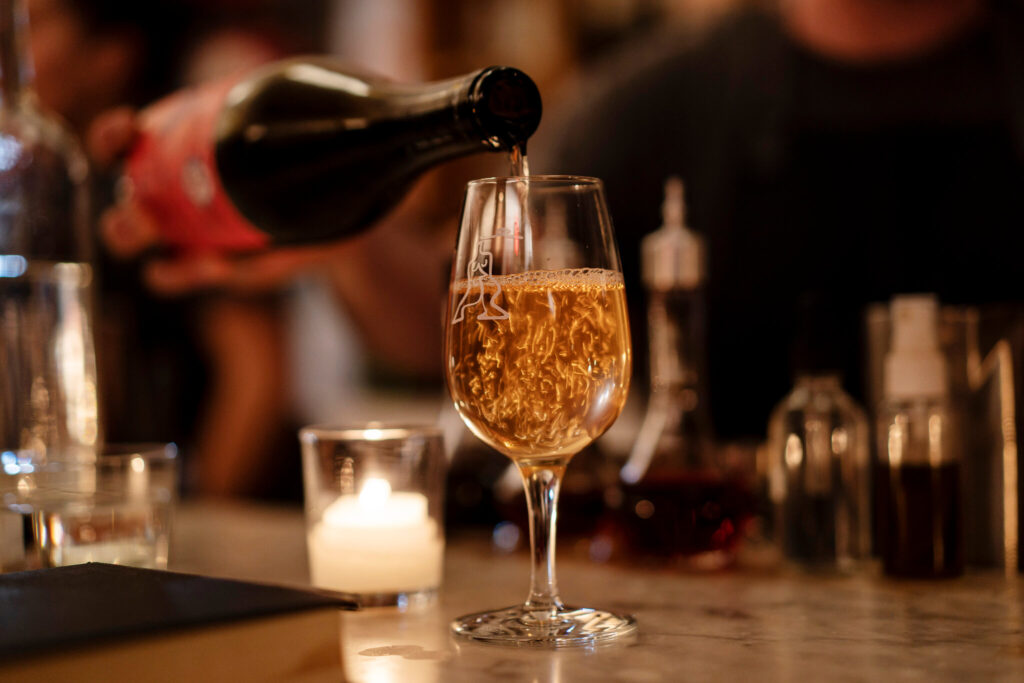
Rosé (Rosado in Spain, Rosato in Italy) comes from red grapes that have been macerated for just a few hours up to 24 hours to extract a little bit of color from the skins. Maceration (most common) refers to a process of soaking grape must on the skins to extract color, aroma, and tannins. When the ideal color is achieved, the juice is filtered off the skins and fermentation like a white wine is completed. More similar to a white than a red in terms of aroma and flavor profile, light body, and acidity.

Another method called Saignee (sahn-yay) Method (french) or bleeding off is the process of draining some juice from a red wine fermentation to increase the concentration/used in a different vat. Leftover juice is used for a deep colored rose wine. 

Also, cold soaking is the process of resting the juice with the skins at a cold temp prior to fermentation. This helps extract more color and flavors from the skin.

Blending is the least common where you add a splash of red wine to a vat of white wine. Mostly done in the early days and frowned upon today unless you’re in Champagne, France where they use red and white grapes..

Rosés can range in color from pale pink (Bandol in France) -medium pink (Grenache or Grenache blend) -deep pink (Tavel) or pale salmon (Provence, White Zinfandel) -medium salmon (Sangiovese)-deep salmon (Syrah, Merlot). Sometimes Rosés can appear pale copper (Provence, Pinot Gris/Grigio), medium copper (Pinot Noir), or deep copper (Syrah). Color achieved is a result of maceration time, cool vs. warm climate, ripeness of grape skins, and varietal used. Any red/black grape can be used by itself or in combo with others.

Rosé is often a blend of different varietals, such as Mourvèdre, Pinot Noir, Grenache, Cab Franc around the world or just a single varietal. Sometimes a little bit of white is added. Much depends on the quality of vintage and ripeness of grape juice/skins.

In France, typically Grenache and Syrah in southern France and Cabernet Franc in northern France. In Italy, Rosato is made all over Italy using one or several local, indigenous varieties, but also Sangiovese (Italian grape found in Chianti). In Spain, Rosado is made from the signature grape Tempranillo and sometimes with Garnacha (same grape as Grenache found in France). In Argentina, the signature grape, Malbec, is used.

Best drank young (1-2 years). So, 2021 and 2022 vintages are ideal right now. The 2023 vintage which has been released in many regions, like the FLX, is very good, but may take a little time to mature and evolve in the bottle. Serve between 45-55 degrees – better cold to enhance the aromas, flavors and acidity.

It is one of the best wines for pairing with warm weather appetizers and light bites. Crisp, fruity, and vibrant, a light rosé with substantial acidity will offer a counterbalance to soft and mellow cheeses and fresh crudites without being overpowering. Try it with goat Gouda, Havarti, Feta, baby Swiss, and cheddar. Salty foods, such as prosciutto and nuts and olives on a charcuterie board are a delicious choice. It’s versatile and refreshing for summer picnics or time spent outdoors.

Lighter rosés (FLX, NY, Cali, Oregon) pair great with cheese, sushi, salads and seafood. The higher acidity makes it very food friendly. Bolder rosés (Old World/France & Italy) pair well with bolder foods, like pizza, BBQ, spicy foods, Asian cuisine, charcuterie, turkey, ham, heavier cheeses

The very driest rosés (watermelon, grapefruit, herbs) – look for Tavel and Grenache from Southern France and Languedoc Roussillon region.

Dry Rosé (melon, peppercorn, strawberry) – Pinot Noir, Tempranillo, Mourvèdre

Semi-Dry (plum, cherry, smoke) – Syrah and Cab Sauvignon

Off-dry (red fruits) – Sangiovese and Malbec

Sweet (raspberry, melon, strawberry) – White Zinfandel (sweeter) and Pink Moscato (sweeter and carbonated)

Rosé has seen an incredible spike in popularity in the US. In 2017, it was the number one fastest growing beverage category, with a 25% annual sales increase. The demand from Provence – a French region once looked down upon for its simple wines – has outstripped the grape supply. France produces and consumes more than any other region accounting for 30% of the world’s rosé. Rosé in Spain has grown exponentially and their Rosados have received international acclaim that are starting to rival the French.

If you would like to learn more about Rosé wine or want recommendations on the best ones to try, please reach out. Stay tuned for more blog posts like this all spring and summer. Look for fun wine tasting and food/wine pairing events as well as featuring different wines from around the globe and the Finger Lakes.

Cheers,

Michael Nagy
Interested In Learning More About Finger Lakes Wines?

Tasting Wine By Style
March
24
2024

Whether you’re an industry professional, wine enthusiast, or just getting into wine, The Michael Pour is offering a fun, practical, approachable, and interactive educational and tasting experience that takes you on a journey through FLX wines and wineries.

Learn about the history of the wine region and the winemaking process from grape to glass. It’s almost winery season here in the FLX so what a great time this spring to get immersed in their wine through tasting and education.

Below are some topics included. In addition, there will be an opportunity for a Q & A during and after your experience and access to food and wine at the establishment.

  • Identify the components of wine and how they affect your personal palate using sight, smell, and taste.
  • Learn how to taste using a systematic approach to tasting wine. We will taste one white, one rose, and one red.
  • Learn about basic food and wine pairings.
  • Explore various wine growing techniques and how geography and climate impact the grape.
  • Learn how to read and interpret wine bottle labels.
  • Learn what differentiates FLX wine from worldly wines.
  • Debunking wine myths and proper storage and service of wine.
  • Get recommendations on FLX wineries to visit and wines to explore.
  • Receive a wine tasting mat, handouts, and reference guide to aromas and flavors.

Wine tasting

Where: Starr’s Restaurant, 7 East Main St, Waterloo, NY

When: Thurs, April 25, 2024

Time: 6:00-8:30pm

Space will be limited to 12 people. Ticket price will be $25 per person through Eventbrite, which includes event, materials, wine tasting, access to food and drink at restaurant, and much more…. Book soon!

Cheers,

Michael

Wine Spotlight: Riesling Primer, Riesling Day & Recs

International Riesling Day
March
10
2024

To get things started, let’s discuss a topic that I am passionate about – wine #grapes and the #wines they produce. As we approach spring and celebrate annual “International Riesling Day” on March 13th, what better time to talk about the noble grape, #Riesling, which happens to be the signature grape of the Finger Lakes, NY where I call home.

It is so popular here that they dedicate a whole week of events centered around Geneva, NY, located at the northern tip of Seneca Lake. The week-long event is called “FLXcursion” or The Finger Lakes Riesling Wine Conference. It is an international gathering of Riesling regions and producers from around the globe. International Riesling Day is a toast to this versatile, bright, and aromatic grape. Let’s take a closer look at this grape, which is grown and produced in many different parts of the world.

Riesling is considered by many to be the most noble and distinctive white grape variety. The grape is thought to have originated in the Rheingau region of Germany.

The best Riesling has elevated acidity, aromatic, unique sense of purity, and vivid aroma and flavor. The wine is graceful and light on the palate. It’s refined and layered structure along with mouthwatering, delicate flavors that include ripe peaches and apricots (stone fruits) to melon (tropical fruit) to lemons, oranges, and grapefruit (citrus fruits) with vibrant minerality, like the taste of clean water running over stones in a mountain stream. A dangerously easy to drink wine.

Riesling grapes

More than almost every other white grape, Riesling is temperamental about where it is planted. It doesn’t grow well in very warm places, and even in cooler locations, the quality and character of the wine can vary. The most elegant and precise Rieslings come from cooler climate regions, like New York, Washington state, parts of Australia, France, Germany, Canada, Slovenia, and Austria. You can also find great Rieslings made in cooler pockets within a warm climate. In the cool districts of the Clare and Eden valleys of Australia (tends to have more petrol notes), the top Rieslings are minerally, vibrantly fresh, citrusy, and tight (wine speak for high acidity).

It is not a wine you can just chug. Most sommeliers and wine professionals agree that you’re more likely to stop and think about what you’re drinking. If you’re having a great meal and want something to hold up to it, Riesling should be on the table. Riesling is one of the most flexible food wines thanks to its soaring acidity and is relatively inexpensive. It cuts through the acid in the food and enhances your experience.

Aged Rieslings are some of the most prized wines out there because it’s strong ability to age well with its higher acidity level and some residual sugar (sugar left over after fermentation).

A common assumption about Riesling is that it is sweet or semi-sweet. That is not correct. Unfortunately, consumers have been only exposed to the highly commercial ones available in the US, which tend to be on the sweeter side. If you live in Finger Lakes wine country, like I do, you will find most of the Rieslings are dry. In fact, most of the top Rieslings in the world are dry, except for those that are made intentionally made sweeter, like ice wines and late harvest wines.

Some of the confusion about the sweetness levels of Riesling happens because when you discover a wine that is fruity, you assume its sweet. It’s easy to confuse fruitiness with sweetness. Quick tip – when you sip a wine, hold your nose, and if the wine tastes sweet on the tongue (specifically the tip of the tongue), then it is a sweeter wine. If not, then it has little residual sugar and is therefore fruity. Another way to determine sweetness is to look at the alcohol content. Once you go above 12%, it gets drier. Look for the word trocken “dry” on the label.

To help clarify where a Riesling stands in terms of its taste (for shopping purposes and to get what you want), the International Riesling Foundation (IRF) created a scale/taste profile chart based on the ratio of sugar to acid in the wine. This could also be helpful to those who are diabetic or don’t want to consume a lot of sugar. You will find the chart on the back label of many Rieslings. The spectrum shows from dry to medium dry to medium sweet to sweet and pinpoints where that wine falls on the spectrum.

Try these foods with dry Rieslings

Raw, cured and smoked fish, particularly salmon and trout though any selection of smoked fish should work well as you’ll see from this pairing for cured salmon. Also sushi, particularly with the slight touch of sugar you get in sushi rice.

Fresh or lightly dressed shellfish, prawns, shrimp, fresh crab, or seafood cocktail. Fish dishes with a creamy sauce.

Pork, particularly fatty cuts like pork belly, better if with some kind of apple or bacon chutney or sauce.

Poultry

Goat cheeses. Young Riesling with young goat cheese, but an aged Riesling with a mature goat cheese is better.

Try these foods with medium dry or off dry Rieslings

Just think spice. So many spicy dishes work with an off-dry Riesling – Thai, Vietnamese, even Indian. The hotter the dish the sweeter the Riesling, basically.

Asian-style salads, Thai beef salad, spicy noodles, goose, duck, pork, roasted and aromatic veggies, cucumber soup

If you would like to learn more about Riesling and the specific regions it hails from, please let me know. This post would be a dissertation if I discussed every aspect of the grape and the wine. If you would like wine recommendations, just reach out. There are so many different styles for every palate out there. Because my body can’t tolerate high acid wines, I tend to drink more semi-dry Rieslings than dry because it has a lower acid content. Personally, I am more of a Pinot Gris, Sauvignon Blanc, and Chardonnay wine fan. If you would like wine recommendations, just reach out.

I listed some highly rated local (pricier than most world Rieslings) and worldly Rieslings (great value too) to enjoy with food and during spring and summer months. Look for these online or at your favorite winery and shop. Your feedback is always welcome and encouraged.

Finger Lakes

Hermann J. Wiemer Flower Day Riesling 2022

Hermann J Wiemer Semi-Dry Riesling 2022

Nathan Kendall ‘Nathan K.’ Dry Riesling 2021

Anthony Road Wine Company Dry Riesling 2021

Forge Cellars Riesling Classique Finger Lakes (every vintage since 2015)

Weis 2019 Dry Riesling Finger Lakes

Hillick & Hobbs Estate Dry Riesling 2021

Boundary Breaks Dry Riesling Finger Lakes No. 239, 2019

Dr. Konstantin Frank Dry Riesling Finger Lakes (every vintage)

World

Dandelion Vineyards ‘Enchanted Garden of the Eden Valley’ Riesling 2022 (Australia)

Best’s Great Western Riesling 2022 (Australia)

Koehler-Ruprecht Kallstadter ‘Saumagen’ Riesling Kabinett Trocken 2021 (Germany)

Leon Manbach Riesling Grand Cru Frankstein 2019 (France)

Weinhaus Ress Riesling Trocken 2021 (Germany)

Trefethen 2019 Estate Grown Dry Riesling Oak Knoll District (Oregon)

Montinore 2019 Almost Dry Riesling (Oregon)

Fess Parker 2019 Rodney’s Vineyard Riesling (California)

Enjoy! Sante! Cheers! Prost!

Michael

Weekly Spotlight: Return of the Blog & Cocktail Trends for 2024

Cocktail Sign
March
5
2024

I am back!!! It’s been almost eight months since the last post from “The Pour”. Over the past eight months, I have focused my time and energy on working as the general manager and sommelier at a high-end casino Italian steakhouse. I am excited to make this blog an epicenter for everything wine, cocktail, bar, and #beverage. Ideally, I would like the content to be driven by you, the consumer, so I encourage you to submit your questions and offer feedback on what you want to learn more about via social media posts, blog comments, or direct contact with “The Pour” by text or email. Whether it be on #wine education, local or worldly wine reviews, craft #cocktails, #trends, #bar operations/etiquette, #party/#event planning, #consultation, etc…, I am here to serve you.

For this week’s edition of “The Pour”, let’s immerse ourselves in the ever-changing world of cocktails and the trends that are popping up all around us. What’s hot !?!?!?

Carribean cocktail

The demand for fresh, well-balanced, creative, and innovative cocktails in 2024 is evident in today’s cocktail and culinary culture. It is not just reserved for big city bars, speakeasys, high-end restaurants and hotels anymore. The palates of consumers have evolved to healthier, plant-based, sugar-free/low sugar, canned cocktails, and low alcohol/alcohol-free options. Bartenders and mixologists serving behind the stick as well as those sitting at the bar or in the restaurant are experiencing this trend. If you’re looking for cocktail menu ideas for your bar, restaurant, public or private party/event, home party, or for your own weekend escapade with the guys or girls, this cocktail trend discussion will tipple your fancy.

For 2024, our cocktail shakers and glasses will be filled up with ingredients from the past (the 1990s to be more precise). The term “retro cocktails” has become fitting. Remixed classic cocktails, infusions, synergy between food and drink, smoked cocktails, fancy ice cubes, dehydrated food, etc… has become a part of the cocktail-drinking experience. These are some of the drinks you will be toasting this year!

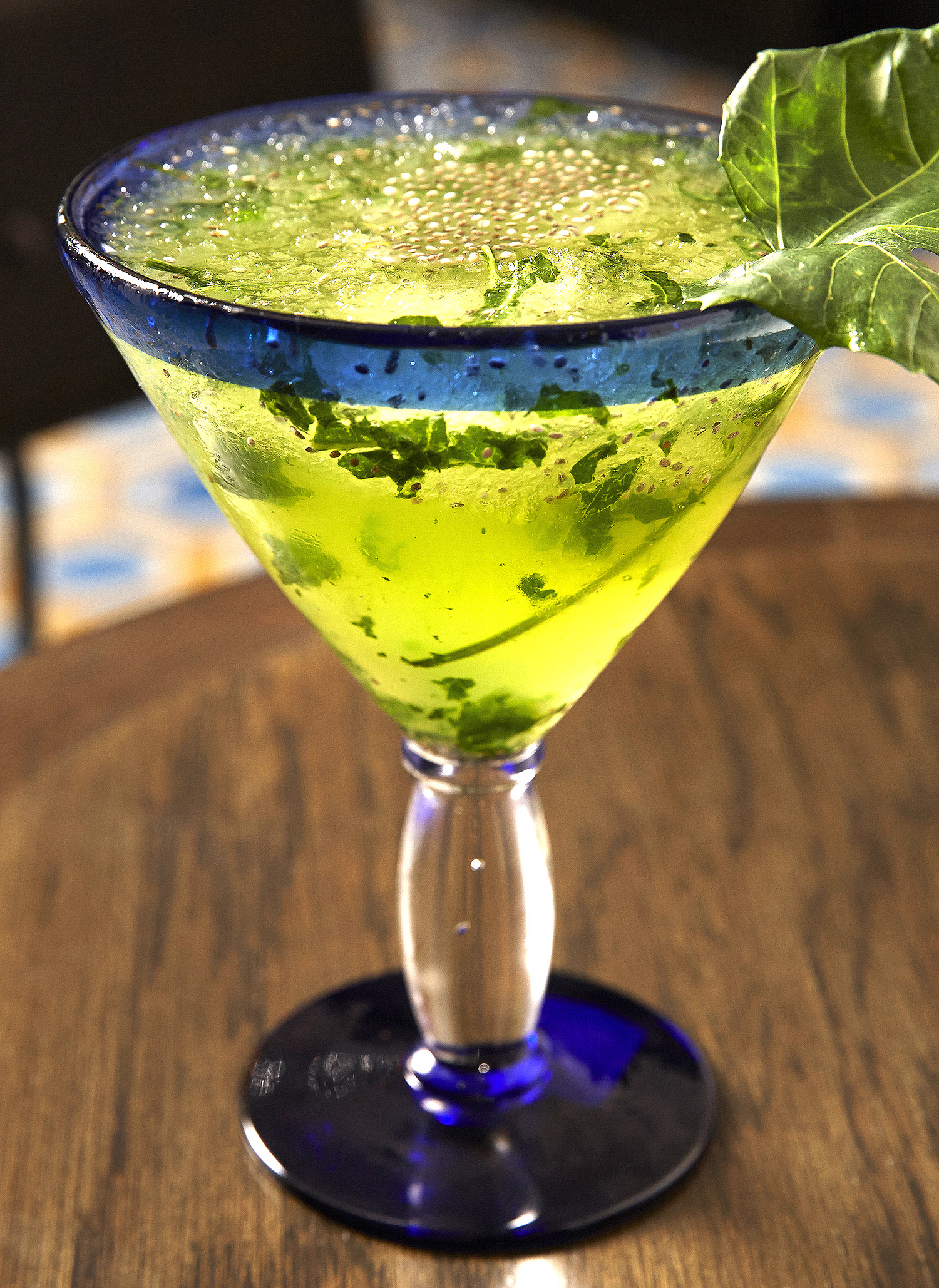
1) Savory and spicy cocktails are becoming increasingly popular, as people are looking for more complex and interesting flavors in their drinks. Popular savory cocktails include the classic Bloody Mary or Bloody Maria and Dirty Martini, while spicy cocktails include the Jalapeño Margarita and the Ginger Basil Smash or the addition of a chipotle, tajine, or chili salt rim.ChayaandChiaSeedMargarita

Spicy cocktails have become a hit with the social elite. There is a long list of spicy cocktails to try if you want to knock your socks off!

Harvey Wallbanger

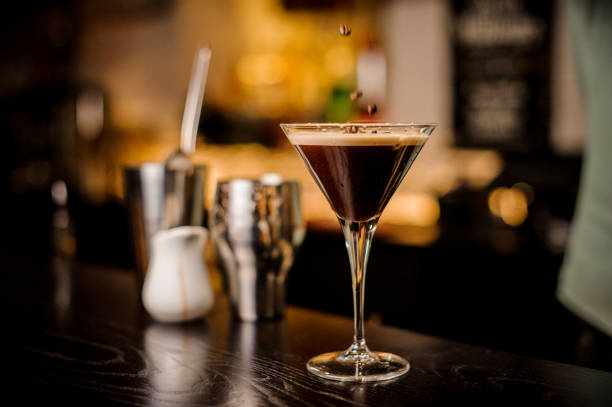
2) The 90s called and it wants its drink back… “the ‘Tini”. The espresso martini continues to be a strong favorite among those wanting a little pick-me-up during an evening out. Fresh takes on the coffee-based cocktail will include using local high-quality cold-brew coffee or espresso, adding subtle notes such as vanilla, honey, or caramel, and switching out the vodka for whiskey.

3) The Apple Martini is also making a huge comeback, a sour cocktail that will be made from fresher ingredients in 2024 than in the 90s. And if you have a ‘salt-tooth’ then perhaps the briny Dirty Martini with olive juice will be more your thing.

Spellbound smoked cocktal

4) Fancy Ice Cubes – A trend for mixologists and the home bar alike! Long gone are the small square ice cubes we use. This is the year that we get creative with ice. From giant cubes to specialty shapes, to herb or fruit-infused beauties. Ice is more than for merely keeping your trip cool, it’s a way of decorating your cocktail and adding even more flavor. Treat yourself to some quirky molds and experiment with adding flavors like lavender, thyme, lemon, cucumber & mint, or coffee to your ice cubes.

5) Experiential Cocktails – Ever heard the phrase “eating with your eyes”? Turns out we drink with them too! The experience-seeking culture of Millennials and Gen-Zs with their insatiable appetite to capture unique moments for their social media has led to the trend of cocktails becoming experiential. Cocktails have always been a thing of beauty in their presentation, but now mixologists must also think about the performance and producing a ‘wow’ moment for the drinker.

absinthegreenfairy

Be it the captivating view of the mixologists at work, or the cocktail itself, which can be achieved by mastering molecular cocktail making. Molecular mixology is the practice of mixing drinks using science to manipulate ingredients on the molecular level. It was inspired by molecular gastronomy, which employs similar techniques to food.

Cocktail trends also have a growing consumer market for delicious low-abv and virgin options which are just as satiating as their alcoholic counterparts. Expect to see a growing list on the non-alcoholic section of the cocktail menu and bartenders are putting much more thought and creativity into their taste and presentation.

Over half the world’s population abstains from alcohol. This percentage is more like a third of the population in Western countries, but significantly growing. Consumers are looking to find convivial moments in moderation throughout the year, especially as the weather warms up in the spring and summer and daytime drinking occasions are more common.”

6) Spiked Slushies – French syrup producer Monin has named slushies, Tequila and Mexican-inspired drinks as its top trends for 2024. They found that a Frozen Cosmo Slushie suggested as a possibility for dominating the vodka-based version of the cocktail, a Frozen Piña Colada fronting the rum-based category, and a Frozen Strawberry Margarita presented as a trend for the Tequila-based slushie serve. As a bartender, I hope this doesn’t become a trend lol.

7) Mixers Matter – In 2024, bartenders are paying more attention than ever to the mixers they use in their cocktails. This means that we can expect to see more house-made syrups, shrubs, and bitters on bar menus. Bartenders are also using more unusual mixers, such as kombucha and fermented juices (another nod to the general drinks trends). For example, the Turmeric Tonic is a refreshing cocktail that uses turmeric syrup and tonic water.

With so many new and exciting flavors, I hope your cocktail experiences this year exceed your expectations or just book me as your cocktail consultant.

Cheers,

Michael

The Intrigue of the Cosmopolitan

flamed classic cosmopolitan
July
11
2023

There are few cocktails more recognizable than the Cosmopolitan. The blush-pink, tart cocktail served straight up —a blend of vodka, triple sec, cranberry juice and lime—was born at a crucial time in cocktail history. At the heart of the Gay Rights movement and before the dawn of the cocktail renaissance, the Cosmo, in its tippy martini glass, was a star that went on to become a modern classic. The extent of the Cosmopolitan’s reach was unlike that of any other drink created during the 20th century. There’s a long debate over who actually created the cocktail—but what’s even more interesting is the cast of characters and fairytale circumstances that popularized it.

The most obvious source of its cultural dissemination was Sex and the City, where it was Carrie Bradshaw’s signature cocktail—the dainty, stiletto-like glass a fixture of her social outings. But before it hit HBO, it cycled through many iterations and social circles, from the gay community in Provincetown to the celebrity regulars at the Odeon, the buzzy restaurant responsible for its proliferation throughout lower Manhattan. Eventually, it caught the attention of the liquor and juice companies and leapt onto the small screen, reigniting its popularity.

During the ’80s, it was a cooler, more local crowd ordering Cosmopolitans. By the early ’90s, the drink had died down. The crowds moved on. And then Sex and the City featured it 10 years later and it just came roaring back. Everyone and their mom, tourists visiting, and sorority girls, wanted a Cosmopolitan. You could even get them at dive bars and bowling alleys. Big cities, like Paris and London, were drinking them, which is a testament to how far reaching it was.  All the while, bartender purists looked down on the Cosmopolitan and rarely recommended it to their patrons.

Ultimately, the Cosmopolitan’s audience extended far beyond and it became a fixture on menus and was adapted and replicated by four-star restaurants and Applebee’s alike (not sure of its authenticity or quality from the classic). And though its territory nowadays is more suburban and ordered more regularly by housewives and baby boomers (and those that refuse to sip a pink drink, but do it secretly), the Cosmo still lingers —a nostalgic, rose-tinted elixir of another age.

Toby Cecchini, owner of The Odeon restaurant, Tribeca, New York, is widely credited with inventing the modern-day Cosmopolitan. There was a terrible drink called the Cosmopolitan making the rounds at gay bars in San Francisco in the mid ’80s—it was cheap vodka, Rose’s lime juice, Rose’s grenadine, and it went in a Martini glass with a twist. In 1988, a girl who worked with him had friends from San Francisco visiting New York and they showed her the drink. The consensus was that it  tasted gross, but it looked pretty sparkling in the lights. He went about reconstructing it by using ingredients of a Margaritas—fresh lime juice and Cointreau. Plus, Absolut had just come out with Citron, a citrus-flavored vodka. He took the Cointreau, fresh lime juice and the Citron, and to approximate the Rose’s Grenadine, he grabbed cranberry juice from the bar, which is usually reserved for a Cape Codder (vodka and cranberry drink that was and is very popular). 

It was served to the waitresses as a shift drink. They became crazy about it. It then became the staff drink and soon the staff started turning the regulars onto it. People from the outside came in and ordered it. The Odeon at the time was a stronghold for celebrities. They would shout out, “Boyfriend! Give us more of that pink drink!” The drink was disseminated into lower Manhattan within a year.

Dale DeGroff, author of the Craft of the Cocktail, and former head bartender at the renowned Rainbow Room in New York City, put it on the menu and was responsible for popularizing a definitive recipe that became worldwide standard in the mid-1990’s. The version he encountered while in San Francisco in the early ’90s was just awful. Everyone thought it was a crowd pleaser and a hot drink. What he did to change the game with Cosmopolitans was to use an orange peel on top (later flamed). No one else had done that before and it produced nice aromatics to the drink. Today, the use of an aromatizer, kind of like a perfumer, can accentuate the orange aromatics even more.

Cocktail menus weren’t really a big thing back then. There were basic cocktails and you made whatever else you conjured up. People wanted gin Martinis, vodka Martinis, vodka sodas. Bar programs weren’t sophisticated. But because the Cosmopolitan was so trendy and popular, especially among women, establishments were putting it on their menus in some form. It also got women cocktailing again after decades of absence. One of the first variations on the Cosmo was the White Cosmopolitan, which became a very popular cocktail on the Upper East Side of NY. This version had vodka, white cranberry juice (clear and sweeter than regular cran), St-Germain elderflower liqueur (not triple sec or orange liqueur) and lime juice. Less tart, sweeter and not the signature pink hue, but a Cosmo nonetheless.  This movement was a call to action for bars to reinvent the classics once again in America.

Whether you’re a fan of the classic Cosmopolitan, never imbibed on a Cosmopolitan, or interested in trying one of the cool variations and time-tested Cosmos that I have made for parties, events, weddings, company events, and bar/restaurant customers, please see below. I have become somewhat of a Cosmo connoisseur over the years and love a good classic Cosmopolitan or specialty Cosmo from time to time. Unfortunately, when I am out, I need to specify how I would like it. Most often, I like drinking a cosmo with mandarin or orange vodka (Stolichnaya, Absolut, or Ketel One), which sometimes is not available at bars or restaurants. It is fruitier, less tart, and more balanced compared to the citrus vodka or plain vodka and the Ketel One orange vodka is very good.  When I was in the business of creating cocktail menus, many of these stood out and made it on the menu. Give these cosmos a try this summer and they are easy to make at home. A good rule of thumb is to stay true to its standard – use some kind of vodka, fresh lime juice, and orange liqueur and the rest can be a mix-n-match of flavors and combos. The Cosmopolitan recipe closely resembles drinks that came before, like the Margarita, Kamikaze, and Harpoon (crafted by Ocean Spray). Please let me know your feedback and any questions you may have. Enjoy and Cheers!

degroff cosmo

Classic Cosmopolitan (DeGroff)

  • 1 ½ oz Absolut Citron vodka
  • ¾ oz triple sec
  • ¼ oz fresh lime juice
  • 1 oz cranberry juice cocktail
  • Flamed orange peel for garnish

Shake all ingredients with ice in a shaker or mixing glass. Strain into a chilled martini/glass or coupe. Garnish with an orange peel (veggie peeler) by lighting the skin over the glass to extract the oils and drop in. 

tony cosmo

Tony’s Cosmopolitan (the one we know today)

  • 2 oz lemon vodka
  • 1 oz Cointreau
  • 1 oz fresh lime juice
  • 1 oz cranberry juice cocktail
  • Lemon/lime peel or twist for garnish

Shake all ingredients with ice in a shaker or mixing glass. Strain into a chilled martini/glass or coupe. Garnish a lemon/lime peel using a veggie peeler or channel knife for twist.

mandarin cosmo

Michael’s Modern-Day Cosmopolitan

  • 1 ½ oz Absolut Mandarin (if no Absolut, use Stoli Orange)
  • ¾ oz Cointreau
  • ½ oz fresh lime juice
  • 1 oz cranberry juice
  • 2 dashes orange bitters
  • Orange peel for garnish

Shake all ingredients with ice in a shaker or mixing glass. Strain into a chilled martini/glass or coupe. Garnish the peel using a veggie peeler.

Blue Cosmo – same as above, but use blue curacao instead of Cointreau

grapefruit cosmo

Michael’s Re-mixed Cosmopolitan

  • 1 ¼ oz Absolut vodka
  • ¼ oz elderflower liqueur
  • ½ oz fresh lemon juice
  • ½ oz simple syrup
  • ½ oz fresh or bottled ruby red grapefruit juice 
  • 2 dashes of grapefruit bitters
  • Lemon or grapefruit peel for garnish

Shake all ingredients with ice in a shaker or mixing glass. Strain into a chilled martini/glass or coupe. Garnish the peel using a veggie peeler.

sexy sea cosmo

Sexy Sea Cosmopolitan

  • 2 oz Tito’s Handmade vodka
  • 1 oz orange liqueur
  • ½ oz butterfly pea flower (amazon)
  • ½ oz fresh lemon juice
  • Edible orchid flower for garnish

Shake all ingredients with ice in a shaker or mixing glass. Strain into a chilled martini/glass or coupe. Garnish edible orchid or any edible flower.

The Paris Cosmopolitan

  • 1 ½ oz raspberry vodka
  • ½ oz Midori melon liqueur or melon liqueur
  • ½ oz fresh lemon juice
  • ¼ oz simple syrup
  • 1 oz white cranberry juice
  • Lemon peel or twist for garnish

Shake all ingredients with ice in a shaker or mixing glass. Strain into a chilled martini/glass or coupe. Garnish the peel or twist using a channel knife or veggie peeler. For twist, wrap around finger for 30 sec to create a spiral twist to hang off glass.

ginger cosmo

Michael’s Ginger Cosmopolitan

  • 1 ½ oz Tito’s Handmade/organic vodka or ginger-infused vodka 
  • ½ oz Domaine de Canton ginger liqueur or ginger liqueur. For infused vodka, increase triple sec slightly
  • ½ oz triple sec
  • ½ oz fresh lime juice
  • ½ oz cane syrup (2:1 sugar to water)
  • Candied ginger for garnish

Shake all ingredients with ice in a shaker or mixing glass. Strain into a chilled martini/glass or coupe. Garnish candied ginger on a stick.

Ginger-infused vodka – time consuming peeling and cutting ginger root, but really good, especially if you love ginger. 2-3 cups of ginger root per 750ml bottle of vodka. Soak some lemon juice with vodka and ginger in a large airtight mason jar for 48 hours. Stir every 12 hours. When complete, fine strain infusion into a clean container.

pom cosmo

Michael’s Pomegranate Cosmo 

  • 1 ½ oz citrus vodka
  • ¾ oz Cointreau
  • ½ oz fresh lime juice
  • ½ oz POM pomegranate juice 
  • ½ oz orange blossom water
  • Sugared rim, optional
  • Orange twist for garnish

Shake all ingredients with ice in a shaker or mixing glass. Strain into a chilled martini/glass or coupe. Garnish the twist using a channel knife.

Orange blossom water –

2 cups loosely packed orange flower blossoms, 2 cups distilled water. Crush the orange blossoms in a mortar and pestle until they are a paste. Let sit for 2 hours. Combine the petal paste and distilled water in a jar. Stir and cover. Let sit for 2 weeks. Strain the blossoms out of the water and then add the water to a container.

cucumber cosmo

Michael’s Cucumber Cosmo

  • 1 ½ oz Effen or Prairie organic cucumber vodka or cucumber-infused vodka
  • ½ oz Cointreau
  • ½ oz fresh lemon juice
  • ½ oz white cranberry juice
  • Splash rose water
  • 1 oz freshly squeezed cucumber juice or blender. Thin as possible
  • English cucumber ribbon or rollup and lemon twist (optional) for garnish

Shake all ingredients with ice in a shaker or mixing glass. Strain into a chilled martini/glass or coupe. Garnish the ribbon by peeling the cucumber to the third layer and intertwine over a skewer. Rollup done by rolling cucumber skin and skewering. Lemon twist using a channel knife. Great drink to batch!

Cucumber-infused vodka – 

3 cups of peeled and sliced English hothouse cucumber per 750ml bottle of vodka in a large mason jar for 24 hours. Stir after 12 hours. When complete, fine strain infusion into a clean container.

Rose water – 

2 cups fresh rose petals, 3 distilled water. Add the rose petals and distilled water to a pot and bring to a simmer over medium heat. Once the water simmers, lower the heat to low and keep the water at a very slow simmer for 30 minutes. Pour the simmered water through a fine mesh strainer. Discard the flower petals. Store in fridge when cooled.

Cheers,

Michael Nagy

Advanced Mixologist/Liquid Chef

New from the Pour