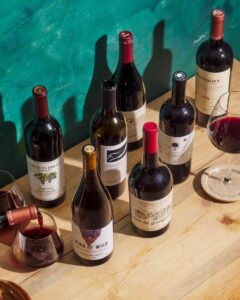
Wine Spotlight: Chilling with 6 Summer Reds

chilled red wine
July
8
2024

If you’re like me and love red wine but have difficulty sipping on a red during the hot and humid summer months, here are some lighter-styled reds you can enjoy by chilling. Some of these wines are well known, like Pinot Noir and Gamay, while others are lesser known. For purposes of this story, I am focusing more on obscure reds.

Chilled reds have increased in popularity recently and the worldly and local options are becoming better, more available, and food friendly. Because of changes in the vineyard due to climate change as well as the expansion of people’s palates and tastes, it has become necessary. Chilling red wine has become more common all year-round.

The higher temperature speeds up the ripeness in fruit and increases alcohol levels of red grapes. As a result, people who want to find a more approachable red without the intense fruit bombs and high alcohol levels, can turn to these chilled, lighter reds that offer more acidity, crispness, and versatility. With the trend of ‘natural wine’, red wines are being produced in a much brighter and lighter style. 

Remember to always store wine on its side, especially reds, in a cool, dark place, preferably a cellar or basement. To chill in advance and save time, place in a wine fridge set around 50˚F. Some of these wines (lighter styles) will be ready to serve upon exiting the fridge while others (medium to fuller styles) should be placed on the counter to warm up slightly. For adventure seekers, I have included images of some of these wines.

Cinsaut wine

Cinsault (“sin-so”)

Legally spelled “Cinsaut”. It is widely planted throughout Provence, Rhone Valley, Languedoc-Roussillon, and Southern France. It is mostly one of the minor blending grapes in GSM blends and Provence rose, but also appears as a single varietal on occasion. Cinsaut is on the rise in South Africa’s Stellenbosch region.

The grape’s thin skin produces delicate tannins well-suited for chilling. It is also known for its fruity flavors of raspberry, red currant, and red cherry and floral, like violet. Chilling Cinsaut actually helps bring out its flavors. The acidity works well with lighter and mildly spicy foods, like Indian cuisine. Chill for 15-20 mins then serve or leave on the counter after being chilled for 15-20 mins. Serve slightly below room temp at 60˚F. 

Frappato wine

Frappato (“fra-pat-toe”)

This rare grape from Sicily carries medium acidity with a burst of aromas, like sweet red berries and wildflowers. It is sometimes blended with Sicilian signature red grape, Nero d’Avola, to add complexity.

Its strawberry, pomegranate, white pepper flavors are enhanced when the wine is cold. Frappato pairs well with dishes that feature roasted red pepper, sun-dried tomato, and turkey dinner with cranberry sauce. Chilled Frappato is great with olives and goat cheese served regularly in Sicily. Chill for 15-20 mins then serve or leave on the counter after being chilled for 15 mins. Serve 50-55˚F.

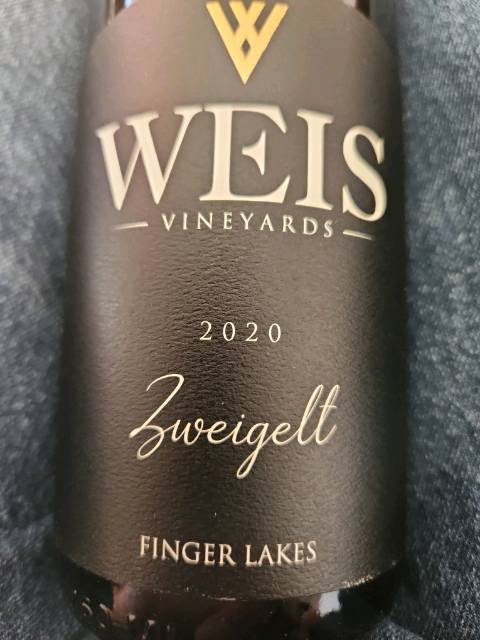
Weis Zweigelt

Zweigelt (“zz-why-galt”)

Austria’s most planted red grape is a cross between Blaufrankisch and St. Laurent (tastes like Pinot Noir) and hails from the southern Burgenland region. It also produced in New York state and the Finger Lakes wine region. Zweigelt are typically crisp, tart, and fruity for a red varietal. It is considered to be the ultimate picnic red that goes with barbeque and grilled chicken, macaroni salad, and earthy mushroom risotto. It is known for flavors of chocolate, licorice, red cherry and black pepper with moderate tannins.

When chilled, Zweigelt displays distinct fruit-forward notes, and its acidity will help tone down the sweetness of barbeque sauce. Chill for 15-20 mins then serve or leave on the counter after being chilled for 15-20 mins. Serve 55˚F.

Valpolicella (“val-polla-chellah”)

One of Italy’s most famous wines with many different styles produced. Valpo is a location/sub-region, not a grape varietal. Some of these will be more medium to full bodied depending on the style. The best bottles for chilling will be light bodied and labeled simply as Valpolicella or a Valpolicella Classico. These will be the youngest, freshest and fruitiest of all the styles with notes of tart cherry, cinnamon, almond, and green peppercorn.

The low alcohol content, high acidity, low tannins, make it a great candidate for chilling. Valpolicella pairs well with a juicy cheeseburger, roasted vegetables, and braised meats. Chill for 15 mins then serve or leave on the counter after being chilled for 15-20 mins. Serve slightly below room temp at 60˚F.

Brachetto (“brak-kett-toe”)

A rare, sweeter red from the Piedmont region of Italy famous for its perfumed aromatics and creamy texture. Very low tannins, low alcohol content, low to medium acidity, and medium sweetness. Also, can be produced as a semi-sparkling wine, which you would serve well chilled. The most prominent flavor profile is orange zest, candied strawberry, apricot, and black current. It is sometimes produced as a light styled rose wine.

Although not classically a dessert wine, Brachetto pairs well with rich, creamy truffles, ganache, and mousse. Try it in gelato for summer to create an ice cream float. It is a fairly inexpensive wine but may be hard to find. For an alternative to this wine, try Lambrusco, which is produced in Italy, but more widely available in the USA than Brachetto. Serve right from the fridge at 50˚F or colder.

Carmenere wine

Carmenere (“kar-men-nair”)

Once thought to be a nearly distinct Bordeaux variety, it has become known that nearly 50% of the Merlot planted in Chile is actually Carmenere. It is the signature red grape of Chile and produced in nearly every region of the country north to south. It is rarely produced anywhere else in the world. The herbal, peppercorn flavors of Carmenere lends itself to be paired with roasted meats from chicken to beef.

Other flavors of bell pepper, paprika (Hungarian specialty), black plum, and vanilla, makes it a very unique flavor profile. It is a home run with the spice Cumin. With low to medium acidity, tannins, and alcohol, it can be lovely chilled. Carmenere is one of my favorite red wines, but hard to find. Chill for 15 mins. Serve slightly below room temp at 60˚F. 

Others –

Pinot Noir 

Chill for 15 mins. Serve slightly below room temp at 60˚F. 

Gamay or Gamay Noir or Beaujolais

Chill for 15-20 mins then serve or leave on the counter after being chilled for 15 mins. Serve 50-55˚F.
Bar Spotlight: How to Order Drinks Like a Pro

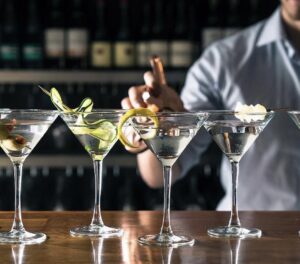
Martinis Display on Bar
July
2
2024

In the current craft cocktail climate, it may seem like all your friends have their favorite cocktails put to memory, but not everyone is skilled in the ways of mixology.

For the novice, ordering a drink can be a daunting task. Even if you know exactly what you want, it can be hard for the bartender to understand your request. Cocktail ordering can be confusing for a lot of people. Bartenders want their guests to be happy with their cocktail and with the cost of craft cocktails today, bar guests want to be happy as well. The key is communication with your bartender or server.

You can order the same drink in 10 different bars and get 10 different variations, especially with the plethora of liquor and mixers in the marketplace. Any variable can change the drink you like.
If you like a drink to be made a specific way, let your bartender know exactly how you want it made because they will make it the way they know best or the way they like it themselves.

Fake it till you make it. Order a drink that you are curious about and order it confidently. Because the bartender wants to make you happy (remember their livelihood), they will often share details about a drink or suggest what they make well. Bartenders have a lot of pride.

If you’re expanding your drink experience, pick your time wisely. People walk into a bar and order what they think they know. When they want to order outside their comfort zone, they don’t know what to order. If they want to try a new fancy drink, then pick a time when the bartender is not in the weeds.

Since drinking establishments can be fast-paced, chaotic, and noisy places, it’s not easy to have a conversation across the bar. Fortunately, there is bar lingo that you can use for ordering drinks. Getting to know the lingo, what they mean, and when to use them, can be helpful. These terms will help you learn how to order a cocktail like a pro.

NEAT

When you just want to sip one spirit or liqueur with no ice, no mixer, and unchilled, order your drink ‘neat’. Order: “I’d like a bourbon, neat.” For a specific brand, say “I’d like a Maker’s Mark, neat.” Typically poured into a snifter or old-fashioned glass. Ordering neat is a great way to get to know different types of spirits.

UP/STRAIGHT UP

A drink ordered ‘up’ will be either stirred or shaken with ice, and then typically strained and poured into a cocktail/martini or coupe glass . “Up” drinks are served in stemmed pre-chilled glasses to prevent warming of contents.

Many classic cocktails are served ‘up’ by default, including martinis, manhattans, and cosmopolitans. For many cocktails, you don’t need to ask for them ‘up’, as they will be served that way, but just in case, say “I’d like a vodka/Tito’s Gimlet, up”.

‘Straight up’ is a tricky term in bartending. The word ‘straight’ is sometimes used to mean the same thing as neat – room temperature, not served over ice. The word ‘up’ means chilled and strained. The term straight up could mean either one of these, therefore, never just say “straight up’.

If you’re ordering a cocktail that’s usually served up, the bartender will presume that’s what you mean. But if it’s a drink that’s not generally straight up, then clarify by saying, “I’d like a Tanqueray straight up and shaken”.

ON THE ROCKS

A drink served ‘on the rocks’ is simple to understand. It means served on ice. This then raises a question about ice. Many bars, particularly higher-end craft cocktail joints, will have different types of ice, and each will bring a different character to your drink.

The smaller the ice, the more surface area comes into contact with the alcohol, which leads to faster dilution. Large cubes or spheres that take up the biggest volume will dilute your drink at the slowest rate. Order a single spirit, “I’d like a whiskey/Jameson on the rocks”. If you want to specify ice, “I’d like a Negroni with a large cube.”

SHAKEN

If you like your drinks super cold and with lots of dilution, ordering them shaken is the way to get it. As a general bartending rule, certain cocktails are shaken by default, including anything that involves citrus, dairy, liqueurs, or egg whites.

Anything can be shaken, except carbonated ingredients. A shaken drink should always be poured into a pre-chilled glass. Order “I’d like a vodka/Belvedere martini, shaken.”

STIRRED

Stirring a cocktail is a way to chill it in a gentle manner. The ice slowly melts by adding dilution into the drink. This results in a cocktail with a different texture and a smoother mouthfeel.

The stirred method works best for cocktails that are spirit-forward, such as martinis and Manhattans. They are stirred as a rule for these reasons and to preserve clarity so always specify the method you prefer. A stirred drink should always be poured into a chilled glass. Order “I’d like a gin/Beefeater martini, stirred.”

Best of Luck out there! This guide should help you avoid embarrassment and solidify that you get the drink you ordered.

Cheers,

Michael

Cocktail Spotlight: Legend of the Dark & Stormy

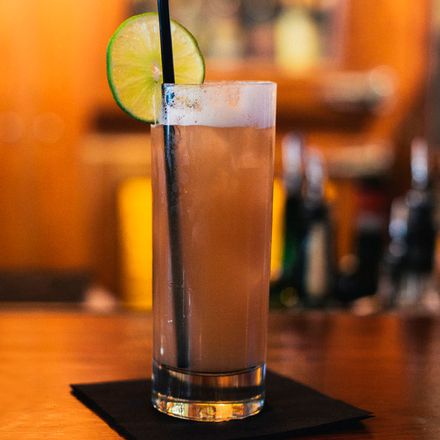
Dark & Stormy cocktail
June
10
2024

Dark & Stormy Day occurred on June 8th.

According to cocktail lore, the Dark & Stormy was invented in the early 1920s on the sun-kissed coasts of island Bermuda, shipwreck capital of the world, when a British naval officer mixed Goslings Blackstrap rum with ginger beer. Like many early cocktails, it was intended to be a remedy for some sort of ailment. In the case of the Dark & Stormy, it was originally given to sailors who were suffering with seasickness.  

There is no proof weather it worked or not. In further exploring fueling its oceanic legacy, the cocktail supposedly got its name when a fisherman compared the hue of the drink to a “color of a cloud only a fool or dead man would sail under,” according to Goslings Rum Company.  

This supposed remedy for seasickness spread among the land-faring communities and sparked curiosity. It was no longer just a beverage for chopping waters. For most of the century, it became a staple on cocktail menus around the world, especially on Caribbean resorts, on cruises, and during the summer months. 

The tradition was to layer the Goslings Blackstrap Rum on top of the cocktail to watch the storm clouds of rums swirl around inside the glass. Today, it is hard to find a Dark & Stormy prepared this way. Goslings Black Seal rum and Barritt’s Ginger Beer were the original combination, and unlike most cocktails, this matters. Today, Goslings produces their own Ginger Beer.

Dark rum and ginger are the two key ingredients, but many add a dash or splash of lime for citrus or zip. Please note that ginger ale is not sub for ginger beer. It’s fresh and vibrant with the sweet and warming spice interplay with the thick, vanilla, butterscotch, caramelly rum. Such a clear tropical flavor that will transport you to tropical paradise. The rum provides buttery richness, flavors of molasses, toasted sugar and, depending on your rum of choice, gorgeous spice.

Did you know? The Moscow Mule cocktail is its cousin – made with vodka instead of rum and without the float.

An important question to consider – Does a Dark & Stormy have to be made with Goslings rum or can you substitute for another rum? In 1980, Goslings trademarked the name “Dark & Stormy. You can, of course, make it by using different rums, like white, gold, or spiced and playing around with ingredients, but, if you do, Goslings asks for it to be sold under a different name. You can stray from tradition and make it with any dark rum if you don’t have Goslings without any harsh penalty from the cocktail gods.

Below you will find the original Dark & Stormy recipe along with variations of it mixed up by your friendly, neighborhood liquid chef. Remember, your feedback is always welcome Enjoy!

Cheers,

Michael

Dark & Stormy

2 oz Goslings Black Seal rum

1/2 oz fresh lime juice

Fill with a quality ginger beer or Goslings (about 5 oz)

Garnish – lime wheel

Prep – Build all ingredients in an ice-filled large rocks glass. Add garnish. Stir well! Alternate – build all ingredients, except rum, two fingers from rim. Float rum on top by pouring around the rim, then garnish lime wheel.

Dark & Stormy Espresso

With all the Espresso Martini rage and coffee being a versatile and intense taste, try this version. While the original has a kick, this cocktail takes it one step further with warm spice and bitter, earthy espresso livening up the cocktail. 

1.5 oz Ron Abuelo Centuria dark rum or Kraken dark rum

1 oz or shot fresh espresso or strong coffee

3 oz ginger beer

1/2 oz fresh lime juice (optional)

Garnish – lime wheel or three coffee/espresso beans

Prep – Pour your ingredients into your rocks glass in layers. Dark rum first over ice, then ginger beer, and then slowly pour in the freshly chilled brewed coffee.

Dark & Stormy cocktail variation

Stormy Weather

Wine, particularly Shiraz, works surprisingly well in the Dark & Stormy because of the natural spice, pepper, and sweet red fruits. Shiraz complements the ginger to create a rich, fruity and vibrant cocktail.

1.5 oz Diplomatico Reserva Exclusiva dark rum or other rum
1.5 oz Australian Shiraz wine
1 oz ginger beer, to top
1/2 oz sugar/simple syrup
1/4 oz fresh lime juice (optional)

Prep – Build all ingredients in a mixing glass with half ice. Shake well with mixing tin. Strain into ice-filled tulip glass. Top with ginger beer. Garnish orange slices and/or cinnamon stick.

Rum & Ginger

1.5 oz Appleton Estate 15-yr old dark rum

3/4 oz fresh lime juice

1 tsp passion fruit puree

1 dash Angostura bitters

Quality ginger ale, to top

Prep – Build all ingredients in a mixing glass with half ice. Shake well with mixing tin. Strain into ice-filled collins glass. Top with ginger ale. Garnish lime wedge.

Rosé All Day: Intro to this Pink Wine

FLX Rose
April
29
2024

As a follow up to our incredible and successful Finger Lakes Wine Experience event last week, here is a brief history and facts about rosé wine. Contrary to popular belief, rosé wine is NOT made by mixing/blending white and red wine together to create ‘pink’ wine. Although, in its infancy, it was a rudimentary and common practice.

Modern Rosé most likely originated in the 6th century BC. The Greeks created the first pink wine in modern day Marseille, France, close to the Mediterranean in Southern France, but these attempts were off-dry and too tannic due to prolonged contact during fermentation.

Rosé (Rosado in Spain, Rosato in Italy) comes from red grapes that have been macerated for just a few hours up to 24 hours to extract a little bit of color from the skins. Maceration (most common) refers to a process of soaking grape must on the skins to extract color, aroma, and tannins. When the ideal color is achieved, the juice is filtered off the skins and fermentation like a white wine is completed. More similar to a white than a red in terms of aroma and flavor profile, light body, and acidity.

Another method called Saignee (sahn-yay) Method (french) or bleeding off is the process of draining some juice from a red wine fermentation to increase the concentration/used in a different vat. Leftover juice is used for a deep colored rose wine. 

Also, cold soaking is the process of resting the juice with the skins at a cold temp prior to fermentation. This helps extract more color and flavors from the skin.

Blending is the least common where you add a splash of red wine to a vat of white wine. Mostly done in the early days and frowned upon today unless you’re in Champagne, France where they use red and white grapes..

Rosés can range in color from pale pink (Bandol in France) -medium pink (Grenache or Grenache blend) -deep pink (Tavel) or pale salmon (Provence, White Zinfandel) -medium salmon (Sangiovese)-deep salmon (Syrah, Merlot). Sometimes Rosés can appear pale copper (Provence, Pinot Gris/Grigio), medium copper (Pinot Noir), or deep copper (Syrah). Color achieved is a result of maceration time, cool vs. warm climate, ripeness of grape skins, and varietal used. Any red/black grape can be used by itself or in combo with others.

Rosé is often a blend of different varietals, such as Mourvèdre, Pinot Noir, Grenache, Cab Franc around the world or just a single varietal. Sometimes a little bit of white is added. Much depends on the quality of vintage and ripeness of grape juice/skins.

In France, typically Grenache and Syrah in southern France and Cabernet Franc in northern France. In Italy, Rosato is made all over Italy using one or several local, indigenous varieties, but also Sangiovese (Italian grape found in Chianti). In Spain, Rosado is made from the signature grape Tempranillo and sometimes with Garnacha (same grape as Grenache found in France). In Argentina, the signature grape, Malbec, is used.

Best drank young (1-2 years). So, 2021 and 2022 vintages are ideal right now. The 2023 vintage which has been released in many regions, like the FLX, is very good, but may take a little time to mature and evolve in the bottle. Serve between 45-55 degrees – better cold to enhance the aromas, flavors and acidity.

It is one of the best wines for pairing with warm weather appetizers and light bites. Crisp, fruity, and vibrant, a light rosé with substantial acidity will offer a counterbalance to soft and mellow cheeses and fresh crudites without being overpowering. Try it with goat Gouda, Havarti, Feta, baby Swiss, and cheddar. Salty foods, such as prosciutto and nuts and olives on a charcuterie board are a delicious choice. It’s versatile and refreshing for summer picnics or time spent outdoors.

Lighter rosés (FLX, NY, Cali, Oregon) pair great with cheese, sushi, salads and seafood. The higher acidity makes it very food friendly. Bolder rosés (Old World/France & Italy) pair well with bolder foods, like pizza, BBQ, spicy foods, Asian cuisine, charcuterie, turkey, ham, heavier cheeses

The very driest rosés (watermelon, grapefruit, herbs) – look for Tavel and Grenache from Southern France and Languedoc Roussillon region.

Dry Rosé (melon, peppercorn, strawberry) – Pinot Noir, Tempranillo, Mourvèdre

Semi-Dry (plum, cherry, smoke) – Syrah and Cab Sauvignon

Off-dry (red fruits) – Sangiovese and Malbec

Sweet (raspberry, melon, strawberry) – White Zinfandel (sweeter) and Pink Moscato (sweeter and carbonated)

Rosé has seen an incredible spike in popularity in the US. In 2017, it was the number one fastest growing beverage category, with a 25% annual sales increase. The demand from Provence – a French region once looked down upon for its simple wines – has outstripped the grape supply. France produces and consumes more than any other region accounting for 30% of the world’s rosé. Rosé in Spain has grown exponentially and their Rosados have received international acclaim that are starting to rival the French.

If you would like to learn more about Rosé wine or want recommendations on the best ones to try, please reach out. Stay tuned for more blog posts like this all spring and summer. Look for fun wine tasting and food/wine pairing events as well as featuring different wines from around the globe and the Finger Lakes.

Cheers,

Michael Nagy

Interested In Learning More About Finger Lakes Wines?

Tasting Wine By Style
March
24
2024

Whether you’re an industry professional, wine enthusiast, or just getting into wine, The Michael Pour is offering a fun, practical, approachable, and interactive educational and tasting experience that takes you on a journey through FLX wines and wineries.

Learn about the history of the wine region and the winemaking process from grape to glass. It’s almost winery season here in the FLX so what a great time this spring to get immersed in their wine through tasting and education.

Below are some topics included. In addition, there will be an opportunity for a Q & A during and after your experience and access to food and wine at the establishment.

  • Identify the components of wine and how they affect your personal palate using sight, smell, and taste.
  • Learn how to taste using a systematic approach to tasting wine. We will taste one white, one rose, and one red.
  • Learn about basic food and wine pairings.
  • Explore various wine growing techniques and how geography and climate impact the grape.
  • Learn how to read and interpret wine bottle labels.
  • Learn what differentiates FLX wine from worldly wines.
  • Debunking wine myths and proper storage and service of wine.
  • Get recommendations on FLX wineries to visit and wines to explore.
  • Receive a wine tasting mat, handouts, and reference guide to aromas and flavors.

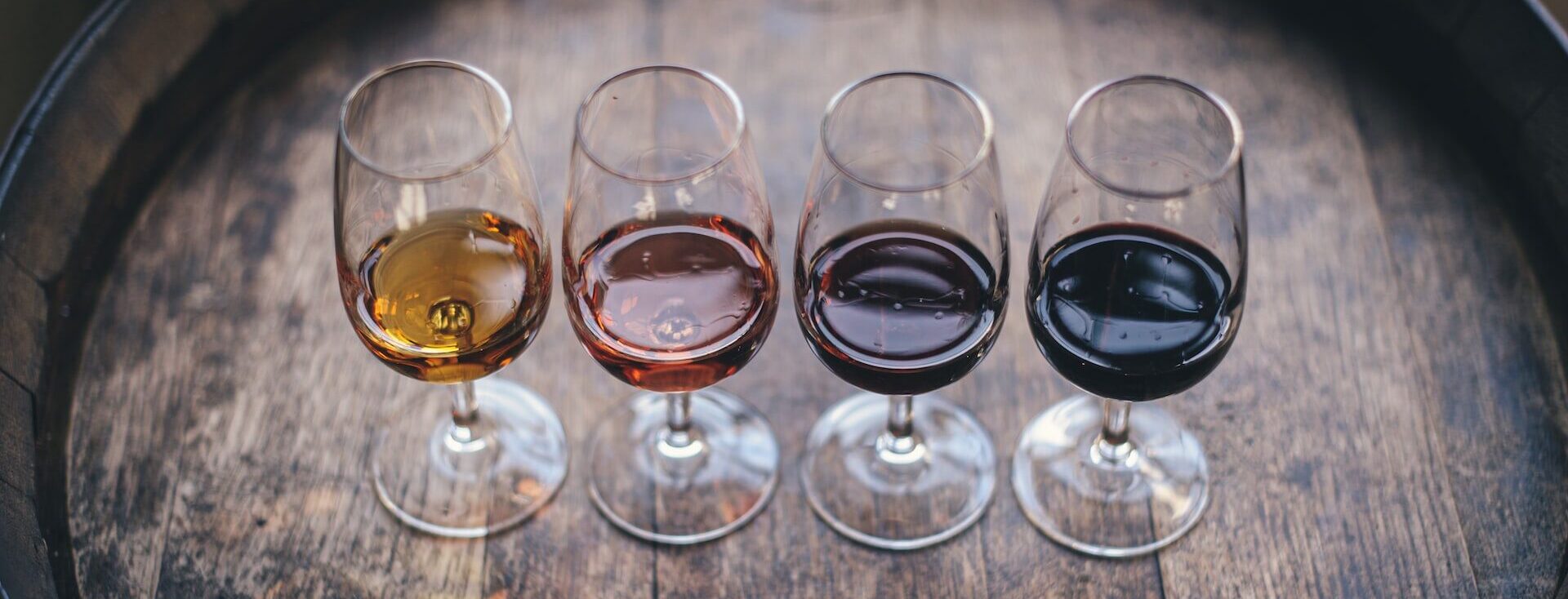
Wine tasting

Where: Starr’s Restaurant, 7 East Main St, Waterloo, NY

When: Thurs, April 25, 2024

Time: 6:00-8:30pm

Space will be limited to 12 people. Ticket price will be $25 per person through Eventbrite, which includes event, materials, wine tasting, access to food and drink at restaurant, and much more…. Book soon!

Cheers,

Michael

Wine Glass

DON’T MISS A DROP

Get notified when new articles are poured

We don’t spam!