Wine Spotlight: A Sparkling Taste of Veneto

May
28
2026

This week’s wine spotlight highlights a great style of sparkling wine from Italy called Prosecco. Have you heard of it? For this discussion, I chose a fantastic Prosecco emanating from its home in the Veneto region.

I recently sampled it when I was tasting some bubbly for a wine list I was constructing for a new wine bar called The Lucky Dog Bistro. It sure was a palate pleaser and I thought it would be a perfect sparkling addition to the menu. Thank you to Sarah from Soilair Selection for the awesome recommendation.

Isotta Manzoni ‘Cuvée Giuliana’ Prosecco (NV) is a crisp, value-driven, small production, sparkling wine from Italy’s Veneto region. Made 100% from the Glera grape, it is light, slightly acidic, and on the ‘fizzier’ side of prosecco making it very refreshing and ideal for mimosas or casual sipping.
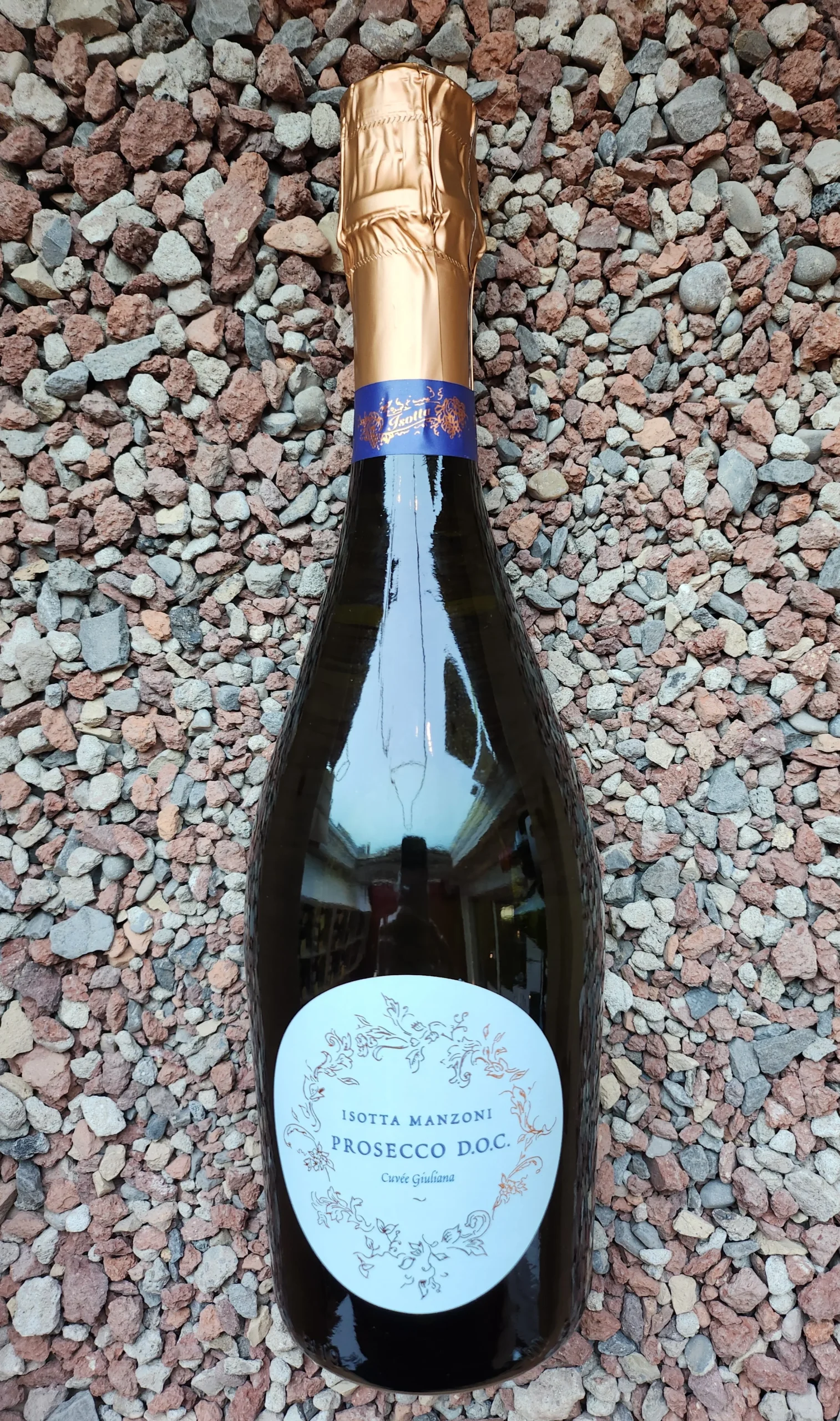
The production is the Charmat (tank) method, which preserves fresh, fruity characteristics with a second fermentation. Sourced from vineyards nestled in the hills between Conegliano and Valdobbiadene, and produced by fourth-generation winemakers. The fermentation is 25 days in stainless steel tanks and then aged for 1 month in stainless steel tanks. The result is larger bubbles.

Cuvée in the name is a French wine term derived from cuve (meaning “vat” or “tank”). Depending on the context, it typically indicates a specially selected blend of multiple grape varieties, a winery’s premium or reserve batch, especially in Champagne, or the purest “first-press” juice extracted from grapes.

The Cuvée Giuliana is the standard, widely available Brut-style Prosecco. The Prosecco Rosé version is a delicate, dry rosé expression that features light notes of red berries, strawberries, and cream. This was also added to the wine list.

It is a well-balanced Prosecco with delicate and expressive aromas showing a good blend of crisp green and baked apple, sour lemon and grapefruit with a light, soft, silky and creamy mousse texture on the palate.

As you go back into the glass, some notes of pear and white peach appear on the nose followed by hints of apple and citrus. The Isotta Prosecco has a fair amount of body and mouthfeel with a pleasant lemon and mineral finish.

It’s refreshing acidity and elegant bubbles make it an incredibly versatile pairing option. It goes wonderfully with everything, including fresh seafood, shellfish, prosciutto/cured meats, vegetarian dishes, brunch favorites like eggs benedict or light pastries. Bon appétit!
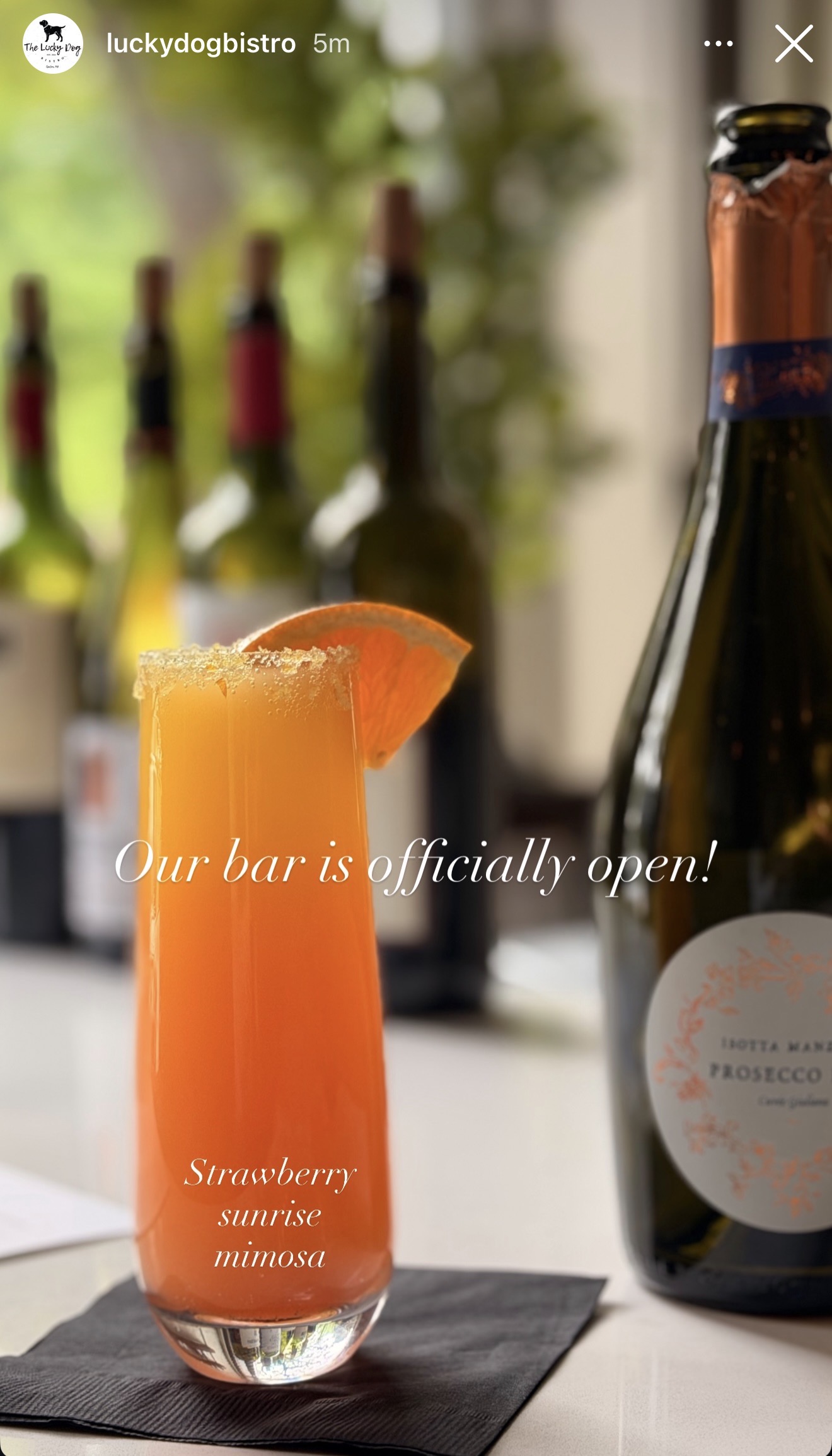
The Isotta Manzoni Prosecco and Rosé version is now available at The Lucky Dog Bistro in downtown Clinton, NY where you can enjoy it at the beautiful new wine bar with inside and outside seating or in the restaurant. Try it in the special mimosas on the weekend. Hopefully I will see you there! Find them on Instagram @luckydogbistro and here About | The Lucky Dog Bistro.

Ancient Romans drank Prosecco to preserve youth and lengthen life. And based on how long the empire lasted, it may just work. Prosecco is a great alternative to Champagne and generally contains less alcohol. Every year, one bottle of Prosecco is produced for every 2 people in the US. That’s a lot of bubbles! It is currently in the top 25 of Italian Prosecco wines in New York and one of the popular wines distributed with Soilair Selection out of NYC.

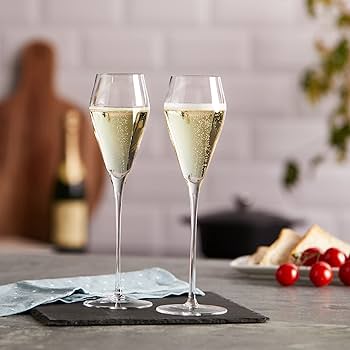
A lovely, somewhat less popular, and often less expensive comparison to Champagne, Prosecco is a deliciously dry sparkling wine with crisp acidity, low sugar, with plenty of fruit and character. Associated with high value at low cost, Prosecco is the perfect option in situations where you want or need a easy drinking, everyday sparkling wine.

Traditionally from the Veneto (northeastern Italy), Prosecco refers to the name for a small village and is fermented almost solely from a grape called Glera. Most Prosecco is non-vintage, which means it doesn’t come with a year of production on the label.

This wine is not made in the traditional method of champagne with riddling, disgorging, rebottling, etc…, which, combined with non-vintage production, makes the wine more affordable than champagne minus the labor intensity. Prosecco is often described as a fresher and fruitier option than the French sparkler.
A few fun facts –

Styles of Prosecco – ‘Spumante’ means fully sparkling while ‘frizzante’ means lightly sparkling. It is rare but some Prosecco is a still wine, not sparkling.

“Extra Dry” Prosecco is actually sweeter than “Brut”. “Dry” is the sweetest of the three. This sweetness scale from dry to sweet: Brut – Extra Dry – Dry.

Prosecco isn’t a grape. The grape used to be called Prosecco, but it isn’t anymore. In 2009, Italy officially renamed the grape ‘Glera’ so that Prosecco could be protected as a place name rather than a grape variety. By law, Prosecco must contain at least 85% of the Glera grape.

Cheers & Sante,

Michael, michael@michaelpour.com
Your Favorite Summer White Wine? The Winner Is…

May
7
2026

A poll was conducted on Instagram and the results are based on 25 responses.

The four choices given in the poll were – Sauvignon Blanc 40%, Riesling 36%, Chenin Blanc 20%, Pinot Gris/Grigio 4%. An additional 10 different white wines were submitted in comments.

The winner is “Sauvignon Blanc”. Because Sauv Blanc was the winner, I will feature it later in this story. Sauvignon Blanc is produced all over the world so I will explain the differences from region to region and fun facts about this noble grape.

There were several people who wrote in their choice of these four, as well as other white wines, that they like to drink in the summer from the additional list provided or others that they like.

These write-in responses are not included in the above percentages but listed below with country/region. Every wine mentioned on the post were included. Pinot Grigio and Sauvignon Blanc, which were choices on the poll, were written in and not reflected in percentages.

Submitted whites – Verdejo (Spain), Gruner Veltliner (Austria & US), Chablis (France), Riesling (FLX), Alsace Riesling (France), Albarino (Spain & Portugal), Txakoli (Spain), Vinho Verde (Portugal), Chardonnay (all over), Sancerre (Sauvignon Blanc from Loire Valley France).

I included other great summer white wines not voted for or listed as people’s favorite below. They can be super refreshing, crisp, and brilliant this warm, summer season regardless of your plans.

If you would like to try something different for your summer wine drinking and expand your summer palate, seek them out and give them a whirl.

A few quotes. Thank you to all those who participated. It really made this a fun story! –

“Albarino and Txakoli are two other summer favorites” ~ thesipseries

“I like a crisp Chablis. Cold sauvy b (from any region) is also a plus. But please do not put jalapenos in it” ~ mollyb

“I also love Vihno Verde in the summer”~ sonyab

“I also love a good Chardonnay! Don’t really care where its from”~ rebekkah

“I like a crisp Sancerre in the summer. Also, Albarino is another favorite”~ shannonp

Most of these varietals are specific to their native land and difficult to find here in the states. They range from aromatic, light, medium, and full-bodied and from dry to off-dry to medium-dry. Listed by country of origin and region, if significant, body, and sweetness level.

Italy

Trebbiano Toscano – light to full bodied and dry to off dry

Vermentino – light bodied and dry

Greci di Tufo – medium to full bodied and dry

Verdicchio – light bodied and dry

Fiano – light bodied and dry

Garganega/Soave – light bodied and dry

Greece

Assyrtiko – light bodied and dry

Argentina

Torrontes – aromatic and dry to off dry

France

Semillon (White Bordeaux, Australia, US) – light to full bodied and dry

Viognier (Rhone, US, Australia, similar to Chardonnay) – aromatic and dry

Marsanne (Rhone) – light to full bodied and off-dry

Roussanne (Rhone) – light to full bodied and dry

Aligoté (White Bordeaux) – light bodied and dry

Picpoul (mostly Loire Valley) – light bodied and dry

France & Spain

Grenache Blanc/Garnacha Blanc – dry and light to full bodied.

France, Italy, Greece & others

Muscat Blanc – aromatic and dry to medium dry in France

All over Europe and some pockets in US

Pinot Blanc – dry and light bodied

US, France & all over the world

Gewurztraminer – aromatic and dry to off dry

If you would like to learn more about any of these delicious white wines, please reach out. Have you experienced a glass or bottle of Sauvignon Blanc from different parts of the world?

Sauvignon Blanc

Here is a take on your favorite Sauvy Blanc grape. If you’ve been sipping from the same bottle of SB over the years, you know, that one called “Kim Crawford” from New Zealand, then you may not realize that it is produced all over the world, not just in NZ.

During my recent time in Columbia Valley, Washington, I had the pleasure of experiencing some really good ones. It is the same grape no matter where it is planted, but because it is grown in a different place, it becomes a completely different wine.

Here are four expressions of Sauv Blanc from four elite wine regions. Some may know of them, while others may be surprised. SB used to be the ‘it” girl, but is gradually being replaced by the trendy Chenin Blanc for that title. My wine colleague, Molly B, loves it very cold!

Sancerre

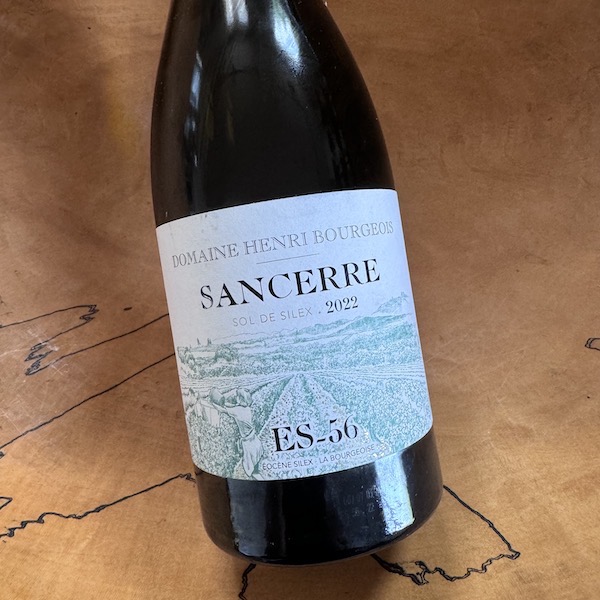
Sauvignon Blanc is called Sancerre in the classic Loire Valley of France. The most popular regional wine of the Loire is Sancerre. It is largely produced in the Touraine region. Sancerre is lean and mineral driven with notes of citrus, in particular lime and grapefruit, gooseberry, possibly some green apple, herbal flavors (same compounds found in green peppers), and slate/flint. My friend, Shannon P. is a big fan!

There can be some smokiness, which is unusual for whites, considering the lack of oak influence. Stylistically, the Sauvignon Blanc from Damiani Wine Cellars called “Little Lotus Flower” in the Finger Lakes Region of NY is similar to a Sancerre.

Marlborough, South Island, New Zealand

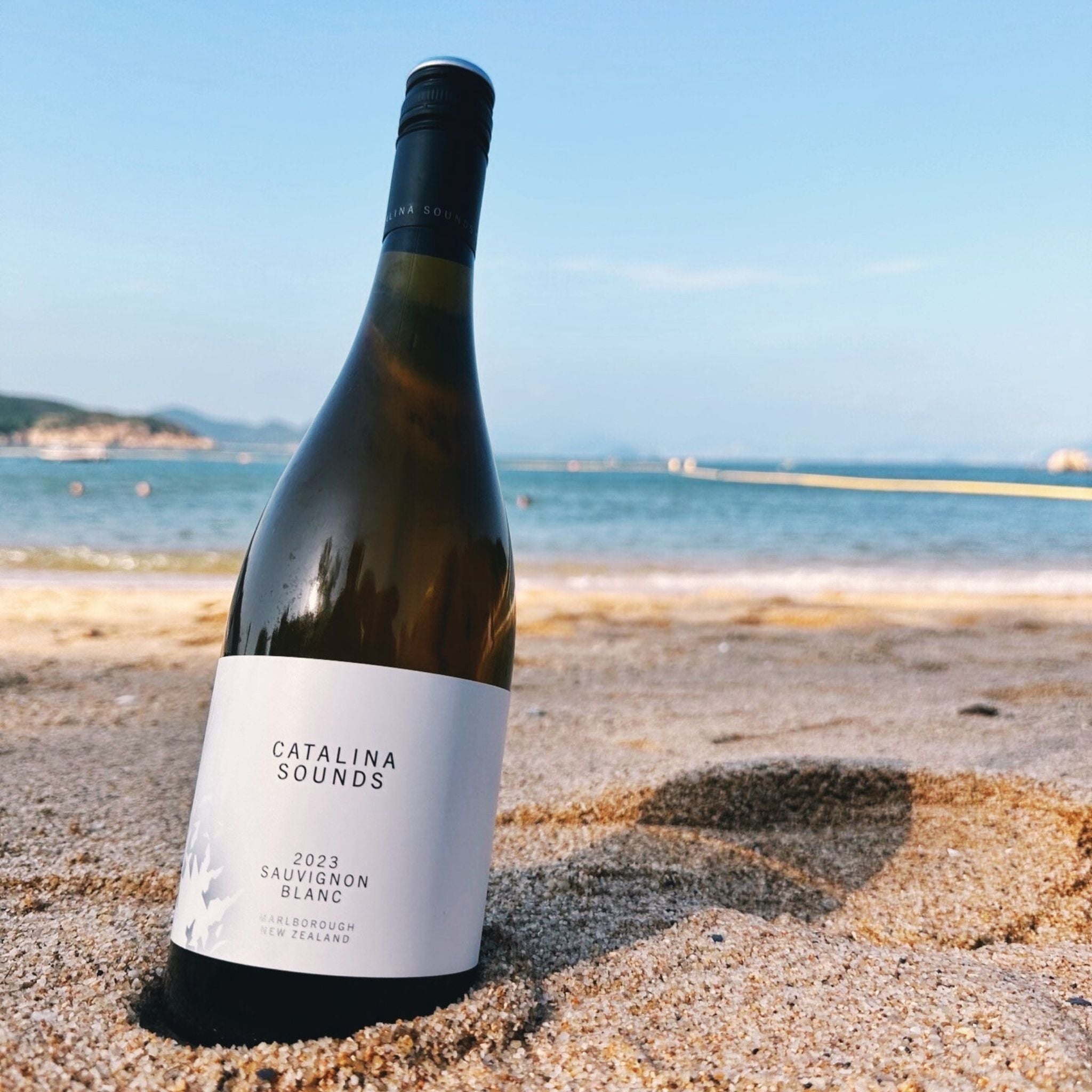
Sauvignon Blanc is New Zealand’s most important grape and Marlborough is the top producing region. The wines here offer more green tropical fruit notes, like kiwi, passion fruit, and pear, that contain a touch of residual sugar to help balance out the high acidity in the grapes.

The wines can be explosively aromatic with the aroma source of freshly cut grass. It can be zesty. That’s a signature aroma that can help you determine that you’re drinking a SB from NZ.

White Bordeaux, France

Here Sauvignon Blanc is more structured and textured. Notes of citrus, in this case, more lemon and grapefruit, and honey and light wax/lanolin texture. It is often blended with Semillon from Bordeaux, a fuller bodied wine with a rounder and creamier texture and notes of apple. Semillon can age better than Sauvy B so this blend can give you more years to drink. Some of the best sweet, dessert wine called Sauternes is made from Semillon.

Napa Valley, California, USA

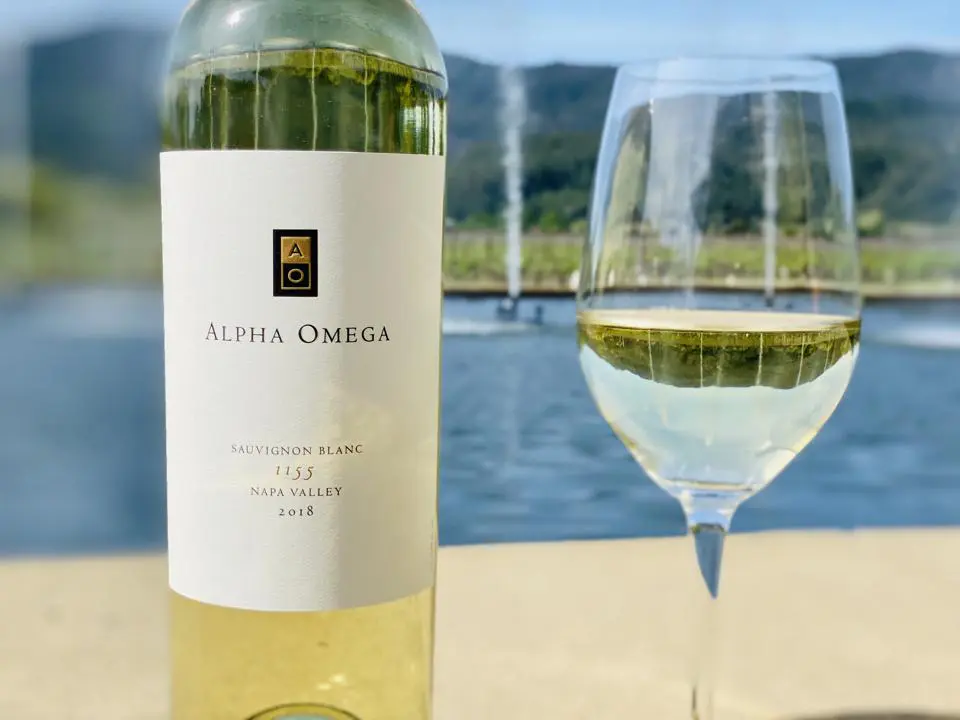
Sauvignon Blanc in the warm Napa and Sonoma Valleys can offer a riper, richer, and more generous version of the grape. Notes of tropical fruit, like melon, and stone fruit, like white peach dominate while still displaying a little citrus and herbaceous notes. Some Sauvignon Blancs in Napa are aged in oak creating more texture, complexity, and vanilla notes. Even in this warmer climate, the wines have ample acid backbone, and the good winemakers make it shine with the fruit.

What does all Sauvignon Blanc have in common?

All Sauvignon Blanc wines share a foundational profile characterized by high acidity, a dry, light-to-medium body, and vibrant, herbaceous, and fruit-forward aromas, typically spanning citrus (grapefruit, lime, lemon) to tropical notes (kiwi, melon, passion fruit).

It is consistently a cool-climate or high-acidity grape used to produce crisp, refreshing, and usually unoaked white wines. Most are produced to be drunk young, crisp, and fresh. Alcohol content generally ranges from 11.5% to 14% ABV.

While climate affects whether the wine tastes greener/herb-forward (cooler, e.g., Loire Valley) or tropical fruits (warmer, e.g., California), its fundamental “green,” high-acid structure remains consistent.

Sauvy Blanc is very food-friendly wine because of the high acidity and lighter body. Pair it with herb or citrus-driven sauces, green veggies and summer salads, salty cheeses, herb-crusted chicken (Napa especially), white fish, oysters and mussels (Sancerre especially), scallops, and all kinds of Asian cuisine (New Zealand, especially).

What other white wines are similar to Sauvignon Blanc in terms of its style and profile?

Fume Blanc (Loire), Gruner Veltliner, Vermentino, Chenin Blanc (Loire), and Verdejo.

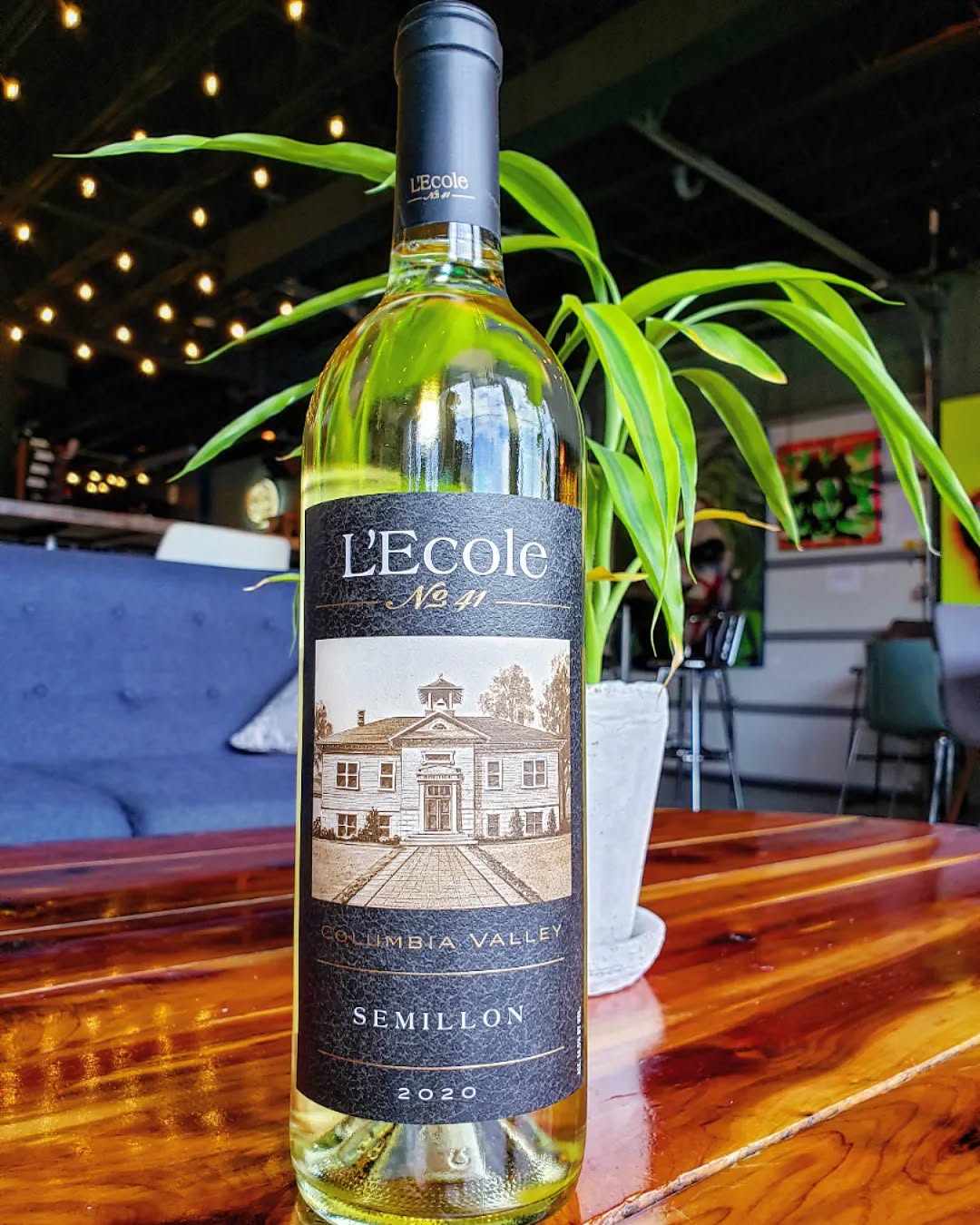
Here are my recommendations for each regional Sauvignon Blanc. The exception is that I chose a Semillon was Wash State, US instead of one from Bordeaux.

Domaine Henri Bourgeois ES-56 Sancerre 2022

Chateau Brondelle 2021 Graves Sauvignon Blanc Semillon

St. Supery 2020 Napa Valley Sauvignon Blanc

Dog Point Vineyard 2025 Marlborough Sauvignon Blanc

Cheers & Sante,

Michael XOXO

Wine & The Moon: The Lunar Influence

February
24
2026

I’ve always had an interest in astrology, oracle, alchemy, and the occult sciences. Recently I’ve been fascinated with how it applies to wine and wine tasting. Let’s take a closer look! As one subscriber stated, “This is so interesting, Michael! None of this ever occurred to me, so I find it quite enlightening.”~ Trie

Do you remember all the hype about the Blood Moon during the lunar eclipse? Maybe not, unless you typically follow this kind of stuff. It made me think about the moon and the universe’s impact on wine drinking. You don’t have to be a ‘wine witch‘ to be interested in it. Do you enjoy reading your daily horoscope and believe in what the universe is telling you?

The moon actually plays a crucial role in viticulture, influencing key vineyard activities such as pruning and harvest, as well as (for many) the best times for wine tasting. If you believe that wine is a living organism, then it’s reasonable to think that it is affected by the moon just as much as other living things.

The focus on the moon and how it affects life on earth goes as far back as 1st century Roman naturalist, Pliny the Elder, who said the moon “replenishes the earth; when she approaches it, she fills all bodies, while, when she recedes, she empties them.”

The lunar calendar has been used for centuries by farmers to determine when to plant and harvest. Other professions, like gardeners, religious leaders, and fishermen use it in their work. The Old Farmer’s Almanac uses the same lunar calendar to recommend planting schedules. Professional astrologers use lunar cycles for scheduling major life events, such as weddings, funerals, opening businesses, etc…

Rudolf Steiner, who created the biodynamic farming system in the 1920s, saw vines linked to the four elements – earth, air, water, and fire. Each element is favored when the moon passes into the constellations associated with it, thereby determining when a wine tastes best.

This concept was later expanded upon by Maria Thun in the 1960s. She developed a calendar indicating the best days for tasting wine—a theory further refined by her son, who authored When Wine Tastes Best, which is now an app. Check it out!

The principle suggests that not only do plants respond to the positions of the moon, sun, and planets, but that we can enhance various aspects of winemaking by considering these celestial alignments. Many of the best winemakers in the world swear by it. For example:

Fire constellations direct energy towards fruit-bearing, making them prime harvesting days.

Earth constellations focus a plant’s energy on its roots, making these ideal days for pruning.

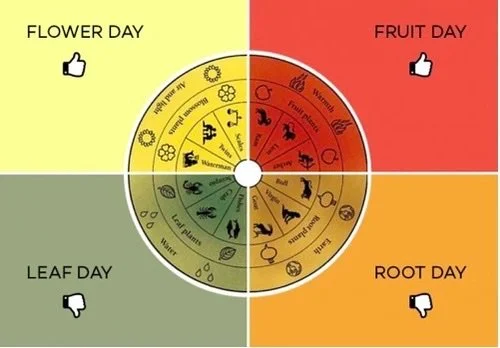
The lunar calendar also suggests that wine can taste different depending on the day you drink it. Here are the basics. What is your sign and element?

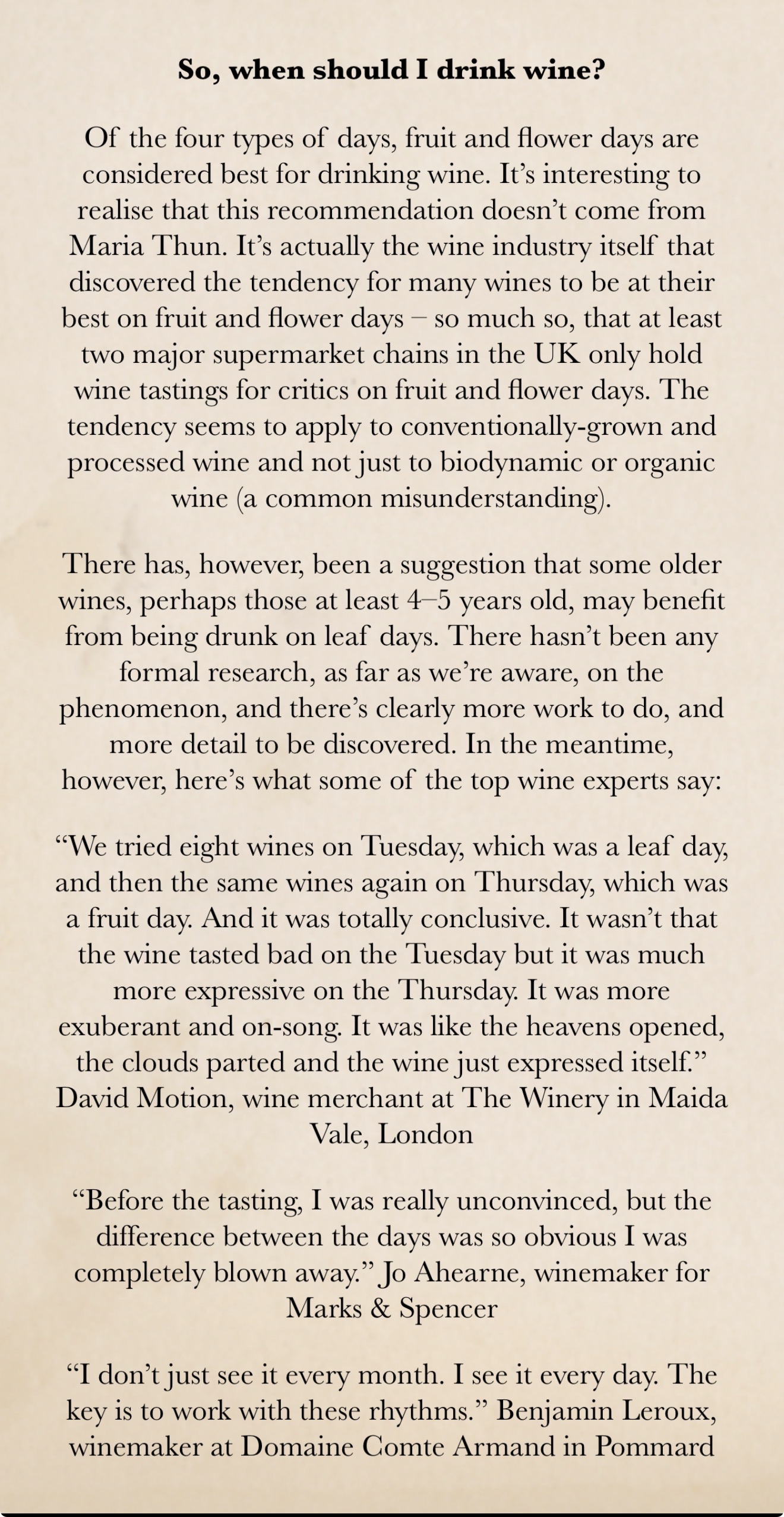
Fruit Days: Wines are at their most expressive, showcasing a full range of aromas and flavors. These are the best days for wine tastings or enjoying a special bottle. Fruit days are when the moon is in any of the Fire Signs, such as Aries, Leo, and Sagittarius. Fruit days are the most optimal wine tasting days.

Flower Days: Wines highlight their delicate floral notes, making these days ideal for appreciating aromatic white wines and elegant reds. Flower days are when the moon is in any of the Air Signs, like Gemini (moi), Libra, and Aquarius. Flower days are recommended for enjoying aromatic wines, such as Viognier or Torrontes.

Leaf Days: Wines may exhibit more vegetal and herbaceous qualities, which can be intriguing but might not be ideal for your finest bottles. Leaf days are when the moon is in any of the Water Signs, such as Cancer, Scorpio, and Pisces. Leaf days are days when the plant is focused on producing chlorophyll, and are generally not recommended for enjoying wine.

Root Days: Wines often taste more subdued, with heightened tannins and earthy notes. Generally considered the least favourable for tasting. Root days are when the moon is in any of the Earth Signs, such as Capricorn, Taurus, and Virgo. If you follow the lunar calendar for wine tasting, root days are not good days to enjoy wine.

Node Days: Occurring when the moon crosses the Earth’s orbit, these are typically days when wines are more ‘closed’ and less expressive.

Does the moon really affect how good a bottled wine tastes? Is this wine tasting trick the reason why the same bottle sometimes doesn’t taste as good the next time you open it?

Some days you may taste a wine that you know well, and nothing really impacts you, while other days, one wine is better than the next. Instead of blaming it on the wine, think about it from a human perspective. We humans are susceptible to full moons, high pressure, and so on. Do the wines change based on the planets, moon, or alignment of the stars? Or is it that our perceptions may change?


Above is an excerpt from the app. For some beyond-logical reason, red wine seems to taste better on a “fruit day.” White aromatic wines really seem to sing on a “flower day.” So maybe if you’re anxious to pop open that vintage Bordeaux you’ve been waiting to open for years, you should consult the free When Wine Tastes Best app on your phone.

Is Today a Flower Day? Here is the link to the Lunar Calendar for all things – Lunar calendar for today – live in the rhythm of nature

Share your astrological sign and element under comments here or on social media. It will be fun! Just a reminder, if you signed up for the free newsletter, you would have automatically received this story when published.

Cheers,

Michael (Gemini & Air)

michael@michaelpour.com
(cover photo courtesy of Scott Harvey Wines)

The Best Reds in the Finger Lakes Wine Region

Artist rendering of Finger Lakes Wine Region
January
13
2026

For this week’s post, I am dedicating it to my good friend and follower Janis @hummingbird512 on Instagram. She is a huge fan of wine, but more specifically, of Finger Lakes wine, and asked me to profile the best FLX reds out there for her to try and stock up on. She considers herself to be a local wine historian.

One of Janis’ favorite FLX wineries is McGregor Vineyards situated on a hillside just one mile above the eastern shore of Keuka Lake. She enjoys all of their wines, but especially the 2021 Cabernet Sauvignon. She had it this past summer and suggests holding on to it for a while because it will age beautifully.

She also likes to visit Dr. Konstantin Frank, pioneer for wine in the FLX. “Dr. Frank is uniquely located on the southwestern slopes of Keuka Lake. In 1958, Dr. Frank planted the first vinifera vines and ignited the Vinifera Revolution. This movement would forever change the course of winemaking in the Finger Lakes region”, Janis said. She also likes to go to Fox Run Winery and Zugibe Vineyards off of Seneca Lake.

Janis also loves Bubbles, as in sparkling, which pairs well with her bubbly personality. She has always been a huge supporter of me and my wine adventures, so I am thrilled to put this together for her. She has many followers on Instagram and loves to share her wine experiences, often with her daughter. Check her out! She is very engaging!

Below you will find the results from the annual New York Wine Classic through the NY Wine & Grape Foundation. I highlighted the highest scoring reds from this competition. NYWGF partners with the Beverage Testing Institute to judge wines submitted by wineries. Scores are awarded by a trained sensory panel comprised of beverage directors, sommeliers, top bartenders, retail buyers, and educators. 

Unfortunately, I wasn’t one of the judges, but I did carefully go through the list and highlight my personal recommendations. I listed those wineries that produce excellent reds and noted the varietal(s) you must try from that winery with some images. I also indicated where you can find the wineries in the Finger Lakes. 

Gold Medals were awarded to wines scoring above 90 pts. There were many excellent FLX reds above 90 in 2025, but I had to cap it at 92 pts and above. Note: Some wineries don’t participate in the NY Wine Classic so they won’t be represented. That’s not say that they don’t produce great reds, i.e. Shalestone Vineyards, Shaw Vineyards, Domaine LeSeurre, Winery, and McGregor Vineyards.

There are multiple AVA’s in the Finger Lakes so the AVA is listed. Most are Finger Lakes AVA, but some are Seneca Lake AVA and Cayuga Lake AVA depending on where grapes are grown and legal designation. Keuka Lake does not have an AVA so they will be designated as Finger Lakes AVA.

Best in Class –

Best Cabernet Franc – Ravines Wine Cellars 2022 Estate Cabernet Franc, Finger Lakes, 96 pts, Platinum Medal

Best Blaufrankisch/Lemberger – Heron Hill Winery 2023 Ingle Vineyard Blaufrankisch, Finger Lakes, 96 pts, Platinum Medal

Best Syrah – Hector Wine Company 2022 Syrah, Finger Lakes, 93 pts, Gold Medal

Top Red Wines –

Acquilano Wine Cellars 2023 Blaufrankisch, Finger Lakes, 95 pts, Gold Medal

Adirondack Winery 2021 Cabernet Franc “Autumn in the Park”, Finger Lakes, 94 pts, Gold Medal 

Red Newt Cellars 2023 Cabernet Franc, Finger Lakes, 94 pts, Gold Medal

93 pointers & Gold Medal –

Damiani Wine Cellars 2023 MC2 Red Blend, Finger Lakes

Goose Watch Winery 2020 “Bailey Sue” Reserve Cabernet Sauvignon, Finger Lakes

Inspire Moore Winery & Vineyard 2022 “Wisdom” Cabernet Franc, Finger Lakes

Ryan William Vineyard 2020 Reserve Syrah, Finger Lakes

Ryan William Vineyard 2020 Reserve Merlot, Finger Lakes

Sheldrake Point Winery 2022 Reserve Cabernet Sauvignon, Cayuga Lake

Sheldrake Point Winery 2023 Estate Cabernet Franc, Cayuga Lake

Thirsty Owl Wine Company 2023 Pinot Noir, Finger Lakes

Toast Winery 2023 MJ Red Blend, Finger Lakes

92 pointers & Gold Medal –

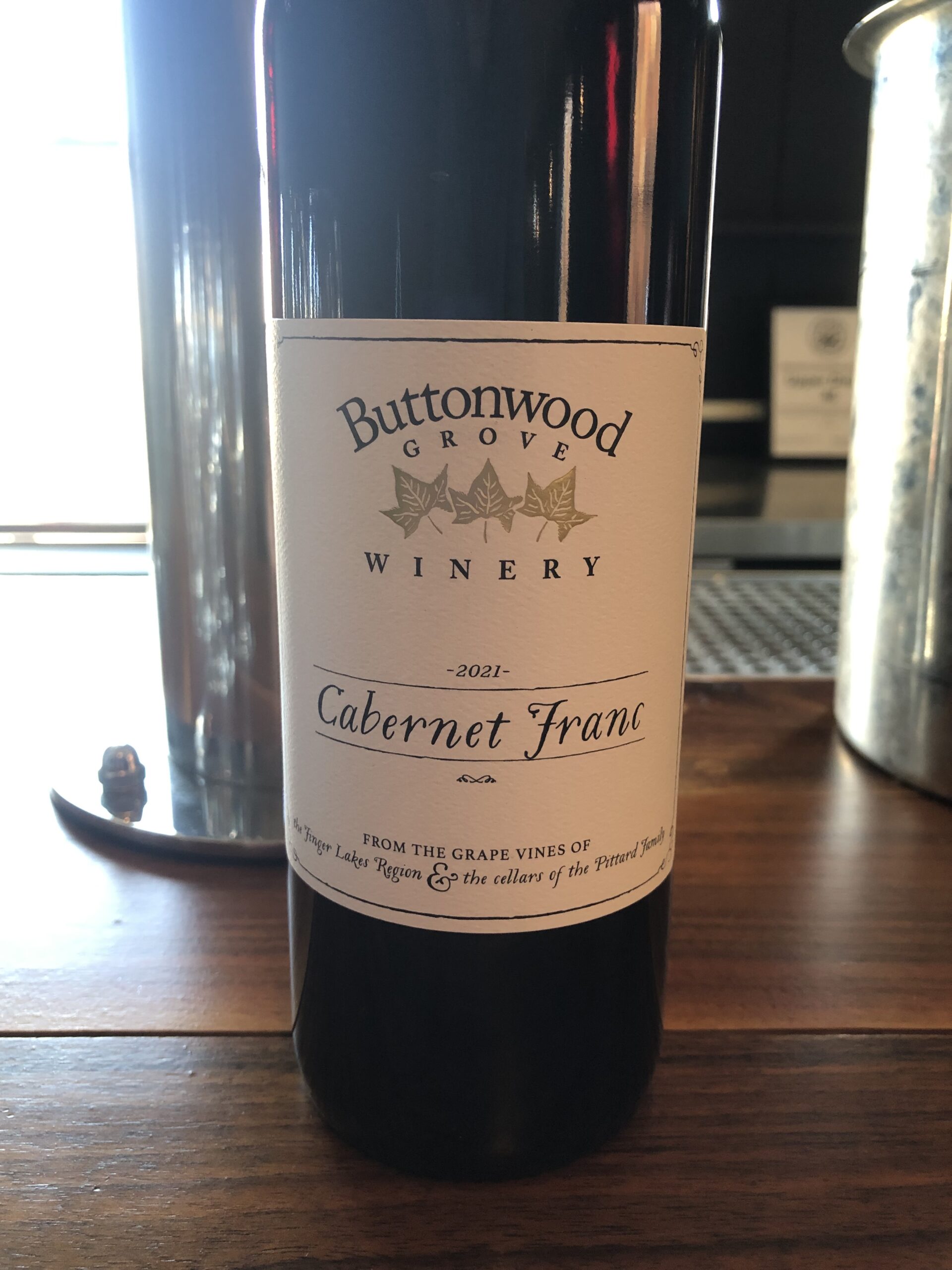
Buttonwood Grove Winery 2022 “Marnie Ann” Red Blend, Cayuga Lake

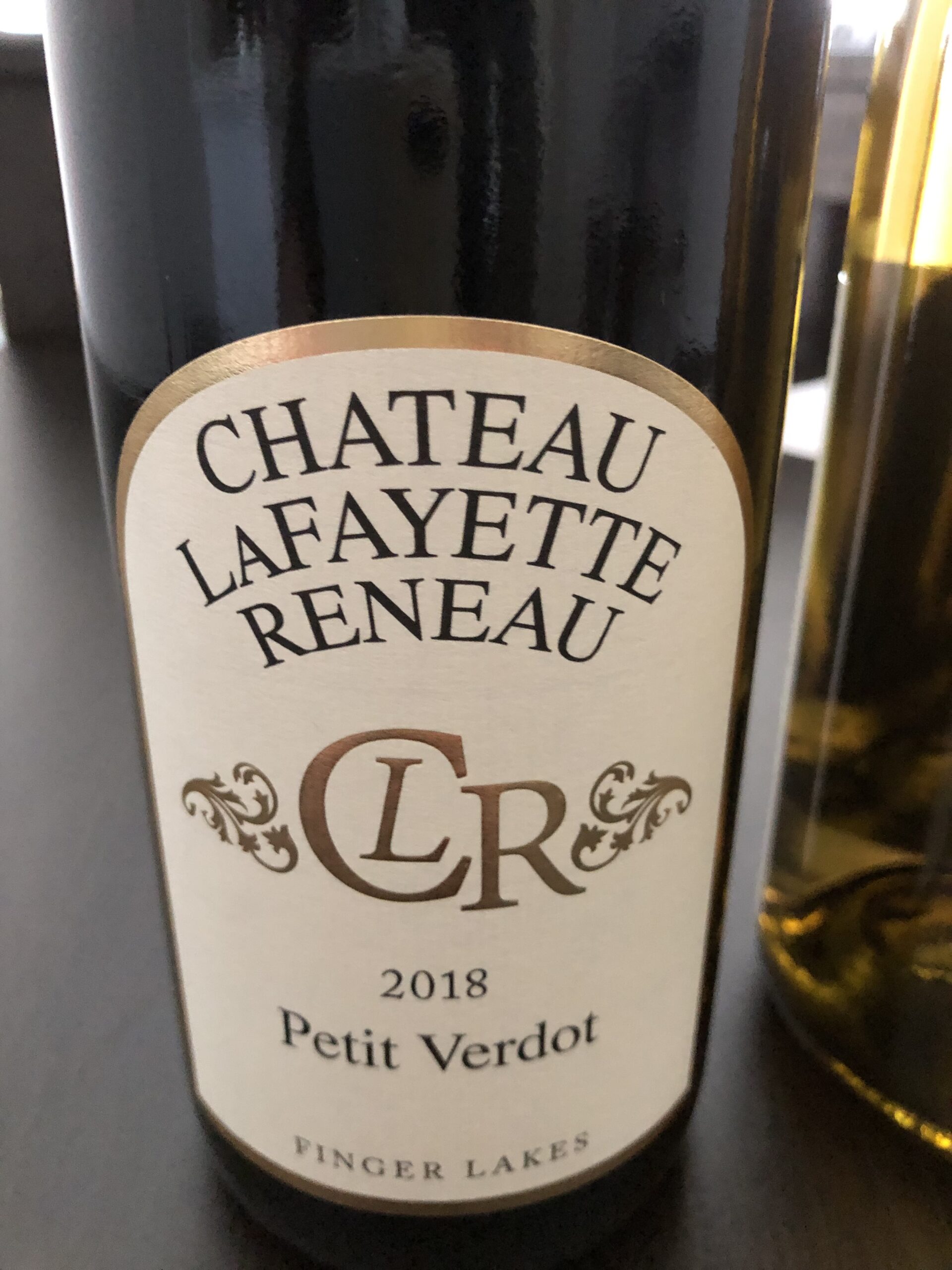
Chateau LaFayette Reneau 2020 Estate Merlot, Seneca Lake

Chateau LaFayette Reneau 2023 Estate Cabernet Sauvignon, Seneca Lake

Constantia Wine Company 2021 Uniquity Red Blend, Finger Lakes

Constantia Wine Company 2023 Cabernet Sauvignon, Finger Lakes

Dr. Konstantin Frank Winery 2022 Cabernet Franc, Finger Lakes

Hector Wine Company Sawmill Creek Estate 2022 Cabernet Franc, Finger Lakes

Knapp Winery 2022 Cabernet Franc, Finger Lakes

Lucas Vineyards 2022 Reserve Estate Collection Cabernet Franc, Finger Lakes

Point of the Bluff Vineyards NV June Bug Red Blend, Finger Lakes

Ventosa Vineyards 2020 Merlot, Seneca Lake

Wagner Vineyards Estate Winery 2022 Cabernet Franc, Finger Lakes

Other Gold Medal Winners from the New York Wine Classic below.  I did not list them here if they were included in the awards section above, so this is essentially a bonus list. 

Many newer wineries have popped up over the last couple of years in the Finger Lakes, which I have yet experienced, so the list will not include some of them.

I may be a little biased because I am either a wine club member at some of these wineries, have worked with them in some capacity, or visit them often because of their phenomenal red wine program. Enjoy!

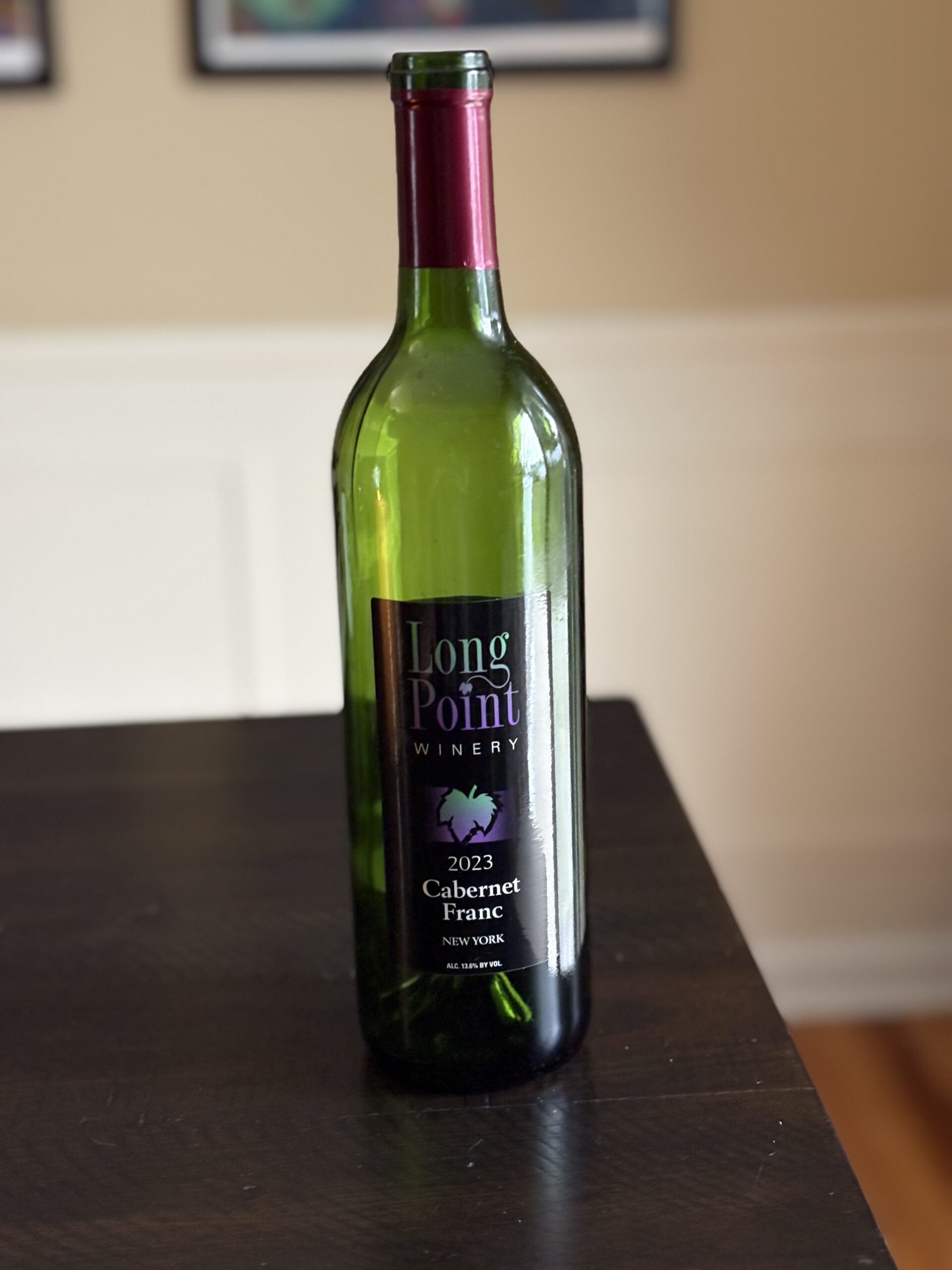
What FLX reds am I drinking now – All reds from Damiani Wine Cellars, including exquisite library reds. You must seek them out. Just finished “Departure Red Blend” (CS, CF, Merlot) from Barnstormer Winery, Cab Franc from Long Point Winery, and Saperavi from Airy Acres Vineyard.

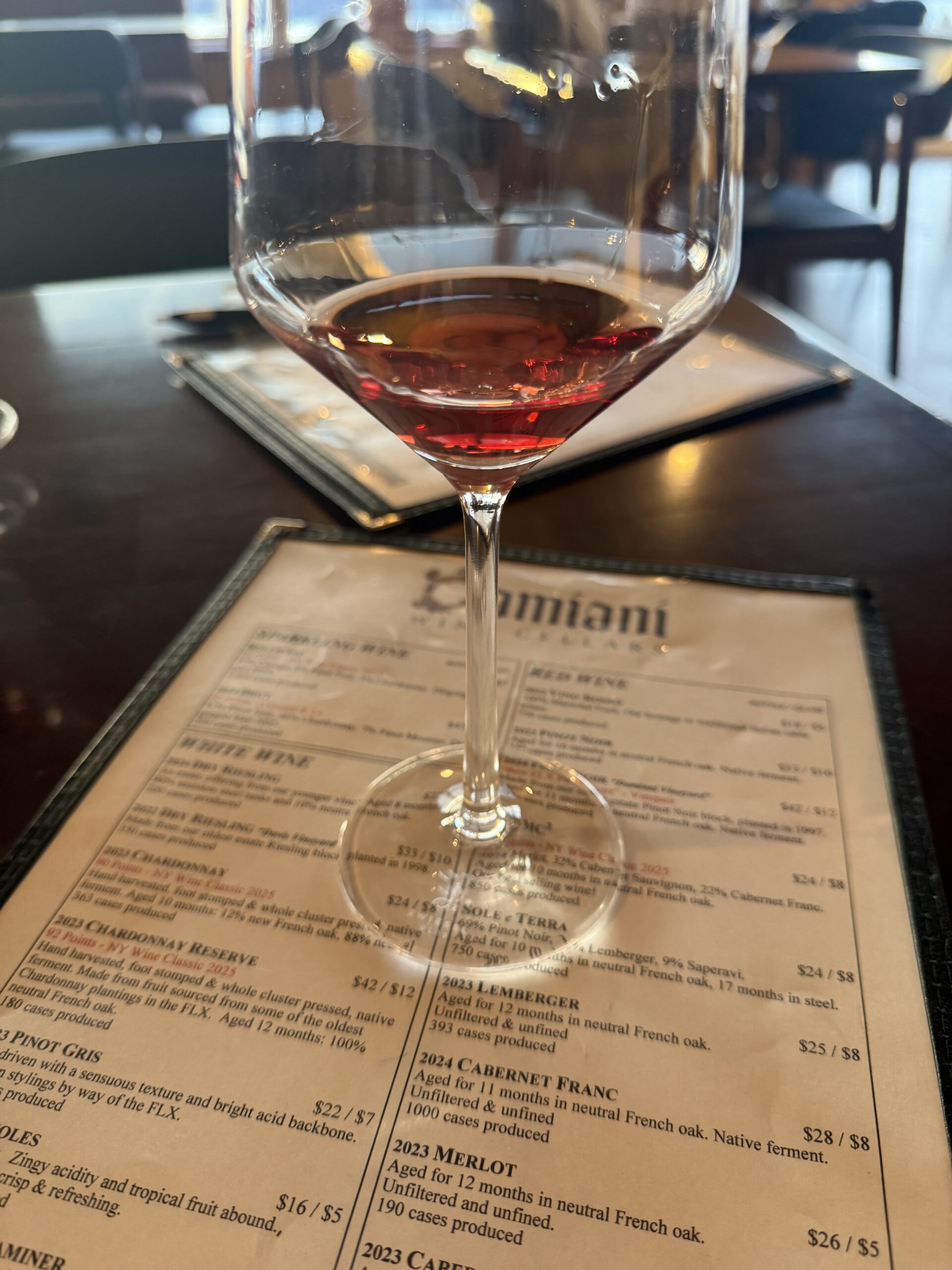
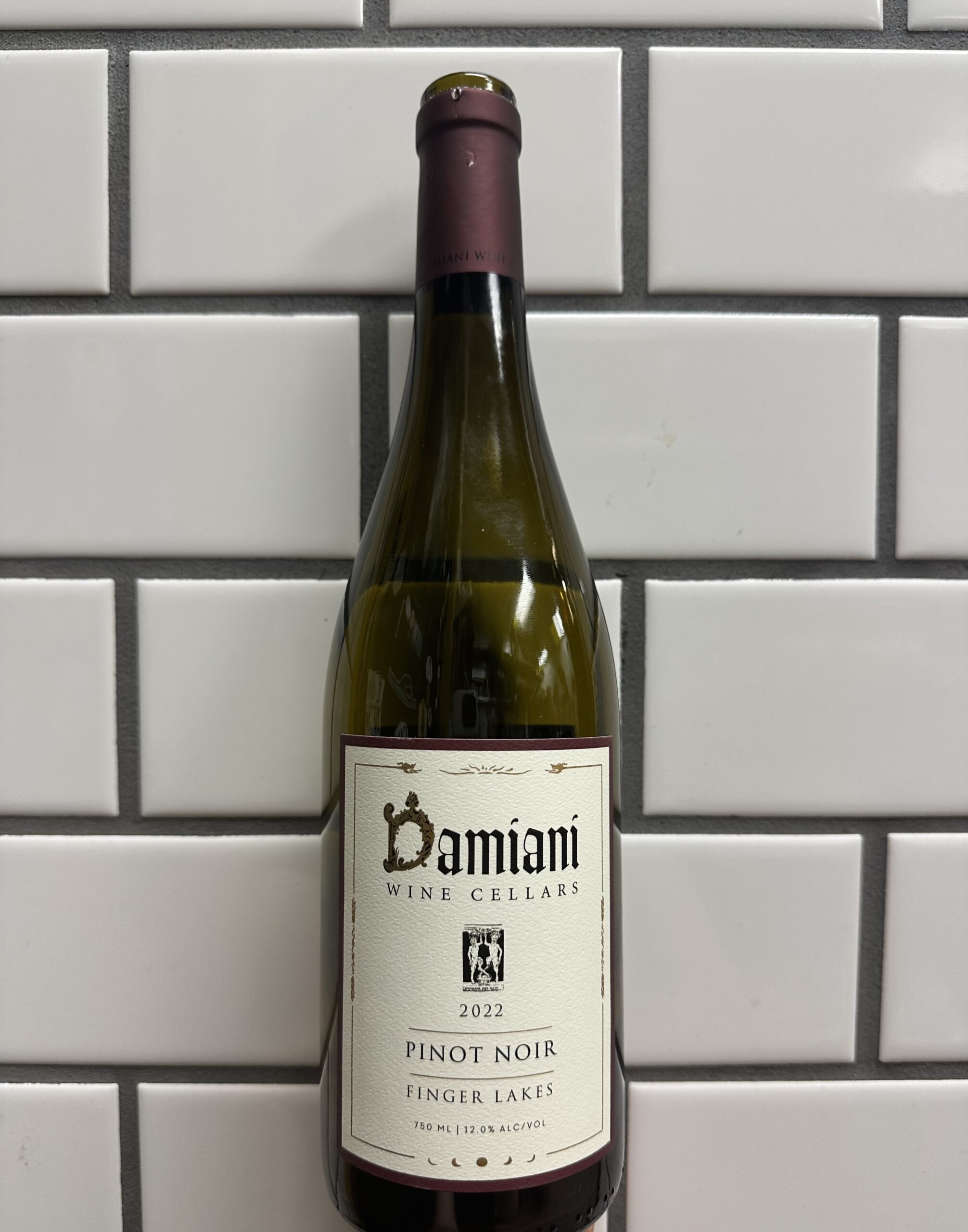
Damiani Wine Cellars, east-side Seneca Lake (try Pinot Noir & Reserve Cab Sauv). Wine Club member. Say hello to my friend and tasting room manager, Jeremy, and wine educator, Jenna, when you visit. They are second to none for their enormous and lovely library red program.

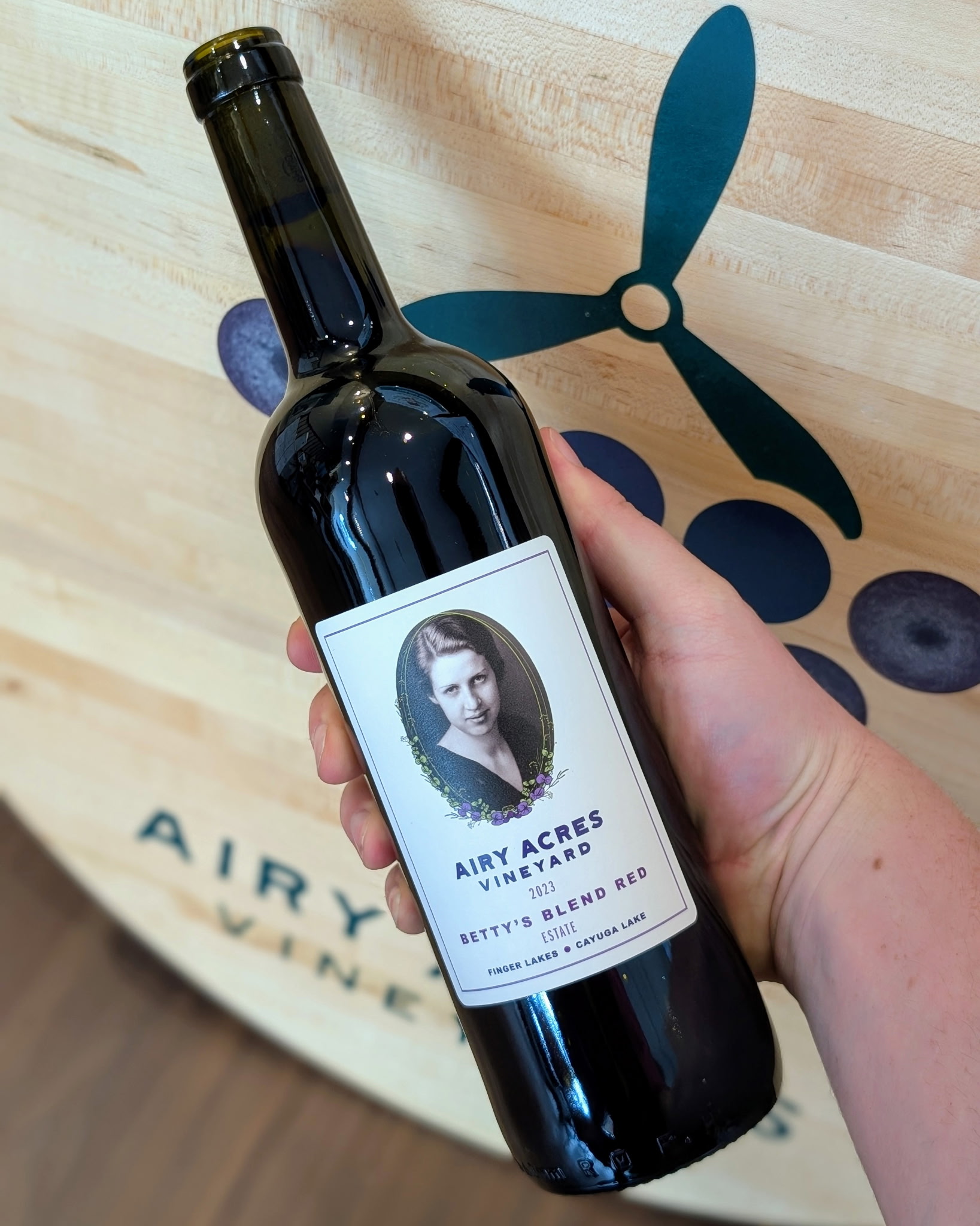
Airy Acres Vineyard, west-side Cayuga Lake (try Lemberger and Betty’s Blend, pictured). Wine Club member. Say hello to my friend, winemaker, and owner, Noah, when you visit. They are fairly new in the FLX and have been producing some incredible wines and reds

Lamoreaux Landing Wine Cellars, east-side Seneca Lake (try special Unoaked Cab Franc). I used to be the wine educator and director of marketing and public relations.

Sheldrake Point Winery, west-side Cayuga Lake (try Gamay Noir and Appassimento red dessert wine). Former wine educator there

Fox Run Vineyards, west-side Seneca Lake (try Cab Sauv and fortified Tawny Port)

Bright Leaf Vineyard, east-side Cayuga Lake (try Merlot). Say hello to owners, Donna & Mike, for me when you visit.

Six Eighty Cellars, west-side Cayuga Lake (try semi-carbonic Cab Franc). Say hello to winemaker, Ian.

Shaw Vineyards, west-side Seneca Lake (reds only). Say hello to Mr. Shaw and family

Forge Cellars, east-side Seneca Lake (try Pinot Noir)

Barnstormer Winery, west-side Seneca Lake (try Cab Sauv and fortified Ruby Port)

Shalestone Vineyards, east-side Seneca Lake (reds only)

Domaine LeSeurre Winery, east-side Keuka Lake (try Lemberger). Say hello to French owners, Celine & Sebastian, for me when you visit. Former assistant tasting manager and wine educator there

Red Tail Ridge Winery, west-side Seneca Lake (try Blaufrankisch and rare Teroldego, Lagrein, and Dornfelder. Last 3 from Italy are unique and worth exploring). Former tasting room manager and wine club manager there

McGregor Vineyard, east-side Keuka Lake (try Pinot Noir)

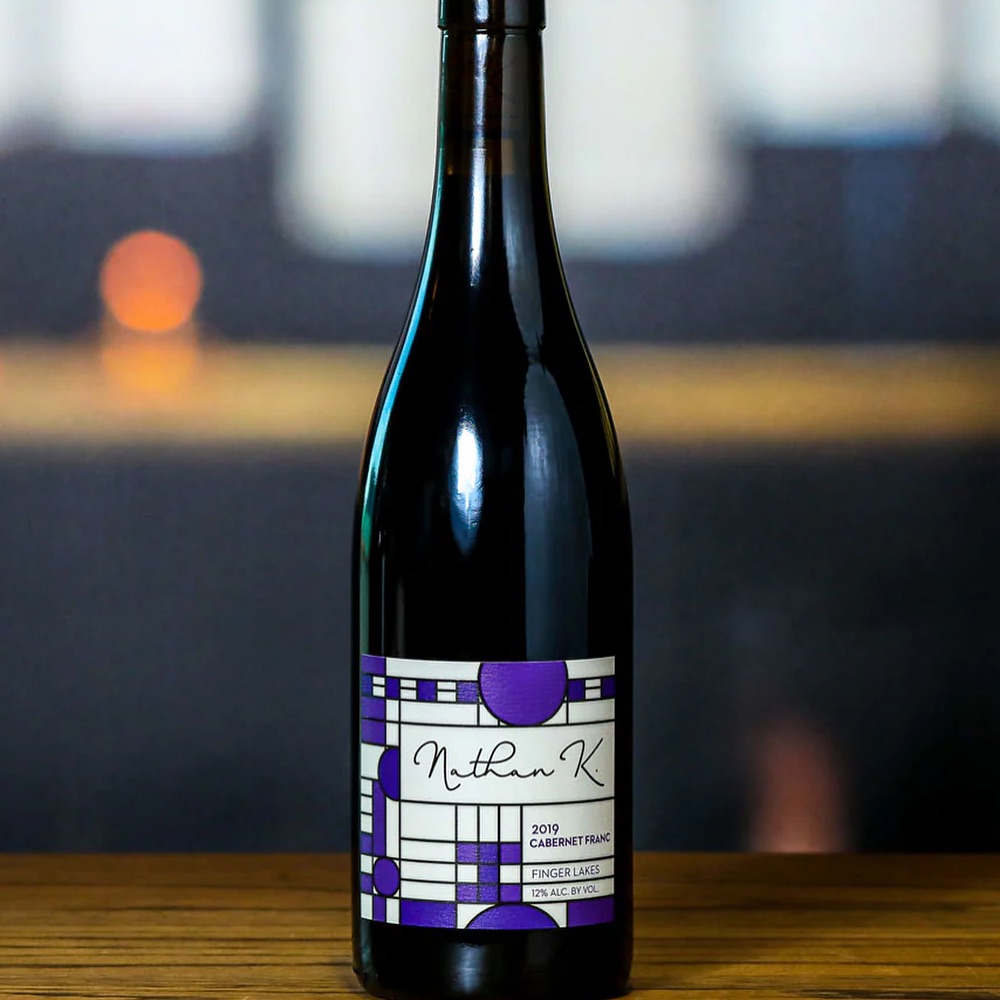
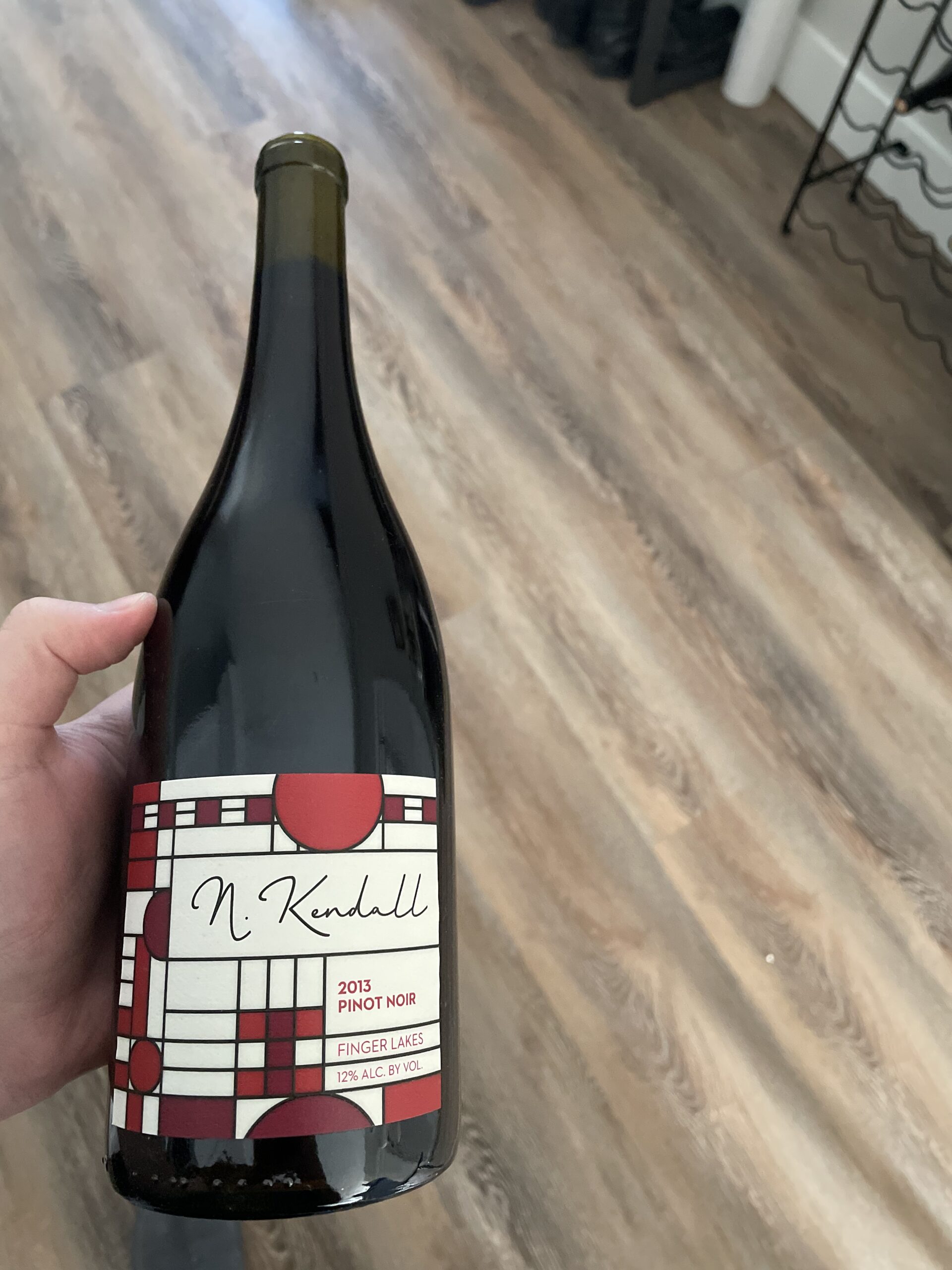
Nathan K/Hickory Hollow winery, west-side of Seneca Lake (try Cab Franc and library reds, pictured)

Long Point Winery, east-side of Cayuga Lake (try Cab Franc). Say hello to my friend, Women for Wine Sense colleague, and up-and-coming winemaker extraordinaire, Kristen. She is awesome!

Any questions or in need of recommendations for an organized wine tour or wineries to visit based on taste preferences, feel free to reach out and I can help you put together a tour to enhance your wine experience. Through my business, The Michael Pour, I am available to be your tour guide and concierge. The Finger Lakes Wine Region has been voted as the “Best Wine Region” in multiple years by consumers.

I’m no longer based in beautiful FLX wine country, but I continue to maintain close relationships with wine people and the wineries there. Look through the blog to read about my previous posts on the Finger Lakes Wine Region here – http://www.michaelpour.com/blog

Check out previous post about what “The Michael Pour” can do for you here – Interested In Learning More About Finger Lakes Wines? – The Michael Pour

Cheers,

Michael

Nobody’s Wine Bar: A Hidden Gem in Central NY

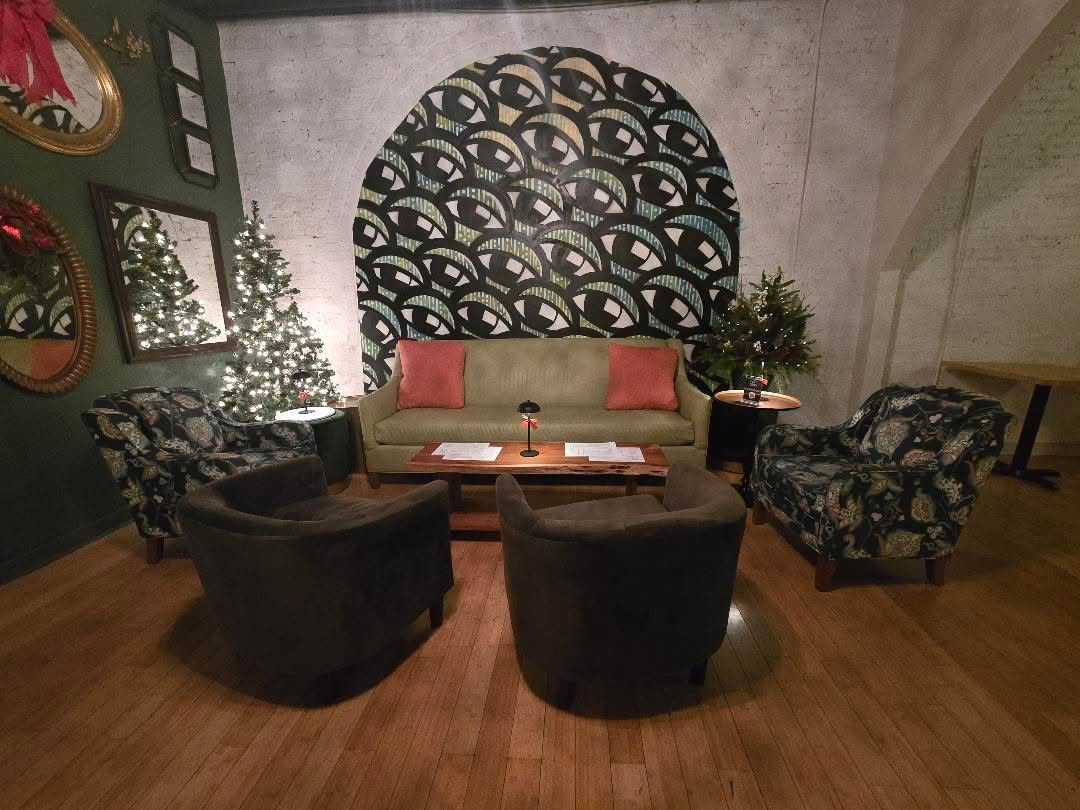
Lounge at Nobody's Wine Bar
December
29
2025

Nobody’s Wine Bar opened in September of 2023. They were a new addition to the infamous and historic Armory Square located in downtown Syracuse. The premise behind the opening was to offer a wine bar to the community that serves a variety of hard-to-find domestic and international wines. 

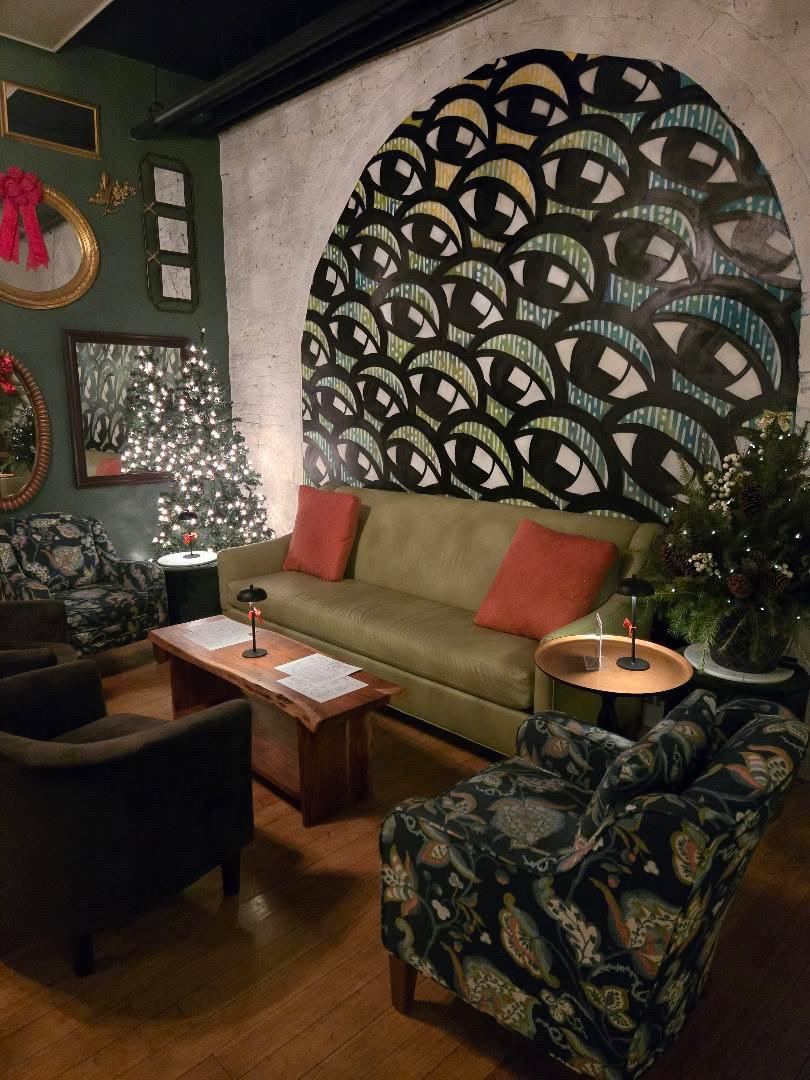
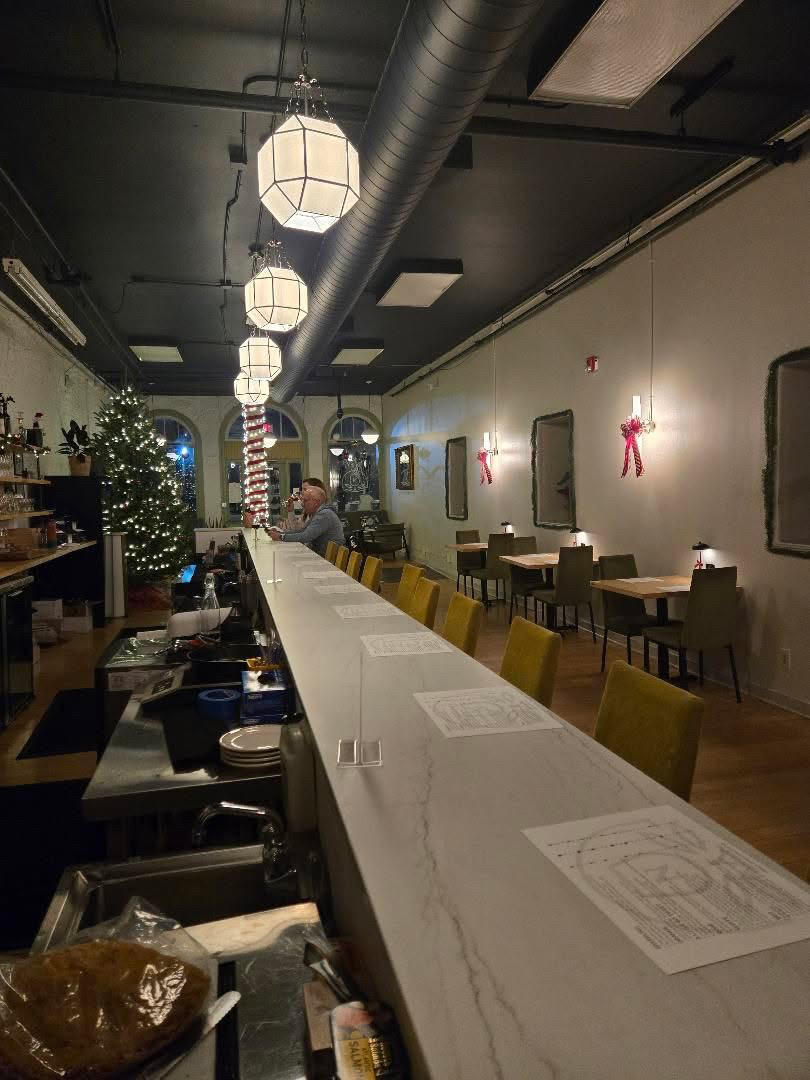
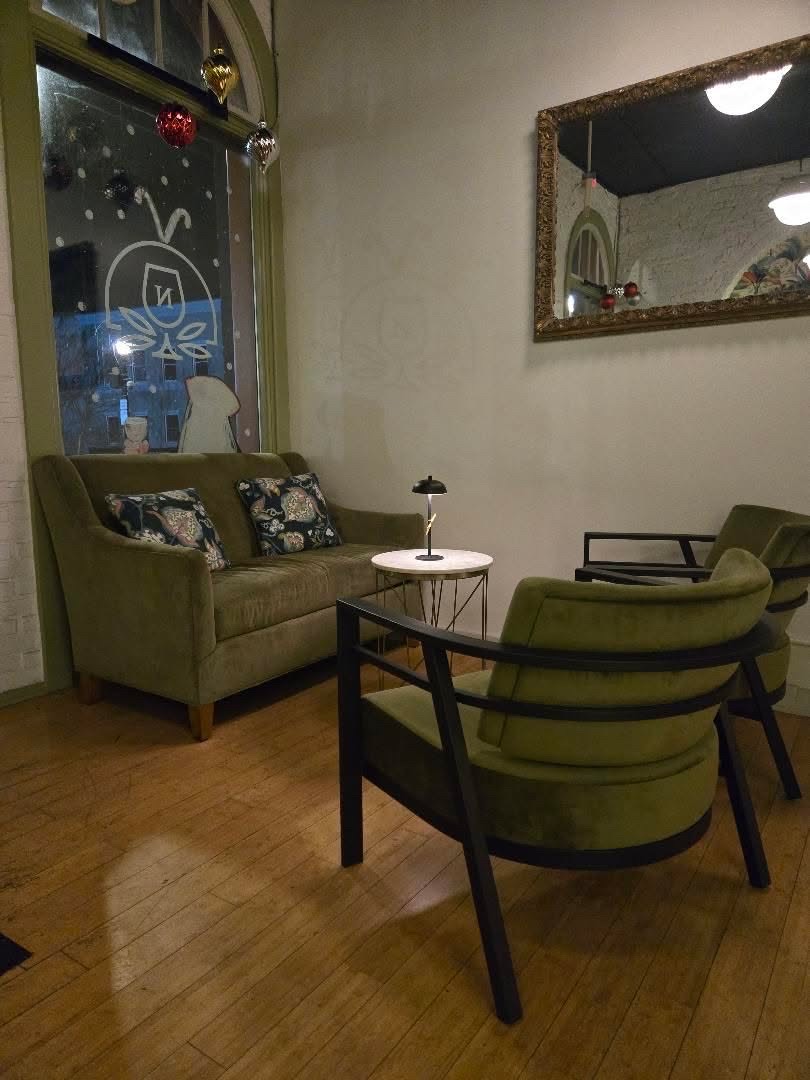
I would describe the space as being cozy, chic, casual, and educational. The interior features a large mural from the graffiti artist Vacant and custom lighting. It gives off vintage and art deco vibes with comfy seating on sofas, plush chairs, intimate table for two, and a long bar, which will accommodate many guests. Get ready to sip and savor and experience bottle bliss from a knowledgeable and experienced wine professional.

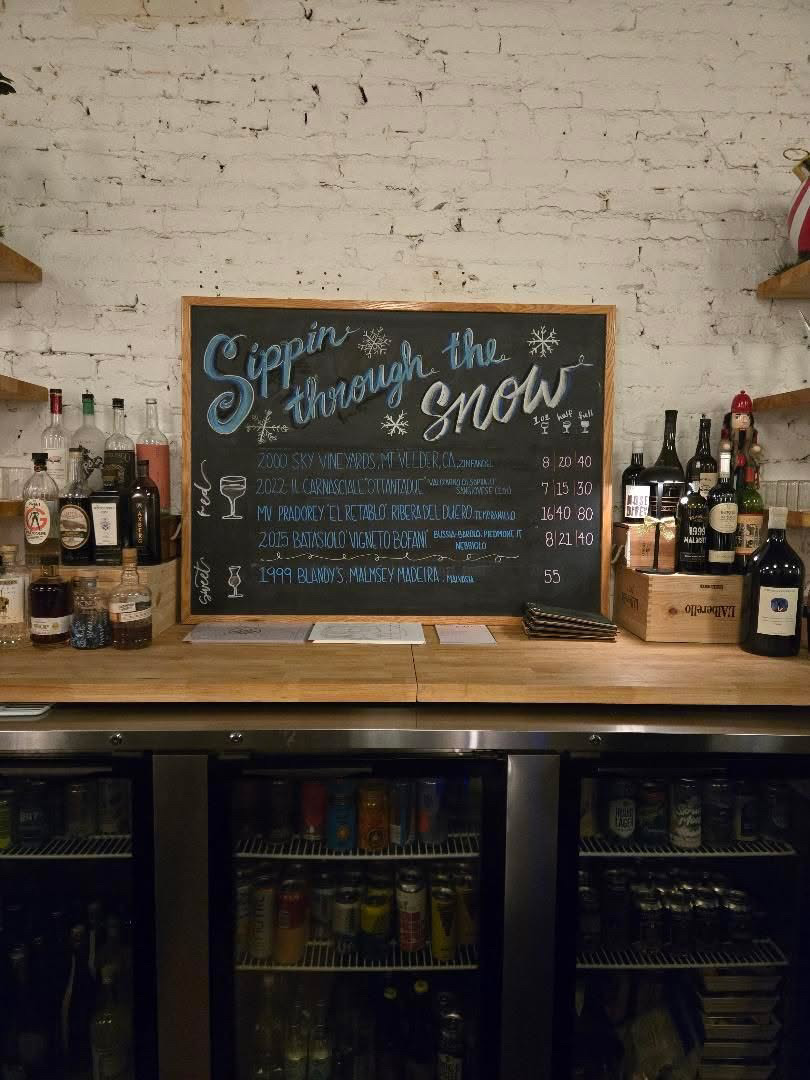
It’s a place where you can get a glass of wine — with about 25-30 choices at a price range starting around $10 per glass. That can go up to $50-$100 per glass for rare, high-end wines. The wine list is rotated often or seasonally to give patrons something new and fresh to try.

Their use of the Coravin wine preservation system allows them to keep bottles fresh without opening them. More bars and restaurants, especially those featuring wines or serving a lot of wine, should use a Coravin.

“What I like to say is we save the best wines for nobody,” said founder, Bob Leonard. “We open up everything, like 60-plus-year-old wine by the ounce just to give people the opportunity to try something they probably would never get the chance to otherwise.”

They try to pick wines from different regions around the world that guests might not have heard of or tried. “We try to highlight wines that I’d say are from more obscure regions and regions that kind of fly under the radar,” Leonard said. 

Additionally, they like to highlight wines that incorporate unique grape varieties and are made by sustainable and environmentally-friendly producers. 

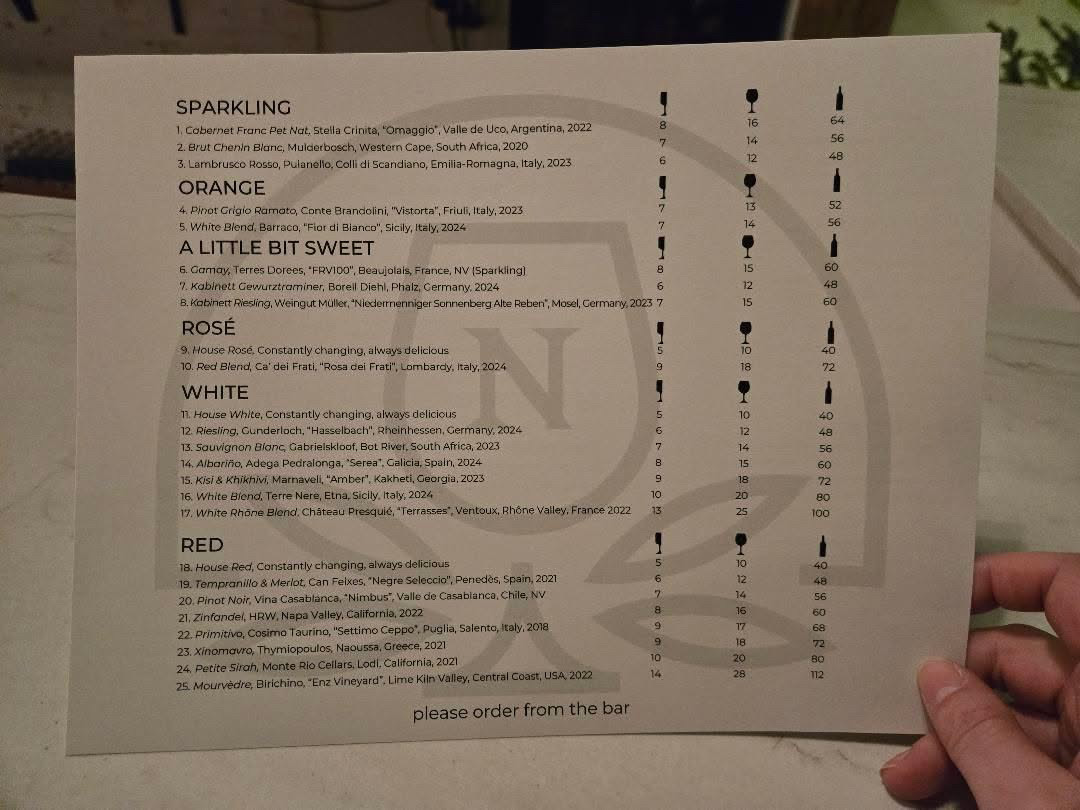
The wines are available at different price points, with their most expensive bottle currently at $112 while most others between $40-$60, which is very reasonable for the atmosphere and for these rare wine finds.
They serve their wines by the half glass, full glass, and by the bottle. The half glass option is great, especially when you want to experience different wines. Grab a seat at the bar to order and engage your sommelier bartender or take your beverage to a comfortable piece of furniture. They know their stuff and would be happy to talk wine.

Nobody’s is primarily a wine bar, but they have some small bites like canned fish, local cheese and charcuterie from The Curd Nerd, and local bread and crackers. They also offer a curated selection of beer, cider, and seltzers and will unveil a small, basic cocktail program soon.

They encourage guests to bring in outside food, which is a great opportunity to discover the perfect wine pairings. Over time, they will look into offering more food choices along with occasional pop-ups.

Nobody’s is a destination where everybody is welcome. They believe, as do I, that every glass of wine tells a story waiting to be shared. With a passion for great pours, impeccable service, and an ambiance that invites you to unwind, they are thrilled to introduce you to their hidden gem on Walton St. in downtown Syracuse.

Whether you’re a seasoned sommelier or are just discovering your love for wine, come pull up a chair. Take a journey through their carefully curated selection of beverages handpicked from around the world, Central NY, and Finger Lakes region. 

Great place to grab a glass while waiting for a table at a nearby restaurant or finish off a delicious meal with an exquisite wine. They have accommodating late night hours for those having dinner, attending a show, musical, or cultural event, or experiencing the nightlife in the city. 

Happy Hour

Tuesday – Thursday from 4p-6p with $2 off beer & full glasses of wine and $1 off half glasses of wine. 

Trivia night is every Tuesday night starting at 6:30. Happy Hour goes till 8p that night.

Hours of Operation

Tuesday – Saturday, 4p-12a (ish*) *if it’s still popping, they will stay open! Closed on Sundays and Mondays. 

Location

Nobody’s Wine Bar, Armory Square, 222 Walton Street, Syracuse, NY 13202 (last shop on the street). Free street parking after 6pm.

Nobody’s offers wine classes for all wine levels with a seasonal focus conducted by staff. They are available to host your company’s private event or your special occasion event.  Look for cool LGBTQIA-friendly events throughout the year as well. Check out the event schedule on Tock for their upcoming winter wine classes at Nobody’s Hospitality Group – Syracuse, NY | Tock.

My company, The Michael Pour, is excited to be partnering and collaborating with them. Our hope is to establish Nobody’s as the main source for local wine education and a primary spot for discovering special wines. If you are a local business or organization and would like to work with us or have us host an event, please let us know at michael@michaelpour.com or hello@nobodyswine.com.
Please reach out to me if you would like to grab a glass or a bottle sometime and I will introduce you to the exquisite wine list.

Meet Sarah

Sarah Gaines is the GM and Head Sommelier at Nobody’s Wine Bar. She handles the day-to-day operations of the bar. I’ve had the pleasure of recently meeting her and working with her for our upcoming “Fundamentals of Wine” class series through the Syracuse Chapter of Women for WineSense on January 18th at Nobody’s. I have frequented the bar on several occasions and plan on being a regular personally and professionally.

Her story is an intriguing one and how she landed here in Central NY to run the wine bar is worth illuminating below. Sarah and I share a similar background with our love and passion for wine. Our combined restaurant and service experiences mirror each other. Also, our deep dive in Italian wine propelled us on our wine path. I look forward to our fun times together and bringing this passion to all of you.

“Born and raised in Colorado, Sarah took an unexpected but deeply fulfilling path to the world of wine. After earning a bachelor’s degree in Political Science from Alma College, she first discovered her passion for wine while working at a winery in Northern Michigan. There, she found joy in guiding guests through tastings and helping them understand why wine tastes the way it does.

Following undergrad, Sarah worked as a paralegal in Boston and Washington, D.C., and later pursued a master’s in Justice, Law, and Criminology at American University. But it was during her time as a Wine Educator at District Winery—between semesters—that Sarah realized wine wasn’t just an interest, it was her calling. She left graduate school to follow that passion full time.

Sarah went on to become the Cellar Director at RPM Italian, where she earned her Level One certification from the Court of Master Sommeliers and was later promoted to Head Sommelier. There, she helped develop one of the most extensive Italian wine lists, led staff education efforts, earned her Certified Sommelier pin, all while nurturing a deep love for Italy’s rich and complex wine traditions.

Now at Nobody’s, Sarah is excited to return to her roots as a wine educator—sharing her knowledge, exploring new regions beyond Italy, and helping guests uncover wines they’ve never heard of but will never forget.

Outside of work, Sarah stays active with weight training, golf, and spending time with her two beloved cats, Ruthie and Cork.”

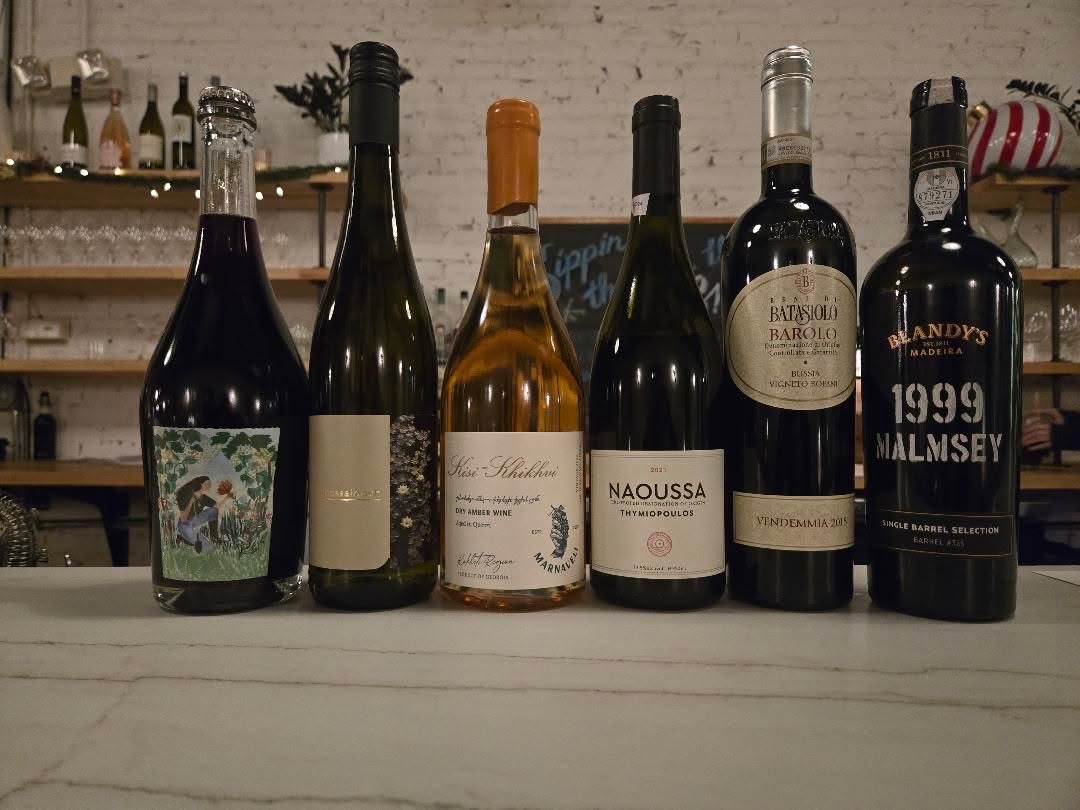
Here are some of Sarah’s favorites which appear on the current wine list –

Sarah's favorite wines on wine list

Visit them at https://www.nobodyswine.com/ 

Cheers & Sante,

Michael Nagy


Interested In Learning More About Finger Lakes Wines?

Tasting Wine By Style
March
24
2024

Whether you’re an industry professional, wine enthusiast, or just getting into wine, The Michael Pour is offering a fun, practical, approachable, and interactive educational and tasting experience that takes you on a journey through FLX wines and wineries.

Learn about the history of the wine region and the winemaking process from grape to glass. It’s almost winery season here in the FLX so what a great time this spring to get immersed in their wine through tasting and education.

Below are some topics included. In addition, there will be an opportunity for a Q & A during and after your experience and access to food and wine at the establishment.

  • Identify the components of wine and how they affect your personal palate using sight, smell, and taste.
  • Learn how to taste using a systematic approach to tasting wine. We will taste one white, one rose, and one red.
  • Learn about basic food and wine pairings.
  • Explore various wine growing techniques and how geography and climate impact the grape.
  • Learn how to read and interpret wine bottle labels.
  • Learn what differentiates FLX wine from worldly wines.
  • Debunking wine myths and proper storage and service of wine.
  • Get recommendations on FLX wineries to visit and wines to explore.
  • Receive a wine tasting mat, handouts, and reference guide to aromas and flavors.

Wine tasting

Where: Starr’s Restaurant, 7 East Main St, Waterloo, NY

When: Thurs, April 25, 2024

Time: 6:00-8:30pm

Space will be limited to 12 people. Ticket price will be $25 per person through Eventbrite, which includes event, materials, wine tasting, access to food and drink at restaurant, and much more…. Book soon!

Cheers,

Michael

Wine Glass

DON’T MISS A DROP

Get notified when new articles are poured

We don’t spam!