
*UPDATE* Following the publication of this post, Indira and Wines of Illyria reached out to me, and after an engaging conversation, we decided to work together and go on this wine journey together. Our goal is to bring this wine and all Balkan wine to you and the American consumer.
When you visit their website below, use code TheMPour at checkout to receive FREE SHIPPING.
Stock up for the holidays and please let me know Central NY if you would like a private or public tasting or schedule an event featuring wines you can’t get anywhere else.Visit them on Instagram @winesofillyria.
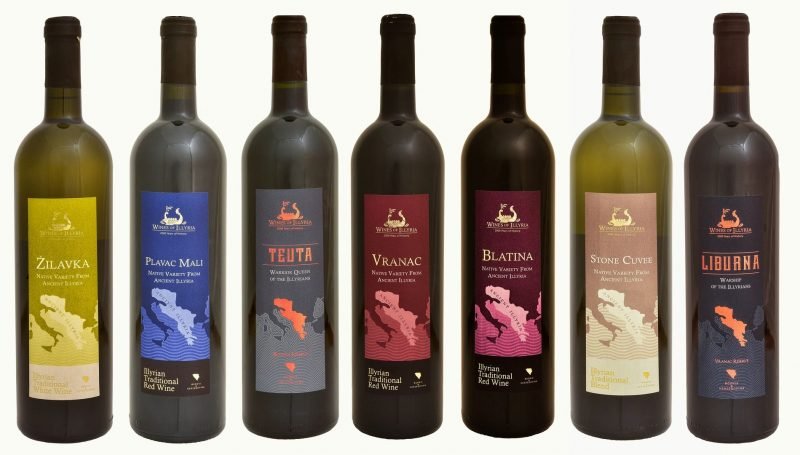
Thank you to my friend and colleague, Sarah, from her company Soilair Selection, importer of fine wines from around the world, for gifting me a few bottles per my request to taste and share with all of you. A 2016 indigenous red and 2021 indigenous white pictured below and full lineup on cover.
They were very unique and I think the most seasoned wine taster and somm would be stumped about the grape varietal contained within the bottle and where the wine comes from. This was a fun experience! I plan on continuing my adventure seeking out more obscure labels. Now, let’s learn more about the history, region, Balkan and Bosnian & Herzegovina wines.
In 1996, Indira Bayer, a native of the former Yugoslavia, immigrated to the United States from her native Bosnia and Herzegovina, a former part of the Communist Republic of Yugoslavia, not speaking a word of English. In less than ten years, she learned a new language, obtained an additional undergraduate and master’s degree, and worked her way up in the banking industry.
After trying to convince young people to stay in Bosnia and tap into their entrepreneurial spirit of starting a business, which was unsuccessful, she left her stable government job to start her own business, Wines of Illyria, founded in 2016 and focused on exporting Bosnian-made goods back to the United States to provide much-needed job opportunities.
At the time, the choices for export in those days were potatoes (Idaho?), honey (high quality but not enough quantity), and wine. It is here that Indira doubled down and sought out high-quality producers in the Neretva River Valley just south of the town of Mostar, with a desire to bring the unique indigenous grape varieties of the Balkan Peninsula to the American wine market.
The Wines of Illyria established by Bayer is dedicated to bringing wines from the Balkan peninsula to American consumers. Her goal was to create jobs for unemployed youth in Bosnia-Herzegovina, and to build up the reputation of the area as a top wine-making region with a storied viticultural history.
“The world of wine is a big place, and it’s important to encourage wine drinkers to expand their palates by drinking new regions and new varieties. The issues with this can be that –
“Most American wine stores do not even have a Balkan wine section. 99.9 percent of American wine drinkers would never venture there if they did. Even if they did, they would be intimidated by the names and unwilling to take a chance on these strange wines.
Like them or not, some of the best wines are tasted through studying a new region and trying things. In a world where travel is limited due to a global pandemic, sipping these wines will afford you a taste of this region and its culture.”, she said.
Since the times of ancient Illyria, wines have been produced in Bosnia & Herzegovina, Croatia, and other countries in the Balkan region. Infused with Mediterranean sun, rocky vineyards are built upon a long-standing, ancient tradition that has been part of this land, centered between the mountains and the sea, for over 2,000 years. Evidence of winemaking there goes back that far.
The Illyrians controlled the entire Balkan Peninsula just across the Adriatic Sea from Italy. They were known by the Romans and the Greeks to be fierce warriors. Thousands of years later, Indira Bayer, with that same fighting spirit, is doing what she can to boost her homeland’s economy.
In the 19th century, Austro-Hungarians invested heavily in Herzegovina’s wine making. They planted new and re-invigorated old vineyards of native grapes to produce the finest wines for the Vienna Hapsburg court.
Today, Indira works with both large and small wineries throughout the Balkan Peninsula sourcing these indigenous varietals, which include Vranac, Blatina, Plavac Mali, and Zilavka, among others. The region’s native wines, once produced only for royal consumption, can now be enjoyed around the world by anyone looking for a taste of this part of the Mediterranean.
Here are the major wines produced from the Wines of Illyria –
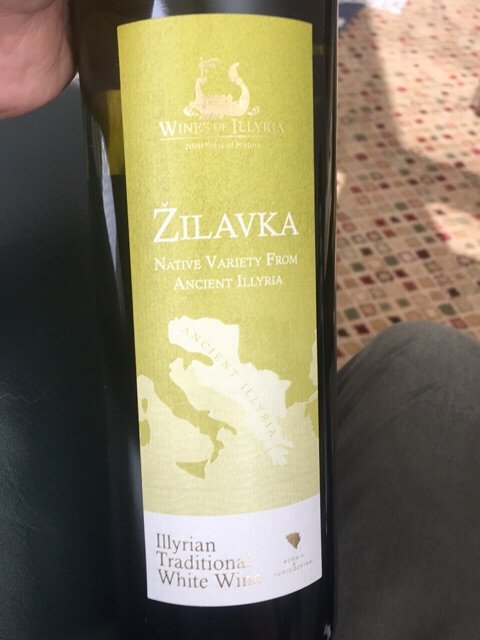
CARSKI ZILAVKA (ZHI-luv-kah)
Žilavka is a dry white wine, and that fact surprises visitors who assume anything unfamiliar from a warm limestone valley must be sweet. It isn’t. A well-made Žilavka is crisp and medium-to-full-bodied, with stone fruit and floral notes up front and a faint bitter-almond edge on the finish that is considered a hallmark of the variety rather than a flaw.
The name comes from žila, “vein”, a reference to the visible veining in the grape skin.
With special aromas and fine minerality, it is well adapted to the warm climate and can produce elegant wines with personality and refinement. Genetically it is related to the Furmint grape from Hungary. The harvest date is rather late, a month later than Chardonnay, but still the acidity is good. It can offer perfumes like anise, sage, almond and tropical fruit.
Sometimes other grapes are added up to 15% (mostly Bena or sometimes Chardonnay). In the case of this 2021 bottle, it is 95 percent Zilavka, 5 percent Bena. Soil conditions are sometimes responsible for the difference in character of the wines.
Some vineyards are at 450 meters above sea level and have lower alcohol and more freshness, others can be stronger and more full-bodied. It pairs well with food, but can also be a nice aperitif in the summer.
The grape is planted almost exclusively on the sun-baked, rocky slopes immediately around Mostar and Čitluk, where hot days, cool nights, and thin calcareous soil push the vines to struggle. This is usually good news for flavor concentration in a dry white. Production is small by international standards.
This is not a grape you will find on supermarket shelves in most countries, and even within Bosnia and Herzegovina, it is mostly consumed close to where it is made.
Some producers bottle a late-harvest or slightly sweeter style, and a handful experiment with barrel-aged versions that soften the acidity and add texture. But the wine most visitors are handed at a first tasting is the classic dry expression, usually served chilled, and often described by the local wine community as going with almost everything on the table, i.e. grilled river fish, soft cheese, or a plate of cevapi eaten indoors rather than out in the midday sun.
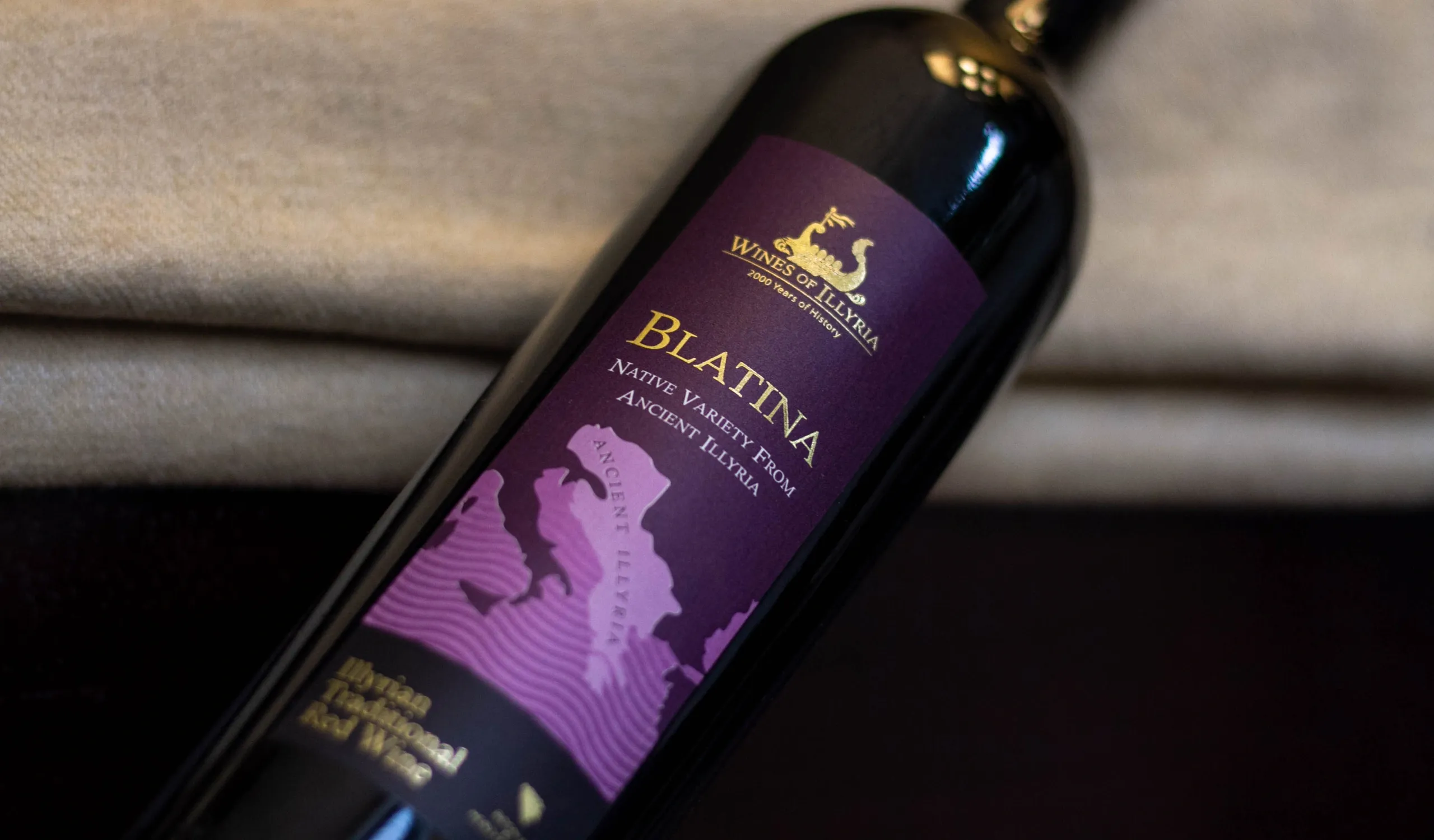
BLATINA (BLAH-tee-nah)
Blatina is a unique grape that grows in only a small part of this region. Interestingly, it only has female flowers and requires other varieties to be planted close by to allow pollination to occur. Usually, vineyard managers plant Merlot, Alicante Bouschet or another native grape, Trnjak, all of which flower at about the same time.
However, Blatina is known to flower for as short a window as three days, so there are many years where heavy rains or other conditions do not allow for pollination or any fruit production.
Vineyard managers are under constant pressure to rip Blatina out and replace it with more predictable and lucrative varieties. Luckily, there are still many who are committed to cultivating this grape. If a wine this difficult to make were grown in a more well-known region, it would cost three to four times more than what Blatina costs. Think in Pinot Noir in hot climates.
This aged Blatina from 2016 has a bright nose, with lifted florals and a slight eucalyptus note. There is also a spiciness, similar to Blaufränkisch. It is a soft for a red with tart, red fruit, and bright acidity like other cool-climate reds, such as Blaufränkisch, Gamay, Zweigelt or Teroldego, which you probably are more familiar with.
Indira says this wine reminds her of the plum jelly her grandmother used to make after the kids picked the fruit from the farm. But she emphasizes that it is not a jammy wine. Rather, it’s on the underripe plum side, fresh, and light on its feet.
VRANAC (Vrah-NATZ)
This is probably the most important grape of the region and is grown in countries and regions all over the Balkan Peninsula. It is a thick-skinned red grape, like Cabernet Franc, giving the wine more natural color. It has higher sugar levels than Blatina leading to higher potential alcohol levels. The wines can sometimes smell and taste hotter than the actual alcohol level.
Notes of pen ink, petrichor, sage and garrigue lead one to think they are smelling a Southern Rhône, GSW, or Grenache-dominant blend. The palate confirms the same with cranberry, red currant, elderberry, and notes of sage, pepper, and herbs on the finish.
Long story short, if you like Grenache, you’ll like Vranac.Unfortunately I wasn’t able to taste this wine this time around, but plan on it in the near future.
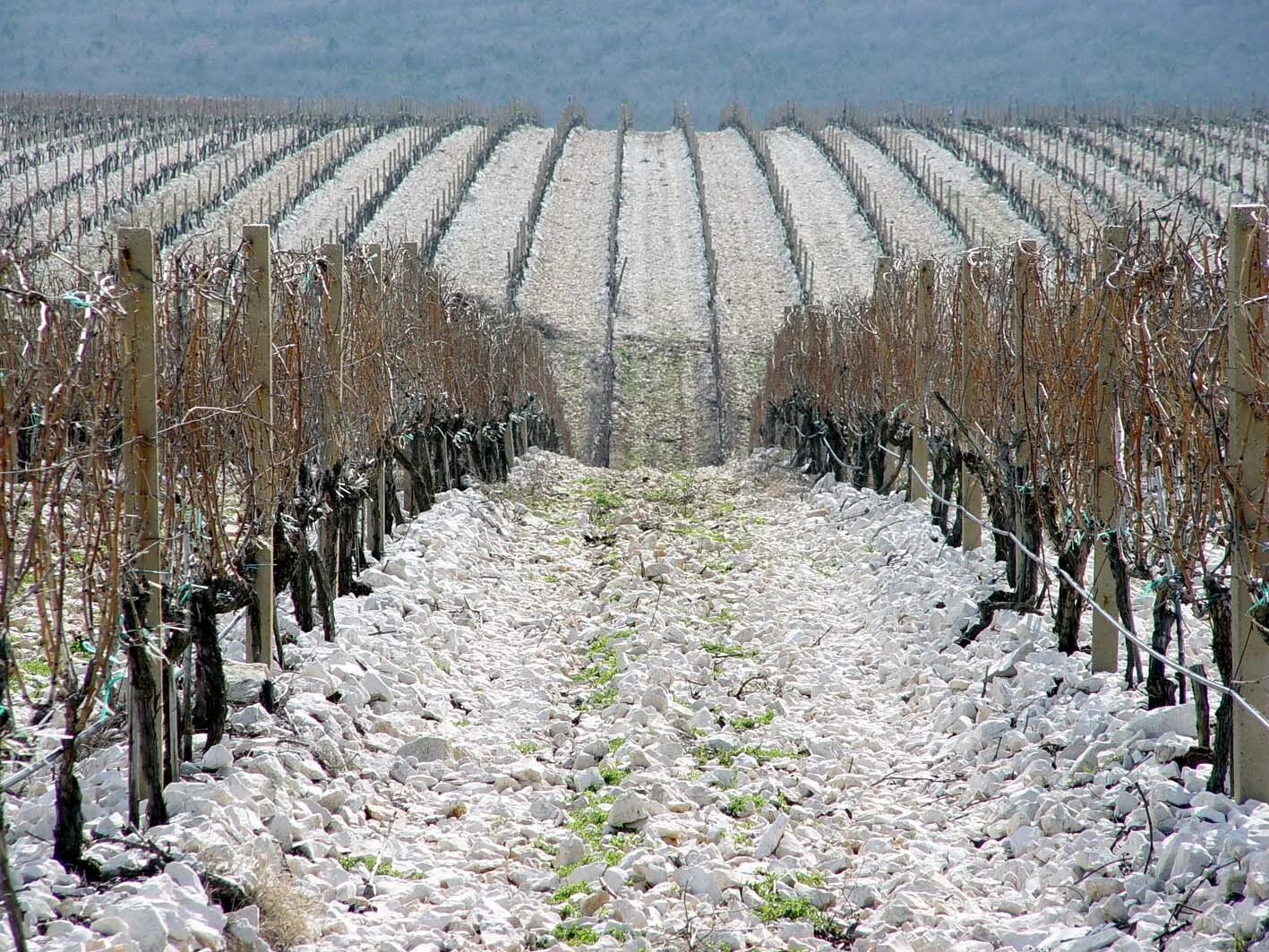
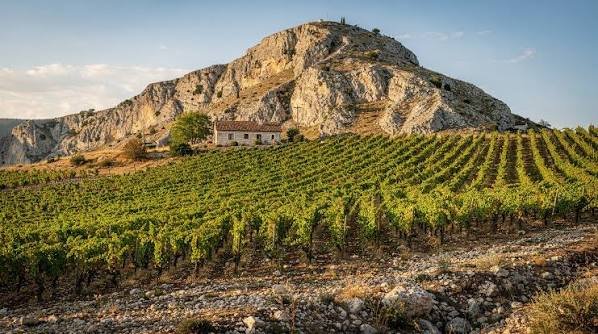
Vineyard | Photo Credit: Wines of Illyria
With hard-to-pronounce names and little marketing to identify the Balkan Peninsula as a place to seek out high-quality wines, these products often go unnoticed. The good news is that they provide Old-World wines made in regions with thousands of years of winemaking history at a fraction of the price of other more known wine-producing areas.
The Wines of Illyria labels tasted for this piece are widely distributed throughout the United States and can be found at the website below. Seek these out, or other examples of these indigenous varieties. With all these wines ranging in price from $15 to $30, they offer an affordable way to sample the taste of an undiscovered region.
Find the wines here – www.winesofillyria.com
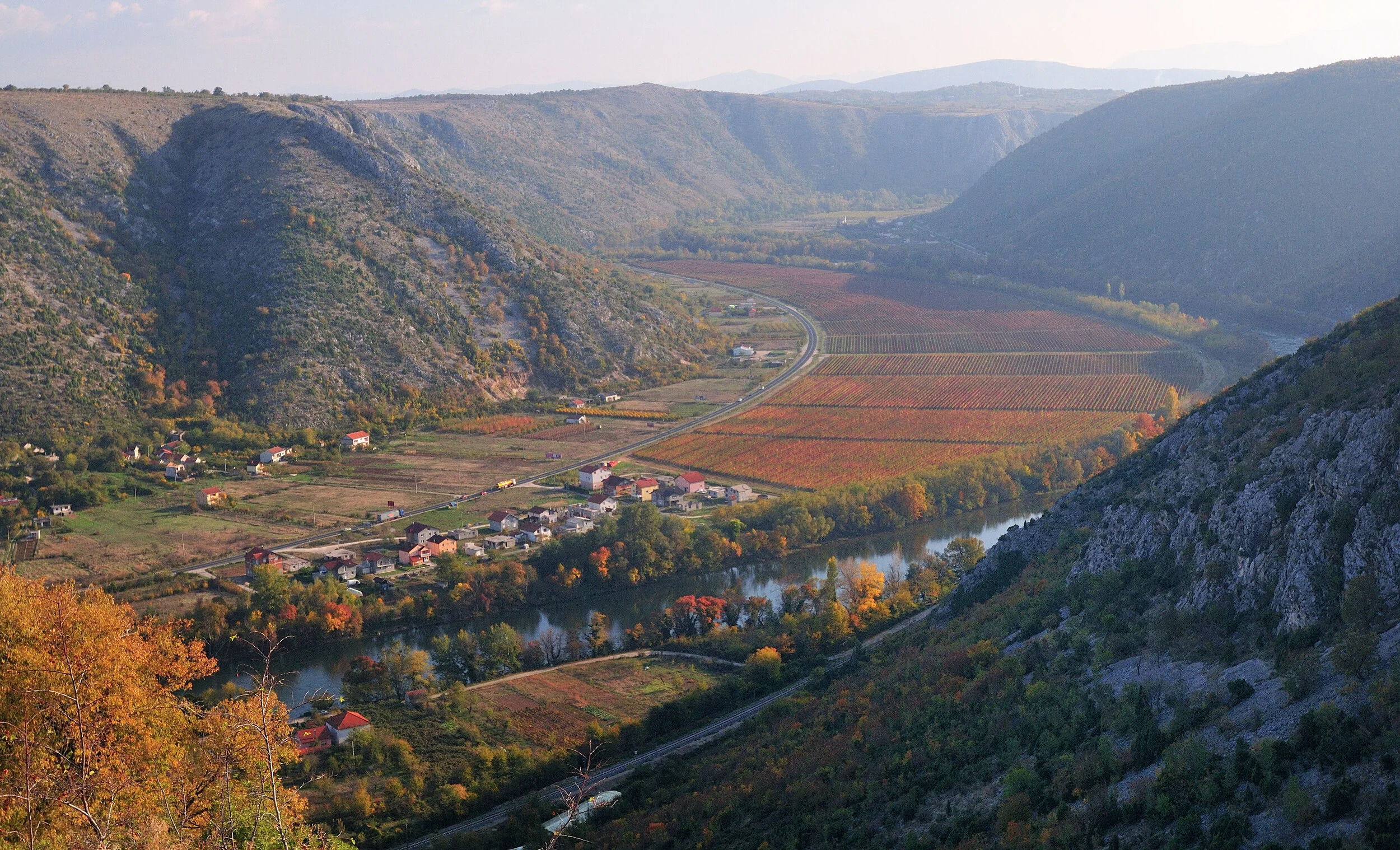
Neretva River Valley | Photo Credit: Wines of Illyria
Cheers & Zivjeli,
Michael Nagy (IG @themichaelpour)
michael@michaelpour.com
What’s App – Michael Troy Nagy