Wine Spotlight: A Sparkling Taste of Veneto

May
28
2026

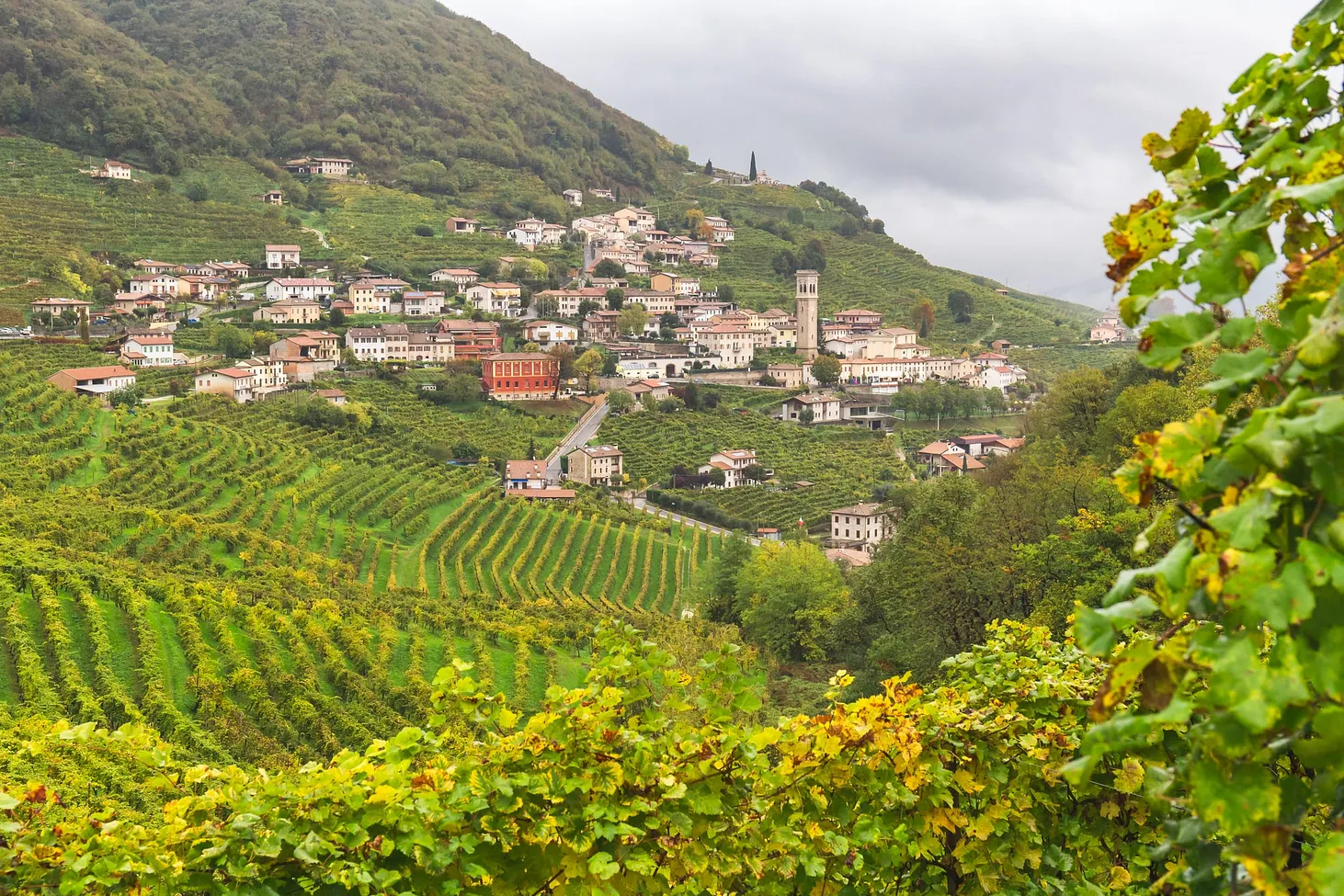
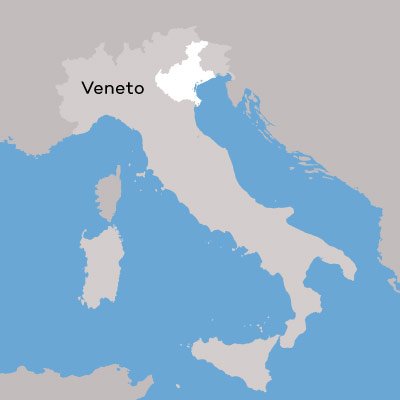
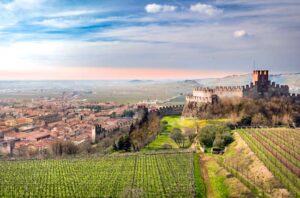
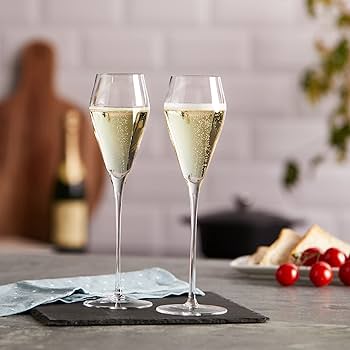
This week’s wine spotlight highlights a great style of sparkling wine from Italy called Prosecco. Have you heard of it? For this discussion, I chose a fantastic Prosecco emanating from its home in the Veneto region.

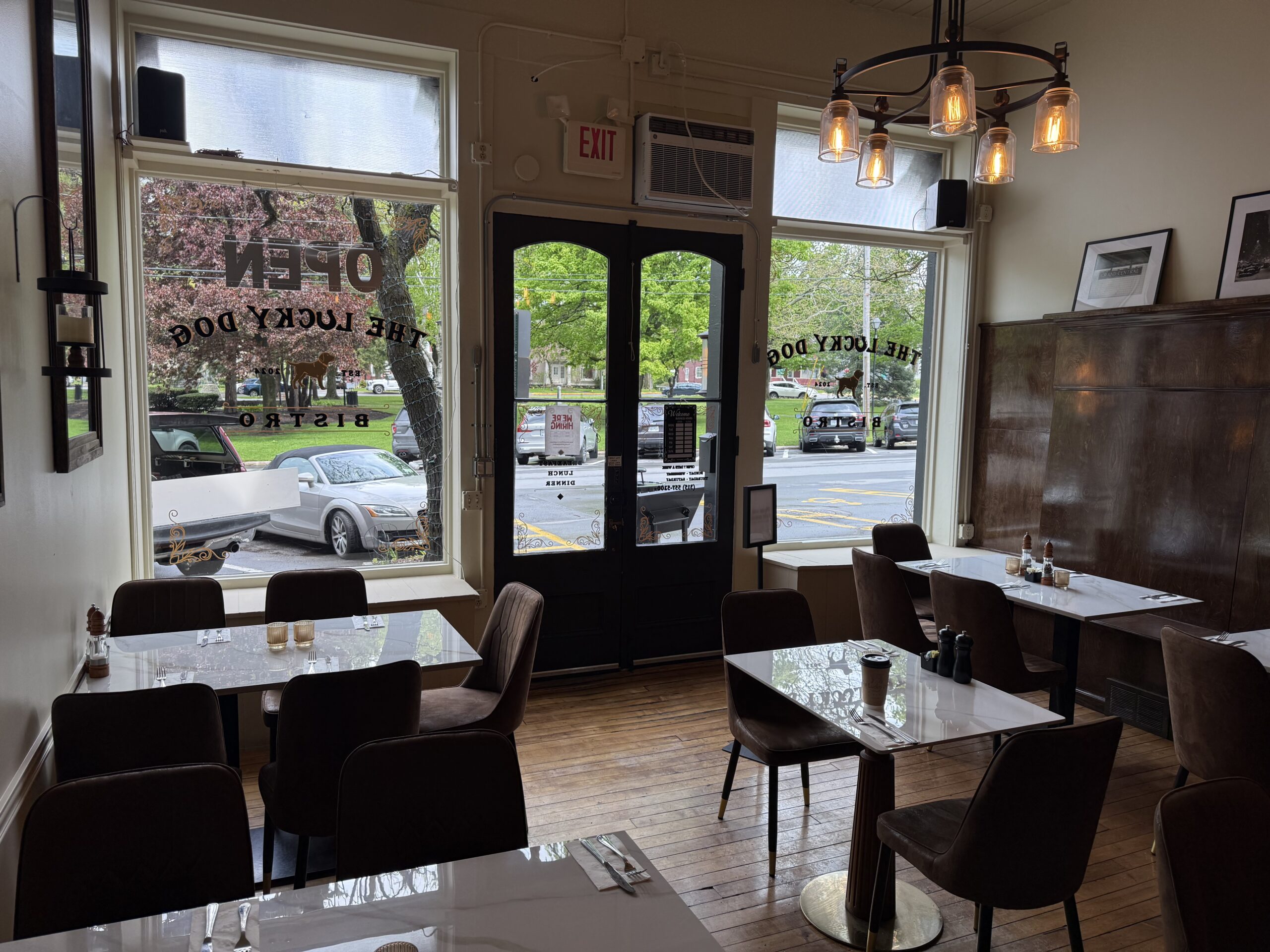
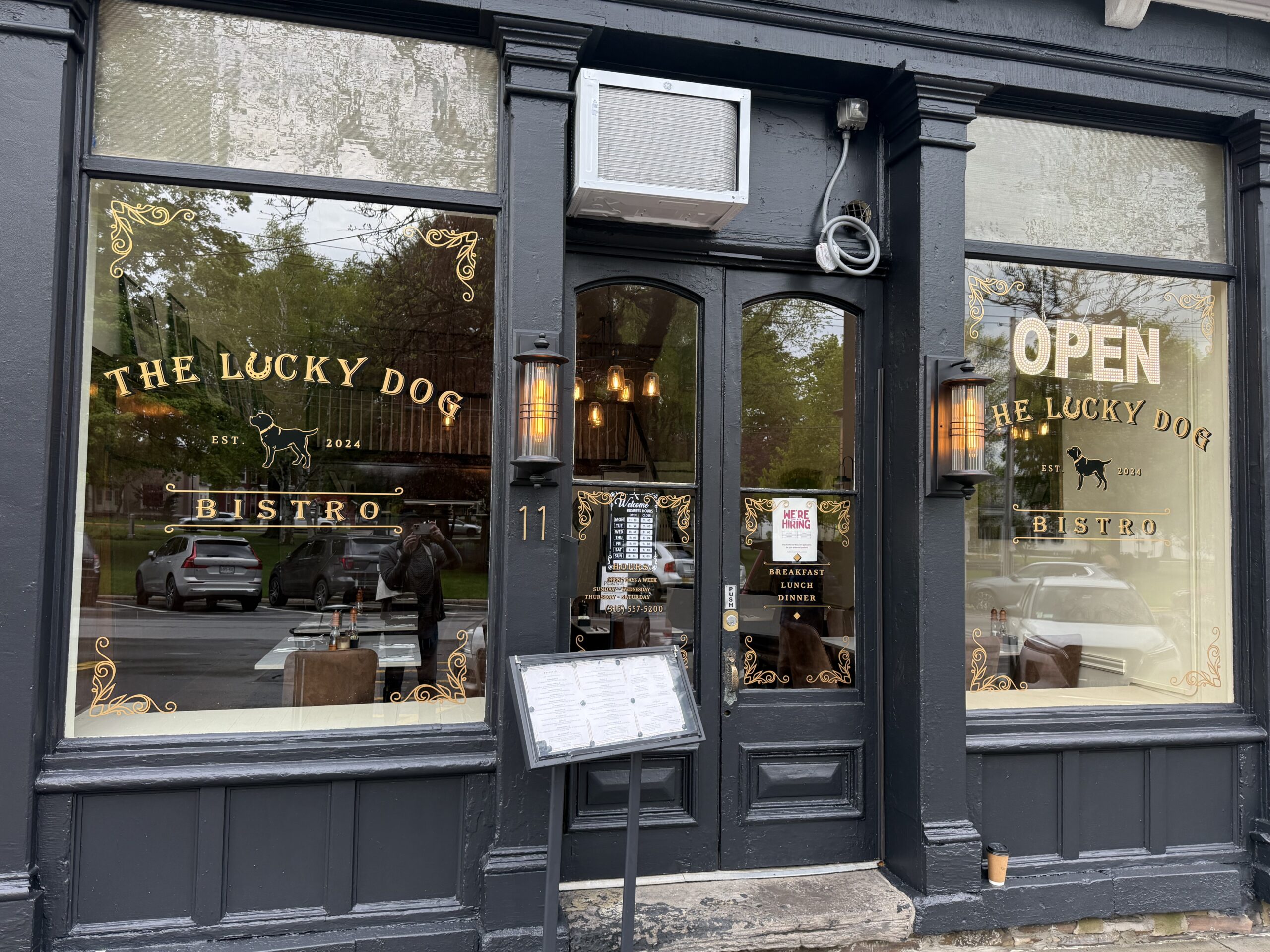
I recently sampled it when I was tasting some bubbly for a wine list I was constructing for a new wine bar called The Lucky Dog Bistro. It sure was a palate pleaser and I thought it would be a perfect sparkling addition to the menu. Thank you to Sarah from Soilair Selection for the awesome recommendation.

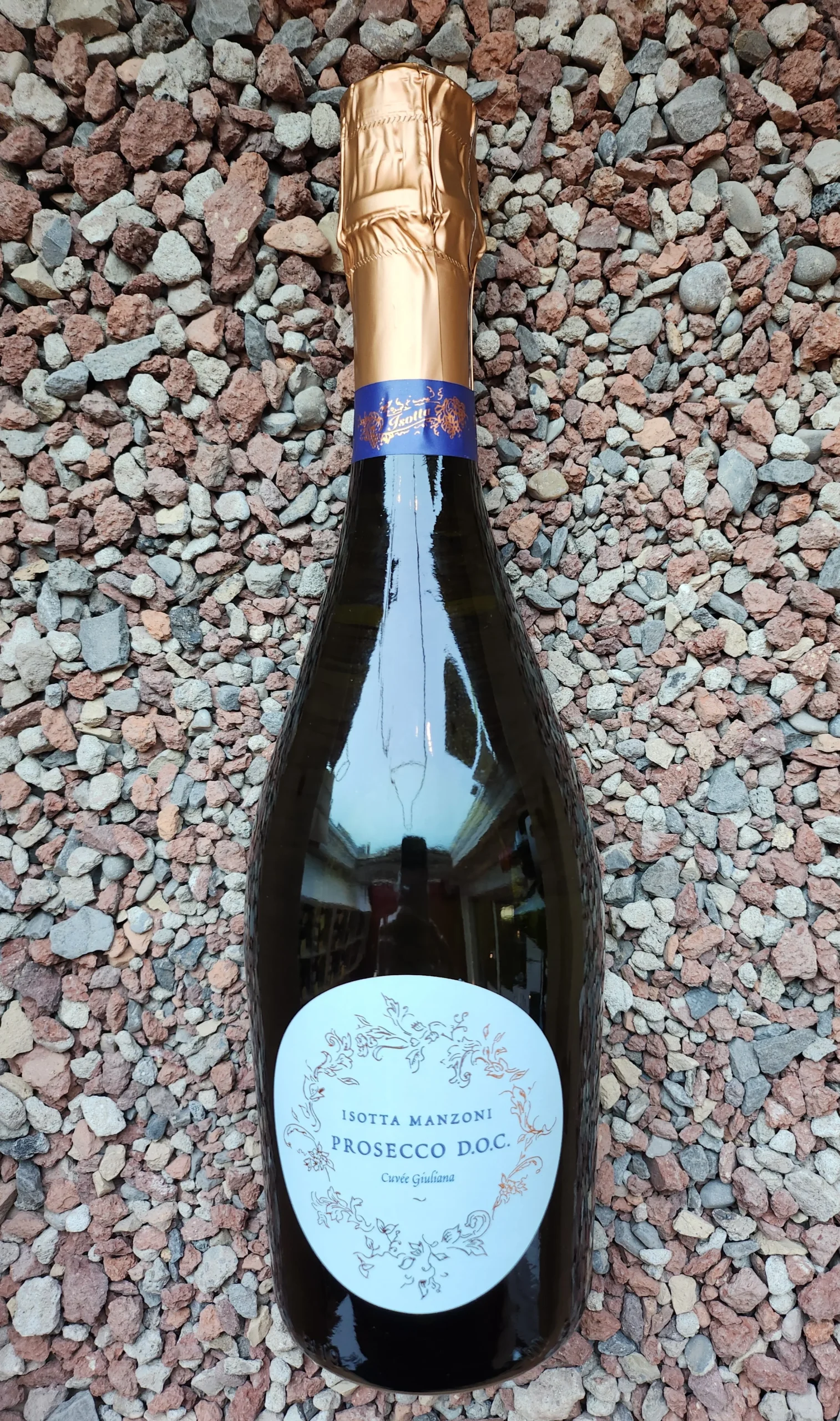
Isotta Manzoni ‘Cuvée Giuliana’ Prosecco (NV) is a crisp, value-driven, small production, sparkling wine from Italy’s Veneto region. Made 100% from the Glera grape, it is light, slightly acidic, and on the ‘fizzier’ side of prosecco making it very refreshing and ideal for mimosas or casual sipping.

The production is the Charmat (tank) method, which preserves fresh, fruity characteristics with a second fermentation. Sourced from vineyards nestled in the hills between Conegliano and Valdobbiadene, and produced by fourth-generation winemakers. The fermentation is 25 days in stainless steel tanks and then aged for 1 month in stainless steel tanks. The result is larger bubbles.

Cuvée in the name is a French wine term derived from cuve (meaning “vat” or “tank”). Depending on the context, it typically indicates a specially selected blend of multiple grape varieties, a winery’s premium or reserve batch, especially in Champagne, or the purest “first-press” juice extracted from grapes.

The Cuvée Giuliana is the standard, widely available Brut-style Prosecco. The Prosecco Rosé version is a delicate, dry rosé expression that features light notes of red berries, strawberries, and cream. This was also added to the wine list.

It is a well-balanced Prosecco with delicate and expressive aromas showing a good blend of crisp green and baked apple, sour lemon and grapefruit with a light, soft, silky and creamy mousse texture on the palate.

As you go back into the glass, some notes of pear and white peach appear on the nose followed by hints of apple and citrus. The Isotta Prosecco has a fair amount of body and mouthfeel with a pleasant lemon and mineral finish.

It’s refreshing acidity and elegant bubbles make it an incredibly versatile pairing option. It goes wonderfully with everything, including fresh seafood, shellfish, prosciutto/cured meats, vegetarian dishes, brunch favorites like eggs benedict or light pastries. Bon appétit!

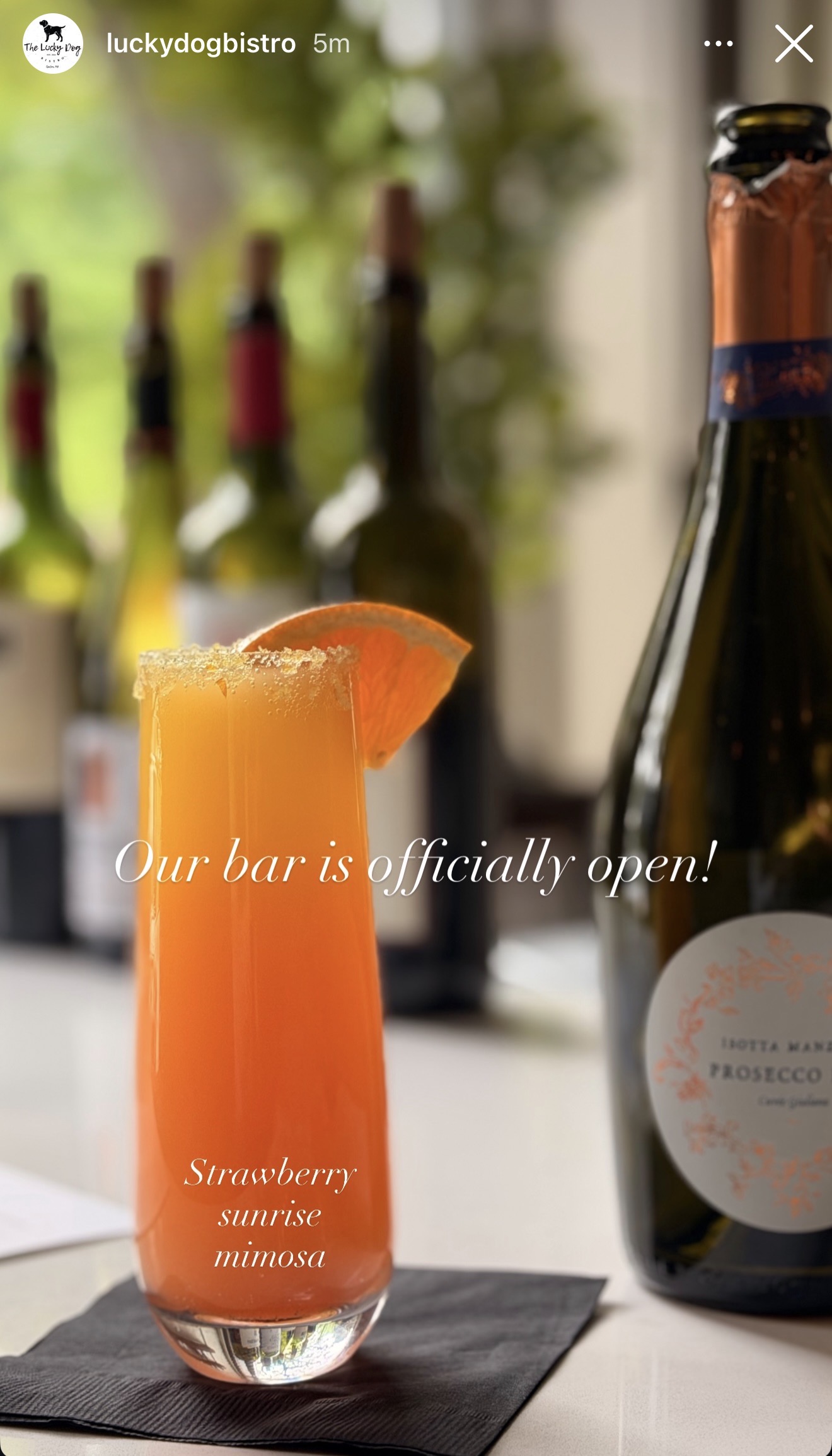
The Isotta Manzoni Prosecco and Rosé version is now available at The Lucky Dog Bistro in downtown Clinton, NY where you can enjoy it at the beautiful new wine bar with inside and outside seating or in the restaurant. Try it in the special mimosas on the weekend. Hopefully I will see you there! Find them on Instagram @luckydogbistro and here About | The Lucky Dog Bistro.

Ancient Romans drank Prosecco to preserve youth and lengthen life. And based on how long the empire lasted, it may just work. Prosecco is a great alternative to Champagne and generally contains less alcohol. Every year, one bottle of Prosecco is produced for every 2 people in the US. That’s a lot of bubbles! It is currently in the top 25 of Italian Prosecco wines in New York and one of the popular wines distributed with Soilair Selection out of NYC.

A lovely, somewhat less popular, and often less expensive comparison to Champagne, Prosecco is a deliciously dry sparkling wine with crisp acidity, low sugar, with plenty of fruit and character. Associated with high value at low cost, Prosecco is the perfect option in situations where you want or need a easy drinking, everyday sparkling wine.

Traditionally from the Veneto (northeastern Italy), Prosecco refers to the name for a small village and is fermented almost solely from a grape called Glera. Most Prosecco is non-vintage, which means it doesn’t come with a year of production on the label.

This wine is not made in the traditional method of champagne with riddling, disgorging, rebottling, etc…, which, combined with non-vintage production, makes the wine more affordable than champagne minus the labor intensity. Prosecco is often described as a fresher and fruitier option than the French sparkler.

A few fun facts –

Styles of Prosecco – ‘Spumante’ means fully sparkling while ‘frizzante’ means lightly sparkling. It is rare but some Prosecco is a still wine, not sparkling.

“Extra Dry” Prosecco is actually sweeter than “Brut”. “Dry” is the sweetest of the three. This sweetness scale from dry to sweet: Brut – Extra Dry – Dry.

Prosecco isn’t a grape. The grape used to be called Prosecco, but it isn’t anymore. In 2009, Italy officially renamed the grape ‘Glera’ so that Prosecco could be protected as a place name rather than a grape variety. By law, Prosecco must contain at least 85% of the Glera grape.

Cheers & Sante,

Michael, michael@michaelpour.com

First Edition of The Weekly Swirl at The Pour

May
14
2026

May 14, 2026

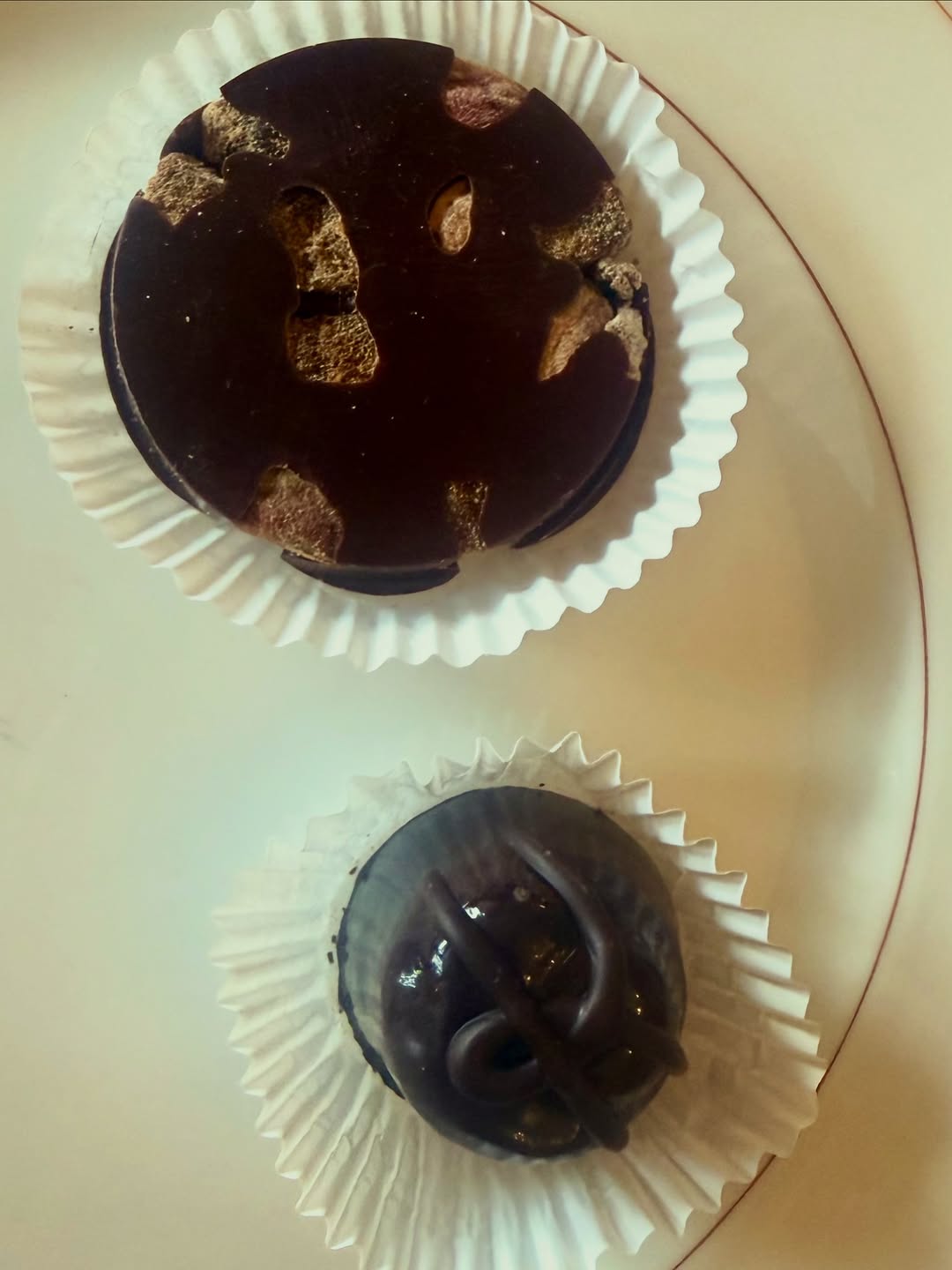
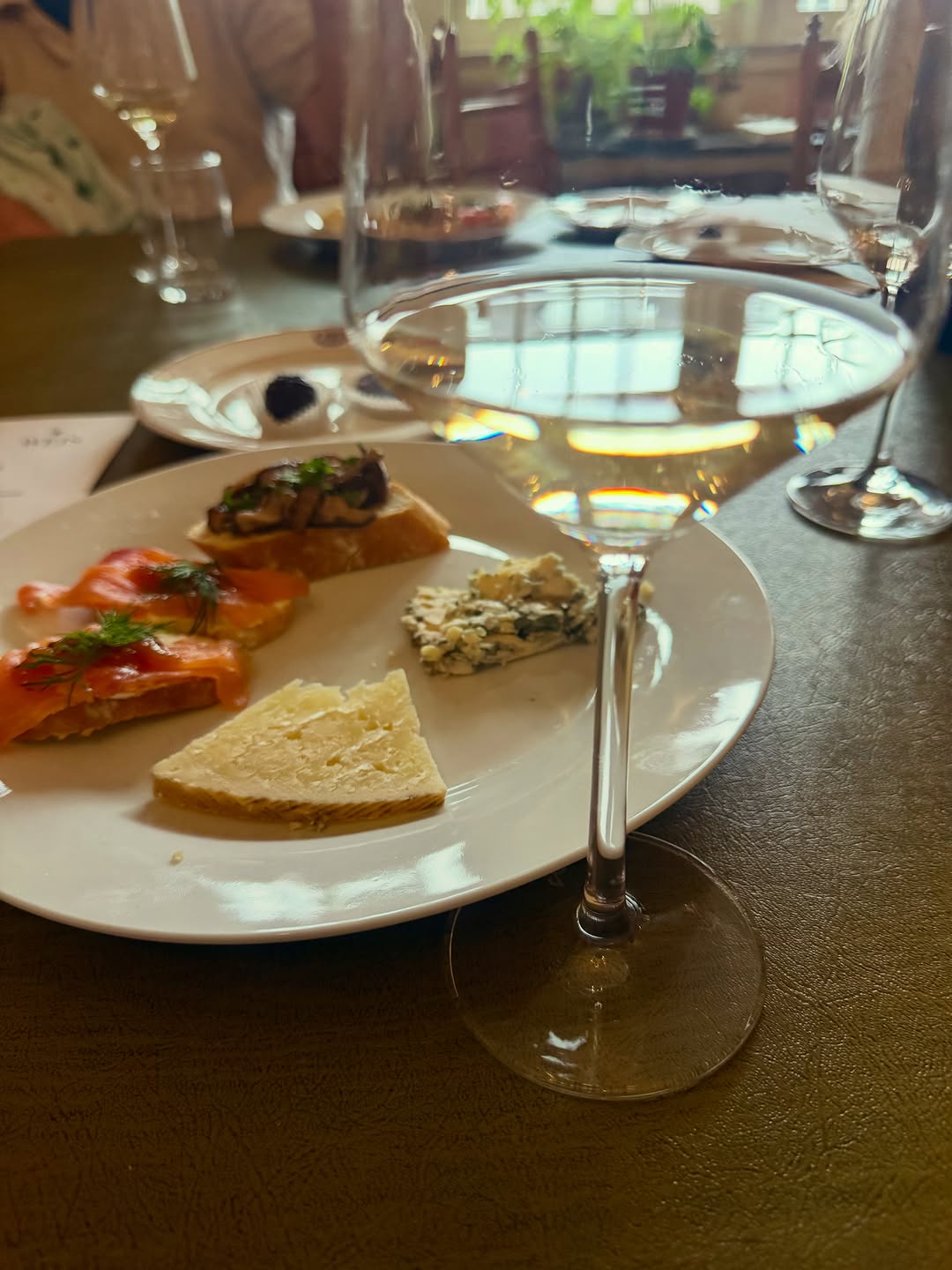
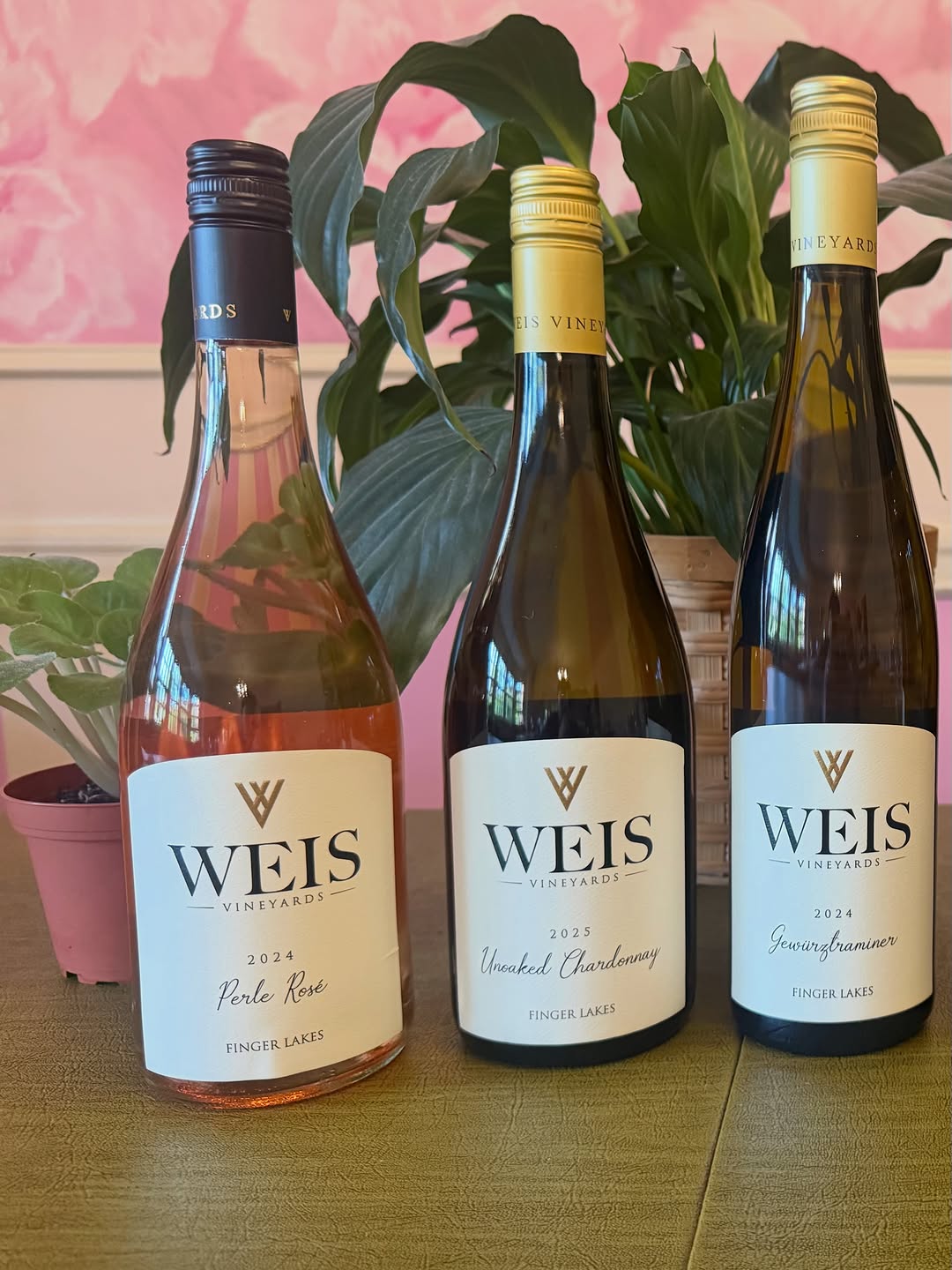
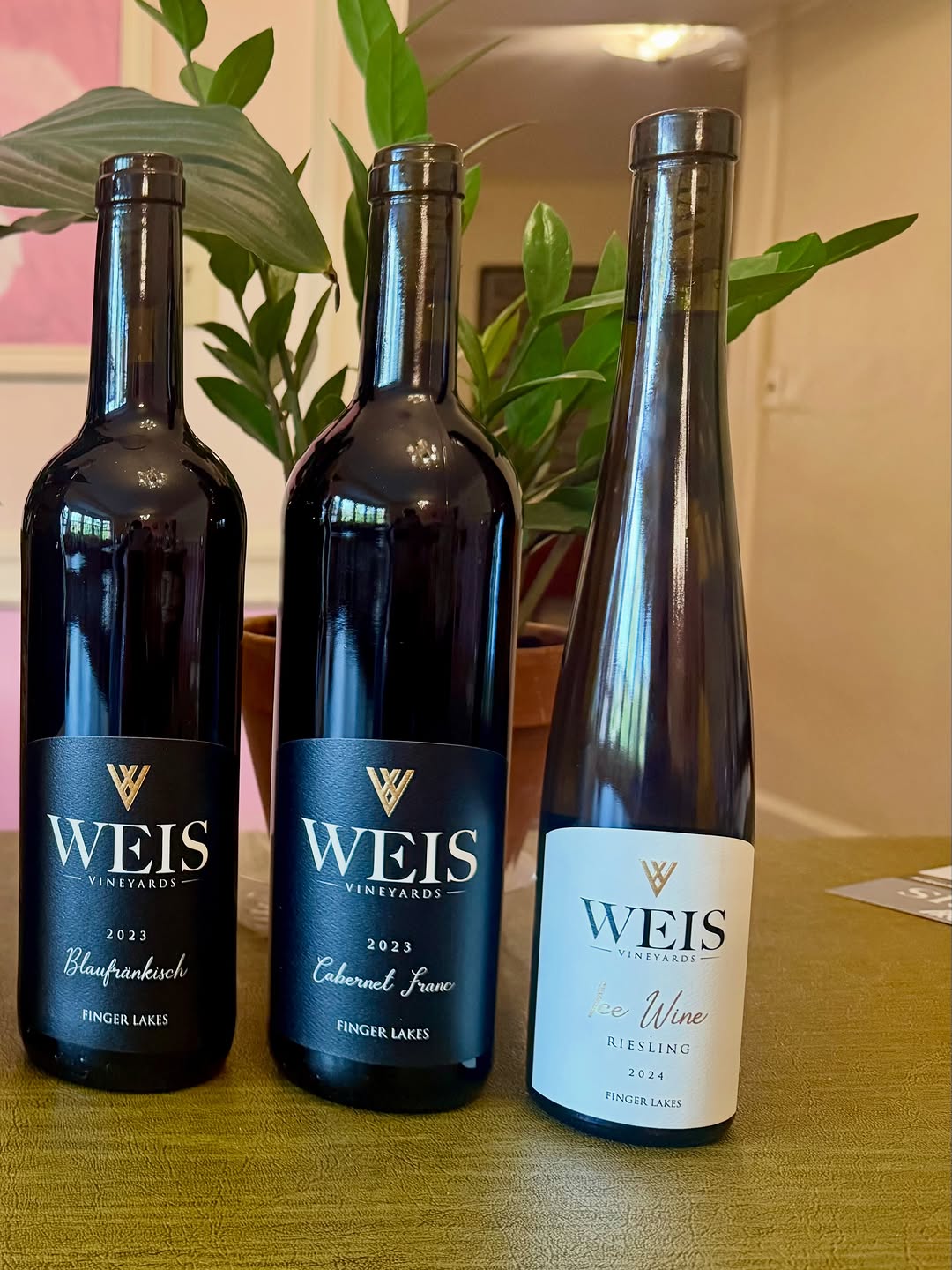
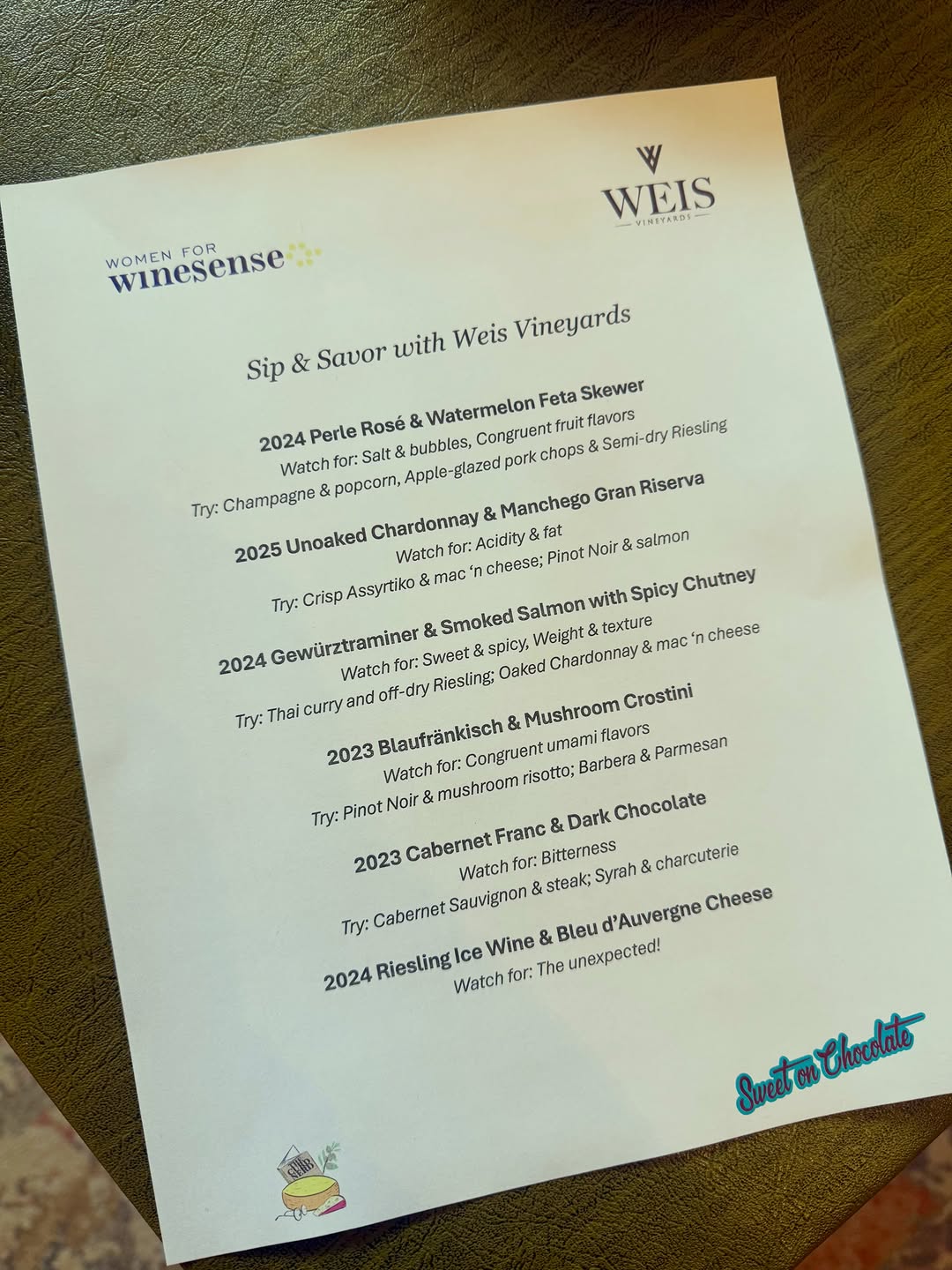
It’s been a busy week here at The Michael Pour. On Tuesday, in collaboration with the Women for Wine Sense, Syracuse Chapter, we held a “Sip & Savor” event with Weis Vineyards from Keuka Lake in the Finger Lakes region. The event paired six incredible curated wines from Weis with delicious light bites, including artisanal local chocolate and cheeses. Images from the event are attached.

Thank you to Weis Vineyards, Sweet on Chocolate, and The Curd Nerd for making it a special evening of food, wine, and great company.

On Wednesday, The Michael Pour traveled to Clinton, New York to meet up with the owner of The Lucky Dog Bistro and Mary Beth from Damiani Wine Cellars in the Finger Lakes. The bistro is opening an elevated wine bar adjacent to the restaurant, and we were there to discuss Damiani wine and its inclusion on the wine menu.

We also discussed the overall wine selection and the upcoming wine list, which will represent great and under-the-radar wines and producers from around the world.

It is a beautiful, small, and quaint space for restaurant patrons and consumers who desire an elevated wine experience and exceptional wine service. I am excited about being a part of the launch as the wine consultant, educator, trainer, guest bartender, and steward. This was my first time to Clinton, and I truly loved the small-town feel with shops, eateries, park benches, and dog walkers lining Main St. Everyone I encountered was super nice. Can’t wait to go back! I will update all of you as it gets closer.

After the consult, my colleague and I really enjoyed our lunch at the Bistro. Stephanie was amazing! Keep an eye out on Instagram @luckydogbistro and their website at http;//www.luckdogclinton.com for the latest developments and the story behind this undiscovered gem in Central NY. Clinton is not too far from Utica and Turning Stone Resort & Casino.

I

I will be doing some ambassador and sales work with a new winery, “Cantina di Rosina”, from the Abruzzo Region of Italy. Abruzzo is located in Central Italy along the coast of the Adriatic Sea. They are looking to expand and get exposure for their wines in Upstate & Central NY. They are growing and are represented at shops and restaurants in Philadelphia, South Jersey, New York City, and the boroughs of NYC.

Their first vintage was 2024 and they currently have two wines – Montepulciano d’Abruzzo (signature red wine of the region) and Cerasuolo d’Abruzzo (signature rose). They will release their Trebbiano d’Abruzzo (signature white wine) sometime this month. I will be sharing more info about them and this great Italian wine region in a separate blog post.

You can find them on Instagram @cantinarosina and website at http://www.cantinarosina.it to read about their story and history.

I should have the wines within the next week if you want to get a taste. I will hopefully be meeting with the proprietor this weekend in Binghamton.

Cheers & Sante,

Michael

michael@michaelpour.com

Your Favorite Summer White Wine? The Winner Is…

May
7
2026

A poll was conducted on Instagram and the results are based on 25 responses.

The four choices given in the poll were – Sauvignon Blanc 40%, Riesling 36%, Chenin Blanc 20%, Pinot Gris/Grigio 4%. An additional 10 different white wines were submitted in comments.

The winner is “Sauvignon Blanc”. Because Sauv Blanc was the winner, I will feature it later in this story. Sauvignon Blanc is produced all over the world so I will explain the differences from region to region and fun facts about this noble grape.

There were several people who wrote in their choice of these four, as well as other white wines, that they like to drink in the summer from the additional list provided or others that they like.

These write-in responses are not included in the above percentages but listed below with country/region. Every wine mentioned on the post were included. Pinot Grigio and Sauvignon Blanc, which were choices on the poll, were written in and not reflected in percentages.

Submitted whites – Verdejo (Spain), Gruner Veltliner (Austria & US), Chablis (France), Riesling (FLX), Alsace Riesling (France), Albarino (Spain & Portugal), Txakoli (Spain), Vinho Verde (Portugal), Chardonnay (all over), Sancerre (Sauvignon Blanc from Loire Valley France).

I included other great summer white wines not voted for or listed as people’s favorite below. They can be super refreshing, crisp, and brilliant this warm, summer season regardless of your plans.

If you would like to try something different for your summer wine drinking and expand your summer palate, seek them out and give them a whirl.

A few quotes. Thank you to all those who participated. It really made this a fun story! –

“Albarino and Txakoli are two other summer favorites” ~ thesipseries

“I like a crisp Chablis. Cold sauvy b (from any region) is also a plus. But please do not put jalapenos in it” ~ mollyb

“I also love Vihno Verde in the summer”~ sonyab

“I also love a good Chardonnay! Don’t really care where its from”~ rebekkah

“I like a crisp Sancerre in the summer. Also, Albarino is another favorite”~ shannonp

Most of these varietals are specific to their native land and difficult to find here in the states. They range from aromatic, light, medium, and full-bodied and from dry to off-dry to medium-dry. Listed by country of origin and region, if significant, body, and sweetness level.

Italy

Trebbiano Toscano – light to full bodied and dry to off dry

Vermentino – light bodied and dry

Greci di Tufo – medium to full bodied and dry

Verdicchio – light bodied and dry

Fiano – light bodied and dry

Garganega/Soave – light bodied and dry

Greece

Assyrtiko – light bodied and dry

Argentina

Torrontes – aromatic and dry to off dry

France

Semillon (White Bordeaux, Australia, US) – light to full bodied and dry

Viognier (Rhone, US, Australia, similar to Chardonnay) – aromatic and dry

Marsanne (Rhone) – light to full bodied and off-dry

Roussanne (Rhone) – light to full bodied and dry

Aligoté (White Bordeaux) – light bodied and dry

Picpoul (mostly Loire Valley) – light bodied and dry

France & Spain

Grenache Blanc/Garnacha Blanc – dry and light to full bodied.

France, Italy, Greece & others

Muscat Blanc – aromatic and dry to medium dry in France

All over Europe and some pockets in US

Pinot Blanc – dry and light bodied

US, France & all over the world

Gewurztraminer – aromatic and dry to off dry

If you would like to learn more about any of these delicious white wines, please reach out. Have you experienced a glass or bottle of Sauvignon Blanc from different parts of the world?

Sauvignon Blanc

Here is a take on your favorite Sauvy Blanc grape. If you’ve been sipping from the same bottle of SB over the years, you know, that one called “Kim Crawford” from New Zealand, then you may not realize that it is produced all over the world, not just in NZ.

During my recent time in Columbia Valley, Washington, I had the pleasure of experiencing some really good ones. It is the same grape no matter where it is planted, but because it is grown in a different place, it becomes a completely different wine.

Here are four expressions of Sauv Blanc from four elite wine regions. Some may know of them, while others may be surprised. SB used to be the ‘it” girl, but is gradually being replaced by the trendy Chenin Blanc for that title. My wine colleague, Molly B, loves it very cold!

Sancerre

Sauvignon Blanc is called Sancerre in the classic Loire Valley of France. The most popular regional wine of the Loire is Sancerre. It is largely produced in the Touraine region. Sancerre is lean and mineral driven with notes of citrus, in particular lime and grapefruit, gooseberry, possibly some green apple, herbal flavors (same compounds found in green peppers), and slate/flint. My friend, Shannon P. is a big fan!

There can be some smokiness, which is unusual for whites, considering the lack of oak influence. Stylistically, the Sauvignon Blanc from Damiani Wine Cellars called “Little Lotus Flower” in the Finger Lakes Region of NY is similar to a Sancerre.

Marlborough, South Island, New Zealand

Sauvignon Blanc is New Zealand’s most important grape and Marlborough is the top producing region. The wines here offer more green tropical fruit notes, like kiwi, passion fruit, and pear, that contain a touch of residual sugar to help balance out the high acidity in the grapes.

The wines can be explosively aromatic with the aroma source of freshly cut grass. It can be zesty. That’s a signature aroma that can help you determine that you’re drinking a SB from NZ.

White Bordeaux, France

Here Sauvignon Blanc is more structured and textured. Notes of citrus, in this case, more lemon and grapefruit, and honey and light wax/lanolin texture. It is often blended with Semillon from Bordeaux, a fuller bodied wine with a rounder and creamier texture and notes of apple. Semillon can age better than Sauvy B so this blend can give you more years to drink. Some of the best sweet, dessert wine called Sauternes is made from Semillon.

Napa Valley, California, USA

Sauvignon Blanc in the warm Napa and Sonoma Valleys can offer a riper, richer, and more generous version of the grape. Notes of tropical fruit, like melon, and stone fruit, like white peach dominate while still displaying a little citrus and herbaceous notes. Some Sauvignon Blancs in Napa are aged in oak creating more texture, complexity, and vanilla notes. Even in this warmer climate, the wines have ample acid backbone, and the good winemakers make it shine with the fruit.

What does all Sauvignon Blanc have in common?

All Sauvignon Blanc wines share a foundational profile characterized by high acidity, a dry, light-to-medium body, and vibrant, herbaceous, and fruit-forward aromas, typically spanning citrus (grapefruit, lime, lemon) to tropical notes (kiwi, melon, passion fruit).

It is consistently a cool-climate or high-acidity grape used to produce crisp, refreshing, and usually unoaked white wines. Most are produced to be drunk young, crisp, and fresh. Alcohol content generally ranges from 11.5% to 14% ABV.

While climate affects whether the wine tastes greener/herb-forward (cooler, e.g., Loire Valley) or tropical fruits (warmer, e.g., California), its fundamental “green,” high-acid structure remains consistent.

Sauvy Blanc is very food-friendly wine because of the high acidity and lighter body. Pair it with herb or citrus-driven sauces, green veggies and summer salads, salty cheeses, herb-crusted chicken (Napa especially), white fish, oysters and mussels (Sancerre especially), scallops, and all kinds of Asian cuisine (New Zealand, especially).

What other white wines are similar to Sauvignon Blanc in terms of its style and profile?

Fume Blanc (Loire), Gruner Veltliner, Vermentino, Chenin Blanc (Loire), and Verdejo.

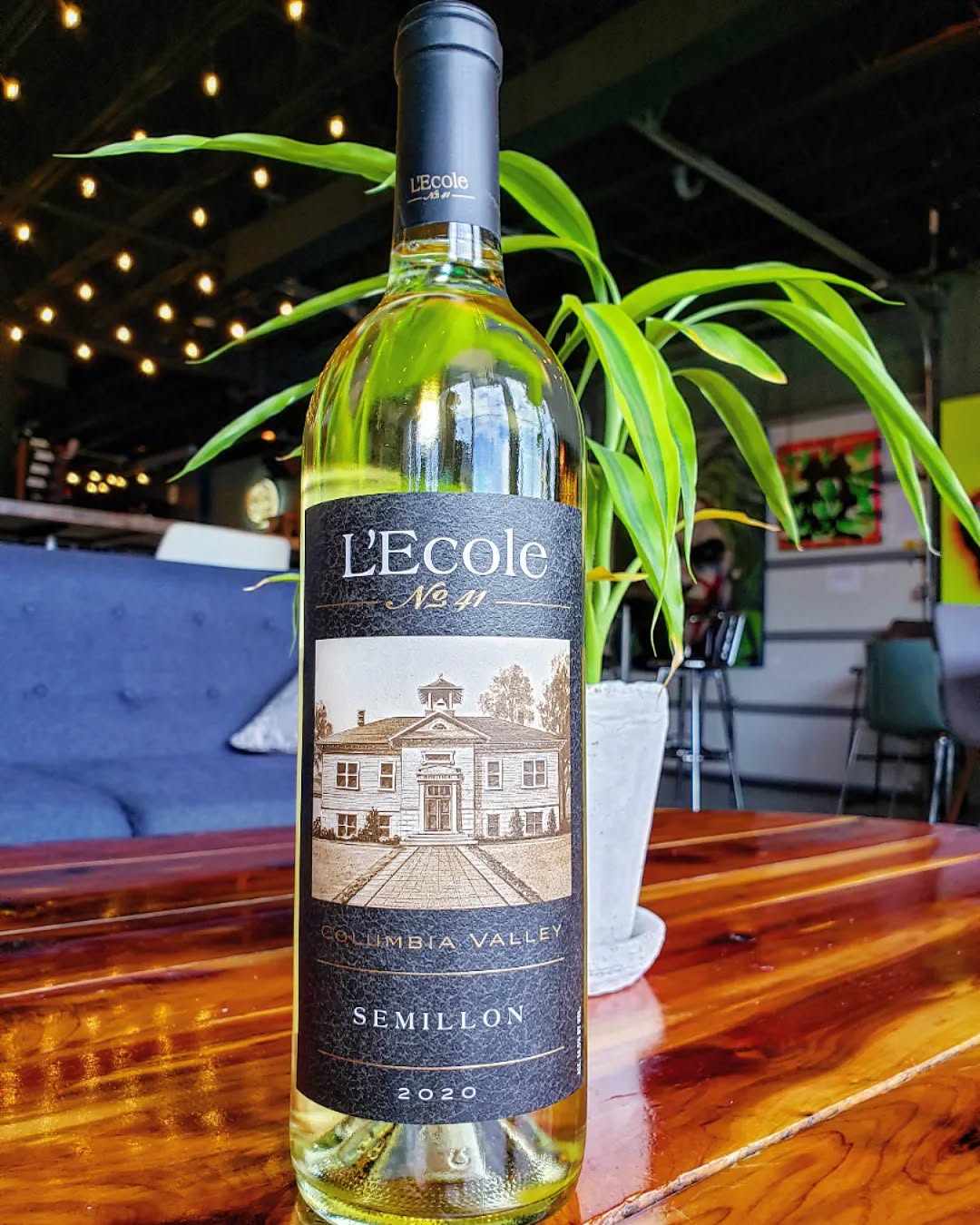
Here are my recommendations for each regional Sauvignon Blanc. The exception is that I chose a Semillon was Wash State, US instead of one from Bordeaux.

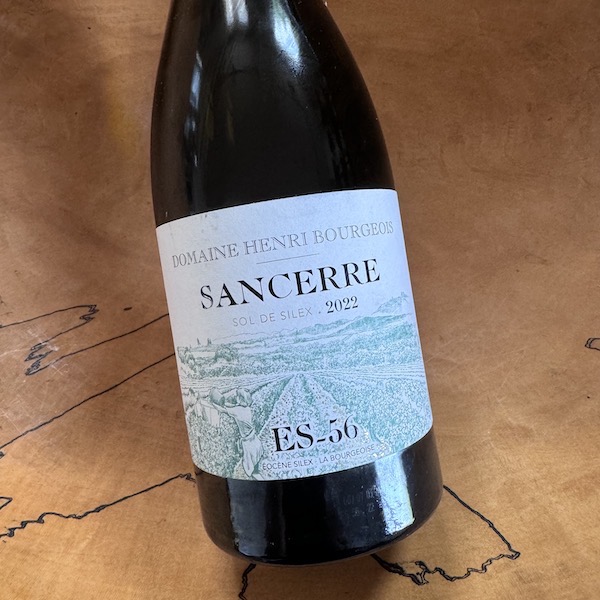
Domaine Henri Bourgeois ES-56 Sancerre 2022

Chateau Brondelle 2021 Graves Sauvignon Blanc Semillon

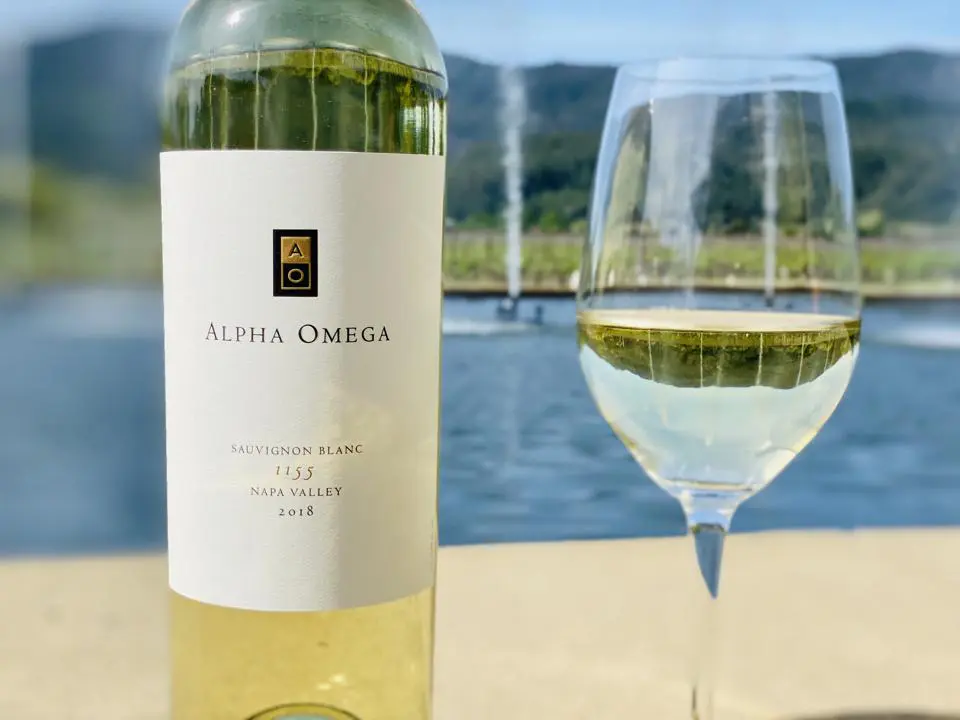
St. Supery 2020 Napa Valley Sauvignon Blanc

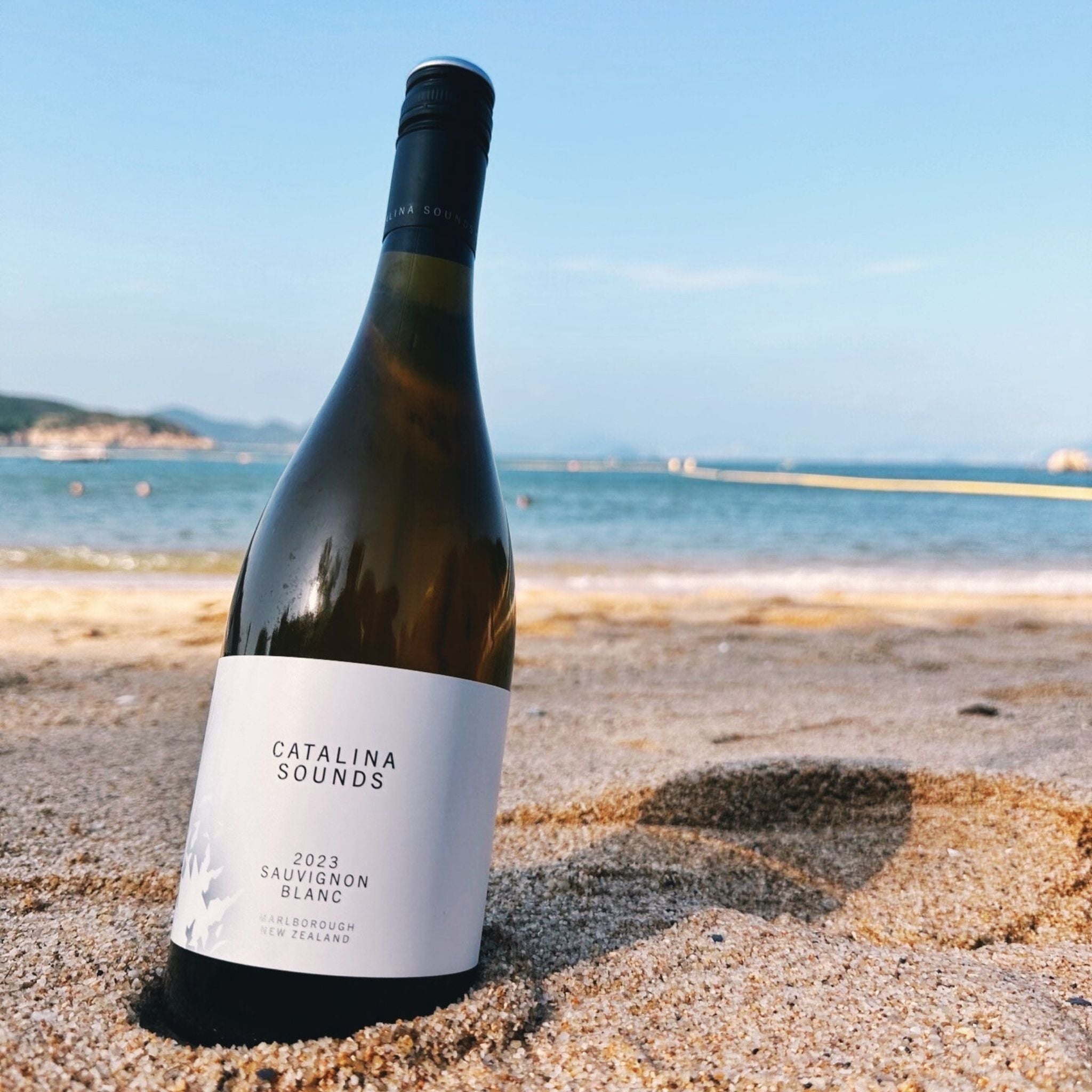
Dog Point Vineyard 2025 Marlborough Sauvignon Blanc

Cheers & Sante,

Michael XOXO

50 Shades of Rosé: A Summer Spotlight

FLX Rose
May
1
2026

Pink Wine. Rosado. Rosato. Blush. Vin Gris. Summer Water. Saignée. What’s in a name or label?!

Rosé all day? Yes way, rosé. Stop and smell the rosé, rosé every day. Rosé isn’t going anywhere. 

It’s May 1st and Rosé Season is upon us.

Although this pretty pink elixir has become the go-to summertime drink for social media influencers, it’s actually one of the oldest types of wines ever made. Surprising to many, this nuanced wine holds significant historical and cultural traditions in some of Europe’s great appellations. Being nuanced doesn’t mean it is too complex and intimidating to learn the basics.

Its worldwide growth and appeal over the last decade are very much the result of celebrity endorsements. There’s not much that Cameron Diaz, Angelina Jolie, and Post Malone have in common, but all of them have put their name to rosé brands and now aisles are adorned with the faces and autographs of singers, actors, TV chefs and, of course, Snoop Dogg. Much can be attributed to the rise of the rosé mansion and mass production as well.

The rosé lifestyle isn’t a great representation of the actual wine. Rosé isn’t a varietal of wine—it’s just a color. “Rosé” doesn’t really describe what’s in the glass. It could be the most refreshing, lively, delicious glass of pink wine you’ve ever tasted…or not. Rosé can be light or dark pink, mineral or fruity, lush and floral or crisp and acidic. Maybe we should look at the world through rosé-colored glasses because some rosés are bad doesn’t mean they all are.

If you’re interested in learning the differences among the world’s rosé, from the effect picking and production techniques have on style, color and taste, to a review of classic European regions, follow along below. Next time you reach for a bottle, you’ll know the difference between Tavel, Provence, Rosado, or Rosato.

Rosé wine actually dates back to the Romans. Some of the first French-produced wines were rosés. Provençal rosé, that crisp, easy-drinking, light pink style that you chug ceremoniously on the first warm day of the year has been commonplace since the early 19th century. Believe it or not, this pinkish drink pre-dates even Lisa Vanderpump 😉

Production Methods

Though it’s commonly believed that rosé is made by blending white with red, most bottles are made through skin contact (like a red wine) known as “saignee.” Blending red wine into white is only common in Champagne — not in quality still wine. Further, another misconception leftover from America’s white Zinfandel days is that rosé is off-dry or even sweet. In fact, most quality-driven rosés are a variation on bone dry.

Skin Contact

Have you ever heard a producer use the phrase “intentional rosé?” The concept entails growing and harvesting grapes for the express purpose of making rosé wine. This means picking early to preserve freshness and bright fruit flavors, followed by a limited maceration. In other words, winemaking follows the same technique as for red wine: crushing grapes and allowing the juice time on the skins.

But for rosé, that time is far less, from a few hours to two days. The shorter the period, the lighter the color – think pale salmon versus dragon fruit pink. After maceration, the wine is drawn off and fermented to full dryness.

Direct press is a variation on this, though is more akin to white winemaking. Rather than allow any contact between skins and juice, the grapes are pressed and the juice is drawn off the skins. But because the grapes are black, the juice will take on a hint of color and flavor. This method yields a delicate rosé, one that’s faint in color, while favoring citrus flavors over red fruits.

Saignée

French for “bleeding,” saignée is often a byproduct, (though not always – see Navarra) of red winemaking rather than utilized as an intentional rosé winemaking method. Grapes are not picked expressly for rosé but rather for the primary red wine. This technique is common in Paso Robles, for example, where winemakers seek to produce concentrated, bold and flavorful reds.

Bleeding some wine off early in the maceration process, concentrates the remaining juice; and the lighter juice that’s bled off gets vinified separately for rosé. Though it’s a perfectly acceptable method, wines can be an afterthought.

Rosé generally demands freshness, and grapes picked for concentrated reds are usually the opposite: ripe with higher alcohol. Of course, it’s a matter of taste – saignée is great for those who prefer a richer, fruitier style of rosé.

Blending

Except maybe late night at a party, fine wine producers don’t blend red and white wine together. At least, French appellations do not allow it, except for one: Champagne. For rosé Champagne, producers may add still Pinot Noir or Pinot Meunier for hue and flavor. Outside of Europe, a few New World producers might blend white and red but it’s not the norm for quality wine production.

Provence Vineyards

Regions To Know

FRANCE

Provence, France

If you’ve sipped a glass of rosé, you’ve probably tasted one from Provence. The OG of pink wine, denizens of the south of France view rosé as a way a of life, not just a beverage. Stylistically, Provençal rosé is distinct, too.

Typically, wines are made intentionally, picked for citrus and tart red fruit flavors, with limited skin contact for lighter hues and delicacy of flavor. It’s not a big, brash, fruity wine; rather, they are meant as crisp, versatile food wines to be enjoyed with vegetables, seafood and even meat.

The classic grapes are Grenache, Cinsualt, and Mourvèdre. Bandol has a large presence in the U.S. for its high quality, pricier versions made from Mourvèdre. Wines are savory, mineral-driven and structured, rather than simple and fruit-forward. Bandol is a rosé that can age.

Tavel, Rhône Valley

Though Provence is better-known in the U.S. market, Tavel is the only French appellation specializing in dry rosé. Talk about intentional winemaking. The primary grape used in Tavel is Grenache. Other grapes allowed include: Cinsault, Bourboulenc, Clairette (pink and white), Mourvèdre, Picpoul (black, white, grey), and Syrah.

While white wine cannot be blended with red, white grapes and their press juice can be added pre-fermentation. Due to longer skin contact, the wines achieve greater color and depth of red fruit flavor. This lends more tannin, structure, and age-worthiness from top producers.

In Chinon, Touraine, Anjou, and Loire Valley, France, Cabernet Franc is the grape of choice where the bests rosés weave delicate vegetal notes and juicy red fruit flavors from the CF.

SPAIN

Spaniards have been drinking rosé for ages; only in recent years have those bottles made their way stateside. Often, producers made simple, quaffable wines. But as exports have increased, so has quality. Instead of rosé, bottles will say Rosado. Grenache and Tempranillo are the main varieties used for making various styles, though often in a deeper hue than their French counterparts.

Navarra

Navarra rosé helped make the region famous. Producers turn out both poolside sippers and more complex, food appropriate expressions. Grapes used include Tempranillo, Cabernet Sauvignon, and Merlot, though rosado from old-vine Grenache is considered the highest expression for the region. Saignée method is typical, but in the case of Navarra, wines are of good quality, not just a fun summer wine.

Rioja

Unusual in the world of rosé, or rosado, is the application of aging classifications to this style of wine. Most producers of rosé tout new vintages for their youthfulness and freshness, using stainless steel vessels in that stylistic pursuit. That, or they need to move product for cash flow.

But in the case of Rioja, rosado follows the classic aging rules in oak barrels: joven (no aging requirement), crianza (aged for 12 months including 6 months in barrel); and reserva (2 years including 6 months in barrel). Grenache and Tempranillo are the primary grapes.

Txakoli

Spain’s northern Basque country is home to unusual, indigenous varieties used to produce dry, effervescent Txakoli. Though rosé is a recent phenomenon, it’s becoming easier to find in the U.S. Made in a pale shade of pink, wines are mineral and tart, and largely based on red grape Hondarrabi Beltza.

ITALY

Known as Rosato in Italy, rosé is made up and down the boot, with styles and flavors dependent on the local climate and traditional varieties available. You’ll find more delicate versions produced in the northeast around Veneto, Friuli-Venezia Giulia and Trentino-Alto Adige. Logical, given the cooler climate.

That includes Chiaretto from Lombardy and Veneto. “Chiaro” means light or pale, evoking the dry style of the wine based on the Corvina grape. Ramato, from Friuli, is based on extended maceration with pink grape Pinot Grigio. Central Italians, of course, produce rosato. One better known example: cherry-pink Cerasuolo of Abruzzo made from the Montepulciano grape.

In the south, rosatos are fuller-bodied and fuller-flavored like the sun and the food. Puglia, Sicily and Calabria turn out lots of examples with native grapes like Negroamaro (Puglia) and Nero d’Avola (Sicily).

Rosé is a type of wine made from red wine grapes, produced in a similar manner to red wine, but with reduced time fermenting with grape skins. This reduced skin contact gives rosé a pink hue and lighter flavor than that of red wine. Rosé is produced around the world, as it can be made from any red wine grape cultivated in any wine-growing region.

UNITED STATES

Finger Lakes/New York

Finger Lakes rosé is a vibrant, cool-climate wine known for high acidity, mineral-driven finishes, and bright fruit flavors like raspberry, cherry, and cranberry. Early harvesting is essential for these wines to retain acidity and because of shorter growing season.

The rosés are known to be fresh, aromatic, possess an array of delicate colors (50 shades of Rosé), and perfect for summer sipping. The maceration time can vary from a few hours to 24 hours depending on grape ripeness, color, or your desired style.

The flavor profile is fresh red fruit (raspberry, strawberry), tart cherry, rhubarb, and hints of dried herbs. The style ranges from bone-dry to slightly off-dry, mineral-heavy, and steely. They are usually made from Pinot Noir, Cabernet Franc, Blaufrankisch, but also includes hybrid blends.

They are starting to see more experimentation with the varietals used for the wine, such as Zweigelt, Merlot, Cabernet Sauvignon, and Gamay Noir.

For my Finger Lakes friends, I am including my personal rosé wine recommendations. This summer, look for a fun, interactive, and educational rosé class in the local Syracuse, NY and Central NY area. Drink those 2023 vintages right now and the 2024 very soon. Don’t sleep on rosés from NYS in general. North Fork of Long Island and Hudson Valley produce some beautiful rosés.

Being a fairly low production wine (~200 cases), you will most likely not find a 2024 at the winery or marketplace. You should see most of the 2025 vintage of the Finger Lakes Rosé already released or soon to be released.

FLX Rosé Tasting by The Michael Pour. Book yours!

Weis Vineyards 2024 Dry Rosé. Also produces a Zweigelt Rosé.

Glenora Wine Cellars 2024 Dry Rosé

Ryan William Vineyard 2024 Estate Rosé

Damiani Wine Cellars 2024 Bouquet (2025 vintage will be released in the next few days). They offer a Dry Rosé as well. Visit them and order at Finger Lakes Winery – Damiani Wine Cellars. Let me know if you would like a taste of these wonderful rosés and the rest of their portfolio. I will come to you.

Bright Leaf Vineyard 2023 Estate Dry Rosé

Chateau LaFayette Reneau 2024 Estate Rosé

Fox Run Vineyards 2024 Dry Rosé

Sheldrake Point Winery 2024 Dry Rosé

Airy Acres Vineyard 2023 Dry Rosé of Saperavi and Blend

Six Eighty Cellars Dry Rosé of Gamay and Pinot Noir

Some of my other favorite rosé styles around the world –

Grenache or Garnacha Rosé (fruity) from France or Spain

Tasting – usually a brilliant ruby red hue with notes of ripe strawberry, orange, hibiscus and sometimes with a hint of allspice. Moderately high acidity, but since most have quite a bit of color and body.

Think a summer evening with gyros and tzatziki on the plate, which I just had this week.

Provence Rosé (fruity) from France

Tasting – Rosé from Provence is the little black dress of pink wines. Fresh, crisp, and dry style is a superb match for almost any dish, Try a juicy burger makes a perfect partner.

Grenache, Cinsault, Syrah, and Mourvèdre are all used and give these rosés nice aromas of strawberry, fresh-cut watermelon, and rose petal, finishing with a distinctive, salty, and minerality on the palate.

Pinot Noir Rosé (hard to produce, fruity, but can be floral and mineral/earthy as well) from all over the world. Some of the best in New York State.

Tasting – The fruit is considered sensitive and temperamental, but when at its best, it can make for a very sexy glass of wine. In Pinot Noir delivers bright acidity and soft, subtle aromas of crabapple, watermelon, raspberries, strawberries, and wet stone. The grape can produce mineral, but-elegant wines that are cool, crisp, and dry. Try with fresh goat cheese, salads, or fresh fruit on the beach.

Other Guidelines

Rosé should always be chilled and served at approximately 50 to 60 degrees Fahrenheit. Place rosé directly into the refrigerator after purchasing it, and chill for at least several hours before serving (30 minutes in the freezer will work in a pinch). I discourage you to add ice cubes to rosé or any wine, for that matter, since ice cubes will dilute and change the flavor of the wine.

It’s better cold to enhance the aromas, flavors and acidity, but not too cold. Too cold stifles the aromas, while too warm can over emphasize the alcohol and dull the flavor.

Most rosé is best to drink when young (1-2 years). So, 2024 and 2025 vintages are ideal right now. Anything older would taste flat and flavorless.

Since rosé wine, as rosé is produced specifically for its fresh and fruity taste, it is not recommended to age. An exception is in the Bandol region of Provence, which uses the Mourvèdre grape and is known for its age-ability. Rosé wines made from Mourvèdre are high quality and can age for up to 10 years in some cases.

Food Pairing

What isn’t a great pairing with Dry Rosé?! Rosé is such a broad category of wine with light, subtle options from southern France, Italy and Spain to bolder options like those from California, Central France, or South America (and so many in between from virtually every wine producing region on the globe).

Pairings really depend on which grape(s) the rosé is comprised of. In general, rosé can be thought of as an “in between” option for a red and a white wine in style. It often has the red fruit aromas of a red wine, with the lighter body and crisp acidity of a white wine. Paired with fresh fruit is magical!

Seafood

The light, often mineral-driven nuances of dry rosé wines, especially those from Southern France or Italy, harmonize beautifully with the delicacy of seafood. Be it a buttery lobster, grilled shrimp, or a light fish dish like cod or sole, the crisp acidity of dry rosé complements the sea’s salty sweetness without overwhelming its flavor.

Chicken & Meat

On the other side of the spectrum, the fruity undertones of rosés from regions like California or Central France make them an excellent match for poultry and lighter meat dishes. A roasted chicken or turkey, grilled pork chops, or even a medium-rare steak can benefit from the medium-bodied, berry-infused charm of a robust dry rosé.

Vegetarian

Vegetarian cuisine finds a delightful partner in dry rosé. The light body and dynamic flavor profile of dry rosé balance the natural flavors of vegetables, grains, and legumes. A Mediterranean-style salad, a hearty quinoa bowl, or a vegetable stir-fry would pair splendidly with a glass of refreshing dry rosé.

Cheese & Charcuterie

The spectrum of dry rosé wine can handle a broad array of cheeses and charcuterie. From creamy brie and tangy goat cheese to salty prosciutto and spicy sausages, dry rosé provides a counterpoint that enhances these bold flavors, making it an ideal choice for a charcuterie board.

Desserts & Sweets

Dessert pairings depend largely on the rosé’s residual sweetness. A drier rosé could pair nicely with a light lemon tart or a bowl of fresh berries, enhancing the dessert’s fruity notes without overwhelming its sweetness. Remember, the art of food and wine pairing lies in balance, and dry rosé is a versatile animal that can harmonize with a broad palette of flavors.

Cheers & Sante,

Michael

michael@michaelpour.com

What your wine choices reveal about your personality?

April
23
2026

Wine, with its multitude of aromas, flavors, and sensory experience, can be as diverse and fascinating as our personalities. Our wine preference could be like looking into a mirror reflecting back our personality traits.

From bold reds to refreshing and crisp whites, from the cheerfulness and playfulness of rosé to the effervescence of sparkling wines to the sweetness of dessert wines, let’s dive into the world of wine character and personality.

Is there scientific evidence connecting our wine preferences and personality traits?

While the discussion below is based on my years and years of observations in drinking environments and general trends, research does suggest a correlation between certain personality traits and preferences for specific styles of wine.

I’m also classically trained in identifying different personality types, like using the Myers-Briggs test from my past therapy work. However, it’s important to remember that individual experiences and preferences can vary across the board.

My descriptions below are the result of reviewing the research as well as carefully gathering information from previous work in therapy and wine, bar, and restaurant environments over the past 25 years.

As you journey through life and over time, your palate and wine preferences may change or evolve. Personal growth, new life experiences, and exposure to new wines can all contribute to your evolving and fluctuating tastes.

Exploring and tasting different wines and regions is the best way to reveal your wine preferences. You don’t have to be new to wine. Even experienced wine drinkers can have that ‘wow’ moment.

You may discover new favorites, which will provide insight into your unique tastes and personality in the process. Which wine matches your personality best? Or is it just taste and mouthfeel for you? Regardless, it gives you another perspective and fun way to look at wine. Look at these ‘personality notes’ replacing traditional tasting notes.

While shared interests, such as wine preferences, can foster connections and relationships, it’s unlikely that your wine preference alone will dictate your choice of friends or romantic partners. Personality, shared values, and other common interests play a far more significant role in these connections.

Wine and Personality

Pinot Noir

“The Heartbreak Grape”

Pure magic when done right. PN drinkers are mystical creatures. They are skeptical in questioning every wine label and life decision. The philosophers of the wine world. Deep, sensitive, emotional and analytical when solving problems. Focused, artistic, and abstract thinker.

Most things bore you, but when they catch your interest, you quickly develop logical explanations to why they work. You love theories and abstract ideas more than you like to socialize, more likely an introvert.

You are generally quiet and contained even if you are a bit critical to the people around you.

Traits can be subtle, but complex.

YOU ARE PINOT NOIR!

Show reference – Anya Taylor-Joy in “The Queen’s Gambit”

Cabernet Sauvignon

“King of the Reds”, “Tannin King”

Bold and takes charge at every dinner party. Most confident friend in your friend’s group. Strong, slightly dramatic, maybe judging, and gives unsolicited advice. Desires structure, balance, and power. Driven, independent, and hold high standards.

You quickly see the patterns that make the world turn and you have the ability to make big things happen. This kind of ‘big picture’ thinking is an obsession of yours. When you’re motivated, you can organize and carry out very complex jobs, visionary ideas.

Despite all these understandings, you don’t have a large group of close friends, because most people annoy you. You tend to be an introvert.

YOU ARE CABERNET SAUVIGNON!

Movie reference – Meryl Streep in “The Devil Wears Prada”

Sauvignon Blanc

“Party Starter”, “The Alarm Bell of the Cellar”

A breath of fresh air and splash of cold water. Talkative, brings the energy, and enjoys gossip.

You are outgoing, an extrovert, and possess a spirit of adventure. Your zest for life and love for new experiences mirror the crisp, refreshing notes of this white wine. Your vibrant personality draws people toward you, lighting up any room you enter.

YOU ARE CLASSICALLY SAUVIGNON BLANC! Watch out for emergence of Chenin Blanc, which is rapidly becoming the new trend.

Movie reference – Blake Lively in “Gossip Girl”

Merlot

“Smooth Operator”, “Hug in a Glass”, “The Diplomat Everyone Loves”.

Empathetic and helper at heart. Often misunderstood and underestimated, but approachable and comforting to be around. You exhibit the adaptability and versatility of this beloved grape. Your easy-going nature and sociability make you the life and soul of any gathering, an extrovert.

Much like the simple pleasures of Merlot, you appreciate the beauty of life’s simple moments.

You are the responsible one. You pay attention to other people’s needs, emotions and motives and you act as a catalyst to get things done. You’re social, almost a facilitator, in a group situation. You are a leader, but you do it by finding potential in the people around you. 

YOU ARE MERLOT!

Movie reference – The animated character Joy in “Inside Out”

Rosé

“An Adventurer”

You embody romance, fun, and optimism. You like variety. With a youthful spirit, you love the outdoors, cherishing sun-kissed moments with loved ones. Your adaptability and openness to new experiences are as enticing as the blush of a rosé on a spring or summer day.

Rosé can represent the start of something new, growth, and a renewal in spirit.

YOU ARE A ROSE LOVER IN ANY FORM!

Movie reference – Reese Witherspoon in “Legally Blond”

Natural Wine

“The Rebel”

You prefer minimalism. A testament to your eco-conscious and adventurous spirit. You value authenticity and sustainability, much like the wine you choose. Likely a passionate supporter of environmental causes, even animal rights, and you feel a deep connection with nature.

You are full of life, alive, sometimes wild, and unpredictable with a touch of chaos.

YOU ARE NATURAL WINE!

Movie reference – Craig Foster in “The Octopus Teacher”

Champagne/Sparkling Wine

“Classic Romantic”, “Bubbly”

You are the personification of sophistication, elegance, and class. You love to celebrate life’s special moments and are unafraid to indulge in the luxuries of life.

Much like the effervescence of your favorite sparkling wine, your charismatic personality draws others in and makes you the star of any gathering.

YOU ARE BUBBLES!

Movie reference – Leo DiCaprio in “The Great Gatsby”

Dessert Wine, i.e. Port, Sauternes, Late Harvest Wine, Ice Wine, etc…

“The Sweetheart”, “Complex and Layered”

For Port, you are likely a traditionalist, appreciating the finer, often overlooked aspects of life. Your love for Port suggests a deep respect for history and tradition. As a great listener, you offer a comforting presence, a support for friends and family during challenging times.

For Sauternes (French dessert wine), you are likely to be imaginative, creative, and a lover of life’s decadent pleasures. Your interest for this dessert wine amplifies your love for artistic expression with your creativity pouring out in various ways.

YOU ARE DESSERT WINE!

Show reference – Jason Sudeikis in “Ted Lasso”

Some other fun wine and personalities –

Semillon – “The Wine That Keeps Secrets”

Zinfandel – “BIG Personality and Exuberant”. “Loud Talker”

Grenache/Garnacha – “Big Heart & No Filter”

Gewurztraimer – “Walks Into The Room First”

Riesling – “Versatility Queen”. “Don’t Call Me Simple”

Chardonnay – “Refined and Confident”

Syrah/Shiraz – “Conscientious & Visionary”

Which Wine Are You???

Would love your thoughts and feedback 🙂 If you love fun posts like this, give me a shout out.

Please follow me on Instagram on my personal and business pages (@themichaelpour), let’s connect, and have some fun. For wine recommendations for the varietals listed, please reach out. Free consultations and wine personality match always!

For collabs and to book an event, tasting, seminar, or anything else – email Michael at michael@michaelpour.com. Take a look at the pages on the site and see what I can do for you.

Cheers & Sante,

Michael XOXO

Wine Glass

DON’T MISS A DROP

Get notified when new articles are poured

We don’t spam!