Wine Spotlight – Uncorking the Magic of the Universe

August
5
2026

During my short time away from social media (may not return) and blogging, I decided to enroll in an astrology and astro-psychology certification program from a renowned astrology school in Washington State called Kepler College. I’ve always had interest in the cosmos and in finding the meaning behind ourselves and our life. In combination with my studies and work in counseling psychology and the desire to better understanding relationships at every level, I finally came to this point in my life where I want to dive deeper.

On a side note – I will continue this blog because I enjoy writing about things that interest me and educating consumers about all things beverages, but unsure about the future of the business side. The lack of business and engagement has been extremely frustrating and has affected my mental health. Hence, I’ve removed myself from instagram.

I’m sure you’re wondering what this has to do this wine, mocktails, cocktails, and beverages, in general? I realize you didn’t sign up for a blog about the metaphysical, but this sets the stage for the discussion below. Plus, if you’re like me, you like to learn more about the author and their life perspective. Bear with me for a bit!

Hopefully some of this content interests you and maybe will lead to you exploring the topic further. I think it is fascinating stuff! Don’t worry – for the purpose of this blog, I will not go into great detail about the signs but will demonstrate their relationship to wine and why we choose a certain grape/bottle over another during specific life events.

What can astrology say to us?

Sometimes people confuse astrology with astronomy. Astrology deals with ‘meaning’ whereas astronomy deals with measurement. Traditional astrology focuses more on planets than signs. It is much more than just reading your daily horoscope.

What periods of time may be more stressful than others and when you need to be more careful? It can even give you the idea of the areas of life that will be most affected.

Where may you and another person have difficulties getting along? When is it a good time to marry, start a business, or sell your home? When you or someone you love encounters health issues?

Astrology CANNOT

Tell you the winning lottery numbers. Tell you whether or not you will land that promotion. Predict when your rich uncle will pass away and leave you his inheritance. Tell you whether or not someone is trustworthy. Let you know if you will catch a cold before your next vacation or something unexpected will happen.

BEST OF ALL –

Astrology can help you better understand yourself and how you interact in the world. It can help you navigate the ups and downs as you fulfill your potential. In Maslow’s hierarchy of needs, it is called self-actualization. Wouldn’t we all like to achieve that goal?

Now that we have explored the basic tenets of astrology, we can move on to its application in the world of wine. I recently became familiar with a cool wine company out of New York City who is doing some very unique things with wine based on astrological principles. Some of the players involved in its mission are certified astrologers.
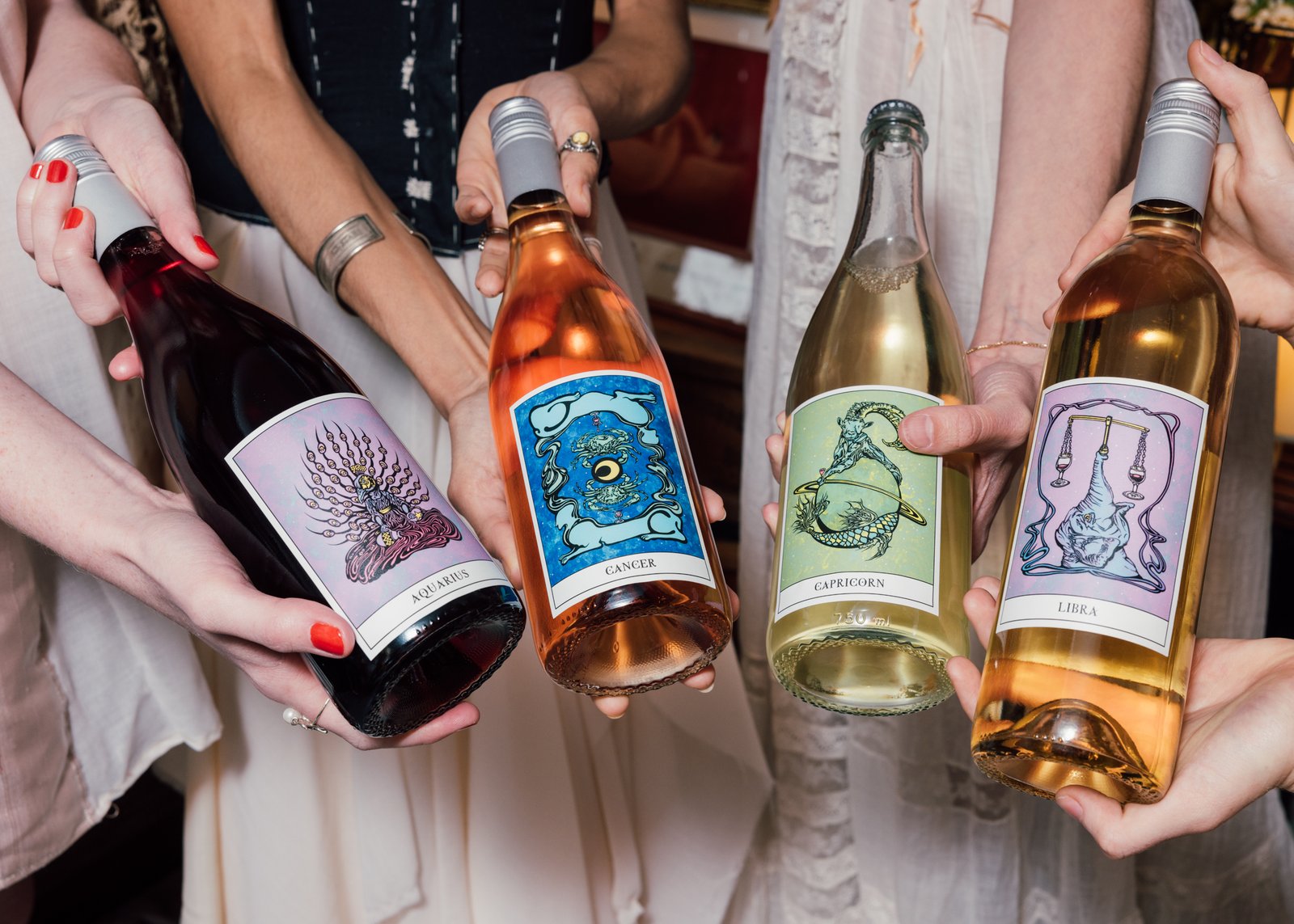
Have you heard about “Sun Moon Rising Wine”?

Sun Moon Rising, the world’s first astrology-inspired wine brand, launched in 2024 unveiling its founding collection online. Created by certified sommelier and New Yorker, Kate Webb, the brand offers 12 distinct wines sustainably sourced, handcrafted, and purposefully curated to embody the unique characteristics of its corresponding Zodiac sign. Sun Moon Rising aims to reimagine the way consumers experience wine, expertly fusing the arts of astrology and winemaking to elevate every occasion.

What’s awesome is that Sun Moon Rising sources its wines from award-winning, sustainable vineyards across New York State and emerging wine regions is deeply committed to promoting the region’s emergence as a premier destination for wine lovers. Proudly female-owned, low-intervention, and certified sustainable, Sun Moon Rising is on a mission to redefine the way consumers engage with wine, delivering a cosmic connection in every glass. The wine is available at Sun Moon Rising Wine and select shops in NYC.

Webb’s passion for creating unique wine experiences began in New York City’s top Michelin-starred restaurants, where she honed her craft as a Wine & Spirit Education Trust (WSET) Certified Sommelier. When the COVID-19 pandemic struck, it sparked her entrepreneurial spirit. “This led me to the surprising realization that no wine brand catered specifically to the 12 Zodiac signs,” stated Webb. “We created Sun Moon Rising to offer people a new way to personally connect with wine, intentionally pairing astrology and winemaking to foster community, curate connections, and elevate celebrations.”

Sun Moon Rising upholds organic practices, labor ethics, and small-batch production. In collaboration with New York’s Heron Hill Winery, the brand ensures these values are integral to its winemaking process. This dedication not only elevates the wines but also champions New York State as a premier destination for discerning wine enthusiasts, where every sip reflects our planet-friendly approach and the region’s rich winemaking heritage.

The company’s certified stargazers are expert astrologers dedicated to authentically represent the astrological community. Their insightful expertise guides us on our mission to provide accurate and meaningful astrology insights in all that we do.

They and I like to say “A Wine for Every Sign”. The meaning behind the company name – Sun – Your Core Self, Moon – Your Emotional Self, Rising – Your Outward Self, taken directly from astrology.

I will not discuss their entire portfolio and all the astrological signs but will highlight the astrological season we are currently in Leo, which runs till August 22 and is my mother’s sign and my sign, Gemini, which is from May 21-June 20. A little more about Leo and Gemini below. Are any of you a Leo ♌️ or Gemini ♊️

Gemini is the sign associated with communication, logical thought processes (based on duality) and the conscious mind. Gemini people tend to be airy and intellectual, glib of tongue and curious about life and other people. They can experience two sides of things at the same time, and may tend to be flighty. Gemini’s element is Air and ruled by the planet Mercury.

Geminis move through life like butterflies, engaging in many varied experiences to gain knowledge. They are witty and have a good sense of humor, and are likely to be excellent conversationalists. Geminis make good teachers. They can be nervous and high-strung, and may be mischievous. Unlike possessive Taurus, they tend toward liberty in relationship. And although Geminis can be easily bored, under the control of self-discipline they have tremendous intellectual and artistic possibilities.

Most Compatible – Libra, Aquarius, Aries, Leo

Least CompatiblePisces, Virgo, Capricorn, Scorpio

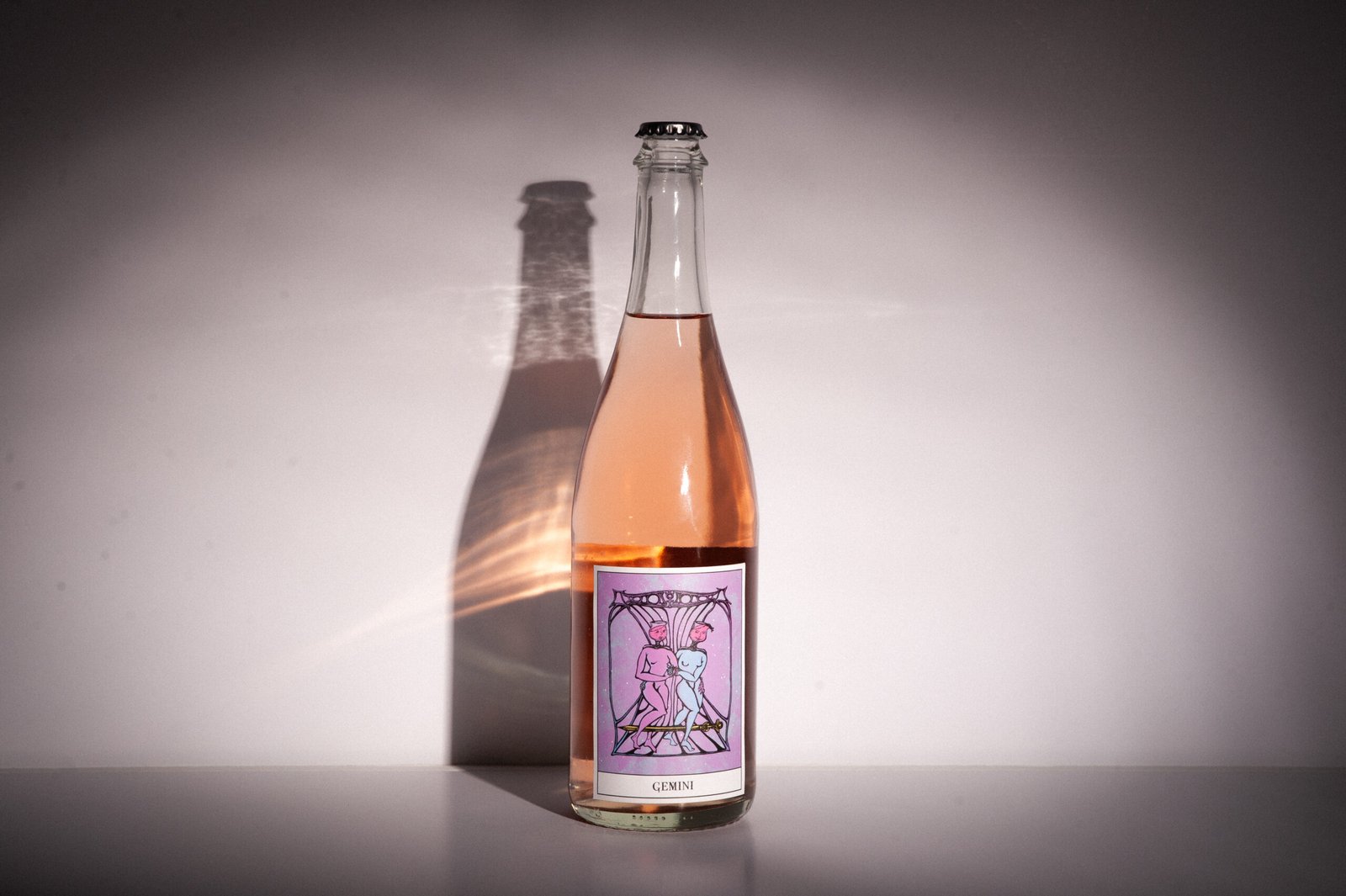
Gemini Bubbly Rosé

Bubbly, dynamic and quick-witted, Geminis are voracious learners and experts on a wide variety of subjects. Linguistically gifted, they are natural leaders and storytellers. As a mutable sign that thrives in social settings, they find ways to relate to everyone they meet with their easygoing and humorous nature.

This summer sign is matched by the Bubbly Rosé’s bright acidity and refreshing taste. With notes of strawberry and watermelon, the crisp bubbles complement this Air sign’s talkative and outgoing character. Astute, clever and curious, the depth of Gemini cannot be overstated. It is lively, smooth, crisp, playful, and refreshing with bright acidity and notes of strawberry and watermelon. Made from the Blaufränkisch aka Lemberger in the Finger Lakes, New York.

Leos are likely to express themselves in dramatic, creative and assertive ways. They are also likely to enjoy the warmth of the physical Sun. Leos have great energy, courage and honesty. They are likely to be self-confident and maybe even a bit self-indulgent as they expect to be the center of attention and often are. Leos can be quite determined and usually get their way when they really want to. They also possess great integrity and are a natural leader.

Leo people are very proud. Their challenge is to temper any tendency for arrogant or egotistical behavior and to instead develop humility and compassion; to learn detachment in the gift of their affections, so that they radiate their abundant energy freely and enhance the life experience of others around them. Leo’s element is Fire and ruled by the Sun (luminary planet).

Most Compatible Aries, Sagittarius, Gemini, Libra

Least CompatibleTaurus, Scorpio, Pisces, Capricorn

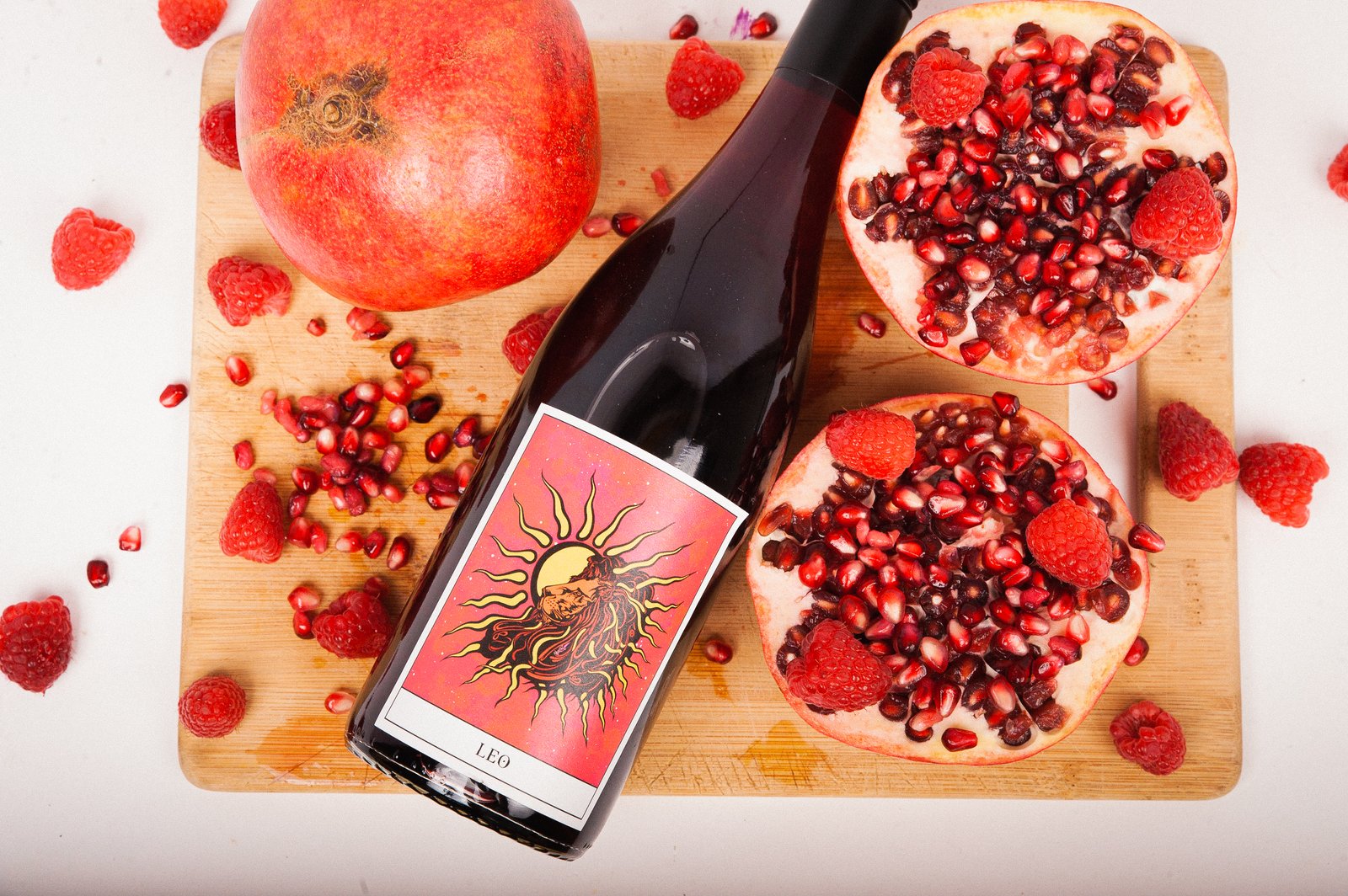
Leo Bubbly Red

Social, passionate and restless, Leos are constantly on the move. Those born under this Fire sign are experts at bringing people together and discovering new interests. As a summer sign, they thrive in the warmth of the sun and have an imaginative flair that gives them an irresistible creative edge.

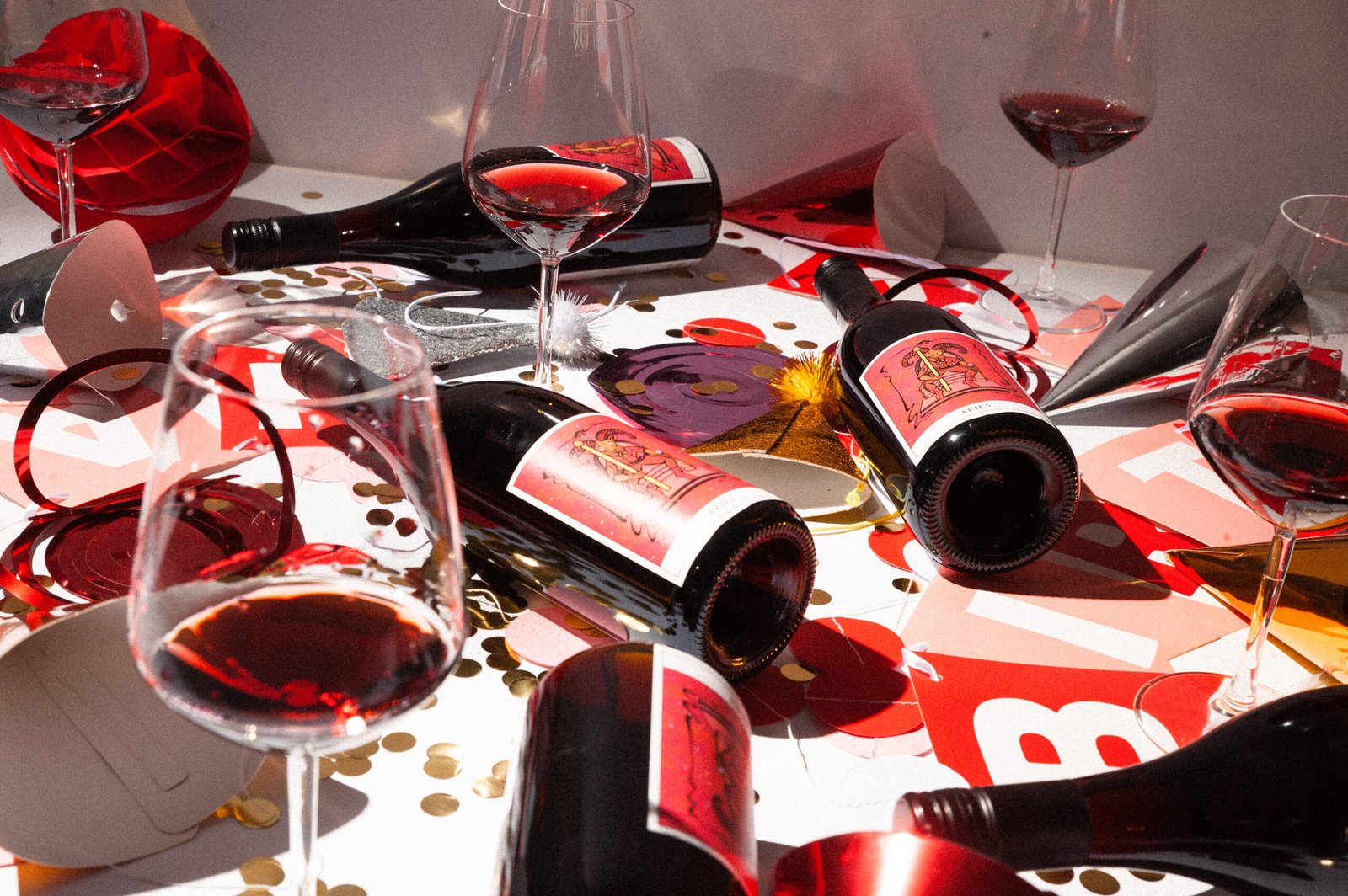
This Bubbly Red wine is vibrant, fruity, aromatic and slightly off dry with notes of pomegranate, red currant and raspberry. The unique blend of red wine and effervescence reflects Leo’s boldness and pride and complements their quirky and outgoing nature. Both this wine and this sign are eclectic in taste and bring a fresh perspective. This blend is made from 60% Marquette and 40% Marechal Foch in the Finger Lakes, New York.
I hope you enjoyed this content. See you back soon! Please share with your friends and colleagues and please let me know if this was of interest to you and if you have any comments or questions. What’s your sign? Ruling planet?

Cheers,

Michael Nagy

michael@michaelpour.com
Cantina di Rosina: A Majestic Slice of Abruzzo

Carunchio Abruzzo Cantina Rosina
May
20
2026

For this week’s spotlight, The Michael Pour takes you on a journey to Southern Italy along the coast of the Adriatic Sea.

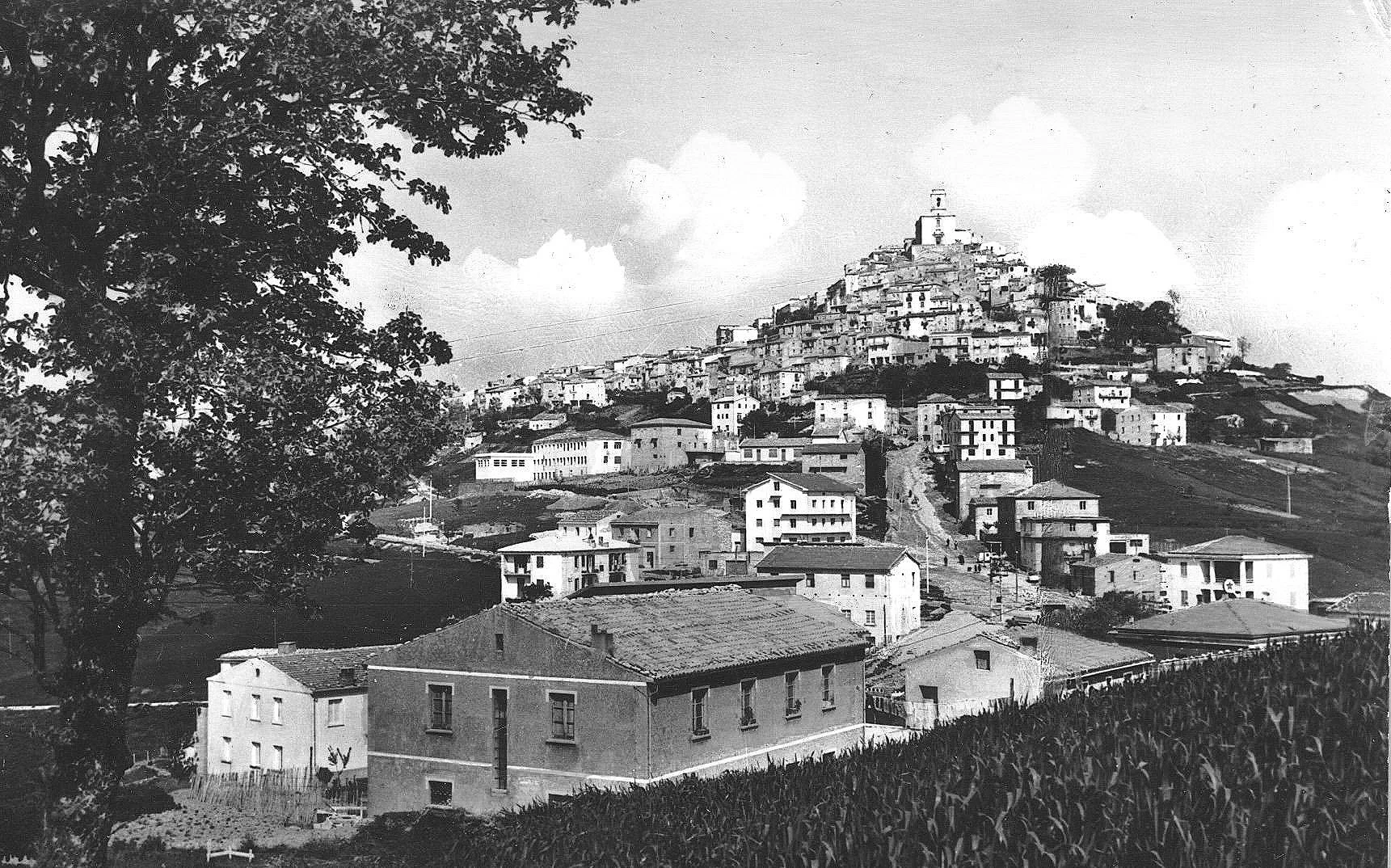
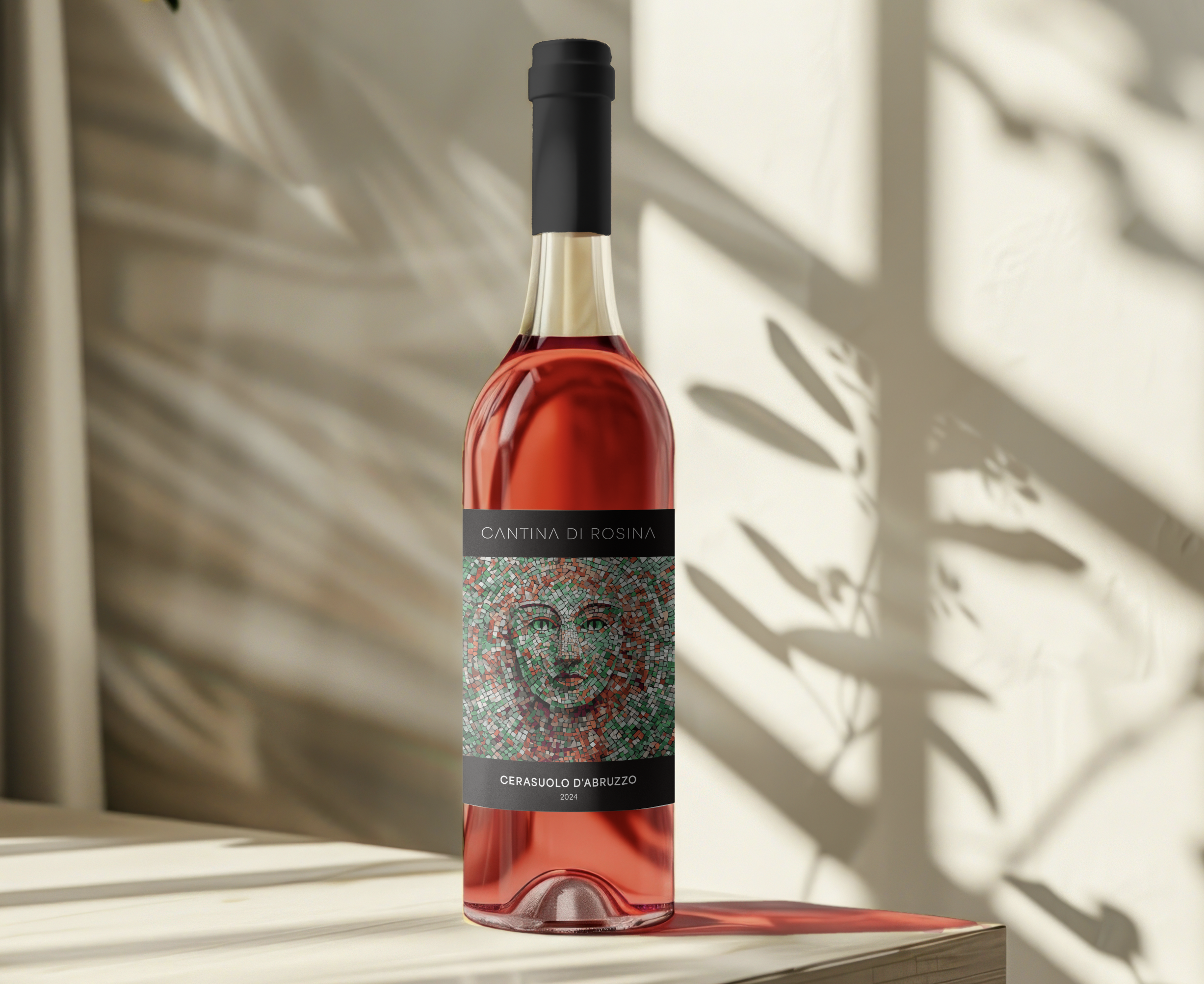
Here you will find one of Italy’s best kept secrets and underrated wine regions, Abruzzo “uh-brut-sow”. Recently, I’ve learned about a new winery emerging in the region. The winery is called “Cantina di Rosina” and their wonderful story, and family history is depicted below.

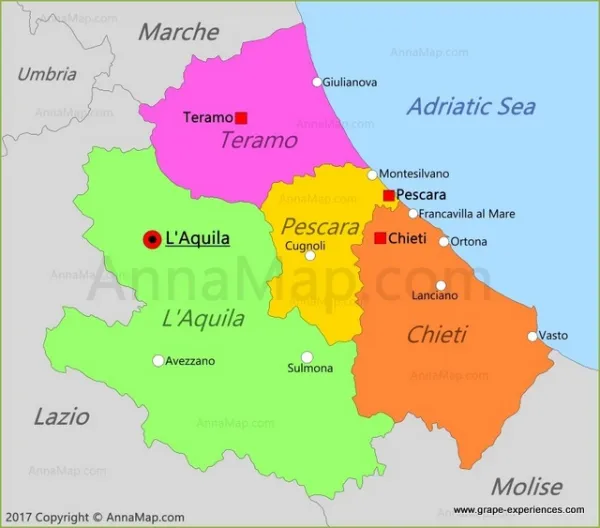
“Throughout the 18th and 19th centuries, our ancestors produced quality wine in the Southern Abruzzo region of Italy. After WWI, our grandparents emigrated from war-torn Italy to the US in search of a better life for their family. Now, 100 years later, they have returned to my beautiful ancestral village of Carunchio to carry on producing wines that are approachable, elegant, and capture the spirit of this stunning region. Carunchio is a commune and town in the province of Chieti in the Abruzzo region of Italy. 

They’ve assembled a world-class team of viticulturists, oenologists, and winemakers to pay tribute to this beautiful land and all it has to offer. Great wine begins with great respect for the land. Our ongoing mission to share the beauty of Abruzzo with the world…one glass at a time.” – John, my Friend & Proprietor

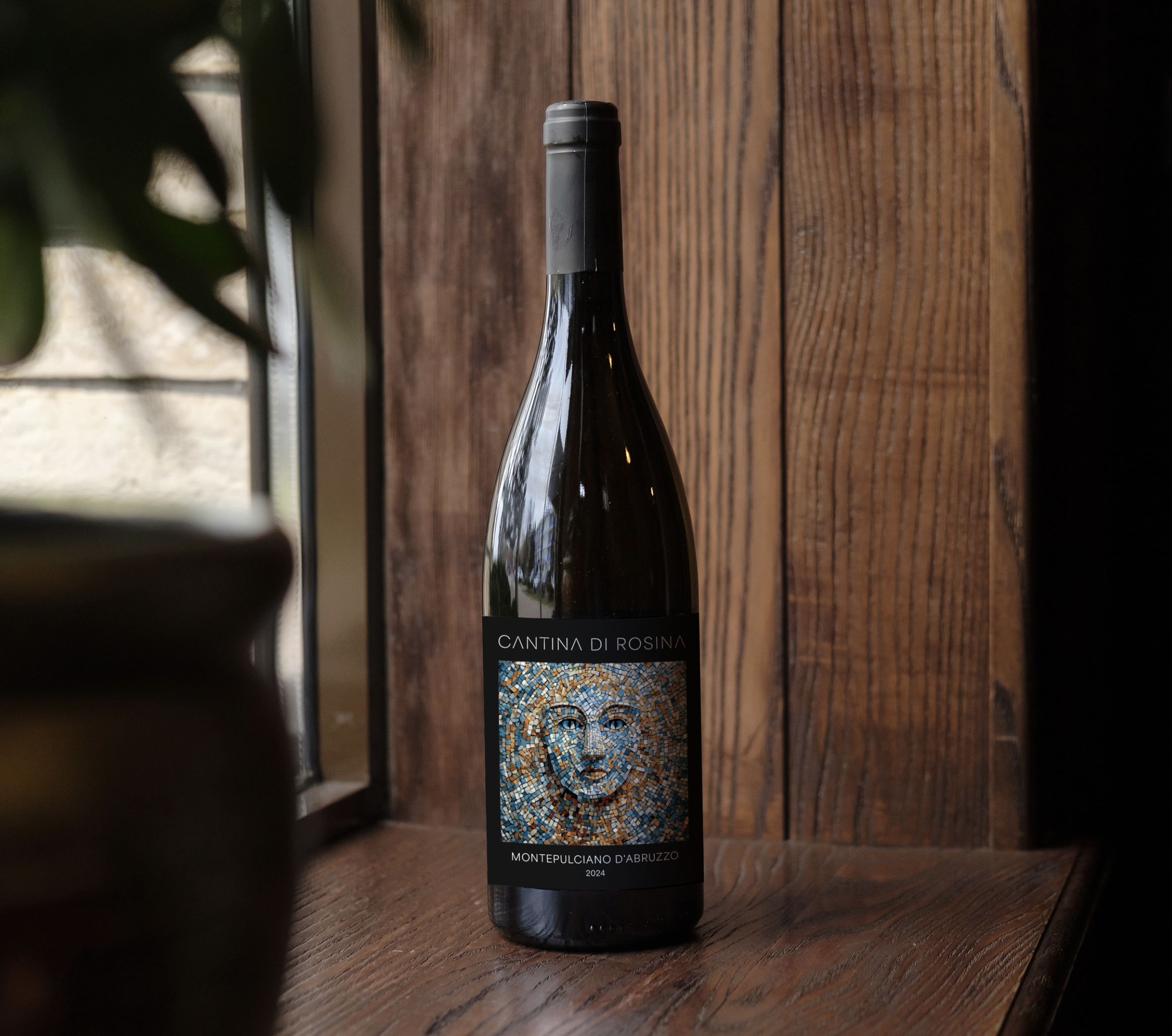
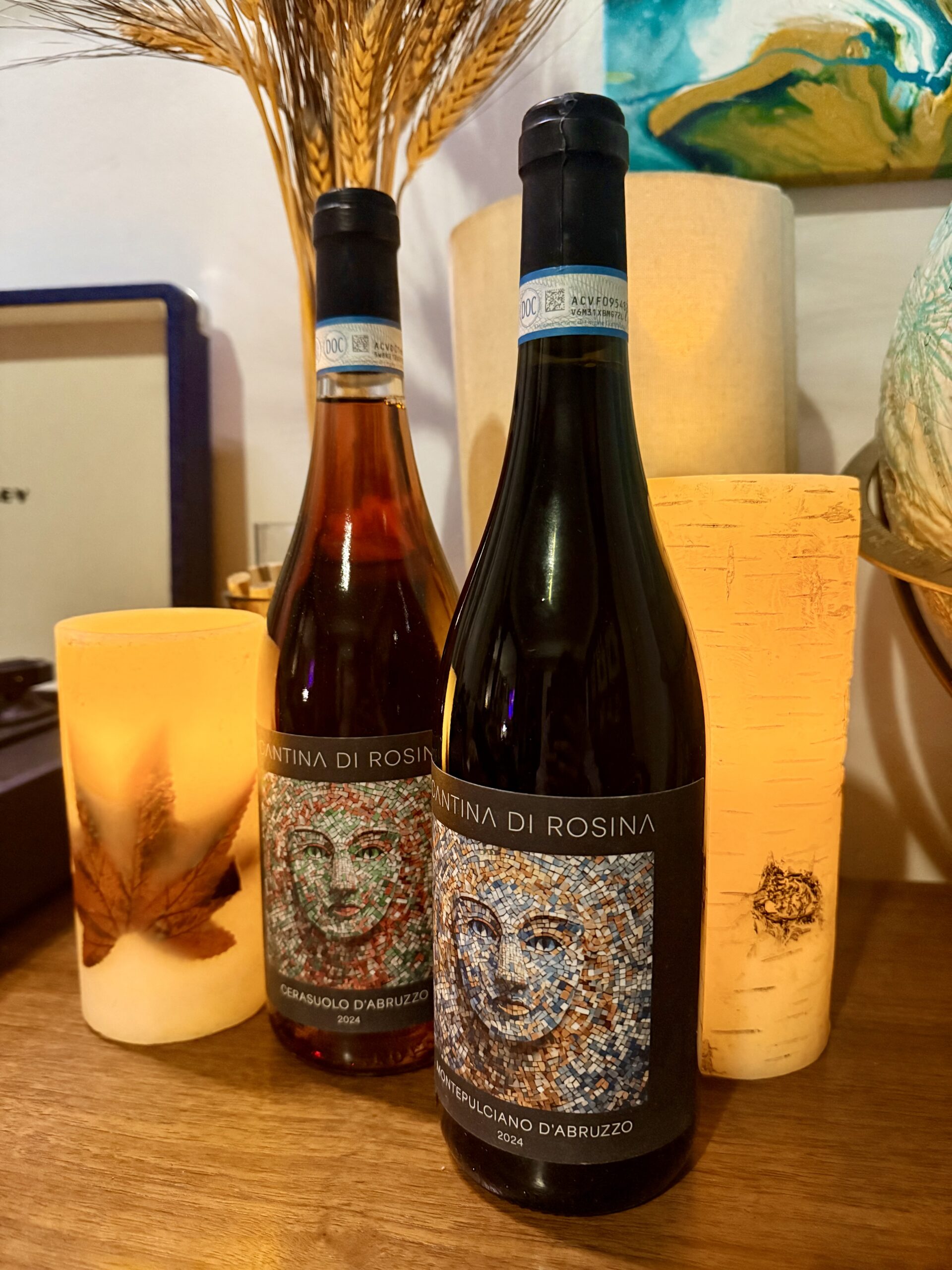
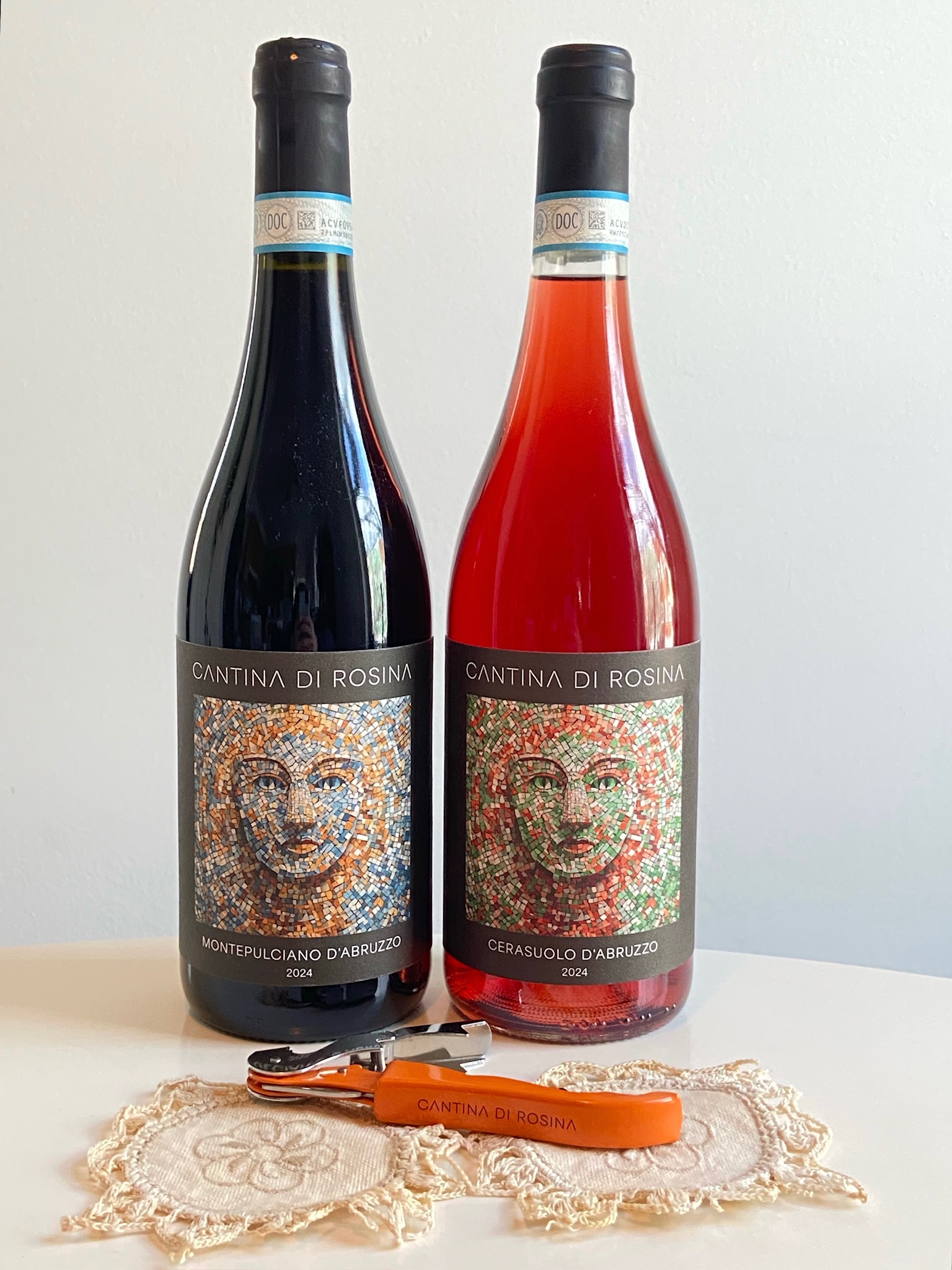
Cantina di Rosina’s first vintage was 2024. Their Montepulciano d’Abruzzo 2024 is described as being sturdy with solid structure, yet soft tannins with a long finish. It spends some time in concrete creating complexity and texture before going into stainless steel (no oak).

Flavors of dark cherry, leather, and hibiscus are exhibited. It will pair well with any type of game, grilled red meats, cured meats, and ripe cheeses. Serve it at cellar temp or slightly below room temp at 60°- 65°F. Don’t hold onto for very long.

The Cerasuolo d’Abruzzo is a bold rosé with a cherry red color from a gentle kiss of skin contact. With a maceration of only 4 hours on the skins before fermentation, the color is deep and vibrant. It is made 100% from the Montepulciano grape and is essentially a rosé that drinks like a red offering a full spectrum of food pairings.

Not your normal “pink” wine or rosé for that matter. It projects an intense aroma of rose petals and flavors of wild berries and a savory herbaceous quality that lingers. Try it as an aperitif! Drink young.

Enjoy it chilled (50°- 54°F) all summer long by itself or with an array of food options, like seafood dishes, roasted white meats, pizza, cured meats, and semi-matured cheeses. I experienced this awesome wine with homemade bucatini pasta, blush sauce, andouille sausage, shrimp, and fresh herbs over the weekend, and it was a lovely pairing.

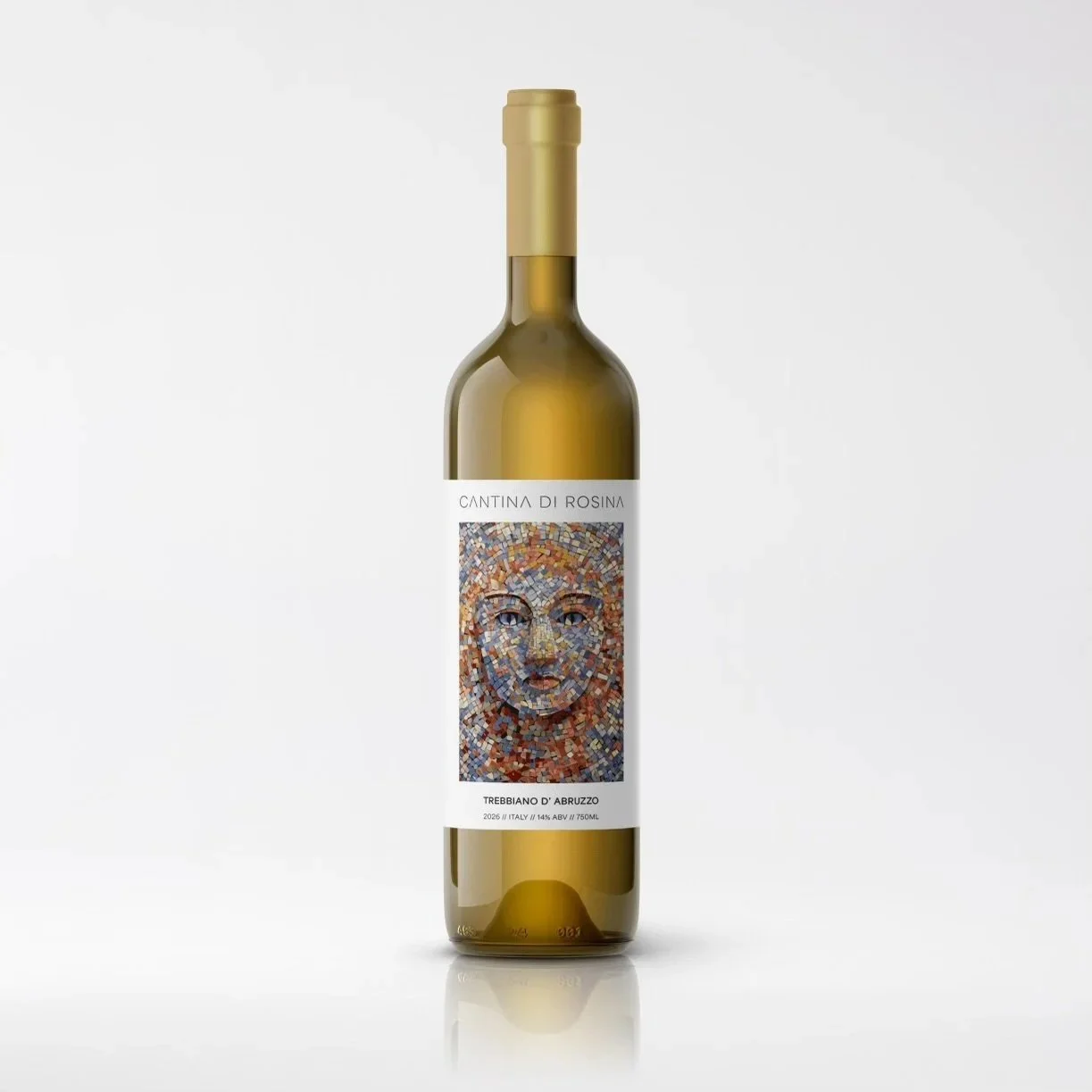
The Trebbiano d’Abruzzo DOC 2024 will be released in the next few weeks so you can enjoy all summer-long.

All the wines are 100% certified organic with sustainable farming practices. I have tried the wines, and they are very clean, bright, and complex.

A little bit about the Abruzzo region to better understand the land, microclimate, vineyards, and what goes into the wine that is produced here.

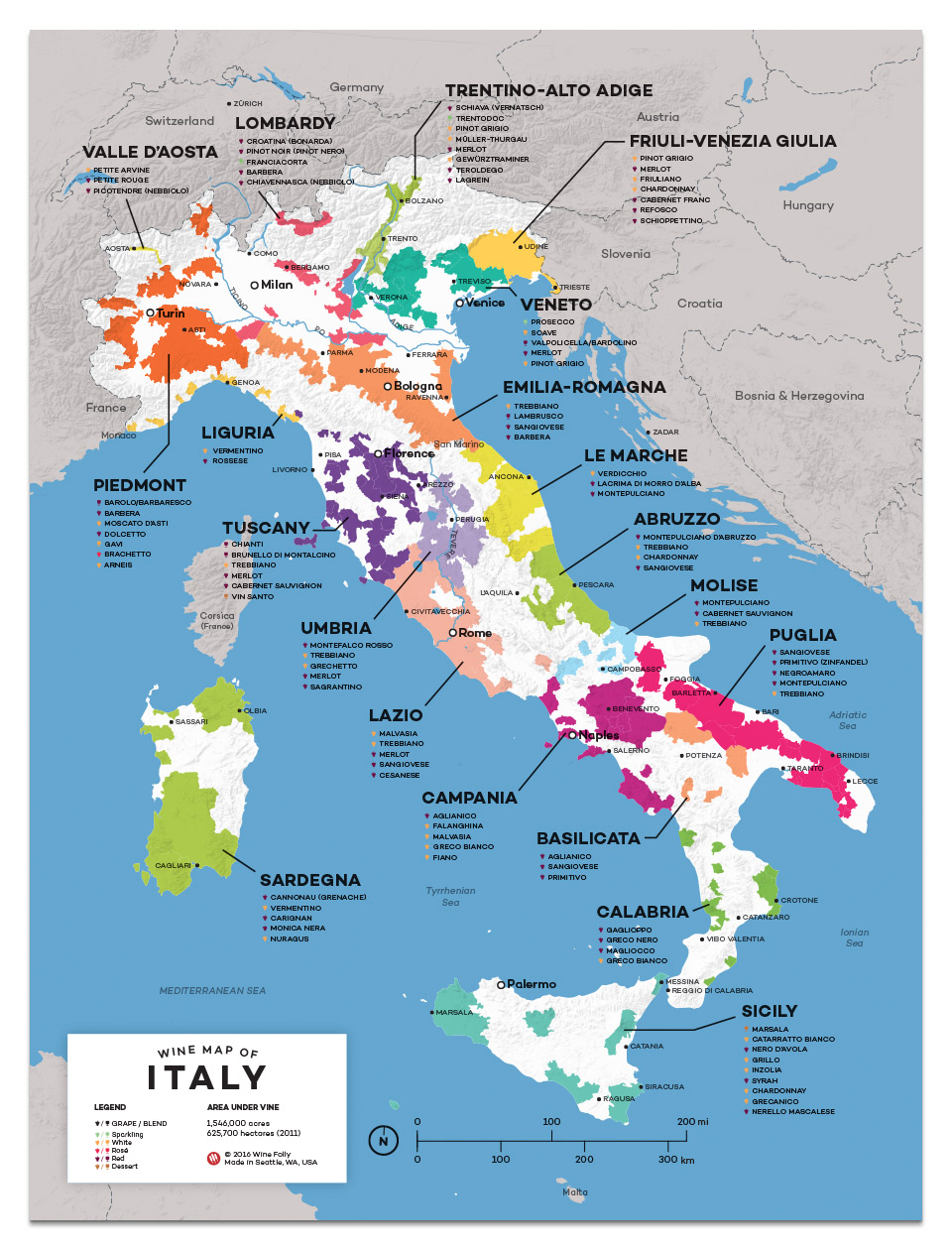
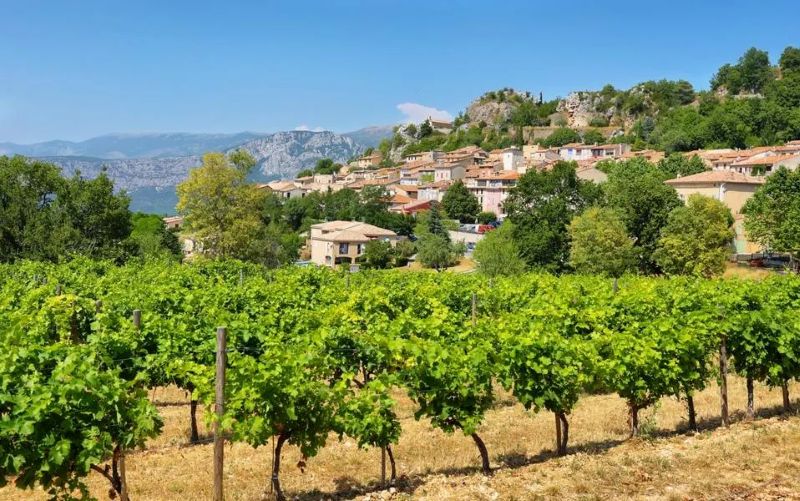
Abruzzo is an Italian region located about a two-hour drive east of Rome. Abruzzo extends from the snow-capped Apennine Mountains to the balmy Adriatic Sea. This magical scenic region offers summits and seacoast, medieval castles and clifftop villages.

It is a major wine region famous for robust Montepulciano d’Abruzzo red wines and crisp Trebbiano d’Abruzzo whites. The region is characterized by mountainous terrain, with most production in the coastal Chieti province, offering high-value, quality wines often with soft tannins and red fruit flavors.

National parks and nature reserves cover much of its rugged interior. It also encompasses hilltop towns, dating to the medieval and Renaissance periods. The regional capital of L’Aquila is a walled city, which was damaged in a 2009 earthquake.

Abruzzo is also known as “the greenest region in Europe” as half of the region’s territory is protected through national parks and nature reserves, more than any other region in Italy. Culturally, Abruzzo is considered a region of Southern Italy; however, geographically it is often considered part of Central Italy.

The focus in Abruzzo is on the Montepulciano grape referred to as Montepulciano d’Abruzzo.  It’s a versatile grape, in the sense that it can satisfy many different palates. Montepulciano is a fruit-forward dry red with a medium to full body, medium to high smooth tannins, and medium to high acidity. Notes of red plum, blackberry, dried herbs and thyme, and baking spices.

It is not be confused with Vino Nobile di Montepulciano, which is a wine made from the Sangiovese grape in the town of Montepulciano from the Tuscany region. 

It can be vinified and aged in stainless steel to give a simple, approachable wine and food-friendly with freshness and expression of the fruit. For low crops, it can be aged in casks or barriques, sometimes new barriques, to create wines that have greater depth, concentration and complexity.

The oaked Montepulcianos coming out of the region are not wines for everyday drinking because they can be very dense, inky, and powerful. These bottlings can be a great option for the winter months. Some can develop gamey aromas with age while others continue to display primary fruit flavors for years.

Montepulciano does typically age well, but it’s not a wine that requires you to age in order to enjoy now and show complexity.

Montepulciano is the most planted grape in the Abruzzo region. It represents 80% of the total DOC wine produced in Abruzzo. The Montepulciano grape has been in Abruzzo since the mid 17th Century. According to DOC rules, Montepulciano d’Abruzzo wines must contain at least 85% Montepulciano, with Sangiovese often used for the rest. Bottles labeled “Riserva” must be aged at least two years.  

Another reiteration of Montepulciano is Cerasuolo “chair-ah-swolo” which translates to “cherry red” and refers to an Italian wine style. It is Abruzzo’s best kept secret! Cerasuolo d’Abruzzo is a Rosé made from the Montepulciano grape. It is made from the free run juice and/or juice with very little skin contact and the color can vary from light pink to dark red. A rosé wine that is usually made by giving the juice a maceration of eight to 18 hours on the skins before fermentation. 

The result is almost like a light red rather than a rosé. A wine with body and succulence not typically rosés. It’s very popular in the region, but you will not see many exported. However, that is starting to change though in recent years.

Even in a good pizzeria in the regional capital of Pescara, you don’t necessarily want to drink a rich red all the time. Cerasuolo, with its vinosity and weight, is actually best drunk lightly chilled. Most producers agree that you shouldn’t consider Cerasuolo a way to use up your least interesting grapes or put in a blend. It should be made from grapes of high quality and treated seriously even its rosé.

The signature white from Abruzzo is Trebbiano d’Abruzzo is a light white Italian wine known for its dark gold or amber-colored berries, high acidity and neutral flavor profile that produces stone fruit and apple aromas with hits of lemon. Though production remains small when compared to Montepulciano, it is starting to make an appearance on the world stage.

Being a very large and dispersed region of vineyards, Abruzzo is divided into many sub-regions, and there are also DOCs that are permitted to use non-Italian varieties such as Chardonnay or Merlot. Only someone who is an expert of Abruzzo terroir would be able to identify the many sub-zones for Montepulciano in the glass. Look for different styes of Sangiovese coming out of the region. 

In many older regional vineyards, the vines are trained on tendone (pergolas) designed to shade the grape clusters and make harvest easier. Newer plantings are arranged in rows. 

Tons of sunshine and generous rainfall provide happy growing conditions for wine grapes in Abruzzo. The higher elevations and combination of mountain and maritime breezes bring down summer temperatures, setting up conditions for warm days and chillier nights. This is ideal for maintaining acid balance in the ripeness. Most vineyards flow along the warm and dry coast in the nearby hills. 

I am excited to be representing Cantina di Rosina winery as an ambassador in the Upstate and Central New York region so let me know if you want to schedule a tasting or place an order. Orders can be placed directly from their website or from my link in bio.

You can contact me, Michael Nagy, at 717.877.2729 or michael@cantinarosina.it The wines are truly remarkable by themselves but will also elevate your food experience and company.

If you have an Italian restaurant, steakhouse, pizzeria, or wine shop, these wines will be a perfect complement to your food menu and Italian wine section.

Allow me to share the beauty and story of Abruzzo and Cantina di Rosina (CdR) with you. Find the website at www.cantinarosina.it and on Instagram @cantinarosina. Follow them and me @themichaelpour 🙂

Cheers & Saluti,

Michael

Terroir Talk by Michael: First Vintage & First Release

Pinot Noir vineyard sign
March
27
2026

March 27, 2026

Welcome to the first edition of “Terroir Talk”. This will be a weekly wine series on everything ‘wine’ that will be guided by you, the audience. In case you’re not familiar with the term ‘terroir”, what it means or how to pronounce it, here is a brief explanation –

Terroir (pronounced tear-whah) is a French term with no direct English equivalent. It basically refers to a “sense of place”. It is the combination of environmental factors, like soil, climate, weather and topography/geography that give agricultural products, especially wine, a unique, non-replicable character linked to their specific origin.

Since all wine comes from the earth via grapes, it is an appropriate name for the beginning of this wine series. No ‘terroir’ in the world is exactly the same, therefore, no wine is exactly the same when you factor in ‘terroir’.

How it works? Users and subscribers will submit their wine questions on the comments sections here, from the “Terroir Talk” group chat on Instagram, Instagram posts, direct email, or text. Every week, Michael will review the questions and list them on this page and provide answers directly below with mention of the person posing the question. If you desire anonymity and privacy, I will not mention your name.

As mentioned above, the purpose of this forum is to engage wine lovers, provide consumer education, and tailor the content to you, my followers and audience. I hope to receive at least 2-3 questions per week. In the case of more submissions, I will table them for the next edition.

Many of my followers are local to Central NY and NYS where I reside so many of the questions will have a local and state flavor. However, that doesn’t preclude a discussion on grapes, wines, and regions spanning the globe. You will find that many wine enthusiasts are curious about the differences from one region to another.

I hope this weekly wine column will be useful and a great resource for your wine studies, wine knowledge, wine curiosity, and confidence in buying and ordering wine. I encourage all wine and interest levels to sign up by email for the free newsletter on the homepage, so you don’t miss a drop. Please share with others so we can make this page a huge success. If so, maybe a podcast is in our future.

Shannon from PA asks, “How to describe wine”?

Because this is a loaded question, I will write up a separate blog post to answer it thoroughly. The system that wine schools use can differ. I am classically trained in the WSET method of tasting wine with a focus on appearance, clarity, nose, palate, and assessment of quality.

With appearance, you look at intensity, color, and how it appears. With nose, you note the intensity, aroma traits, and development of wine. With palate, you describe the sweetness, acidity, tannin, alcohol, body, texture, flavor intensity, flavor traits, and finish. With the final assessment, you describe the quality (faulty, poor, acceptable, good, very good, outstanding) and readiness for drinking and potential for aging.

Wine professionals will use this method or other methods, which vary a little, when reviewing and rating wines. They will use a systematic approach by jotting down notes that cover all or most of these points listed above. Stay tuned for a more in-depth look at describing wine. Thank you Shannon!

Allison from Long Island, NY asks, “I know of wine from the Finger Lakes and Long Island, NY, but where else in NY produces wine”?

I answered this briefly on the instagram group chat last night but will answer it in more detail here. New York’s Wine Regions (7) span from the Niagara Escarpment in the northwest corner of NY on the Canada border, Lake Erie in the southwest corner of NY along Lake Erie, Finger Lakes in the middle of the state.

There are 11 official lakes in the pattern of fingers running north to south. The 3 main grape growing lakes (Keuka, Seneca, and Cayuga) in the center of the region. Keuka Lake is the only lake that breaks off into two fingers.

Champlain Valley of NY is located in the northeast corner of the state bordering Vermont and Canada. It is a lesser-known wine region. Upper Hudson and Hudson River Region are in the Hudson Valley in the Catskill Mountains along the eastern side of the state. Lastly, Long Island is an island in the Atlantic Ocean off the coast of New York City. Thank you Allison!

Next time, we will delve into this question.

Alexandra and Rebekah from Central NY and group chat both ask, “Explain the difference between Finger Lakes Rieslings and Old-World Rieslings“?

Here is the direct link to our new and rapidly growing wino group chat on IG – https://ig.me/j/AbZTQkzqM-4x1fDc/

If you have any questions or wish to submit your wine questions, you can email me at michael@michaelpour.com or DM on instagram. If on instagram, but don’t follow me yet, please do and let’s have some fun.
Cheers & Sante,

Michael Nagy

Wine Spotlight: Why grapes have multiple personalities?

March
12
2026

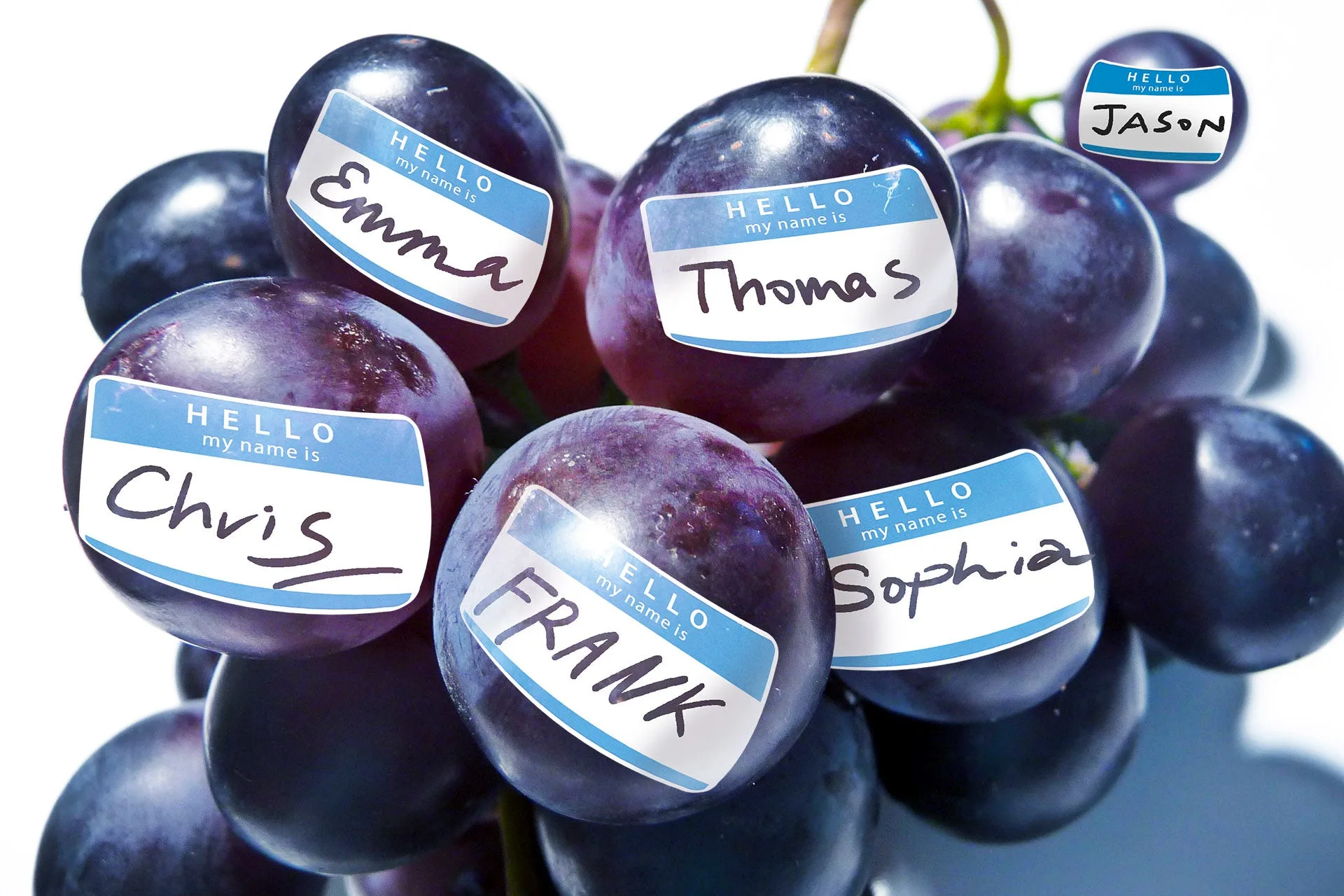
For this week, we continue the educational series on wine grape varietals with a focus on the different names used for a particular grape produced all over the world.

There are roughly over 10,000 different wine grape varieties identified worldwide. Depending on the source though, this number could be less or more. While this enormous number exists, only a small percentage (about 1,300 to 2,000) are commonly used for commercial wine production. A mere 33 varieties account for 50% of the world’s vineyards.

A vast number of grape varieties have several names depending on where they’re grown (see last week’s post on Pinot Grigio and Pinot Gris here). Countries like Georgia, Italy, Portugal, Spain, and Greece grow and produce many indigenous or rare, local varieties unknown to most people, unless you visit that locale. Most aren’t massively produced or exported to other countries.

So, what’s in a name? Are they always interchangeable, or does their place and name indicate what their resulting style will be? For the average consumer and shopper, this can be an overwhelming, confusing and a daunting task. Not to mention the countries who don’t identify the grape(s) on the label or bottle (like Italy and France). The list can be very extensive, but I hope to clarify some of these differences with examples below.

Syrah vs. Shiraz

These wines can taste almost like polar opposites. Their body, expression and texture change with the climate. In the temperate northern Rhône Valley of France, Syrah is the signature grape behind storied appellations as Côte-Rotie and Hermitage. Further south, it forms the backbone of many Côtes du Rhône blends and is an essential part of many rustic Languedoc-Roussillon reds.

Known as Shiraz in Australia, its style is most distinct in the hot Barossa Valley and warm McLaren Vale regions, but it also thrives in cooler Canberra region. Where Northern Rhône Syrah has firm, drying tannins, Australian Shiraz has a velvety, mouthwatering feel.

French oak accentuates Syrah’s visceral notes of savory, cured meat, yet American oak lends vanilla and chocolate tones to Aussie Shiraz. Both can have display intense notes of violet. There are the spice flavors as well, such as white pepper in cooler regions and black pepper in the warmer ones.

Syrah/Shiraz can also offer something in between. In New Zealand’s Hawke’s Bay, it’s luscious with forward fruit, but suggestive with pepper. In South Africa, it veers toward more of a spicy richness, while in California and Washington State, it can be smooth, big, or edgy and taut.

In this case, the name is a hint to the style. Shiraz is likely big and bold (thanks to warm climate) while Syrah tends to be snappy and thinner (not in a bad way, but less oomph).

Grenache vs. Garnacha vs. Cannonau (“kah-nohnow“)

Grenache stuns wine lovers across the globe with its luscious red fruit flavors. Grenache is an archetypal Mediterranean variety. It wants full sun, will withstand heat and drought and it thrives on stony soils. This resilience explains its success and expansion in warm climates.

With Grenache’s softness and plump fruit, it adds a juicy allure and warmth to Châteauneuf du Pape. It’s an integral part to Côtes du Rhône and is a part of the holy trinity of Australian Grenache-Syrah-Mourvèdre (GSM) blends in France. As Garnacha, it can form a part of Spanish Rioja. It has often been considered a blending grape and adds body to a blend, but can be lovely on its own.

As a single varietal, Grenache is full-bodied without being overly tannic. It can also make charming, aromatic reds in the Rhône cru villages of Gigondas and Vacqueyras. Cannonau on the island of Sardinia, it’s an even bigger, stronger and bolder version.

Grenache vines are very resilient and can last a while. The variety hits its stride in the old-vine Grenache wines from the French Roussillon in Languedoc, neighboring Spanish Priorat region, and McLaren Vale region in Australia. The wines are concentrated and fragrant with spicy red fruit.

But Grenache is versatile in itself. It also makes the sweet, fortified wines of Banyuls, France and the dry, fully pink rosados of Navarra region of Spain. No matter the style or origin, Garnacha always shines with its gorgeous red fruit.

Mourvèdre (“moor-VED-druh”) vs. Monastrell vs. Mataro

Ancient and dark, powerful and brooding, this thick-skinned, small-berried grape of Spanish origin thrives in hot climates. It requires more than just warmth being a late ripening grape. It needs proper, sustained heat. Mourvèdre resides best on the Mediterranean coast in Spain, where it’s called Monastrell, and forms the gutsy, heavy, tannic reds of Jumilla and Alicante regions.

As Mourvèdre, it’s the backbone of French Provençal Bandol, where it gives a kick to reds and a tang of tannins to dry rosés. In the Languedoc, it contributes nicely to various red blends. In Australia, where it’s known as Mataro, the grape asserts its dusky charms in GSM blends. The best examples have a heavy perfume of black fruit when young and leather and spice with age.

Blaufränkisch (“blahw-fraun-keesh”) vs. Lemberger

The temperate and distinctly continental latitudes of Central Europe are home to this underrated red grape. Medium to full-bodied in the north, Blaufränkisch produces unique, structured, and elegant wines. It is also grown and produced in New York State where the climate mirrors those of Germany and Austria and stylistically similar. I find them to be a nice change from your typical cool-climate reds.

In eastern Austria, it’s known as Blaufränkisch. In southern Germany and France, it’s Lemberger. It also goes by other names in Hungary, northern Croatia, western Slovakia, in eastern Slovenia. No matter the name, it produces quality reds that age well. It also forms part of Egri Bikaver, Hungary’s historic “bulls’ blood” wine.

Cooler vintages or sites add an irresistible pepperiness to the usually dark-fruit spectrum, where you’ll find dark cherry and blueberry. Despite the differences in climate and expression, Blaufränkisch exhibits great varietal resemblance.

When vinified in stainless steel, Blaufränkisch is sometimes confused with fuller-bodied Gamay. When vinified in small, new oak barrels, Blaufränkisch gets punchy and needs a few years to return to its inherent subtle nature. The most elegant results are achieved with gentle handling and careful amounts of oak. It’s not a well-known grape outside of where it’s traditionally grown but has been increasing in popularity.

Malbec vs. Côt (“cot”, like “hot”)

Malbec is synonymous with Argentina, where this aromatic, black grape revels in the bright, high-altitude sunshine of the Andes mountains. This French original has been almost supplanted by Argentinian success. Malbec is sometimes referred to as Côt in France. It’s even one of the five permitted varieties used in red Bordeaux wines but typically doesn’t ripen well in parts of Bordeaux.

Malbec’s real French hotspot is in Cahors, a town in southwestern France as well as a namesake appellation. Cahors wine is inky, opaque and dense with tannin. The firm, astringent tannins of French Malbec are often softened with the addition of Merlot. Malbec in Argentina, however, are plenty ripe to have the softness and silkiness.

In both cases, the wines’ structure helps them age and develop pretty well. The best show floral overtones of violet and peony. In France’s cooler Loire Valley, Côt produces wines that are less extracted, very fresh, floral, and often spicy.

Zinfandel vs. Primitivo

White Zinfandel is the wine that’s launched thousands of enthusiasts, but this pink elixir does not give this historic grape any justice. It’s known as Primitivo in Puglia, Italy and Zinfandel in California. As a red wine, Zinfandel always boasts full, juicy and plump fruit (sometimes can be jammy, think PB & J) that covers a spectrum of ripeness, often with elevated alcohol levels.

When made well, Zinfandel balances these qualities perfectly. Unfortunately, grapes in the same bunch can barely ripen, become overripe (bloating and too much sugar), or even become raisin-like.

In Puglia, Primitivo is light, smooth and warming. On an inland elevation, Gioia del Colle produces the freshest versions, while coastal Primitivo di Manduria is heavier, denser and more powerful.

In California, this rustic red attains true elegance. Some ancient Zinfandel old vines in Napa, Sonoma, and Lodi bring forth concentrated, full-bodied wines with warm alcohol, expressive quality, and enticing red fruit aromas. Quality well-aged and mature Zinfandel is well loved by the international community.

Chardonnay vs. Chablis

Although this doesn’t technically fit same grape, different name, it is an important distinction of grape name vs. region. When people first taste Chablis and learn that it is Chardonnay, they often look surprised.

How can a wine that tastes so clean, crisp, and a mineral sensation possibly be the same grape as the rich, buttery Chardonnays that dominate wine lists from California and parts of Burgundy? The answer comes down to style, climate, and terroir. Chablis is said to be by many (myself included) as the purest expression of Chardonnay.

Chablis is located in the northernmost part of Burgundy in France. Its cooler climate and famous limestone soils shape a wine that explodes with acidity, freshness, and a minerality often described as chalky or steely.

Unlike the rounder Chardonnays aged in oak barrels from Burgundy’s Côte de Beaune or the thick and heavy, cedar vanilla bombs from California’s Napa Valley, Chablis is typically fermented and aged in stainless steel, neutral oak, or partial oak. This approach preserves the acidity, crisp apple, lemon, and saline flavors that make the wine unique.

The absence of heavy oak influence is the major differentiator. While many Chardonnays lean on new oak to build body and add flavors of vanilla, toast, and butter, Chablis producers focus on purity and terroir. That doesn’t mean oak is absent altogether, some premier cru and grand cru Chablis see a bit of oak, but it’s usually subtle by just playing a supporting role. This gives Chablis a leaner structure in stark contrast to the creamy, heavy character of oak-driven Chardonnay.

The environment in and around Chablis also plays a huge role. Chablis vineyards sit in a continental climate where frost is a constant threat. The cooler temperatures slow down ripening, which keeps acidity high and sugar levels lower.

In warmer areas like California, Chardonnay ripens easily, leading to bolder fruit flavors, higher sugar content, and a style that more often than not lacks subtlety. Side by side, you’d hardly believe the wines are the same grape but tasting them together is one of the best ways to appreciate how versatile Chardonnay really is.

I did a Chard side by side recently for a Women for Wine Sense tasting class in Syracuse and the audience was mesmerized by the difference.

For wine drinkers who think they don’t like Chardonnay, Chablis often comes as a revelation. Its flavor profile avoids the buttery heaviness that critics of California Chardonnay complain about. Instead, Chablis is fruity, food friendly, and an elegant take on Chard.

If you are interested in learning more about grapes, grape families, and grape names, I can certainly expand on this discussion. For example, Pinotage from South Africa is a cross between Pinot Noir and Cinsault (varietal in France) or that Pinot Noir in Italy is called “Pinot Nero” (same grape) or Pinot Noir in Germany is called “Spätburgunder”.

I must admit, I find this stuff fascinating (history buff, too) so just say the word. Thank you to Wine Cellar Guide (above wine grapes) and Wine Enthusiast (grape names) for the beautiful images.

Book “The Michael Pour” for a unique and exclusive wine education class, wine tasting event, wine pairing/dinner, bar/restaurant consultation, etc… in your home or establishment. I am currently offering a 15% discount for all bookings. Inquire here, email, or on social media.

Cheers & Sante,

Michael

michael@michaelpour.com

IG: @themichaelpour

Wine Spotlight: What happened to Pinot Grigio?

March
3
2026

If you consider yourself a novice wine drinker or sip your customary glass of wine at a wedding, gala, or a home party, you probably tried that once popular Italian white wine called Pinot Grigio.

At one time, it was almost always on the wine menu because it was a huge crowd pleaser. Easy going, uncomplicated, not complex, and cheap. Pinot Grigio is a light-bodied wine that gets along with most everyone. Yes, it’s an entry level white wine, but is it still popular?

If you’re well studied in wine, you know of it, but is it a wine you would recommend? If you ask wine professionals, they most likely would say ‘no’ and not suggest it or recommend it for most wine drinking occasions or as an excellent food pairing. Often perceived by consumers and sommeliers as a safe, uninteresting, and safe restaurant choice rather than a nuanced wine experience.

Pinot Grigio’s decline in popularity stems from a reputation for being flavorless, watery, and mass-produced, leading consumers to seek more flavorful, aromatic, or trendy alternatives, like Sauvignon Blanc, Chenin Blanc, and dry Rosé.

They have shifted to more vibrant, aromatic, or flavorful white wines such as Sauvignon Blanc or Riesling. In fact, Rosé has largely overtaken Pinot Grigio as the preferred, fashionable, casual summer, easy-drinking wine over the last decade or two.

The Pinot Grigio market has also become saturated with low-quality, generic, overproduced, and often overly acidic or manipulated, cheaper options. Leaner versions of Pinot Grigio are more refreshing, generally more popular, and will cost over the standard $15 price tag. Look for over $20 at least. And if you avoid mass-marketed brands in favor of smaller, quality wine producers, you would be in for a light and refreshing experience.

However, high-quality, authentic Pinot Grigio filled with personality still exists, particularly from regions like Italy’s Alto Adige and Friuli in the northeast. The Friuli region offers the best in the world with nice aromatics and hint of bitter almond, a signature trait of PG. I will discuss other regions producing Pinot Grigio later in the article along with its counterpart “Pinot Gris”, with same name, but quite different for comparative analysis.

Italian Wine Regions & Styles

In Alto Adige, Pinot Grigio is all about ripe stone fruits (peach and apricot), notes of ginger, floral aromas, and refreshing acidity. Alto Adige produces some world-class, cellar-worthy (very unusual for this grape) Pinot Grigio, and is one of the most beautiful wine regions.

sun goddess pinot grigio

In Friuli-Venezia Giulia (short version Friuli), it is known for its textured Pinot Grigio and the unique ‘Ramato’ style (skin contact wines), Friuli’s wines also feature ripe stone fruits, floral hints, but with a subtle spice. The refreshing acidity is still present but encased in a fuller body.

If you want to learn more about ramato-style wines, please let me know. They are fascinating! For purposes of length, I didn’t include here. I had a wonderful Ramato last summer pictured above.

Wine Production

Pinot Grigio is harvested early and gets bottled and distributed within three months of fermentation. It is wine meant to be drunk as soon as possible. These wines possess entrancing aromatic qualities, zippy acidity, and fruit flavors that diminishes over time.

Enjoy it now and don’t let it sit around on your rack or in your cellar. A general rule for this wine is to drink it within one to two years of the vintage date, similar to Rose. There are rare occasions that allow PG to last longer, especially it’s oaked and has exceptional balance.

Food Pairing

The light, crisp flavor of Pinot Grigio makes it great for a lot more than just casual sipping. This dry white wine is ideal for cooking lighter dishes by adding brightness and acidity to the mix. It is known to pair well with fatty fish, like trout, tuna, and salmon helping to balance out the taste and texture of the main ingredient. 

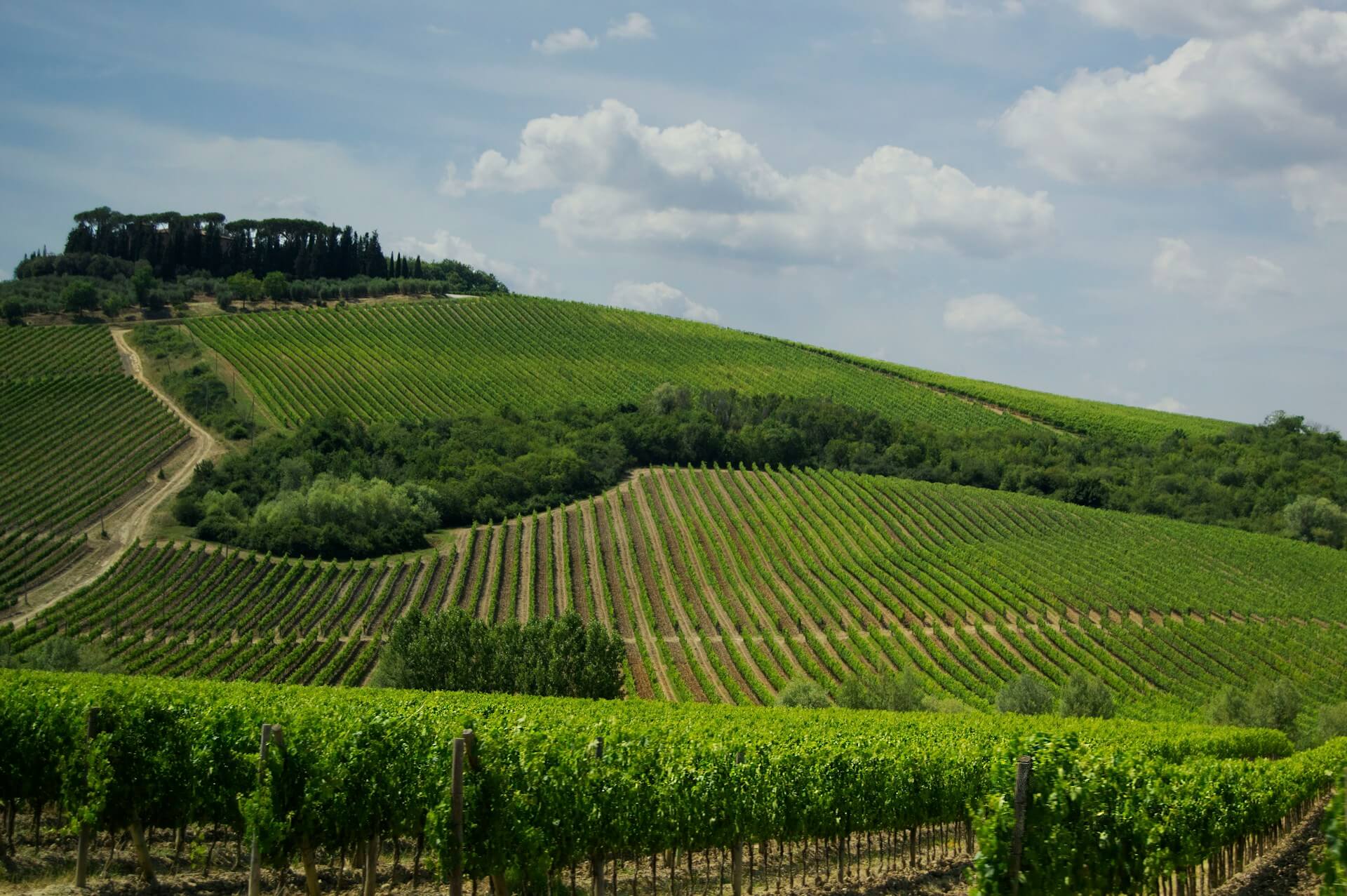
Pinot Grigio is a perfect wine choice for summer sipping because of its lightness, tartness and acidity due to being grown in cool climate regions, like those in northern Italy. The lower temperatures help slow down the ripening process causing less sugar developing in the grapes.

Additionally, as mentioned earlier, the grapes are harvested early on in their ripeness, and then stored and fermented in stainless steel tanks retaining crispness. All of this helps give Pinot Grigio a fresh, highly acidic and sometimes citrus quality, that is preferable than its fuller and deeper competition with summer and light cuisine. Planted Pinot Grigio vines at a vineyard in Friuli Region of Italy.

Pinot Gris vs. Pinot Grigio

Pinot Gris (aka Pinot Grigio) is a pinkish grape mutation of Pinot Noir. ‘Gris’ is the French word for gray and ‘grigio’ is the Italian word for gray.

The same grape is used to produce Pinot Gris in France (mostly in the Alsace region) and Pinot Grigio in Italy. However, the two wines have different styles and with their own unique traits. Pinot Grigio tends to be crisper and lighter-bodied with strong fruit and floral notes.

Pinot Gris is more full-bodied than its Italian counterpart, with a deeper, richer flavor, and even spicy notes depending on the winemaking style. Additionally, Pinot Grigio is typically drier than Pinot Gris. Despite its French origin, the largest producer of Pinot Gris is actually Italy.

Pinot Gris has a touch of honey on the palate from naturally occurring botrytis/noble rot (fungus) common in the Alsace region. The botrytis concentrates sugars and flavors, which can lead to creating excellent dessert wines. Pinot Gris is also used for sweet, orange, rosé wine in northern Italy, Alsace, Oregon, and Germany.

Italian Pinot Grigio tends to be easy drinking compared to French Pinot Gris and others. The misnomer out there is that Pinot Grigio and Pinot Gris are the same wine. They cite the only difference being that one comes from Italy and the other comes from France. Pinot Grigio and Pinot Gris do have similarities because they are produced from the same grape, but stylistically they are not.

The grape is usually referred to as Pinot Gris because it was first developed in France’s Burgundy region. However, once the grape made its way to Italy, it was used to develop what we know as Pinot Grigio. The difference, therefore, lies more in how the grapes are grown, vinified, and managed and how these two different countries produce noticeably different wines.

Pinot Gris

Considered to be the homeland of Pinot Gris, Alsace showcases a rich, full-bodied style with ripe orchard and tropical fruit flavors and minerality. It often possesses a delicate smokiness and spice, especially in aged versions, adding depth to the vibrant fruit character. Look for “Grand Cru” on the label for the best wines.

American versions often have more exaggerated fruit flavors and less acidity than their European counterparts. Primarily grown in the cool-climate Willamette Valley in Oregon, it presents a balanced profile of fresh citrus and ripe orchard fruit flavors.

The wines are typically medium to full-bodied, with a refreshing acidity and often a hint of mineral or spice. Its versatility and expressive character reflect the region’s diverse microclimates and innovative winemaking techniques.

Food Pairing

The versatile Pinot Gris pairs well with many dishes. Lighter, zesty styles are phenomenal with seafood, salads, and mild cheeses, while full-bodied or orange versions complement rich meats like roasted chicken or pork. Sweet and late-harvest expressions perfectly match fruity desserts or even on their own. Pinot Gris rosé is an excellent appetizer wine and pairs nicely with light pasta, charcuterie, or salty snacks.

Its diverse range matches the broad variety of world cuisine. Pinot Gris and Pinot Grigio alike are perfect wines to cut through salty cheese like feta or goat cheese, nuts, and any other snacks you’ve prepared for your summer picnics.

Here are the major growing regions and style of Pinot Grigio/Pinot Gris –

Alsace, France (rich version, Pinot Gris)

Veneto, Italy (crisp, neutral flavor, cheaper/mass produced, great for weddings and large format)

Friuli, Italy (crisp, more aromatic, some of the best Grigio on the planet)

Alto-Adige, Italy (crisp, more aromatic, second to Friuli for Grigio)

Willamette Valley, Oregon (fuller version, citrusy/minerally, both)

Look for these producers –

Cantina Tramin (Alto Adige, Italy)

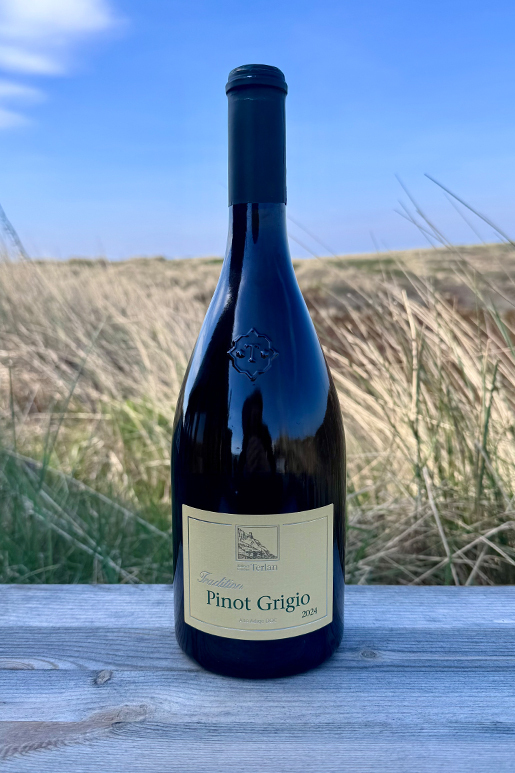
Cantina Terlano (Alto Adige, Italy) – pictured

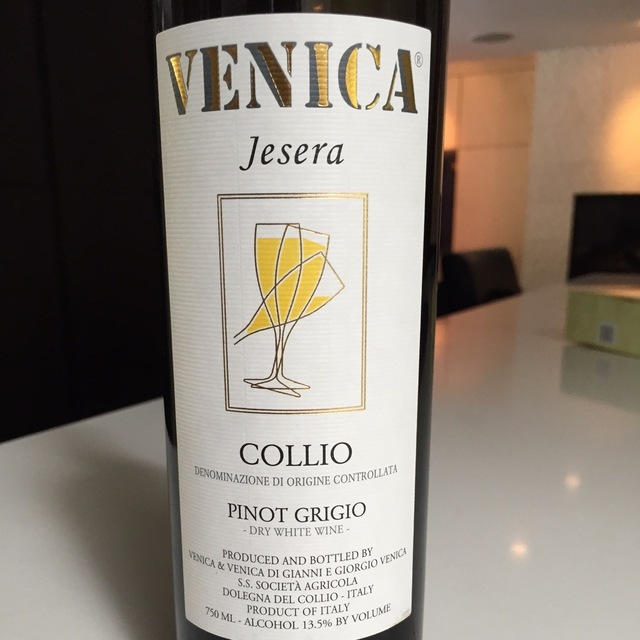
Venica & Venica (Friuli, Italy) – pictured

Neumeister (Styria, Austria)

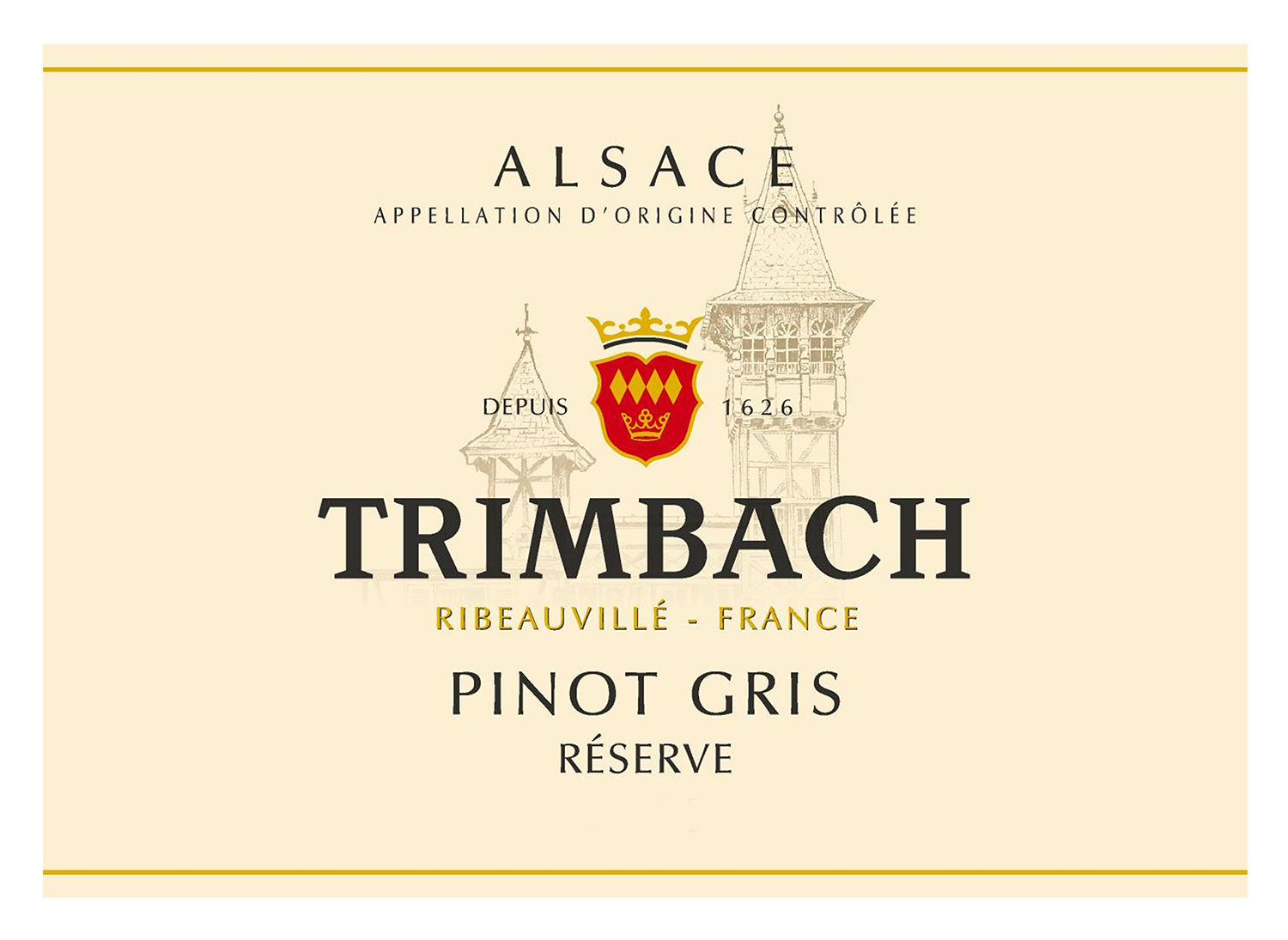
Trimbach (Alsace) – pictured

Zind-Humbrecht (Alsace)


Cheers,

Michael

michael@michaelpour.com
Wine Glass

DON’T MISS A DROP

Get notified when new articles are poured

We don’t spam!