How To Make the Best Old Fashioned

November
13
2024

How to make the best Old-Fashioned cocktail? What is the correct way to make an Old-Fashioned? Why does it matter? For someone who has been in the biz for over 22 years (behind the stick for much of that time), certified in advanced mixology, runs his own cocktail business, published cocktail author, and oversaw the cocktail program at many high-end cocktail bars and establishments, I think I have the qualifications.

Not only will I discuss the cocktail making, but also the subtle nuances that goes into perfecting this classic cocktail, like ice, sugar, whiskey, bitters, glassware, garnishments, etc… All too often I see and taste Old-Fashioneds that are prepared, mixed, and served incorrectly. Sure, there are many variations of the cocktail and depends on how you and your guests want it, but, for the most part (other than choice of whiskey), most consumers will drink it the way you serve it and not experience its potential.

After you have read through this discussion, I hope that you have the ability and confidence to mix a well-balanced, visually appealing, and tasty Old-Fashioned for yourself and guests from your home bar. It will also give you the knowledge to order confidently from your favorite, local watering hole so you receive the cocktail the way you like it. I encourage you to experiment with different types of whiskey and other brown spirits and ice/ice molds to find YOUR best Old-Fashioned.

A little history behind the cocktail

The Old-Fashioned is considered the oldest American cocktail. The word cocktail wasn’t even in the vernacular until 1806, which at the time described a drink of spirits, sugar, water, and bitters. By the late 1800s, bartenders were evolving. Credit is given to a bartender at the Pendennis Club in Kentucky for creating the official Old-Fashioned in 1880, which he introduced to New York at the Waldorf-Astoria Hotel bar. During Prohibition, bartenders muddled orange and cherry into the cocktail, reportedly to mask the poor-quality alcohol’s harsh taste.

Therefore, the Old-Fashioned is considered the grandfather of all cocktails. Simple yet complex, subtle yet bold, it’s easy to see why the classic three-ingredient elixir remains so revered by bartenders and cocktail connoisseurs. It is so admired by bartenders that it is often the first cocktail they diligently master. What appears to be a simple drink of whiskey, sugar, and bitters is actually a complex, art form dependent on the right ingredients and the method of mixing them.

Ordering an Old-Fashioned at a bar will usually earn you an approving nod (except in those cases where barkeeps have no idea where to start), but it’s also the perfect cocktail to master at home. Though it’s relatively easy to concoct, it’s just as easy to mess it up.

Dark and boozy, a little sweet and a little bitter. In cocktail lore, is there another whiskey drink more historic and satisfying than the Old-Fashioned? The cocktail defies nostalgic title, and while it certainly went through less-than-ideal incarnations over the years. Luckily, the Old-Fashioned is one of the few cocktails that has never gone out of style and has been embraced by more women today than it ever has. If done right, whiskey cocktails have become more approachable for women.

The Old Fashioned is a cocktail of evolution. What we do know is that by the time cocktail books began appearing in the late 19th century, what we would call an Old-Fashioned today was often under the title of “Whiskey Cocktail”.

Reach for a quality whiskey

An Old Fashioned is essentially a vehicle for enjoying your favorite whiskey, so choose wisely. No need to break the bank but choose at least a midrange or call whiskey. Tradition calls for rye whiskey, but many people prefer bourbon. There is a plethora of different styled bourbons and whiskeys, like wheated bourbons, four-grain bourbons, single barrel bourbons, small batch bourbons, Irish whiskey, scotch whisky on the market today so give them a sip to find your style. There is also the age of the whiskey and the vessel it was aged in to consider (see below). I have served brandy or Cognac Old-Fashioneds over the years but is rare. It really comes down to individual preference.

Your choice of whiskey is the most important ingredient. it dictates the flavor profile and how well it mixes with the other flavors. A good rule of thumb is that heavier whiskeys, like bourbon, will make the cocktail taste a little on the sweeter side, while lighter whiskeys, like rye, will be more refreshing, but drier, and taste slightly spicy. I will list my favorite whiskey and bourbon to use for my Old-Fashioned recipe at the end of this post.

The only other ingredients the cocktail requires are bitters and sugar that work together to enhance the spirit with a subtle sweetness. Over the years, the cocktail has evolved to sometimes include sweet vermouth, orange slice, cherry, and club soda, but they are not traditional. Never add sweet vermouth – that is intended for a Manhattan.

Bourbon is my preference

The relatively heavy body of bourbon, a corn-based spirit, creates structure within the cocktail, and its natural sweetness helps counterbalance the more astringent elements of bitters. As bourbon is aged in charred new oak barrels, it tends to take on notes of vanilla and caramel, which are brought out by the addition of sugar.  They also help to reduce the perceived heat of the alcohol, in turn allowing the spirit’s nuances to come through more cleanly. There is a trend of smoked Old-Fashioneds by using a smoker kit with different flavored wood, like peach, cherry, and apple and a torch.

Don’t throw in a sugar packet

Sugar is one of the three necessary ingredients of the cocktail, so it deserves some thought. The classic way to make an Old-Fashioned start with placing a sugar cube at the bottom of the glass, adding a few dashes of aromatic bitters and a splash of water and muddling with muddler until it’s completely dissolved (like a paste). Most people use simple syrup for ease and convenience, which is fine, but the sugar cube will help break it down and make it easier to dissolve and integrate into the drink.

The sugar does make a difference. You don’t want to hide ingredients – you want everything to be present. With the Old Fashioned, it depends on what you’re using as your sugar source and how much. If you use a 1:1 (water-sugar) simple syrup, use a younger bourbon between 80 to 90 proof for lighter sugar content. If we are at 91-plus proof whiskey that has some age to it, use a thicker/heavier syrup such as 2:1 demerara sugar.

Be aware of bitters

An Old-Fashioned calls for 2-3 dashes of bitters—no more, no less—that are added to the sugar cube or simple syrup. While the amount seems small, having too many or too few dashes can dramatically change the taste of the drink. The type and quality of bitters matters too. Angostura bitters is the classic and always an excellent choice, but I prefer orange bitters for mine. I have also experimented using a variety of other bitters, like chocolate, Peychaud’s, grapefruit, and lavender.

Don’t add soda water

Besides sugar, whiskey and bitters, any other ingredients are not in an Old-Fashioned. Although orange slices, cherries and soda water are commonly seen in Old Fashioneds, this is not correct. As mentioned earlier, many believe these ingredients (not soda water) were added during Prohibition to help cover up the sting of moonshine or whiskey. The use of soda water today by bartenders is a modern thing. Use a splash of regular water to help dissolve the sugar cube instead.

Don’t muddle cherries

If you prefer your Old-Fashioned with a cherry, like a brandied or Luxardo, just make sure not to muddle it into the cocktail. This cocktail does not want a punch of cherry flavor or floating fruit. Instead, add it later as a garnish on a pick with an orange peel or just dropped in. Choose one Luxardo cherry over the bright neon maraschino cherry, which is sweet and full of chemicals. Some Old-Fashioned enthusiasts like a Luxardo cherry syrup to be added to mix.

Add an orange peel for aromatics and citrus

Of all the additions to the Old Fashioned over the years, the orange peel is the most appropriate. I personally garnish a picked orange peel, not twist (you don’t want pith). Don’t muddle or add an orange quarter or slice. Use a vegetable peeler to peel off a thin layer. Express the oil of an orange twist over the glass before picked and dropped in.

Use a large ice cube

Back in the 1800s, ice cubes were typically two inches on each side, unlike the small versions today that melt quickly. If you want to be a purist (or at the least impress your guests), keep some large square or cylinder cube molds in the freezer for that unexpected guest. The cocktail will remain chilled for a while without diluting too quickly. If you don’t have access to one large cube, then opt for 2-3 larger sized ice cubes. Be careful not to over-dilute. You should never fill the glass to the top with ice. Avoid small cubes and crushed ice.

Don’t shake it

Old Fashioneds are to be stirred, never shaken. Use a bar spoon to steadily stir the cocktail for a maximum of 30 seconds—you want to chill it without melting the ice cube down too much. Find a good rhythm of stirring several rotations and then firmly stopping with the spoon in the glass every ten or so rotations. You want to smoothly incorporate the sugar paste without agitating the cocktail too much. As you stir, press the back of the spoon firmly against the mixing glass. You don’t want to slosh the drink around as that can be detrimental to the smooth, silky texture that is the hallmark of a great Old-Fashioned.

Old Fashioned glass

Use an Old-Fashioned glass (pictured)

That’s what they were made for after all. Even you don’t have them, a large rocks glass versus a small rocks glass will suffice. A small rocks glass is preferable for a spirit ‘neat’ or ‘on the rocks’. Don’t serve an Old-Fashioned in any other type of glass.

Proper Old-Fashioned Cocktail By Michael

  • 1 sugar cube preferred or 1/2 oz demerara simple syrup
  • 2-3 dashes orange bitters (Angostura bitters is classic)
  • 1 barspoon of water to help dissolve
  • 2 oz bourbon, such as Basil Hayden’s or Horse Soldier, or rye whiskey
  • 1 large ice cube (square or cylinder). I prefer cylinder.
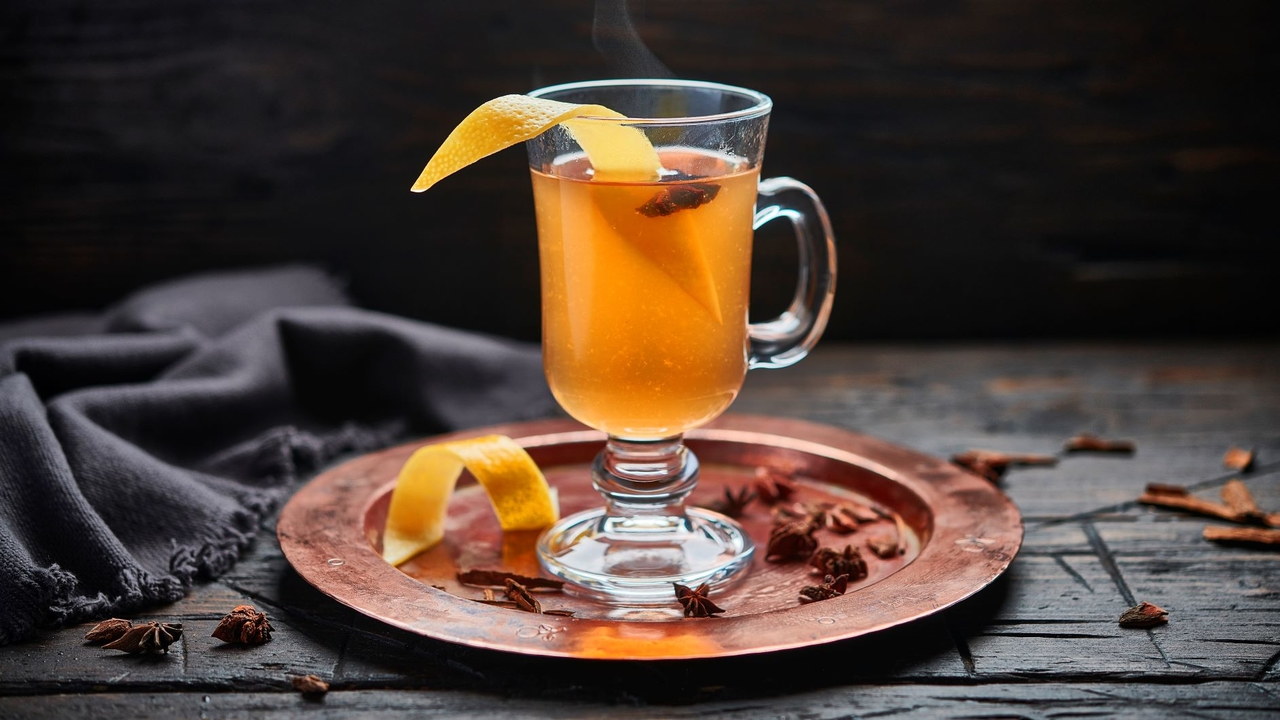
  • Garnish: orange peel and Luxardo cherry picked (see cover photo)

For bourbons, I prefer Buffalo Trace, Bulleit, Angel’s Envy, Basil Hayden’s, Horse Soldier, and Four Roses. For ryes, I recommend EH Taylor and Bulleit. For whiskey, try Crown Royal or Sour Mash Jack Daniels Single Barrel (sweeter).

Prep

  1. Add the sugar cube to the bottom of an Old-Fashioned glass. Add 2-3 dashes of orange bitters to the cube. Muddle using a muddler into a paste. Add barspoon of water and stir until the sugar is nearly dissolved.
  2. Add large ice cube or a few large pieces of ice. Add whiskey/bourbon and stir until well-chilled. Stir clockwise and counterclockwise alternating every 10 seconds.
  3. Express the oil of an orange twist over the glass, pick the peel with a Luxardo cherry, then drop into the glass to garnish.

Cheers,

Michael

Seasonal Spotlight: 5 Cocktails to Sip this Winter

Spiced Poached Pear Cocktail
November
11
2024

Thank you to all those who responded to the poll question on my Instagram story last week. The majority of you are interested in reading more posts about cocktails with recipes so here you go. In this post, I offer you a selection of handcrafted winter cocktails that I absolutely love. Some of them require some time and work but are so worth it. They are perfect to concoct for your holiday parties and get-togethers this fall and winter. I identified each cocktail for its base spirit and winter ingredients so if you like tequila, dark rum, whiskey, vodka, or gin and specialty syrups, there is definitely something for you!

I highly recommend batching them ahead of time, so you don’t have to worry about slaving in the kitchen while entertaining and compromising time with your guests. Each recipe is for one cocktail so simply multiply the ingredients by number of people you are serving. For homemade syrup recipes, you should have enough for more than one cocktail. I always recommend using fresh ingredients rather than store-bought unless you don’t have the time or don’t any other choice.

This spiced Winter Margarita will warm you up from the inside out, offering a touch of sweet, tart, spicy, and oaky flavor. Reposado tequila offers you a deeper, rich flavor profile for this winter cocktail due to its aging in oak and hints of vanilla and toast.

Winter Margarita

Winter Margarita (tequila)

  • 2 oz Reposado tequila, such as Patron, Milagro, or Teremana
  • 1 tsp fresh honey syrup
  • ½ oz fresh lime juice
  • 1 oz blood orange juice
  • ½ tsp vanilla extract
  • pinch cinnamon
  • optional – rim with sugar, salt, cinnamon, or cayenne pepper or combo of several of these

Prep:

Rub a lime wedge along the rim of chilled coupe glass or large rocks glass, coat the edges, and set aside. Fill a cocktail shaker or mixing glass with ice and add tequila, honey, lime juice, blood orange juice, vanilla, and a pinch of cinnamon. Shake and strain into coupe glass filled with ice. Be careful not to disturb rim. Garnish with a blood orange slice and cinnamon stick, if desired.

Apple Fizz

Apple Fizz (Irish whiskey)

  • 1 ½ oz Double Barrel Irish Whiskey, such as Glendalough (if you can’t find double whiskey, just use another aged Irish whiskey)
  • ½ oz pear liqueur, such as Mathilde, 99 Pears, or St. George
  • ½ oz fresh lemon juice
  • ½ oz fresh honey syrup (preferable) or store bought
  • hard apple cider to top
  • garnish apple slices & grated cinnamon

Prep:

Add all ingredients to a cocktail shaker, except cider. Shake well and strain into a highball glass with ice. Add the hard apple cider and garnish with apple and cinnamon.

Spiced Poached Pear (vodka)

A garnish of fresh rosemary adds an herbal note to this yummy pear cocktail, which balances the warm, spicy sweetness flavor profile. Cover photo.

  • 1 ½ oz vodka, such as Ketel One, McKenzie NY vodka, or Absolut
  • 1 oz Lillet Blanc (hard to find, if not available, use a light Sauvignon Blanc wine)
  • 2-3 oz Asian pear syrup* depending on sweetness level
  • 1 oz lemon juice
  • 2 sprigs fresh rosemary

Prep:

In cocktail shaker filled with ice, combine vodka, Lillet or Sauv Blanc, lemon juice and pear syrup. Shake vigorously and strain into up glass. Twist the rosemary sprigs a few times to release the oils and garnish.

*For the Spiced Pear Syrup:

  • 2 Asian pears chopped into 1-inch pieces (no need to peel)
  • 1 cup water
  • ½ cup Sauvignon Blanc
  • 1 cup sugar
  • 1 cinnamon stick
  • 1 pod star anise
  • 1 strip lemon zest (3-inch), peeled with a vegetable peeler

Prep:

In a small saucepan combine water, wine, sugar, cinnamon, star anise and lemon zest. Bring to a boil over medium-high heat then reduce to a simmer. Add the chopped pears and cook until pears are soft, and the liquid becomes syrupy, about 30 minutes. Remove from heat and strain through a fine mesh sieve into a clean glass jar. Don’t press the pears or the syrup will become cloudy. Discard the solids and chill syrup until ready to use.

Snowbird (dark rum)

If you’re a snowbird and head down south for the winter and like your tiki drinks, this tropical flavored cocktail should satisfy your palate.

  • 1 ½ oz dark rum, such as Plantation Original Dark Rum or Myers
  • ½ oz Fernet-Branca liqueur
  • ½ oz apricot liqueur
  • ¾ oz fresh lime juice
  • ½ oz orange juice
  • ½ oz pineapple juice
  • ¾ oz simple syrup
  • 4 dashes Angostura bitters
  • garnish quarter of orange wheel and brandied cherry (optional)

Prep:

Add all ingredients into a shaker with ice and shake until well-chilled. Strain into a collins glass, tiki or copper mule mug over ice. Garnish with a quarter orange wheel and a brandied cherry.

Winter Gin & Tonic

Winter Gin & Tonic

The air is cold and crisp, but why not go with a classic, elegant, and always relevant G & T. This cocktail has a little winter spice with a balance of citrus, acidity, and warmth to round it out on your palate.

  • 1 ½ oz gin, like Bluecoat or 1911 Established New York gin
  • ¾ oz winter spice simple syrup*
  • ½ oz freshly squeezed orange juice
  • ½ oz pomegranate juice (optional)
  • fill with high quality tonic water, like Fever Tree
  • garnish orange slices, allspices, whole cloves, and sage leaves (optional)

Prep:

Add all ingredients into a mixing glass with half ice and stir well with barspoon until well-chilled and combined. Strain into a red wine glass using a julep strainer over ice. Garnish with oranges, allspices, whole cloves, and sage leaves (optional)

*For the Winter Spiced Simple Syrup:

  • 1 cup of water
  • 1 cup of sugar
  • 1 tsp of whole allspice
  • 1 tsp of whole cloves
  • 2 cinnamon sticks

Add all ingredients to a medium saucepan and simmer mixture until sugar is dissolved. Cool mixture then strain into a clean, clear bottle until use. Keep in fridge for a couple of months.

I would love your feedback on this post as well as all other posts, so feel free to comment here or social media. Enjoy!

Cheers,

Michael XOXO

Seasonal Spotlight: 5 Must-Try Wines for the Fall

Chenin Blanc wines
November
4
2024

November and autumn season brings a different vibe to the world of wine, and certain wines belong on the table. The weather gets colder, the day gets shorter, and that chill in the air shouts comfort. Certainly, comfort can be felt through sweaters, pumpkin spice lattes, and comfort food, but what about wine. With campfires, apple picking, and the looming Thanksgiving holiday, there is a call for more complex, savory, and fuller bodied wines. It’s the season of homemade soups, stews, butternut squash, sweet potatoes, poached pears, and apple pies.

While we’re not quite ready for the heavy and tannic Cabernet Sauvignon or Barolo to carry us through winter, we need something more ‘chill’ and transitional to get us through shorter days and set the stage for winter. Some traditional fall favorites that are fantastic include Pinot Noir, Merlot, and Gamay Noir/Beaujolais. Try the Gamay Noir from Sheldrake Point Winery in the Finger Lakes. It is beautifully done!

Beaujolais Nouveau is a wonderful, light, and approachable red wine that is perfect as an introductory wine for non-red wine drinkers. It is made from the Gamay grape and originates from the Beaujolais region of France. It is celebrated worldwide and released every year at the end of November. Beaujolais is one of my favorite wines to sip all year long, especially on Thanksgiving, because it is very food-friendly with turkey dinner. I will discuss it further later this month.

Here are five under the radar lovely fall wines (two whites and three reds) that don’t get enough love in my opinion. They are not as obscure as you might think. If you would like to receive my recommendations, just give me a holler.

1. Chenin Blanc

Famous for its apple aromas and flavors, Chenin Blanc is a perfect match for autumn lovers. Just like apples can be used in a variety of sweet and savory dishes, this medium-bodied white wine is extremely versatile, and can be paired with a wide range of main courses. Try a glass of Chenin Blanc with a root vegetable salad, roasted chicken, or rich seafood. Look for it in the Loire Valley of France, South Africa (leading producer of Chenin Blanc worldwide), United States, California and some in Washington State.

2. Sémillon

A medium-bodied white wine from Bordeaux, France, which is often blended with Sauvignon Blanc, giving it a lush, mouth-filling, and zippiness for green and fall veggies. Some are produced in oak and aged in the barrel, which will give it notes of honey, almond, and a smooth texture. The grape has few tannins, medium acidity, medium body and some oily consistency. Depending on its origin, you will discover flavors of lemon, pear, or papaya. Look for it in the regions of Pessac-Léognan, Bordeaux, Napa and Sonoma Valley, California, South Africa, and Columbia Valley, Washington State.

Barbera wine

3. Barbera

Although it doesn’t quite have the revered status of the Nebbiolo grape, Barbera is Northern Italy’s wine of the people and is never too far from the dinner table in the Piedmont region. In Piedmont, where Barbera is most expressed, Barolo and Barbaresco are the most recognizable names, but they are places as opposed to grape varieties. Both are produced from the Nebbiolo variety. Barbera, on the other hand, is the name of the grape variety itself.

Due to its pigmentation, Barbera can taste both rich and light-bodied, offering the berry and cherry notes in bigger wines, but goes down easily thanks to lively acidity. Oak-heavy styles have an extra touch of chocolate, vanilla and spice. Generally, it is going to be a lighter style of red (more approached) in context of other Italian reds. Look for it in California, US, and Argentina as well.

4. Primitivo/Zinfandel

This wine is jamming. Primitivo and Zinfandel are essentially the same grape. Primitivo in Italy and Zinfandel in the US and the rest of the world. The lighter, low-ABV styles of Primitivo have rose petal, sage, and black pepper flavors, The richer styles add a bit of smoke and jammy. Notes of cinnamon, raisin, chocolate, and tobacco make for an exquisite fall wine. Generally, Primitivo is medium to full-bodied, with medium to high tannins and low to medium acidity. It can carry a high-ABV in Italy compared to Zinfandel due to the warmer climate.

Zinfandel is a bold and fruit-forward wine that’s loved for its jammy fruit, smokiness, and exotic spice notes. It’s also made into a sweet rosé called White Zinfandel. Look for Zinfandel in regions of Lodi, Napa and Sonoma Valley, and Sierra Foothills, California, US, and Primitivo in Puglia, Italy.

Nathan K Cabernet Franc

5. Cabernet Franc

Cab Franc is the parent grape of Merlot, Cabernet Sauvignon, and Carménère. It can be lighter or bolder depending on where it’s grown. If you prefer non-fruit-forward red wine offerings, then Cabernet Franc is your wine. There are more pronounced notes of red and black fruits, like strawberries, raspberries, and plums, in warmer climate versions, but in cooler climates, you will encounter herbaceous, mint, green bell pepper notes, chili pepper, peppercorns, crushed gravel, and earthiness. It is an awesome Thanksgiving wine that pairs with everything on the table because of its savory notes.

It is the signature red grape of the Finger Lakes region of New York, where I call home, and one of my favorite wines to drink no matter the occasion. Look for it in the Loire Valley of France, Colchagua Valley of Chile, Tuscany region of Italy (fruitier style), Sierra Foothills of California, US, and throughout New York State. Try all vintages of Cabernet Franc from Nathan K Wine Cellars, Lamoreaux Landing Wine Cellars, who does an oaked and unoaked version) and Damiani Wine Cellars in the heart of the Finger Lakes.

As mentioned earlier, please reach out if you want my recommendations for the wines listed above. It’s never too early to stock up on wine for the holidays or to enjoy now. Look for Thanksgiving wine pairings and Beaujolais Day post later this month.

Cheers,

Michael

michael@michaelpour.com

(717) 877-2729

What wines are we drinking right now?

Fall wine
October
29
2024

Does the season of the year guide our wine preferences? 

Short answer, yes, absolutely! Is it socially acceptable to drink your favorite or go-to wine even if it is technically a seasonal sip? Yes! My recommendation is always – drink what you like, first and foremost, then consider expanding your palate to accommodate what you are feeling at the moment or what foods will best accompany the wine.

In the spring and summer months, many wine drinkers tend to drink rosé and whites for their lightness, aromatics, crispness, floral components, and refreshing traits. In the northern hemisphere, the release and anticipation of the new vintage of rosé wine coinciding with the beginning of spring. In the fall/winter months, wine drinkers will transition to drinking more red wine, heavier whites, like oaked Chardonnay, and fuller bodied wines.

The seasonal nature and availability of produce and food also dictates our pallet and wine pairing choices. For this fall, try different oaked chardonnays from around the globe, orange wines (more on these later), and red wines, like Pinot Noir, Merlot, Sangiovese, Valpolicella, Cabernet Franc, and Malbec. If you’re a fan of bubbly, you can drink it anytime.

Fall wine glass

What wine would you recommend for Fall? 

Being a wine lover, I certainly have my preferences as I’m sure you do as well, but I like to explore new wines, styles, and regions. I will reach for that bottle of red most of the time, but if I’m having wine with food, I will definitely try to enhance the experience by choosing a wine that pairs well.

For fall, I like to drink Rhone varietals such as Grenache (red), Syrah (red), and Viognier (white, similar in style to Chardonnay), and most reds, although I prefer lighter to medium styles most of the time. You can find really good Rhone blends (called GSM blends with the ‘M” referring to Mourvèdre) or single varietals from the US, France, Barossa Valley in Australia and South America.  More widely available than ever. Stylistically, all these Rhone varietals have vibrant fruit balanced with savory, spice, earthiness, herbal and vegetal flavors that pair very well with the flavors of fall, like cool climate vegetables that can be roasted, braised, or sauteed. Don’t be afraid to venture out and try different red wines, especially for your holiday events and gatherings. I think Cabernet Franc is a lovely turkey day wine with all the accompaniments and a very underrated wine overall. I like CF all year long.

Classic Reds

Classic reds are always in style and continue to be the season’s most popular wine choices. Not just because they are ‘red’ and are bolder and fuller than whites, but because the rich flavor profiles that can range from dark fruits to earthy undertones, robust reds provide the perfect accompaniment to the season’s hearty dishes like roasts, stews, and casseroles and holiday celebrations. These classics include Cabernet Sauvignon, Merlot, Pinot Noir, or a red blend, like Bordeaux blend. If you opt for one of these, then try to find high quality ones (not necessarily the most expensive ones) in their category. Low quality vs. high quality fuller, red wines offer a very different experience.

Don’t forget about winter whites

Just because the sun and warm temperatures have hibernated for the season doesn’t mean you have to ditch white wine altogether. There are plenty of full-bodied, cozy whites that will work just as well as heavier reds with your fall cuisine and to drink by themselves. As mentioned earlier, an oaky Chardonnay always has a place at any holiday table. I look to Burgundy, France, Washington State, US, or South Africa for my Chard and Chablis for lighter/hybrid styles. Some trendy whites, like Viognier and Chenin Blanc are on the rise. When choosing your white wine in cooler weather, look for flavor profiles and textures that are rich, chewy, nutty, or creamy. These types of wines are usually fermented and/or aged in oak barrels and undergo malolactic fermentation, which gives them those traits.

Orange Wine

What other wines are trending right now? 

Orange wines have been growing trend the past few years. Orange wines have been around for a long time, dating back over 8000 years when, without modern wine making technology, all wines were fermented on the skins of the grapes, which is what gives wine its color. They were left in a pot to stew and ferment and the skins turned them a dark amber shade. Wine making was modernized in the 60s and 70s and the skins were removed to produce the lighter, fresher, cleaner style of common crisp whites like Sauvignon Blanc and Pinot Grigio we know today.

They are considered a ‘white wine’ that has been fermented with the skins on. Orange wines undergo a similar wine making process as reds where they are in contact with the skins during fermentation, so they take on the intensity of the colors and tannins, giving them a richer, heavier body. Today, there is a demand for orange wines to be less macerated, lighter, and fruitier, but still have some color and tannin structure. You will have to search hard to find orange wines in the marketplace, but if you like fuller bodied white wine, give them a try.

What else is trending in the wine world?

There is definitely a conscious shift toward natural, organic, vegan, and biodynamic wine and what that means. People are conscious about sulfite content, agricultural practices, and the environment. The grape skins used for orange wines are usually thicker and more resistant to pests and disease, so they are not treated as much and the tannins help protect them from oxidation, so they don’t need as much manipulation, sulfur or other preservatives. If this info is important to you, look for it on the back or front label or do a search online for bottles that are environmentally conscious.

Rosé wine is becoming more popular year-round evidenced by the hashtags #roseallday #roseeveryday all over social media and the internet. Many wineries are now producing different Rosés every year and experimenting with different grape combinations for them.

The public is more open to canned wine options these days, which started out of convenience, but has since lead to wineries putting higher quality products into this accessible format because of its popularity.

Pét-Nat (short for Petillant Natural) is a sparkling wine that has really taken off in colder climates. Unlike traditional champagne, it finishes its fermentation in the bottle and is not disgorged. Many different white grape varieties are used for this style of wine and can be a white blend.

Stocking your cellar/wine rack for Fall

The first thing you should do, as with other seasons, is to stock wines that you love to drink. From there, add wines that your family and close friends like just in case they visit unexpectedly or you have a last minute dinner party. Don’t be afraid to stock obscure wines or wines that seem interesting to you. Have fun with it! Take a chance – you might find something you never heard of and like it. I’m often asked what my favorite wine is. To me, it’s a loaded question because I like a lot of different wines (even though I will pull a red most of the time) and really depends on the occasion, what you’re feeling, and season (which is what this post is all about). Since most of my audience and guests are probably not wine experts, I try to introduce the world of wine to them one glass at a time. It’s amazing the excitement derived from people when they discover a new wine or style.

Try to curate your fall cellar with as many different wines as you can. Start with the most well-known grapes and wines and go from there. Here is an example – Pinot Noir, Cabernet Franc, Merlot, Cabernet Sauvignon, Champagne/Sparkling Wine, Rosé, Sauvignon Blanc/Sancerre, Pinot Gris/Grigio, Chardonnay (oaked), and Riesling (dry and semi-dry). If you would like to know what specific region or country of origin is best, just reach out. For the holiday season, chilling a nice dessert wine, like a Sauternes, ice wine, late harvest Riesling, or fortified wine, like Port, for dessert, is a nice touch and would impress your guests.

Some additional wines to stock up on for the season (reds) – Malbec, Syrah/Shiraz, Carmenere, Zinfandel, Grenache, Gamay/Beaujolais, Nebbiolo, Chianti, Lambrusco, Primitivo, Tempranillo/Rioja

We all look forward to holiday feasts and celebrations that come with the fall and winter months. Because no true celebration is complete without the perfect bottle or bottles of wine for you and your guests, I wanted to share these trends and options.

Follow me @themichaelpour on Instagram and The Michael Pour on Facebook to see more wine recommendations, advice, and inspiration. Sign up on the homepage with your email to receive notifications when articles are poured. Share with others who may enjoy this content.

Cheers,

Michael

Wine of the Week: Cono Sur Pinot Noir Organic 2022

Cono Sur Organic Pinot Noir 2022
October
15
2024

This week’s featured “wine of the week” returns to the new world wine country of Chile, South America with my favorite varietal, Pinot Noir. Not every wine I try becomes a wine of the week, but with careful research, looking for a great value, knowing the region and country of origin along with the varietal, and my handy ‘delectable’ app, I am confident that my choice will be a good one.

What makes this wine special is the fact that it is organic, vegan, and is under $15. The organic wine category in the wine industry is booming. The demand for organic wine is on the rise. It represents about 4% of the worldwide wine consumption, and it is becoming more and more relevant. It is expected to be one of the biggest growing categories in the wine business, which can lead to a decrease in price in the future. Producers are committed to a minimal environmental impact. This means a conscious use of natural resources, like water, and natural products that replace chemical agents.

Some benefits of organic wine include protection against harmful chemicals. The organic product excludes the use of pesticides.If you’re allergic or sensitive to sulfites, organic wines are a good option, since they usually have smaller concentration of sulfites. The consumption of organic wine is a way of promoting the use of green technologies that favor the care of the planet.

How much does organic wine cost? Organic wine may cost a little more compared to “conventional” wine as a result of production costs. The use of chemicals in the vineyard helps reduce costs in traditional wine growing. However, you can find high quality organic wines at reasonable prices (this wine, for example), which allows conscious and frugal consumers to give it a sip.

Cono Sur Organic Pinot Noir 2022

Viña Cono Sur was born around the first Pinot Noir vines planted in the Colchagua Valley of Chile. In the 60s, the region was considered a cool climate area and ideal for the variety. And that inspired them to adopt Pinot Noir as their flagship variety and established a goal of producing the best Pinot Noir in Chile. Cono Sur was the first Chilean winery to export Pinot Noir and currently produces different styles of Pinot, organic (fairly new from their product line), non-organic, single vineyard, and reserve. The labels on the bottles depict the brand’s iconic bicycle.

Cono Sur (Spanish) translates to “The Southern Cone”, which is a geographical and cultural subregion composed of the southernmost areas of South America, mostly south of the Tropic of Capricorn. 

Made from organically grown grapes sourced in the Colchagua, San Antonio and Bio-Bio valleys, this well balanced, delicate, and surprisingly juicy is brimming with floral, fig, red fruit, in particular cherry, savory, and earthiness. With soft medium tannins, medium flavor intensity, medium body, it was a joy to drink. This bottle does have a whopping 14.5% alcohol content, which is on the higher end of PN. I love the winery’s commitment to the environment. On the back label, there’s a certification stamp for being carbon neutral as well.

Serve it with grilled mushrooms, baked salmon, pork, goat cheese and pizza (a favorite of mine). Highly recommend! Look for it online or at your favorite shop.

Cheers,

Michael

Wine Glass

DON’T MISS A DROP

Get notified when new articles are poured

We don’t spam!