
Seasonal Spotlight: 5 Must-Try Wines for the Fall

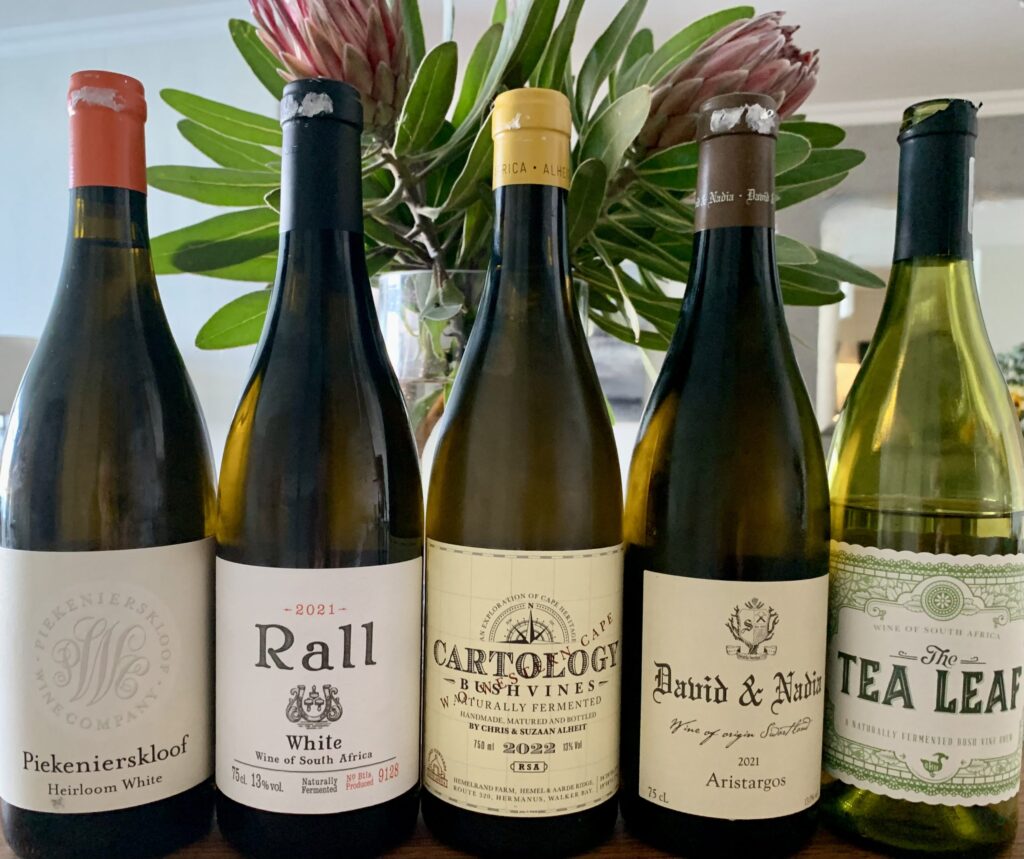
Chenin Blanc wines
November
4
2024

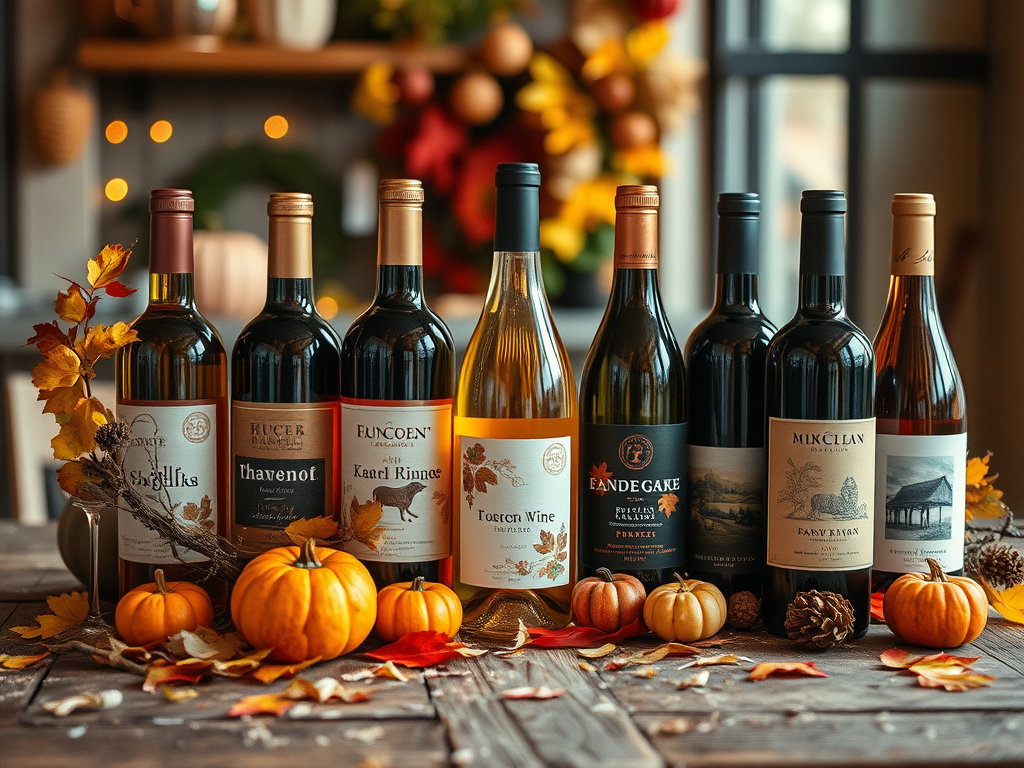
November and autumn season brings a different vibe to the world of wine, and certain wines belong on the table. The weather gets colder, the day gets shorter, and that chill in the air shouts comfort. Certainly, comfort can be felt through sweaters, pumpkin spice lattes, and comfort food, but what about wine. With campfires, apple picking, and the looming Thanksgiving holiday, there is a call for more complex, savory, and fuller bodied wines. It’s the season of homemade soups, stews, butternut squash, sweet potatoes, poached pears, and apple pies.

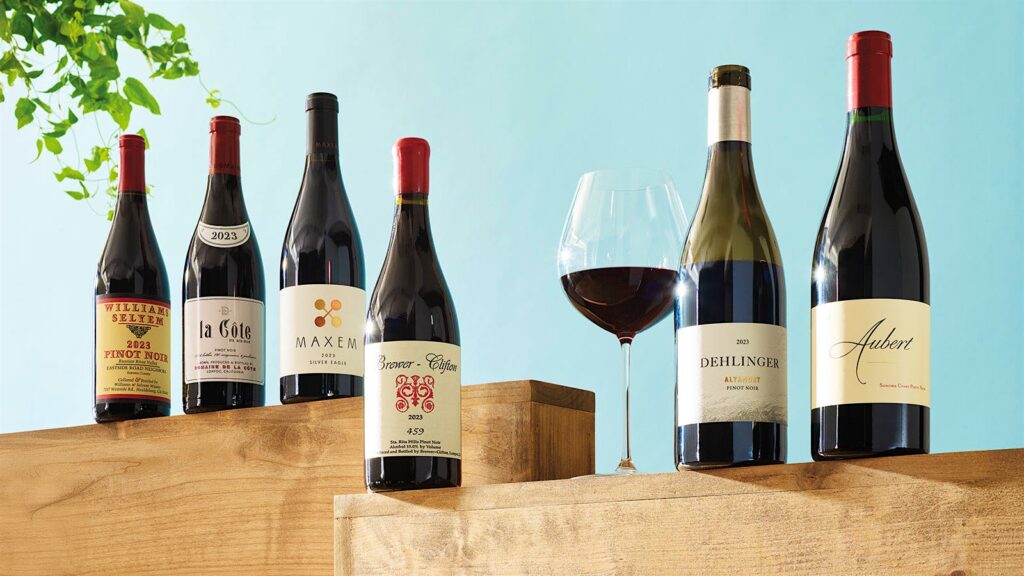
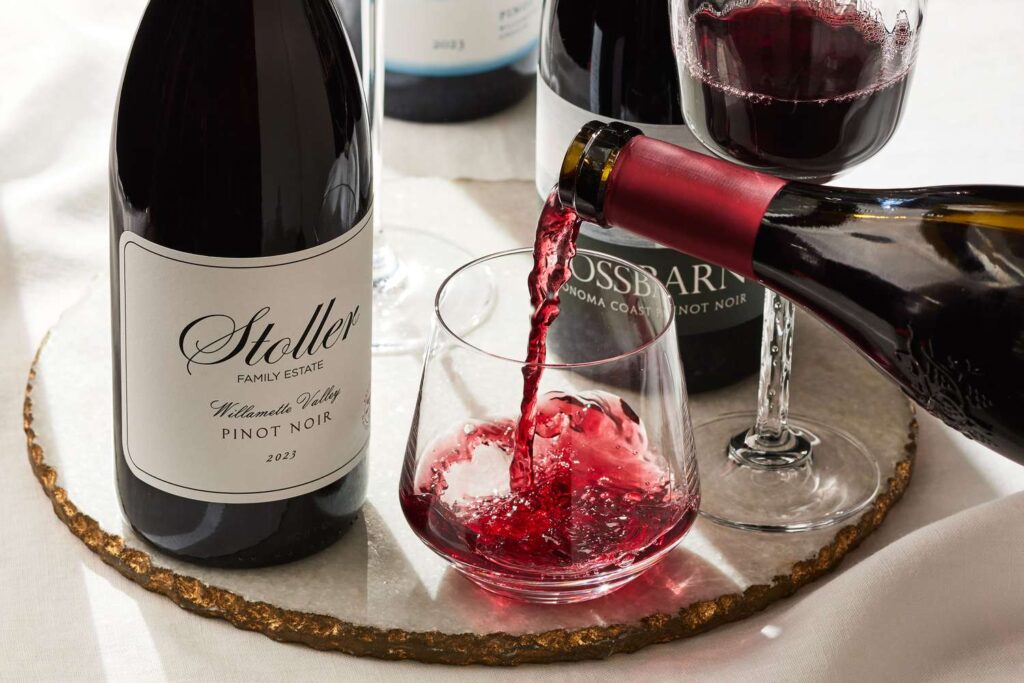
While we’re not quite ready for the heavy and tannic Cabernet Sauvignon or Barolo to carry us through winter, we need something more ‘chill’ and transitional to get us through shorter days and set the stage for winter. Some traditional fall favorites that are fantastic include Pinot Noir, Merlot, and Gamay Noir/Beaujolais. Try the Gamay Noir from Sheldrake Point Winery in the Finger Lakes. It is beautifully done!

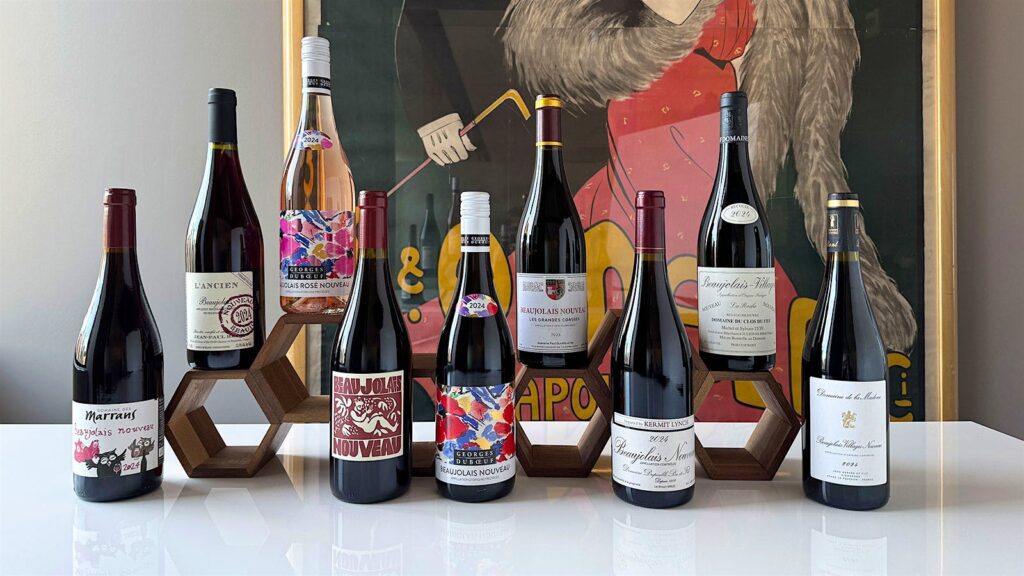
Beaujolais Nouveau is a wonderful, light, and approachable red wine that is perfect as an introductory wine for non-red wine drinkers. It is made from the Gamay grape and originates from the Beaujolais region of France. It is celebrated worldwide and released every year at the end of November. Beaujolais is one of my favorite wines to sip all year long, especially on Thanksgiving, because it is very food-friendly with turkey dinner. I will discuss it further later this month.

Here are five under the radar lovely fall wines (two whites and three reds) that don’t get enough love in my opinion. They are not as obscure as you might think. If you would like to receive my recommendations, just give me a holler.

1. Chenin Blanc

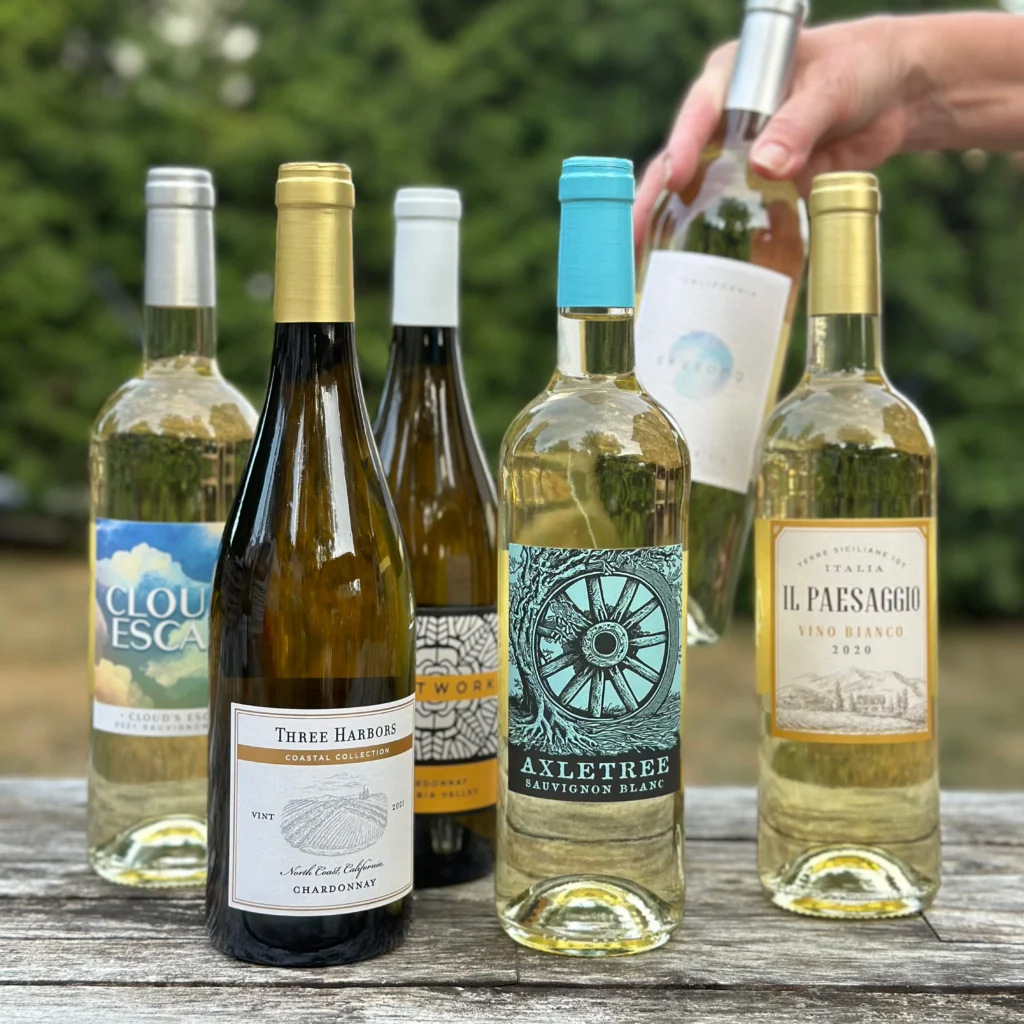
Famous for its apple aromas and flavors, Chenin Blanc is a perfect match for autumn lovers. Just like apples can be used in a variety of sweet and savory dishes, this medium-bodied white wine is extremely versatile, and can be paired with a wide range of main courses. Try a glass of Chenin Blanc with a root vegetable salad, roasted chicken, or rich seafood. Look for it in the Loire Valley of France, South Africa (leading producer of Chenin Blanc worldwide), United States, California and some in Washington State.

2. Sémillon

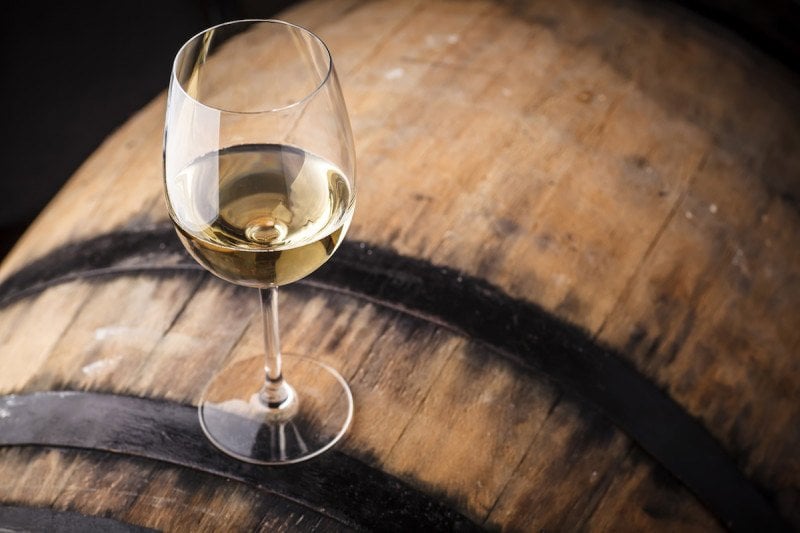
A medium-bodied white wine from Bordeaux, France, which is often blended with Sauvignon Blanc, giving it a lush, mouth-filling, and zippiness for green and fall veggies. Some are produced in oak and aged in the barrel, which will give it notes of honey, almond, and a smooth texture. The grape has few tannins, medium acidity, medium body and some oily consistency. Depending on its origin, you will discover flavors of lemon, pear, or papaya. Look for it in the regions of Pessac-Léognan, Bordeaux, Napa and Sonoma Valley, California, South Africa, and Columbia Valley, Washington State.
Barbera wine

3. Barbera

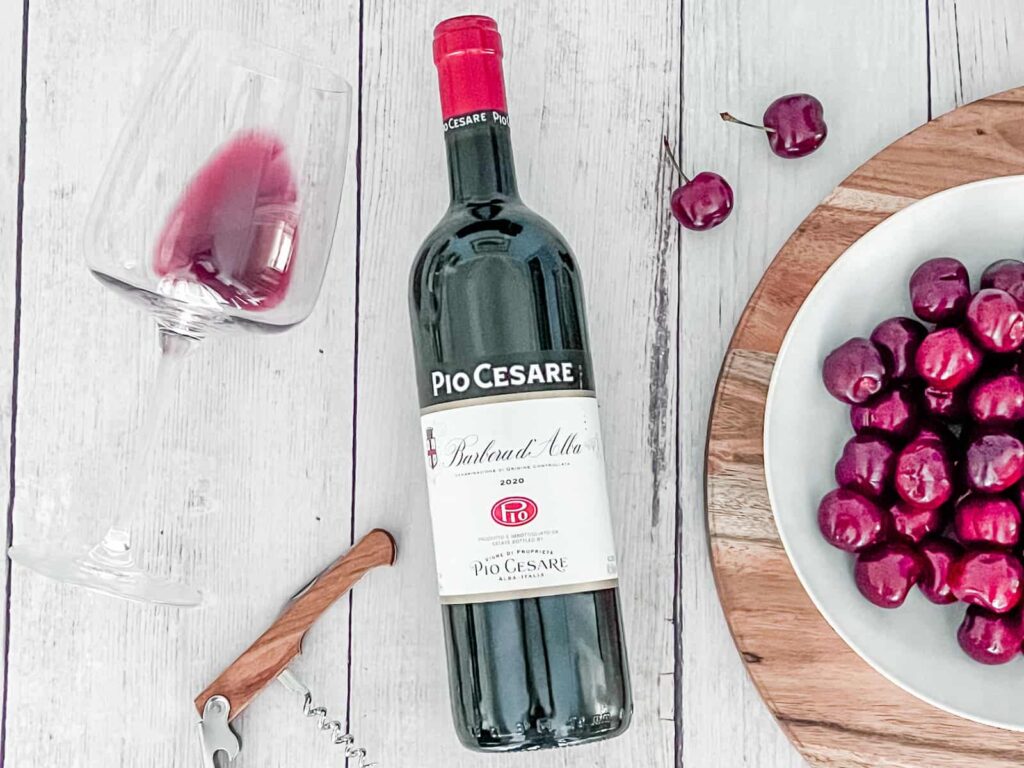
Although it doesn’t quite have the revered status of the Nebbiolo grape, Barbera is Northern Italy’s wine of the people and is never too far from the dinner table in the Piedmont region. In Piedmont, where Barbera is most expressed, Barolo and Barbaresco are the most recognizable names, but they are places as opposed to grape varieties. Both are produced from the Nebbiolo variety. Barbera, on the other hand, is the name of the grape variety itself.

Due to its pigmentation, Barbera can taste both rich and light-bodied, offering the berry and cherry notes in bigger wines, but goes down easily thanks to lively acidity. Oak-heavy styles have an extra touch of chocolate, vanilla and spice. Generally, it is going to be a lighter style of red (more approached) in context of other Italian reds. Look for it in California, US, and Argentina as well.

4. Primitivo/Zinfandel

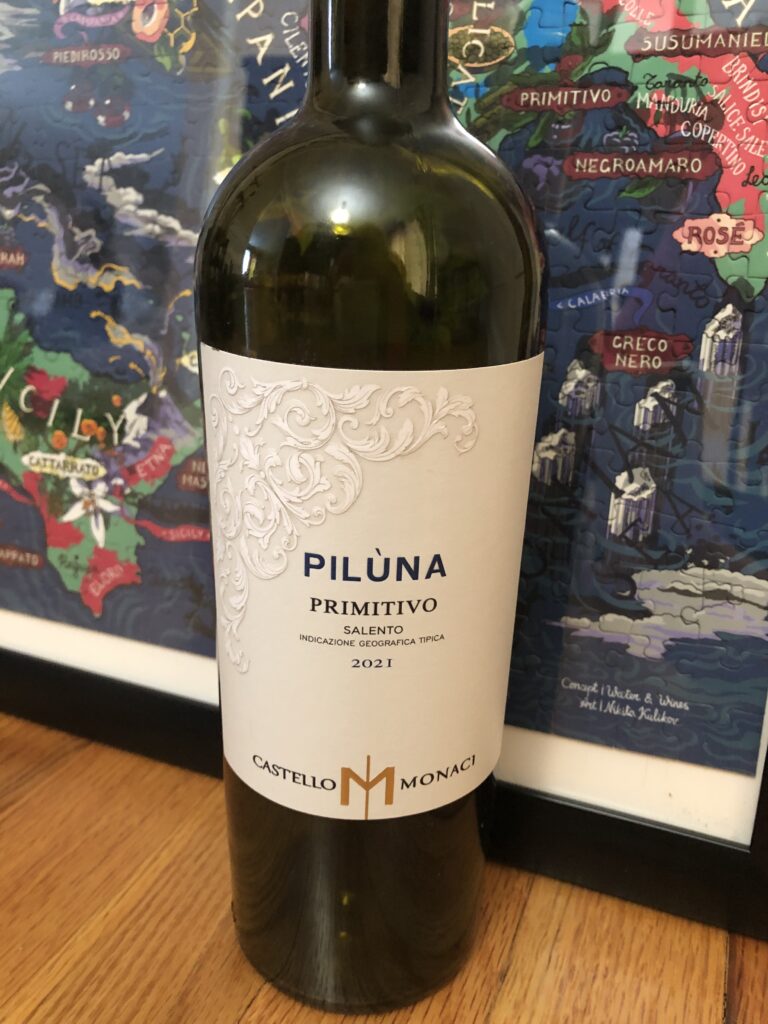
This wine is jamming. Primitivo and Zinfandel are essentially the same grape. Primitivo in Italy and Zinfandel in the US and the rest of the world. The lighter, low-ABV styles of Primitivo have rose petal, sage, and black pepper flavors, The richer styles add a bit of smoke and jammy. Notes of cinnamon, raisin, chocolate, and tobacco make for an exquisite fall wine. Generally, Primitivo is medium to full-bodied, with medium to high tannins and low to medium acidity. It can carry a high-ABV in Italy compared to Zinfandel due to the warmer climate.

Zinfandel is a bold and fruit-forward wine that’s loved for its jammy fruit, smokiness, and exotic spice notes. It’s also made into a sweet rosé called White Zinfandel. Look for Zinfandel in regions of Lodi, Napa and Sonoma Valley, and Sierra Foothills, California, US, and Primitivo in Puglia, Italy.

Nathan K Cabernet Franc

5. Cabernet Franc

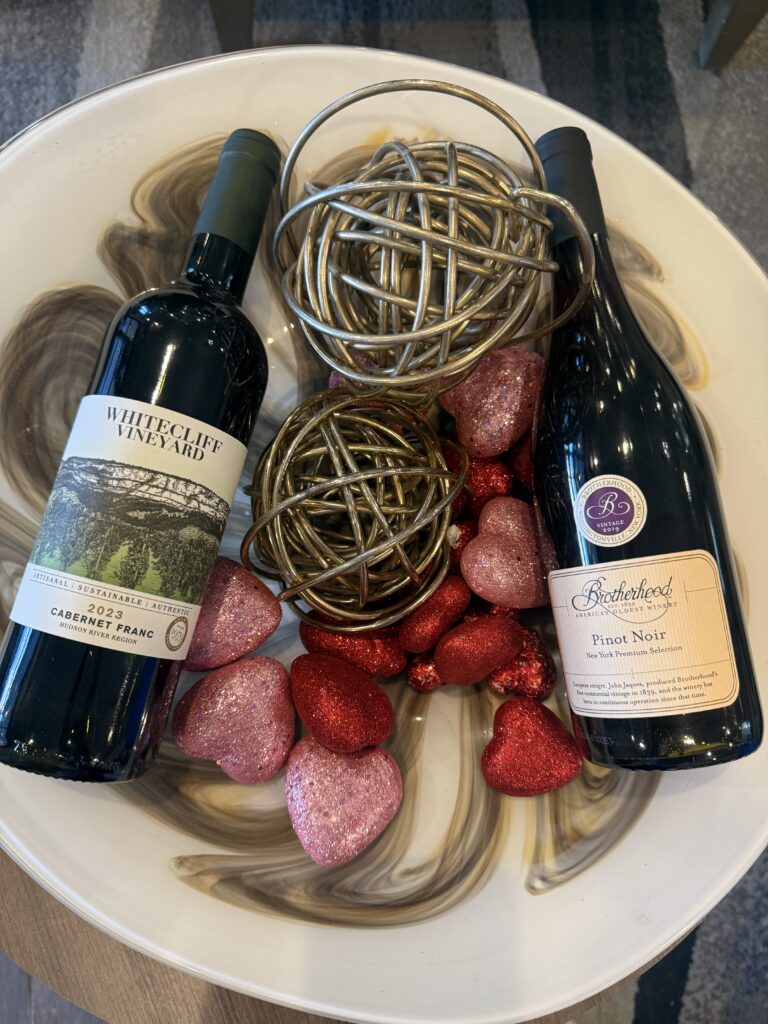
Cab Franc is the parent grape of Merlot, Cabernet Sauvignon, and Carménère. It can be lighter or bolder depending on where it’s grown. If you prefer non-fruit-forward red wine offerings, then Cabernet Franc is your wine. There are more pronounced notes of red and black fruits, like strawberries, raspberries, and plums, in warmer climate versions, but in cooler climates, you will encounter herbaceous, mint, green bell pepper notes, chili pepper, peppercorns, crushed gravel, and earthiness. It is an awesome Thanksgiving wine that pairs with everything on the table because of its savory notes.

It is the signature red grape of the Finger Lakes region of New York, where I call home, and one of my favorite wines to drink no matter the occasion. Look for it in the Loire Valley of France, Colchagua Valley of Chile, Tuscany region of Italy (fruitier style), Sierra Foothills of California, US, and throughout New York State. Try all vintages of Cabernet Franc from Nathan K Wine Cellars, Lamoreaux Landing Wine Cellars, who does an oaked and unoaked version) and Damiani Wine Cellars in the heart of the Finger Lakes.

As mentioned earlier, please reach out if you want my recommendations for the wines listed above. It’s never too early to stock up on wine for the holidays or to enjoy now. Look for Thanksgiving wine pairings and Beaujolais Day post later this month.

Cheers,

Michael

michael@michaelpour.com

(717) 877-2729
What wines are we drinking right now?

Fall wine
October
29
2024

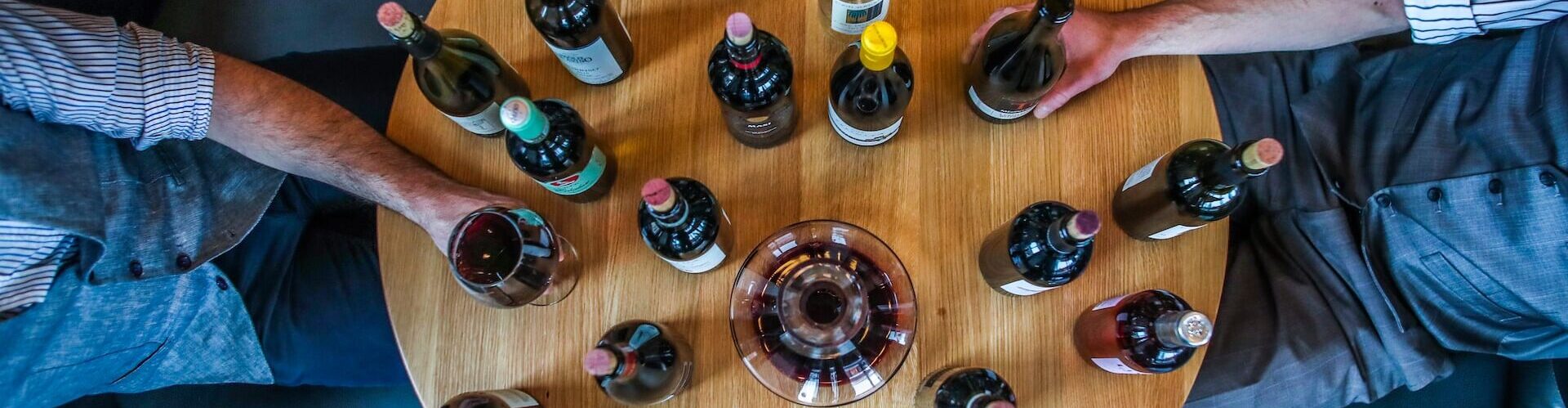
Does the season of the year guide our wine preferences? 

Short answer, yes, absolutely! Is it socially acceptable to drink your favorite or go-to wine even if it is technically a seasonal sip? Yes! My recommendation is always – drink what you like, first and foremost, then consider expanding your palate to accommodate what you are feeling at the moment or what foods will best accompany the wine.

In the spring and summer months, many wine drinkers tend to drink rosé and whites for their lightness, aromatics, crispness, floral components, and refreshing traits. In the northern hemisphere, the release and anticipation of the new vintage of rosé wine coinciding with the beginning of spring. In the fall/winter months, wine drinkers will transition to drinking more red wine, heavier whites, like oaked Chardonnay, and fuller bodied wines.

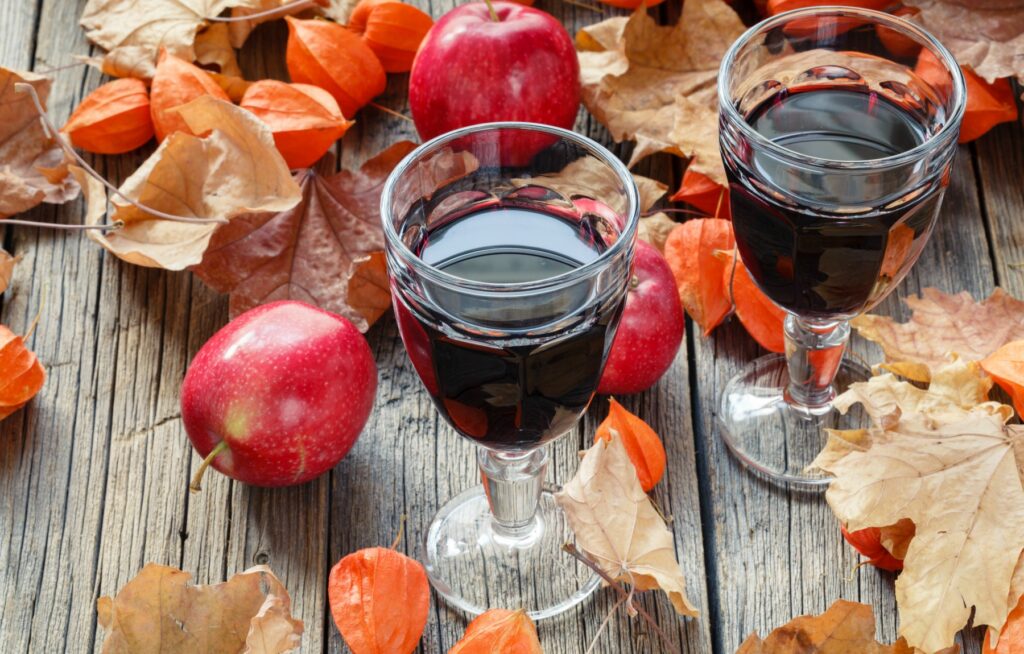
The seasonal nature and availability of produce and food also dictates our pallet and wine pairing choices. For this fall, try different oaked chardonnays from around the globe, orange wines (more on these later), and red wines, like Pinot Noir, Merlot, Sangiovese, Valpolicella, Cabernet Franc, and Malbec. If you’re a fan of bubbly, you can drink it anytime.

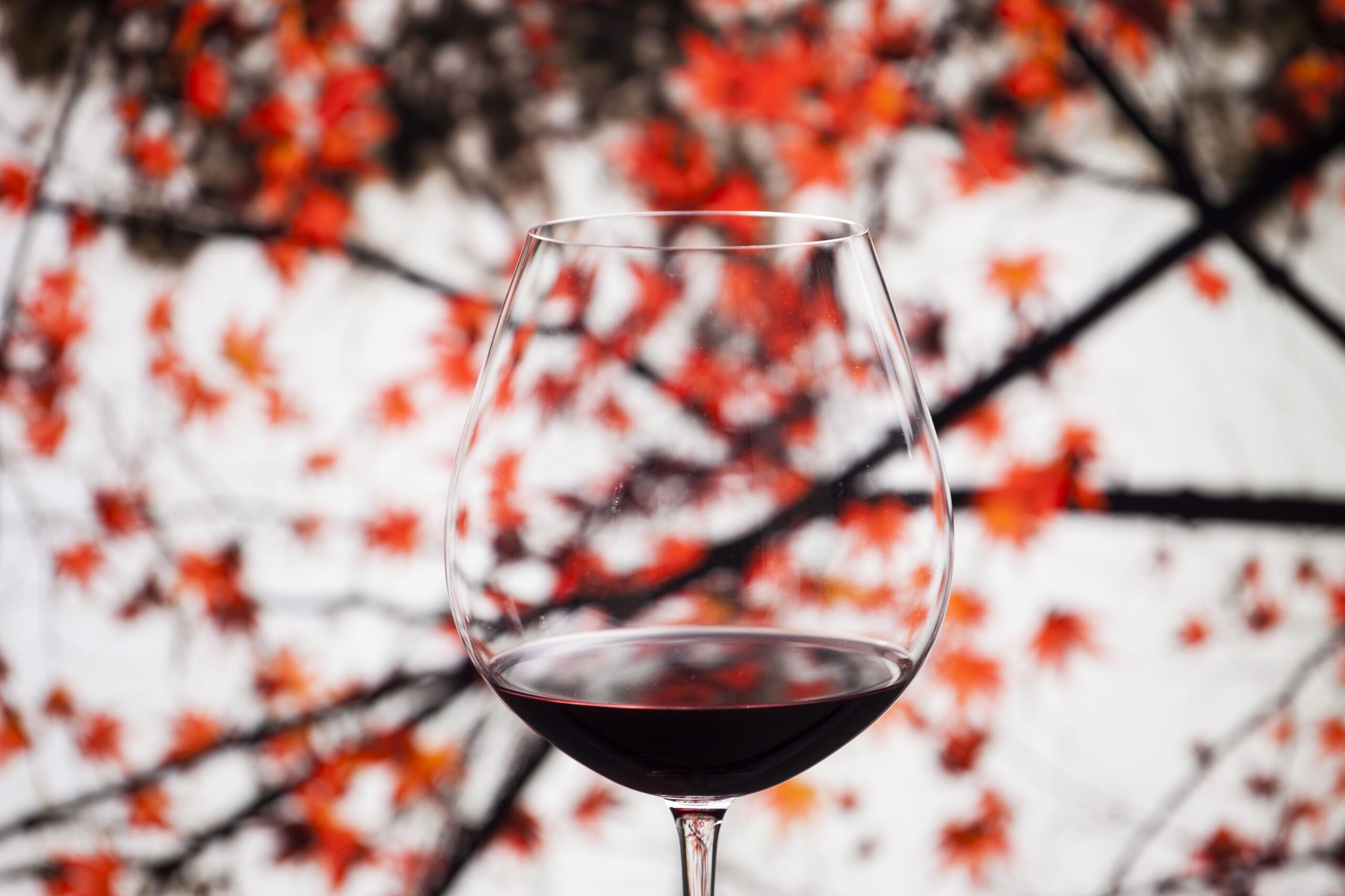
Fall wine glass

What wine would you recommend for Fall? 

Being a wine lover, I certainly have my preferences as I’m sure you do as well, but I like to explore new wines, styles, and regions. I will reach for that bottle of red most of the time, but if I’m having wine with food, I will definitely try to enhance the experience by choosing a wine that pairs well.

For fall, I like to drink Rhone varietals such as Grenache (red), Syrah (red), and Viognier (white, similar in style to Chardonnay), and most reds, although I prefer lighter to medium styles most of the time. You can find really good Rhone blends (called GSM blends with the ‘M” referring to Mourvèdre) or single varietals from the US, France, Barossa Valley in Australia and South America.  More widely available than ever. Stylistically, all these Rhone varietals have vibrant fruit balanced with savory, spice, earthiness, herbal and vegetal flavors that pair very well with the flavors of fall, like cool climate vegetables that can be roasted, braised, or sauteed. Don’t be afraid to venture out and try different red wines, especially for your holiday events and gatherings. I think Cabernet Franc is a lovely turkey day wine with all the accompaniments and a very underrated wine overall. I like CF all year long.

Classic Reds

Classic reds are always in style and continue to be the season’s most popular wine choices. Not just because they are ‘red’ and are bolder and fuller than whites, but because the rich flavor profiles that can range from dark fruits to earthy undertones, robust reds provide the perfect accompaniment to the season’s hearty dishes like roasts, stews, and casseroles and holiday celebrations. These classics include Cabernet Sauvignon, Merlot, Pinot Noir, or a red blend, like Bordeaux blend. If you opt for one of these, then try to find high quality ones (not necessarily the most expensive ones) in their category. Low quality vs. high quality fuller, red wines offer a very different experience.

Don’t forget about winter whites

Just because the sun and warm temperatures have hibernated for the season doesn’t mean you have to ditch white wine altogether. There are plenty of full-bodied, cozy whites that will work just as well as heavier reds with your fall cuisine and to drink by themselves. As mentioned earlier, an oaky Chardonnay always has a place at any holiday table. I look to Burgundy, France, Washington State, US, or South Africa for my Chard and Chablis for lighter/hybrid styles. Some trendy whites, like Viognier and Chenin Blanc are on the rise. When choosing your white wine in cooler weather, look for flavor profiles and textures that are rich, chewy, nutty, or creamy. These types of wines are usually fermented and/or aged in oak barrels and undergo malolactic fermentation, which gives them those traits.

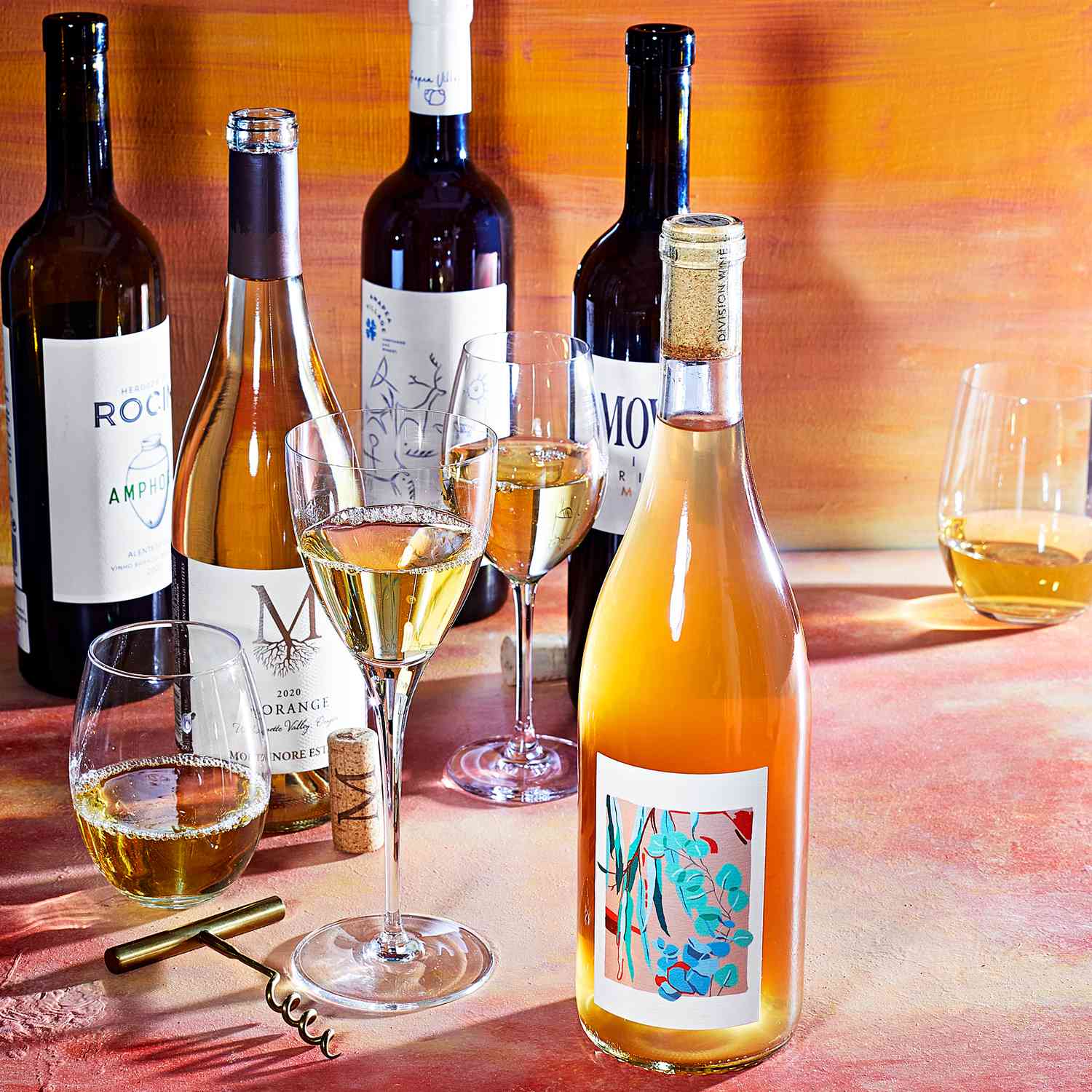
Orange Wine

What other wines are trending right now? 

Orange wines have been growing trend the past few years. Orange wines have been around for a long time, dating back over 8000 years when, without modern wine making technology, all wines were fermented on the skins of the grapes, which is what gives wine its color. They were left in a pot to stew and ferment and the skins turned them a dark amber shade. Wine making was modernized in the 60s and 70s and the skins were removed to produce the lighter, fresher, cleaner style of common crisp whites like Sauvignon Blanc and Pinot Grigio we know today.

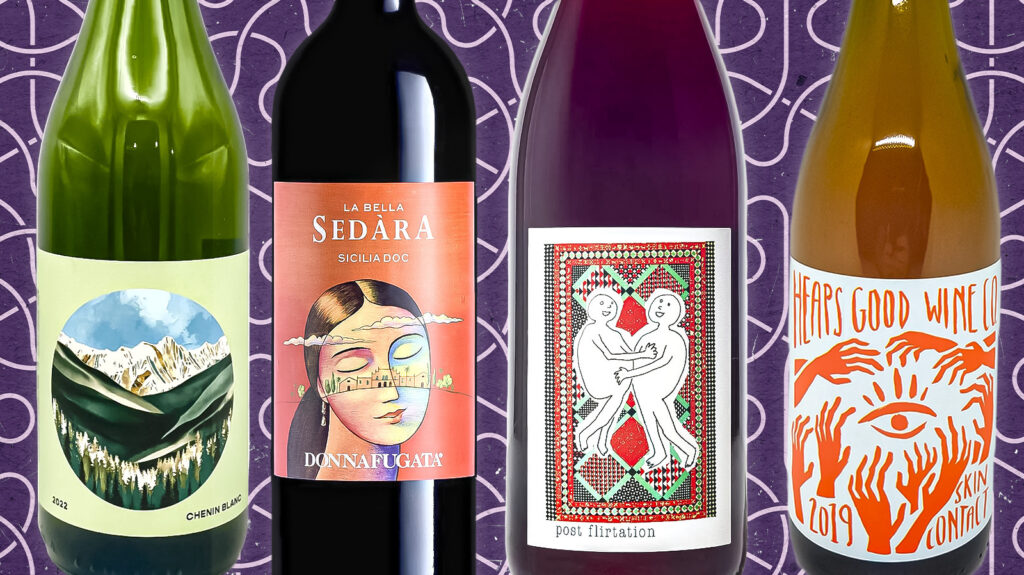
They are considered a ‘white wine’ that has been fermented with the skins on. Orange wines undergo a similar wine making process as reds where they are in contact with the skins during fermentation, so they take on the intensity of the colors and tannins, giving them a richer, heavier body. Today, there is a demand for orange wines to be less macerated, lighter, and fruitier, but still have some color and tannin structure. You will have to search hard to find orange wines in the marketplace, but if you like fuller bodied white wine, give them a try.

What else is trending in the wine world?

There is definitely a conscious shift toward natural, organic, vegan, and biodynamic wine and what that means. People are conscious about sulfite content, agricultural practices, and the environment. The grape skins used for orange wines are usually thicker and more resistant to pests and disease, so they are not treated as much and the tannins help protect them from oxidation, so they don’t need as much manipulation, sulfur or other preservatives. If this info is important to you, look for it on the back or front label or do a search online for bottles that are environmentally conscious.

Rosé wine is becoming more popular year-round evidenced by the hashtags #roseallday #roseeveryday all over social media and the internet. Many wineries are now producing different Rosés every year and experimenting with different grape combinations for them.

The public is more open to canned wine options these days, which started out of convenience, but has since lead to wineries putting higher quality products into this accessible format because of its popularity.

Pét-Nat (short for Petillant Natural) is a sparkling wine that has really taken off in colder climates. Unlike traditional champagne, it finishes its fermentation in the bottle and is not disgorged. Many different white grape varieties are used for this style of wine and can be a white blend.

Stocking your cellar/wine rack for Fall

The first thing you should do, as with other seasons, is to stock wines that you love to drink. From there, add wines that your family and close friends like just in case they visit unexpectedly or you have a last minute dinner party. Don’t be afraid to stock obscure wines or wines that seem interesting to you. Have fun with it! Take a chance – you might find something you never heard of and like it. I’m often asked what my favorite wine is. To me, it’s a loaded question because I like a lot of different wines (even though I will pull a red most of the time) and really depends on the occasion, what you’re feeling, and season (which is what this post is all about). Since most of my audience and guests are probably not wine experts, I try to introduce the world of wine to them one glass at a time. It’s amazing the excitement derived from people when they discover a new wine or style.

Try to curate your fall cellar with as many different wines as you can. Start with the most well-known grapes and wines and go from there. Here is an example – Pinot Noir, Cabernet Franc, Merlot, Cabernet Sauvignon, Champagne/Sparkling Wine, Rosé, Sauvignon Blanc/Sancerre, Pinot Gris/Grigio, Chardonnay (oaked), and Riesling (dry and semi-dry). If you would like to know what specific region or country of origin is best, just reach out. For the holiday season, chilling a nice dessert wine, like a Sauternes, ice wine, late harvest Riesling, or fortified wine, like Port, for dessert, is a nice touch and would impress your guests.

Some additional wines to stock up on for the season (reds) – Malbec, Syrah/Shiraz, Carmenere, Zinfandel, Grenache, Gamay/Beaujolais, Nebbiolo, Chianti, Lambrusco, Primitivo, Tempranillo/Rioja

We all look forward to holiday feasts and celebrations that come with the fall and winter months. Because no true celebration is complete without the perfect bottle or bottles of wine for you and your guests, I wanted to share these trends and options.

Follow me @themichaelpour on Instagram and The Michael Pour on Facebook to see more wine recommendations, advice, and inspiration. Sign up on the homepage with your email to receive notifications when articles are poured. Share with others who may enjoy this content.

Cheers,

Michael

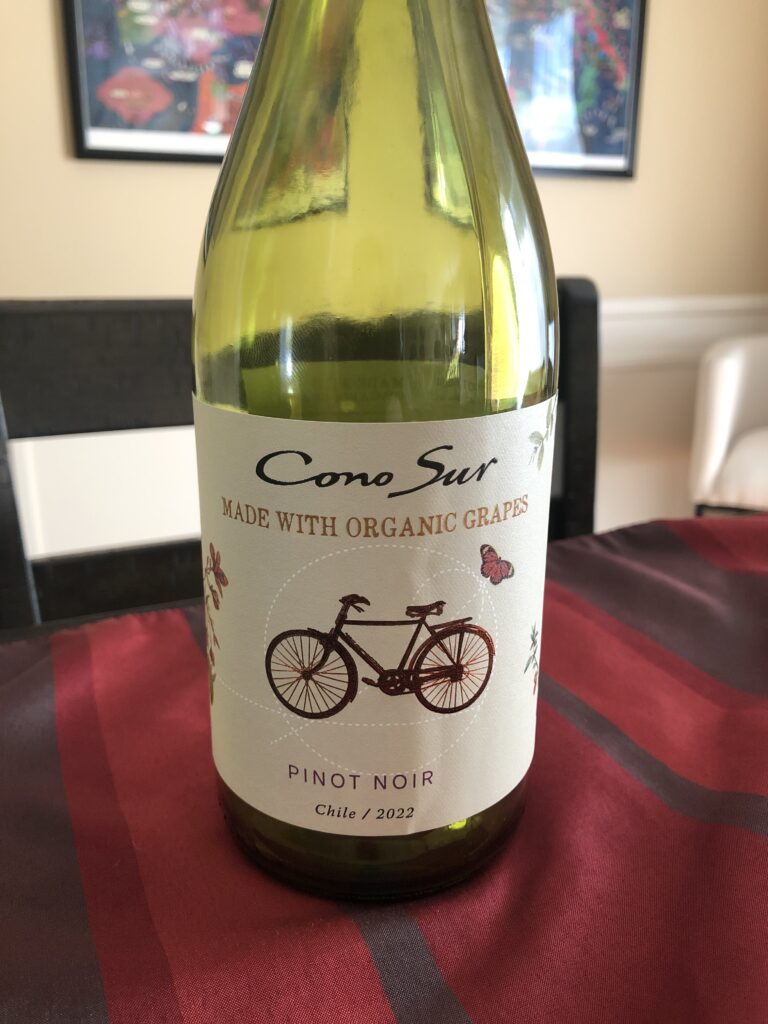
Wine of the Week: Cono Sur Pinot Noir Organic 2022

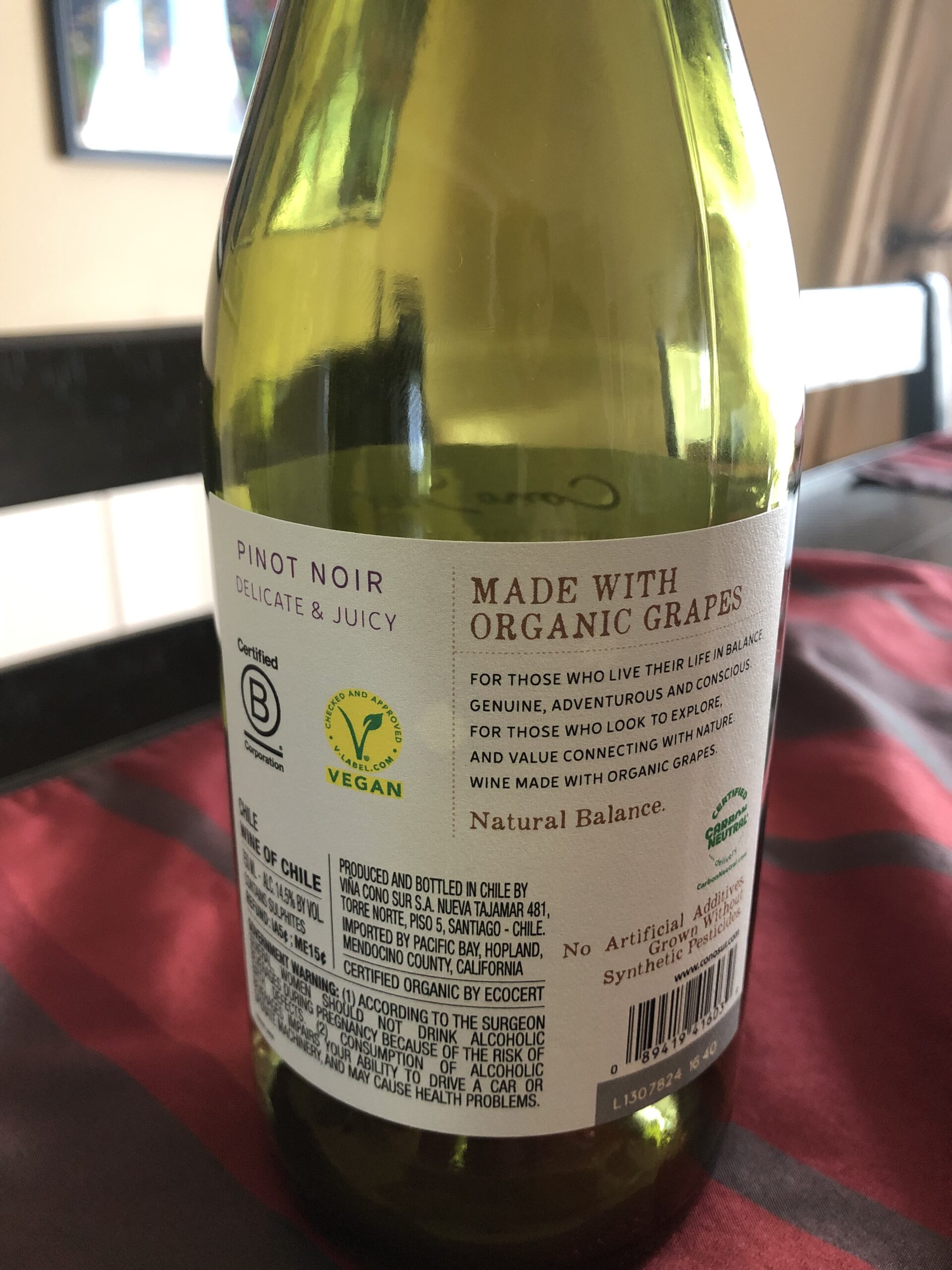
Cono Sur Organic Pinot Noir 2022
October
15
2024

This week’s featured “wine of the week” returns to the new world wine country of Chile, South America with my favorite varietal, Pinot Noir. Not every wine I try becomes a wine of the week, but with careful research, looking for a great value, knowing the region and country of origin along with the varietal, and my handy ‘delectable’ app, I am confident that my choice will be a good one.

What makes this wine special is the fact that it is organic, vegan, and is under $15. The organic wine category in the wine industry is booming. The demand for organic wine is on the rise. It represents about 4% of the worldwide wine consumption, and it is becoming more and more relevant. It is expected to be one of the biggest growing categories in the wine business, which can lead to a decrease in price in the future. Producers are committed to a minimal environmental impact. This means a conscious use of natural resources, like water, and natural products that replace chemical agents.

Some benefits of organic wine include protection against harmful chemicals. The organic product excludes the use of pesticides.If you’re allergic or sensitive to sulfites, organic wines are a good option, since they usually have smaller concentration of sulfites. The consumption of organic wine is a way of promoting the use of green technologies that favor the care of the planet.

How much does organic wine cost? Organic wine may cost a little more compared to “conventional” wine as a result of production costs. The use of chemicals in the vineyard helps reduce costs in traditional wine growing. However, you can find high quality organic wines at reasonable prices (this wine, for example), which allows conscious and frugal consumers to give it a sip.

Cono Sur Organic Pinot Noir 2022

Viña Cono Sur was born around the first Pinot Noir vines planted in the Colchagua Valley of Chile. In the 60s, the region was considered a cool climate area and ideal for the variety. And that inspired them to adopt Pinot Noir as their flagship variety and established a goal of producing the best Pinot Noir in Chile. Cono Sur was the first Chilean winery to export Pinot Noir and currently produces different styles of Pinot, organic (fairly new from their product line), non-organic, single vineyard, and reserve. The labels on the bottles depict the brand’s iconic bicycle.

Cono Sur (Spanish) translates to “The Southern Cone”, which is a geographical and cultural subregion composed of the southernmost areas of South America, mostly south of the Tropic of Capricorn. 

Made from organically grown grapes sourced in the Colchagua, San Antonio and Bio-Bio valleys, this well balanced, delicate, and surprisingly juicy is brimming with floral, fig, red fruit, in particular cherry, savory, and earthiness. With soft medium tannins, medium flavor intensity, medium body, it was a joy to drink. This bottle does have a whopping 14.5% alcohol content, which is on the higher end of PN. I love the winery’s commitment to the environment. On the back label, there’s a certification stamp for being carbon neutral as well.

Serve it with grilled mushrooms, baked salmon, pork, goat cheese and pizza (a favorite of mine). Highly recommend! Look for it online or at your favorite shop.

Cheers,

Michael

The Era of the Mocktail: Creating Delicious NA Beverages

mocktails cover
September
24
2024

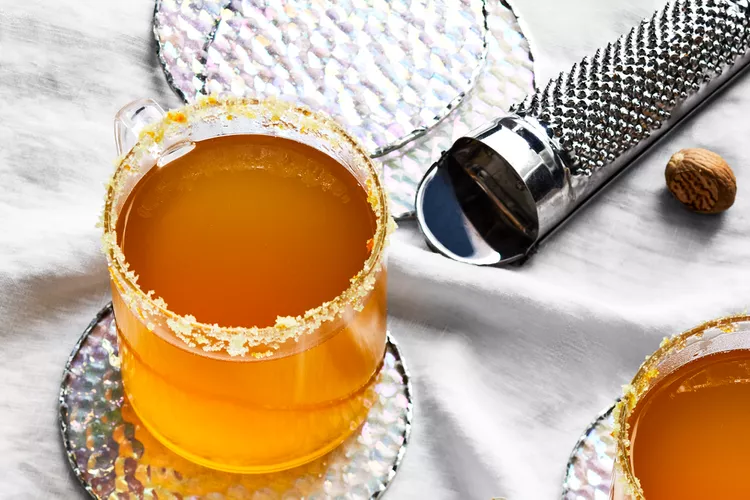
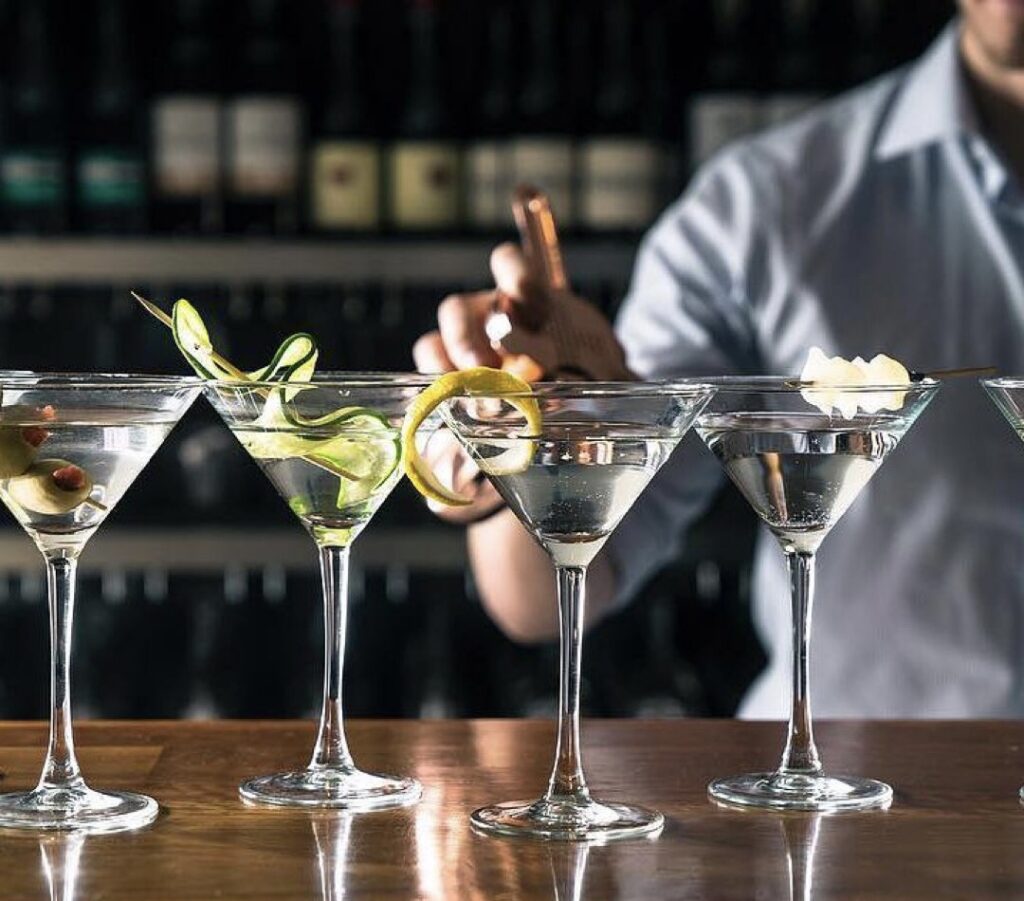
In recent years, there has been a growing trend of mindful drinking and the reduction of alcohol consumption. People are choosing to take a break from drinking or reducing their consumption. Customers expect to have non-alcoholic or mocktail options on the menu.

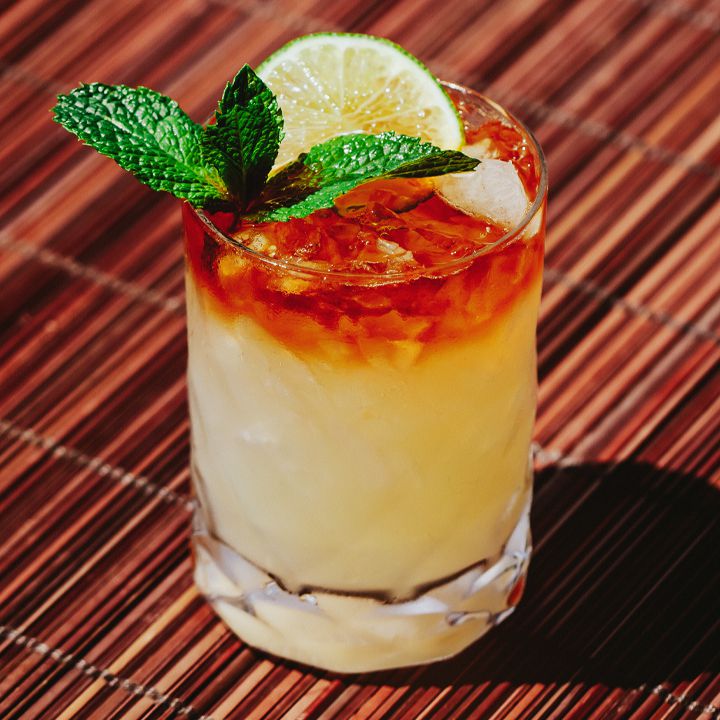
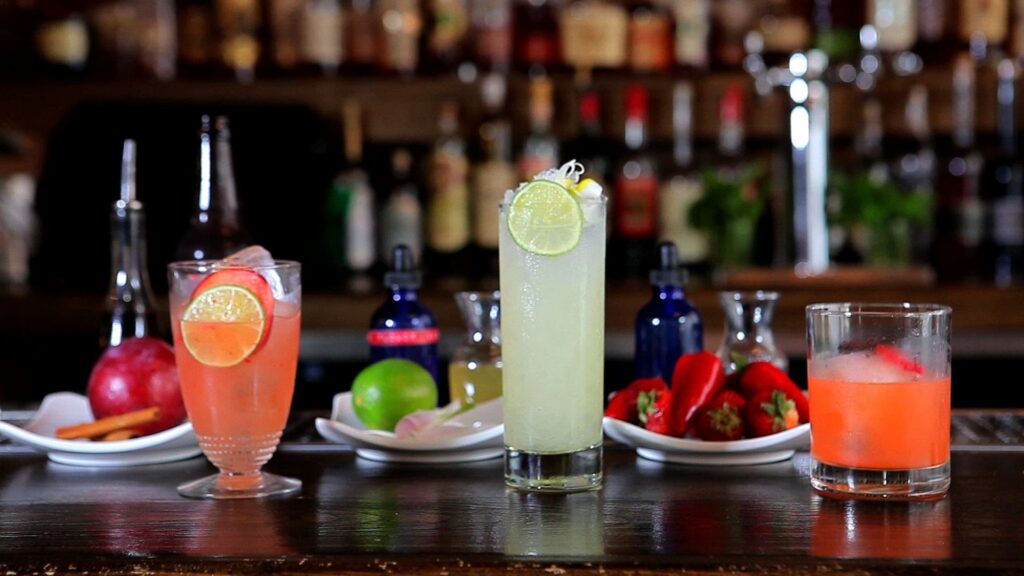
Mocktails can provide an alternative to traditional cocktails that offer all the flavor without the buzz. Any cocktail can be transformed into a mocktail by knowing the cocktail ingredients and the flavor profile of the cocktail. To find the right balance, pair ingredients that go well together. 

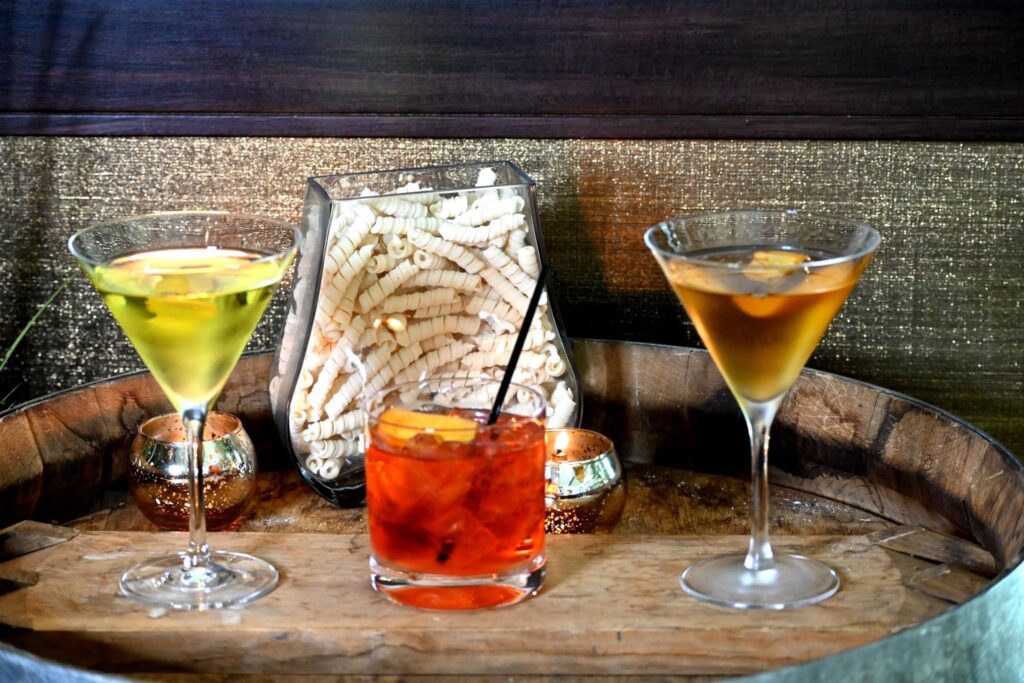
Mocktails do not have to be cloyingly sweet or boring. On the contrary, they can be fun, fruity, creative, and refreshing. The use of homemade syrups, mixers, modifiers, shrubs, infusions, and craft, spirit-free spirits gives you a lot of options. Give your customers a vibrant and tempting no-alcohol option.

Mocktails can also offer a wide range of benefits to your customers and business. They are more inclusive, allowing those who don’t drink alcohol, or who have a limited capacity to drink, to feel included in the social scene. For those who do consume alcohol, mocktails can be a great way to pace their intake while they can still enjoy the flavors they love.

It also gives you the opportunity to show your business creativity that helps you stand out from the crowd. Having a diversified menu is a great way to appeal to your current and future customer base and is a responsible and profitable endeavor.

batched mocktails

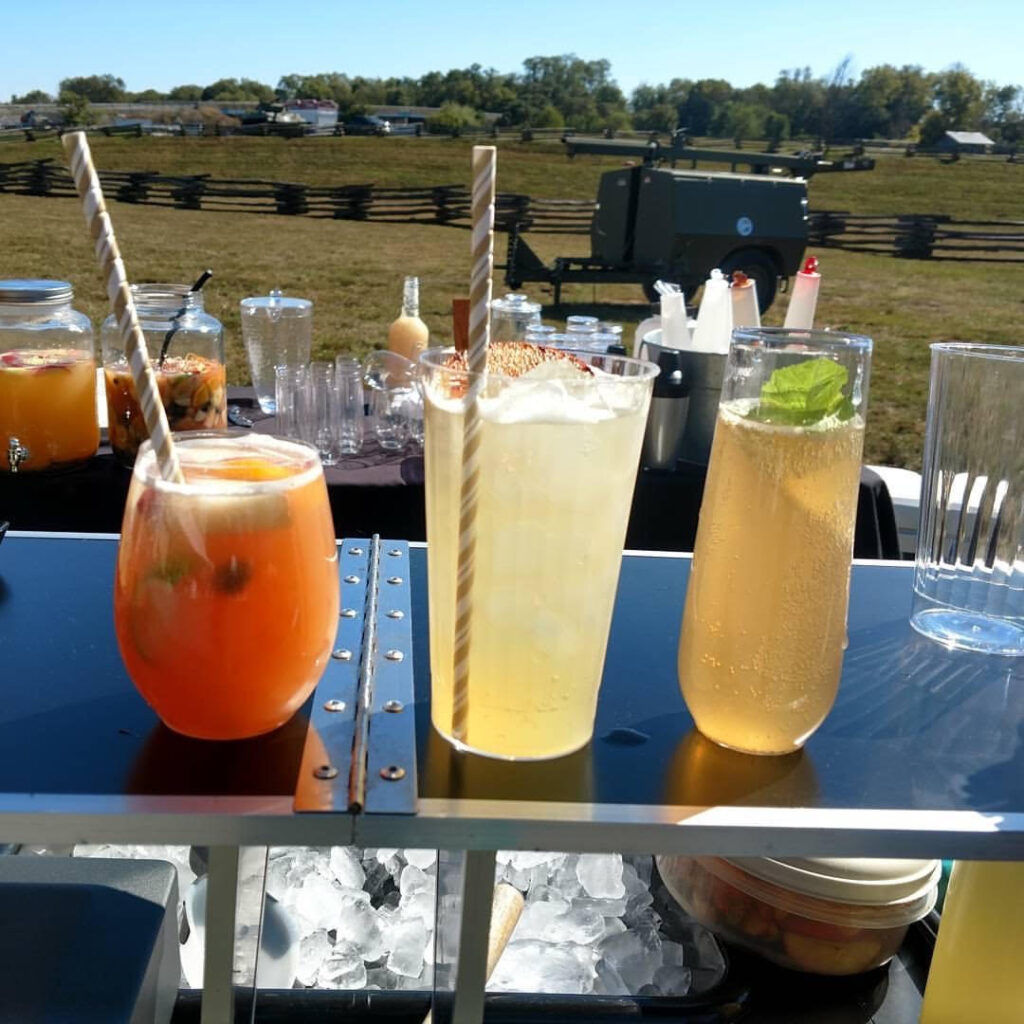
Decide on the type of mocktails you want to serve. Whether it’s for an intimate gathering of friends, a family get-together or a corporate event, mocktails can provide the perfect range of flavors and appeal. Consider a selection that will appeal to everyone. Have fun experimenting with different flavor combinations like watermelon and mint.

Creating alcohol free beverages allows you to show your creativity with flavor while also providing a low-alcohol beverage option that everyone can enjoy. Incorporate non-alcoholic spirits that you can substitute for tequila, gin, whisky, rum and more, such as brands: Lyre’s, SeedLip, and Spiritless. 

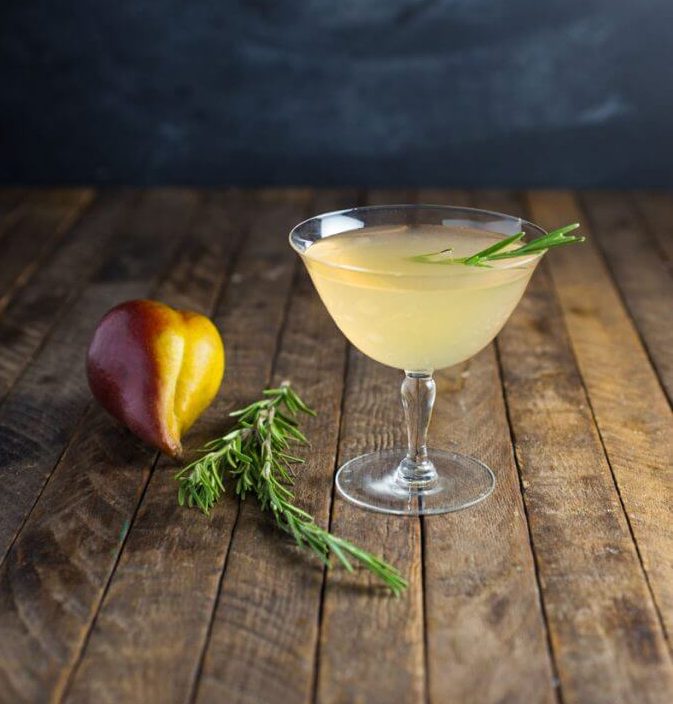
Choose a wide selection of garnishes for your mocktail bar. Go with organic fruits and vegetables to create healthier drinks for your guests. Some of the most popular garnishes used in cocktails are citrus fruits such as lemon, lime, grapefruit, and orange. The acidic juices from these fruits help to balance out the flavors of a cocktail, adding brightness and acidity to the drink.

Fresh herbs like mint or basil can add an aroma to a cocktail. Try dehydrated garnishes as an alternative to fresh fruit for your next event. They are cost effective with a high shelf life and add a different twist to the beverages.

private party

Prepare the ingredients before guests arrive. It is one of the most important aspects of hosting an event or running an efficient bar. Make sure to have all the necessary ingredients ready, including non-alcoholic spirits, juices, mixers, syrups, garnishes, ice, bar tools, and glassware.

Having too much of something is better than too little, especially in the case of ice. Stock a variety of glassware to use for the different types of mocktails on your menu. 

From shakers and strainers to jiggers, zesters, peelers, muddlers, and bar spoons, having all the necessary bar tools on-hand helps make sure that any mocktail you concoct is made accurately and properly. Bar tools can save you time and can add a presentation factor to the finished beverages.

“Mocktails by Michael”, a division of The Michael Pour, is creating mocktails for you. We will prepare and bring a batched mocktail with garnishes, glassware/cupware, napkins, straws, etc… to your next party or event.

We can also provide bartending service and setup onsite. Inquire within! Booking available under the contact form tab. Would you like some spring mocktails or summer mocktails at your pool party or a mocktail bar at your wedding, bridal shower, company event, or special event?

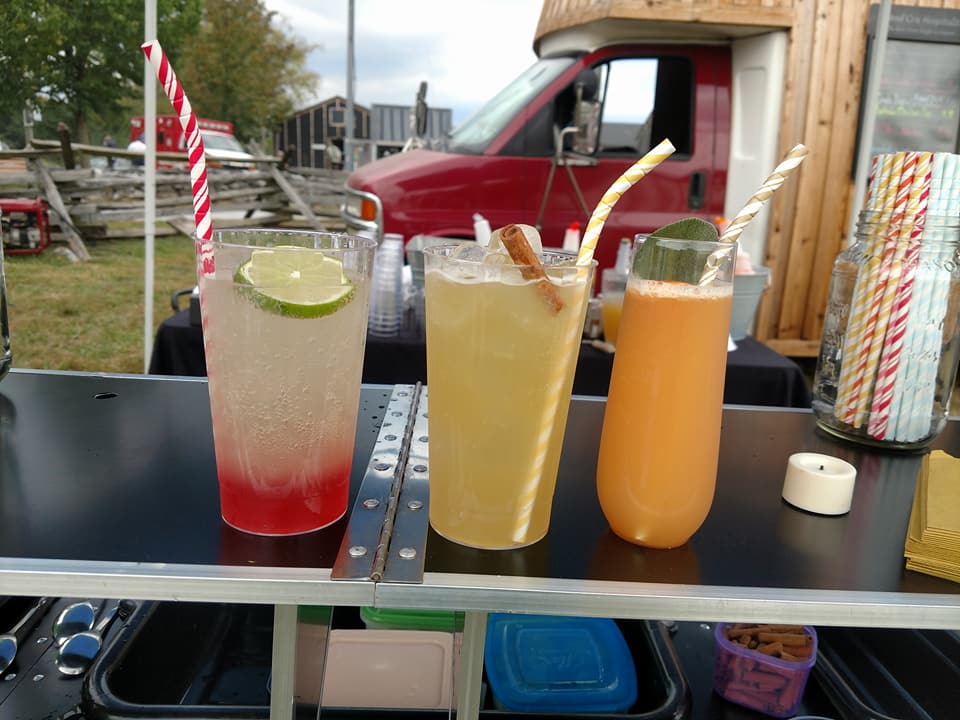
Array of Mocktails

Cheers,

Michael 😉

michael@michaelpour.com

717.877.2729
Wine of the Week: Chile’s Unique Carménère Wine

Carmenere
September
18
2024

This post was fun to construct because I am a big fan of Carménère wine from Chile, South America, but it is hard to find in Central NY wine shops. As with most exported wines, especially those from fairly unknown wine regions in the world, there are few options available in the shops. Of those available, many are cheaper, lower quality, and highly commercial wines or carry a huge price tag for an everyday wine. Sure, you can find options online, but the shipping costs can be exorbitant, and because I’m old school, I like to handle the bottle and read the wine label.

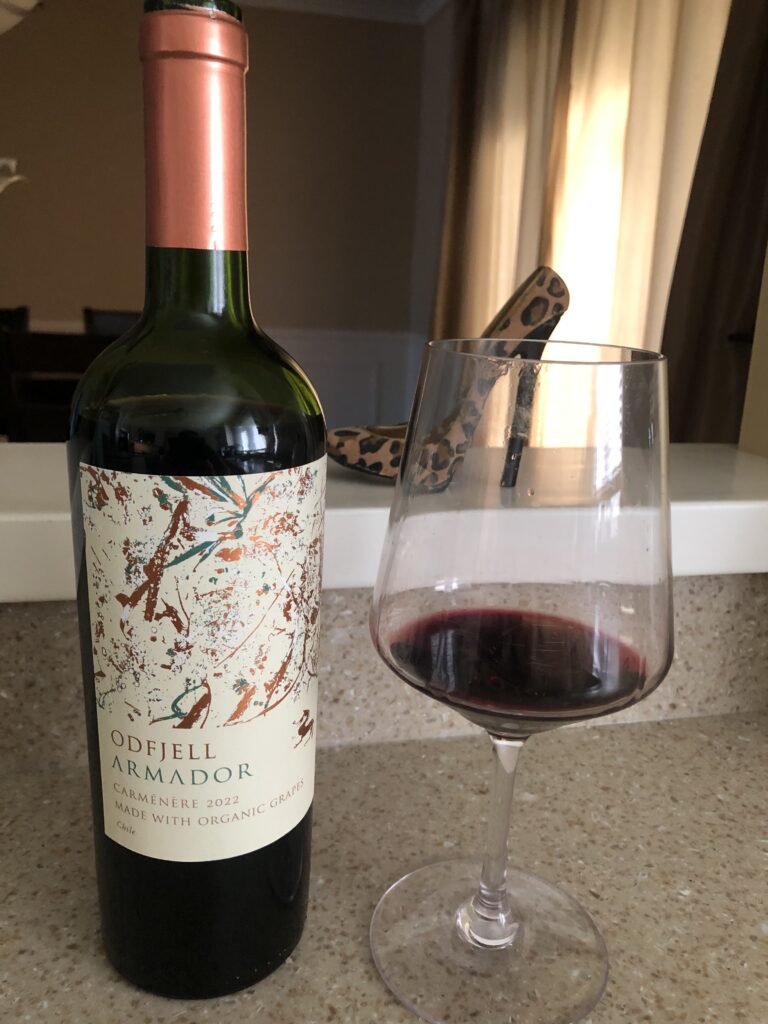
In my search, I grabbed a nicely priced bottle around $18 (great value) at Vine & Barrel in Camillus, NY after scanning the bottle label with my “Delectable” app and read the reviews and info. I highly recommend downloading this app for your wine shopping needs.

When I opened the bottle and poured, I was surprised by the intense purple color. When I smelled the wine, I received a strong aroma of spicy peppers and clove. When I tasted the wine, I fell in love with the ripe fruit and low tannins. I was so impressed that I decided to make it my featured wine of the week – “Odfjell Armador Carménère 2022”, which will be discussed in detail. It is widely grown and produced in Chile’s Maipo Valley and Maule Valley. In addition, the story behind the wine is very intriguing.

Carménère (“car-men-nair”) is a medium-bodied red wine that originated in Bordeaux, France, where it is called “Cot”. It is considered to be the unofficial grape of Chile because, with few exceptions, it is not grown anywhere else in the world, except in Bordeaux blends and other blends. The wine is admired for its supple red-and-black berry flavors and herbaceous green peppercorn notes. Carménère is very similar in body and texture to classic Merlot. Similar wines – Carignan, Sangiovese, Valpolicella, and Cabernet Franc.

Here are some fun facts about Carménère –

  • Carménère is a half-sibling of Merlot and Cabernet Sauvignon, and its parent is Cabernet Franc.
  • Carménère is a very slow ripening grape, and is often the last one picked during harvest, about 4-5 weeks after Merlot.
  • Carménère was first brought to Chile in the mid 1800s and was thought to be Merlot until 1994.
  • Carménère is nearly extinct in its homeland, France, but is the 5th most important grape of Chile.
  • Carménère has possibly been around since Roman times.
  • Expect to pay between $18-$20 for a good Carménère and $35-$40 for a higher quality Carménère. The one featured here is in the lower price range, but in my humble opinion, drinks like a premier or reserve Carmenere.

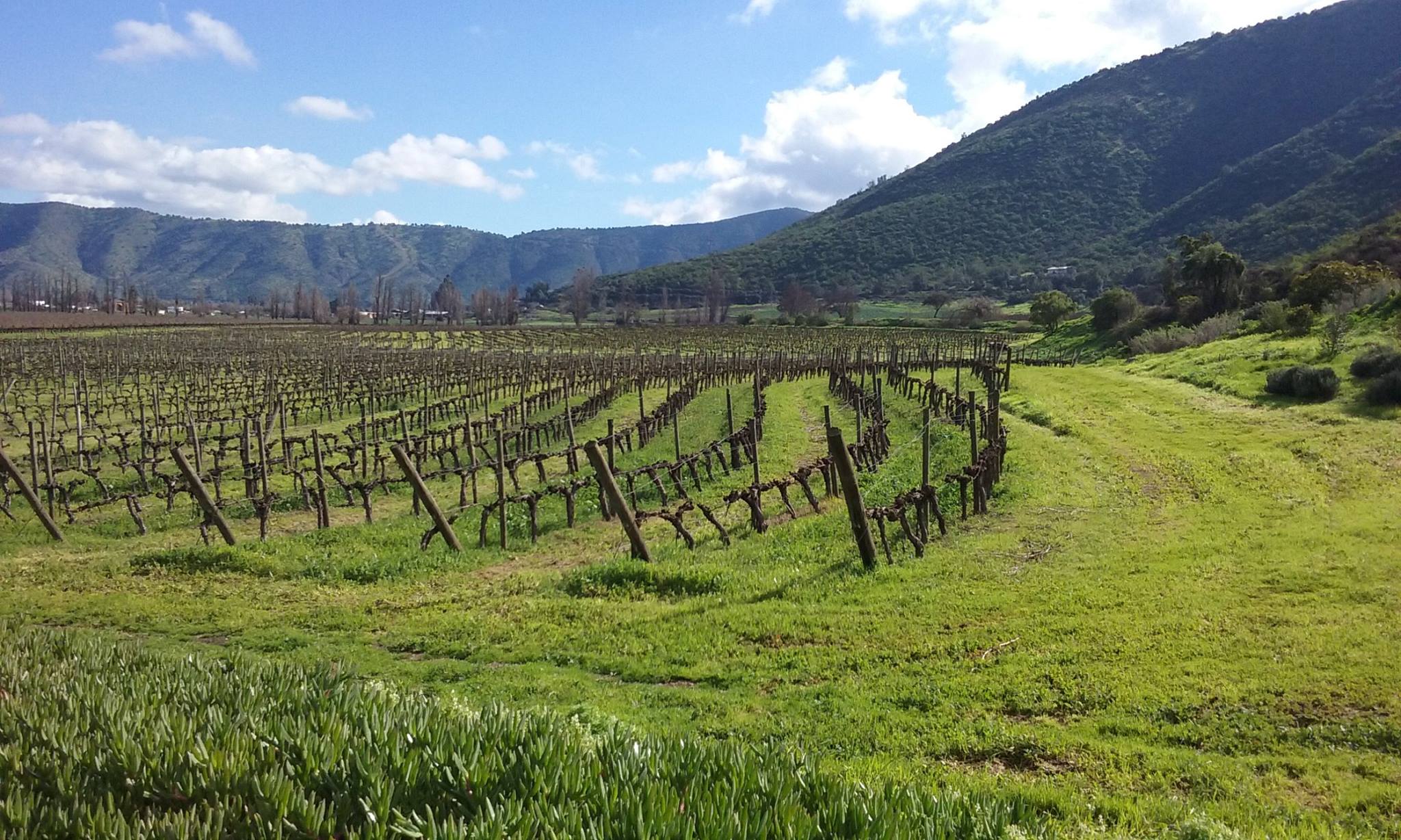
The majority of Carménère hails from within the Central Valley of Chile. This is the largest wine-producing zone in Chile, and it contains several regions to know. Chile’s central valleys, sheltered by the coastal ranges, and in some parts climbing the eastern slopes of the Andes, remain relatively warm and dry. The conditions are ideal for producing concentrated, full-bodied, aromatic reds rich in black and red fruits. 

Maipo Valley is the northernmost region of the Central Valley Region. Quality Carménère from this area is somewhat lighter with floral notes of cherry, hibiscus, and rose with a subtle granite-like minerality. These more refined and elegant aromas come from altitude but also cooling influences from the Andes.

Maule Valley is the southernmost area in the middle of the region and is also the oldest. Chile’s first vines were planted here in the late 16th century: Look for Cabernet Franc, spicy herbaceous Cabernet Sauvignon and Carignan from here.

FOOD PAIRING

The moderate tannin structure and fresh acidity in Carménère make it an easy red to pair. Leaner grilled meats with savory sauces like Chimichurri, green salsas, mint, or pesto will complement the herbal qualities of the wine and make it taste fruitier. The signature dish of grilled beef with chimichurri is a great match for the wine, in general. I would love to try it with my Hungarian family’s Traditional Stuffed Green Peppers and “pigs in the blanket”. Carménère will even do well alongside darker white meats, including turkey and duck. Pinto and white bean soup is a great pair for vegetarians.

Other pairings – Goat Cheese, Mozzarella, Pepper Jack, Feta Cheese, Roasted/Stuffed Peppers, Garlic, Thyme, Beans, Lentils, Peppercorns, Red Chili’s.

WINE OF THE WEEK – Odfjell Armador Carménère 2022

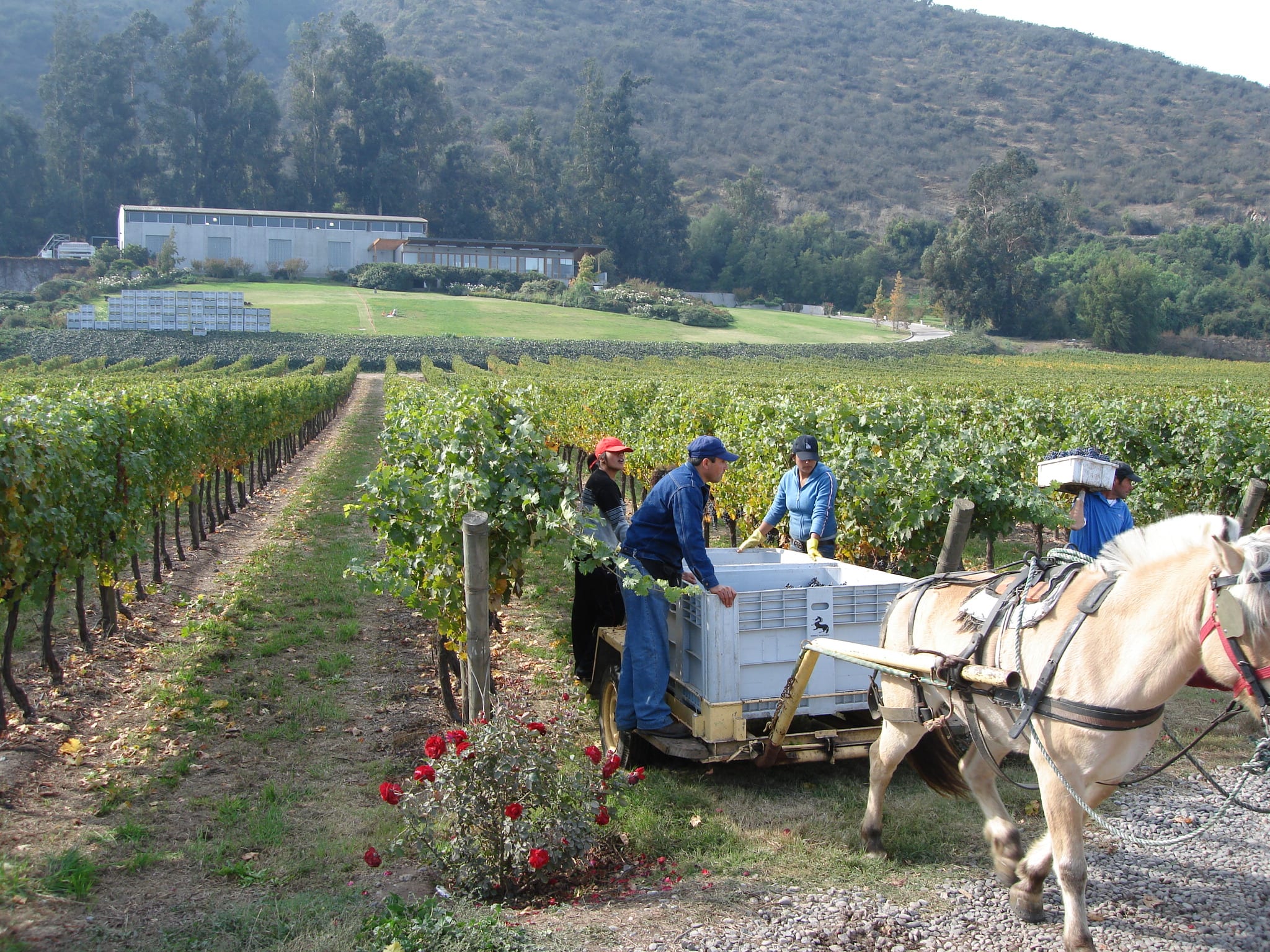
The producer, Odfjell, has 210 acres of 100% organic and biodynamically farmed vineyards in Chile’s Maipo Valley. Odfjell was a former Norwegian shipmaker. Norwegian horses control weeds, provide better soil drainage, transport grapes during harvest without compacting the soil, and are used for pediatric hippotherapy. The winery was the first in South America to employ a gravity-flow system to ensure the gentle handling of the fruit throughout the winemaking process. Pretty cool story!

This delicious Carmenère is made with Odfjell’s best organic grapes, grown both in Padre Hurtado and Maule Valley. Respecting the typicity of the variety, its fruits were harvested early to allow for more freshness and acidity. A wine that shows the best of the two valleys – Maipo Valley lends minerality, Maule Valley contributes with the balsamic notes and the lushness that give life to this special Carmenère.

Alluring purple color with aromas of dark fruits, licorice as well as hints of spice notes such as black pepper, green pepper, cloves, and jalapenos. The palate is medium-long and refreshing with ripe fruit flavors and soft tannins. Composition – 89% Carmenère, 7% Syrah, 4% Cabernet Sauvignon and alcohol at 13.5%, which is on the lower side for Carmenère and Chilean reds.

Cheers,

Michael

New from the Pour