Cantina di Rosina: A Majestic Slice of Abruzzo

Carunchio Abruzzo Cantina Rosina
May
20
2026

For this week’s spotlight, The Michael Pour takes you on a journey to Southern Italy along the coast of the Adriatic Sea.

Here you will find one of Italy’s best kept secrets and underrated wine regions, Abruzzo “uh-brut-sow”. Recently, I’ve learned about a new winery emerging in the region. The winery is called “Cantina di Rosina” and their wonderful story, and family history is depicted below.
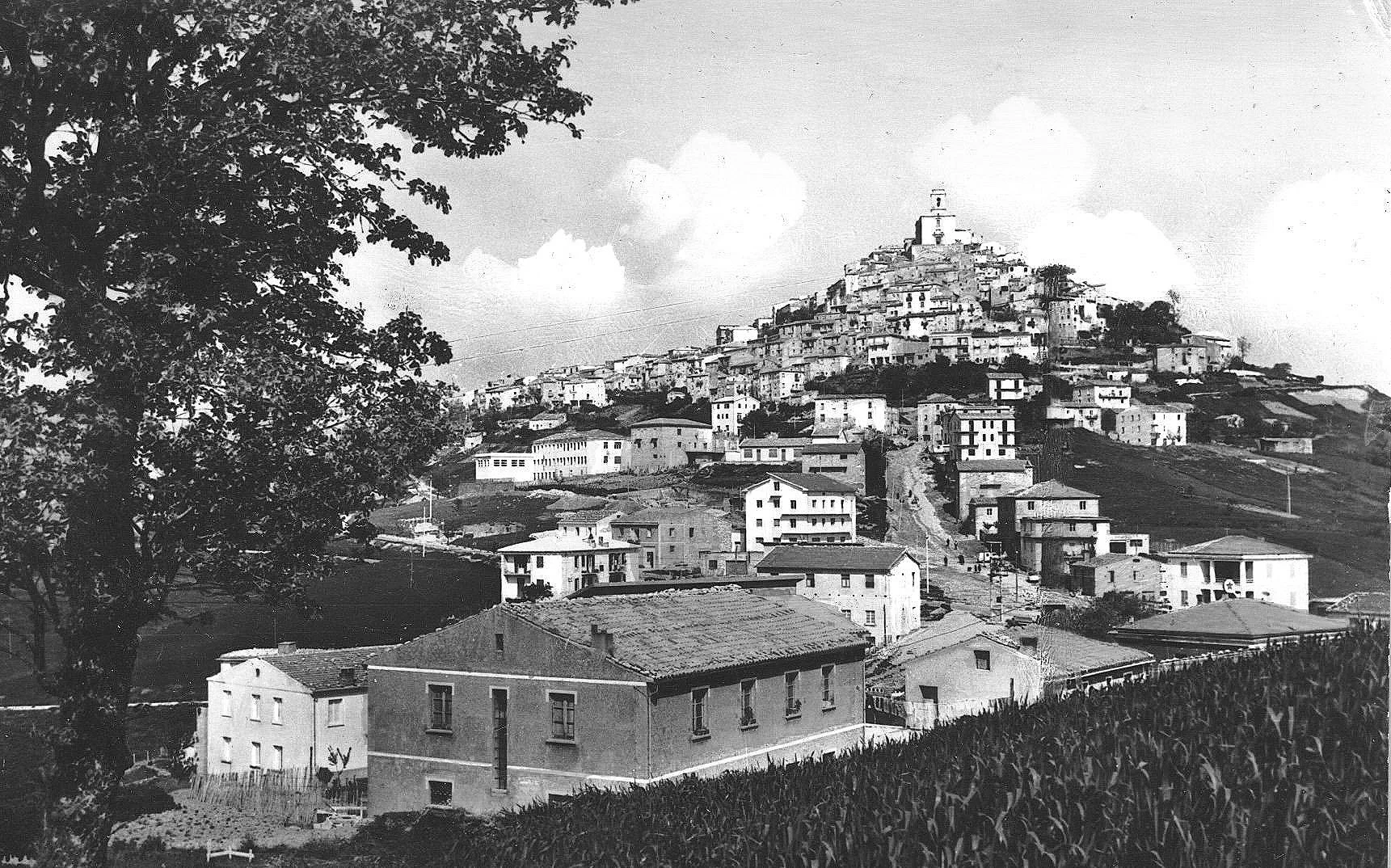
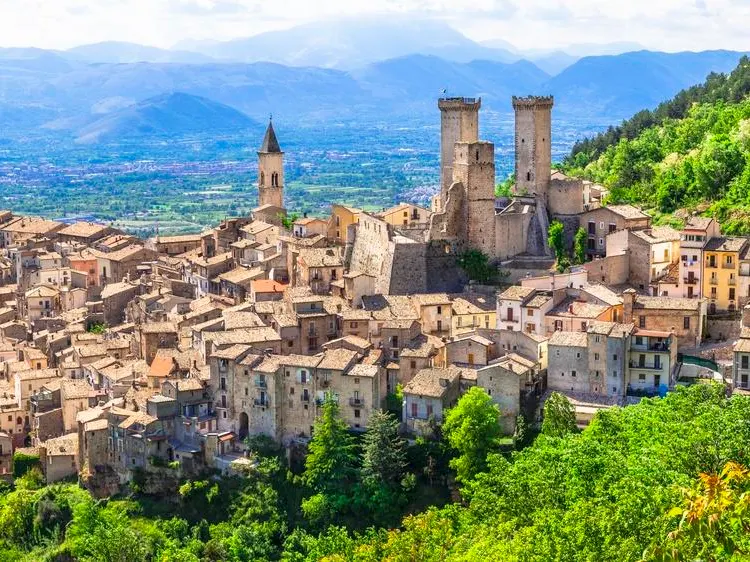
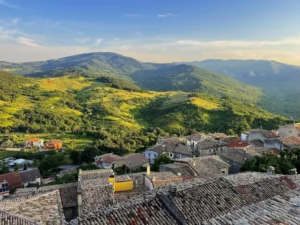
“Throughout the 18th and 19th centuries, our ancestors produced quality wine in the Southern Abruzzo region of Italy. After WWI, our grandparents emigrated from war-torn Italy to the US in search of a better life for their family. Now, 100 years later, they have returned to my beautiful ancestral village of Carunchio to carry on producing wines that are approachable, elegant, and capture the spirit of this stunning region. Carunchio is a commune and town in the province of Chieti in the Abruzzo region of Italy. 

They’ve assembled a world-class team of viticulturists, oenologists, and winemakers to pay tribute to this beautiful land and all it has to offer. Great wine begins with great respect for the land. Our ongoing mission to share the beauty of Abruzzo with the world…one glass at a time.” – John, my Friend & Proprietor
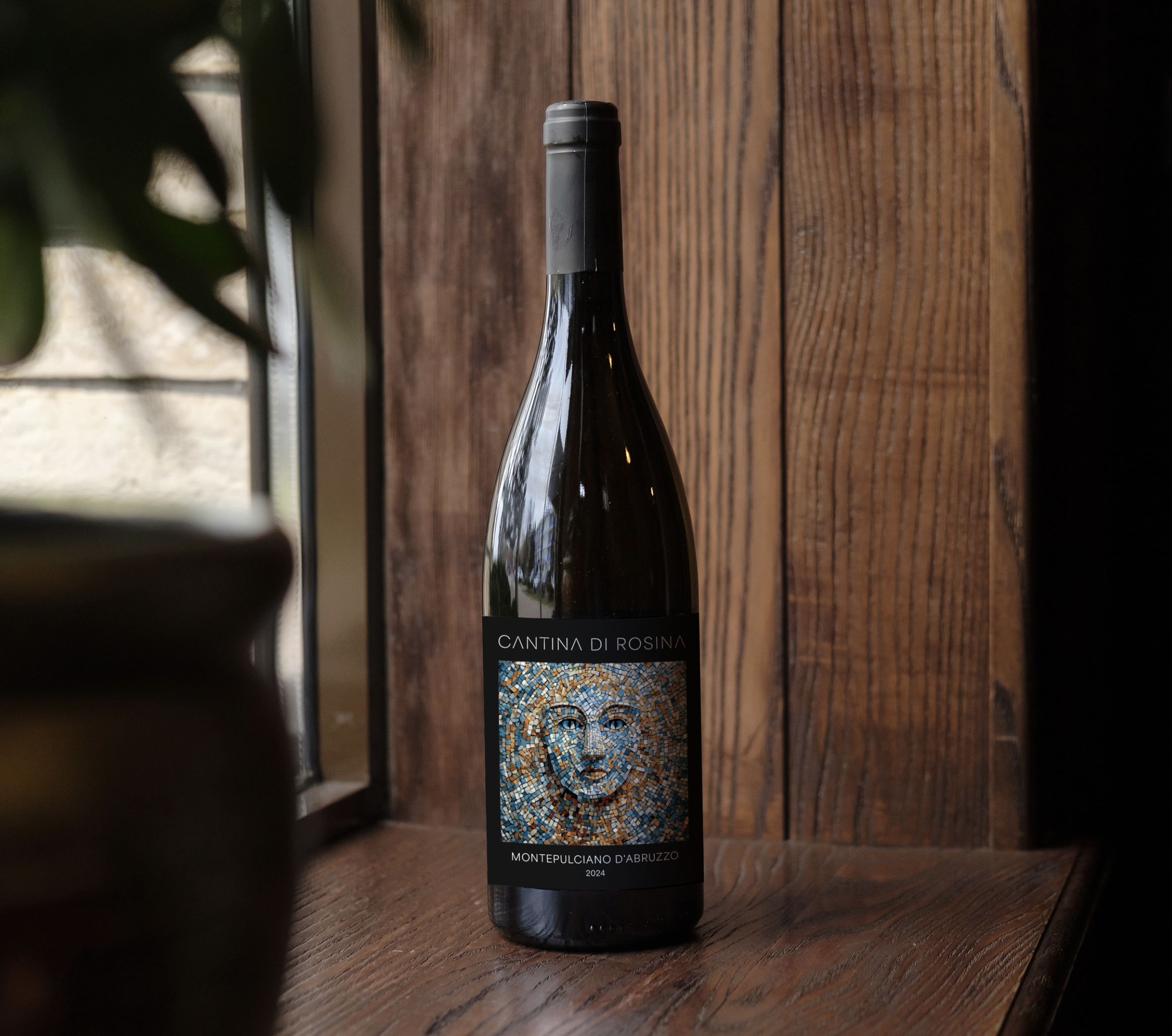
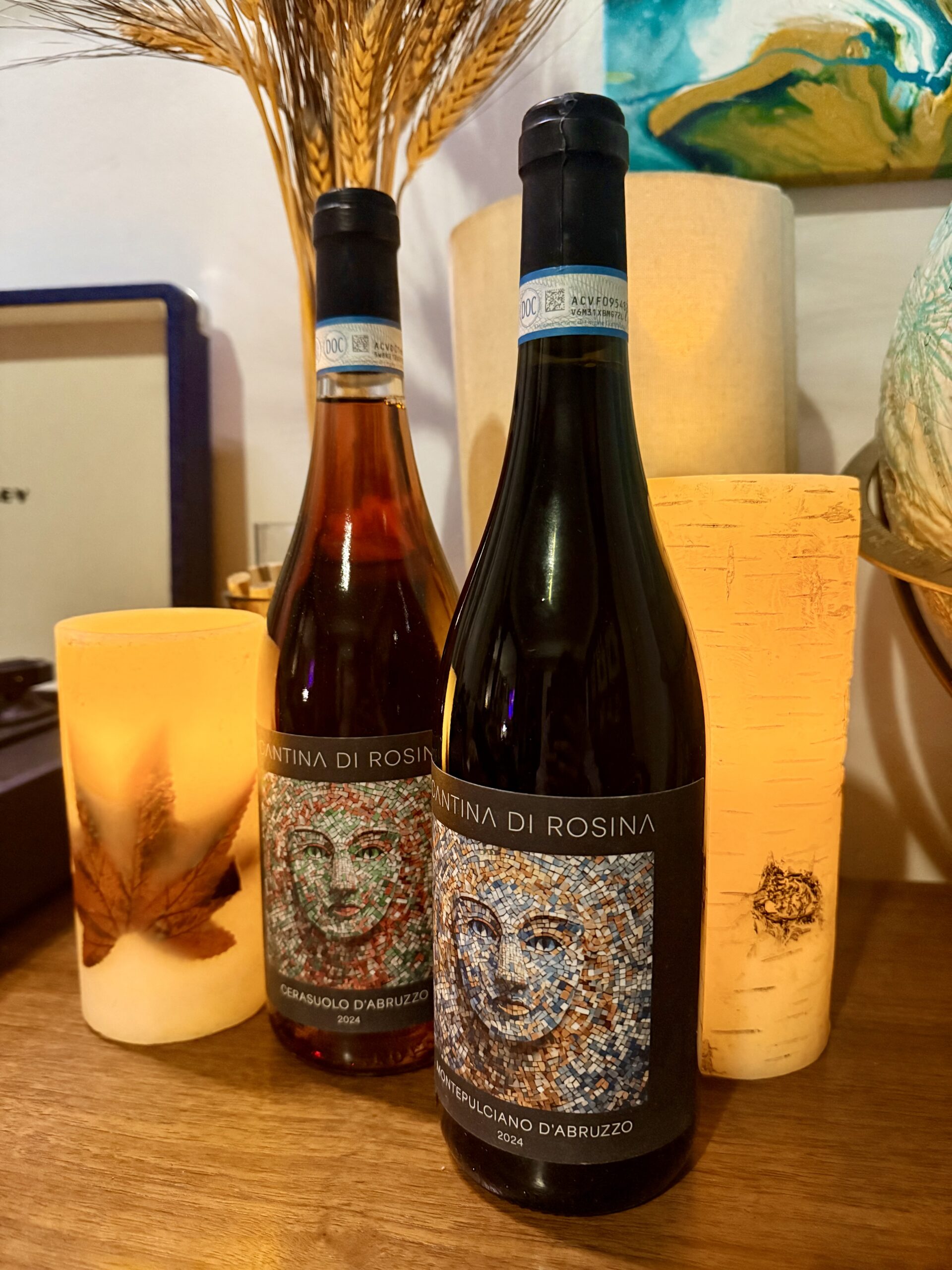
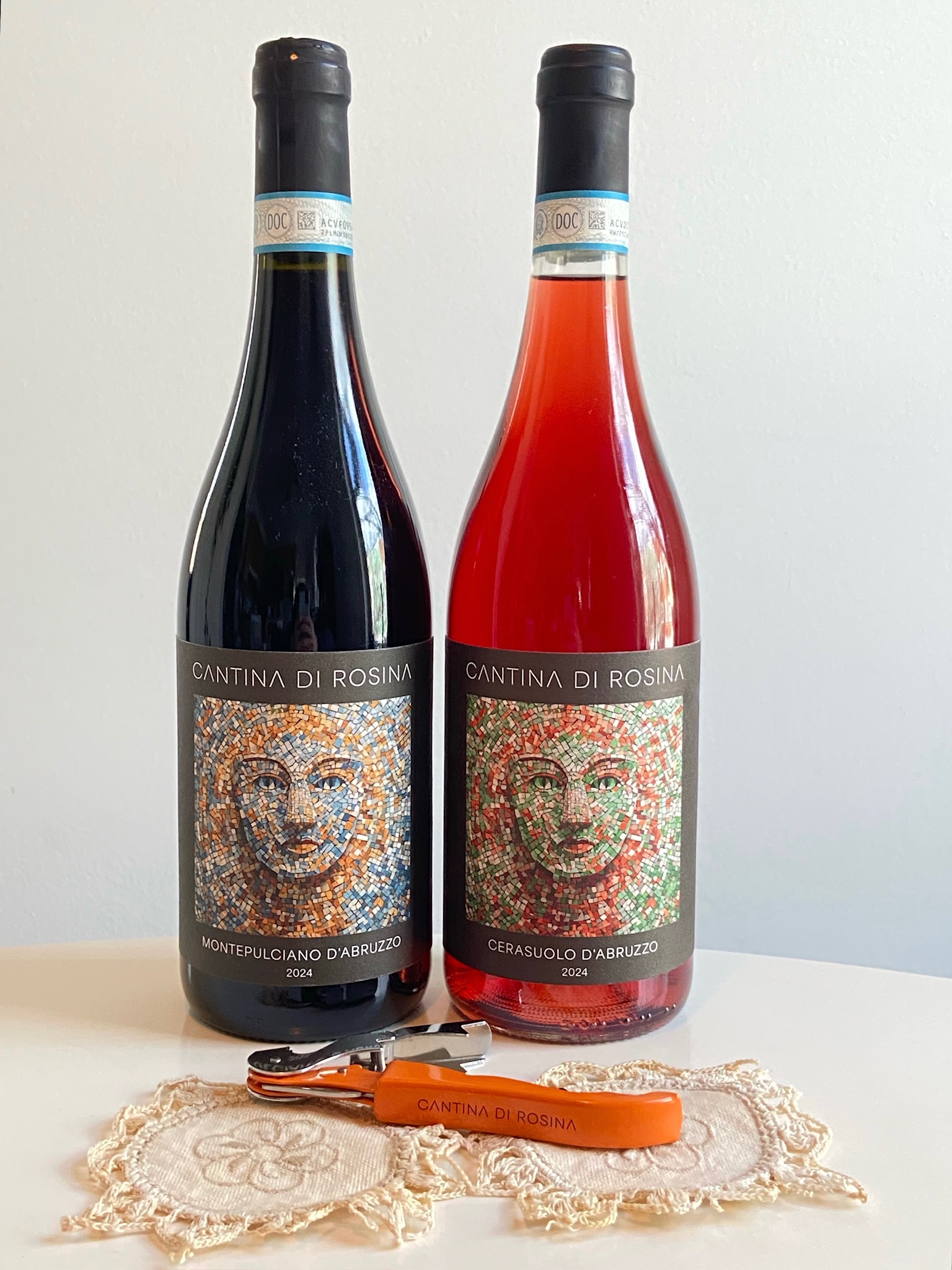
Cantina di Rosina’s first vintage was 2024. Their Montepulciano d’Abruzzo 2024 is described as being sturdy with solid structure, yet soft tannins with a long finish. It spends some time in concrete creating complexity and texture before going into stainless steel (no oak).

Flavors of dark cherry, leather, and hibiscus are exhibited. It will pair well with any type of game, grilled red meats, cured meats, and ripe cheeses. Serve it at cellar temp or slightly below room temp at 60°- 65°F. Don’t hold onto for very long.
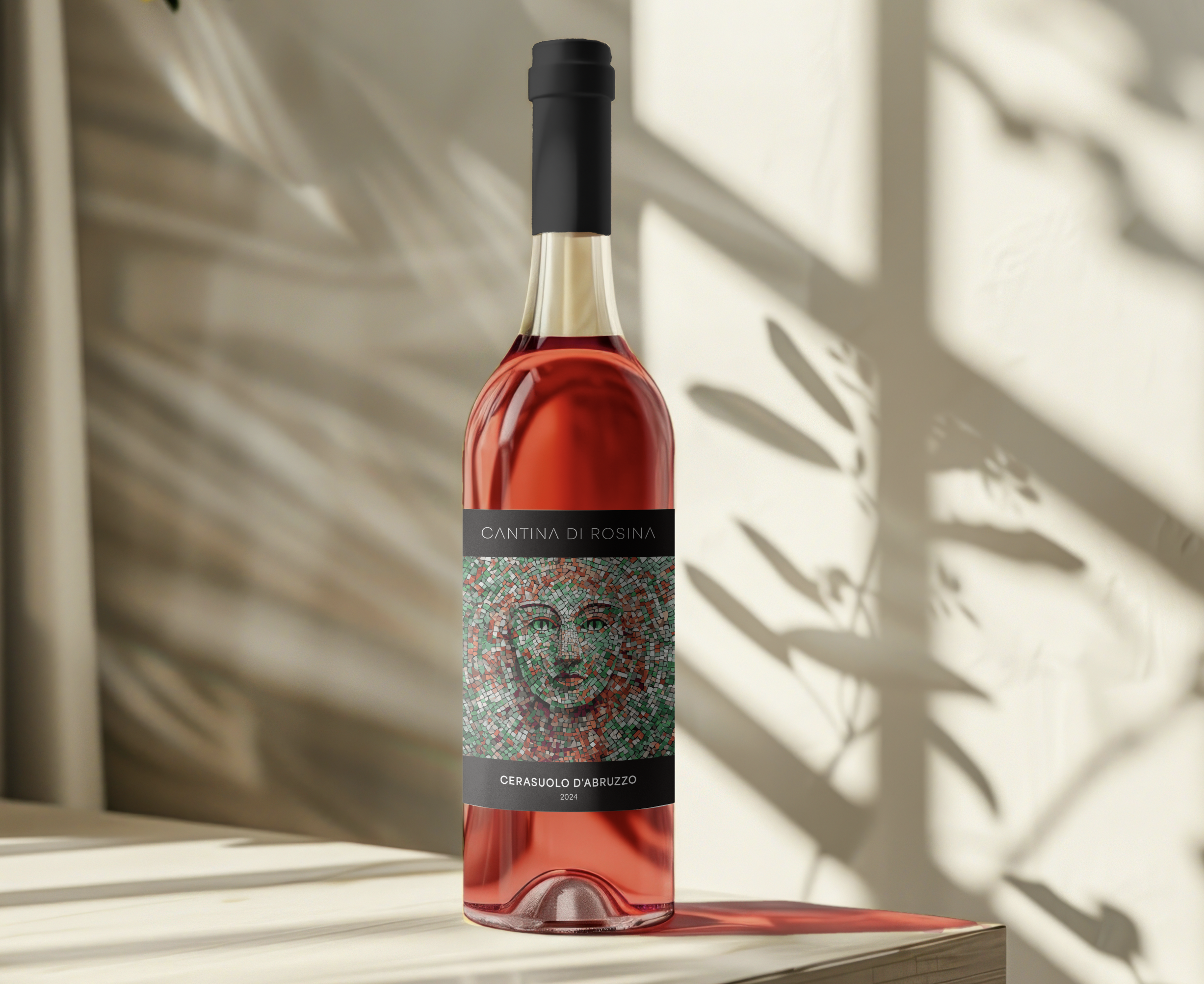
The Cerasuolo d’Abruzzo is a bold rosé with a cherry red color from a gentle kiss of skin contact. With a maceration of only 4 hours on the skins before fermentation, the color is deep and vibrant. It is made 100% from the Montepulciano grape and is essentially a rosé that drinks like a red offering a full spectrum of food pairings.

Not your normal “pink” wine or rosé for that matter. It projects an intense aroma of rose petals and flavors of wild berries and a savory herbaceous quality that lingers. Try it as an aperitif! Drink young.

Enjoy it chilled (50°- 54°F) all summer long by itself or with an array of food options, like seafood dishes, roasted white meats, pizza, cured meats, and semi-matured cheeses. I experienced this awesome wine with homemade bucatini pasta, blush sauce, andouille sausage, shrimp, and fresh herbs over the weekend, and it was a lovely pairing.
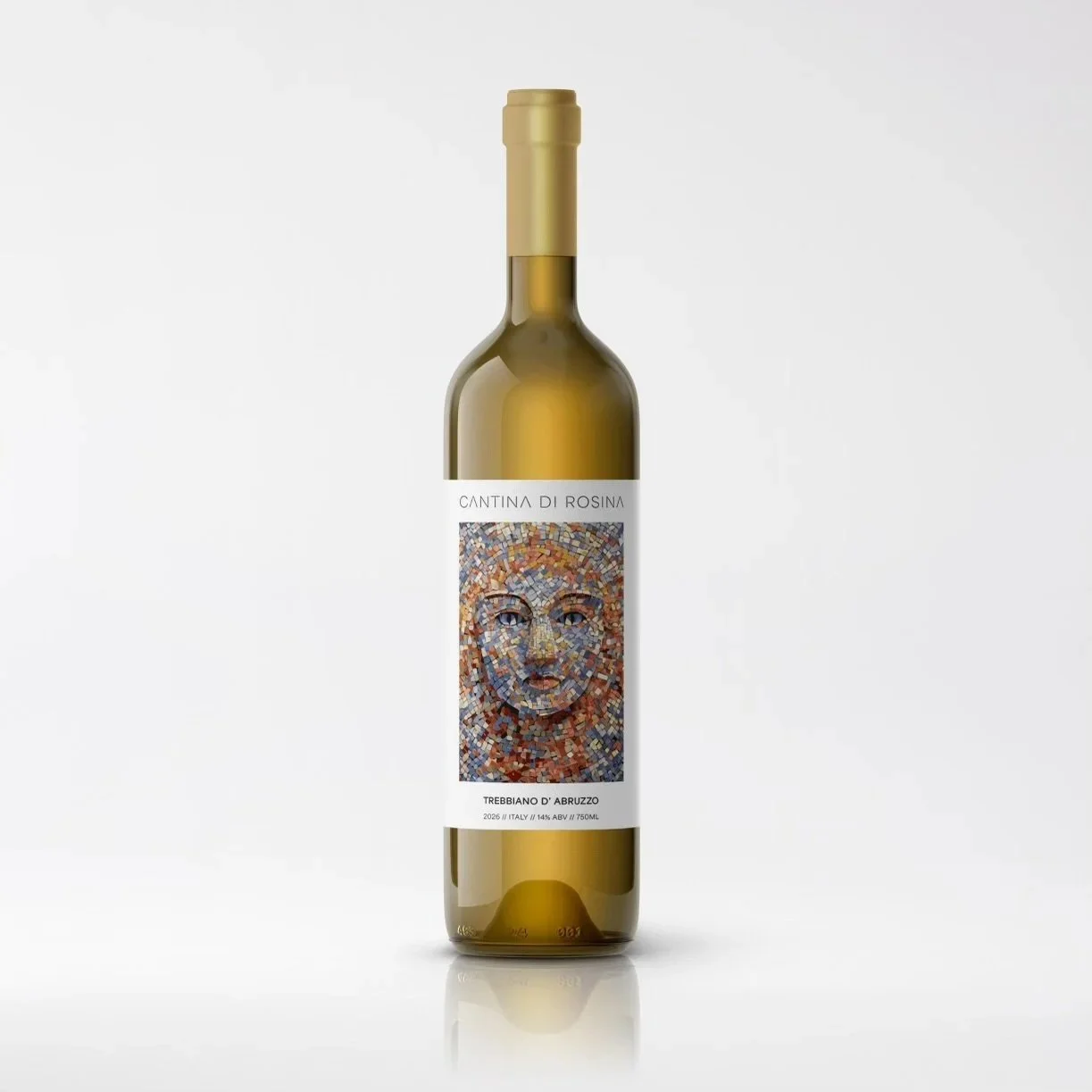
The Trebbiano d’Abruzzo DOC 2024 will be released in the next few weeks so you can enjoy all summer-long.

All the wines are 100% certified organic with sustainable farming practices. I have tried the wines, and they are very clean, bright, and complex.
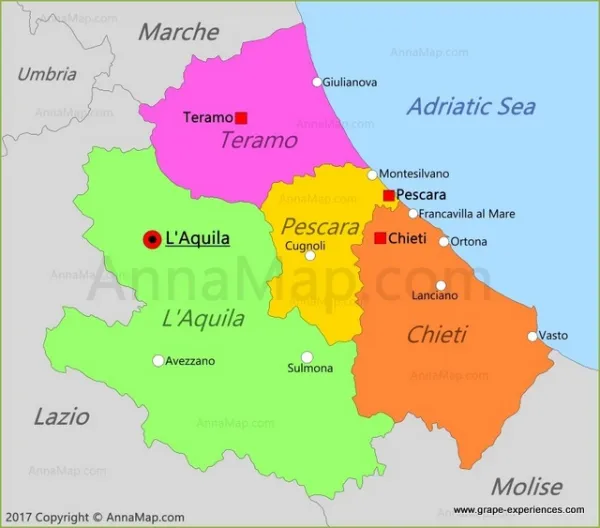
A little bit about the Abruzzo region to better understand the land, microclimate, vineyards, and what goes into the wine that is produced here.

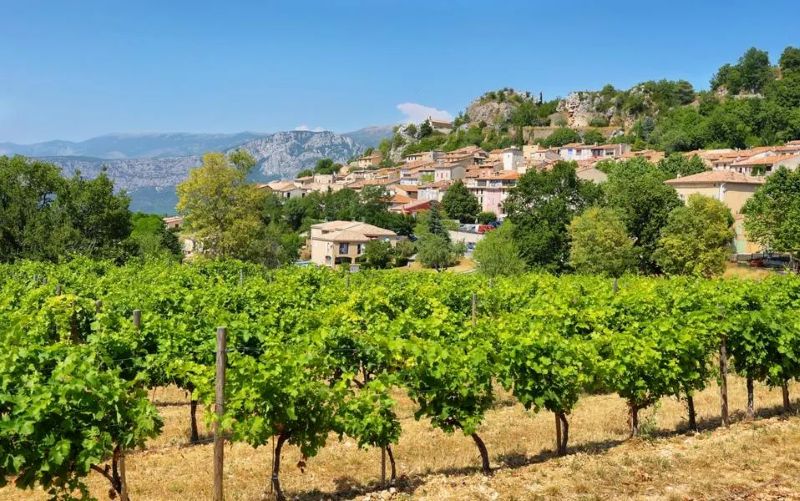
Abruzzo is an Italian region located about a two-hour drive east of Rome. Abruzzo extends from the snow-capped Apennine Mountains to the balmy Adriatic Sea. This magical scenic region offers summits and seacoast, medieval castles and clifftop villages.

It is a major wine region famous for robust Montepulciano d’Abruzzo red wines and crisp Trebbiano d’Abruzzo whites. The region is characterized by mountainous terrain, with most production in the coastal Chieti province, offering high-value, quality wines often with soft tannins and red fruit flavors.

National parks and nature reserves cover much of its rugged interior. It also encompasses hilltop towns, dating to the medieval and Renaissance periods. The regional capital of L’Aquila is a walled city, which was damaged in a 2009 earthquake.
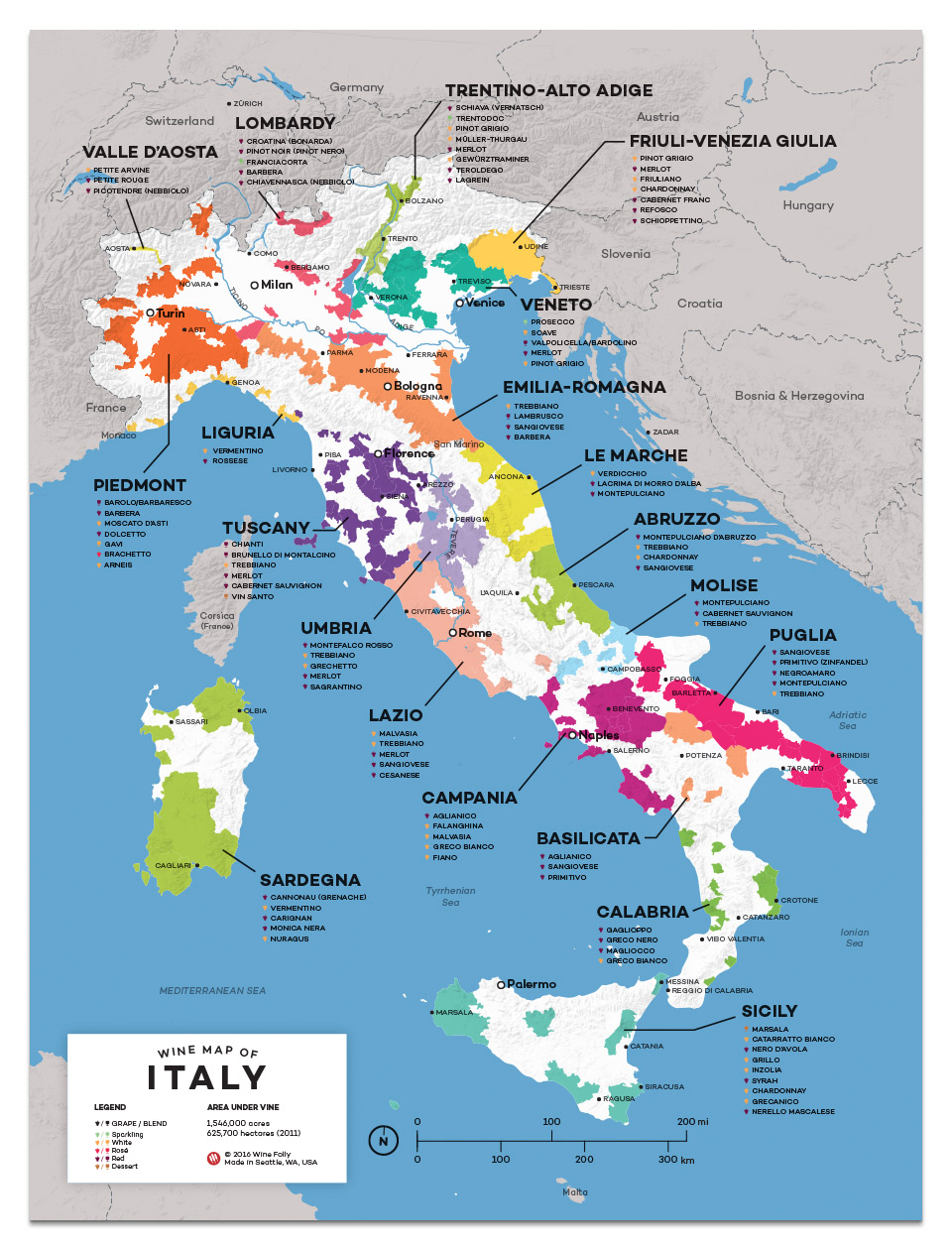
Abruzzo is also known as “the greenest region in Europe” as half of the region’s territory is protected through national parks and nature reserves, more than any other region in Italy. Culturally, Abruzzo is considered a region of Southern Italy; however, geographically it is often considered part of Central Italy.

The focus in Abruzzo is on the Montepulciano grape referred to as Montepulciano d’Abruzzo.  It’s a versatile grape, in the sense that it can satisfy many different palates. Montepulciano is a fruit-forward dry red with a medium to full body, medium to high smooth tannins, and medium to high acidity. Notes of red plum, blackberry, dried herbs and thyme, and baking spices.

It is not be confused with Vino Nobile di Montepulciano, which is a wine made from the Sangiovese grape in the town of Montepulciano from the Tuscany region. 

It can be vinified and aged in stainless steel to give a simple, approachable wine and food-friendly with freshness and expression of the fruit. For low crops, it can be aged in casks or barriques, sometimes new barriques, to create wines that have greater depth, concentration and complexity.

The oaked Montepulcianos coming out of the region are not wines for everyday drinking because they can be very dense, inky, and powerful. These bottlings can be a great option for the winter months. Some can develop gamey aromas with age while others continue to display primary fruit flavors for years.

Montepulciano does typically age well, but it’s not a wine that requires you to age in order to enjoy now and show complexity.

Montepulciano is the most planted grape in the Abruzzo region. It represents 80% of the total DOC wine produced in Abruzzo. The Montepulciano grape has been in Abruzzo since the mid 17th Century. According to DOC rules, Montepulciano d’Abruzzo wines must contain at least 85% Montepulciano, with Sangiovese often used for the rest. Bottles labeled “Riserva” must be aged at least two years.  

Another reiteration of Montepulciano is Cerasuolo “chair-ah-swolo” which translates to “cherry red” and refers to an Italian wine style. It is Abruzzo’s best kept secret! Cerasuolo d’Abruzzo is a Rosé made from the Montepulciano grape. It is made from the free run juice and/or juice with very little skin contact and the color can vary from light pink to dark red. A rosé wine that is usually made by giving the juice a maceration of eight to 18 hours on the skins before fermentation. 

The result is almost like a light red rather than a rosé. A wine with body and succulence not typically rosés. It’s very popular in the region, but you will not see many exported. However, that is starting to change though in recent years.

Even in a good pizzeria in the regional capital of Pescara, you don’t necessarily want to drink a rich red all the time. Cerasuolo, with its vinosity and weight, is actually best drunk lightly chilled. Most producers agree that you shouldn’t consider Cerasuolo a way to use up your least interesting grapes or put in a blend. It should be made from grapes of high quality and treated seriously even its rosé.

The signature white from Abruzzo is Trebbiano d’Abruzzo is a light white Italian wine known for its dark gold or amber-colored berries, high acidity and neutral flavor profile that produces stone fruit and apple aromas with hits of lemon. Though production remains small when compared to Montepulciano, it is starting to make an appearance on the world stage.

Being a very large and dispersed region of vineyards, Abruzzo is divided into many sub-regions, and there are also DOCs that are permitted to use non-Italian varieties such as Chardonnay or Merlot. Only someone who is an expert of Abruzzo terroir would be able to identify the many sub-zones for Montepulciano in the glass. Look for different styes of Sangiovese coming out of the region. 
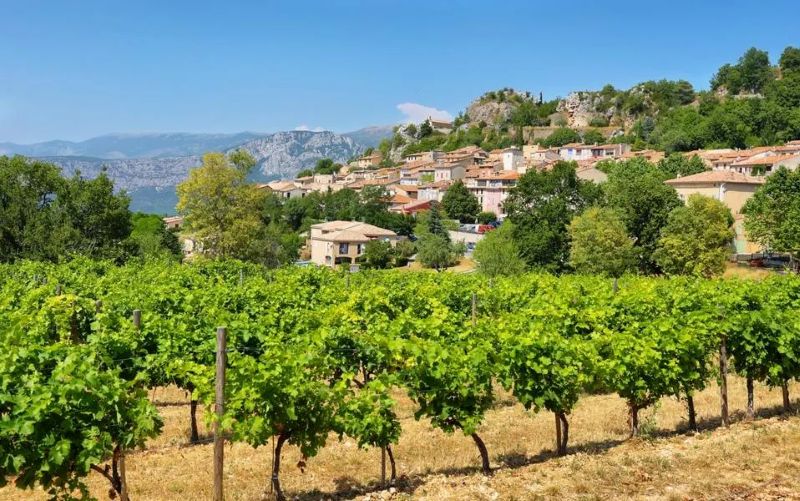
In many older regional vineyards, the vines are trained on tendone (pergolas) designed to shade the grape clusters and make harvest easier. Newer plantings are arranged in rows. 

Tons of sunshine and generous rainfall provide happy growing conditions for wine grapes in Abruzzo. The higher elevations and combination of mountain and maritime breezes bring down summer temperatures, setting up conditions for warm days and chillier nights. This is ideal for maintaining acid balance in the ripeness. Most vineyards flow along the warm and dry coast in the nearby hills. 

I am excited to be representing Cantina di Rosina winery as an ambassador in the Upstate and Central New York region so let me know if you want to schedule a tasting or place an order. Orders can be placed directly from their website or from my link in bio.

You can contact me, Michael Nagy, at 717.877.2729 or michael@cantinarosina.it The wines are truly remarkable by themselves but will also elevate your food experience and company.
If you have an Italian restaurant, steakhouse, pizzeria, or wine shop, these wines will be a perfect complement to your food menu and Italian wine section.

Allow me to share the beauty and story of Abruzzo and Cantina di Rosina (CdR) with you. Find the website at www.cantinarosina.it and on Instagram @cantinarosina. Follow them and me @themichaelpour 🙂
Cheers & Saluti,

Michael
50 Shades of Rosé: A Summer Spotlight

FLX Rose
May
1
2026

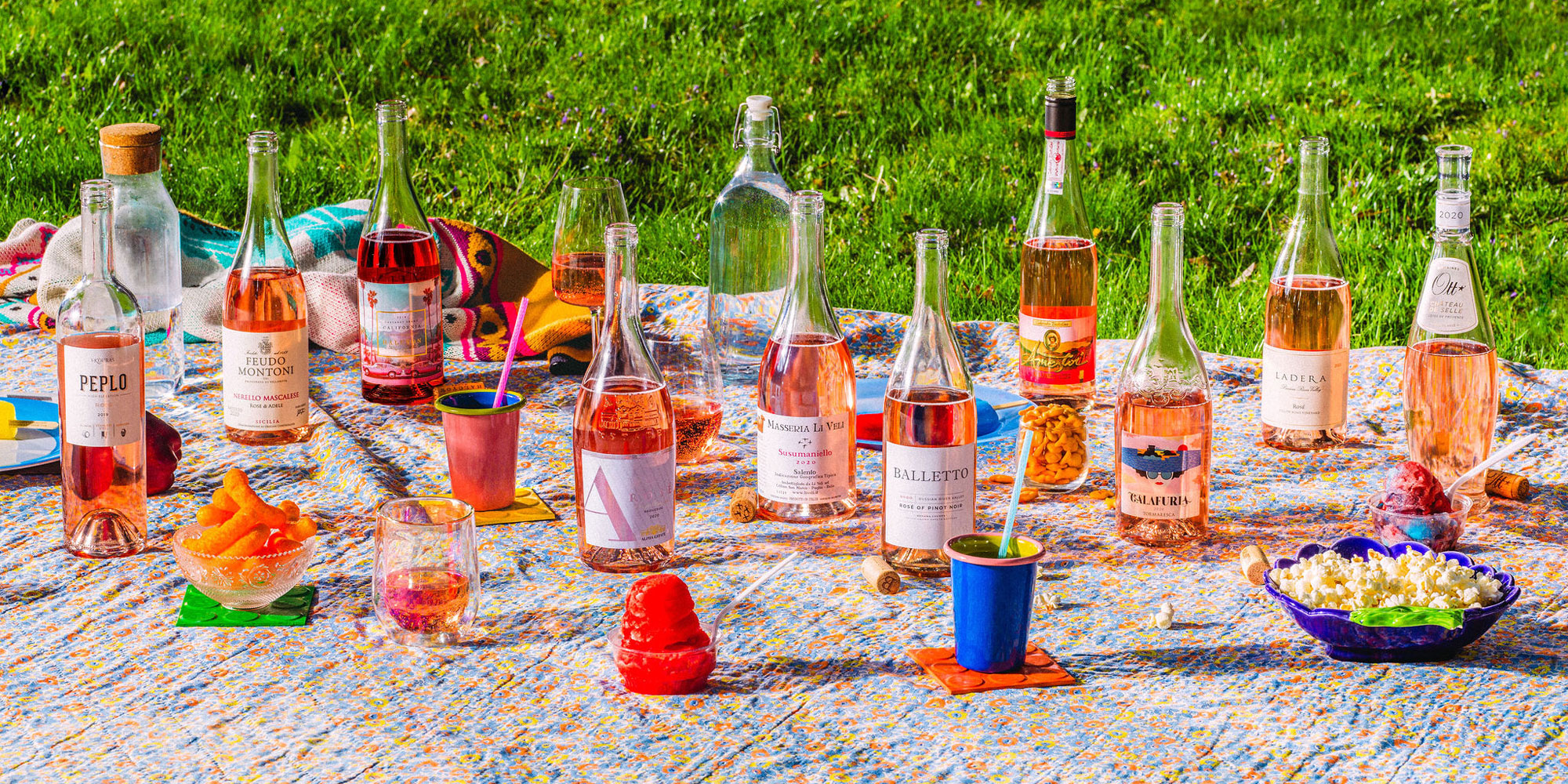
Pink Wine. Rosado. Rosato. Blush. Vin Gris. Summer Water. Saignée. What’s in a name or label?!

Rosé all day? Yes way, rosé. Stop and smell the rosé, rosé every day. Rosé isn’t going anywhere. 

It’s May 1st and Rosé Season is upon us.

Although this pretty pink elixir has become the go-to summertime drink for social media influencers, it’s actually one of the oldest types of wines ever made. Surprising to many, this nuanced wine holds significant historical and cultural traditions in some of Europe’s great appellations. Being nuanced doesn’t mean it is too complex and intimidating to learn the basics.

Its worldwide growth and appeal over the last decade are very much the result of celebrity endorsements. There’s not much that Cameron Diaz, Angelina Jolie, and Post Malone have in common, but all of them have put their name to rosé brands and now aisles are adorned with the faces and autographs of singers, actors, TV chefs and, of course, Snoop Dogg. Much can be attributed to the rise of the rosé mansion and mass production as well.

The rosé lifestyle isn’t a great representation of the actual wine. Rosé isn’t a varietal of wine—it’s just a color. “Rosé” doesn’t really describe what’s in the glass. It could be the most refreshing, lively, delicious glass of pink wine you’ve ever tasted…or not. Rosé can be light or dark pink, mineral or fruity, lush and floral or crisp and acidic. Maybe we should look at the world through rosé-colored glasses because some rosés are bad doesn’t mean they all are.

If you’re interested in learning the differences among the world’s rosé, from the effect picking and production techniques have on style, color and taste, to a review of classic European regions, follow along below. Next time you reach for a bottle, you’ll know the difference between Tavel, Provence, Rosado, or Rosato.

Rosé wine actually dates back to the Romans. Some of the first French-produced wines were rosés. Provençal rosé, that crisp, easy-drinking, light pink style that you chug ceremoniously on the first warm day of the year has been commonplace since the early 19th century. Believe it or not, this pinkish drink pre-dates even Lisa Vanderpump 😉

Production Methods

Though it’s commonly believed that rosé is made by blending white with red, most bottles are made through skin contact (like a red wine) known as “saignee.” Blending red wine into white is only common in Champagne — not in quality still wine. Further, another misconception leftover from America’s white Zinfandel days is that rosé is off-dry or even sweet. In fact, most quality-driven rosés are a variation on bone dry.

Skin Contact

Have you ever heard a producer use the phrase “intentional rosé?” The concept entails growing and harvesting grapes for the express purpose of making rosé wine. This means picking early to preserve freshness and bright fruit flavors, followed by a limited maceration. In other words, winemaking follows the same technique as for red wine: crushing grapes and allowing the juice time on the skins.

But for rosé, that time is far less, from a few hours to two days. The shorter the period, the lighter the color – think pale salmon versus dragon fruit pink. After maceration, the wine is drawn off and fermented to full dryness.

Direct press is a variation on this, though is more akin to white winemaking. Rather than allow any contact between skins and juice, the grapes are pressed and the juice is drawn off the skins. But because the grapes are black, the juice will take on a hint of color and flavor. This method yields a delicate rosé, one that’s faint in color, while favoring citrus flavors over red fruits.

Saignée

French for “bleeding,” saignée is often a byproduct, (though not always – see Navarra) of red winemaking rather than utilized as an intentional rosé winemaking method. Grapes are not picked expressly for rosé but rather for the primary red wine. This technique is common in Paso Robles, for example, where winemakers seek to produce concentrated, bold and flavorful reds.

Bleeding some wine off early in the maceration process, concentrates the remaining juice; and the lighter juice that’s bled off gets vinified separately for rosé. Though it’s a perfectly acceptable method, wines can be an afterthought.

Rosé generally demands freshness, and grapes picked for concentrated reds are usually the opposite: ripe with higher alcohol. Of course, it’s a matter of taste – saignée is great for those who prefer a richer, fruitier style of rosé.

Blending

Except maybe late night at a party, fine wine producers don’t blend red and white wine together. At least, French appellations do not allow it, except for one: Champagne. For rosé Champagne, producers may add still Pinot Noir or Pinot Meunier for hue and flavor. Outside of Europe, a few New World producers might blend white and red but it’s not the norm for quality wine production.

Provence Vineyards

Regions To Know

FRANCE

Provence, France

If you’ve sipped a glass of rosé, you’ve probably tasted one from Provence. The OG of pink wine, denizens of the south of France view rosé as a way a of life, not just a beverage. Stylistically, Provençal rosé is distinct, too.

Typically, wines are made intentionally, picked for citrus and tart red fruit flavors, with limited skin contact for lighter hues and delicacy of flavor. It’s not a big, brash, fruity wine; rather, they are meant as crisp, versatile food wines to be enjoyed with vegetables, seafood and even meat.

The classic grapes are Grenache, Cinsualt, and Mourvèdre. Bandol has a large presence in the U.S. for its high quality, pricier versions made from Mourvèdre. Wines are savory, mineral-driven and structured, rather than simple and fruit-forward. Bandol is a rosé that can age.

Tavel, Rhône Valley

Though Provence is better-known in the U.S. market, Tavel is the only French appellation specializing in dry rosé. Talk about intentional winemaking. The primary grape used in Tavel is Grenache. Other grapes allowed include: Cinsault, Bourboulenc, Clairette (pink and white), Mourvèdre, Picpoul (black, white, grey), and Syrah.

While white wine cannot be blended with red, white grapes and their press juice can be added pre-fermentation. Due to longer skin contact, the wines achieve greater color and depth of red fruit flavor. This lends more tannin, structure, and age-worthiness from top producers.

In Chinon, Touraine, Anjou, and Loire Valley, France, Cabernet Franc is the grape of choice where the bests rosés weave delicate vegetal notes and juicy red fruit flavors from the CF.

SPAIN

Spaniards have been drinking rosé for ages; only in recent years have those bottles made their way stateside. Often, producers made simple, quaffable wines. But as exports have increased, so has quality. Instead of rosé, bottles will say Rosado. Grenache and Tempranillo are the main varieties used for making various styles, though often in a deeper hue than their French counterparts.

Navarra

Navarra rosé helped make the region famous. Producers turn out both poolside sippers and more complex, food appropriate expressions. Grapes used include Tempranillo, Cabernet Sauvignon, and Merlot, though rosado from old-vine Grenache is considered the highest expression for the region. Saignée method is typical, but in the case of Navarra, wines are of good quality, not just a fun summer wine.

Rioja

Unusual in the world of rosé, or rosado, is the application of aging classifications to this style of wine. Most producers of rosé tout new vintages for their youthfulness and freshness, using stainless steel vessels in that stylistic pursuit. That, or they need to move product for cash flow.

But in the case of Rioja, rosado follows the classic aging rules in oak barrels: joven (no aging requirement), crianza (aged for 12 months including 6 months in barrel); and reserva (2 years including 6 months in barrel). Grenache and Tempranillo are the primary grapes.

Txakoli

Spain’s northern Basque country is home to unusual, indigenous varieties used to produce dry, effervescent Txakoli. Though rosé is a recent phenomenon, it’s becoming easier to find in the U.S. Made in a pale shade of pink, wines are mineral and tart, and largely based on red grape Hondarrabi Beltza.

ITALY

Known as Rosato in Italy, rosé is made up and down the boot, with styles and flavors dependent on the local climate and traditional varieties available. You’ll find more delicate versions produced in the northeast around Veneto, Friuli-Venezia Giulia and Trentino-Alto Adige. Logical, given the cooler climate.

That includes Chiaretto from Lombardy and Veneto. “Chiaro” means light or pale, evoking the dry style of the wine based on the Corvina grape. Ramato, from Friuli, is based on extended maceration with pink grape Pinot Grigio. Central Italians, of course, produce rosato. One better known example: cherry-pink Cerasuolo of Abruzzo made from the Montepulciano grape.

In the south, rosatos are fuller-bodied and fuller-flavored like the sun and the food. Puglia, Sicily and Calabria turn out lots of examples with native grapes like Negroamaro (Puglia) and Nero d’Avola (Sicily).

Rosé is a type of wine made from red wine grapes, produced in a similar manner to red wine, but with reduced time fermenting with grape skins. This reduced skin contact gives rosé a pink hue and lighter flavor than that of red wine. Rosé is produced around the world, as it can be made from any red wine grape cultivated in any wine-growing region.

UNITED STATES

Finger Lakes/New York

Finger Lakes rosé is a vibrant, cool-climate wine known for high acidity, mineral-driven finishes, and bright fruit flavors like raspberry, cherry, and cranberry. Early harvesting is essential for these wines to retain acidity and because of shorter growing season.

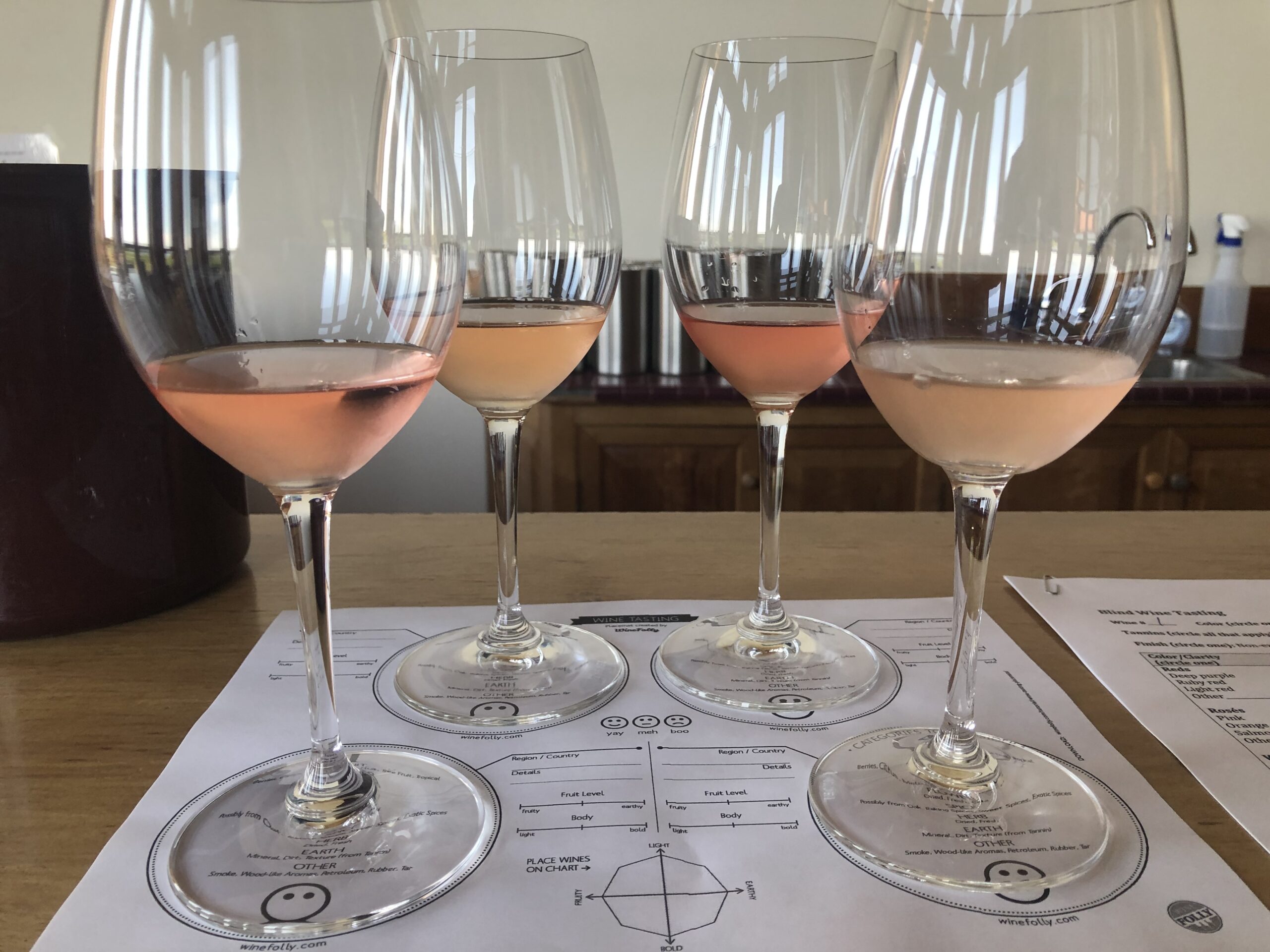
The rosés are known to be fresh, aromatic, possess an array of delicate colors (50 shades of Rosé), and perfect for summer sipping. The maceration time can vary from a few hours to 24 hours depending on grape ripeness, color, or your desired style.

The flavor profile is fresh red fruit (raspberry, strawberry), tart cherry, rhubarb, and hints of dried herbs. The style ranges from bone-dry to slightly off-dry, mineral-heavy, and steely. They are usually made from Pinot Noir, Cabernet Franc, Blaufrankisch, but also includes hybrid blends.

They are starting to see more experimentation with the varietals used for the wine, such as Zweigelt, Merlot, Cabernet Sauvignon, and Gamay Noir.

For my Finger Lakes friends, I am including my personal rosé wine recommendations. This summer, look for a fun, interactive, and educational rosé class in the local Syracuse, NY and Central NY area. Drink those 2023 vintages right now and the 2024 very soon. Don’t sleep on rosés from NYS in general. North Fork of Long Island and Hudson Valley produce some beautiful rosés.

Being a fairly low production wine (~200 cases), you will most likely not find a 2024 at the winery or marketplace. You should see most of the 2025 vintage of the Finger Lakes Rosé already released or soon to be released.

FLX Rosé Tasting by The Michael Pour. Book yours!

Weis Vineyards 2024 Dry Rosé. Also produces a Zweigelt Rosé.

Glenora Wine Cellars 2024 Dry Rosé

Ryan William Vineyard 2024 Estate Rosé

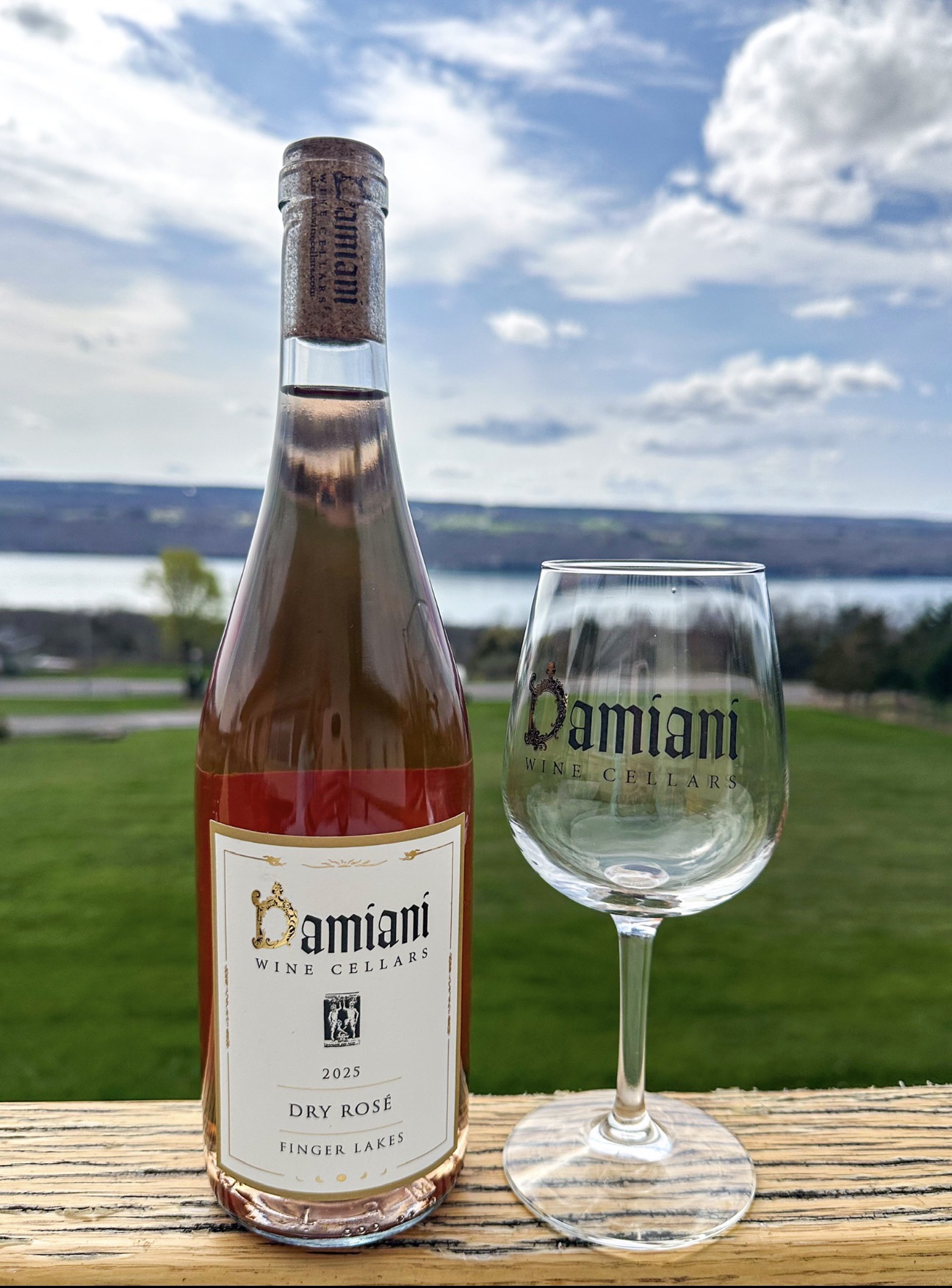
Damiani Wine Cellars 2024 Bouquet (2025 vintage will be released in the next few days). They offer a Dry Rosé as well. Visit them and order at Finger Lakes Winery – Damiani Wine Cellars. Let me know if you would like a taste of these wonderful rosés and the rest of their portfolio. I will come to you.

Bright Leaf Vineyard 2023 Estate Dry Rosé

Chateau LaFayette Reneau 2024 Estate Rosé

Fox Run Vineyards 2024 Dry Rosé

Sheldrake Point Winery 2024 Dry Rosé

Airy Acres Vineyard 2023 Dry Rosé of Saperavi and Blend

Six Eighty Cellars Dry Rosé of Gamay and Pinot Noir

Some of my other favorite rosé styles around the world –

Grenache or Garnacha Rosé (fruity) from France or Spain

Tasting – usually a brilliant ruby red hue with notes of ripe strawberry, orange, hibiscus and sometimes with a hint of allspice. Moderately high acidity, but since most have quite a bit of color and body.

Think a summer evening with gyros and tzatziki on the plate, which I just had this week.

Provence Rosé (fruity) from France

Tasting – Rosé from Provence is the little black dress of pink wines. Fresh, crisp, and dry style is a superb match for almost any dish, Try a juicy burger makes a perfect partner.

Grenache, Cinsault, Syrah, and Mourvèdre are all used and give these rosés nice aromas of strawberry, fresh-cut watermelon, and rose petal, finishing with a distinctive, salty, and minerality on the palate.

Pinot Noir Rosé (hard to produce, fruity, but can be floral and mineral/earthy as well) from all over the world. Some of the best in New York State.

Tasting – The fruit is considered sensitive and temperamental, but when at its best, it can make for a very sexy glass of wine. In Pinot Noir delivers bright acidity and soft, subtle aromas of crabapple, watermelon, raspberries, strawberries, and wet stone. The grape can produce mineral, but-elegant wines that are cool, crisp, and dry. Try with fresh goat cheese, salads, or fresh fruit on the beach.

Other Guidelines

Rosé should always be chilled and served at approximately 50 to 60 degrees Fahrenheit. Place rosé directly into the refrigerator after purchasing it, and chill for at least several hours before serving (30 minutes in the freezer will work in a pinch). I discourage you to add ice cubes to rosé or any wine, for that matter, since ice cubes will dilute and change the flavor of the wine.

It’s better cold to enhance the aromas, flavors and acidity, but not too cold. Too cold stifles the aromas, while too warm can over emphasize the alcohol and dull the flavor.

Most rosé is best to drink when young (1-2 years). So, 2024 and 2025 vintages are ideal right now. Anything older would taste flat and flavorless.

Since rosé wine, as rosé is produced specifically for its fresh and fruity taste, it is not recommended to age. An exception is in the Bandol region of Provence, which uses the Mourvèdre grape and is known for its age-ability. Rosé wines made from Mourvèdre are high quality and can age for up to 10 years in some cases.

Food Pairing

What isn’t a great pairing with Dry Rosé?! Rosé is such a broad category of wine with light, subtle options from southern France, Italy and Spain to bolder options like those from California, Central France, or South America (and so many in between from virtually every wine producing region on the globe).

Pairings really depend on which grape(s) the rosé is comprised of. In general, rosé can be thought of as an “in between” option for a red and a white wine in style. It often has the red fruit aromas of a red wine, with the lighter body and crisp acidity of a white wine. Paired with fresh fruit is magical!

Seafood

The light, often mineral-driven nuances of dry rosé wines, especially those from Southern France or Italy, harmonize beautifully with the delicacy of seafood. Be it a buttery lobster, grilled shrimp, or a light fish dish like cod or sole, the crisp acidity of dry rosé complements the sea’s salty sweetness without overwhelming its flavor.

Chicken & Meat

On the other side of the spectrum, the fruity undertones of rosés from regions like California or Central France make them an excellent match for poultry and lighter meat dishes. A roasted chicken or turkey, grilled pork chops, or even a medium-rare steak can benefit from the medium-bodied, berry-infused charm of a robust dry rosé.

Vegetarian

Vegetarian cuisine finds a delightful partner in dry rosé. The light body and dynamic flavor profile of dry rosé balance the natural flavors of vegetables, grains, and legumes. A Mediterranean-style salad, a hearty quinoa bowl, or a vegetable stir-fry would pair splendidly with a glass of refreshing dry rosé.

Cheese & Charcuterie

The spectrum of dry rosé wine can handle a broad array of cheeses and charcuterie. From creamy brie and tangy goat cheese to salty prosciutto and spicy sausages, dry rosé provides a counterpoint that enhances these bold flavors, making it an ideal choice for a charcuterie board.

Desserts & Sweets

Dessert pairings depend largely on the rosé’s residual sweetness. A drier rosé could pair nicely with a light lemon tart or a bowl of fresh berries, enhancing the dessert’s fruity notes without overwhelming its sweetness. Remember, the art of food and wine pairing lies in balance, and dry rosé is a versatile animal that can harmonize with a broad palette of flavors.

Cheers & Sante,

Michael

michael@michaelpour.com

New York’s Macari Vineyards: A Winery Spotlight

Mattituck Tasting Room at Macari Vineyards
February
25
2025

When we are planning a trip to a wine region, how do we decide where to go? Are we influenced and steered by trip advisor, yelp, word of mouth, things to do, styles of wine, or winery reviews? Maybe our motivations are to visit and experience a new wine region or taste a style of wine from a unique climate, terroir, or grape-growing environment? How about the wineries themselves? Do they offer a full or an all-inclusive tasting and hospitality experience?

Whatever your reasons, this story highlights one of my favorite wineries that are producing excellent, terroir-driven, and highly rated wines from an area, which is generally not thought of as a wine destination. Macari Vineyards, located on the North Fork region of Long Island in New York, is a sustainable, biodynamic family run vineyard and winery in the town of Mattituck. The Macari family is involved in every aspect of the winemaking and viticulture. The first grape vines were planted in 1995.

The Mattituck Tasting Room sits on the edge of the 500-acres (formerly a potato farm in the 1960’s) offering guided and tailored tasting experiences for small and large groups. These tasting experiences can occur on the covered deck or in the production cellar where all the magic happens. If you prefer a private experience, you can book the Private Tasting Suite.

Macari prides itself on offering seasonal tastings, food and wine pairings with gourmet cheese, charcuterie, pizza, and local fare for a cool brunch, lunch, or special event dinners. The style of wine crafted by Macari makes them very food friendly and versatile for all occasions throughout the year.

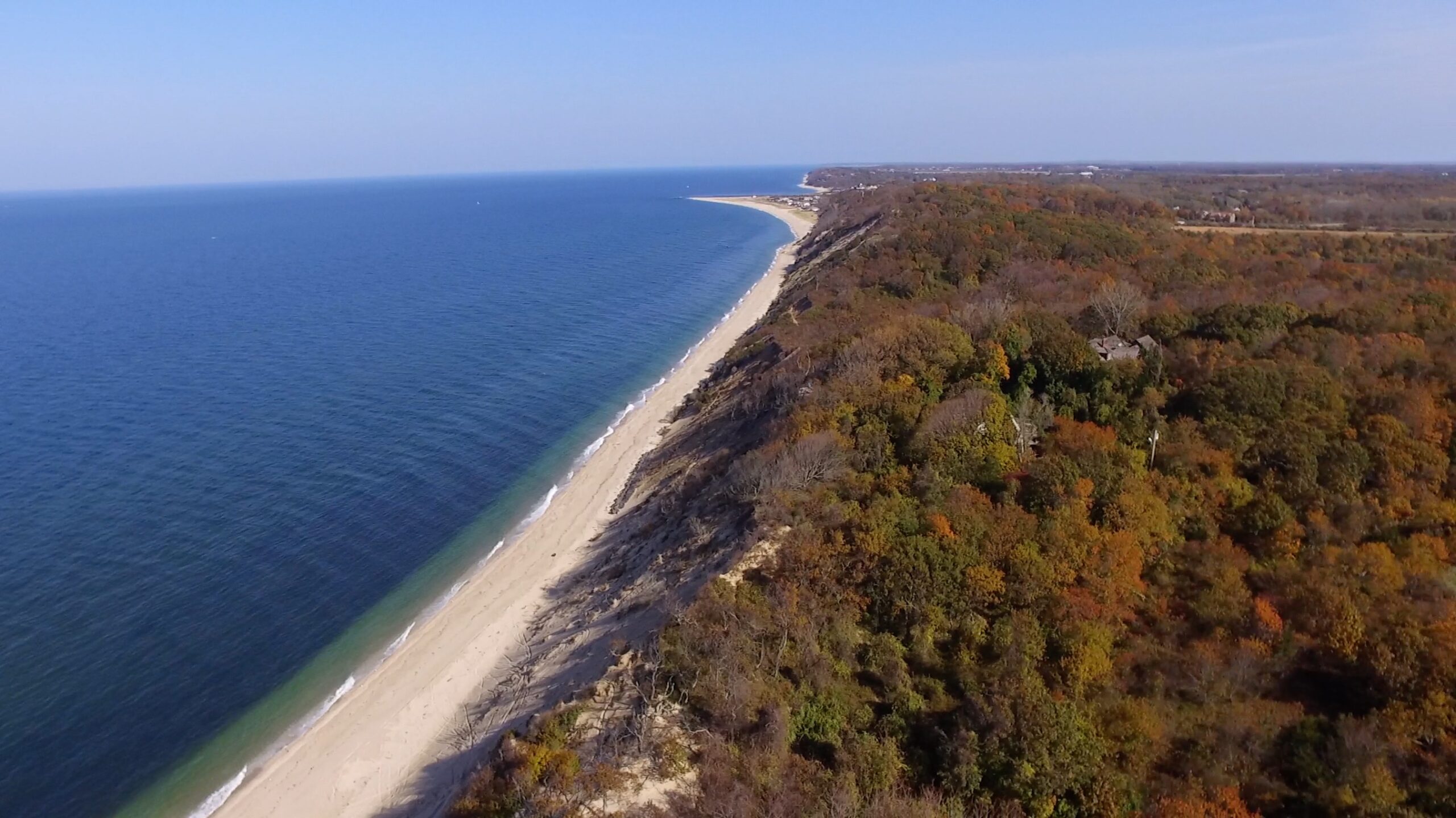
Macari Coast

Macari has an off-site location called the Meadowlark North Fork featuring a wine bar and a wedding/event venue. The Wine Bar is a modified tasting room that offers unique selections of the Macari portfolio by the glass or bottle. Here the focus is on limited wines and innovative winemaking techniques available only at the Meadowlark property.

This wine bar is where guests can explore new tastes and unwind in the gardens. It is a great option for get-togethers, unique happenings and events, and a relaxing getaway for guests who desire to commune in nature without the hustle and bustle of a busy tasting room environment. Great place to experience the beautiful sights of the North Fork and have a picnic lunch.

What about the wines?

If you like balanced, nuanced, and age-worthy wines, then Macari wines will satisfy you and your guests’ palate throughout the whole year. Please see previous blog post to learn more about what makes wine from this region special to wine enthusiasts and different from other New World wines. The climate, microclimates, soil, latitude, longitude, diurnal temperatures, and proximity to water available to Macari allows for a unique expression of cool-climate wines similar to Bordeaux, but with some slight differences, like the salinity.

A follow-up post will discuss their award-winning wines from their portfolio along with tasting notes and technical information for those who want a deeper dive. Below is a brief list of some of those outstanding wines and some of the wines I will feature next time.

2023 Sparkling Horses Cabernet Franc

2023 Sauvignon Blanc Lifeforce

2022 Cabernet Franc Lifeforce

2021 Bergen Road Red Blend

2014 Block E White Blend

Cheers,

Michael Nagy

Wine Glass

DON’T MISS A DROP

Get notified when new articles are poured

We don’t spam!