New York’s Macari Vineyards: A Winery Spotlight

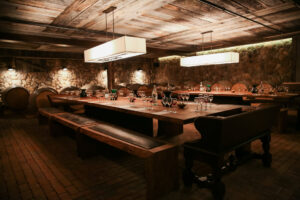
Mattituck Tasting Room at Macari Vineyards
February
25
2025

When we are planning a trip to a wine region, how do we decide where to go? Are we influenced and steered by trip advisor, yelp, word of mouth, things to do, styles of wine, or winery reviews? Maybe our motivations are to visit and experience a new wine region or taste a style of wine from a unique climate, terroir, or grape-growing environment? How about the wineries themselves? Do they offer a full or an all-inclusive tasting and hospitality experience?

Whatever your reasons, this story highlights one of my favorite wineries that are producing excellent, terroir-driven, and highly rated wines from an area, which is generally not thought of as a wine destination. Macari Vineyards, located on the North Fork region of Long Island in New York, is a sustainable, biodynamic family run vineyard and winery in the town of Mattituck. The Macari family is involved in every aspect of the winemaking and viticulture. The first grape vines were planted in 1995.

The Mattituck Tasting Room sits on the edge of the 500-acres (formerly a potato farm in the 1960’s) offering guided and tailored tasting experiences for small and large groups. These tasting experiences can occur on the covered deck or in the production cellar where all the magic happens. If you prefer a private experience, you can book the Private Tasting Suite.

Macari prides itself on offering seasonal tastings, food and wine pairings with gourmet cheese, charcuterie, pizza, and local fare for a cool brunch, lunch, or special event dinners. The style of wine crafted by Macari makes them very food friendly and versatile for all occasions throughout the year.

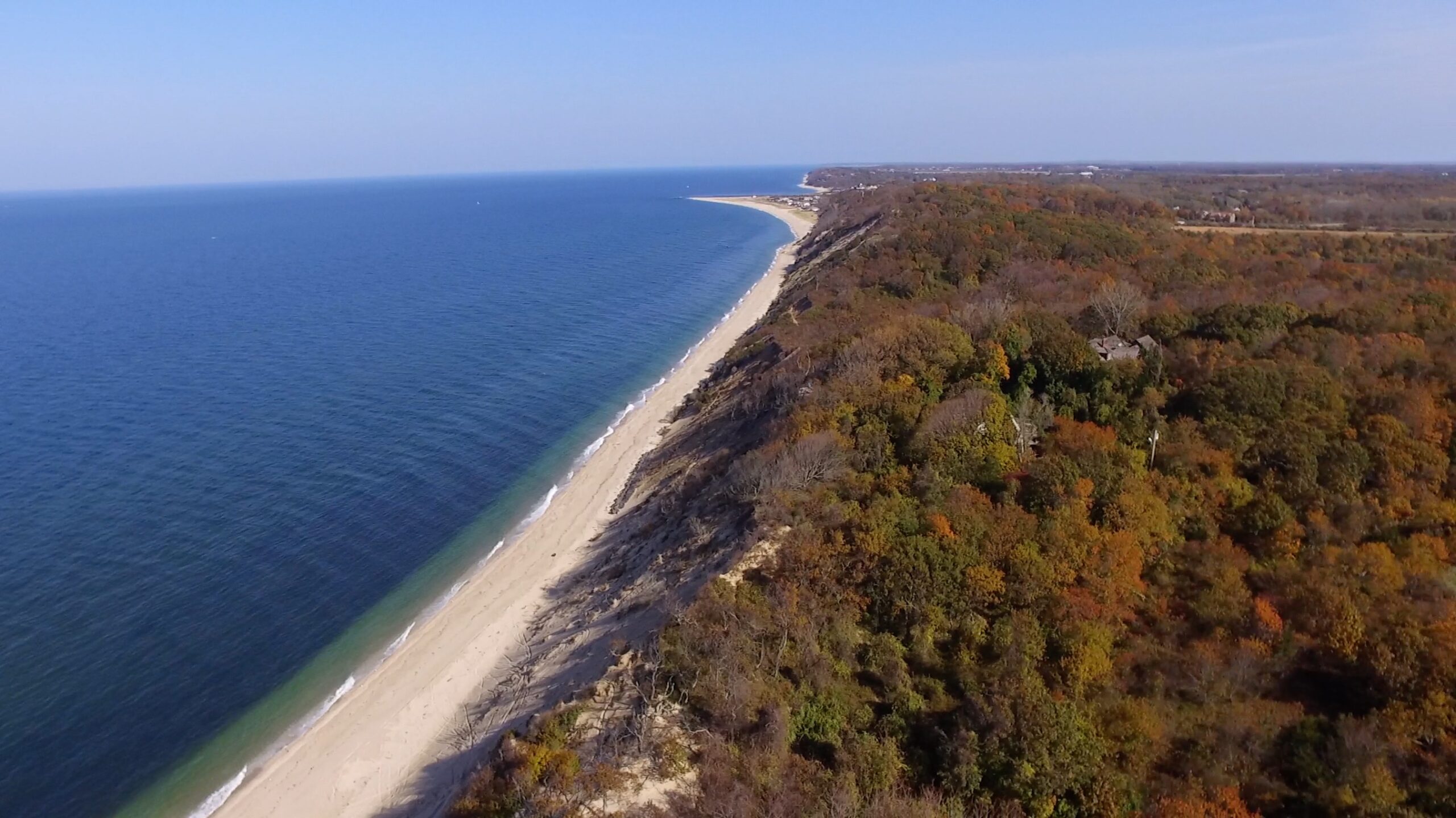
Macari Coast

Macari has an off-site location called the Meadowlark North Fork featuring a wine bar and a wedding/event venue. The Wine Bar is a modified tasting room that offers unique selections of the Macari portfolio by the glass or bottle. Here the focus is on limited wines and innovative winemaking techniques available only at the Meadowlark property.

This wine bar is where guests can explore new tastes and unwind in the gardens. It is a great option for get-togethers, unique happenings and events, and a relaxing getaway for guests who desire to commune in nature without the hustle and bustle of a busy tasting room environment. Great place to experience the beautiful sights of the North Fork and have a picnic lunch.

What about the wines?

If you like balanced, nuanced, and age-worthy wines, then Macari wines will satisfy you and your guests’ palate throughout the whole year. Please see previous blog post to learn more about what makes wine from this region special to wine enthusiasts and different from other New World wines. The climate, microclimates, soil, latitude, longitude, diurnal temperatures, and proximity to water available to Macari allows for a unique expression of cool-climate wines similar to Bordeaux, but with some slight differences, like the salinity.

A follow-up post will discuss their award-winning wines from their portfolio along with tasting notes and technical information for those who want a deeper dive. Below is a brief list of some of those outstanding wines and some of the wines I will feature next time.

2023 Sparkling Horses Cabernet Franc

2023 Sauvignon Blanc Lifeforce

2022 Cabernet Franc Lifeforce

2021 Bergen Road Red Blend

2014 Block E White Blend

Cheers,

Michael Nagy

Getting to Know the Long Island Wine Region of NY

Long Island Region of Ny AVA
February
4
2025

On the largest island in the contiguous US, you will find diverse wine styles from well-structured red wines to refreshing white, rosé, and sparkling wines. The North Fork of Long Island, which is located 75 miles east of New York City, is known for its tranquil waterfront charm, pebble beaches, lush farmland and rich vegetation, and wealth of family-run and sustainable vineyards.

The Long Island American Viticultural Area (AVA) has a similar maritime climate to the classic Bordeaux Region of France due to its proximity to the Atlantic Ocean. With being surrounded by water, the area is well protected from the cold and harsh winter seasons and the hottest summers, which is ideal for growing Bordeaux-type varieties.

Unlike other regions in New York, Long Island has always focused on Vitis vinifera grapes because it’s a warmer climate. It doesn’t have to focus just on cool climate and hybrid varieties. Even though it has a warmer climate, Long Island has the tumultuous Atlantic Ocean influence, which is why many vineyards are located in the North Fork sub-region of Long Island. The vineyards here are protected by the Peconic Bay around the island.

Terroir

Terroir is a French term literally meaning ‘sense of place’ describing the growing conditions for wine grapes. As mentioned earlier, Long Island has a very similar climate to Bordeaux but is a little warmer. With more growing days and hours of sunshine, you might expect riper styles of wine. In fact, Long Island has the same latitude as hot Barcelona, Spain. However, because of the cold Atlantic Ocean, Long Island wines tend to be ripe, but not over ripe or jammy compared to traditional warm climates, like California, Spain, and Australia.

One of the other factors affecting grape-growing in Long Island is the higher amount of precipitation, but the free draining, indigenous sandy soils and glacial moraines remaining from the last Ice Age drain away any excess water. This prevents the grapes from becoming bloated causing increased sugar levels, which can be catastrophic for dry wines.

The combination of adequate sunshine, moderately warm weather, gravelly and sandy soils, and proximity to the ocean leads to juicy red wines that are not overly tannic, heavy, or high in alcohol. The resulting red wines have savory aromas and characteristics, and white wines are high in acid with a unique saline profile not found too often in other wine regions around the world.
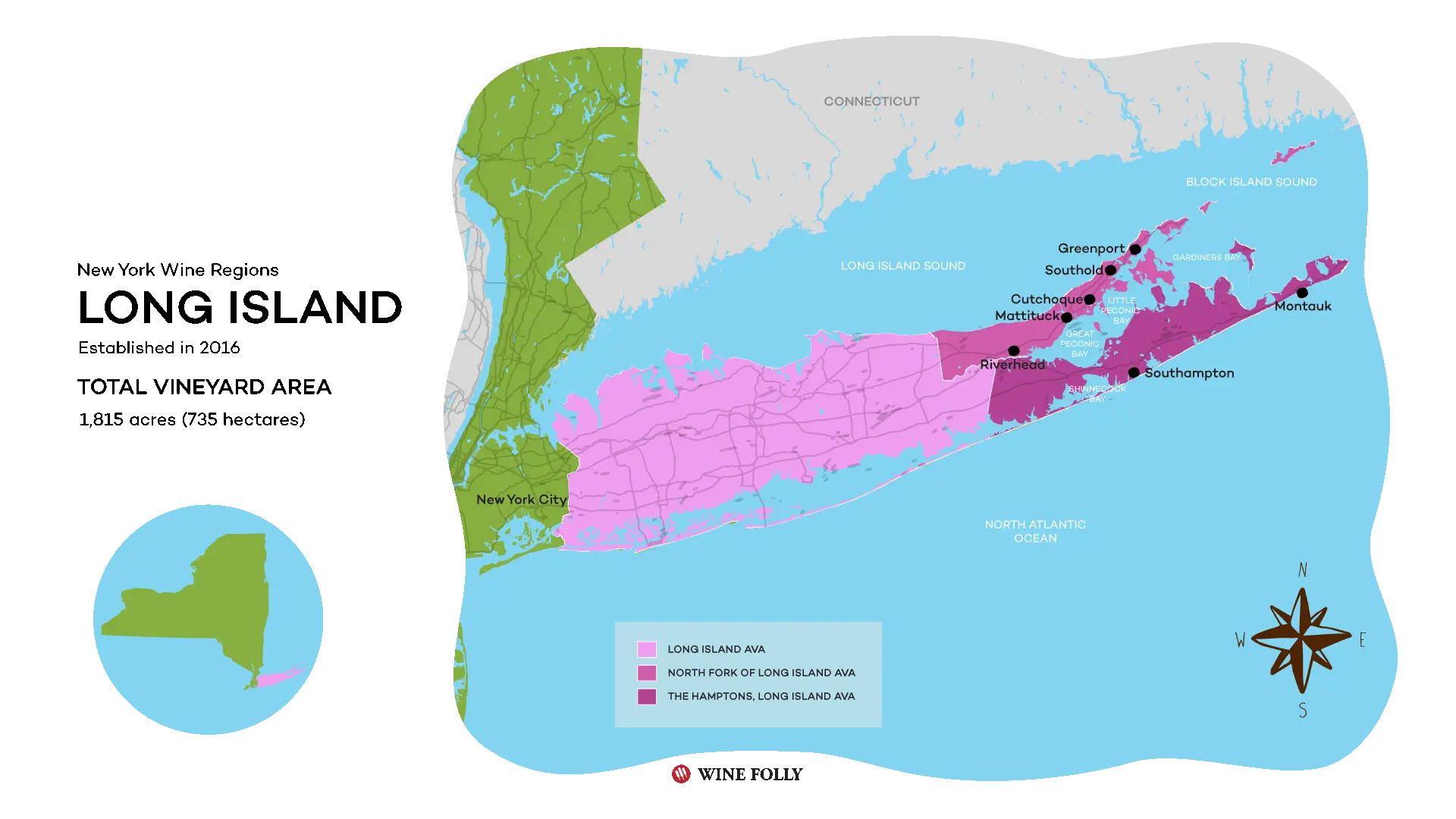
Long Island AVA

Long Island Wines

There are Bordeaux varieties, such as Merlot, Cabernet Franc, and Cabernet Sauvignon, but also traditional-method Chardonnay and Pinot Noir, some edgy styles of Pet Nat, and orange wines. Many of the wines, thanks to the cooling influence of the Atlantic, are lower in alcohol, around 11-12.5%, with lighter styles from Bordeaux and fresh fruit flavors.

Sub-Regions of Long Island

The main AVA is Long Island but, in reality, the main spot where most vineyards are planted is in North Fork, thanks to the protection of Peconic Bay. However, people can source grapes from the entire Island where you will see Long Island AVA on the label.

North Fork of Long Island

The North Fork of Long Island is warmer than the rest of Long Island (including the Hamptons) and receives more sunshine leading to wines with riper fruit flavors and fuller bodies, and often higher alcohol compared to other NY regions in New York. The North Fork of Long Island AVA was established in 1986, sixteen years before Long Island AVA.

Over the last 10 years or so, the North Fork has enjoyed a major evolution with critical acclaim from wine experts and the international wine community. I have become fascinated with the quality and versatility of their wines that I started to use North Fork wines for my company events and wine tastings with clients as well as enjoying them myself and in my travels. Look for their wines to be featured and reviewed here and on social media.

Horses Pet Nat Macari Vineyards

One winery in particular whom I’ve recently become an unofficial brand ambassador for is Macari Vineyards. Macari Vineyards, whose 500 acres features a beautiful and spacious tasting room and covered deck where top-end red flights, a bottle of the cult-favorite ‘Horses’ Pet-Nat, and award-winning Merlot, Cabernet Franc, and Bergen Road Red Blend are paired with charcuterie, cheese, and other delicacies.

Macari’s wine estate, which is biodynamic and sustainable, is located in Mattituck overlooking scenic Long Island Sound. The property has been in the family for over 40 years spanning three generations using traditional farming methods. The family themselves nurture the soil and vines. Nearby, Meadowlark, Macari’s sister property, pours small-batch wines and hosts events. Visit their site at the hyperlink above. I look forward to a visit there soon.

The Hamptons of Long Island

Established in 1985, this southern part of the island is better known for celebrity beach houses and where affluent New Yorkers go to get away from it all. However, it’s also a great place for refreshing wines from Long Island, particularly rosé and sparkling wines. Cooler than the North Fork due to massive exposure to the Atlantic Ocean, you can expect higher acid content in the wine along with lighter styles and zesty white wines.

Quick Facts:

  • There are 90 Wineries in Long Island as of 2022.
  • Largest island in the contiguous United States.
  • Established May 15, 2001.
  • New vineyards planted in 1973 in North Fork sub-region.
  • 1815 acres of vineyards planted.
  • First vineyards were planted in the 1820s, but all succumbed to disease pressure.
  • Over half the planted acres in Long Island are in the dedicated sustainability program (LISW).
  • Merlot is the most planted grape variety in Long Island.

As the parent of the super popular Cabernet Sauvignon, Cabernet Franc is often overshadowed by its own progeny. It also the parent of Merlot. However, this underrated grape produces some very good, complex, and food-friendly wines that are the best in the world mirroring those from Loire Valley and Bordeaux, France. Cab Franc is truly the signature red grape of Long Island and all of NY.

Wines made from Cab Franc range from light and quaffable to rich and tannic depending on both region and winemaking styles. Cool-climate examples from the Loire Valley, Finger Lakes, or Long Island can be lively and fresh with tart red fruit, green pepper notes, and better than average acidity.

They can be aged in stainless steel for a punchier red fruit expression and lighter style or in oak barrels to add hints of cedar, tobacco, and spice with fuller body. Cabernet Francs from warmer sites like Napa Valley and Paso Robles can result in bigger wines with juicy, ripe fruit, and typically a heavier oak influence with use of American or new oak barrels.

Cheers,

Michael Nagy, michael@michaelpour.com

Wine of the Week: A Hot Trip to Italy’s Boot

Piluna Primitivo 2021
January
13
2025

I wanted to get this “wine of the week” out to you before I take a road trip to Saratoga, NY this week. With the recent loss of my precious Marty kitty this past week, I need a change of scenery. 

For this week’s wine of the week, I take a trip down to the hot climate of the Puglia region along the Adriatic Sea in southeast Italy where the Primitivo grape is widely produced. Puglia is a dry, sun-drenched region that has one of the most intense sun in all of Italy. The entire east side is along the coastline bordering the Adriatic Sea.The climate is moderated by the Adriatic and Ionian seas, which provide constant, cooling maritime winds. 

This unique climate helps produce exquisitely balanced fruit and is well-suited for the production of concentrated, fruity and spicy red grape varieties, like Primitivo. Puglia’s Mediterranean climate and iron-rich, calcareous soils support the native Primitivo by producing an inky, spicy, and brambly ripe red wine.

About half way down, the region becomes the Salento Peninsula. This peninsula, bordered by water on three sides, receives moist, nighttime, sea breezes that bring a welcome cooling effect to the region, where little rain creates a challenging environment for its vines. The region is named for the Italian expression, “a pluvia,” meaning “lack of rain.”

Loved for its fruit-forward wines, the Primitivo grape originated in Croatia. Here it was named from the Latin word, primativus, meaning “first to ripen.” Nobody knew until the early 90’s that Primitivo and Zinfandel were actually the same genetic grape. The grape is better known outside of Italy as Zinfandel, especially California. 

California Zinfandel tends toward a sweeter, fruitier style than Primitivo. This is due to areas like Lodi that are hot during the day, and don’t really cool off that much at night. Napa Valley, and the Dry Creek Valley of Sonoma County, and in parts of New York state also produce it, but are usually lighter-bodied. Both can have a slight sweetness from ripe fruit, but Primitivo is usually made in an earthier, more tannic style.

The main traits of most Primitivo wines are fruity with notes of cherry, strawberry, blackberry, and raisin, earthy and rustic, big and jammy, high in alcohol, chewy tannins, and sometimes a sweet finish. It is no longer an obscure blending grape in Italy. It has become a symbol for high quality, inexpensive single varietal wines unlike many Italian red wines. Primitivo’s ripe fruit and full body make it a great partner with rich, meaty dishes. 

Castello Monaci Piluna Primitivo 2021

I was first introduced to this lovely wine in 2023 when I was the General Manager at Portico Restaurant, high end Italian steakhouse, in del Lago Resort & Casino. Based on the recommendation from my sales rep and upon tasting, I was sold. I decided to add it permanently to my extensive wine list as well as “by the glass” program at a very moderate price.   

Tasting Notes –

Aromas of ripe black fruit, dried red fruit, strawberry, and toasty vanilla and pepper spice. On the palate, hints of cherry, chocolate, and a berry basket. Medium bodied (most Primitivo is heavier), light-medium tannins (with bottle age, tannins have softened out today from my first tasting in 2023), low-medium acidity, and a fruity character at the end of the palate followed by an earthy finish. Even with some age and dried characteristics, it still has some freshness to it.

This featured wine from producer Castello Monaci, with its sustainability philosophy, stands out in the heart of the Salice Salentino DOC, which is located in Puglia in the “heel of the boot” of farthest southeast Italy. Each vineyard section is always cultivated and harvested at night to ensure the best quality of grapes. It has consistently received a 90-point rating from international reviewers overall several vintages. Drink now – not age worthy. Look for the 2023 vintage available now. 

Cheers,

Michael

Wine of the Week: Little Known Red from Austria

Zweigelt Wine of the Week
January
6
2025

I had the pleasure of sipping this wine over the holiday season with in-laws. It was a nice change of pace from what I typically drink even though it reminds me of a nice Pinot and Lemberger all in one bottle.

Did you know that the country of Austria produces some really good wine? Can they grow red grapes and produce red wine in their cold climate? Although Austria is better known for its white wine, it does grow and produce some surprisingly good reds that are unique to the red wine world.

Austria as a whole is still white wine country, but of the 30% or so red vineyards, the most widely planted grape is Zweigelt by far. Zweigelt (pronounced TSVY-galt) and other reds are nothing like the new world reds in California, Chile, Argentina, and Australia nor old world reds in France, Italy, and Spain. Austria’s reds are very similar in style to Germany reds.

Austria is a landlocked country in Central Europe, bordered by eight countries – Germany to the northwest, Czech Republic to the north, Slovakia to the northeast, Hungary to the east, Slovenia to the south, Italy to the southwest, and Switzerland to the west

Zweigelt is a relatively young grape variety, having been created in 1922. The grape is a cross between the St. Laurent and Blaufränkisch grape varieties, which are native to Austria. It is a versatile grape that is grown throughout Austria’s wine regions. It is well-suited to Austria’s cool climate, as it ripens early and is resistant to cold temperatures. This allows the grape to be grown in cooler, higher-altitude vineyards, which are not suitable for many other grape varieties. 

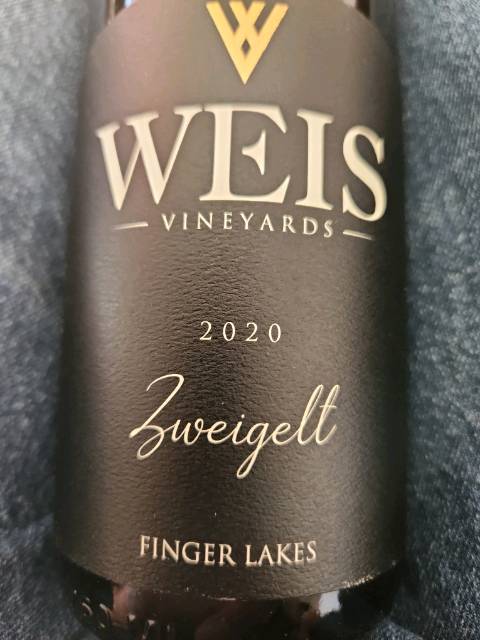
Weis Vineyards Zweigelt

When you go to buy red wine and looking for something new and different, consider Zweigelt, and in particular the one I’m featuring in this post as well as one from Weis Vineyards, German winery off Keuka Lake located in the beautiful Finger Lakes, NY. Weis also produces a Dry Rose from the Zweigelt grape. Check them out! They are one of the best wineries in New York State.

The grape generally produces medium-bodied wines with moderate acidity and tannins. The wine has a vibrant ruby color and aromas of dark berries, such as blackberry and black cherry, as well as spicy notes of pepper and cinnamon. On the palate, it has a smooth, velvety texture with flavors of dark fruit, warm spice, vanilla, and sometimes even a hint of chocolate.

Zweigelt is a very food-friendly wine that pairs well with a variety of dishes. It is especially good with meat dishes, like roasted pork, beef, lamb, and duck, as well as with hearty vegetable dishes and warm stews in the winter.

Zweigelt is also an excellent choice for those looking for a more affordable alternative to some of the more well-known red wine varieties. While it is not as well-known as some other grape varieties, Zweigelt is gaining popularity among wine lovers, both in Austria and abroad. 

Austrian wine, in general, has gained a reputation for high quality and unique flavors, and Zweigelt is no exception. In recent years, Austrian winemakers have increasingly focused on producing high-quality Zweigelt wines, and the grape has been gaining recognition and awards at international wine competitions. 

In all, Zweigelt is a versatile, affordable, and high-quality red wine grape variety that is gaining popularity among wine lovers worldwide. With its unique flavor profile and food-friendly nature, it is definitely worth trying for anyone looking for something new and exciting in the world of wine. 

.

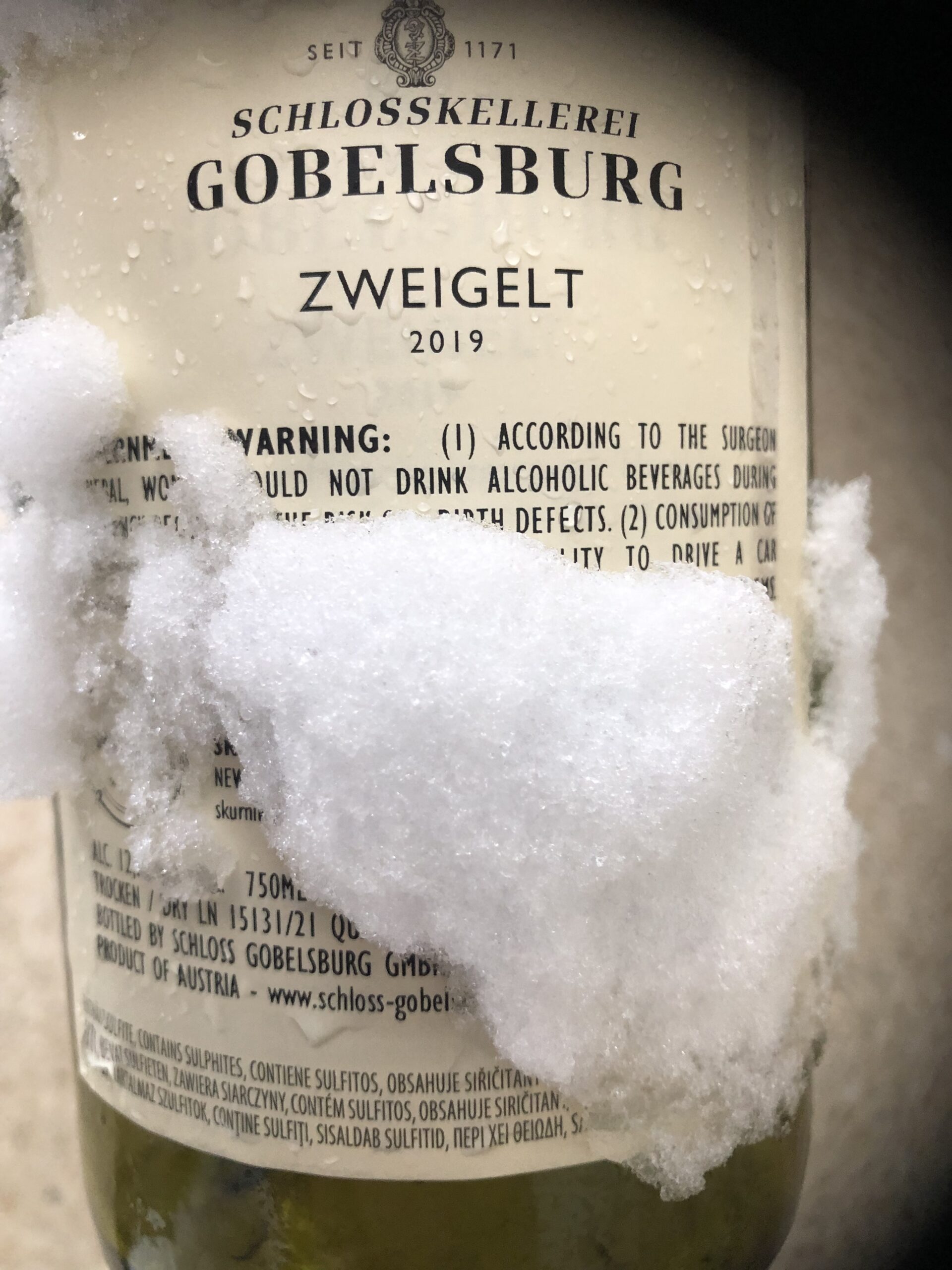
Schlosskellerei Gobelsburg Zweigelt, Niederosterreich, 2019 (cover photo)

Btw, German and Austria wines have very long wine names and sometimes hard to pronounce. This bottle of Zweigelt brings forth a nuttiness of almonds and dark cherries and berries on the nose along with a spicy and peppery aroma. It has a light-medium body and well balanced with enough acidity, although not crispy.

This Zweigelt offers a toasty character from some oak, but still fresh and youthful on the palate. It is a juicy, but elegant, energetic red wine with a nice aroma that lasts through the palate and medium finish. 12.5% alcohol.

It has reached its age of maturity in 2025 (not an age-worthy wine by tradition so drink now when it’s good). It is most likely at its peak for drinking.

Try this wine or search for more at your fine wine shop. Most local wine shops only carry 1-2 Zweigelts in inventory so call beforehand or just order this one online. You will not be disappointed! My rating is 8 out of 10 (very good). I won’t feature a wine unless it receives a score of 7 (good) and above. My personal rating system is out of 10; different from most professional ratings….Cheers, M

Drink Spotlight: What are the Drink Trends for 2025?

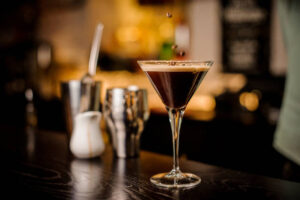
Espresso Martini
January
3
2025

Welcome 2025! The month of January not only marks the beginning of a new year, but also an opportunity for beverage consultants and wine and cocktail businesses like mine to look at what’s trending in the drinking world and pass it onto consumers. Whether it be the ever-growing world of mocktails/low ABV/non-alcoholic cocktails, spirit-less spirits, experimental and up and coming wines, specifically from lesser-known regions, new spirits, or bar trends, look for these drink trends to pop up in 2025.

The year of 2024 saw the continued uptick of spritzers comprised of bitter and herbal elixirs and specialty Martinis, like the Espresso Martini (not really a martini in the classic sense), Dirty Martini, and whatever you can find to throw into a martini glass. This trend doesn’t appear to be slowing down any time soon. There was also a substantial increase in mocktails, creative no-and low-ABV requests and on drink menus, carbonated, bubbly, coffee cocktails, and high-priced cocktails, wines by the glass and by the bottle, especially in high end restaurants.

And it’s possible that prices might further spike with the new administration’s pending tariffs. Going out to drink is already pretty expensive. We suspect that this new reality and economic factors will determine how and when we go out, and whether or not we choose to drink at a restaurant at all. Why not stay at home with friends and co-workers for a cocktail hour, wine tasting, party, or dinner and choose “The Michael Pour”, a less expensive, much safer, more convenient option with exceptional customer service. No sticker shock, avoid traffic, exorbitant parking fees, and unpredictable bad weather in CNY.

The Michael Pour and I sincerely hope for a successful campaign in 2025 by providing you with excellent, useful, and informative content on the blog and top-shelf, comprehensive, and dynamic wine and cocktail services for your parties, events, dinner parties, company events, and special get-togethers. Please reach out to learn more at michael@michaelpour.com. 717.877.2729, or contact form on the site. Even though we are based in Syracuse and Central NY, we provide virtual and in-person services near and far.

Okay, back to The Martini. People in the industry as well as new drinkers have joined in the martini craze. Gin or vodka, an olive or lemon twist, shaken or stirred, wet or dry, or ‘on the rocks’ have been ordered. Bars have been getting creative and coming up with their own concoctions. Many of these martinis are incorporating gastronomy (science of food) with infusions and the use of herbs, spices, and food products from the kitchen. Will we see new takes on other classic martinis, like the Gimlet, Gibson, and Vesper?

Mindful drinking has been on the rise over the last several years. Hence, the addition of mocktails to cocktail menus. Although many drinkers have good intentions of drinking in moderation, there’s a new trend circulating that may be more effective in promoting moderation in 2025. The term “zebra striping,” as people are now calling it, is a strategy that involves subbing a non-alcoholic beverage between each alcoholic drink. Sipping an entire glass of water or a club soda with lime between cocktails is a great way to stay hydrated and avoid the dreaded hangover. Don’t be surprised when you hear bar guests or people announcing they are zebra striping at your next party.

While small-production artisanal spirits spiked during the pandemic, but the category niche has seen a significant slowdown, as sales declined in 2024 for the first time in many years. The outlook for these brands in 2025 is unclear with continued issues in the supply chain and high interest rates. Plus, as consumers start to feel the effects of rising prices, they might opt for bigger, well-known brands on the shelf.

Tourism in Japan reached record highs in 2024. With many U.S. travelers returning from recent trips to the country, we expect more drinkers will be eager to imbibe on sake more often than just at the sushi counter. Wine experts have been advocating to have sake placed alongside wine on restaurant menus. Some big city raw bars and bistros are featuring it now, even by the glass, and most likely will stick.

Red wine’s long reign over white wine may come to an end. While Cab, Merlot, and other reds got a boost in popularity from its health benefits and high antioxidant content, red wine’s health impact has subsided and drinkers are now looking to its lighter, lower-ABV counterparts like white wine. Big production and commercial wine companies are acquiring more traditional white wine producers to meet this trend.

Shots and shooters are starting to appear in more high-end and fine dining restaurants as a more casual, more playful way for guests to start a meal or to end a meal with dessert. Sweet shots to pair with desserts are becoming an alternative to hot spiked coffees, ports, sherries, and spirits on the rocks. As more diners look for restaurants to provide a full night-out experience for them, expect more “fancy” restaurants to have a little fun with shots.

Other notable trends – Guinness draft is on the rise in the beer world becoming more accessible in different types of watering holes and restaurants. Coffee as a main ingredient in everything from beer, cocktails, Martinis, Manhattans, and Old-Fashioneds.

Cheers,

Michael Nagy

michael@michaelpour.com

Wine Glass

DON’T MISS A DROP

Get notified when new articles are poured

We don’t spam!