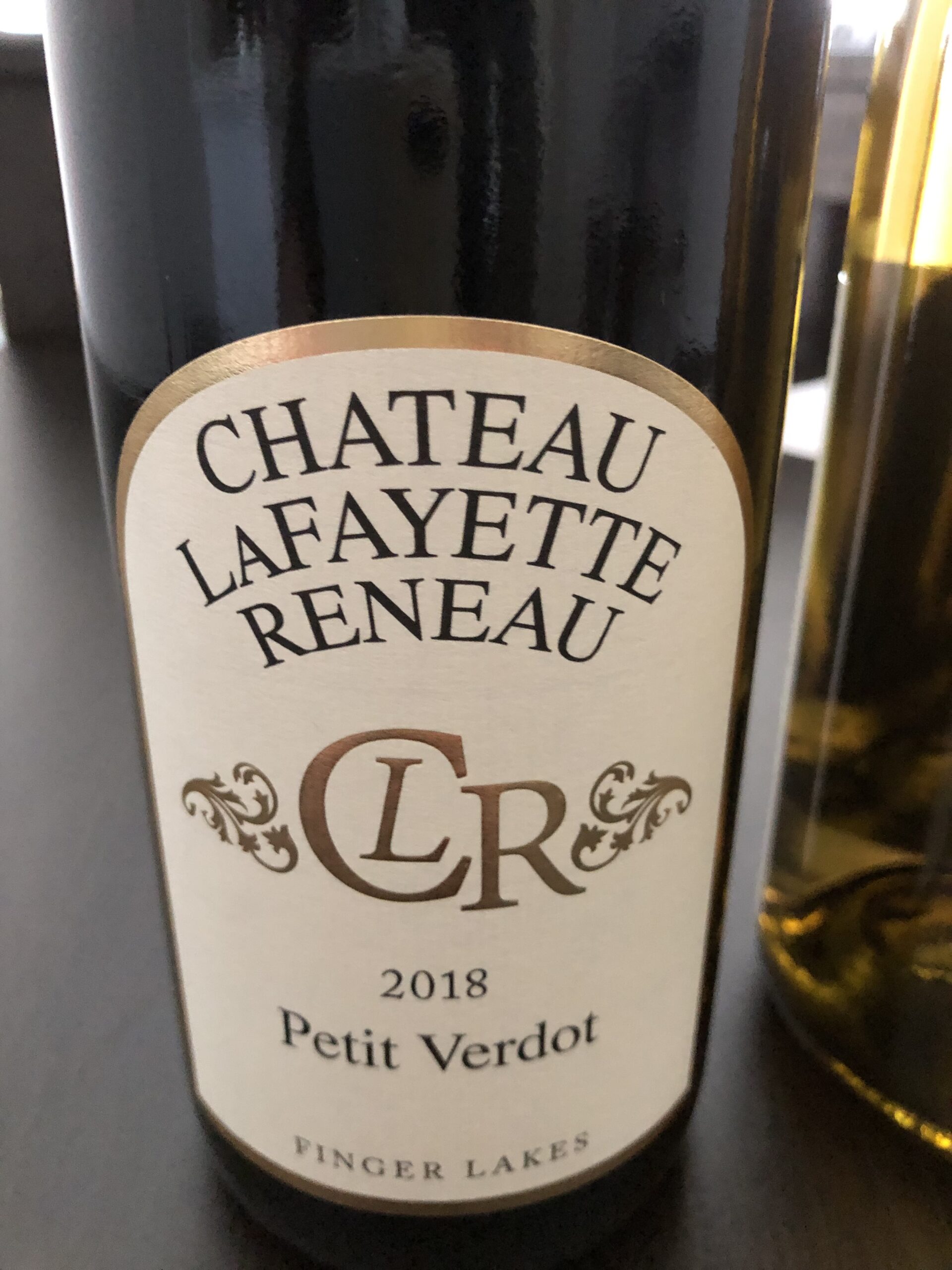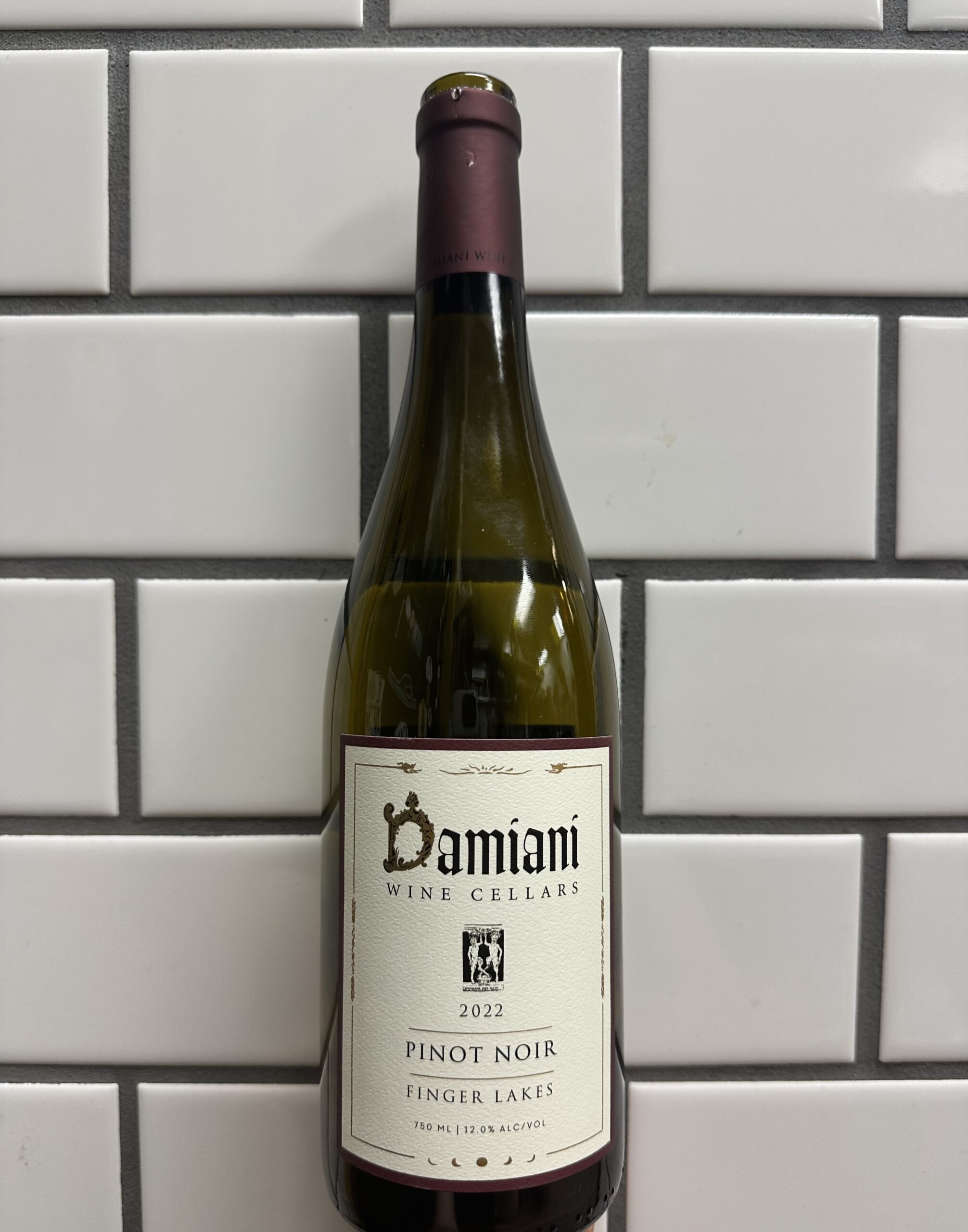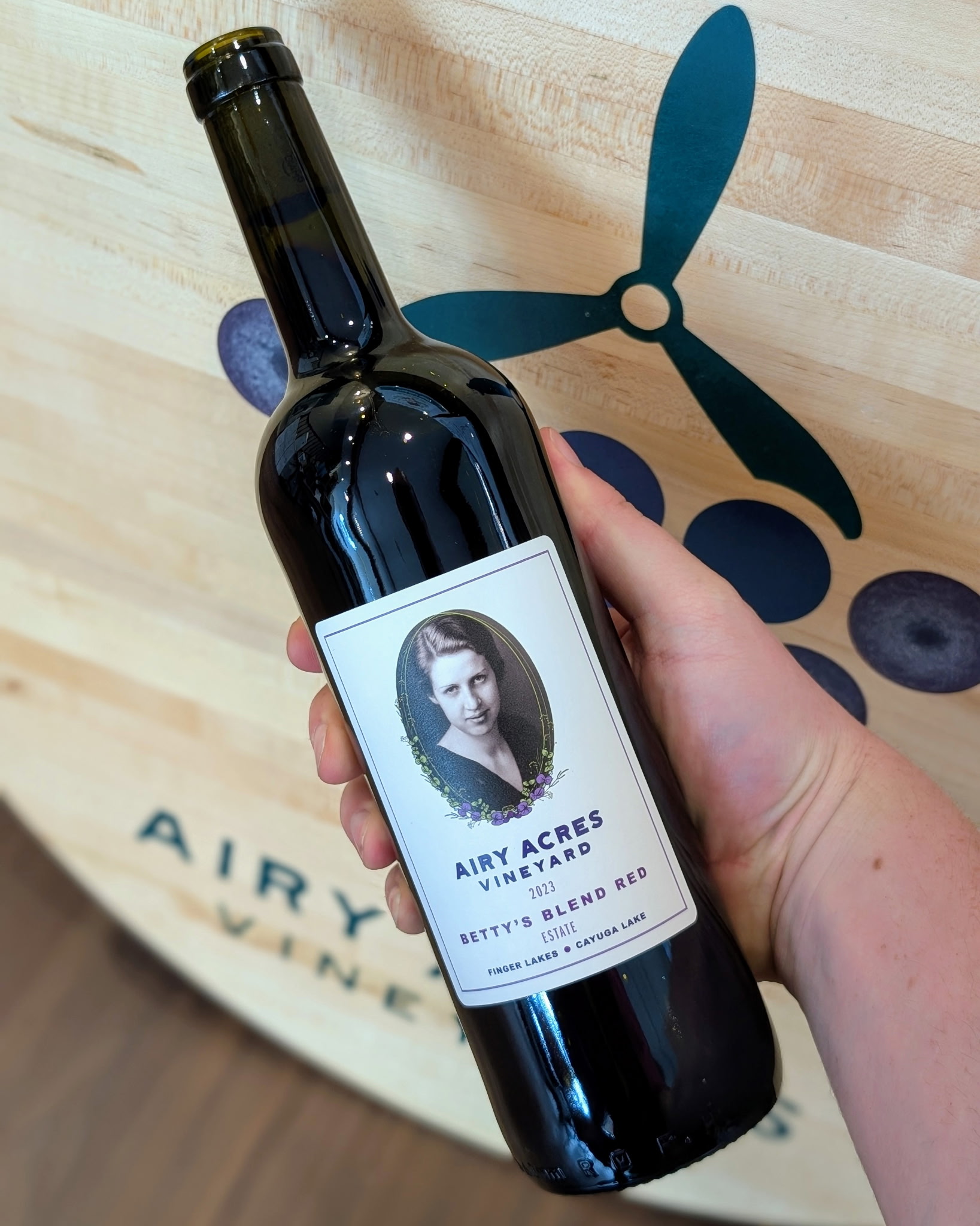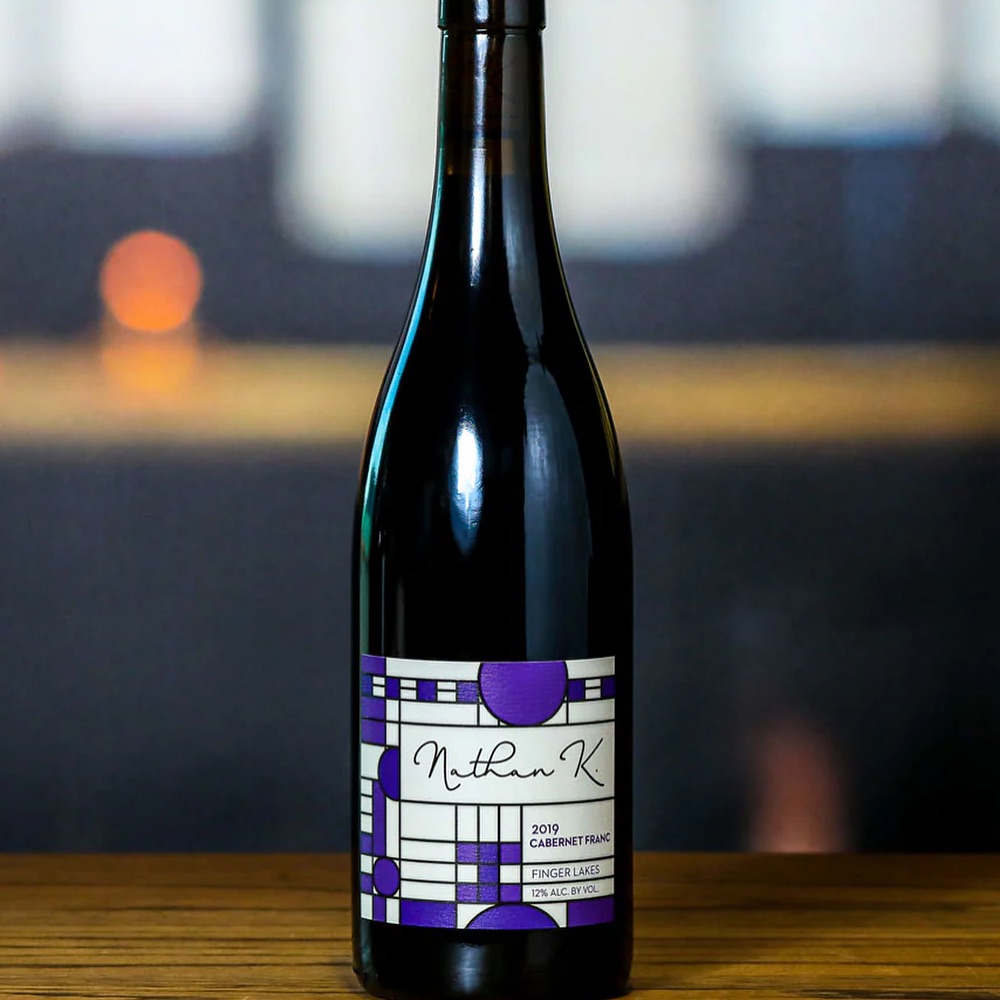
Interested In Learning More About Finger Lakes Wines?

Tasting Wine By Style
March
24
2024

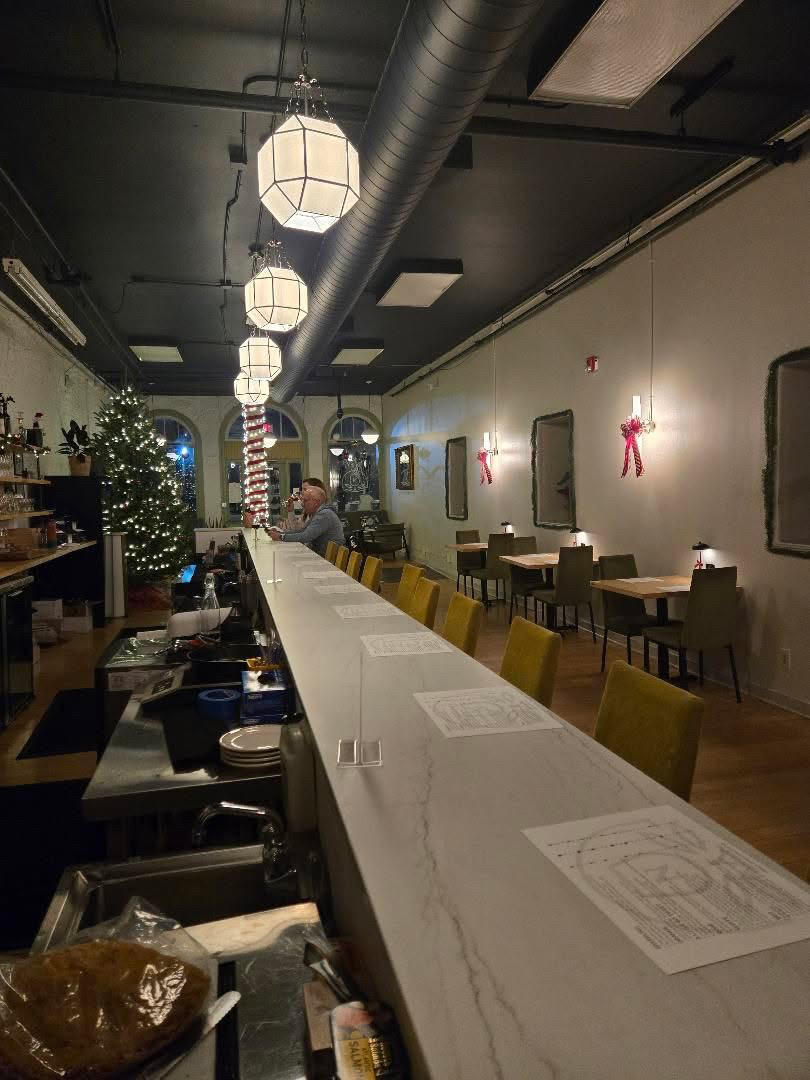
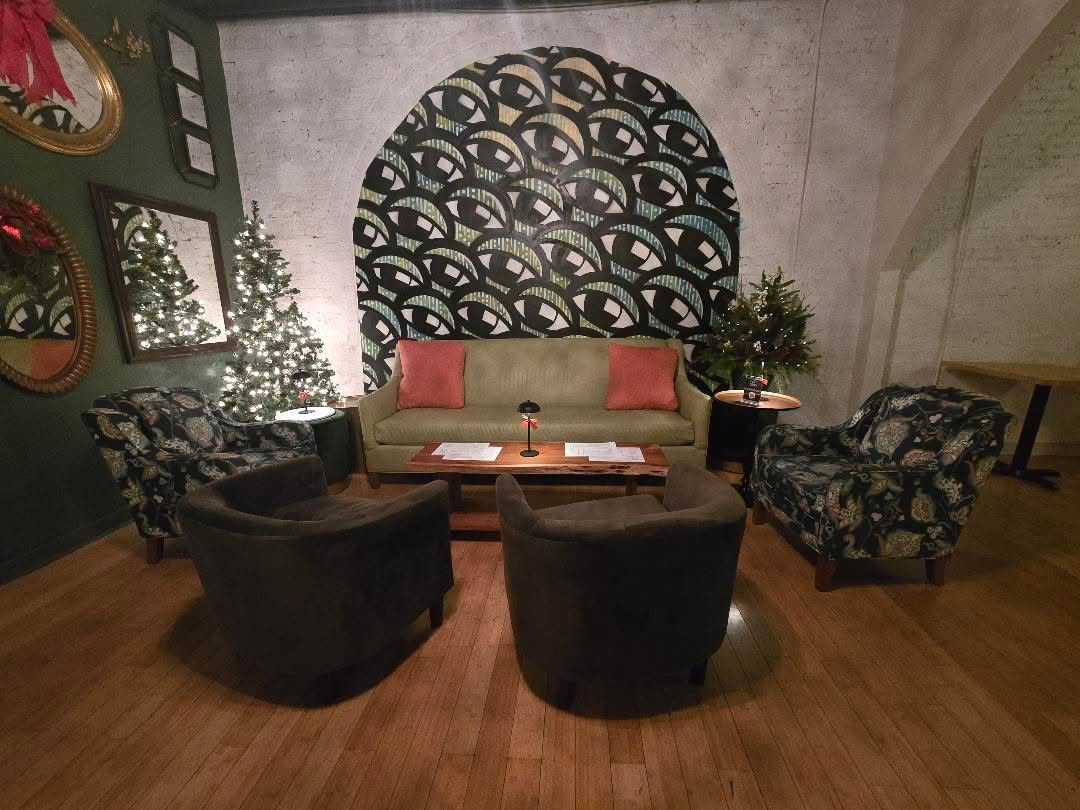
Whether you’re an industry professional, wine enthusiast, or just getting into wine, The Michael Pour is offering a fun, practical, approachable, and interactive educational and tasting experience that takes you on a journey through FLX wines and wineries.

Learn about the history of the wine region and the winemaking process from grape to glass. It’s almost winery season here in the FLX so what a great time this spring to get immersed in their wine through tasting and education.

Below are some topics included. In addition, there will be an opportunity for a Q & A during and after your experience and access to food and wine at the establishment.

  • Identify the components of wine and how they affect your personal palate using sight, smell, and taste.
  • Learn how to taste using a systematic approach to tasting wine. We will taste one white, one rose, and one red.
  • Learn about basic food and wine pairings.
  • Explore various wine growing techniques and how geography and climate impact the grape.
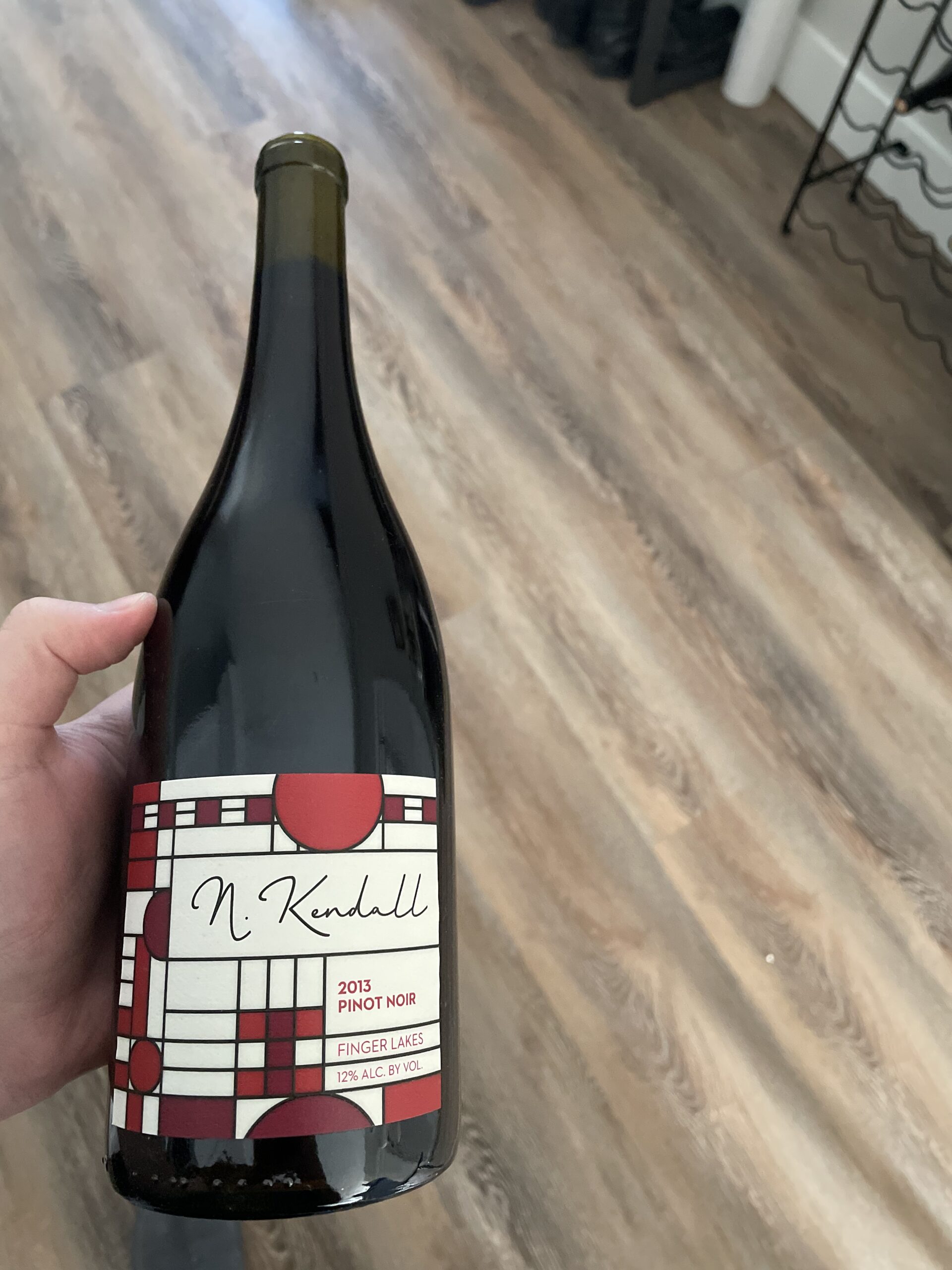
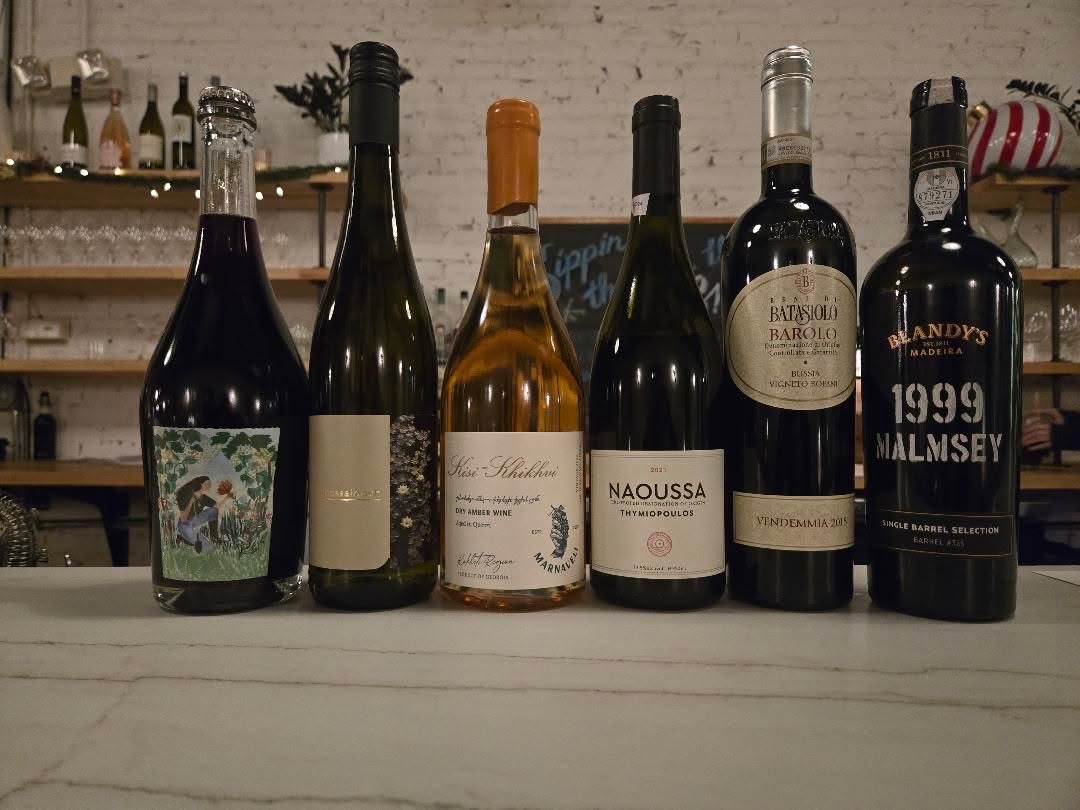
  • Learn how to read and interpret wine bottle labels.
  • Learn what differentiates FLX wine from worldly wines.
  • Debunking wine myths and proper storage and service of wine.
  • Get recommendations on FLX wineries to visit and wines to explore.
  • Receive a wine tasting mat, handouts, and reference guide to aromas and flavors.

Wine tasting

Where: Starr’s Restaurant, 7 East Main St, Waterloo, NY

When: Thurs, April 25, 2024

Time: 6:00-8:30pm

Space will be limited to 12 people. Ticket price will be $25 per person through Eventbrite, which includes event, materials, wine tasting, access to food and drink at restaurant, and much more…. Book soon!

Cheers,

Michael

Wine Spotlight: Riesling Primer, Riesling Day & Recs

International Riesling Day
March
10
2024

To get things started, let’s discuss a topic that I am passionate about – wine #grapes and the #wines they produce. As we approach spring and celebrate annual “International Riesling Day” on March 13th, what better time to talk about the noble grape, #Riesling, which happens to be the signature grape of the Finger Lakes, NY where I call home.

It is so popular here that they dedicate a whole week of events centered around Geneva, NY, located at the northern tip of Seneca Lake. The week-long event is called “FLXcursion” or The Finger Lakes Riesling Wine Conference. It is an international gathering of Riesling regions and producers from around the globe. International Riesling Day is a toast to this versatile, bright, and aromatic grape. Let’s take a closer look at this grape, which is grown and produced in many different parts of the world.

Riesling is considered by many to be the most noble and distinctive white grape variety. The grape is thought to have originated in the Rheingau region of Germany.

The best Riesling has elevated acidity, aromatic, unique sense of purity, and vivid aroma and flavor. The wine is graceful and light on the palate. It’s refined and layered structure along with mouthwatering, delicate flavors that include ripe peaches and apricots (stone fruits) to melon (tropical fruit) to lemons, oranges, and grapefruit (citrus fruits) with vibrant minerality, like the taste of clean water running over stones in a mountain stream. A dangerously easy to drink wine.

Riesling grapes

More than almost every other white grape, Riesling is temperamental about where it is planted. It doesn’t grow well in very warm places, and even in cooler locations, the quality and character of the wine can vary. The most elegant and precise Rieslings come from cooler climate regions, like New York, Washington state, parts of Australia, France, Germany, Canada, Slovenia, and Austria. You can also find great Rieslings made in cooler pockets within a warm climate. In the cool districts of the Clare and Eden valleys of Australia (tends to have more petrol notes), the top Rieslings are minerally, vibrantly fresh, citrusy, and tight (wine speak for high acidity).

It is not a wine you can just chug. Most sommeliers and wine professionals agree that you’re more likely to stop and think about what you’re drinking. If you’re having a great meal and want something to hold up to it, Riesling should be on the table. Riesling is one of the most flexible food wines thanks to its soaring acidity and is relatively inexpensive. It cuts through the acid in the food and enhances your experience.

Aged Rieslings are some of the most prized wines out there because it’s strong ability to age well with its higher acidity level and some residual sugar (sugar left over after fermentation).

A common assumption about Riesling is that it is sweet or semi-sweet. That is not correct. Unfortunately, consumers have been only exposed to the highly commercial ones available in the US, which tend to be on the sweeter side. If you live in Finger Lakes wine country, like I do, you will find most of the Rieslings are dry. In fact, most of the top Rieslings in the world are dry, except for those that are made intentionally made sweeter, like ice wines and late harvest wines.

Some of the confusion about the sweetness levels of Riesling happens because when you discover a wine that is fruity, you assume its sweet. It’s easy to confuse fruitiness with sweetness. Quick tip – when you sip a wine, hold your nose, and if the wine tastes sweet on the tongue (specifically the tip of the tongue), then it is a sweeter wine. If not, then it has little residual sugar and is therefore fruity. Another way to determine sweetness is to look at the alcohol content. Once you go above 12%, it gets drier. Look for the word trocken “dry” on the label.

To help clarify where a Riesling stands in terms of its taste (for shopping purposes and to get what you want), the International Riesling Foundation (IRF) created a scale/taste profile chart based on the ratio of sugar to acid in the wine. This could also be helpful to those who are diabetic or don’t want to consume a lot of sugar. You will find the chart on the back label of many Rieslings. The spectrum shows from dry to medium dry to medium sweet to sweet and pinpoints where that wine falls on the spectrum.

Try these foods with dry Rieslings

Raw, cured and smoked fish, particularly salmon and trout though any selection of smoked fish should work well as you’ll see from this pairing for cured salmon. Also sushi, particularly with the slight touch of sugar you get in sushi rice.

Fresh or lightly dressed shellfish, prawns, shrimp, fresh crab, or seafood cocktail. Fish dishes with a creamy sauce.

Pork, particularly fatty cuts like pork belly, better if with some kind of apple or bacon chutney or sauce.

Poultry

Goat cheeses. Young Riesling with young goat cheese, but an aged Riesling with a mature goat cheese is better.

Try these foods with medium dry or off dry Rieslings

Just think spice. So many spicy dishes work with an off-dry Riesling – Thai, Vietnamese, even Indian. The hotter the dish the sweeter the Riesling, basically.

Asian-style salads, Thai beef salad, spicy noodles, goose, duck, pork, roasted and aromatic veggies, cucumber soup

If you would like to learn more about Riesling and the specific regions it hails from, please let me know. This post would be a dissertation if I discussed every aspect of the grape and the wine. If you would like wine recommendations, just reach out. There are so many different styles for every palate out there. Because my body can’t tolerate high acid wines, I tend to drink more semi-dry Rieslings than dry because it has a lower acid content. Personally, I am more of a Pinot Gris, Sauvignon Blanc, and Chardonnay wine fan. If you would like wine recommendations, just reach out.

I listed some highly rated local (pricier than most world Rieslings) and worldly Rieslings (great value too) to enjoy with food and during spring and summer months. Look for these online or at your favorite winery and shop. Your feedback is always welcome and encouraged.

Finger Lakes

Hermann J. Wiemer Flower Day Riesling 2022

Hermann J Wiemer Semi-Dry Riesling 2022

Nathan Kendall ‘Nathan K.’ Dry Riesling 2021

Anthony Road Wine Company Dry Riesling 2021

Forge Cellars Riesling Classique Finger Lakes (every vintage since 2015)

Weis 2019 Dry Riesling Finger Lakes

Hillick & Hobbs Estate Dry Riesling 2021

Boundary Breaks Dry Riesling Finger Lakes No. 239, 2019

Dr. Konstantin Frank Dry Riesling Finger Lakes (every vintage)

World

Dandelion Vineyards ‘Enchanted Garden of the Eden Valley’ Riesling 2022 (Australia)

Best’s Great Western Riesling 2022 (Australia)

Koehler-Ruprecht Kallstadter ‘Saumagen’ Riesling Kabinett Trocken 2021 (Germany)

Leon Manbach Riesling Grand Cru Frankstein 2019 (France)

Weinhaus Ress Riesling Trocken 2021 (Germany)

Trefethen 2019 Estate Grown Dry Riesling Oak Knoll District (Oregon)

Montinore 2019 Almost Dry Riesling (Oregon)

Fess Parker 2019 Rodney’s Vineyard Riesling (California)

Enjoy! Sante! Cheers! Prost!

Michael

Ramato Wines – 2021 Sun Goddess Pinot Grigio

sun goddess pinot grigio
March
28
2023

Produced from the sun-kissed vineyards in Friuli Venezia Giulia, northeastern Italy, where the specific microclimate and the unique terroir to the Pinot Grigio grape.

Pinot Grigio is one of the most popular Italian wine styles and, while the grape shares the same genetic fingerprint with one of Alsace, France’s noble varieties, Pinot Gris, its different spelling and origination foreshadows unique styles of white wine. While Pinot Grigio has a distinctively Italian style, the grape hails from France, where it is called Pinot Gris, and is thought to have been introduced to Italy in the mid-19th century.

Eventually, the wine found success in the northeastern regions spanning Friuli-Venezia Giulia, Veneto and Trentino-Alto Adige.

When Pinot Grigio grapes are crushed and the skins are allowed to spend time with the juice, a teasing, tactile texture and coppery hue results in a distinct wine style called ramato. It comes from the word ‘rame’ which means ‘copper’ in Italian.

Rosé and orange wines can also exhibit colors that range from pale pink to salmon to deep amber, as a result of skin contact. But color alone cannot determine the wine style.

What distinguishes ramato from a rosé or orange wine is that ramato is a product of historical winemaking style from Friuli, Italy, made with Pinot Grigio grapes.

Rosés are made from a number of black grapes and orange wines are made from white grapes throughout the world.

How are Ramato wines made?

How does ramato gets its copper color from Pinot Grigio?

Pinot Grigio is not a white-skinned grape at all – its skins have a rosy-grey tone, hence the name ‘gris’ or grigio, meaning grey in French and Italian respectively. Pinot Gris/Grigio is a color mutation of Pinot Noir and the berries have a pinkish, if not entirely ‘grey’ appearance. Pinot Grigio is an easy-going conventional white wine with neutral flavors, and ramato is the copper-hued Italian farmhouse style.

Ramato’s copper-like luster is attributed to the extended maceration of the must on the skins during the winemaking process. This also adds to its unique flavors, aromas, structural complexity and tannic mass. But color also comes from the natural pigments of the grapes that seep into the juice while they are still on the vine.

Some producers use short maceration to achieve fresh and lighter wines, which often have a slight peach look. Others do longer maceration, which yields richer, autumnal shades.

2021 Sun Goddess Pinot Grigio Ramato

100% Pinot Grigio, Friuli DOC, Tauriano Estate, Spilimbergo (PN, Italy)

Gravelly soil, 393 ft altitude in the foothills of the Dolomite mountains, vineyards’ average age is 25 years old, dry, alcohol 12.5%, acidity 5.40 g/L

The nose is intense and complex, with hints of peach, melon, and blackberry. On the palate, it is round, with a subdued acidity, soft tannins, and a rich, minerally finish. If you’ve never had a ramato wine or skin-fermented white wine, it is an acquired taste because it does have a noticeable tannic component. It is very different than a typical white wine. I find that red wine drinkers tend to gravitate toward this style.

Vinification – short maceration (contact with the skins for a few hours at cold temperatures) followed by fermentation via natural yeast in temperature controlled stainless steel tanks at 64°F. The wine matures in stainless steel tanks for 4 months.

Because of the added textural component that the skin contact provides, ramato wines made from Pinot Grigio are very food friendly. Perfect as an appetizer wine before the start of the main course. It goes well with many hors d’oeuvres, charcuterie, soups and risottos. Not recommended to be sipped during or after dinner.

Cheers,

Michael

Dark, Powerful, Juicy, Lush & Spice-Driven – Syrah

syrah wine bottles
February
9
2023

International Syrah Day is celebrated on February 16th, a few days after Valentine’s Day so no better time to celebrate this noble grape. Sign up for the free virtual wine class: “All About Syrah” on Thursday, February 16th from 7-8:30pm EST on Zoom to learn more about this grape and receive some awesome food pairings to go with it. It will be an open discussion along with Q&A throughout the class. Visit the contact page on this site and submit your email to sign up for the Zoom link. We will also give you the bottle of Syrah we will be pouring and tasting during the class so we can taste together and come up with tasting notes. Hope to see you there! 

This dark and powerful red is rich in flavor and smooth in acid and tannins with a peppery, spicy finish. It can be sometimes described as ‘meaty’ and ‘savory’. Some other common descriptors could be ‘juicy’, ‘lush’, and ‘spice-driven’. Syrah “sear-ah” is a lesser known, heavier red wine than Cabernet Sauvignon because it isn’t one-dimensional or highly commercial. It really tests the terroir, viticulturist, and winemaker because it is demanding in the vineyard and requires lots of heat and sunshine (the French use galets, which are small rocks that absorb heat, which helps with ripening).

It originated in the Rhone Valley of France, but is also common in Chateauneuf du Pape (Southern Rhone, used to add structure) and Languedoc-Roussillon (Southern France), and is the most planted grape in Australia, where it is known as Shiraz. California, Washington State, Spain, Argentina, and South Africa produce a lot of Syrah/Shiraz as well. You will sometimes see it in the marketplace as a part of a blend called GSM Blend (Grenache, Syrah, and Mourvedre) in Northern Rhone and other places or Red Blend, which can be any grapes.

Syrah vineyards in California

Syrah and Shiraz are the same grape and share the same DNA profile. The difference is that it is Syrah in France and other Old World wine regions (won’t tell you it’s Syrah on label), and it is known as Shiraz in Australia and South Africa. (Much like Pinot Noir is known as Pinot Nero in Italy.) Even though the grape is the same, Australian Shiraz wines are fruitier than the floral and dense French Syrah wines. 

It grows best in dry and warm climates. That’s why the best Syrah vineyard plots of northern Rhone are found at the hilltops of Cote Rotie’s “Roasted Slope” and in Hermitage. The hilltops get maximum exposure to the sun, and the soils are well-drained with a little limestone. The limestone retains the heat and produces concentrated Syrah grapes.

They are good as young wines because of their high acidity. These acids make them taste lighter than they actually are even though it is considered a full-bodied wine. They age well (7-10 years), but close up in the middle years so wait a while. Australian Shiraz is a great example. When they are ready, you get lovely aromas and flavors of truffle, mushroom, dried leaves and tobacco, and currant, which require keen attention to detail – a thinker’s wine. Syrah wine is also a favorite among wine collectors for its remarkable age-worthiness.

Most modern winemakers are making a lighter, French-style of Syrah that’s lower in alcohol and more layered in its flavor profile. Sonoma in California is one example of moving in that direction. But France has been working with Syrah for centuries and has mastered it. Try a light and less expensive Syrah from smaller appellations like Crozes-Hermitage or Saint Joseph in the Rhone Valley and then work your way up to a fine Cote-Rotie, elegant Hermitage, and a fierce Cornas, which can be expensive. Unfortunately, some of the better Syrahs from France and Shiraz from Australia are not being imported to the US.

Food Pairing – Darker meats and exotic spices bring out the fruit notes of blueberry, blackberry, black cherry, boysenberry, and plum from Syrah. Try it with Indian tandoori, spiced pork, lamb gyros, French and Spanish cuisine, and for some, a great steak (with mushrooms especially), grilled veggies, Epoisses cheese, and dark chocolate.

Great vintages – 

US (California, Central Coast) – 2019

US (California, North Coast) – 2019

Australia Shiraz (Barossa Valley/McLaren Vale) – 2016 – 2019

France (Northern Rhone reds) – 2015 – 2020

Recommended Wines (highest-rated and affordable). Not sure their availability where you live. Just google and search or ask clerk at the wine store for the best Syrah). French Syrah are generally expensive so expect to pay more than $50/$60.

Holus Bolus 2020 Prequ’ile Vineyard Syrah (Santa Maria Valley) – $40

Future Perfect 2021 The Joy Fantastic Vineyard Syrah (Sta. Rita Hills) – $68

Thacher 2019 Homestead Hill Vineyard Syrah (Paso Robles, Willow Creek District) – $52

Epiphany 2019 Thompson Vineyard GSM Blend (Santa Barbara County) – $45 

Dossier 2021 Syrah Rose (Columbia Valley) – $28

Drum Roll 2018 Seurat Syrah Syrah (Columbia Valley) – $18 (BEST BUY)

Dave Harvey 2020 Syrah (Columbia Valley) – $26 (BEST BUY)

Auclair 2019 Artz Vineyard Syrah (Red Mountain) – $35

Echolands 2019 Syrah (Walla Walla Valley) – $38

Cheers,

Michael

Best Bubbly to Drink for the New Year

champagne and sparkling wine
December
28
2022

A New Year’s Eve dinner or party without a bottle of bubbly seems sacrilegious. Most of us don’t have a clue when it comes to the best Champagne because it’s not something we shop for or sip on a regular basis. The market is flooded with so many options these days and most of the bottles we see aren’t true Champagne. The term Champagne refers to wine specifically produced in the Champagne region of France, about 100 miles east of Paris. Champagne is best known for its high entry-level prices and close ties with royalty and celebration, which make it perfect for nights like New Year’s Eve. But in recent years, alternative sparklers have also grown in popularity, many of which are crafted just like Champagne, but cost far less. It can be quite pricey to splurge on in a large party atmosphere. Other Champers doesn’t necessarily mean the bottle is inferior, but rather, indicates where it is from and how it was made.

Unfortunately, that discussion will have to be tabled for another time. For the purpose of this discussion, we will focus on all kinds of bubbles that I recommend for the season. What’s the best Champagne to buy? It often comes down to your budget, what’s accessible in your area, the grape varietal, and the sweetness level you desire. Regardless, try to sip on the good stuff when the clock strikes midnight.

This short list features a wide range of sparkling wines at varied prices. If these seem out of your price range, then go with cheaper versions or big-batch bottlings for large parties and save the pricier ones for toasting and intimate get-togethers.

Andre Clouet Champagne

Champagne André Clouet, “Grande Réserve” Brut Grand Cru

Champagne / Montagne de Reims, Bouzy, France

After marrying the base vintage with older reserves, which includes a blend dating back to 2002, it is then bottled and aged in the cellar for no less than 48 months. Once disgorged, the bottles are typically topped off with a dosage of 6-8 grams of sugar. With the excellent terroir, extended lees aging, and winemaking, it is a well-balanced combination of creamy complexity, rich fruit, and minerality that is hard to find in this price range (~$45). It features delicate bubbles and has a golden-yellow core that moves to green reflections on the rim. Aromas of sliced yellow apples, pineapple core, preserved lemon, freshly made brioche, and honeysuckle, jump from the glass. The concentrated palate evolves to deliver red fruits with hints of red currant alongside lemon curd and toasted nuts. It hovers around full-bodied with a rich mouthfeel, crisp acidity and stony minerality which is the appeal of all great Champagnes.

Fitz -Ritter Riesling Sekt Extra Trocken

Germany, Off-Dry/Semi-Sweet. 100% Riesling

100% Riesling. A golden colored sparkling that has the nose of a classic Riesling with hints of floral – lilac and rose petals along with a citrusy palate that is enhanced by the bubbles. Notes of pear, honeysuckle, and apricot. If sweetness is your thing, then this “sekt” from Germany will satisfy your palate. Clean and fresh. It drinks a lot like a spatlese. The minerality is very prominent in this wine. Great value at around $20 if you can find it.

Roederer Estate Brut

Roederer Estate Brut

California, Mendocino County, Anderson Valley. 60% Chardonnay, 40% Pinot Noir

Crisp and elegant with complex pear, spice and hazelnut flavors. It is fresh and lightly fruity with great finesse and depth of flavor. Created in California’s Anderson Valley and owned by iconic Champagne house Louis Roederer, this playful, medium-bodied sparkler is perfect at around $30. Very similar to a classic Champagne in its style.

Domaine Sebastien

2019 Domaine Sebastien Brunet Vouvray Brut “La Rocherie”

Vouvray AOC, 100% Chenin Blanc 

If you are looking for a French sparkling wine, this is a great choice at around $28. Made from the chenin blanc grape in the Loire Valley, it has a mousse-like body and texture of delicate fruits of apricot, peach, yellow apple, and citrus peel.

Murgo Metodo

Murgo Metodo Classico Brut Rose

Italy, Southern Italy, Terre Siciliane. 100% Nerello Mascalese

Rose anyone? Made from Sicilian nerello mascalese grapes, this has a unique smokiness to it derived from the soil surrounding Mount Etna, an active volcano. They macerate the grapes on their skins for about 24 hours to extract the delicate salmon-pink color and then produce the sparkling in the same manner as Champagne. Aromas of dried cherry, redcurrant, strawberry and pink peppercorn infuse with volcanic minerality to provide a brilliant finish.

Tirriddis NV Barrel Fermented Blanc de Blanc Sparkling Blend

Washington State, Columbia Valley. 100% Chardonnay

Fermented in 100% new French Oak, it displays rich aromas of brioche, pepper, honey, and lemon- flavored candy. Flavors of mandarin orange and lime expands the palate. As it sits, flavors of red raspberries and white chocolate appear. It is medium bodied with a creamy texture and a plethora of bubbles on the surface. Get it around $36.

Seasonal Spotlight – Wine Pairings & Ham

holiday ham wine pairings
December
17
2022

Welcome to my first blog post on this new platform just in time for the holidays. Hope you have fun in here. Please keep following and bookmark this page.

If you traditionally have ham for Christmas dinner, here are some basic rules to pairing wine with your favorite holiday ham.

As a general rules, go with fruity wines. Ham, with its sweet-and-saltiness, pairs best with wines that have a touch of sweetness, a substantial amount of acidity and ample, bold fruit. Great wines with ham are Riesling, Moscato, Chenin Blanc, Rosé, Lambrusco, Grenache, and Zinfandel, but don’t stop there. There are so many wines to choose because ham is very versatile.

The general profile of ham is sweet, salty, textured and rich, but you will find variations depending on the style of ham and the way the ham is prepared.

Dry-Cured, Aged Ham

Thinly-sliced, bold flavored hams with a chewy texture and typically higher salt content.

A classic example of this style of ham, that nearly all of us know, is the Italian favorite, Prosciutto. You’ll find ham in this style typically served in micro-thin layers that melts in your mouth as an appetizer.

Examples – Prosciutto, Bayonne Ham, Serrano Ham

Recommended Wines:

The high saltiness factor and dryness of this ham screams sparkling wine. You’ll also do very well with a sparkling Rosé or even a sparkling red. Other great pairing options include table Rosé, crisp, high minerality and herbaceous white wines, like Gruner Veltliner, dry Sherry (Fino or Manzanilla), and dry Madeira (known mostly as a cooking wine).

Savory and Smoky Ham

Medium to thick cut sliced ham with a medium to bold flavor that’s not sweet.

This style is typically smoked but ranges in size from full-sized fresh hams that you bake in the oven to pre-sliced ham that you buy at the grocery store. This is a less-sweet style of ham so the best wine pairings will be different. Since this style of ham is juicier and not as salty as a dry-cured ham, it is one of the better choices to match with lighter red and rose wines.

Examples – Black Forest Ham, Country-Cured non-glazed Ham, Mortadella, Spam (processed, if you’re into that)

Recommended Wines:

With less sweetness and more texture, you will love this with a medium-bodied fruity red that has moderate acidity. There is a great range of wines to choose from in this style and here are a few favorites to know – Garnacha or Grenache-based reds (such as GSM Blend from Rhone Valley in France), Zinfandel, new-world style Pinot Noir from Oregon or California, Zweigelt (from Austria), Dornfelder (Germany), deeply colored Rose, the Corvina-based red wines of Italiy – Valpolicella, aged Tempranillo (Spain), Nebbiolo (Italy), Sangiovese (Italy), Primitivo-Negroamaro blends from Puglia, Italy and “Secco” (dry) Lambrusco (Italy).

Sweet and Salty Ham

These are typically medium to thick cut hams with a chewy texture and noticeably sweet flavor.

Think Canadian bacon. Since this style of ham is sweet and often served with breakfast and Eggs Benedict, you want to match with wines that are also pretty sweet or have a strong fruitiness on the palate.

Examples – Canadian Bacon, Honey Baked Ham, Glazed Baked Hams, Mortadella

Recommended Wines:

The best way to pair with foods that have sweetness is to have a wine with sweetness too. On the dry side, pick a Riesling, Chenin Blanc or White Zin/Merlot. On the sweeter side go for Moscato, Brachetto d’Acqui (Italy), Vin Santo (sweet dessert wine) and White Port. You can probably get away with more new-world style reds including Australian Shiraz, South African Pinotage and American Petite Sirah.

Have a great holiday season!

Cheers,

Michael Nagy

Wine Glass

DON’T MISS A DROP

Get notified when new articles are poured

We don’t spam!