New York’s Macari Vineyards: A Winery Spotlight

Mattituck Tasting Room at Macari Vineyards
February
25
2025

When we are planning a trip to a wine region, how do we decide where to go? Are we influenced and steered by trip advisor, yelp, word of mouth, things to do, styles of wine, or winery reviews? Maybe our motivations are to visit and experience a new wine region or taste a style of wine from a unique climate, terroir, or grape-growing environment? How about the wineries themselves? Do they offer a full or an all-inclusive tasting and hospitality experience?

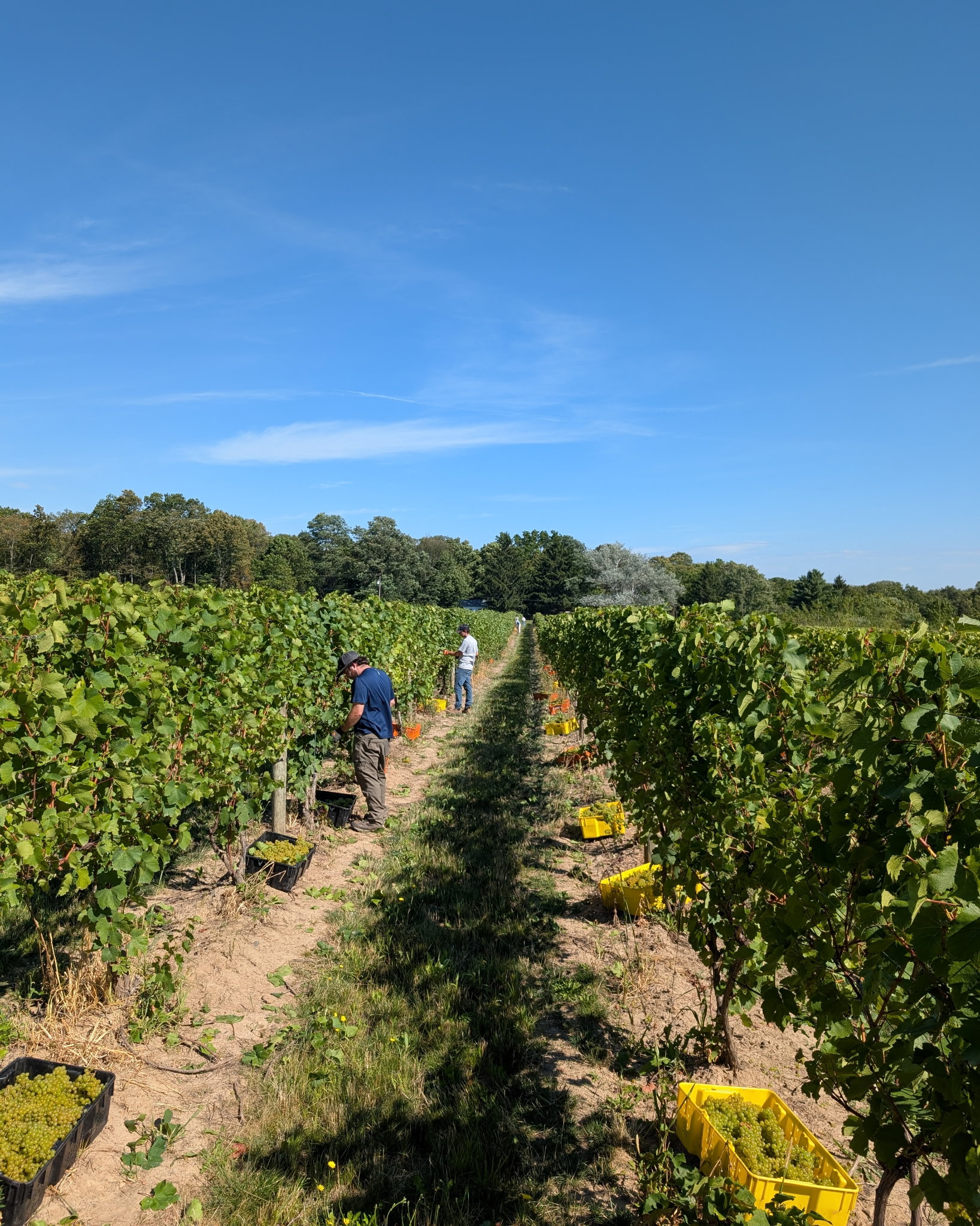
Whatever your reasons, this story highlights one of my favorite wineries that are producing excellent, terroir-driven, and highly rated wines from an area, which is generally not thought of as a wine destination. Macari Vineyards, located on the North Fork region of Long Island in New York, is a sustainable, biodynamic family run vineyard and winery in the town of Mattituck. The Macari family is involved in every aspect of the winemaking and viticulture. The first grape vines were planted in 1995.

The Mattituck Tasting Room sits on the edge of the 500-acres (formerly a potato farm in the 1960’s) offering guided and tailored tasting experiences for small and large groups. These tasting experiences can occur on the covered deck or in the production cellar where all the magic happens. If you prefer a private experience, you can book the Private Tasting Suite.

Macari prides itself on offering seasonal tastings, food and wine pairings with gourmet cheese, charcuterie, pizza, and local fare for a cool brunch, lunch, or special event dinners. The style of wine crafted by Macari makes them very food friendly and versatile for all occasions throughout the year.

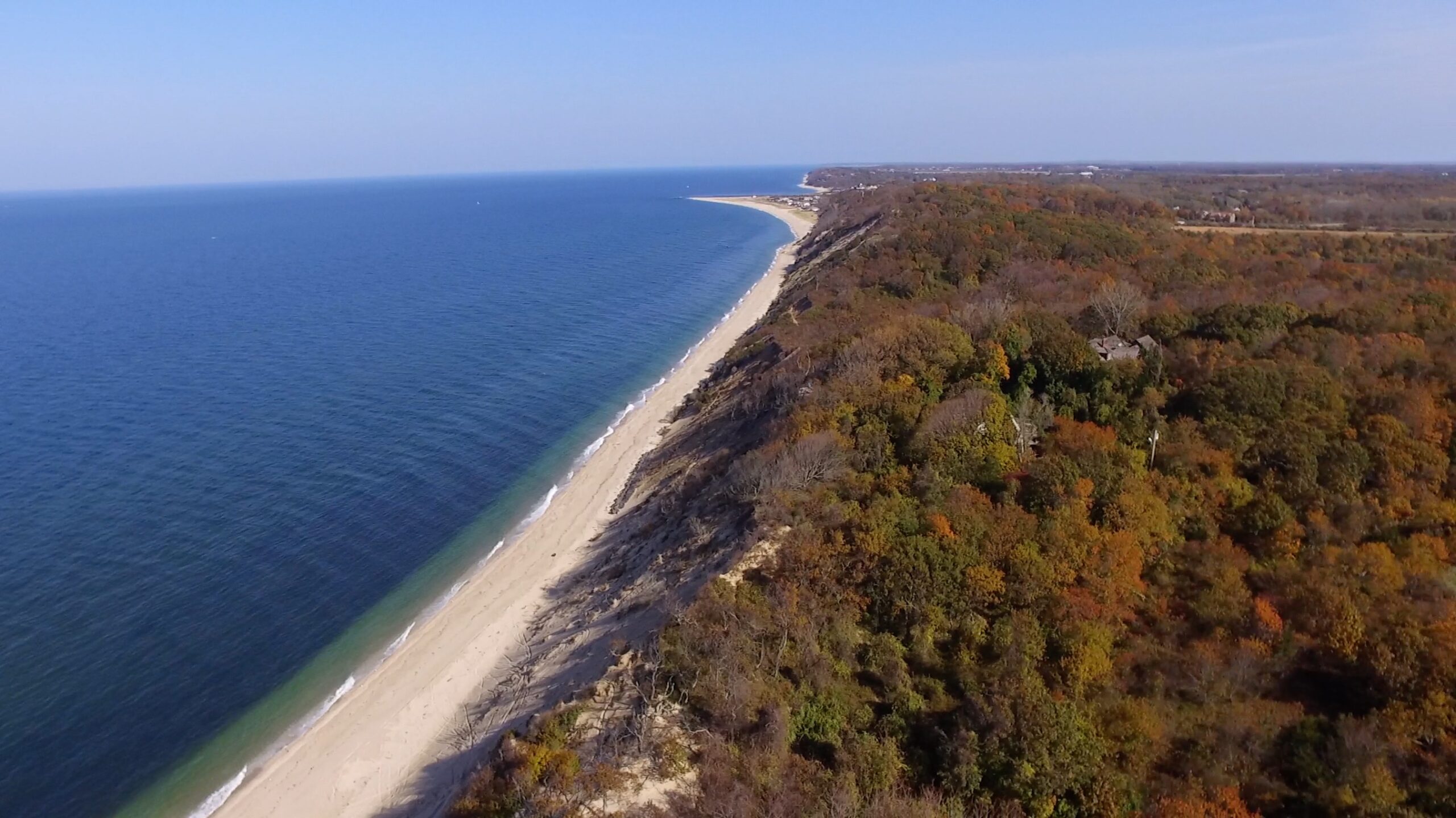
Macari Coast

Macari has an off-site location called the Meadowlark North Fork featuring a wine bar and a wedding/event venue. The Wine Bar is a modified tasting room that offers unique selections of the Macari portfolio by the glass or bottle. Here the focus is on limited wines and innovative winemaking techniques available only at the Meadowlark property.

This wine bar is where guests can explore new tastes and unwind in the gardens. It is a great option for get-togethers, unique happenings and events, and a relaxing getaway for guests who desire to commune in nature without the hustle and bustle of a busy tasting room environment. Great place to experience the beautiful sights of the North Fork and have a picnic lunch.

What about the wines?

If you like balanced, nuanced, and age-worthy wines, then Macari wines will satisfy you and your guests’ palate throughout the whole year. Please see previous blog post to learn more about what makes wine from this region special to wine enthusiasts and different from other New World wines. The climate, microclimates, soil, latitude, longitude, diurnal temperatures, and proximity to water available to Macari allows for a unique expression of cool-climate wines similar to Bordeaux, but with some slight differences, like the salinity.

A follow-up post will discuss their award-winning wines from their portfolio along with tasting notes and technical information for those who want a deeper dive. Below is a brief list of some of those outstanding wines and some of the wines I will feature next time.

2023 Sparkling Horses Cabernet Franc

2023 Sauvignon Blanc Lifeforce

2022 Cabernet Franc Lifeforce

2021 Bergen Road Red Blend

2014 Block E White Blend

Cheers,

Michael Nagy

Wine of the Week: A Hot Trip to Italy’s Boot

Piluna Primitivo 2021
January
13
2025

I wanted to get this “wine of the week” out to you before I take a road trip to Saratoga, NY this week. With the recent loss of my precious Marty kitty this past week, I need a change of scenery. 

For this week’s wine of the week, I take a trip down to the hot climate of the Puglia region along the Adriatic Sea in southeast Italy where the Primitivo grape is widely produced. Puglia is a dry, sun-drenched region that has one of the most intense sun in all of Italy. The entire east side is along the coastline bordering the Adriatic Sea.The climate is moderated by the Adriatic and Ionian seas, which provide constant, cooling maritime winds. 

This unique climate helps produce exquisitely balanced fruit and is well-suited for the production of concentrated, fruity and spicy red grape varieties, like Primitivo. Puglia’s Mediterranean climate and iron-rich, calcareous soils support the native Primitivo by producing an inky, spicy, and brambly ripe red wine.

About half way down, the region becomes the Salento Peninsula. This peninsula, bordered by water on three sides, receives moist, nighttime, sea breezes that bring a welcome cooling effect to the region, where little rain creates a challenging environment for its vines. The region is named for the Italian expression, “a pluvia,” meaning “lack of rain.”

Loved for its fruit-forward wines, the Primitivo grape originated in Croatia. Here it was named from the Latin word, primativus, meaning “first to ripen.” Nobody knew until the early 90’s that Primitivo and Zinfandel were actually the same genetic grape. The grape is better known outside of Italy as Zinfandel, especially California. 

California Zinfandel tends toward a sweeter, fruitier style than Primitivo. This is due to areas like Lodi that are hot during the day, and don’t really cool off that much at night. Napa Valley, and the Dry Creek Valley of Sonoma County, and in parts of New York state also produce it, but are usually lighter-bodied. Both can have a slight sweetness from ripe fruit, but Primitivo is usually made in an earthier, more tannic style.

The main traits of most Primitivo wines are fruity with notes of cherry, strawberry, blackberry, and raisin, earthy and rustic, big and jammy, high in alcohol, chewy tannins, and sometimes a sweet finish. It is no longer an obscure blending grape in Italy. It has become a symbol for high quality, inexpensive single varietal wines unlike many Italian red wines. Primitivo’s ripe fruit and full body make it a great partner with rich, meaty dishes. 

Castello Monaci Piluna Primitivo 2021

I was first introduced to this lovely wine in 2023 when I was the General Manager at Portico Restaurant, high end Italian steakhouse, in del Lago Resort & Casino. Based on the recommendation from my sales rep and upon tasting, I was sold. I decided to add it permanently to my extensive wine list as well as “by the glass” program at a very moderate price.   

Tasting Notes –

Aromas of ripe black fruit, dried red fruit, strawberry, and toasty vanilla and pepper spice. On the palate, hints of cherry, chocolate, and a berry basket. Medium bodied (most Primitivo is heavier), light-medium tannins (with bottle age, tannins have softened out today from my first tasting in 2023), low-medium acidity, and a fruity character at the end of the palate followed by an earthy finish. Even with some age and dried characteristics, it still has some freshness to it.

This featured wine from producer Castello Monaci, with its sustainability philosophy, stands out in the heart of the Salice Salentino DOC, which is located in Puglia in the “heel of the boot” of farthest southeast Italy. Each vineyard section is always cultivated and harvested at night to ensure the best quality of grapes. It has consistently received a 90-point rating from international reviewers overall several vintages. Drink now – not age worthy. Look for the 2023 vintage available now. 

Cheers,

Michael

Wine of the Week: Little Known Red from Austria

Zweigelt Wine of the Week
January
6
2025

I had the pleasure of sipping this wine over the holiday season with in-laws. It was a nice change of pace from what I typically drink even though it reminds me of a nice Pinot and Lemberger all in one bottle.

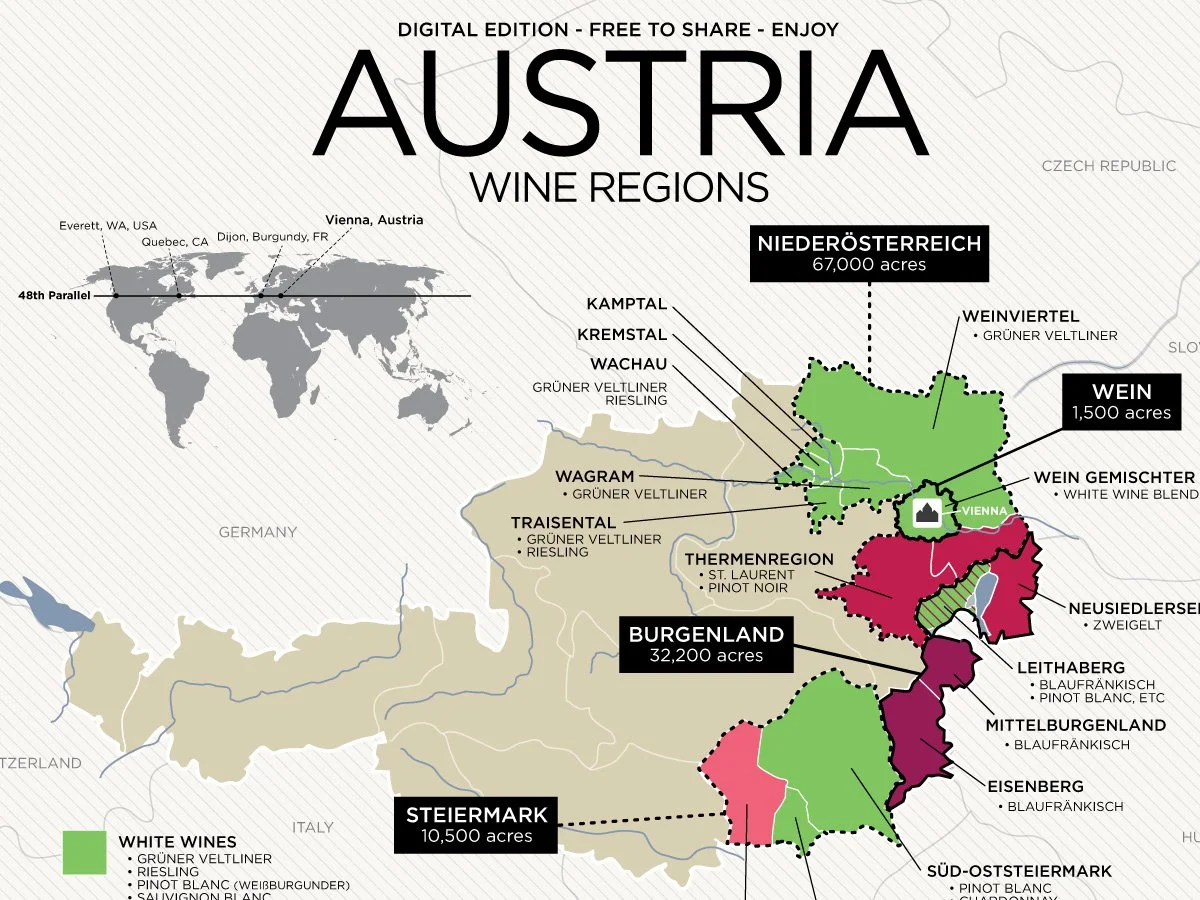
Did you know that the country of Austria produces some really good wine? Can they grow red grapes and produce red wine in their cold climate? Although Austria is better known for its white wine, it does grow and produce some surprisingly good reds that are unique to the red wine world.

Austria as a whole is still white wine country, but of the 30% or so red vineyards, the most widely planted grape is Zweigelt by far. Zweigelt (pronounced TSVY-galt) and other reds are nothing like the new world reds in California, Chile, Argentina, and Australia nor old world reds in France, Italy, and Spain. Austria’s reds are very similar in style to Germany reds.

Austria is a landlocked country in Central Europe, bordered by eight countries – Germany to the northwest, Czech Republic to the north, Slovakia to the northeast, Hungary to the east, Slovenia to the south, Italy to the southwest, and Switzerland to the west

Zweigelt is a relatively young grape variety, having been created in 1922. The grape is a cross between the St. Laurent and Blaufränkisch grape varieties, which are native to Austria. It is a versatile grape that is grown throughout Austria’s wine regions. It is well-suited to Austria’s cool climate, as it ripens early and is resistant to cold temperatures. This allows the grape to be grown in cooler, higher-altitude vineyards, which are not suitable for many other grape varieties. 

Weis Vineyards Zweigelt

When you go to buy red wine and looking for something new and different, consider Zweigelt, and in particular the one I’m featuring in this post as well as one from Weis Vineyards, German winery off Keuka Lake located in the beautiful Finger Lakes, NY. Weis also produces a Dry Rose from the Zweigelt grape. Check them out! They are one of the best wineries in New York State.

The grape generally produces medium-bodied wines with moderate acidity and tannins. The wine has a vibrant ruby color and aromas of dark berries, such as blackberry and black cherry, as well as spicy notes of pepper and cinnamon. On the palate, it has a smooth, velvety texture with flavors of dark fruit, warm spice, vanilla, and sometimes even a hint of chocolate.

Zweigelt is a very food-friendly wine that pairs well with a variety of dishes. It is especially good with meat dishes, like roasted pork, beef, lamb, and duck, as well as with hearty vegetable dishes and warm stews in the winter.

Zweigelt is also an excellent choice for those looking for a more affordable alternative to some of the more well-known red wine varieties. While it is not as well-known as some other grape varieties, Zweigelt is gaining popularity among wine lovers, both in Austria and abroad. 

Austrian wine, in general, has gained a reputation for high quality and unique flavors, and Zweigelt is no exception. In recent years, Austrian winemakers have increasingly focused on producing high-quality Zweigelt wines, and the grape has been gaining recognition and awards at international wine competitions. 

In all, Zweigelt is a versatile, affordable, and high-quality red wine grape variety that is gaining popularity among wine lovers worldwide. With its unique flavor profile and food-friendly nature, it is definitely worth trying for anyone looking for something new and exciting in the world of wine. 

.

Schlosskellerei Gobelsburg Zweigelt, Niederosterreich, 2019 (cover photo)

Btw, German and Austria wines have very long wine names and sometimes hard to pronounce. This bottle of Zweigelt brings forth a nuttiness of almonds and dark cherries and berries on the nose along with a spicy and peppery aroma. It has a light-medium body and well balanced with enough acidity, although not crispy.

This Zweigelt offers a toasty character from some oak, but still fresh and youthful on the palate. It is a juicy, but elegant, energetic red wine with a nice aroma that lasts through the palate and medium finish. 12.5% alcohol.

It has reached its age of maturity in 2025 (not an age-worthy wine by tradition so drink now when it’s good). It is most likely at its peak for drinking.

Try this wine or search for more at your fine wine shop. Most local wine shops only carry 1-2 Zweigelts in inventory so call beforehand or just order this one online. You will not be disappointed! My rating is 8 out of 10 (very good). I won’t feature a wine unless it receives a score of 7 (good) and above. My personal rating system is out of 10; different from most professional ratings….Cheers, M

If You Love Pinot Noir, Try These & Other Seasonal Wines

Thanksgiving Pinot Noir
November
26
2024

If you haven’t picked up your Thanksgiving wine yet, then use this guide for your shopping. There are many options, whether it be white, red, rose, or sparkling, for all your guests’ diverse palates. Because of the season, I tend to focus on reds for the holiday season now through Christmas. Of course, the holidays are a celebratory time for many so a sparkling or that special bottle in the cellar would suffice.

If you prefer whites or roses that would pair well with turkey dinner or is your go-to, then you are set. I have the snob-less philosophy of drinking what you and your guests like regardless of the food, season, or what the wine snobs say. After the holiday is over and your guests depart, you are left with wine you can enjoy yourself.

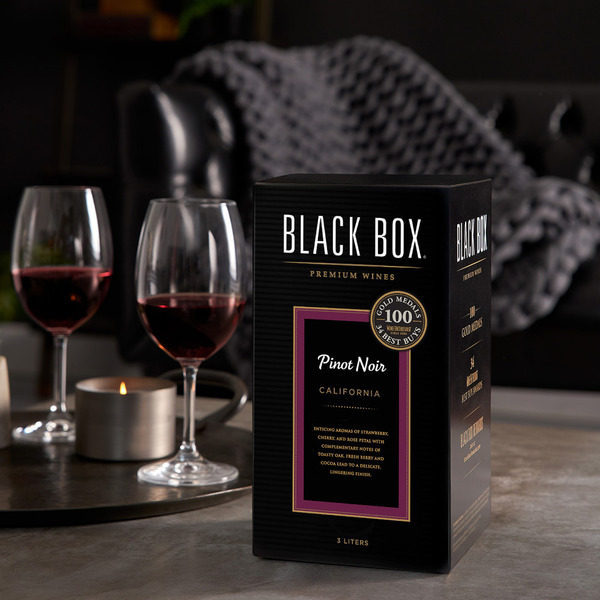
I may be a little biased (I write about it a lot), but I feel that Pinot Noir is a happy medium no matter what you like. Not only is it a lighter and medium style of red with low to medium tannins and good acidity, but is food-friendly and pairs incredibly well with all the Thanksgiving fixings and turkey. It is also approachable for non-red wine drinkers and those who prefer not to sip a heavy, tannic red with or without food.

In the realm of Pinot Noir, there are many different styles produced around the world (some of which are new and upcoming regions rarely explored) with varying flavor profiles that won’t require you to spend upwards of $30. The price point on good quality Pinot from Burgundy, California from Russian River Valley, and some Oregon from Willamette Valley will cost you. See my previous Pinot posts on the blog. If price isn’t an issue and you prefer those styles of Pinot Noir, then go for it. 

Below you will find my value PN recommendations for the holiday season along with other reds and whites that will match your menu and satisfy your guests regardless of their wine preferences for under 30 bucks. Most Pinot Noir enthusiasts know about and have tried Pinot from California, Oregon, and Burgundy, but who else in the world produces fine Pinot that actually fits the season better and won’t cost you an arm and leg? 

I have recently discovered some excellent PN from Germany and the Alsace region of France, both of which are well known for Riesling and the latter for sparkling wine as well, which often contains a percentage of Pinot Noir in its blend or 100% Pinot Noir. Some other countries and regions produce excellent Pinot Noir which can be drunk all year long, but ones from these places are ideal right now and throughout winter.  

Bright, juicy, and easy to drink Pinot Noir from Alsace in the northeast corner of France is definitely under the radar. If you’re not a wine scholar, you may not be familiar with PN from France not named “Burgundy” or “Bourgogne”. It has grown in Alsace since the Middle Ages. Pinot Noir was considered a table wine at the time so it was overlooked in the original 1975 decree of the Alsace grand cru designation as well as in later revisions, until the designation changed in 2022. Wow! that’s recent!

Created as a pure expression of the fruit, Alsatian Pinot Noir is generally made in an unoaked style and is the only red variety allowed to be grown in the regional cru, or vineyard classification system, in Alsace. 

The wines from here are medium-bodied and offer fresh red berry notes of strawberry, raspberry, and cherry. When some oak is used, the wines are well-balanced and add warm baking spices to the red berry flavors. 

Many Alsatian Pinot Noir wines reflect a Burgundian style of winemaking showing elegance and the ability to age for a decade or two. These Pinots offer awesome value when compared to average price points of wines from Burgundy. Alsatian wines are also leaner than wines from warmer regions, like California and Australia. They also offer more red berry fruit than the dark, cherry flavors found in Oregon Pinot Noir.

Cremant d’Alsace rosé, or pink sparkling wine from the region made in the traditional style using 100% Pinot Noir grapes, is a light and lively sparkler with soft aromas of strawberry and cherry blossoms with some round peach, floral, and raspberry notes on the palate.  

What about German Pinot Noir? Did you know that Germany produces Pinot Noir? Well, it makes sense considering the climate and overall geographic location and proximity to Alsace. Alsace and Germany are close neighbors. German PN is not well known and goes unappreciated due to the lack of exposure worldwide, lack of exports, and what it is sometimes called. It is a very splendid style of Pinot right now.

The German word for Pinot Noir is Spätburgunder, translating to “late” (spät), referring to the grape’s later ripening when compared to other Pinot clones, and Burgundy (Burgunder), the antiquated term for Pinot Noir. 

German Pinot Noir is typically light in color, body, and tannins, with flavors of cranberry, cherry, baking spice, and a stony minerality. Some can be earthy and savory, but the general consensus is that it contains a bigger fruit and more acidity than most Pinots. Traditional German Pinot Noir is lighter than Pinot Noir from warmer climates and Alsace, but some contemporary winemakers are producing fuller-bodied wines similar to Alsace.

Other great styles of wine for the season include:

Reds – Beaujolais/Gamay/Gamay Noir (France), Cabernet Franc (France, NY, Virginia, Chile), Zinfandel/Primitivo (California, Italy), Blaufrankisch/Lemberger (NY, Germany, Austria)

Whites – Riesling/Semi-Dry Riesling (NY, Mosel, Germany, Austria, Alsace, France, Washington State), Gewurztraminer (Alsace, France, NY, Italy), Gruner Veltliner (Austria, NY)

Any Sparkling/Champagne – Blanc de Noirs (Pinot Noir) from NY, France, and California and Rose Champagnes are excellent choices.

Shopping List 

Check your wine rack or cellar for the wines above, but if you are looking to stock up for the holidays and season, then look for these wines by grape varietal, country, and region. The list below includes Pinot Noir, Beaujolais, Cabernet Franc, and Riesling.

Pinot Noir

Jürgen Leiner ‘Handwerk’ Pinot Noir 2022 (Germany), $24

Borell-Diehl ‘BD’ Pinot Noir 2021 (Germany), $14

August Kesseler ‘The Daily August’ Pinot Noir 2022 (Germany), $27

Terres d’étoiles Pinot Noir 2023 (Alsace, France), $22

Allimant-Laugner Pinot Noir 2022 (Alsace, France), $20

Domaine Bechtold Obere Hund Pinot Noir 2021 (Alsace, France), $29

Other red wines (under $30)

Maison L’Envoye Fleurie Château Vivier 2022 (Beaujolais, France), $21

Domaine Dupeuble Pere et Fils Beaujolais 2022, $20

Lamoreaux Landing T23 Unoaked Cabernet Franc 2022 (Finger Lakes, NY)

Macari Lifeforce Cabernet Franc 2022 (North Folk Long Island, NY)

Heron Hill Winery Classic Cabernet Franc 2020 (Finger Lakes, NY)

Whites (Under $30)

Anthony Road Finger Lakes Dry Riesling 2020

Thirsty Owl Wine Company, Dry Riesling 2019

Weis Vineyards Reserve or Dry Riesling 2019

Seasonal Spotlight: 5 Must-Try Wines for the Fall

Chenin Blanc wines
November
4
2024

November and autumn season brings a different vibe to the world of wine, and certain wines belong on the table. The weather gets colder, the day gets shorter, and that chill in the air shouts comfort. Certainly, comfort can be felt through sweaters, pumpkin spice lattes, and comfort food, but what about wine. With campfires, apple picking, and the looming Thanksgiving holiday, there is a call for more complex, savory, and fuller bodied wines. It’s the season of homemade soups, stews, butternut squash, sweet potatoes, poached pears, and apple pies.

While we’re not quite ready for the heavy and tannic Cabernet Sauvignon or Barolo to carry us through winter, we need something more ‘chill’ and transitional to get us through shorter days and set the stage for winter. Some traditional fall favorites that are fantastic include Pinot Noir, Merlot, and Gamay Noir/Beaujolais. Try the Gamay Noir from Sheldrake Point Winery in the Finger Lakes. It is beautifully done!

Beaujolais Nouveau is a wonderful, light, and approachable red wine that is perfect as an introductory wine for non-red wine drinkers. It is made from the Gamay grape and originates from the Beaujolais region of France. It is celebrated worldwide and released every year at the end of November. Beaujolais is one of my favorite wines to sip all year long, especially on Thanksgiving, because it is very food-friendly with turkey dinner. I will discuss it further later this month.

Here are five under the radar lovely fall wines (two whites and three reds) that don’t get enough love in my opinion. They are not as obscure as you might think. If you would like to receive my recommendations, just give me a holler.

1. Chenin Blanc

Famous for its apple aromas and flavors, Chenin Blanc is a perfect match for autumn lovers. Just like apples can be used in a variety of sweet and savory dishes, this medium-bodied white wine is extremely versatile, and can be paired with a wide range of main courses. Try a glass of Chenin Blanc with a root vegetable salad, roasted chicken, or rich seafood. Look for it in the Loire Valley of France, South Africa (leading producer of Chenin Blanc worldwide), United States, California and some in Washington State.

2. Sémillon

A medium-bodied white wine from Bordeaux, France, which is often blended with Sauvignon Blanc, giving it a lush, mouth-filling, and zippiness for green and fall veggies. Some are produced in oak and aged in the barrel, which will give it notes of honey, almond, and a smooth texture. The grape has few tannins, medium acidity, medium body and some oily consistency. Depending on its origin, you will discover flavors of lemon, pear, or papaya. Look for it in the regions of Pessac-Léognan, Bordeaux, Napa and Sonoma Valley, California, South Africa, and Columbia Valley, Washington State.

Barbera wine

3. Barbera

Although it doesn’t quite have the revered status of the Nebbiolo grape, Barbera is Northern Italy’s wine of the people and is never too far from the dinner table in the Piedmont region. In Piedmont, where Barbera is most expressed, Barolo and Barbaresco are the most recognizable names, but they are places as opposed to grape varieties. Both are produced from the Nebbiolo variety. Barbera, on the other hand, is the name of the grape variety itself.

Due to its pigmentation, Barbera can taste both rich and light-bodied, offering the berry and cherry notes in bigger wines, but goes down easily thanks to lively acidity. Oak-heavy styles have an extra touch of chocolate, vanilla and spice. Generally, it is going to be a lighter style of red (more approached) in context of other Italian reds. Look for it in California, US, and Argentina as well.

4. Primitivo/Zinfandel

This wine is jamming. Primitivo and Zinfandel are essentially the same grape. Primitivo in Italy and Zinfandel in the US and the rest of the world. The lighter, low-ABV styles of Primitivo have rose petal, sage, and black pepper flavors, The richer styles add a bit of smoke and jammy. Notes of cinnamon, raisin, chocolate, and tobacco make for an exquisite fall wine. Generally, Primitivo is medium to full-bodied, with medium to high tannins and low to medium acidity. It can carry a high-ABV in Italy compared to Zinfandel due to the warmer climate.

Zinfandel is a bold and fruit-forward wine that’s loved for its jammy fruit, smokiness, and exotic spice notes. It’s also made into a sweet rosé called White Zinfandel. Look for Zinfandel in regions of Lodi, Napa and Sonoma Valley, and Sierra Foothills, California, US, and Primitivo in Puglia, Italy.

Nathan K Cabernet Franc

5. Cabernet Franc

Cab Franc is the parent grape of Merlot, Cabernet Sauvignon, and Carménère. It can be lighter or bolder depending on where it’s grown. If you prefer non-fruit-forward red wine offerings, then Cabernet Franc is your wine. There are more pronounced notes of red and black fruits, like strawberries, raspberries, and plums, in warmer climate versions, but in cooler climates, you will encounter herbaceous, mint, green bell pepper notes, chili pepper, peppercorns, crushed gravel, and earthiness. It is an awesome Thanksgiving wine that pairs with everything on the table because of its savory notes.

It is the signature red grape of the Finger Lakes region of New York, where I call home, and one of my favorite wines to drink no matter the occasion. Look for it in the Loire Valley of France, Colchagua Valley of Chile, Tuscany region of Italy (fruitier style), Sierra Foothills of California, US, and throughout New York State. Try all vintages of Cabernet Franc from Nathan K Wine Cellars, Lamoreaux Landing Wine Cellars, who does an oaked and unoaked version) and Damiani Wine Cellars in the heart of the Finger Lakes.

As mentioned earlier, please reach out if you want my recommendations for the wines listed above. It’s never too early to stock up on wine for the holidays or to enjoy now. Look for Thanksgiving wine pairings and Beaujolais Day post later this month.

Cheers,

Michael

michael@michaelpour.com

(717) 877-2729

Wine Glass

DON’T MISS A DROP

Get notified when new articles are poured

We don’t spam!