Oaked vs. Unoaked Chardonnay: How it affects the taste of the wine?

October
14
2025

This article was put together for my dear wine and beauty friend, Sheila, who is looking to find the right Chardonnay to match her taste buds. Anyone else have that dilemma?

Chardonnay is no longer reserved for middle-aged housewives. It is like that one friend or acquaintance who is equally comfortable at a fancy, upscale gala in a cocktail dress or a backyard barbecue in a t-shirt and capris. It’s versatile, approachable, and, depending on how it’s made, can have different personalities. At the heart of the difference though is this question – To oak or not to oak? What is your Chardy style?

Since Chardonnay is grown and produced everywhere, you should familiarize yourself with the regional differences because not all chardonnay is created equal. The weather and climate play a huge role in these differences, but also the winemaking style, tradition, and vintage variation.

Pictured are the first vintage Chardonnay grapes from Airy Acres Vineyard off of Cayuga Lake in the beautiful Finger Lakes. These grapes will be used for their sparking program. Visit them in your wine travels.

Oaked Chardonnay

If you love a more full-bodied white, this is your style. Wines range in taste from a richer profile of lush tropical fruit, grilled pineapple, butterscotch, toast, and vanilla to a lighter profile of poached pear, lemon curd, baked apple and a textural chalky minerality.

Oaked Chardonnay can be seen as the wine equivalent of a plush leather chair in front of a fireplace – comforting, rich, and a little indulgent. When Chardonnay is aged in oak barrels, it takes on flavors and textures that make it lush and round. Expect notes of vanilla, butter (more on this later), caramel, hazelnut, and sometimes even a whisper of toasted coconut or spice, all wrapped up in a creamy body.

What really defines this style of Chardonnay is the use of oak in the winemaking process. Oak aging offers a few different features:

  • Oak barrels allow tiny amounts of oxygen to interact with the wine, softening its edges and enhancing its complexity. The barrels themselves often contribute their own flavors, especially if they’re new.
  • The use of toasted new oak adds some aroma compounds to the wine adding vanilla, clove, cinnamon, and coconut.
  • If you like this style, seek out Chardonnay wines that are aged in oak or fermented and aged in oak. Some Chard is just aged in oak, while others are fermented AND aged in oak. Check the label or winemaking practice online.
  • Look for tasting descriptors that imply oak was used, including vanilla, crème brûlée, baked apple, coconut, toasty oak, brioche, butter, cream and butterscotch.

Chardonnay’s intriguing complexity is due to its oak aging, but is very much influenced by the barrel’s size, type, toast level, and aging time.

Barrel size influences how the wine develops. Smaller barrels enhance flavor extraction and tannin integration because of increased wine-to-oak contact.

Different types of oak impart different flavors – American oak gives bold, sweet, coconut type notes, French oak offers subtle, elegant, spicy nuances, and Hungarian oak balances the two.

The barrel’s toast level impacts the flavor profile: light toast provides delicate notes, medium toast introduces baking spices, and heavy toast delivers robust, toasted flavors.

Does the length of the aging process matter? Extended periods of time intensify flavor extraction and deepens oak influences, leading to a more rounded and complex wine.

Oaked Chardonnay is a magical pairing with food that mirrors its richness. Think roasted chicken, lobster in drawn butter, or a creamy mushroom risotto.

Why Do Some Chardonnays Taste Buttery?

The alluring buttery essence of Chardonnay doesn’t just miraculously appear. It’s the result of a carefully orchestrated biochemical process called malolactic fermentation (MLF). Contrary to the impression the name might give, MLF is not technically a fermentation. It’s a transformation process where a type of bacteria converts the tart malic acid (akin to the acid found in apples) into a softer, rounder lactic acid (similar to the acid found in dairy products).

This process softens the wine, creating a creamier, less acidic flavor profile and a full-bodied, smooth mouthfeel. A noteworthy byproduct of MLF is a compound called diacetyl, which contributes a distinctive buttery character to the Chardonnay. It’s important to note that this buttery flavor and texture are not a result of oak aging but rather a direct outcome of malolactic fermentation.

Unoaked Chardonnay

Unoaked Chardonnay is like stepping into a bright, sunny kitchen with fresh citrus on the counter and a vase of green apples on the table. This style skips the oak barrels entirely, often fermented and aged in stainless steel or neutral vessels that don’t add any flavor of their own.

If you love a light white wine with floral and citrus flavors, then unoaked Chardonnay is your style. Wines range in taste from a fruitier profile of yellow apple, fresh pineapple and mango to a leaner, more floral profile of white flowers, green apple, pear and citrus peel.

Without the influence of oak, the wine is all about showcasing the grape itself. Unoaked Chardonnay is typically fresher, crisper, and more fruit-forward, offering vibrant notes of green apple, lemon, pear, and sometimes a hint of tropical fruit like pineapple or mango. It’s less about indulgence and more about purity and precision. Wines are made in a reductive less oxygen environment in order to preserve the freshness and acidity in Chardonnay. Winemakers use stainless steel fermentation vessels to reduce oxygen exposure.

The texture of unoaked Chardonnay can be lighter and zippier, with a refreshing acidity that makes it perfect for warm weather sipping. It shines alongside dishes that are just as fresh—seafood ceviche, crisp salads, or a simple roast chicken (as with oaked chard but with a squeeze of lemon}.

If you like this style, seek out Chardonnay wines that are not aged in oak. Look for tasting descriptors that indicate no oak and mention lean, mineral, fresh, white flowers, and citrus blossom. Most unoaked Chardonnay should be drunk young, although there are several examples (particularly in Chablis) that will age a decade or more.

Traditional concrete vessels, like eggs, have also been used to create a lighter and leaner style of chard, which does impart a different flavor profile than even stainless steel. For the sake of this article, we will focus on stainless, but, if you’re a chard fan, I encourage you to research and find some of these wines. My friend, Ian Barry, from Six Eighty Cellars, and some experimental wineries in the Finger Lakes and NYS produce niche, concrete aged Chardonnay. Six Eighty Cellars off Cayuga Lake is a must stop for wine in general, but also rare bottlings.

Battonage

Another process contributing to Chardonnay’s mouthfeel and complexity is battonage, originating from the French, also known as lees stirring. “Lees” refers to the dead yeast cells and other particles that settle at the bottom of the barrel after fermentation. Stirring these lees can enhance the wine’s texture, giving it a silkier mouthfeel and adding depth to its flavor profile.

During battonage, the lees absorb oxygen, which reduces the wine’s exposure to oxidation and preserves its freshness. Furthermore, the yeast cells break down and release mannoproteins and polysaccharides, contributing to the wine’s body, creaminess, and stability. This can also add a brioche, dough, or biscuit flavor. This process, alongside malolactic fermentation and oak aging, constitutes a triumvirate of winemaking techniques that shape the captivating character of Chardonnay.

Conclusion

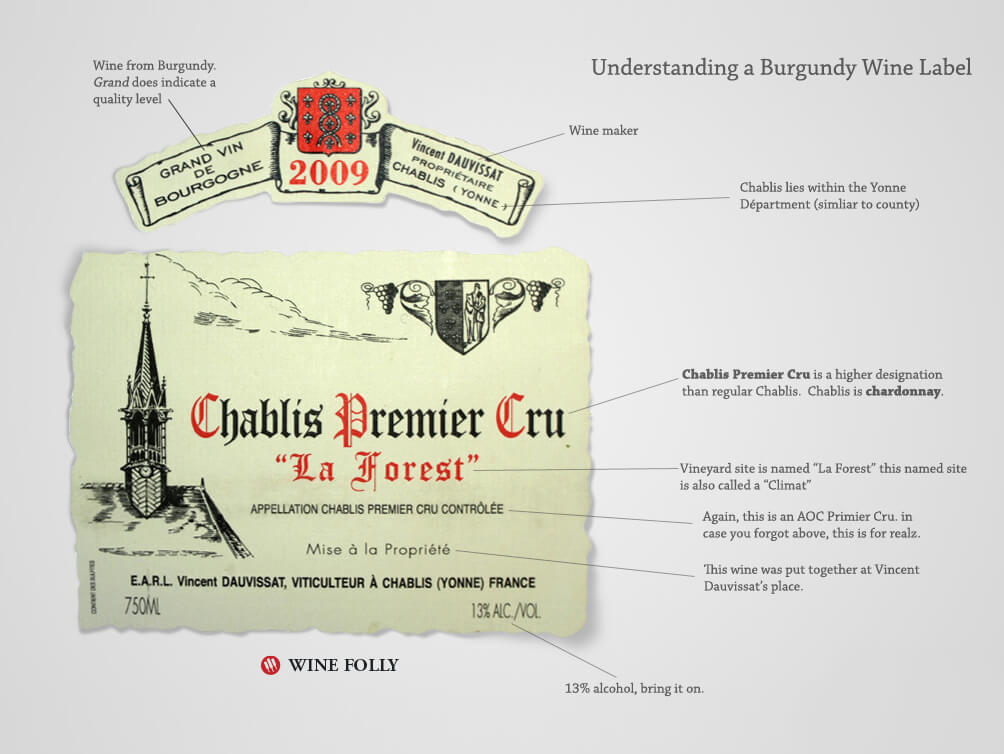
Picking out a chardonnay at the store doesn’t have to feel like a test. Wine labels are your best clue. Words like “barrel-aged,” “buttery,” or “toasty” are hints that the wine has seen some oak. If you see phrases like “stainless steel” or “crisp,” you’re looking at an unoaked style.

The variety is very adaptable to different climates and grows in hot, sunny regions (such as Spain, California, Chile, and Argentina) as well as cool regions (such as New York, Washington State, Burgundy, France and New Zealand).

Generally, you will find more higher rated Chardonnay come from places with cooler climates. The reason has a lot to do with the vine’s ability to maintain acidity in the grapes while ripening. In hot climates (especially those with hot nighttime temperatures) Chardonnay loses acidity and makes a fruity, but flabby, unstructured, and unbalanced wine.

Geography can also give you a hint. Chardonnays from California or Burgundy often oaked or at least partially oaked, while many from regions like Chablis in France, parts of Australia, like Yarra Valley), or NYS/Finger Lakes produce unoaked versions. Note: California has been trending toward producing more unoaked styles due to customer demand.

Winemakers love to experiment so you will find some Chardonnays aged in neutral oak, meaning barrels that have been used enough times that they don’t impart strong flavors. Others might blend oaked and unoaked juice to strike a balance between richness and freshness.

There is no wrong answer when it comes to the oaked vs. unoaked debate. It’s all about your taste preferences and what you’re in the mood for. If you’re craving something cozy and indulgent, pour yourself an oaked Chardonnay and curl up with a blanket and a bowl of buttery popcorn. If you want something bright and breezy, go unoaked and let it be the zesty companion to your crab salad or grilled shrimp tacos.

Your feedback is always welcome. Look for more awesome content being poured. Please reach out if you are interested in a specific wine topic to learn more about. I want this blog to be tailored to your interests. I would love for you to subscribe to this blog on the main page and follow on social media (IG @themichaelpour) and book me for a wine event.

Cheers,

Michael

Michael’s Best Food & Wine Pairings for Fall

September
26
2025

As the leaves start to change color and the weather turns chilly, let’s take a look at some seasonal wines that you should be sipping this fall season, and in some cases, what foods they enhance.

We typically associate the fall with strong and aromatic scents and flavors of pumpkin, apple, cinnamon, maple, cranberry, squash, pear, and ginger in food and wine. When it comes to wine, we occasionally see notes of cranberry, apple, and pear in a bottle, but what about some of the other fall flavors. Well, they tend to appear more in the food we eat, then in the wine we drink. Sure, we see apple, cranberry, and cinnamon notes in red wine, and pear and ginger in our white wine, but not pumpkin very often.

Are their wines out there that will pair well with traditional fall dishes? The answer is a resounding ‘yes’. What if there were wines which contained these flavor profiles but also were a perfect match for fall foods. Believe it or not, pumpkin is magical with almost every style of wine.

When it comes to pairing wines with pumpkin notes, both red and white wines can enhance the flavor profile of pumpkin dishes. Here are some recommendations based on the type of pumpkin dish since pumpkin seems to be all the rage every fall season. Some of these may surprise you foodies.

Pumpkin Soup with Chardonnay

Creamy pumpkin soup, with its rich and velvety texture, pairs wonderfully with a crisp Chardonnay, specifically from Washington State. The wine’s buttery notes complement the soup’s creaminess, while its citrus undertones balance the savory sweetness of the pumpkin. The subtle acidity in the Chardonnay cuts through some of the richness, creating a smooth pairing.

Pumpkin Risotto with Pinot Noir

Pinot Noir’s red berry flavors and gentle tannins from Alsace, France, provide a nice contrast to the creamy risotto. The earthy notes in the wine mingle with the savory elements of the dish, while the wine’s above average acidity for a red wine, cleanses the palate between bites.

Pumpkin Ravioli with Gewürztraminer

Pumpkin-filled ravioli seasoned with fall spices, calls for a wine that can complement its bold flavors. Gewürztraminer from northern Italy or the Finger Lakes, NY, with its aromatic and fragrant profile of lychee, rose petals, ginger, and exotic spices, is an excellent choice. The wine’s slight sweetness balances the spices in the ravioli and enhances the overall experience.

Pumpkin Pie with Riesling

To finish off your pumpkin-themed meal, have a slice of pumpkin pie paired with a favorite semi-dry or sweet Riesling, like one from the New York State, Germany, or Austria. The wine’s sweetness complements the pie’s caramelized pumpkin and notes of clove of Riesling are perfect with the spice notes of the pie. This pairing is a beautiful balance between sweetness and spice.

Other Fall cuisine and the wines that go well with them

Butternut squash soup with a swirl of cream with a nice bottle of Sparling Rose from anywhere in the world.

Wild mushroom risotto, roasted root vegetables with rosemary, and apple and fennel salad go great with a zesty Dry Riesling. It complements hearty vegetables and echoes the crisp flavors of fall fruit.

Pork loin with roasted apples, beef stew with carrots and parsnips, and Thanksgiving turkey and stuffing with Merlot. Merlot’s ripe fruit and medium tannins round out savory, slow-cooked dishes and herbs without overpowering them.

Lamb chops with rosemary and garlic, roasted eggplant, and duck breast with cranberry sauce with Cabernet Franc, especially one from New York State. The savory notes in Cabernet Franc dance with roasted veggies, herbs, and richer meats in this cozy season.

Under-the-radar wine for fall by itself and with fall dishes

An obscure, but incredible fall wine, which most people don’t know about unless they are wine guru, hails from the Burgenland region in Austria. Burgenland is most known for its full-bodied red wines made from Blaufränkisch (known as Lemberger in some parts of the world, like NYS and France) and Zweigelt.

Generally, these wines are characteristic of rich and roasted notes of espresso and grilled pumpkin (rare flavors in wine) and rich dark-berry fruit. The tannins are firm, very grippy, but the fruit component begins to show at the end of the palate and on the finish.

The Michael Pour is back!!! Hope you enjoy this fall edition of wine and food. Feel free to comment on this post or on social media.

Cheers,

Michael

michael@mnagy717.877.2729

(cover photo courtesy of Jason McClain & McClain Cellars)

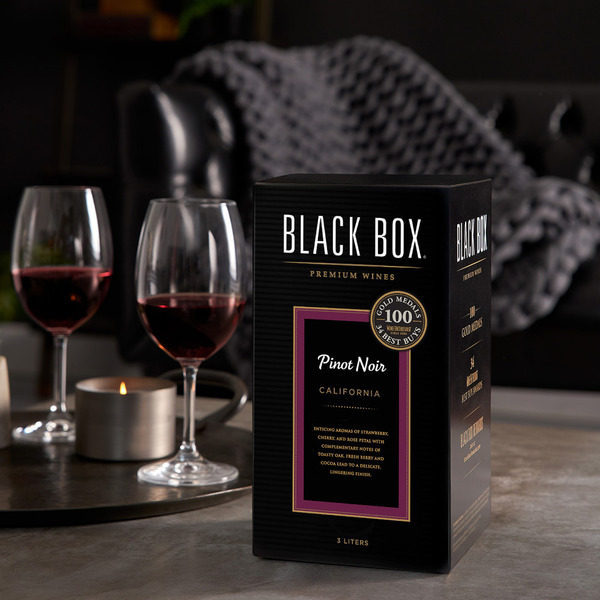
What’s Pouring: Great Value 2023 California Pinot Noir

2023 California Pinot Noir
September
9
2025

The 2023 vintage of California Pinot Noir is considered to be one of the best vintages in a very long time. According to Wine Spectator, the composite score for all the Cali Pinot Noir is a whopping 96 points.

Personally, I don’t tend to gravitate toward Pinots from California because of their style and high price point, but there are some worth pursuing from this outstanding vintage. The criteria I use for a great value wine, specifically Pinot Noir, which is generally more expensive and difficult to grow and produce on a year-to-year basis, is under $40 USD and a minimum score of 90 points from multiple rating sources. Most highly rated PN from California will cost you between $60-$100, with some well above $120.

Why was this vintage so spectacular? If you are a wine guru or want to learn more the magical transformation of grape to wine, here is a deep dive into the factors that helped make this so.

The 2023 California Pinot Noir vintage may go down in history as one of the best because of the wet, cold winter that replenished and fortified soils, followed by a long, slow, cool growing season with mild temperatures. This allowed for gradual ripening and optimal development of flavor, acidity, and balance in the grapes. The extended “hang time” on the vines resulted in complex, vibrant wines with remarkable balance and structure.

The best regions can be found in the Russian River Valley, Sonoma Coast, Santa Barbara, Sta. Rita Hills, Napa Valley, and Anderson Valley.

Beneficial Winter Rains: Abundant rainfall during the winter months revitalized the soils, improving nutrient availability for the vines and promoting healthy canopy growth. 

Extended, Mild Growing Season: Cooler spring and summer temperatures created an unusually long and temperate growing season. 

Gradual Ripening: This slow, even ripening allowed the grapes to develop complex flavors and aromas while maintaining vibrant acidity. 

Enhanced Acidity: The cool weather and extended maturity period resulted in higher acidity, which is crucial for the balance and aging potential of Pinot Noir. 

Optimal Balance: Vintners achieved a rare balance of ripe fruit flavors, balanced sugar levels, and lively acidity, a hallmark of a great vintage. 

Increased Yields: The healthy vine canopies and improved soil conditions led to above-average yields for Pinot Noir. 

The result – vibrant flavors, remarkable balance, and excellent age-ability solidified its place as a benchmark year for California Pinot Noir. 

Karen MacNeil, author of “The Wine Bible”, one of my favorite wine books, said this “Every century, every place has its legendary vintages. I have no doubt that 2023 will go down as one of the most phenomenal vintages ever in Napa Valley. Every vintner I’ve talked to about 2023 has been nothing short of ecstatic.”

Look for these best buy Pinot Noirs from this vintage. Many of them will be difficult to find in your local shops but should be available online.

Rivers-Marie Pinot Noir Sonoma Coast 2023, 94 pts, $40

Failla Pinot Noir Sonoma Coast 2023, 93 pts, $36

Alma De Cattleya Pinot Noir Sonoma County 2023, 92 pts, $35

Sean Minor Pinot Noir Sonoma Coast Signature Series 2023, 92 pts, $28

Morgan Pinot Noir Santa Lucia Highlands Twelve Clones 2023, 91 pts, $39

Truchard Pinot Noir Napa Valley Carneros 2023, 91 pts, $38

BONUS

2023 was also good vintage for Oregon Pinot Noir, which experienced similar climate and weather conditions. Here is short list of some of those value wines:

Elk Cove Pinot Noir Willamette Valley 2023, 92 pts, $34

Ken Wright Pinot Noir Eola-Amity Hills 2023, 92 pts, $38

Solena Pinot Noir Willamette Valley Planet Oregon 2023, 90 pts, $24

Cheers, Michael Nagy

The Michael Pour

(Cover photo courtesy of Wine Spectator & James Molesworth, this story is not used for monetization)

New York’s Macari Vineyards: A Winery Spotlight

Mattituck Tasting Room at Macari Vineyards
February
25
2025

When we are planning a trip to a wine region, how do we decide where to go? Are we influenced and steered by trip advisor, yelp, word of mouth, things to do, styles of wine, or winery reviews? Maybe our motivations are to visit and experience a new wine region or taste a style of wine from a unique climate, terroir, or grape-growing environment? How about the wineries themselves? Do they offer a full or an all-inclusive tasting and hospitality experience?

Whatever your reasons, this story highlights one of my favorite wineries that are producing excellent, terroir-driven, and highly rated wines from an area, which is generally not thought of as a wine destination. Macari Vineyards, located on the North Fork region of Long Island in New York, is a sustainable, biodynamic family run vineyard and winery in the town of Mattituck. The Macari family is involved in every aspect of the winemaking and viticulture. The first grape vines were planted in 1995.

The Mattituck Tasting Room sits on the edge of the 500-acres (formerly a potato farm in the 1960’s) offering guided and tailored tasting experiences for small and large groups. These tasting experiences can occur on the covered deck or in the production cellar where all the magic happens. If you prefer a private experience, you can book the Private Tasting Suite.

Macari prides itself on offering seasonal tastings, food and wine pairings with gourmet cheese, charcuterie, pizza, and local fare for a cool brunch, lunch, or special event dinners. The style of wine crafted by Macari makes them very food friendly and versatile for all occasions throughout the year.

Macari Coast

Macari has an off-site location called the Meadowlark North Fork featuring a wine bar and a wedding/event venue. The Wine Bar is a modified tasting room that offers unique selections of the Macari portfolio by the glass or bottle. Here the focus is on limited wines and innovative winemaking techniques available only at the Meadowlark property.

This wine bar is where guests can explore new tastes and unwind in the gardens. It is a great option for get-togethers, unique happenings and events, and a relaxing getaway for guests who desire to commune in nature without the hustle and bustle of a busy tasting room environment. Great place to experience the beautiful sights of the North Fork and have a picnic lunch.

What about the wines?

If you like balanced, nuanced, and age-worthy wines, then Macari wines will satisfy you and your guests’ palate throughout the whole year. Please see previous blog post to learn more about what makes wine from this region special to wine enthusiasts and different from other New World wines. The climate, microclimates, soil, latitude, longitude, diurnal temperatures, and proximity to water available to Macari allows for a unique expression of cool-climate wines similar to Bordeaux, but with some slight differences, like the salinity.

A follow-up post will discuss their award-winning wines from their portfolio along with tasting notes and technical information for those who want a deeper dive. Below is a brief list of some of those outstanding wines and some of the wines I will feature next time.

2023 Sparkling Horses Cabernet Franc

2023 Sauvignon Blanc Lifeforce

2022 Cabernet Franc Lifeforce

2021 Bergen Road Red Blend

2014 Block E White Blend

Cheers,

Michael Nagy

Getting to Know the Long Island Wine Region of NY

Long Island Region of Ny AVA
February
4
2025

On the largest island in the contiguous US, you will find diverse wine styles from well-structured red wines to refreshing white, rosé, and sparkling wines. The North Fork of Long Island, which is located 75 miles east of New York City, is known for its tranquil waterfront charm, pebble beaches, lush farmland and rich vegetation, and wealth of family-run and sustainable vineyards.

The Long Island American Viticultural Area (AVA) has a similar maritime climate to the classic Bordeaux Region of France due to its proximity to the Atlantic Ocean. With being surrounded by water, the area is well protected from the cold and harsh winter seasons and the hottest summers, which is ideal for growing Bordeaux-type varieties.

Unlike other regions in New York, Long Island has always focused on Vitis vinifera grapes because it’s a warmer climate. It doesn’t have to focus just on cool climate and hybrid varieties. Even though it has a warmer climate, Long Island has the tumultuous Atlantic Ocean influence, which is why many vineyards are located in the North Fork sub-region of Long Island. The vineyards here are protected by the Peconic Bay around the island.

Terroir

Terroir is a French term literally meaning ‘sense of place’ describing the growing conditions for wine grapes. As mentioned earlier, Long Island has a very similar climate to Bordeaux but is a little warmer. With more growing days and hours of sunshine, you might expect riper styles of wine. In fact, Long Island has the same latitude as hot Barcelona, Spain. However, because of the cold Atlantic Ocean, Long Island wines tend to be ripe, but not over ripe or jammy compared to traditional warm climates, like California, Spain, and Australia.

One of the other factors affecting grape-growing in Long Island is the higher amount of precipitation, but the free draining, indigenous sandy soils and glacial moraines remaining from the last Ice Age drain away any excess water. This prevents the grapes from becoming bloated causing increased sugar levels, which can be catastrophic for dry wines.

The combination of adequate sunshine, moderately warm weather, gravelly and sandy soils, and proximity to the ocean leads to juicy red wines that are not overly tannic, heavy, or high in alcohol. The resulting red wines have savory aromas and characteristics, and white wines are high in acid with a unique saline profile not found too often in other wine regions around the world.

Long Island AVA

Long Island Wines

There are Bordeaux varieties, such as Merlot, Cabernet Franc, and Cabernet Sauvignon, but also traditional-method Chardonnay and Pinot Noir, some edgy styles of Pet Nat, and orange wines. Many of the wines, thanks to the cooling influence of the Atlantic, are lower in alcohol, around 11-12.5%, with lighter styles from Bordeaux and fresh fruit flavors.

Sub-Regions of Long Island

The main AVA is Long Island but, in reality, the main spot where most vineyards are planted is in North Fork, thanks to the protection of Peconic Bay. However, people can source grapes from the entire Island where you will see Long Island AVA on the label.

North Fork of Long Island

The North Fork of Long Island is warmer than the rest of Long Island (including the Hamptons) and receives more sunshine leading to wines with riper fruit flavors and fuller bodies, and often higher alcohol compared to other NY regions in New York. The North Fork of Long Island AVA was established in 1986, sixteen years before Long Island AVA.

Over the last 10 years or so, the North Fork has enjoyed a major evolution with critical acclaim from wine experts and the international wine community. I have become fascinated with the quality and versatility of their wines that I started to use North Fork wines for my company events and wine tastings with clients as well as enjoying them myself and in my travels. Look for their wines to be featured and reviewed here and on social media.

Horses Pet Nat Macari Vineyards

One winery in particular whom I’ve recently become an unofficial brand ambassador for is Macari Vineyards. Macari Vineyards, whose 500 acres features a beautiful and spacious tasting room and covered deck where top-end red flights, a bottle of the cult-favorite ‘Horses’ Pet-Nat, and award-winning Merlot, Cabernet Franc, and Bergen Road Red Blend are paired with charcuterie, cheese, and other delicacies.

Macari’s wine estate, which is biodynamic and sustainable, is located in Mattituck overlooking scenic Long Island Sound. The property has been in the family for over 40 years spanning three generations using traditional farming methods. The family themselves nurture the soil and vines. Nearby, Meadowlark, Macari’s sister property, pours small-batch wines and hosts events. Visit their site at the hyperlink above. I look forward to a visit there soon.

The Hamptons of Long Island

Established in 1985, this southern part of the island is better known for celebrity beach houses and where affluent New Yorkers go to get away from it all. However, it’s also a great place for refreshing wines from Long Island, particularly rosé and sparkling wines. Cooler than the North Fork due to massive exposure to the Atlantic Ocean, you can expect higher acid content in the wine along with lighter styles and zesty white wines.

Quick Facts:

  • There are 90 Wineries in Long Island as of 2022.
  • Largest island in the contiguous United States.
  • Established May 15, 2001.
  • New vineyards planted in 1973 in North Fork sub-region.
  • 1815 acres of vineyards planted.
  • First vineyards were planted in the 1820s, but all succumbed to disease pressure.
  • Over half the planted acres in Long Island are in the dedicated sustainability program (LISW).
  • Merlot is the most planted grape variety in Long Island.

As the parent of the super popular Cabernet Sauvignon, Cabernet Franc is often overshadowed by its own progeny. It also the parent of Merlot. However, this underrated grape produces some very good, complex, and food-friendly wines that are the best in the world mirroring those from Loire Valley and Bordeaux, France. Cab Franc is truly the signature red grape of Long Island and all of NY.

Wines made from Cab Franc range from light and quaffable to rich and tannic depending on both region and winemaking styles. Cool-climate examples from the Loire Valley, Finger Lakes, or Long Island can be lively and fresh with tart red fruit, green pepper notes, and better than average acidity.

They can be aged in stainless steel for a punchier red fruit expression and lighter style or in oak barrels to add hints of cedar, tobacco, and spice with fuller body. Cabernet Francs from warmer sites like Napa Valley and Paso Robles can result in bigger wines with juicy, ripe fruit, and typically a heavier oak influence with use of American or new oak barrels.

Cheers,

Michael Nagy, michael@michaelpour.com

Wine Glass

DON’T MISS A DROP

Get notified when new articles are poured

We don’t spam!