Pairing White Wines with One of my Favorite Dishes

November
13
2025

I’m always on the search for the best wine pairings for my favorite foods to eat. Although I like to dabble in the kitchen often, I don’t typically spend a lot of time shopping and preparing for a meal unless I am hosting a special dinner party. But when I do, I usually go all in. One of my favorite types of food to get creative with and enjoy is pasta.

No, I’m not Italian nor have any Italian in my genealogy. Maybe it has something to do with all the different pasta dishes I experienced and loved growing up or my exposure working in Italian restaurants throughout my career. It helps that my son indulges me because he is also pasta lover and a foodie/restauranteur in general. You know the saying, it’s much easier to cook for others than for just yourself and, in this case, I have a son who fills the role of chef de cuisine/sous chef very well.

Once I narrowed down the type of pasta dish, sauce, and ingredients, I can then start exploring the best and most appropriate wines to pair with it. Not to make this too complicated, but several factors should be considered. Most importantly, think acidity, body (weight), and flavor profile of the dish with a focus on the sauce and preparation. Sometimes, I just grab a bottle of something that I like and genuinely want to drink in that moment regardless of its pairing implications.

I’m sure the suspense is killing you. What is one of my favorite pasta dishes that I made this week? The answer is Shrimp Scampi. For those who know food and are kitchen pros, this may seem like a simple dish. In a way, it is, unless you want to take it to the next level as I do. If interested, the actual recipe used is listed at the bottom of the page. For step-by-step instructions on how to prepare, feel free to reach out.

For purposes of this post, all the wines discussed should pair well with all shrimp scampi recipes if you use the basic ingredients. Basically, the wine you choose should have a crisp acidity to balance the richness of the dish. It should also have a light to medium body to match the texture of the shrimp scampi sauce.

In terms of flavor profile, the wine should have citrus notes to complement the lemony kick of the sauce. It should also have herbal flavors to balance the garlic and olive oil. Additionally, the wine should offset the saltiness of the dish.

The obvious choice among many sommeliers and pros would be reaching for an oaked Chardonnay, especially from California, with this dish, which is an excellent choice, but those if you don’t care for Chard, here are some other great domestic and international white wine options. Many Italian whites, like Vermentino, will get the job done.

Sauvignon Blanc

Sauvignon Blanc is a crisp and refreshing white wine that pairs well with many seafood dishes, including shrimp scampi. The citrusy notes of this versatile wine complement the zesty flavors in the dish, while its acidity helps to cut through the richness of the butter and garlic sauce.

When pairing a Sauvignon Blanc, look for a bottle that is light-bodied and unoaked, with bright acidity and notes of lemon, lime, and green apple. New Zealand Sauvignon Blanc is a popular choice for this pairing, as it tends to have a strong herbal character that complements the garlic scent and herbs in the buttery sauce.

The refreshing crisp texture of Sauvignon Blanc, like Sancerre, in Loire Valley of France would be a lovely combination.

Pinot Grigio

Pinot Grigio is another popular option among white wines that pairs well with shrimp scampi. Like Sauvignon Blanc, neutral Pinot Grigio is light-bodied and has bright acidity, making it an excellent choice to cut through the richness of the butter and garlic sauce in the dish.

When choosing a Pinot Grigio, look for a bottle that is dry, with crisp acidity and subtle fruit flavors. Italian Pinot Grigio from the Veneto region is a classic pairing for its acidity and citrus notes, which complement the lemony kick of the sauce.

I also like the lightly spicy style of Pinot Grigio from Friuli-Venezia region in northeast Italy. They typically have enough body/weight to match the richness of the butter component, but that savory/woodsy spice note helps complement the shrimp.

Pinot Gris

Pinot Gris is another aromatic white wine that is typically from northeast France but can also be found in parts of the U.S. This wine is similar to Pinot Grigio, but it can have a slightly richer and more complex flavor profile. Its flavors will accompany the buttery and garlicky notes in the dish while also offering a touch of spice and complexity to the pairing.

When selecting a Pinot Gris, opt for a bottle that has a medium body and good acidity, with flavors of ripe pear, apple, and a hint of spice. Oregon Pinot Gris is a popular choice for this pairing, as it tends to have a rounder and more full-bodied flavor profile.

Other International Options/Under-the-Radar Wines

This dish calls for a fresh and savory wine to help cut through the richness of the butter and olive oil but that can also handle the strength of the garlic and match the subtle sweetness in shrimp. Try a rare wine from southern Italy called Fiano di Avellino. It is widely unknown domestically and hard to find in the states, but a great one to search.

Try Albarino from Rias Baixas region of Spain. This coastal region on the Atlantic Ocean is known for their pristine and delectable seafood. The salty/saline brine from the Albarino is great with the garlic.

Which one of these wines is your favorite? If you plan on making or serving Shrimp Scampi or any of other similar pasta dish and need assistance with the pairing, don’t hesitate to ask.

Here is the Shrimp Scampi recipe I will used for dinner. For the most part, this is a classic version of the dish but with some subtle tweaks. Preparation with peeling, de-veining of the shrimp, and cooking will require about 30-40 mins. Hope you enjoy my incredible friend Noelle.

Ingredients

  • 1 pound large shrimp, peeled and split down the back, veins removed
  • Kosher salt
  • 1/2 teaspoon baking soda
  • 4 tablespoons extra-virgin olive oil, divided, plus more as needed
  • 4 teaspoons minced garlic (4 to 5 medium cloves). Minced is best because of surface area.
  • Pinch red pepper flakes
  • 1/2 cup dry vermouth preferable, or dry white wine, like Sauvignon Blanc. Whatever wine you cook with should be the wine you drink with it.
  • 3 tablespoons unsalted butter, cut into tablespoon-size pieces
  • 1 tablespoon fresh lemon juice and 1 teaspoon grated zest from 1 lemon
  • 2 teaspoons minced parsley, tarragon, and chives.
  • 2 pinches of fresh ground pepper
  • Optional – To add pasta, boil linguini or spaghetti for 10 mins (not too long) while cooking the shrimp. Strain and add some pasta to shrimp pan, mix well, and simmer on low heat with a cover for infusion
  • Optional – add fresh grated parmesan cheese on top

Cheers,

Michael

Decoding Wine: What’s in a Label?

November
3
2025

We browse the shelves of wine shops all the time, not only to shop for dinner but also to scope out the deals. More than ever, we see a massive proliferation of wine labels with creative imagery, lingo, and descriptors. New brands and labels seem to be appearing every week. All this choice is amazing: or is it completely overwhelming depending on how you approach the situation.

One clear way to become more comfortable when confronted by endless shelves of unfamiliar wine labels is to figure out how to decipher the information given. Reading wine labels can be daunting, but not so difficult when you finish this article.

One thing to note is that regulations, both domestic and international, dictate what info must, can, and cannot appear on the label. Master that with the help of this article, you’ll be well on your way to finding that special wine bottle with much more ease.

Wine labels have a lot of information on them. Some of it is critical to understanding what is in the bottle, and some of it is just blowing smoke. Here’s a quick guide to help you know what matters, how to spot a bargain, and what to ignore.

How To Read A Wine Label

There are 2 main styles of wine labels commonly found in shops. A wine identified by its brand name or a wine designated by its appellation, region, or sub-region. A wine that is labeled by its brand will indicate what grapes it’s made of on the front label (whether it be chardonnay or ‘red blend’).

A wine that is identified by its appellation relies on the appellation’s quality level rules and regulations by country to indicate what’s in the bottle. A perfect example of an appellation wine is Chablis. Nowhere on a Chablis label is a mention of chardonnay as the grape, nor that Chablis is typically an unoaked chardonnay.

Understanding a wine label may not always tell you how the wine tastes but it can help you get a better picture of exactly what you are buying.  


5 Basic Parts To A Wine Label


Producer or Name The producer’s name is either obvious or in small text at the top or the bottom of the label (such as many French wine label examples). This is who made the wine. It’s important to note that some American wine labels that only have a Wine Name (such as Apothic Red) are branded wines from larger wine companies. Apothic Red is a branded wine by E&J Gallo–the producer.

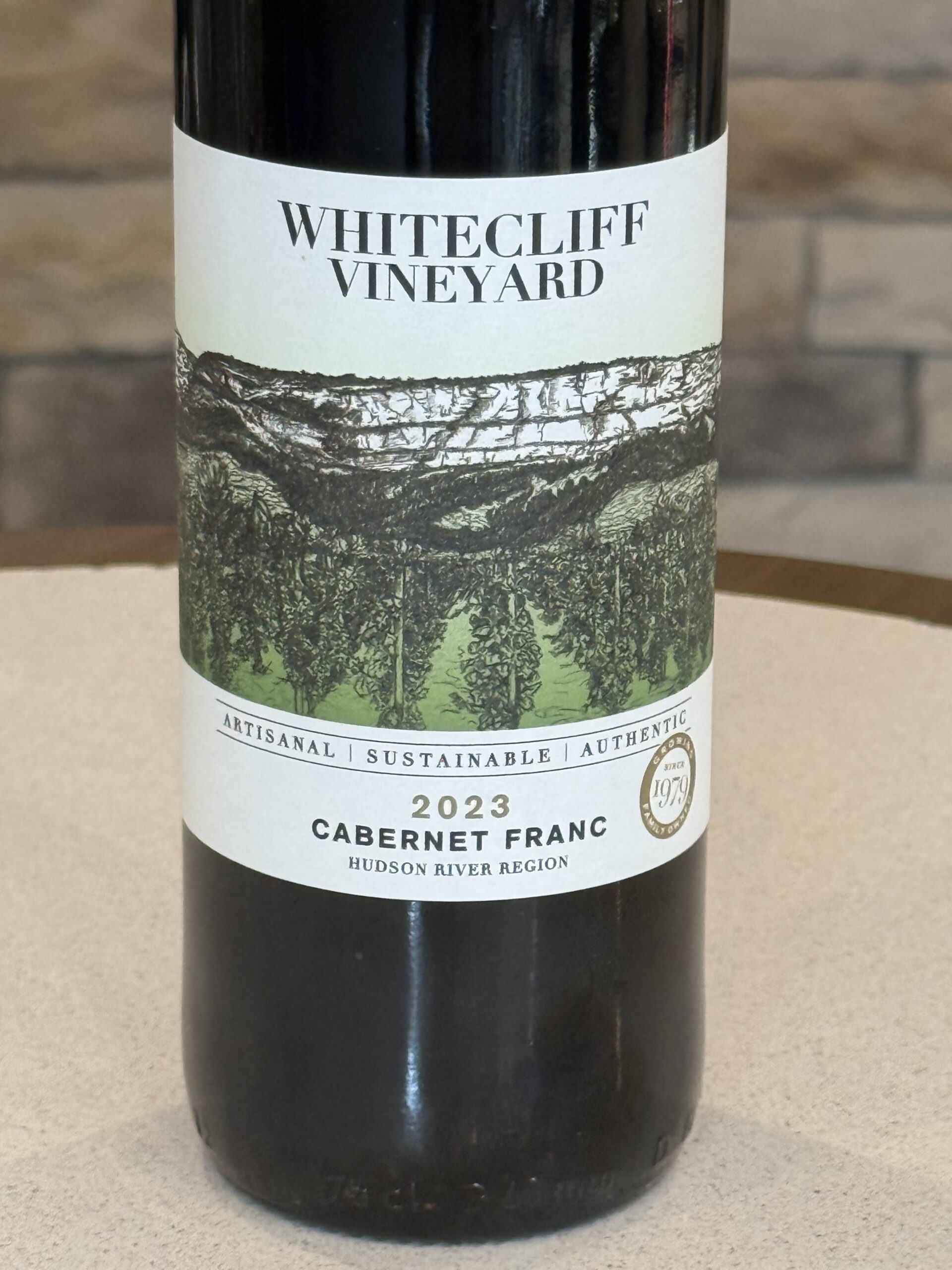
Region The region indicates from where the grapes were sourced to produce the wine. A wine from a larger (read: more vague) region is typically a value wine whereas a wine from a specific vineyard site often indicates a higher quality regional designation (i.e. “California” vs. “Santa Rita Hills” AVA). If a wine is from a specific vineyard site, that site will be indicated in quotations (i.e. “Les Suchots”) or located right below the region designation (ie Vosne Romanee Les Suchots). Generally, as you narrow the source to a specific site, the quality level becomes more refined and the price increases.

Variety or Appellation The variety refers to what grape or grapes are used in making the wine, i.e. Merlot or GSM Blend (Grenache, Syrah, and Mourvedre). Many blends will not reveal the constituent grapes nor the percentage that each makes of the whole. If there is no varietal given, look for the Appellation, which can give you clues to what varietals were used based on the rules governing that region. There are 15 nations with officially regulated appellations, though the strictness of the rules and what matters varies wildly among them.

Vintage or Non-Vintage (NV) The year that the grapes were harvested is the vintage. The vintage tells a lot about a wine if you are familiar with vintage variations. As a general rule, multi-vintage wines or “NV” wines are lower value wines, because they have the ease of pulling wine from multiple vintages to control the flavor, except in the case of Champagne.

Alcohol by Volume (ABV) The alcohol level actually says a lot about a wine. Many European wine regions only allow their highest quality wines to have 13.5% ABV and above. In America, ABVs can be quite high (up to 17% on some dry wines) and the alcohol level is an indication of how rich/big the wine may taste. Many higher alcohol wines are made from riper grapes and tend to have more fruit forward flavors. Again, this is a generalization and there are exceptions to the rule.


Some Wines are Labeled by Grape Variety

When you see a wine labeled with “grape” words like Cabernet Sauvignon or Gruner Veltliner, then it’s labeled by grape variety. There are thousands of different wine varieties and it’s possible to label a wine with more than one grape.

Wine labeled by variety doesn’t guarantee that the wine is 100% of the listed variety. Each country has their own set of minimum requirements to label wine by variety (Surprisingly, the United States has the lowest!):

75% USA (except for Oregon which requires 90%), 80% Argentina, 85% Italy, France, Germany, Austria, Portugal, New Zealand, South Africa, Australia, United Kingdom.


Some Wines are Labeled by Region

Wines like Bordeaux, Chablis, Chianti, Sancerre, and Rioja are labeled by region. This style of labeling is used mostly in Old World wine countries like France, Italy, Spain and Portugal. Regional labeling likely came from a time when many different varieties grew together in the same vineyards and were blended together into wine.

Each wine region dictates what grapes can be used in the regional wine. So, in order to know what’s inside one of these regionally labeled wines, you’ll want to do a little research. For example, Chablis in France grows Chardonnay, and Chianti in Italy specializes in Sangiovese.


Some Wines are Labeled by Name

The last common style of wine labeling includes wines using a made-up or fantasy name. More often than not, named wines are unique blends invented by the wine producer. You’ll also find named wines common in regions that do not allow the use of certain grapes in their regional wine (but still grow them). For example, Tuscan wines made with French-origin grapes including Merlot, Syrah, and Cabernet are not allowed to be labeled as an Italian regional wine. (This is how the first Super Tuscan wines came to be!)

Common Label Confusions and How to Avoid Mistakes

Anyone new to reading wine labels can get confused pretty quickly. Here is a breakdown of key things to look for.

“Reserve” Means Different Things – It’s not a legal term everywhere, so don’t assume it guarantees top quality. Research might reveal that it’s just marketing fluff in some regions.

Non-Vintage (NV) Wines – Often sparkling wines or blends without a specific year. That can be confusing but generally indicates consistent style rather than ignoring quality.

Multi-Grape Blends – Sometimes the label lists a single variety, but the wine could be a blend. If you aren’t sure, ask a trusted vendor or check online reviews to get the full story.

Old-World vs New-World Labeling – European wines tend to emphasize region over grape, while New World wines (like from the US or Australia) highlight grape variety first. That’s helpful to know when trying unfamiliar wines.

Pronunciation Woes – Don’t let tough to pronounce names scare you. It happens to everyone. Ask in store or look it up.

Getting around these common issues makes wine shopping less intimidating and more fun.

Picking the Perfect Wine for Your Next Dinner Party

Here is a potential real-life scenario. You’ve got a planned Friday night with friends, and you want to bring a bottle that everyone will love without breaking the bank or appearing clueless. How do you choose?

Start by thinking about the food. If you’re serving a classic Italian pasta with tomato sauce, a medium-bodied red like Sangiovese is your go-to. Check the label for the region—Chianti, for instance, shines here. Look for a recent vintage but avoid very young wines that might be too tannic.

Maybe you want a white to kick off the evening. Something crisp, light, and crowd-pleasing like Sauvignon Blanc from New Zealand? Search for “Marlborough” on the label, which is famous for this style of wine. A vintage within the last two years keeps that fresh, zesty vibe going all night.

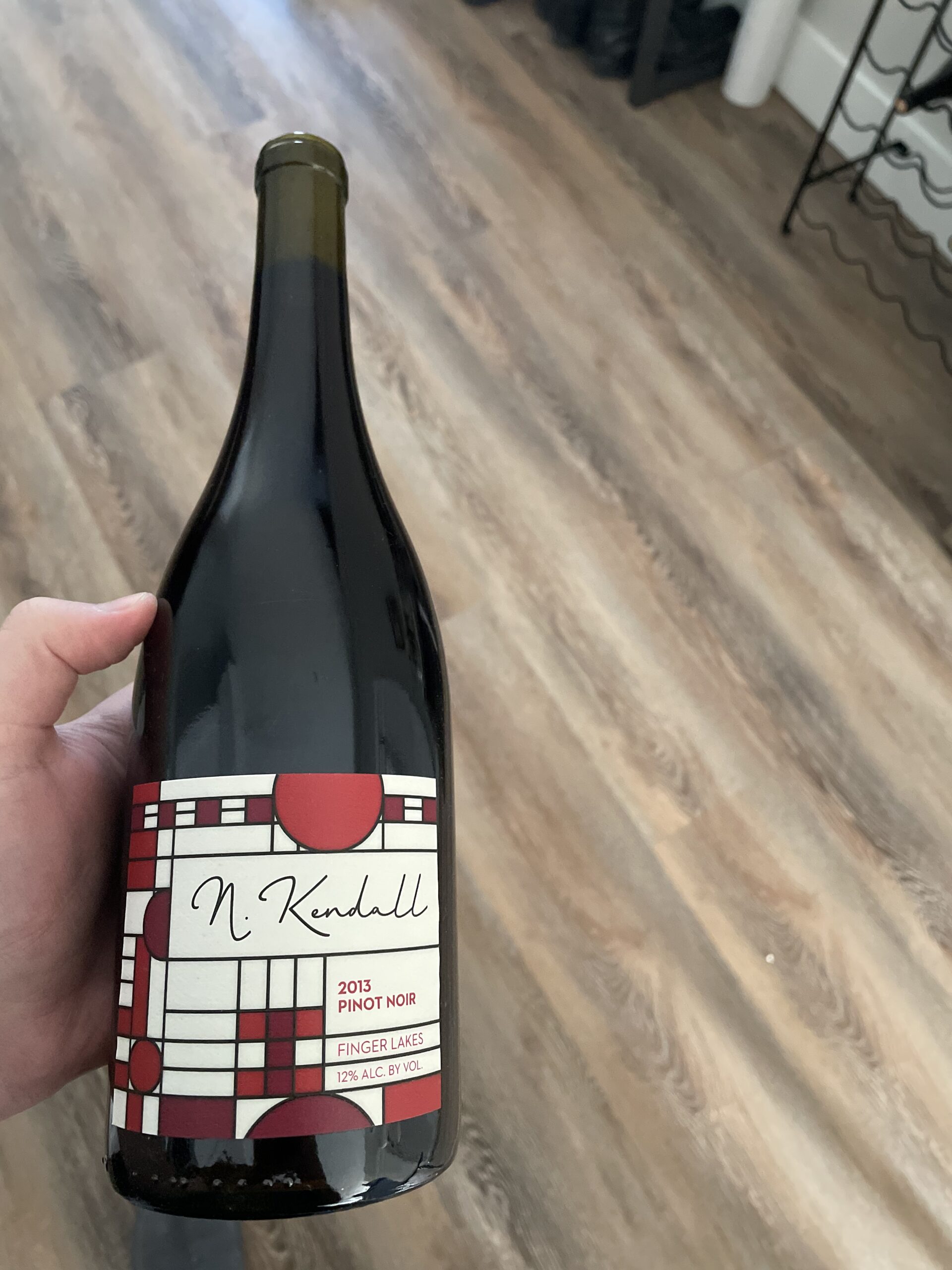
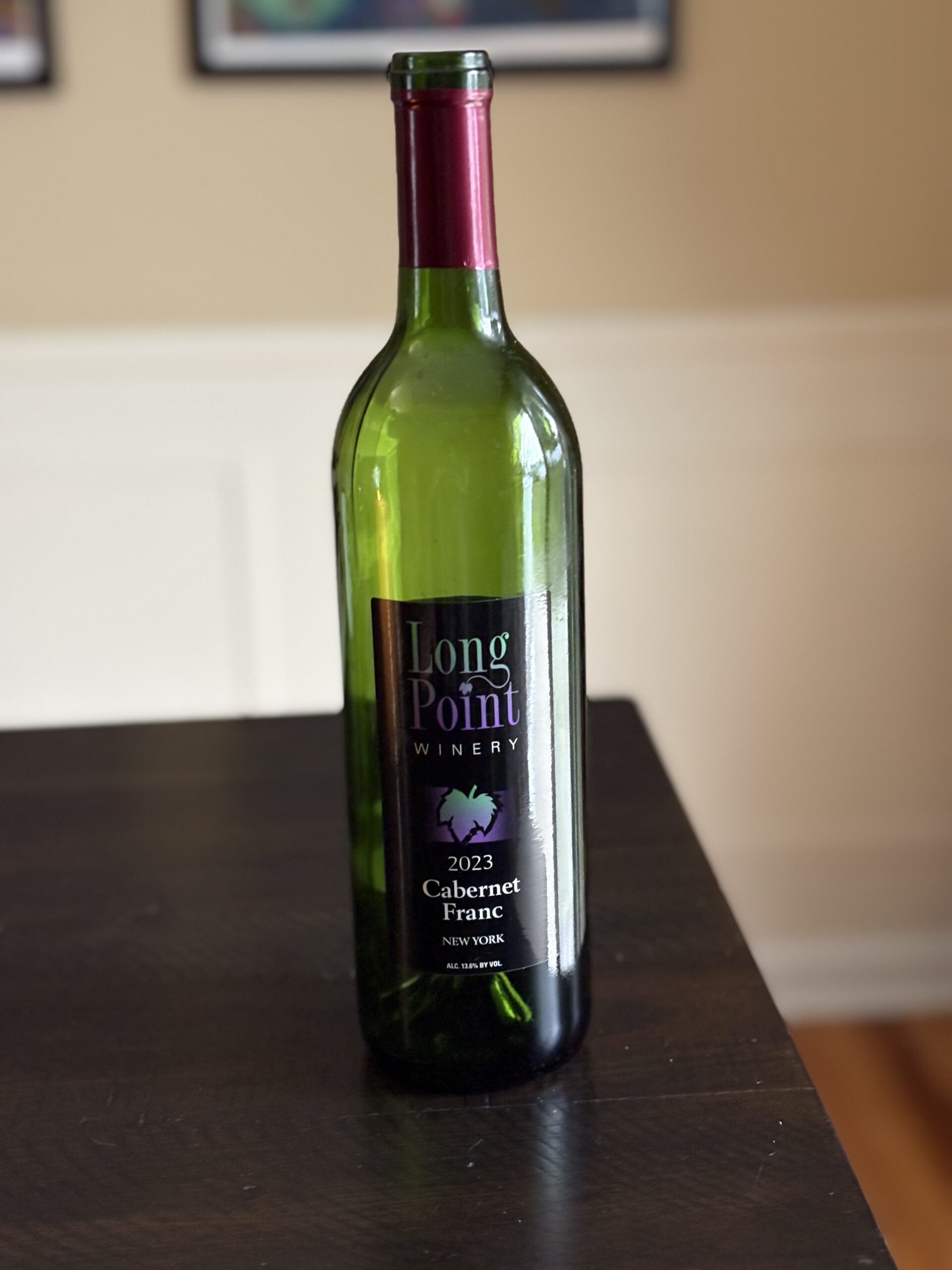
Last, but not least, don’t ignore the fun part. Personal touches like a unique bottle design, label, or interesting backstory can spark conversation and set the tone. For adding a playful or classy edge, personalized wine labels can be a hit. Btw, I’m guilty of buying a bottle based on the label and overall appearance of the bottle. I know it sounds superficial of me but have fun with it. If you know me, I am more attracted to substance and personality.

Watch the video below from my friends over at Wine Folly. If you would like to learn more about German, French, or Italian wine labels, which can be super hard to read, please reach out. Also, if you desire a deeper dive into what to look for in a bottle, please don’t hesitate to ask.

Cheers,

Michael Nagy

(Cover Photo courtesy of Lucia Capretti & Tasting Table)

Who is Michael? What is The Michael Pour?

October
27
2025

Here is a little bit about me, my business, The Michael Pour, and how I got here.

My name is Michael and I’m excited to be here talking ‘wine’. I’ve always had a love for writing, so this is a great way to share my creative side, versatility, and knowledge about wine.

I am originally from Harrisburg, Pennsylvania in the south-central part of the state. In 2019, I moved to Geneva, New York, northern tip of Seneca Lake, in the heart of the Finger Lakes, to further my wine career and embrace a new beginning.

I have a B.S. in Psychology from the University of Pittsburgh and worked in the counseling and social work industry for the early part of my career. In 2000, I became a stay-at-home dad and needed to find a part-time job where I could work nights and weekends for childcare.

One day, I found a classified ad in the local newspaper (that was how you found a job back then) for a bartending school and thought that this would be a fun career. This would work well with my schedule. I quickly learned that I was pretty good at this bartending thing and possessed the people skills to be successful and do it as a career.

My passion for the industry took flight in 2002 when I became a bartender at a full-service, upscale restaurant in the Marriott hotel servicing the airport and capital city. Eventually simple bartending led to a deep dive into wine and food/wine pairings from the excellent menu and wine program.

After many years bartending and doing wine work in the hotel business and making cameos at nightclubs, bars, pubs, and private parties, I decided to take a job as a mixology instructor and wine expert at a nationally recognized bartending school. In addition to teaching/instruction at the school, I provided consultation services to local restaurants.

In 2012, I decided to open up my own business called, Raise Your Spirits, Inc. providing bar consultation, cocktail, spirits, wine, hospitality services and event services to individuals, event and wedding venues, and companies.

During this time, I started blogging and writing about my experiences in the industry, which led to writing and publishing a bar and cocktail book titled “The Cocktail Revolution: Journey of a Liquid Chef” during the pandemic in 2020.

After living in PA most of my life and running my business, Raise Your Spirits, Inc. for eight years, I decided to take a leap of faith, start anew, leave family and friends, and move to upstate NY and the beautiful Finger Lakes region to focus on my wine career.

I completed my wine education through the Wine & Spirit Education Trust School based in London, England. I earned my Level 3 Advanced Certification in Wine. I continued my wine education by earning my wine specialist certificate in French wine.

My knowledge, experience, and expertise with Finger Lakes and New York State wine is very strong. I strive to learn new things in the world of wine and stay on top of the trends.

From 2019 to 2023, I worked as a wine educator, tasting room manager, wine club director, marketing and public relations director for numerous wineries on Keuka, Seneca, Cayuga Lakes.

For the latter part of my time in the Finger Lakes, I served as the GM and ran the exquisite wine and cocktail program at Portico Restaurant, an upscale, Italian steakhouse in Del Lago Resort & Casino.

During this time, I rebranded my old business to “The Michael Pour” where I focused primarily on wine, providing consultation services, private wine tasting events, wine lists, virtual and in-person wine classes, networking, and storytelling through writing and blogging about wine.

In August of 2024, my life and career took me to Syracuse, NY with the intent of continuing my business operations and work with private venues, bars, restaurants, and organizations doing wine tasting events, wine classes, wine dinners, marketing, and consultation.

My hope is to bring the excitement of Finger Lakes and New York State wine to the Central NY region and Syracuse area. As a member of Women for Winesense, Syracuse Chapter, potential board member and former member of Finger Lakes and Rochester chapters, I am excited about the opportunity to grow my business and support a wonderful organization offering fun, wine programs in the area. All are welcome (men, women, non-binary) to join our group.

Visit the website for more info (Syracuse Chapter page). I will be teaching a fun wine tasting class in January through the Syracuse Chapter (see image) so I hope to see you there.

Would you like to experience great wine for your formal or casual dinner party? Are you looking to plan a special event with your friends or colleagues and want it to be epic? Are you an establishment who wants to elevate your wine program?

Whether you are an experienced wine drinker, host parties or events, a business, or someone just getting started in the industry, you’ve come to the right place.

My dream is to stock people’s wine cellars with exquisite and collectible wine and serve as their wine consultant and personal sommelier.

I also moonlight as a freelance beauty consultant, MUA, and skincare consultant after spending time with Mary Kay, Sephora and Ulta Beauty over the years. I currently work as a brand ambassador for Urban Decay Cosmetics and IT Cosmetics.

My interests outside of wine are kitties (I have 2 cute furries), traveling and seeing the world, learning about different cultures, shopping, pizza, old-world Pinot Noir, purple and green colors, fast cars, Pittsburgh sports, all things beauty, reading, writing, book hoarding (not a fan of kindling), good old-fashioned rock-n-roll music, and musical theater.

I am partially fluent in French and love French culture, which goes hand in hand with French wine.

Thanks for stopping by! Let’s get acquainted and go on this fun journey together. Please let me know if I can be service to you or your place of business. Being new to the area, I would love to meet youMichael

What am I pouring and drinking right now?

October
22
2025

This post is dedicated to my friend and colleague, Sonya, who has been following and supporting my wine journey since I arrived in upstate NY six years ago. I had the wonderful opportunity to work with her for a brief time at Empire Merchants when I was running the wine program as the GM at Portico Restaurant.

As a champion of local wine, Sonya loves being informed about what’s trending in the local wine scene whether it be the latest and greatest of new wine releases, under the radar wines, winery news, and local events. She is also interested in seasonal sips and my favorite wine to drink each week. As I’m sure with other wine aficionados, wine tasting and drinking is a very spontaneous activity, especially when you take into account what food you are serving or eating.

For this week’s edition of the Pour, I will share the process of my wine selection, which includes the season of the year, occasion/drinking establishment, under the radar or discovery of a new grape/wine, recent wine reviews/ratings, and general feeling and mood. For the latter, the relationship between wine and psychology is a very powerful thing. As a psychology major, former bartender, and current wine steward, I can attest to the psychological implications of what to drink and when to drink it.

Many years ago, I did a piece on drinking personalities based on my experience as a server and consumer of alcohol. Although a novelty piece and not grounded in actual science, there was a lot of truth to its experiential analysis. Maybe I will re-up that story for my audience here sometime. I will discuss what factors contribute to what wine I’m drinking right now and then a little bit about those wines.

Being a wine club member at several Finger Lakes, NY wineries and a local and NYS wine expert, there is a good chance I will be sipping a local favorite or a yummy library wine. By the way, Congratulations to the Finger Lakes Wine Region for being named 2025 Wine Enthusiast’s “Best American Wine Region”.

When people ask me what wine to pair with the food they are having, I immediately provide them with an official answer. But unless they are having a formal wine dinner that costs $100/person or trying to impress their guests, wine collector, or hard to please father-in-law, I will always say “Drink what you like” or “Drink what you are in the mood for”. I know that doesn’t sound very wine snobbish or pretentious of me, but it’s my wine rule. Food and wine pairings are a massive topic, so I won’t focus too much on them for this post.

When selecting a bottle of wine, think “what I’m in the mood for”, “what am I eating”, and “who am I with”. Is the occasion casual or special? Will the bottle be finished? If not, will I or others finish it in the next few days?  Similarly, if you’re feeling adventurous and open to trying something new, choosing a bottle gets way more complex, but exciting at the same time. As long as you’re willing to poke around and do a bit of research—or better yet, take some advice from yours truly, the journey promises to hold a myriad of interesting wines ahead.

If you’re having guests over, take into consideration that everyone’s palate responds differently to flavor profiles—being respectful of that will set you up for a successful selection. Refreshing rosé and sparkling wines set a festive tone—having some of both on hand is never a bad thing. And they are delicious year-round.

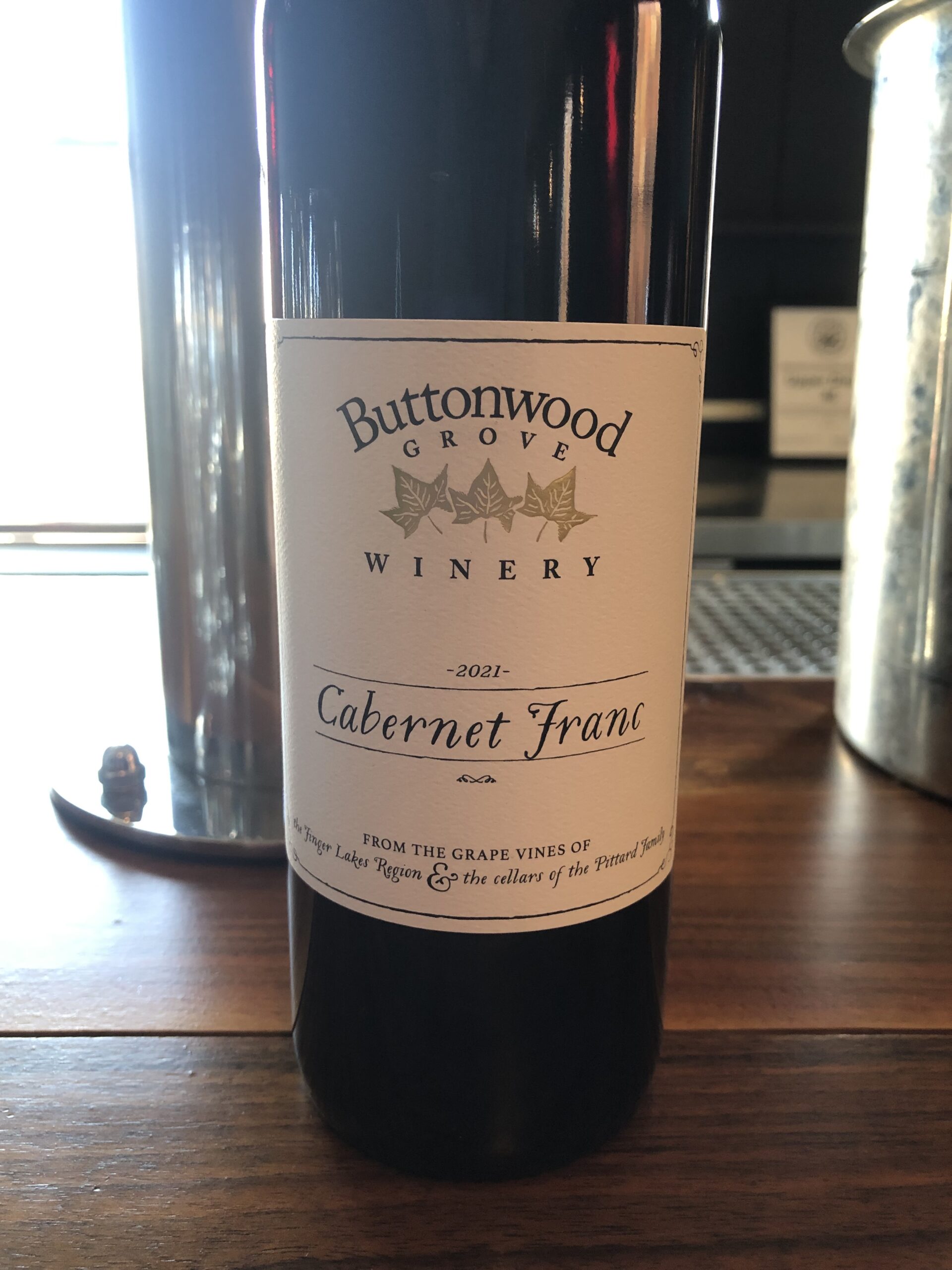
When choosing a wine to bring to a dinner party, showing up with bottles that have been chilled properly in advance and stored in a cooler while you travel to your destination allows you to enjoy them upon arrival. Take note of the optimal serving temperatures of the wine and plan ahead. If you need help with, please let me know. Start a wine journal – jot down the winery name, vintage, varietal, and how you served it. Don’t forget to snap a photo of the label to make finding it even easier in the future.

During the fall season (see previous blog post on fall wine pairings), I like to slowly transition my palate to heavier/more medium-full bodied, darker fruit wines, particularly single varietal reds or oaked Chardonnay. As I approach the winter season, I will tend to reach for a bottle that speaks to coziness, warmth, complexity, and festive in nature. Think sparkling (festive), red blends, ports (warm and heavy), dessert wines (sweet and cozy), and fortified wines (sweet, heavy, and strong).

Within those wine choices, I like to grab an obscure wine from a small region that is moderately priced, has good value, and contains a grape that I’m not overly familiar with. There are tons of international and hybrid grapes I have never tried. How to spot a good value wine is by market research, subscribing to a wine publication, like Wine Spectator or Decanter, or looking at the consensus or user ratings from multiple forums and sites.

For budget considerations, my rule of thumb, for example, for a typically high-priced Burgundy from France or Cabernet Sauvignon from the Finger Lakes, is under $30 USD and received a 90 plus score. For a lower-priced varietal, like a Rose or Riesling, with a score of 90 plus, I will look at under $20 USD.

The reality is that, even though I’m a wine purist, I will always recommend drinking your favorite grape/wine for any occasion and if it makes you happy and pairs well with your grub, then that’s a bonus. Don’t think less of me, but I’ve been drinking a reputable box wine called “Black Box”. Not all box wine is created equal. if I want to have something to drink over the course of a week, drinking alone, or just need to unwind, then a $24 USD box (three standard bottles of wine/box) satisfies. Who am I trying to impress? Maybe I should invest in a Coravin so I can drink better wine.

Cheers,

Michael

michael@michaelpour.com

What wine topics would you like to learn more about?

October
20
2025

The Michael Pour wants to know. This blog is intended to serve you. I encourage you to respond here or on instagram with wine topics you want to learn more about. Look for it on IG @themichaelpour.

It can be anything from grapes to wines, food/wine pairings, wine regions, wine recommendations and values, seasonal sips, wine etiquette, top 5 or top 10, how to’s?, etc… I hope to hear from you.

Cheers,

Michael

Wine Glass

DON’T MISS A DROP

Get notified when new articles are poured

We don’t spam!