How To Make the Best Old Fashioned

November
13
2024

How to make the best Old-Fashioned cocktail? What is the correct way to make an Old-Fashioned? Why does it matter? For someone who has been in the biz for over 22 years (behind the stick for much of that time), certified in advanced mixology, runs his own cocktail business, published cocktail author, and oversaw the cocktail program at many high-end cocktail bars and establishments, I think I have the qualifications.

Not only will I discuss the cocktail making, but also the subtle nuances that goes into perfecting this classic cocktail, like ice, sugar, whiskey, bitters, glassware, garnishments, etc… All too often I see and taste Old-Fashioneds that are prepared, mixed, and served incorrectly. Sure, there are many variations of the cocktail and depends on how you and your guests want it, but, for the most part (other than choice of whiskey), most consumers will drink it the way you serve it and not experience its potential.

After you have read through this discussion, I hope that you have the ability and confidence to mix a well-balanced, visually appealing, and tasty Old-Fashioned for yourself and guests from your home bar. It will also give you the knowledge to order confidently from your favorite, local watering hole so you receive the cocktail the way you like it. I encourage you to experiment with different types of whiskey and other brown spirits and ice/ice molds to find YOUR best Old-Fashioned.

A little history behind the cocktail

The Old-Fashioned is considered the oldest American cocktail. The word cocktail wasn’t even in the vernacular until 1806, which at the time described a drink of spirits, sugar, water, and bitters. By the late 1800s, bartenders were evolving. Credit is given to a bartender at the Pendennis Club in Kentucky for creating the official Old-Fashioned in 1880, which he introduced to New York at the Waldorf-Astoria Hotel bar. During Prohibition, bartenders muddled orange and cherry into the cocktail, reportedly to mask the poor-quality alcohol’s harsh taste.

Therefore, the Old-Fashioned is considered the grandfather of all cocktails. Simple yet complex, subtle yet bold, it’s easy to see why the classic three-ingredient elixir remains so revered by bartenders and cocktail connoisseurs. It is so admired by bartenders that it is often the first cocktail they diligently master. What appears to be a simple drink of whiskey, sugar, and bitters is actually a complex, art form dependent on the right ingredients and the method of mixing them.

Ordering an Old-Fashioned at a bar will usually earn you an approving nod (except in those cases where barkeeps have no idea where to start), but it’s also the perfect cocktail to master at home. Though it’s relatively easy to concoct, it’s just as easy to mess it up.

Dark and boozy, a little sweet and a little bitter. In cocktail lore, is there another whiskey drink more historic and satisfying than the Old-Fashioned? The cocktail defies nostalgic title, and while it certainly went through less-than-ideal incarnations over the years. Luckily, the Old-Fashioned is one of the few cocktails that has never gone out of style and has been embraced by more women today than it ever has. If done right, whiskey cocktails have become more approachable for women.

The Old Fashioned is a cocktail of evolution. What we do know is that by the time cocktail books began appearing in the late 19th century, what we would call an Old-Fashioned today was often under the title of “Whiskey Cocktail”.

Reach for a quality whiskey

An Old Fashioned is essentially a vehicle for enjoying your favorite whiskey, so choose wisely. No need to break the bank but choose at least a midrange or call whiskey. Tradition calls for rye whiskey, but many people prefer bourbon. There is a plethora of different styled bourbons and whiskeys, like wheated bourbons, four-grain bourbons, single barrel bourbons, small batch bourbons, Irish whiskey, scotch whisky on the market today so give them a sip to find your style. There is also the age of the whiskey and the vessel it was aged in to consider (see below). I have served brandy or Cognac Old-Fashioneds over the years but is rare. It really comes down to individual preference.

Your choice of whiskey is the most important ingredient. it dictates the flavor profile and how well it mixes with the other flavors. A good rule of thumb is that heavier whiskeys, like bourbon, will make the cocktail taste a little on the sweeter side, while lighter whiskeys, like rye, will be more refreshing, but drier, and taste slightly spicy. I will list my favorite whiskey and bourbon to use for my Old-Fashioned recipe at the end of this post.

The only other ingredients the cocktail requires are bitters and sugar that work together to enhance the spirit with a subtle sweetness. Over the years, the cocktail has evolved to sometimes include sweet vermouth, orange slice, cherry, and club soda, but they are not traditional. Never add sweet vermouth – that is intended for a Manhattan.

Bourbon is my preference

The relatively heavy body of bourbon, a corn-based spirit, creates structure within the cocktail, and its natural sweetness helps counterbalance the more astringent elements of bitters. As bourbon is aged in charred new oak barrels, it tends to take on notes of vanilla and caramel, which are brought out by the addition of sugar.  They also help to reduce the perceived heat of the alcohol, in turn allowing the spirit’s nuances to come through more cleanly. There is a trend of smoked Old-Fashioneds by using a smoker kit with different flavored wood, like peach, cherry, and apple and a torch.

Don’t throw in a sugar packet

Sugar is one of the three necessary ingredients of the cocktail, so it deserves some thought. The classic way to make an Old-Fashioned start with placing a sugar cube at the bottom of the glass, adding a few dashes of aromatic bitters and a splash of water and muddling with muddler until it’s completely dissolved (like a paste). Most people use simple syrup for ease and convenience, which is fine, but the sugar cube will help break it down and make it easier to dissolve and integrate into the drink.

The sugar does make a difference. You don’t want to hide ingredients – you want everything to be present. With the Old Fashioned, it depends on what you’re using as your sugar source and how much. If you use a 1:1 (water-sugar) simple syrup, use a younger bourbon between 80 to 90 proof for lighter sugar content. If we are at 91-plus proof whiskey that has some age to it, use a thicker/heavier syrup such as 2:1 demerara sugar.

Be aware of bitters

An Old-Fashioned calls for 2-3 dashes of bitters—no more, no less—that are added to the sugar cube or simple syrup. While the amount seems small, having too many or too few dashes can dramatically change the taste of the drink. The type and quality of bitters matters too. Angostura bitters is the classic and always an excellent choice, but I prefer orange bitters for mine. I have also experimented using a variety of other bitters, like chocolate, Peychaud’s, grapefruit, and lavender.

Don’t add soda water

Besides sugar, whiskey and bitters, any other ingredients are not in an Old-Fashioned. Although orange slices, cherries and soda water are commonly seen in Old Fashioneds, this is not correct. As mentioned earlier, many believe these ingredients (not soda water) were added during Prohibition to help cover up the sting of moonshine or whiskey. The use of soda water today by bartenders is a modern thing. Use a splash of regular water to help dissolve the sugar cube instead.

Don’t muddle cherries

If you prefer your Old-Fashioned with a cherry, like a brandied or Luxardo, just make sure not to muddle it into the cocktail. This cocktail does not want a punch of cherry flavor or floating fruit. Instead, add it later as a garnish on a pick with an orange peel or just dropped in. Choose one Luxardo cherry over the bright neon maraschino cherry, which is sweet and full of chemicals. Some Old-Fashioned enthusiasts like a Luxardo cherry syrup to be added to mix.

Add an orange peel for aromatics and citrus

Of all the additions to the Old Fashioned over the years, the orange peel is the most appropriate. I personally garnish a picked orange peel, not twist (you don’t want pith). Don’t muddle or add an orange quarter or slice. Use a vegetable peeler to peel off a thin layer. Express the oil of an orange twist over the glass before picked and dropped in.

Use a large ice cube

Back in the 1800s, ice cubes were typically two inches on each side, unlike the small versions today that melt quickly. If you want to be a purist (or at the least impress your guests), keep some large square or cylinder cube molds in the freezer for that unexpected guest. The cocktail will remain chilled for a while without diluting too quickly. If you don’t have access to one large cube, then opt for 2-3 larger sized ice cubes. Be careful not to over-dilute. You should never fill the glass to the top with ice. Avoid small cubes and crushed ice.

Don’t shake it

Old Fashioneds are to be stirred, never shaken. Use a bar spoon to steadily stir the cocktail for a maximum of 30 seconds—you want to chill it without melting the ice cube down too much. Find a good rhythm of stirring several rotations and then firmly stopping with the spoon in the glass every ten or so rotations. You want to smoothly incorporate the sugar paste without agitating the cocktail too much. As you stir, press the back of the spoon firmly against the mixing glass. You don’t want to slosh the drink around as that can be detrimental to the smooth, silky texture that is the hallmark of a great Old-Fashioned.

Old Fashioned glass

Use an Old-Fashioned glass (pictured)

That’s what they were made for after all. Even you don’t have them, a large rocks glass versus a small rocks glass will suffice. A small rocks glass is preferable for a spirit ‘neat’ or ‘on the rocks’. Don’t serve an Old-Fashioned in any other type of glass.

Proper Old-Fashioned Cocktail By Michael

  • 1 sugar cube preferred or 1/2 oz demerara simple syrup
  • 2-3 dashes orange bitters (Angostura bitters is classic)
  • 1 barspoon of water to help dissolve
  • 2 oz bourbon, such as Basil Hayden’s or Horse Soldier, or rye whiskey
  • 1 large ice cube (square or cylinder). I prefer cylinder.
  • Garnish: orange peel and Luxardo cherry picked (see cover photo)

For bourbons, I prefer Buffalo Trace, Bulleit, Angel’s Envy, Basil Hayden’s, Horse Soldier, and Four Roses. For ryes, I recommend EH Taylor and Bulleit. For whiskey, try Crown Royal or Sour Mash Jack Daniels Single Barrel (sweeter).

Prep

  1. Add the sugar cube to the bottom of an Old-Fashioned glass. Add 2-3 dashes of orange bitters to the cube. Muddle using a muddler into a paste. Add barspoon of water and stir until the sugar is nearly dissolved.
  2. Add large ice cube or a few large pieces of ice. Add whiskey/bourbon and stir until well-chilled. Stir clockwise and counterclockwise alternating every 10 seconds.
  3. Express the oil of an orange twist over the glass, pick the peel with a Luxardo cherry, then drop into the glass to garnish.

Cheers,

Michael

Wine of the Week: Cono Sur Pinot Noir Organic 2022

Cono Sur Organic Pinot Noir 2022
October
15
2024

This week’s featured “wine of the week” returns to the new world wine country of Chile, South America with my favorite varietal, Pinot Noir. Not every wine I try becomes a wine of the week, but with careful research, looking for a great value, knowing the region and country of origin along with the varietal, and my handy ‘delectable’ app, I am confident that my choice will be a good one.

What makes this wine special is the fact that it is organic, vegan, and is under $15. The organic wine category in the wine industry is booming. The demand for organic wine is on the rise. It represents about 4% of the worldwide wine consumption, and it is becoming more and more relevant. It is expected to be one of the biggest growing categories in the wine business, which can lead to a decrease in price in the future. Producers are committed to a minimal environmental impact. This means a conscious use of natural resources, like water, and natural products that replace chemical agents.

Some benefits of organic wine include protection against harmful chemicals. The organic product excludes the use of pesticides.If you’re allergic or sensitive to sulfites, organic wines are a good option, since they usually have smaller concentration of sulfites. The consumption of organic wine is a way of promoting the use of green technologies that favor the care of the planet.

How much does organic wine cost? Organic wine may cost a little more compared to “conventional” wine as a result of production costs. The use of chemicals in the vineyard helps reduce costs in traditional wine growing. However, you can find high quality organic wines at reasonable prices (this wine, for example), which allows conscious and frugal consumers to give it a sip.

Cono Sur Organic Pinot Noir 2022

Viña Cono Sur was born around the first Pinot Noir vines planted in the Colchagua Valley of Chile. In the 60s, the region was considered a cool climate area and ideal for the variety. And that inspired them to adopt Pinot Noir as their flagship variety and established a goal of producing the best Pinot Noir in Chile. Cono Sur was the first Chilean winery to export Pinot Noir and currently produces different styles of Pinot, organic (fairly new from their product line), non-organic, single vineyard, and reserve. The labels on the bottles depict the brand’s iconic bicycle.

Cono Sur (Spanish) translates to “The Southern Cone”, which is a geographical and cultural subregion composed of the southernmost areas of South America, mostly south of the Tropic of Capricorn. 

Made from organically grown grapes sourced in the Colchagua, San Antonio and Bio-Bio valleys, this well balanced, delicate, and surprisingly juicy is brimming with floral, fig, red fruit, in particular cherry, savory, and earthiness. With soft medium tannins, medium flavor intensity, medium body, it was a joy to drink. This bottle does have a whopping 14.5% alcohol content, which is on the higher end of PN. I love the winery’s commitment to the environment. On the back label, there’s a certification stamp for being carbon neutral as well.

Serve it with grilled mushrooms, baked salmon, pork, goat cheese and pizza (a favorite of mine). Highly recommend! Look for it online or at your favorite shop.

Cheers,

Michael

The Era of the Mocktail: Creating Delicious NA Beverages

mocktails cover
September
24
2024

In recent years, there has been a growing trend of mindful drinking and the reduction of alcohol consumption. People are choosing to take a break from drinking or reducing their consumption. Customers expect to have non-alcoholic or mocktail options on the menu.

Mocktails can provide an alternative to traditional cocktails that offer all the flavor without the buzz. Any cocktail can be transformed into a mocktail by knowing the cocktail ingredients and the flavor profile of the cocktail. To find the right balance, pair ingredients that go well together. 

Mocktails do not have to be cloyingly sweet or boring. On the contrary, they can be fun, fruity, creative, and refreshing. The use of homemade syrups, mixers, modifiers, shrubs, infusions, and craft, spirit-free spirits gives you a lot of options. Give your customers a vibrant and tempting no-alcohol option.

Mocktails can also offer a wide range of benefits to your customers and business. They are more inclusive, allowing those who don’t drink alcohol, or who have a limited capacity to drink, to feel included in the social scene. For those who do consume alcohol, mocktails can be a great way to pace their intake while they can still enjoy the flavors they love.

It also gives you the opportunity to show your business creativity that helps you stand out from the crowd. Having a diversified menu is a great way to appeal to your current and future customer base and is a responsible and profitable endeavor.

batched mocktails

Decide on the type of mocktails you want to serve. Whether it’s for an intimate gathering of friends, a family get-together or a corporate event, mocktails can provide the perfect range of flavors and appeal. Consider a selection that will appeal to everyone. Have fun experimenting with different flavor combinations like watermelon and mint.

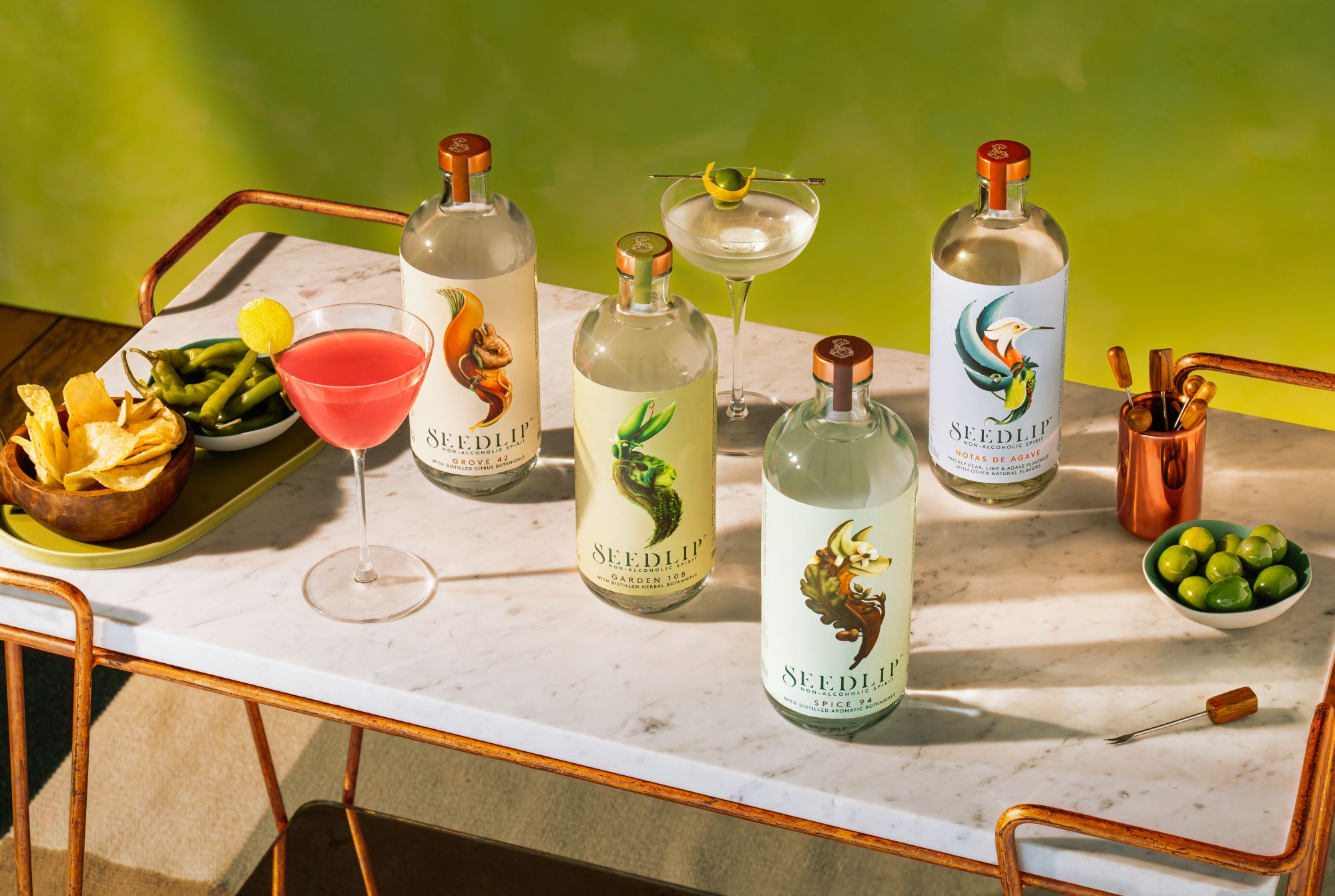
Creating alcohol free beverages allows you to show your creativity with flavor while also providing a low-alcohol beverage option that everyone can enjoy. Incorporate non-alcoholic spirits that you can substitute for tequila, gin, whisky, rum and more, such as brands: Lyre’s, SeedLip, and Spiritless. 

Choose a wide selection of garnishes for your mocktail bar. Go with organic fruits and vegetables to create healthier drinks for your guests. Some of the most popular garnishes used in cocktails are citrus fruits such as lemon, lime, grapefruit, and orange. The acidic juices from these fruits help to balance out the flavors of a cocktail, adding brightness and acidity to the drink.

Fresh herbs like mint or basil can add an aroma to a cocktail. Try dehydrated garnishes as an alternative to fresh fruit for your next event. They are cost effective with a high shelf life and add a different twist to the beverages.

private party

Prepare the ingredients before guests arrive. It is one of the most important aspects of hosting an event or running an efficient bar. Make sure to have all the necessary ingredients ready, including non-alcoholic spirits, juices, mixers, syrups, garnishes, ice, bar tools, and glassware.

Having too much of something is better than too little, especially in the case of ice. Stock a variety of glassware to use for the different types of mocktails on your menu. 

From shakers and strainers to jiggers, zesters, peelers, muddlers, and bar spoons, having all the necessary bar tools on-hand helps make sure that any mocktail you concoct is made accurately and properly. Bar tools can save you time and can add a presentation factor to the finished beverages.

“Mocktails by Michael”, a division of The Michael Pour, is creating mocktails for you. We will prepare and bring a batched mocktail with garnishes, glassware/cupware, napkins, straws, etc… to your next party or event.

We can also provide bartending service and setup onsite. Inquire within! Booking available under the contact form tab. Would you like some spring mocktails or summer mocktails at your pool party or a mocktail bar at your wedding, bridal shower, company event, or special event?

Array of Mocktails

Cheers,

Michael 😉

michael@michaelpour.com

717.877.2729

Wine of the Week: Chile’s Unique Carménère Wine

Carmenere
September
18
2024

This post was fun to construct because I am a big fan of Carménère wine from Chile, South America, but it is hard to find in Central NY wine shops. As with most exported wines, especially those from fairly unknown wine regions in the world, there are few options available in the shops. Of those available, many are cheaper, lower quality, and highly commercial wines or carry a huge price tag for an everyday wine. Sure, you can find options online, but the shipping costs can be exorbitant, and because I’m old school, I like to handle the bottle and read the wine label.

In my search, I grabbed a nicely priced bottle around $18 (great value) at Vine & Barrel in Camillus, NY after scanning the bottle label with my “Delectable” app and read the reviews and info. I highly recommend downloading this app for your wine shopping needs.

When I opened the bottle and poured, I was surprised by the intense purple color. When I smelled the wine, I received a strong aroma of spicy peppers and clove. When I tasted the wine, I fell in love with the ripe fruit and low tannins. I was so impressed that I decided to make it my featured wine of the week – “Odfjell Armador Carménère 2022”, which will be discussed in detail. It is widely grown and produced in Chile’s Maipo Valley and Maule Valley. In addition, the story behind the wine is very intriguing.

Carménère (“car-men-nair”) is a medium-bodied red wine that originated in Bordeaux, France, where it is called “Cot”. It is considered to be the unofficial grape of Chile because, with few exceptions, it is not grown anywhere else in the world, except in Bordeaux blends and other blends. The wine is admired for its supple red-and-black berry flavors and herbaceous green peppercorn notes. Carménère is very similar in body and texture to classic Merlot. Similar wines – Carignan, Sangiovese, Valpolicella, and Cabernet Franc.

Here are some fun facts about Carménère –

  • Carménère is a half-sibling of Merlot and Cabernet Sauvignon, and its parent is Cabernet Franc.
  • Carménère is a very slow ripening grape, and is often the last one picked during harvest, about 4-5 weeks after Merlot.
  • Carménère was first brought to Chile in the mid 1800s and was thought to be Merlot until 1994.
  • Carménère is nearly extinct in its homeland, France, but is the 5th most important grape of Chile.
  • Carménère has possibly been around since Roman times.
  • Expect to pay between $18-$20 for a good Carménère and $35-$40 for a higher quality Carménère. The one featured here is in the lower price range, but in my humble opinion, drinks like a premier or reserve Carmenere.

The majority of Carménère hails from within the Central Valley of Chile. This is the largest wine-producing zone in Chile, and it contains several regions to know. Chile’s central valleys, sheltered by the coastal ranges, and in some parts climbing the eastern slopes of the Andes, remain relatively warm and dry. The conditions are ideal for producing concentrated, full-bodied, aromatic reds rich in black and red fruits. 

Maipo Valley is the northernmost region of the Central Valley Region. Quality Carménère from this area is somewhat lighter with floral notes of cherry, hibiscus, and rose with a subtle granite-like minerality. These more refined and elegant aromas come from altitude but also cooling influences from the Andes.

Maule Valley is the southernmost area in the middle of the region and is also the oldest. Chile’s first vines were planted here in the late 16th century: Look for Cabernet Franc, spicy herbaceous Cabernet Sauvignon and Carignan from here.

FOOD PAIRING

The moderate tannin structure and fresh acidity in Carménère make it an easy red to pair. Leaner grilled meats with savory sauces like Chimichurri, green salsas, mint, or pesto will complement the herbal qualities of the wine and make it taste fruitier. The signature dish of grilled beef with chimichurri is a great match for the wine, in general. I would love to try it with my Hungarian family’s Traditional Stuffed Green Peppers and “pigs in the blanket”. Carménère will even do well alongside darker white meats, including turkey and duck. Pinto and white bean soup is a great pair for vegetarians.

Other pairings – Goat Cheese, Mozzarella, Pepper Jack, Feta Cheese, Roasted/Stuffed Peppers, Garlic, Thyme, Beans, Lentils, Peppercorns, Red Chili’s.

WINE OF THE WEEK – Odfjell Armador Carménère 2022

The producer, Odfjell, has 210 acres of 100% organic and biodynamically farmed vineyards in Chile’s Maipo Valley. Odfjell was a former Norwegian shipmaker. Norwegian horses control weeds, provide better soil drainage, transport grapes during harvest without compacting the soil, and are used for pediatric hippotherapy. The winery was the first in South America to employ a gravity-flow system to ensure the gentle handling of the fruit throughout the winemaking process. Pretty cool story!

This delicious Carmenère is made with Odfjell’s best organic grapes, grown both in Padre Hurtado and Maule Valley. Respecting the typicity of the variety, its fruits were harvested early to allow for more freshness and acidity. A wine that shows the best of the two valleys – Maipo Valley lends minerality, Maule Valley contributes with the balsamic notes and the lushness that give life to this special Carmenère.

Alluring purple color with aromas of dark fruits, licorice as well as hints of spice notes such as black pepper, green pepper, cloves, and jalapenos. The palate is medium-long and refreshing with ripe fruit flavors and soft tannins. Composition – 89% Carmenère, 7% Syrah, 4% Cabernet Sauvignon and alcohol at 13.5%, which is on the lower side for Carmenère and Chilean reds.

Cheers,

Michael

Wine Spotlight: Getting to Know New Zealand Pinot Noir

New Zealand Pinot Noir
September
10
2024

New Zealand is located in the middle of the South Pacific Ocean. The nearest landmass, Australia, is over 1,000 miles away. The country has two long islands plus hundreds of small offshore islands. New Zealand’s vineyards are the first on earth to see the sun because of its close location to the International Date Line. New Zealand is comprised of the North Island and the South Island and wine is made on both islands.

New Zealand’s wine industry is small by global wine standards. Even though wine production only accounts for about 1% of the world’s wine production, it is filled with exciting promise in the “New World” of wine. One of the coolest maritime wine regions, New Zealand vineyards are among the most southernly on the globe. Most New Zealand wines are at their most beautiful and best when they are young.

Maritime climates or oceanic climates near bodies of water help wine regions produce distinct wines. With moderate temperatures and small changes in the hottest and coldest months, rainfall throughout the year, and relatively long growing seasons, these climates produce wines with good acidity balanced with fruit, minerality, and earthy qualities.

Many of the world’s most important significant wine growing regions have similar climates, such as Bordeaux in France, Southern Chile, Australia’s Victoria, and the Cape in South Africa.

New Zealand is best known for its punchy Sauvignon Blancs, i.e. famous Kim Crawford brand, and earthy Pinot Noirs. Of all wine produced here, Sauvignon Blanc accounts for 70% and Pinot Noir only 10% (although Pinot plantings are on the rise). Pinot Noir is the mostly planted red grape in NZ making light-bodied and earthy wines and also used for producing the nation’s few sparkling wines.

These wines are direct and thoughtful, as with most Pinot Noir, brimming with fresh red cherries, fresh cut roses, and a little bit of wet earth. These might be the best Pinot Noir values in the world! The cool and beautiful countryside of New Zealand is good for more than just exquisite movie backdrops and Sauvignon Blanc. Over the past couple of decades, they have been quietly growing some of the most exciting Pinot Noir in the world, especially in Central Otago and Marlborough,

New Zealand is crafting Pinot Noirs that are beautiful with their youthfulness, fresh fruit, and straight-forward nature. The wines are not as complex as Burgundy, but they are also lighter than most California and Oregon Pinots. You can expect light garnet-colored wines with fresh flavors of red cherry, cranberry, and red flowers complemented with soft, silky tannins.

Over the past few weeks, I have tried many different low-to-medium priced New Zealand Pinot Noirs from Central Otago, Martinborough, and Marlborough regions. It was a fairly tough search because there isn’t much of a market for New Zealand wines in Central NY, in general, especially Pinot. I truly love the grape, and always on the hunt for rare, obscure, and stylistically different wines, especially Pinot, throughout the world, it was worth it. Highly commercial NZ Sauvignon Blancs are much more available than their Pinots.

One Pinot Noir stood out among the group, Tapi Pinot Noir Marlborough 2022, which I will share below. This particular Pinot had a pronounced nose, very aromatic, light-bodied, medium acidity, light tannins, and full of flavor unlike many Pinots. Marlborough is synonymous with producing some of the world’s best Sauvignon Blanc but has become an up-and-coming region for unique and very good Pinot Noir. If your on a search, Marlborough Pinot is generally fruitier than those from Central Otago and Martinborough, which contain a more earthy profile.

This wine retails for $18-$20, which is a great bargain buy for Pinot Noir enthusiasts as well as an easy-drinking red for late summer and early Fall. It is light enough to have with salmon or chicken, but complex enough to complement richer red or game, such as quail, turkey, and duck or with a filet of New Zealand salmon. Also, try it alongside pork, veal, lamb or venison and all kinds of cheeses or just drink it alone.

Tapi Pinot Noir Marlborough 2022

Tapi Pinot Noir Marlborough 2022

The grapes were hand-picked and carefully selected from 15-year-old vines grown on clay soil. The grapes were 90% de-stemmed and 10% whole bunch, 72-hour cold-maceration and fermentation in stainless steel vats and left on skins for 3 weeks. Aged in 50% new French oak and 50% used French oak barriques for 12 months. Learn more about the name and history of this wine on the back label.

Tasting notes
A deep ruby colored in the glass, this wine displays lifted aromatic and bright layers of cherry, plum and floral notes with subtle hints of licorice, vanilla, oak and spice. The palate has layered flavors of ripe red and dark fruit, and spice underpinned by nuances of dry herbs, smoke, leather, mushroom, and savory characteristics. Mid-weight on the palate, this wine is balanced and mouth-filling with refined silky tannins, balanced acidity that leads to a long and elegant finish.

Tapi Pinot Noir Marlborough 2022

Reviews and Awards
NZ Organic Wine Awards: Tapi Pinot Noir 2019 – Silver

Cheers,

Michael

The Best Cognac for a Sidecar: H by HINE VSOP

August
21
2024

This is a special post for my friends at Raising the Bar Communications from San Francisco and H by HINE from Jarnac, France in the heart of Cognac, France. I had the wonderful opportunity to taste this exquisite cognac. It was splendid and is offered at a very affordable price for an aged cognac. It is a very mixable spirit in cocktails that I will discuss below. For those of you who are not familiar with cognac, cognac is a style of brandy that has to be produced in Cognac, France according to international law – much like tequila to Mexico. All cognacs are brandies, but not all brandies are cognac.

The Sidecar is a classic cocktail that has been around for centuries. It is the best-known cognac-based cocktail in the world. This basic, three-ingredient cocktail is bright and refreshing and traditionally made with brandy or cognac, orange liqueur, fresh lemon juice, and a sugared rim. The light and citrus nature of this cocktail requires careful consideration of spirit choice. To balance the cocktail, the quality, age and flavor profile of the cognac is very important. For cocktails, especially the Sidecar, not every cognac is created equal, according to experienced bartenders.


Adventurous and elegant, H by HINE VSOP is consistently recommended across the globe as bartenders’ preferred choice cognac for the Sidecar. Created with American and British bartenders, H by HINE is a special bottle within the House of HINE’s world renowned portfolio of cognacs. Crafted specifically for mixing in cocktails, this VSOP expression honors HINE’s signature elegant style known for its floral aromatics with notes of iris, fresh apricot, acacia, white pepper and hint of spice, expressive profile and depth of character, while offering a youthful vitality that plays well with others. A blend of 20 eau de vie aged an average of 5 years gives it a full spectrum of aromas and flavors.

HINE Cognacs are different because they start from the earth. The identity from the Cognac region’s two premier crus: Grande Champagne and Petite Champagne. The Sommelier’s choice for a reason. A great cognac is comparable to a great wine, which starts in the soil and ‘terroir’. Double distillation with the lees concentrates the aromas of the wines and adds texture. Loved for their personality, light toasted & fine-grained wood barrels let HINE cognacs age beautifully, preserving their pure personality. Awarded the Royal Warrant in 1962, HINE continues to be the sole official cognac supplier to the British Monarchy. 

Here’s what bartenders have to say:

 “A Sidecar is very much a citrus-led cocktail, it has lemon and orange liqueur, so for such a cocktail you want to make sure you choose a cognac that is going to complement the citrusy notes and elevate that summery party feeling that all Sidecars should have. H by HINE focuses on the fresh, light and fruity side of cognac rather than being too “wood forward”. I like to use H by HINE because it is a fresh and vibrant VSOP that brings the most out of lemon and orange notes in a Sidecar.” ~ Guillaume Le Dorner, Owner, Luciole (Cognac, France)

“H by HINE has always been the best choice for cocktails because of its versatility. H by HINE is a great choice for a classic Sidecar because it works harmoniously with the orange liqueur and lemon juice without being hidden. H by HINE’s Fine Champagne profile of the white flower, candied orange fruits and slightly peppery notes suits this sour perfectly.” ~ Angèle Grinda, Bar Manager, Bar Américain (London, EN) 

At Bar Américain, the theme of their cocktail menu is “The Golden Age of Hollywood” and pays homage to the Hollywood heydays. They wanted to create a cognac cocktail on the menu and needed to find a cognac that works perfectly in cocktails. H by HINE was their top choice in terms of taste and story. Its flavor profile was perfect for their twist on the Sidecar called the “Napoleon”, a reference to the silent movie of Abel Gance profiling Napoleon Bonaparte’s life. 

Napoleon

  • 1 ½ oz H by HINE VSOP Cognac Chamomile-Infused 
  • ½ oz Apérol 
  • ½ oz Napoléon Mandarine liqueur (Mandarin liqueur)
  • ½ oz *Nectarine Oleo Saccharum 
  • 3-4 dashes Peychaud’s bitters 

*Oleo Saccharum is a very simple mix of citrus (in this case, nectarine) peels and white sugar. Toss the two ingredients in a bowl, gently muddle, cover, and let sit for an hour or longer. The sugar draws the oils from the lemon peels, creating a rich, glossy citrus syrup in the bottom of the bowl.

Method –  Stir in a mixing glass. Strain into a large Cognac glass with one ice ball.

Classic Sidecar

  • 1 ½ oz H by HINE VSOP Cognac
  • ¾ oz orange liqueur (Cointreau), for richer version (Grand Marnier) 
  • ¾ oz fresh lemon juice
  • ½ oz simple syrup (optional, for less bitter version) 

Method – Coat the rim of a coupe glass with sugar and set aside. You can bypass the sugared rim if you don’t want the sweetness. Add all ingredients into a shaker with ice and shake. Strain into the prepared coupe glass and serve.

Try H by HINE Cognac in other classic cocktails, like an Old-Fashioned, Manhattan, Sours, Sazerac, and Highball or just enjoy it neat or over an ice sphere or ball. It serves as a great after-dinner and celebratory spirit to share with friends. 

If you would like to learn more about cognac, please let me know and I will do an educational piece on this classic spirit.

Other H by HINE products – 

HINE Rare

Fruity, Suave, and delicate. Appellation Fine Champagne Contrôlée VSOP Blend of around 20 eau-de-vie from Grande & Petite Champagne Aromas of roasted nectarines, ripe apricots and succulent melon inspire the lingering first sip, soft as brioche. Suave yet delicate, Rare is a classic expression of the House of HINE and a benchmark for their entire collection of cognacs. It reinterprets the fruity flavors characteristic of the white wines produced from Charente vines, particularly from the Grande and Petite Champagne varieties. 

HINE Cigar Reserve XO

Structured, intense, and rich. Appellation Cognac Contrôlée XO Blend of 20 eau-de-vie from Grande Champagne, Petite Champagne & Fins Bois Created by Bernard Hine and Nicholas Freeman (Hunters & Frankau) in their quest to find the perfect match between the most expressive of cigars and Hine cognacs. An invitation to embark upon a Gauguin-like journey through precious wood and sweet cinnamon. Rich and opulent in character, exotic aromas signal a cascade of aromatic complexity. Discreetly enveloping the palate, it is the perfect companion for the first puffs of a powerful and fragrant tobacco.

Recent Accolades: 

GOLD MEDAL | Global spirits awards 2023 

DOUBLE GOLD MEDAL | World spirits competition 2022 

GOLD MEDAL, 95 PTS | Bartender spirits award 2022.

Find them on Instagram @hinecognacs and Facebook at HINE Cognac and site and portfolio at links above.

Cheers,

Michael

Grape Spotlight: Celebrating Pinot Noir Day

Oregon Pinot Noir
August
15
2024

International Pinot Noir Day is celebrated worldwide on August 18, 2024. If you’ve spent time with me, you know that it is my favorite wine. It all started back in my early days when I had the opportunity to try many different styles of Pinot from a nice, curated wine list at Marriott International. My love for Pinot took off when I was able to experience the magic of this grape when paired with food and dessert.

From there, I often advised companies and individuals with Pinot Noir recommendations for their events and weddings. Years later, I decided to pursue my advanced wine certifications and specialty certification in French wine, including Burgundy, where Pinot Noir hails supreme.

Working in the cool-climate Finger Lakes wine region has allowed me to appreciate it even more. If you haven’t tried some of the excellent Finger Lakes and New York State Pinot Noir out there, you would be pleasantly surprised. Stylistically, they compare well to classic Burgundy, France Pinots and their application in food pairings. Unfortunately, they haven’t received the national recognition they deserve. Sure, there are some wonderful Pinot Noirs coming out of California that are readily available in all markets, but I appreciate those coming from smaller, lesser-known places.

Enjoy this guide to the classic and noble grape! At the end of the discussion, look for my PN recommendations that hold great value, i.e. won’t break the bank, and from small, local producers and cooler regions.

Pinot Noir is one of the world’s most revered and popular red grapes. While the variety originated hundreds of years ago in France’s Burgundy region, it has spread across the globe, much like its White Burgundy counterpart Chardonnay. Wine enthusiasts can enjoy Pinot Noirs from California, particularly Sonoma Coast and Russian River Valley, Oregon’s Willamette Valley, New Zealand’s Marlborough and Central Otago, New York, and many other regions.

While versions from different countries and appellations can vary in style, a few things are the same for most Pinot Noirs. Generally, these red wines are beloved for their easy-drinking qualities, lower levels of tannins (that bitter stuff at the end), abundant red fruit flavors, floral accents, generous acidity, and earthiness.

The name “Pinot” derives from the French word pineau (“pine”), meaning that Pinot Noir’s name translates literally to “black pine”. According to French linguistics, this name refers to the vine’s dark grape bunches, which are shaped like pinecones.

Pinot Noir is related to Pinot Gris/Grigio and Pinot Blanc grapes, which are a gray and white colored mutation of the variety, as well as the red Pinot Meunier grape. (Pinot Noir is also the ancestor of several other well-known varieties, such as Syrah.) A number of these Pinot Noir clones are grown throughout the world.

While Pinot Noir is best known for making red wines, its grapes can also be used to produce incredible rosé wines (for instance, Sancerre and Cabernet Franc rosé in France’s Loire Valley), white wines and sparkling wine. Pinot Noir and Pinot Meunier are two of the three approved grapes used to make Champagne, as well as sparkling Franciacorta wines in Italy.

Pinot Noir’s grape skins are thin, and the vines prefer cooler climates with long growing seasons. Pinot Noir is considered a delicate, unpredictable, and temperamental grape requiring much attention in the vineyard and TLC. With its thin skins, it doesn’t stand up well to extreme heat, too much sun exposure, too much rain, hail, or frost as thicker-skinned grapes, like Cabernet Sauvignon.

In addition, because the grapes clusters are close together, they are more prone to mildew and rot in very damp conditions. However, it thrives in sandy loam, clay, and limestone soils and often benefits from sites that have morning fog. Limestone and clay help retain water and drains well, which leads to brighter acidity and wines that age well, while sandy loams help keep out pests. When successful in growing Pinot Noir, the vines produce grapes with great potential and complexity, concentrated and layered flavors.

One of the most celebrated aspects of Pinot Noir is its ability to express its “terroir” (sense of place, literally), through the flavors and traits of its resulting wines. For instance, if Pinot Noir in Burgundy is grown in two different sites with distinct soil types, elevations, sun and wind exposures, the grapes from those vineyards can produce noticeably different styles of wine, even when the vineyard practices and winemaking techniques are the same. One Pinot Noir might be richer, with riper fruit flavors and a rounder texture, while the other might be more elegant with more acidity and a distinctive minerality accompanying the fruit.

In the Middle Ages, winegrowing monks in Burgundy allocated different vineyard sites for making distinctive styles of Pinot Noir after many centuries of experimentation. Many of these sites are still used today as Burgundy’s grand cru and premier cru vineyards (the sources of the region’s most acclaimed wines), as well as other top vineyard sites.

What are the flavors of Pinot Noir?

Is Pinot Noir “a good wine”? The answer is “absolutely!” If you ask me, it’s the best and the most interesting. Not only is Pinot Noir one of the world’s most noble grapes, but it accounts for some of the best and age-worthy wines in the world for drinking young and cellaring.

Pinot Noir is a dry, still wine. They are often light to medium-bodied with low levels of tannins and moderate to high levels of bright acidity. As for the alcohol content, the minimum ABV level is usually around 12% with the maximum ABV can be between 13.5 percent to 15 percent, depending on where and how the wine was made.

The most common descriptors for Pinot Noir are bright red fruit flavors of cherries, strawberries and raspberries, often with floral accents, such as violet or rose, and tea notes. Styles from traditional sites from Europe, particularly Burgundy, are likely to display additional notes of earthiness, minerality or spice. Outside of Europe, in California, for example, may show riper, darker, more generous fruit flavors of black cherries, plums or blackberries.

However, Pinot Noir from Oregon, a major New World region for the grape, are often closer in style to styles in Burgundy. Any winery in a region may choose to produce Pinots that are stylistically similar to those from another region through clone selection and vineyard management. Certain regions and appellations (cooler climates) are required by law to use 100% Pinot Noir grapes labelled “Pinot Noir” on the label, i.e. Burgundy and New York. Other regions, like California and Oregon, do not have to include more than 75-80% of the grape in the resulting wine, which means blending with other grapes may occur resulting in darker hues and increased body.

When young, Pinot Noir is juicy and approachable. The best versions can develop elegant complexity as they age, taking on dried fruit flavors and savory accents such as leather and a mushroom and earthy note often described as “forest floor” (official wine tasting term).

How to serve Pinot Noir?

You probably know that red wine should be served at “room temperature”. Well, Pinot Noir and other lighter-red wines, like Gamay and Frappatto, are best slightly below room temp between 50° to 60° F. This will help bring out the wine’s complex notes and refreshing character.

While specialized wine glasses exist for just about every major grape variety, you don’t need to invest in them. A set of “Burgundy glasses,” which have the widest bowl among red wine glasses and a more tapered opening to capture the most delicate of Pinot Noir’s aromas. In contrast, less tapered “Bordeaux glasses” are best for Cabernet Sauvignon and Merlot because they are more robust and not as aromatic.

Why is Pinot Noir so popular?

For centuries, Pinot Noirs have been among the most sought-after wines in the world. Why? Pinot Noir is accessible and very drinkable in their youth, not requiring years of cellaring, and are extremely food friendly. Sommeliers often choose these elegant reds when trying to pair with cuisine ranging from fish to beef. But it’s so much more than that.

In 2004, Pinot Noir gained fame far beyond the wine world when it was featured in the critically acclaimed film Sideways as the favorite wine of main character Miles. The movie sparked a tourism boom in Santa Barbara County in Cali, the setting for the movie. In 2005, sales of Pinot Noir had spiked, and they continued to grow in many years to follow. The reputation of Merlot, which was depicted as a terrible wine, suffered from the negative PR by Miles.

Both Pinot Noir and Merlot originate in France, though Merlot comes from Bordeaux in Southwest France, not Burgundy. Both Pinot Noir and Merlot display red fruit flavors and, when aged in oak, spice accents like vanilla. However, Merlot generally has more body, higher levels of tannins and lower levels of acidity than Pinot Noir. The fruit flavors and textures of Merlot are more pronounced than those of Pinot Noir. Merlot also makes some of the most coveted wines in the world. Neither grape is better than the other; they just suit different palates, food pairings and occasions.

From its historic home in France’s Burgundy region to the rising stars of Oregon, New York, and Germany, Pinot Noir is generally made in cool-weather countries and regions. Earth’s changing climate means that areas that struggled with inconsistent vintages are now finding more consistent success (and often riper styles) while other areas that were previously considered too cool for growing red grapes are producing Pinot Noir. Australia, particularly the island of Tasmania in the southern hemisphere, New Zealand, Chile and South Africa are up and coming regions for outstanding and great value Pinots.

Burgundy is the first name that comes to mind when thinking about Pinot Noir. After all, Burgundy is where the grape originated and is home to many of the most collectible, age-worthy Pinot Noirs.

But beyond Europe, Pinot Noir’s best-known home is California. The grape has become important to winemaking in California’s cooler regions, including subregions such as Carneros, Sonoma’s Sonoma Coast and Russian River Valley, Mendocino’s Anderson Valley, Santa Barbara County’s Sta. Rita Hills, Santa Maria Valley and Monterey. Over the years, winemakers have discovered ideal sites for growing Pinot Noir vines. Stylistically, these wines range from types similar to Burgundy’s (leaner, with firmer tannins and earth and mineral accents) to fuller and riper versions with rich dark fruit and spice notes, and styles in between.

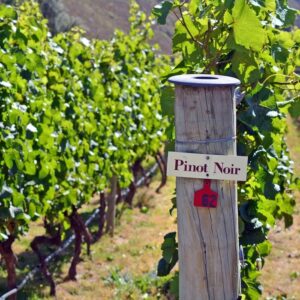
Pinot Noir vineyard sign

New Zealand

New Zealand is home to Pinot Noir’s influence the Southern Hemisphere, with several subregions of Martinborough on the North Island and Central Otago and Marlborough on the South Island. These areas offer vibrant and rich versions of the grape with generous fruit notes.

Oregon, US

It is no surprise that Oregon has become one of Pinot Noir’s best regions: Its climate offers similar conditions to those in Burgundy. A number of wineries in Oregon’s Willamette Valley have established excellent reputations with Pinot Noir in recent decades, producing wines that are comparable in style and quality to those of Burgundy. 

What foods pair well with Pinot Noir?

Pinot Noirs are incredible wines to serve and pair with range of cuisines, thanks to its bright acidity, red fruit notes and low to moderate levels of tannins. Classic pairings traditional in Burgundy include beef Bourguignon and coq au vin, but these reds are great for chicken, duck, game, pork, salmon and other fish, pasta, beans, mushrooms and grilled vegetables. Try it with hot dogs or pork BBQ at your next summer cookout. It also really good with hard cheeses with milder flavors, such as Gouda and Cheddar.

Wine Recommendations

My Pinot Noir favorites (in no particular order)

As mentioned in the opening, here is my personal list of wines from mostly small, local producers, especially in NY, that hold great value (under $40) from the past year. Some wines may be sold out or are past vintages, but these producers have been consistent for Pinot. Look for some of these rare and highly rated finds –

2017 Shaw Vineyard Pinot Noir Reserve, Finger Lakes, NY, US (aged)

2022 Damiani Wine Cellars Pinot Noir, Damiani Vineyard, Finger Lakes, NY, US

2021 Nathan K. Pinot Noir, Finger Lakes, NY, US

2020 Dr. Konstantin Frank Old Vines Pinot Noir, Finger Lakes, NY, US

2019 Laurent Miquel “Solas” Pinot Noir, Languedoc-Roussillon, France

2019 Louis Latour Mercurey, Burgundy, France

2019 Domaine Besson Givry Le Petit Pretan Premier Cru, Givry, Burgundy, France

2019 Maison Chanzy En Rosey, Rully, Burgundy, France

2021 Johan Vineyards Estate Pinot Noir, Willamette Valley, Oregon, US

2021 Child’s Play Pinot Noir, Willamette Valley, Oregon, US

2022 Planet Oregon Pinot Noir, Willamette Valley, Oregon, US

2023 Gala Estate White Label Pinot Noir, Tasmania, Australia

2021 Mac Forbes Pinot Noir, Yarra Valley, Victoria, Australia

2022 Johnson Estate Freelings Creek Reserve Pinot Noir, Lake Erie, NY, US

2021 Borghese Vineyard Select Pinot Noir, North Folk of Long Island, NY, US

2021 Macari Vineyards Pinot Noir, Long Island, NY, US

2021 Millbrook Vineyards & Winery Pinot Noir, Hudson Valley, NY, US

2016 McCall Wines Pinot Noir, North Folk of Long Island, NY, US (aged)

2020 Amayna Pinot Noir, Leyda Valley, Chile

2022 Ernest Pinot Noir Hasher Family Estate, Upper Hemel-en-Aarde, South Africa

2017 Maison L’Envoye Pinot Noir, Central Otago, New Zealand

2022 Babs Wine Company Pinot Noir, Santa Barbara County, California, US

2022 Chalk Hill Pinot Noir Sonoma Coast, Sonoma Coast, California, US

2022 The Calling Pinot Noir, Russian River Valley, California, US

2021 Foxen Pinot Noir, Santa Maria Valley, California, US

Cheers,

Michael Nagy

5 Drinks Bartenders Love to Make

Array of Negroni Cocktails
August
3
2024

(Cover Photo courtesy of Michael Nagy)

In cocktail bars, bartenders are creating their own spin on classic cocktails. They want to keep them fresh and exciting. To fight the monotony and repetition of making drinks the same way year after year, bartenders are designing drinks using seasonal ingredients and flavors and adding their own personal twists to them. Here are some popular drinks that bartenders love to mix up and how to order them. 

Cosmopolitan

1) Cosmopolitan

A Cosmo is a martini-type cocktail that is served ‘up’ and shaken into a chilled cocktail glass or coupe. The base ingredients call for vodka/citrus vodka, orange liqueur, fresh lime juice, and cranberry juice cocktail. When it is done properly with the correct ratio of spirit, liqueur, modifier, and juice, it is a well balanced cocktail with a pink hue. To change it up, use premium or different flavored vodka, switch out the cranberry juice for a natural unsweetened cranberry juice to reduce sweetness, or use different fresh juices, like orange, grapefruit, or pomegranate. Garnish with different colorful fruit. Order  “Belvedere Cosmo, light cranberry”.

Old Fashioned

2) Old-Fashioned

An Old-Fashioned is always well stirred ‘on the rocks’. Bartenders like its versatility, which allows for much variation and creativity. It is a simple drink with minimal ingredients, but mixing one properly is paramount. With being whiskey based and spirit forward, there are many high-end whiskey options to choose from, whether it be bourbon, rye, Irish, or local whiskey. Experiment with different aromatic bitters, like chocolate, orange, or Angostura, to go along with the muddled orange, sugar cube, and Luxardo cherry garnish. Try it with a sphere or large ice cube. To make it a little sweeter, drop in a little Luxardo cherry juice. Smoked Old-Fashioned anyone? Order “Jefferson’s Ocean Bourbon Old-Fashioned”.

Sazerac

3) Sazerac

A Sazerac is a traditional Cognac-based cocktail that is served ‘up’ and stirred. Today, it is usually made with rye whiskey. There are many local rye whiskies available to suggest. Using equal parts of both cognac, rye whiskey, or brandy can produce a new twist. To make it correctly, use an absinthe rinse, sugar cube, Peychaud’s bitters, and lemon twist. Even though Peychaud’s bitters are standard, try using other aromatic bitters and different ‘up’ glassware. Bartenders love the uniqueness of its flavor and presentation. Order “Sazerac with Bulleit Rye”.

4) Negroni

Negroni (cover photo) is the signature cocktail of Italy.  It only contains three ingredients of gin, Campari, and sweet vermouth (White Negroni uses dry vermouth in place of sweet vermouth) with an orange peel served ‘up’ or ‘on the rocks’. There are many fun variations of the drink by using different gins, barrel-aged gin, addition of spices, like cardamom, and flaming the orange peel. A cool new trend is to infuse the Campari with coffee. You can swap out the sweet vermouth for dry vermouth to create a White Negroni or the gin for bourbon, which is called a Boulevardier. Order “Negroni on the rocks”.

Margarita

5) Margarita

Margarita is one of the most popular drinks in the world. It can be served ‘up’, ‘on the rocks’, or frozen with or without salt/sugar. A great Margarita is perfectly balanced between sweet and sour. Using fresh lemon sour to go along with blanco tequila, triple sec, fresh lime juice, and a lime garnish is the key. Have fun with the garnish by using different fruits and edible flowers. There are many different tequilas available, including gold, aged tequila, or flavored tequila. Some bartenders have experimented by infusing tequila with chili peppers or muddling jalapenos to make it spicy. Adding another liqueur or juice, or using different flavored salts, like chipotle can transform it. Order “Casamigos Margarita on the rocks with salt”.

Cheers,

Michael

Mixology School: Guide to Martinis & Manhattans

Classic Martini
July
19
2024

MARTINIS 

The first question you should ask is – Would you like it “Straight Up” or “On the Rocks”?

Next question –  Do you prefer Gin or Vodka? Based on response, offer a ‘call’ brand (Beefeater gin or Absolut vodka) and ‘premium’ brand (Tanqueray No. Ten gin or Grey Goose vodka).

If requested straight-up, all martinis go into a chilled cocktail glass or coupe glass and are stirred, not shaken, unless requested shaken. Essentially due to increased dilution leading to subdued spirit, ice chips, presentation – lack clarity, and classic way of serving. You can achieve same amount of chill by stirring a little longer than shaking. Suggest a side of used rocks from mixing for hydration and extra chill. If requested ‘on the rocks’, build ingredients in an ice-filled rocks glass.

*Ratio of ingredients are the same for straight-up or on the rocks*. If Ingredients don’t all fit in the rocks glass, pour less vermouth/more spirit. All martinis should = 3 oz total volume and should never reach the rim of glass. Of course, after stirring or shaking, it will be a little over 3 oz, but shouldn’t be overfilled. If you have a larger martini glass, inform the guest so they don’t think you are underpouring them.

Grab my book to read a lengthy discussion on “The Martini”

Book excerpt

Standard Martini recipe

  • 2 ½ oz Gin or Vodka (Bombay or Belvedere)
  • ½ oz Dry Vermouth
  • Garnish with olives on a pick or skewer (lemon twist/lemon peel upon request)
  • Chilled cocktail glass or coupe or larger rocks glass

Prep for straight-up martinis –

  1. Chill cocktail glass or coupe with ice and soda water and set aside if glass isn’t chilled. If already chilled, leave in the fridge until ready to pour.
  2. Grab a mixing glass, not silver tin, and add one scoop of ice. The reason for just 1 scoop is because of the surface area of liquid to ice (chilling ease) and the fact that you are stirring. Same concept as using a large ice cube for a spirit on the rocks. Add vermouth and spirit and stir gently with a long bar spoon for 20 seconds clockwise and counterclockwise.
  3. Grab cocktail glass. Using a julep strainer (curved strainer with holes), strain contents into cocktail glass. Garnish olives or lemon twist and serve immediately. If lemon twist or peel, rub the rim with skin from 12 o’clock to 6 o’clock. Twist over drink to release the oils and drop in. 
  4. To make lemon twist, use a channel knife around the width of lemon and curl around finger to create a twist. To make lemon peel, use a vegetable peeler and cut off a three-inch skin.
  5. Always place a cocktail napkin in front of the guest. Some guests request a side of the used rocks from the mixing glass. Add to a rocks glass and serve.
  6. If requested ‘shaken’, add full ice to the mixing glass, and shake with silver tin for 10-15 seconds. Using a hawthorne strainer (springs), strain contents from mixing glass into cocktail glass, garnish, and serve immediately.

Prep for martinis ‘on the rocks’ –

  • Build ingredients in an ice-filled rocks glass, stir gently with bar spoon for 10 seconds, add garnish and straw, and serve.

Dry Martini 

  • 2 ¾ oz Gin or Vodka (Tanqueray or Ketel One) 
  • ¼ oz Dry Vermouth
  • same garnishes and glassware 

Extra Dry Martini

  • same as Dry Martini with just a splash of dry vermouth

Bone Dry Martini

  • no vermouth/all spirit. Guests will say “no vermouth” 

Wet Martini

  • 2 oz Gin or Vodka
  • 1 oz Dry Vermouth
  • same garnishes and glassware

Gimlet

  • Standard Martini with fresh lime juice instead of dry vermouth. Same ratio as standard martini. Garnish lime slice.

Gibson

  • Standard Martini with cocktail onions as garnish. Same ratio as standard martini.

Dirty Martini

  • 2 oz Gin or Vodka (usually vodka)
  • ½ oz Dry Vermouth
  • ½ oz olive brine (store bought, not strained from olive jar)
  • Garnish with olives on a pick or skewer (no lemon twist)

* For extra dirty/very dirty, eliminate dry vermouth and add another ½ oz of olive brine

In & Out Martini

  • Add ½ oz dry vermouth to the chilled cocktail glass and swirl around to flavor the glass and dump. Or add ½ oz dry vermouth to mixing glass with ice and stir to flavor the ice, then strain out. Make martini as you would with Bone Dry Martini (3 oz spirit).

Classic Manhattan

MANHATTANS

The first question you should ask is – Would you like it “Straight Up” or “On the Rocks”?

Next question –  What kind of whiskey would you like? Bourbon, Rye, Blended, Scotch, Irish…..Based on response, offer a ‘call’ brand (Bulleit or Crown Royal) and ‘premium’ brand (Angel’s Envy or Jefferson’s ). If no preference, use Bourbon

If requested straight-up, all Manhattans go into a chilled cocktail glass or coupe glass and are stirred, not shaken, unless requested shaken. Will explain the reasons separately. If requested ‘on the rocks’, build ingredients in an ice-filled rocks glass.

*Ratio of ingredients are the same for straight-up or on the rocks*. If Ingredients don’t all fit in the rocks glass, pour less vermouth/more spirit. All Manhattans should = 3 oz and should never reach the rim of glass. Of course, after stirring or shaking, it will be a little over 3 oz, but shouldn’t be overfilled. If you have a larger cocktail glass, inform the guest so they don’t think you are underpouring them.

Book Promo

Standard Manhattan recipe

  • 2 ½ oz Whiskey (Knob Creek Bourbon or Michter’s Rye)
  • ½ oz Sweet Vermouth
  • 2-3 dashes of Angostura bitters or orange bitters (orange is my preference)
  • Garnish with luxardo cherry on a pick or skewer  (lemon twist/peel upon request)
  • Chilled cocktail glass or coupe or larger rocks glass

Prep for straight-up manhattans –

  1. Chill cocktail glass or coupe with ice and soda water and set aside if glass isn’t chilled. If already chilled, leave in the fridge until ready to pour.
  2. Grab a mixing glass, not silver tin, and add one scoop of ice. The reason for just 1 scoop is because of the surface area of liquid to ice (chilling ease) and the fact that you are stirring. Same concept as using a large ice cube for a spirit on the rocks. Add vermouth, spirit, and bitters and stir gently with a long bar spoon for 20 seconds clockwise and counterclockwise.
  3. Grab cocktail glass. Using a julep strainer (curved strainer with holes), strain contents into cocktail glass. Garnish luxardo cherry or lemon twist and serve immediately. If lemon twist, rub the rim with skin from 12 o’clock to 6 o’clock. 
  4. Twist over drink to release the oils and drop in. 
  5. To make lemon twist, use a channel knife around the width of  lemon and curl around finger to create a twist. To make lemon peel, use a vegetable peeler and cut off a three-inch skin.
  6. Always place a cocktail napkin in front of guest. Some guests request a side of the used rocks from the mixing glass. Add to a rocks glass and serve.
  7. If requested ‘shaken’, add full ice to the mixing glass, and shake with silver tin for 10-15 seconds. Using a hawthorne strainer (strainer with springs), strain contents from mixing glass into cocktail glass, garnish, and serve immediately.

Prep for manhattans ‘on the rocks’ –

Build ingredients in an ice-filled rocks glass, stir gently with a bar spoon for 10 seconds, add garnish and straw, and serve.

Dry Manhattan

  • 2 ½ oz Whiskey (Bulleit or Blanton’s Bourbon)
  • ½ oz Dry Vermouth
  • 2-3 dashes of Angostura or orange bitters
  • Garnish lemon twist or peel, not cherry, same glassware 

Perfect Manhattan

  • 2 ½ oz Whiskey
  • ¼ oz Dry Vermouth
  • ¼ oz Sweet Vermouth

2-3 dashes of Angostura or orange bitters

  • same garnishes and glassware 

Rob Roy

  • 2 ½ oz Scotch Whiskey (Dewars or Ardbeg)
  • ½ oz Sweet Vermouth
  • 2-3 dashes of Angostura or orange bitters
  • same garnishes and glassware 

Perfect Rob Roy

  • 2 ½ oz Scotch Whiskey
  • ¼ oz Dry Vermouth
  • ¼ oz Sweet Vermouth
  • 2-3 dashes of Angostura or orange bitters
  • same garnishes and glassware 

Martini & Manhattan drinkers are often very specific. They will tell you how they want it. If not, adhere to these rules. Flavored martinis are always shaken, i.e. Cosmopolitan. Flavored martinis always have some mixer/juice, modifier, and liqueur. Will discuss them separately.….Cheers. Michael

Bar Spotlight: How to Order Drinks Like a Pro

Martinis Display on Bar
July
2
2024

In the current craft cocktail climate, it may seem like all your friends have their favorite cocktails put to memory, but not everyone is skilled in the ways of mixology.

For the novice, ordering a drink can be a daunting task. Even if you know exactly what you want, it can be hard for the bartender to understand your request. Cocktail ordering can be confusing for a lot of people. Bartenders want their guests to be happy with their cocktail and with the cost of craft cocktails today, bar guests want to be happy as well. The key is communication with your bartender or server.

You can order the same drink in 10 different bars and get 10 different variations, especially with the plethora of liquor and mixers in the marketplace. Any variable can change the drink you like.
If you like a drink to be made a specific way, let your bartender know exactly how you want it made because they will make it the way they know best or the way they like it themselves.

Fake it till you make it. Order a drink that you are curious about and order it confidently. Because the bartender wants to make you happy (remember their livelihood), they will often share details about a drink or suggest what they make well. Bartenders have a lot of pride.

If you’re expanding your drink experience, pick your time wisely. People walk into a bar and order what they think they know. When they want to order outside their comfort zone, they don’t know what to order. If they want to try a new fancy drink, then pick a time when the bartender is not in the weeds.

Since drinking establishments can be fast-paced, chaotic, and noisy places, it’s not easy to have a conversation across the bar. Fortunately, there is bar lingo that you can use for ordering drinks. Getting to know the lingo, what they mean, and when to use them, can be helpful. These terms will help you learn how to order a cocktail like a pro.

NEAT

When you just want to sip one spirit or liqueur with no ice, no mixer, and unchilled, order your drink ‘neat’. Order: “I’d like a bourbon, neat.” For a specific brand, say “I’d like a Maker’s Mark, neat.” Typically poured into a snifter or old-fashioned glass. Ordering neat is a great way to get to know different types of spirits.

UP/STRAIGHT UP

A drink ordered ‘up’ will be either stirred or shaken with ice, and then typically strained and poured into a cocktail/martini or coupe glass . “Up” drinks are served in stemmed pre-chilled glasses to prevent warming of contents.

Many classic cocktails are served ‘up’ by default, including martinis, manhattans, and cosmopolitans. For many cocktails, you don’t need to ask for them ‘up’, as they will be served that way, but just in case, say “I’d like a vodka/Tito’s Gimlet, up”.

‘Straight up’ is a tricky term in bartending. The word ‘straight’ is sometimes used to mean the same thing as neat – room temperature, not served over ice. The word ‘up’ means chilled and strained. The term straight up could mean either one of these, therefore, never just say “straight up’.

If you’re ordering a cocktail that’s usually served up, the bartender will presume that’s what you mean. But if it’s a drink that’s not generally straight up, then clarify by saying, “I’d like a Tanqueray straight up and shaken”.

ON THE ROCKS

A drink served ‘on the rocks’ is simple to understand. It means served on ice. This then raises a question about ice. Many bars, particularly higher-end craft cocktail joints, will have different types of ice, and each will bring a different character to your drink.

The smaller the ice, the more surface area comes into contact with the alcohol, which leads to faster dilution. Large cubes or spheres that take up the biggest volume will dilute your drink at the slowest rate. Order a single spirit, “I’d like a whiskey/Jameson on the rocks”. If you want to specify ice, “I’d like a Negroni with a large cube.”

SHAKEN

If you like your drinks super cold and with lots of dilution, ordering them shaken is the way to get it. As a general bartending rule, certain cocktails are shaken by default, including anything that involves citrus, dairy, liqueurs, or egg whites.

Anything can be shaken, except carbonated ingredients. A shaken drink should always be poured into a pre-chilled glass. Order “I’d like a vodka/Belvedere martini, shaken.”

STIRRED

Stirring a cocktail is a way to chill it in a gentle manner. The ice slowly melts by adding dilution into the drink. This results in a cocktail with a different texture and a smoother mouthfeel.

The stirred method works best for cocktails that are spirit-forward, such as martinis and Manhattans. They are stirred as a rule for these reasons and to preserve clarity so always specify the method you prefer. A stirred drink should always be poured into a chilled glass. Order “I’d like a gin/Beefeater martini, stirred.”

Best of Luck out there! This guide should help you avoid embarrassment and solidify that you get the drink you ordered.

Cheers,

Michael

Wine Glass

DON’T MISS A DROP

Get notified when new articles are poured

We don’t spam!