What’s Wrong with Wine Service? A Pro Perspective

June
10
2026

Over the past few weeks, I’ve been contemplating about this post. Should I publish it or not? Will I offend people in the wine industry or operators that serve wine? I hope not! But I must speak to the reality!

Think of it as an opportunity to educate yourself or evaluate your wine program. My recent wine experiences have been lackluster but also hit or miss over the years.

To the average guest, it may not be too noticeable, but to most wine professionals like me, who has been in the wine industry since 2001, or guests wanting an elevated wine experience, it is glaring!

I have served wine in many different settings, including fine dining, casual dining, wine bars, casino restaurants, cocktail bars, and event venues. Even though the type of establishment may change, there are standards of wine service that must be met every time.

If you own, operate, or work in a wine-focused business, wine bar, or fine dining restaurant, it is incumbent upon you to learn the basics of wine and promote a strong, elevated level of wine expertise yourself and expect it of your staff.

Below you will find a full list of my ‘pet peeves’, if you will, when it comes to wine service and general wine issues at establishments. Even though I encounter these wine service flaws when I’m consulting, which is par for the course since I am there to help, it is my experience as a guest that bothers me. I’m not talking about portraying a snobbish or pretentious know-it-all attitude; that’s unpleasant, but rather a fun, professional, knowledgeable approach to wine.

Have you seen the average cost of a glass or bottle of wine and nice meal lately? Don’t you think all of us deserve better when dining out or celebrating a special occasion?

As you go through the list, I give helpful tips to take your wine bar or restaurant to a whole new level. Also, the ‘do this, don’t do this’, in the service of wine. Some of these may help you as well as improve your wine program. Superb wine service is more than just wine knowledge and techniques (that stuff will come with experience). Yes, it’s imperative, but without a great personality and excellent hospitality skills, it won’t mean much.

Establishments that serve wine can be neighborhood bars/dive bars and chain restaurants where you serve very little wine. Cocktail bars, cafes, and casual restaurants where you have some wine, but don’t need to know a lot about it, but still important. Wine bars, fine dining restaurants, and wine businesses absolutely need to know a lot about wine. These winos are out there who want to join your team if you look hard enough.

If wine is a small percentage of your revenue, then I understand why it isn’t a priority to get it right because it doesn’t really impact the bottom line. However, if wine is the focus as in a wine bar or high-end restaurant with a bottle program, then it is essential to surround yourself with lots of expertise. You don’t have to employ a certified sommelier to achieve exceptional wine service.

I also think pride gets in the way for many running wine programs. For them, admitting that they don’t know a lot about wine, asking for help, and ultimately paying for help from an industry professional and consultant hurts the ego. Even though in the long run, their businesses would thrive. Or maybe you don’t really care about the wine program.

Because consumers generally do not know the proper and improper way of wine service and don’t question things, ownership and staff may not realize or know better until someone complains or a wine pro enters the building.

The bottom line is that it takes a village of owners, operators, managers, service staff, and bartenders to get on board to be a successful wine destination. A little wine knowledge and a strong desire to learn wine is key. Us wine people never stop learning about wine and engaging in self-study. The public and staff would be impressed once you bring that out and will thank you for it.
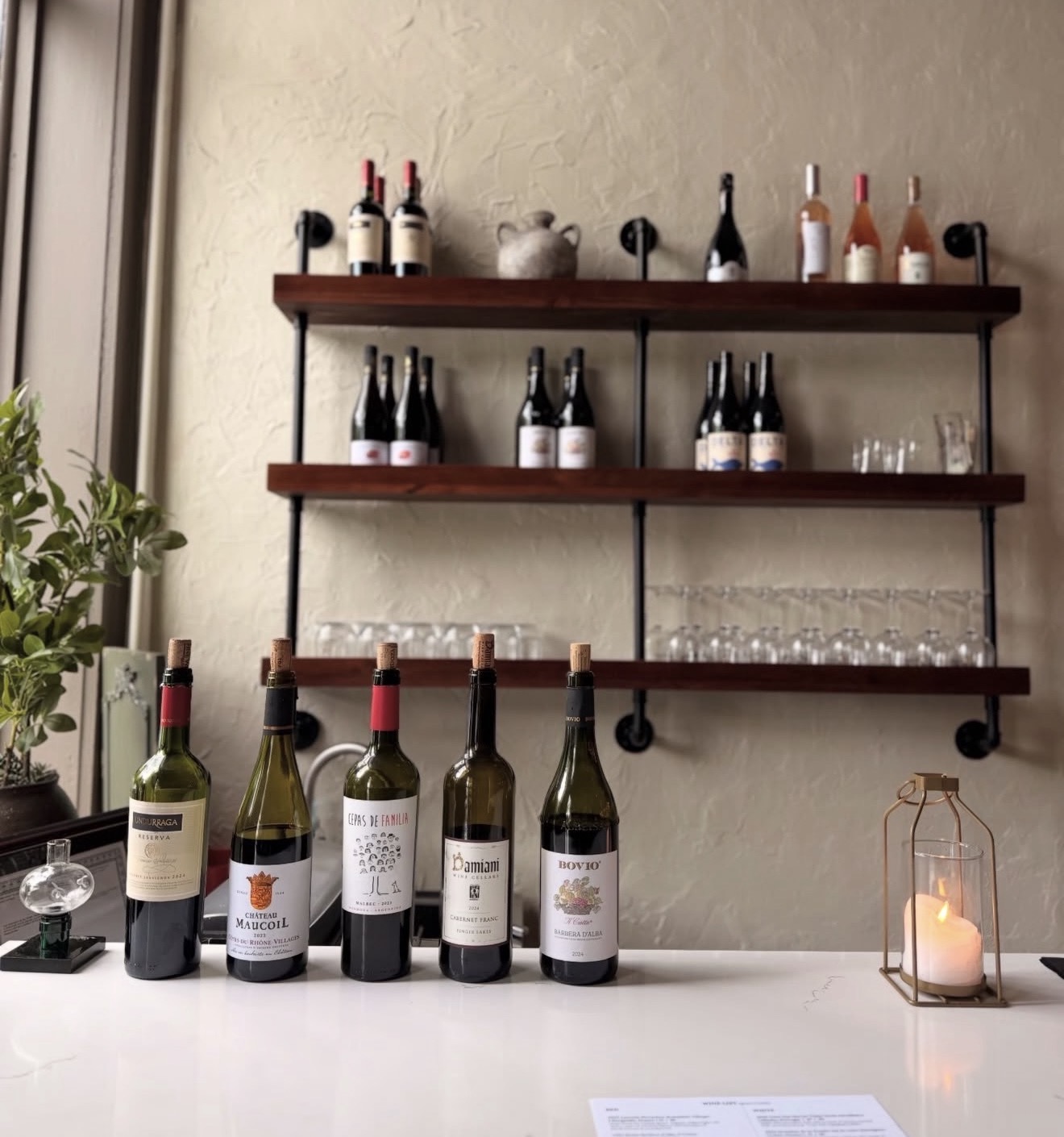
If you are a new wine bar or restaurant or an existing wine bar or restaurant who is struggling or want help with a killer wine list, please reach out to me (info below and insta). I would be more than happy to discuss. My initial consultation is always free.

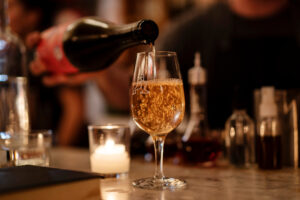
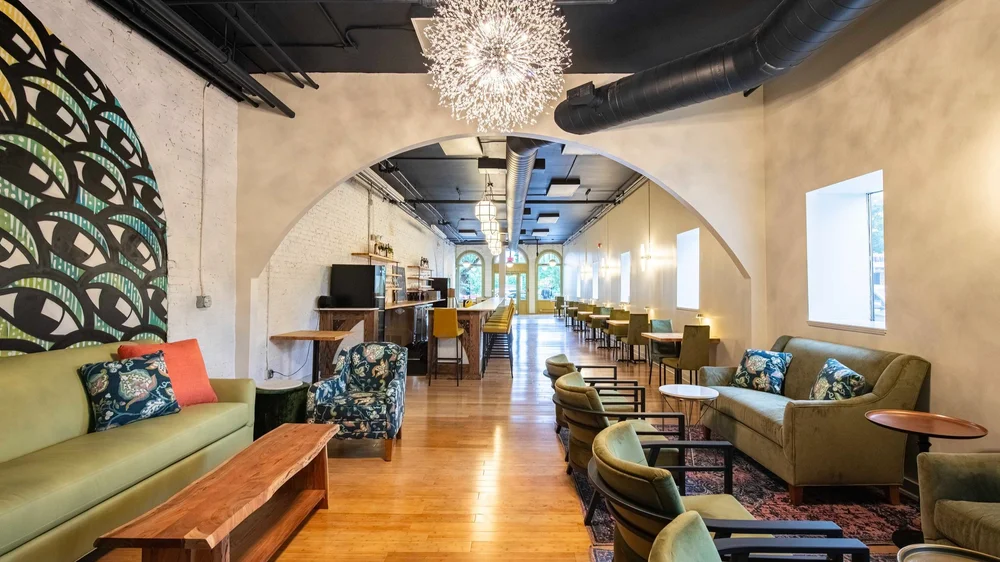
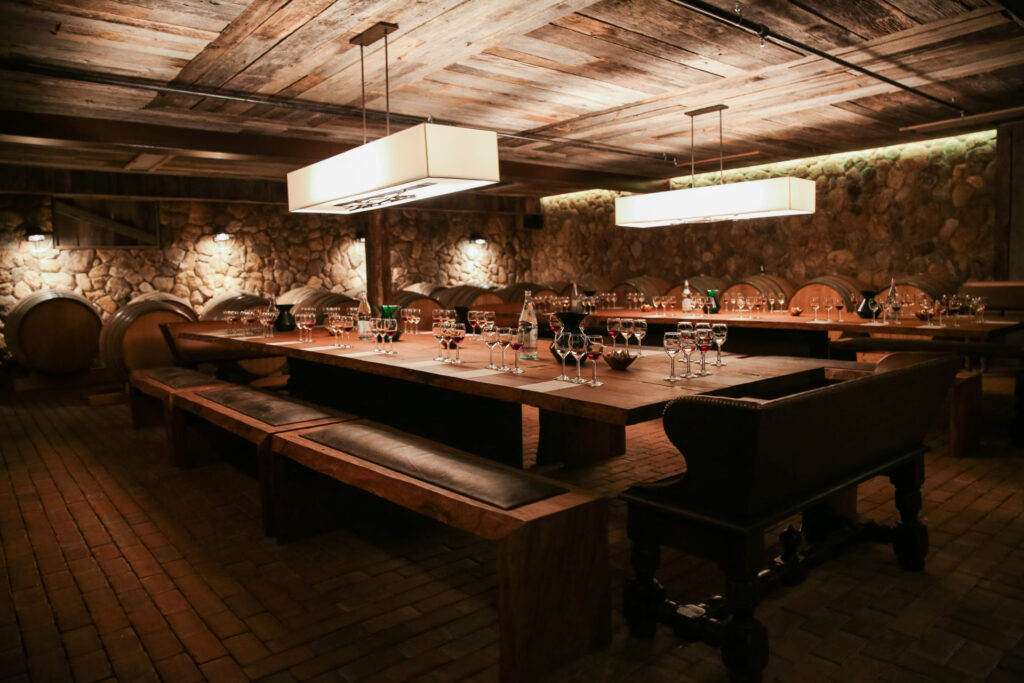
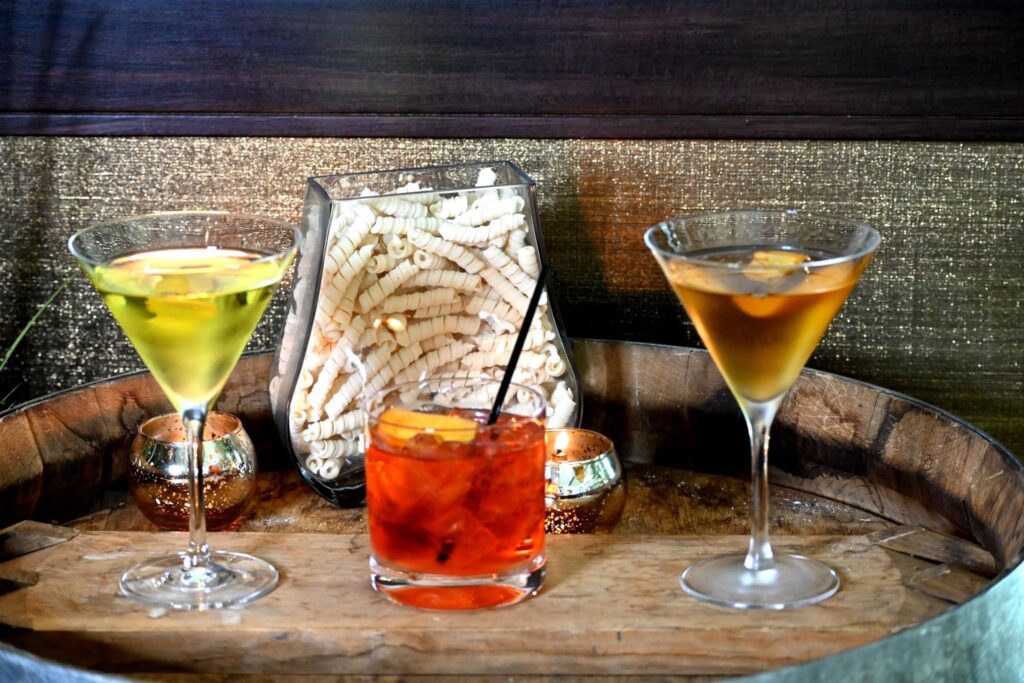
My most recent project involved a new wine bar connected to a restaurant in CNY where I developed and created a wine list and did some staff training on food pairings, presenting, opening, and overall service. The early report back from them is that people love the wine selection from all over the globe and affordability. Image above!
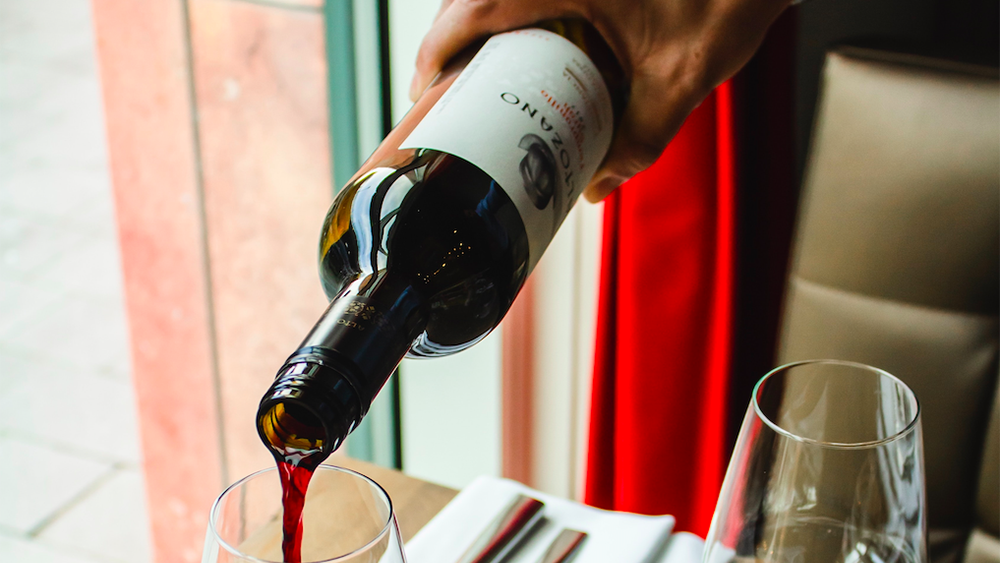
Tips & Do’s & Don’ts of Wine Service & Storage

Bottle Service –

Staff defers to the man at the table with women present for wine order. Who knows if the woman is going to order for the table and she happens to possess a bunch of wine certifications and is the expert. Yet the man is treated like the host often.

Once the host approves the sample, serve the rest of the table. Move clockwise around the table, serving female guests first, then male guests. The host’s glass is always filled last, regardless of gender.

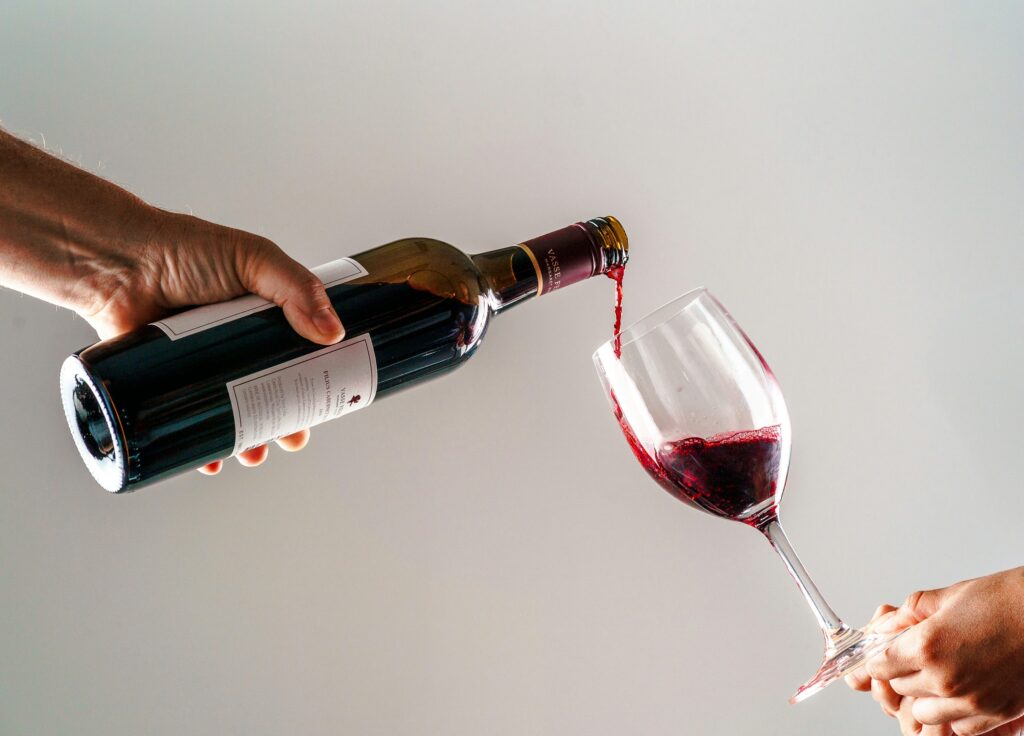
For bottle service, never fill up the wine glass. Don’t pour too much in the glass. It’s not the same amount as when someone orders a glass of wine. Especially if there’s more than 2 guests enjoying the bottle. Use a linen and wipe top of bottle after each pour and leave the bottle.

Always show guests the wine label to confirm that it’s what they ordered regardless of by the glass or bottle. Pour with label facing them.

Present a newly removed cork to the right of the host ordering wine. Don’t take away until bottle finished.

For a bottle of white, rose, or sparkling wine, ask the guest if they would like a chiller. If so, get a tabletop ice bucket or one on a stand with ice cubes and soda water. Soda water chills and keeps chilled longer than water. Don’t use an ice bucket without water/soda water.

When a guest orders a glass of wine at a restaurant before ordering food, make sure they have an opportunity to order and receive another glass of the same wine or different wine. They may want another glass to pair with the meal. It’s frustrating to flag down the server or wait until they serve the meal. Some people want to pair the wine with food. Don’t serve them the second glass halfway through the meal.

Food arrives before the wine. Especially when you ordered a wine pairing with the menu. I get that the sommelier/staff is busy but there still needs to be coordination.

General –

Improper Champagne/sparkling wine service. Specifically, not being mindful of the cork after the cage is released. Always keep the bottle pointed up/away from people (including yourself) and always keep your thumb and a linen over the cork once the cage is released. It isn’t common, but corks can jump out at any time once the cage is released and are capable of injuring. Invest in a good champagne stopper/not wine cork or stopper.

When reds are served way above room temperature or at room temperature. Alcohol burn is apparent and will mask flavors. Serve them slightly below room temp or slightly chilled, especially light reds. It seems rare these days to have reds at the proper temp. Most of the time, I have red wine served to me too warm.

When whites are served way too cold, they mask flavors and increase sensation of acidity on the palate. Make sure sparkling wines and roses are very cold. Use different fridges for other whites if necessary or re-arrange them top to bottom depending on temp variations.

Keep all wines, especially reds away from windows, light, heat, humidity, and vibration. Store wine on side on a wine rack, in a cellar, or in fridge to keep cork moist.

Put the vintage on the wine list. It matters. Tasting notes on menu would be helpful if you have a wine pro on staff. At least list the country, region, and sub-region with wine name and vintage. Always offer wine list if you serve wine. Even if casual, you should have wine listed on the menu.

Use proper glasses, preferably a white and red wine glass (not stemless, those are for home sitting on the couch) and coupe or flute for sparkling. Replace wine glass for wine by the glass even if pouring the same wine. Don’t do it for by the bottle .

Make sure you have multiple backups of chilled wines so you aren’t scrambling to chill a bottle that was just ordered by a table.

Always store opened wine, even whites in fridge, with a cork or wine rubber stopper. You can pump wine every night to preserve, but won’t gain you much more time from that bottle.

Use a proper wine key/waiter’s corkscrew and always have one on you and at the bar.

Always put down a napkin for any wine ordered at the bar. Not necessary at table. Offer a water side. Keep your guests well hydrated.

Make sure glasses are polished and not wet and no lipstick stains on rim.

When pouring by the glass for the restaurant/bar, use a small carafe to measure out 5 or 6 oz and drop in glass in front of guest. If you don’t have carafes, sharpie the level on a model glass to use as reference. Glasses are different shapes and sizes so don’t rely on sight.

Allow guests to sample wines from opened bottles if they are having difficulty making a decision or are new to wine. It can be overwhelming! Use a Coravin preservation system for unopened bottles. No need to open bottle.

Real Story here to help you understand the importance of good wine service –

A friend of mine was at a wine bar recently and asked for a bottle of a big, bold red. The server brought out a Beaujolais and Pinot Noir. Not one of those fits the description. My friend politely declined those options after no additional assistance from server. He ended up ordering something he knew – a beer.
This particular place displayed their wines on the menu without descriptions, like grape varietal and location, and the server could not explain a single bottle and didn’t get someone who could help, like a manager.

This isn’t on the servers; it’s on management and then ownership if they don’t know. Staff training is essential. Yes, hiring is tough and finding the right fit is tedious, and owners are stretched thin. But if you’re running a wine-focused business or wine bar, investing in staff education will make your service faster, more efficient, increase traffic, make your guests happier, and your bottom line healthier. I know many servers/bartenders who would love the opportunity to work in a cool wine place.

Hire competent and knowledgeable staff. If they’ve worked in wine before, they have knowledge and know the expectation. Converting service staff or hiring experienced staff in other non-wine environments doesn’t translate to being a good wine server.

On that note, here are some things I notice on a pretty regular basis when frequenting wine places –

The staff doesn’t know anything about the wines they’re selling. Constantly train! Every server should have basic wine knowledge and the bartender, in some cases, should know more. They don’t need to be experts, but they should be able to recommend a few wines they love or the popular ones in casual bar and restaurant settings. 

Don’t sweat the technical jargon but be informed with a basic understanding. Self-study goes a long way in current job and future career in wine if that’s what you desire. Your wine game needs to be at a higher level for wine bars and fine dining. Here is a basic one to know – Fruity does not mean sweet when describing a wine.

Teach staff to read the room. Not every guest wants the entire backstory of a wine. Some people love hearing about the volcanic soil and the winemaker’s near-death experience with pesticides. Others? They just want a glass of red.

All staff should taste the wine before serving that day/night. Make sure you have staff who drink wine or are of age to drink/taste the wine. Check the wine to determine if still good or not tainted from the start. Have staff taste new wines on the menu ongoing, especially for food pairings if you serve in a restaurant with a wine list.

Use the spit method to taste (dump bucket) so you don’t get them snockered before their shift. Ownership and management should allow staff serving wine to taste. Serving a bad glass of wine will hurt everyone.

Date the bottles to ensure you aren’t serving wine past their expiration day. For public establishments (not really an issue at home), but don’t serve reds over 3 days old, whites/roses over 6 days old, and sparkling over 24 hrs. Definitely try them at the start of the shift to make sure.

At the end of the day, great wine service doesn’t need to be about certifications and pins and other serious credentials. It’s about knowledge, hospitality, and making guests feel welcome — whether they’re ordering a $300 Burgundy or a simple glass of Chardonnay.

Check out these happy guests from the new wine bar I helped open. If you want to learn more or need clarification on any of this info, please feel free to contact me. This is what I do for a living.

Cheers,

Michael Nagy

michael@michaelpour.com

Instagram- @themichaelpour

 

Mocktails By Michael Presents: Alcohol Free Summer Sangria

June
8
2026

As my mocktail program, a division of “The Michael Pour” launches for the summer months, I am sharing with you my signature batched summer sangria. It’s perfect for warm days, baby showers, weddings, summer picnics, pool parties, or any buzz-free celebration or alongside boozy events.

If you remember the discussion from my last post on ‘healthy drinking’ and the trend toward mocktails, alcohol-free spirits, low alcohol and light drinks, this fits the bill.

So, how do you make a traditional sangria without wine and spirits? What is a good substitute for the wine in sangria? Here are some great options – white grape juice, pomegranate juice, or brewed tea. They are great non-alcoholic alternatives.

Why not use non-alcoholic wine? Well, the flavor can really vary depending on the brand. The sangria recipe I use creates a vibrant flavor and beautiful rosé-like hue. It also can be mixed up very quickly and is easily customizable with seasonal fruit and switching between juices and tea. There is a science to making a perfect sangria. Most are not concocted properly.

This sangria is available right now for your next party or event. I will mix it up for you and deliver to your location the day of the party or event. I will provide all the necessary supplies, tools, fruit, and menu displays. Many other pre-batched mocktail drinks and sangrias also available.

If you want to make your summer sangria seasonal, swap the fruit for other seasonal fruit; apples, pears, cranberries in the fall; oranges & kiwi in the winter; or blueberries and apricots in the spring, for example.

You can also book me to serve made-to-order mocktails to your guests at the party or event. My hospitality services are top shelf. Now offering free consultation to go over your party/event and a 10% discount.


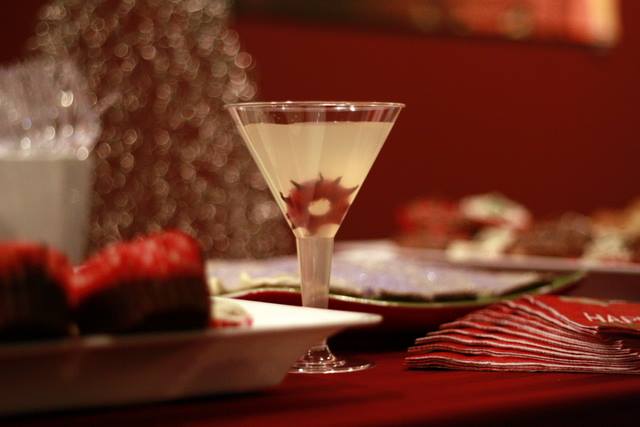
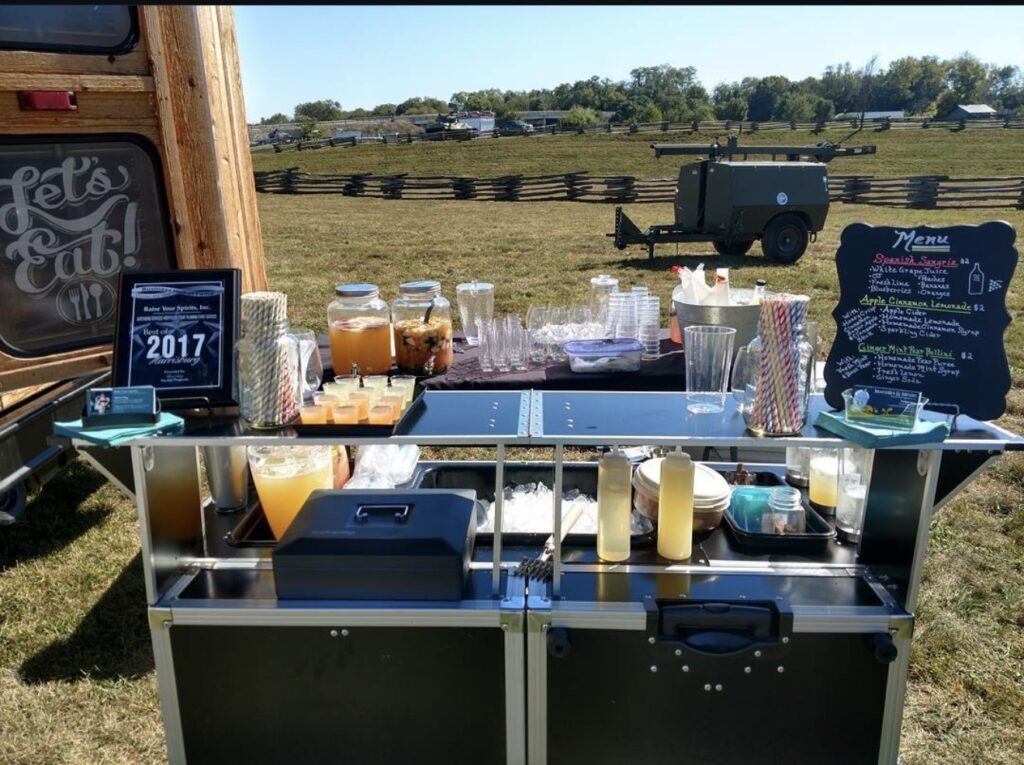
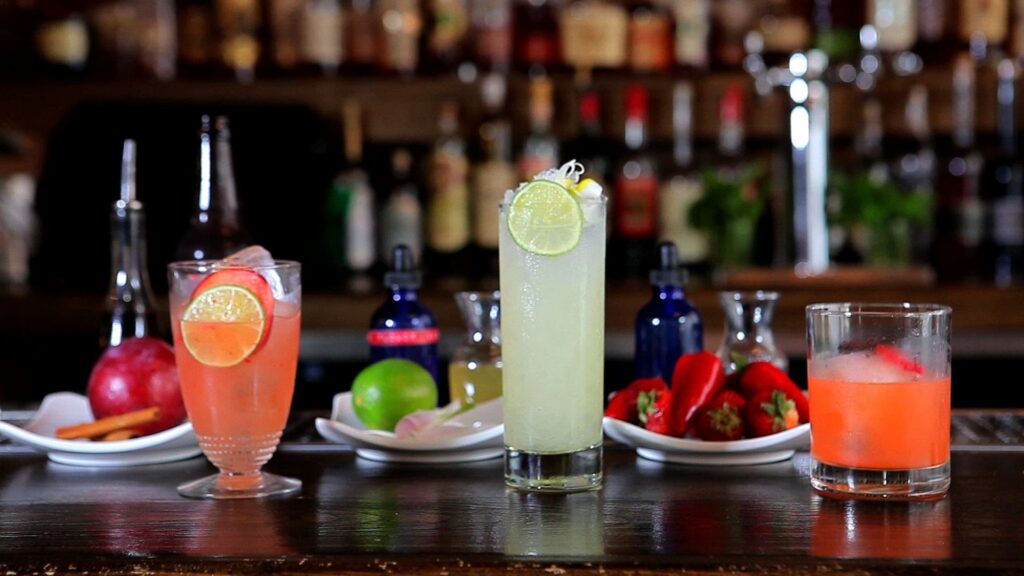
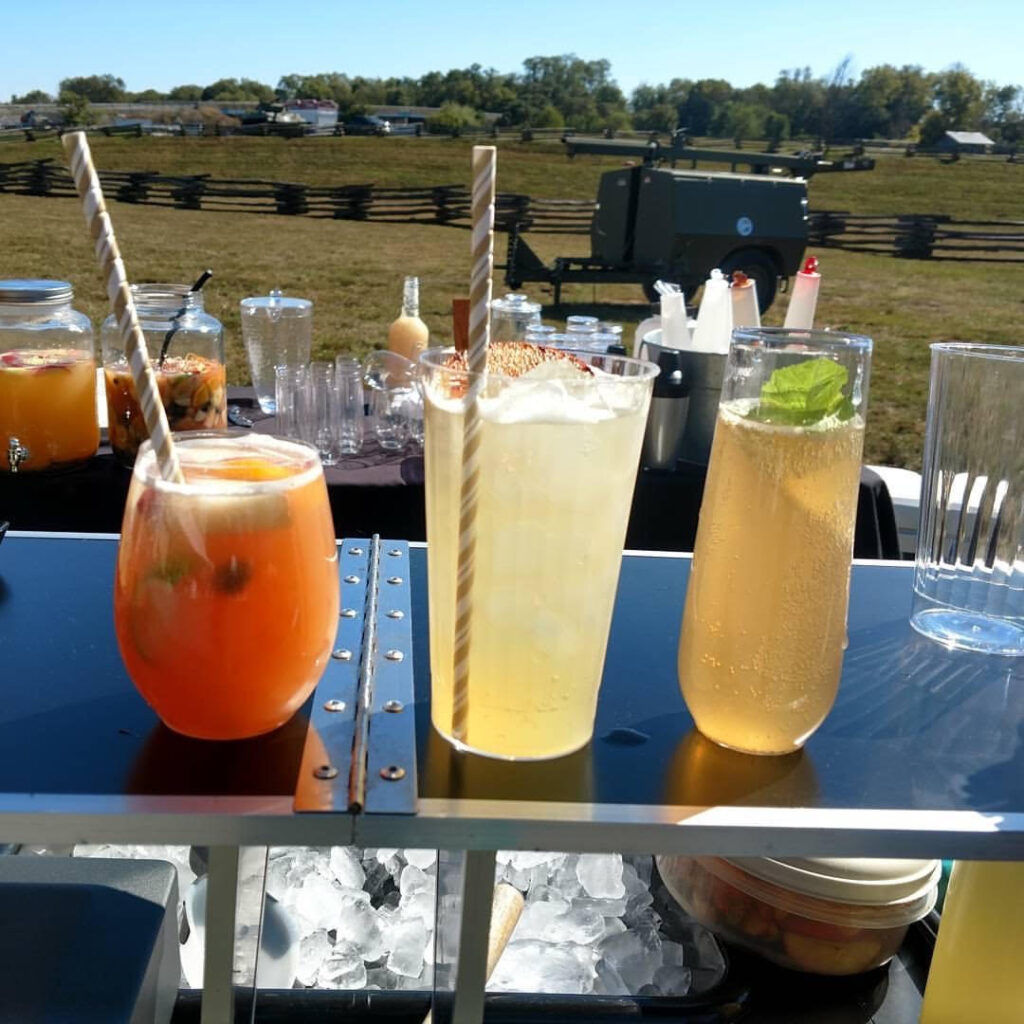
Ask me for my mocktail drink menus and batched mocktails tailored to your occasion, taste preferences, and guests. You pick the menu! Think of it as a mobile mocktail stand! Menu used for previous events above.

What we can create for you? Fresh purées, juices, shrubs, infused juices, alcohol-free spirits, herbs and spices, syrups, coffee and teas, infused waters, fresh fruit, and much more…

Without further ado, here are the ingredients, recipe, and prep instructions for my summer sangria. If you’re interested, I can share my alcoholic version with the ideal wine and spirit.

Recipe Ingredients

Orange, Grapefruit, Lime, Strawberries: Fresh, sliced fruit infuses the drink. You can choose whatever fruit you want, but I recommend including some citrus.   

White Grape Juice: Look for 100% juice. Regular grape juice would also work for a red sangria option.

Hibiscus berry tea: Hibiscus berry tea or hibiscus tea both work to add a floral and a tartness component and adds a gorgeous rosy hue.

Orange Blossom Water: The recipe also works without it, but I really like the unique floral flavor and complexity it adds. A great addition to cocktails too! Homemade recipe below!

Sparkling water: Club soda and seltzer also work. A flavored sparkling water (unsweetened) is a nice touch. Invest in a good brand.

Edible flowers: For garnish

Ingredients (4 servings, for 20 guests multiply by 5)

  • 1 orange, sliced
  • Half grapefruit, sliced
  • 1 lime, sliced
  • 3-4 strawberries, sliced
  • 1 1/2 cup white grape juice
  • 1/2 cup chilled hibiscus berry tea
  • 1 tsp orange blossom water
  • 1 1/2 cup sparkling water, chilled
  • Edible flowers, for garnish (I like violets)

Thank you The Social Sipper @thesocialsipper for the inspiration and lovely imagery.


How to make this recipe

Step 1: Prep – Brew your hibiscus tea and allow it to chill. Rinse and slice all of your fruit, then place it into a large pitcher. 

Step 2: Muddle the fruit – Use a wooden spoon or muddler to gently press the fruit, which helps release the natural juices and aromas.

Step 3: Pour in the white grape juice, chilled hibiscus tea, and a splash of orange blossom water. Stir everything together until well mixed. I like to let the flavors infuse together for 10 or more minutes in the fridge.

Step 4: Just before serving, add the sparkling water and gently stir. Taste and tweak as needed—add more grape juice for sweetness or extra sparkling water to lighten it up.

Step 5: Pour and garnish – Serve over ice in individual glasses. For a beautiful finish, top with edible flowers. Best enjoyed right away!

Instructions –

Wash and slice all fruit. Add fruit to a pitcher and gently muddle with a muddler or wooden spoon to release juices. Add white grape juice, hibiscus tea and orange blossom water and stir to incorporate.

When ready to serve, add sparkling water and stir to combine. Taste and adjust flavor, if necessary, by adding more white grape juice or sparkling water.

Let (non-sparkling) ingredients infuse together for 10+ minutes before adding sparkling water. Add sparkling water right before serving. Use chilled ingredients.

Divide into glasses over ice and garnish with edible flowers if desired. Enjoy immediately!

Orange Blossom Water:

Ingredients:

  • 4 cups fresh orange blossoms (petals only, stems and green parts removed)
  • 2 cups distilled water
  • A large heavy-bottomed pot with a lid
  • A small, heat-proof glass bowl or jar (to sit inside the pot)

Instructions:

  1. Place the heat-proof glass bowl in the center of your large pot.
  2. Scatter the cleaned orange blossoms around the base of the glass bowl, then pour the distilled water over the flowers.
  3. Place the pot lid upside down (concave side facing up) on the pot.
  4. Turn the heat to medium-low to bring the water to a gentle simmer. Place ice cubes on top of the inverted lid.
  5. As the water simmers, steam rises, hits the cold lid, condenses, and drips down into your center glass bowl. Simmer for 20-25 minutes, adding more ice to the lid as it melts.
  6. Carefully remove the center glass bowl (it will contain your pure orange blossom water) and pour it into a clean, sterile glass bottle. Store in the fridge for up to 6 months.

Notes –

You can prepare the fruit, grape juice, hibiscus tea, and orange blossom water mixture up to 24 hours before. I always keep this prepped in the fridge until I’m ready to use it. 

Store any leftover non-alcoholic sangria (without sparkling water) in an airtight container in the fridge for up to 2 days. Add fresh sparkling water before serving to keep the drink bubbly and refreshing.


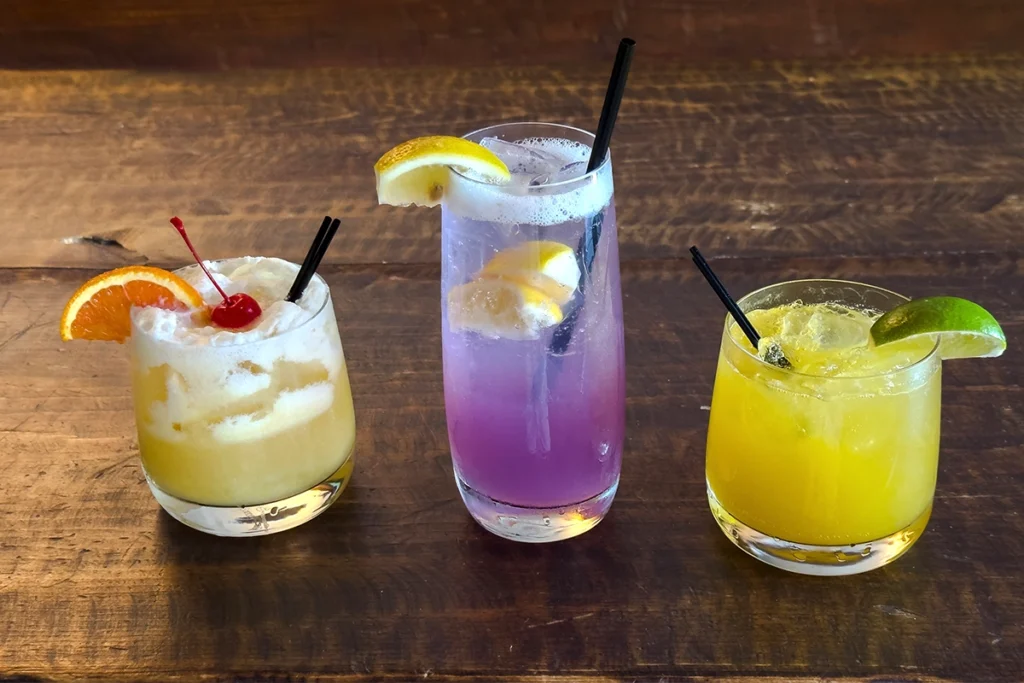
Check out my “Mocktails By Michael” Instagram page @mocktailsbymichael. This is where you will find pictures of past events and mocktails. Sample mocktails from previous event above. Bar setup as cover photo.

Cheers,

Michael

michael@michaelpour.com

What Drink Trends Are Surging as Summer Kicks Off?

June
2
2026

The summer of 2026 is quickly approaching. Because summer is right around the corner, it’s almost time for beachside cocktails, bottomless brunches, rooftop happy hours, and wedding receptions. All these occasions call for something fresh, light, refreshing, and summery. Check out the seven fastest categories below.

Bars, restaurants, watering holes, and drinking establishments are stocking up. What are they ordering? What is trending? What are consumers asking for? Over the last few years, the drinking public has shifted toward more ‘healthy drinking’, especially among millennials, and yearn for something new, fresh, sustainable, and exciting. Yet, we still see the classics, or least different takes on the classics, of summers past.

1. Champagne and all types of sparkling wine are showing incredible growth heading into summer. The emergence and easy drinking sparkling rosé, which is Instagram-friendly and meets the seasonal aesthetic, value-driven Prosecco, and Cava (sparkling from Spain) as alternatives to expensive and complex Champagne is very apparent.

Prosecco, in particular, is approachable, affordable, and fits a wide range of menus without feeling formal. Bubbles are having a glaring moment on the worldwide stage. La Marca and Isotta Prosecco and Laurent Perrier Brut are sparklers of note this summer.

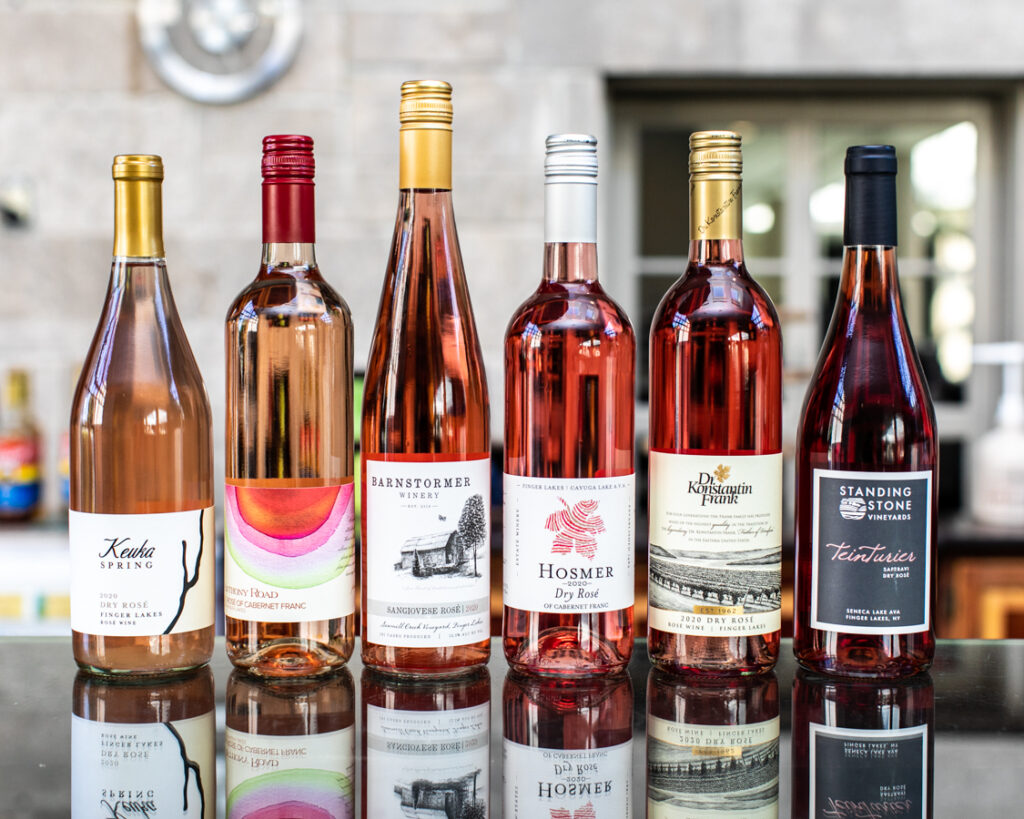
2. Rosé blends are up significantly, which shouldn’t surprise anyone. It’s literally summer in a glass! Rosé performs in summer the way pumpkin spice performs in fall. Customers expect it, ask for it, and order it without hesitation. Try Rosé from different parts of the world, like Spain, Italy, Uruguay, and the Finger Lakes/New York.

There are truly 50 shades of Rosé in style and appearance, which greatly depends on grape variety used, where the grapes are grown, and maceration time. A bottle with friends on a deck or outside patio can be a great value and a cool crowd pleaser. Rosé cocktails, like rosé spritzers (with soda/flavored soda) are increasing.

3. Fruit/Floral liqueurs are a great addition to a cocktail menu. It allows to mix and match flavors of cocktails based on your preferences without switching out the spirit. It makes sense when you consider the type of drinks on summer cocktail menus. Craft cocktail bars should have an array of these liqueurs available as should you if doing a summer cocktail party.

Think Elderflower, peach, berry, citrus, raspberry, banana, violet, and hibiscus as flavors, not just garnishes. Look for St. Germain, Patron Citronge, Creme de Violette, and Combier brands to add to your spirits with syrups or mixers.

4. Non-Alcoholic spirits are rising and the demand is high. Remember when I mentioned the trend toward healthy drinking. This is one of the alternatives for customers who also want to stay sober and have a thoughtful drink experience. A tasty and pretty non-alcoholic cocktail (mocktail) without the buzz. Seedlip and Giffard are great brands to stock up on at home and taste eerily similar to the actual spirits. Hopefully you can find some of these when you visit your next place.

More customers are actively choosing non-alcoholic options not as a fallback, but as a preference, especially in warm weather when people want to stay hydrated and enjoy the experience without the alcohol. If no alcoholic spirits are available at your favorite bar, you should be able to order a yummy mocktail.

5. Blanco tequila continues to soar with no signs of slowing down. Tequila seems to always be on trend in the summer. With the plethora of cocktails that uses incorporates this agave spirit, it is an easy go-to. Margaritas, palomas, ranch waters, tequila sunrises, and tequila sodas are staples on menus. Ranch Water is a low-calorie highball cocktail made with blanco tequila, fresh lime juice, and sparkling mineral water.

High-volume places will serve a lot of ranch waters and margaritas. Ask for a margarita without the syrupy and sugary sour mixes. Ask for fresh lemon/lime juice with simple syrup (can be easily made to order), flavored syrups (sometimes a quick infusion will wirk), or agave nectar. Coravon, Volcan, and Mi Campo are favorite tequilas right now among operators. I personally like Teremana.

6. Mexican-Style Lager is a great summer session beer, and more are available than ever before. It is refreshing in summer, pairs with almost everything, and appeals to a wide audience. They are no longer niche picks. Dos Equis, Pacifico, or Modelo are some of the favorites, Secondary to this lager, another option would be a nice, crisp summer shandy.

7. RTDs (Ready-to-Drink cocktails) and hard tea are seeing immense growth. Specifically, within RTDs, spirit-based canned cocktails are seeing the most growth leading into the season. As a classic bartender and mixologist, it pains me to admit this, but convenience, cost, and flavor variety are huge factors for its popularity.

Hard seltzers paved the way, but now consumers are reaching for canned margaritas, espresso martinis, and spiked teas with the same confidence. If this is your thing, look for citrus-forward, tea-based, coffee-based, or tropical varieties. Twisted Tea and Cutwater lead the way.

What else am I seeing out there? Most bartenders would agree. Have you tried any of these –

Classic beverages like palomas and spritzes are here to stay. Made with tequila, grapefruit soda, and lime juice, palomas are a great alternative for those who find margaritas too sweet.

Bartenders call spritzes the “supermodels” of the cocktail world because as soon as someone sees one, they want one. Aperol Spritz and Hugo Spritz are mainstays. The Hugo is light, refreshing, and effervescent and has a great profile to introduce new flavors, like elderflower, or local herbs to the mix and less bitter than Aperol.

Here is the recipe! For lovers of bubbly, cocktails, and freshness.

Prosecco: 3 to 4 oz, chilled
Elderflower Liqueur: 1/2 to 1 oz (like St-Germain)
Club Soda or Sparkling Water: 1 oz
Fresh Mint: 1 sprig (about 5-10 leaves)
Lime or Lemon: 1 slice/wedge

Gimlets, passion-fruit margaritas and lychee martinis surge in popularity. A gimlet is made with just a few simple ingredients like gin, lime juice, and simple syrup. A passion-fruit margarita is one of those drinks that people can enjoy year-round, but especially on a hot day. Fresh passion-fruit puree is a must! It is one of my favorites!

A lychee martini has a sweet, floral, and subtly tropical taste. It’s made by combining vodka or gin, lychee juice or liqueur, and fresh lemon or lime juice. Cucumber gimlets are coming on because cucumbers are in season during the summer months and produces a light, hydrated libation from cukes.

Vodka lemonades are refreshing bar staples, especially when your outside during peak summer months when it’s stoking. With strawberries in season as we head into the summer, there are many variations to try. Add some basil or peach or lavender to it as an infusion it puree.
With kitchens already utilizing strawberries, it’s easy to take those ingredients and put together a simple, cost-effective vodka strawberry lemonade for a light and refreshing option this summer.

Expect these cocktails to become bar favorites as more people look to recreate tropical, vacation-like vibes without hopping on a plane or going on a full-blown vacation.

Hope you enjoyed this post. Have a great summer imbibing on all of these different elixirs and tell me your favorite go-to summer drink.

Cheers,

Michael XOXO

Wine Spotlight: A Sparkling Taste of Veneto

May
28
2026

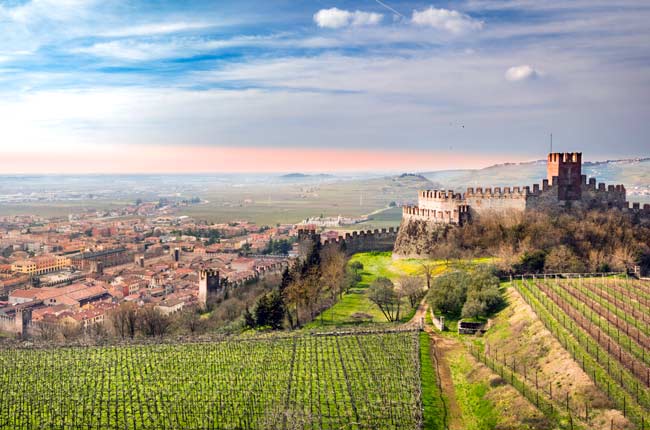
This week’s wine spotlight highlights a great style of sparkling wine from Italy called Prosecco. Have you heard of it? For this discussion, I chose a fantastic Prosecco emanating from its home in the Veneto region.

I recently sampled it when I was tasting some bubbly for a wine list I was constructing for a new wine bar called The Lucky Dog Bistro. It sure was a palate pleaser and I thought it would be a perfect sparkling addition to the menu. Thank you to Sarah from Soilair Selection for the awesome recommendation.

Isotta Manzoni ‘Cuvée Giuliana’ Prosecco (NV) is a crisp, value-driven, small production, sparkling wine from Italy’s Veneto region. Made 100% from the Glera grape, it is light, slightly acidic, and on the ‘fizzier’ side of prosecco making it very refreshing and ideal for mimosas or casual sipping.

The production is the Charmat (tank) method, which preserves fresh, fruity characteristics with a second fermentation. Sourced from vineyards nestled in the hills between Conegliano and Valdobbiadene, and produced by fourth-generation winemakers. The fermentation is 25 days in stainless steel tanks and then aged for 1 month in stainless steel tanks. The result is larger bubbles.

Cuvée in the name is a French wine term derived from cuve (meaning “vat” or “tank”). Depending on the context, it typically indicates a specially selected blend of multiple grape varieties, a winery’s premium or reserve batch, especially in Champagne, or the purest “first-press” juice extracted from grapes.

The Cuvée Giuliana is the standard, widely available Brut-style Prosecco. The Prosecco Rosé version is a delicate, dry rosé expression that features light notes of red berries, strawberries, and cream. This was also added to the wine list.

It is a well-balanced Prosecco with delicate and expressive aromas showing a good blend of crisp green and baked apple, sour lemon and grapefruit with a light, soft, silky and creamy mousse texture on the palate.

As you go back into the glass, some notes of pear and white peach appear on the nose followed by hints of apple and citrus. The Isotta Prosecco has a fair amount of body and mouthfeel with a pleasant lemon and mineral finish.

It’s refreshing acidity and elegant bubbles make it an incredibly versatile pairing option. It goes wonderfully with everything, including fresh seafood, shellfish, prosciutto/cured meats, vegetarian dishes, brunch favorites like eggs benedict or light pastries. Bon appétit!

The Isotta Manzoni Prosecco and Rosé version is now available at The Lucky Dog Bistro in downtown Clinton, NY where you can enjoy it at the beautiful new wine bar with inside and outside seating or in the restaurant. Try it in the special mimosas on the weekend. Hopefully I will see you there! Find them on Instagram @luckydogbistro and here About | The Lucky Dog Bistro.

Ancient Romans drank Prosecco to preserve youth and lengthen life. And based on how long the empire lasted, it may just work. Prosecco is a great alternative to Champagne and generally contains less alcohol. Every year, one bottle of Prosecco is produced for every 2 people in the US. That’s a lot of bubbles! It is currently in the top 25 of Italian Prosecco wines in New York and one of the popular wines distributed with Soilair Selection out of NYC.

A lovely, somewhat less popular, and often less expensive comparison to Champagne, Prosecco is a deliciously dry sparkling wine with crisp acidity, low sugar, with plenty of fruit and character. Associated with high value at low cost, Prosecco is the perfect option in situations where you want or need a easy drinking, everyday sparkling wine.

Traditionally from the Veneto (northeastern Italy), Prosecco refers to the name for a small village and is fermented almost solely from a grape called Glera. Most Prosecco is non-vintage, which means it doesn’t come with a year of production on the label.

This wine is not made in the traditional method of champagne with riddling, disgorging, rebottling, etc…, which, combined with non-vintage production, makes the wine more affordable than champagne minus the labor intensity. Prosecco is often described as a fresher and fruitier option than the French sparkler.

A few fun facts –

Styles of Prosecco – ‘Spumante’ means fully sparkling while ‘frizzante’ means lightly sparkling. It is rare but some Prosecco is a still wine, not sparkling.

“Extra Dry” Prosecco is actually sweeter than “Brut”. “Dry” is the sweetest of the three. This sweetness scale from dry to sweet: Brut – Extra Dry – Dry.

Prosecco isn’t a grape. The grape used to be called Prosecco, but it isn’t anymore. In 2009, Italy officially renamed the grape ‘Glera’ so that Prosecco could be protected as a place name rather than a grape variety. By law, Prosecco must contain at least 85% of the Glera grape.

Cheers & Sante,

Michael, michael@michaelpour.com

Cantina di Rosina: A Majestic Slice of Abruzzo

Carunchio Abruzzo Cantina Rosina
May
20
2026

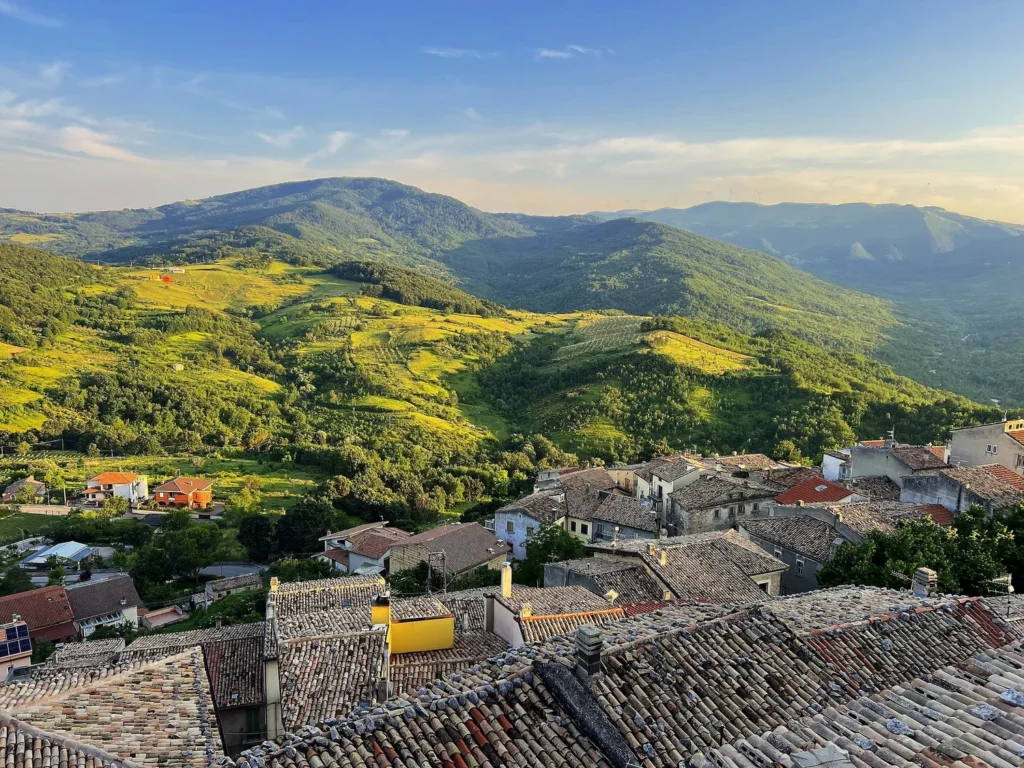
For this week’s spotlight, The Michael Pour takes you on a journey to Southern Italy along the coast of the Adriatic Sea.

Here you will find one of Italy’s best kept secrets and underrated wine regions, Abruzzo “uh-brut-sow”. Recently, I’ve learned about a new winery emerging in the region. The winery is called “Cantina di Rosina” and their wonderful story, and family history is depicted below.

“Throughout the 18th and 19th centuries, our ancestors produced quality wine in the Southern Abruzzo region of Italy. After WWI, our grandparents emigrated from war-torn Italy to the US in search of a better life for their family. Now, 100 years later, they have returned to my beautiful ancestral village of Carunchio to carry on producing wines that are approachable, elegant, and capture the spirit of this stunning region. Carunchio is a commune and town in the province of Chieti in the Abruzzo region of Italy. 

They’ve assembled a world-class team of viticulturists, oenologists, and winemakers to pay tribute to this beautiful land and all it has to offer. Great wine begins with great respect for the land. Our ongoing mission to share the beauty of Abruzzo with the world…one glass at a time.” – John, my Friend & Proprietor

Cantina di Rosina’s first vintage was 2024. Their Montepulciano d’Abruzzo 2024 is described as being sturdy with solid structure, yet soft tannins with a long finish. It spends some time in concrete creating complexity and texture before going into stainless steel (no oak).

Flavors of dark cherry, leather, and hibiscus are exhibited. It will pair well with any type of game, grilled red meats, cured meats, and ripe cheeses. Serve it at cellar temp or slightly below room temp at 60°- 65°F. Don’t hold onto for very long.

The Cerasuolo d’Abruzzo is a bold rosé with a cherry red color from a gentle kiss of skin contact. With a maceration of only 4 hours on the skins before fermentation, the color is deep and vibrant. It is made 100% from the Montepulciano grape and is essentially a rosé that drinks like a red offering a full spectrum of food pairings.

Not your normal “pink” wine or rosé for that matter. It projects an intense aroma of rose petals and flavors of wild berries and a savory herbaceous quality that lingers. Try it as an aperitif! Drink young.

Enjoy it chilled (50°- 54°F) all summer long by itself or with an array of food options, like seafood dishes, roasted white meats, pizza, cured meats, and semi-matured cheeses. I experienced this awesome wine with homemade bucatini pasta, blush sauce, andouille sausage, shrimp, and fresh herbs over the weekend, and it was a lovely pairing.

The Trebbiano d’Abruzzo DOC 2024 will be released in the next few weeks so you can enjoy all summer-long.

All the wines are 100% certified organic with sustainable farming practices. I have tried the wines, and they are very clean, bright, and complex.

A little bit about the Abruzzo region to better understand the land, microclimate, vineyards, and what goes into the wine that is produced here.

Abruzzo is an Italian region located about a two-hour drive east of Rome. Abruzzo extends from the snow-capped Apennine Mountains to the balmy Adriatic Sea. This magical scenic region offers summits and seacoast, medieval castles and clifftop villages.

It is a major wine region famous for robust Montepulciano d’Abruzzo red wines and crisp Trebbiano d’Abruzzo whites. The region is characterized by mountainous terrain, with most production in the coastal Chieti province, offering high-value, quality wines often with soft tannins and red fruit flavors.

National parks and nature reserves cover much of its rugged interior. It also encompasses hilltop towns, dating to the medieval and Renaissance periods. The regional capital of L’Aquila is a walled city, which was damaged in a 2009 earthquake.

Abruzzo is also known as “the greenest region in Europe” as half of the region’s territory is protected through national parks and nature reserves, more than any other region in Italy. Culturally, Abruzzo is considered a region of Southern Italy; however, geographically it is often considered part of Central Italy.

The focus in Abruzzo is on the Montepulciano grape referred to as Montepulciano d’Abruzzo.  It’s a versatile grape, in the sense that it can satisfy many different palates. Montepulciano is a fruit-forward dry red with a medium to full body, medium to high smooth tannins, and medium to high acidity. Notes of red plum, blackberry, dried herbs and thyme, and baking spices.

It is not be confused with Vino Nobile di Montepulciano, which is a wine made from the Sangiovese grape in the town of Montepulciano from the Tuscany region. 

It can be vinified and aged in stainless steel to give a simple, approachable wine and food-friendly with freshness and expression of the fruit. For low crops, it can be aged in casks or barriques, sometimes new barriques, to create wines that have greater depth, concentration and complexity.

The oaked Montepulcianos coming out of the region are not wines for everyday drinking because they can be very dense, inky, and powerful. These bottlings can be a great option for the winter months. Some can develop gamey aromas with age while others continue to display primary fruit flavors for years.

Montepulciano does typically age well, but it’s not a wine that requires you to age in order to enjoy now and show complexity.

Montepulciano is the most planted grape in the Abruzzo region. It represents 80% of the total DOC wine produced in Abruzzo. The Montepulciano grape has been in Abruzzo since the mid 17th Century. According to DOC rules, Montepulciano d’Abruzzo wines must contain at least 85% Montepulciano, with Sangiovese often used for the rest. Bottles labeled “Riserva” must be aged at least two years.  

Another reiteration of Montepulciano is Cerasuolo “chair-ah-swolo” which translates to “cherry red” and refers to an Italian wine style. It is Abruzzo’s best kept secret! Cerasuolo d’Abruzzo is a Rosé made from the Montepulciano grape. It is made from the free run juice and/or juice with very little skin contact and the color can vary from light pink to dark red. A rosé wine that is usually made by giving the juice a maceration of eight to 18 hours on the skins before fermentation. 

The result is almost like a light red rather than a rosé. A wine with body and succulence not typically rosés. It’s very popular in the region, but you will not see many exported. However, that is starting to change though in recent years.

Even in a good pizzeria in the regional capital of Pescara, you don’t necessarily want to drink a rich red all the time. Cerasuolo, with its vinosity and weight, is actually best drunk lightly chilled. Most producers agree that you shouldn’t consider Cerasuolo a way to use up your least interesting grapes or put in a blend. It should be made from grapes of high quality and treated seriously even its rosé.

The signature white from Abruzzo is Trebbiano d’Abruzzo is a light white Italian wine known for its dark gold or amber-colored berries, high acidity and neutral flavor profile that produces stone fruit and apple aromas with hits of lemon. Though production remains small when compared to Montepulciano, it is starting to make an appearance on the world stage.

Being a very large and dispersed region of vineyards, Abruzzo is divided into many sub-regions, and there are also DOCs that are permitted to use non-Italian varieties such as Chardonnay or Merlot. Only someone who is an expert of Abruzzo terroir would be able to identify the many sub-zones for Montepulciano in the glass. Look for different styes of Sangiovese coming out of the region. 

In many older regional vineyards, the vines are trained on tendone (pergolas) designed to shade the grape clusters and make harvest easier. Newer plantings are arranged in rows. 

Tons of sunshine and generous rainfall provide happy growing conditions for wine grapes in Abruzzo. The higher elevations and combination of mountain and maritime breezes bring down summer temperatures, setting up conditions for warm days and chillier nights. This is ideal for maintaining acid balance in the ripeness. Most vineyards flow along the warm and dry coast in the nearby hills. 

I am excited to be representing Cantina di Rosina winery as an ambassador in the Upstate and Central New York region so let me know if you want to schedule a tasting or place an order. Orders can be placed directly from their website or from my link in bio.

You can contact me, Michael Nagy, at 717.877.2729 or michael@cantinarosina.it The wines are truly remarkable by themselves but will also elevate your food experience and company.

If you have an Italian restaurant, steakhouse, pizzeria, or wine shop, these wines will be a perfect complement to your food menu and Italian wine section.

Allow me to share the beauty and story of Abruzzo and Cantina di Rosina (CdR) with you. Find the website at www.cantinarosina.it and on Instagram @cantinarosina. Follow them and me @themichaelpour 🙂
Cheers & Saluti,

Michael

New from the Pour