If you consider yourself a novice wine drinker or sip your customary glass of wine at a wedding, gala, or a home party, you probably tried that once popular Italian white wine called Pinot Grigio.
At one time, it was almost always on the wine menu because it was a huge crowd pleaser. Easy going, uncomplicated, not complex, and cheap. Pinot Grigio is a light-bodied wine that gets along with most everyone. Yes, it’s an entry level white wine, but is it still popular?
If you’re well studied in wine, you know of it, but is it a wine you would recommend? If you ask wine professionals, they most likely would say ‘no’ and not suggest it or recommend it for most wine drinking occasions or as an excellent food pairing. Often perceived by consumers and sommeliers as a safe, uninteresting, and safe restaurant choice rather than a nuanced wine experience.
Pinot Grigio’s decline in popularity stems from a reputation for being flavorless, watery, and mass-produced, leading consumers to seek more flavorful, aromatic, or trendy alternatives, like Sauvignon Blanc, Chenin Blanc, and dry Rosé.
They have shifted to more vibrant, aromatic, or flavorful white wines such as Sauvignon Blanc or Riesling. In fact, Rosé has largely overtaken Pinot Grigio as the preferred, fashionable, casual summer, easy-drinking wine over the last decade or two.
The Pinot Grigio market has also become saturated with low-quality, generic, overproduced, and often overly acidic or manipulated, cheaper options. Leaner versions of Pinot Grigio are more refreshing, generally more popular, and will cost over the standard $15 price tag. Look for over $20 at least. And if you avoid mass-marketed brands in favor of smaller, quality wine producers, you would be in for a light and refreshing experience.
However, high-quality, authentic Pinot Grigio filled with personality still exists, particularly from regions like Italy’s Alto Adige and Friuli in the northeast. The Friuli region offers the best in the world with nice aromatics and hint of bitter almond, a signature trait of PG. I will discuss other regions producing Pinot Grigio later in the article along with its counterpart “Pinot Gris”, with same name, but quite different for comparative analysis.
Italian Wine Regions & Styles
In Alto Adige, Pinot Grigio is all about ripe stone fruits (peach and apricot), notes of ginger, floral aromas, and refreshing acidity. Alto Adige produces some world-class, cellar-worthy (very unusual for this grape) Pinot Grigio, and is one of the most beautiful wine regions.

In Friuli-Venezia Giulia (short version Friuli), it is known for its textured Pinot Grigio and the unique ‘Ramato’ style (skin contact wines), Friuli’s wines also feature ripe stone fruits, floral hints, but with a subtle spice. The refreshing acidity is still present but encased in a fuller body.
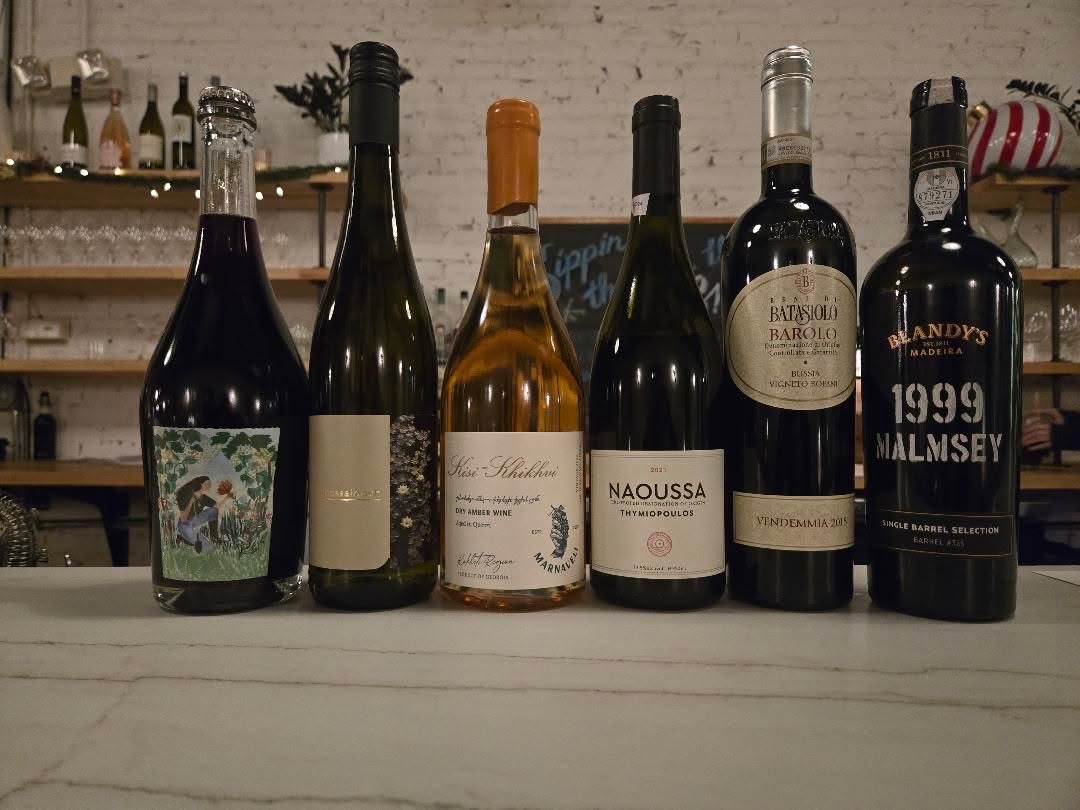
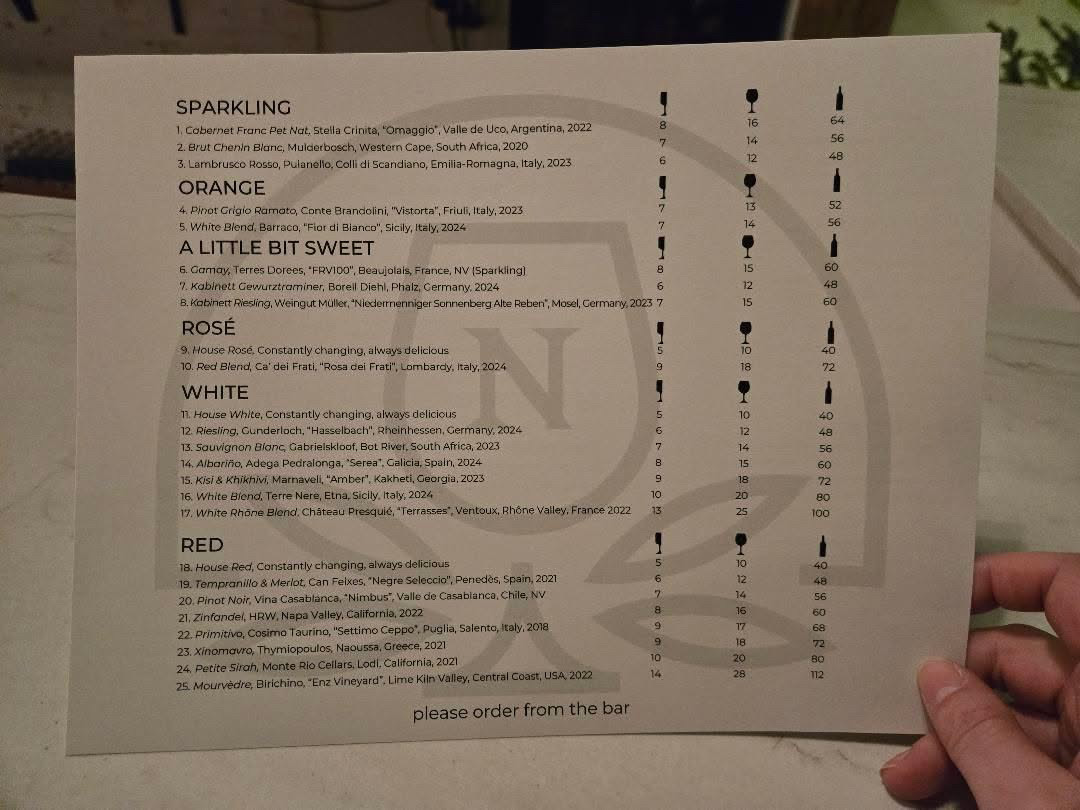
If you want to learn more about ramato-style wines, please let me know. They are fascinating! For purposes of length, I didn’t include here. I had a wonderful Ramato last summer pictured above.
Wine Production
Pinot Grigio is harvested early and gets bottled and distributed within three months of fermentation. It is wine meant to be drunk as soon as possible. These wines possess entrancing aromatic qualities, zippy acidity, and fruit flavors that diminishes over time.
Enjoy it now and don’t let it sit around on your rack or in your cellar. A general rule for this wine is to drink it within one to two years of the vintage date, similar to Rose. There are rare occasions that allow PG to last longer, especially it’s oaked and has exceptional balance.
Food Pairing
The light, crisp flavor of Pinot Grigio makes it great for a lot more than just casual sipping. This dry white wine is ideal for cooking lighter dishes by adding brightness and acidity to the mix. It is known to pair well with fatty fish, like trout, tuna, and salmon helping to balance out the taste and texture of the main ingredient.
Pinot Grigio is a perfect wine choice for summer sipping because of its lightness, tartness and acidity due to being grown in cool climate regions, like those in northern Italy. The lower temperatures help slow down the ripening process causing less sugar developing in the grapes.
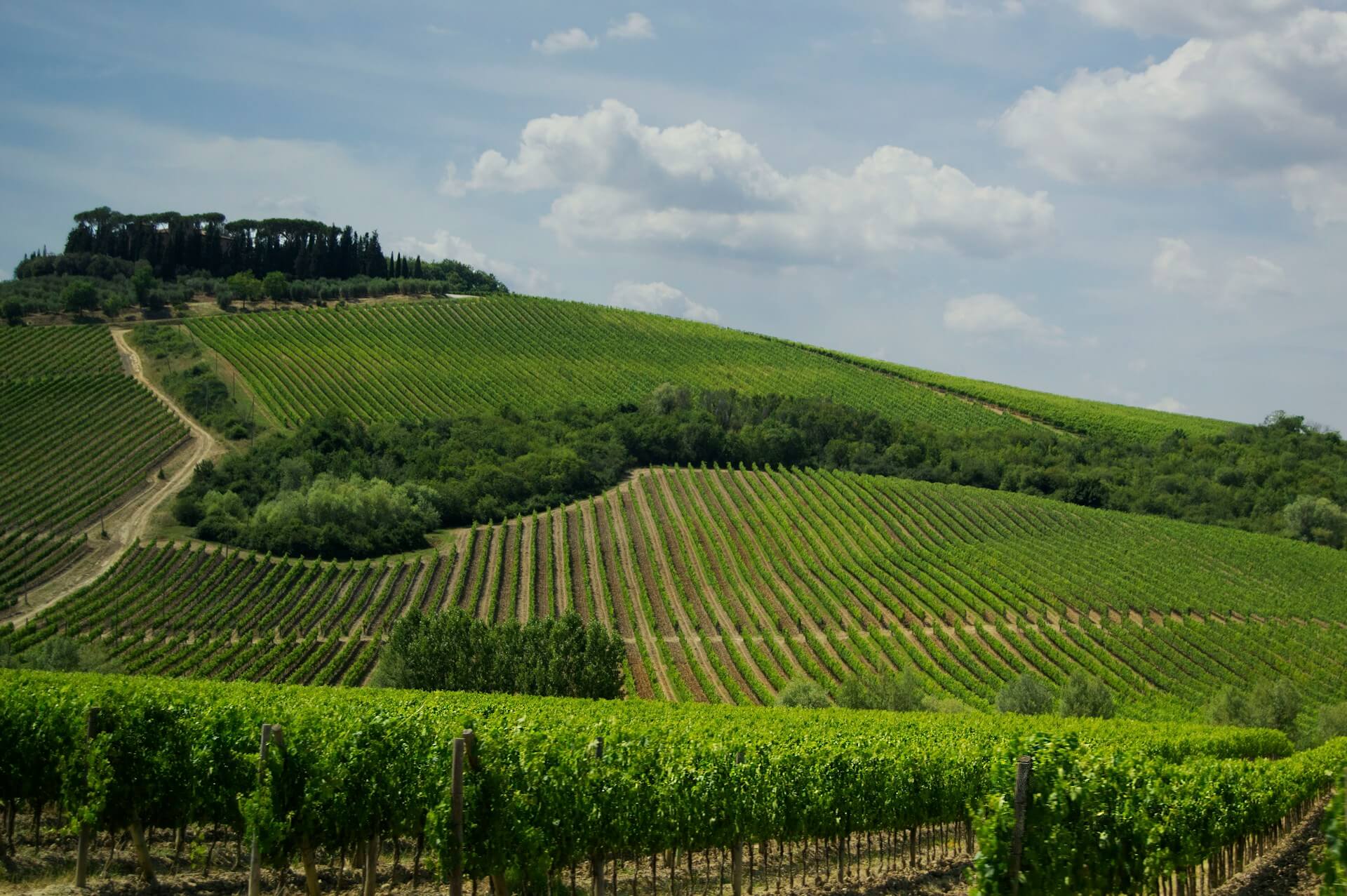
Additionally, as mentioned earlier, the grapes are harvested early on in their ripeness, and then stored and fermented in stainless steel tanks retaining crispness. All of this helps give Pinot Grigio a fresh, highly acidic and sometimes citrus quality, that is preferable than its fuller and deeper competition with summer and light cuisine. Planted Pinot Grigio vines at a vineyard in Friuli Region of Italy.
Pinot Gris vs. Pinot Grigio
Pinot Gris (aka Pinot Grigio) is a pinkish grape mutation of Pinot Noir. ‘Gris’ is the French word for gray and ‘grigio’ is the Italian word for gray.
The same grape is used to produce Pinot Gris in France (mostly in the Alsace region) and Pinot Grigio in Italy. However, the two wines have different styles and with their own unique traits. Pinot Grigio tends to be crisper and lighter-bodied with strong fruit and floral notes.
Pinot Gris is more full-bodied than its Italian counterpart, with a deeper, richer flavor, and even spicy notes depending on the winemaking style. Additionally, Pinot Grigio is typically drier than Pinot Gris. Despite its French origin, the largest producer of Pinot Gris is actually Italy.
Pinot Gris has a touch of honey on the palate from naturally occurring botrytis/noble rot (fungus) common in the Alsace region. The botrytis concentrates sugars and flavors, which can lead to creating excellent dessert wines. Pinot Gris is also used for sweet, orange, rosé wine in northern Italy, Alsace, Oregon, and Germany.
Italian Pinot Grigio tends to be easy drinking compared to French Pinot Gris and others. The misnomer out there is that Pinot Grigio and Pinot Gris are the same wine. They cite the only difference being that one comes from Italy and the other comes from France. Pinot Grigio and Pinot Gris do have similarities because they are produced from the same grape, but stylistically they are not.
The grape is usually referred to as Pinot Gris because it was first developed in France’s Burgundy region. However, once the grape made its way to Italy, it was used to develop what we know as Pinot Grigio. The difference, therefore, lies more in how the grapes are grown, vinified, and managed and how these two different countries produce noticeably different wines.
Pinot Gris
Considered to be the homeland of Pinot Gris, Alsace showcases a rich, full-bodied style with ripe orchard and tropical fruit flavors and minerality. It often possesses a delicate smokiness and spice, especially in aged versions, adding depth to the vibrant fruit character. Look for “Grand Cru” on the label for the best wines.
American versions often have more exaggerated fruit flavors and less acidity than their European counterparts. Primarily grown in the cool-climate Willamette Valley in Oregon, it presents a balanced profile of fresh citrus and ripe orchard fruit flavors.
The wines are typically medium to full-bodied, with a refreshing acidity and often a hint of mineral or spice. Its versatility and expressive character reflect the region’s diverse microclimates and innovative winemaking techniques.
Food Pairing
The versatile Pinot Gris pairs well with many dishes. Lighter, zesty styles are phenomenal with seafood, salads, and mild cheeses, while full-bodied or orange versions complement rich meats like roasted chicken or pork. Sweet and late-harvest expressions perfectly match fruity desserts or even on their own. Pinot Gris rosé is an excellent appetizer wine and pairs nicely with light pasta, charcuterie, or salty snacks.
Its diverse range matches the broad variety of world cuisine. Pinot Gris and Pinot Grigio alike are perfect wines to cut through salty cheese like feta or goat cheese, nuts, and any other snacks you’ve prepared for your summer picnics.
Here are the major growing regions and style of Pinot Grigio/Pinot Gris –
Alsace, France (rich version, Pinot Gris)
Veneto, Italy (crisp, neutral flavor, cheaper/mass produced, great for weddings and large format)
Friuli, Italy (crisp, more aromatic, some of the best Grigio on the planet)
Alto-Adige, Italy (crisp, more aromatic, second to Friuli for Grigio)
Willamette Valley, Oregon (fuller version, citrusy/minerally, both)
Look for these producers –
Cantina Tramin (Alto Adige, Italy)
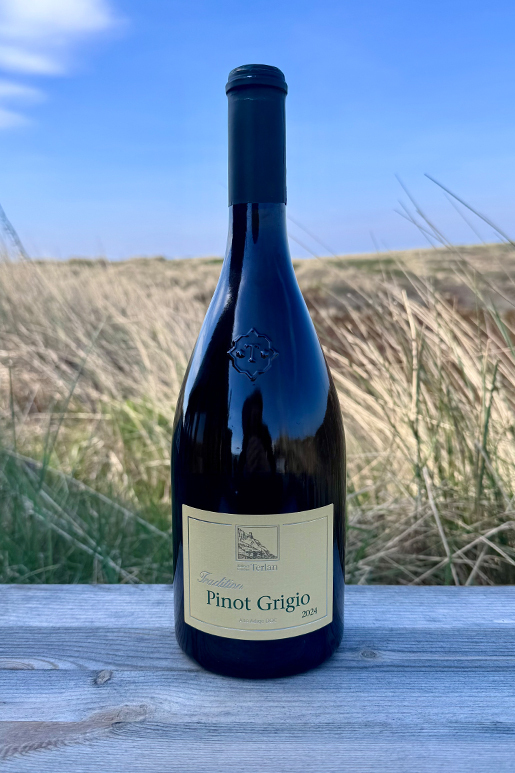
Cantina Terlano (Alto Adige, Italy) – pictured
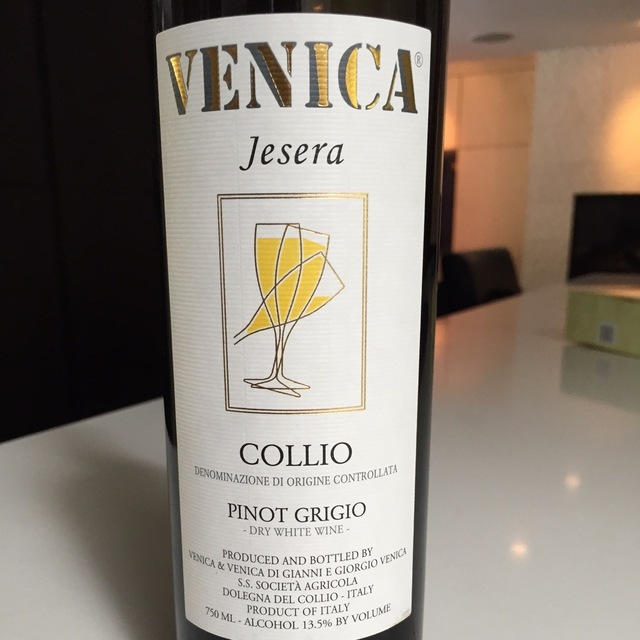
Venica & Venica (Friuli, Italy) – pictured
Neumeister (Styria, Austria)
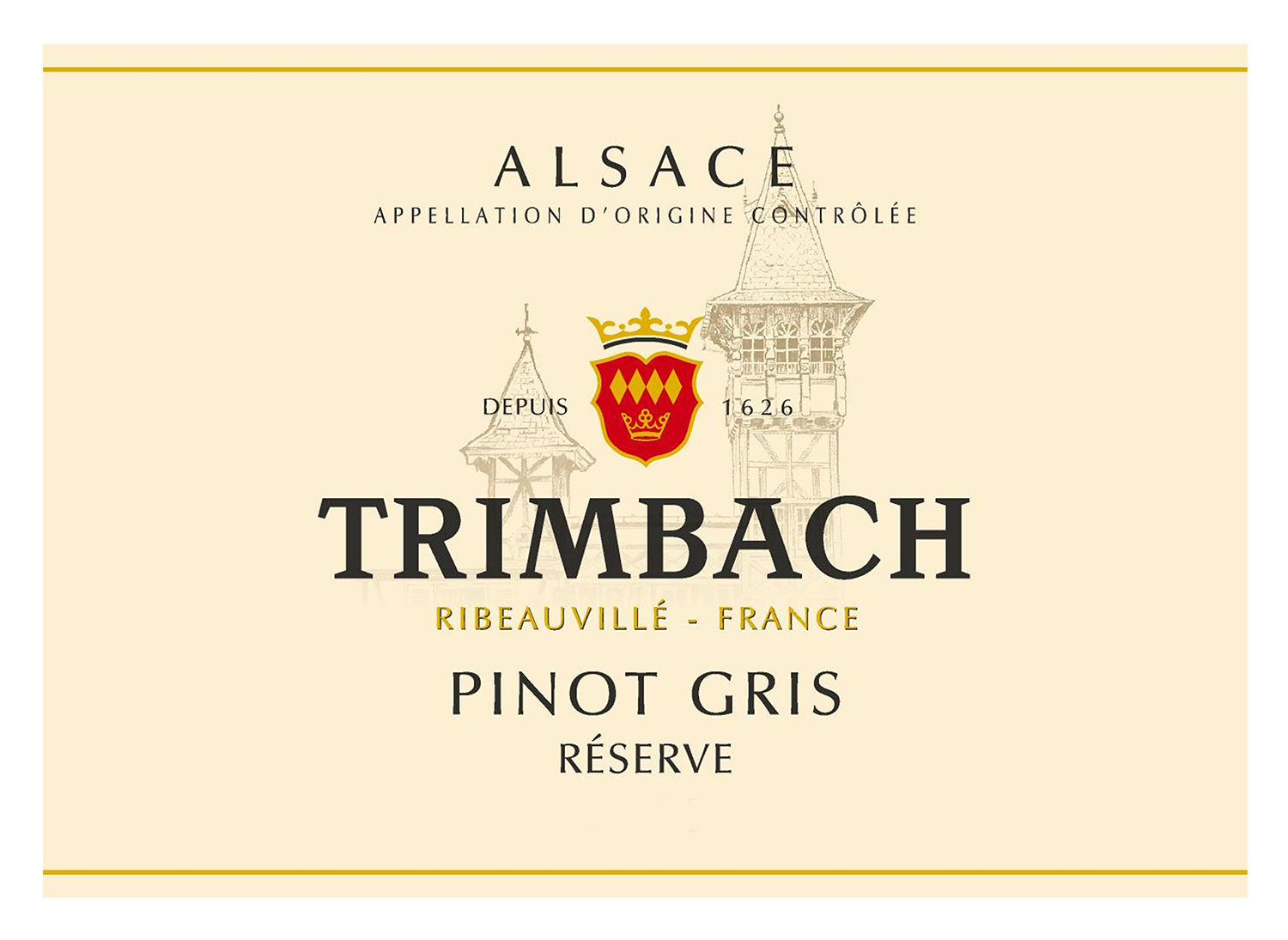
Trimbach (Alsace) – pictured
Zind-Humbrecht (Alsace)
Cheers,
Michael
michael@michaelpour.com