The Mai Tai: Cocktail & Mocktail for Mom

July
23
2026

Welcome all the new subscribers to this page. It’s great to have you onboard. I hope you find this content to be fun, inspiring, educational, informative, and sometimes entertaining.

As a subscriber, I invite you to submit your ideas of topics you would like to learn more about. This page covers all types of beverages along with information about industry trends, commentary, advice, recipes, recommendations, and much more…. You can submit your ideas by commenting on this post, DM on Instagram, or send me an email below.

There are many unconfirmed subscriptions pending, so if this is you, check your spam folder so you don’t miss a drop. And yes, it’s free to join. Most of these posts will be exclusive to members and not appear on Instagram. Plus, they will be automatically sent to your email, so you don’t have to worry about bookmarking the page or visiting the link tree on Instagram.

The world of beverages is vast and with the emergence and evolution of non-alcohol cocktails/mocktails, NA/low-alcohol drinks, and healthy, mindful drinking, there is a lot to choose from. This way, I am reaching my audience more specifically. Check out the other blog posts to see what we’ve been talking about this summer.

What’s happening at The Michael Pour?

My summer mocktail program is kicking into gear with not just original mocktails but also turning classic summer cocktails into mocktails and creating variations of those cocktails. Please let me know if this something you are interested in for your place of business or for your summer parties or events. Wine and cocktails can also be included. Don’t require service? Just ask about a free consultation.

I have received some interest for stewarding wine dinners and conducting wine pairings and wine tastings. Wine, spirits, cocktail, and mocktail classes are available and pop-up events for local businesses who want to add a beverage component to their events and festivities.

On August 17th, I will be doing an Amaro and Vermouth class with a featured vermouth cocktail at “Vine & Fig” Wine Bistro and Shop in Rome with Mediterranean bites, wine, and history of Italian elixirs. If interested in attending, visit their page Vine & Fig, inquire by email, or look for announcement on Instagram this week.

Look out for our next social with Women for Wine Sense, Syracuse Chapter in August. It will be held on the courtyard at Eva’s European Sweets in Solvay. They are celebrating 29 glorious years in CNY. They are a lovely family!

On a personal note, I will be returning to my hometown of Harrisburg, PA this weekend to visit my mother for her birthday. This will be the first time I am back there in about three years.

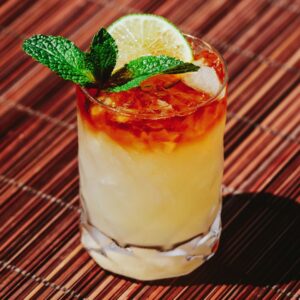
For this week’s blog, I am dedicating it to my mother who loves a sunny, tropical, fruity, and sweet drink to enjoy by her pool. I decided to go with the classic “Mai Tai“. I will give the cocktail and mocktail version for you to mix up and a little history of this drink.

The “Mai Tai’ is arguably one of the most famous tiki cocktails in the world and all too often messed up by bar keeps. The classic does not call for orange juice or pineapple juice. It is a rum-based cocktail, and the rum should be the star, not the juices. For anyone who has traveled to Jamaica or Caribbean islands, you may have imbibed on a Mai Tai.

The tale of the Mai Tai started in 1944, according to Trader Vic. Victor Jules Bergeron, better known as Trader Vic, was the owner of a tiki restaurant of the same name. Together with Donn Beach, from Donn the Beachcomber, they were the first one to start the tiki culture. The tiki culture is a blend of the Polynesian and the Caribbean. It was a place where people could escape reality and be transported to the tropics while enjoying tropical flavored cocktails. The cocktails were a careful combination of tropical flavors like lime juice, curaçao liqueur, and Caribbean rum. 

Trader Vic tells the story of the day he was serving two friends, Eastham and Carrie Guild from Tahiti, at his restaurant in Oakland. Inspired by the simplicity of successful drinks like Martinis, Manhattans, and Daiquiris he set himself to create a new exotic rum drink.

In keeping mostly with tradition, I like to get creative and modernize it a little by introducing new flavors. Although some ingredients may not be readily available, I offer alternatives.

Original Mai Tai

  • 1.5 oz white rum
  • 3/4 oz orange liqueur
  • 1/2 oz Orgeat syrup (almond-flavored). Store-bought or homemade recipe (preferred) below. Don’t use Amaretto lol. If you are allergic to almonds, sub oat milk, or roast other nuts/seeds
  • 3/4 oz fresh lime juice
  • 1/2 dark rum
  • Garnish – mint sprig and lime slice (no cherry or umbrella)
  • Glass – rocks or tiki

In a shaker tin, combine all ingredients except dark rum and shake. Strain mixture into a rocks glass filled with shaved or very small ice cubes. Using the back of a bar spoon, carefully float the dark rum on top and garnish mint sprig.

Orgeat recipe –

  • 1 cup of unsweetened almond milk, 2 cups of sugar, 3 tsp of almond extract, 1/2 tsp of orange blossom water, 1/4 cup of brandy. Combine the almond milk and sugar in a saucepan on medium heat. Stir until dissolved and the mixture starts to boil. Add the remaining ingredients and stir to combine. Transfer to a clean jar and store in the fridge. Should last up to 4 weeks.
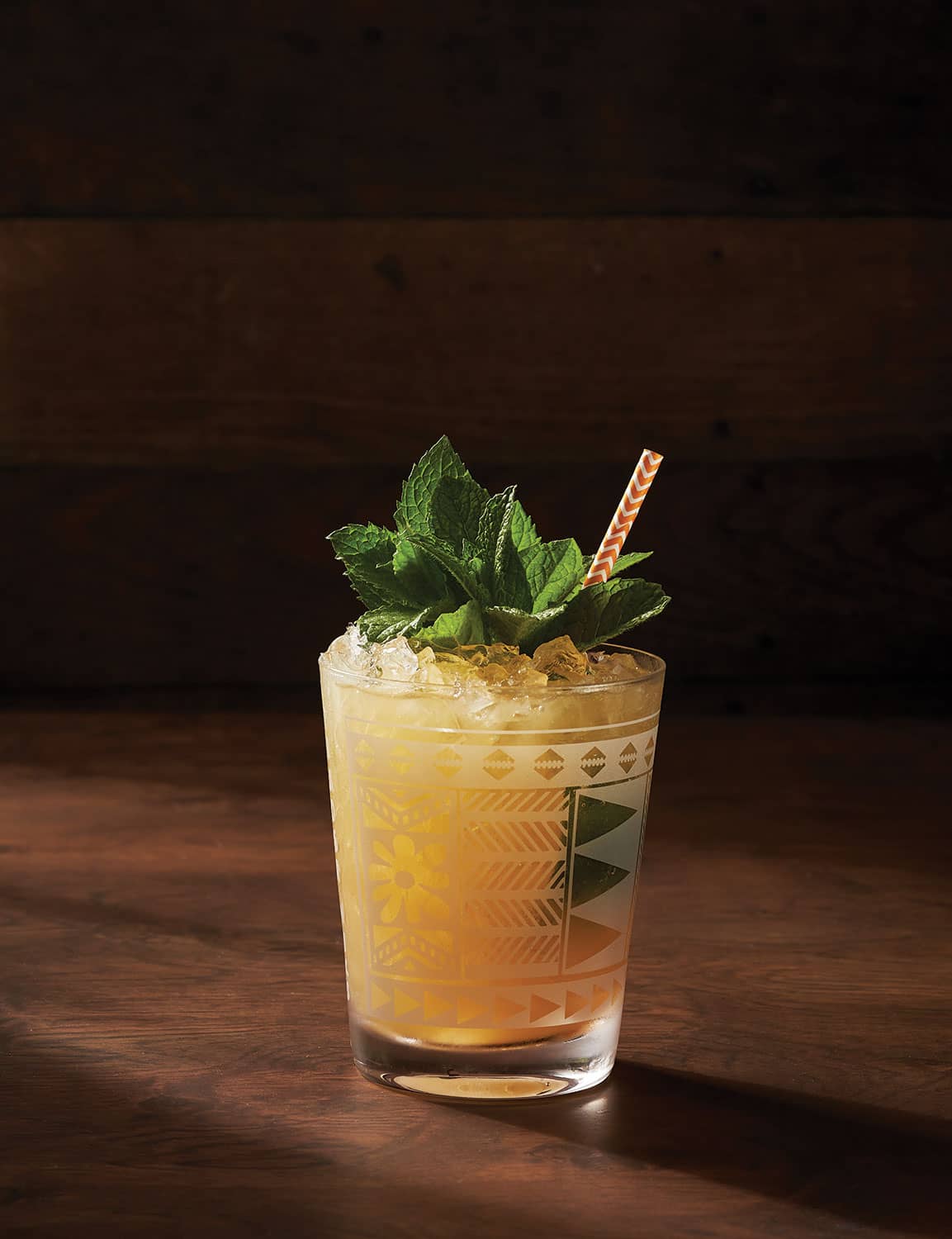
Tahitian Tongue (mocktail)

  • 1.5 oz spirit-free rum or combo of 1 oz pineapple juice, 1/4 tsp molasses, and 1/4 tsp vanilla extract (preferred)
  • 3/4 oz coconut water
  • 1 oz Acidified Orange Juice (to mimic lime juice add a drop of malic and citric acid to orange juice)
  • 1/2 oz Orgeat syrup (almond-flavored). Store-bought or homemade recipe (preferred) below. Don’t use Amaretto lol. If you are allergic to almonds, sub oat milk, or roast other nuts/seeds
  • 2 dashes aromatic bitters
  • Garnish – mint sprig and orange twist (no cherry or umbrella)
  • Glass – tiki or tulip

In a shaker tin, combine all ingredients and shake. Fine Strain mixture into a rocks glass filled with ice and garnish.

Cheers,

Michael Nagy

michael@michaelpour.com

717.877.2729
Mocktail Spotlight: The Classic, the Remix, & the Mocktail, Part 2

July
7
2026

Here is Part 2 of my discussion on mocktails with a focus on mocktail making and the factors that make a mocktail look and taste great. As mentioned in Part 1, it is both an art and science and you don’t need a lot of experience to perfect the craft. You may need to dabble a little in the kitchen and have the necessary tools and equipment to transform them.

As a bonus, I list three versions of a classic summer cocktail with recipes (classic, remixed version of the classic, and mocktail = three cheers) at the end 🙂 That way, you can see how you can achieve three different drinks.

Thanks to alcohol-free spirit brands, craft mocktails can be as quick and painless as opening a canned cocktail or a can of something. Or it can be as involved as making your own zero ABV spirits, cooking syrups, balsamic vinegars, and handcrafting bitters at home. Although, nothing wrong with buying ingredients, especially in the case of using ethnic spices and extracts. The equipment available also plays a role.

I like using sweeteners like, agave nectar/agave syrup for smooth sweetness, honey for warm, floral notes, maple syrup for rich, woody depth. and simple syrups infused with herbs or spices.

I try to incorporate thoughtful garnishes like dehydrated fruit slices, edible flowers, fresh herb sprigs, flavored sugar or salt rims, spiced or citrus‑dusted glass rims. Garnishes complete the drink by adding aroma, texture, and a strong visual accent, helping both mocktails stand out on the menu.

All great mocktails and elixirs balance four key elements – Sweetness, Acidity, Bitterness, and Aromatics.

Understanding how these components interact helps create drinks that taste complete and satisfying. Shaking chills the ingredients and introduces air for a frothy top. It is ideal for drinks with juice, syrup, or creamy elements. Stirring blends ingredients gently while keeping them clear and silky. Great for spirit‑style mocktails and elixirs.

Blending creates smooth or creamy drinks. It is perfect for frozen mocktails or recipes that use fresh fruit. Layering ingredients with different densities produces a striking, colorful presentation. Presentation is central to the mocktail and elixir experience. It sets expectations before the first sip and adds a sense of ceremony to the drink.

Choosing the right glassware goes a long way. Different glasses enhance different styles. Martini glasses for elegant and refined drinks. Highball glasses for fizzy or layered recipes. Coupes for frothy, shaken mocktails and rich elixirs. Mason jars for rustic or casual themes. For outside events and seating, there are really nice acrylic cups for every kind of drink you can buy online.

Decorative elements add personality. These may include shaped or infused ice cubes, decorative straws, fruit skewers, and rimmed glasses with sugar or spices. A well‑presented mocktail or non‑alcoholic elixir feels intentional and elevates even simple recipes.

Can Mocktails Be Healthier Than Alcoholic Beverages?

Yes, mocktails are healthier than alcoholic beverages. They are often lower in calories and sugar, and free from the health risks associated with alcohol consumption. Additionally, drinks made with fresh fruits, vegetables, and herbs and some brands can provide vitamins, minerals, and antioxidants.

For those who love to nerd out on beverages, non-alcoholic drinks open up a world of technique and experimentation. Without the inherent structure from alcohol, you can lean more heavily on acids and bitters to create depth.

Consider combining citrus with a few drops of vinegar or verjus for length, brewing strong tea and using it as a bittering agent in place of alcoholic bitters, adding a saline solution (a simple salt and water mix) by the drop to enhance flavors. This approach creates grown-up, food-friendly drinks that have purpose.

Alcohol contributes body and weight to a cocktail, so zero-proof drinks benefit from the use of textural elements: Light carbonation for lift and perceived dryness, foams from shaken egg white (where appropriate) for a silky top layer, and gels and purees from fruit or vegetables to add richness.

Attention to these details makes your drinks restaurant-worthy, even when made at home.

Here are a few highly rated and noteworthy non-alcoholic spirits you can use in your mocktail from online stores or brick and mortar shops.

The Aussie company Lyre’s makes a remarkably wide range of no-alcohol spirits meant to mimic everything from gin and bourbon to absinthe and rum. It even has a dry vermouth, which makes a virtuous martini a possibility.

Try a spritz-style, Negroni-like sipper from the brand including bittersweet Italian Spritz (Aperol-alike), Italian Orange (another bitter, in the style of Campari) and Dry Vermouth (which he infused with cardamom), topped with seltzer.

Lyre’s American Malt is an acclaimed bottle creating zero-proof Old Fashioneds and whiskey drinks. It delivers distinctive notes of woodiness, deep brown sugar, and a subtle smoky finish that anchors a cocktail without getting watered down.

Seedlip is most widely available option, and the brand is common among bartenders in mocktail bars, It is often mixed into drinks that resemble tonics drinks. Seedlip Garden 108 is a very clean, savory blend focused on fresh hand-picked peas, hay, rosemary, and thyme. It intentionally avoids fake gin burn, functioning as a crisp, adult mixer with tonic and cucumber.

The Fun of Creative, Mocktail Drinking at Home

Once you embrace a zero-proof mindset, mocktails move from an afterthought to a highlight of your day. They can mark the end of work, pair with dinner, or provide a way to bring people together without excluding anyone who is skipping alcohol.

A thoughtfully assembled home bar complete with measured tools, carefully chosen ingredients, and a willingness to experiment lets you explore new flavor combinations, revisit favorite classics in fresh forms, and enjoy the ritual of mixing, all while staying clear-headed.

Whether you batch a zero-proof punch for a gathering or quietly stir a single drink for yourself, the goal is the same: to treat non-alcoholic beverages with the same care, creativity, and respect traditionally reserved for cocktails.

What can “Mocktails By Michael” do for you?

I hope you enjoyed learning about mocktails. My mocktail business “Mocktails By Michael”, a part of the “The Michael Pour, LLC” is available for parties and events at your home or place of business. We are currently seeking out venues and spots to serve our incredible mocktails and batched mocktails for business events, fairs, festivals, and pop-up events in the Syracuse and Central NY area. If you are local business, feel free to reach out and let’s collaborate

In the meantime, stop by the “Of Moose and Mind” book shop in Manlius, NY for a book crawl on the night of July 10th to get a taste of our featured summer mocktail as well as tasting and selling three local wines from Damiani Wine Cellars. Check out the book shop on Instagram. I will be doing ongoing events with them.

You can contact me at the email and number below, website inquiry form on the homepage of this site, and Instagram.

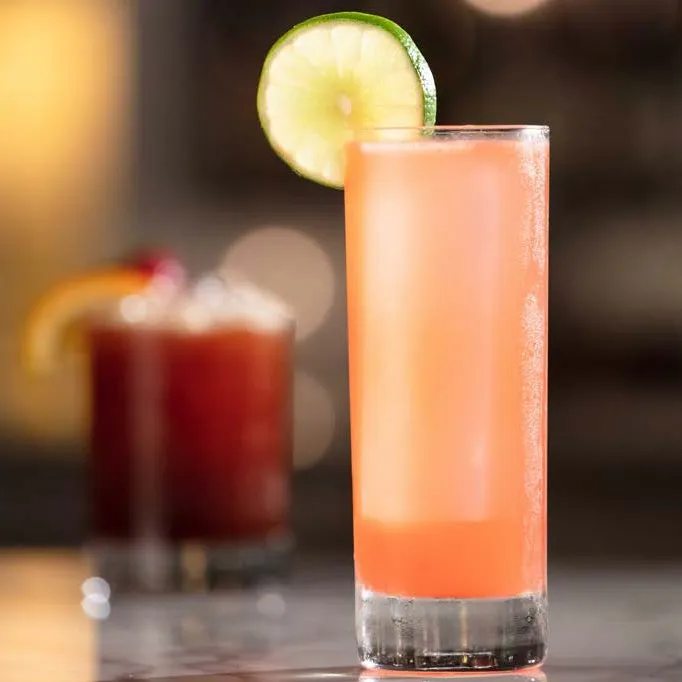
I present you the classic “Sex on the Beach” from the 80’s/90’s, which is a mashup of a Cape Cod and Fuzzy Navel drink. I have served this drink for thirty years. It’s been butchered by so many barkeeps over the years. This is the version that I learned in bartending school all those years ago.

Some cultures use rum instead of vodka and that’s okay. In general, try to use freshly squeezed juices when possible. It better controls the sweetness. Please no maraschino cherries and Chambord, not layered, and doesn’t go in a rocks glass. Do you notice what they all have in common?

Sex on the Beach

  • 1.5 oz vodka or rum (I prefer vodka for the drink). Rum will make it sweeter.
  • 3/4 oz peach schnapps (I prefer upgrading to a peach liqueur, like Marie Brizzard)
  • 2 oz fresh pulp-free orange juice
  • 2 oz unsweetened cranberry juice
  • Garnish – lime wedge or wheel
  • Glass – Collins

Shake all ingredients in a shaker tin or glass with ice. Strain into an ice-filled Collins glass and garnish.

Sandy Bottom (re-mixed)

  • 1.5 oz coconut vodka
  • 1/2 oz melon liqueur
  • 1/2 oz orange liqueur (cheap = triple sec or call = Cointreau)
  • 1/2 oz fresh lime juice
  • 1.5 oz pineapple juice (preferably from a can)
  • Garnish – toasted coconut flakes and/or orange slice
  • Glass – Collins

Shake all ingredients in a shaker tin or glass with ice. Strain into an ice-filled Collins glass and garnish.

Virgin on Vacation

  • 1.5 oz lychee juice
  • 1.5 oz mango juice (preferably homemade)
  • 1.5 oz coconut water
  • 1/2 oz fresh lime juice
  • 1/2 oz simple syrup (1:1 sugar to water boiled for 10 mins, let cool)
  • Garnish – mango slice and paper cocktail umbrella
  • Glass – Collins

Shake all ingredients in a shaker tin or glass with ice. Strain into an ice-filled Collins glass and garnish.

Enjoy! Please let me know your thoughts! Can’t wait to see you at your next event or gathering.

Cheers,

Michael 🙂

michael@michaelpour.com

717.877.2729
The Art & Science of the Non-Alcoholic Cocktail, Part 1

July
1
2026

In our current drinking climate, we see a variety of names given to non-alcoholic drinking options. On bar menus, you see Zero ABV, Low & No Alcohol, Alcohol-Free, NA Options, Non-Alcoholic Cocktails, Zero Proof, but the one you see and hear the most is ‘Mocktails’.

By whatever name you call them, really good ‘craft’ mocktails require care, skill, and fresh ingredients, just like their boozy cousins. In short, they should be as well-crafted as a cocktail. Being a classically trained bartender/mixologist, I enjoy using the term ‘non-alcoholic cocktails’ because they are essentially ‘cocktails’ without the booze. For purposes of this post, I will use ‘mocktail’.

Just like classic cocktails, i.e. Frozen Daiquiri or Margarita, being made in a blender evolving into a hand-shaken, on-the-the-rocks or straight-up drink, we have moved beyond the virgin blender drink and Shirley Temple.

Mocktails follow the same structure of an alcoholic drink by mixing ingredients together, combining interesting flavors, non-alcoholic spirits as the base, and adding garnishes. A non-alcoholic drink is meant to replicate a cocktail. Mocktails have evolved from simple non‑alcoholic substitutes into refined beverages that stand on their own. They combine fresh ingredients, balanced flavors, and thoughtful presentation, making them a central part of modern beverage culture.

Mocktails are crafted beverages that deliver the flavor complexity and visual appeal of cocktails. They too rely on fresh produce, herbs, spices, syrups, shrubs, purees, modifiers, and sweeteners to create drinks that feel polished and complete.

An argument can be made that they are more difficult to concoct and craft and perfect because they require a keen understanding of aroma, flavor, texture, acidity, sweetness, and balance. When designing a booze-free cocktail, you’re trying to create an elevated, complex drink, not just fancy juice.

Mocktails do matter because they offer an enjoyable, healthy, and mindful drinking option. They allow anyone to participate in social gatherings without compromising on taste or experience. This has made them hugely popular across restaurants, events, and home entertaining that emphasize flavor and craftsmanship.

Today, mocktails appeal to people who value creativity, wellness, and inclusive social experiences. Before the non-alcoholic spirits boom over the last five years, the buzz-free route presented challenges. Many recipes called for shrubs, syrups and other house-made components to build complex flavors.

That was somewhat manageable for cocktail bars and restaurants with plenty of time, ingredients to choose from, and deep pockets, but what about home bartenders seeking a drink at the end of the day or a host at an event or party? The sober curious movement and Dry January have led to the rise of non-alcoholic bottle shops all over the country with most located in big cities.

Quick story – In April 2020, during the early stages of the pandemic, an Instagram user captured the moment coherently. She posted a video on there to show how she was holding up at home during quarantine. She demonstrated this by making a large batch of Cosmos to be served to herself in a gigantic martini glass.

She wasn’t drinking alone. According to a study by the National Library of Medicine, an organization within the National Institutes of Health, many people who were significantly impacted by the pandemic began to drink significantly more alcohol as a result. However, as the pandemic progresses, a counter-phenomenon had surfaced.

Demand for booze-free beverages was up 60% from July 2020 to 2021, and the global non-alcoholic market has seen steady growth since 2020. According to trends reports across the globe, approximately 58% of those who drink alcohol are increasingly opting for non and low-alcohol cocktails indicating that the wave hasn’t let up.

It’s projected to reach nearly $1,258 billion by 2027, according to Fortune Business Insights. In comparison, the industry was valued at just over $900 billion in 2019. Altogether, it’s proof that non-alcoholic drinks are having a moment and are here to stay.

The way people are imbibing is changing and they are becoming more sophisticated. People are more comfortable coming to an establishment and ordering something non-alcoholic, and they’re still being treated like an adult. Unlike early 20th-century temperance and Prohibition, the modern non-alcoholic movement is more about options and individualization than widespread moralizing.

At the same token, patrons often wanted to consume less alcohol in each cocktail and wanted to try different types of drinks in a given setting. Their general knowledge of what a balanced drink should taste like has increased tremendously.

What people have really started to understand about their own behavior is that what they’re actually really enjoying is the social experience. It’s not necessarily that they enjoy the alcohol, it’s that they enjoy being together, celebrating and relaxing.

Why Are Mocktails Becoming So Popular?

The growing interest in wellness and more a balanced lifestyle has played a major role in the popularity of mocktails and non‑alcoholic elixirs. Many people want drinks that feel celebratory but are less impactful. Others simply want options that suit personal, cultural, or health‑related choices.

Some of the key reasons for their growing demand spelled out here:

  • Health‑conscious lifestyles: Many individuals look for lighter drinks that still feel indulgent.
  • Inclusive social settings: Mocktails and non‑alcoholic elixirs offer thoughtful choices for pregnant women, designated drivers, younger guests, and those who avoid alcohol.
  • Creative beverage menus: Restaurants and bars now treat mocktails and non‑alcoholic elixirs with the same respect as cocktails, offering intriguing flavors and elegant presentation.
  • Broader dietary preferences: Many mocktails and elixirs naturally align with vegan, gluten‑free, or low‑sugar lifestyles.

Mocktails have moved far beyond simple juice blends. They now represent artistry, innovation, and mindful enjoyment, much like the non‑alcoholic offerings created by some really cool brands.

At one time, the idea of not drinking, whether you were the designated driver, sober, pregnant, or simply abstaining, meant picking from sugary sodas, juices, teas. sparkling/tonic water, cheap coffee, or just tap water. Not very appealing options. The “big upgrade” to this list was the addition of non-alcoholic beer.

Taking care of your patrons or guests means giving serious consideration to the non-alcoholic beverages you are creating. Who will be drinking it and when? This also includes the food that will complement the experience.

What’s the occasion and setting? The “who” and “when” answers will influence the glass, temperature, flavors, presentation/color scheme, and textures desired. Remember, the drink’s glass and size should match the alcoholic counterpart, as not to draw attention to the person who isn’t drinking alcohol. No need to encourage the alcohol bullies.

Do they abstain from alcohol entirely, or can you use dashes of bitters, or do you serve alcohol-free beer or wine? The answer is that all of those things contain a microscopic amount of alcohol so ethically can’t serve.

Your objective is to mix up a flavorful, complex, balanced, and beautiful drink.

Flavorful: The drink should have a distinct flavor, not a watered-down juice or weak hint of something added to soda water.

Complex: Complexity will come from using various flavors and aromas that blend harmoniously or provide an exciting contrast.

Balance: Balance is the interplay between the five basic taste elements: sweet, salty, sour, bitter, and umami. A well-balanced drink will use multiple ingredients in proportion so that a single flavor does not leave the drink tasting one-dimensional. This is the science!

Beauty – We eat and drink with our eyes first. Use garnishes, ice, and glassware to create flair and enhance the experience of the drink. This is the art form!

The craft cocktail movement is founded on the use of fresh ingredients, like fresh juices, house-made syrups, shrubs, tinctures, infusions, fresh-picked herbs and flowers, and the use of artisan brands. So, too, are craft mocktails.

Juice: A handheld or electric juicer may become part of your essential bar equipment.

Syrups, Shrubs, and Tinctures: These not only provide sweetness but also enhance your drinks with tartness, herbs, spices, fruit flavors, and peppers to build balance and complexity. Infusing flavor and color to elevate the senses.

Fresh-picked: Both taste and aroma create flavor. The use of fresh herbs and flowers in juices, syrups, and garnishes enhances the flavors you are making while also setting expectations visually.

Artisan: Whenever possible, choose to make your mocktail ingredients at home or purchase brands that embrace the craft movement’s ethos.

Aristotle said, “The whole is greater than the sum of its parts.” And that’s totally true with mocktails and cocktails. The interplay between a dash of this and a small amount of that, mixed with something else, can create a flavor profile that is truly inspired.

Part 2 will go into more detail about the making of mocktails and about my mocktail business.

Cheers,

Michael Nagy 🙂

michael@michaelpour.com

717.877.2729
Terroir Talk by Michael: First Vintage & First Release

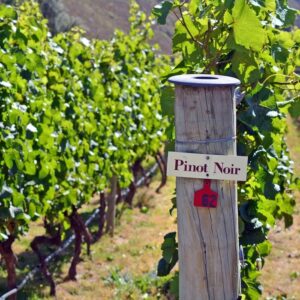
Pinot Noir vineyard sign
March
27
2026

March 27, 2026

Welcome to the first edition of “Terroir Talk”. This will be a weekly wine series on everything ‘wine’ that will be guided by you, the audience. In case you’re not familiar with the term ‘terroir”, what it means or how to pronounce it, here is a brief explanation –

Terroir (pronounced tear-whah) is a French term with no direct English equivalent. It basically refers to a “sense of place”. It is the combination of environmental factors, like soil, climate, weather and topography/geography that give agricultural products, especially wine, a unique, non-replicable character linked to their specific origin.

Since all wine comes from the earth via grapes, it is an appropriate name for the beginning of this wine series. No ‘terroir’ in the world is exactly the same, therefore, no wine is exactly the same when you factor in ‘terroir’.

How it works? Users and subscribers will submit their wine questions on the comments sections here, from the “Terroir Talk” group chat on Instagram, Instagram posts, direct email, or text. Every week, Michael will review the questions and list them on this page and provide answers directly below with mention of the person posing the question. If you desire anonymity and privacy, I will not mention your name.

As mentioned above, the purpose of this forum is to engage wine lovers, provide consumer education, and tailor the content to you, my followers and audience. I hope to receive at least 2-3 questions per week. In the case of more submissions, I will table them for the next edition.

Many of my followers are local to Central NY and NYS where I reside so many of the questions will have a local and state flavor. However, that doesn’t preclude a discussion on grapes, wines, and regions spanning the globe. You will find that many wine enthusiasts are curious about the differences from one region to another.

I hope this weekly wine column will be useful and a great resource for your wine studies, wine knowledge, wine curiosity, and confidence in buying and ordering wine. I encourage all wine and interest levels to sign up by email for the free newsletter on the homepage, so you don’t miss a drop. Please share with others so we can make this page a huge success. If so, maybe a podcast is in our future.

Shannon from PA asks, “How to describe wine”?

Because this is a loaded question, I will write up a separate blog post to answer it thoroughly. The system that wine schools use can differ. I am classically trained in the WSET method of tasting wine with a focus on appearance, clarity, nose, palate, and assessment of quality.

With appearance, you look at intensity, color, and how it appears. With nose, you note the intensity, aroma traits, and development of wine. With palate, you describe the sweetness, acidity, tannin, alcohol, body, texture, flavor intensity, flavor traits, and finish. With the final assessment, you describe the quality (faulty, poor, acceptable, good, very good, outstanding) and readiness for drinking and potential for aging.

Wine professionals will use this method or other methods, which vary a little, when reviewing and rating wines. They will use a systematic approach by jotting down notes that cover all or most of these points listed above. Stay tuned for a more in-depth look at describing wine. Thank you Shannon!

Allison from Long Island, NY asks, “I know of wine from the Finger Lakes and Long Island, NY, but where else in NY produces wine”?

I answered this briefly on the instagram group chat last night but will answer it in more detail here. New York’s Wine Regions (7) span from the Niagara Escarpment in the northwest corner of NY on the Canada border, Lake Erie in the southwest corner of NY along Lake Erie, Finger Lakes in the middle of the state.

There are 11 official lakes in the pattern of fingers running north to south. The 3 main grape growing lakes (Keuka, Seneca, and Cayuga) in the center of the region. Keuka Lake is the only lake that breaks off into two fingers.

Champlain Valley of NY is located in the northeast corner of the state bordering Vermont and Canada. It is a lesser-known wine region. Upper Hudson and Hudson River Region are in the Hudson Valley in the Catskill Mountains along the eastern side of the state. Lastly, Long Island is an island in the Atlantic Ocean off the coast of New York City. Thank you Allison!

Next time, we will delve into this question.

Alexandra and Rebekah from Central NY and group chat both ask, “Explain the difference between Finger Lakes Rieslings and Old-World Rieslings“?

Here is the direct link to our new and rapidly growing wino group chat on IG – https://ig.me/j/AbZTQkzqM-4x1fDc/

If you have any questions or wish to submit your wine questions, you can email me at michael@michaelpour.com or DM on instagram. If on instagram, but don’t follow me yet, please do and let’s have some fun.

Cheers & Sante,

Michael Nagy

Wine Spotlight: Why grapes have multiple personalities?

March
12
2026

For this week, we continue the educational series on wine grape varietals with a focus on the different names used for a particular grape produced all over the world.

There are roughly over 10,000 different wine grape varieties identified worldwide. Depending on the source though, this number could be less or more. While this enormous number exists, only a small percentage (about 1,300 to 2,000) are commonly used for commercial wine production. A mere 33 varieties account for 50% of the world’s vineyards.

A vast number of grape varieties have several names depending on where they’re grown (see last week’s post on Pinot Grigio and Pinot Gris here). Countries like Georgia, Italy, Portugal, Spain, and Greece grow and produce many indigenous or rare, local varieties unknown to most people, unless you visit that locale. Most aren’t massively produced or exported to other countries.

So, what’s in a name? Are they always interchangeable, or does their place and name indicate what their resulting style will be? For the average consumer and shopper, this can be an overwhelming, confusing and a daunting task. Not to mention the countries who don’t identify the grape(s) on the label or bottle (like Italy and France). The list can be very extensive, but I hope to clarify some of these differences with examples below.

Syrah vs. Shiraz

These wines can taste almost like polar opposites. Their body, expression and texture change with the climate. In the temperate northern Rhône Valley of France, Syrah is the signature grape behind storied appellations as Côte-Rotie and Hermitage. Further south, it forms the backbone of many Côtes du Rhône blends and is an essential part of many rustic Languedoc-Roussillon reds.

Known as Shiraz in Australia, its style is most distinct in the hot Barossa Valley and warm McLaren Vale regions, but it also thrives in cooler Canberra region. Where Northern Rhône Syrah has firm, drying tannins, Australian Shiraz has a velvety, mouthwatering feel.

French oak accentuates Syrah’s visceral notes of savory, cured meat, yet American oak lends vanilla and chocolate tones to Aussie Shiraz. Both can have display intense notes of violet. There are the spice flavors as well, such as white pepper in cooler regions and black pepper in the warmer ones.

Syrah/Shiraz can also offer something in between. In New Zealand’s Hawke’s Bay, it’s luscious with forward fruit, but suggestive with pepper. In South Africa, it veers toward more of a spicy richness, while in California and Washington State, it can be smooth, big, or edgy and taut.

In this case, the name is a hint to the style. Shiraz is likely big and bold (thanks to warm climate) while Syrah tends to be snappy and thinner (not in a bad way, but less oomph).

Grenache vs. Garnacha vs. Cannonau (“kah-nohnow“)

Grenache stuns wine lovers across the globe with its luscious red fruit flavors. Grenache is an archetypal Mediterranean variety. It wants full sun, will withstand heat and drought and it thrives on stony soils. This resilience explains its success and expansion in warm climates.

With Grenache’s softness and plump fruit, it adds a juicy allure and warmth to Châteauneuf du Pape. It’s an integral part to Côtes du Rhône and is a part of the holy trinity of Australian Grenache-Syrah-Mourvèdre (GSM) blends in France. As Garnacha, it can form a part of Spanish Rioja. It has often been considered a blending grape and adds body to a blend, but can be lovely on its own.

As a single varietal, Grenache is full-bodied without being overly tannic. It can also make charming, aromatic reds in the Rhône cru villages of Gigondas and Vacqueyras. Cannonau on the island of Sardinia, it’s an even bigger, stronger and bolder version.

Grenache vines are very resilient and can last a while. The variety hits its stride in the old-vine Grenache wines from the French Roussillon in Languedoc, neighboring Spanish Priorat region, and McLaren Vale region in Australia. The wines are concentrated and fragrant with spicy red fruit.

But Grenache is versatile in itself. It also makes the sweet, fortified wines of Banyuls, France and the dry, fully pink rosados of Navarra region of Spain. No matter the style or origin, Garnacha always shines with its gorgeous red fruit.

Mourvèdre (“moor-VED-druh”) vs. Monastrell vs. Mataro

Ancient and dark, powerful and brooding, this thick-skinned, small-berried grape of Spanish origin thrives in hot climates. It requires more than just warmth being a late ripening grape. It needs proper, sustained heat. Mourvèdre resides best on the Mediterranean coast in Spain, where it’s called Monastrell, and forms the gutsy, heavy, tannic reds of Jumilla and Alicante regions.

As Mourvèdre, it’s the backbone of French Provençal Bandol, where it gives a kick to reds and a tang of tannins to dry rosés. In the Languedoc, it contributes nicely to various red blends. In Australia, where it’s known as Mataro, the grape asserts its dusky charms in GSM blends. The best examples have a heavy perfume of black fruit when young and leather and spice with age.

Blaufränkisch (“blahw-fraun-keesh”) vs. Lemberger

The temperate and distinctly continental latitudes of Central Europe are home to this underrated red grape. Medium to full-bodied in the north, Blaufränkisch produces unique, structured, and elegant wines. It is also grown and produced in New York State where the climate mirrors those of Germany and Austria and stylistically similar. I find them to be a nice change from your typical cool-climate reds.

In eastern Austria, it’s known as Blaufränkisch. In southern Germany and France, it’s Lemberger. It also goes by other names in Hungary, northern Croatia, western Slovakia, in eastern Slovenia. No matter the name, it produces quality reds that age well. It also forms part of Egri Bikaver, Hungary’s historic “bulls’ blood” wine.

Cooler vintages or sites add an irresistible pepperiness to the usually dark-fruit spectrum, where you’ll find dark cherry and blueberry. Despite the differences in climate and expression, Blaufränkisch exhibits great varietal resemblance.

When vinified in stainless steel, Blaufränkisch is sometimes confused with fuller-bodied Gamay. When vinified in small, new oak barrels, Blaufränkisch gets punchy and needs a few years to return to its inherent subtle nature. The most elegant results are achieved with gentle handling and careful amounts of oak. It’s not a well-known grape outside of where it’s traditionally grown but has been increasing in popularity.

Malbec vs. Côt (“cot”, like “hot”)

Malbec is synonymous with Argentina, where this aromatic, black grape revels in the bright, high-altitude sunshine of the Andes mountains. This French original has been almost supplanted by Argentinian success. Malbec is sometimes referred to as Côt in France. It’s even one of the five permitted varieties used in red Bordeaux wines but typically doesn’t ripen well in parts of Bordeaux.

Malbec’s real French hotspot is in Cahors, a town in southwestern France as well as a namesake appellation. Cahors wine is inky, opaque and dense with tannin. The firm, astringent tannins of French Malbec are often softened with the addition of Merlot. Malbec in Argentina, however, are plenty ripe to have the softness and silkiness.

In both cases, the wines’ structure helps them age and develop pretty well. The best show floral overtones of violet and peony. In France’s cooler Loire Valley, Côt produces wines that are less extracted, very fresh, floral, and often spicy.

Zinfandel vs. Primitivo

White Zinfandel is the wine that’s launched thousands of enthusiasts, but this pink elixir does not give this historic grape any justice. It’s known as Primitivo in Puglia, Italy and Zinfandel in California. As a red wine, Zinfandel always boasts full, juicy and plump fruit (sometimes can be jammy, think PB & J) that covers a spectrum of ripeness, often with elevated alcohol levels.

When made well, Zinfandel balances these qualities perfectly. Unfortunately, grapes in the same bunch can barely ripen, become overripe (bloating and too much sugar), or even become raisin-like.

In Puglia, Primitivo is light, smooth and warming. On an inland elevation, Gioia del Colle produces the freshest versions, while coastal Primitivo di Manduria is heavier, denser and more powerful.

In California, this rustic red attains true elegance. Some ancient Zinfandel old vines in Napa, Sonoma, and Lodi bring forth concentrated, full-bodied wines with warm alcohol, expressive quality, and enticing red fruit aromas. Quality well-aged and mature Zinfandel is well loved by the international community.

Chardonnay vs. Chablis

Although this doesn’t technically fit same grape, different name, it is an important distinction of grape name vs. region. When people first taste Chablis and learn that it is Chardonnay, they often look surprised.

How can a wine that tastes so clean, crisp, and a mineral sensation possibly be the same grape as the rich, buttery Chardonnays that dominate wine lists from California and parts of Burgundy? The answer comes down to style, climate, and terroir. Chablis is said to be by many (myself included) as the purest expression of Chardonnay.

Chablis is located in the northernmost part of Burgundy in France. Its cooler climate and famous limestone soils shape a wine that explodes with acidity, freshness, and a minerality often described as chalky or steely.

Unlike the rounder Chardonnays aged in oak barrels from Burgundy’s Côte de Beaune or the thick and heavy, cedar vanilla bombs from California’s Napa Valley, Chablis is typically fermented and aged in stainless steel, neutral oak, or partial oak. This approach preserves the acidity, crisp apple, lemon, and saline flavors that make the wine unique.

The absence of heavy oak influence is the major differentiator. While many Chardonnays lean on new oak to build body and add flavors of vanilla, toast, and butter, Chablis producers focus on purity and terroir. That doesn’t mean oak is absent altogether, some premier cru and grand cru Chablis see a bit of oak, but it’s usually subtle by just playing a supporting role. This gives Chablis a leaner structure in stark contrast to the creamy, heavy character of oak-driven Chardonnay.

The environment in and around Chablis also plays a huge role. Chablis vineyards sit in a continental climate where frost is a constant threat. The cooler temperatures slow down ripening, which keeps acidity high and sugar levels lower.

In warmer areas like California, Chardonnay ripens easily, leading to bolder fruit flavors, higher sugar content, and a style that more often than not lacks subtlety. Side by side, you’d hardly believe the wines are the same grape but tasting them together is one of the best ways to appreciate how versatile Chardonnay really is.

I did a Chard side by side recently for a Women for Wine Sense tasting class in Syracuse and the audience was mesmerized by the difference.

For wine drinkers who think they don’t like Chardonnay, Chablis often comes as a revelation. Its flavor profile avoids the buttery heaviness that critics of California Chardonnay complain about. Instead, Chablis is fruity, food friendly, and an elegant take on Chard.

If you are interested in learning more about grapes, grape families, and grape names, I can certainly expand on this discussion. For example, Pinotage from South Africa is a cross between Pinot Noir and Cinsault (varietal in France) or that Pinot Noir in Italy is called “Pinot Nero” (same grape) or Pinot Noir in Germany is called “Spätburgunder”.

I must admit, I find this stuff fascinating (history buff, too) so just say the word. Thank you to Wine Cellar Guide (above wine grapes) and Wine Enthusiast (grape names) for the beautiful images.

Book “The Michael Pour” for a unique and exclusive wine education class, wine tasting event, wine pairing/dinner, bar/restaurant consultation, etc… in your home or establishment. I am currently offering a 15% discount for all bookings. Inquire here, email, or on social media.

Cheers & Sante,

Michael

michael@michaelpour.com

IG: @themichaelpour

Wine Glass

DON’T MISS A DROP

Get notified when new articles are poured

We don’t spam!