Nobody’s Wine Bar: A Hidden Gem in Central NY

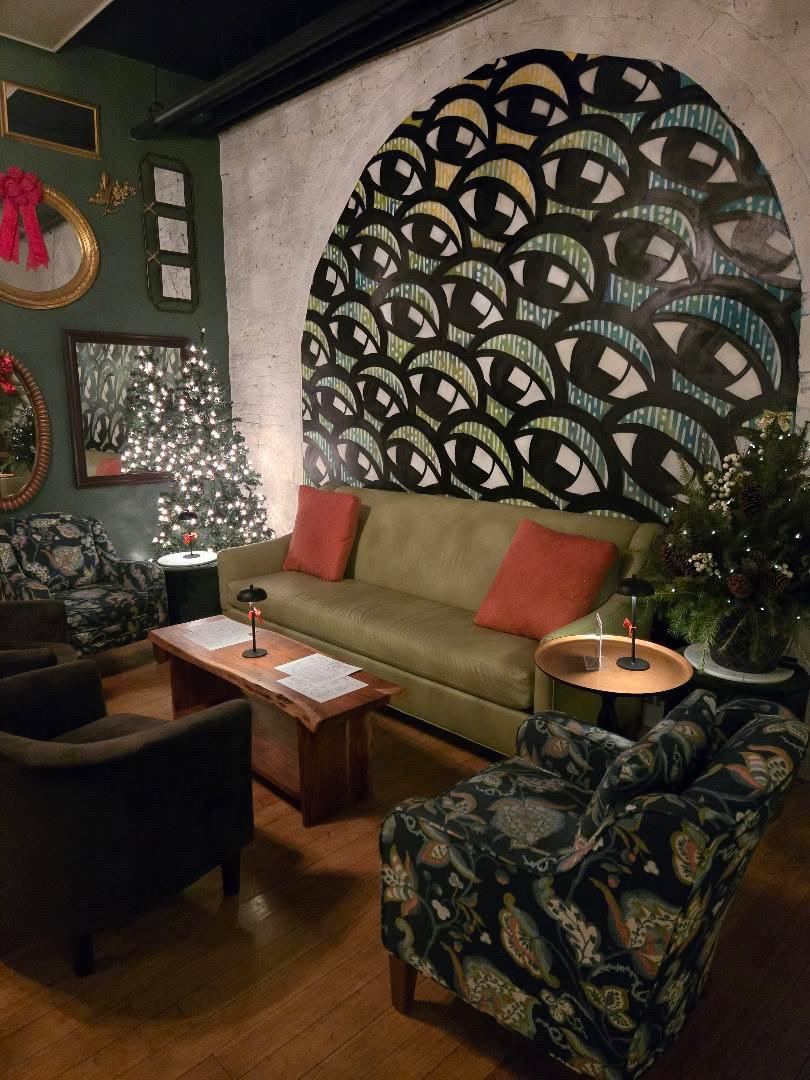
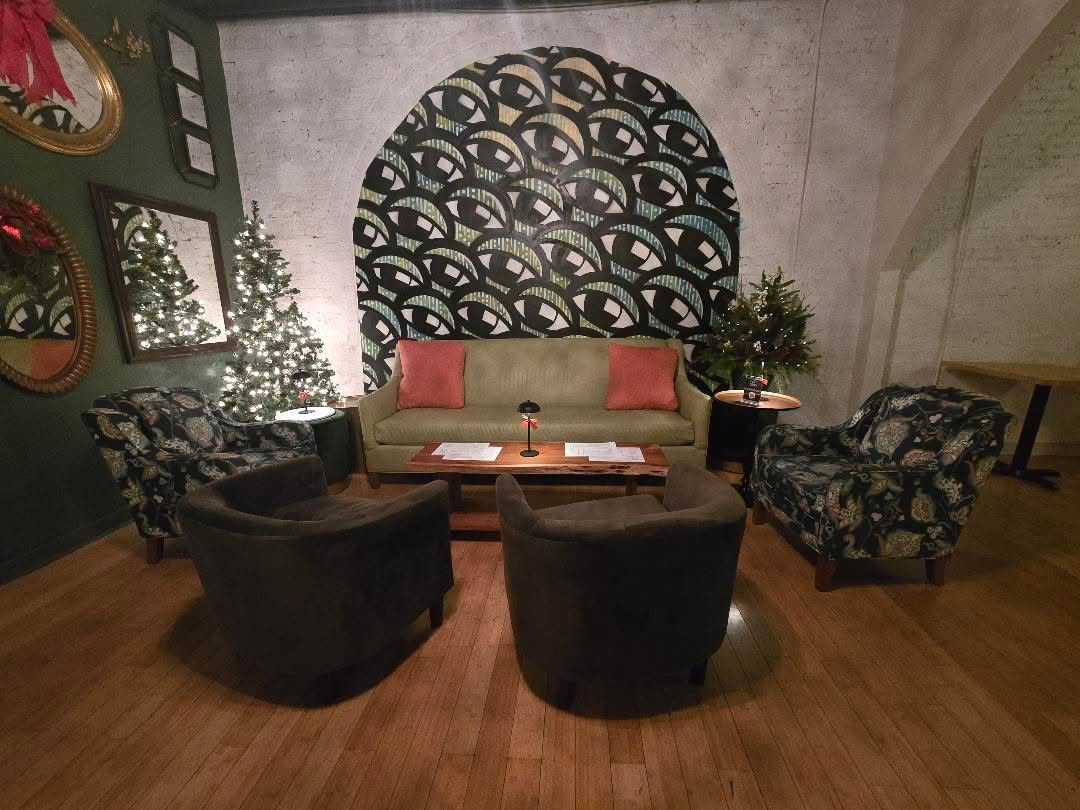
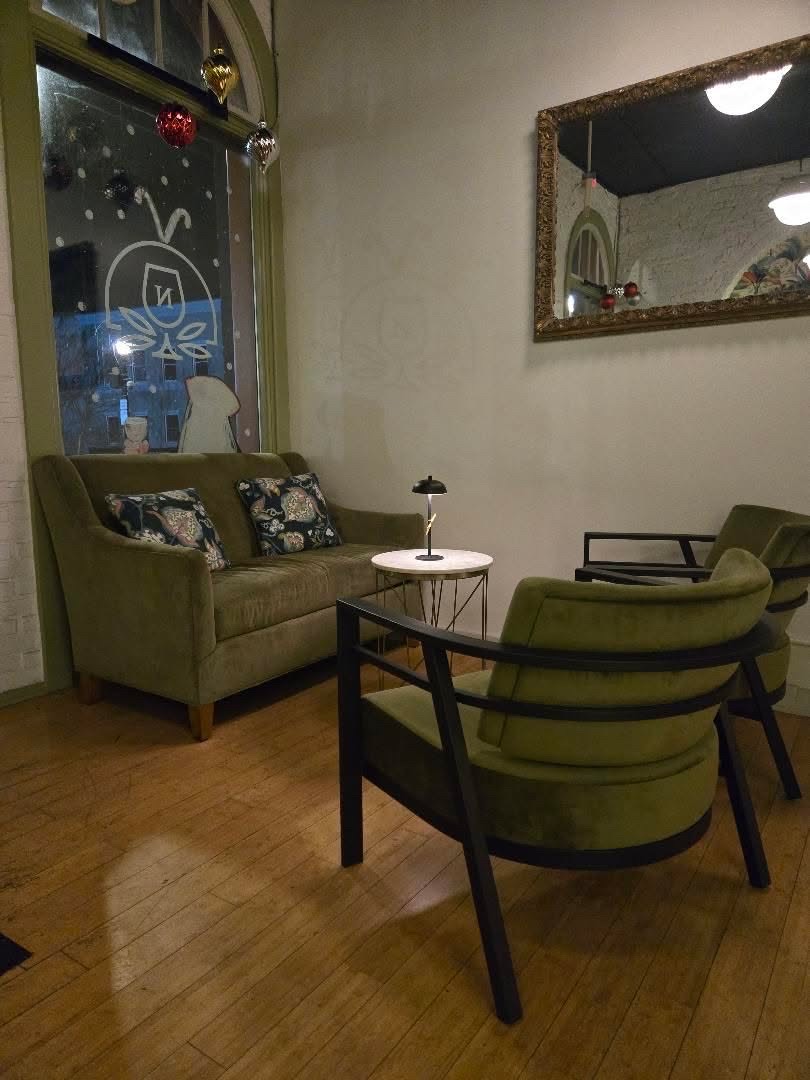
Lounge at Nobody's Wine Bar
December
29
2025

Nobody’s Wine Bar opened in September of 2023. They were a new addition to the infamous and historic Armory Square located in downtown Syracuse. The premise behind the opening was to offer a wine bar to the community that serves a variety of hard-to-find domestic and international wines. 

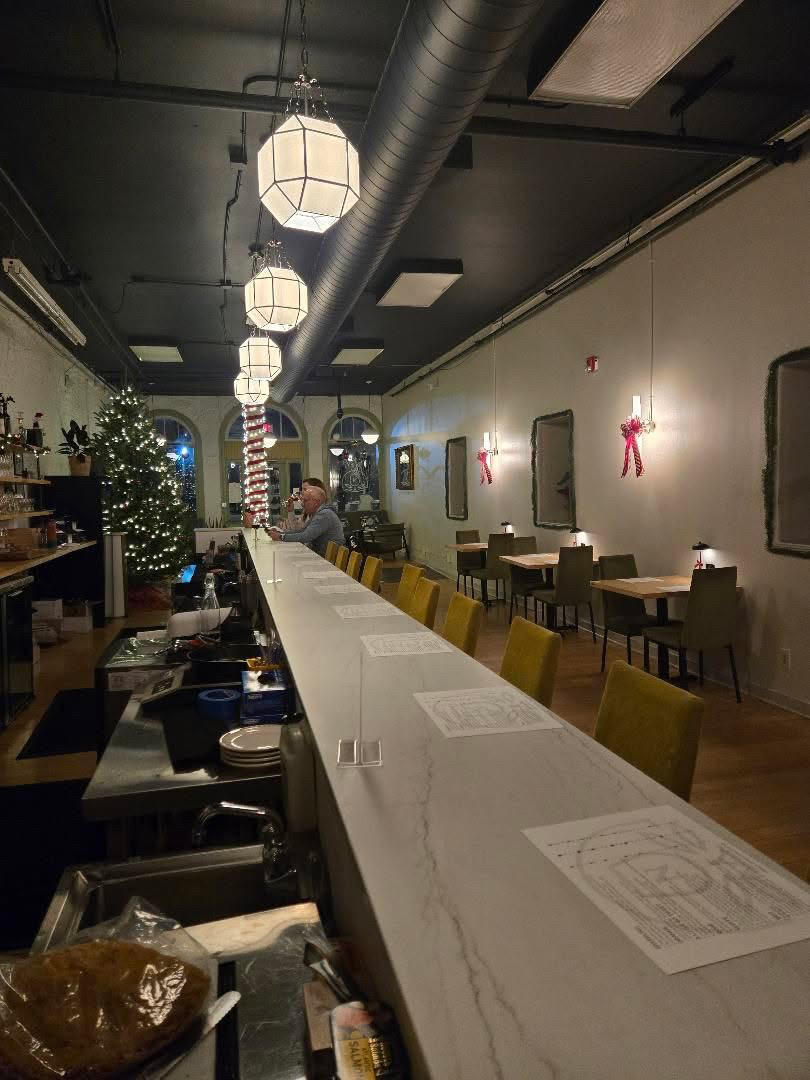
I would describe the space as being cozy, chic, casual, and educational. The interior features a large mural from the graffiti artist Vacant and custom lighting. It gives off vintage and art deco vibes with comfy seating on sofas, plush chairs, intimate table for two, and a long bar, which will accommodate many guests. Get ready to sip and savor and experience bottle bliss from a knowledgeable and experienced wine professional.

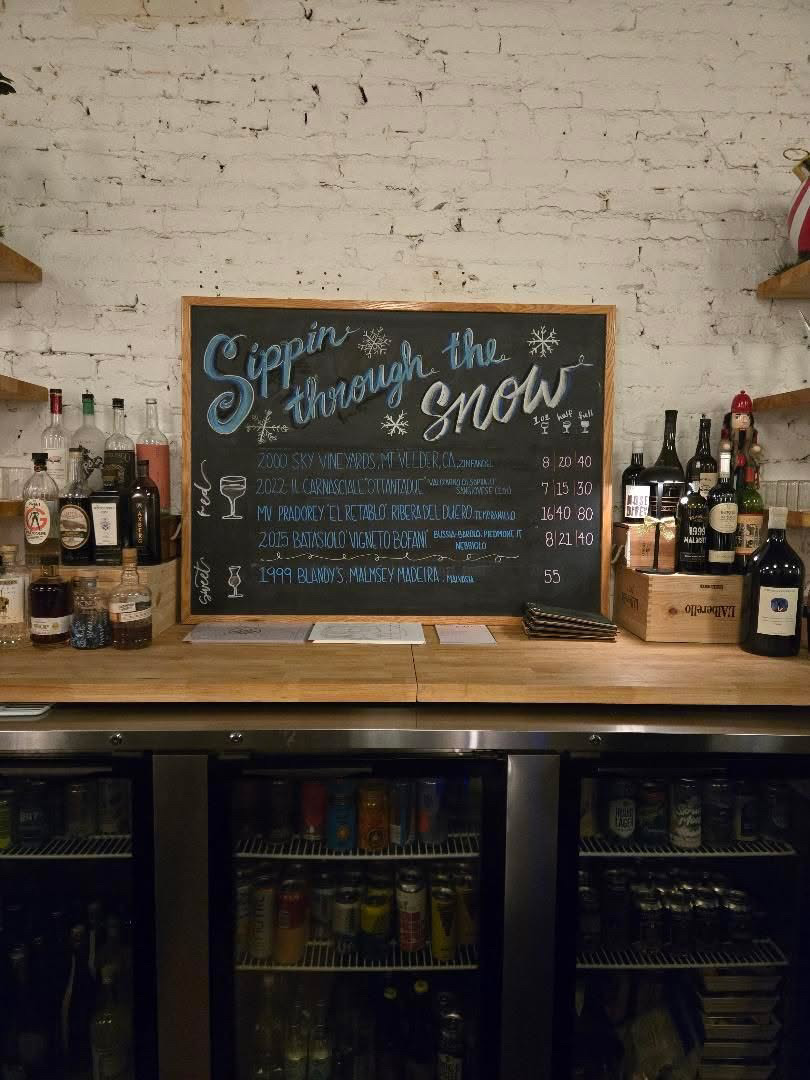
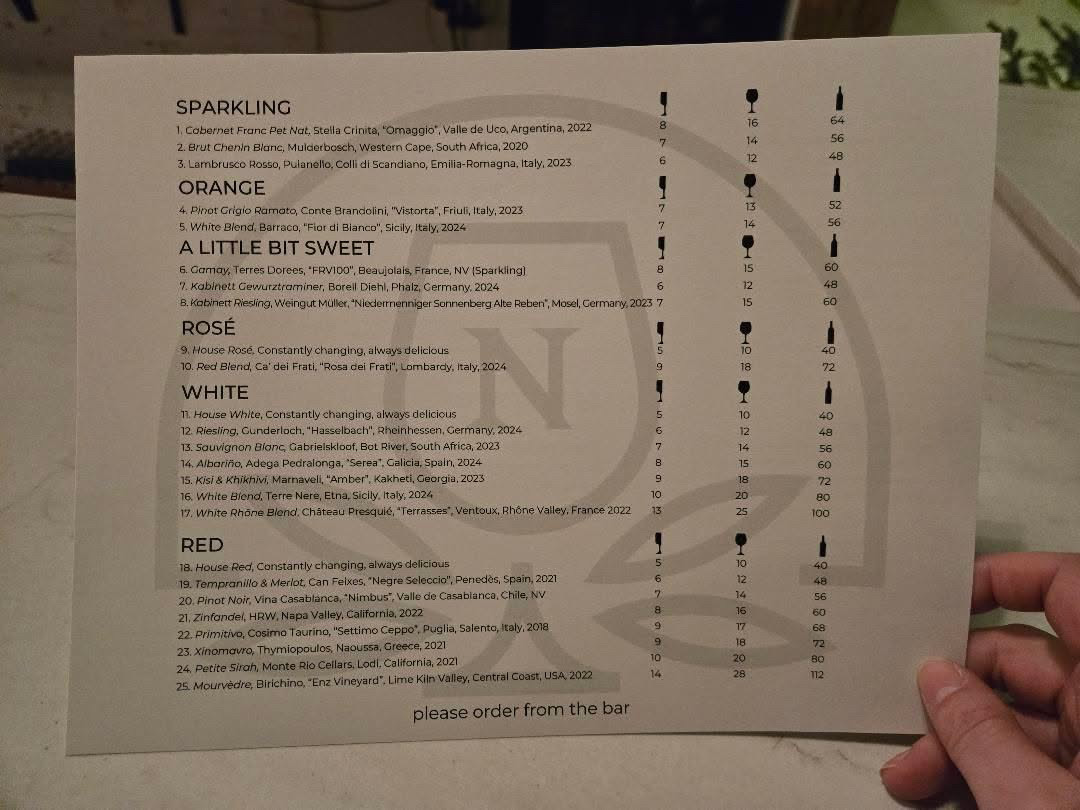
It’s a place where you can get a glass of wine — with about 25-30 choices at a price range starting around $10 per glass. That can go up to $50-$100 per glass for rare, high-end wines. The wine list is rotated often or seasonally to give patrons something new and fresh to try.

Their use of the Coravin wine preservation system allows them to keep bottles fresh without opening them. More bars and restaurants, especially those featuring wines or serving a lot of wine, should use a Coravin.

“What I like to say is we save the best wines for nobody,” said founder, Bob Leonard. “We open up everything, like 60-plus-year-old wine by the ounce just to give people the opportunity to try something they probably would never get the chance to otherwise.”

They try to pick wines from different regions around the world that guests might not have heard of or tried. “We try to highlight wines that I’d say are from more obscure regions and regions that kind of fly under the radar,” Leonard said. 

Additionally, they like to highlight wines that incorporate unique grape varieties and are made by sustainable and environmentally-friendly producers. 

The wines are available at different price points, with their most expensive bottle currently at $112 while most others between $40-$60, which is very reasonable for the atmosphere and for these rare wine finds.
They serve their wines by the half glass, full glass, and by the bottle. The half glass option is great, especially when you want to experience different wines. Grab a seat at the bar to order and engage your sommelier bartender or take your beverage to a comfortable piece of furniture. They know their stuff and would be happy to talk wine.

Nobody’s is primarily a wine bar, but they have some small bites like canned fish, local cheese and charcuterie from The Curd Nerd, and local bread and crackers. They also offer a curated selection of beer, cider, and seltzers and will unveil a small, basic cocktail program soon.

They encourage guests to bring in outside food, which is a great opportunity to discover the perfect wine pairings. Over time, they will look into offering more food choices along with occasional pop-ups.

Nobody’s is a destination where everybody is welcome. They believe, as do I, that every glass of wine tells a story waiting to be shared. With a passion for great pours, impeccable service, and an ambiance that invites you to unwind, they are thrilled to introduce you to their hidden gem on Walton St. in downtown Syracuse.

Whether you’re a seasoned sommelier or are just discovering your love for wine, come pull up a chair. Take a journey through their carefully curated selection of beverages handpicked from around the world, Central NY, and Finger Lakes region. 

Great place to grab a glass while waiting for a table at a nearby restaurant or finish off a delicious meal with an exquisite wine. They have accommodating late night hours for those having dinner, attending a show, musical, or cultural event, or experiencing the nightlife in the city. 

Happy Hour

Tuesday – Thursday from 4p-6p with $2 off beer & full glasses of wine and $1 off half glasses of wine. 

Trivia night is every Tuesday night starting at 6:30. Happy Hour goes till 8p that night.

Hours of Operation

Tuesday – Saturday, 4p-12a (ish*) *if it’s still popping, they will stay open! Closed on Sundays and Mondays. 

Location

Nobody’s Wine Bar, Armory Square, 222 Walton Street, Syracuse, NY 13202 (last shop on the street). Free street parking after 6pm.

Nobody’s offers wine classes for all wine levels with a seasonal focus conducted by staff. They are available to host your company’s private event or your special occasion event.  Look for cool LGBTQIA-friendly events throughout the year as well. Check out the event schedule on Tock for their upcoming winter wine classes at Nobody’s Hospitality Group – Syracuse, NY | Tock.

My company, The Michael Pour, is excited to be partnering and collaborating with them. Our hope is to establish Nobody’s as the main source for local wine education and a primary spot for discovering special wines. If you are a local business or organization and would like to work with us or have us host an event, please let us know at michael@michaelpour.com or hello@nobodyswine.com.

Please reach out to me if you would like to grab a glass or a bottle sometime and I will introduce you to the exquisite wine list.

Meet Sarah

Sarah Gaines is the GM and Head Sommelier at Nobody’s Wine Bar. She handles the day-to-day operations of the bar. I’ve had the pleasure of recently meeting her and working with her for our upcoming “Fundamentals of Wine” class series through the Syracuse Chapter of Women for WineSense on January 18th at Nobody’s. I have frequented the bar on several occasions and plan on being a regular personally and professionally.

Her story is an intriguing one and how she landed here in Central NY to run the wine bar is worth illuminating below. Sarah and I share a similar background with our love and passion for wine. Our combined restaurant and service experiences mirror each other. Also, our deep dive in Italian wine propelled us on our wine path. I look forward to our fun times together and bringing this passion to all of you.

“Born and raised in Colorado, Sarah took an unexpected but deeply fulfilling path to the world of wine. After earning a bachelor’s degree in Political Science from Alma College, she first discovered her passion for wine while working at a winery in Northern Michigan. There, she found joy in guiding guests through tastings and helping them understand why wine tastes the way it does.

Following undergrad, Sarah worked as a paralegal in Boston and Washington, D.C., and later pursued a master’s in Justice, Law, and Criminology at American University. But it was during her time as a Wine Educator at District Winery—between semesters—that Sarah realized wine wasn’t just an interest, it was her calling. She left graduate school to follow that passion full time.

Sarah went on to become the Cellar Director at RPM Italian, where she earned her Level One certification from the Court of Master Sommeliers and was later promoted to Head Sommelier. There, she helped develop one of the most extensive Italian wine lists, led staff education efforts, earned her Certified Sommelier pin, all while nurturing a deep love for Italy’s rich and complex wine traditions.

Now at Nobody’s, Sarah is excited to return to her roots as a wine educator—sharing her knowledge, exploring new regions beyond Italy, and helping guests uncover wines they’ve never heard of but will never forget.

Outside of work, Sarah stays active with weight training, golf, and spending time with her two beloved cats, Ruthie and Cork.”

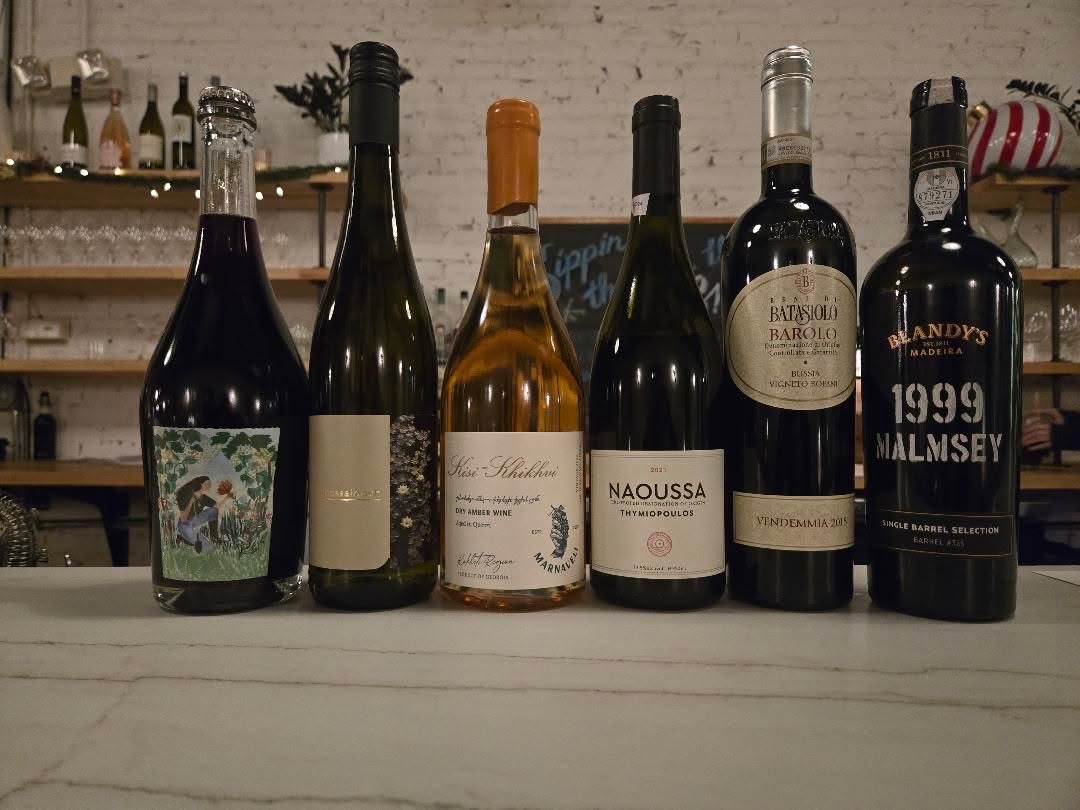
Here are some of Sarah’s favorites which appear on the current wine list –

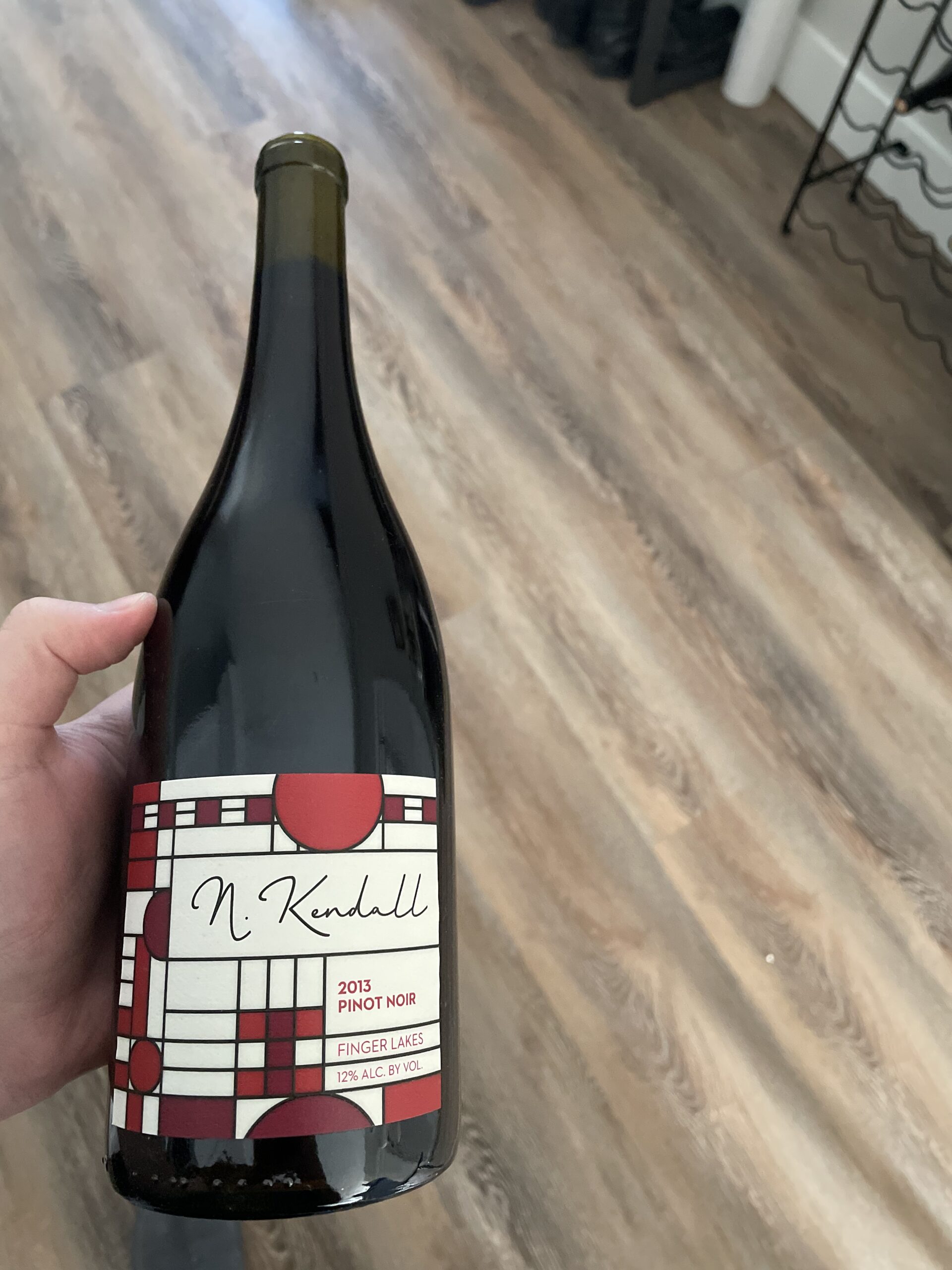
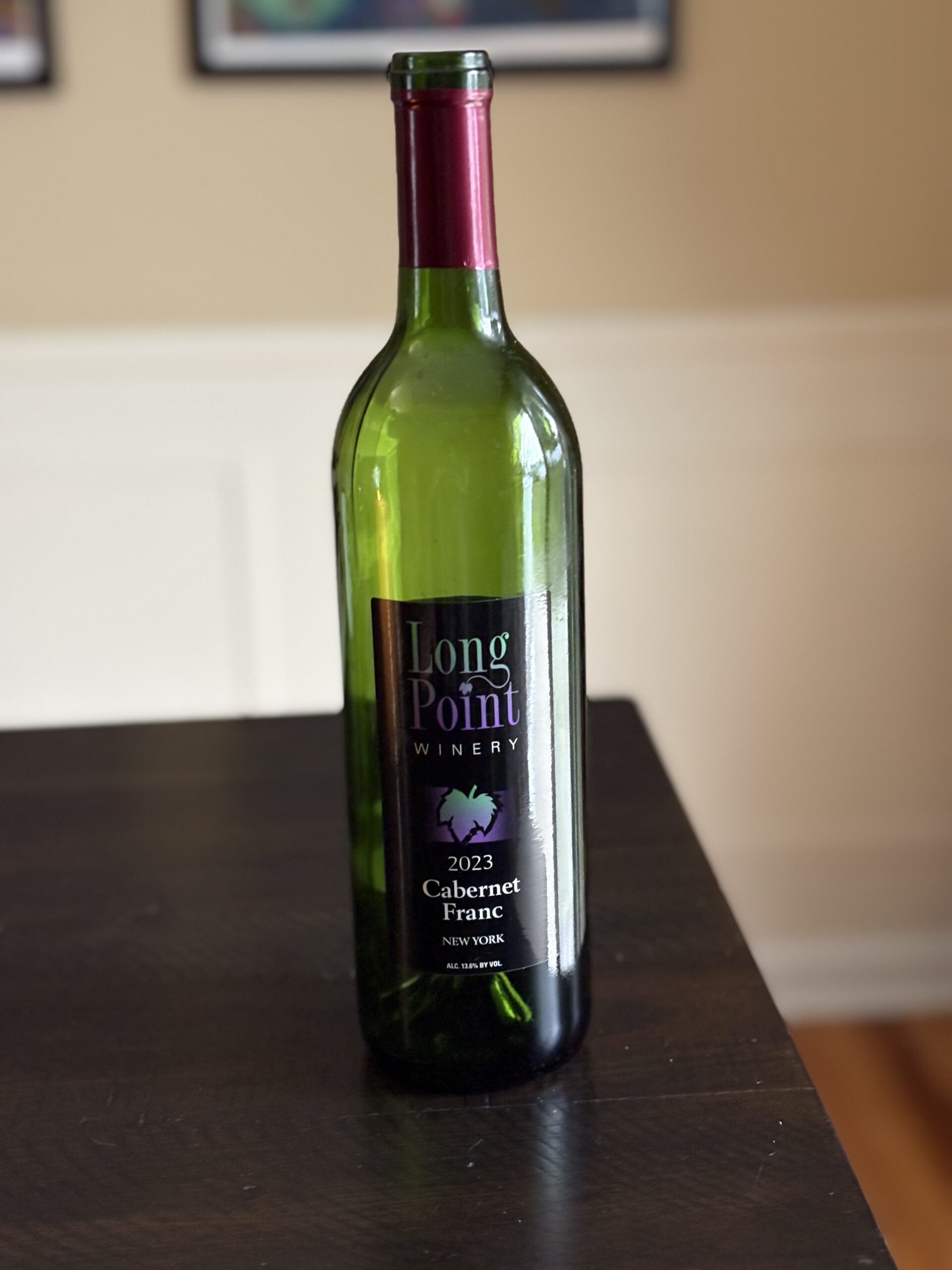
Sarah's favorite wines on wine list

Visit them at https://www.nobodyswine.com/ 

Cheers & Sante,

Michael Nagy


Wine Spotlight: Getting to Know Beaujolais Wine

November
20
2025

“Happy Beaujolais Nouveau Day 2025”

Beaujolais Nouveau is a light, fruity red wine from the Beaujolais region of France made from the Gamay grape. It is released on the third Thursday of November every year. It is known for its easy-drinking and juicy quality with notes of banana and strawberry, served slightly chilled, and has become a celebration of young wine worldwide.  Its popularity is largely due to marketing efforts in the mid-20th century that promoted a race to get the first bottles to Paris.  

The Gamay grape is also grown in parts of New York State and the Finger Lakes region due to the cool climate and longitude and latitude proximity. Try the Gamay Noir from Sheldrake Point Winery on the west side of Cayuga Lake. You will not find too many Gamay in the marketplace. I did recently indulge in one at Noble Cellar in downtown Syracuse NY. If you do find one in a local shop, expect to only pay around $20–$25.

Beaujolais is the name of a little area in France just south of the Burgundy region. It is one of the few wine regions of France that has a more casual approach. Historically, Beaujolais has been considered a part of Burgundy, but today it stands alone producing high quality, signature wines. The more serious cru designations of Beaujolais drink very much like a red Burgundy (Pinot Noir). Beaujolais is arguably one of the lightest reds you will encounter.

Where is Beaujolais?

  • Bordered by Burgundy to the North – the Saône River (which leads to Côtes du Rhône) to the East – the “Gastronomic Capital of France”, Lyon, to the South – and the Monts de Beaujolais (the hills of the Massif Central) on the West.
  • Beaujolais is just 34 miles long and 7-9 miles wide.
  • Divided into two sections by the Nizerand River, with different soils on each side.
  • Beaujolais’ flavor is in the soil. There are mostly granite and schist (decomposed rock) to the North and clay-based soils (marl) to the South.
  • All of the Beaujolais Cru vineyards are located on the northern side of Beaujolais.

10 Beaujolais Crus

The crème de la crème of Beaujolais!

There are 10 Crus of Beaujolais – all in the north and producing only red wines. The wine labels will simply state the name of the Cru, like Fleurie.

Each Beaujolais cru has its own distinct personality – climate, soils, altitude, aspect, and a host of other factors that are unique. These wines tend to be more complex and known to age well.

The Romans were the first to plant vineyards – to keep legionnaires happy! – followed by the Benedictine monks in the Middle Ages.

It was the Dukes of Beaujeu who made the wines fashionable. Originally, the town of Lyon was the main market for Beaujolais wine.

When the railroads were built in the 19th century, Beaujolais spread to Paris. This marked the start of its popularity.

Some of my regional favorites below, which may be partly due to their distribution and accessibility in the states.

Moulin-à-Vent

Considered “The King of Beaujolais,” this sub-region’s vineyards are grown on decomposed pink granite and soft flaky quartz giving the wines a dark ruby/garnet color, good structure and complexity. These are the most tannic and full-bodied wines of all the Cru.

When they’re young you’ll notice lots of plum, cherry and violet notes, but if you can allow the wine to age up to 10 years you’ll be rewarded with more ‘Pinot’ style – dried fruits, earthy truffles, meat and spice. Moulin-à-Vent gets its name from a local windmill.

Fleurie

“The Queen of Beaujolais.” The vineyards are planted at a higher altitude on the steep slopes at the foot of La Madone.

The wines are lighter in style and highly aromatic with a ’feminine’ quality. Think roses, iris and violet along with some ripe red fruits and peach. If you’re just getting into Beaujolais, the wines of Fleurie are a great place to start. This one pictured from Angel’s Share in Clay NY is fantastic!

Morgon

The second largest of the Crus, Morgon is comprised of six climat all with slightly different styles. Their unifying feature is the decomposed “rotted rocks”. The locals believe this contributes to the ripe cherry aromas found in all the wines.

These wines are intended to age at least 5–10 years. The young, fleshy palate of peach, apricot, cherry, and plum will develop into a more earthy wine reminiscent of Burgundian Pinot Noir, similar to a Moulin above.

Why Does Beaujolais Taste Like Bananas?

One of the things that sets Beaujolais apart is a particular style of winemaking that is extremely well suited to the Gamay grape. Most of the wines of Beaujolais are produced through a method known as semi-carbonic maceration that highlights the amazing fruity aromas of the wine. You see this technique being used more often in cool climate reds around the world. Regionally, you see it done with Cabernet Franc and Pinot Noir.

The grapes are harvested and then, instead of being crushed, the whole clusters are placed in a vat or tank. The pressure of the fruit begins to crush the grapes near the bottom of the vat, expressing their juice. When the juice comes into contact with the indigenous yeast on the grape skins, the juice starts to ferment creating CO2 gas – aka carbon dioxide – which forces the oxygen out of the tank. Often, a lid is placed on the tank to help eliminate the oxygen as well.

After a short maceration period of around 4-8 days, the juice is racked off (the ‘free run”) and the remaining juice is pressed from the skins (the ‘hard press’), then the two are blended together. From this stage the juice will finish fermentation and completed as a ‘regular’ wine.

This style of fermentation is also responsible for the distinctive aromas of banana, candied fruits, pear, raspberry and cranberry in the finished wine.

(I know this is technical stuff that many of you, unless you’re a wine geek, don’t have an interest in. I bring it up to help you better understand what makes this wine different from others.)

I hope you enjoyed this little primer on Beaujolais wine and the Gamay grape. If you come across any of these wines, please share with me. As you know, I’m always on the lookout for new wines, but especially light reds. Btw, this style of red wine is very approachable, a great intro to red wine, and for those who don’t like red wine. It is also perfect to sip in the summer months and very food-friendly with its acid content and light style. Grab a bottle for Thanksgiving and let everyone try it.

Cheers,

Michael

Decoding Wine: What’s in a Label?

November
3
2025

We browse the shelves of wine shops all the time, not only to shop for dinner but also to scope out the deals. More than ever, we see a massive proliferation of wine labels with creative imagery, lingo, and descriptors. New brands and labels seem to be appearing every week. All this choice is amazing: or is it completely overwhelming depending on how you approach the situation.

One clear way to become more comfortable when confronted by endless shelves of unfamiliar wine labels is to figure out how to decipher the information given. Reading wine labels can be daunting, but not so difficult when you finish this article.

One thing to note is that regulations, both domestic and international, dictate what info must, can, and cannot appear on the label. Master that with the help of this article, you’ll be well on your way to finding that special wine bottle with much more ease.

Wine labels have a lot of information on them. Some of it is critical to understanding what is in the bottle, and some of it is just blowing smoke. Here’s a quick guide to help you know what matters, how to spot a bargain, and what to ignore.

How To Read A Wine Label

There are 2 main styles of wine labels commonly found in shops. A wine identified by its brand name or a wine designated by its appellation, region, or sub-region. A wine that is labeled by its brand will indicate what grapes it’s made of on the front label (whether it be chardonnay or ‘red blend’).

A wine that is identified by its appellation relies on the appellation’s quality level rules and regulations by country to indicate what’s in the bottle. A perfect example of an appellation wine is Chablis. Nowhere on a Chablis label is a mention of chardonnay as the grape, nor that Chablis is typically an unoaked chardonnay.

Understanding a wine label may not always tell you how the wine tastes but it can help you get a better picture of exactly what you are buying.  


5 Basic Parts To A Wine Label


Producer or Name The producer’s name is either obvious or in small text at the top or the bottom of the label (such as many French wine label examples). This is who made the wine. It’s important to note that some American wine labels that only have a Wine Name (such as Apothic Red) are branded wines from larger wine companies. Apothic Red is a branded wine by E&J Gallo–the producer.

Region The region indicates from where the grapes were sourced to produce the wine. A wine from a larger (read: more vague) region is typically a value wine whereas a wine from a specific vineyard site often indicates a higher quality regional designation (i.e. “California” vs. “Santa Rita Hills” AVA). If a wine is from a specific vineyard site, that site will be indicated in quotations (i.e. “Les Suchots”) or located right below the region designation (ie Vosne Romanee Les Suchots). Generally, as you narrow the source to a specific site, the quality level becomes more refined and the price increases.

Variety or Appellation The variety refers to what grape or grapes are used in making the wine, i.e. Merlot or GSM Blend (Grenache, Syrah, and Mourvedre). Many blends will not reveal the constituent grapes nor the percentage that each makes of the whole. If there is no varietal given, look for the Appellation, which can give you clues to what varietals were used based on the rules governing that region. There are 15 nations with officially regulated appellations, though the strictness of the rules and what matters varies wildly among them.

Vintage or Non-Vintage (NV) The year that the grapes were harvested is the vintage. The vintage tells a lot about a wine if you are familiar with vintage variations. As a general rule, multi-vintage wines or “NV” wines are lower value wines, because they have the ease of pulling wine from multiple vintages to control the flavor, except in the case of Champagne.

Alcohol by Volume (ABV) The alcohol level actually says a lot about a wine. Many European wine regions only allow their highest quality wines to have 13.5% ABV and above. In America, ABVs can be quite high (up to 17% on some dry wines) and the alcohol level is an indication of how rich/big the wine may taste. Many higher alcohol wines are made from riper grapes and tend to have more fruit forward flavors. Again, this is a generalization and there are exceptions to the rule.


Some Wines are Labeled by Grape Variety

When you see a wine labeled with “grape” words like Cabernet Sauvignon or Gruner Veltliner, then it’s labeled by grape variety. There are thousands of different wine varieties and it’s possible to label a wine with more than one grape.

Wine labeled by variety doesn’t guarantee that the wine is 100% of the listed variety. Each country has their own set of minimum requirements to label wine by variety (Surprisingly, the United States has the lowest!):

75% USA (except for Oregon which requires 90%), 80% Argentina, 85% Italy, France, Germany, Austria, Portugal, New Zealand, South Africa, Australia, United Kingdom.


Some Wines are Labeled by Region

Wines like Bordeaux, Chablis, Chianti, Sancerre, and Rioja are labeled by region. This style of labeling is used mostly in Old World wine countries like France, Italy, Spain and Portugal. Regional labeling likely came from a time when many different varieties grew together in the same vineyards and were blended together into wine.

Each wine region dictates what grapes can be used in the regional wine. So, in order to know what’s inside one of these regionally labeled wines, you’ll want to do a little research. For example, Chablis in France grows Chardonnay, and Chianti in Italy specializes in Sangiovese.


Some Wines are Labeled by Name

The last common style of wine labeling includes wines using a made-up or fantasy name. More often than not, named wines are unique blends invented by the wine producer. You’ll also find named wines common in regions that do not allow the use of certain grapes in their regional wine (but still grow them). For example, Tuscan wines made with French-origin grapes including Merlot, Syrah, and Cabernet are not allowed to be labeled as an Italian regional wine. (This is how the first Super Tuscan wines came to be!)

Common Label Confusions and How to Avoid Mistakes

Anyone new to reading wine labels can get confused pretty quickly. Here is a breakdown of key things to look for.

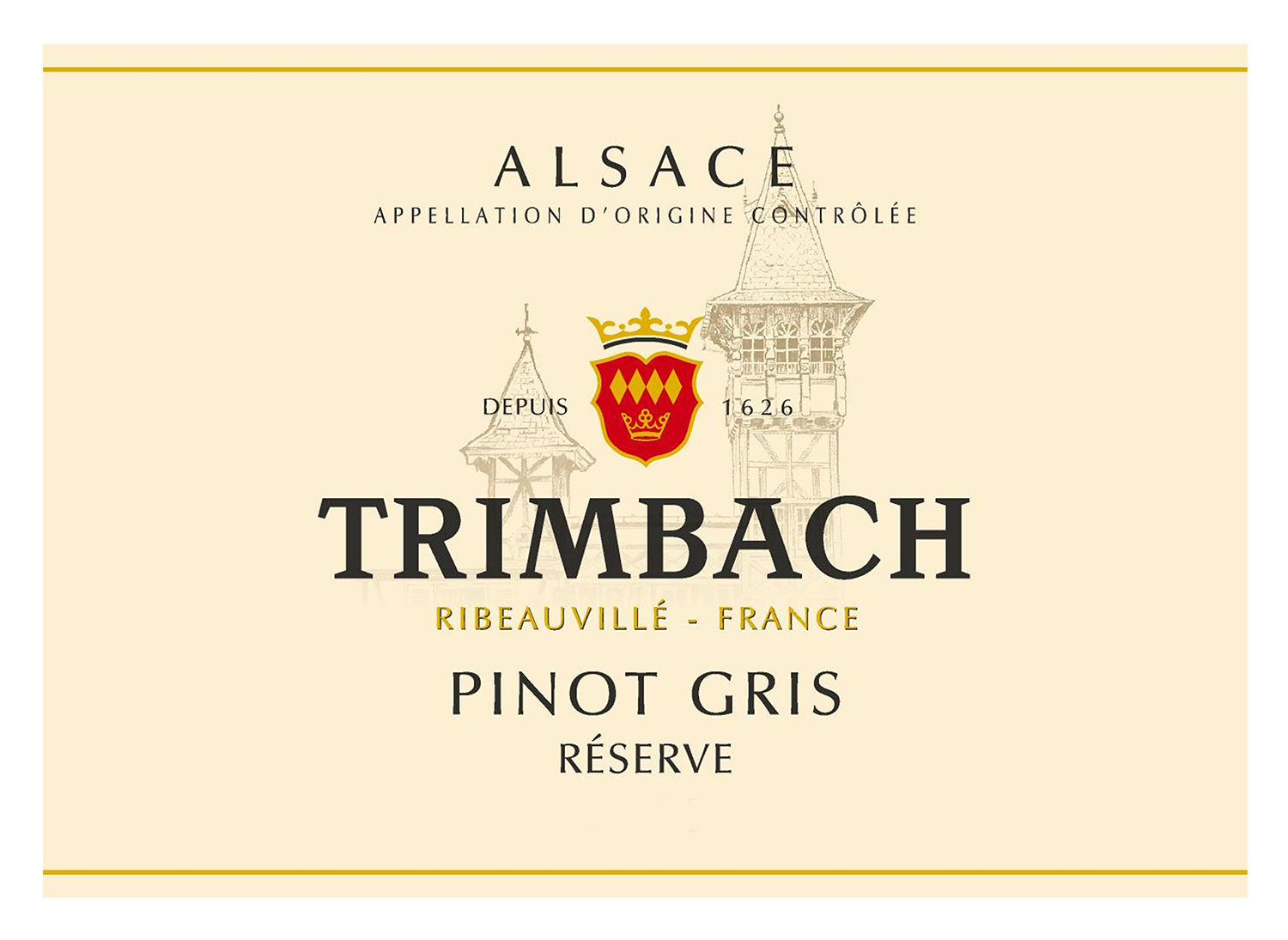
“Reserve” Means Different Things – It’s not a legal term everywhere, so don’t assume it guarantees top quality. Research might reveal that it’s just marketing fluff in some regions.

Non-Vintage (NV) Wines – Often sparkling wines or blends without a specific year. That can be confusing but generally indicates consistent style rather than ignoring quality.

Multi-Grape Blends – Sometimes the label lists a single variety, but the wine could be a blend. If you aren’t sure, ask a trusted vendor or check online reviews to get the full story.

Old-World vs New-World Labeling – European wines tend to emphasize region over grape, while New World wines (like from the US or Australia) highlight grape variety first. That’s helpful to know when trying unfamiliar wines.

Pronunciation Woes – Don’t let tough to pronounce names scare you. It happens to everyone. Ask in store or look it up.

Getting around these common issues makes wine shopping less intimidating and more fun.

Picking the Perfect Wine for Your Next Dinner Party

Here is a potential real-life scenario. You’ve got a planned Friday night with friends, and you want to bring a bottle that everyone will love without breaking the bank or appearing clueless. How do you choose?

Start by thinking about the food. If you’re serving a classic Italian pasta with tomato sauce, a medium-bodied red like Sangiovese is your go-to. Check the label for the region—Chianti, for instance, shines here. Look for a recent vintage but avoid very young wines that might be too tannic.

Maybe you want a white to kick off the evening. Something crisp, light, and crowd-pleasing like Sauvignon Blanc from New Zealand? Search for “Marlborough” on the label, which is famous for this style of wine. A vintage within the last two years keeps that fresh, zesty vibe going all night.

Last, but not least, don’t ignore the fun part. Personal touches like a unique bottle design, label, or interesting backstory can spark conversation and set the tone. For adding a playful or classy edge, personalized wine labels can be a hit. Btw, I’m guilty of buying a bottle based on the label and overall appearance of the bottle. I know it sounds superficial of me but have fun with it. If you know me, I am more attracted to substance and personality.

Watch the video below from my friends over at Wine Folly. If you would like to learn more about German, French, or Italian wine labels, which can be super hard to read, please reach out. Also, if you desire a deeper dive into what to look for in a bottle, please don’t hesitate to ask.

Cheers,

Michael Nagy

(Cover Photo courtesy of Lucia Capretti & Tasting Table)

Who is Michael? What is The Michael Pour?

October
27
2025

Here is a little bit about me, my business, The Michael Pour, and how I got here.

My name is Michael and I’m excited to be here talking ‘wine’. I’ve always had a love for writing, so this is a great way to share my creative side, versatility, and knowledge about wine.

I am originally from Harrisburg, Pennsylvania in the south-central part of the state. In 2019, I moved to Geneva, New York, northern tip of Seneca Lake, in the heart of the Finger Lakes, to further my wine career and embrace a new beginning.

I have a B.S. in Psychology from the University of Pittsburgh and worked in the counseling and social work industry for the early part of my career. In 2000, I became a stay-at-home dad and needed to find a part-time job where I could work nights and weekends for childcare.

One day, I found a classified ad in the local newspaper (that was how you found a job back then) for a bartending school and thought that this would be a fun career. This would work well with my schedule. I quickly learned that I was pretty good at this bartending thing and possessed the people skills to be successful and do it as a career.

My passion for the industry took flight in 2002 when I became a bartender at a full-service, upscale restaurant in the Marriott hotel servicing the airport and capital city. Eventually simple bartending led to a deep dive into wine and food/wine pairings from the excellent menu and wine program.

After many years bartending and doing wine work in the hotel business and making cameos at nightclubs, bars, pubs, and private parties, I decided to take a job as a mixology instructor and wine expert at a nationally recognized bartending school. In addition to teaching/instruction at the school, I provided consultation services to local restaurants.

In 2012, I decided to open up my own business called, Raise Your Spirits, Inc. providing bar consultation, cocktail, spirits, wine, hospitality services and event services to individuals, event and wedding venues, and companies.

During this time, I started blogging and writing about my experiences in the industry, which led to writing and publishing a bar and cocktail book titled “The Cocktail Revolution: Journey of a Liquid Chef” during the pandemic in 2020.

After living in PA most of my life and running my business, Raise Your Spirits, Inc. for eight years, I decided to take a leap of faith, start anew, leave family and friends, and move to upstate NY and the beautiful Finger Lakes region to focus on my wine career.

I completed my wine education through the Wine & Spirit Education Trust School based in London, England. I earned my Level 3 Advanced Certification in Wine. I continued my wine education by earning my wine specialist certificate in French wine.

My knowledge, experience, and expertise with Finger Lakes and New York State wine is very strong. I strive to learn new things in the world of wine and stay on top of the trends.

From 2019 to 2023, I worked as a wine educator, tasting room manager, wine club director, marketing and public relations director for numerous wineries on Keuka, Seneca, Cayuga Lakes.

For the latter part of my time in the Finger Lakes, I served as the GM and ran the exquisite wine and cocktail program at Portico Restaurant, an upscale, Italian steakhouse in Del Lago Resort & Casino.

During this time, I rebranded my old business to “The Michael Pour” where I focused primarily on wine, providing consultation services, private wine tasting events, wine lists, virtual and in-person wine classes, networking, and storytelling through writing and blogging about wine.

In August of 2024, my life and career took me to Syracuse, NY with the intent of continuing my business operations and work with private venues, bars, restaurants, and organizations doing wine tasting events, wine classes, wine dinners, marketing, and consultation.

My hope is to bring the excitement of Finger Lakes and New York State wine to the Central NY region and Syracuse area. As a member of Women for Winesense, Syracuse Chapter, potential board member and former member of Finger Lakes and Rochester chapters, I am excited about the opportunity to grow my business and support a wonderful organization offering fun, wine programs in the area. All are welcome (men, women, non-binary) to join our group.

Visit the website for more info (Syracuse Chapter page). I will be teaching a fun wine tasting class in January through the Syracuse Chapter (see image) so I hope to see you there.

Would you like to experience great wine for your formal or casual dinner party? Are you looking to plan a special event with your friends or colleagues and want it to be epic? Are you an establishment who wants to elevate your wine program?

Whether you are an experienced wine drinker, host parties or events, a business, or someone just getting started in the industry, you’ve come to the right place.

My dream is to stock people’s wine cellars with exquisite and collectible wine and serve as their wine consultant and personal sommelier.

I also moonlight as a freelance beauty consultant, MUA, and skincare consultant after spending time with Mary Kay, Sephora and Ulta Beauty over the years. I currently work as a brand ambassador for Urban Decay Cosmetics and IT Cosmetics.

My interests outside of wine are kitties (I have 2 cute furries), traveling and seeing the world, learning about different cultures, shopping, pizza, old-world Pinot Noir, purple and green colors, fast cars, Pittsburgh sports, all things beauty, reading, writing, book hoarding (not a fan of kindling), good old-fashioned rock-n-roll music, and musical theater.

I am partially fluent in French and love French culture, which goes hand in hand with French wine.

Thanks for stopping by! Let’s get acquainted and go on this fun journey together. Please let me know if I can be service to you or your place of business. Being new to the area, I would love to meet youMichael

What am I pouring and drinking right now?

October
22
2025

This post is dedicated to my friend and colleague, Sonya, who has been following and supporting my wine journey since I arrived in upstate NY six years ago. I had the wonderful opportunity to work with her for a brief time at Empire Merchants when I was running the wine program as the GM at Portico Restaurant.

As a champion of local wine, Sonya loves being informed about what’s trending in the local wine scene whether it be the latest and greatest of new wine releases, under the radar wines, winery news, and local events. She is also interested in seasonal sips and my favorite wine to drink each week. As I’m sure with other wine aficionados, wine tasting and drinking is a very spontaneous activity, especially when you take into account what food you are serving or eating.

For this week’s edition of the Pour, I will share the process of my wine selection, which includes the season of the year, occasion/drinking establishment, under the radar or discovery of a new grape/wine, recent wine reviews/ratings, and general feeling and mood. For the latter, the relationship between wine and psychology is a very powerful thing. As a psychology major, former bartender, and current wine steward, I can attest to the psychological implications of what to drink and when to drink it.

Many years ago, I did a piece on drinking personalities based on my experience as a server and consumer of alcohol. Although a novelty piece and not grounded in actual science, there was a lot of truth to its experiential analysis. Maybe I will re-up that story for my audience here sometime. I will discuss what factors contribute to what wine I’m drinking right now and then a little bit about those wines.

Being a wine club member at several Finger Lakes, NY wineries and a local and NYS wine expert, there is a good chance I will be sipping a local favorite or a yummy library wine. By the way, Congratulations to the Finger Lakes Wine Region for being named 2025 Wine Enthusiast’s “Best American Wine Region”.

When people ask me what wine to pair with the food they are having, I immediately provide them with an official answer. But unless they are having a formal wine dinner that costs $100/person or trying to impress their guests, wine collector, or hard to please father-in-law, I will always say “Drink what you like” or “Drink what you are in the mood for”. I know that doesn’t sound very wine snobbish or pretentious of me, but it’s my wine rule. Food and wine pairings are a massive topic, so I won’t focus too much on them for this post.

When selecting a bottle of wine, think “what I’m in the mood for”, “what am I eating”, and “who am I with”. Is the occasion casual or special? Will the bottle be finished? If not, will I or others finish it in the next few days?  Similarly, if you’re feeling adventurous and open to trying something new, choosing a bottle gets way more complex, but exciting at the same time. As long as you’re willing to poke around and do a bit of research—or better yet, take some advice from yours truly, the journey promises to hold a myriad of interesting wines ahead.

If you’re having guests over, take into consideration that everyone’s palate responds differently to flavor profiles—being respectful of that will set you up for a successful selection. Refreshing rosé and sparkling wines set a festive tone—having some of both on hand is never a bad thing. And they are delicious year-round.

When choosing a wine to bring to a dinner party, showing up with bottles that have been chilled properly in advance and stored in a cooler while you travel to your destination allows you to enjoy them upon arrival. Take note of the optimal serving temperatures of the wine and plan ahead. If you need help with, please let me know. Start a wine journal – jot down the winery name, vintage, varietal, and how you served it. Don’t forget to snap a photo of the label to make finding it even easier in the future.

During the fall season (see previous blog post on fall wine pairings), I like to slowly transition my palate to heavier/more medium-full bodied, darker fruit wines, particularly single varietal reds or oaked Chardonnay. As I approach the winter season, I will tend to reach for a bottle that speaks to coziness, warmth, complexity, and festive in nature. Think sparkling (festive), red blends, ports (warm and heavy), dessert wines (sweet and cozy), and fortified wines (sweet, heavy, and strong).

Within those wine choices, I like to grab an obscure wine from a small region that is moderately priced, has good value, and contains a grape that I’m not overly familiar with. There are tons of international and hybrid grapes I have never tried. How to spot a good value wine is by market research, subscribing to a wine publication, like Wine Spectator or Decanter, or looking at the consensus or user ratings from multiple forums and sites.

For budget considerations, my rule of thumb, for example, for a typically high-priced Burgundy from France or Cabernet Sauvignon from the Finger Lakes, is under $30 USD and received a 90 plus score. For a lower-priced varietal, like a Rose or Riesling, with a score of 90 plus, I will look at under $20 USD.

The reality is that, even though I’m a wine purist, I will always recommend drinking your favorite grape/wine for any occasion and if it makes you happy and pairs well with your grub, then that’s a bonus. Don’t think less of me, but I’ve been drinking a reputable box wine called “Black Box”. Not all box wine is created equal. if I want to have something to drink over the course of a week, drinking alone, or just need to unwind, then a $24 USD box (three standard bottles of wine/box) satisfies. Who am I trying to impress? Maybe I should invest in a Coravin so I can drink better wine.

Cheers,

Michael

michael@michaelpour.com
Wine Glass

DON’T MISS A DROP

Get notified when new articles are poured

We don’t spam!