Wine Spotlight: What happened to Pinot Grigio?

March
3
2026

If you consider yourself a novice wine drinker or sip your customary glass of wine at a wedding, gala, or a home party, you probably tried that once popular Italian white wine called Pinot Grigio.

At one time, it was almost always on the wine menu because it was a huge crowd pleaser. Easy going, uncomplicated, not complex, and cheap. Pinot Grigio is a light-bodied wine that gets along with most everyone. Yes, it’s an entry level white wine, but is it still popular?

If you’re well studied in wine, you know of it, but is it a wine you would recommend? If you ask wine professionals, they most likely would say ‘no’ and not suggest it or recommend it for most wine drinking occasions or as an excellent food pairing. Often perceived by consumers and sommeliers as a safe, uninteresting, and safe restaurant choice rather than a nuanced wine experience.

Pinot Grigio’s decline in popularity stems from a reputation for being flavorless, watery, and mass-produced, leading consumers to seek more flavorful, aromatic, or trendy alternatives, like Sauvignon Blanc, Chenin Blanc, and dry Rosé.

They have shifted to more vibrant, aromatic, or flavorful white wines such as Sauvignon Blanc or Riesling. In fact, Rosé has largely overtaken Pinot Grigio as the preferred, fashionable, casual summer, easy-drinking wine over the last decade or two.

The Pinot Grigio market has also become saturated with low-quality, generic, overproduced, and often overly acidic or manipulated, cheaper options. Leaner versions of Pinot Grigio are more refreshing, generally more popular, and will cost over the standard $15 price tag. Look for over $20 at least. And if you avoid mass-marketed brands in favor of smaller, quality wine producers, you would be in for a light and refreshing experience.

However, high-quality, authentic Pinot Grigio filled with personality still exists, particularly from regions like Italy’s Alto Adige and Friuli in the northeast. The Friuli region offers the best in the world with nice aromatics and hint of bitter almond, a signature trait of PG. I will discuss other regions producing Pinot Grigio later in the article along with its counterpart “Pinot Gris”, with same name, but quite different for comparative analysis.

Italian Wine Regions & Styles

In Alto Adige, Pinot Grigio is all about ripe stone fruits (peach and apricot), notes of ginger, floral aromas, and refreshing acidity. Alto Adige produces some world-class, cellar-worthy (very unusual for this grape) Pinot Grigio, and is one of the most beautiful wine regions.

sun goddess pinot grigio

In Friuli-Venezia Giulia (short version Friuli), it is known for its textured Pinot Grigio and the unique ‘Ramato’ style (skin contact wines), Friuli’s wines also feature ripe stone fruits, floral hints, but with a subtle spice. The refreshing acidity is still present but encased in a fuller body.

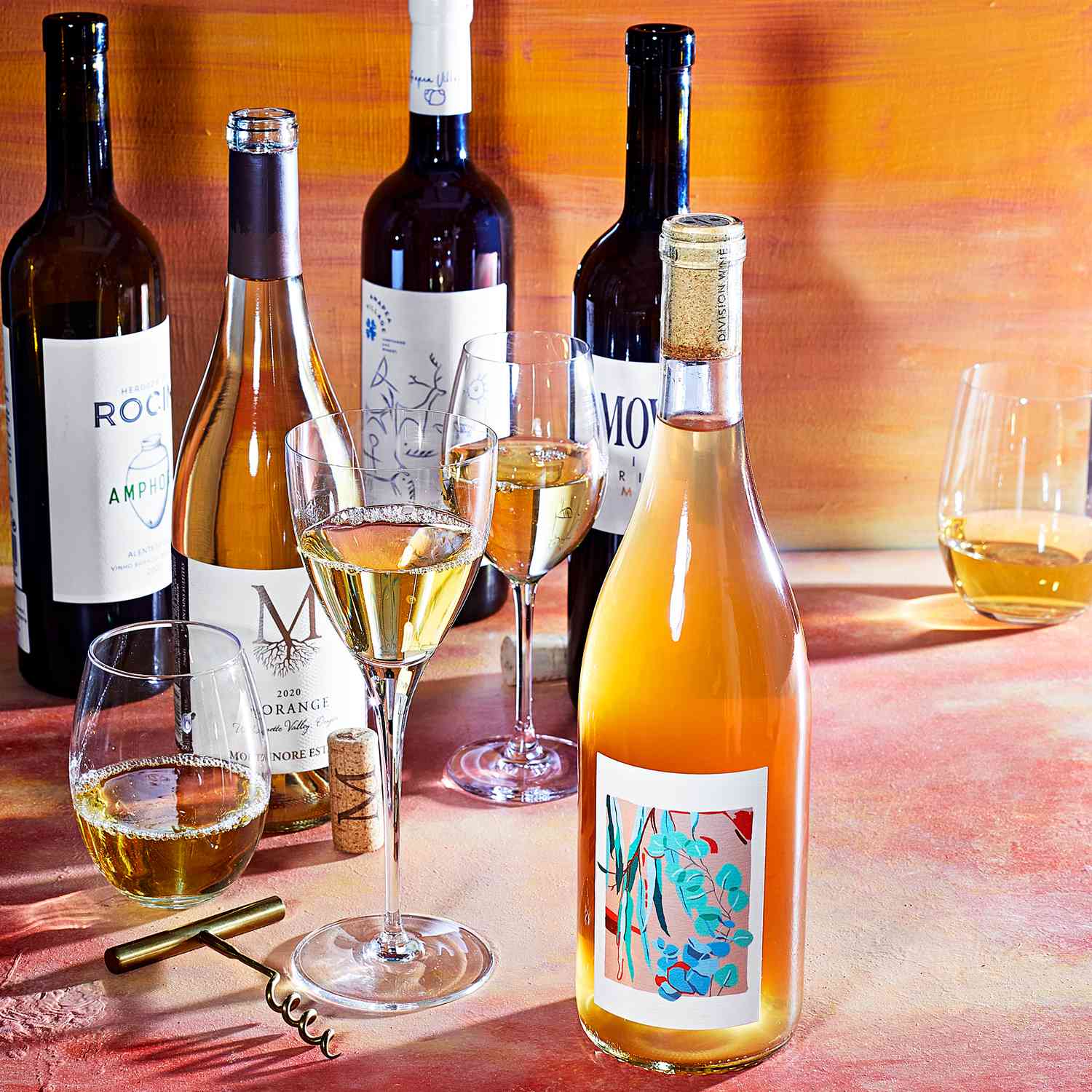
If you want to learn more about ramato-style wines, please let me know. They are fascinating! For purposes of length, I didn’t include here. I had a wonderful Ramato last summer pictured above.
Wine Production

Pinot Grigio is harvested early and gets bottled and distributed within three months of fermentation. It is wine meant to be drunk as soon as possible. These wines possess entrancing aromatic qualities, zippy acidity, and fruit flavors that diminishes over time.

Enjoy it now and don’t let it sit around on your rack or in your cellar. A general rule for this wine is to drink it within one to two years of the vintage date, similar to Rose. There are rare occasions that allow PG to last longer, especially it’s oaked and has exceptional balance.

Food Pairing

The light, crisp flavor of Pinot Grigio makes it great for a lot more than just casual sipping. This dry white wine is ideal for cooking lighter dishes by adding brightness and acidity to the mix. It is known to pair well with fatty fish, like trout, tuna, and salmon helping to balance out the taste and texture of the main ingredient. 

Pinot Grigio is a perfect wine choice for summer sipping because of its lightness, tartness and acidity due to being grown in cool climate regions, like those in northern Italy. The lower temperatures help slow down the ripening process causing less sugar developing in the grapes.

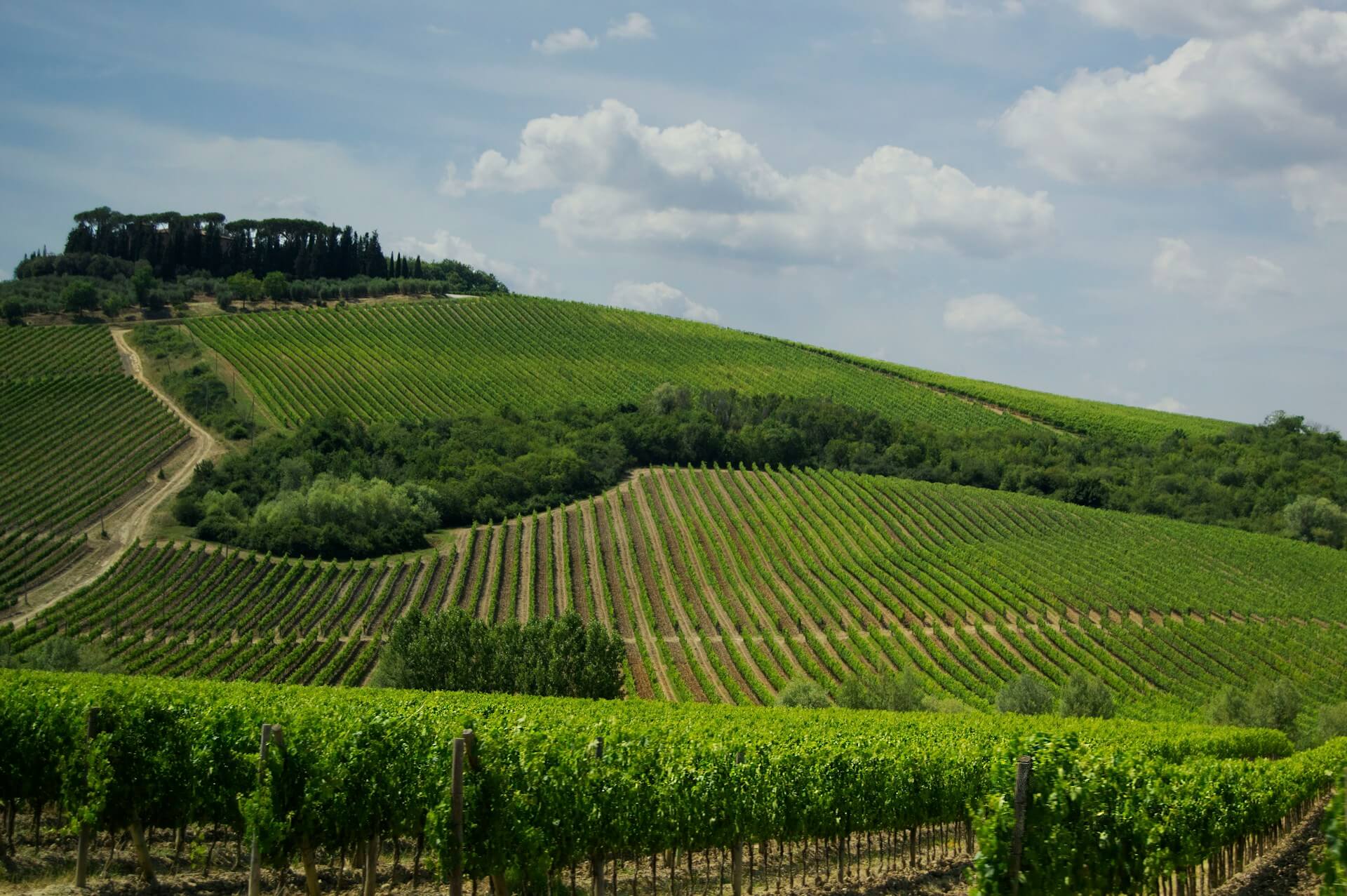
Additionally, as mentioned earlier, the grapes are harvested early on in their ripeness, and then stored and fermented in stainless steel tanks retaining crispness. All of this helps give Pinot Grigio a fresh, highly acidic and sometimes citrus quality, that is preferable than its fuller and deeper competition with summer and light cuisine. Planted Pinot Grigio vines at a vineyard in Friuli Region of Italy.
Pinot Gris vs. Pinot Grigio

Pinot Gris (aka Pinot Grigio) is a pinkish grape mutation of Pinot Noir. ‘Gris’ is the French word for gray and ‘grigio’ is the Italian word for gray.

The same grape is used to produce Pinot Gris in France (mostly in the Alsace region) and Pinot Grigio in Italy. However, the two wines have different styles and with their own unique traits. Pinot Grigio tends to be crisper and lighter-bodied with strong fruit and floral notes.

Pinot Gris is more full-bodied than its Italian counterpart, with a deeper, richer flavor, and even spicy notes depending on the winemaking style. Additionally, Pinot Grigio is typically drier than Pinot Gris. Despite its French origin, the largest producer of Pinot Gris is actually Italy.

Pinot Gris has a touch of honey on the palate from naturally occurring botrytis/noble rot (fungus) common in the Alsace region. The botrytis concentrates sugars and flavors, which can lead to creating excellent dessert wines. Pinot Gris is also used for sweet, orange, rosé wine in northern Italy, Alsace, Oregon, and Germany.

Italian Pinot Grigio tends to be easy drinking compared to French Pinot Gris and others. The misnomer out there is that Pinot Grigio and Pinot Gris are the same wine. They cite the only difference being that one comes from Italy and the other comes from France. Pinot Grigio and Pinot Gris do have similarities because they are produced from the same grape, but stylistically they are not.

The grape is usually referred to as Pinot Gris because it was first developed in France’s Burgundy region. However, once the grape made its way to Italy, it was used to develop what we know as Pinot Grigio. The difference, therefore, lies more in how the grapes are grown, vinified, and managed and how these two different countries produce noticeably different wines.
Pinot Gris

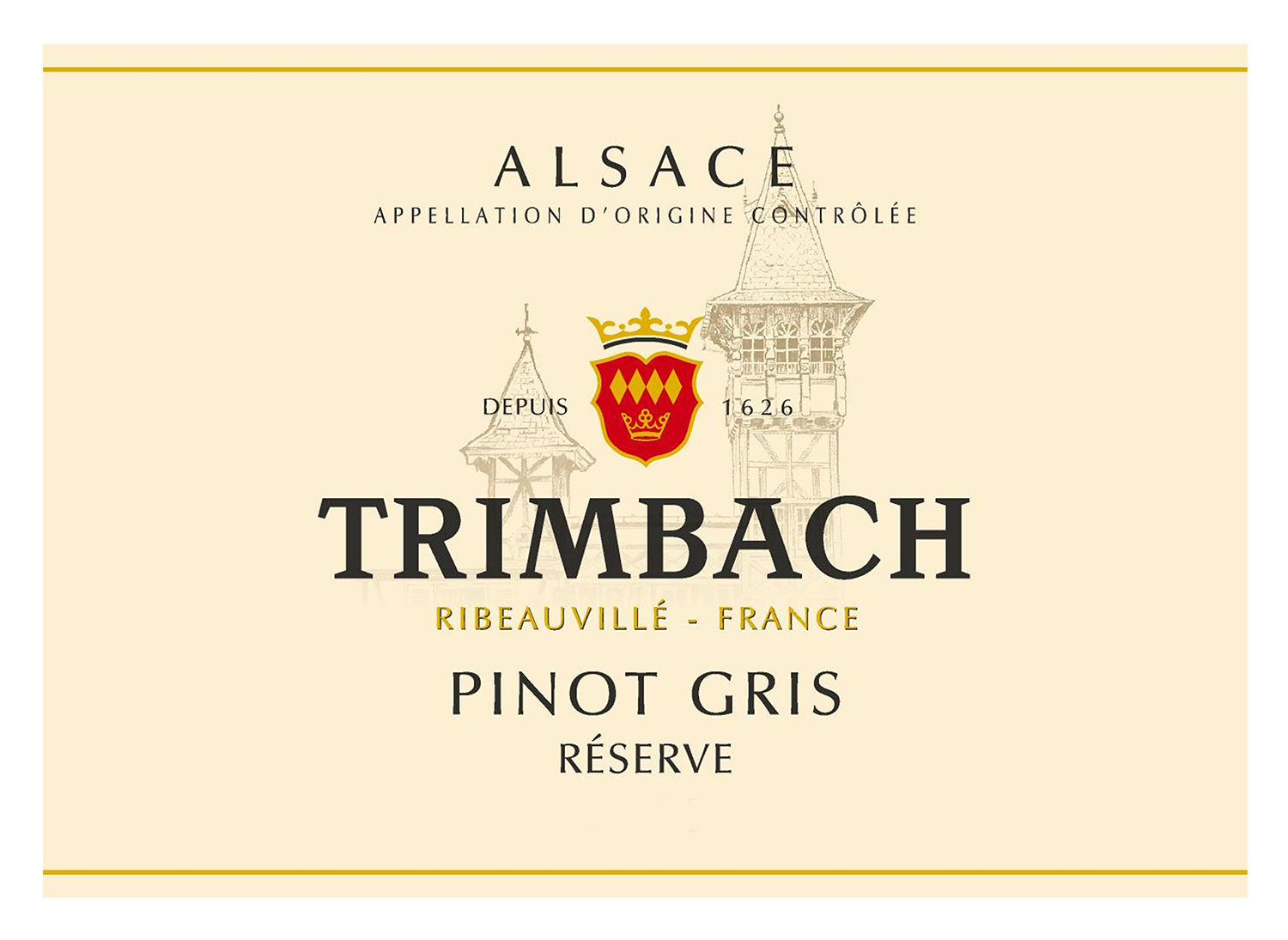
Considered to be the homeland of Pinot Gris, Alsace showcases a rich, full-bodied style with ripe orchard and tropical fruit flavors and minerality. It often possesses a delicate smokiness and spice, especially in aged versions, adding depth to the vibrant fruit character. Look for “Grand Cru” on the label for the best wines.

American versions often have more exaggerated fruit flavors and less acidity than their European counterparts. Primarily grown in the cool-climate Willamette Valley in Oregon, it presents a balanced profile of fresh citrus and ripe orchard fruit flavors.

The wines are typically medium to full-bodied, with a refreshing acidity and often a hint of mineral or spice. Its versatility and expressive character reflect the region’s diverse microclimates and innovative winemaking techniques.

Food Pairing

The versatile Pinot Gris pairs well with many dishes. Lighter, zesty styles are phenomenal with seafood, salads, and mild cheeses, while full-bodied or orange versions complement rich meats like roasted chicken or pork. Sweet and late-harvest expressions perfectly match fruity desserts or even on their own. Pinot Gris rosé is an excellent appetizer wine and pairs nicely with light pasta, charcuterie, or salty snacks.

Its diverse range matches the broad variety of world cuisine. Pinot Gris and Pinot Grigio alike are perfect wines to cut through salty cheese like feta or goat cheese, nuts, and any other snacks you’ve prepared for your summer picnics.
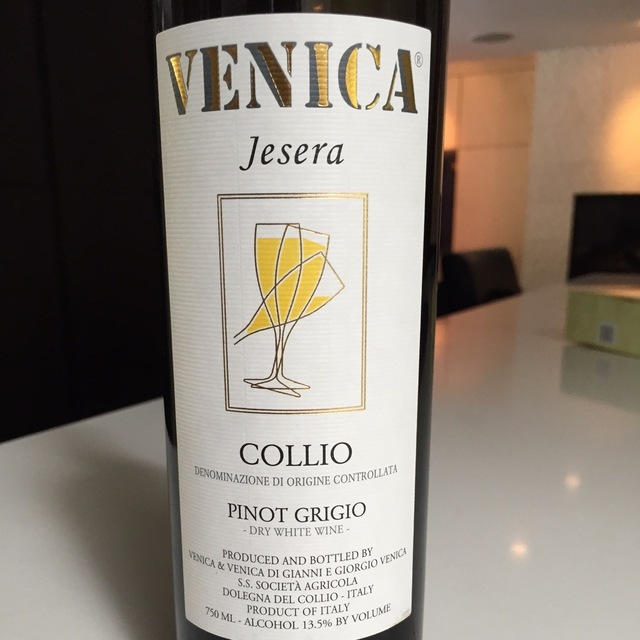
Here are the major growing regions and style of Pinot Grigio/Pinot Gris –

Alsace, France (rich version, Pinot Gris)

Veneto, Italy (crisp, neutral flavor, cheaper/mass produced, great for weddings and large format)

Friuli, Italy (crisp, more aromatic, some of the best Grigio on the planet)

Alto-Adige, Italy (crisp, more aromatic, second to Friuli for Grigio)

Willamette Valley, Oregon (fuller version, citrusy/minerally, both)

Look for these producers –

Cantina Tramin (Alto Adige, Italy)

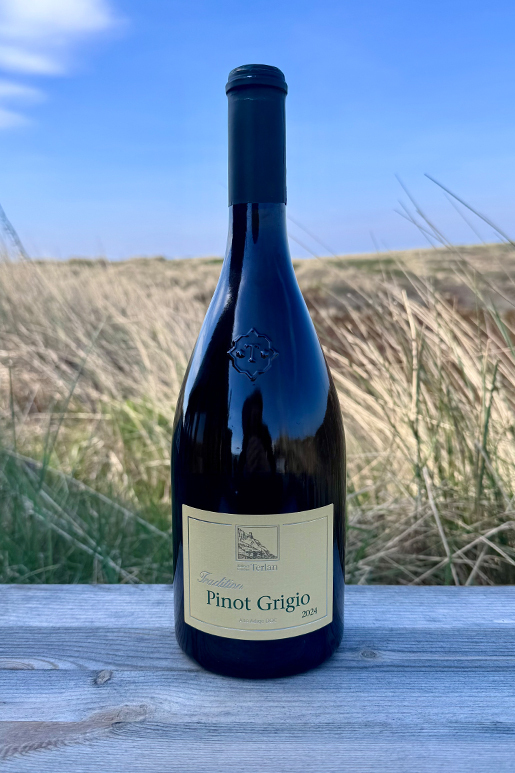
Cantina Terlano (Alto Adige, Italy) – pictured

Venica & Venica (Friuli, Italy) – pictured

Neumeister (Styria, Austria)

Trimbach (Alsace) – pictured

Zind-Humbrecht (Alsace)


Cheers,

Michael

michael@michaelpour.com

Nobody’s Wine Bar: A Hidden Gem in Central NY

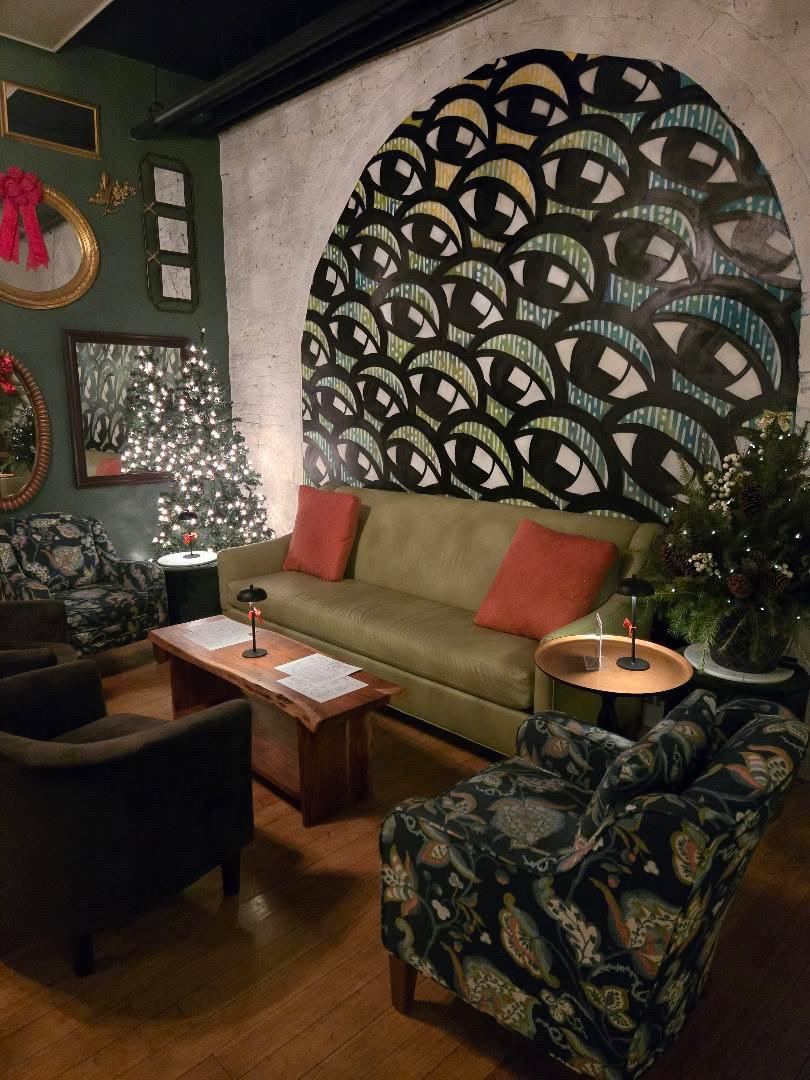
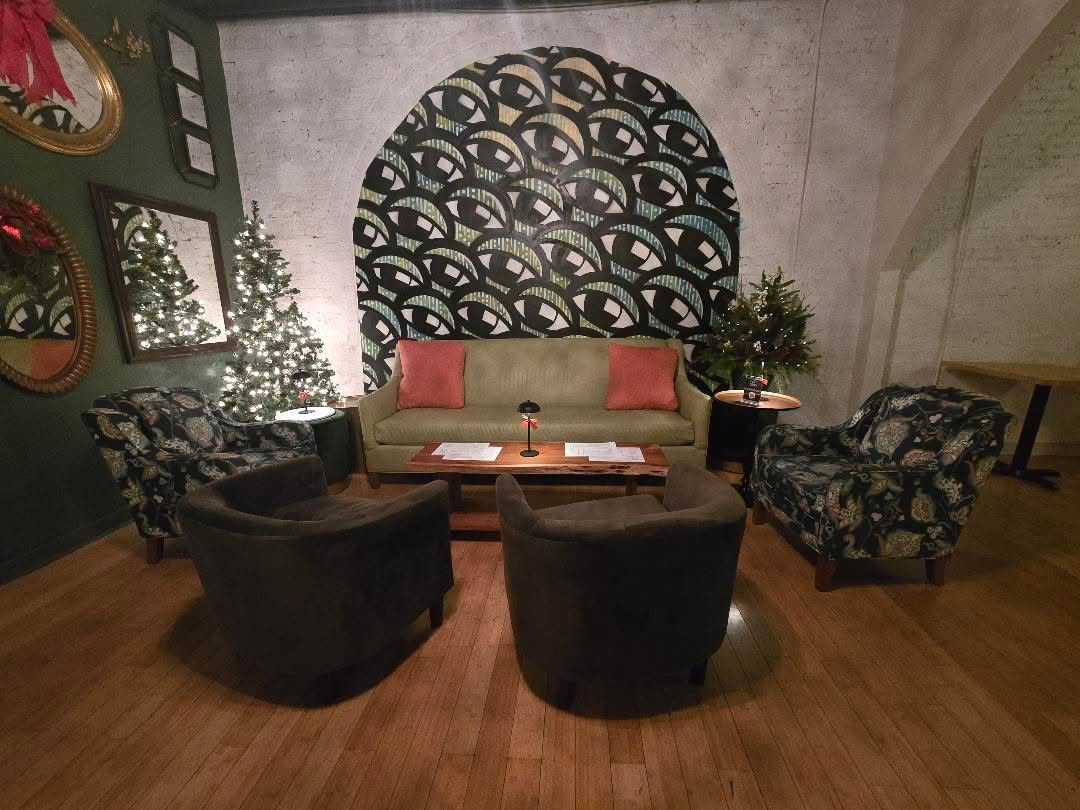
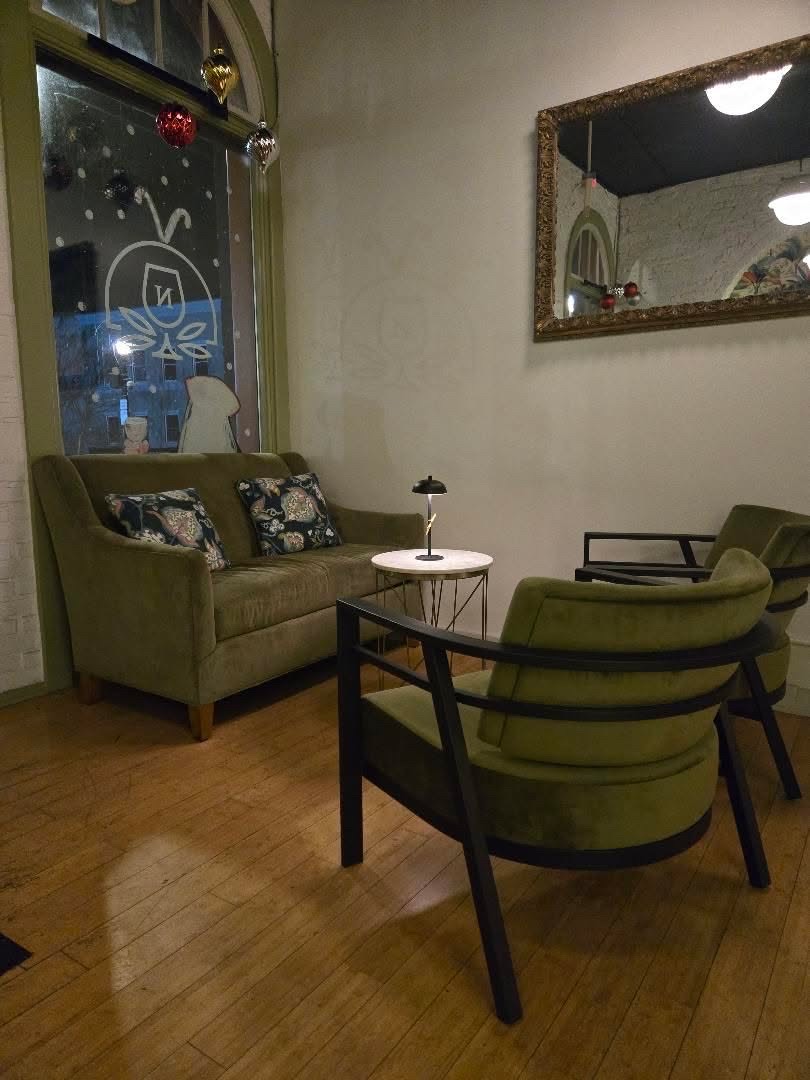
Lounge at Nobody's Wine Bar
December
29
2025

Nobody’s Wine Bar opened in September of 2023. They were a new addition to the infamous and historic Armory Square located in downtown Syracuse. The premise behind the opening was to offer a wine bar to the community that serves a variety of hard-to-find domestic and international wines. 

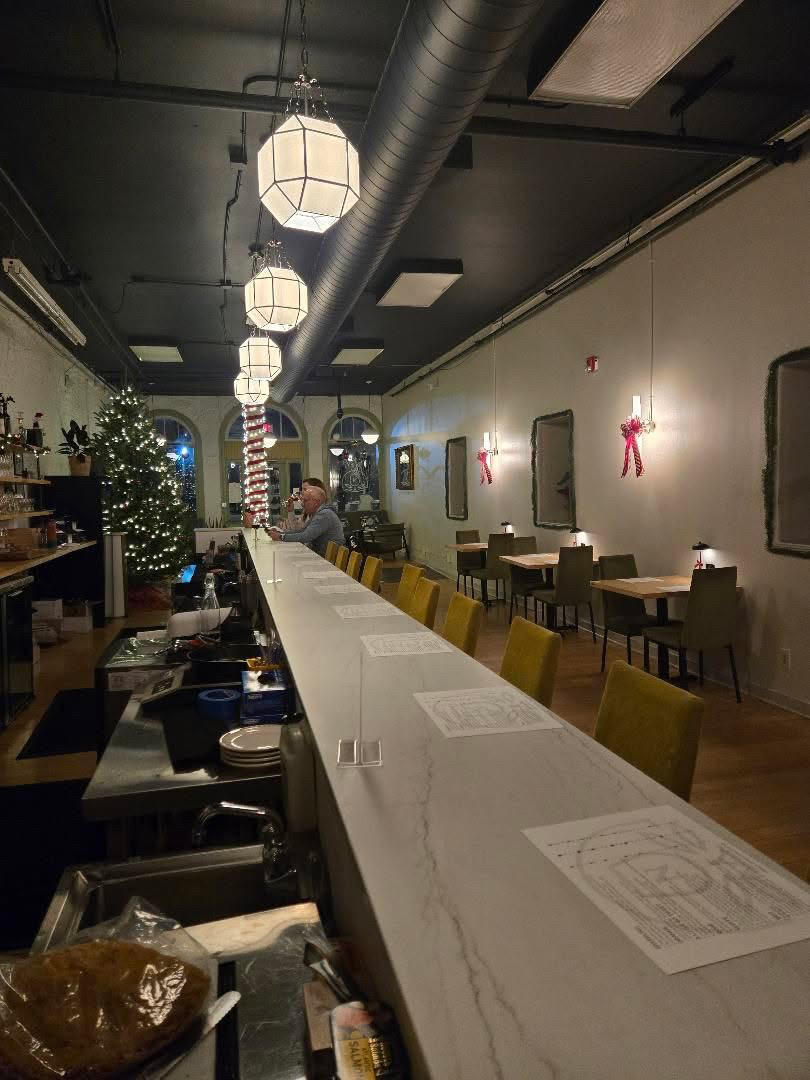
I would describe the space as being cozy, chic, casual, and educational. The interior features a large mural from the graffiti artist Vacant and custom lighting. It gives off vintage and art deco vibes with comfy seating on sofas, plush chairs, intimate table for two, and a long bar, which will accommodate many guests. Get ready to sip and savor and experience bottle bliss from a knowledgeable and experienced wine professional.

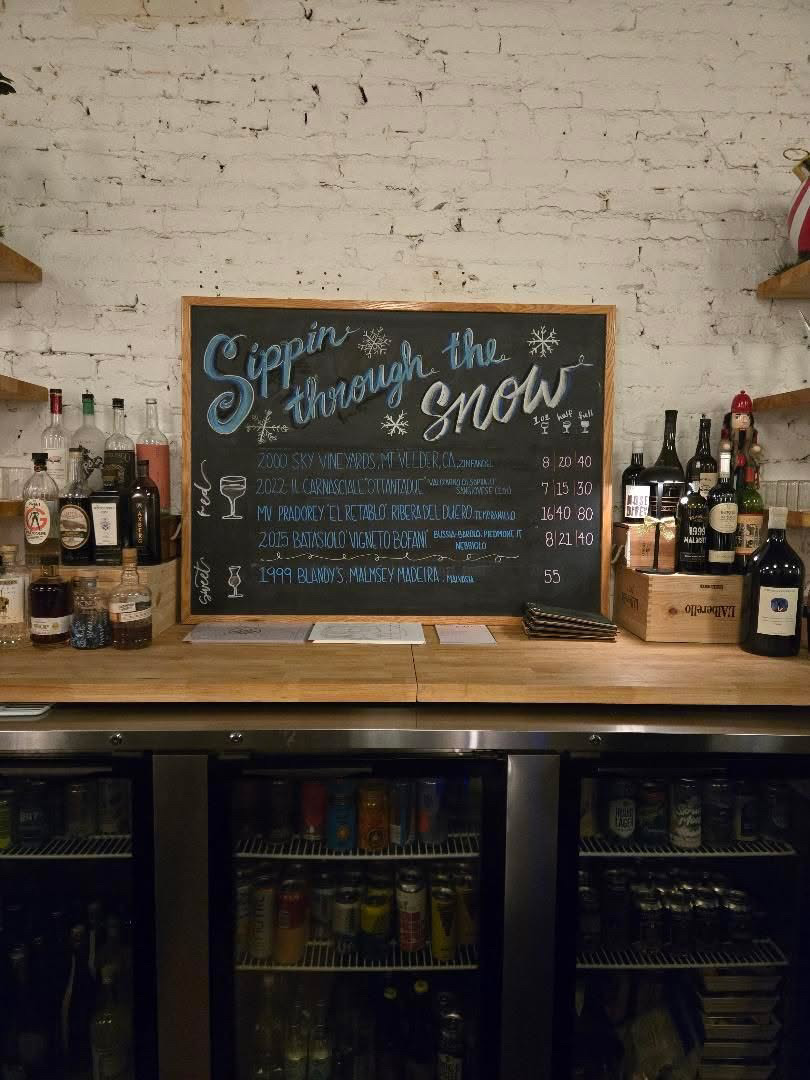
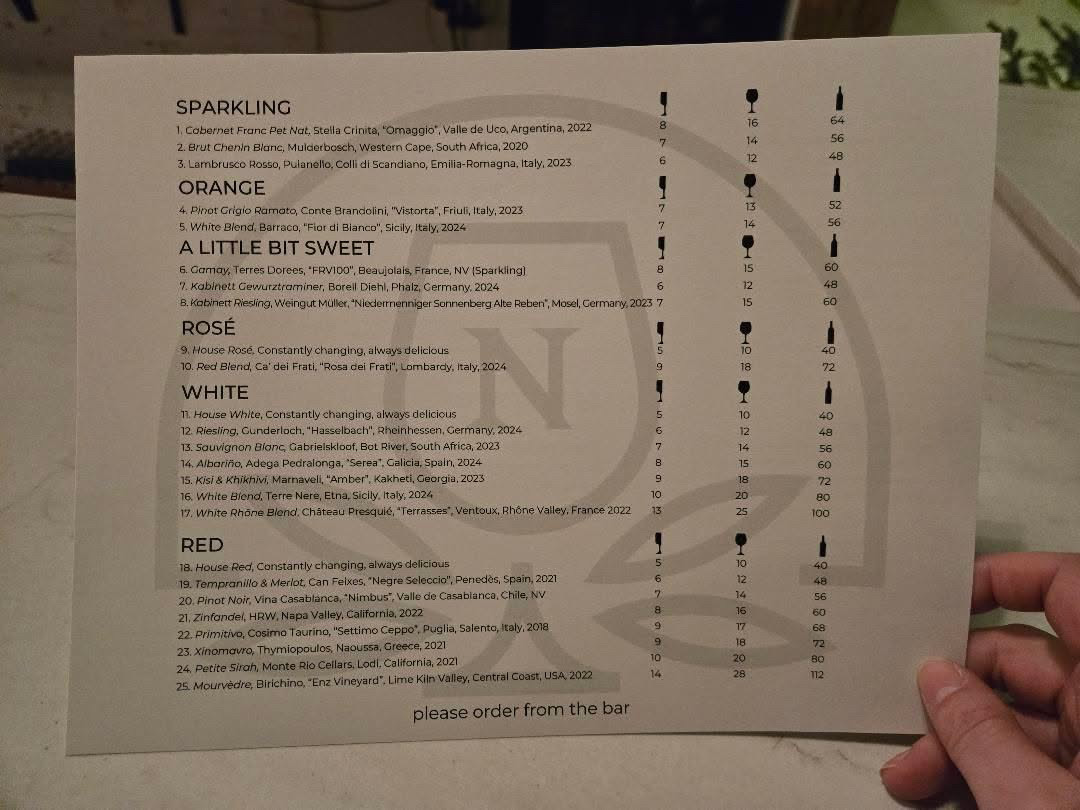
It’s a place where you can get a glass of wine — with about 25-30 choices at a price range starting around $10 per glass. That can go up to $50-$100 per glass for rare, high-end wines. The wine list is rotated often or seasonally to give patrons something new and fresh to try.

Their use of the Coravin wine preservation system allows them to keep bottles fresh without opening them. More bars and restaurants, especially those featuring wines or serving a lot of wine, should use a Coravin.

“What I like to say is we save the best wines for nobody,” said founder, Bob Leonard. “We open up everything, like 60-plus-year-old wine by the ounce just to give people the opportunity to try something they probably would never get the chance to otherwise.”

They try to pick wines from different regions around the world that guests might not have heard of or tried. “We try to highlight wines that I’d say are from more obscure regions and regions that kind of fly under the radar,” Leonard said. 

Additionally, they like to highlight wines that incorporate unique grape varieties and are made by sustainable and environmentally-friendly producers. 

The wines are available at different price points, with their most expensive bottle currently at $112 while most others between $40-$60, which is very reasonable for the atmosphere and for these rare wine finds.
They serve their wines by the half glass, full glass, and by the bottle. The half glass option is great, especially when you want to experience different wines. Grab a seat at the bar to order and engage your sommelier bartender or take your beverage to a comfortable piece of furniture. They know their stuff and would be happy to talk wine.

Nobody’s is primarily a wine bar, but they have some small bites like canned fish, local cheese and charcuterie from The Curd Nerd, and local bread and crackers. They also offer a curated selection of beer, cider, and seltzers and will unveil a small, basic cocktail program soon.

They encourage guests to bring in outside food, which is a great opportunity to discover the perfect wine pairings. Over time, they will look into offering more food choices along with occasional pop-ups.

Nobody’s is a destination where everybody is welcome. They believe, as do I, that every glass of wine tells a story waiting to be shared. With a passion for great pours, impeccable service, and an ambiance that invites you to unwind, they are thrilled to introduce you to their hidden gem on Walton St. in downtown Syracuse.

Whether you’re a seasoned sommelier or are just discovering your love for wine, come pull up a chair. Take a journey through their carefully curated selection of beverages handpicked from around the world, Central NY, and Finger Lakes region. 

Great place to grab a glass while waiting for a table at a nearby restaurant or finish off a delicious meal with an exquisite wine. They have accommodating late night hours for those having dinner, attending a show, musical, or cultural event, or experiencing the nightlife in the city. 

Happy Hour

Tuesday – Thursday from 4p-6p with $2 off beer & full glasses of wine and $1 off half glasses of wine. 

Trivia night is every Tuesday night starting at 6:30. Happy Hour goes till 8p that night.

Hours of Operation

Tuesday – Saturday, 4p-12a (ish*) *if it’s still popping, they will stay open! Closed on Sundays and Mondays. 

Location

Nobody’s Wine Bar, Armory Square, 222 Walton Street, Syracuse, NY 13202 (last shop on the street). Free street parking after 6pm.

Nobody’s offers wine classes for all wine levels with a seasonal focus conducted by staff. They are available to host your company’s private event or your special occasion event.  Look for cool LGBTQIA-friendly events throughout the year as well. Check out the event schedule on Tock for their upcoming winter wine classes at Nobody’s Hospitality Group – Syracuse, NY | Tock.

My company, The Michael Pour, is excited to be partnering and collaborating with them. Our hope is to establish Nobody’s as the main source for local wine education and a primary spot for discovering special wines. If you are a local business or organization and would like to work with us or have us host an event, please let us know at michael@michaelpour.com or hello@nobodyswine.com.

Please reach out to me if you would like to grab a glass or a bottle sometime and I will introduce you to the exquisite wine list.

Meet Sarah

Sarah Gaines is the GM and Head Sommelier at Nobody’s Wine Bar. She handles the day-to-day operations of the bar. I’ve had the pleasure of recently meeting her and working with her for our upcoming “Fundamentals of Wine” class series through the Syracuse Chapter of Women for WineSense on January 18th at Nobody’s. I have frequented the bar on several occasions and plan on being a regular personally and professionally.

Her story is an intriguing one and how she landed here in Central NY to run the wine bar is worth illuminating below. Sarah and I share a similar background with our love and passion for wine. Our combined restaurant and service experiences mirror each other. Also, our deep dive in Italian wine propelled us on our wine path. I look forward to our fun times together and bringing this passion to all of you.

“Born and raised in Colorado, Sarah took an unexpected but deeply fulfilling path to the world of wine. After earning a bachelor’s degree in Political Science from Alma College, she first discovered her passion for wine while working at a winery in Northern Michigan. There, she found joy in guiding guests through tastings and helping them understand why wine tastes the way it does.

Following undergrad, Sarah worked as a paralegal in Boston and Washington, D.C., and later pursued a master’s in Justice, Law, and Criminology at American University. But it was during her time as a Wine Educator at District Winery—between semesters—that Sarah realized wine wasn’t just an interest, it was her calling. She left graduate school to follow that passion full time.

Sarah went on to become the Cellar Director at RPM Italian, where she earned her Level One certification from the Court of Master Sommeliers and was later promoted to Head Sommelier. There, she helped develop one of the most extensive Italian wine lists, led staff education efforts, earned her Certified Sommelier pin, all while nurturing a deep love for Italy’s rich and complex wine traditions.

Now at Nobody’s, Sarah is excited to return to her roots as a wine educator—sharing her knowledge, exploring new regions beyond Italy, and helping guests uncover wines they’ve never heard of but will never forget.

Outside of work, Sarah stays active with weight training, golf, and spending time with her two beloved cats, Ruthie and Cork.”

Here are some of Sarah’s favorites which appear on the current wine list –

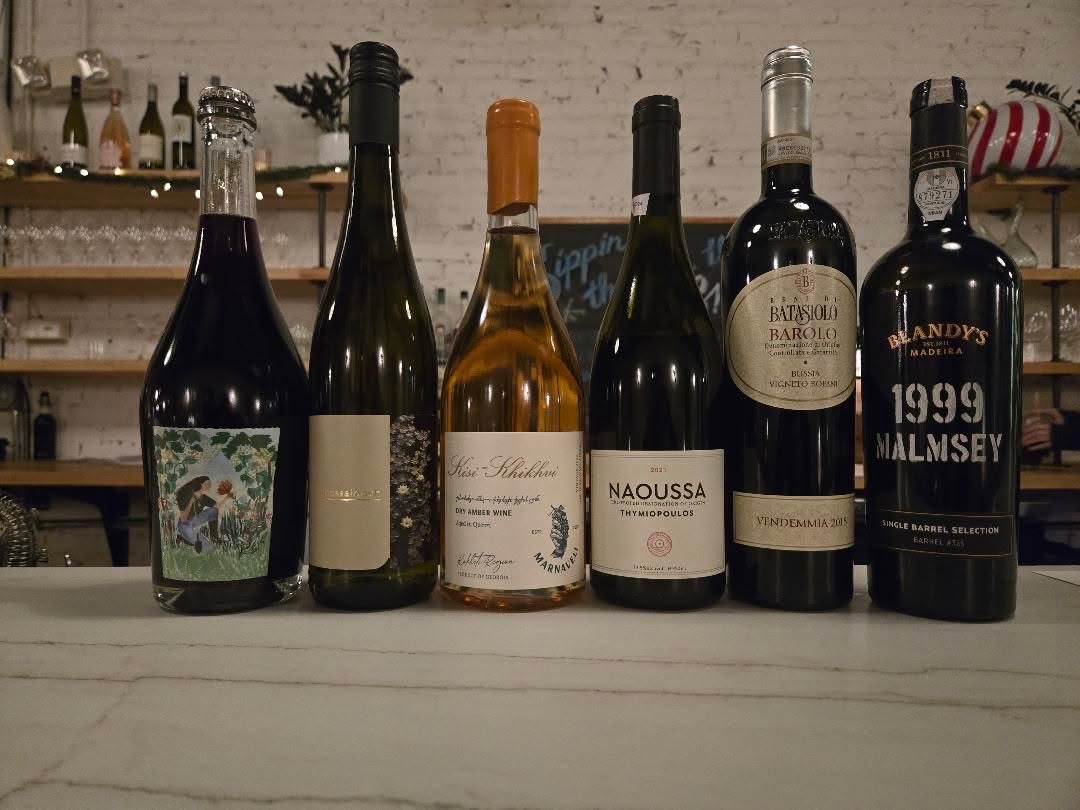
Sarah's favorite wines on wine list

Visit them at https://www.nobodyswine.com/ 

Cheers & Sante,

Michael Nagy


What wines are we drinking right now?

Fall wine
October
29
2024

Does the season of the year guide our wine preferences? 

Short answer, yes, absolutely! Is it socially acceptable to drink your favorite or go-to wine even if it is technically a seasonal sip? Yes! My recommendation is always – drink what you like, first and foremost, then consider expanding your palate to accommodate what you are feeling at the moment or what foods will best accompany the wine.

In the spring and summer months, many wine drinkers tend to drink rosé and whites for their lightness, aromatics, crispness, floral components, and refreshing traits. In the northern hemisphere, the release and anticipation of the new vintage of rosé wine coinciding with the beginning of spring. In the fall/winter months, wine drinkers will transition to drinking more red wine, heavier whites, like oaked Chardonnay, and fuller bodied wines.

The seasonal nature and availability of produce and food also dictates our pallet and wine pairing choices. For this fall, try different oaked chardonnays from around the globe, orange wines (more on these later), and red wines, like Pinot Noir, Merlot, Sangiovese, Valpolicella, Cabernet Franc, and Malbec. If you’re a fan of bubbly, you can drink it anytime.

Fall wine glass

What wine would you recommend for Fall? 

Being a wine lover, I certainly have my preferences as I’m sure you do as well, but I like to explore new wines, styles, and regions. I will reach for that bottle of red most of the time, but if I’m having wine with food, I will definitely try to enhance the experience by choosing a wine that pairs well.

For fall, I like to drink Rhone varietals such as Grenache (red), Syrah (red), and Viognier (white, similar in style to Chardonnay), and most reds, although I prefer lighter to medium styles most of the time. You can find really good Rhone blends (called GSM blends with the ‘M” referring to Mourvèdre) or single varietals from the US, France, Barossa Valley in Australia and South America.  More widely available than ever. Stylistically, all these Rhone varietals have vibrant fruit balanced with savory, spice, earthiness, herbal and vegetal flavors that pair very well with the flavors of fall, like cool climate vegetables that can be roasted, braised, or sauteed. Don’t be afraid to venture out and try different red wines, especially for your holiday events and gatherings. I think Cabernet Franc is a lovely turkey day wine with all the accompaniments and a very underrated wine overall. I like CF all year long.

Classic Reds

Classic reds are always in style and continue to be the season’s most popular wine choices. Not just because they are ‘red’ and are bolder and fuller than whites, but because the rich flavor profiles that can range from dark fruits to earthy undertones, robust reds provide the perfect accompaniment to the season’s hearty dishes like roasts, stews, and casseroles and holiday celebrations. These classics include Cabernet Sauvignon, Merlot, Pinot Noir, or a red blend, like Bordeaux blend. If you opt for one of these, then try to find high quality ones (not necessarily the most expensive ones) in their category. Low quality vs. high quality fuller, red wines offer a very different experience.

Don’t forget about winter whites

Just because the sun and warm temperatures have hibernated for the season doesn’t mean you have to ditch white wine altogether. There are plenty of full-bodied, cozy whites that will work just as well as heavier reds with your fall cuisine and to drink by themselves. As mentioned earlier, an oaky Chardonnay always has a place at any holiday table. I look to Burgundy, France, Washington State, US, or South Africa for my Chard and Chablis for lighter/hybrid styles. Some trendy whites, like Viognier and Chenin Blanc are on the rise. When choosing your white wine in cooler weather, look for flavor profiles and textures that are rich, chewy, nutty, or creamy. These types of wines are usually fermented and/or aged in oak barrels and undergo malolactic fermentation, which gives them those traits.

Orange Wine

What other wines are trending right now? 

Orange wines have been growing trend the past few years. Orange wines have been around for a long time, dating back over 8000 years when, without modern wine making technology, all wines were fermented on the skins of the grapes, which is what gives wine its color. They were left in a pot to stew and ferment and the skins turned them a dark amber shade. Wine making was modernized in the 60s and 70s and the skins were removed to produce the lighter, fresher, cleaner style of common crisp whites like Sauvignon Blanc and Pinot Grigio we know today.

They are considered a ‘white wine’ that has been fermented with the skins on. Orange wines undergo a similar wine making process as reds where they are in contact with the skins during fermentation, so they take on the intensity of the colors and tannins, giving them a richer, heavier body. Today, there is a demand for orange wines to be less macerated, lighter, and fruitier, but still have some color and tannin structure. You will have to search hard to find orange wines in the marketplace, but if you like fuller bodied white wine, give them a try.

What else is trending in the wine world?

There is definitely a conscious shift toward natural, organic, vegan, and biodynamic wine and what that means. People are conscious about sulfite content, agricultural practices, and the environment. The grape skins used for orange wines are usually thicker and more resistant to pests and disease, so they are not treated as much and the tannins help protect them from oxidation, so they don’t need as much manipulation, sulfur or other preservatives. If this info is important to you, look for it on the back or front label or do a search online for bottles that are environmentally conscious.

Rosé wine is becoming more popular year-round evidenced by the hashtags #roseallday #roseeveryday all over social media and the internet. Many wineries are now producing different Rosés every year and experimenting with different grape combinations for them.

The public is more open to canned wine options these days, which started out of convenience, but has since lead to wineries putting higher quality products into this accessible format because of its popularity.

Pét-Nat (short for Petillant Natural) is a sparkling wine that has really taken off in colder climates. Unlike traditional champagne, it finishes its fermentation in the bottle and is not disgorged. Many different white grape varieties are used for this style of wine and can be a white blend.

Stocking your cellar/wine rack for Fall

The first thing you should do, as with other seasons, is to stock wines that you love to drink. From there, add wines that your family and close friends like just in case they visit unexpectedly or you have a last minute dinner party. Don’t be afraid to stock obscure wines or wines that seem interesting to you. Have fun with it! Take a chance – you might find something you never heard of and like it. I’m often asked what my favorite wine is. To me, it’s a loaded question because I like a lot of different wines (even though I will pull a red most of the time) and really depends on the occasion, what you’re feeling, and season (which is what this post is all about). Since most of my audience and guests are probably not wine experts, I try to introduce the world of wine to them one glass at a time. It’s amazing the excitement derived from people when they discover a new wine or style.

Try to curate your fall cellar with as many different wines as you can. Start with the most well-known grapes and wines and go from there. Here is an example – Pinot Noir, Cabernet Franc, Merlot, Cabernet Sauvignon, Champagne/Sparkling Wine, Rosé, Sauvignon Blanc/Sancerre, Pinot Gris/Grigio, Chardonnay (oaked), and Riesling (dry and semi-dry). If you would like to know what specific region or country of origin is best, just reach out. For the holiday season, chilling a nice dessert wine, like a Sauternes, ice wine, late harvest Riesling, or fortified wine, like Port, for dessert, is a nice touch and would impress your guests.

Some additional wines to stock up on for the season (reds) – Malbec, Syrah/Shiraz, Carmenere, Zinfandel, Grenache, Gamay/Beaujolais, Nebbiolo, Chianti, Lambrusco, Primitivo, Tempranillo/Rioja

We all look forward to holiday feasts and celebrations that come with the fall and winter months. Because no true celebration is complete without the perfect bottle or bottles of wine for you and your guests, I wanted to share these trends and options.

Follow me @themichaelpour on Instagram and The Michael Pour on Facebook to see more wine recommendations, advice, and inspiration. Sign up on the homepage with your email to receive notifications when articles are poured. Share with others who may enjoy this content.

Cheers,

Michael

Wine Glass

DON’T MISS A DROP

Get notified when new articles are poured

We don’t spam!