Terroir Talk by Michael: First Vintage & First Release

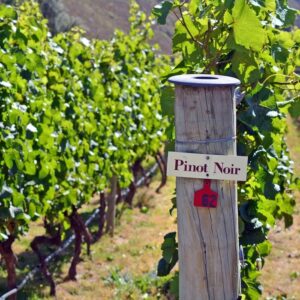
Pinot Noir vineyard sign
March
27
2026

March 27, 2026

Welcome to the first edition of “Terroir Talk”. This will be a weekly wine series on everything ‘wine’ that will be guided by you, the audience. In case you’re not familiar with the term ‘terroir”, what it means or how to pronounce it, here is a brief explanation –

Terroir (pronounced tear-whah) is a French term with no direct English equivalent. It basically refers to a “sense of place”. It is the combination of environmental factors, like soil, climate, weather and topography/geography that give agricultural products, especially wine, a unique, non-replicable character linked to their specific origin.

Since all wine comes from the earth via grapes, it is an appropriate name for the beginning of this wine series. No ‘terroir’ in the world is exactly the same, therefore, no wine is exactly the same when you factor in ‘terroir’.

How it works? Users and subscribers will submit their wine questions on the comments sections here, from the “Terroir Talk” group chat on Instagram, Instagram posts, direct email, or text. Every week, Michael will review the questions and list them on this page and provide answers directly below with mention of the person posing the question. If you desire anonymity and privacy, I will not mention your name.

As mentioned above, the purpose of this forum is to engage wine lovers, provide consumer education, and tailor the content to you, my followers and audience. I hope to receive at least 2-3 questions per week. In the case of more submissions, I will table them for the next edition.

Many of my followers are local to Central NY and NYS where I reside so many of the questions will have a local and state flavor. However, that doesn’t preclude a discussion on grapes, wines, and regions spanning the globe. You will find that many wine enthusiasts are curious about the differences from one region to another.

I hope this weekly wine column will be useful and a great resource for your wine studies, wine knowledge, wine curiosity, and confidence in buying and ordering wine. I encourage all wine and interest levels to sign up by email for the free newsletter on the homepage, so you don’t miss a drop. Please share with others so we can make this page a huge success. If so, maybe a podcast is in our future.

Shannon from PA asks, “How to describe wine”?

Because this is a loaded question, I will write up a separate blog post to answer it thoroughly. The system that wine schools use can differ. I am classically trained in the WSET method of tasting wine with a focus on appearance, clarity, nose, palate, and assessment of quality.

With appearance, you look at intensity, color, and how it appears. With nose, you note the intensity, aroma traits, and development of wine. With palate, you describe the sweetness, acidity, tannin, alcohol, body, texture, flavor intensity, flavor traits, and finish. With the final assessment, you describe the quality (faulty, poor, acceptable, good, very good, outstanding) and readiness for drinking and potential for aging.

Wine professionals will use this method or other methods, which vary a little, when reviewing and rating wines. They will use a systematic approach by jotting down notes that cover all or most of these points listed above. Stay tuned for a more in-depth look at describing wine. Thank you Shannon!

Allison from Long Island, NY asks, “I know of wine from the Finger Lakes and Long Island, NY, but where else in NY produces wine”?

I answered this briefly on the instagram group chat last night but will answer it in more detail here. New York’s Wine Regions (7) span from the Niagara Escarpment in the northwest corner of NY on the Canada border, Lake Erie in the southwest corner of NY along Lake Erie, Finger Lakes in the middle of the state.

There are 11 official lakes in the pattern of fingers running north to south. The 3 main grape growing lakes (Keuka, Seneca, and Cayuga) in the center of the region. Keuka Lake is the only lake that breaks off into two fingers.

Champlain Valley of NY is located in the northeast corner of the state bordering Vermont and Canada. It is a lesser-known wine region. Upper Hudson and Hudson River Region are in the Hudson Valley in the Catskill Mountains along the eastern side of the state. Lastly, Long Island is an island in the Atlantic Ocean off the coast of New York City. Thank you Allison!

Next time, we will delve into this question.

Alexandra and Rebekah from Central NY and group chat both ask, “Explain the difference between Finger Lakes Rieslings and Old-World Rieslings“?

Here is the direct link to our new and rapidly growing wino group chat on IG – https://ig.me/j/AbZTQkzqM-4x1fDc/

If you have any questions or wish to submit your wine questions, you can email me at michael@michaelpour.com or DM on instagram. If on instagram, but don’t follow me yet, please do and let’s have some fun.

Cheers & Sante,

Michael Nagy

Wine Spotlight: Why grapes have multiple personalities?

March
12
2026

For this week, we continue the educational series on wine grape varietals with a focus on the different names used for a particular grape produced all over the world.

There are roughly over 10,000 different wine grape varieties identified worldwide. Depending on the source though, this number could be less or more. While this enormous number exists, only a small percentage (about 1,300 to 2,000) are commonly used for commercial wine production. A mere 33 varieties account for 50% of the world’s vineyards.

A vast number of grape varieties have several names depending on where they’re grown (see last week’s post on Pinot Grigio and Pinot Gris here). Countries like Georgia, Italy, Portugal, Spain, and Greece grow and produce many indigenous or rare, local varieties unknown to most people, unless you visit that locale. Most aren’t massively produced or exported to other countries.

So, what’s in a name? Are they always interchangeable, or does their place and name indicate what their resulting style will be? For the average consumer and shopper, this can be an overwhelming, confusing and a daunting task. Not to mention the countries who don’t identify the grape(s) on the label or bottle (like Italy and France). The list can be very extensive, but I hope to clarify some of these differences with examples below.
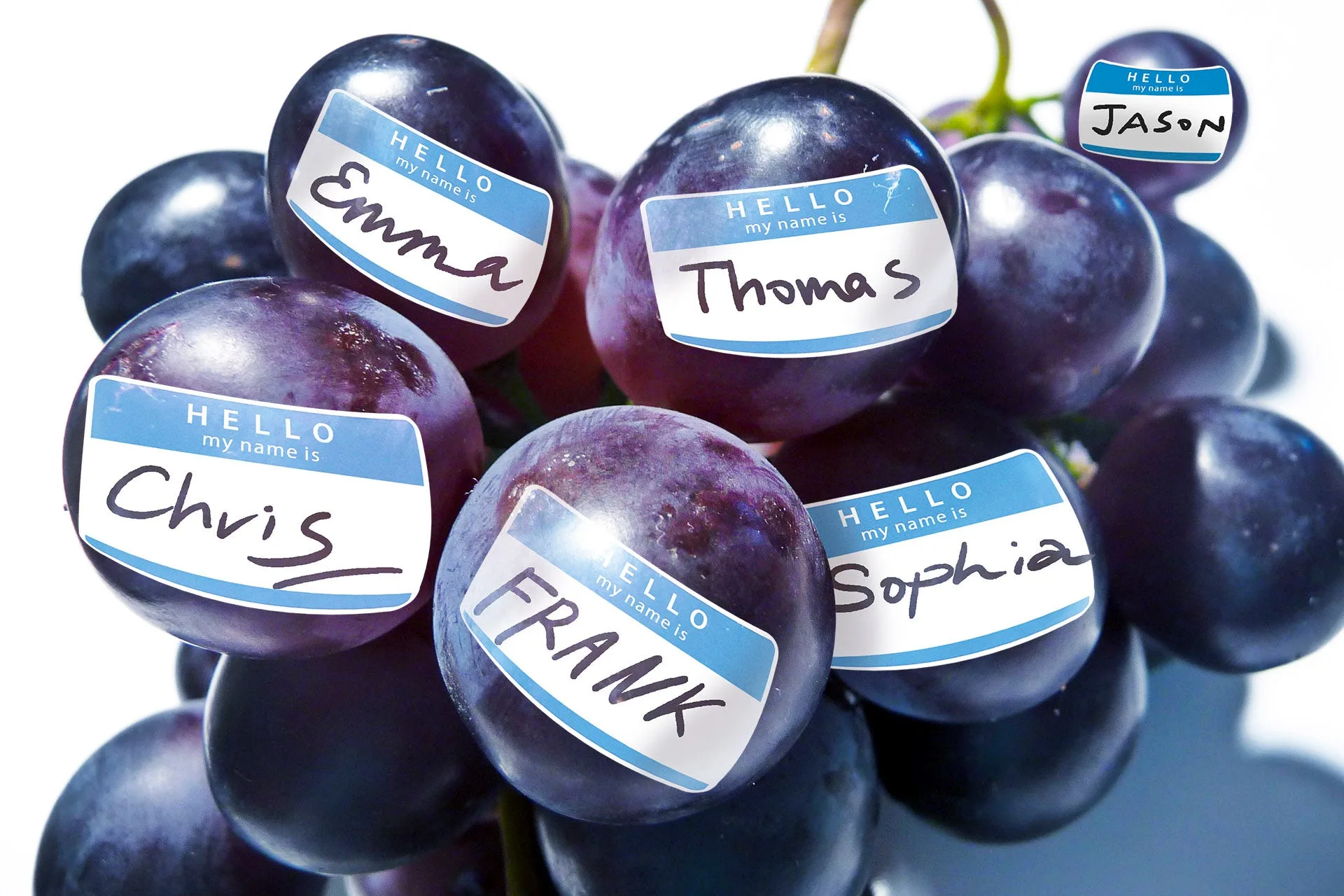
Syrah vs. Shiraz

These wines can taste almost like polar opposites. Their body, expression and texture change with the climate. In the temperate northern Rhône Valley of France, Syrah is the signature grape behind storied appellations as Côte-Rotie and Hermitage. Further south, it forms the backbone of many Côtes du Rhône blends and is an essential part of many rustic Languedoc-Roussillon reds.

Known as Shiraz in Australia, its style is most distinct in the hot Barossa Valley and warm McLaren Vale regions, but it also thrives in cooler Canberra region. Where Northern Rhône Syrah has firm, drying tannins, Australian Shiraz has a velvety, mouthwatering feel.

French oak accentuates Syrah’s visceral notes of savory, cured meat, yet American oak lends vanilla and chocolate tones to Aussie Shiraz. Both can have display intense notes of violet. There are the spice flavors as well, such as white pepper in cooler regions and black pepper in the warmer ones.

Syrah/Shiraz can also offer something in between. In New Zealand’s Hawke’s Bay, it’s luscious with forward fruit, but suggestive with pepper. In South Africa, it veers toward more of a spicy richness, while in California and Washington State, it can be smooth, big, or edgy and taut.

In this case, the name is a hint to the style. Shiraz is likely big and bold (thanks to warm climate) while Syrah tends to be snappy and thinner (not in a bad way, but less oomph).

Grenache vs. Garnacha vs. Cannonau (“kah-nohnow“)

Grenache stuns wine lovers across the globe with its luscious red fruit flavors. Grenache is an archetypal Mediterranean variety. It wants full sun, will withstand heat and drought and it thrives on stony soils. This resilience explains its success and expansion in warm climates.

With Grenache’s softness and plump fruit, it adds a juicy allure and warmth to Châteauneuf du Pape. It’s an integral part to Côtes du Rhône and is a part of the holy trinity of Australian Grenache-Syrah-Mourvèdre (GSM) blends in France. As Garnacha, it can form a part of Spanish Rioja. It has often been considered a blending grape and adds body to a blend, but can be lovely on its own.

As a single varietal, Grenache is full-bodied without being overly tannic. It can also make charming, aromatic reds in the Rhône cru villages of Gigondas and Vacqueyras. Cannonau on the island of Sardinia, it’s an even bigger, stronger and bolder version.

Grenache vines are very resilient and can last a while. The variety hits its stride in the old-vine Grenache wines from the French Roussillon in Languedoc, neighboring Spanish Priorat region, and McLaren Vale region in Australia. The wines are concentrated and fragrant with spicy red fruit.

But Grenache is versatile in itself. It also makes the sweet, fortified wines of Banyuls, France and the dry, fully pink rosados of Navarra region of Spain. No matter the style or origin, Garnacha always shines with its gorgeous red fruit.

Mourvèdre (“moor-VED-druh”) vs. Monastrell vs. Mataro

Ancient and dark, powerful and brooding, this thick-skinned, small-berried grape of Spanish origin thrives in hot climates. It requires more than just warmth being a late ripening grape. It needs proper, sustained heat. Mourvèdre resides best on the Mediterranean coast in Spain, where it’s called Monastrell, and forms the gutsy, heavy, tannic reds of Jumilla and Alicante regions.

As Mourvèdre, it’s the backbone of French Provençal Bandol, where it gives a kick to reds and a tang of tannins to dry rosés. In the Languedoc, it contributes nicely to various red blends. In Australia, where it’s known as Mataro, the grape asserts its dusky charms in GSM blends. The best examples have a heavy perfume of black fruit when young and leather and spice with age.

Blaufränkisch (“blahw-fraun-keesh”) vs. Lemberger

The temperate and distinctly continental latitudes of Central Europe are home to this underrated red grape. Medium to full-bodied in the north, Blaufränkisch produces unique, structured, and elegant wines. It is also grown and produced in New York State where the climate mirrors those of Germany and Austria and stylistically similar. I find them to be a nice change from your typical cool-climate reds.

In eastern Austria, it’s known as Blaufränkisch. In southern Germany and France, it’s Lemberger. It also goes by other names in Hungary, northern Croatia, western Slovakia, in eastern Slovenia. No matter the name, it produces quality reds that age well. It also forms part of Egri Bikaver, Hungary’s historic “bulls’ blood” wine.

Cooler vintages or sites add an irresistible pepperiness to the usually dark-fruit spectrum, where you’ll find dark cherry and blueberry. Despite the differences in climate and expression, Blaufränkisch exhibits great varietal resemblance.

When vinified in stainless steel, Blaufränkisch is sometimes confused with fuller-bodied Gamay. When vinified in small, new oak barrels, Blaufränkisch gets punchy and needs a few years to return to its inherent subtle nature. The most elegant results are achieved with gentle handling and careful amounts of oak. It’s not a well-known grape outside of where it’s traditionally grown but has been increasing in popularity.

Malbec vs. Côt (“cot”, like “hot”)

Malbec is synonymous with Argentina, where this aromatic, black grape revels in the bright, high-altitude sunshine of the Andes mountains. This French original has been almost supplanted by Argentinian success. Malbec is sometimes referred to as Côt in France. It’s even one of the five permitted varieties used in red Bordeaux wines but typically doesn’t ripen well in parts of Bordeaux.

Malbec’s real French hotspot is in Cahors, a town in southwestern France as well as a namesake appellation. Cahors wine is inky, opaque and dense with tannin. The firm, astringent tannins of French Malbec are often softened with the addition of Merlot. Malbec in Argentina, however, are plenty ripe to have the softness and silkiness.

In both cases, the wines’ structure helps them age and develop pretty well. The best show floral overtones of violet and peony. In France’s cooler Loire Valley, Côt produces wines that are less extracted, very fresh, floral, and often spicy.

Zinfandel vs. Primitivo

White Zinfandel is the wine that’s launched thousands of enthusiasts, but this pink elixir does not give this historic grape any justice. It’s known as Primitivo in Puglia, Italy and Zinfandel in California. As a red wine, Zinfandel always boasts full, juicy and plump fruit (sometimes can be jammy, think PB & J) that covers a spectrum of ripeness, often with elevated alcohol levels.

When made well, Zinfandel balances these qualities perfectly. Unfortunately, grapes in the same bunch can barely ripen, become overripe (bloating and too much sugar), or even become raisin-like.

In Puglia, Primitivo is light, smooth and warming. On an inland elevation, Gioia del Colle produces the freshest versions, while coastal Primitivo di Manduria is heavier, denser and more powerful.

In California, this rustic red attains true elegance. Some ancient Zinfandel old vines in Napa, Sonoma, and Lodi bring forth concentrated, full-bodied wines with warm alcohol, expressive quality, and enticing red fruit aromas. Quality well-aged and mature Zinfandel is well loved by the international community.

Chardonnay vs. Chablis

Although this doesn’t technically fit same grape, different name, it is an important distinction of grape name vs. region. When people first taste Chablis and learn that it is Chardonnay, they often look surprised.

How can a wine that tastes so clean, crisp, and a mineral sensation possibly be the same grape as the rich, buttery Chardonnays that dominate wine lists from California and parts of Burgundy? The answer comes down to style, climate, and terroir. Chablis is said to be by many (myself included) as the purest expression of Chardonnay.

Chablis is located in the northernmost part of Burgundy in France. Its cooler climate and famous limestone soils shape a wine that explodes with acidity, freshness, and a minerality often described as chalky or steely.

Unlike the rounder Chardonnays aged in oak barrels from Burgundy’s Côte de Beaune or the thick and heavy, cedar vanilla bombs from California’s Napa Valley, Chablis is typically fermented and aged in stainless steel, neutral oak, or partial oak. This approach preserves the acidity, crisp apple, lemon, and saline flavors that make the wine unique.

The absence of heavy oak influence is the major differentiator. While many Chardonnays lean on new oak to build body and add flavors of vanilla, toast, and butter, Chablis producers focus on purity and terroir. That doesn’t mean oak is absent altogether, some premier cru and grand cru Chablis see a bit of oak, but it’s usually subtle by just playing a supporting role. This gives Chablis a leaner structure in stark contrast to the creamy, heavy character of oak-driven Chardonnay.

The environment in and around Chablis also plays a huge role. Chablis vineyards sit in a continental climate where frost is a constant threat. The cooler temperatures slow down ripening, which keeps acidity high and sugar levels lower.

In warmer areas like California, Chardonnay ripens easily, leading to bolder fruit flavors, higher sugar content, and a style that more often than not lacks subtlety. Side by side, you’d hardly believe the wines are the same grape but tasting them together is one of the best ways to appreciate how versatile Chardonnay really is.

I did a Chard side by side recently for a Women for Wine Sense tasting class in Syracuse and the audience was mesmerized by the difference.

For wine drinkers who think they don’t like Chardonnay, Chablis often comes as a revelation. Its flavor profile avoids the buttery heaviness that critics of California Chardonnay complain about. Instead, Chablis is fruity, food friendly, and an elegant take on Chard.
If you are interested in learning more about grapes, grape families, and grape names, I can certainly expand on this discussion. For example, Pinotage from South Africa is a cross between Pinot Noir and Cinsault (varietal in France) or that Pinot Noir in Italy is called “Pinot Nero” (same grape) or Pinot Noir in Germany is called “Spätburgunder”.

I must admit, I find this stuff fascinating (history buff, too) so just say the word. Thank you to Wine Cellar Guide (above wine grapes) and Wine Enthusiast (grape names) for the beautiful images.

Book “The Michael Pour” for a unique and exclusive wine education class, wine tasting event, wine pairing/dinner, bar/restaurant consultation, etc… in your home or establishment. I am currently offering a 15% discount for all bookings. Inquire here, email, or on social media.

Cheers & Sante,

Michael

michael@michaelpour.com

IG: @themichaelpour

Wine Spotlight: What happened to Pinot Grigio?

March
3
2026

If you consider yourself a novice wine drinker or sip your customary glass of wine at a wedding, gala, or a home party, you probably tried that once popular Italian white wine called Pinot Grigio.

At one time, it was almost always on the wine menu because it was a huge crowd pleaser. Easy going, uncomplicated, not complex, and cheap. Pinot Grigio is a light-bodied wine that gets along with most everyone. Yes, it’s an entry level white wine, but is it still popular?

If you’re well studied in wine, you know of it, but is it a wine you would recommend? If you ask wine professionals, they most likely would say ‘no’ and not suggest it or recommend it for most wine drinking occasions or as an excellent food pairing. Often perceived by consumers and sommeliers as a safe, uninteresting, and safe restaurant choice rather than a nuanced wine experience.

Pinot Grigio’s decline in popularity stems from a reputation for being flavorless, watery, and mass-produced, leading consumers to seek more flavorful, aromatic, or trendy alternatives, like Sauvignon Blanc, Chenin Blanc, and dry Rosé.

They have shifted to more vibrant, aromatic, or flavorful white wines such as Sauvignon Blanc or Riesling. In fact, Rosé has largely overtaken Pinot Grigio as the preferred, fashionable, casual summer, easy-drinking wine over the last decade or two.

The Pinot Grigio market has also become saturated with low-quality, generic, overproduced, and often overly acidic or manipulated, cheaper options. Leaner versions of Pinot Grigio are more refreshing, generally more popular, and will cost over the standard $15 price tag. Look for over $20 at least. And if you avoid mass-marketed brands in favor of smaller, quality wine producers, you would be in for a light and refreshing experience.

However, high-quality, authentic Pinot Grigio filled with personality still exists, particularly from regions like Italy’s Alto Adige and Friuli in the northeast. The Friuli region offers the best in the world with nice aromatics and hint of bitter almond, a signature trait of PG. I will discuss other regions producing Pinot Grigio later in the article along with its counterpart “Pinot Gris”, with same name, but quite different for comparative analysis.

Italian Wine Regions & Styles

In Alto Adige, Pinot Grigio is all about ripe stone fruits (peach and apricot), notes of ginger, floral aromas, and refreshing acidity. Alto Adige produces some world-class, cellar-worthy (very unusual for this grape) Pinot Grigio, and is one of the most beautiful wine regions.

sun goddess pinot grigio

In Friuli-Venezia Giulia (short version Friuli), it is known for its textured Pinot Grigio and the unique ‘Ramato’ style (skin contact wines), Friuli’s wines also feature ripe stone fruits, floral hints, but with a subtle spice. The refreshing acidity is still present but encased in a fuller body.

If you want to learn more about ramato-style wines, please let me know. They are fascinating! For purposes of length, I didn’t include here. I had a wonderful Ramato last summer pictured above.

Wine Production

Pinot Grigio is harvested early and gets bottled and distributed within three months of fermentation. It is wine meant to be drunk as soon as possible. These wines possess entrancing aromatic qualities, zippy acidity, and fruit flavors that diminishes over time.

Enjoy it now and don’t let it sit around on your rack or in your cellar. A general rule for this wine is to drink it within one to two years of the vintage date, similar to Rose. There are rare occasions that allow PG to last longer, especially it’s oaked and has exceptional balance.

Food Pairing

The light, crisp flavor of Pinot Grigio makes it great for a lot more than just casual sipping. This dry white wine is ideal for cooking lighter dishes by adding brightness and acidity to the mix. It is known to pair well with fatty fish, like trout, tuna, and salmon helping to balance out the taste and texture of the main ingredient. 

Pinot Grigio is a perfect wine choice for summer sipping because of its lightness, tartness and acidity due to being grown in cool climate regions, like those in northern Italy. The lower temperatures help slow down the ripening process causing less sugar developing in the grapes.

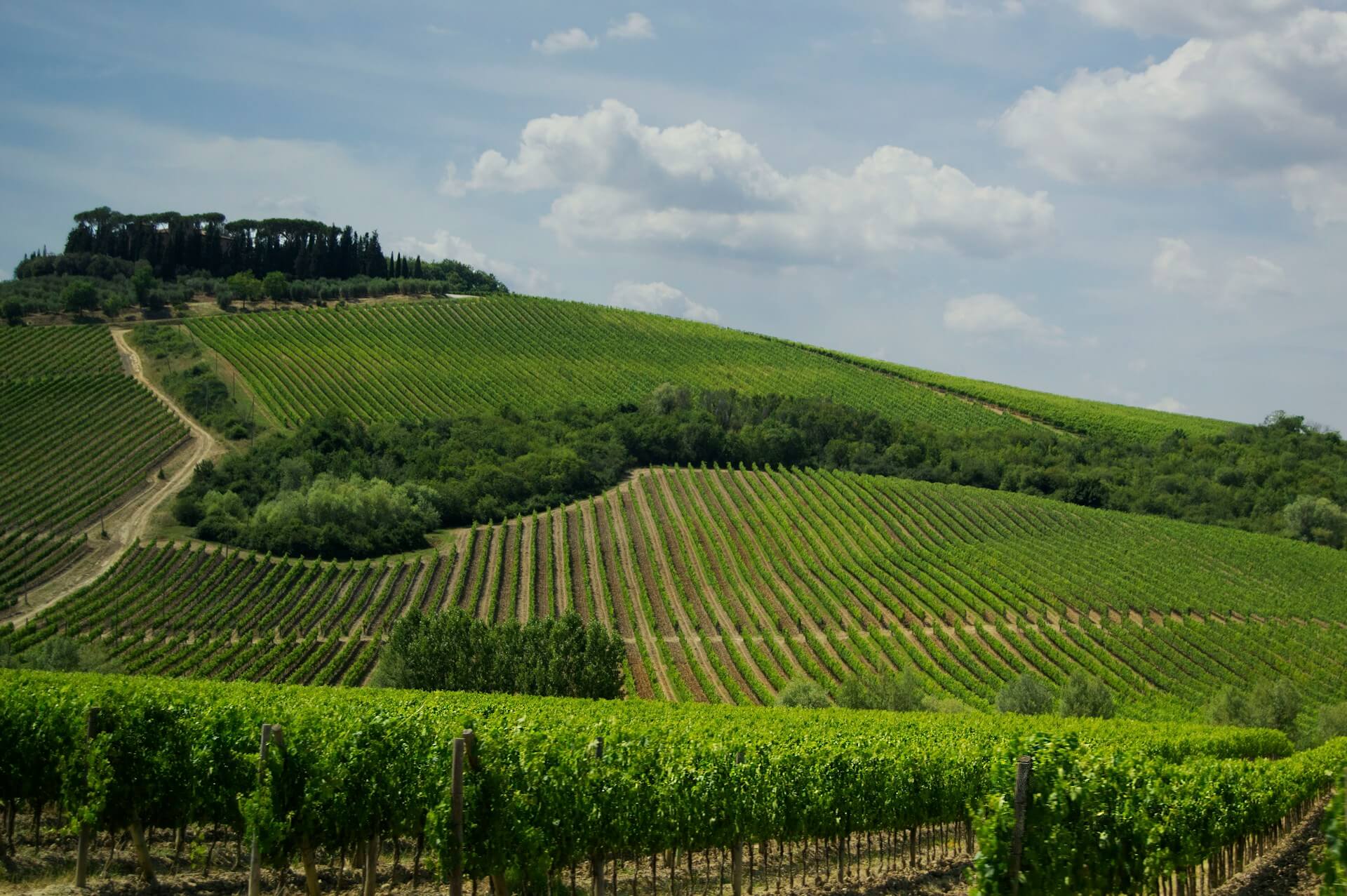
Additionally, as mentioned earlier, the grapes are harvested early on in their ripeness, and then stored and fermented in stainless steel tanks retaining crispness. All of this helps give Pinot Grigio a fresh, highly acidic and sometimes citrus quality, that is preferable than its fuller and deeper competition with summer and light cuisine. Planted Pinot Grigio vines at a vineyard in Friuli Region of Italy.

Pinot Gris vs. Pinot Grigio

Pinot Gris (aka Pinot Grigio) is a pinkish grape mutation of Pinot Noir. ‘Gris’ is the French word for gray and ‘grigio’ is the Italian word for gray.

The same grape is used to produce Pinot Gris in France (mostly in the Alsace region) and Pinot Grigio in Italy. However, the two wines have different styles and with their own unique traits. Pinot Grigio tends to be crisper and lighter-bodied with strong fruit and floral notes.

Pinot Gris is more full-bodied than its Italian counterpart, with a deeper, richer flavor, and even spicy notes depending on the winemaking style. Additionally, Pinot Grigio is typically drier than Pinot Gris. Despite its French origin, the largest producer of Pinot Gris is actually Italy.

Pinot Gris has a touch of honey on the palate from naturally occurring botrytis/noble rot (fungus) common in the Alsace region. The botrytis concentrates sugars and flavors, which can lead to creating excellent dessert wines. Pinot Gris is also used for sweet, orange, rosé wine in northern Italy, Alsace, Oregon, and Germany.

Italian Pinot Grigio tends to be easy drinking compared to French Pinot Gris and others. The misnomer out there is that Pinot Grigio and Pinot Gris are the same wine. They cite the only difference being that one comes from Italy and the other comes from France. Pinot Grigio and Pinot Gris do have similarities because they are produced from the same grape, but stylistically they are not.

The grape is usually referred to as Pinot Gris because it was first developed in France’s Burgundy region. However, once the grape made its way to Italy, it was used to develop what we know as Pinot Grigio. The difference, therefore, lies more in how the grapes are grown, vinified, and managed and how these two different countries produce noticeably different wines.

Pinot Gris

Considered to be the homeland of Pinot Gris, Alsace showcases a rich, full-bodied style with ripe orchard and tropical fruit flavors and minerality. It often possesses a delicate smokiness and spice, especially in aged versions, adding depth to the vibrant fruit character. Look for “Grand Cru” on the label for the best wines.

American versions often have more exaggerated fruit flavors and less acidity than their European counterparts. Primarily grown in the cool-climate Willamette Valley in Oregon, it presents a balanced profile of fresh citrus and ripe orchard fruit flavors.

The wines are typically medium to full-bodied, with a refreshing acidity and often a hint of mineral or spice. Its versatility and expressive character reflect the region’s diverse microclimates and innovative winemaking techniques.

Food Pairing

The versatile Pinot Gris pairs well with many dishes. Lighter, zesty styles are phenomenal with seafood, salads, and mild cheeses, while full-bodied or orange versions complement rich meats like roasted chicken or pork. Sweet and late-harvest expressions perfectly match fruity desserts or even on their own. Pinot Gris rosé is an excellent appetizer wine and pairs nicely with light pasta, charcuterie, or salty snacks.

Its diverse range matches the broad variety of world cuisine. Pinot Gris and Pinot Grigio alike are perfect wines to cut through salty cheese like feta or goat cheese, nuts, and any other snacks you’ve prepared for your summer picnics.

Here are the major growing regions and style of Pinot Grigio/Pinot Gris –

Alsace, France (rich version, Pinot Gris)

Veneto, Italy (crisp, neutral flavor, cheaper/mass produced, great for weddings and large format)

Friuli, Italy (crisp, more aromatic, some of the best Grigio on the planet)

Alto-Adige, Italy (crisp, more aromatic, second to Friuli for Grigio)

Willamette Valley, Oregon (fuller version, citrusy/minerally, both)

Look for these producers –

Cantina Tramin (Alto Adige, Italy)

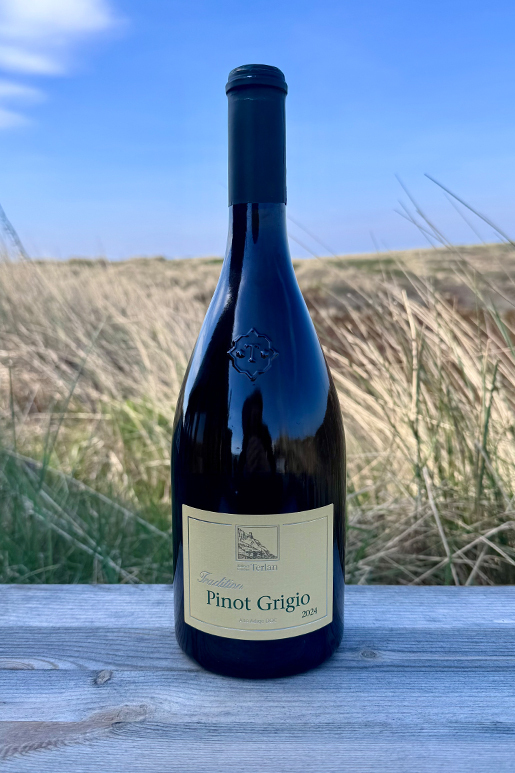
Cantina Terlano (Alto Adige, Italy) – pictured

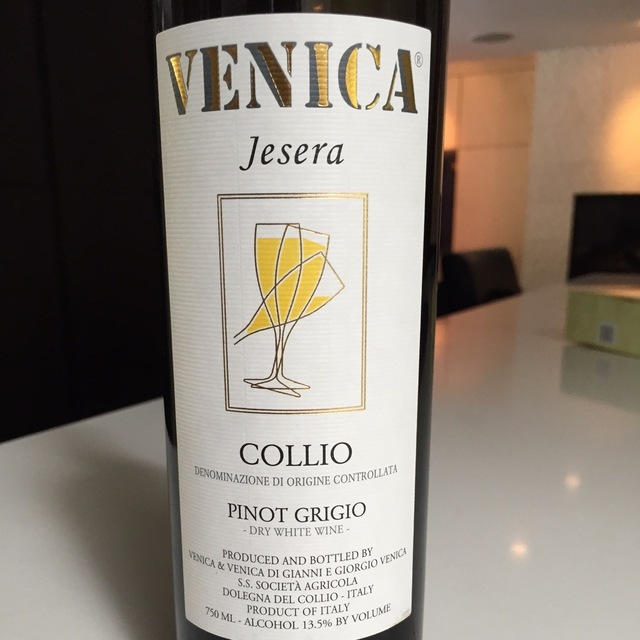
Venica & Venica (Friuli, Italy) – pictured

Neumeister (Styria, Austria)

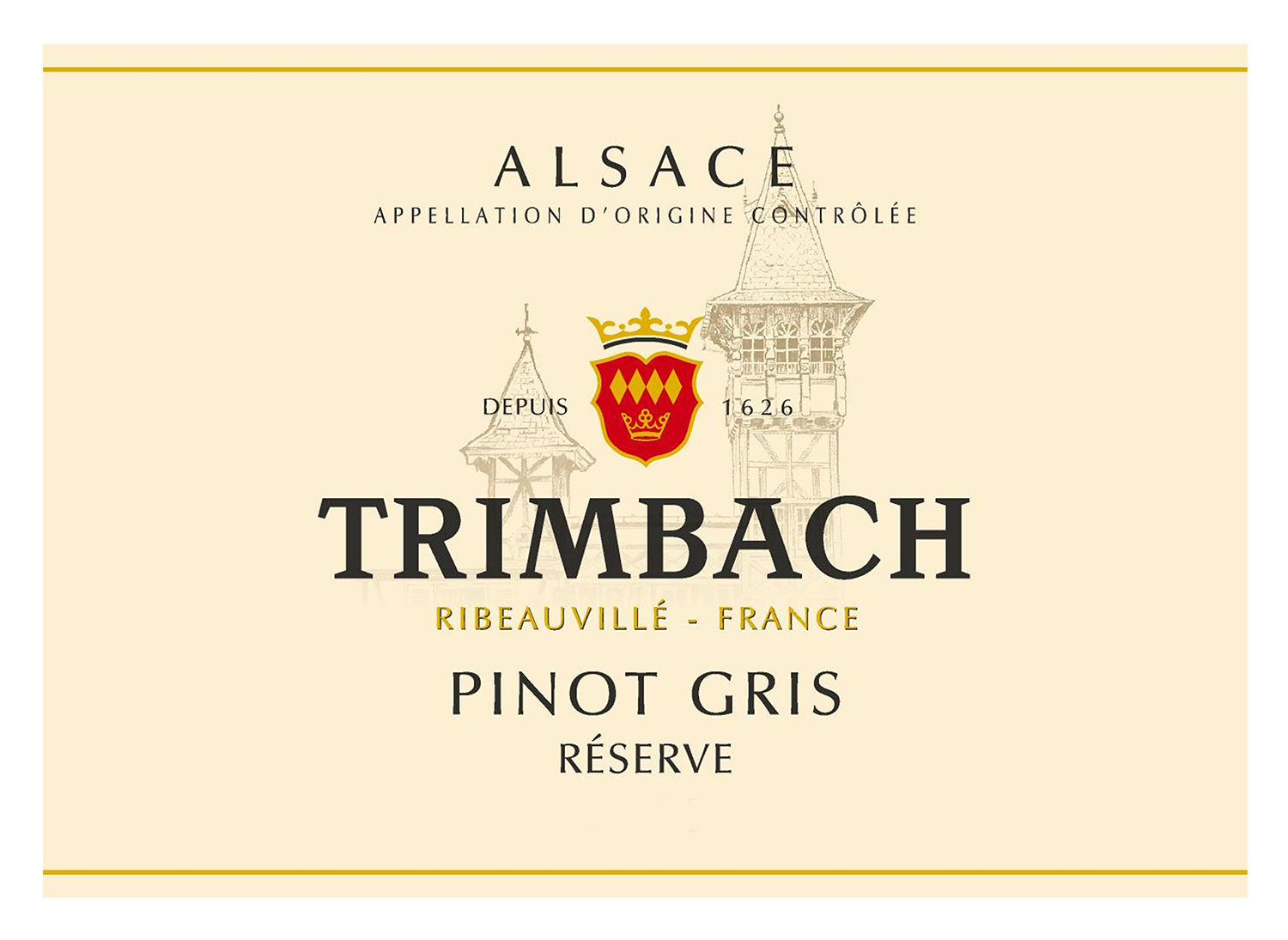
Trimbach (Alsace) – pictured

Zind-Humbrecht (Alsace)


Cheers,

Michael

michael@michaelpour.com

Wine & The Moon: The Lunar Influence

February
24
2026

I’ve always had an interest in astrology, oracle, alchemy, and the occult sciences. Recently I’ve been fascinated with how it applies to wine and wine tasting. Let’s take a closer look! As one subscriber stated, “This is so interesting, Michael! None of this ever occurred to me, so I find it quite enlightening.”~ Trie

Do you remember all the hype about the Blood Moon during the lunar eclipse? Maybe not, unless you typically follow this kind of stuff. It made me think about the moon and the universe’s impact on wine drinking. You don’t have to be a ‘wine witch‘ to be interested in it. Do you enjoy reading your daily horoscope and believe in what the universe is telling you?

The moon actually plays a crucial role in viticulture, influencing key vineyard activities such as pruning and harvest, as well as (for many) the best times for wine tasting. If you believe that wine is a living organism, then it’s reasonable to think that it is affected by the moon just as much as other living things.

The focus on the moon and how it affects life on earth goes as far back as 1st century Roman naturalist, Pliny the Elder, who said the moon “replenishes the earth; when she approaches it, she fills all bodies, while, when she recedes, she empties them.”

The lunar calendar has been used for centuries by farmers to determine when to plant and harvest. Other professions, like gardeners, religious leaders, and fishermen use it in their work. The Old Farmer’s Almanac uses the same lunar calendar to recommend planting schedules. Professional astrologers use lunar cycles for scheduling major life events, such as weddings, funerals, opening businesses, etc…

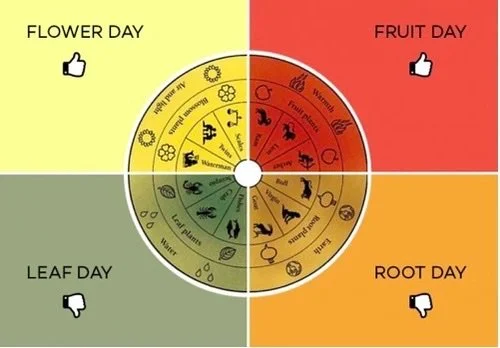
Rudolf Steiner, who created the biodynamic farming system in the 1920s, saw vines linked to the four elements – earth, air, water, and fire. Each element is favored when the moon passes into the constellations associated with it, thereby determining when a wine tastes best.

This concept was later expanded upon by Maria Thun in the 1960s. She developed a calendar indicating the best days for tasting wine—a theory further refined by her son, who authored When Wine Tastes Best, which is now an app. Check it out!

The principle suggests that not only do plants respond to the positions of the moon, sun, and planets, but that we can enhance various aspects of winemaking by considering these celestial alignments. Many of the best winemakers in the world swear by it. For example:

Fire constellations direct energy towards fruit-bearing, making them prime harvesting days.

Earth constellations focus a plant’s energy on its roots, making these ideal days for pruning.

The lunar calendar also suggests that wine can taste different depending on the day you drink it. Here are the basics. What is your sign and element?

Fruit Days: Wines are at their most expressive, showcasing a full range of aromas and flavors. These are the best days for wine tastings or enjoying a special bottle. Fruit days are when the moon is in any of the Fire Signs, such as Aries, Leo, and Sagittarius. Fruit days are the most optimal wine tasting days.

Flower Days: Wines highlight their delicate floral notes, making these days ideal for appreciating aromatic white wines and elegant reds. Flower days are when the moon is in any of the Air Signs, like Gemini (moi), Libra, and Aquarius. Flower days are recommended for enjoying aromatic wines, such as Viognier or Torrontes.

Leaf Days: Wines may exhibit more vegetal and herbaceous qualities, which can be intriguing but might not be ideal for your finest bottles. Leaf days are when the moon is in any of the Water Signs, such as Cancer, Scorpio, and Pisces. Leaf days are days when the plant is focused on producing chlorophyll, and are generally not recommended for enjoying wine.

Root Days: Wines often taste more subdued, with heightened tannins and earthy notes. Generally considered the least favourable for tasting. Root days are when the moon is in any of the Earth Signs, such as Capricorn, Taurus, and Virgo. If you follow the lunar calendar for wine tasting, root days are not good days to enjoy wine.

Node Days: Occurring when the moon crosses the Earth’s orbit, these are typically days when wines are more ‘closed’ and less expressive.

Does the moon really affect how good a bottled wine tastes? Is this wine tasting trick the reason why the same bottle sometimes doesn’t taste as good the next time you open it?

Some days you may taste a wine that you know well, and nothing really impacts you, while other days, one wine is better than the next. Instead of blaming it on the wine, think about it from a human perspective. We humans are susceptible to full moons, high pressure, and so on. Do the wines change based on the planets, moon, or alignment of the stars? Or is it that our perceptions may change?


Above is an excerpt from the app. For some beyond-logical reason, red wine seems to taste better on a “fruit day.” White aromatic wines really seem to sing on a “flower day.” So maybe if you’re anxious to pop open that vintage Bordeaux you’ve been waiting to open for years, you should consult the free When Wine Tastes Best app on your phone.

Is Today a Flower Day? Here is the link to the Lunar Calendar for all things – Lunar calendar for today – live in the rhythm of nature

Share your astrological sign and element under comments here or on social media. It will be fun! Just a reminder, if you signed up for the free newsletter, you would have automatically received this story when published.

Cheers,

Michael (Gemini & Air)

michael@michaelpour.com

(cover photo courtesy of Scott Harvey Wines)

Wine Glass

DON’T MISS A DROP

Get notified when new articles are poured

We don’t spam!