A poll was conducted on Instagram and the results are based on 25 responses.
The four choices given in the poll were – Sauvignon Blanc 40%, Riesling 36%, Chenin Blanc 20%, Pinot Gris/Grigio 4%. An additional 10 different white wines were submitted in comments.
The winner is “Sauvignon Blanc”. Because Sauv Blanc was the winner, I will feature it later in this story. Sauvignon Blanc is produced all over the world so I will explain the differences from region to region and fun facts about this noble grape.
There were several people who wrote in their choice of these four, as well as other white wines, that they like to drink in the summer from the additional list provided or others that they like.
These write-in responses are not included in the above percentages but listed below with country/region. Every wine mentioned on the post were included. Pinot Grigio and Sauvignon Blanc, which were choices on the poll, were written in and not reflected in percentages.
Submitted whites – Verdejo (Spain), Gruner Veltliner (Austria & US), Chablis (France), Riesling (FLX), Alsace Riesling (France), Albarino (Spain & Portugal), Txakoli (Spain), Vinho Verde (Portugal), Chardonnay (all over), Sancerre (Sauvignon Blanc from Loire Valley France).
I included other great summer white wines not voted for or listed as people’s favorite below. They can be super refreshing, crisp, and brilliant this warm, summer season regardless of your plans.
If you would like to try something different for your summer wine drinking and expand your summer palate, seek them out and give them a whirl.
A few quotes. Thank you to all those who participated. It really made this a fun story! –
“Albarino and Txakoli are two other summer favorites” ~ thesipseries
“I like a crisp Chablis. Cold sauvy b (from any region) is also a plus. But please do not put jalapenos in it” ~ mollyb
“I also love Vihno Verde in the summer”~ sonyab
“I also love a good Chardonnay! Don’t really care where its from”~ rebekkah
“I like a crisp Sancerre in the summer. Also, Albarino is another favorite”~ shannonp
Most of these varietals are specific to their native land and difficult to find here in the states. They range from aromatic, light, medium, and full-bodied and from dry to off-dry to medium-dry. Listed by country of origin and region, if significant, body, and sweetness level.
Italy –
Trebbiano Toscano – light to full bodied and dry to off dry
Vermentino – light bodied and dry
Greci di Tufo – medium to full bodied and dry
Verdicchio – light bodied and dry
Fiano – light bodied and dry
Garganega/Soave – light bodied and dry
Greece –
Assyrtiko – light bodied and dry
Argentina –
Torrontes – aromatic and dry to off dry
France –
Semillon (White Bordeaux, Australia, US) – light to full bodied and dry
Viognier (Rhone, US, Australia, similar to Chardonnay) – aromatic and dry
Marsanne (Rhone) – light to full bodied and off-dry
Roussanne (Rhone) – light to full bodied and dry
Aligoté (White Bordeaux) – light bodied and dry
Picpoul (mostly Loire Valley) – light bodied and dry
France & Spain –
Grenache Blanc/Garnacha Blanc – dry and light to full bodied.
France, Italy, Greece & others –
Muscat Blanc – aromatic and dry to medium dry in France
All over Europe and some pockets in US –
Pinot Blanc – dry and light bodied
US, France & all over the world –
Gewurztraminer – aromatic and dry to off dry
If you would like to learn more about any of these delicious white wines, please reach out. Have you experienced a glass or bottle of Sauvignon Blanc from different parts of the world?
Sauvignon Blanc
Here is a take on your favorite Sauvy Blanc grape. If you’ve been sipping from the same bottle of SB over the years, you know, that one called “Kim Crawford” from New Zealand, then you may not realize that it is produced all over the world, not just in NZ.
During my recent time in Columbia Valley, Washington, I had the pleasure of experiencing some really good ones. It is the same grape no matter where it is planted, but because it is grown in a different place, it becomes a completely different wine.
Here are four expressions of Sauv Blanc from four elite wine regions. Some may know of them, while others may be surprised. SB used to be the ‘it” girl, but is gradually being replaced by the trendy Chenin Blanc for that title. My wine colleague, Molly B, loves it very cold!
Sancerre
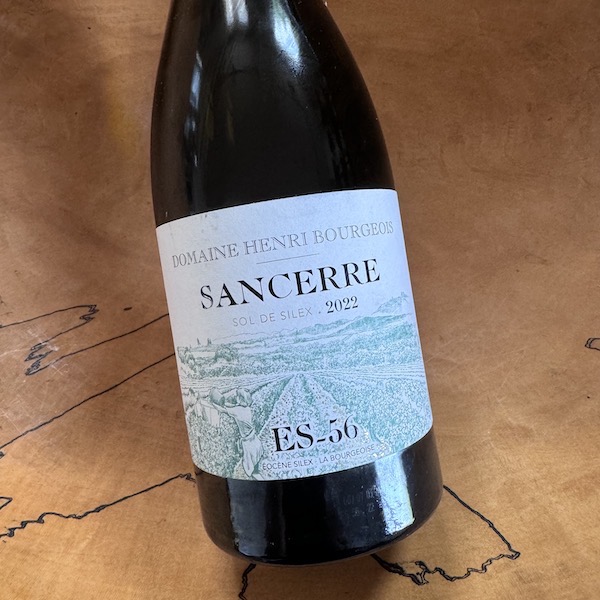
Sauvignon Blanc is called Sancerre in the classic Loire Valley of France. The most popular regional wine of the Loire is Sancerre. It is largely produced in the Touraine region. Sancerre is lean and mineral driven with notes of citrus, in particular lime and grapefruit, gooseberry, possibly some green apple, herbal flavors (same compounds found in green peppers), and slate/flint. My friend, Shannon P. is a big fan!
There can be some smokiness, which is unusual for whites, considering the lack of oak influence. Stylistically, the Sauvignon Blanc from Damiani Wine Cellars called “Little Lotus Flower” in the Finger Lakes Region of NY is similar to a Sancerre.
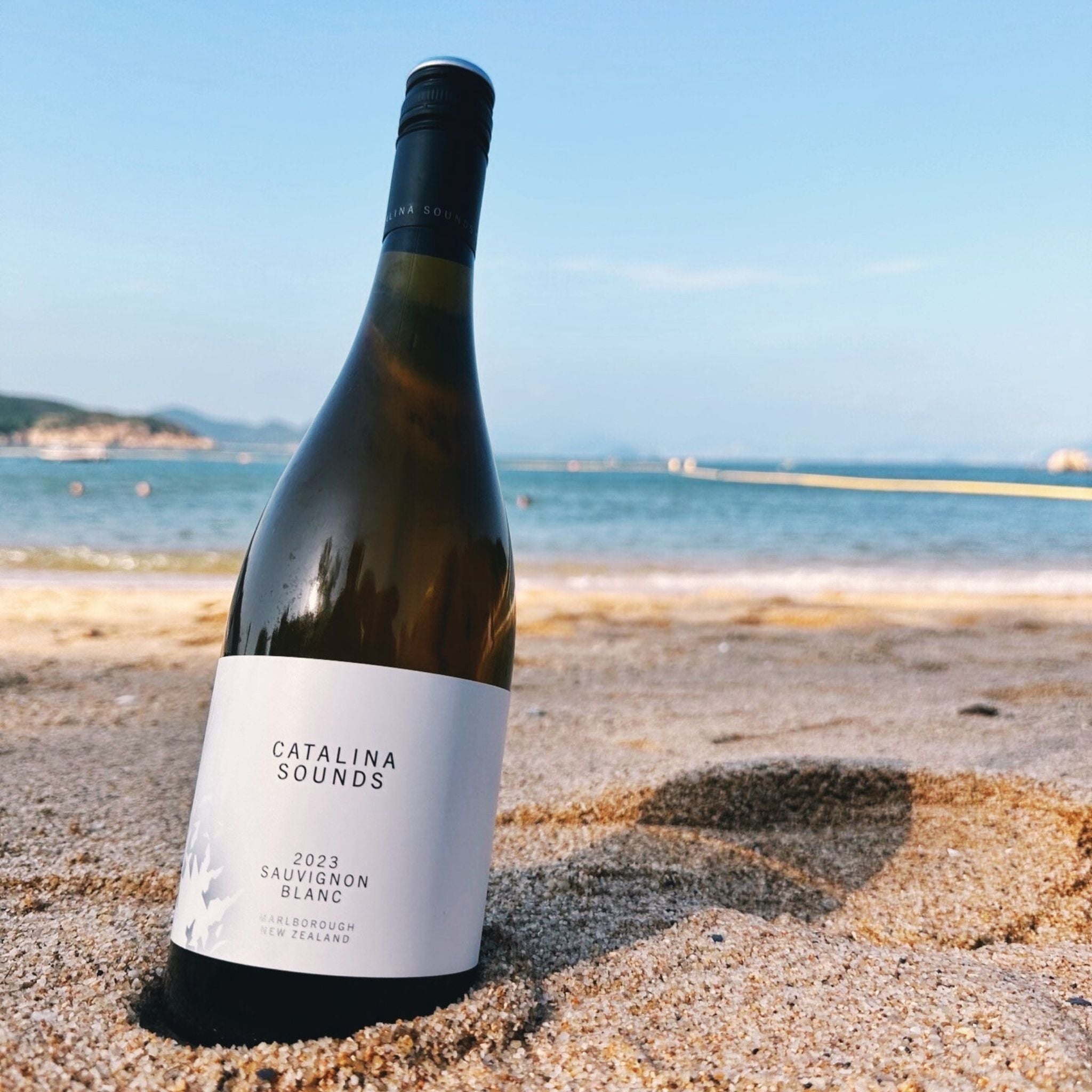
Marlborough, South Island, New Zealand
Sauvignon Blanc is New Zealand’s most important grape and Marlborough is the top producing region. The wines here offer more green tropical fruit notes, like kiwi, passion fruit, and pear, that contain a touch of residual sugar to help balance out the high acidity in the grapes.
The wines can be explosively aromatic with the aroma source of freshly cut grass. It can be zesty. That’s a signature aroma that can help you determine that you’re drinking a SB from NZ.
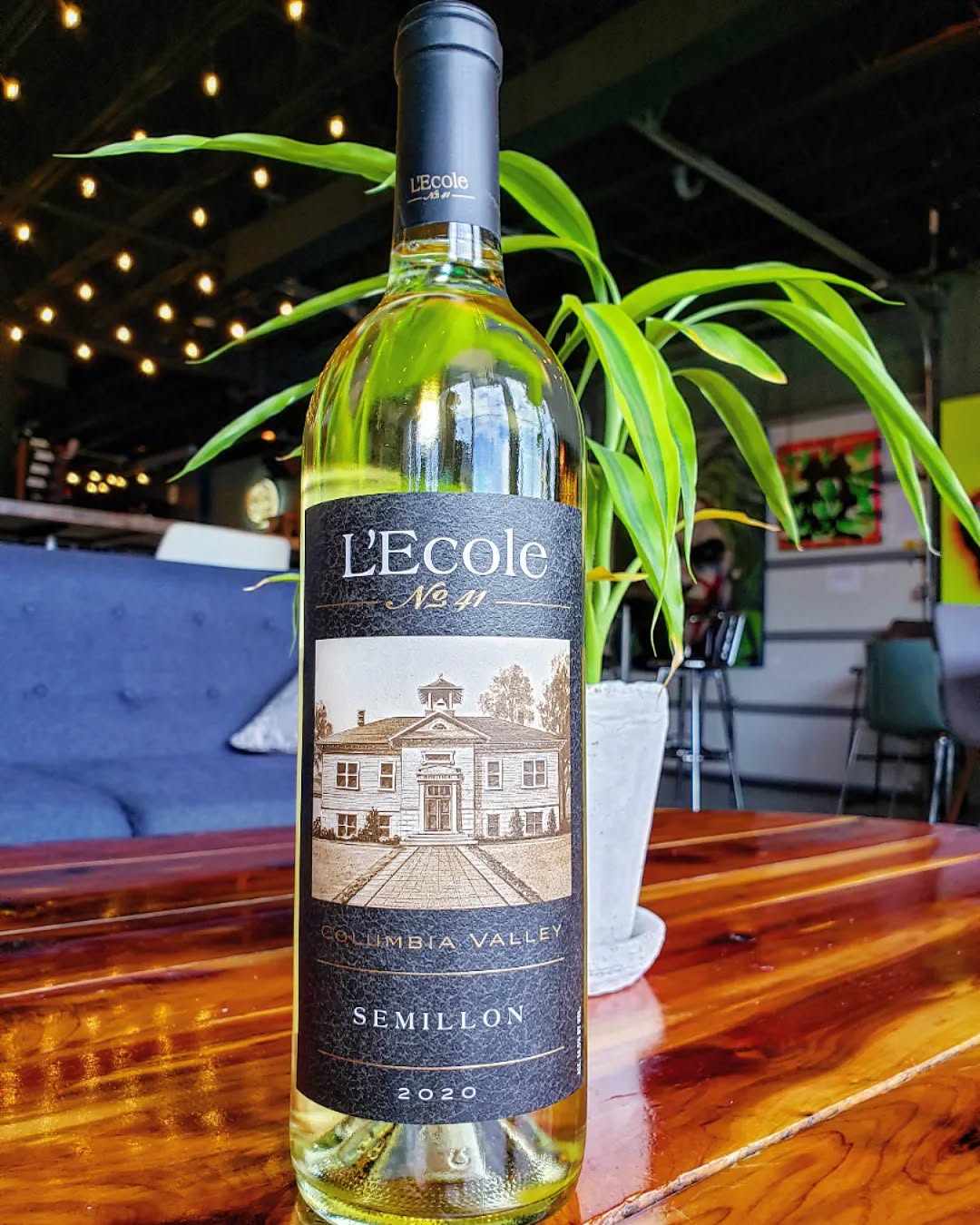
White Bordeaux, France
Here Sauvignon Blanc is more structured and textured. Notes of citrus, in this case, more lemon and grapefruit, and honey and light wax/lanolin texture. It is often blended with Semillon from Bordeaux, a fuller bodied wine with a rounder and creamier texture and notes of apple. Semillon can age better than Sauvy B so this blend can give you more years to drink. Some of the best sweet, dessert wine called Sauternes is made from Semillon.
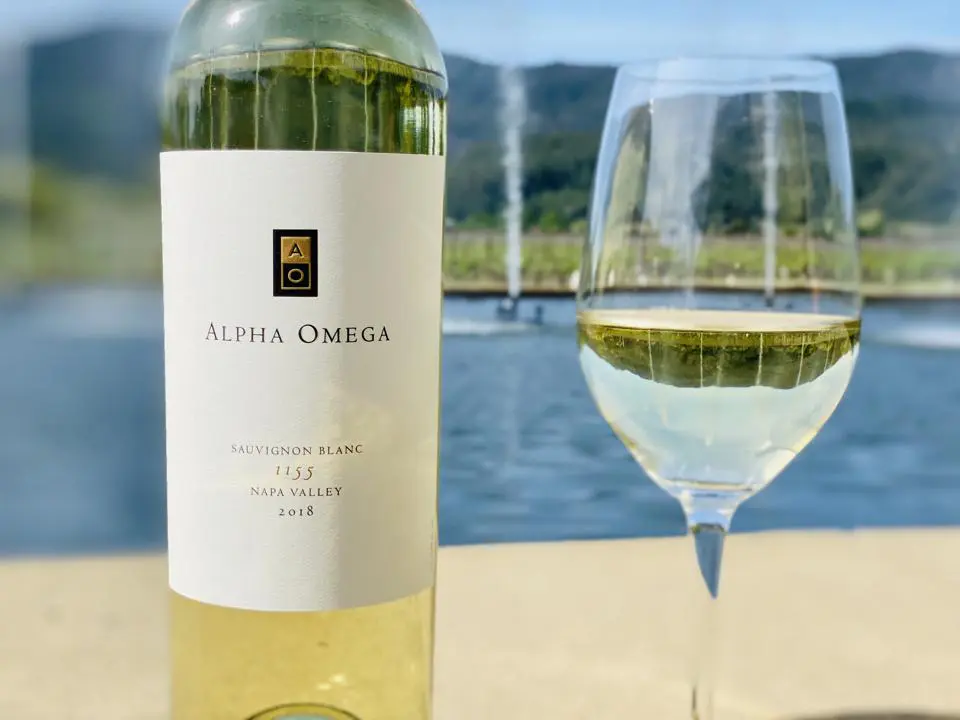
Napa Valley, California, USA
Sauvignon Blanc in the warm Napa and Sonoma Valleys can offer a riper, richer, and more generous version of the grape. Notes of tropical fruit, like melon, and stone fruit, like white peach dominate while still displaying a little citrus and herbaceous notes. Some Sauvignon Blancs in Napa are aged in oak creating more texture, complexity, and vanilla notes. Even in this warmer climate, the wines have ample acid backbone, and the good winemakers make it shine with the fruit.
What does all Sauvignon Blanc have in common?
All Sauvignon Blanc wines share a foundational profile characterized by high acidity, a dry, light-to-medium body, and vibrant, herbaceous, and fruit-forward aromas, typically spanning citrus (grapefruit, lime, lemon) to tropical notes (kiwi, melon, passion fruit).
It is consistently a cool-climate or high-acidity grape used to produce crisp, refreshing, and usually unoaked white wines. Most are produced to be drunk young, crisp, and fresh. Alcohol content generally ranges from 11.5% to 14% ABV.
While climate affects whether the wine tastes greener/herb-forward (cooler, e.g., Loire Valley) or tropical fruits (warmer, e.g., California), its fundamental “green,” high-acid structure remains consistent.
Sauvy Blanc is very food-friendly wine because of the high acidity and lighter body. Pair it with herb or citrus-driven sauces, green veggies and summer salads, salty cheeses, herb-crusted chicken (Napa especially), white fish, oysters and mussels (Sancerre especially), scallops, and all kinds of Asian cuisine (New Zealand, especially).
What other white wines are similar to Sauvignon Blanc in terms of its style and profile?
Fume Blanc (Loire), Gruner Veltliner, Vermentino, Chenin Blanc (Loire), and Verdejo.
Here are my recommendations for each regional Sauvignon Blanc. The exception is that I chose a Semillon was Wash State, US instead of one from Bordeaux.
Domaine Henri Bourgeois ES-56 Sancerre 2022
Chateau Brondelle 2021 Graves Sauvignon Blanc Semillon
St. Supery 2020 Napa Valley Sauvignon Blanc
Dog Point Vineyard 2025 Marlborough Sauvignon Blanc
Cheers & Sante,
Michael XOXO